
Fruits are often considered a staple in a healthy diet, but it's surprisingly easy to get things wrong when it comes to enjoying them. These mistakes can impact the nutritional value and the benefits you get from your favorite fruits. This is why we've identified 11 common mistakes people make regarding their fruit.
Understanding how to properly choose, eat, and store fruits can significantly help you acquire all their healthy contents. After all, common misconceptions about fruit can lead to missed opportunities for better nutrition and well-being By learning to avoid these pitfalls, you can make sure you're truly getting the most out of your fruit consumption.
Armed with the right knowledge, you can enjoy the great benefits of fruit in a way that supports your health and enhances your diet. Let's get to it!

Drinking juice is not as nutritious as eating whole fruit

Drinking fruit juice is often mistakenly considered as healthy as eating whole fruit. However, juice lacks the dietary fiber found in whole fruits, which is essential for digestion and maintaining stable blood sugar levels. Additionally, many commercial juices contain added sugars and preservatives, reducing their nutritional value. The fiber in whole fruits slows down the absorption of sugar, preventing blood sugar spikes.
Consuming whole fruits also leads to a greater feeling of fullness, aiding in weight management. Therefore, while juice can be part of a healthy diet, it should not replace whole fruits.
Not knowing how long smoothies or freshly squeezed juice retain nutritional value
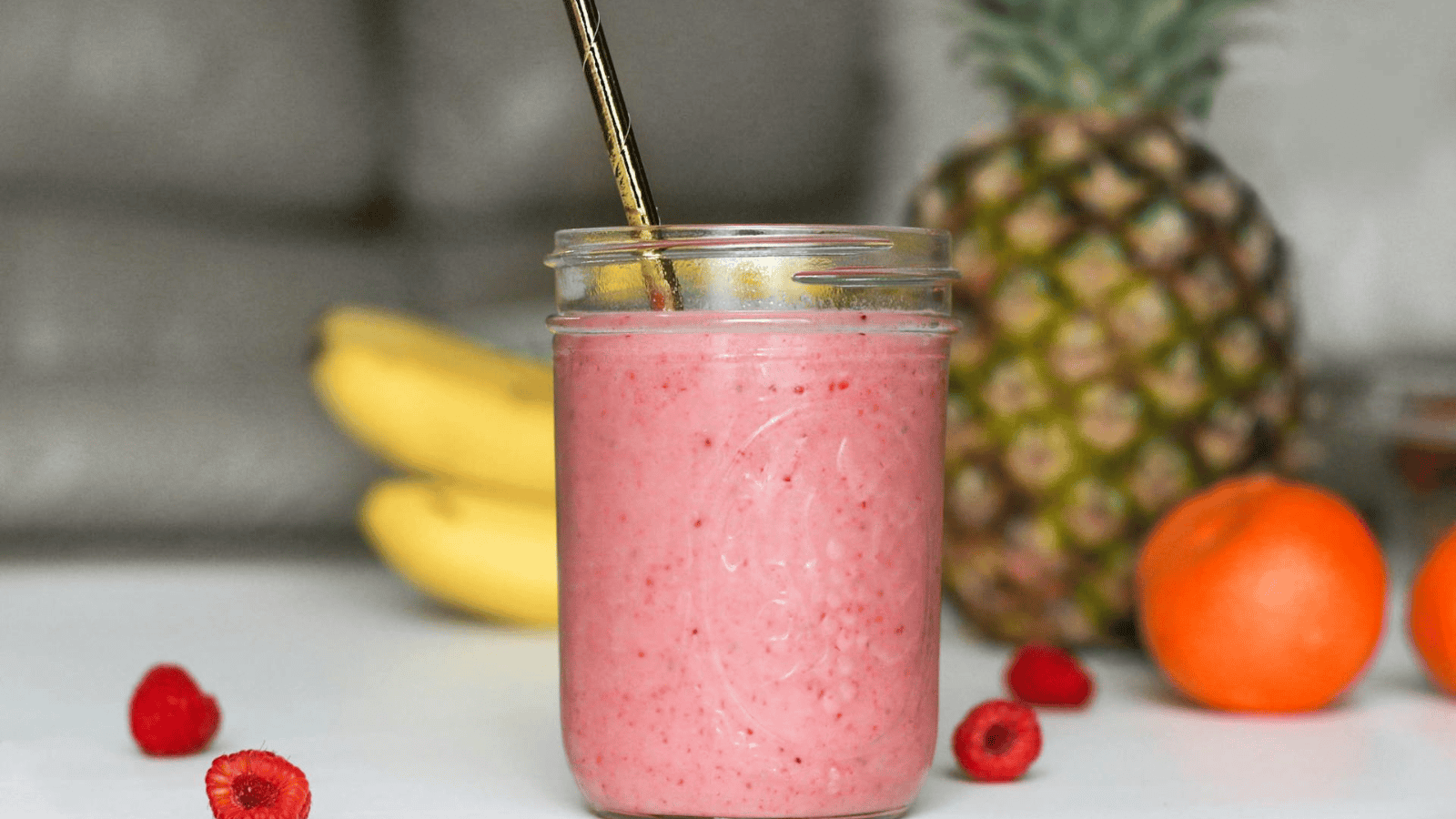
Freshly squeezed juice and smoothies are often believed to retain their nutritional value indefinitely, but this is not the case. Once fruits are blended or juiced, they begin to lose vitamins, particularly vitamin C, due to exposure to air and light. This oxidation process can significantly reduce their nutritional value within 15-30 minutes.
To maximize nutrient intake, it's best to consume smoothies and juices immediately after preparation. Storing them in airtight containers and refrigerating them can slow down nutrient loss, but some degradation is inevitable. Therefore, for the highest nutritional benefits, fresh consumption is key.
Assuming all fruits are equally healthy
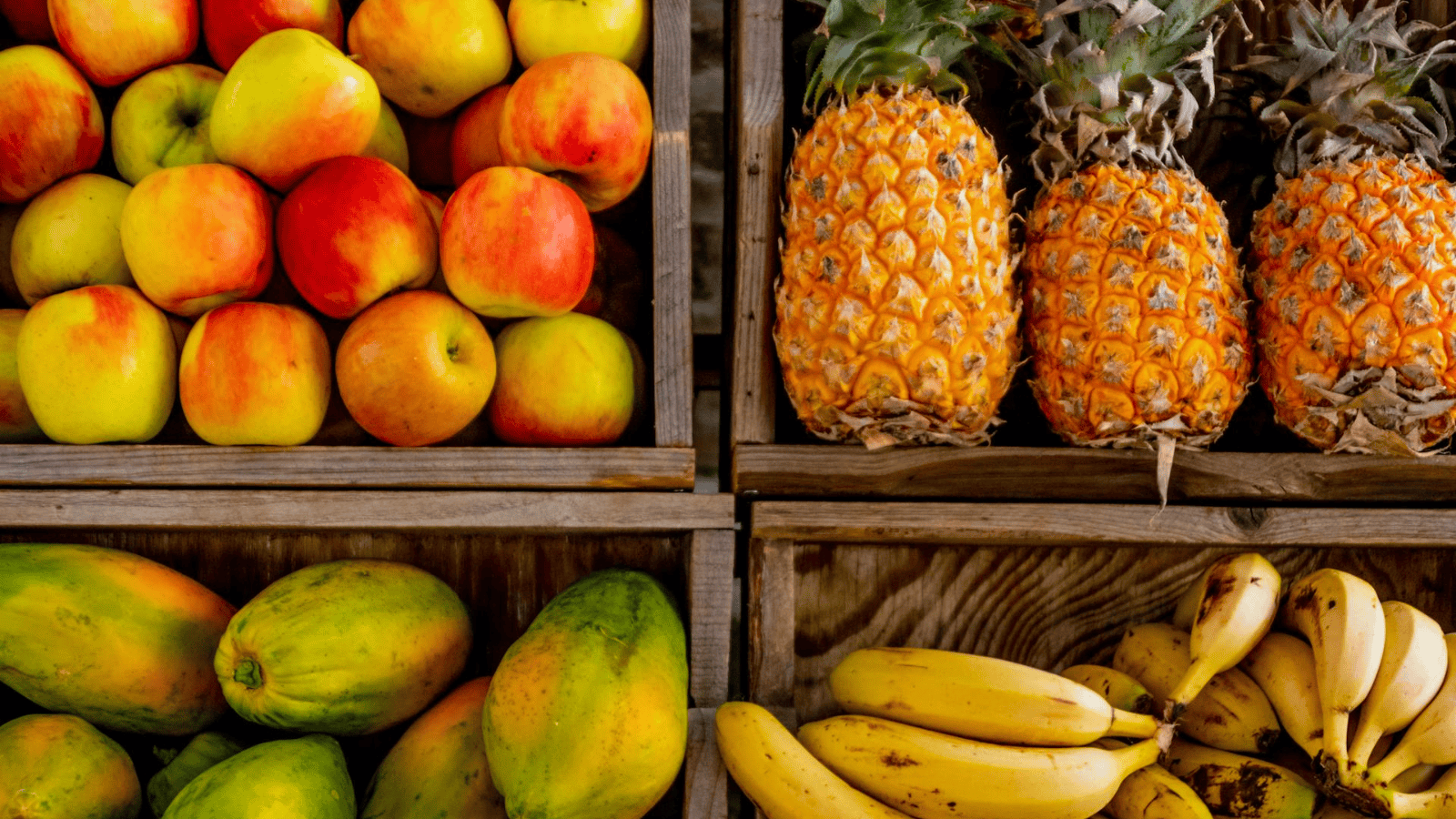
It's a common misconception that all fruits guarantee the same health benefits. In reality, fruits vary significantly in their nutrient profiles. For example, berries like blueberries and strawberries are rich in antioxidants, which can protect against oxidative stress and inflammation.
On the other hand, fruits like bananas and grapes are higher in natural sugars and can contribute more to caloric intake. Additionally, some fruits have specific benefits; citrus fruits are excellent sources of vitamin C, while avocados contain healthy fats. Understanding these differences helps in selecting fruits that align with specific dietary needs and health goals.
Overlooking the sugar content in fruit

Many people overlook the sugar content in fruits, thinking that all natural sugars are harmless. While fruits are healthier than processed sugary snacks, some fruits, such as grapes, mangoes, and bananas, have higher sugar levels. For individuals monitoring their sugar intake, such as diabetics, consuming these fruits in moderation is crucial.
High-sugar fruits can lead to rapid spikes in blood glucose levels. To manage sugar intake, consider pairing fruits with protein or healthy fats, which can help stabilize blood sugar levels. Additionally, opting for lower-sugar fruits like berries, kiwi, and melons can be a better choice for those concerned about sugar.
Eating only fruit for meals

Relying solely on fruit for meals is a common dietary mistake. Fruits, while nutritious, lack essential macronutrients like protein and fats needed for a balanced diet. A diet consisting only of fruits can lead to deficiencies in these nutrients, affecting muscle maintenance, energy levels, and health.
For instance, while fruits have vitamins, minerals, and fiber, they don't supply adequate protein, which is vital for repairing tissues and maintaining muscle mass. Incorporating a variety of food groups, including lean proteins, healthy fats, and complex carbohydrates, alongside fruits, helps achieve a more balanced intake of nutrients, promoting better health and satiety.
Ignoring seasonal and local fruits

Many people consume fruits without considering their seasonality or origin. Seasonal and local fruits are typically fresher, richer in flavor, and more nutritious compared to out-of-season and imported options, which may be harvested prematurely and stored for long periods. Local fruits have shorter transit times, retaining more nutrients and reducing the carbon footprint associated with long-distance transportation.
Seasonal fruits are often more affordable and align better with our body's nutritional needs during specific times of the year. Embracing seasonal and local fruits supports local agriculture, delivers fresher produce, and enhances your eating experience with better taste and nutrition.
Discarding the skin

Fruit skins are often discarded, but they contain a significant portion of the fruit's nutrients and fiber. For example, apple skins are rich in antioxidants, such as quercetin, and dietary fiber, which aids digestion and promotes a healthy gut. Similarly, the skin of fruits like peaches, pears, and plums also contains valuable nutrients.
Removing the skin not only reduces the fiber content but also eliminates phytonutrients that have various health benefits, including anti-inflammatory and anti-cancer properties. While it's important to wash fruits thoroughly to remove pesticides, consuming them with the skin can maximize their nutritional benefits and support health.
Not washing fruits properly

Not washing fruits properly before consumption can expose individuals to harmful pesticides and bacteria. Fruits, especially those grown conventionally, can carry residues of agricultural chemicals and pathogens from handling and transportation. Consuming unwashed fruits can lead to foodborne illnesses and long-term health risks from pesticide exposure.
It is essential to wash fruits under running water and, when necessary, use a brush to remove dirt and contaminants. For extra precaution, using a vinegar solution can help eliminate more residues. Proper washing practices make fruits safe to eat and allow their nutritional benefits without the risk of ingesting harmful substances.
Assuming dried fruit is just as healthy as fresh fruit

Many people believe dried fruit is as healthy as fresh fruit, but this is a misconception. While dried fruits retain some vitamins and minerals, the drying process often results in significant nutrient loss, especially vitamin C.
Additionally, dried fruits are more calorie-dense and can contain added sugars and preservatives, making them less healthy. For instance, a serving of dried apricots is much smaller in volume than fresh apricots but has a higher sugar and calorie content. Dried fruits can also stick to teeth, increasing the risk of dental issues. Moderation is key, and fresh fruit is generally a healthier choice.
Storing fruits improperly

Improper storage of fruits can lead to nutrient loss, spoilage, and reduced flavor. For example, refrigerating bananas can cause their skins to blacken and their texture to become mushy. Apples stored with other fruits can accelerate ripening due to ethylene gas production.
Each fruit has specific storage requirements to maintain freshness and nutritional value. Berries should be kept in the refrigerator and consumed quickly, while citrus fruits can be stored at room temperature for short periods. Understanding the best storage practices for each type of fruit helps preserve their quality, extends their shelf life, and keeps them nutritionally beneficial.
Believing fruit can't be eaten with other foods

Some people believe that fruit should be eaten alone to avoid digestive issues, but this is generally unnecessary for most individuals. Fruits can be combined with other foods to create balanced meals that guarantee a mix of macronutrients and enhance nutrient absorption.
For instance, pairing fruits with proteins or healthy fats, like adding berries to yogurt or apple slices with almond butter, can slow down sugar absorption and increase sustained energy. Combining fruits with other foods can also make meals more complete nutritionally. While some may experience digestive sensitivities, most people can consume fruits alongside other foods without problems.
No more fruity blunders

In summary, while fruit is a fantastic part of any diet, it's easy to make mistakes that can lessen its benefits. Common pitfalls like choosing juice over whole fruit, improper washing, and discarding nutrient-rich skins can significantly impact the nutritional value you receive. Additionally, the way you store and consume fruit plays a crucial role in maintaining its benefits. B
y being aware of these common mistakes, you can make better choices that enhance your fruit intake. Opting for whole fruits, paying attention to storage, and preparing them make sure you get the most out of every bite. These small adjustments help maximize the nutritional benefits and make fruit a more effective part of a balanced, healthy diet.
In the end, it's all about making mindful changes to your habits. Whether you're trying to eat healthier or just love fruit, these simple changes can lead to a big difference. Enjoy fruit the right way!