
Keeping kids healthy can feel like a full-time job, especially when they're exposed to all kinds of germs at school or on the playground. One of the smartest ways to support their body's defenses is through the foods they eat. Fortunately, these 11 foods that help strengthen the immune system response in kids can help their bodies respond better when they face viruses or infections.
It's important to remember that feeding kids well doesn't mean strict rules or cutting out everything fun. Instead, focusing on foods that naturally support health can build a foundation for stronger immunity. Adding these foods to a child's diet is a practical and easy way to help them stay healthier. Small steps with food choices can lead to big benefits when it comes to keeping kids feeling good and ready to take on their day.

Sweet Potatoes
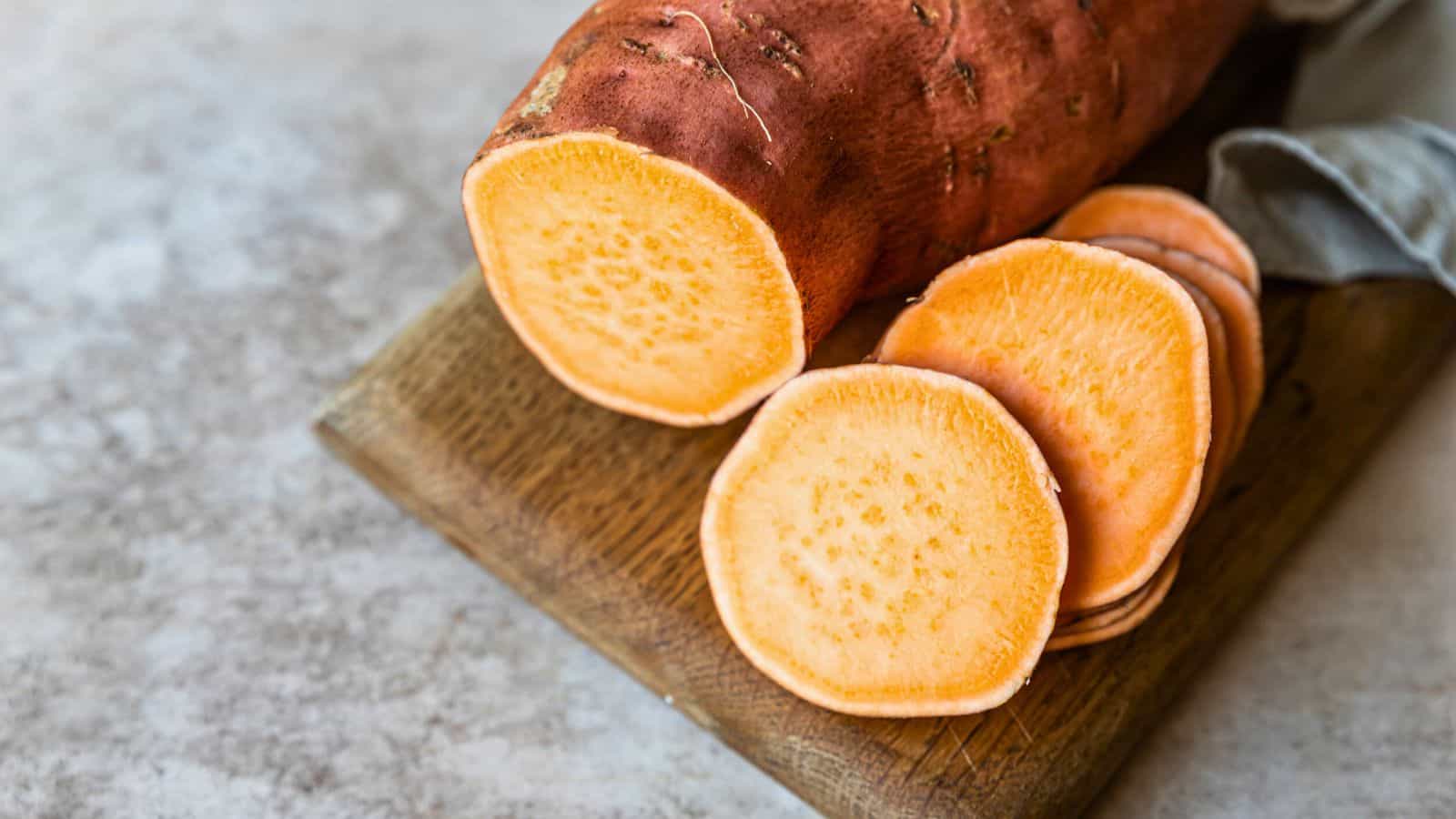
Loaded with beta carotene, sweet potatoes help the body produce vitamin A, which is essential for maintaining the integrity of skin and mucous membranes, the first line of defense against infections. They also contain vitamin C and other antioxidants that contribute to immune function. The natural sweetness and soft texture make sweet potatoes a popular choice for children. They can be prepared in a variety of ways, such as baking or mashing, to add nutrient-rich options to a child's diet that support immune health.
Garlic
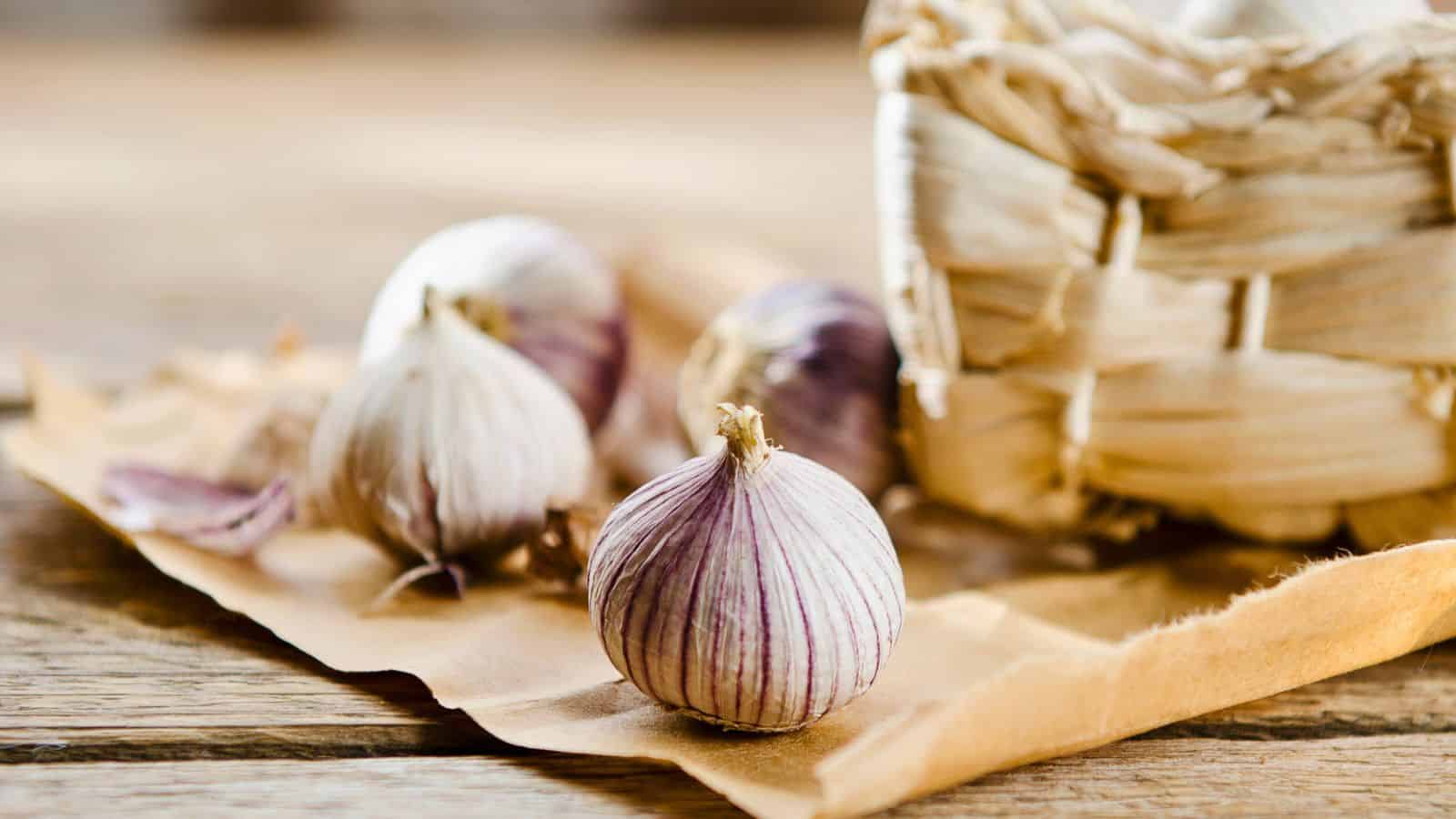
Known for its natural compounds, garlic supports the immune system by helping the body combat germs and infections. Allicin, a sulfur-containing compound found in garlic, has been studied for its antimicrobial and antiviral properties. Incorporating garlic into meals can assist in reducing the severity and frequency of colds and other illnesses. It also contains antioxidants that help protect cells from damage. Using fresh garlic in cooking or as a mild addition to foods can be beneficial for children's health.
Spinach
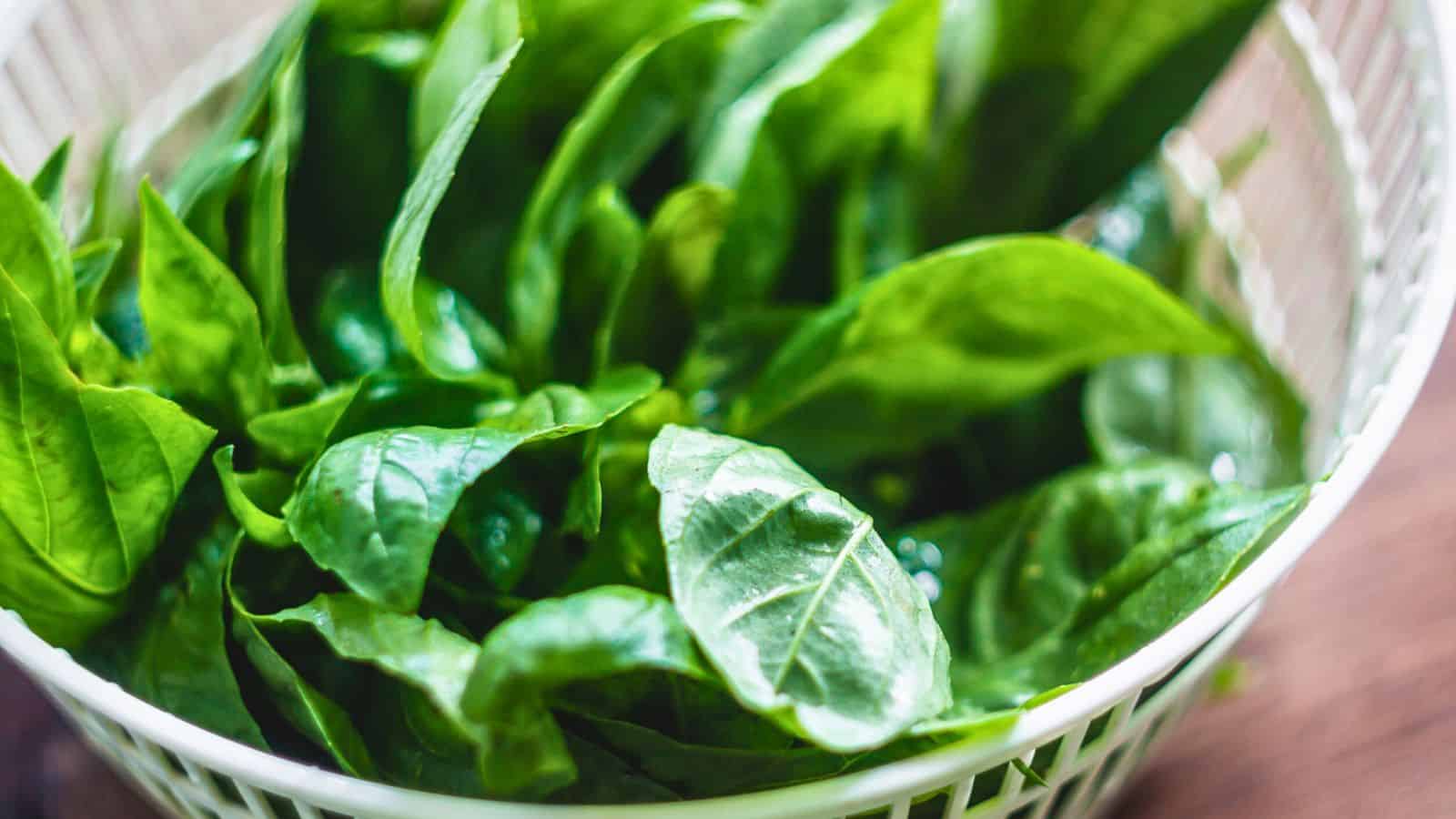
Spinach is loaded with nutrients that support the immune system, including vitamin C, beta carotene, and antioxidants. These nutrients help strengthen the body's natural defenses against infections. Vitamin C aids in the production of infection-fighting cells, while beta carotene is converted into vitamin A, important for maintaining healthy skin and mucous membranes that act as barriers to pathogens. Spinach can be served raw in salads or cooked lightly to retain its nutritional value, making it a versatile vegetable for children's meals.
Lean Chicken
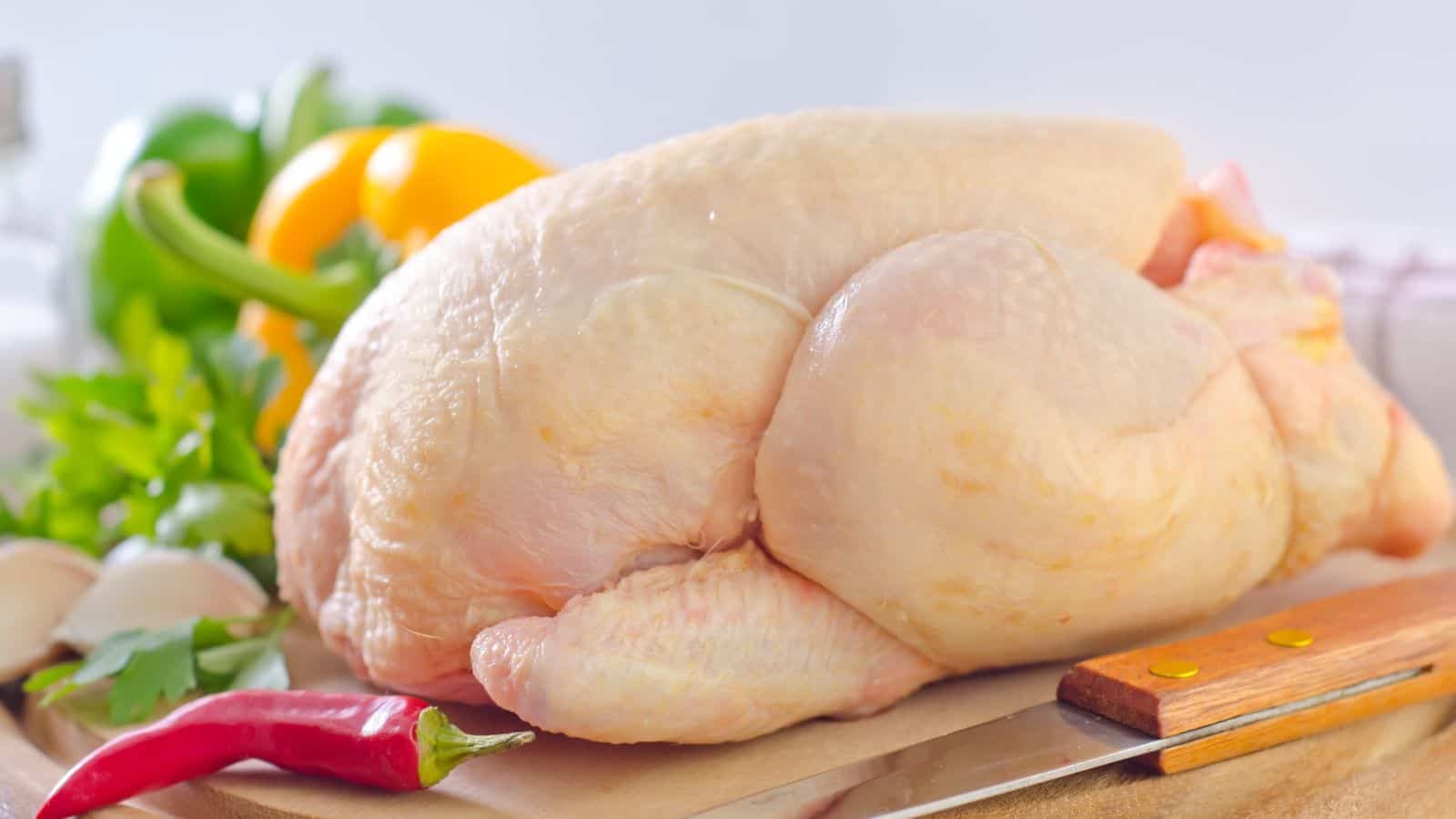
A valuable source of high-quality protein, lean chicken supports the body's ability to repair tissues and build immune cells. It also contains zinc, a mineral that plays a critical role in maintaining immune defenses by assisting in the development and function of immune cells. Including lean chicken in meals can help meet the nutritional needs necessary for a strong immune response. Preparing it without heavy fats or breading keeps it a healthy option for children, contributing to their growth and immune health.
Sunflower Seeds
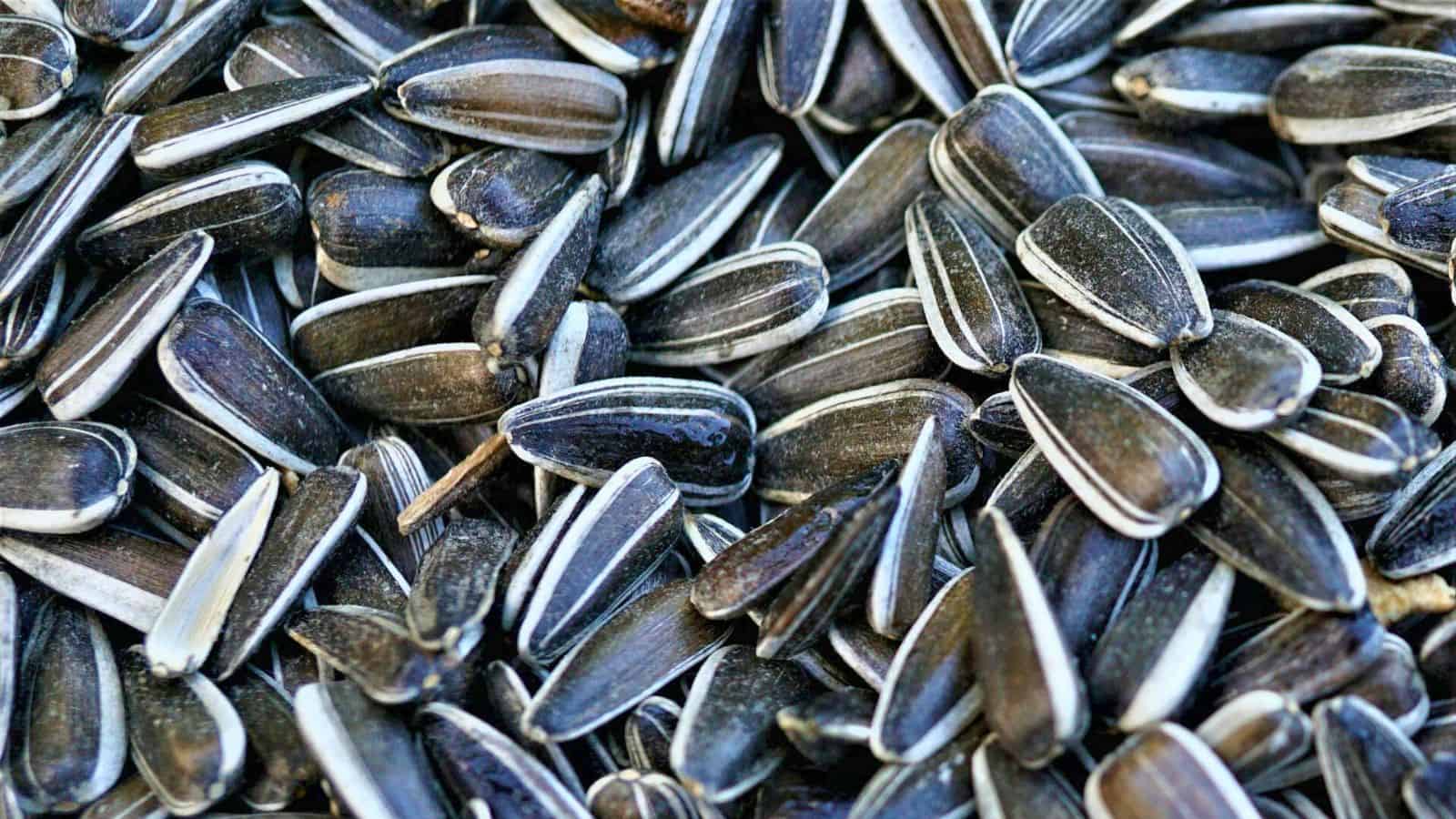
Containing significant amounts of vitamin E, sunflower seeds contribute to protecting immune cells from oxidative damage. This vitamin works alongside other antioxidants to maintain the body's defense system. These seeds also provide healthy fats and minerals such as magnesium, which support various bodily functions, including immune regulation. Offering sunflower seeds as a snack or adding them to salads and dishes can help children receive important nutrients that support their immune systems.
Almonds
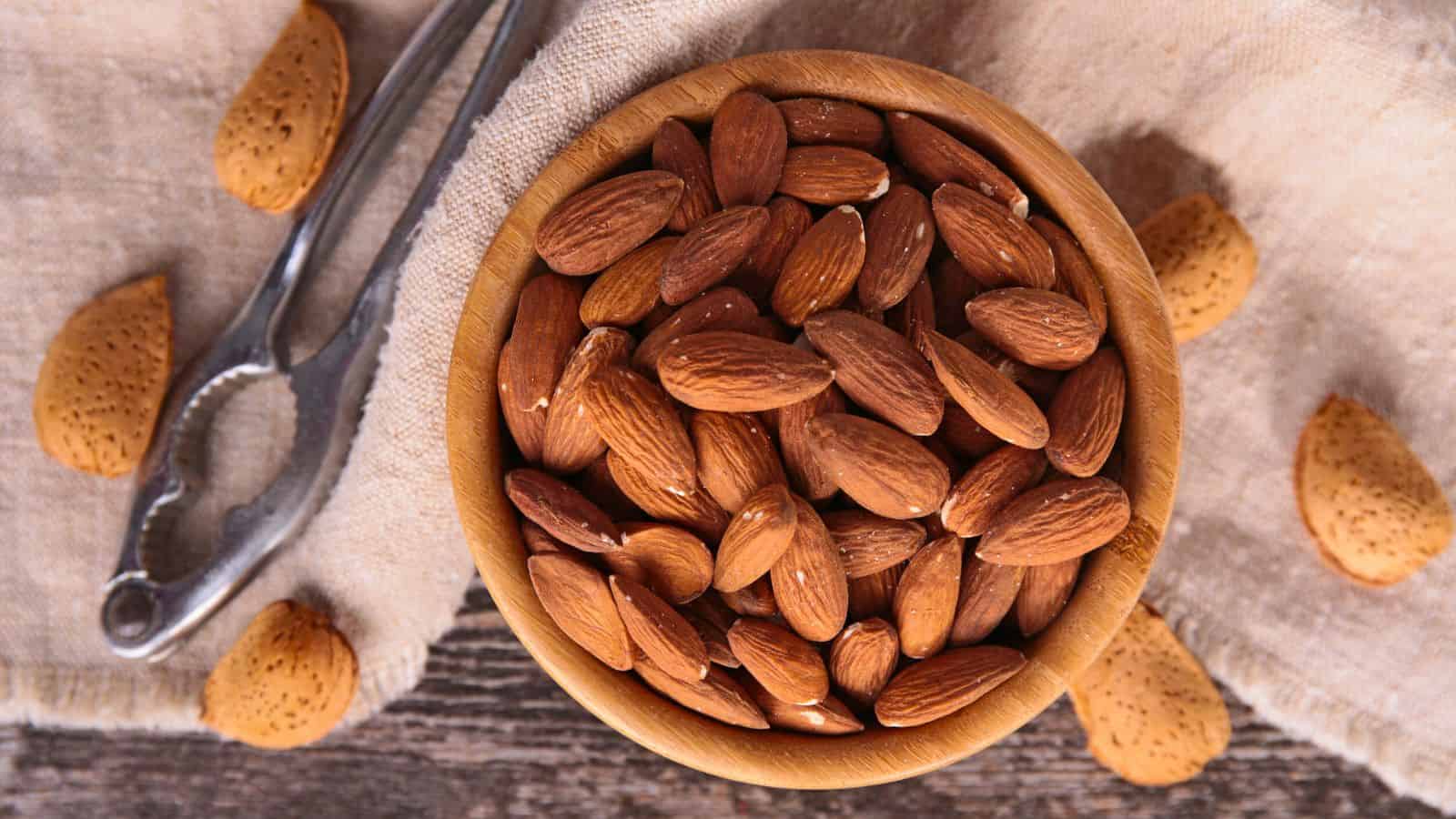
Almonds are a rich source of vitamin E, a fat-soluble antioxidant that plays a vital role in maintaining immune function. Vitamin E helps protect cells from oxidative stress and supports the body's ability to fight off invading viruses and bacteria. In addition to vitamin E, almonds contain healthy fats and protein, which contribute to overall health. Offering almonds as a snack or incorporating them into meals can help children meet their nutritional needs and support their immune system's ability to respond to threats effectively.
Carrots
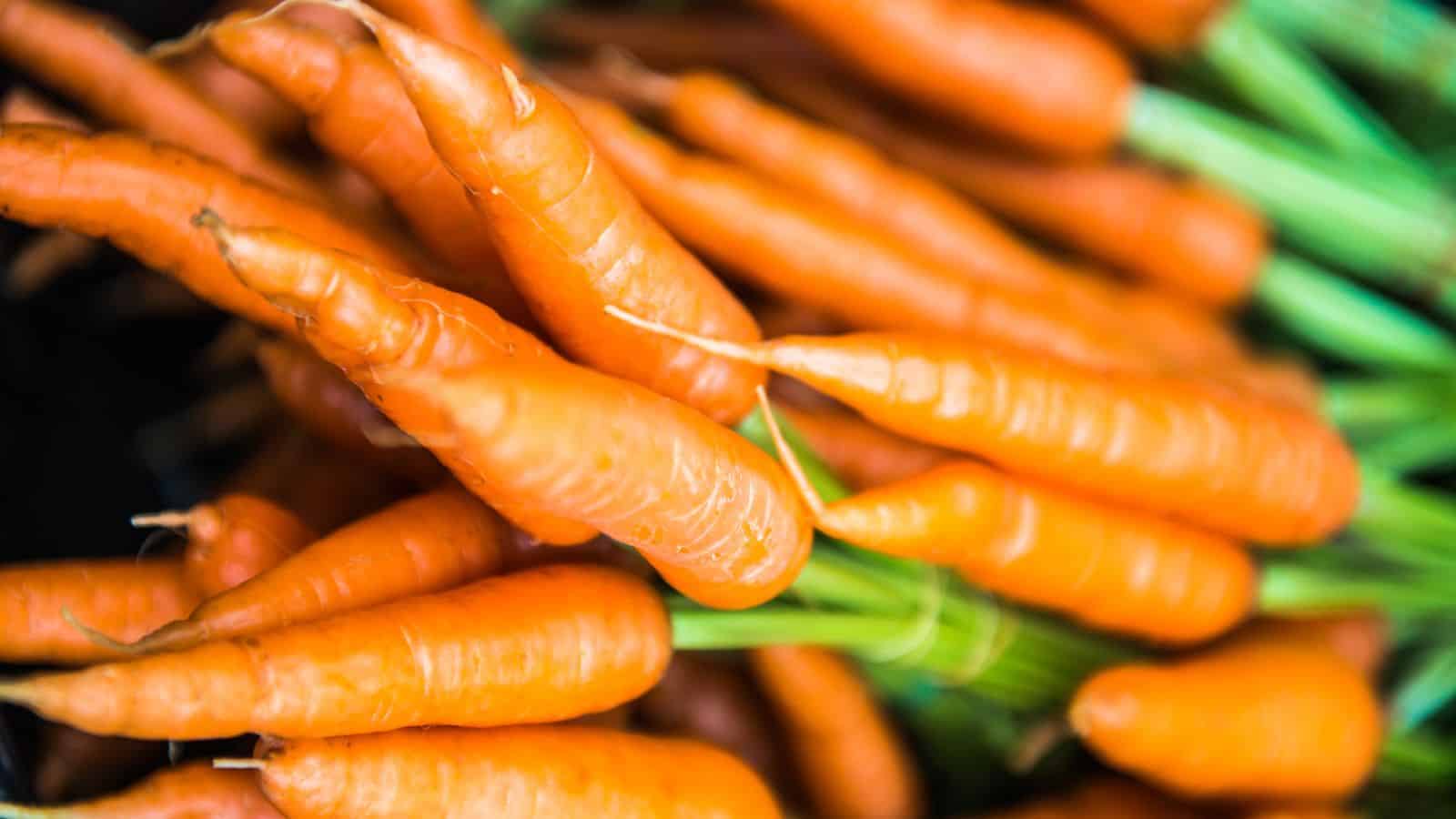
Rich in beta carotene, carrots contribute to the body's production of vitamin A, essential for maintaining healthy skin and mucous membranes that act as protective barriers against pathogens. These nutrients also support the function of immune cells. Carrots contain antioxidants that help reduce inflammation and protect against cellular damage. They can be served raw, steamed, or roasted, making them a versatile vegetable for children's diets and an easy way to help support immune health.
Blueberries
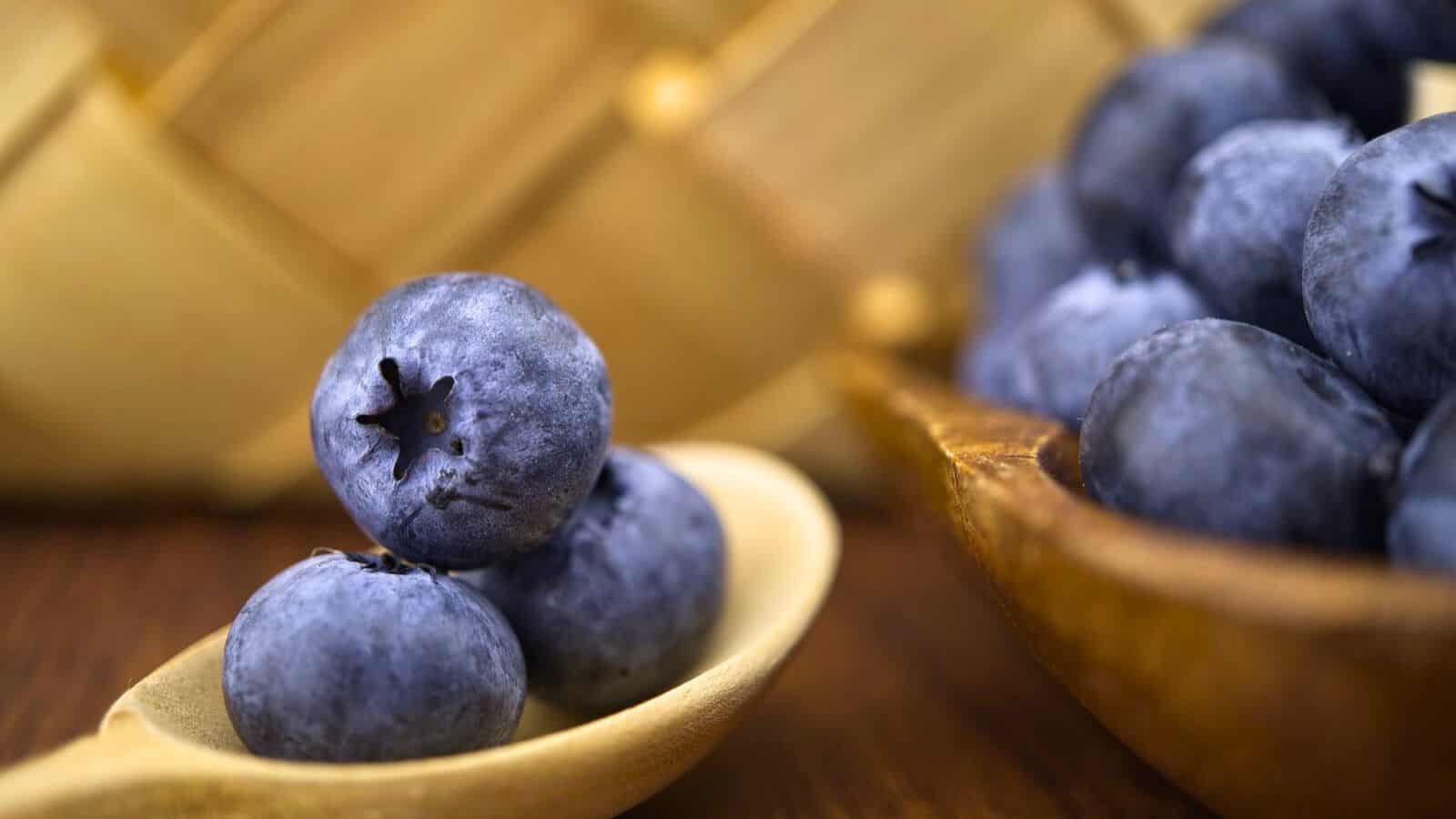
Packed with flavonoids, blueberries play a role in regulating the immune system and enhancing its ability to respond to infections. These antioxidants help neutralize harmful free radicals and reduce inflammation, which may improve immune function. Regular consumption of blueberries has been linked to better resistance against illnesses. Their natural sweetness and small size make them an easy and convenient snack option for children, contributing to a nutrient-rich diet that supports immune defenses.
Yogurt

Yogurt contains live bacteria known as probiotics, which contribute to a healthy balance of gut bacteria. A healthy gut is closely linked to a strong immune system because it helps the body fend off harmful pathogens. Yogurt is also a source of protein and important vitamins like B12 and D, which play roles in immune function. Choosing yogurts without added sugars is best for children, as excess sugar can negatively affect immune health. Including yogurt regularly can support digestive health and immune defenses.
Citrus Fruits

Citrus fruits such as oranges, lemons, and grapefruits are rich in vitamin C, a key nutrient that supports the immune system by helping the body produce white blood cells. These cells are essential for fighting infections and protecting against illnesses. Regular consumption of citrus fruits can help reduce the duration and severity of colds in children. Additionally, they contain antioxidants that help protect cells from damage caused by harmful molecules. Their natural sweetness makes them an easy addition to a child's diet.
Ginger
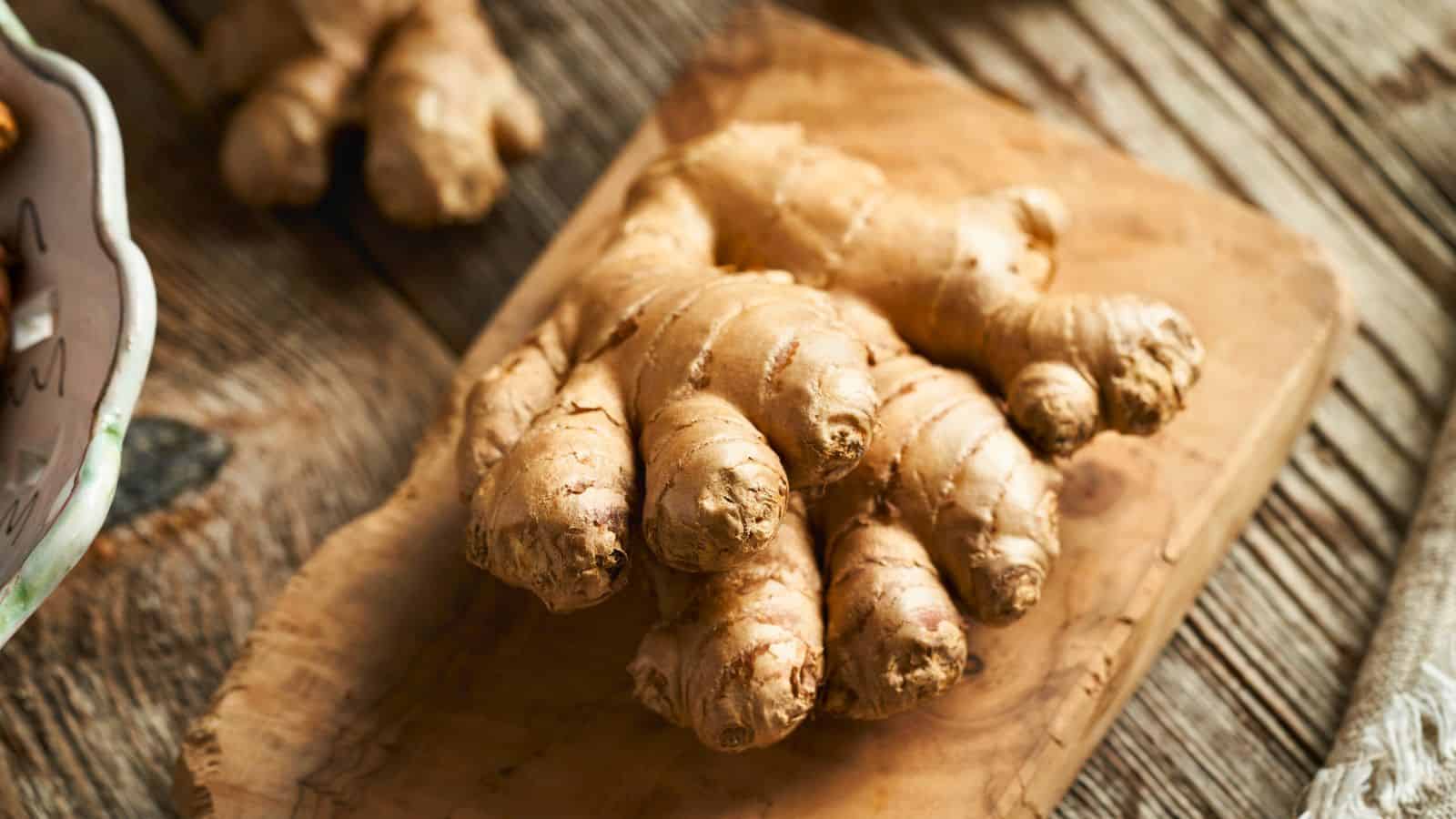
Traditionally used for its medicinal qualities, ginger contains bioactive compounds that help reduce inflammation and support immune responses. These compounds may assist in soothing sore throats and reducing nausea, which are common symptoms during infections. Antioxidants present in ginger contribute to protecting the body from oxidative stress. Adding small amounts of ginger to meals or teas can be a gentle way to help strengthen the immune defenses in children, especially during cold and flu seasons.
Power Up, Bug Down

Helping kids build a strong immune system doesn't have to be complicated or overwhelming. By including certain foods in their daily routine, you can give their bodies the support they need to fight off common illnesses. These foods work naturally with the body to keep defenses up and help kids recover more quickly when they do get sick.
Remember, boosting immunity isn't about strict diets or perfect meals. It's about adding a few great foods that can make a real difference over time. When you focus on these healthy options, you're setting your child up for better health now and in the future. Small changes in what they eat can go a long way toward keeping them strong and ready for whatever comes their way.
Make Healthier Baked Goods at Home Today With These Helpful Tips

Baking at home lets you have control over what goes into your food while still enjoying treats you love. You don't need to give up your favorite recipes to make them healthier. With these 10 tips for healthier baking at home, you can create baked goods that feel lighter and better for your body without losing the fun of baking. Whether you're baking for yourself, family, or friends, small changes can add up to a big difference.
Read it Here: Make Healthier Baked Goods at Home Today With These 10 Helpful Tips
Foods to Eat to Keep Your Hair and Nails Strong and Healthy

If you want stronger hair and nails, paying attention to what you eat is a smart move. Healthy hair and nails rely on nutrients like protein, vitamins, and minerals to grow and stay strong. When your body gets what it needs, hair is less likely to break and nails are less prone to splitting or becoming brittle. This is why we listed 11 foods that can strengthen your hair and nails.
Read it Here: 11 Foods to Eat to Keep Your Hair and Nails Strong and Healthy