
Each fruit has its own "ready for action" moment, and catching it right means you get the best flavor and texture. Whether you're a backyard grower or just trying to look like you know your stuff at the farmers' market, knowing which 12 seasonal fruits to harvest each month can help. Plus, eating fruit in season usually means it's fresher and won't have you paying for air miles on your snack.
This guide is like your fruit-harvesting cheat sheet, telling you which fruits are great to grab each month. No confusing jargon or fancy picks; just straightforward tips to keep your fruit game on point all year long. Think of it as your personal fruit calendar, so you'll never miss out on the good stuff again. Read further for more!
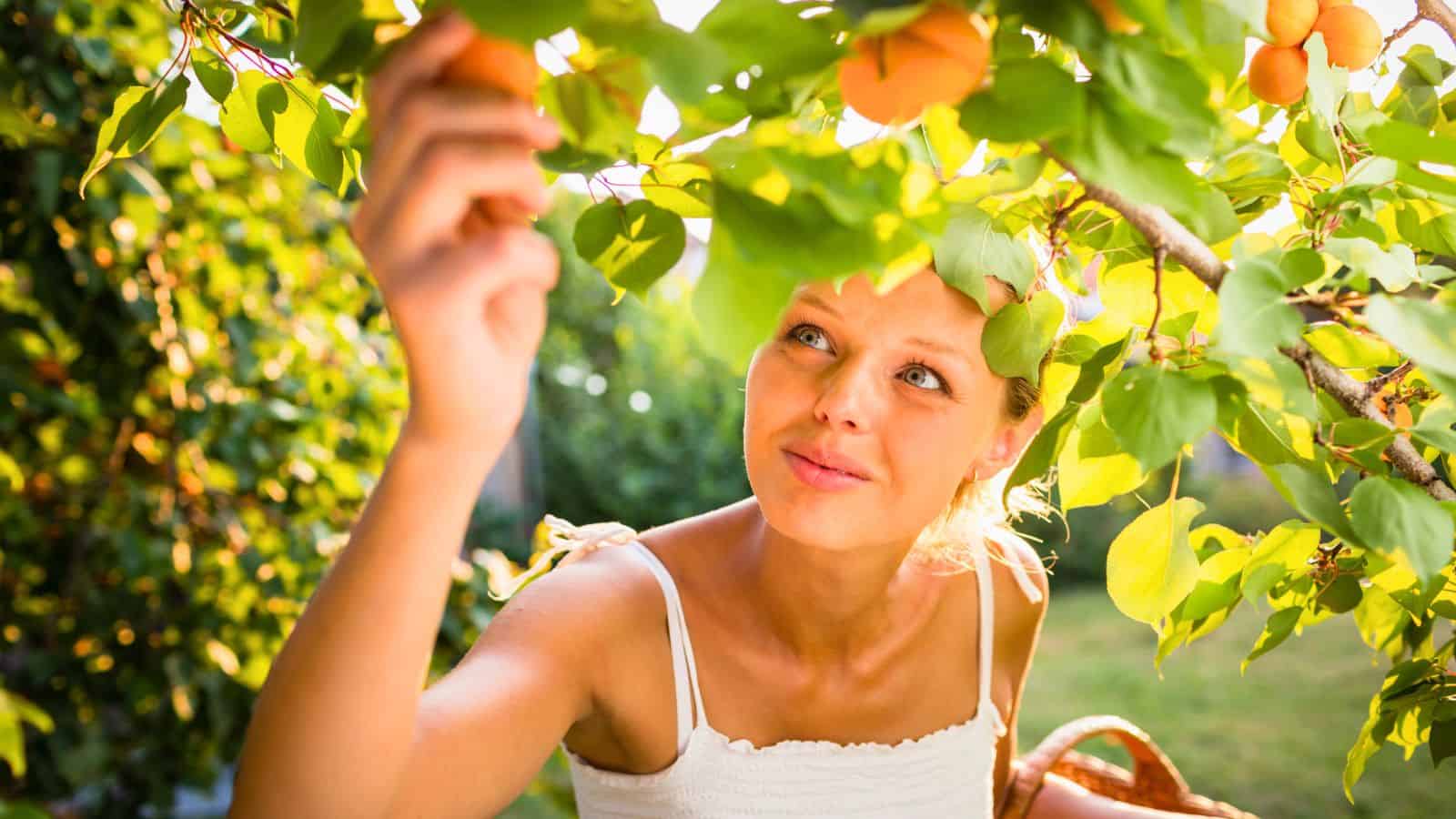
January: Orange
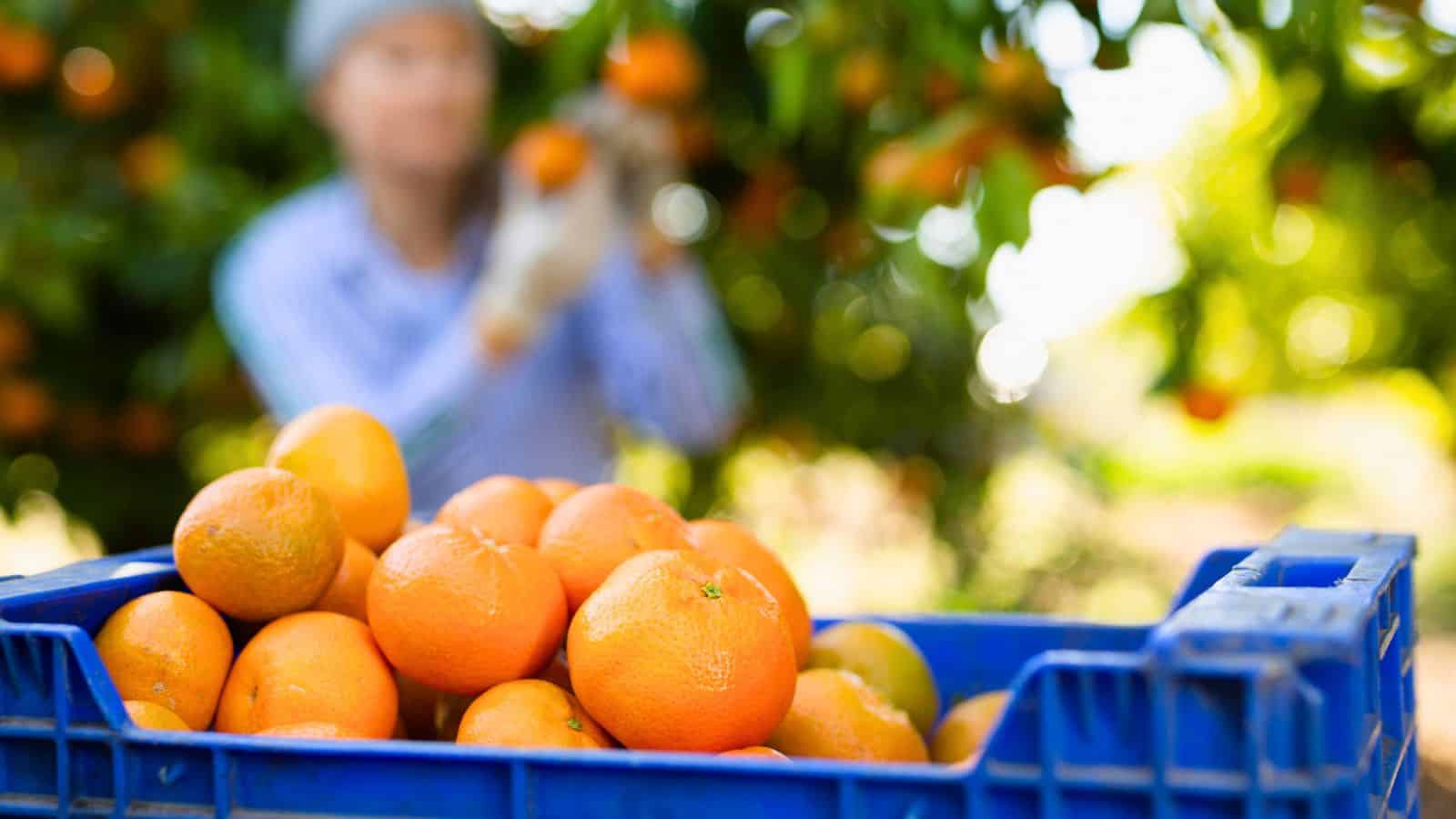
Oranges are a winter fruit known for their bright color and refreshing flavor. They grow best in subtropical climates and are harvested when the skin turns fully orange and feels firm. To harvest, twist or cut the fruit from the tree to avoid damaging branches. Avoid picking green or overly soft oranges, as they may not ripen properly. After harvesting, store oranges in a cool, dry place or refrigerate them to extend freshness for several weeks. Oranges are rich in vitamin C and can be used fresh or juiced. Regularly check stored fruit for signs of mold or soft spots.
February: Kiwi
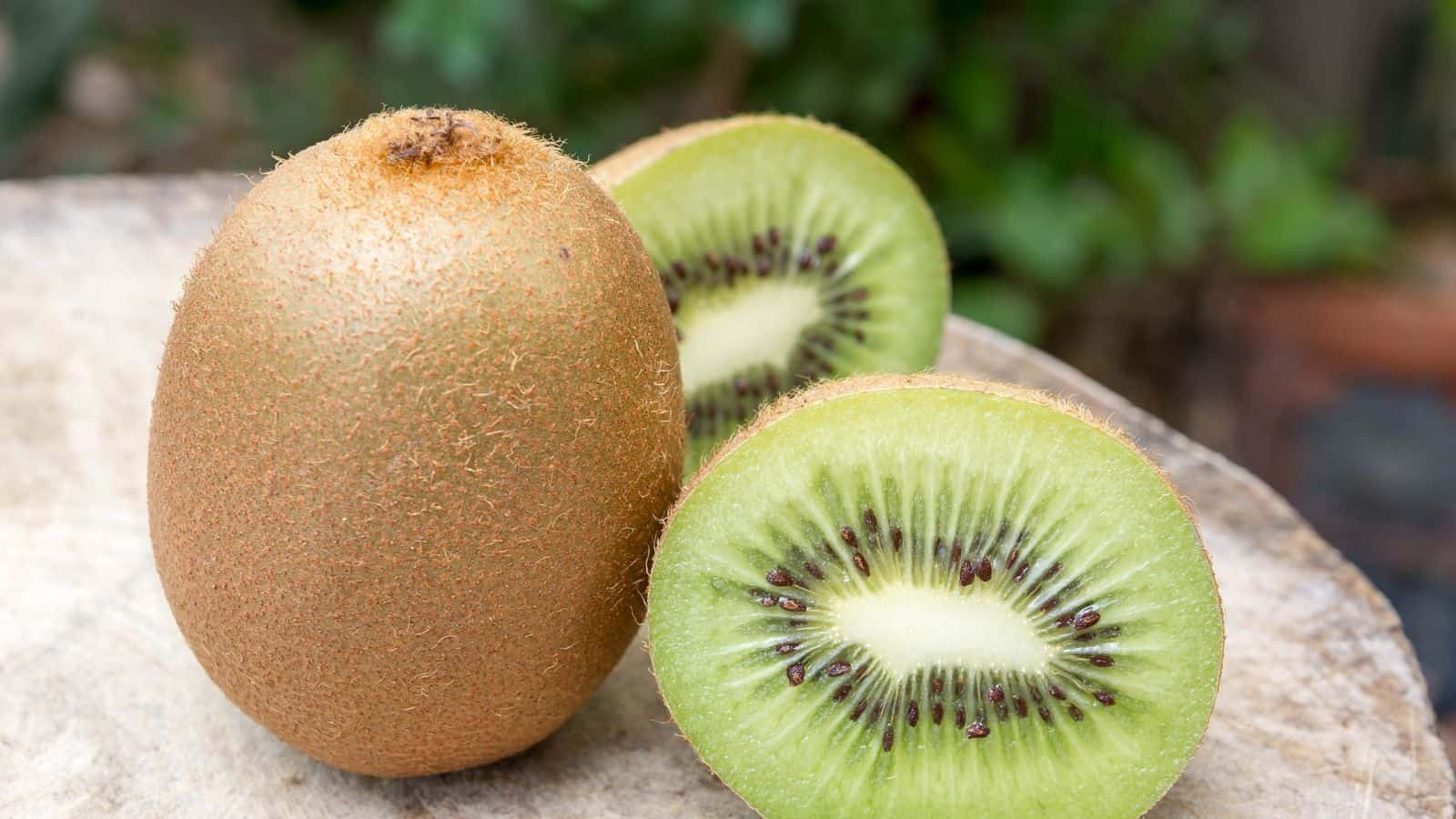
Kiwi fruits ripen in late winter to early spring. They have a fuzzy brown exterior and bright green flesh inside. Harvest kiwis when they are still firm but fully grown, usually before the first frost. Use pruning shears to cut the stem carefully, leaving a small portion attached. To ripen, kiwis can be kept at room temperature for several days. Once ripe, store them in the refrigerator to slow down further ripening. Kiwis are packed with nutrients like vitamin C and fiber. Handle the fruit gently to avoid bruising, which can shorten shelf life.
March: Strawberry
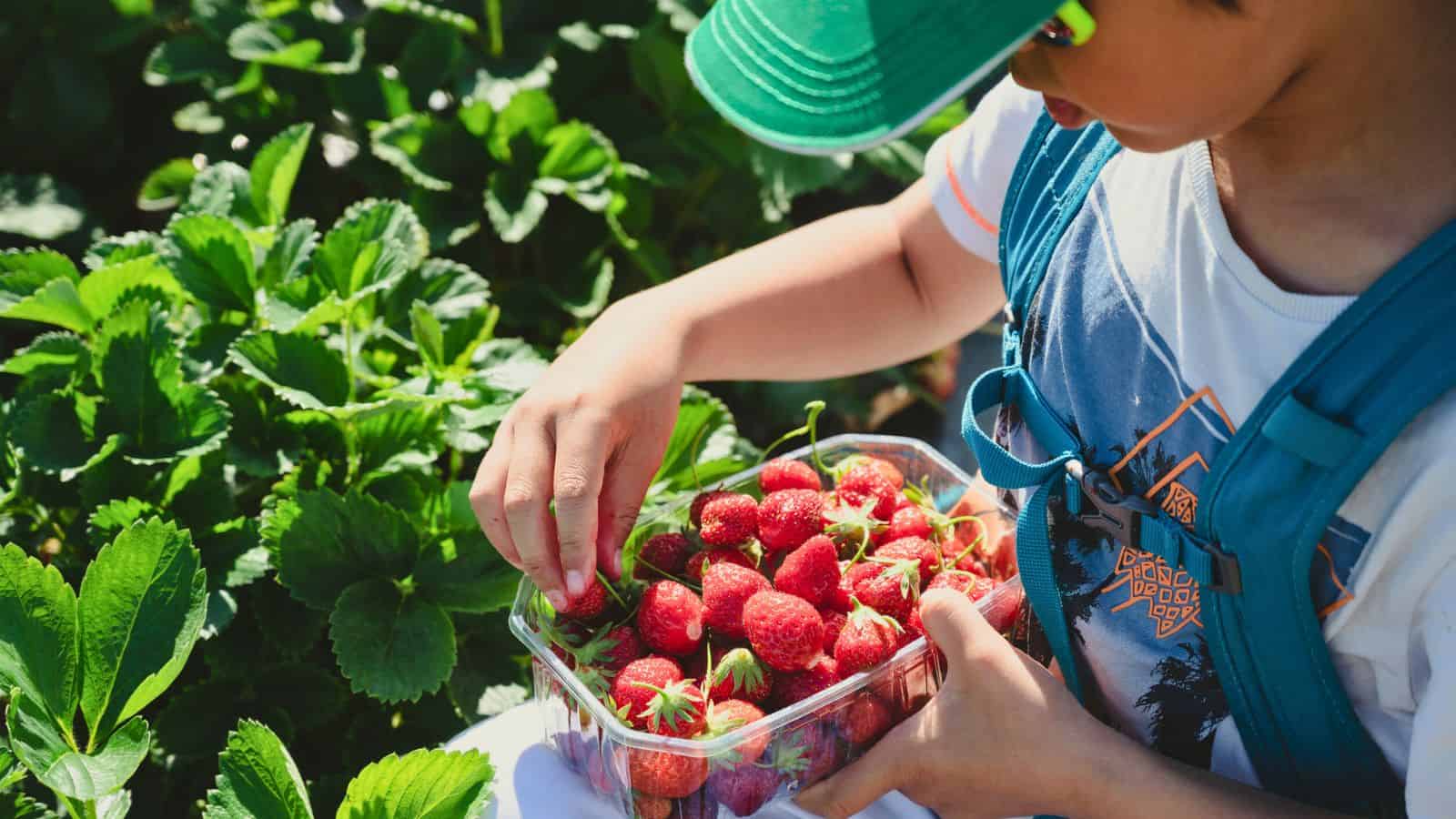
Strawberries begin to ripen in early spring and are best picked when they are fully red and fragrant. Harvest by pinching the stem just above the berry to prevent damage to the fruit. Avoid pulling the berry directly, as this can harm the plant. Strawberries are delicate and should be consumed quickly or stored in the refrigerator for up to three days. To prolong freshness, do not wash strawberries until just before use, as excess moisture can cause mold. These berries contain antioxidants and are often enjoyed fresh or in various preparations.
April: Apricot
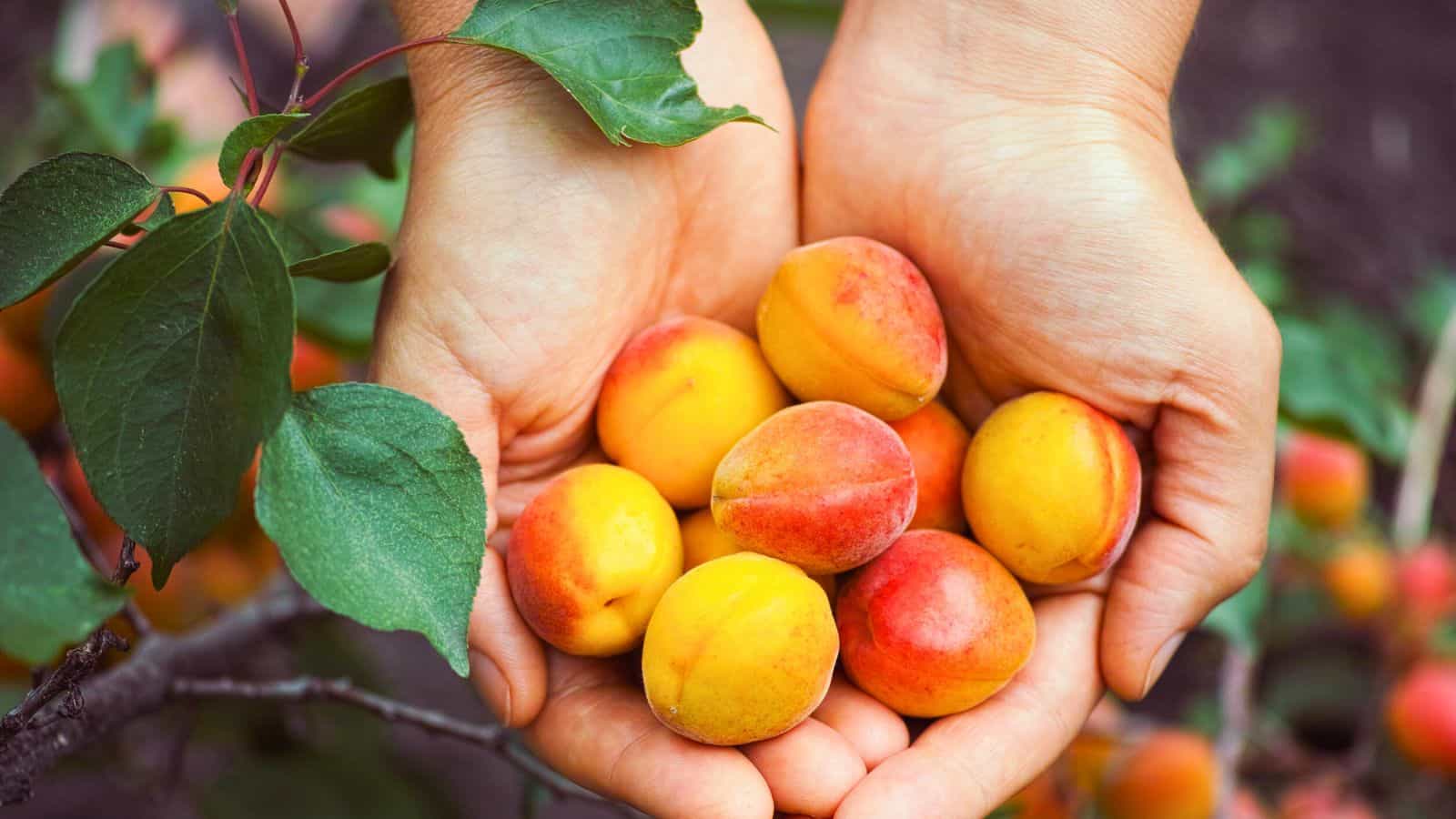
Apricots reach maturity in early spring and have a soft, velvety skin with a sweet aroma. Harvest apricots when they yield slightly to gentle pressure and detach easily from the tree with a light twist. Avoid picking underripe fruit, as it will not ripen well off the tree. Store apricots at room temperature to ripen fully, then move them to the refrigerator to keep them fresh for several days. Apricots contain vitamins A and C and can be eaten fresh or dried. Handle with care to prevent bruising, which can lead to quicker spoilage.
May: Cherry
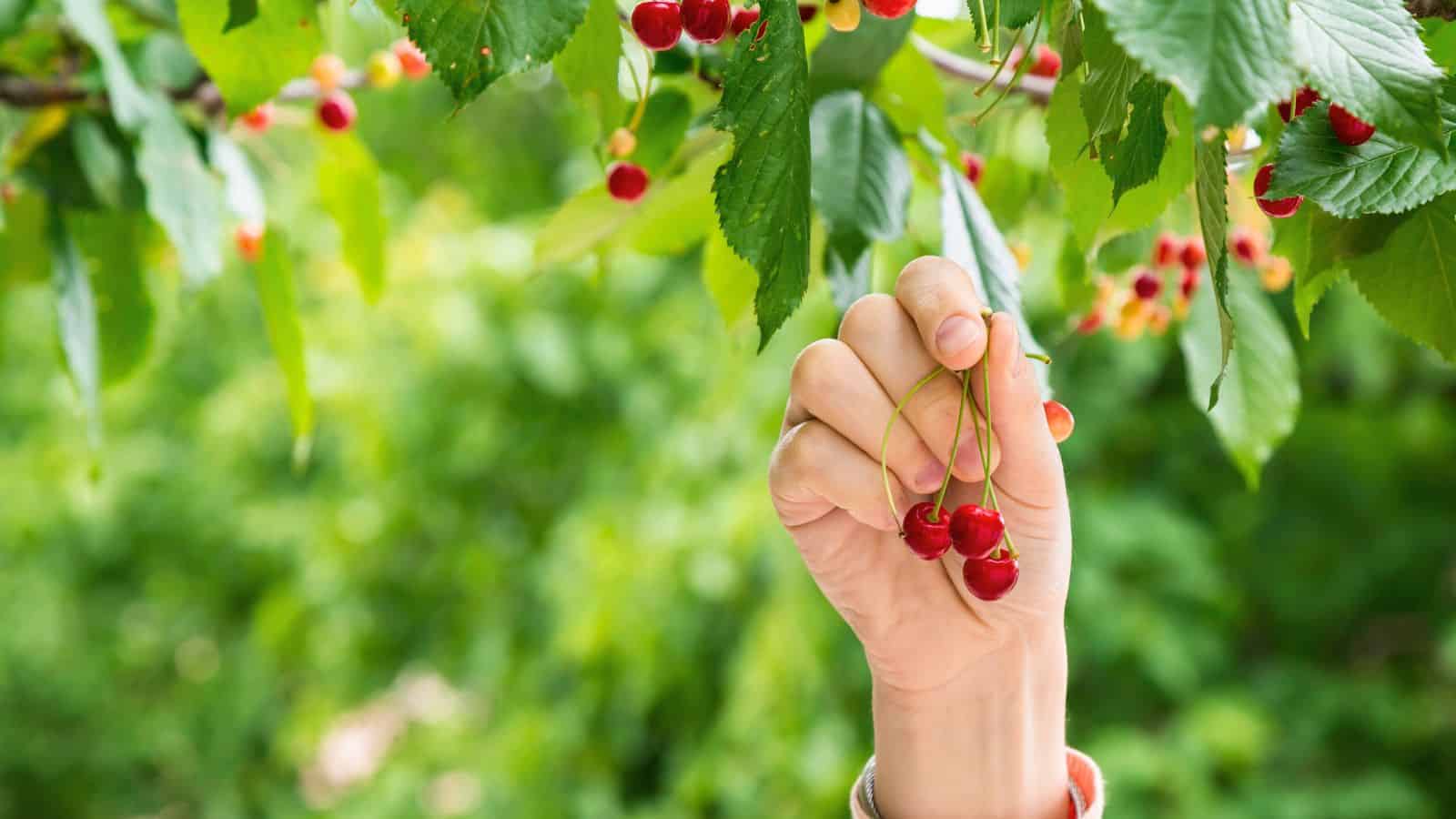
Cherries are typically harvested in late spring when their color deepens and they taste sweet or tart depending on the variety. Pick cherries by grasping the stem and gently pulling the fruit off the tree, leaving the stem attached to the cherry to help preserve freshness. Avoid harvesting wet cherries to reduce the risk of mold. Store cherries in a cool place or refrigerate them immediately. They are best eaten within a week of harvest. Cherries are rich in antioxidants and can be used fresh or preserved through drying or freezing.
June: Blueberry
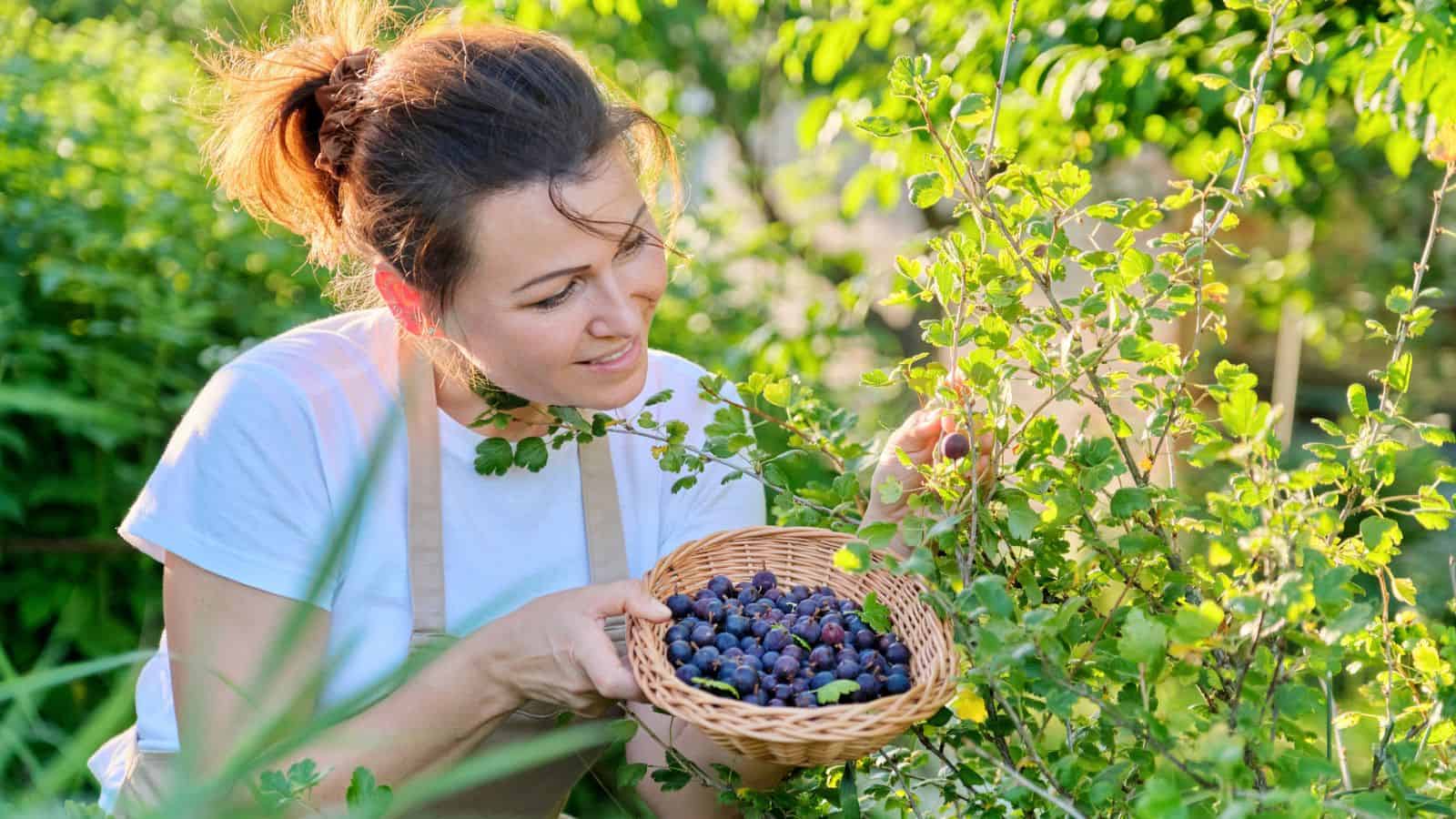
Blueberries ripen in early summer and are recognized by their deep blue color with a slightly dusty coating. Harvest when the berries are fully colored and detach easily from the bush with a gentle tug. Avoid picking green or pale berries, as they won't ripen further. To harvest, use a light hand to prevent crushing the delicate fruit. Store blueberries in the refrigerator in a breathable container, and do not wash until just before use to prevent moisture buildup and mold. Blueberries are high in antioxidants and can be eaten fresh or frozen for later use.
July: Peach
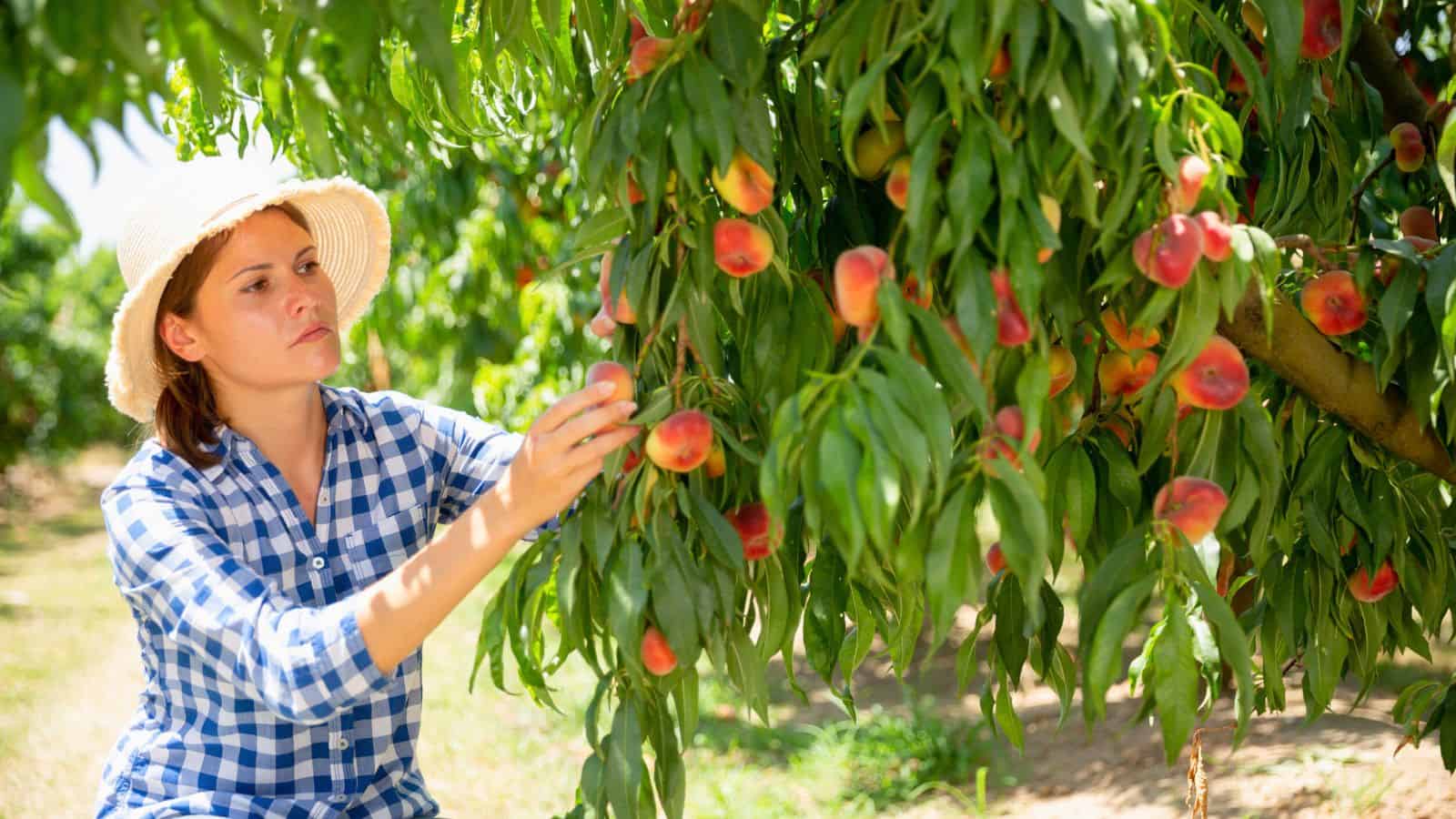
Peaches reach their peak in mid-summer and are known for their fuzzy skin and sweet aroma. Harvest peaches when they have a slight give when gently squeezed and emit a fragrant smell. Twist or cut the fruit from the branch to avoid damage. Avoid picking hard, green peaches as they may never ripen properly. Once picked, peaches can be left at room temperature to soften further, then refrigerated to extend freshness. Handle peaches carefully to avoid bruising. They contain vitamins A and C and are commonly enjoyed fresh or cooked.
August: Blackberry
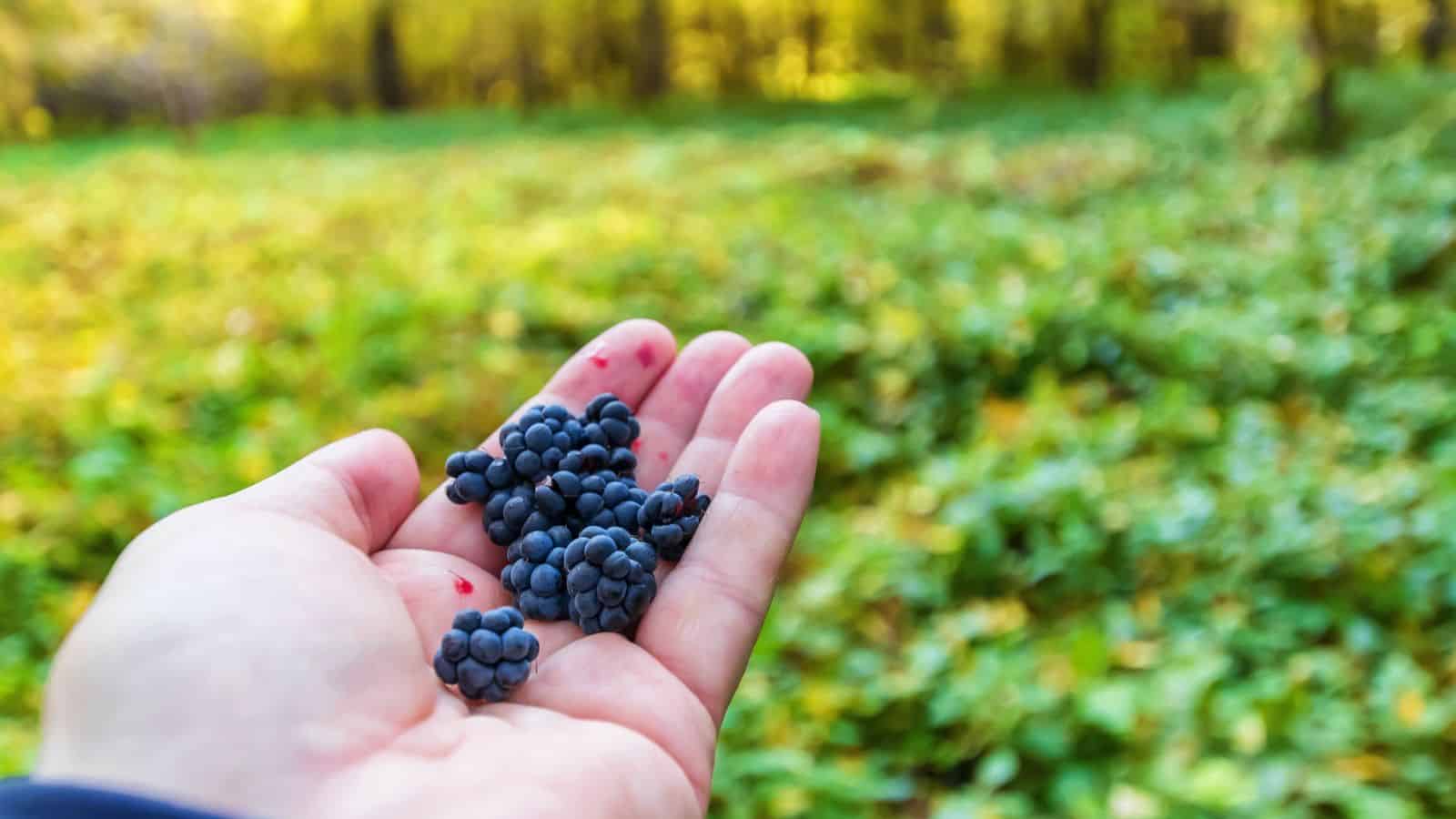
Blackberries mature in late summer and are identified by their deep black-purple color and plump texture. Harvest blackberries when they come off the stem easily with a gentle pull. Avoid picking underripe berries, which are usually red or hard. Blackberries are fragile and bruise easily, so handle them gently during picking. Store in a shallow container in the refrigerator and avoid washing until just before eating to prevent mold growth. Blackberries are rich in vitamins and fiber and can be eaten fresh or used in preserves.
September: Apple
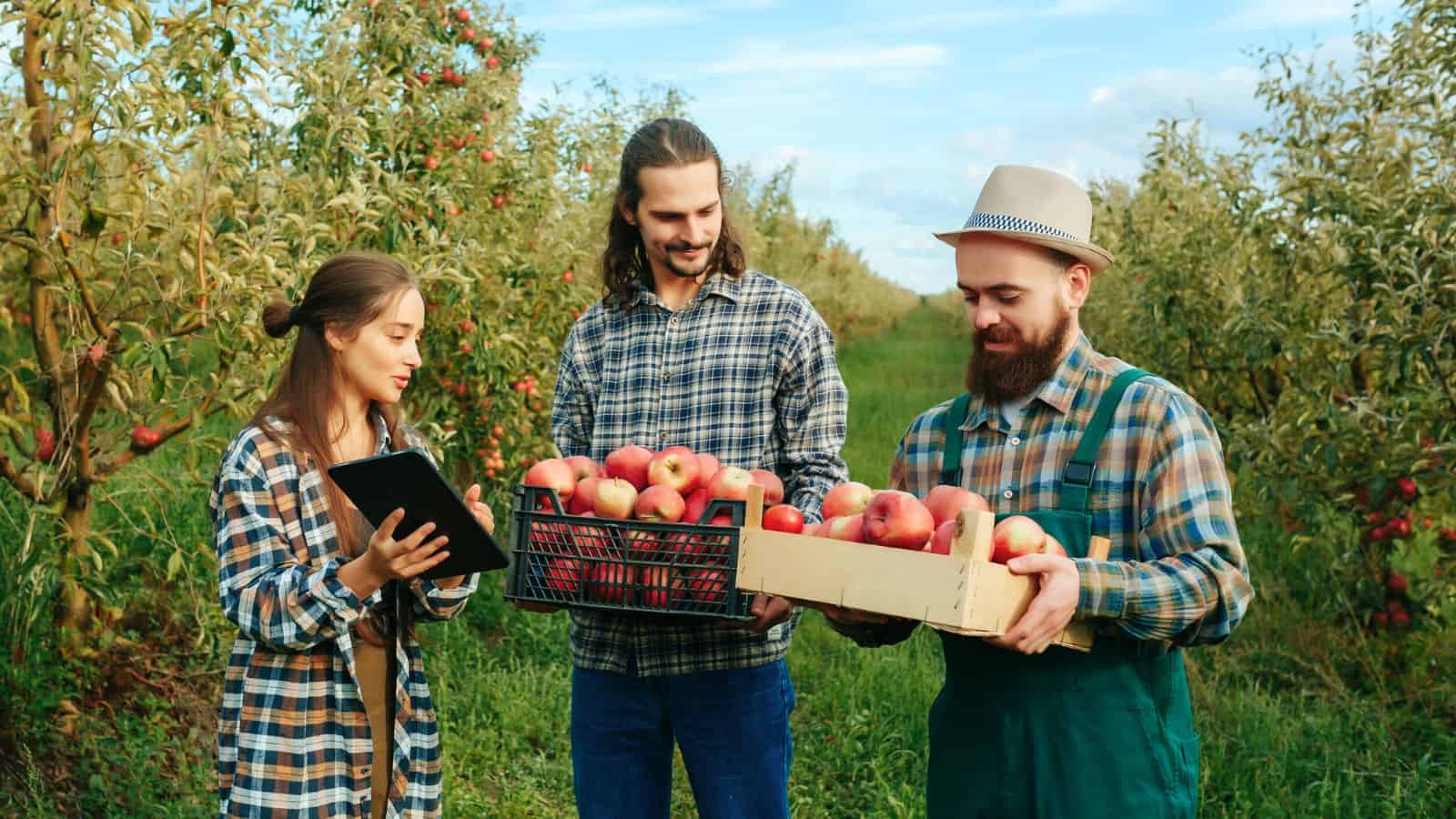
Apples are a classic fall fruit, harvested when they reach full color and firmness, depending on the variety. To pick apples, lift and twist gently to detach them from the tree without damaging the stem or fruit. Avoid picking apples with bruises or blemishes. Store apples in a cool, humid environment such as a cellar or refrigerator to keep them crisp for weeks or even months. Apples release ethylene gas, so keep them separate from other produce to avoid premature ripening. They are a good source of fiber and vitamin C.
October: Pomegranate
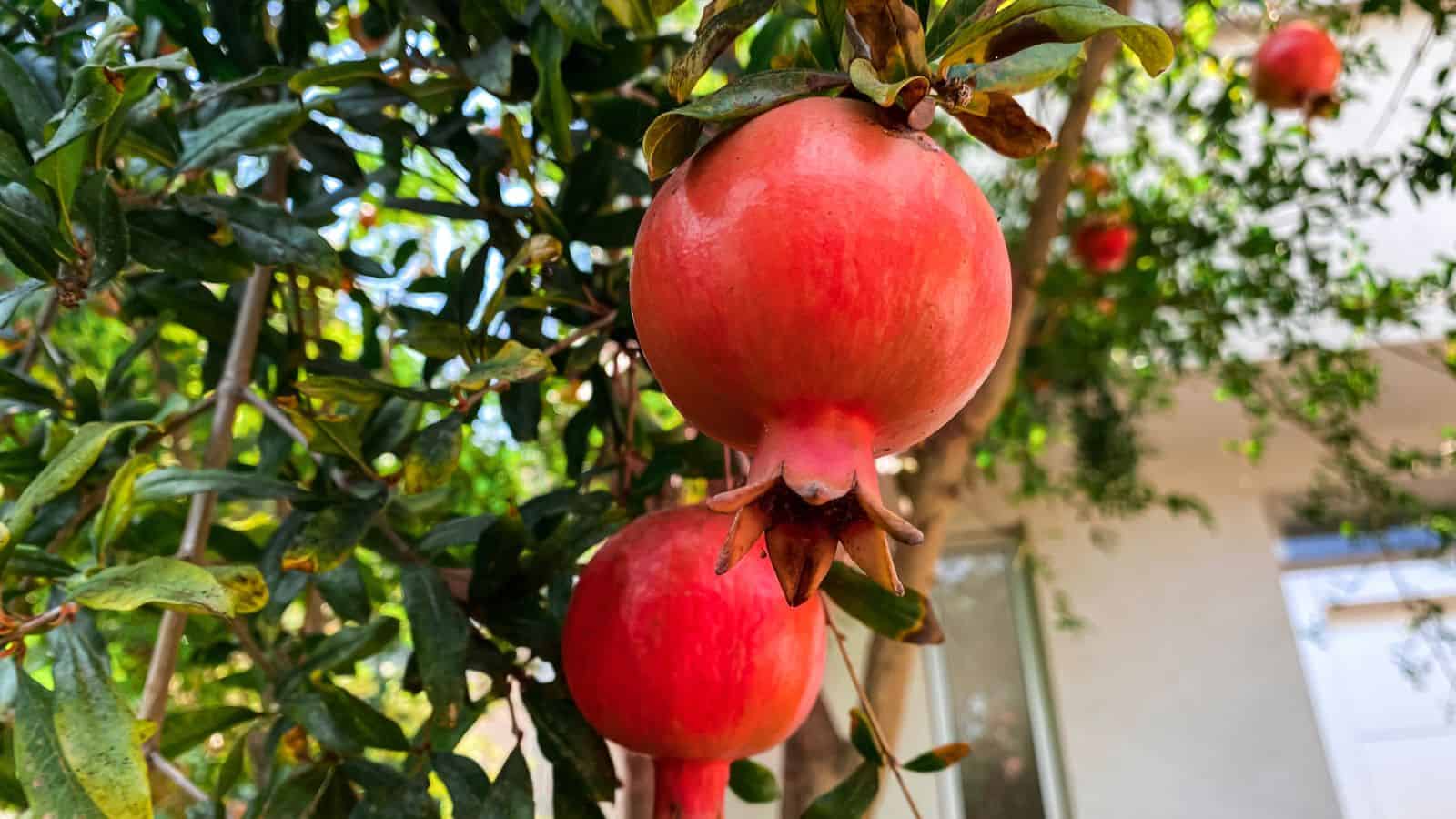
Pomegranates are harvested in the fall when their skin turns a deep red or reddish-yellow and feels heavy for their size. Harvest by cutting the fruit from the tree with pruning shears to avoid damaging the branches. Avoid picking green or light-colored pomegranates, as they are not ripe. Store pomegranates at room temperature for a short period or refrigerate to extend shelf life for several weeks. The seeds inside are rich in antioxidants and can be eaten fresh or used in juices and cooking. Handle carefully to avoid bruising.
November: Persimmon
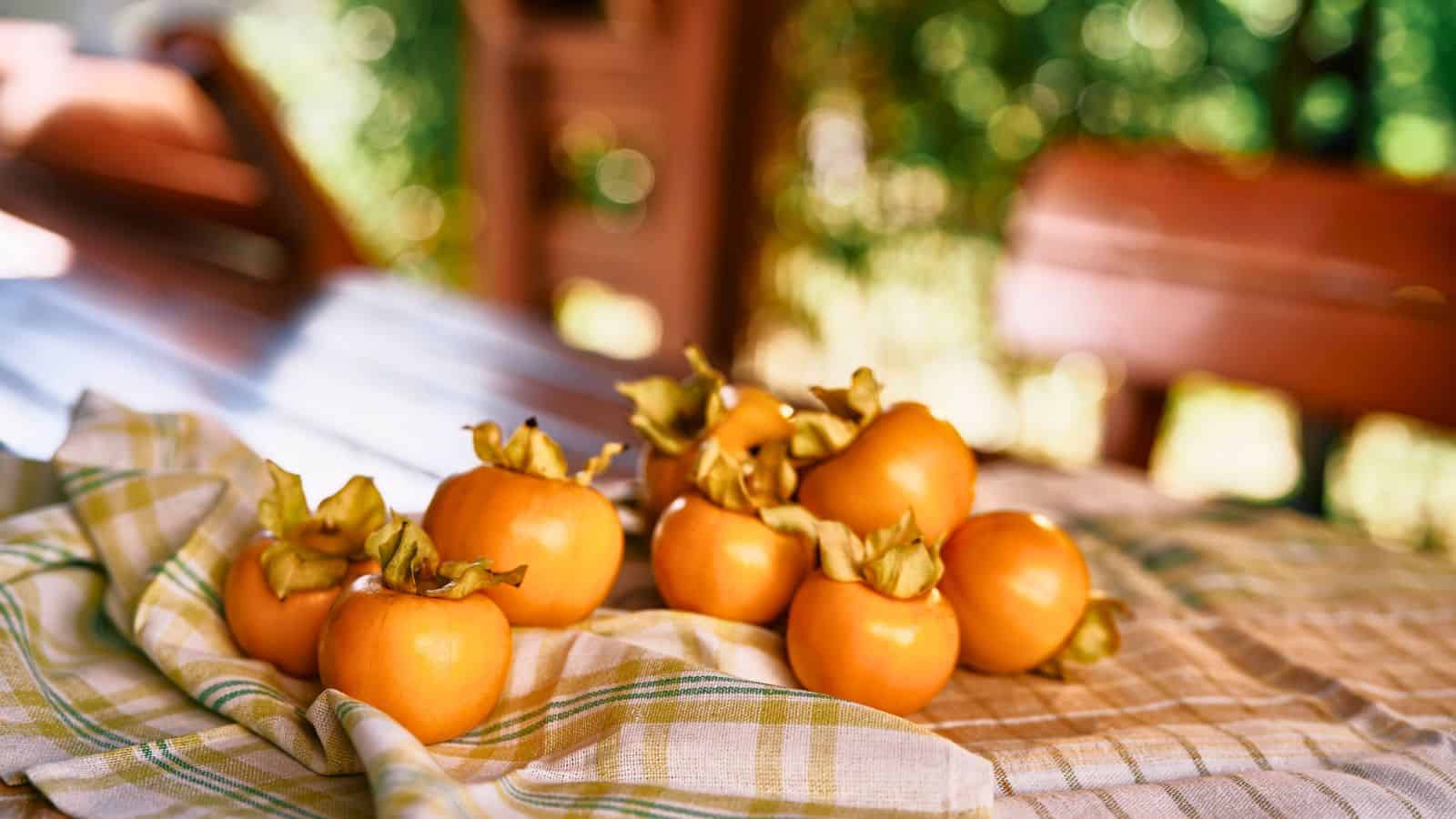
Persimmons are ready to harvest in late fall when their skin turns a vibrant orange and the fruit softens slightly, depending on the variety. Pick persimmons by cutting the stem with scissors or pruning shears to avoid damage. Avoid picking fruit that is still hard unless you plan to ripen it indoors. Store persimmons at room temperature to soften fully, then refrigerate to prolong freshness. These fruits are high in vitamins A and C and are enjoyed fresh or dried. Handle gently to prevent bruising, which can affect texture and flavor.
December: Grapefruit
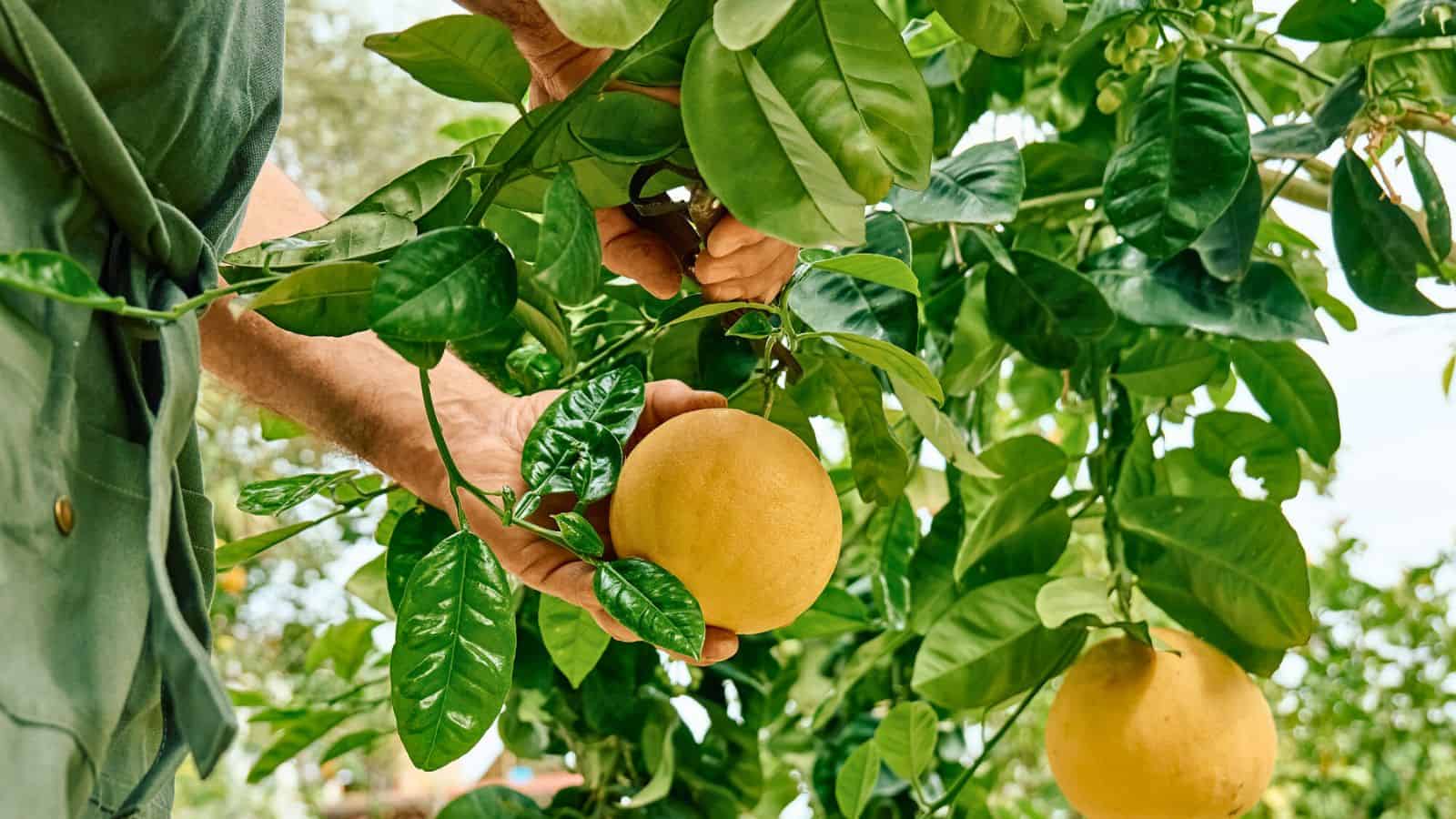
Grapefruits are harvested in winter when their skin color changes from green to yellow or pink, depending on the variety. Harvest by twisting or cutting the fruit from the tree, leaving a short stem attached to prevent damage. Avoid picking fruit that is still green or overly soft. Store grapefruits in a cool, dry place or refrigerate to keep them fresh for several weeks. They are a good source of vitamin C and have a slightly tart flavor. Regularly check stored fruit for signs of spoilage such as soft spots or mold.
Get Your Harvest On
Harvesting fruit at the right time makes all the difference between a snack that hits the spot and one that falls flat. Knowing what's in season each month takes the guesswork out of picking or buying, so you can enjoy fresh, flavorful fruit without the hassle. It's a simple way to stay connected to the seasons and get the most from what nature has ready for you.
Keep this guide handy as your go-to for knowing when to grab the good stuff throughout the year. No need to be a fruit expert-just a little timing and you'll be ahead of the game. Fresh fruit doesn't have to be complicated, and with a bit of planning, you'll always have something great to enjoy, no matter the month.
Tips on How to Get the Most Out of Fruit Picking Season

Picking fruit might seem as simple as grabbing what looks good and tossing it in a basket, but there's a bit more to it if you want the best results. Think of it like a handshake-too rough, and you leave a bad impression; too weak, and you miss the mark. Good thing we prepared 13 fruit-picking tips that can help make the whole process easier and more rewarding.
Read More Here: 13 Tips on How to Get the Most Out of Fruit Picking Season
Top Fruits That Are the Easiest to Pick for Beginners
Picking fruit is a great way to spend time outdoors and connect with nature, especially if you're just starting out. Some fruits are much easier to pick than others, which makes the whole process less frustrating and more enjoyable. When you're new to fruit picking, it helps to choose these ten fruits that are the easiest to pick since they don't require special tools or climbing.
Read More Here: Top 10 Fruits That Are the Easiest to Pick for Beginners