Food has come a long way from simple, home-cooked meals. These 13 food innovations, in particular, have dramatically changed the way we eat, making our lives more convenient and our meals more diverse. They have shifted our eating habits, allowing us to enjoy a variety of foods that were once hard to come by or time-consuming to prepare.
From quick snacks to long-lasting staples, these developments have made it easier to access and enjoy a wide range of flavors and textures. They've made it possible to try new foods without the hassle and to keep our favorite snacks on hand whenever we need them. So, let's take a look at some of the most surprising food inventions that have changed the way we eat, making our daily lives just a bit more delicious and convenient.
Canned Food
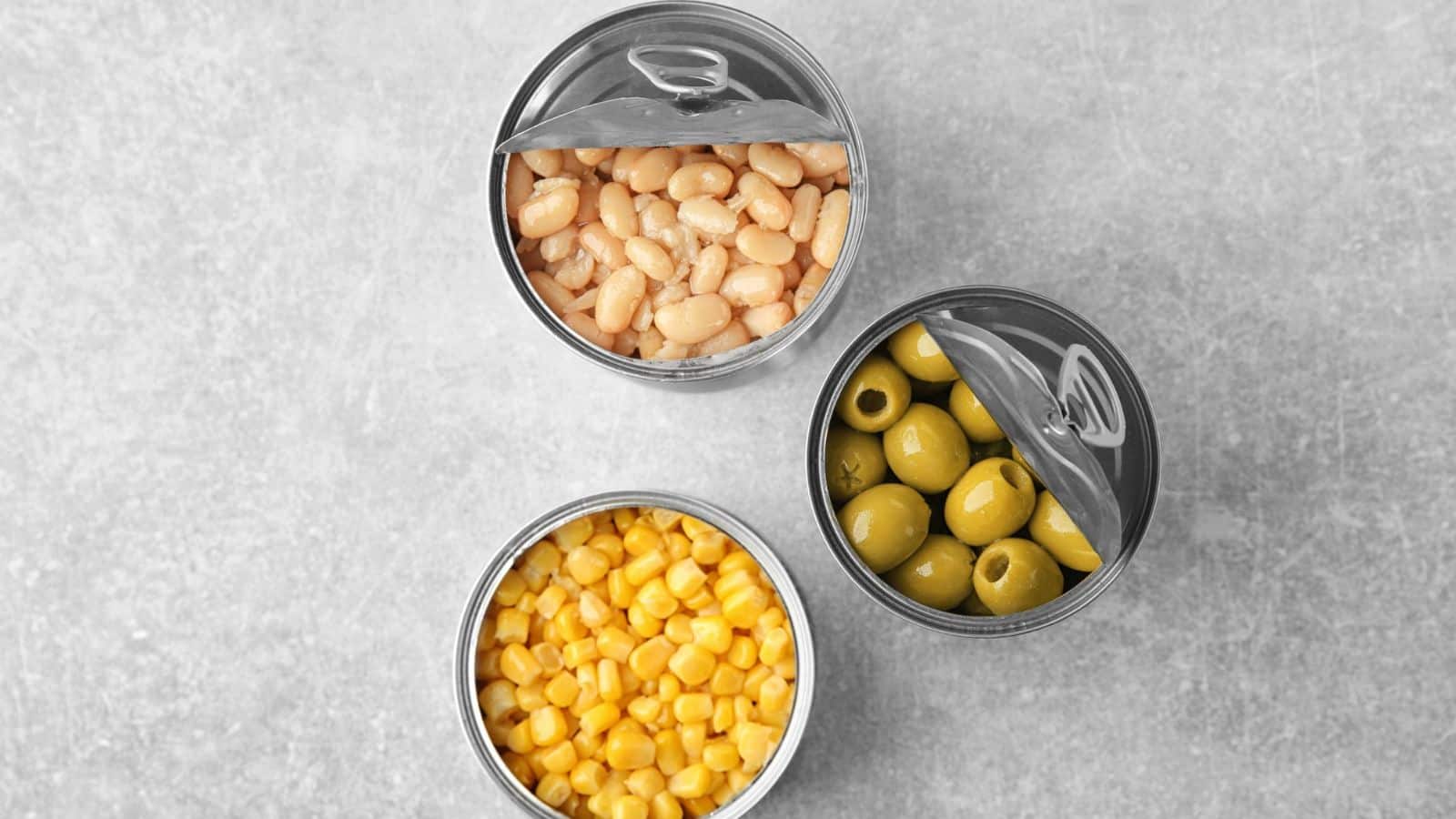
Nicolas Appert's early 19th-century innovation transformed food preservation. By sealing food in airtight containers and heating them, he found a way to prevent spoilage. This method made it feasible to store and transport food over long distances, greatly impacting military provisions, exploration, and everyday consumption. Canned food allowed for a wide variety of foods to be kept for extended periods, reducing waste and making seasonal foods available year-round. It also played a crucial role in feeding populations during wars and natural disasters, making it an essential development in modern food history.
Instant Noodles
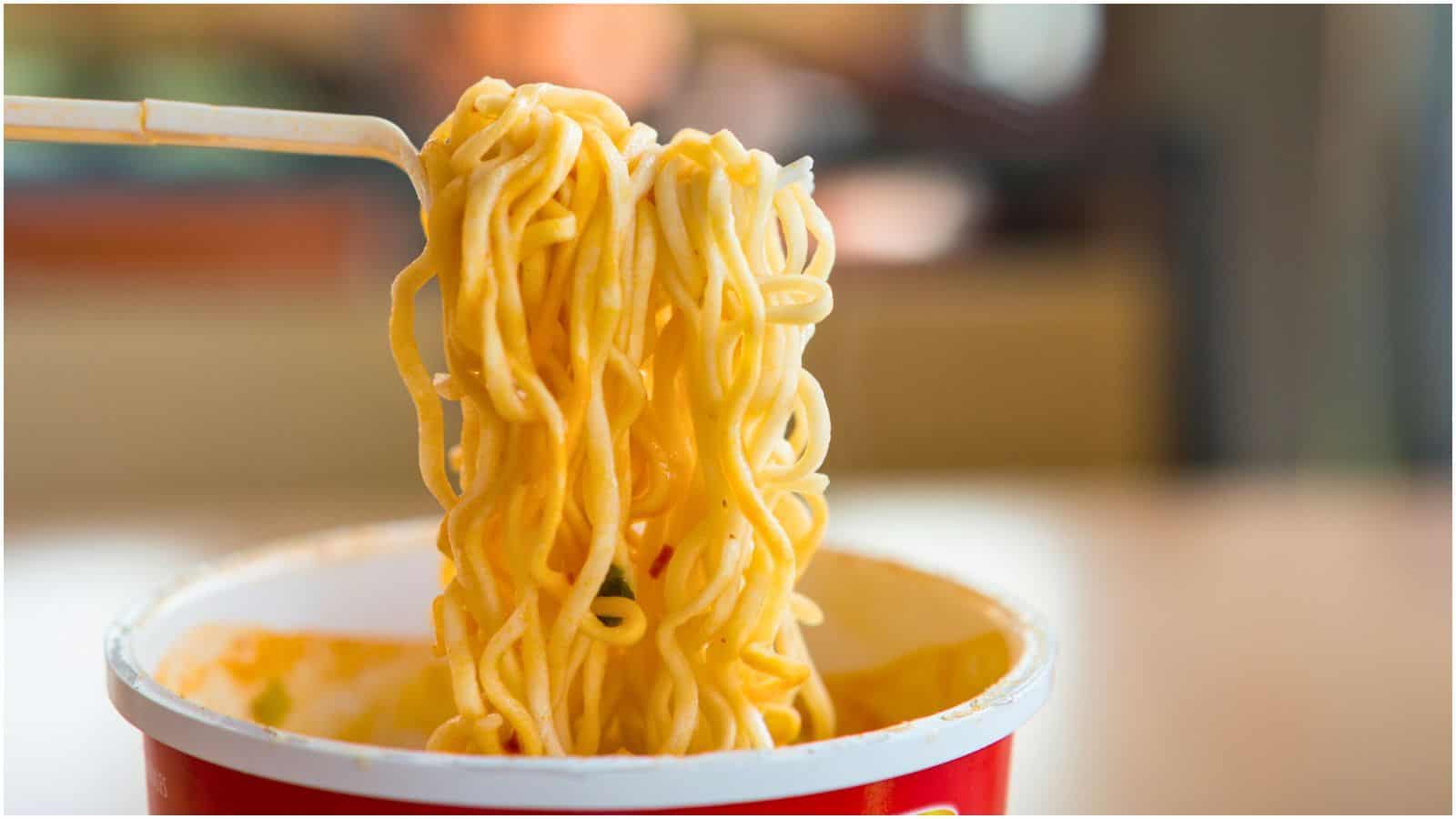
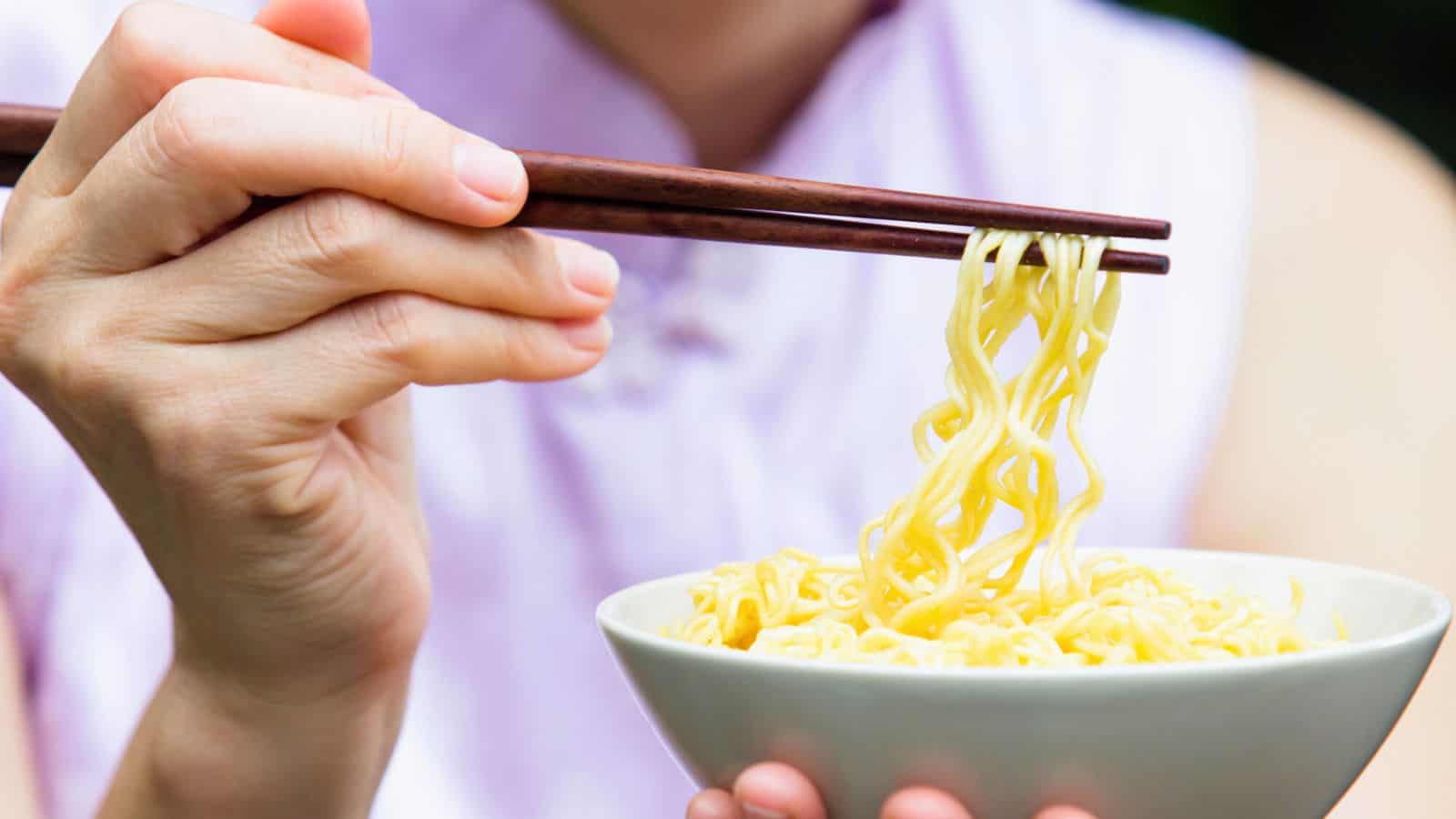
Momofuku Ando's 1958 creation of instant noodles brought a new level of convenience to meal preparation. By pre-cooking and dehydrating noodles, he made it possible to enjoy a quick meal by simply adding hot water. This invention became especially popular among students and busy professionals due to its affordability and ease of preparation. Instant noodles have since become a global staple, with countless variations available to suit different tastes and dietary needs. The product's long shelf life and minimal cooking requirements have also made it a valuable food source in emergency situations.
Microwave Popcorn
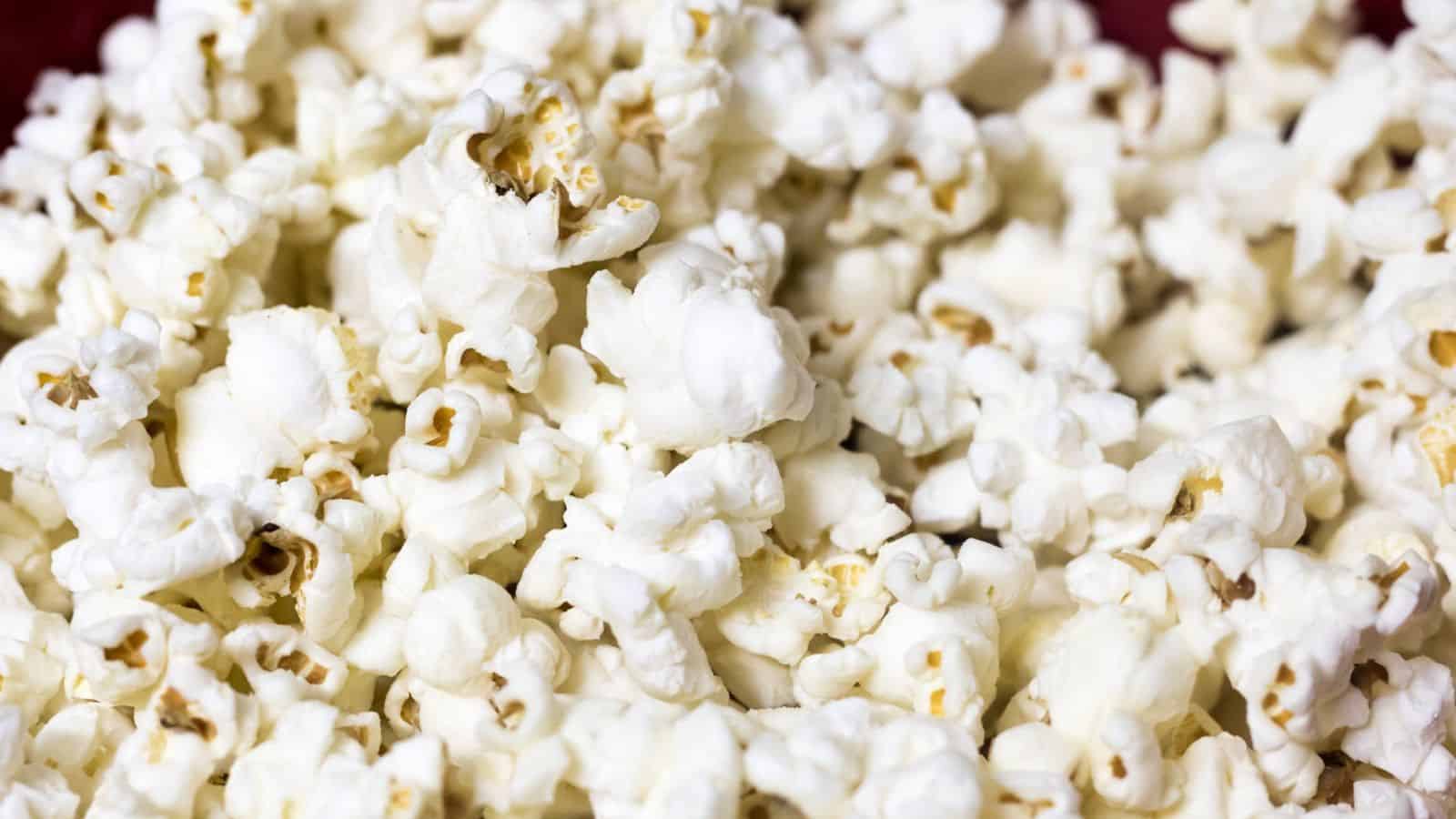
The introduction of microwave popcorn in the 1980s revolutionized the way people enjoyed this classic snack. By packaging popcorn kernels with oil and flavoring in a microwave-safe bag, it became possible to prepare popcorn quickly and conveniently at home. This invention capitalized on the growing popularity of microwave ovens, making it easier for families to enjoy a movie night treat without the need for stovetop preparation. Microwave popcorn's success led to a wide range of flavors and brands, solidifying its place as a beloved and easy-to-make snack option.
Frozen Food
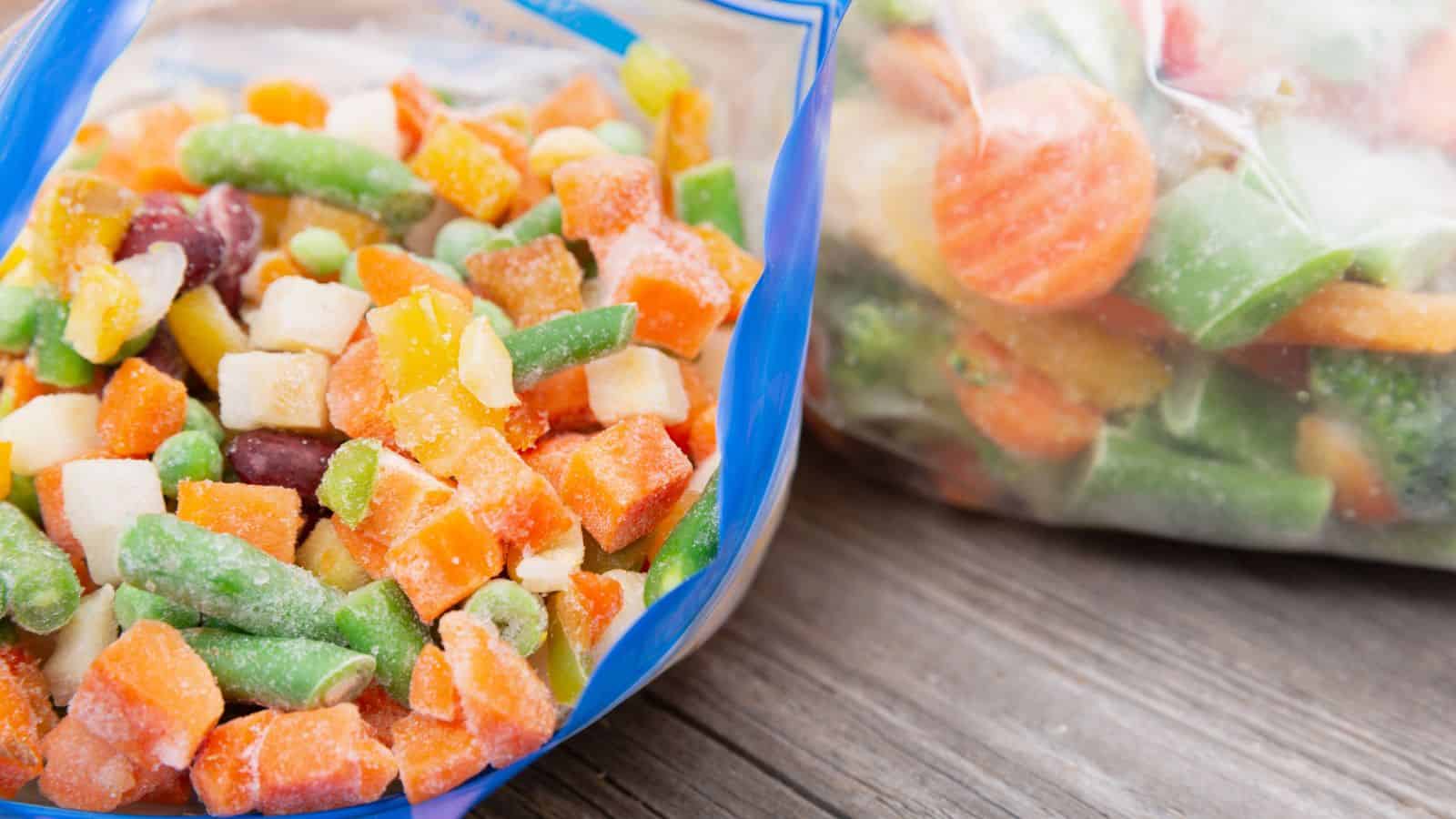
Clarence Birdseye's development of the quick-freezing method in the 1920s changed food preservation by maintaining the texture and flavor of fresh produce. Birdseye discovered that freezing food rapidly at very low temperatures prevented the formation of large ice crystals, which can damage cell structure. This innovation allowed for the preservation of a wide variety of foods, from vegetables and fruits to meats and seafood. Frozen food has become a household staple, providing convenience and reducing food waste. It also enabled the transportation of perishable items over long distances, broadening access to diverse foods.
Artificial Sweeteners

Saccharin, discovered in 1879, was the first artificial sweetener, making it an alternative to sugar that had fewer calories. This discovery paved the way for other sugar substitutes like aspartame and sucralose, which have had a significant impact on diet and health. These sweeteners have been particularly beneficial for individuals with diabetes, allowing them to enjoy sweet-tasting foods and beverages without affecting blood sugar levels. Additionally, artificial sweeteners have become a key ingredient in many low-calorie and diet products, helping people manage their weight while still enjoying sweet flavors.
TV Dinners
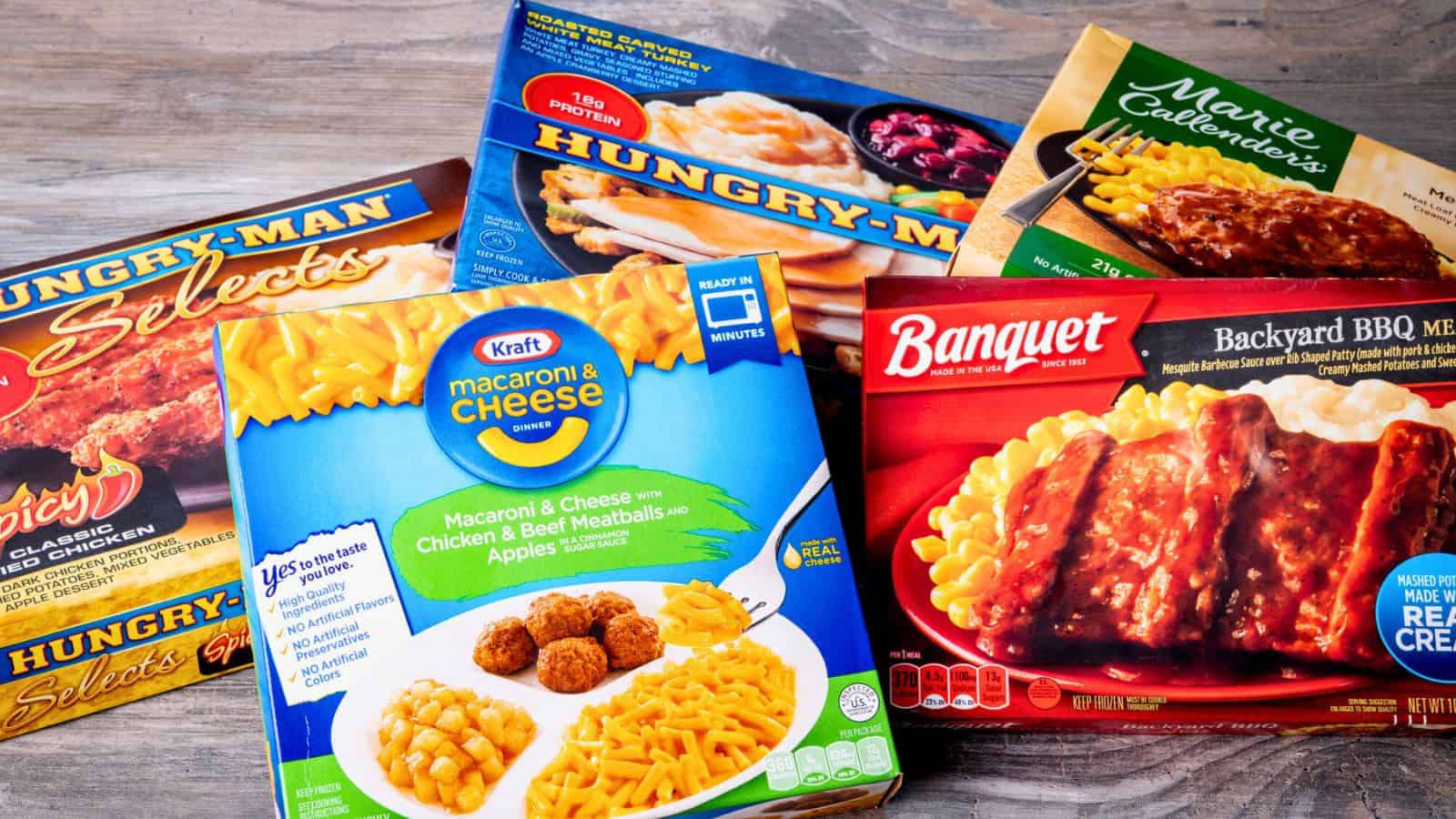
Introduced by Swanson in 1953, TV dinners are a convenient, ready-to-eat meal option that fits into the busy lifestyles of modern families. Packaged in a compartmentalized tray, these meals could be heated in the oven and served directly, eliminating the need for extensive meal preparation. TV dinners became a cultural phenomenon, reflecting the growing importance of television in American households. They allowed families to enjoy a variety of meals with minimal effort, making them a popular choice for weeknight dinners. The concept has since evolved, with microwaveable versions and a wide range of cuisines available.
High-Fructose Corn Syrup
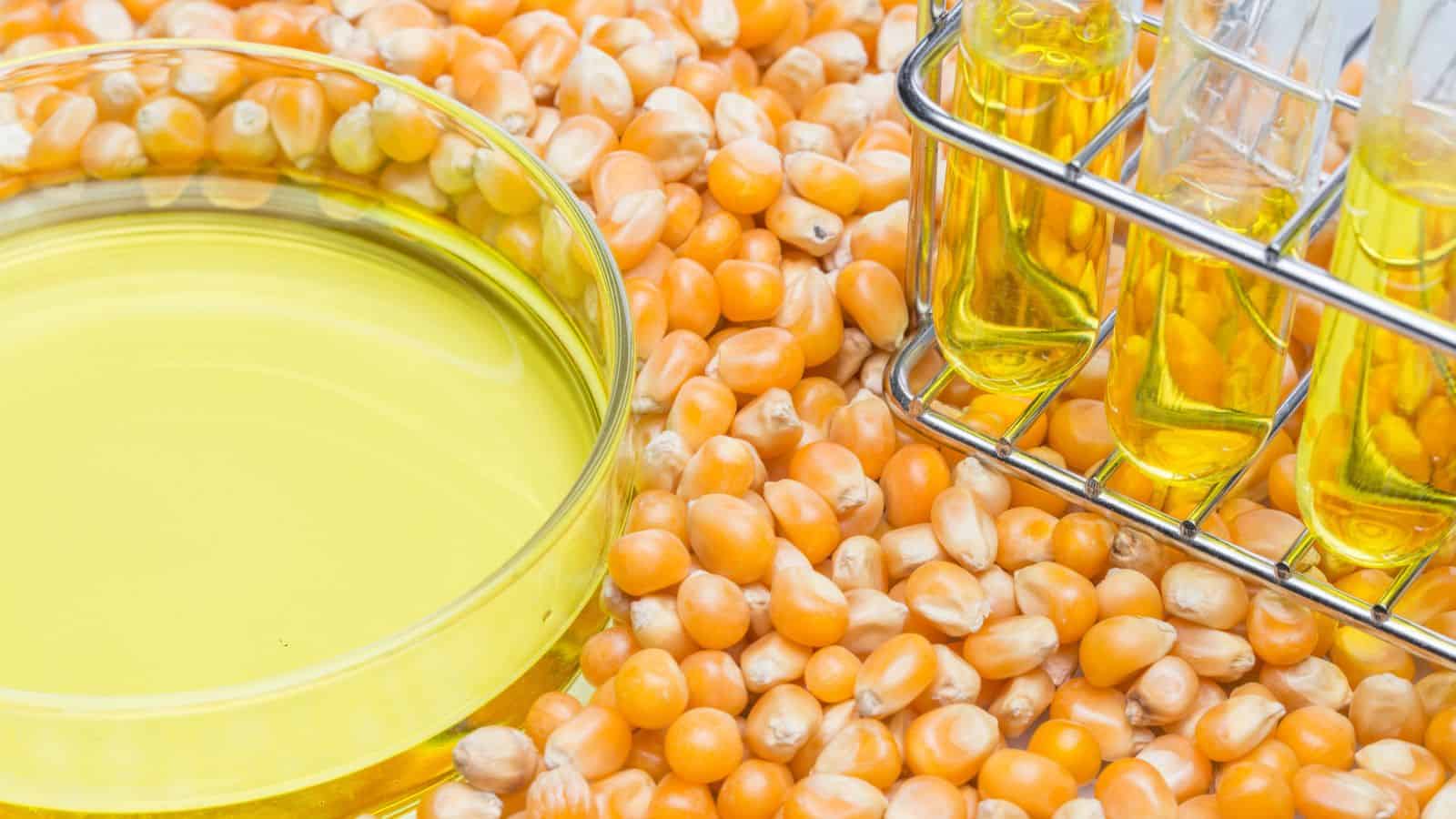
Developed in the 1960s, high-fructose corn syrup (HFCS) became a common ingredient in many processed foods and beverages. Made from corn starch, HFCS is a sweetener that is cheaper to produce than traditional sugar. Its widespread use has significantly affected the food industry and consumer diets, as it is found in everything from soft drinks to baked goods. While its impact on health has been a subject of debate, HFCS has undeniably changed the landscape of food production, making sweetened products more affordable and accessible to a broader audience.
Pressure Cooking
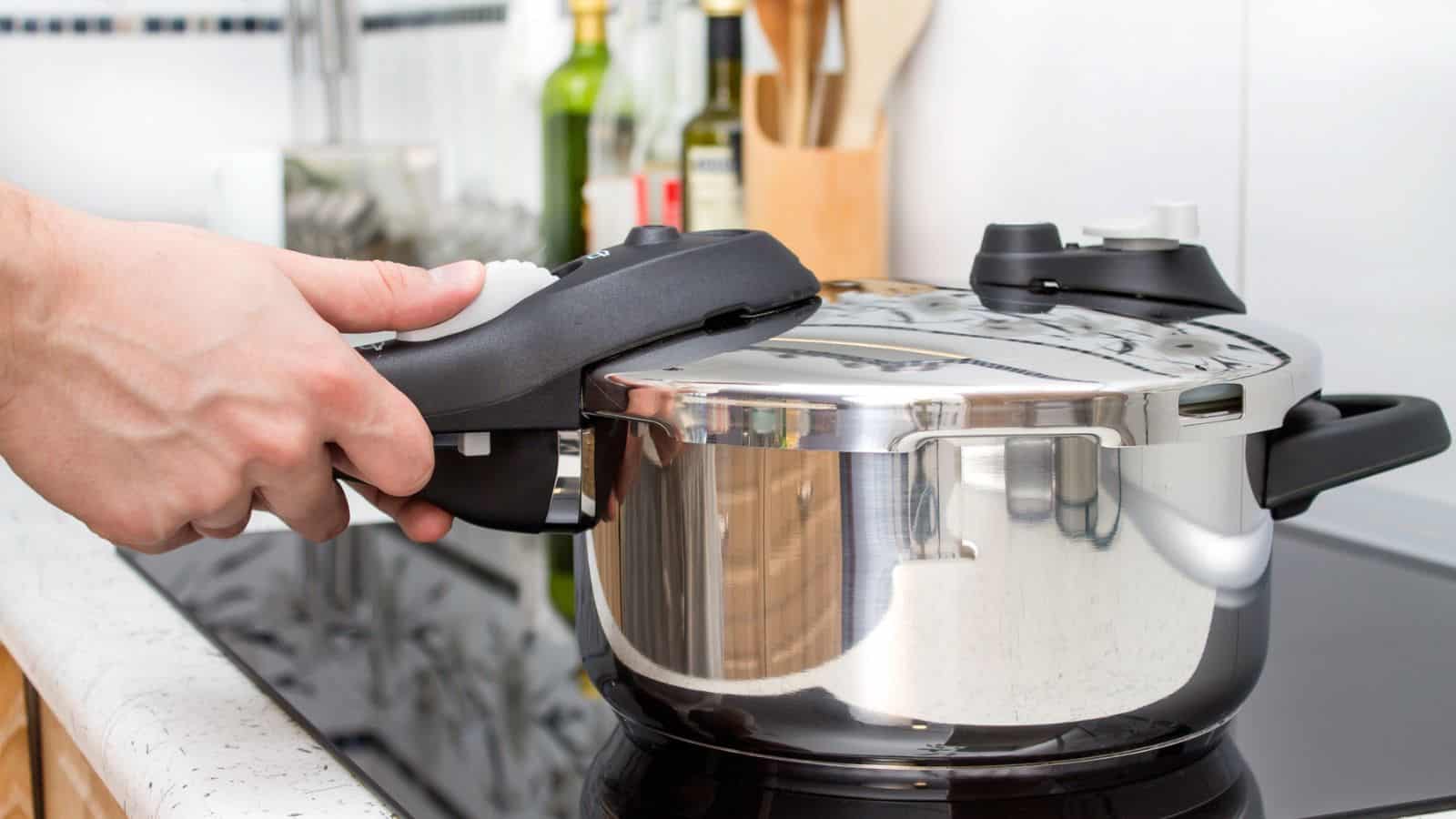
The invention of the pressure cooker in the 17th century, and its modern electric versions like the Instant Pot, revolutionized cooking by drastically reducing cooking times while retaining nutrients. By cooking food under high pressure, these devices allow for quicker preparation of meals that would traditionally take hours. This method not only saves time but also enhances the flavors and textures of food. Pressure cookers have become an essential kitchen appliance, enabling home cooks to prepare a wide variety of dishes, from stews and soups to rice and beans, with ease and efficiency.
Cheese Puffs
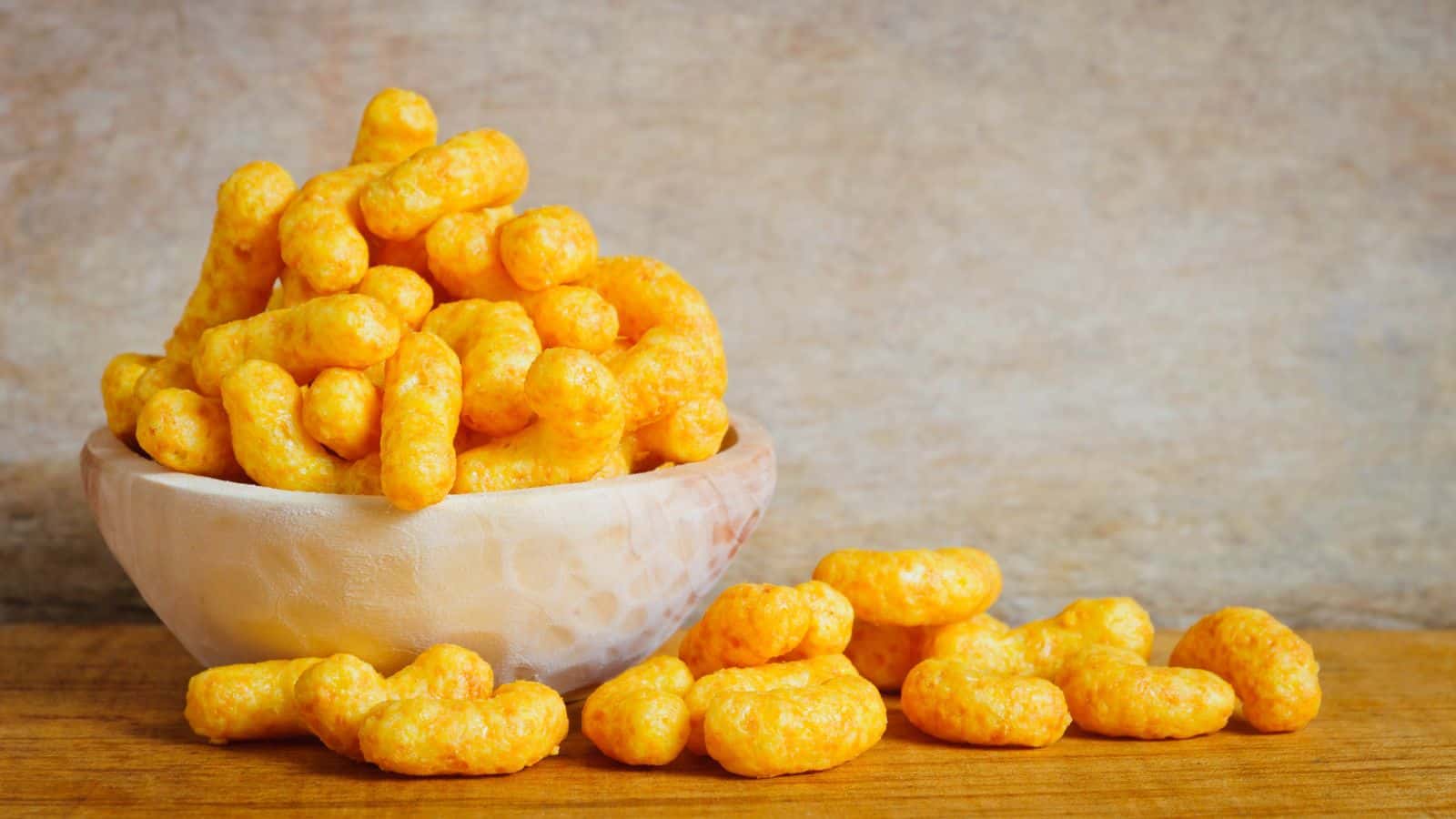
Cheese puffs were accidentally invented in the 1930s when cornmeal was extruded through a flaking machine, creating a puffed, airy snack. Initially, these extruded corn puffs were considered waste, but they were later seasoned with cheese and marketed as a new snack food. Cheese puffs quickly gained popularity due to their light, crunchy texture and savory flavor. They have since become a staple in the snack food industry, with numerous brands and variations available. This invention demonstrated how innovative processing techniques could lead to the creation of entirely new food products.
Margarine
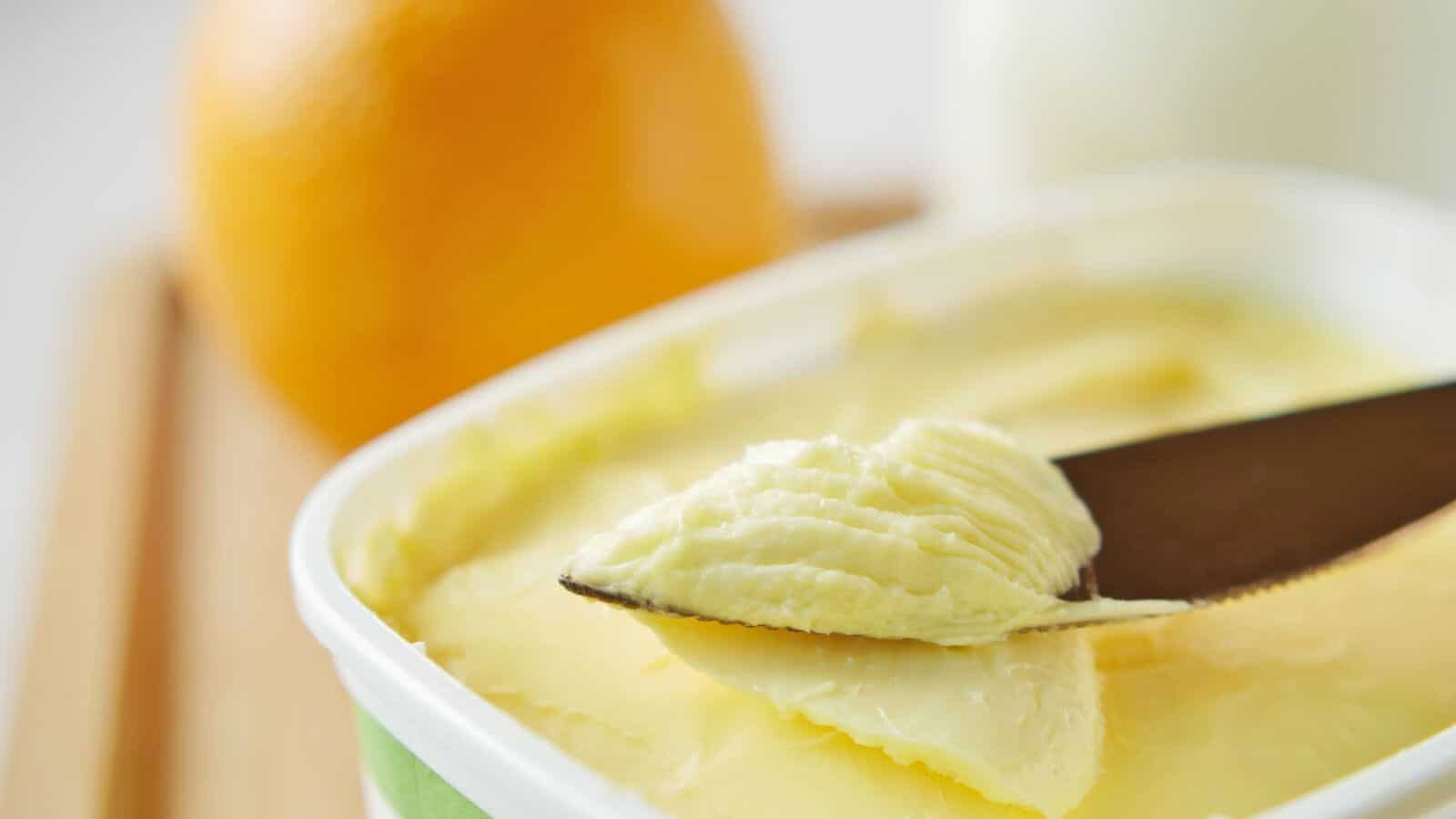
Invented by Hippolyte Mège-Mouriès in 1869 as a butter substitute, margarine was created in response to a challenge by Emperor Napoleon III to find a cheaper alternative to butter for the French army and lower classes. Made from beef tallow and skimmed milk, margarine is an affordable option that can be produced in large quantities. Over time, the recipe evolved to include vegetable oils, making it more accessible and versatile. Margarine's development had a significant impact on cooking and baking, making it a cost-effective alternative to butter with a longer shelf life.
Tetra Pak
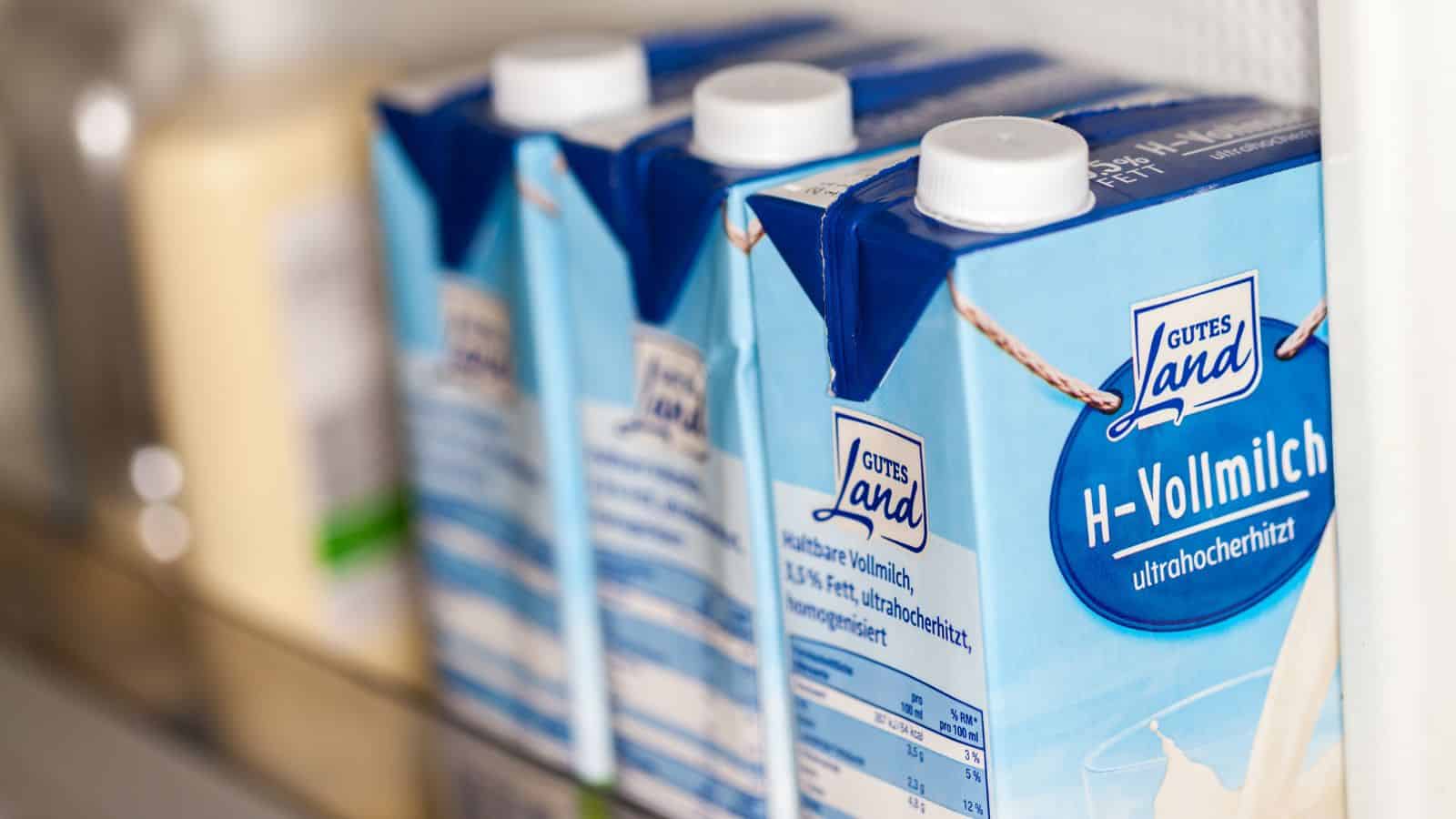
Developed by Ruben Rausing in the 1950s, Tetra Pak revolutionized the packaging of liquids by allowing for long-term storage without refrigeration. The Tetra Pak is a multi-layered carton that protects contents from light, air, and bacteria, preserving the quality and safety of the product. This packaging innovation made it possible to distribute perishable liquids like milk and juice over greater distances, extending their shelf life and reducing waste. Tetra Pak has had a profound impact on the food and beverage industry, enabling the widespread availability of a variety of liquid products in a convenient, portable format.
Sliced Bread
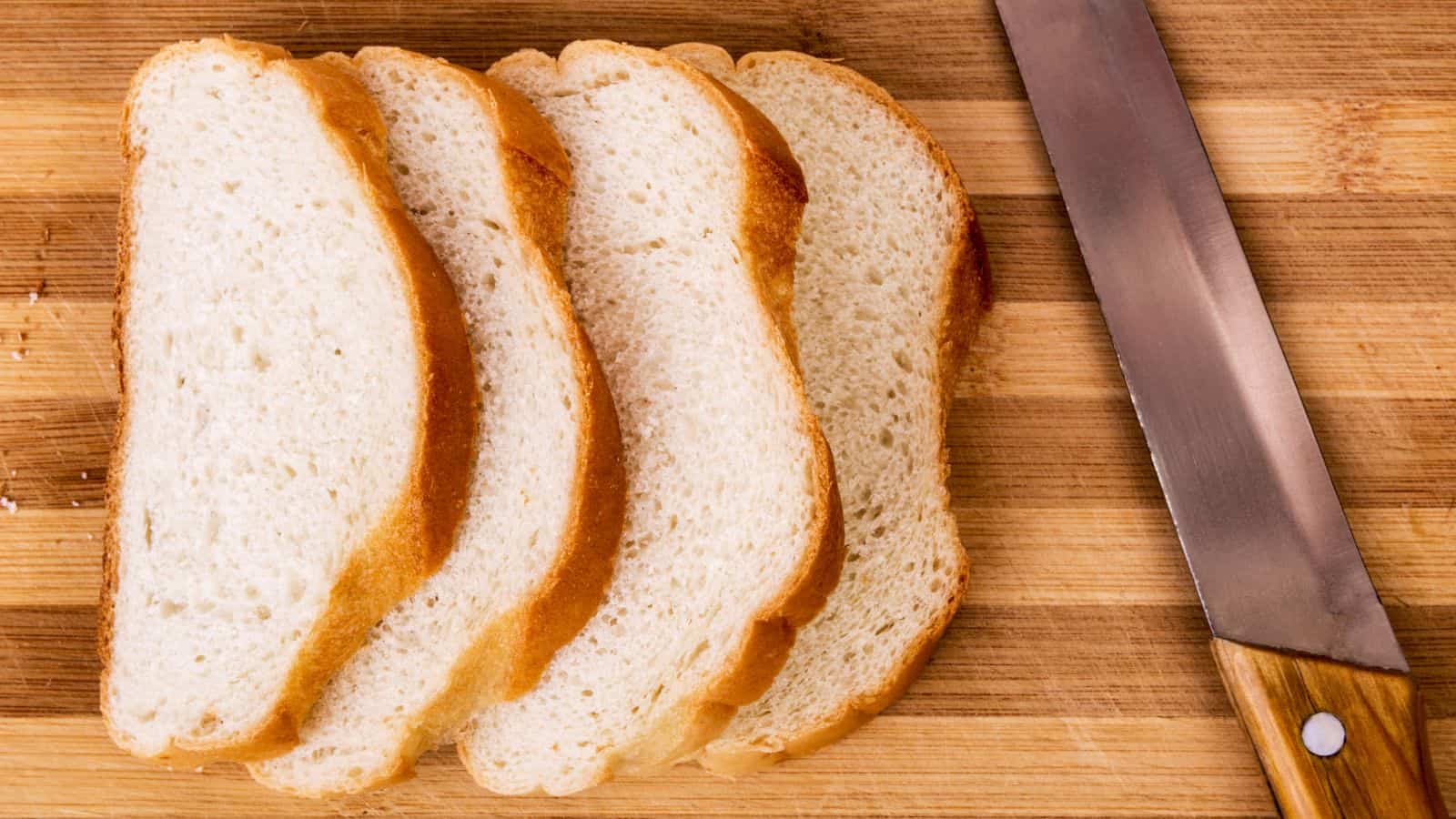
Otto Frederick Rohwedder's invention of the bread-slicing machine in 1928 made pre-sliced bread a convenient staple in households. Before this invention, bread was typically sold in whole loaves, requiring consumers to slice it themselves. Rohwedder's machine not only sliced the bread but also wrapped it to maintain freshness. This innovation greatly simplified the process of making sandwiches and toast, contributing to the popularity of sliced bread. The phrase "the greatest thing since sliced bread" emerged as a testament to the impact and convenience of this invention, which remains a standard in the baking industry.
Baby Carrots
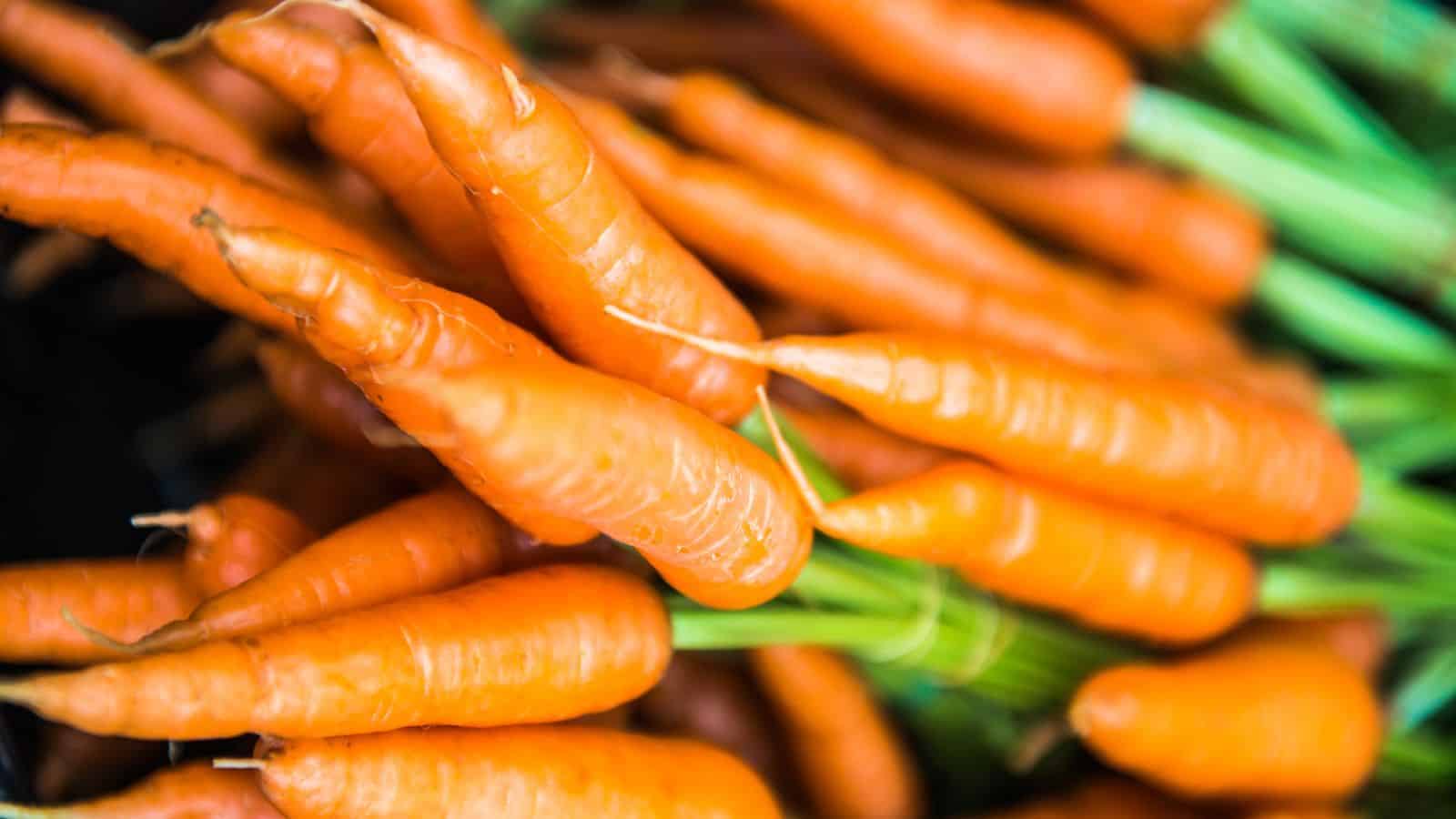
Invented by Mike Yurosek in the 1980s, baby carrots were created to reduce waste and make carrots more appealing and convenient for consumers. Yurosek, a carrot farmer, used an industrial green bean cutter to shape imperfect carrots into uniform, bite-sized pieces. This innovation not only minimized waste by utilizing carrots that would otherwise be discarded but also increased the vegetable's marketability. Baby carrots became a popular snack and a convenient option for salads and lunchboxes. Their success highlighted the potential for creative solutions in reducing food waste and enhancing the appeal of fresh produce.
Munching Made Marvelous!

Reflecting on these food inventions, it's clear how much they've transformed our eating habits and everyday lives. Each innovation has brought something new to the table, making meals quicker, easier, and more accessible. These changes have not only saved us time but have also introduced us to a wider variety of foods.
As we continue to innovate and explore new ways to improve our food, it's exciting to think about what the future holds. So next time you reach for that quick snack or prepare a convenient meal, take a moment to appreciate the creativity and ingenuity behind these great food inventions. They truly have changed the way we eat, making our lives just a bit easier and our plates a lot more interesting.
Surprising Everyday Foods That Contain Hidden Microplastics

Microplastics are sneaky little particles that have found their way into our daily lives, and they're not just in the ocean or floating around in the air. Shockingly, they've even infiltrated the food we eat every day. In this article, we'll talk about 11 foods that contain microplastics. It's a bit unsettling, right? But don't worry; we're here to break it down for you in a straightforward way.
Read it Here: 11 Surprising Everyday Foods That Contain Hidden Microplastics
Strange American Foods That Are Surprisingly Delicious
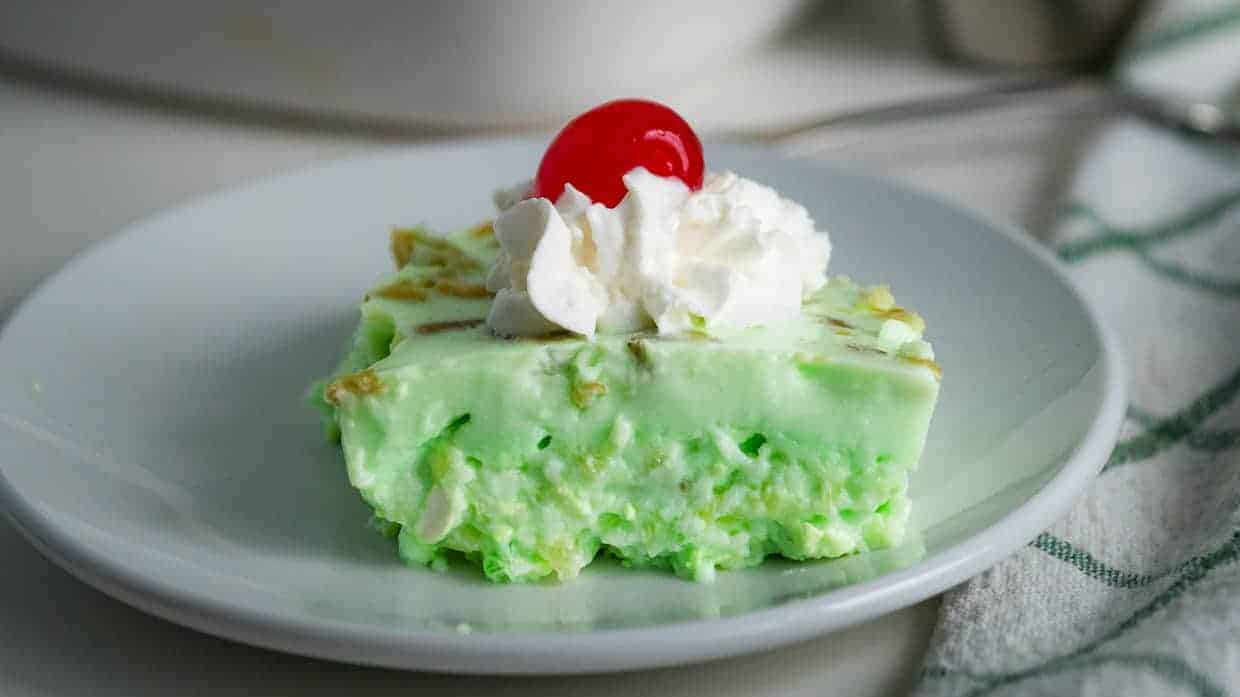
American food has always had its share of quirky creations that defy expectations. Some dishes may seem strange at first glance, but they deliver flavors that make them unforgettable. These 12 recipes celebrate the bold and unconventional side of American cuisine, proving that creativity often leads to surprisingly delicious results. Whether nostalgic or unexpected, these foods showcase why stepping outside the usual can bring a whole new level of satisfaction to the table.
Read it Here: 12 Strange American Foods That Are Surprisingly Delicious