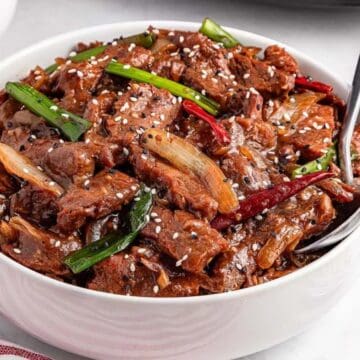
Dealing with food poisoning is no walk in the park. Your stomach feels like a battleground, and every little thing you eat can either help or hurt your recovery. It's crucial to be mindful of what you're putting into your body during this time. These 13 foods to avoid when you have food poisoning can irritate your digestive system even more, making it harder for you to heal.
In this article, we'll highlight specific foods that are best left off your plate when you're feeling unwell. By steering clear of these options, you can give your stomach the break it needs and help your body recover more efficiently. Making the right choices will not only ease your symptoms but also support your overall well-being. Let's take a closer look at what to avoid so you can get back to feeling like yourself again.

Processed Meats

Items such as sausages, hot dogs, and deli meats are often high in preservatives, unhealthy fats, and sodium, making them difficult for the body to process. These ingredients can irritate the stomach and lead to increased symptoms of food poisoning. The high-fat content in processed meats can also exacerbate nausea and discomfort. During recovery, it is advisable to avoid these foods and opt for lean, unprocessed protein options that are gentler on the digestive system and can support the healing process.
Raw Fruits and Vegetables

Consuming raw fruits and vegetables can be challenging for the digestive system, particularly when it is already compromised. The fiber in these foods, while generally healthy, can be difficult to digest during recovery from food poisoning. Additionally, raw produce may carry a risk of contamination, which could exacerbate existing symptoms. Cooking fruits and vegetables can make them easier to digest and reduce the risk of further irritation, making them a better choice for those in recovery.
Red Meat

High in fat and protein, red meat can be hard on the digestive system, particularly when it is already inflamed. The body may struggle to break down the complex proteins and fats found in red meat, leading to increased discomfort, gas, and bloating. During recovery from food poisoning, it is often best to avoid red meat and opt for leaner protein sources that are easier to digest, such as chicken or fish, which can provide the necessary nutrients without placing additional strain on the stomach.
Nuts and Seeds

These foods can be rough on the digestive system, especially during times of distress. The high-fat content and fiber in nuts and seeds can lead to increased gas and bloating, which may worsen symptoms like nausea and diarrhea. Additionally, the small size of nuts and seeds can make them harder to digest when the gastrointestinal tract is already irritated. It is advisable to avoid these foods during recovery and focus on softer, bland options that will not add to digestive discomfort and will aid in healing.
Condiments and Sauces
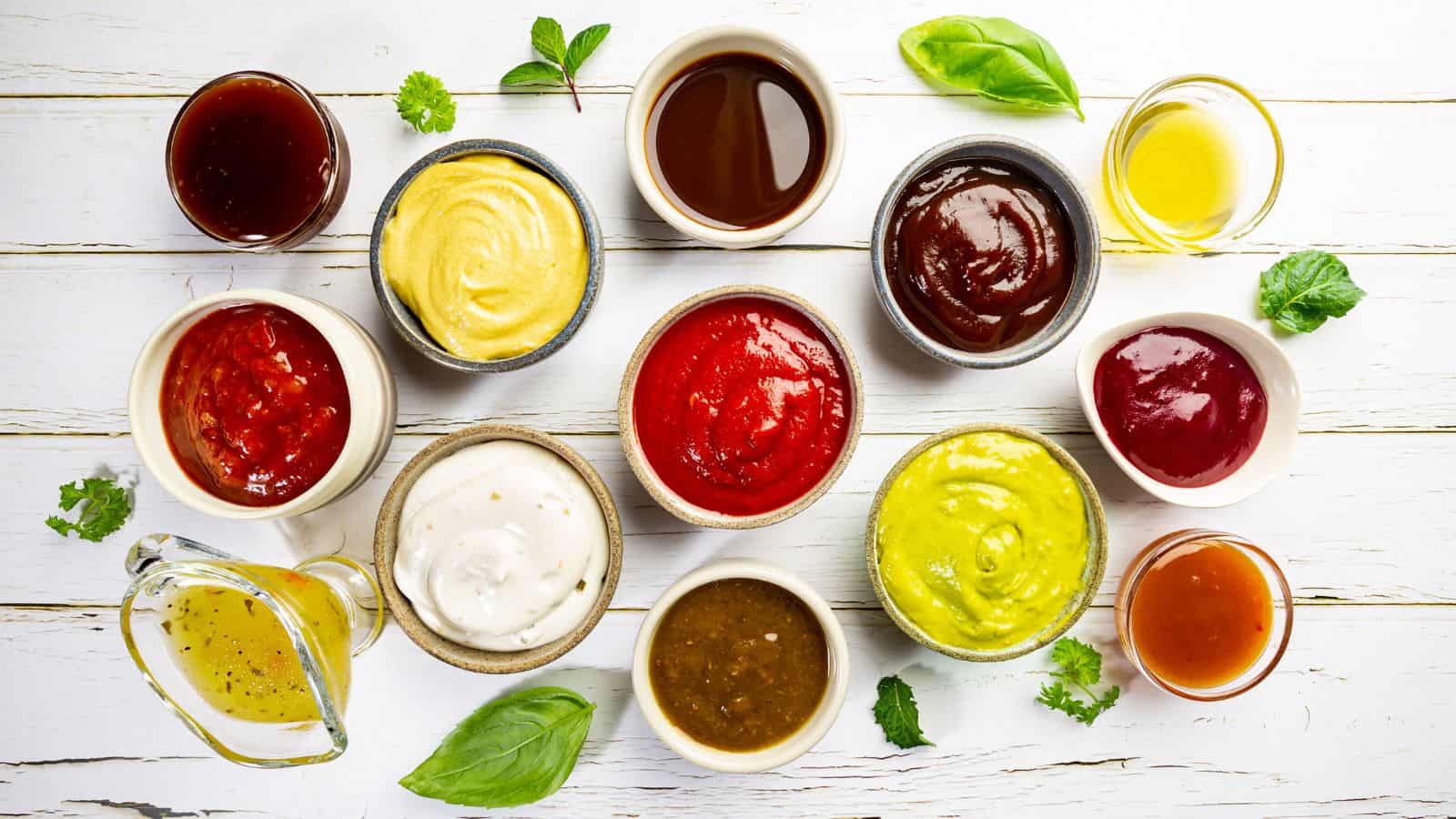
Many condiments and sauces, such as ketchup, mustard, and mayonnaise, often contain high levels of sugar, salt, and preservatives that can irritate the stomach lining. These ingredients can lead to increased discomfort and may exacerbate symptoms of food poisoning. Additionally, some sauces are spicy or acidic, which can further aggravate an already sensitive digestive tract. It is best to avoid these items during recovery and choose simple, natural flavorings that won't irritate the stomach.
Processed Foods
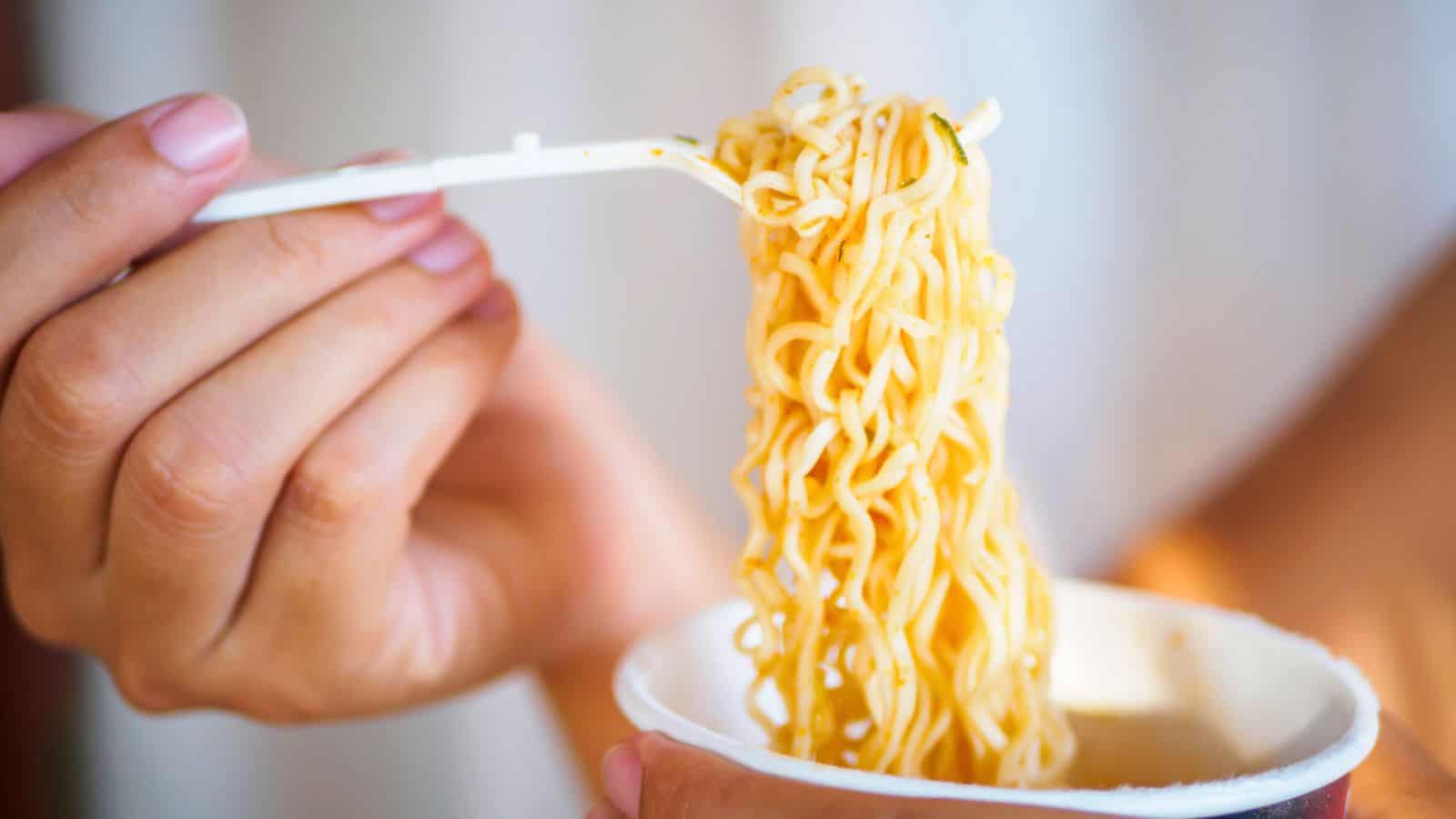
Processed foods often contain additives, preservatives, and artificial ingredients that can irritate the stomach lining. These foods are typically high in unhealthy fats, sugars, and sodium, which can exacerbate symptoms of food poisoning and hinder the healing process. The body may struggle to break down these complex ingredients, leading to further gastrointestinal distress. During recovery, it is best to focus on whole, unprocessed options that are easier to digest and can support the body in regaining its strength and balance.
Fried Foods
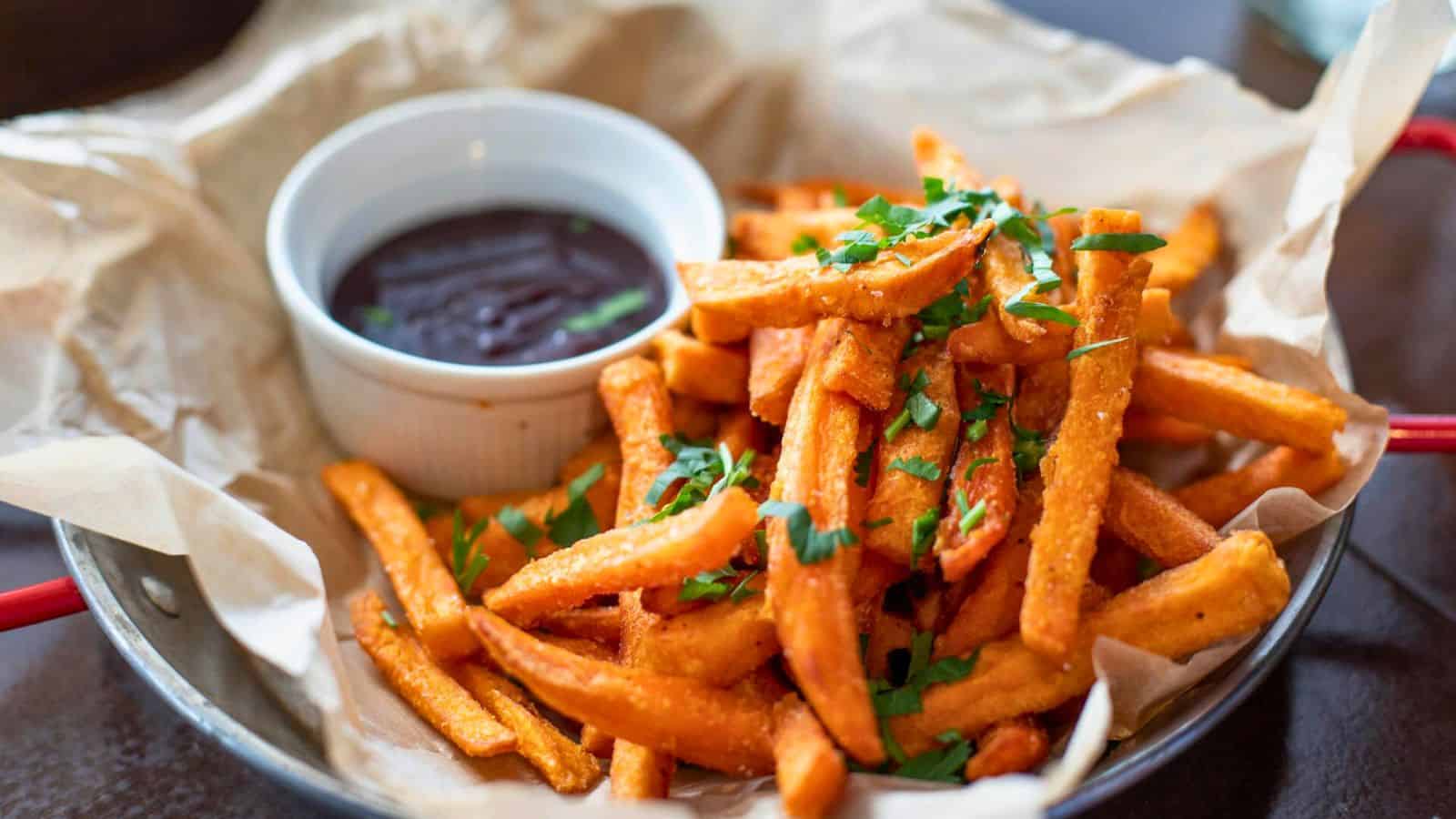
Foods that are fried often contain high levels of grease and fat, which can be difficult for the stomach to process when it is in a weakened state. The oil used in frying can lead to increased nausea and may trigger vomiting or diarrhea. Furthermore, fried foods often lack essential nutrients that aid in recovery. As the body attempts to heal, it is best to avoid these types of foods and focus on lighter, easily digestible options that can help restore balance without causing additional discomfort.
High-Fiber Foods
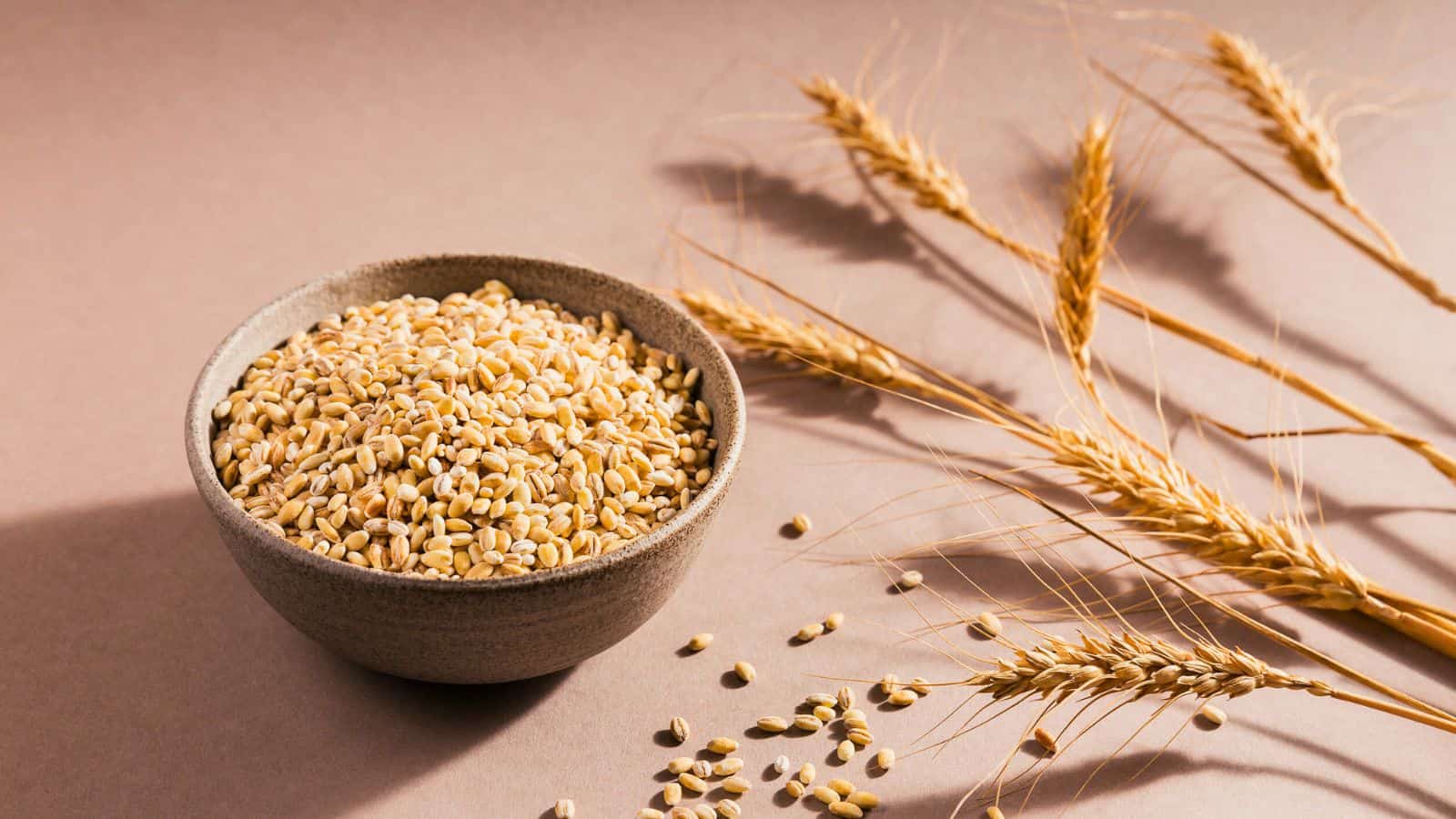
Foods rich in fiber, such as beans, whole grains, and certain vegetables, can be difficult to digest, particularly when the digestive system is under stress. While fiber is essential for regular bowel movements, it can lead to increased gas and bloating during episodes of food poisoning. High-fiber foods may also worsen diarrhea, making recovery more challenging. For those recovering, it is advisable to limit fiber intake and opt for low-fiber alternatives that are easier on the stomach and can help facilitate a quicker return to normal digestion.
Sugary Foods

Foods high in sugar, such as candies, pastries, and sugary snacks, can lead to increased bloating and gas, which may worsen diarrhea. The body often struggles to process excessive sugar, especially during times of gastrointestinal distress. Additionally, sugar can feed harmful bacteria in the gut, potentially prolonging the recovery process. For those recovering from food poisoning, it is advisable to limit sugar intake and focus on more nutritious options that support healing and restore digestive balance.
Spicy Foods
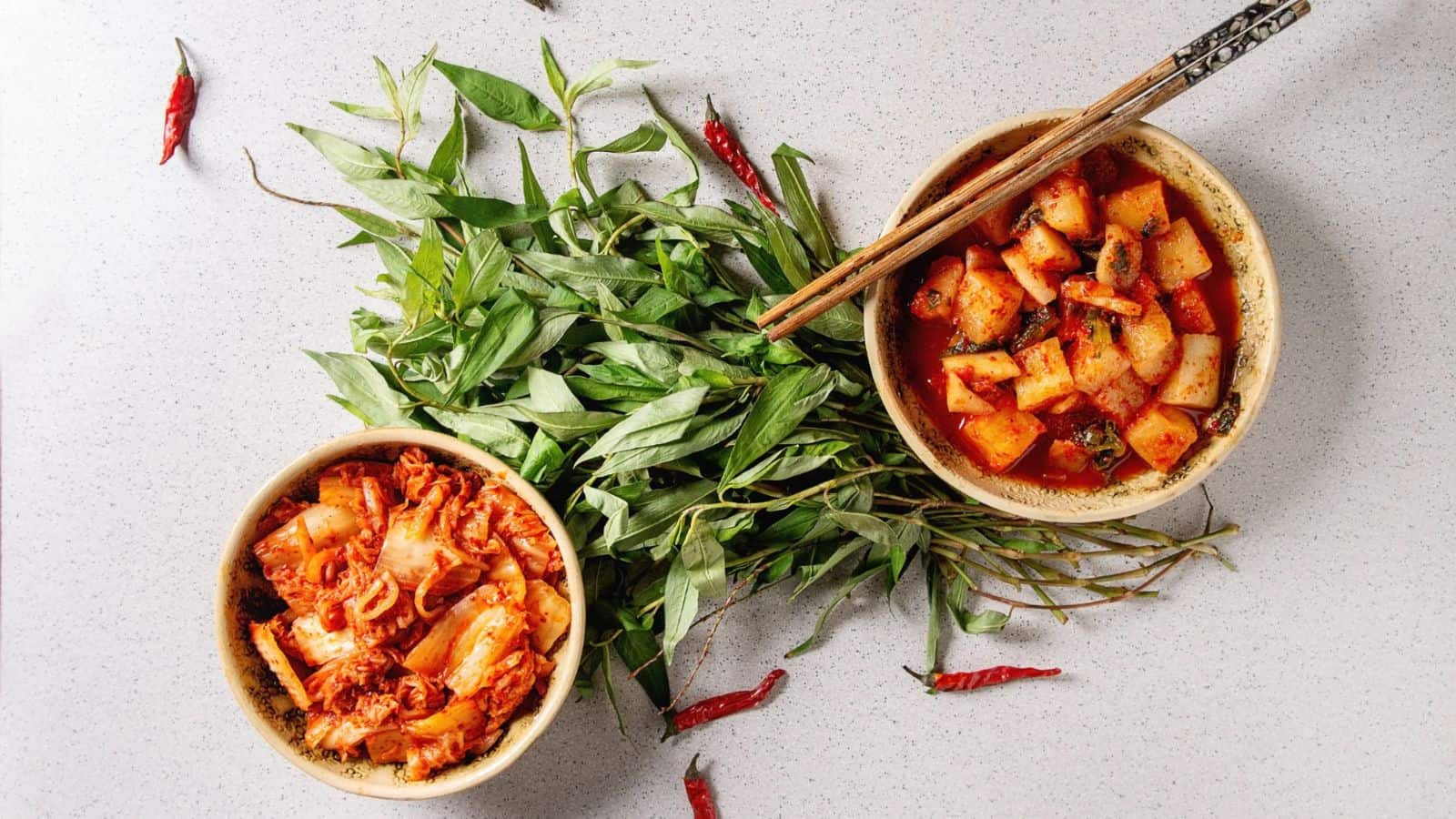
Spicy foods can irritate the gastrointestinal tract, especially when it is already inflamed from food poisoning. Ingredients like chili peppers and hot spices can lead to increased stomach cramps and exacerbate symptoms such as nausea and diarrhea. While some may enjoy the heat in their meals, it can be counterproductive during the recovery process. It's wise to choose bland, mild foods that won't provoke the digestive system further, allowing for a smoother healing process and reducing the risk of prolonged discomfort.
Dairy Products

Dairy products such as milk, cheese, and yogurt can be challenging for the digestive system, especially when it is already compromised. Lactose, the sugar found in milk, may be difficult to digest for some individuals, leading to increased gas, bloating, and diarrhea. Additionally, the fat content in certain dairy items can exacerbate feelings of nausea. During recovery from food poisoning, it is advisable to steer clear of these foods to prevent further irritation and allow the stomach to heal without added stress.
Eggs

Often considered a staple in many diets, eggs can be difficult to digest, particularly when the gastrointestinal system is already compromised. The protein and fat content in eggs may lead to increased feelings of nausea or discomfort. Cooking methods such as frying can further complicate digestion. During recovery from food poisoning, it is recommended to avoid eggs and instead focus on easily digestible alternatives that have the necessary nutrients without adding to digestive strain.
Seafood

Certain types of seafood can be challenging for the digestive system, especially during recovery from food poisoning. High in protein and sometimes rich in fats, seafood can lead to increased nausea and discomfort. Additionally, there is a risk of contamination with seafood, which could worsen symptoms if the source is not reliable. For those recovering, it is advisable to steer clear of seafood and opt for lighter protein sources that are easier to digest and less likely to cause further gastrointestinal distress.
Keep Your Gut Happy, Not Grumpy!

Recovering from food poisoning can be a frustrating process, but knowing what to avoid can make it a whole lot easier. By steering clear of certain foods, you give your digestive system the chance to heal without added stress. It's all about making choices that support your recovery and help you feel better sooner.
As you navigate this uncomfortable time, remember that your body needs care and attention. Focus on nourishing it with gentle, easy-to-digest options instead. Once you start feeling better, you can gradually reintroduce other foods into your diet. With a little patience and the right choices, you'll be back to your usual self before you know it. Stay mindful of what you eat, and take care of yourself-you deserve it!
Reasons Why Eating an Apple Every Day is a Smart Health Move

They say an apple a day keeps the doctor away! But how true is this statement, really? This humble fruit is more than just a snack; it's packed with nutrients that can boost your well-being in ways you might not expect. From improving heart health to supporting digestion, apples deliver a punch of goodness that can fit seamlessly into your daily routine. In fact, there are 13 health benefits of eating an apple every day.
Read it Here: 13 Reasons Why Eating an Apple Every Day is a Smart Health Move
Copper-Rich Foods to Supercharge Your Health and Wellness

Copper might not be the first thing you think about when planning your meals, but it's an essential mineral that plays a big role in your health. From helping your body produce energy to supporting your immune system, copper is a key player. The good news? There are 11 copper-rich foods you probably already enjoy. It's already easy for you to incorporate these foods into your daily routine!
Read it Here: 11 Copper-Rich Foods to Supercharge Your Health and Wellness