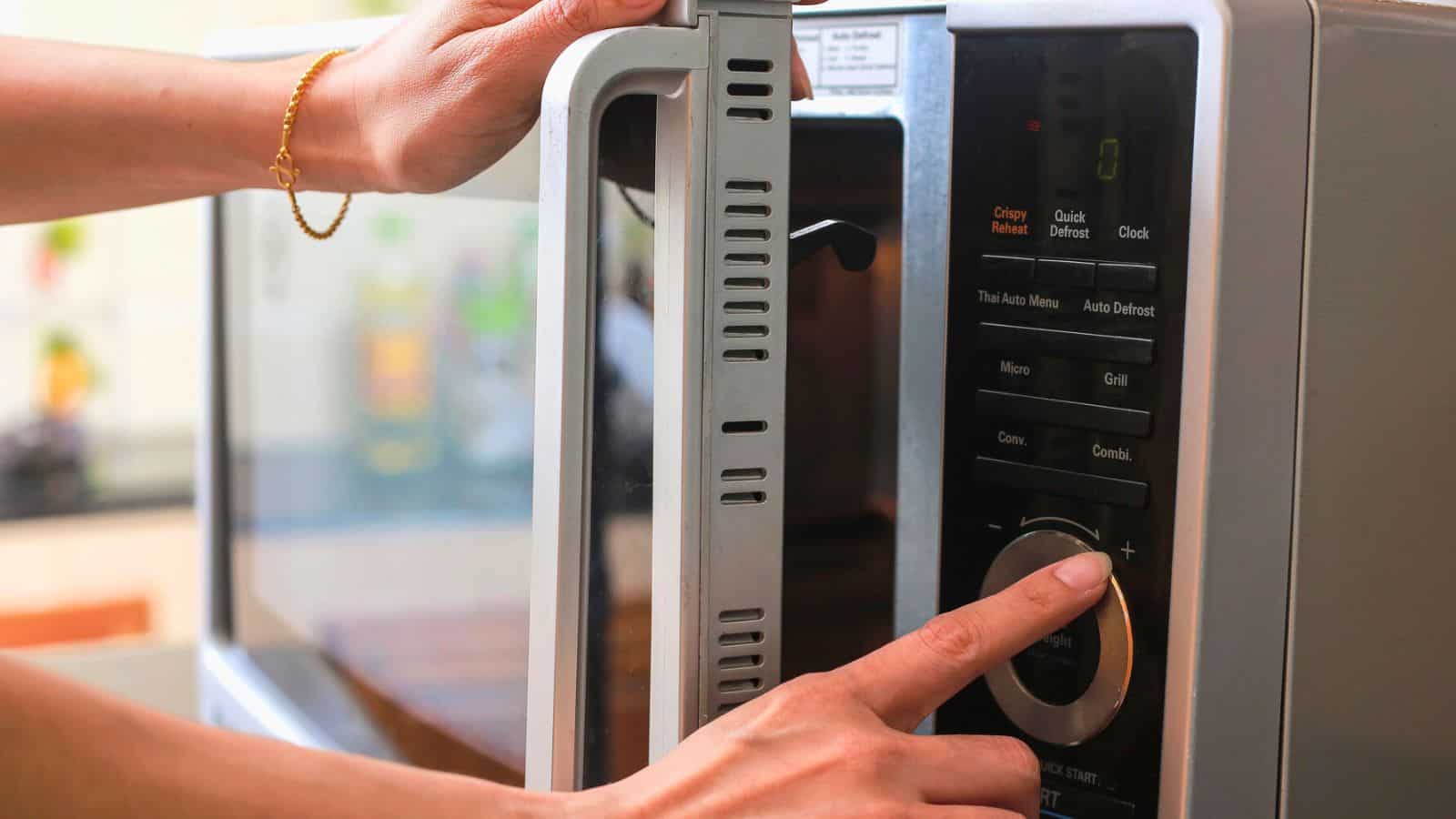
Microwaves are super convenient, right? Pop in your leftovers, press a button, and boom-hot food in minutes. But here's the thing: there are 15 foods you shouldn't microwave because they might end up with weird textures, strange tastes, or even become unsafe to eat. If you've ever wondered why your meal didn't turn out as great as you hoped, you might be nuking the wrong stuff.
So, let's talk about why some foods just don't get along with the microwave and what you can do instead to keep your meals perfect. Whether it's rubbery chicken, soggy pizza, or dry bread, knowing which foods to avoid reheating this way can save you a lot of disappointment. Plus, we'll share some tips on alternative methods that can bring your leftovers back to life without compromising on taste or texture. Stick around, and let's make sure your next meal is as great as it should be.
Eggs
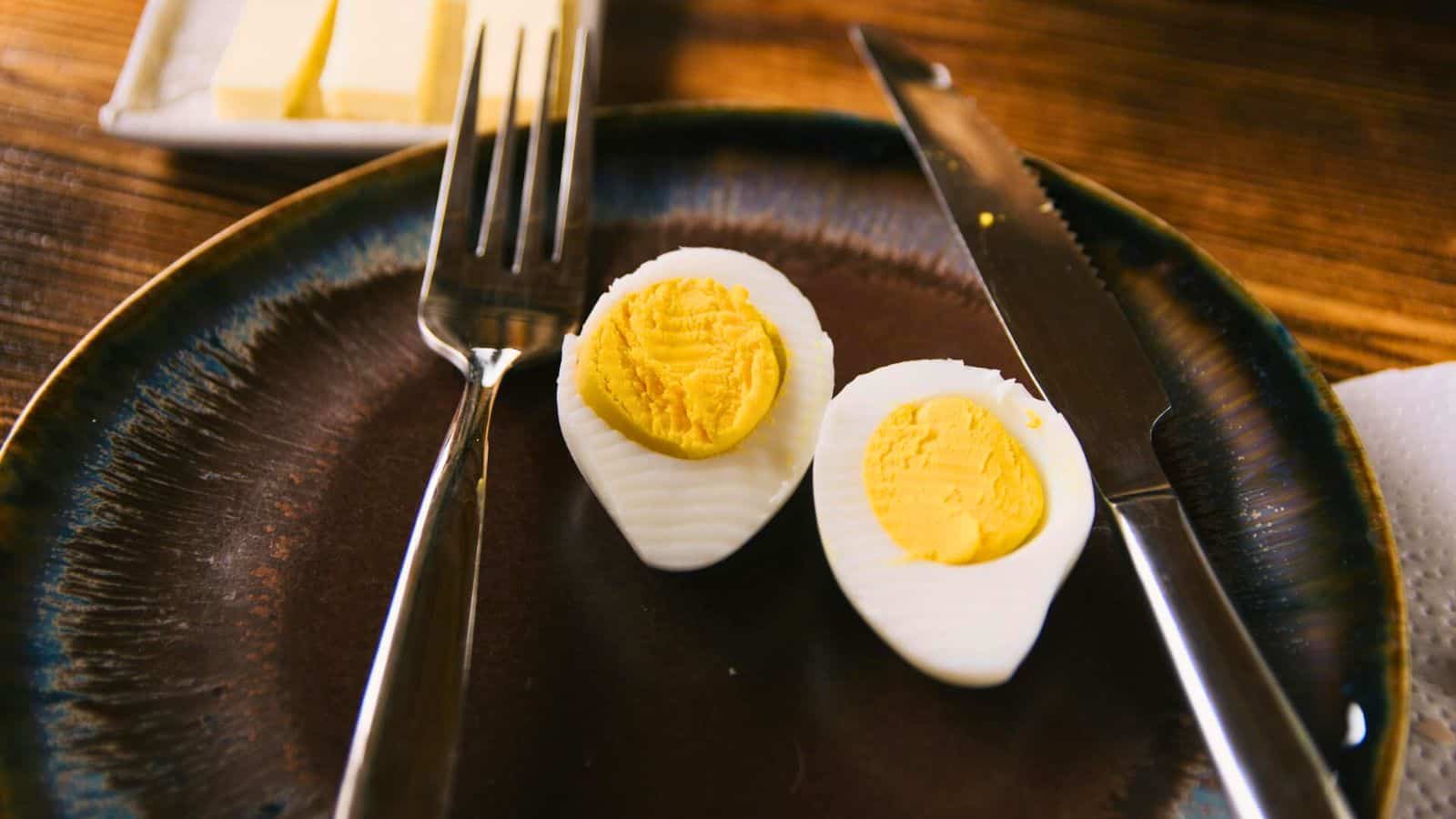
When microwaving eggs, the rapid heating can cause steam to build up inside, leading to an explosion. This not only creates a mess but can also be dangerous. Additionally, the texture often becomes rubbery and unappetizing. For a better result, consider using alternative methods like boiling, frying, or scrambling on the stovetop. These methods help maintain the eggs' texture and flavor, making them more enjoyable to eat.
Chicken
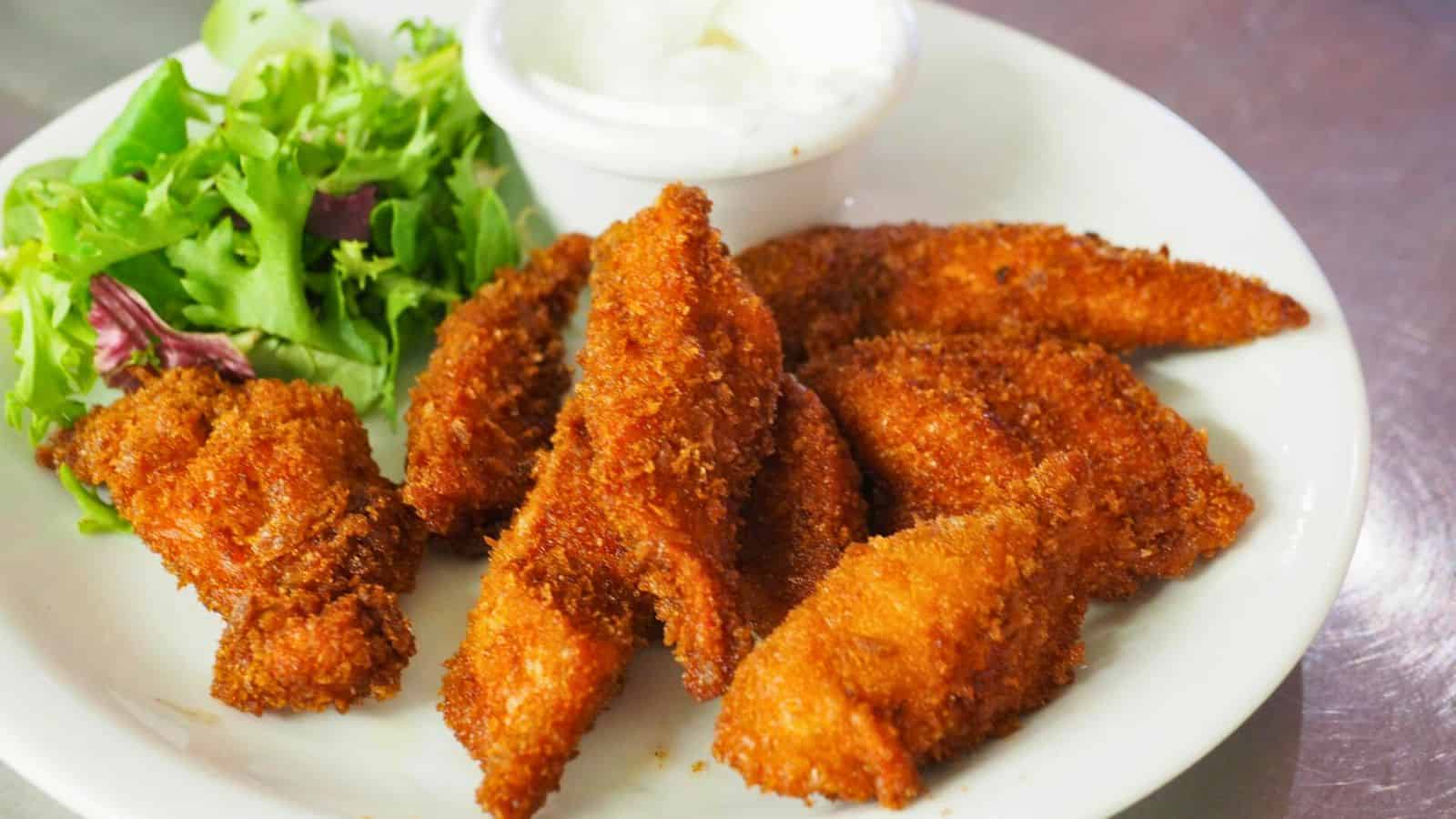
Reheating chicken in the microwave often results in dry and tough meat. The appliance heats unevenly, which can leave some parts overcooked while others remain cold. This uneven heating can also pose food safety risks, as bacteria may not be killed in the colder spots. To retain moisture and flavor, it's better to reheat chicken in the oven or on the stovetop. These methods allow for more even heating and help maintain the meat's juiciness.
Rice

Using the microwave to reheat rice can be risky if it hasn't been stored properly. Improperly stored rice can harbor Bacillus cereus, a bacterium that can cause food poisoning. The microwave may not heat the rice evenly, leaving some parts at a temperature where bacteria can thrive. Additionally, microwaved rice can become dry and lose its fluffy texture. To avoid these issues, store rice correctly and reheat it on the stovetop or in the oven, adding a bit of water to retain moisture.
Potatoes
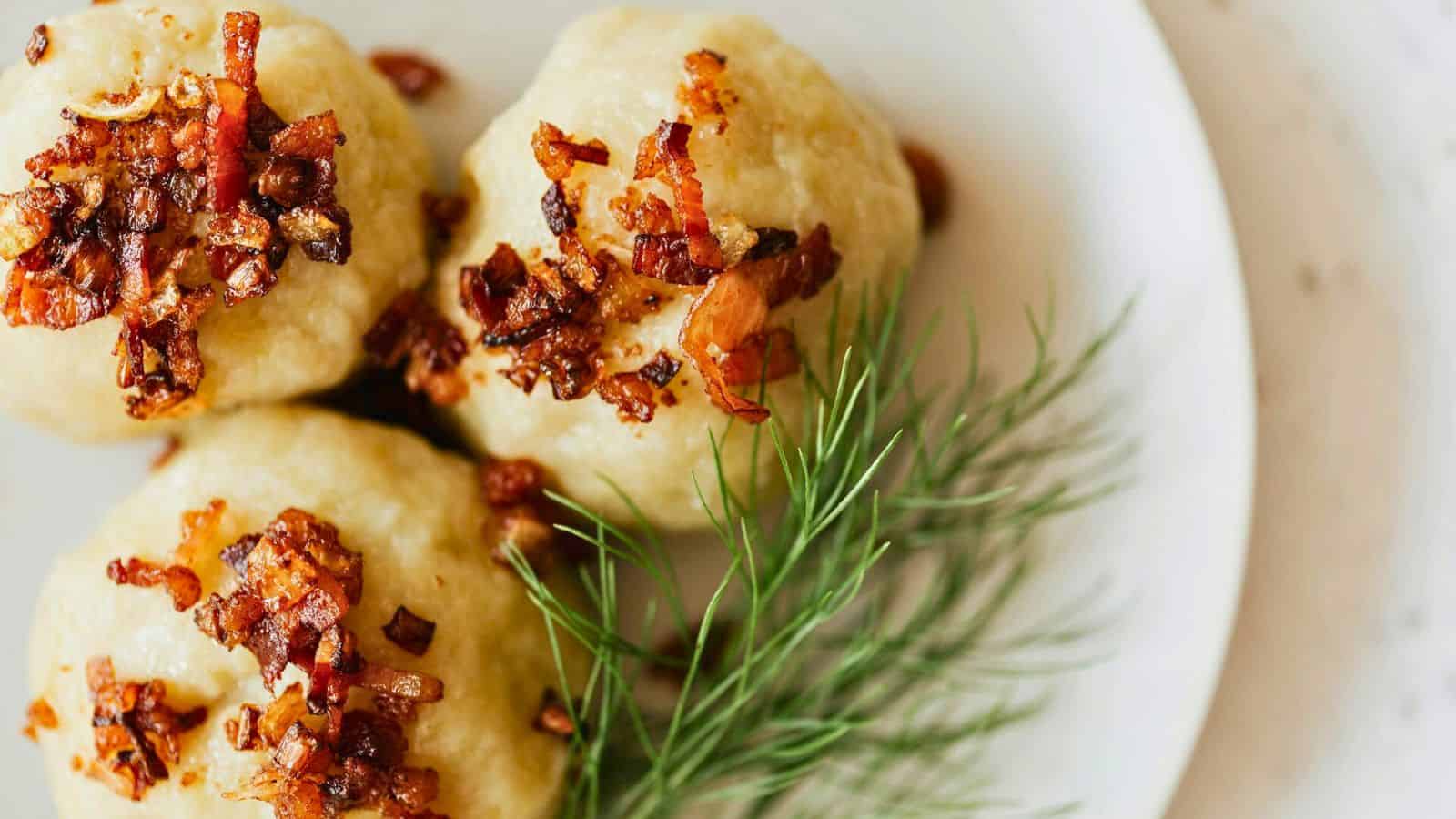
Microwaving potatoes often leads to a tough and unappetizing texture. The rapid heating can cause the potato to dry out, making it less enjoyable to eat. Additionally, if potatoes are not stored properly, they can develop harmful bacteria that may not be eliminated through microwaving. For a better result, consider reheating potatoes in the oven or on the stovetop. These methods help maintain their moisture and texture, making them more palatable. Adding a bit of oil or butter can also enhance their flavor and prevent drying.
Fish
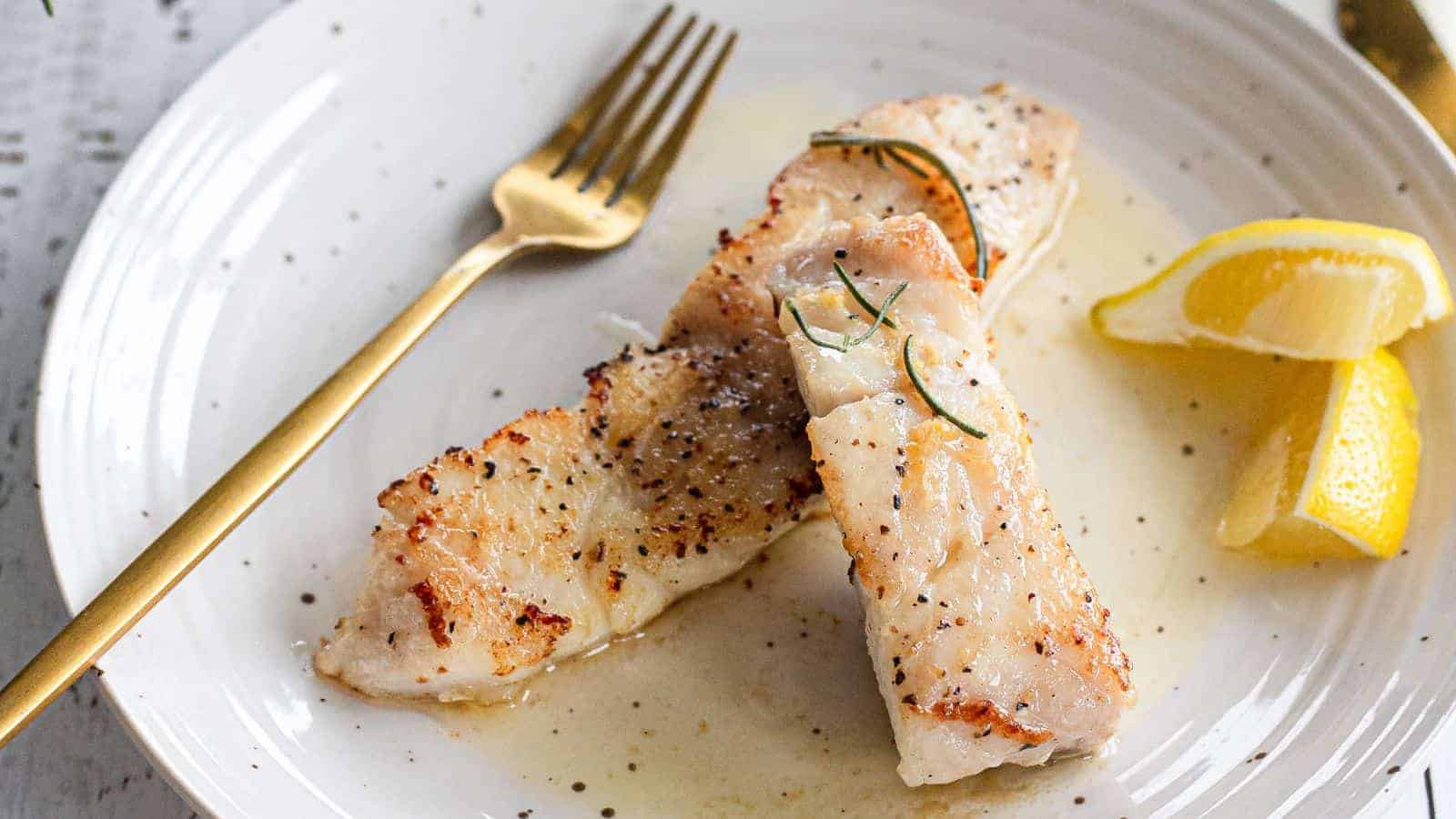
Microwaving fish can result in a rubbery texture and loss of its delicate flavors. The microwave's rapid and uneven heating can overcook some parts while leaving others undercooked. Additionally, the strong odors released during microwaving can linger in your kitchen. For a more enjoyable experience, consider reheating fish in the oven or on the stovetop. These methods help maintain the fish's texture and flavor, making sure it remains tender and tasty. Adding a bit of lemon or herbs can also enhance the overall flavor.
Leafy Greens

Reheating leafy greens in the microwave can cause them to wilt and lose nutrients. Some greens may even release harmful compounds when heated. The microwave's quick heating process can strip away the vibrant texture and color of the greens, making them less appealing. To better preserve their nutrients and texture, it's advisable to reheat leafy greens gently on the stovetop. A quick sauté with a bit of olive oil can help maintain their freshness and flavor.
Pizza
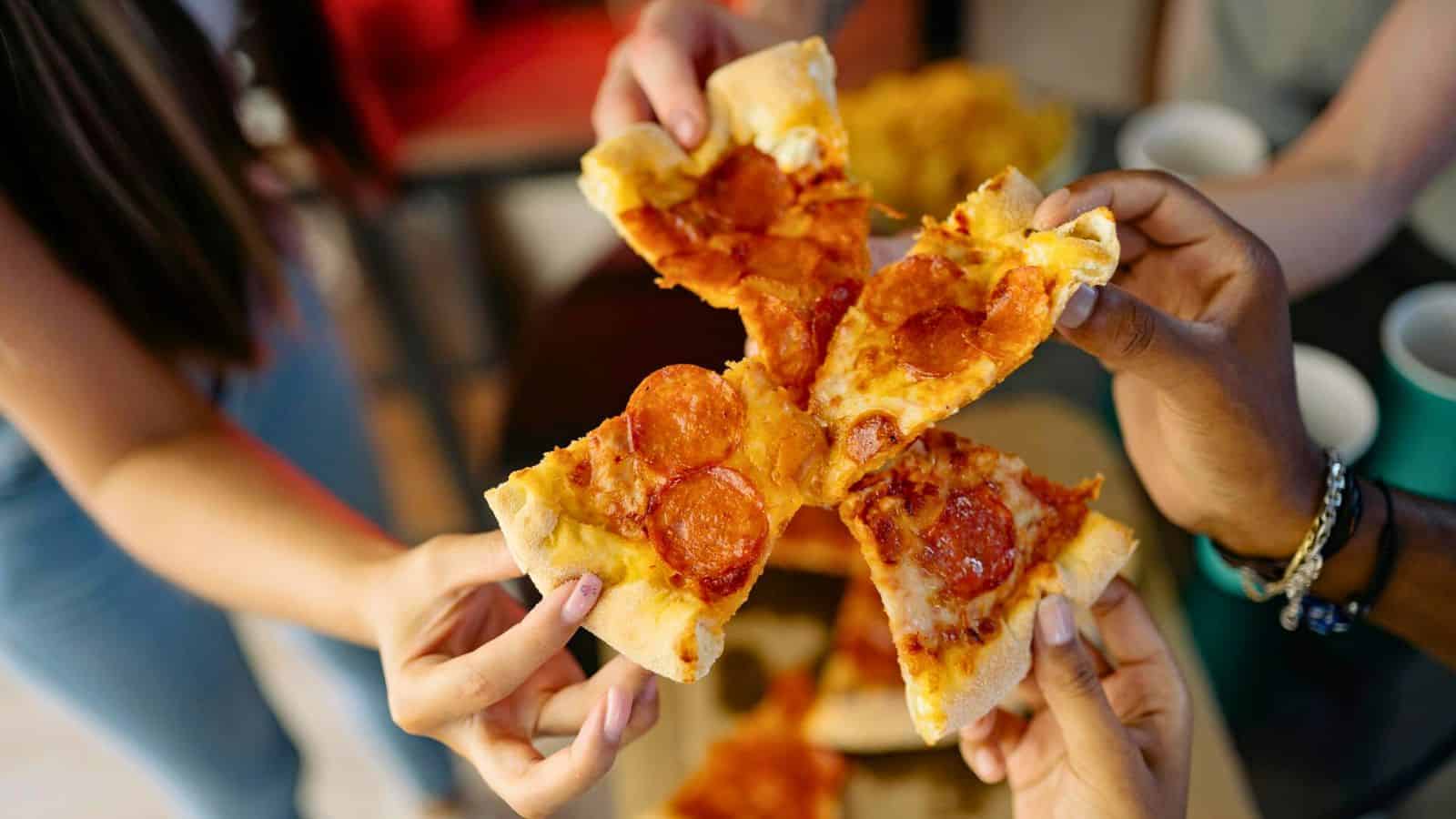
Microwaving pizza often results in a soggy crust and unevenly heated toppings. The microwave's moisture retention can make the crust lose its crispiness, while the toppings may not heat uniformly. For a better reheating method, consider using an oven or a toaster oven. These methods help restore the pizza's original texture, making the crust crispy and the toppings evenly heated. Adding a bit of extra cheese or toppings can also refresh the pizza's flavor.
Bread
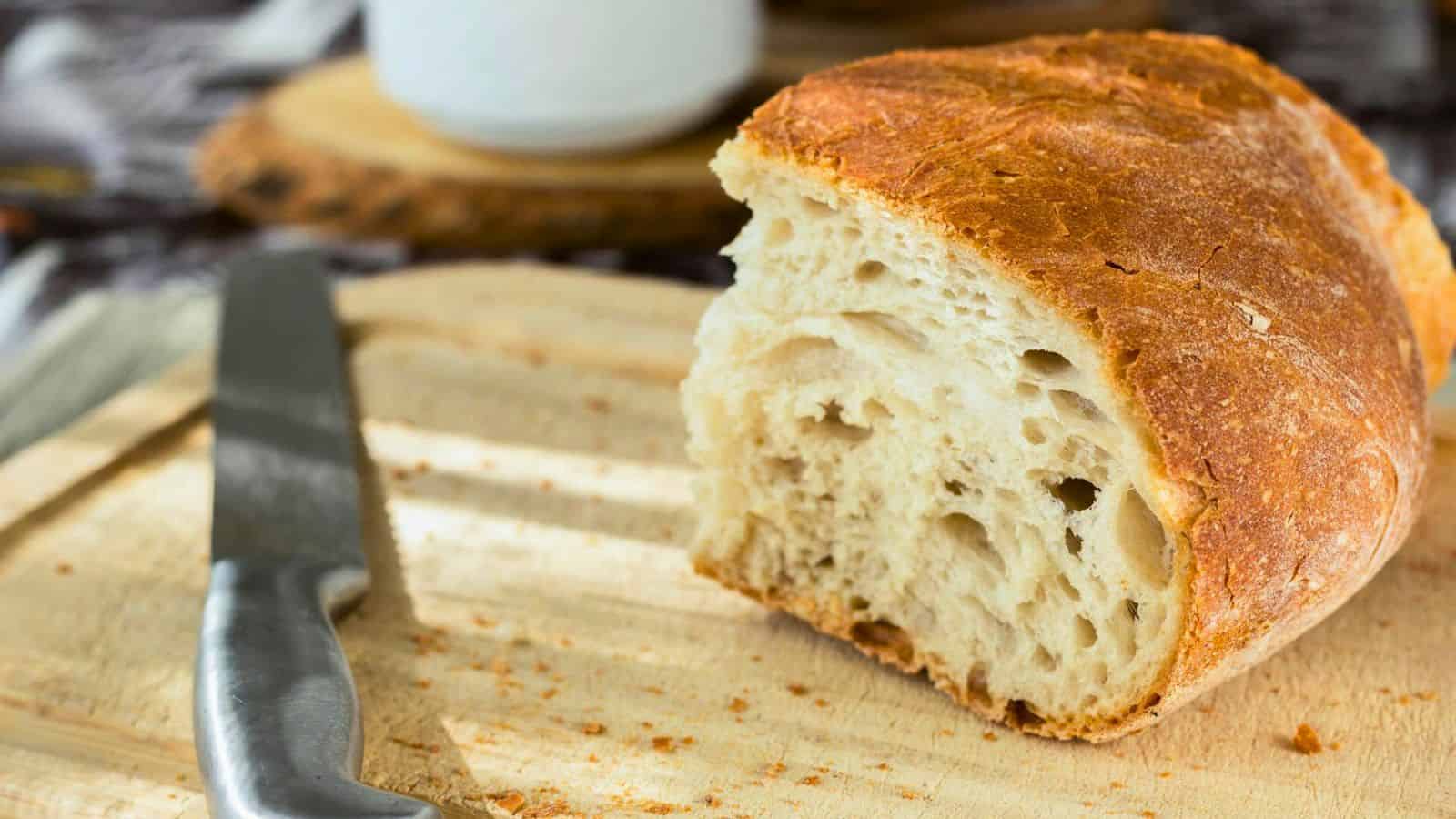
Reheating bread in the microwave can make it tough and chewy. The microwave's quick heating process can cause the bread to lose its softness and become dry. To maintain the bread's original texture, it's better to reheat it in an oven or toaster. These methods help keep the bread soft and warm, making it more enjoyable to eat. Wrapping the bread in foil before reheating can also help retain its moisture.
Sauces and Gravies
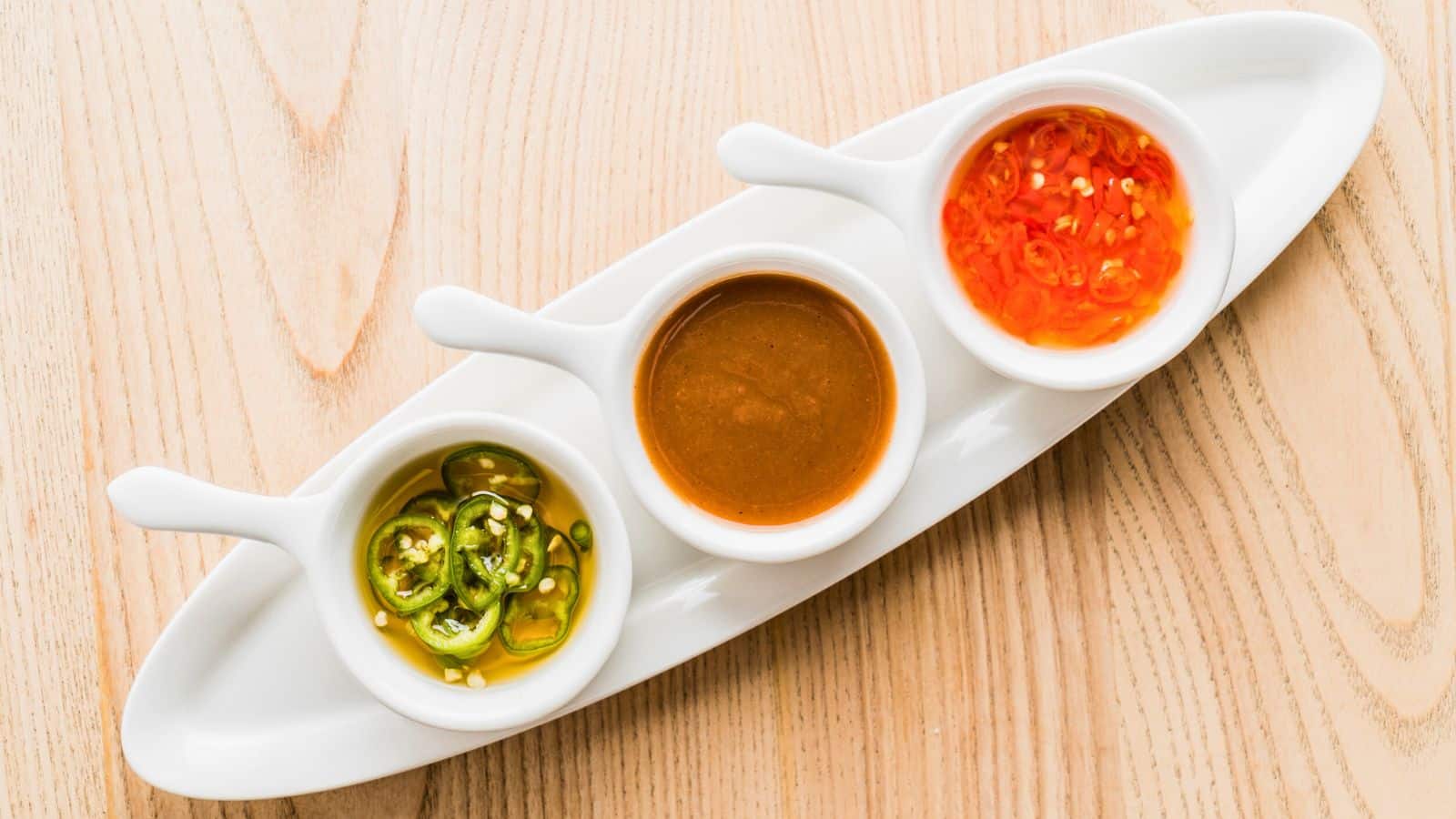
Reheating sauces and gravies in the microwave can cause them to separate or become too thick. The uneven heating can lead to an unappetizing texture, with some parts being too hot while others remain cool. For a smoother consistency, consider reheating sauces and gravies on the stovetop. This method allows for gentle and even heating, helping to maintain their original texture and flavor. Stirring occasionally while reheating can also prevent separation and guarantee a more uniform consistency.
Fruits

Microwaving fruits can make them mushy and cause them to lose their natural flavor. The quick heating process can break down the fruit's structure, resulting in an unappealing texture. Some fruits may also release excess moisture, leading to a soggy outcome. To preserve their texture and taste, it's better to reheat fruits gently on the stovetop or enjoy them cold. If you need to warm them, consider using a low heat setting and adding a bit of sugar or spices to enhance their flavor.
Dairy Products
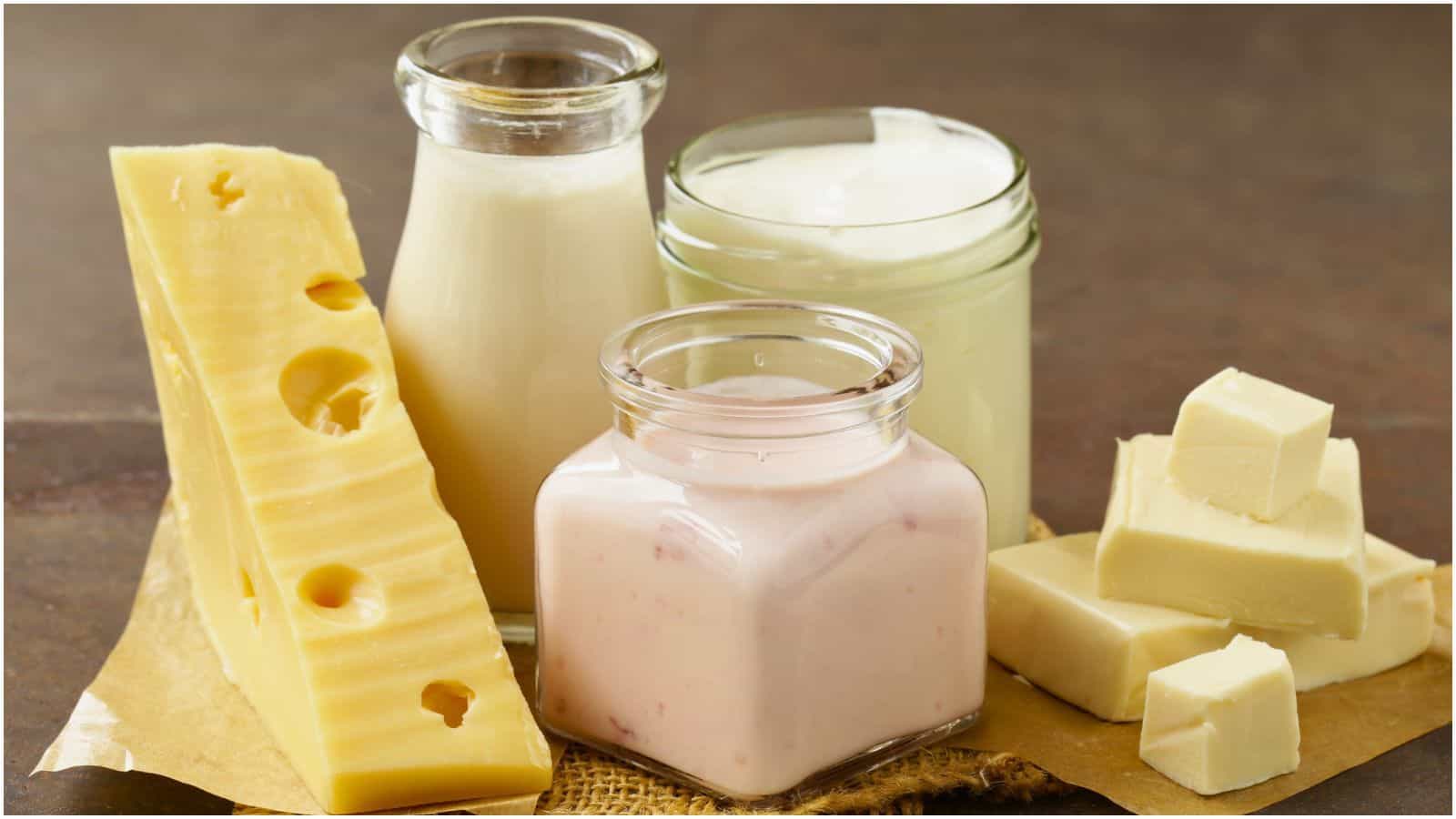
Reheating dairy products like milk or cream in the microwave can cause them to curdle or separate. The uneven heating can lead to an unappetizing texture and affect the overall taste. For a smoother result, it's better to reheat dairy products gently on the stovetop. Using a low heat setting and stirring frequently can help maintain their consistency and prevent curdling. If reheating cheese-based dishes, consider using the oven to keep the cheese melted and evenly distributed.
Processed Meats

Microwaving processed meats can make them dry and rubbery. The quick heating process can also release harmful chemicals, affecting both taste and safety. For a more enjoyable experience, consider reheating processed meats on the stovetop or in the oven. These methods help maintain their moisture and flavor, making them more pleasant to eat. Adding a bit of water or broth while reheating can also help retain moisture and enhance the taste.
Nuts

Reheating nuts in the microwave can cause them to become rancid or lose their crunchiness. The heat can alter the oils in the nuts, leading to an off-flavor and unappealing texture. To preserve their freshness and crunch, it's better to reheat nuts in the oven. A low heat setting can help warm the nuts evenly without affecting their natural oils. Spreading them out on a baking sheet and toasting them for a few minutes can also enhance their flavor and texture.
Avoid the Soggy Surprise!

So, there you have it. Microwaves are great for convenience, but they're not always the perfect choice for reheating every type of food. From rubbery chicken to soggy pizza, knowing which foods to avoid can save you from a disappointing meal. Instead, try using the oven, stovetop, or even a toaster oven to bring your leftovers back to life. These methods might take a bit more time, but the results are usually worth it.
Next time you're about to hit that microwave button, think twice. A little extra effort can go a long way in preserving the taste and texture of your food. Remember, not all shortcuts lead to great results. By avoiding these common microwave pitfalls, you can enjoy your leftovers just as much as the first time around!
No-Bake Desserts So Good, You Won't Miss the Oven
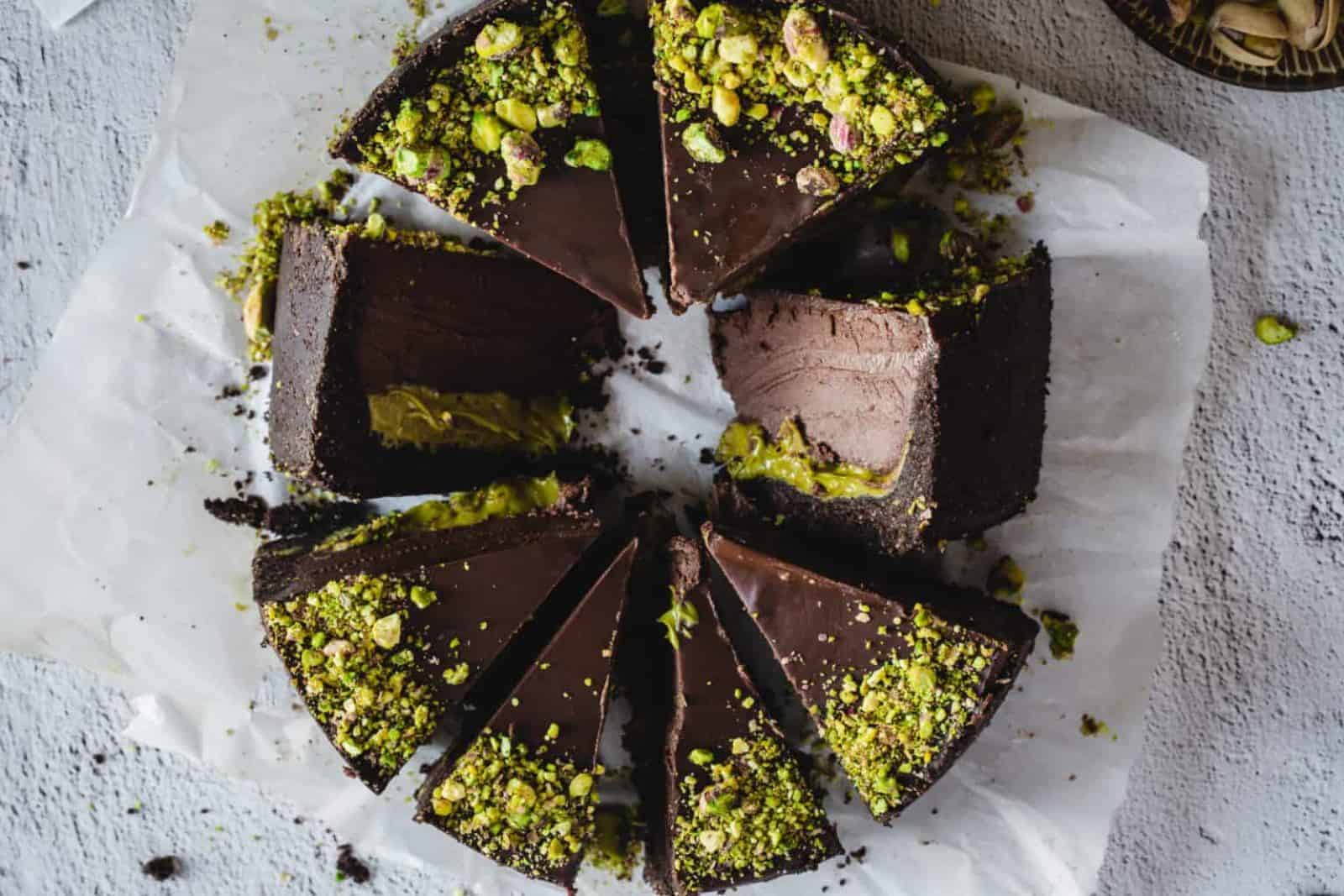
No-bake desserts are the perfect solution when you want something sweet without turning on the oven. These recipes are quick and easy and still pack all the flavor you crave in a dessert. From creamy to crunchy, there's something for everyone without the fuss of baking. Whether you're short on time or just avoiding the heat, these no-bake treats will do the trick.
Read it Here: 15 No-Bake Desserts So Good, You Won't Miss the Oven
Grill Recipes That Will Make You Fire Up the BBQ (and Maybe the Oven a Little)

If you're craving smoky flavors and the simple satisfaction of grilling, this roundup is for you. We've got 11 solid recipes that are all about making the most of your BBQ. Whether you're firing up the grill outside or working with a grill pan in the kitchen, these dishes bring the heat and flavor. Grab your tongs and get ready-these recipes will keep your grill busy all season.
Read it Here: 11 Grill Recipes That Will Make You Fire Up the BBQ (and Maybe the Oven a Little)