You probably think you know how to store your food, but there are 13 foods you've been storing wrong this entire time. Some foods just don't do well in the fridge, while others actually last longer when kept cold. Getting it right means less waste, fresher ingredients, and even better flavor when you're ready to use them. Small adjustments in where and how you keep your food can save you money and time.
A lot of what we've been taught about storing food isn't actually the best way. For example, some things lose their texture or taste when chilled, and others spoil faster if left out. Knowing the perfect spot for each item helps keep your kitchen running smoothly and your food at its best. Once you get the hang of it, storing food becomes second nature and your groceries will thank you.
Tomatoes
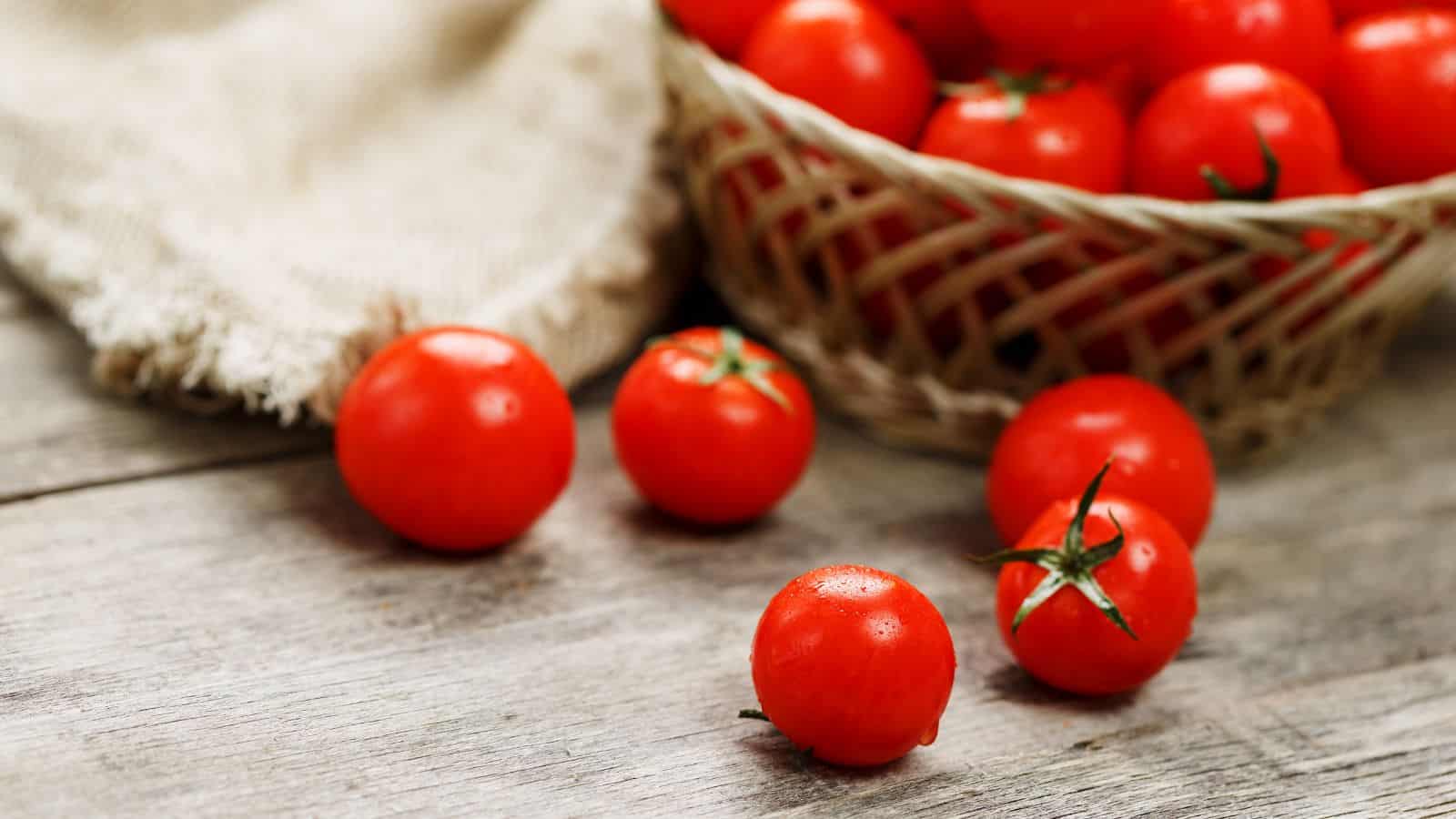
Many people store tomatoes in the refrigerator, thinking it will keep them fresh longer, but this actually changes their texture and flavor. Cold temperatures cause the cell walls inside tomatoes to break down, resulting in a grainy or mealy texture that is less enjoyable. The cold also suppresses the production of compounds responsible for their characteristic aroma and taste. Instead, tomatoes should be kept at room temperature, away from direct sunlight, where they can ripen naturally and maintain their juiciness and vibrant flavor.
Potatoes
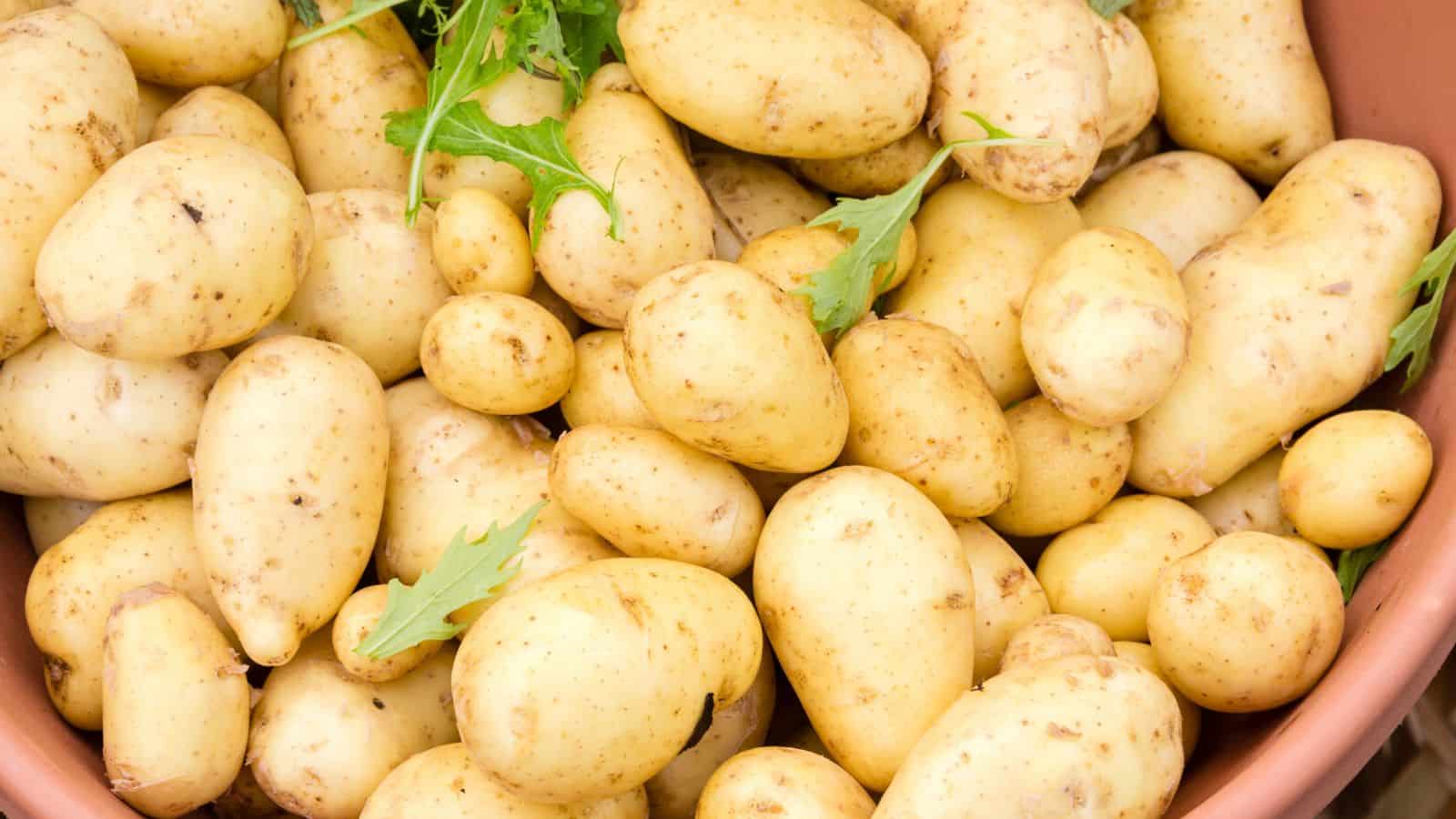
Potatoes are often kept in the fridge to prevent sprouting, but this can have the opposite effect on their quality. When stored in cold conditions, the starches in potatoes convert into sugars, which alters their flavor and causes them to darken when cooked. The ideal storage spot is a cool, dark, and well-ventilated area, such as a pantry or cellar. This environment slows sprouting and decay without triggering unwanted chemical changes. Avoid storing potatoes near onions, as gases from onions can cause potatoes to spoil faster.
Onions
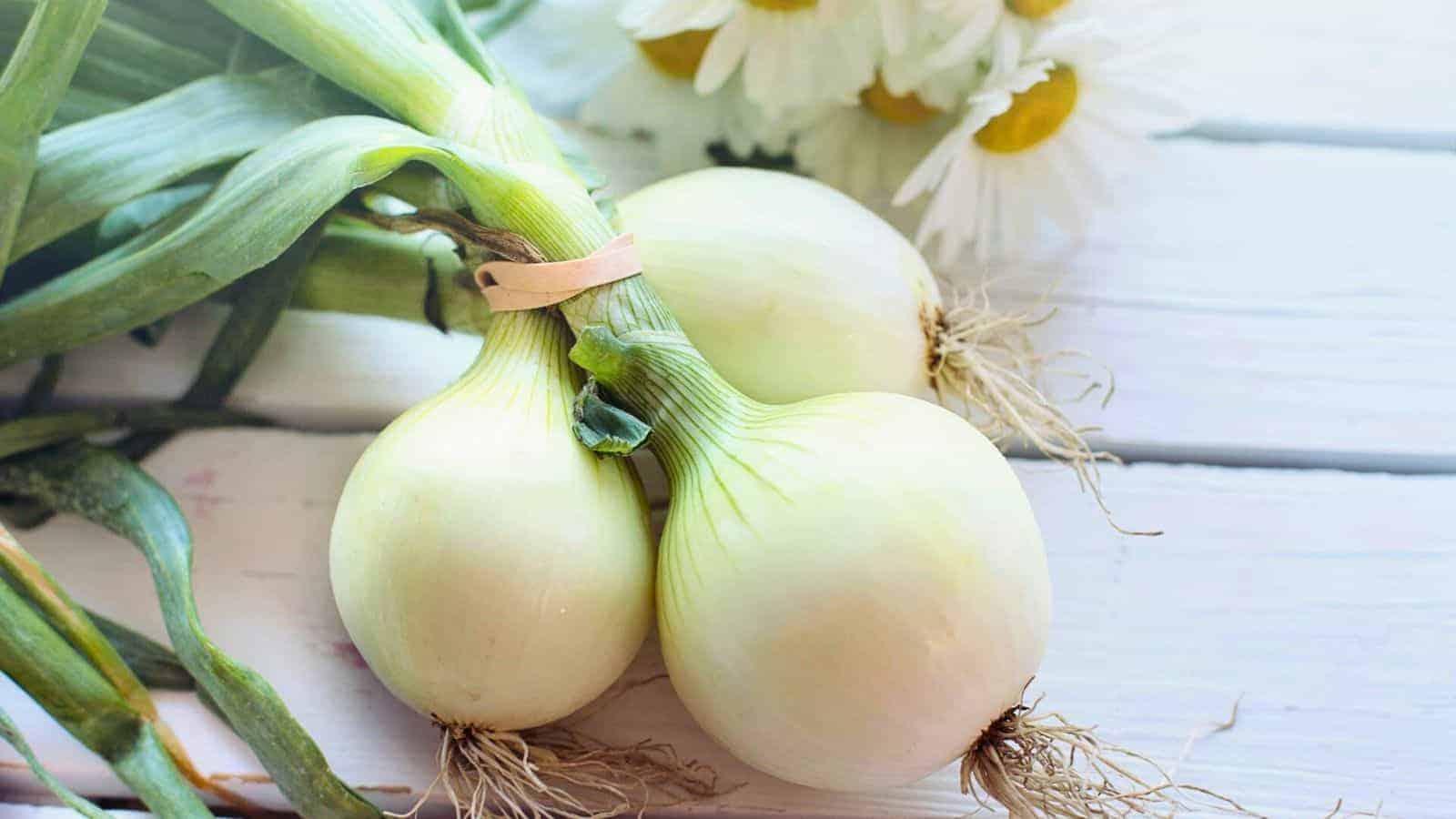
Storing onions improperly can lead to rapid spoilage and sprouting. Many people keep onions in plastic bags or close to potatoes, but this traps moisture and limits airflow, which promotes mold growth and decay. Onions need to be kept in a dry, cool place with good ventilation, such as a mesh bag or a basket. Keeping them separate from potatoes is important because potatoes release moisture and gases that can cause onions to spoil more quickly. Proper storage helps onions remain firm and dry for a longer period.
Bread
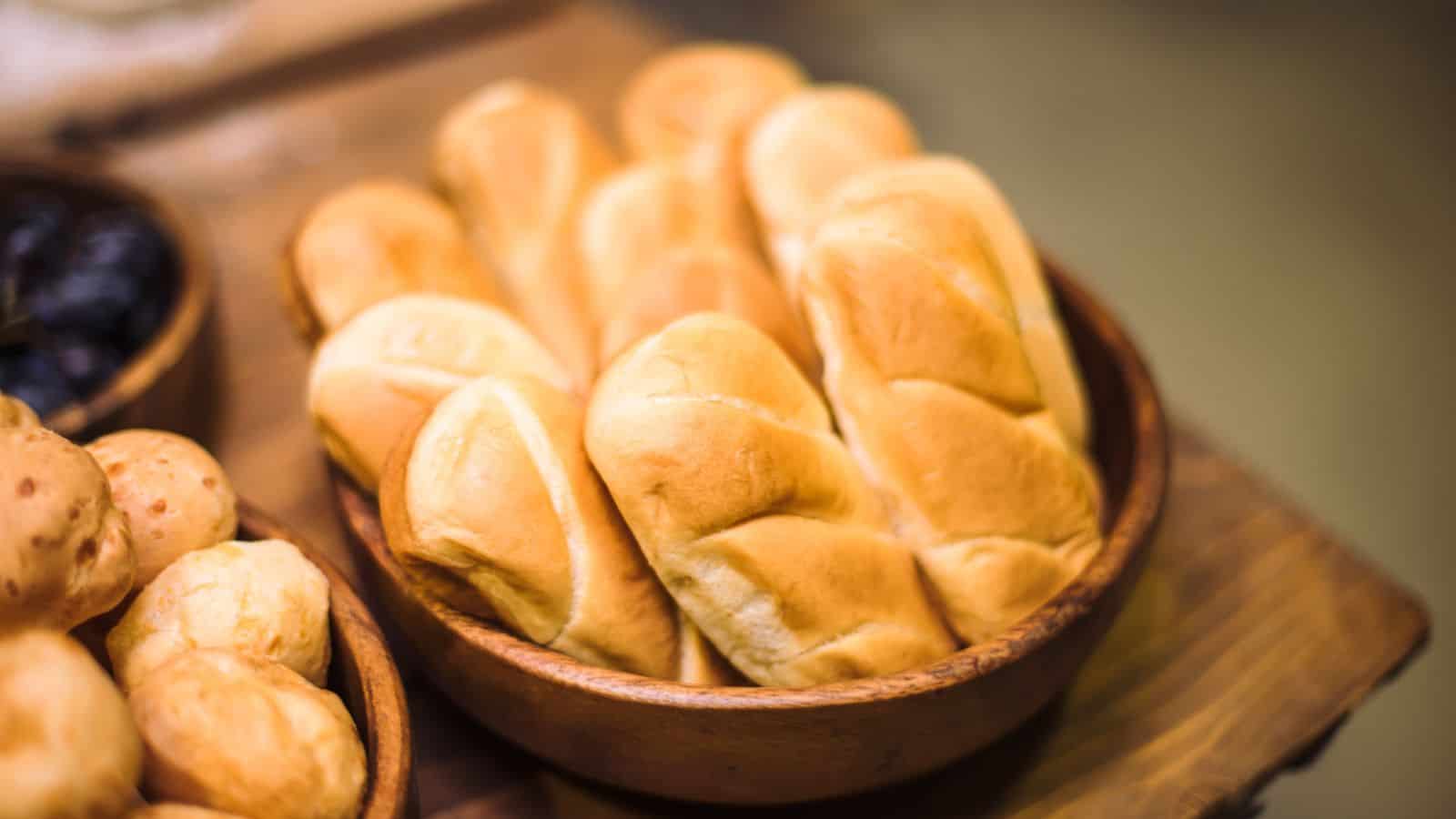
Refrigerating bread is a common mistake that causes it to dry out and become stale much faster than storing it at room temperature. The cold environment causes the starch molecules to recrystallize, which changes the texture and makes the bread tough. Instead, bread should be kept in a bread box or wrapped in a paper bag at room temperature, which helps maintain moisture balance and softness. For longer storage, freezing bread is a better option, as it preserves freshness without the texture changes caused by refrigeration.
Garlic
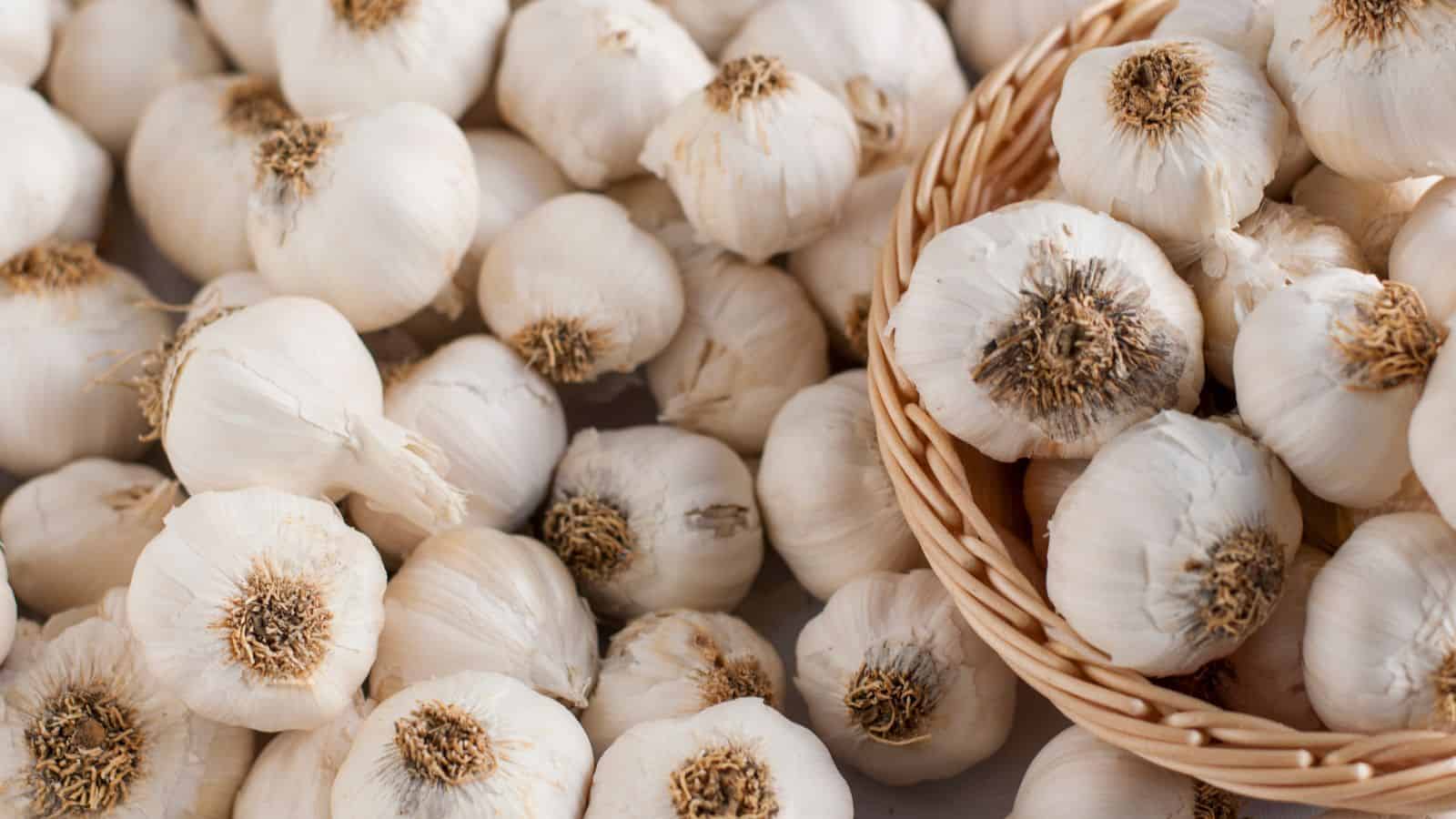
Garlic is best stored in a cool, dry, and dark place with good air circulation. Many people mistakenly refrigerate garlic or keep it in sealed containers, which can cause it to sprout or become moldy due to trapped moisture. Proper storage slows down sprouting and prevents the cloves from becoming soft or shriveled. Hanging garlic bulbs in a mesh bag or placing them in a loosely covered bowl allows air to flow freely, keeping the garlic firm and flavorful for weeks or even months without the risk of spoilage.
Avocados

Many people put avocados in the fridge before they are ripe, which slows down the ripening process and can result in fruit that remains hard and flavorless for longer than necessary. Avocados should be kept at room temperature until they soften and yield slightly to gentle pressure, indicating ripeness. Once ripe, placing them in the refrigerator helps slow further ripening and extends their usability. This method prevents the fruit from becoming overly soft or developing brown spots prematurely.
Bananas
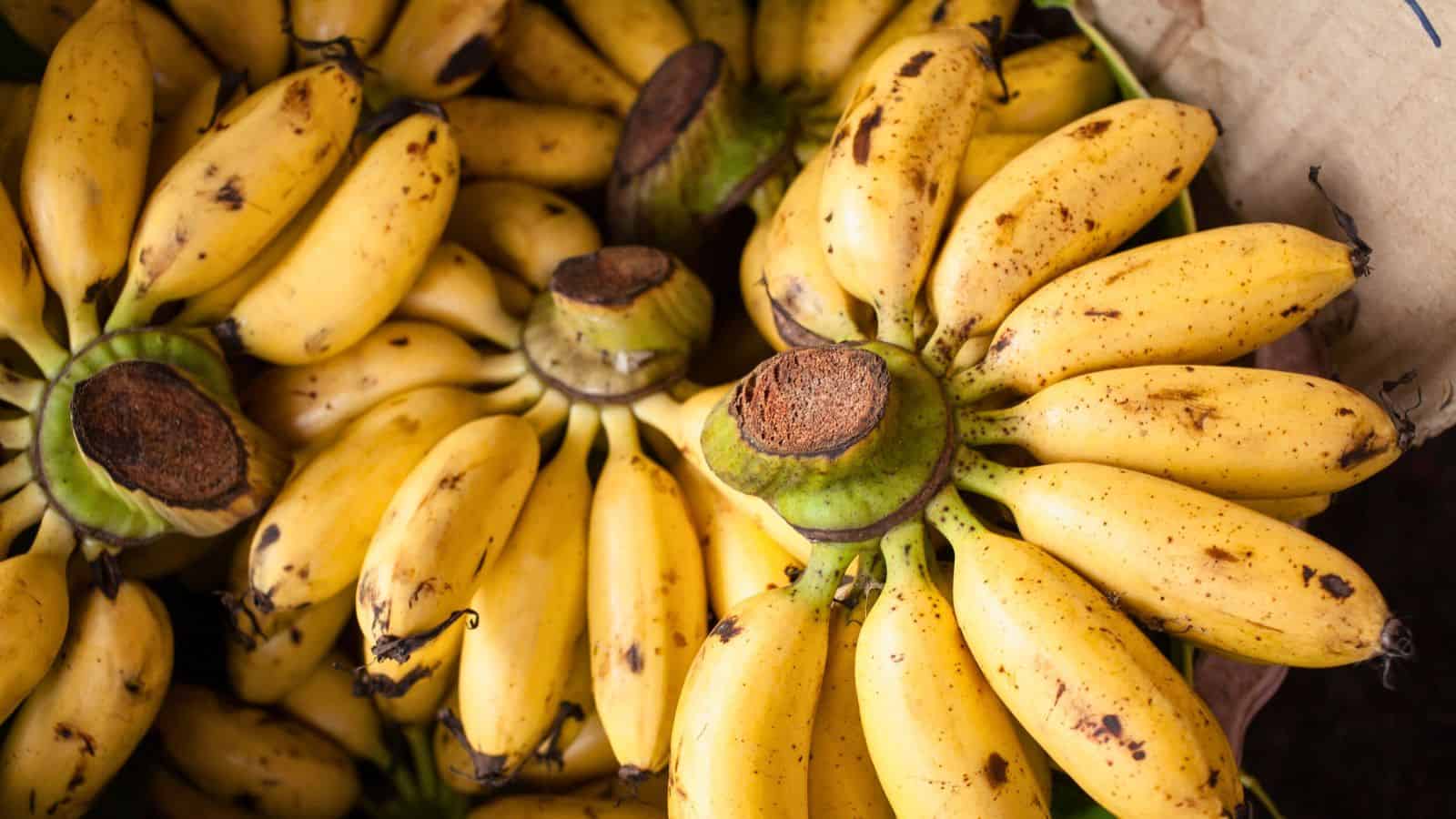
Bananas are often refrigerated too soon or kept in the fridge while still green, which can disrupt their natural ripening process. At cold temperatures, the skin turns dark and unappealing, although the fruit inside remains edible. The best practice is to store bananas at room temperature until they turn yellow and soften. Once ripe, refrigeration can slow down further ripening and keep the fruit usable for a few more days, but the skin will still darken. Keeping bananas away from other fruits can also help control ripening speed.
Honey

Many people believe honey should be refrigerated to keep it fresh, but cold temperatures actually cause honey to crystallize and become grainy. Honey is a natural preservative and can be stored safely at room temperature in a tightly sealed container. Keeping it in a cool, dark cupboard prevents exposure to heat and sunlight, which can degrade its quality over time. If honey does crystallize, gently warming the container in warm water will return it to a smooth, liquid state without affecting its properties.
Coffee Beans

Storing coffee beans in the refrigerator or freezer on a regular basis can introduce moisture and odors that affect their flavor and freshness. Coffee beans are best kept in an airtight container in a cool, dark place outside of the fridge. Freezing beans can be acceptable only if you plan to store them for an extended period and only if they are sealed tightly to prevent moisture exposure. Frequent temperature changes from moving beans in and out of cold storage cause condensation, which degrades quality rapidly.
Apples

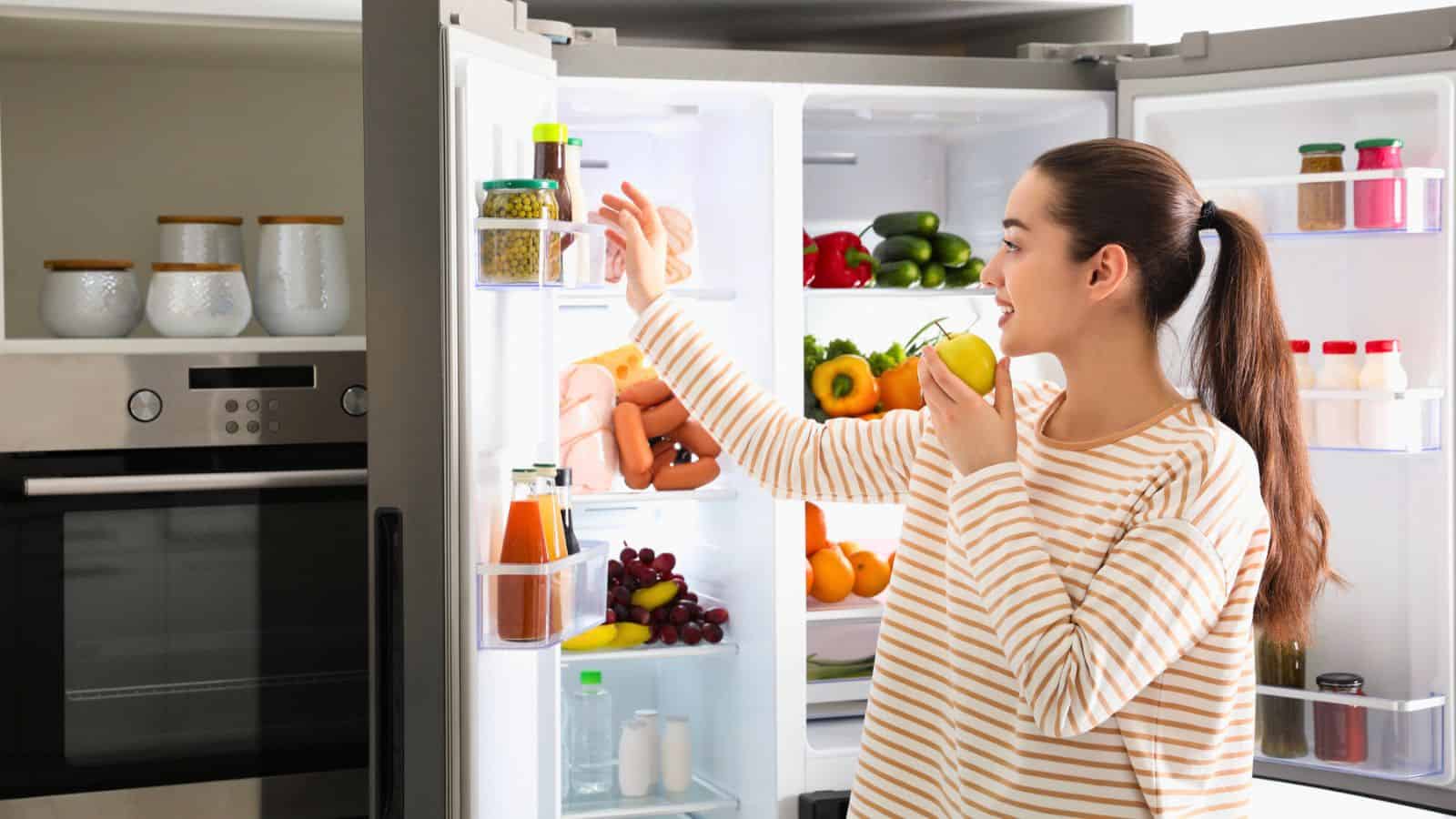
Apples release ethylene gas, which speeds up the ripening process of nearby fruits and vegetables. Keeping them at room temperature can lead to quicker spoilage, especially if stored together with other produce. To keep apples crisp and fresh for a longer time, it is best to store them in the refrigerator's crisper drawer. This cooler environment slows down the ripening process. Additionally, storing apples separately from other fruits and vegetables helps prevent the spread of ethylene gas and reduces premature spoilage.
Cheese
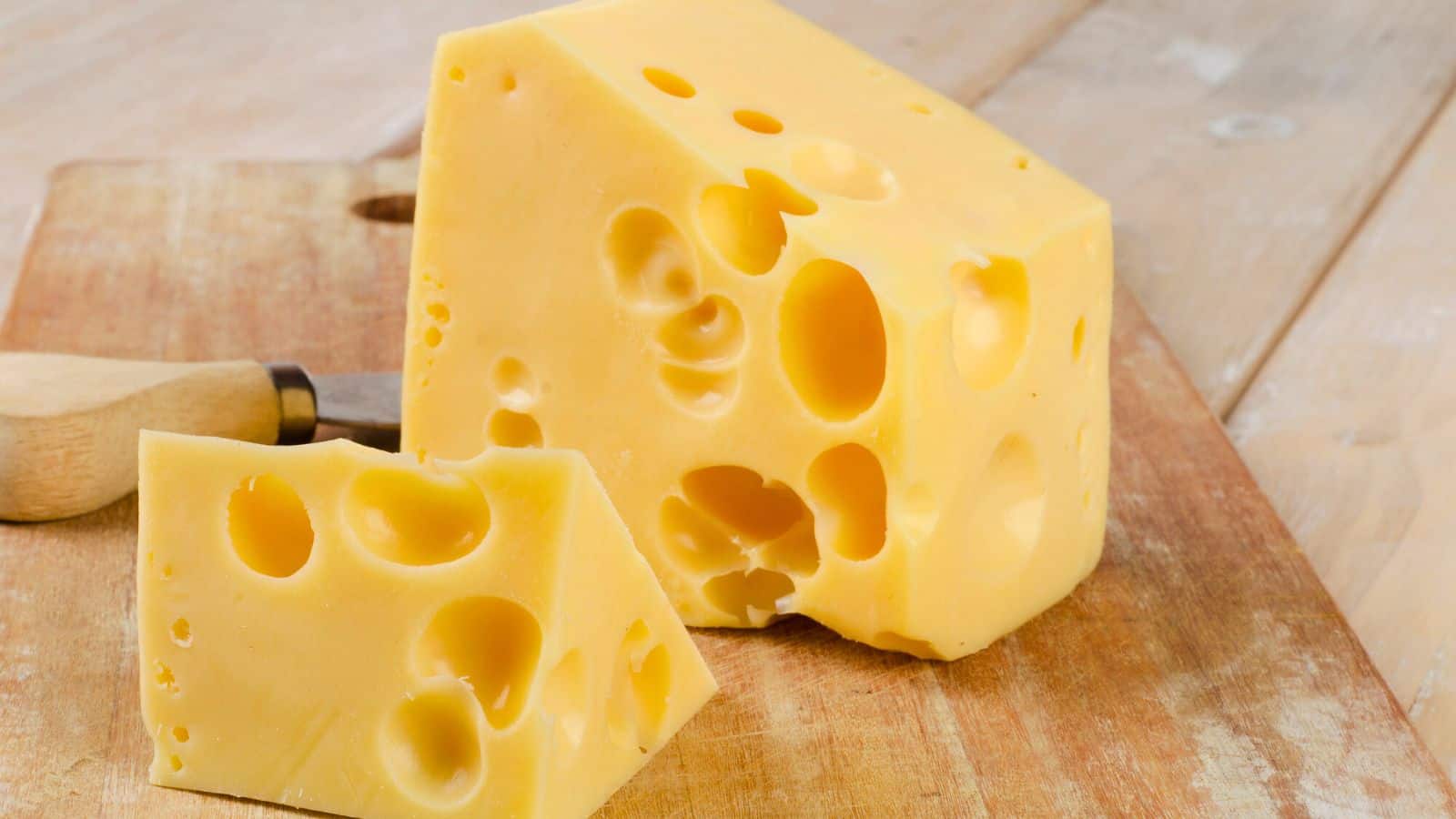
Wrapping cheese tightly in plastic wrap traps moisture and can cause the cheese to sweat, which promotes mold growth and alters its texture. Instead, cheese should be wrapped first in wax paper or parchment paper, which allows it to breathe while protecting it from drying out. After this, loosely wrapping it in foil helps maintain humidity without suffocating the cheese. This method keeps the cheese from becoming overly dry or slimy and helps preserve its natural texture and flavor while stored in the refrigerator.
Nuts
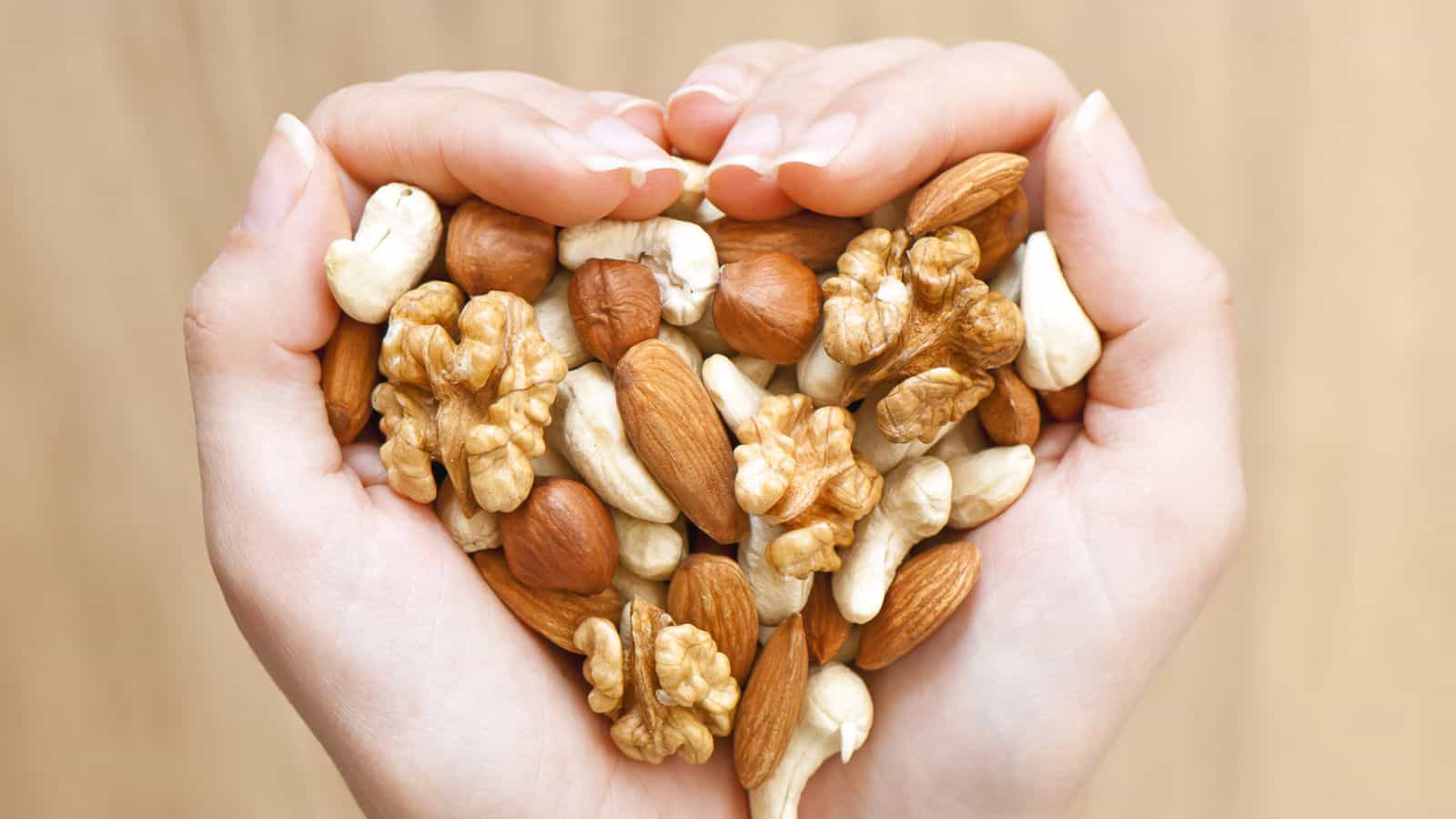
Nuts contain oils that can turn rancid when exposed to heat, light, or air for extended periods. Storing nuts at room temperature for a long time causes them to lose freshness and develop off-flavors. To keep nuts fresh, they should be stored in airtight containers and placed in the refrigerator or freezer. This slows down the oxidation process and preserves their natural texture and flavor. When removing nuts from cold storage, it's best to let them come to room temperature before use to avoid condensation forming on their surface.
Fresh Herbs

Storing fresh herbs in plastic bags or submerged in water can cause them to wilt or rot quickly. A better approach is to treat herbs like flowers by trimming their stems and placing them upright in a glass of water. Covering the herbs loosely with a plastic bag and refrigerating them keeps them hydrated and fresh for longer. This method prevents wilting and extends the life of delicate leaves. Some herbs, like rosemary or thyme, may also do well when wrapped in a damp paper towel and stored in a container in the fridge.
Save Food and Save Face
Getting your food storage right doesn't have to be complicated. Small changes in how and where you keep certain items can make a big difference in freshness and flavor. It's all about paying attention to what each food needs, rather than just tossing everything in the fridge or pantry without a second thought. Once you start storing things the right way, you'll notice less waste and better results when it's time to cook or snack.
It's easy to overlook these simple habits, but they add up over time. Taking a little extra care with your food storage can save money and make your meals more enjoyable. With a few adjustments, your kitchen will work smarter, and your groceries will last longer. It's a small effort that goes a long way, and soon, you'll wonder why you didn't make these changes sooner.
Jewish Recipes That Americans Keep Getting Wrong
Some Jewish recipes keep getting remade with shortcuts and tweaks that miss the point. These 17 dishes hold onto their flavor and purpose when done right-from soups and kugels to latkes and salads. Each one delivers more than nostalgia if you keep the basics honest. When cooked correctly, they speak for themselves.
Read it Here: 17 Jewish Recipes That Americans Keep Getting Wrong
Casseroles You Can't Go Wrong With at Your Next Potluck

When it comes to potlucks, casseroles are always a safe bet. These dishes are easy to prepare, feed a crowd, and are usually a hit with everyone. Whether you're looking for something hearty or a little more unique, casseroles offer a variety of flavors and textures that work for any occasion. Here are 13 casseroles that will make your next potluck a success.
Read it Here: 13 Casseroles You Can't Go Wrong With at Your Next Potluck