
Ever feel like your grocery bill is way higher than it should be? You're not alone. It's easy to get caught up in the convenience and branding of certain items, but some of them are just not worth the extra cash. We all want to make shopping easier and quicker, but sometimes we end up paying one or many of these 13 overpriced grocery items.
From pre-cut fruits to single-serve coffee pods, there are plenty of products that might seem like a great idea at first but end up draining your wallet. This article is here to help you spot those overpriced items and make smarter choices. By the end, you'll know exactly where you can save a few bucks without sacrificing quality. Ready to shop smarter? Let's get into it!

Single-Serve Coffee Pods

These coffee pods are incredibly convenient, allowing for quick and easy brewing of a single cup of coffee. However, this convenience comes at a high price per serving compared to traditional methods of brewing coffee. The cost per cup can be several times higher than using ground coffee in a drip machine or a French press. Additionally, single-serve pods generate a significant amount of plastic waste, raising environmental concerns. Investing in a reusable coffee pod or switching to a more traditional brewing method can save money and reduce waste.
Pre-Cut Fruits and Vegetables

These items are often sold at a premium due to the convenience of not having to peel, chop, or dice. However, the mark-up can be substantial, sometimes costing double or even triple the price of whole produce. The added cost is mainly for the labor involved in preparing these items. Additionally, pre-cut fruits and vegetables tend to have a shorter shelf life, leading to potential waste if not consumed quickly. Opting to buy whole produce and preparing it yourself can save a significant amount of money over time.
Name-Brand Spices
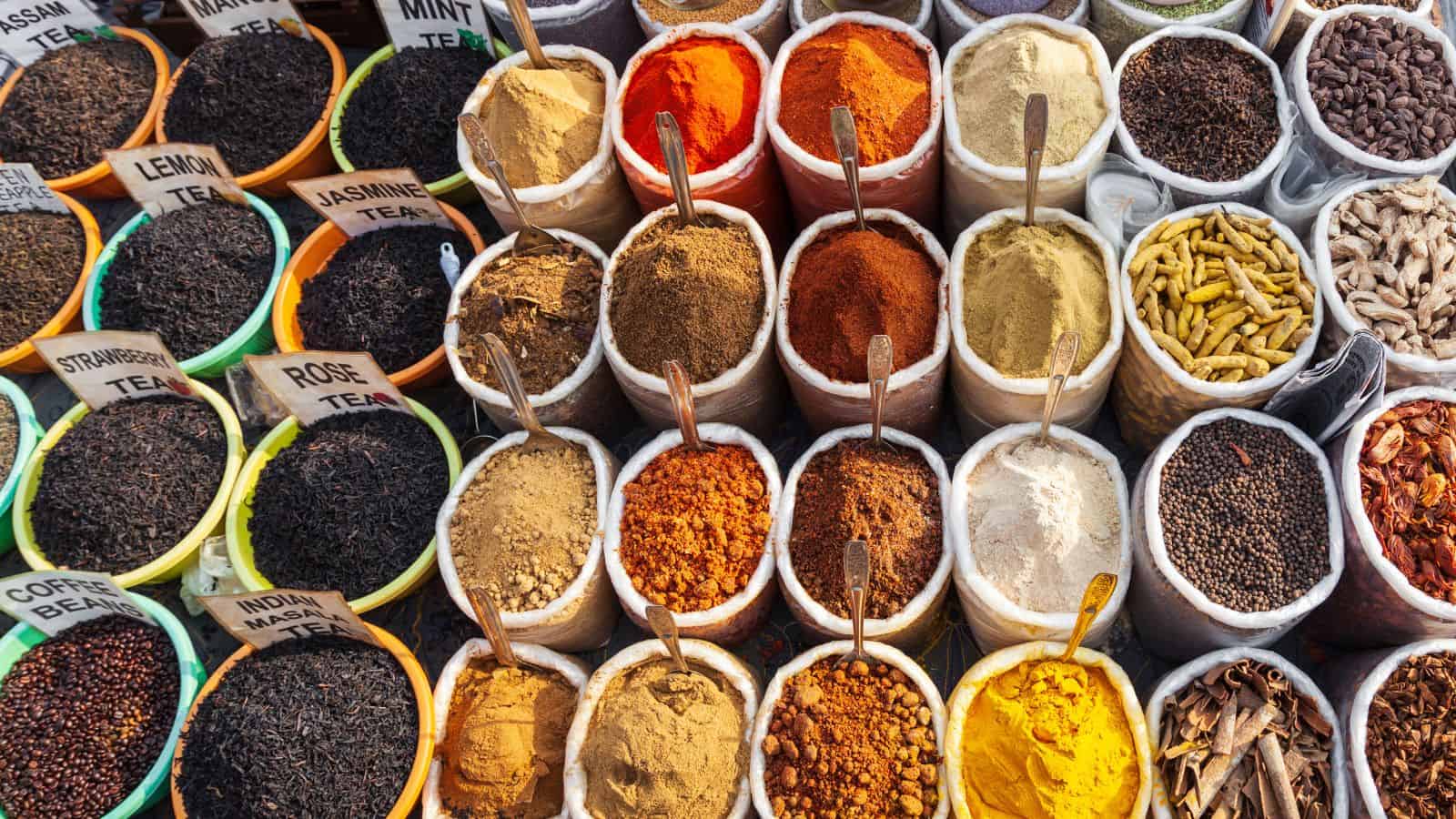
Purchasing spices from well-known brands can be significantly more expensive than opting for generic or store-brand alternatives. The quality difference is often negligible, as many spices come from the same sources. The higher cost is usually due to branding and packaging rather than superior quality. Buying spices in bulk from a specialty store or opting for store brands can result in substantial savings. Additionally, spices have a long shelf life, so buying in larger quantities can be more cost-effective in the long run.
Gluten-Free Packaged Foods
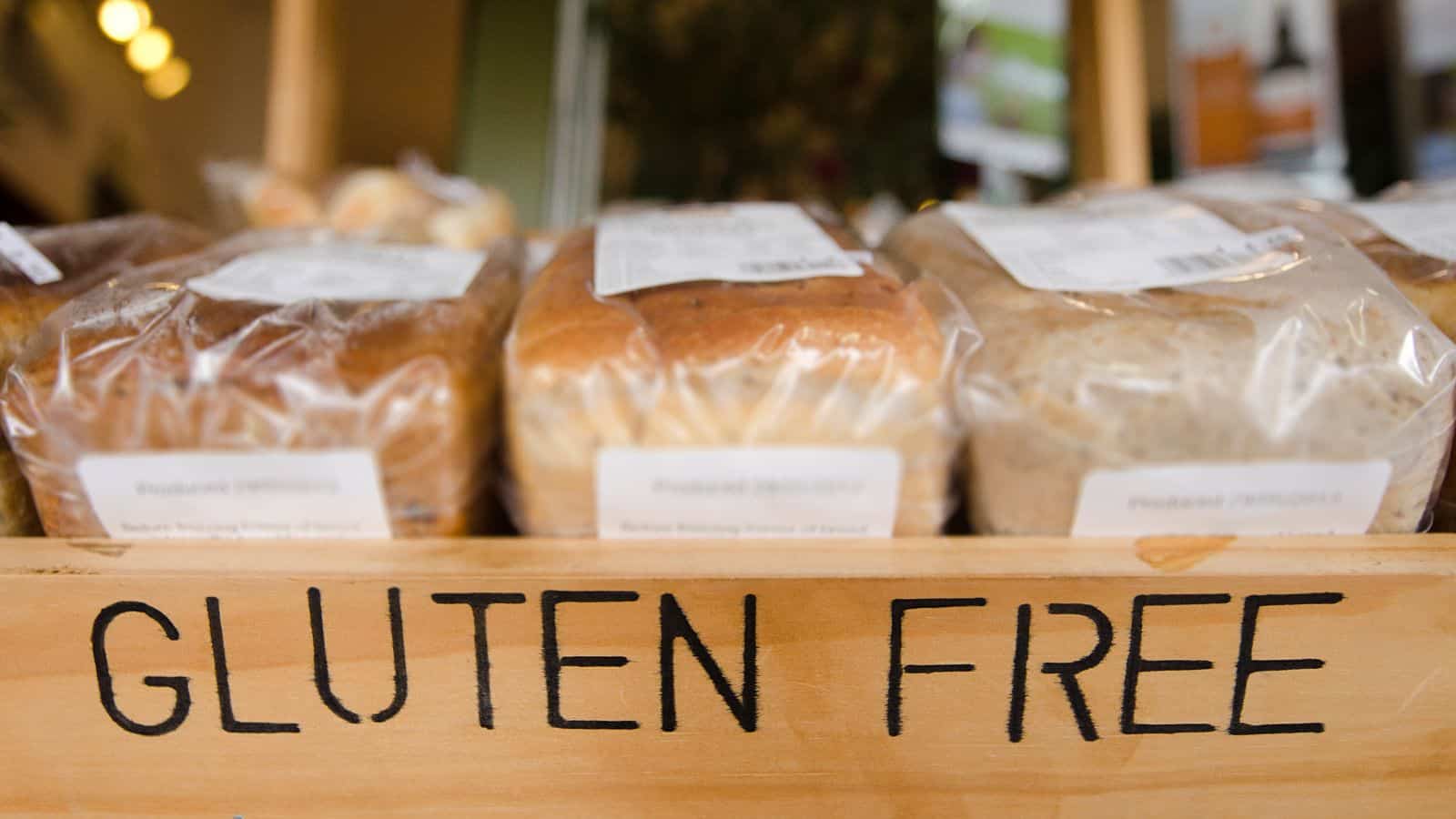
These items are often marketed to individuals with gluten sensitivities or celiac disease but come with a significantly higher price tag. The cost of gluten-free alternatives can be much higher than their gluten-containing counterparts, even when the ingredients are similar. The premium price is often due to specialized production processes and certifications. While these products can be essential for those with dietary restrictions, it's worth noting that many naturally gluten-free foods, like fruits, vegetables, and certain grains, are available at a lower cost. Making gluten-free meals from scratch can also be more economical.
Organic Produce
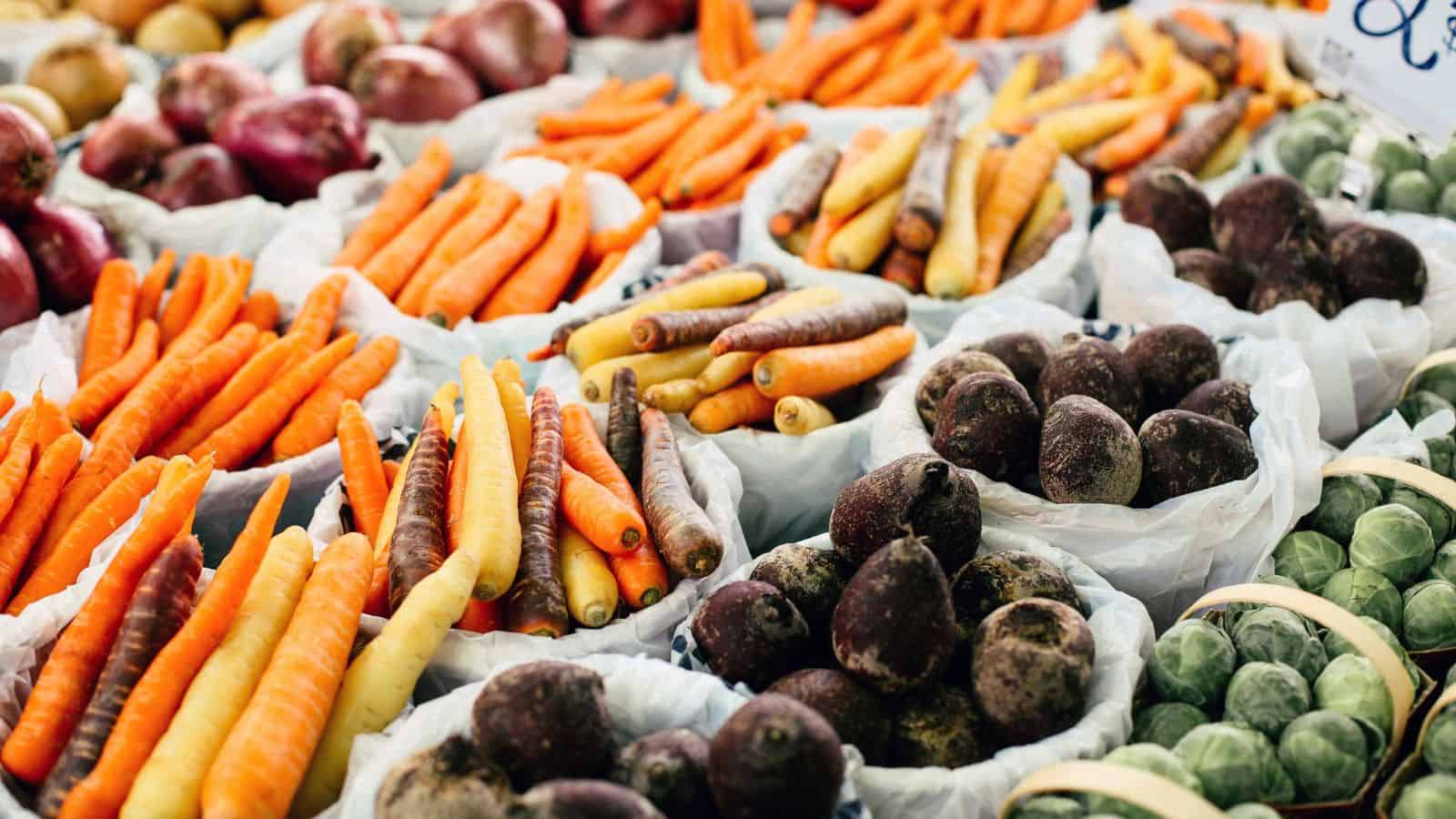
While organic fruits and vegetables are often perceived as healthier, they can come with a hefty price tag. The cost can be significantly higher than conventional produce, sometimes without a substantial difference in nutritional value. The higher price is often due to more expensive farming practices and certifications. While some people are willing to pay extra for the perceived benefits, it's worth noting that not all organic produce has been proven to be significantly better. Doing a bit of research can help determine which organic items are worth the extra cost.
Specialty Oils

Oils like truffle oil, avocado oil, and other specialty varieties can be very pricey compared to more common oils like olive or canola oil. The high cost is often due to the rarity or unique extraction processes of these oils. While they can add unique flavors to dishes, the price per ounce can be quite steep. For everyday cooking, sticking to more affordable oils can be more cost-effective. If you enjoy the flavors of specialty oils, consider using them sparingly or mixing them with more affordable oils to stretch their use and reduce costs.
Pre-Packaged Salads
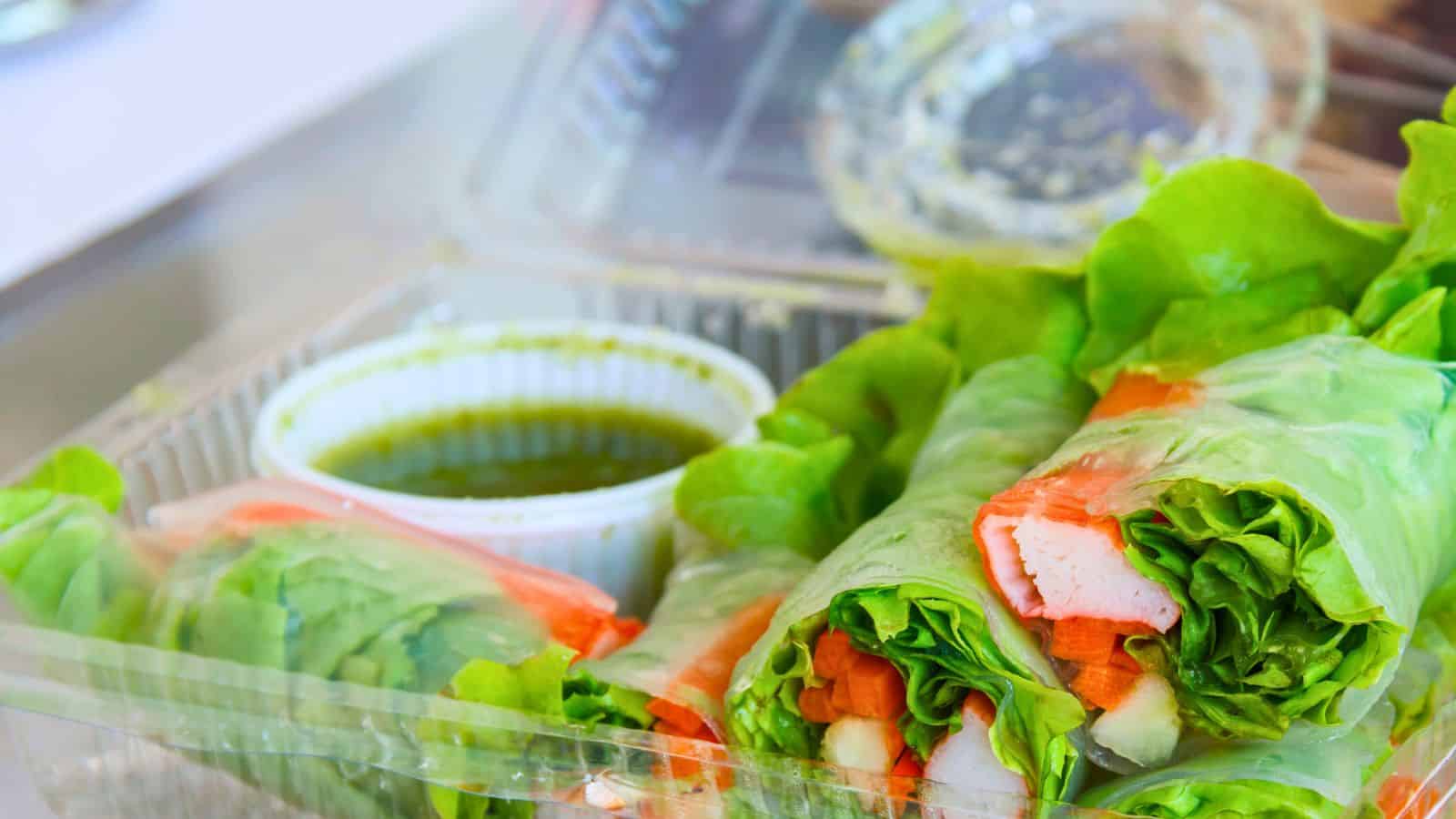
These are marketed for their convenience, as they come pre-washed and ready to eat. However, the price can be much higher compared to buying the ingredients separately and making your own salad. The premium you pay is for the convenience of not having to wash, chop, and mix the ingredients. Additionally, pre-packaged salads often come with added preservatives to extend shelf life, which may not be as healthy. Making your own salads at home can be more economical and allows for better control over the ingredients and freshness.
Snack Packs
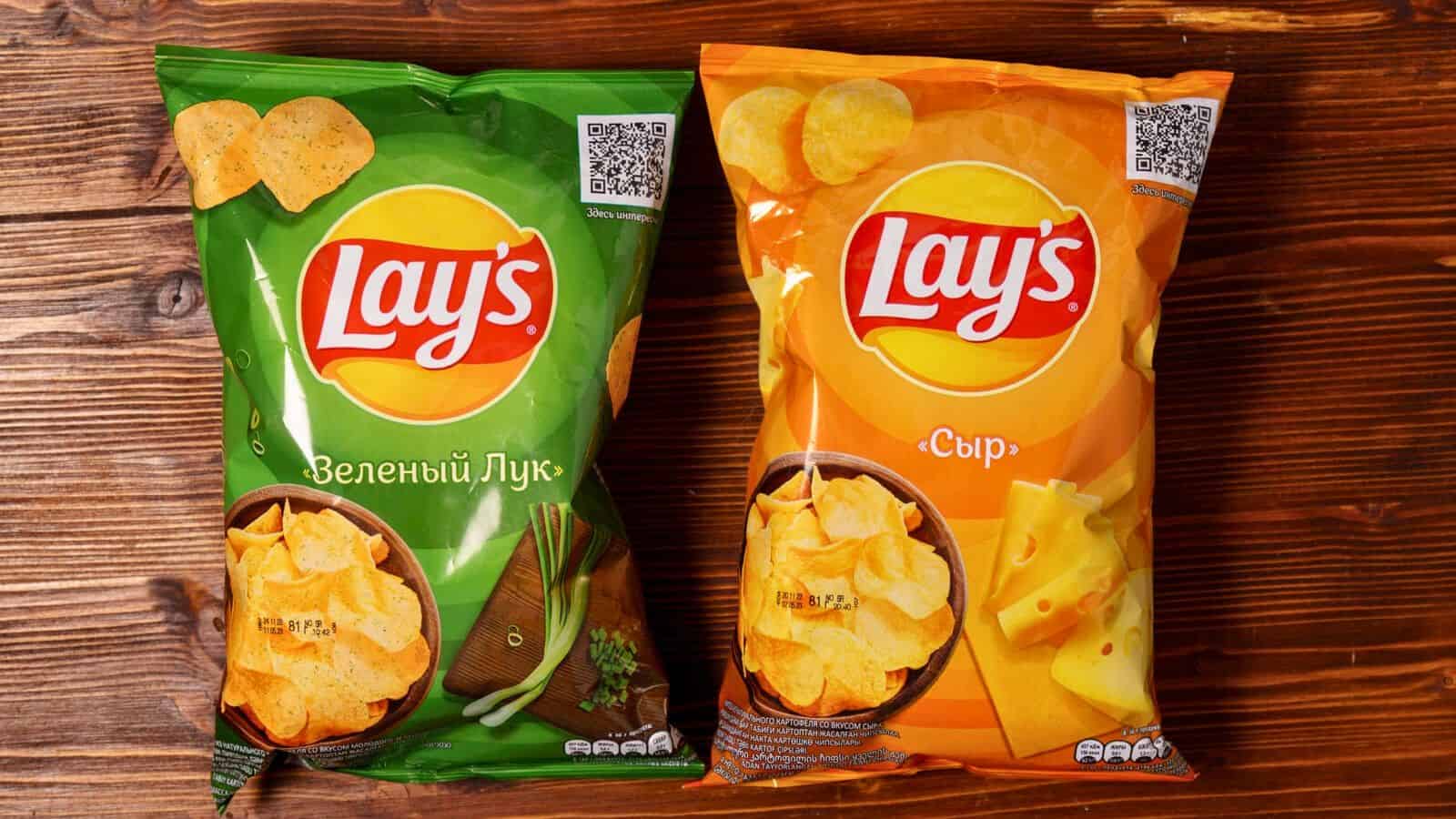
Pre-portioned snack packs are designed for convenience, making them easy to grab and go. However, the cost per ounce is often much higher than buying snacks in bulk and portioning them yourself. The markup is primarily for the convenience of individual packaging. While these packs are handy for busy lifestyles, they can quickly add up in cost. Purchasing larger quantities and using reusable containers to portion out snacks can be a much more cost-effective approach. This method also allows for better control over portion sizes and nutritional content.
Bagged Lettuce
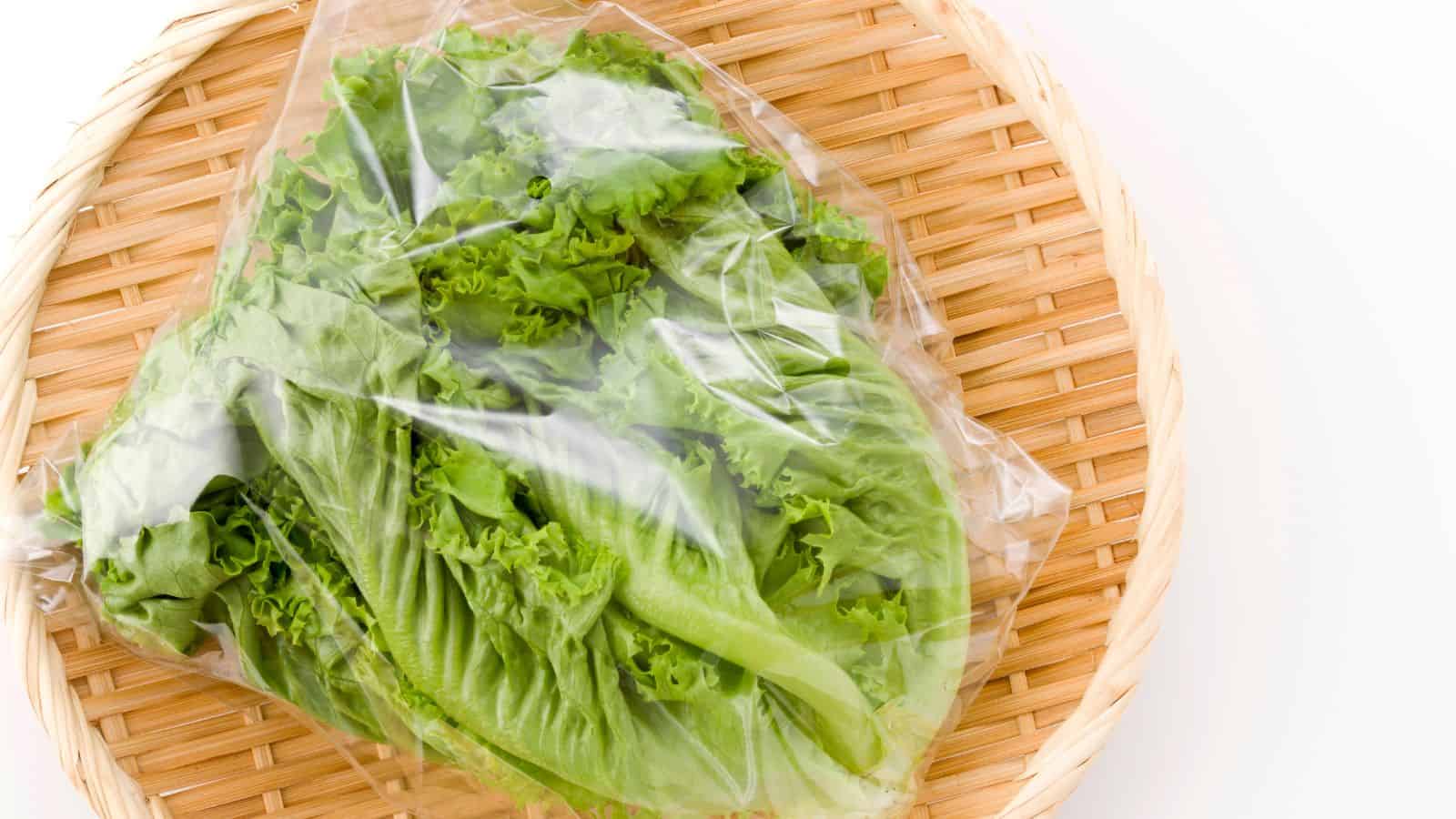
Pre-washed and bagged lettuce is marketed for its convenience, making it easy to add to salads and other dishes. However, the cost of bagged lettuce can be significantly higher than buying whole heads of lettuce and washing and chopping them yourself. The markup is primarily for the labor and packaging involved in preparing the lettuce. Additionally, bagged lettuce often has a shorter shelf life and can spoil more quickly. Buying whole heads of lettuce and preparing them at home can save money and reduce food waste, giving you fresher and more versatile options.
Pre-Made Smoothies

Pre-made smoothies are convenient for those on the go, but they come with a hefty price tag. The cost of these smoothies is often much higher than making them at home using fresh or frozen fruits, vegetables, and other ingredients. Additionally, pre-made smoothies can contain added sugars, preservatives, and other additives that may not be as healthy. Investing in a good blender and making your own smoothies allows for better control over the ingredients and can result in significant savings over time. Fresh homemade smoothies are often more nutritious and customizable.
Frozen Dinners

These meals are popular for their convenience, especially for those with busy schedules. However, they are often overpriced for the amount of food and nutritional value they provide. The cost per serving can be significantly higher than preparing a similar meal from scratch. Additionally, frozen dinners often contain preservatives, high levels of sodium, and other additives that may not be as healthy. Preparing meals in advance and freezing them can be a more economical and healthier alternative. This approach allows for better control over ingredients and portion sizes.
Bottled Water

Bottled water is one of the most overpriced items you can purchase. The cost of a single bottle can be several times higher than the cost of tap water or even filtered water from a home system. The convenience of bottled water comes with an environmental cost as well, due to the plastic waste generated. Investing in a reusable water bottle and a home filtration system can help you achieve substantial savings and reduce environmental impact. Many people are surprised to learn that some bottled waters are simply filtered tap water.
Gourmet Ice Cream

High-end ice cream brands can be significantly more expensive than regular ice cream without necessarily giving you a proportionate increase in quality. The premium price is often due to branding, packaging, and the use of exotic or unique ingredients. While these ice creams can be a treat, the cost per serving can add up quickly. Making your own ice cream at home or opting for less expensive brands can be more economical. Homemade ice cream also allows for creativity in flavors and ingredients, making it a fun and budget-friendly alternative.
Ditch the Pricey, Stay Thrifty!

So there you have it-13 grocery items that are often way overpriced for what you actually get. By being aware of these costly traps, you can make smarter choices and keep more money in your pocket. It's not about giving up the things you love; it's about finding better, more cost-effective ways to enjoy them. With a little planning and a keen eye, you can navigate the grocery aisles like a pro and avoid those sneaky price hikes.
Next time you're shopping, think twice before reaching for that pre-packaged salad or name-brand spice. Small changes can add up to significant savings over time. Remember, being smart with your grocery choices doesn't mean compromising on quality or taste. It's all about getting the best bang for your buck. So go ahead, shop with confidence, and make your budget work for you. Happy shopping!
Simple Bread Recipes to Stretch Your Grocery Budget

Homemade bread is a simple way to save money while making something fresh and satisfying. These recipes use basic ingredients like flour, water, and yeast to create filling loaves, rolls, and flatbreads. Many require little effort and no special equipment, making them easy for any home cook. Whether for sandwiches, sides, or snacks, these breads help stretch your grocery budget without sacrificing flavor.
Read it Here: 15 Simple Bread Recipes to Stretch Your Grocery Budget
Cheap and Easy Meals You Need to Try Before Grocery Prices Go Up

Grocery prices are climbing, but that doesn't mean you have to sacrifice good meals. These 19 cheap and easy recipes make the most of simple ingredients without stretching your budget. From hearty dinners to quick-prep favorites, these meals prove that affordable cooking can still be satisfying. Try them now before prices go up, and keep your meals budget-friendly without giving up great flavor.
Read it Here: 19 Cheap and Easy Meals You Need to Try Before Grocery Prices Go Up