
Many everyday foods are more processed than you realize, often hiding ingredients and additives that can surprise even the most health-conscious consumers. From snacks to sauces, these items may seem innocent but can contain unexpected levels of processing. Understanding what goes into these foods is crucial for making informed choices about what to eat. The packaging may promote health benefits or natural ingredients, yet a closer look often reveals a long list of additives and preservatives that compromise their nutritional value.
Recognizing the level of processing in common foods can lead to healthier eating habits and a better understanding of nutrition. Some items that appear wholesome may actually be filled with sugars, unhealthy fats, or artificial flavors, which can impact overall well-being. By exploring these 13 foods that are more processed than you realize, individuals can become more aware of their food choices and the effects they have on their health.
Taking the time to read labels and understand ingredients can empower consumers to make smarter decisions. It's about fostering a deeper connection with food and ensuring that what's on the plate contributes positively to health and wellness.

Processed Cheese

Commonly found in many households, this cheese product combines natural cheese with emulsifiers and preservatives. It melts smoothly, making it a popular choice for burgers and sandwiches. However, it typically contains artificial flavors and colors that can compromise the quality compared to real cheese. Many consumers may not realize just how different it is from traditional cheese, which consists of milk, salt, and bacteria. Checking labels can reveal a surprising amount of additives in these products, making it essential to consider alternatives that focus on fewer, more natural ingredients.
Breakfast Cereals
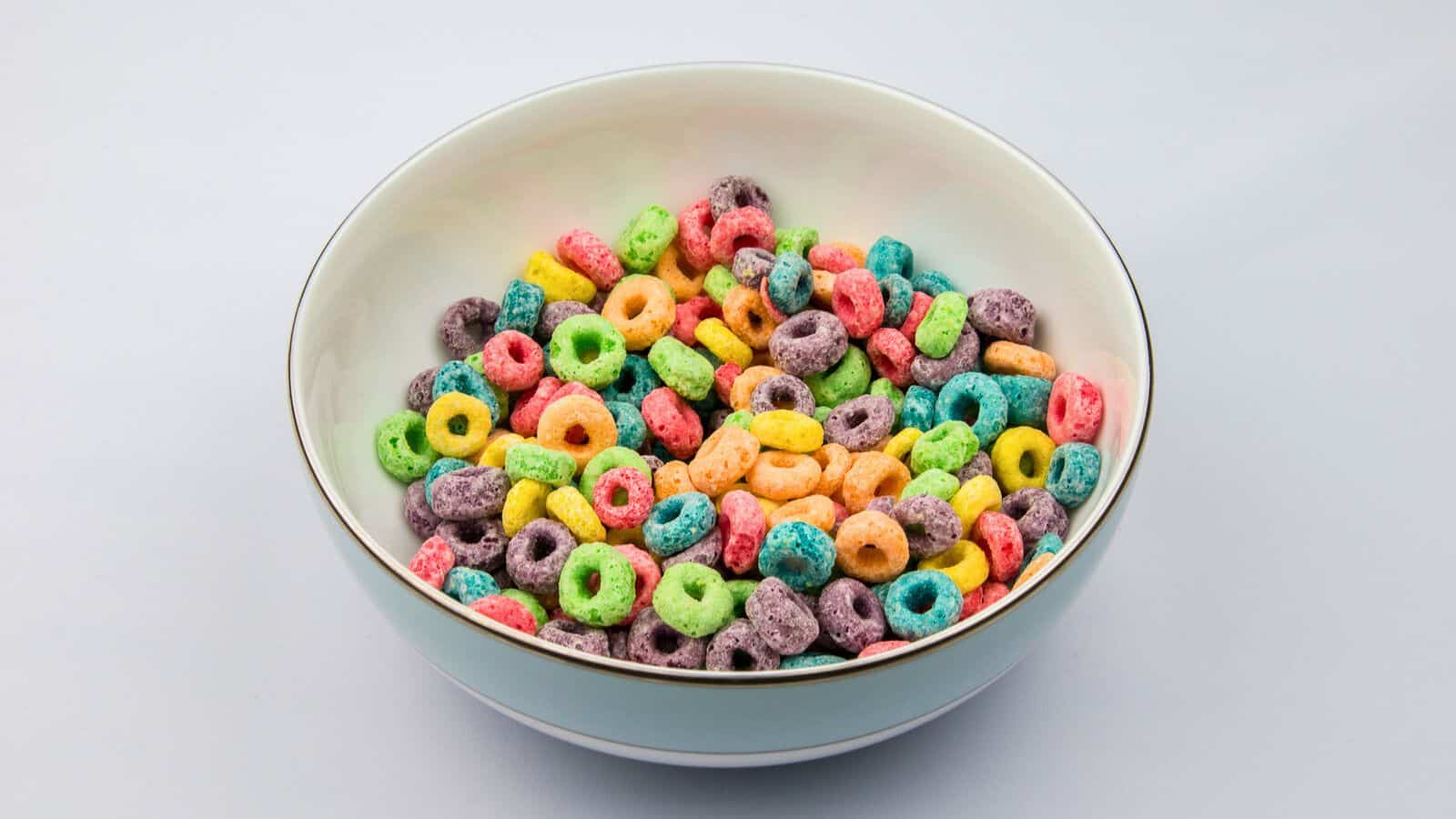
Often marketed as healthy, many breakfast cereals contain high levels of sugar and artificial ingredients. Even those that seem wholesome may have added sugars, preservatives, and flavorings that enhance taste but diminish nutrition. Whole grain options can be better choices, yet many popular brands rely on sweeteners to appeal to consumers. It's crucial to read nutrition labels to understand what's really in your morning bowl and make informed decisions about what to include in your diet for a balanced breakfast.
Granola Bars

These convenient snacks are frequently perceived as healthy, but many granola bars are loaded with sugars and unhealthy fats. While they may contain oats and nuts, the addition of sweeteners can overshadow their nutritional benefits. Some brands include artificial flavors and preservatives, making them less wholesome than they appear. It's wise to check the ingredient list to find options that prioritize whole ingredients over sugary fillers, ensuring a better choice for a quick snack or on-the-go energy boost.
Frozen Meals
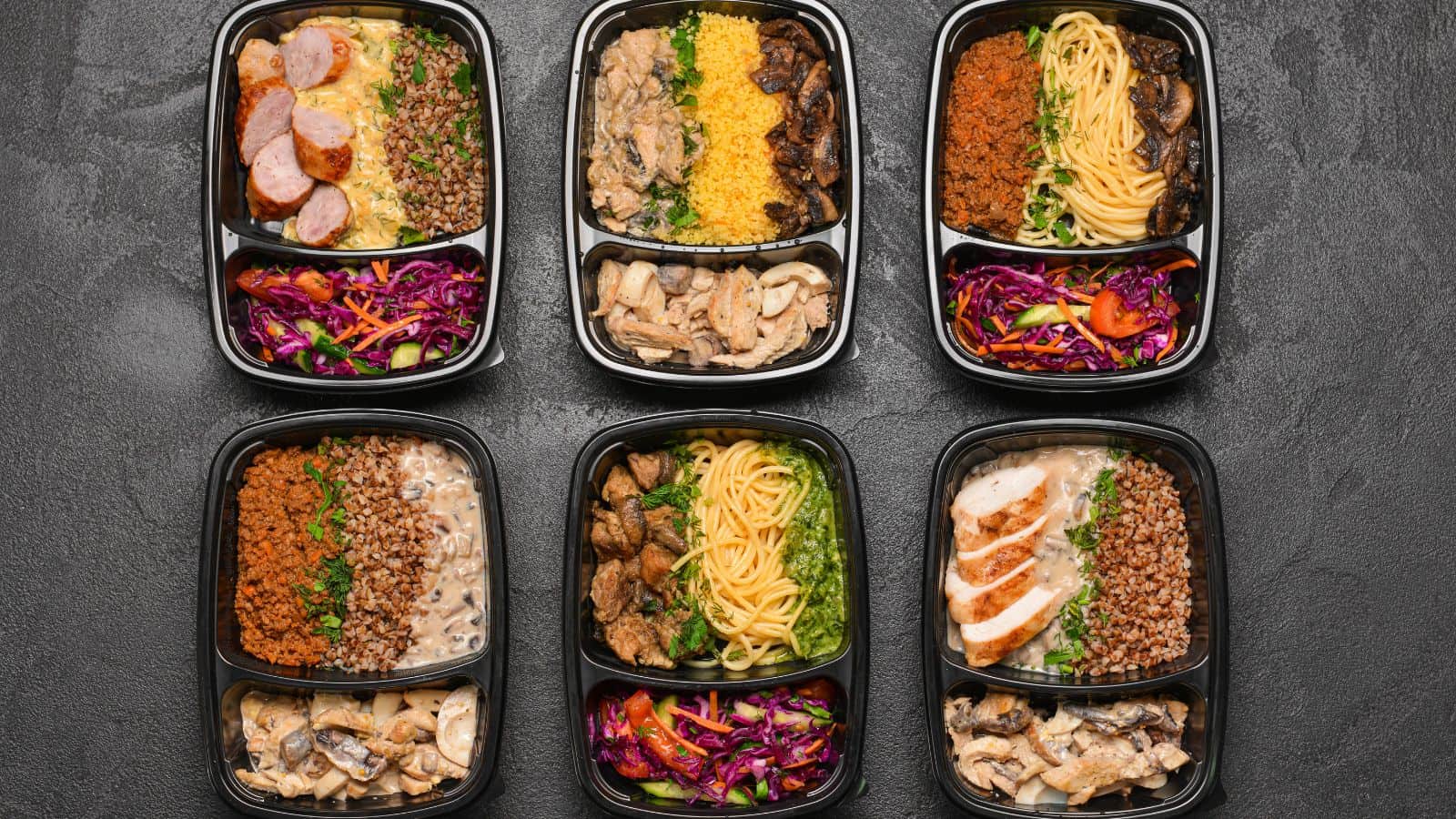
While frozen meals promise convenience, they often come with a long list of preservatives and additives. These meals can save time but frequently contain high levels of sodium and unhealthy fats. Some may also include artificial flavors and colors to enhance taste and appearance. Checking labels can help identify healthier frozen options that focus on real ingredients rather than processed fillers, allowing for a more balanced meal without sacrificing time or flavor.
Snack Foods

Common snacks like chips and cheese puffs are typically high in unhealthy fats and sodium. While they may be convenient for quick munching, many contain artificial flavors and preservatives that can detract from their nutritional value. These products often rely on added sugars and unhealthy oils to enhance flavor and shelf life. It's beneficial to look for snacks made from whole ingredients, which can provide a healthier alternative without compromising on taste or satisfaction.
Instant Noodles

A popular quick meal option, instant noodles are often loaded with sodium and artificial additives. The flavor packets can contain preservatives and flavor enhancers that contribute to their taste but lack nutritional value. While they are convenient, relying on them too often can lead to an unbalanced diet. Exploring alternatives like whole grain pasta or homemade noodle dishes can provide healthier options that are both satisfying and nutritious.
Condiments
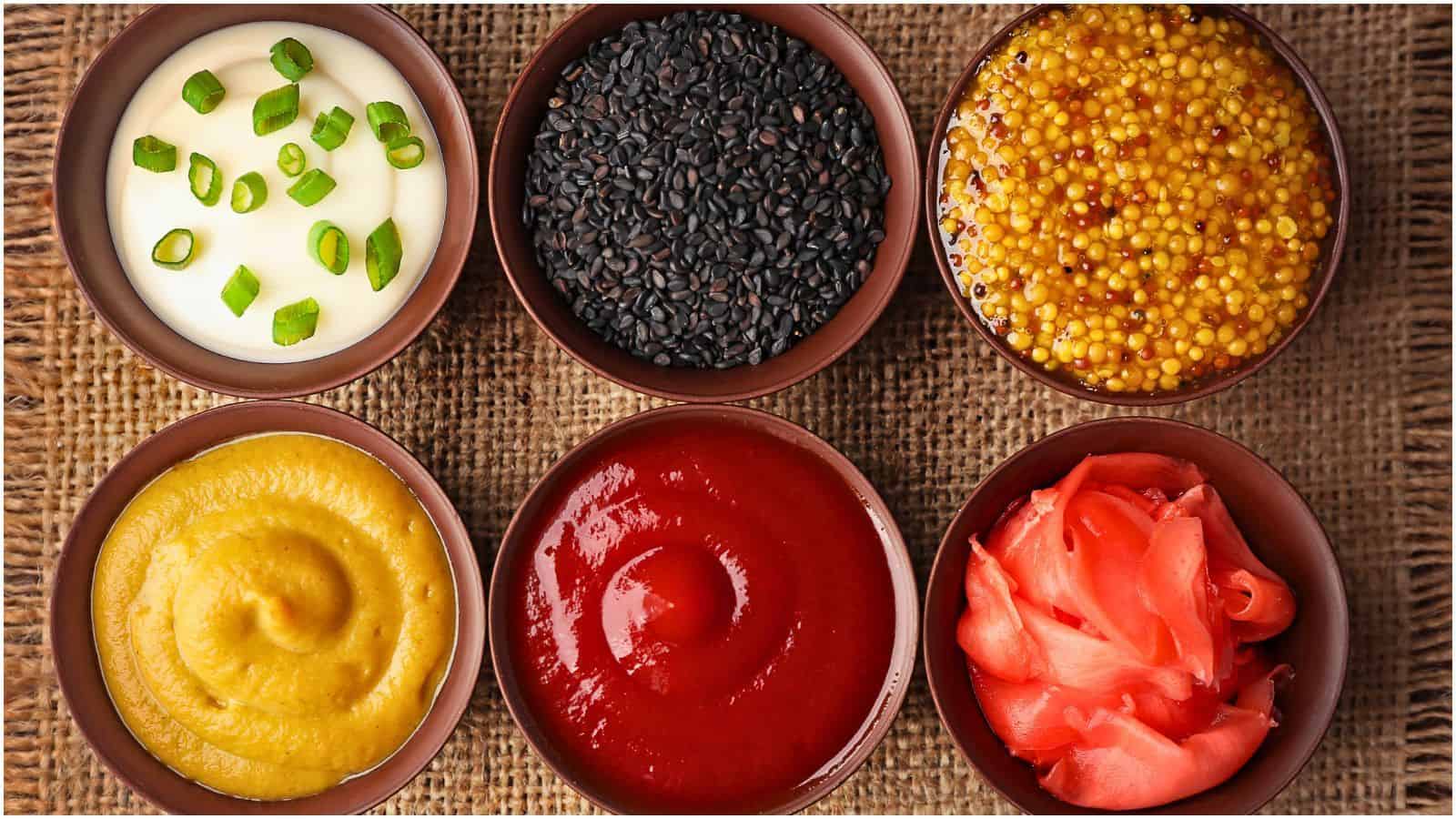
Common condiments like ketchup and salad dressings can be surprisingly processed, often containing high levels of sugar, salt, and preservatives. While they enhance flavors, many brands add artificial ingredients to improve shelf life and taste. Reading labels is essential to find options that use natural ingredients without unnecessary additives. Homemade versions can also be a healthier alternative, allowing for better control over ingredients and flavors in meals.
Deli Meats

Deli meats are convenient for sandwiches but often contain preservatives like nitrates and nitrites. While they provide protein, many varieties are high in sodium and unhealthy fats. Some brands may also include fillers or artificial flavors to enhance taste. Opting for minimally processed meats or alternatives like roasted turkey can lead to healthier choices that are better for overall well-being and nutrition.
White Bread

While soft and fluffy, white bread is typically made from refined flour, which removes much of the grain's nutritional value. Many brands add preservatives and artificial ingredients to enhance shelf life and texture. Whole grain or whole wheat breads are often better choices, providing more fiber and nutrients. Checking labels can help identify breads that prioritize whole ingredients over processed ones, contributing to a healthier diet.
Flavored Yogurt

Many flavored yogurts are marketed as healthy snacks, but they often contain high amounts of added sugars and artificial flavorings. While yogurt can be a good source of probiotics, these additives can diminish its nutritional benefits. Opting for plain yogurt and adding fresh fruit or honey can be a healthier way to enjoy this dairy product. It's important to read labels to find yogurts that focus on natural ingredients without excessive sugars.
Energy Drinks

These beverages are popular for a quick energy boost but often contain high levels of sugar and caffeine. Many energy drinks also include artificial flavors and colors, which can be concerning for health-conscious consumers. Regular consumption can lead to increased heart rate and other health issues. Choosing water or natural alternatives like green tea can provide hydration and energy without the drawbacks associated with many energy drinks.
Salad Dressings
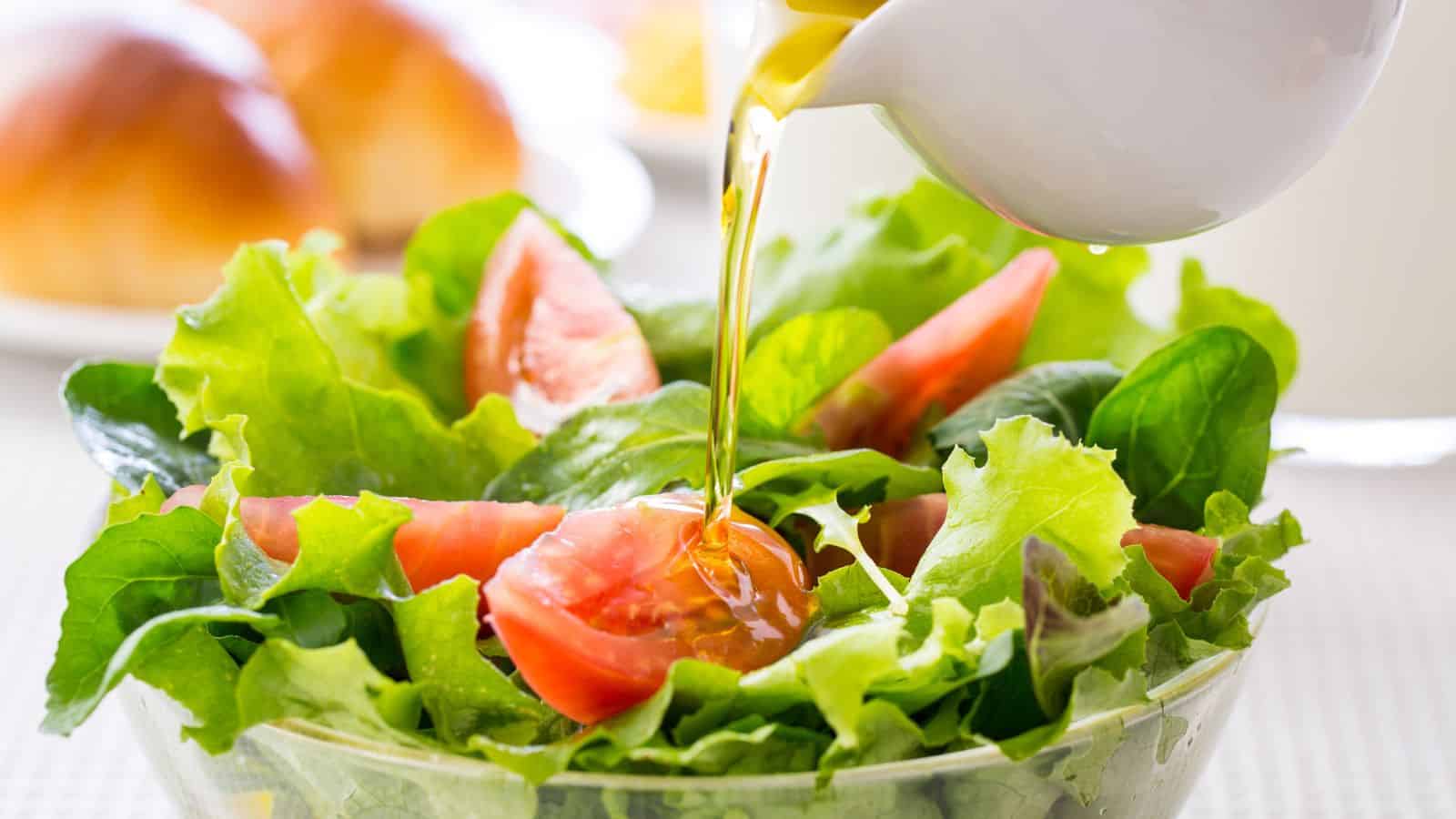
Many store-bought salad dressings are high in sugars, unhealthy fats, and preservatives. While they are convenient, these dressings can often mask the nutritional value of the salad itself. Homemade dressings using simple ingredients like olive oil and vinegar can be a healthier alternative. Reading labels can help identify dressings that prioritize real ingredients over processed ones, ensuring a better option for enhancing salads.
Potato Chips

These popular snacks are often fried and seasoned with artificial flavors, making them high in unhealthy fats and sodium. While they can be satisfying, many brands add preservatives to extend shelf life. Baked or air-popped alternatives may offer a healthier option without sacrificing flavor. Checking the ingredient list can help find chips made with simple, whole ingredients, contributing to better snacking choices.
15 Common Grocery Items That Contain More Chemicals Than Nutrients

Read more about what you consume! Walking through the grocery store, it's tempting to fill your cart with convenient, flavorful items. However, many of these everyday products are packed with more chemicals than actual nutrients. These 15 grocery items with a lot of chemicals often contain preservatives, artificial flavors, and other additives that are difficult to pronounce, let alone understand. While they might taste great, they often lack the essential nutrients your body needs.
Read More Here: 15 Common Grocery Items That Contain More Chemicals Than Nutrients
11 Foods and Beverages You Didn't Know Were Causing Your Aches and Pains

Some foods and drinks could be the cause of your discomfort. Many people experience aches and pains without realizing that their diet might contribute to their discomfort. Certain foods or drinks can trigger inflammation in the body, leading to joint pain, muscle soreness, and other physical discomforts. While genetics and lifestyle factors play a role in chronic pain, diet is often an overlooked aspect of pain management. Some common foods, even those considered healthy, can exacerbate inflammation and contribute to ongoing discomfort.
Read More Here: 11 Foods and Beverages You Didn't Know Were Causing Your Aches and Pains