Food has a knack for surprising us, doesn't it? Behind every dish we enjoy today, there's a wild story just waiting to be told. From the unexpected origins of your favorite condiments to the quirky journeys of everyday veggies, these tales are anything but boring. These 15 interesting historical food facts can transform our understanding of what we eat and make every bite a bit more intriguing.
Let's dig into these fascinating food facts and have some fun along the way! From ancient civilizations using chocolate as currency to the accidental creation of some of today's most beloved sauces, these stories are perfect for anyone who loves a good anecdote. They reveal how food has shaped cultures, economies, and even history itself. So, next time you sit down for a meal, you'll have some great tidbits to share, making your dining experience all the more enriching.

Ketchup's Origins
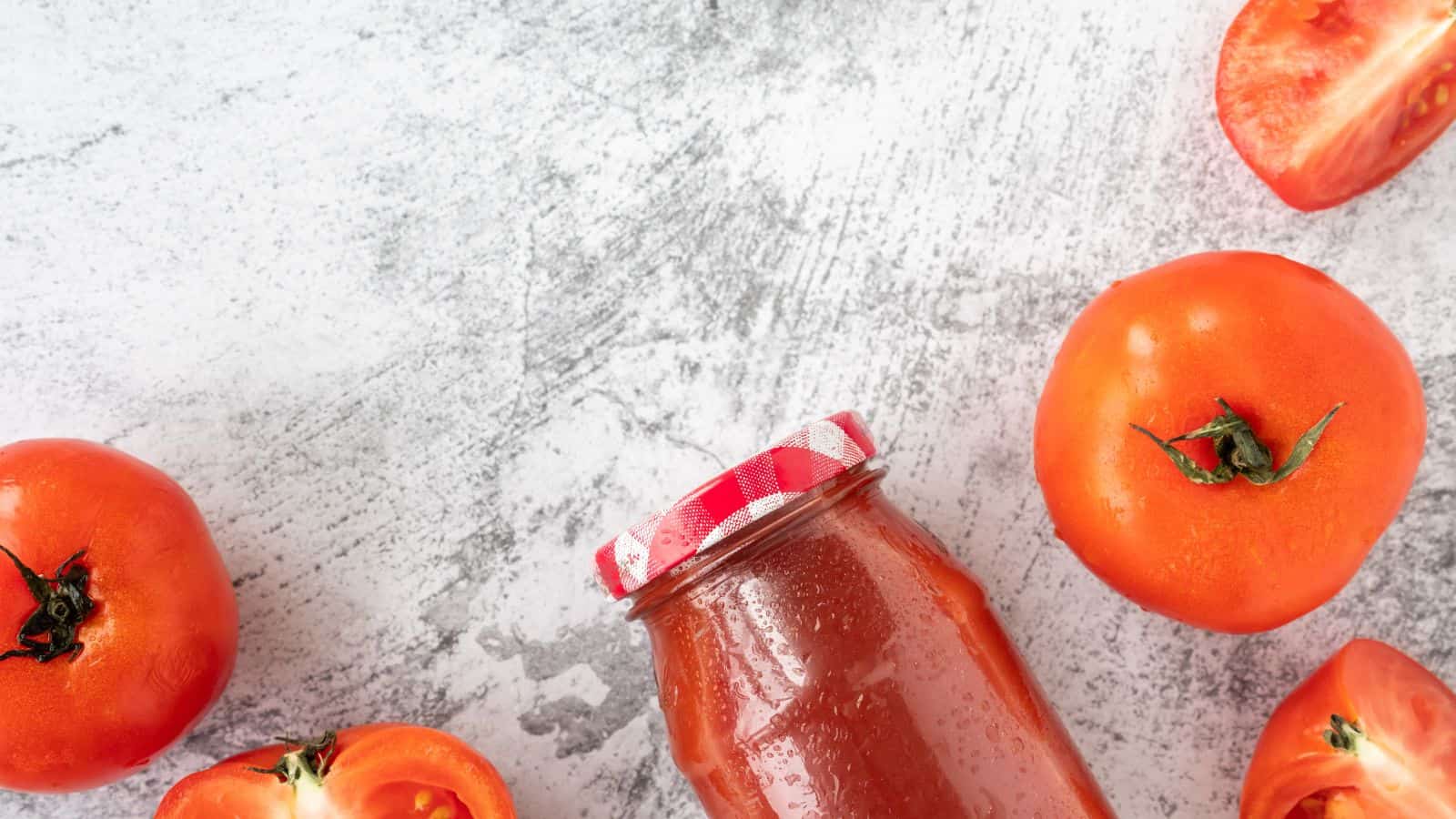
Ketchup, as we know it today, has an interesting history. Originally, it was a fermented fish sauce from Southeast Asia, known as "kê-tsiap" in Hokkien Chinese. British sailors encountered this sauce and brought it back to Europe in the 17th century. Over time, the recipe evolved, incorporating ingredients like mushrooms, walnuts, and eventually tomatoes. By the early 19th century, tomato-based ketchup became popular in the United States, transforming into the condiment that is now a staple in households worldwide. Its journey from a fish-based sauce to a tomato-based condiment is truly fascinating.
Chocolate as Currency
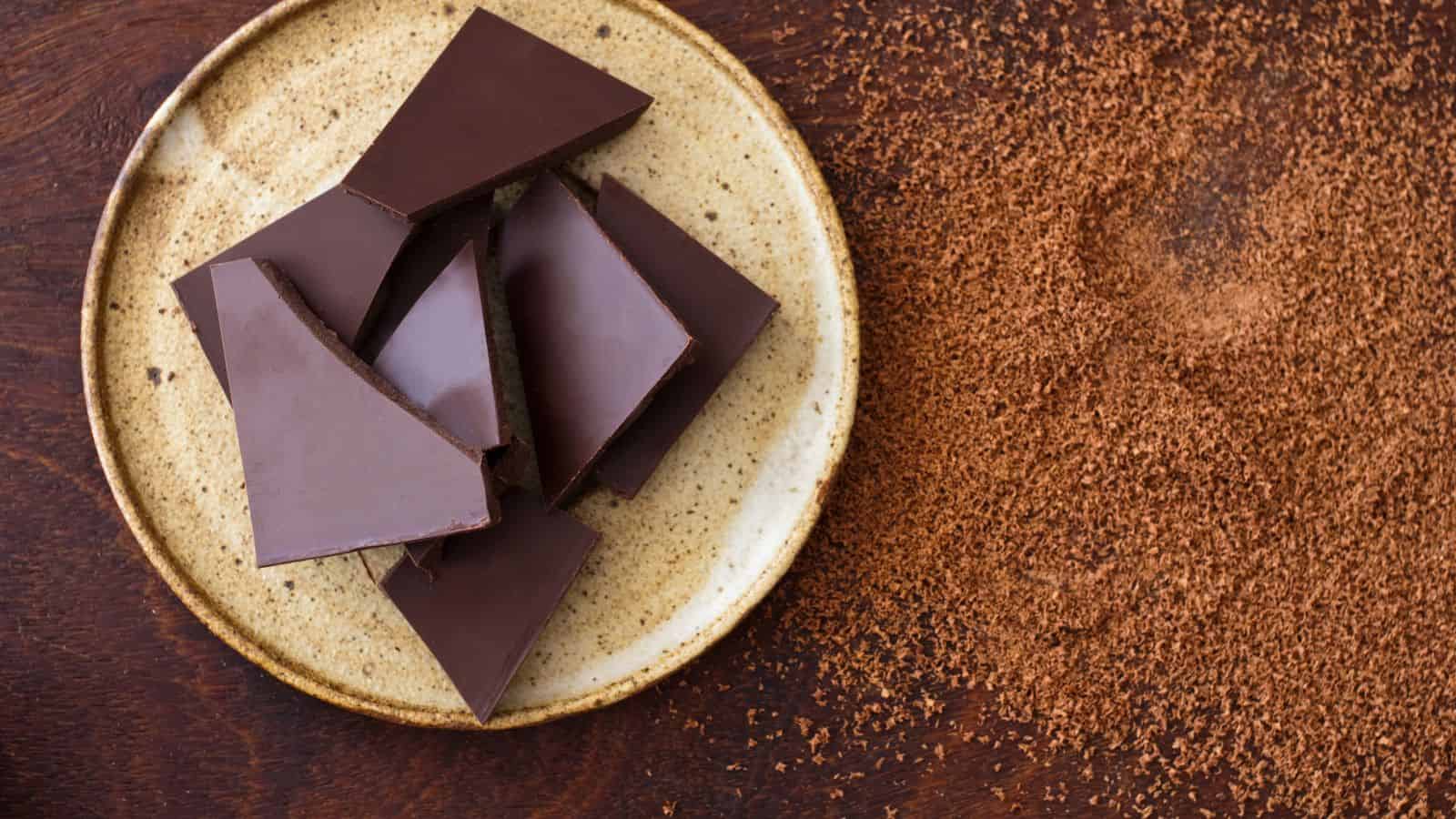
In ancient Mesoamerican civilizations, cacao beans were highly valued and used as a form of currency. The Maya and Aztecs not only traded these beans but also made a beverage by grinding them into a paste and mixing it with water, chili peppers, and spices. This drink was considered sacred and consumed during religious ceremonies. The beans were so precious that they were used to pay taxes and buy goods. The Spanish conquistadors later introduced chocolate to Europe, where it underwent further transformation into the sweet treat we enjoy today. The historical significance of cacao is remarkable.
Margherita Pizza
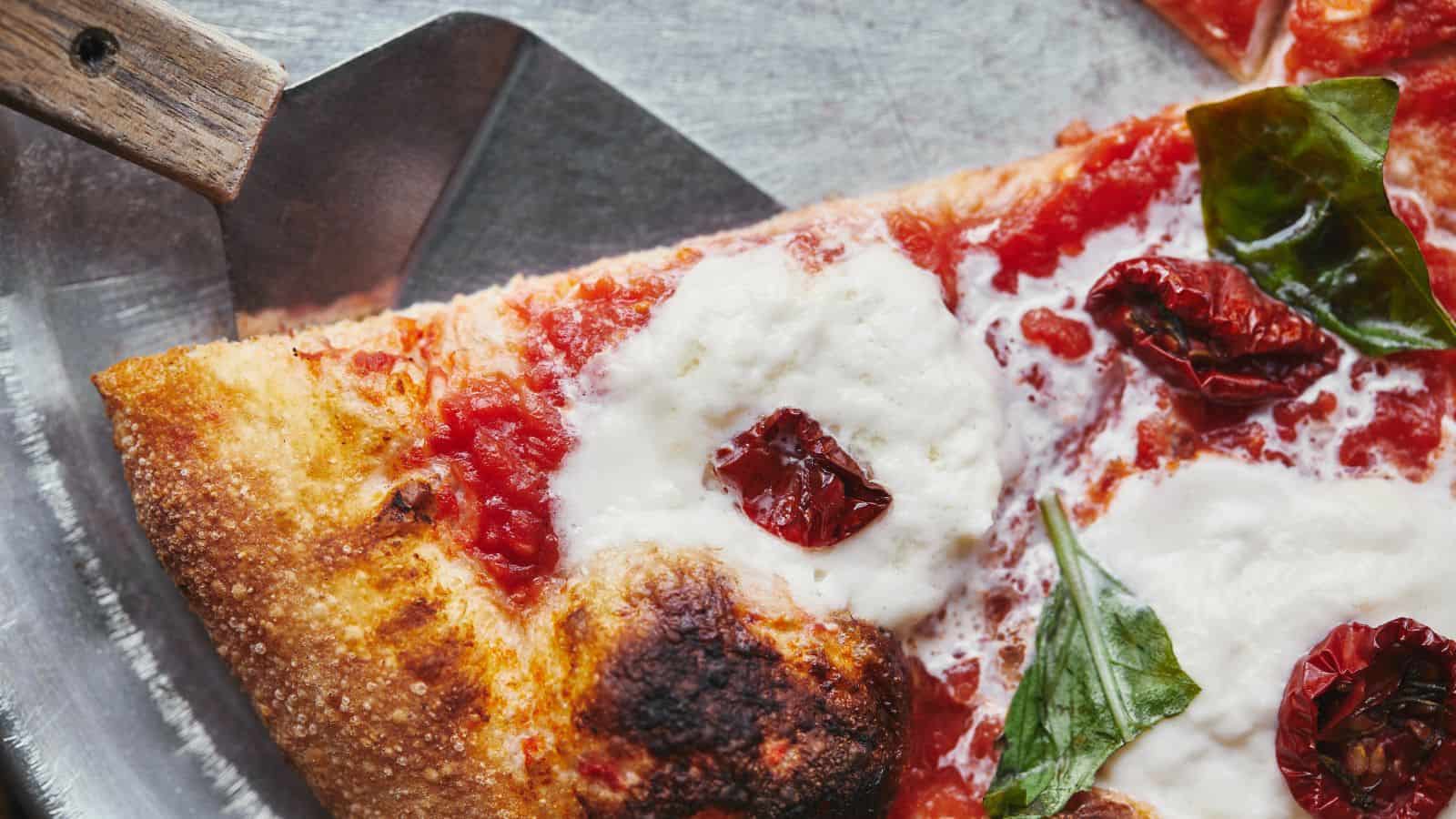
The Margherita pizza has a royal connection dating back to 1889. It was created by Neapolitan pizzaiolo Raffaele Esposito to honor Queen Margherita of Savoy during her visit to Naples. Esposito crafted a pizza using tomatoes, mozzarella cheese, and fresh basil to represent the colors of the Italian flag: red, white, and green. The queen was so impressed with the dish that it was named after her. This simple yet iconic pizza has since become a symbol of Italian cuisine, celebrated for its fresh ingredients and balanced flavors. Its creation is a tribute to Italian heritage.
Carrots Were Purple
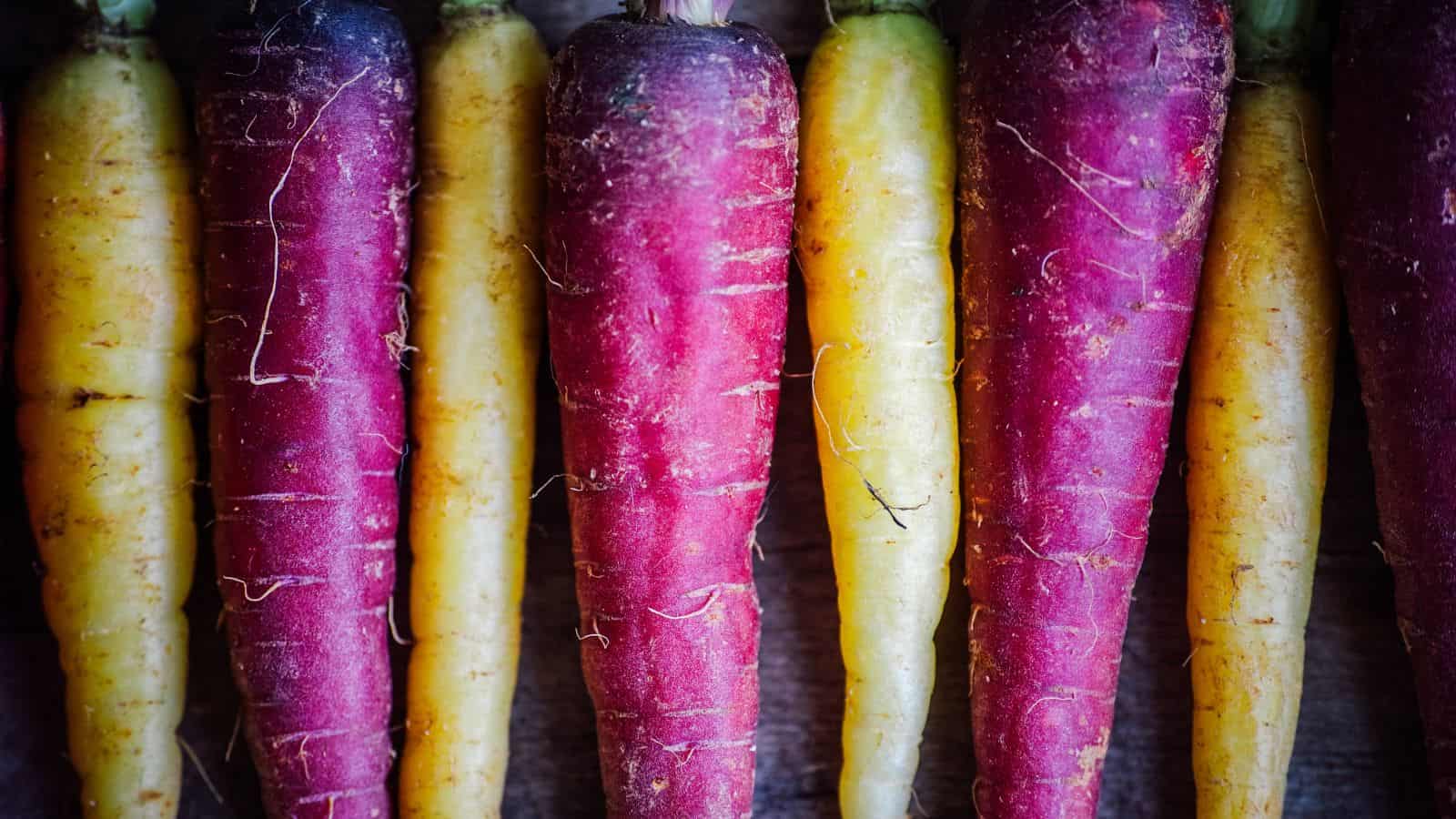
Carrots were not always the orange root vegetables we recognize today. Originally, they were cultivated in Persia (modern-day Iran and Afghanistan) and came in various colors, including purple, red, white, and yellow. The orange carrot was developed in the Netherlands during the 17th century by Dutch farmers. They selectively bred the vegetable to achieve the vibrant orange color, possibly in tribute to the House of Orange, the Dutch royal family. This new variety gained popularity and eventually became the standard carrot found in markets worldwide. The transformation of carrots is a fascinating agricultural achievement.
The Sandwich's Namesake

The sandwich is named after John Montagu, the 4th Earl of Sandwich, an 18th-century English nobleman. According to popular legend, Montagu was an avid gambler who did not want to leave the gaming table for meals. He requested his meat be placed between two slices of bread so he could eat with one hand and continue playing. This convenient meal caught on, and others began ordering "the same as Sandwich," leading to the creation of the term "sandwich." This simple yet versatile food item has since become a global favorite. The story behind its name is intriguing.
Molasses Flood

In 1919, a storage tank in Boston's North End burst, releasing a massive wave of molasses that flooded the streets. The tank, owned by the Purity Distilling Company, contained over 2 million gallons of molasses. The wave reached speeds of 35 mph and caused significant damage, killing 21 people and injuring 150 others. Buildings were destroyed, and the cleanup took weeks. The event, known as the Great Molasses Flood, left a lasting impact on the city and led to stricter regulations for industrial storage tanks. This tragic incident remains one of Boston's most unusual historical events.
Spaghetti's Chinese Connection
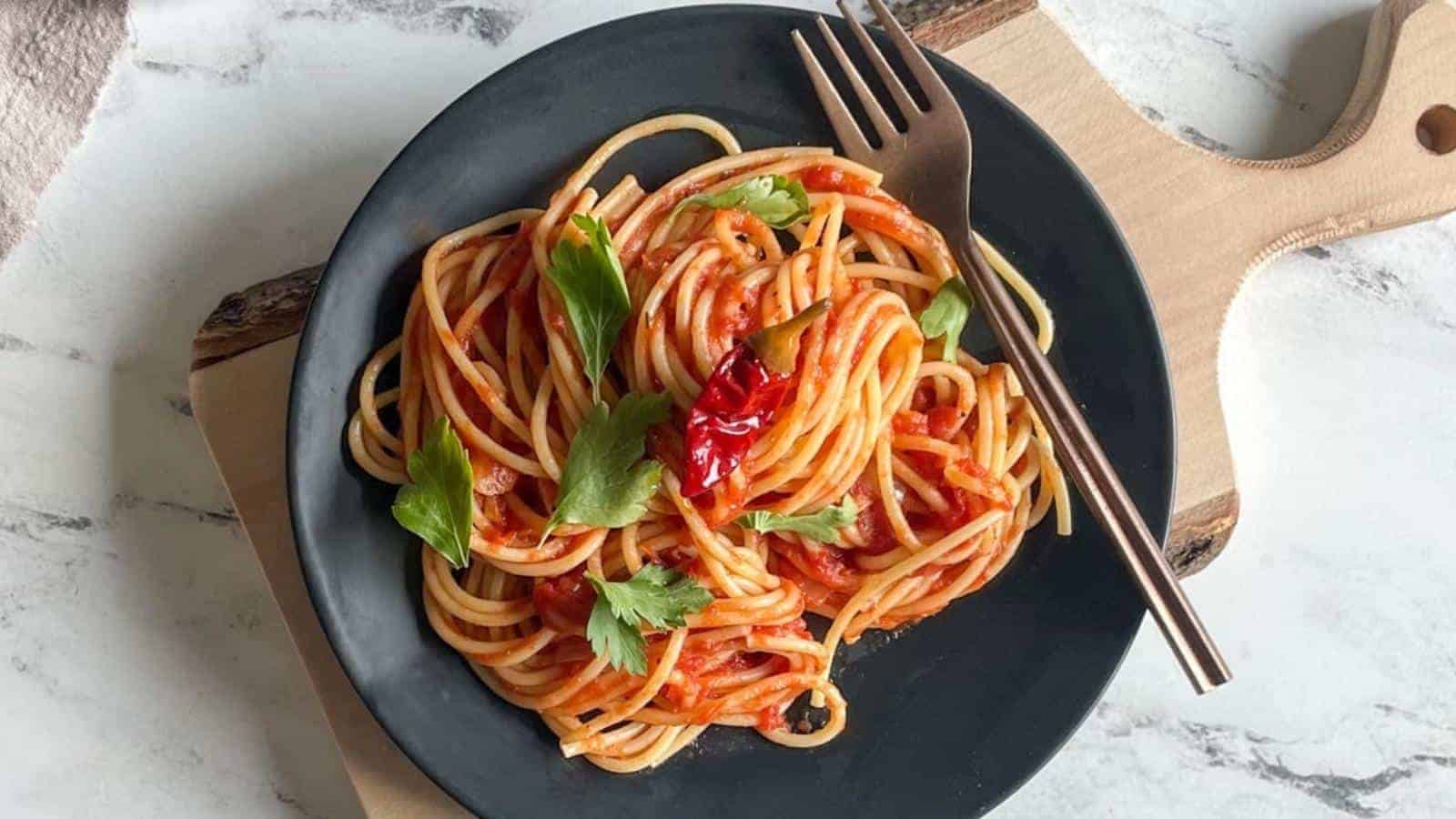
While pasta is closely associated with Italy, some historians believe its origins may be traced back to China. Marco Polo, the Venetian explorer, is often credited with introducing noodles to Italy after his travels in the 13th century. However, evidence suggests that pasta-like foods existed in Italy long before Polo's time. Ancient Etruscan civilizations had recipes for a dish made from durum wheat. Despite this, the idea that Polo brought noodles from China remains a popular legend. The cross-cultural exchange of culinary traditions highlights the interconnectedness of global food history. The story of spaghetti's origins is intriguing.
Honey's Longevity

Archaeologists have discovered pots of honey in ancient Egyptian tombs that are over 3,000 years old and still perfectly edible. Honey's remarkable preservation qualities are due to its low water content and acidic pH, which create an inhospitable environment for bacteria and microorganisms. The ancient Egyptians used honey not only as a sweetener but also for medicinal and religious purposes. It was often placed in tombs as an offering to the gods and to give sustenance to the deceased in the afterlife. Honey's enduring nature makes it a fascinating subject in the study of ancient foods.
Cornflakes for Clean Living

Cornflakes were invented by Dr. John Harvey Kellogg in the late 19th century as part of his health regimen at the Battle Creek Sanitarium in Michigan. Kellogg, a staunch advocate of vegetarianism and clean living, believed that a bland diet could help curb sexual desire and promote overall health. He accidentally created cornflakes when he left cooked wheat to sit, and it went stale. After rolling it out, he discovered the flakes. His brother, Will Kellogg, later added sugar to the recipe, making it more palatable and commercially successful. Cornflakes' origins are rooted in health reform.
Worcestershire Sauce's Accidental Creation

Worcestershire sauce was created by accident when chemists John Lea and William Perrins were asked to replicate a sauce from India. They mixed various ingredients but found the initial batch unpalatable. The sauce was left in a cellar and forgotten for two years. When they rediscovered it, the fermentation process had transformed it into a flavorful condiment. The sauce was bottled and sold, quickly becoming popular. Worcestershire sauce is now a staple in many kitchens, known for its complex flavor profile. The serendipitous creation of this sauce highlights the unexpected discoveries in food history.
The Potato's European Journey
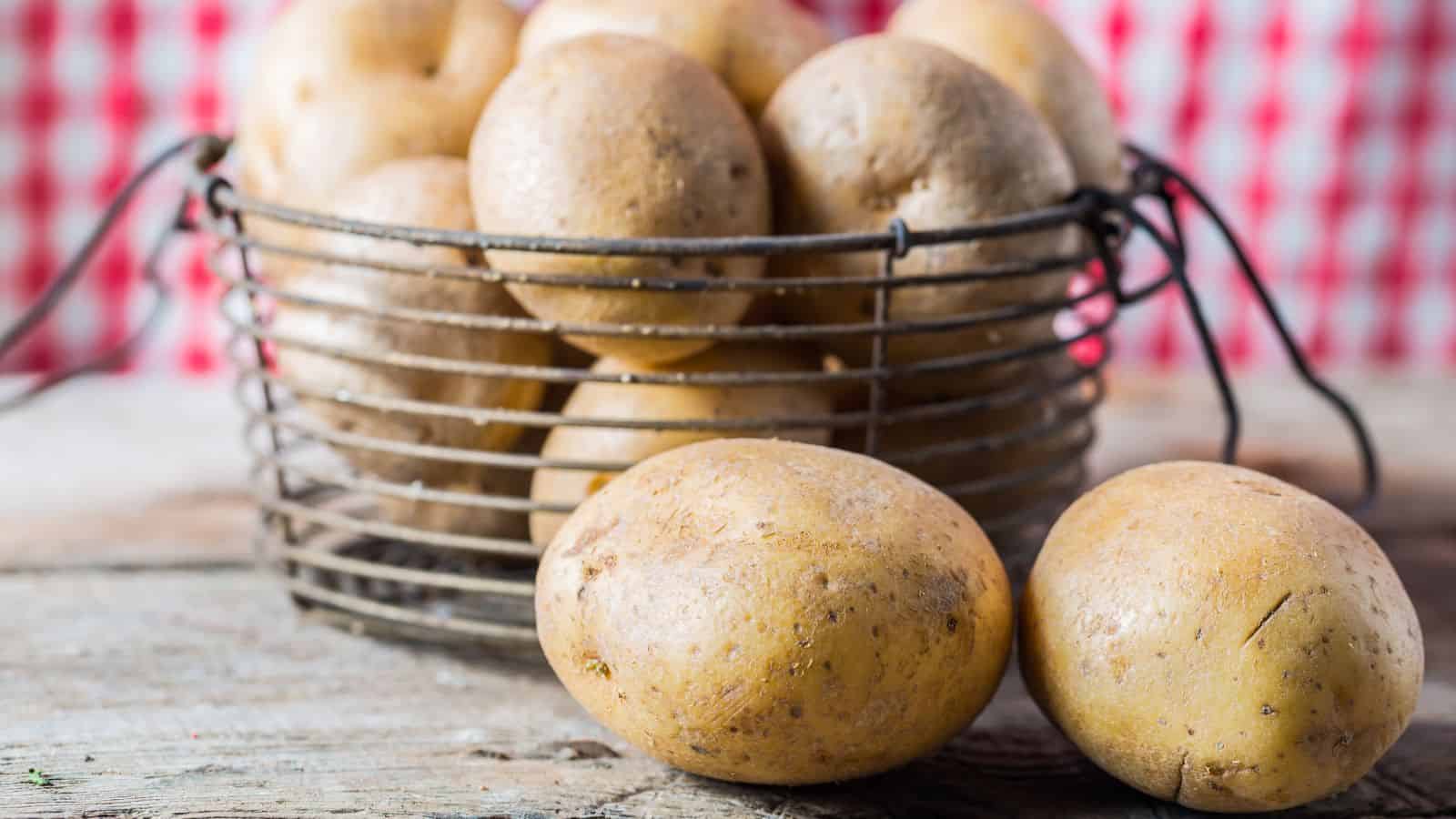
Potatoes, native to the Andes in South America, were introduced to Europe in the late 16th century by Spanish explorers. Initially met with suspicion and resistance, they were thought to cause diseases like leprosy. However, their nutritional value and ability to grow in various climates eventually won over European farmers. By the 18th century, potatoes became a staple crop, particularly in Ireland and Eastern Europe. They played a crucial role in alleviating food shortages and supporting population growth. The potato's journey from the Americas to becoming a European staple is a testament to its agricultural importance.
The Origin of Caesar Salad

Caesar Salad was invented by Italian-American restaurateur Caesar Cardini in Tijuana, Mexico, in the 1920s. During a busy Fourth of July weekend, Cardini was running low on kitchen supplies and improvised a salad with the ingredients he had on hand. The original recipe included romaine lettuce, garlic, croutons, Parmesan cheese, boiled eggs, olive oil, and Worcestershire sauce. It was prepared tableside to add a touch of flair. The salad quickly gained popularity and became a signature dish. Caesar Salad's creation story is a blend of necessity and culinary innovation, making it a beloved classic worldwide.
First Cultivated Crop
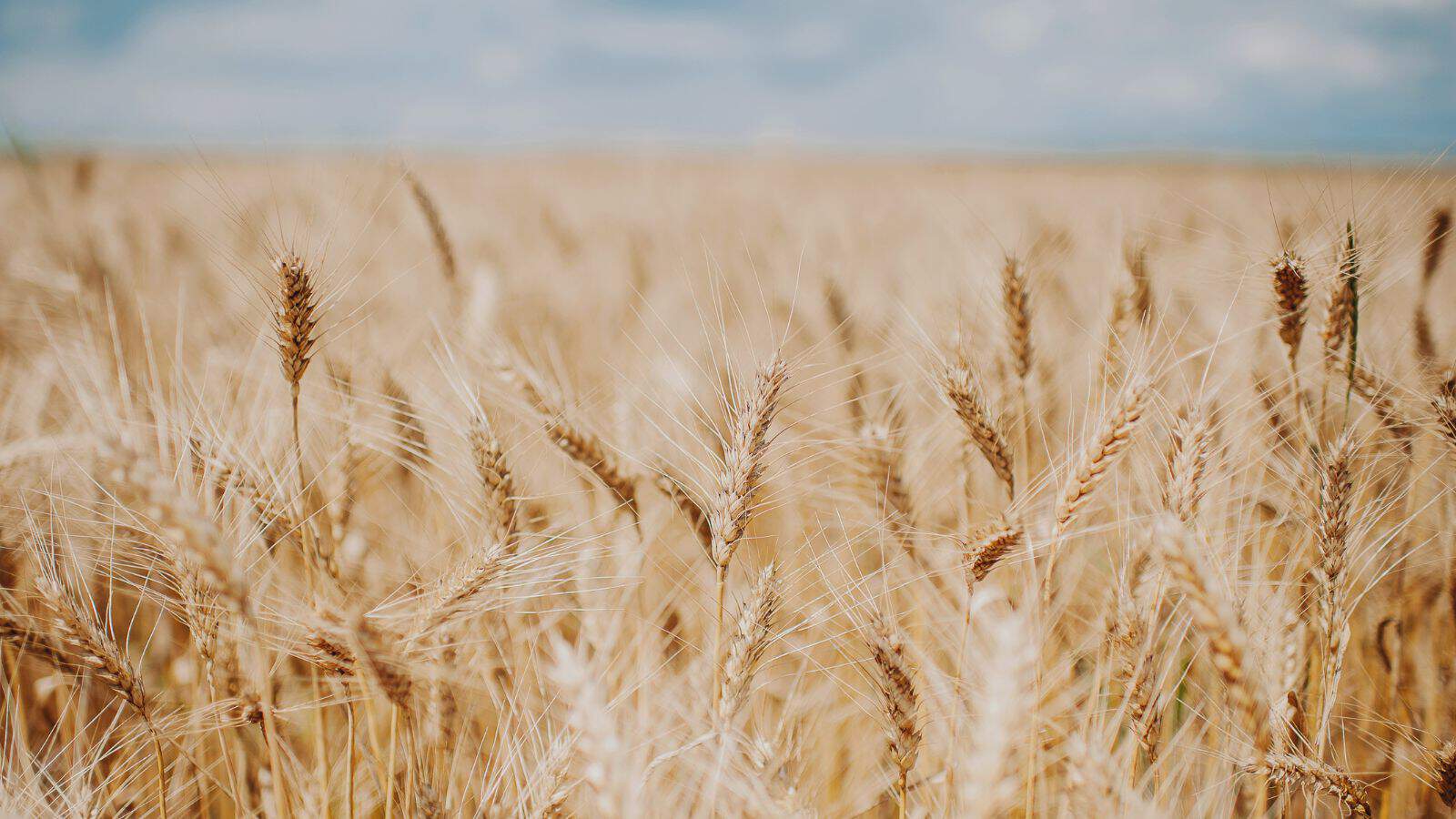
Barley is considered one of the first cultivated grains, with evidence of its cultivation dating back to 8500 BCE in the Fertile Crescent, a region spanning modern-day Iraq, Syria, and Turkey. It was a staple food for ancient civilizations, including the Sumerians, Egyptians, and Greeks. Barley was used to make bread, porridge, and beer, playing a crucial role in early agriculture and diet. Its adaptability to different climates and soils made it a reliable crop. The cultivation of barley marked a significant step in the development of human societies and the transition from hunter-gatherer to agrarian lifestyles.
Tomatoes Were Feared
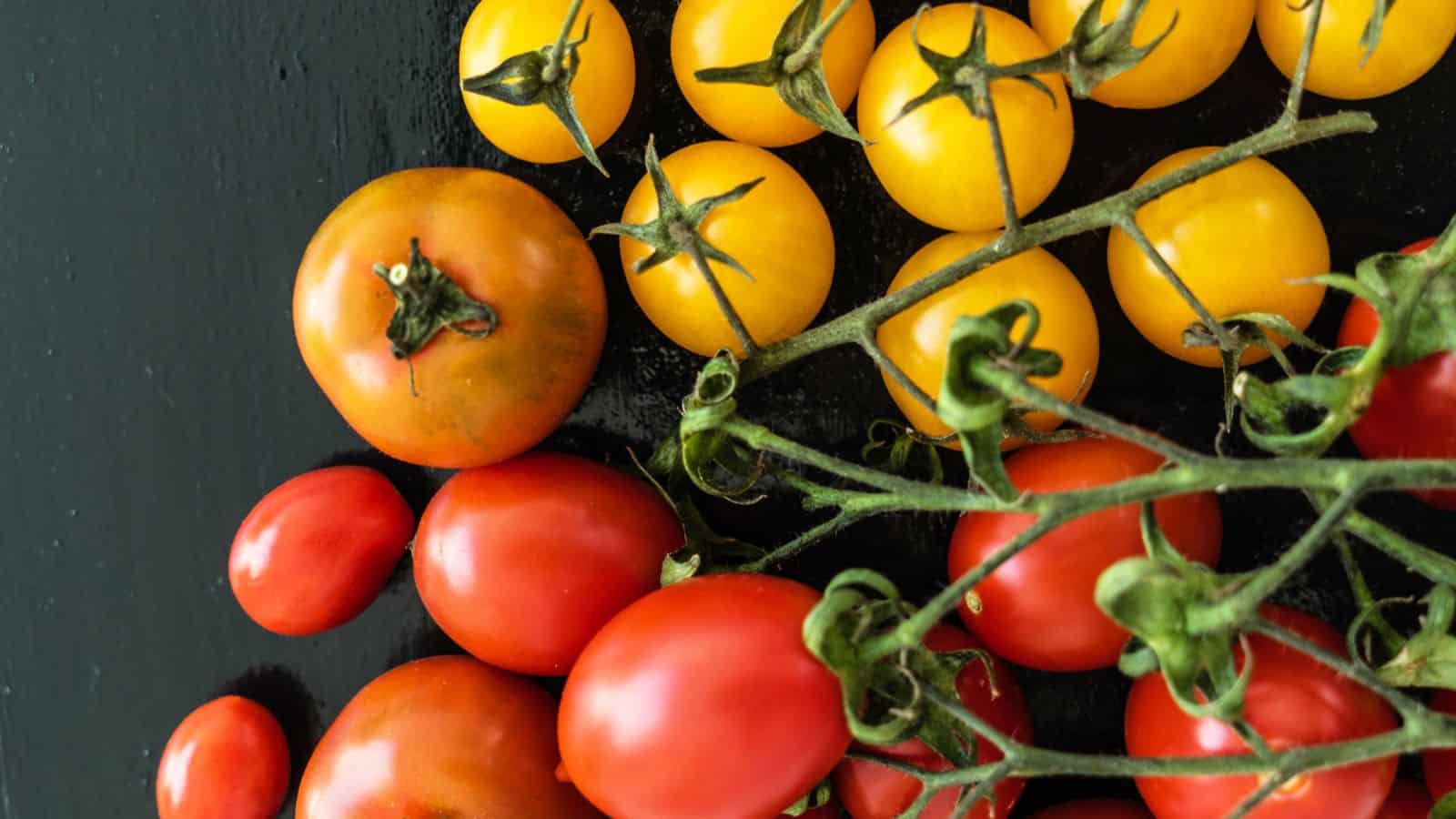
In the 18th century, Europeans called tomatoes "poison apples" because aristocrats often fell ill and died after eating them off pewter plates. The high acidity of tomatoes caused lead to leach from the pewter, leading to lead poisoning. This misconception led to widespread fear and avoidance of tomatoes. It wasn't until the 19th century that tomatoes gained acceptance in European cuisine, thanks to an improved understanding of food safety and their introduction into Italian dishes. Today, tomatoes are a beloved ingredient in various cuisines. The initial fear of tomatoes is a fascinating chapter in food history.
Ice Cream's Royal Connection

Ice cream was once an exclusive treat for the elite, dating back to ancient Persia and China. It became widely accessible in the 19th century with the invention of insulated ice houses and the hand-cranked ice cream churn. In the 17th century, ice cream was introduced to Europe and became a favorite among royalty. King Charles I of England reportedly offered his chef a lifetime pension to keep the ice cream recipe a secret. The democratization of ice cream in the 19th century allowed it to become a popular dessert enjoyed by people of all social classes.
Snack on Some History

And there you have it-a fascinating journey through the unexpected history of some of our most beloved foods. These stories remind us that what we eat is more than just ingredients on a plate; it's a connection to our past and a testament to human creativity and resilience. Knowing these intriguing facts adds another layer to our appreciation of everyday meals, making each bite a little more special.
Next time you drizzle ketchup on your fries or enjoy a slice of Margherita pizza, take a moment to reflect on the rich history behind these foods. It's amazing how much history can be packed into something as simple as a sandwich or a bowl of cornflakes. Share these stories with friends and family, and keep the conversation going. After all, food is best enjoyed together, and now you have some great stories to tell at the dinner table.
Shocking Facts About The Foods You Are Eating Every Day

Many everyday foods are more processed than you realize, often hiding ingredients and additives that can surprise even the most health-conscious consumers. From snacks to sauces, these items may seem innocent but can contain unexpected levels of processing. By exploring these 13 foods that are more processed than you realize, individuals can become more aware of their food choices and the effects they have on their health.
Read it Here 13 Shocking Facts About The Foods You Are Eating Every Day
Interesting Coffee Facts That Will Change How You See Your Daily Brew

A great cup of coffee can feel like the perfect start to any day, and we know a lot of people agree. But there's so much more to this drink than meets the eye. From its journey from the plant to your cup to the unexpected ways it impacts your life, coffee has so many fascinating details that often go unnoticed. There are 11 fun facts about coffee that go beyond the simple act of brewing. It's no surprise considering coffee has a history and depth that's as rich as its flavor.
Read it Here: 11 Interesting Coffee Facts That Will Change How You See Your Daily Brew