
We all want to eat well without breaking the bank, right? With grocery prices on the rise, it can feel like a challenge to keep your food budget in check while still enjoying meals you love. But cutting costs doesn't mean you have to sacrifice flavor or variety. In fact, there are 15 smart ways to save money on food without feeling deprived.
Whether you're a seasoned cook or someone who prefers takeout, there are simple strategies that can help you stretch your dollars further. You'll discover that eating well on a budget is not only possible but can also be fun and rewarding. From planning meals to maximizing your grocery list, every small change can add up. By embracing these practical tips, you can keep your pantry stocked and your wallet happy!

Plan Your Meals
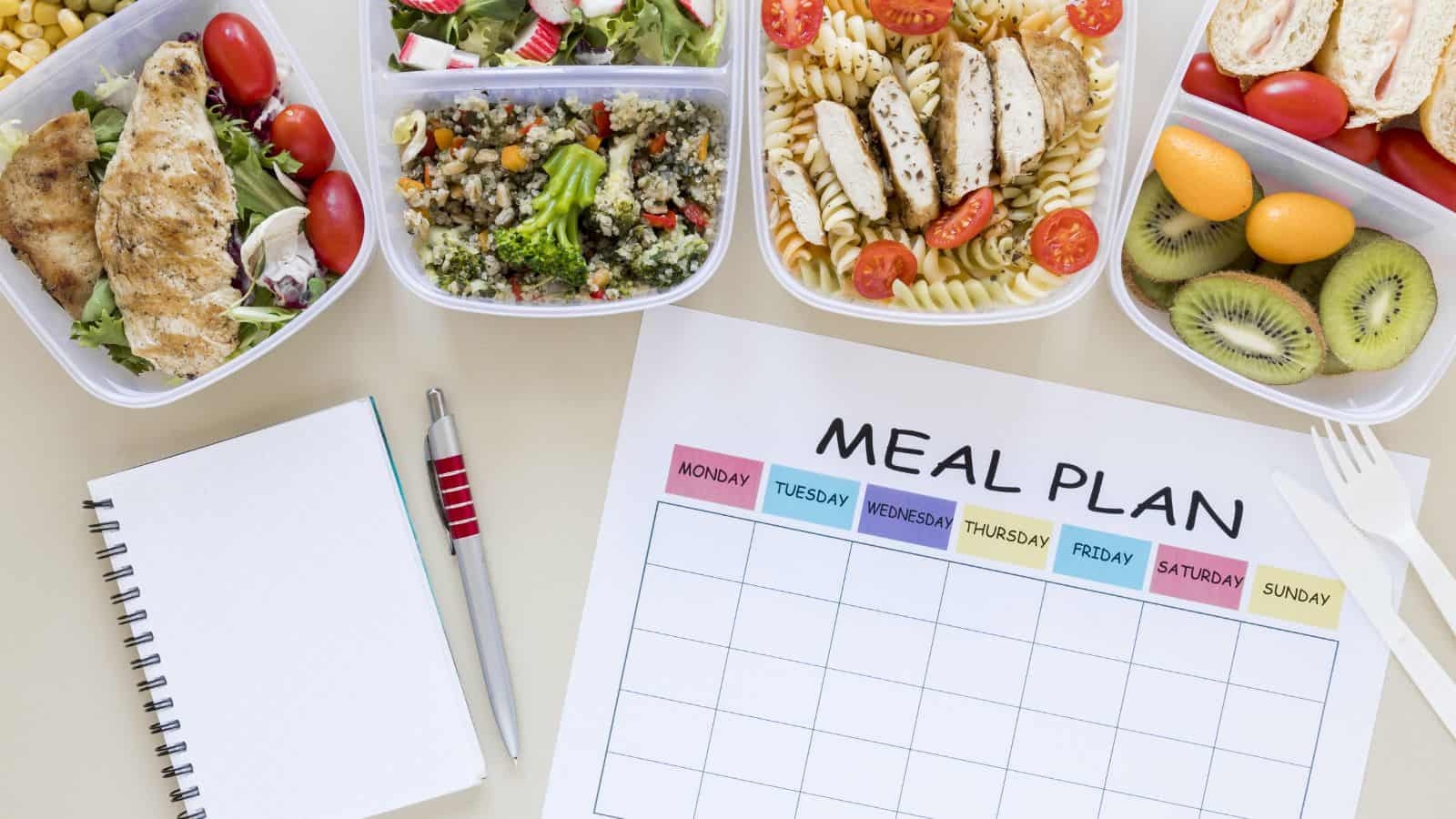
Creating a weekly meal plan helps organize your cooking and shopping activities. By deciding in advance what you will eat, you can avoid last-minute decisions that often lead to impulse buying. This practice enables you to maximize the use of what you have at home, minimizing food waste and ensuring that you only purchase what you need. Additionally, planning meals around sales and seasonal ingredients can lead to significant savings. With a structured approach, you can also explore new recipes, making the cooking experience more varied and enjoyable while staying within budget.
Make a Shopping List
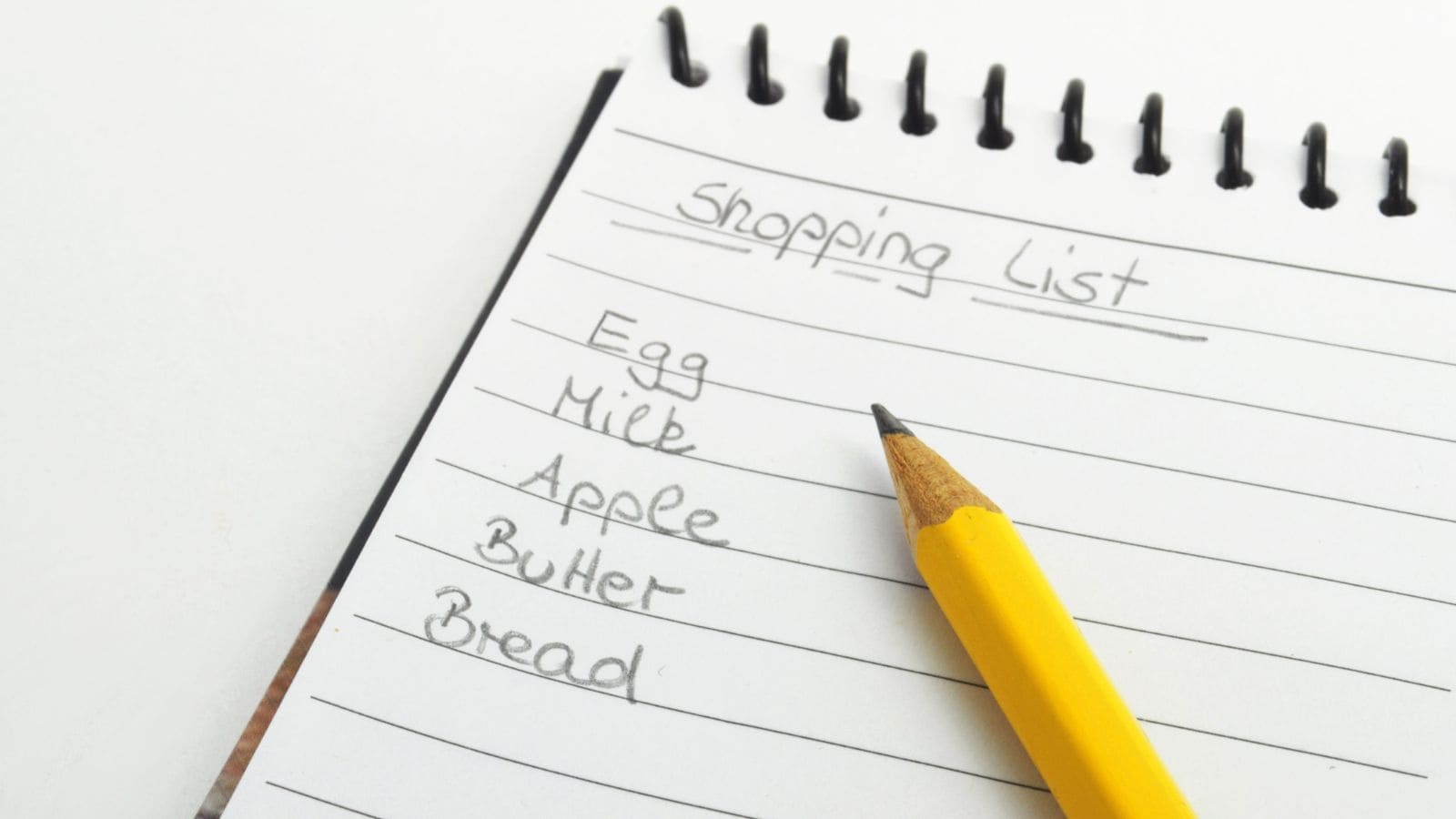
Crafting a shopping list before heading to the grocery store is an effective way to manage your food expenses. By listing only the items you need, you can focus on purchasing essentials and avoid unnecessary impulse buys. This method not only helps you stay on track but also minimizes the chances of forgetting essential ingredients for your planned meals. Additionally, having a list allows you to compare prices and find the best deals, ultimately leading to more mindful shopping. Stick to your list, and you'll likely find that your spending decreases significantly while still meeting your dietary preferences.
Buy in Bulk
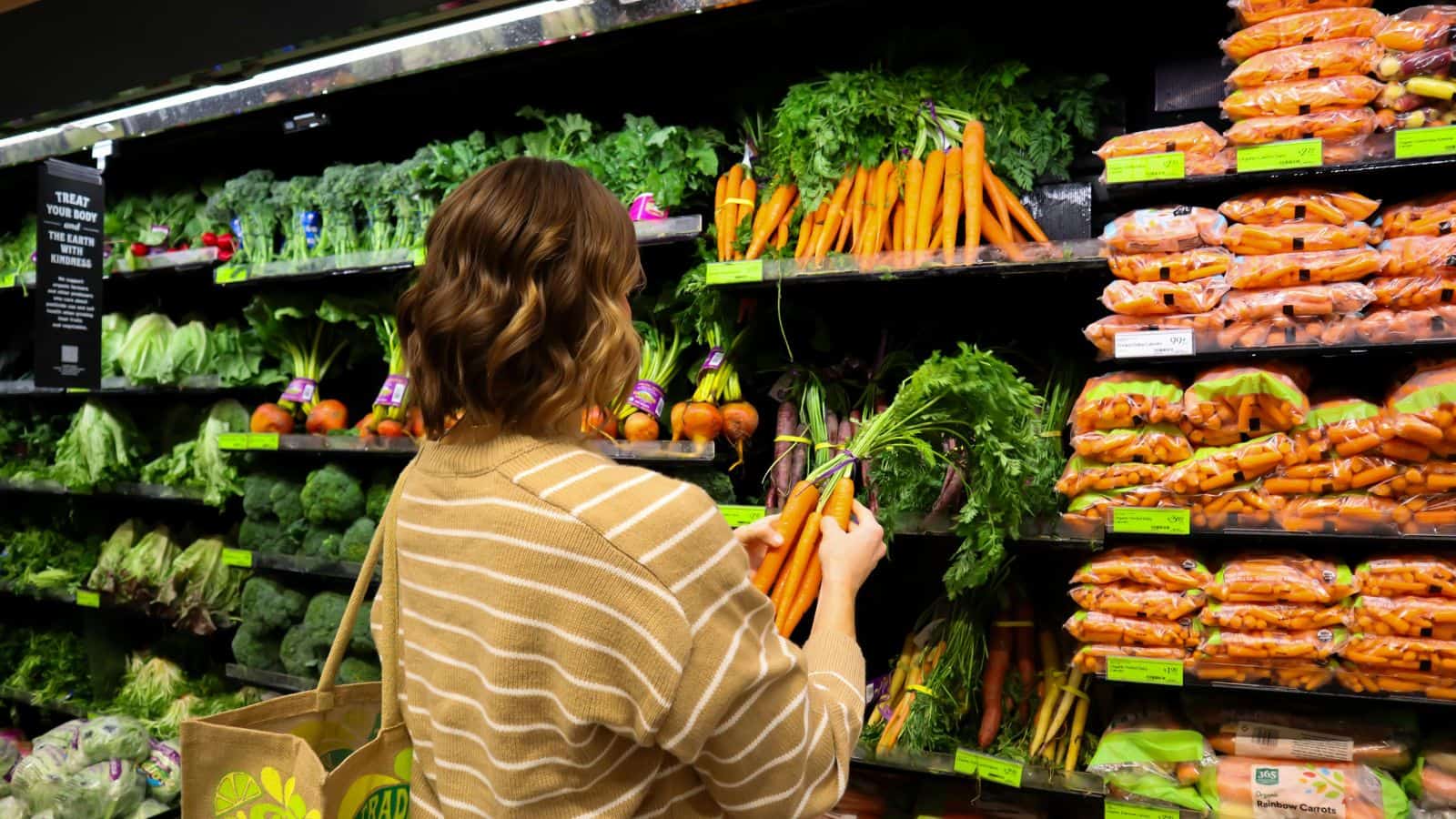
Purchasing items in bulk can lead to substantial savings, particularly for non-perishable goods such as grains, pasta, and canned goods. Buying in larger quantities often reduces the unit price, making it a cost-effective choice for families or individuals who frequently use these staples. Additionally, many bulk items have a longer shelf life, allowing you to stock up without worrying about spoilage. Just be sure to store these products properly to maintain their quality. This approach not only saves money but also reduces the frequency of shopping trips, making it a convenient option for busy lifestyles.
Use Coupons and Discounts

Taking advantage of coupons, promotional discounts, and loyalty programs can significantly lower your grocery bills. Many stores offer digital coupons that can be easily accessed through their apps or websites, making it simple to find savings on items you regularly purchase. Additionally, signing up for store loyalty programs can lead to exclusive discounts and rewards. By actively seeking out these opportunities, you can stretch your budget further while still buying the products you enjoy. Regularly checking for deals can make a noticeable impact on your monthly food expenses.
Cook at Home

Preparing meals at home is a healthier option and a cost-saving strategy. Eating out can quickly add up, while home-cooked meals allow you to control ingredients and portion sizes. By dedicating time to cooking, you can create a diverse range of dishes that cater to your tastes and dietary requirements. This practice also encourages creativity in the kitchen, allowing you to experiment with various ingredients and recipes. Additionally, cooking at home often results in leftovers, which can be used for future meals, thereby further reducing your overall food costs. Embracing home cooking can transform your dining experience while keeping expenses in check.
Batch Cooking

Batch cooking is an efficient method for preparing meals in large quantities, enabling you to save time and money. By cooking multiple servings of a dish at once, you can take advantage of bulk ingredients and reduce energy costs associated with cooking. Once prepared, these meals can be stored in the refrigerator or freezer for easy access on busy days. This method not only minimizes food waste but also makes sure you have healthy options readily available. Additionally, batch cooking can help you explore different cuisines and flavors, making your meal rotation more diverse while keeping your budget intact.
Embrace Seasonal Produce

Purchasing fruits and vegetables that are in season can lead to significant savings and enhance the quality of your meals. Seasonal produce is often more affordable due to higher availability, and it tends to be fresher and more flavorful. By incorporating these items into your meal planning, you can create dishes that highlight their natural qualities. Additionally, supporting local farmers' markets can help you gain access to seasonal goods at competitive prices. This practice benefits your budget and encourages a healthier diet rich in a variety of nutrients as you adapt your meals to what's currently available.
Grow Your Own Herbs and Vegetables

Starting a small garden or using pots to grow your own herbs and vegetables can be a rewarding and economical way to enhance your meals. Even if you have limited space, growing herbs like basil, cilantro, or parsley can add fresh flavors to your dishes without the cost of store-bought options. Additionally, growing vegetables like tomatoes or peppers can save money over time, especially during peak growing seasons. This hands-on approach not only reduces grocery expenses but also fosters a deeper appreciation for the food you consume, encouraging healthier eating habits and giving you a sense of accomplishment.
Limit Convenience Foods

Reducing reliance on convenience foods can have a positive impact on both your budget and health. Pre-packaged meals and snacks often come with a higher price tag and may contain preservatives or unhealthy ingredients. By preparing simple meals and snacks from scratch, you can control what goes into your food and save money at the same time. Focus on easy-to-make recipes that require minimal ingredients, allowing you to create satisfying options without overspending. This shift can lead to healthier eating patterns and a greater understanding of nutrition, ultimately benefiting your wallet and well-being.
Choose Cheaper Proteins
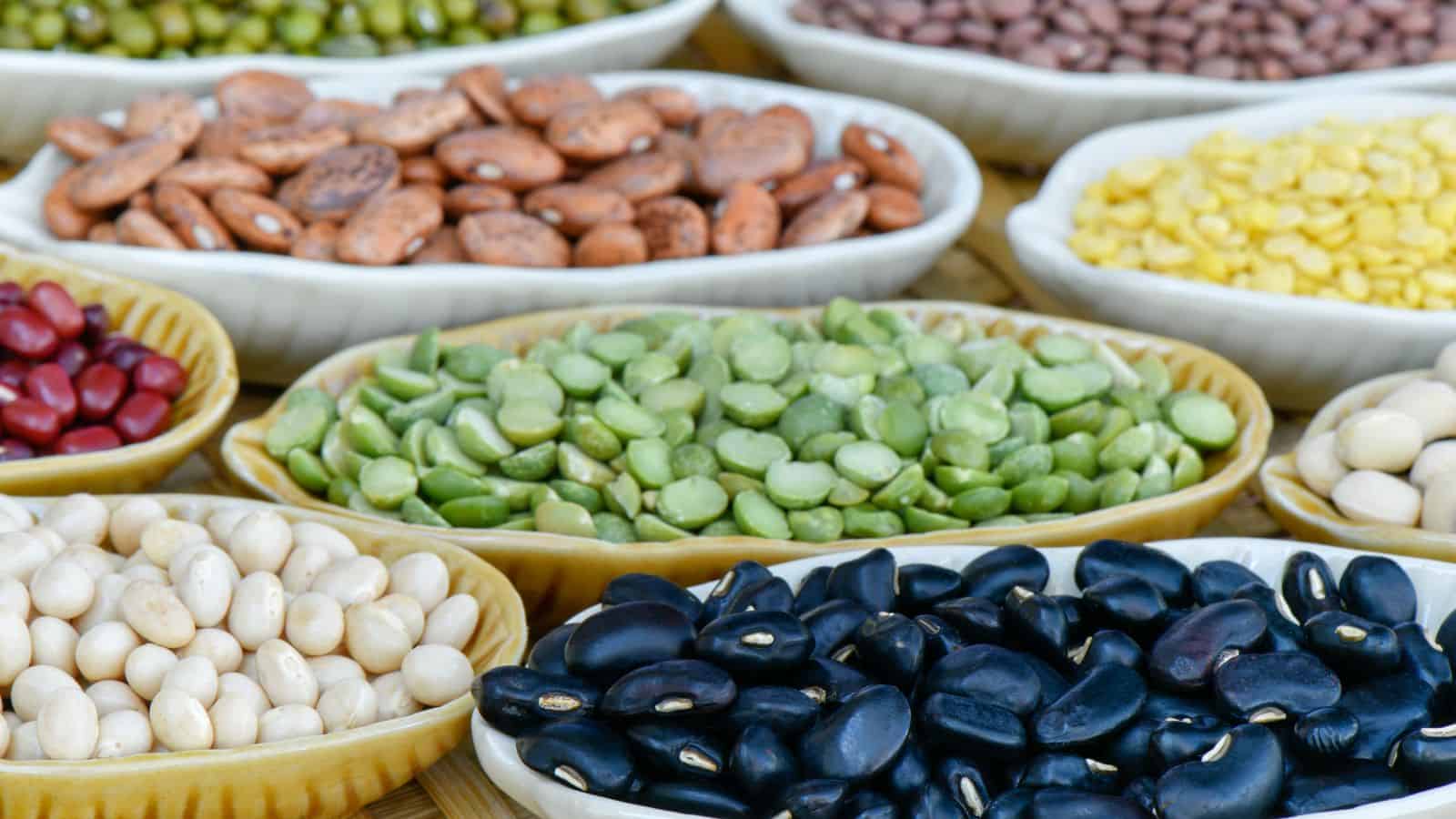
Incorporating more affordable protein sources into your meals can significantly reduce your food expenses. Instead of relying solely on pricier meats, consider plant-based options like beans, lentils, and chickpeas, which are budget-friendly and packed with nutrients. Additionally, exploring less expensive cuts of meat can be a flavorful and satisfying alternative. By diversifying your protein sources, you can create a range of nutritious and economical meals. This approach encourages creativity in the kitchen, as you find new ways to prepare and enjoy these ingredients while keeping costs low.
Reduce Food Waste
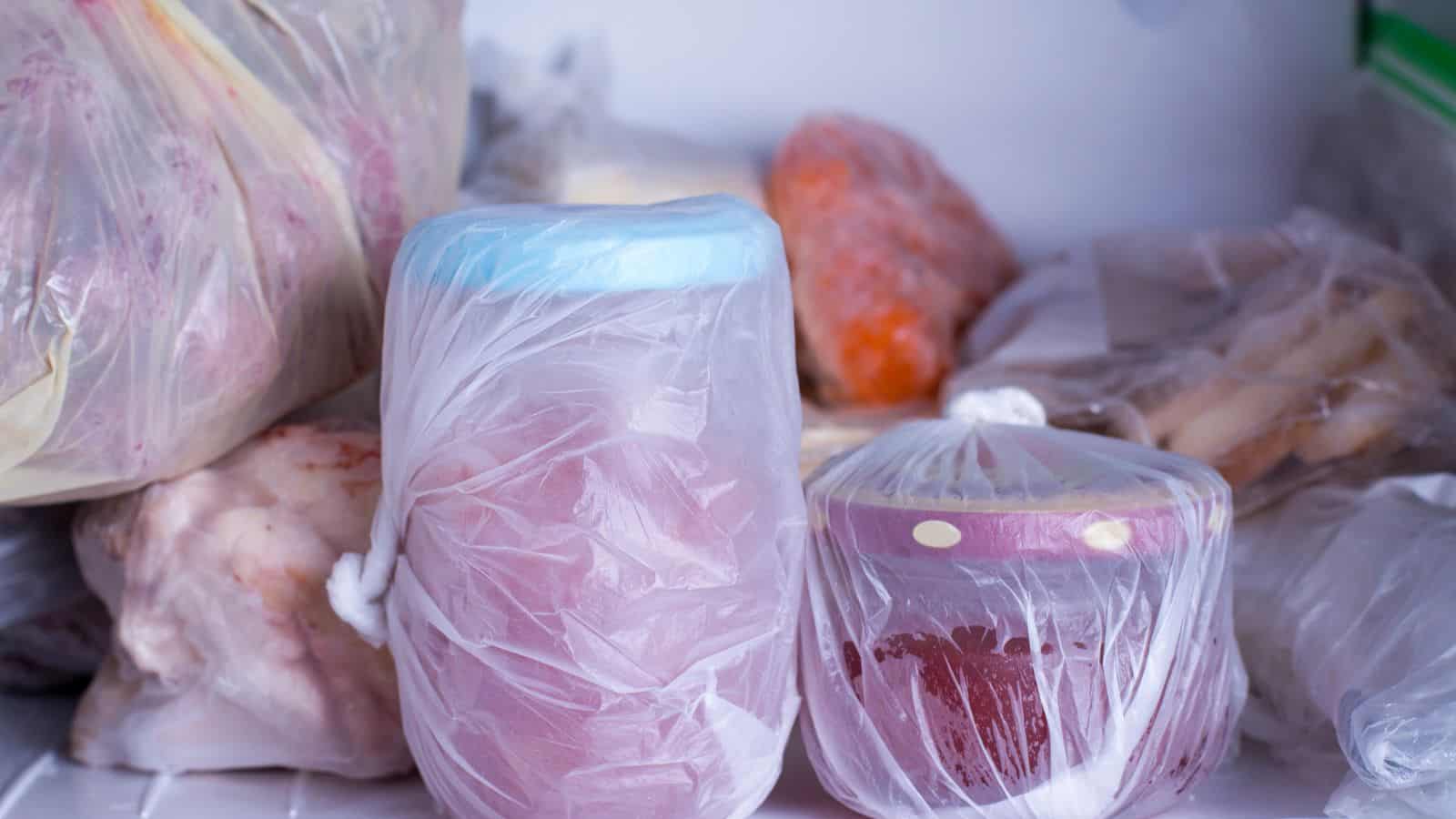
Minimizing food waste is an effective strategy to save money and contribute to a more sustainable lifestyle. By being mindful of expiration dates and proper storage techniques, you can extend the life of your groceries. Consider using leftovers creatively in new dishes, such as turning roasted vegetables into a soup or using stale bread for croutons. Regularly assessing your pantry and refrigerator can help you prioritize items that need to be consumed first. This practice not only helps you get the most out of your purchases but also reduces the environmental impact associated with discarded food.
Cook Simple Recipes

Focusing on simple recipes can streamline your cooking process and help you save money. Dishes that require fewer ingredients often cost less and are quicker to prepare, making them ideal for busy schedules. Look for recipes that highlight staple ingredients, such as grains, beans, and seasonal produce, which can be both affordable and nutritious. Emphasizing simplicity in your cooking can encourage you to experiment with different flavor combinations while keeping your budget in mind. This approach enables a more relaxed cooking experience, fostering a deeper appreciation for the ingredients you use.
Join a Community Supported Agriculture (CSA)

Participating in a CSA can be a fantastic way to access fresh, locally grown produce at a lower cost while supporting local farmers. By subscribing to a CSA, you receive a box of seasonal fruits and vegetables each week, often at a price that is competitive with grocery store rates. This model encourages you to cook with what you receive, promoting creativity in meal preparation and reducing food waste. Additionally, being part of a CSA fosters a connection to your local food system, allowing you to learn more about farming practices and the benefits of eating seasonally. This can lead to a more sustainable and budget-conscious approach to eating.
Plan for Snacks

Preparing healthy snacks at home can help you avoid the temptation of purchasing expensive convenience options. By planning and making snacks in advance, you can ensure you have nutritious choices, such as cut-up vegetables, fruit, or homemade energy bars. This practice saves money and allows you to control the ingredients and portion sizes. Having snacks on hand can prevent unplanned trips to the store or fast-food outlets, ultimately contributing to a healthier diet and budget management. By prioritizing snack preparation, you can maintain energy levels throughout the day without overspending.
Track Your Spending

Keeping a detailed record of your food expenses can give you valuable insights into your spending habits and help you identify areas for improvement. You can pinpoint unnecessary purchases and adjust your shopping habits by tracking where your money goes. Budgeting apps or simple spreadsheets are used to categorize your expenses and set monthly limits. This awareness can empower you to make more informed decisions when it comes to meal planning and grocery shopping. Regularly reviewing your spending can lead to smarter choices, ultimately helping you save money while still enjoying a variety of foods.
Less Spending, More Munching!
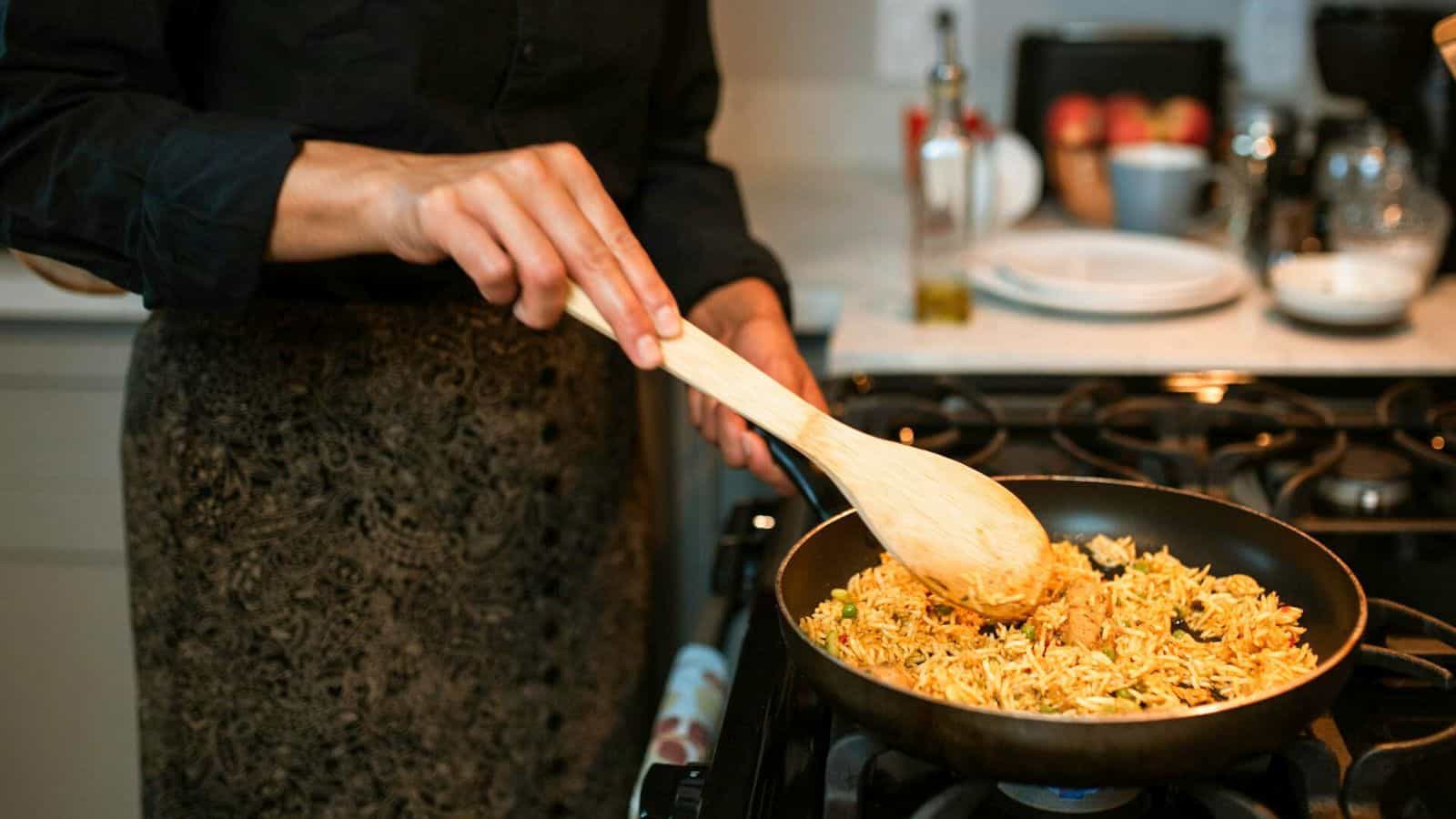
Cutting your food budget doesn't have to feel like a sacrifice. You can enjoy tasty meals without overspending by making a few smart choices and adjustments in your routine. The key is to stay mindful of your spending while being open to new ideas and strategies. Whether it's planning your meals, trying new recipes, or finding creative ways to use leftovers, every step you take can lead to significant savings.
Remember, eating well on a budget is all about striking a balance and being creative. As you implement these tips, you'll likely find that you can enjoy a variety of foods while keeping your expenses in check. So, don't be afraid to experiment and discover what works best for you. With a little effort and some smart planning, you can maintain a great food experience without feeling deprived!
Overpriced Grocery Items That Cost A LOT More Than They're Worth

Ever felt like you've paid way too much for something that didn't quite live up to the hype? We've all been there, especially when it comes to food. Sometimes, the price tag on a product makes you think it must be something special, but then you try it and wonder what all the fuss is about. These 11 overpriced foods, in particular, will really leave you scratching your head.
Read it Here: 11 Overpriced Grocery Items That Cost A LOT More Than They're Worth
Types of Meat Butchers Hope You Skip at the Grocery Store

When you walk through the meat section of your grocery store, it's easy to get overwhelmed by all the choices. You might think you're picking the best options for your meals, but not everything on those shelves is a great pick. Some products are designed for convenience, but they often come with hidden downsides. Butchers know this and might actually hope you skip certain items.
Read it Here: 9 Types of Meat Butchers Hope You Skip at the Grocery Store