
While popular fruits and vegetables often take the spotlight, many lesser-known options pack a powerful nutritional punch. Here are 15 underrated fruits and vegetables that are nutritional powerhouses, offering a wide range of vitamins, minerals, and antioxidants. For instance, rutabagas are rich in vitamin C and fiber, while pomegranates are loaded with heart-healthy compounds.
Adding these underappreciated fruits and vegetables to your diet can boost your nutrient intake and introduce new flavors to your meals. Many of these options are versatile and can be used in various dishes, from salads to main courses. They're often affordable and readily available, making them easy to incorporate into your regular shopping list.
Exploring these nutritional powerhouses can help diversify your diet and improve your overall health. By trying out these fruits and vegetables, you can discover new favorites while giving your body a wider range of essential nutrients. It's about broadening your food choices and making the most of nature's less-famous but equally valuable produce.
Rutabaga

Often overlooked, rutabagas are cruciferous vegetables packed with nutrients. They're an excellent source of vitamin C, providing over 50% of the daily recommended intake in just one cup. Rich in fiber, potassium, and manganese, rutabagas support digestive health, heart function, and bone strength. They're also low in calories and carbohydrates, making them a great option for weight management. Rutabagas have a slightly sweet, earthy flavor that becomes milder when cooked. They can be roasted, mashed, or added to soups and stews. Their versatility in cooking and impressive nutritional profile make rutabagas a valuable addition to any diet.
Kohlrabi

Kohlrabi, a member of the cabbage family, is a nutritional powerhouse often overlooked in the produce aisle. It's rich in vitamin C, providing over 100% of the daily recommended intake in one cup. Kohlrabi is also a good source of potassium, fiber, and B vitamins. Its high fiber content supports digestive health and helps maintain stable blood sugar levels. The vegetable has a mild, slightly sweet flavor similar to broccoli stems. Both the bulb and leaves are edible and can be enjoyed raw or cooked. Kohlrabi can be sliced for salads, roasted, or added to stir-fries, offering a crunchy texture and versatile use in various dishes.
Jicama

Jicama, also known as Mexican yam bean, is a crunchy, slightly sweet root vegetable that's low in calories but high in nutrients. It's an excellent source of vitamin C and fiber, particularly inulin, a prebiotic that supports gut health. Jicama is also rich in antioxidants, which help protect cells from damage. Its high water content makes it refreshing and hydrating. This versatile vegetable can be eaten raw, adding a crisp texture to salads and slaws, or cooked in stir-fries. Its mild flavor allows it to absorb other flavors well, making it a great addition to various dishes. Jicama is particularly popular in Mexican cuisine but can be incorporated into many different culinary traditions.
Watercress

Watercress is a nutrient-dense leafy green that's often overshadowed by more popular greens like spinach and kale. It's packed with vitamins A, C, and K, as well as calcium and potassium. Watercress is also rich in antioxidants, particularly beta-carotene and isothiocyanates, which have been linked to cancer prevention. Its high nitrate content may help lower blood pressure and improve athletic performance. With a peppery flavor, watercress adds a zesty kick to salads, sandwiches, and soups. It can also be blended into smoothies or used as a garnish. Despite its small size, watercress packs a powerful nutritional punch and can easily be incorporated into various meals.
Guava
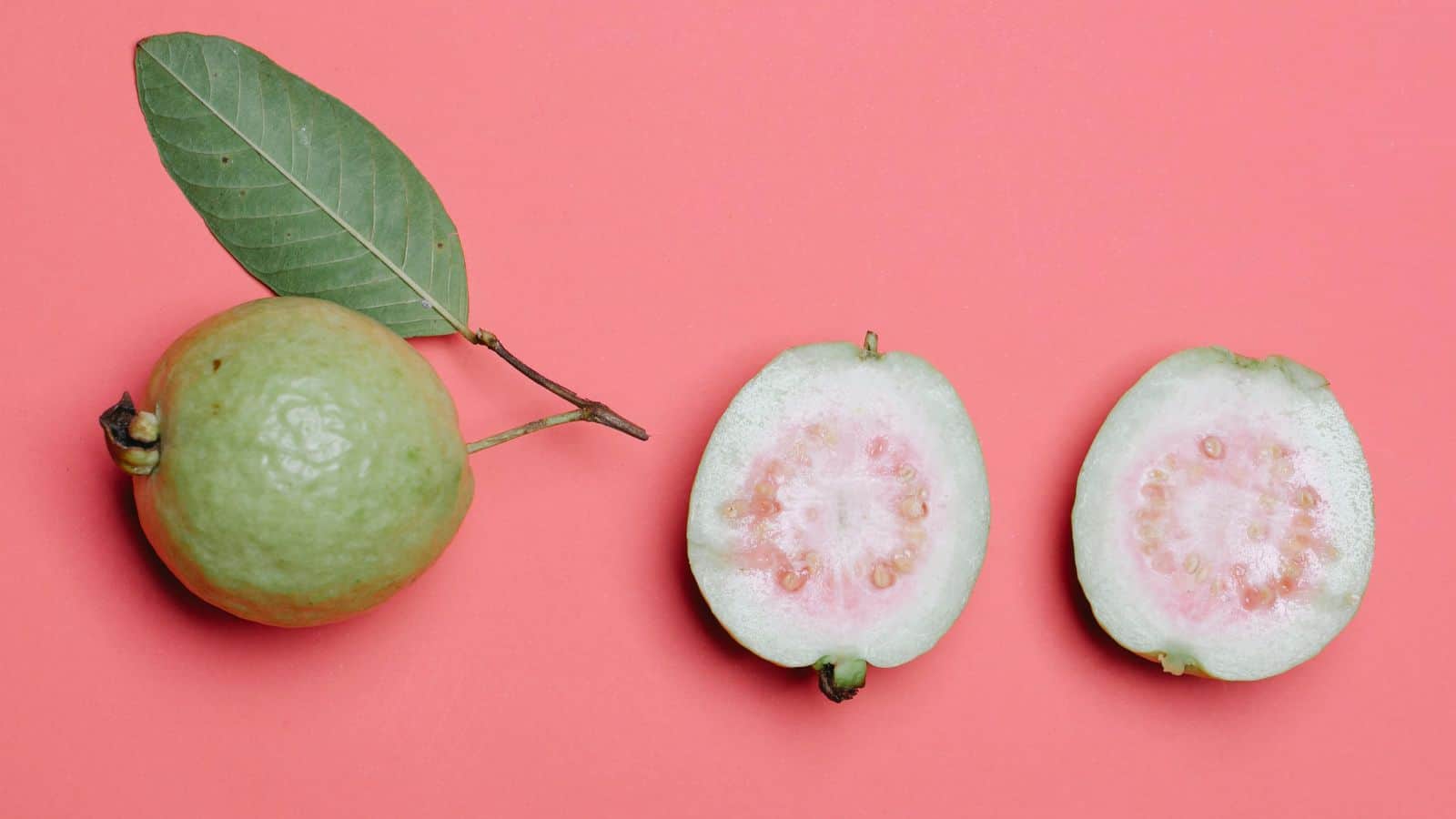
Guava is a tropical fruit that's often underappreciated despite its impressive nutritional profile. It's an excellent source of vitamin C, providing more than twice the daily recommended intake in a single fruit. Guavas are also rich in fiber, potassium, and antioxidants like lycopene and vitamin A. The seeds, which are edible, contain beneficial omega-3 and omega-6 fatty acids. Guavas have been linked to improved heart health, better digestion, and enhanced immune function. Their sweet-tart flavor makes them enjoyable on their own, but they can also be used in smoothies, jams, or as a tropical addition to salads. Both the flesh and rind are edible, maximizing its nutritional benefits.
Beets

Beets are often overlooked but are packed with essential nutrients. They're rich in folate, manganese, and nitrates, which can help lower blood pressure and improve athletic performance. Beets contain betalains, powerful antioxidants that give them their vibrant color and have anti-inflammatory properties. The greens are also highly nutritious, offering vitamins A, C, and K. Beets can be eaten raw, roasted, or juiced. Their natural sweetness makes them a great addition to salads, smoothies, and even baked goods. Fermented beets, like in kvass, offer probiotic benefits. Despite their high sugar content, beets have a low glycemic index due to their fiber content, making them suitable for balanced diets.
Persimmons

Persimmons are sweet, orange fruits that are often overlooked in Western diets. They're an excellent source of vitamins A and C, supporting eye health and immune function. Rich in antioxidants like beta-carotene and lycopene, persimmons may help reduce the risk of certain diseases. They're also high in fiber, promoting digestive health and helping to control blood sugar levels. Persimmons contain tannins, which can provide a dry, puckery sensation, especially in unripe fruit. The two main varieties, Fuyu and Hachiya, offer different textures and uses in cooking. They can be eaten fresh, dried, or used in baked goods and preserves. Their unique flavor adds a delightful twist to both sweet and savory dishes.
Turnips

Turnips are root vegetables that are often overlooked but offer significant nutritional benefits. They're low in calories but high in fiber, vitamins C and K, and minerals like potassium and calcium. The greens are even more nutritious, packed with vitamins A and C, and folate. Turnips contain glucosinolates, compounds that may have cancer-fighting properties. They have a slightly sweet and peppery flavor that becomes milder when cooked. Turnips can be eaten raw, roasted, mashed, or added to soups and stews. Their versatility in cooking and impressive nutrient profile make turnips a valuable addition to a balanced diet. They're also easy to grow, making them a great choice for home gardeners.
Pomelo
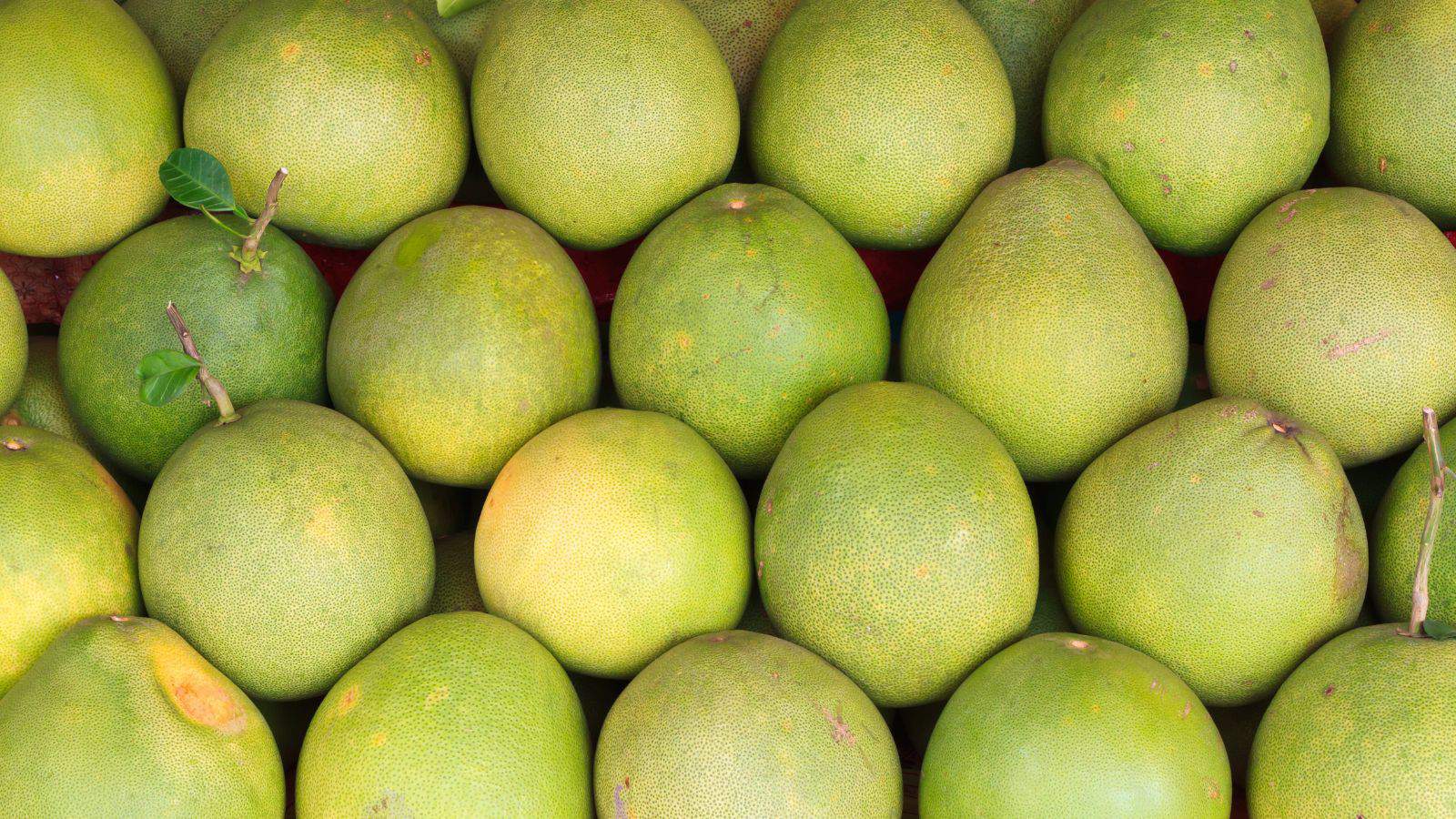
Pomelo, the largest citrus fruit, is less known than its cousins oranges and grapefruits but offers impressive nutritional benefits. It's an excellent source of vitamin C, providing over 100% of the daily recommended intake in one serving. Pomelos are rich in antioxidants, including naringenin and naringin, which may have anti-inflammatory and anti-cancer properties. They're also a good source of fiber and potassium. Despite their large size, pomelos are relatively low in calories. Their sweet-tart flavor is less bitter than grapefruit, making them enjoyable to eat fresh. They can also be used in salads, desserts, or as a flavoring in savory dishes. The thick rind can be candied or used in marmalades.
Dandelion Greens

Often considered a pesky weed, dandelion greens are actually nutritional powerhouses. They're extremely rich in vitamins A and K, and also provide significant amounts of vitamin C and calcium. Dandelion greens are packed with antioxidants and have natural diuretic properties, which may support liver and kidney health. They're also a good source of prebiotic fiber, promoting gut health. The greens have a slightly bitter, peppery flavor that becomes milder when cooked. They can be eaten raw in salads, sautéed as a side dish, or added to soups and stews. The roots can be roasted and used as a coffee substitute. Incorporating dandelion greens into your diet can provide a wide range of health benefits.
Purslane

Purslane is a succulent plant often considered a weed, but it's actually a nutritional powerhouse. It's one of the best plant sources of omega-3 fatty acids, particularly alpha-linolenic acid. Purslane is rich in vitamins A, C, and E, as well as magnesium, potassium, and iron. It also contains betalain pigments, which have antioxidant properties. The plant has a slightly sour, salty flavor and a crisp texture. It can be eaten raw in salads, sautéed as a side dish, or added to soups and stews. Purslane is common in Mediterranean and Middle Eastern cuisines but is gaining popularity worldwide due to its nutritional benefits. It's easy to grow, making it a great addition to home gardens.
Parsnips

Parsnips are root vegetables that are often overshadowed by their cousin, the carrot, but they offer unique flavors and impressive nutritional benefits. They're an excellent source of fiber, vitamin C, and folate. Parsnips also contain high levels of potassium, which is important for heart health and blood pressure regulation. They're rich in antioxidants, including falcarinol, which may have anti-cancer and anti-inflammatory properties. Parsnips have a sweet, nutty flavor that intensifies when cooked. They can be roasted, mashed, added to soups and stews, or even used in baked goods. Their natural sweetness makes them a great alternative to potatoes in many dishes. Parsnips are versatile and can add depth to both savory and sweet recipes.
Okra

Okra, also known as ladies' fingers, is a vegetable often overlooked due to its slimy texture when cooked. However, it's a nutritional powerhouse that deserves more attention. Okra is low in calories but high in fiber, vitamins C and K, and antioxidants. It's particularly rich in mucilage, a type of fiber that may help stabilize blood sugar and support digestive health. Okra seeds are a good source of protein and unsaturated fats. The vegetable can be grilled, roasted, fried, or added to stews and gumbo. Its unique texture makes it an excellent thickening agent in soups. Okra is popular in Southern U.S., Middle Eastern, and Indian cuisines, offering versatility in various dishes.
Nopales

Nopales, the edible pads of the prickly pear cactus, are a staple in Mexican cuisine but less known elsewhere. They're low in calories but high in fiber, vitamins A and C, and minerals like calcium and potassium. Nopales are rich in antioxidants and have been linked to lower blood sugar levels, making them potentially beneficial for diabetes management. They contain betalains, pigments with anti-inflammatory properties. Nopales have a slightly tart flavor and a texture similar to green beans when cooked. They can be grilled, sautéed, or used raw in salads. Nopales are often used in Mexican dishes like tacos and salads, but their unique flavor and nutritional profile make them worth incorporating into various cuisines.
Celeriac

Celeriac, also known as celery root, is an underappreciated vegetable with a distinct, celery-like flavor. It's low in calories but high in fiber, vitamins K and C, and minerals like phosphorus and potassium. Celeriac is rich in antioxidants and has been linked to improved digestive health and reduced inflammation. Despite its gnarly appearance, celeriac is versatile in the kitchen. It can be eaten raw, shredded into salads, or cooked in various ways including roasting, mashing, or adding to soups and stews. Its subtle flavor makes it a great low-carb alternative to potatoes in many dishes. Celeriac's long shelf life in the refrigerator makes it a convenient vegetable to keep on hand for adding nutrition to meals.
Eat Your Water Through These 15 Hydrating Fruits and Veggies

Hydration and nutrition in one?! These fruits and veggies are great for keeping you refreshed, especially on those hot summer days or after a tough workout. They're not just about hydration; they bring a burst of flavor and a whole bunch of nutrients to the table. Whether you're munching on a juicy slice of watermelon or adding crunchy cucumber to your salad, you're doing your body a favor by staying hydrated and nourished.
Get the Recipe: Eat Your Water Through These 15 Hydrating Fruits and Veggies
Recipes Featuring The 10 Healthiest Fruits According to Nutritionists

How about turning these fruits and vegetables into tasty meals? Eating healthy doesn't have to be boring or difficult. Nutritionists often recommend incorporating a variety of fruits into your diet because they are packed with essential vitamins, minerals, and antioxidants. Fruits like bananas, avocados, oranges, lemons, strawberries, blueberries, apples, pineapples, blackberries, and mangoes are among the healthiest options. They can boost your overall health and provide natural sweetness and flavor to your meals.
Get the Recipe: Recipes Featuring The 10 Healthiest Fruits According to Nutritionists