
Saving money on groceries doesn't have to be a chore. In fact, it can be pretty straightforward once you know a few tricks. Whether you're shopping for a big family or just yourself, smart strategies can make a huge difference in your budget. From planning ahead to making savvy choices in the store, there are 15 ways smart people save money when buying groceries.
From planning ahead to making savvy choices in the store, there are plenty of ways to keep your grocery bill down without sacrificing quality or taste. Little changes in your shopping habits can add up to big savings over time. So, if you're ready to make your shopping trips both efficient and cost-effective, let's get into some smart ways to stretch your grocery dollars further.
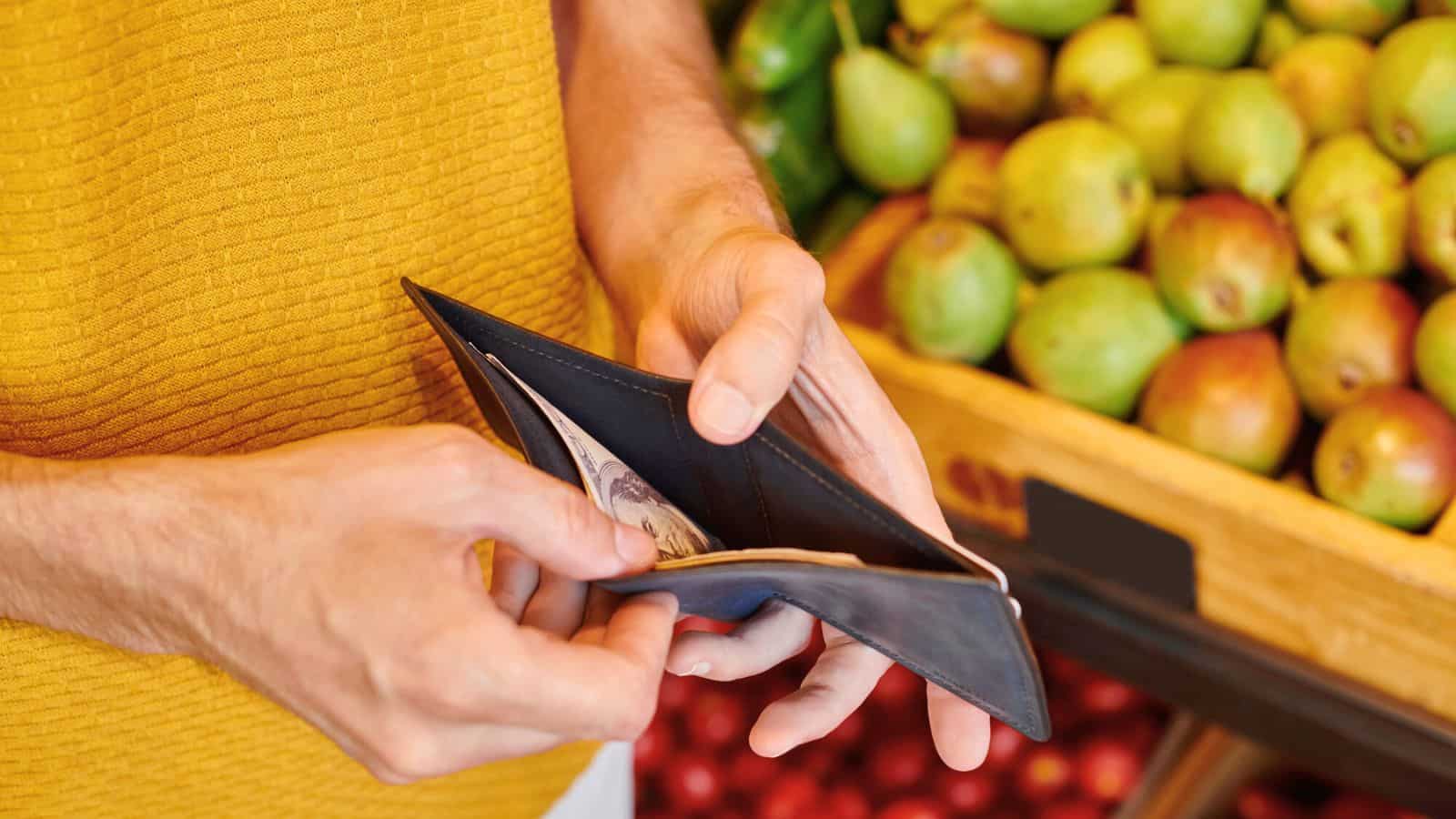
Make a Shopping List

Planning meals in advance and creating a detailed list can help you stay focused while shopping. This approach minimizes the risk of buying unnecessary items, which can add up quickly. By sticking to a list, you can better manage your budget and reduce waste. It also helps in organizing your shopping trip, making it quicker and more efficient. This simple strategy can lead to significant savings over time, as it encourages mindful purchasing and reduces the chances of impulse buys.
Use Coupons and Discounts

Taking advantage of coupons, discount codes, and loyalty programs can significantly reduce your grocery bill. Many stores have digital coupons or have apps that provide exclusive deals. Additionally, signing up for store newsletters can alert you to special promotions. Combining coupons with sales can lead to even greater savings. This practice requires a bit of planning and organization but can result in substantial financial benefits. Over time, the savings from using coupons and discounts can add up, making a noticeable difference in your grocery expenses.
Buy in Bulk

Purchasing non-perishable items in larger quantities can be a cost-effective strategy. Items like rice, pasta, canned goods, and household staples often come at a lower price per unit when bought in bulk. This approach not only saves money but also reduces the frequency of shopping trips, saving time and effort. However, it's important to make sure you have adequate storage space and that the items you buy in bulk will be used before they expire. Proper planning and storage can maximize the benefits of bulk buying.
Shop Sales and Clearance

Keeping an eye out for sales and clearance items can lead to significant savings. Many stores have weekly sales or special promotions that can help you save on various products. Clearance sections often have items that are perfectly good but may be nearing their sell-by date or are being discontinued. Planning your meals around these discounted items can stretch your budget further. This strategy requires flexibility and a willingness to adapt your shopping list based on available deals, but it can be highly effective in reducing grocery costs.
Compare Prices

Checking prices at different stores or online can help you find the best deals. Prices for the same item can vary significantly between retailers, so it's worth taking the time to compare. There are apps and websites designed to help with price comparison, making the process easier. Additionally, some stores price match, allowing you to get the lower price without having to visit multiple locations. This practice not only saves money but also helps you become more aware of fair pricing, enabling you to make more informed purchasing decisions.
Buy Store Brands

Opting for store brands or generic products can lead to significant savings. These items are often just as good in quality as name-brand products but come at a lower price. Many store brands are produced by the same manufacturers as the more expensive counterparts, just with different packaging. By choosing these alternatives, you can reduce your grocery bill without compromising on quality. It's a simple switch that can add up to substantial savings over time, especially on staple items that you purchase regularly.
Shop Seasonally

Purchasing fruits and vegetables that are in season can be much more affordable. Seasonal produce is often fresher and more abundant, which drives down the price. Additionally, it tends to be of higher quality and more flavorful. Planning your meals around seasonal items can help you save money and enjoy better-tasting food. This approach also supports local farmers and reduces the environmental impact associated with transporting out-of-season produce from distant locations. Being aware of what's in season can make a noticeable difference in your grocery budget.
Avoid Pre-Packaged Items

Pre-packaged or pre-cut items often come with a higher price tag compared to whole items you can prepare yourself. These convenience products save time but can significantly increase your grocery bill. By buying whole fruits, vegetables, and other items, you can save money and often get more for your money. Preparing and portioning your food at home allows you to control the quality and freshness of your meals. This practice not only reduces costs but also encourages healthier eating habits by avoiding added preservatives and other ingredients.
Use a Cash-Back Credit Card

Utilizing a credit card that offers cash back or rewards on grocery purchases can give you additional savings. Many credit cards have specific categories where you can earn higher rewards rates, including groceries. By using such a card for your grocery shopping, you can earn a percentage of your spending back, which can be used to offset future expenses. It's important to pay off the balance in full each month to avoid interest charges. Over time, the rewards can accumulate and contribute to your overall savings.
Limit Convenience Foods

Avoiding convenience foods and ready-made meals can lead to significant savings. These items are usually priced higher due to the added preparation and packaging. By cooking meals from scratch, you not only save money but also have better control over the ingredients and portion sizes. This approach encourages healthier eating and can be more satisfying in the long run. Planning and preparing meals at home may take more time, but the financial and health benefits are well worth the effort. Reducing reliance on convenience foods can make a big difference in your grocery budget.
Check Unit Prices

Looking at the unit prices of products can help you determine the most cost-effective option. Unit prices break down the cost per ounce, pound, or other units of measure, making it easier to compare different brands and sizes. Sometimes, larger packages may seem like a better deal but aren't always the most economical choice. By focusing on unit prices, you can make more informed decisions and stretch your budget further. This practice helps you get the most value for your money and avoid spending more than necessary.
Shop with a Full Stomach
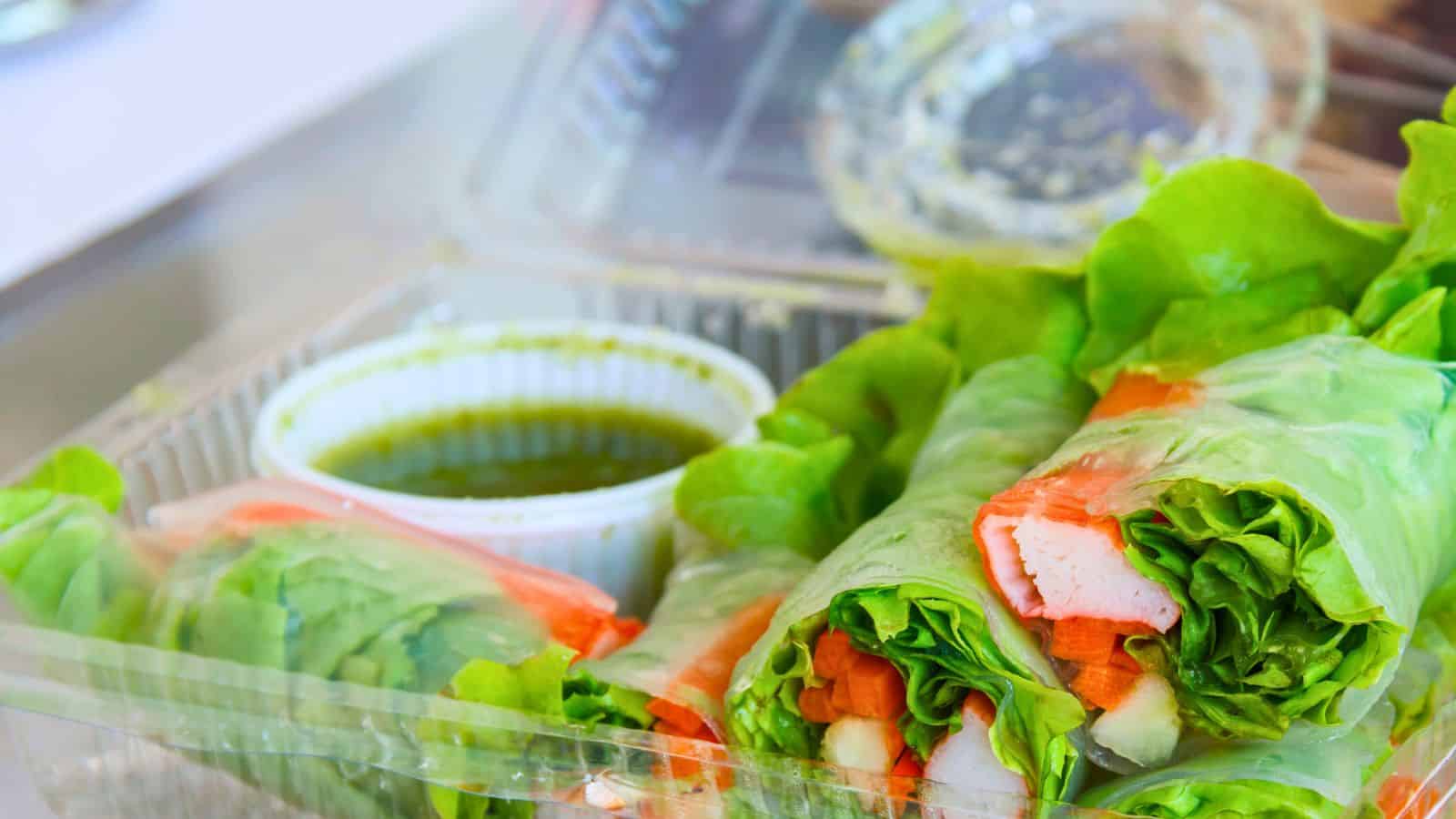
Shopping on an empty stomach can lead to impulse buys and unnecessary spending. When you're hungry, you're more likely to grab items that you don't need or that aren't on your list. Eating a meal or snack before heading to the store can help you stay focused and make better choices. This simple tactic can reduce the temptation to buy extra snacks or convenience foods, ultimately saving you money. It helps you stick to your planned purchases and avoid adding unplanned items to your cart.
Freeze Leftovers
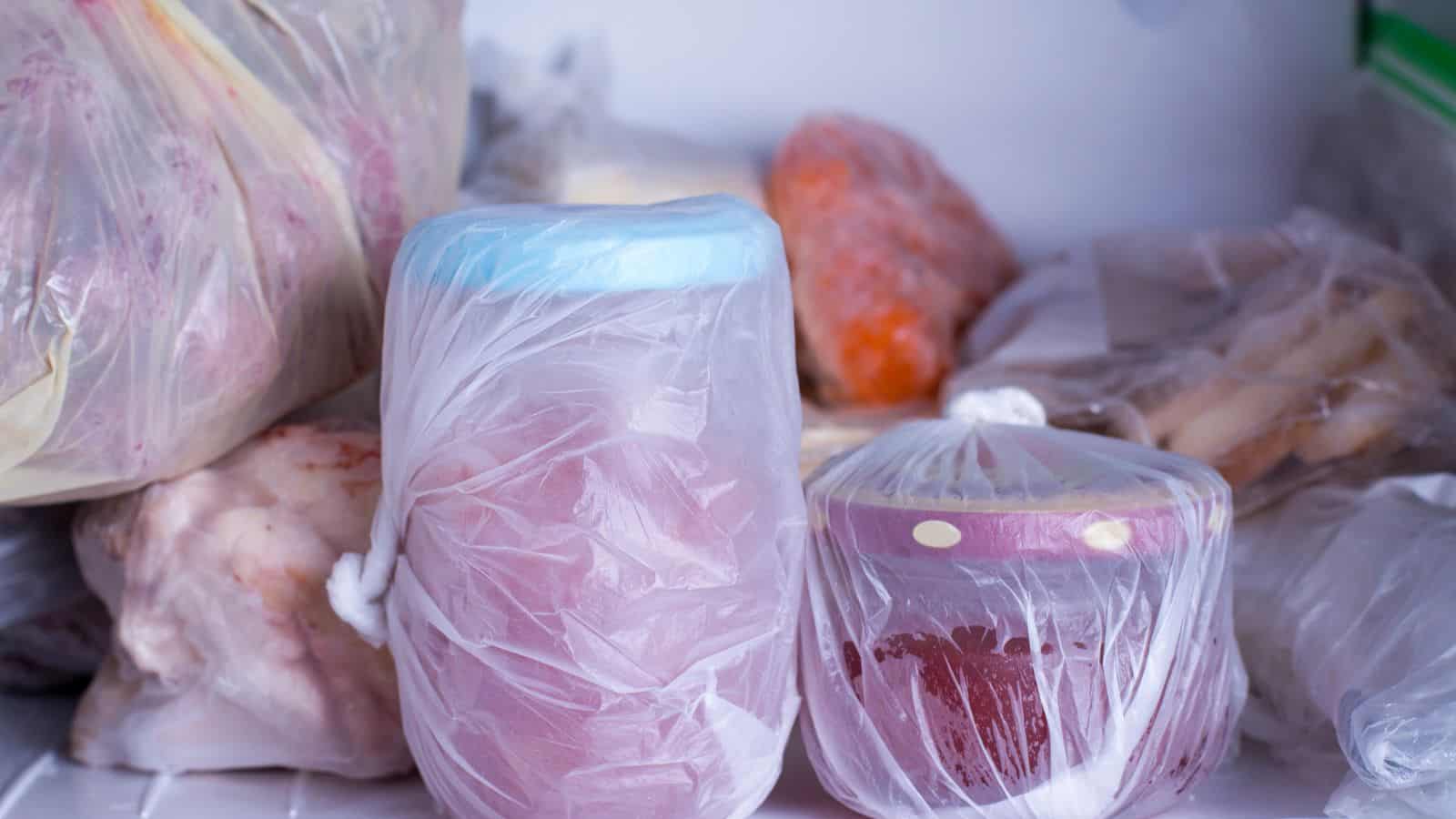
Freezing leftovers or buying in bulk and freezing portions can help extend the life of your groceries and reduce waste. By properly storing food in the freezer, you can preserve its freshness and have ready-to-eat meals on hand for busy days. This practice not only saves money but also saves time, as you can prepare larger batches of food and enjoy them over multiple meals. Investing in good-quality freezer bags or containers can make this process more efficient and help you make the most of your grocery purchases.
Grow Your Own Herbs and Vegetables

Growing your own herbs and some vegetables can be a cost-effective way to supplement your grocery shopping. Even if you have limited space, many herbs and small vegetables can be grown in pots or small garden plots. This practice can save you money and supply you with fresh, home-grown produce. It also allows you to control the quality and use fewer pesticides. Gardening can be a rewarding hobby that contributes to your overall savings and enhances the flavors of your home-cooked meals.
Avoid Waste

Planning meals to use up all ingredients can help you avoid throwing away food and wasting money. Being mindful of portion sizes and using leftovers creatively can stretch your grocery budget further. For example, leftover vegetables can be used in soups or stir-fries, and stale bread can be turned into croutons or breadcrumbs. This approach requires some creativity and planning but can significantly reduce food waste and make the most of your grocery purchases. Keeping an organized fridge and pantry can also help you keep track of what needs to be used before it spoils.
Shop Smart, Save Big!

By implementing a few smart strategies, you can significantly cut down on your grocery bill without compromising on quality or variety. From planning your meals and making a shopping list to taking advantage of sales and using coupons, there are plenty of ways to shop smarter. These small changes can add up to substantial savings over time, allowing you to allocate your hard-earned money to other important areas of your life.
So, the next time you head to the grocery store, remember these tips and shop with confidence. You'll not only keep more money in your pocket but also make your shopping trips more efficient and enjoyable. Smart grocery shopping is all about making informed choices and being mindful of your spending. With these strategies in hand, you're well on your way to becoming a savvy shopper who knows how to get the best deals and make the most of every dollar. Happy shopping and happy saving!
Overpriced Grocery Items That Cost A LOT More Than They're Worth

Ever felt like you've paid way too much for something that didn't quite live up to the hype? We've all been there, especially when it comes to food. Sometimes, the price tag on a product makes you think it must be something special, but then you try it and wonder what all the fuss is about. These 11 overpriced foods, in particular, will really leave you scratching your head.
Read it Here: 11 Overpriced Grocery Items That Cost A LOT More Than They're Worth
Frugal Recipes That Will Stretch Your Weekly Grocery Budget

Feeding your family on a budget doesn't mean sacrificing variety or flavor. These 17 frugal recipes use simple, affordable ingredients to create satisfying meals that go a long way. From hearty soups to creative mains, each recipe is designed to stretch your weekly grocery budget without feeling repetitive. Save money while still putting filling, delicious food on the table with recipes that make every dollar count.
Read it Here: 17 Frugal Recipes That Will Stretch Your Weekly Grocery Budget