
Think you're making healthy choices in the kitchen? The truth about cooking oils might shock you. While some oils are marketed as healthy alternatives, they could be silently damaging your body with every meal. Even worse, many of these harmful oils are hiding in everyday foods you might think are good for you.
But there's hope. Research has revealed that certain cooking oils can actually nourish your body, fight inflammation, and protect your cells from damage. The key is knowing which oils are truly healing and which ones are masquerading as healthy options.
In this guide, you'll discover the disturbing reality about five common cooking oils that could be undermining your health right now. You'll also learn about five powerful alternatives that can help detoxify your body and support optimal wellness. What you're about to learn about your everyday cooking oils might change the way you look at your kitchen forever.

Partially Hydrogenated Oils (Toxic)

Partially hydrogenated oils are artificially processed to extend shelf life, but they introduce harmful trans fats into your diet. These fats are strongly linked to heart disease, raising bad cholesterol (LDL) while lowering good cholesterol (HDL). Commonly found in margarine, shortening, and packaged snacks, they contribute to the risk of chronic diseases. Despite regulation reducing trans fats in some countries, it's crucial to read labels carefully. Avoid products containing "partially hydrogenated" oils and opt for natural alternatives like butter, olive oil, or avocado oil for a healthier approach.
Canola Oil (Toxic)

Canola oil is a commonly used cooking oil derived from rapeseed. While marketed as a healthy option due to its low saturated fat content, much of the canola oil available today is highly refined and often made from genetically modified crops. The refining process typically involves high heat and chemical solvents, which can destroy nutrients and create harmful trans fats. Additionally, canola oil is high in omega-6 fatty acids, which, when consumed excessively, may contribute to inflammation and an imbalance with omega-3s. Opting for unrefined oils like avocado or coconut oil can provide healthier alternatives with more stable nutrient profiles.
Palm Oil (Toxic)

Palm oil is controversial due to its high saturated fat content and environmental impact. Its production has been linked to deforestation and loss of biodiversity, raising ethical concerns. While it's stable for high-heat cooking and commonly used in processed foods, its health effects are debated. Excessive consumption may elevate cholesterol levels and contribute to heart issues. If you choose to use palm oil, look for sustainably sourced options certified by organizations like RSPO. However, healthier oils like olive, avocado, or sunflower oil are better alternatives for both your body and the environment.
Corn Oil (Toxic)
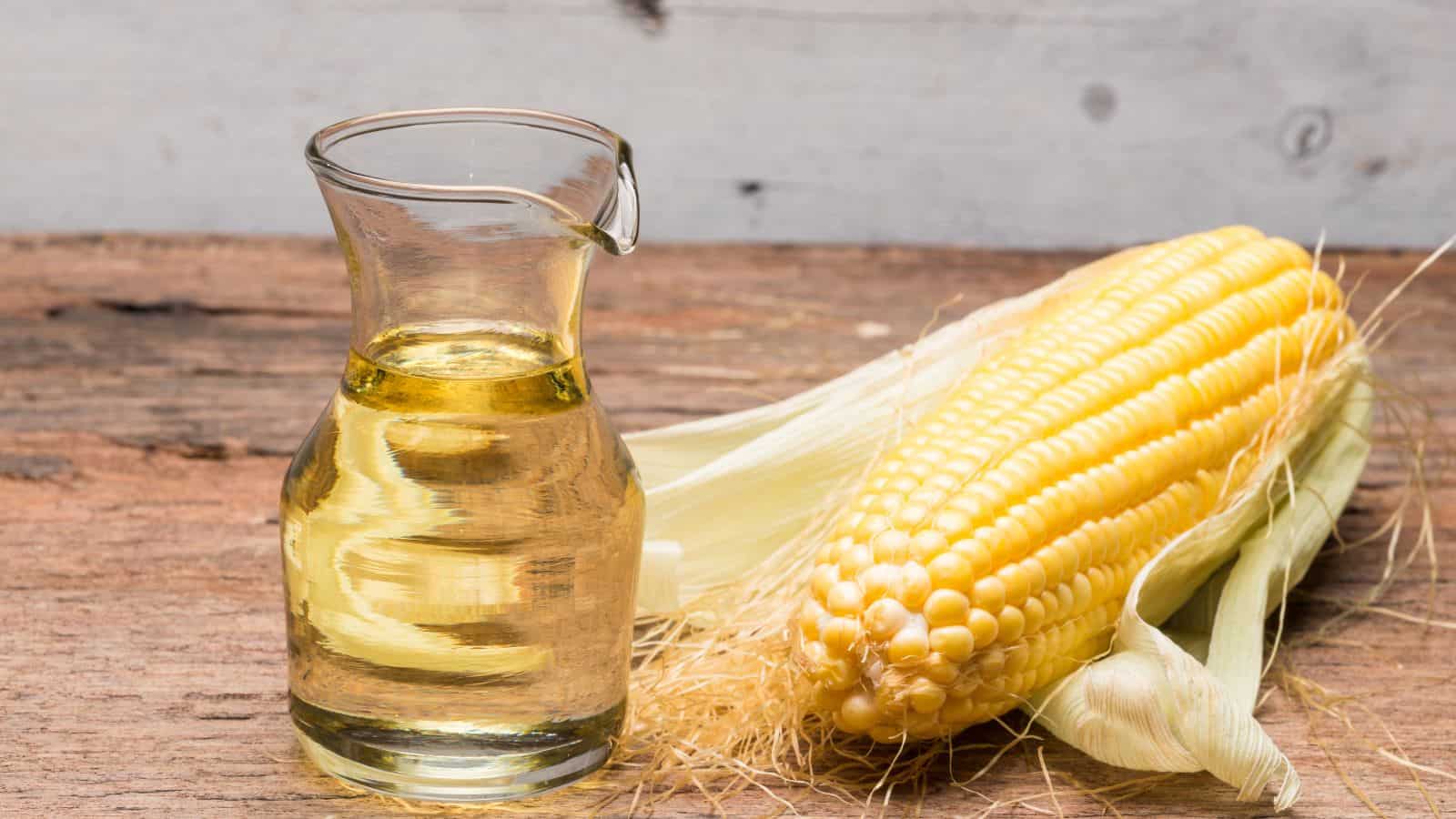
Corn oil is often used in frying and processed foods, but its high omega-6 fatty acid content can upset the balance of fats in your diet. This imbalance may contribute to inflammation and increase the risk of chronic conditions. Corn oil is usually heavily refined, stripping it of beneficial nutrients and antioxidants. Its widespread use in fast food and processed snacks makes it a common source of hidden calories. Choosing oils with a healthier fat profile, such as olive or avocado oil, can help you avoid the potential drawbacks associated with corn oil.
Soybean Oil (Toxic)
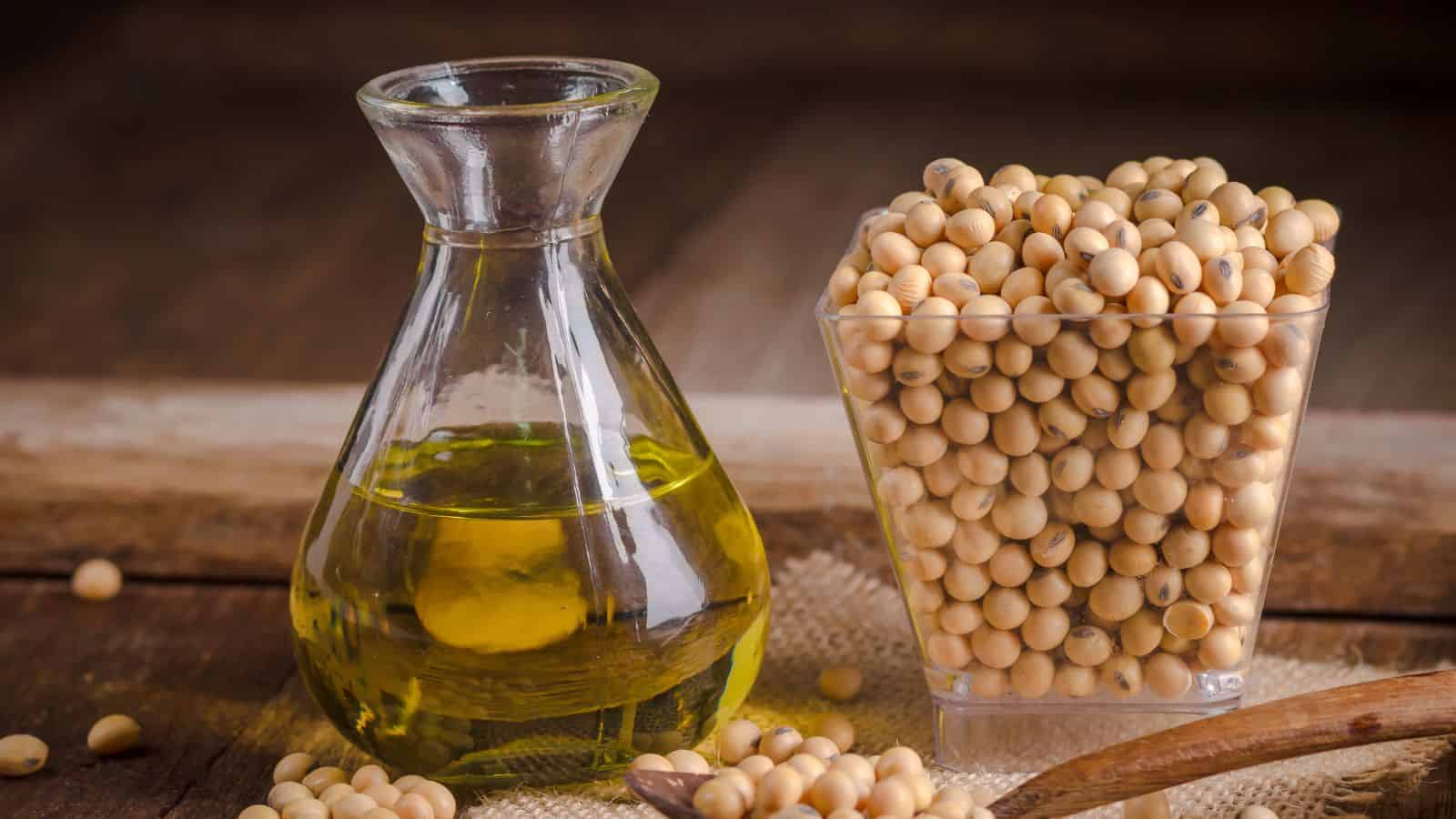
Soybean oil is a common ingredient in processed foods and has a high omega-6 fatty acid content, which may promote inflammation when consumed in excess. It's also often genetically modified and heavily processed, raising additional health and environmental concerns. Despite its popularity for frying and baking, its nutritional value is lower than other options. Replacing soybean oil with more nutrient-rich choices like olive or flaxseed oil can support a healthier diet. If avoiding GMOs is a priority, look for organic or non-GMO alternatives to this widely used oil.
Extra Virgin Olive Oil (Healthy)

Extra virgin olive oil is celebrated for its heart-healthy monounsaturated fats and antioxidant content. It's a minimally processed oil that retains its natural nutrients and distinct flavor. Ideal for low to medium-heat cooking, it's perfect for sautéing, drizzling over salads, or blending into dressings and dips. It has anti-inflammatory properties and may support overall cardiovascular health. Choose cold-pressed varieties for the highest quality, as they undergo minimal processing. While its low smoke point limits its use in high-heat cooking, it remains a staple for health-conscious home chefs.
Avocado Oil (Healthy)
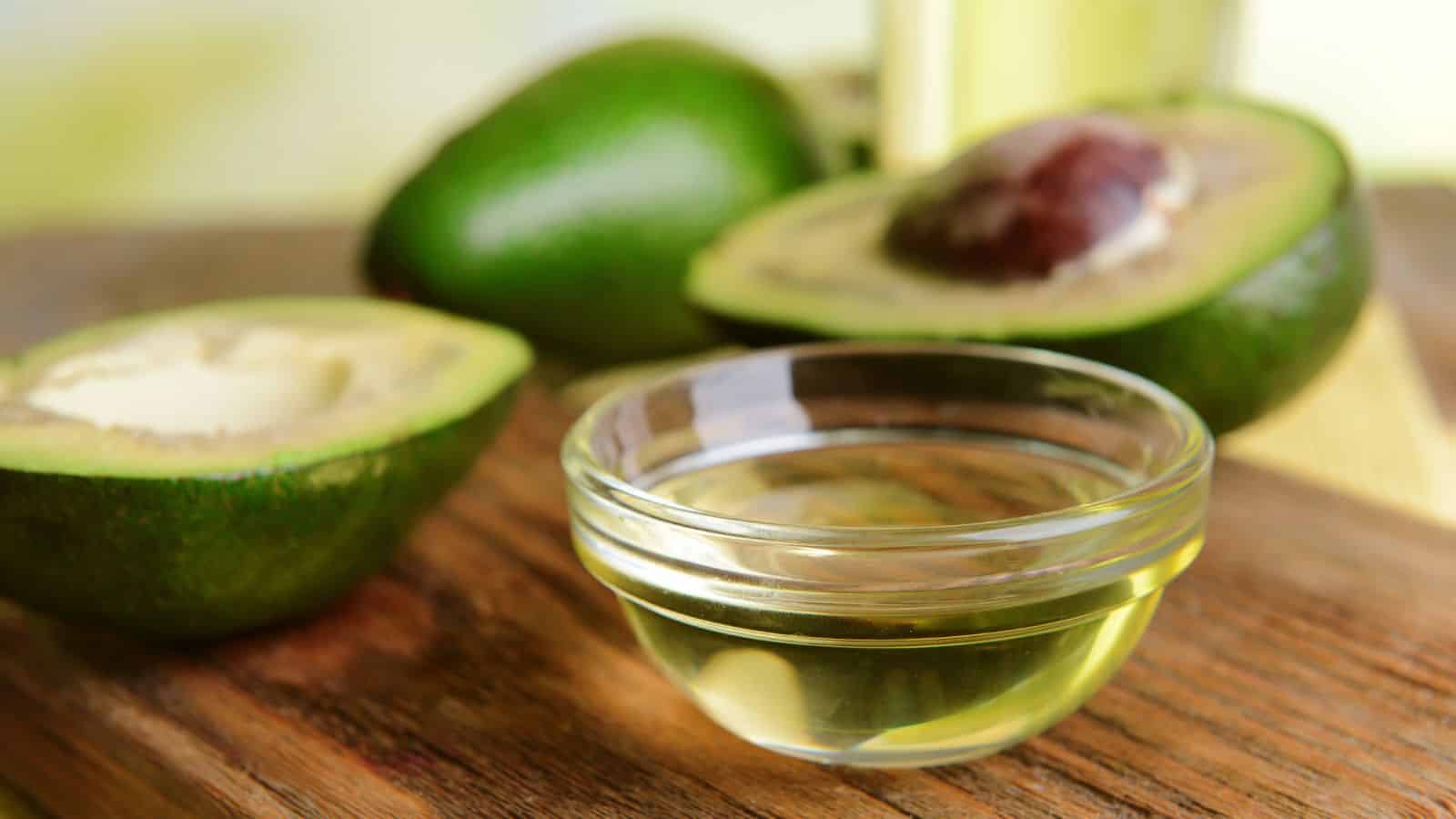
Avocado oil is a versatile, nutrient-dense option with a high smoke point, making it suitable for frying, roasting, and baking. Rich in monounsaturated fats and vitamin E, it supports skin health and may contribute to reducing inflammation. It has a neutral taste that complements various recipes without overpowering other flavors. This oil is extracted from the pulp of avocados, ensuring a high-quality product. Due to its stability at high temperatures, it's a practical and nutritious choice for everyday cooking. Opt for unrefined or minimally processed avocado oil to retain its nutritional benefits.
Coconut Oil (Healthy)
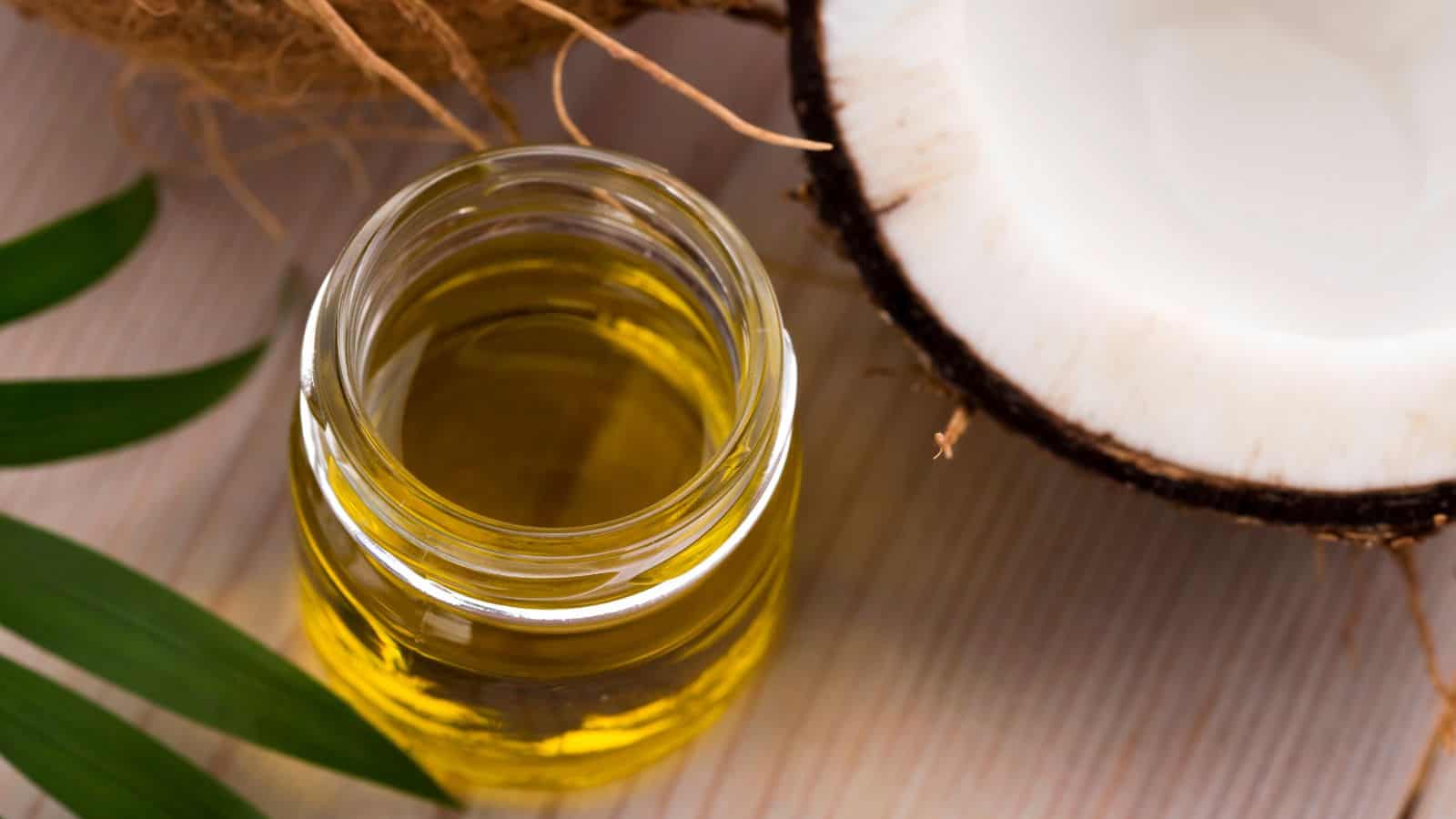
Coconut oil is valued for its high heat stability and its content of medium-chain triglycerides (MCTs), which may provide quick energy. It works well for baking, sautéing, or adding subtle coconut flavor to dishes. While high in saturated fats, its unique structure makes it metabolize differently from other fats, which some believe supports weight management. Use it sparingly to balance your diet and health goals. Virgin coconut oil is less refined and retains a pleasant aroma and taste. For those seeking variety in their oil choices, coconut oil can be a good occasional addition.
Flaxseed Oil (Healthy)
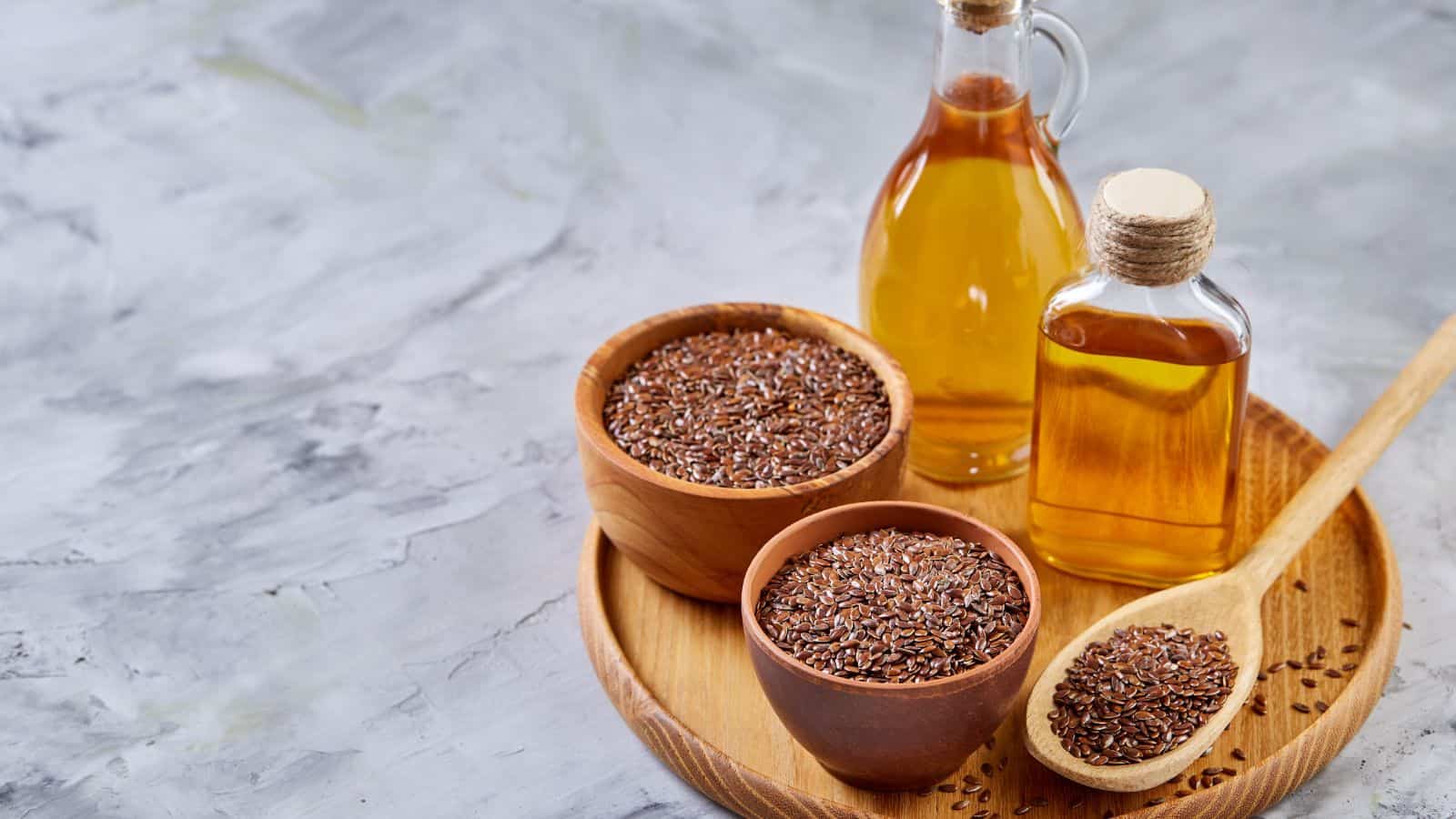
Flaxseed oil is a powerhouse of omega-3 fatty acids, known for supporting brain health and reducing inflammation. This oil is best consumed cold, as heating it can degrade its delicate nutrients. Add it to smoothies, drizzle over salads, or use it as a topping for cooked vegetables to enhance flavor and nutritional value. Flaxseed oil also provides lignans, which have potential antioxidant properties. Its slightly nutty flavor pairs well with a variety of dishes. To maximize its benefits, store it in the refrigerator and consume it within a few weeks of opening, as it's prone to oxidation.
Walnut Oil (Healthy)
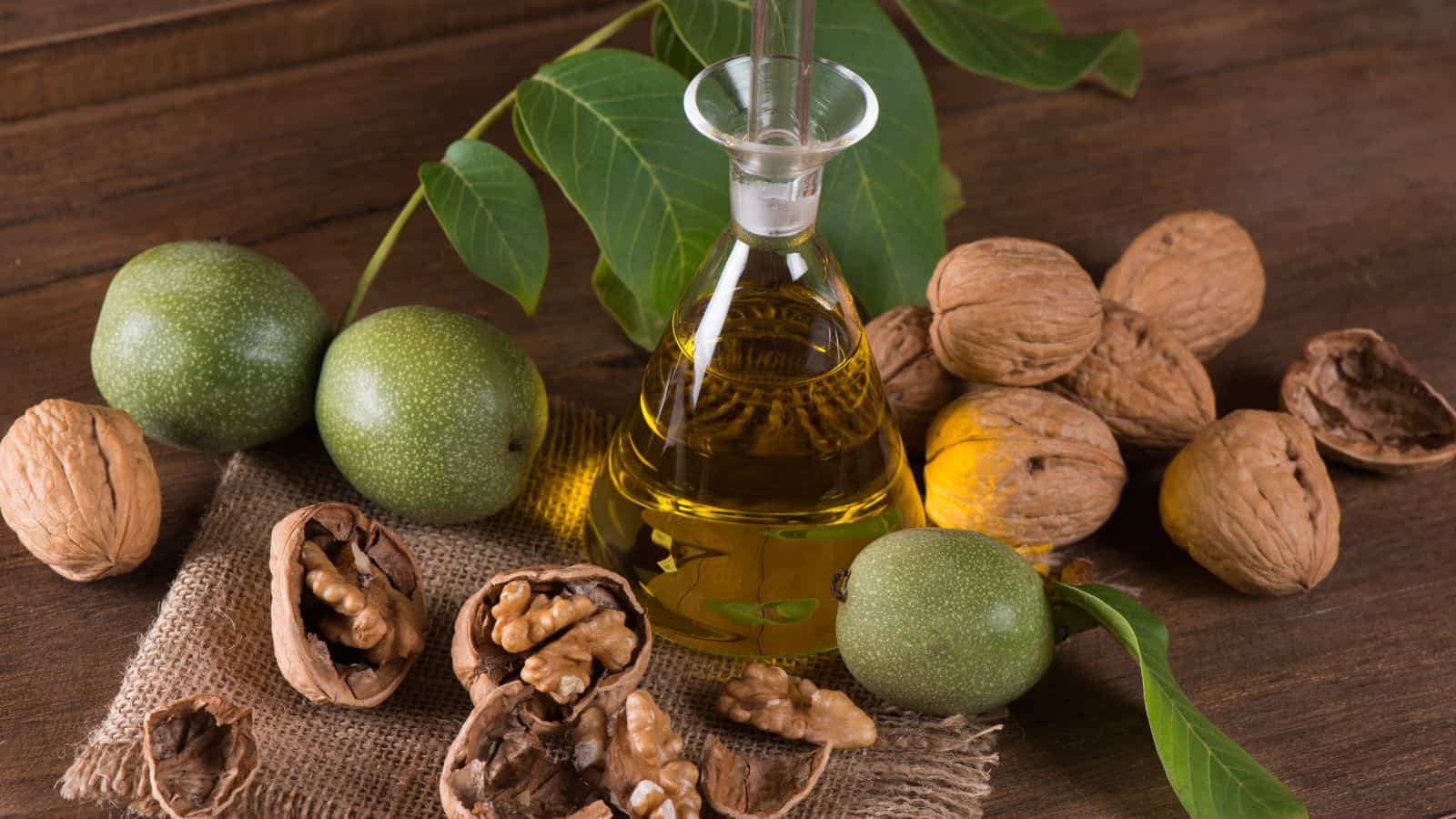
Walnut oil is a flavorful and nutrient-rich choice, rich in omega-3 fatty acids and polyphenols. It shines as a finishing oil, ideal for drizzling over salads, pastas, or roasted vegetables. Heating walnut oil can compromise its flavor and nutrients, so it's best used in cold applications. Its nutty taste enhances simple dishes, adding depth and a touch of sophistication. Walnut oil may support brain and heart health, making it a thoughtful choice for those prioritizing wellness. Look for cold-pressed, unrefined walnut oil to enjoy its full range of benefits.
15 Common Grocery Items That Contain More Chemicals Than Nutrients

Shop better and smarter! Walking through the grocery store, it's tempting to fill your cart with convenient, flavorful items. However, many of these everyday products are packed with more chemicals than actual nutrients. These 15 grocery items with a lot of chemicals often contain preservatives, artificial flavors, and other additives that are difficult to pronounce, let alone understand. While they might taste great, they often lack the essential nutrients your body needs.
Read More Here: 15 Common Grocery Items That Contain More Chemicals Than Nutrients
12 Holiday Foods That Are Surprisingly High in Sodium

Watch your sodium levels. The holiday season brings a festive selection of foods that many look forward to each year. From savory hams to flavorful gravies, these dishes create a warm atmosphere filled with family and friends. However, some of these holiday foods are surprisingly high in sodium, which can concern health-conscious individuals. Hidden sodium levels can sneak into meals, adding up quickly and potentially affecting well-being.
Read More Here: 12 Holiday Foods That Are Surprisingly High in Sodium