
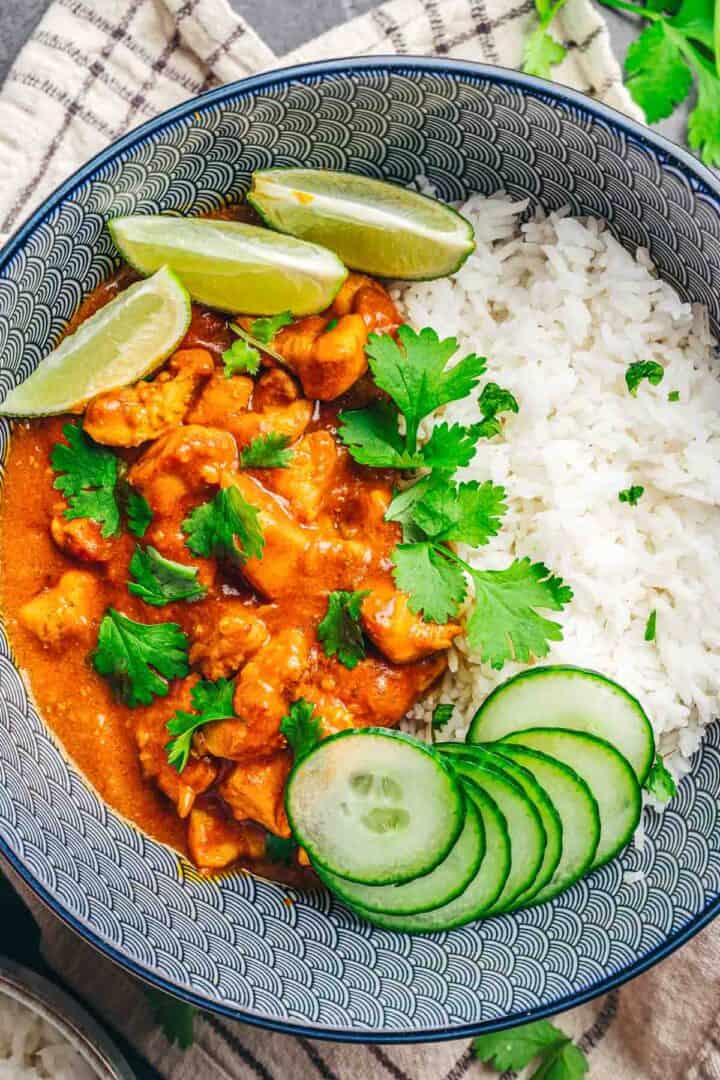
Coconut chicken rice bowls started with a skillet, ginger, and coconut milk. Now it is the dinner everyone waits for.
Lately I keep noticing wooden kitchens everywhere. Honey oak cabinets, pale white oak drawers, shelves where mugs and jars live out in the open. The internet calls it the return of the wooden kitchen. It makes sense to me. Wood softens a room that works hard every day. The grain carries small scratches and fingerprints from real cooking.
My own kitchen leans that direction. Medium wood cabinets, pale counters, a lamp near the sink that stays on late into the evening. I keep things fairly minimal. A few knives. A wooden spoon worn smooth from years of stirring. Bowls stacked near the stove because they never stay in the cabinet long.
Every kitchen shows its personality through these small decisions. Where the rice cooker sits. Which spices stay close to the stove. How the drawer opens when someone reaches for a spoon.
On ordinary evenings, dinner tends to follow a familiar path. Rice quietly steaming while a skillet heats up. Something fragrant cooking with garlic and ginger. Coconut milk waiting on the counter. That pattern often turns into a rice bowl.
People online call it boy kibble lately. Rice, protein, something saucy on top. Simple food that still feels like a full meal. The internet had its girl dinner moment earlier, plates of little snacks gathered together. This feels like its sibling. A bowl that lands on the table without much ceremony.
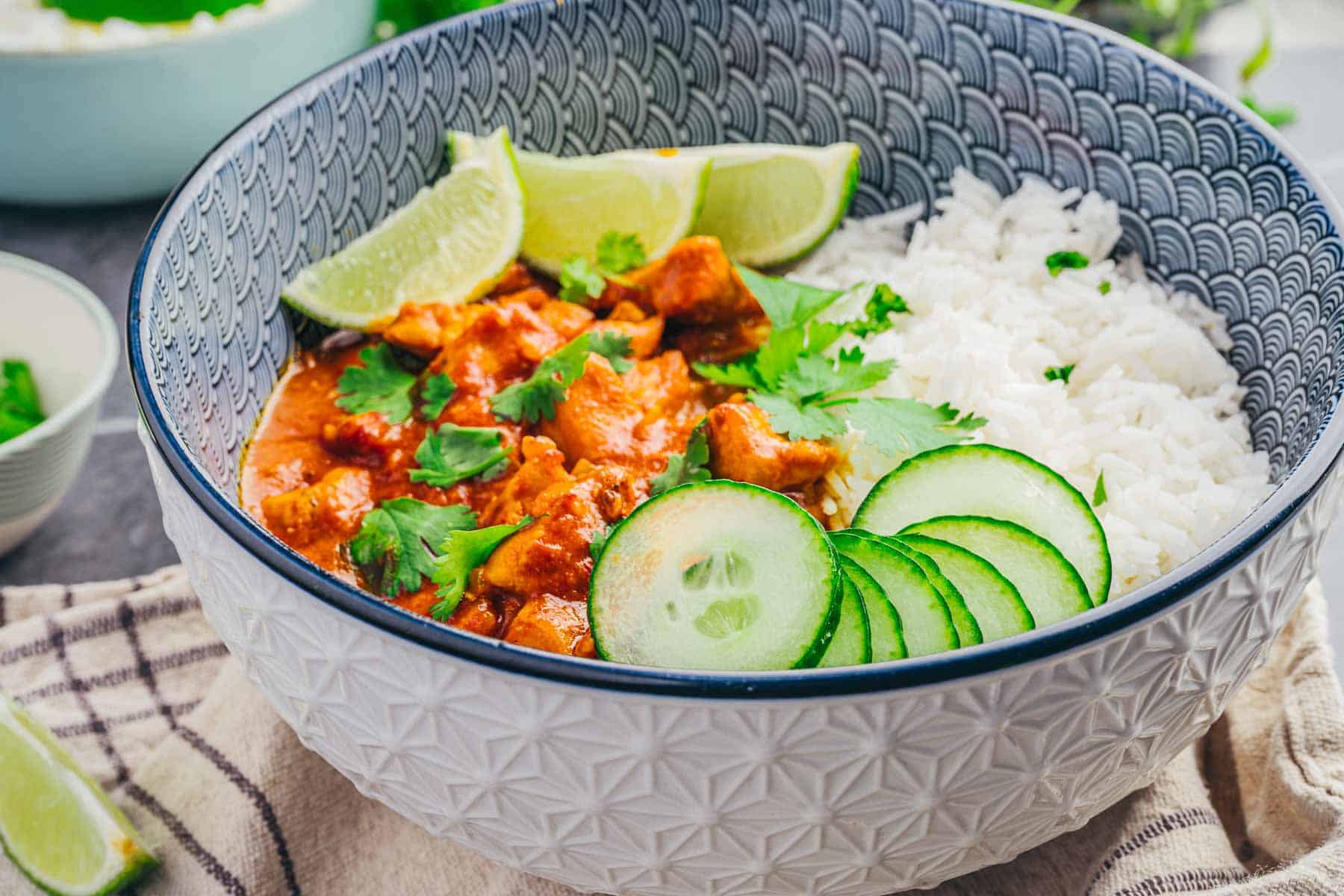
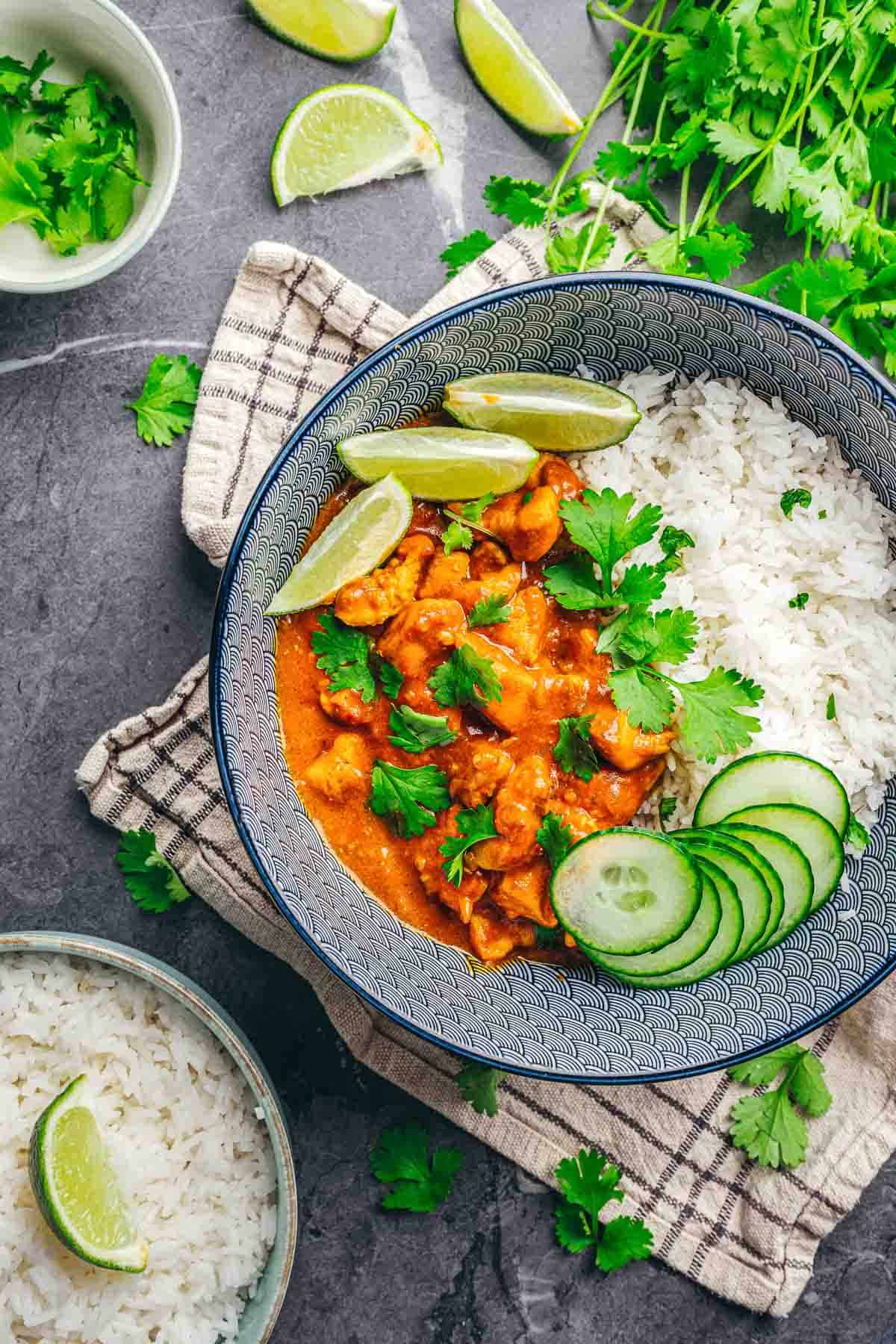
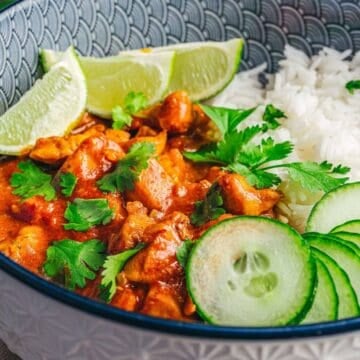
This coconut chicken rice bowl fits that perfectly. Chicken cooks quickly with garlic and fresh ginger, then simmers in coconut milk with a spoon of tomato paste for depth. The sauce thickens slightly and coats the chicken in a pale golden layer. Lime and herbs finish the bowl and wake everything up.
Coconut milk shows up often in my kitchen. In winter, I cook a pot of smooth butternut squash soup with apple and coconut milk when the evenings grow long. When I want something coastal and bold, I turn to moqueca Brazilian fish stew, where coconut milk carries tomatoes and seafood together.
Rice bowls travel well across cultures too. The idea appears in many kitchens across the world. My Middle Eastern tofu rice bowl came together from pantry spices and leftover rice one afternoon.
You can say that this bowl also was inspired by that. A fast comforting dinner with familiar ingredients and a pot of rice ready on the stove.
Ingredients
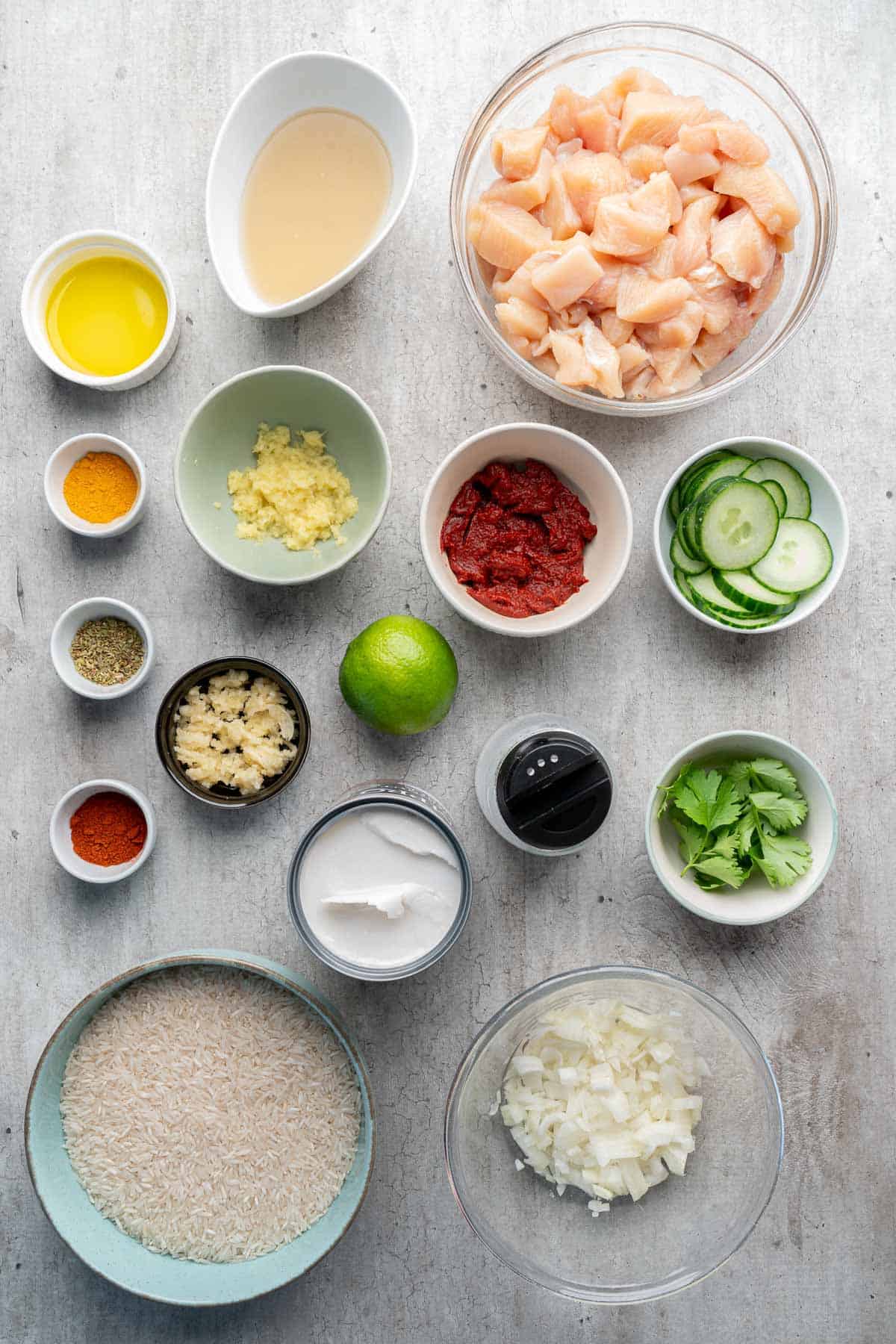
- Chicken Thighs or Chicken Breasts - I often reach for thighs because they stay tender during simmering and absorb ginger and coconut milk deeply. Chicken breast works too and cooks a little faster. Cut the pieces evenly so they cook at the same pace in the skillet. Boneless turkey pieces can step in for a similar texture, though they benefit from a slightly longer simmer to soften.
- Coconut Milk - Coconut milk shapes the entire sauce. I prefer canned coconut milk because the consistency stays reliable and thick enough to coat the chicken. Light coconut milk keeps the bowl lighter while still giving that gentle richness. Full-fat coconut milk works as well and creates a thicker sauce. If coconut milk becomes difficult to find, cashew cream thinned with a little broth can replace it, though the flavor moves away from the classic coconut note.
- Jasmine or Basmati Rice - Rice forms the base that absorbs the coconut sauce. Jasmine rice carries a soft fragrance that pairs beautifully with coconut milk. Basmati rice works well too and gives a slightly lighter texture. I often cook extra rice earlier in the day so weeknight bowls come together quickly. Brown rice or quinoa can replace white rice for a heartier grain base.
See the recipe card for full list and exact quantities.
How to Make Coconut Chicken Rice Bowls
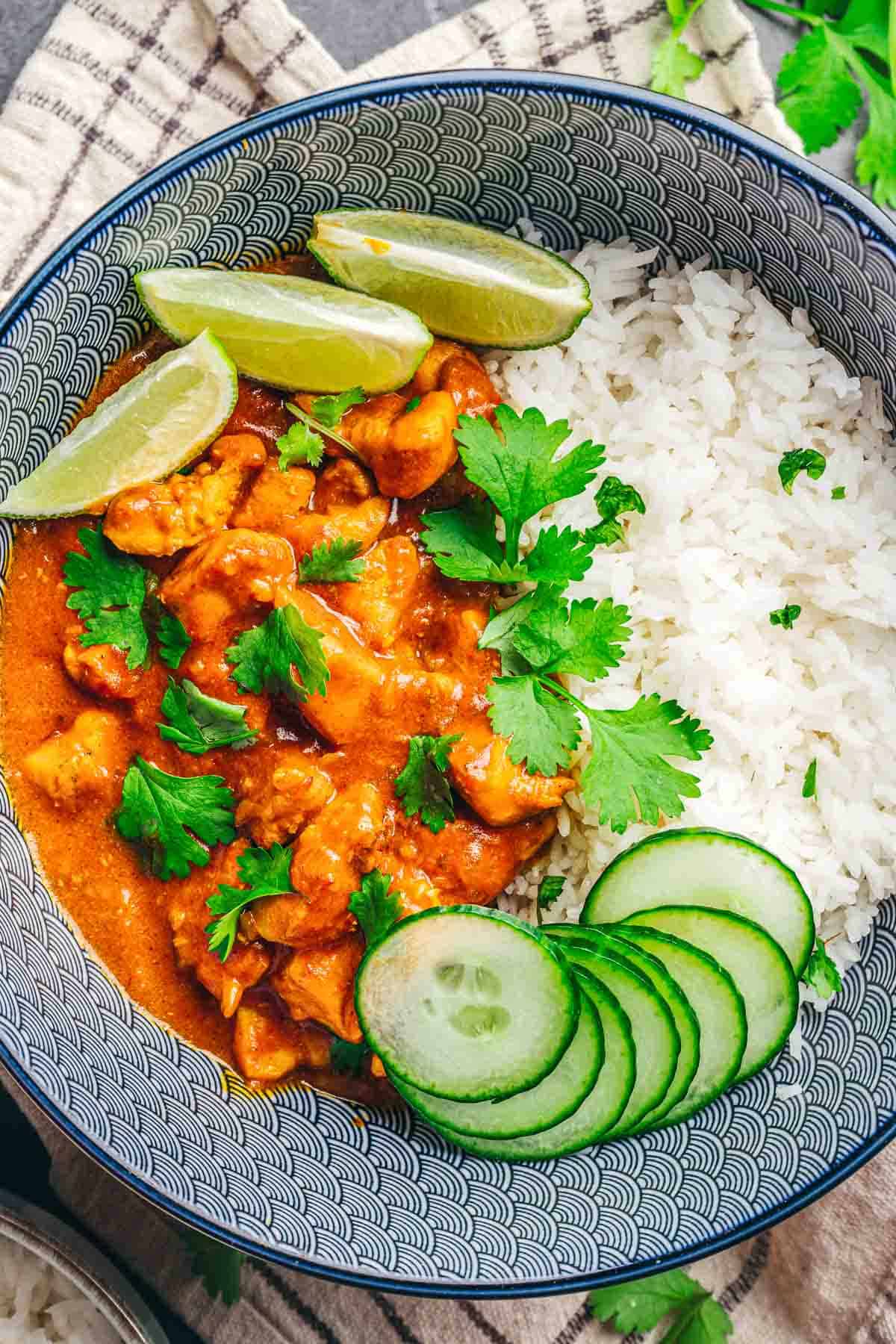
This coconut chicken rice bowl cooks quickly, though each stage builds the flavor that carries through the final bowl. Pay attention to color, aroma, and the way the sauce thickens in the pan. It's easy and fast and perfect for meal prep too. Here's how to make this recipe:
Season the Chicken
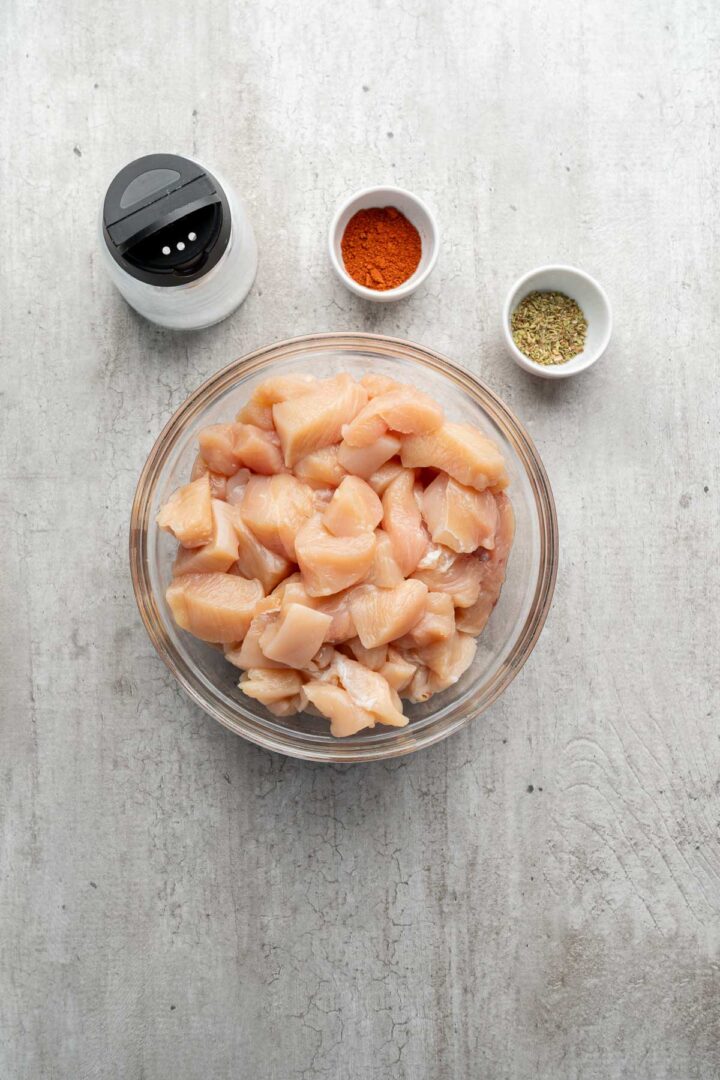
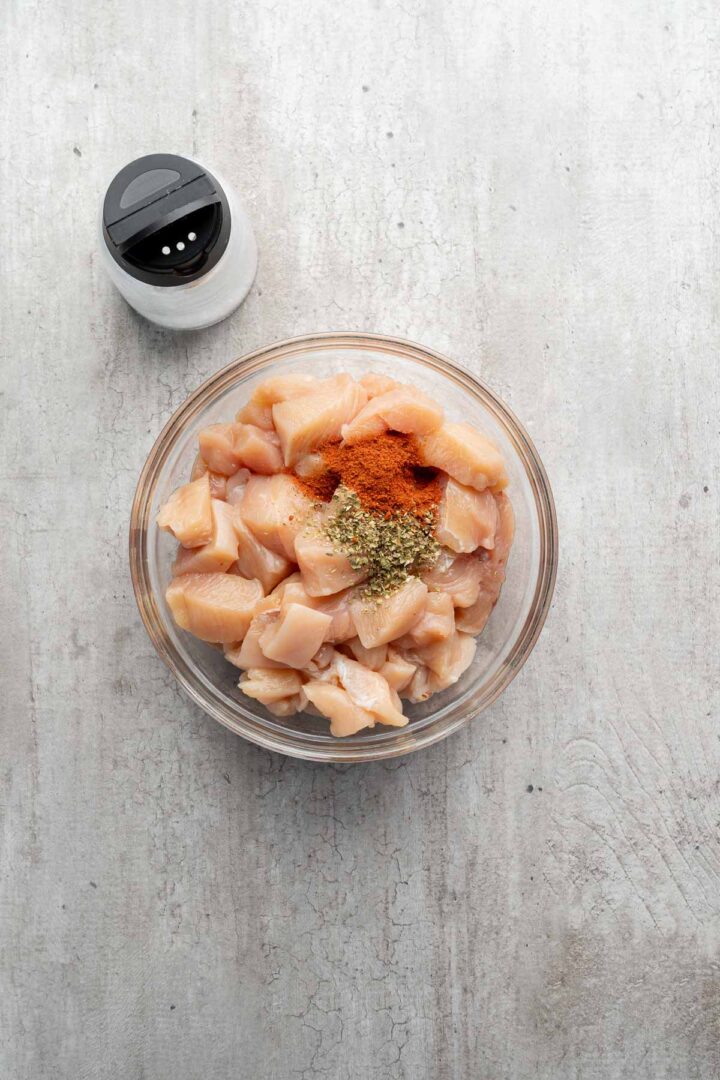
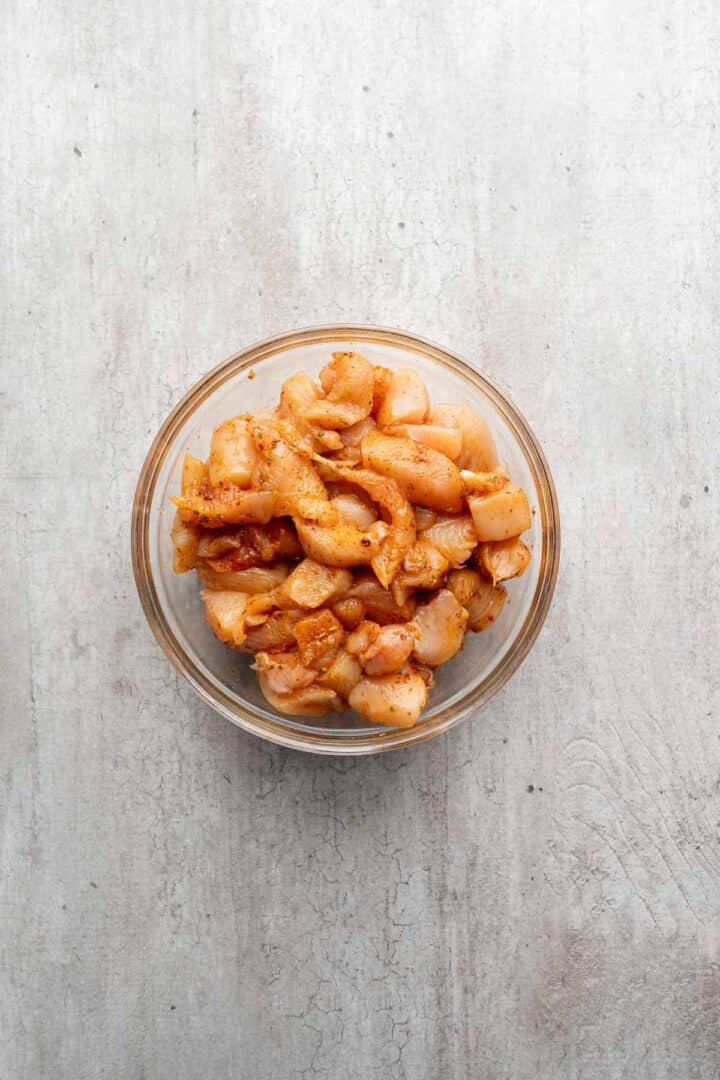
- Cutting the chicken into similar bite-size pieces helps everything cook at the same pace. Larger pieces remain pale while smaller pieces cook too quickly. Even pieces create better browning once they reach the skillet.
- At this stage the chicken should still look dry on the surface. If it looks wet, pat it lightly with paper towels before seasoning so the spices cling properly.
Brown the Chicken
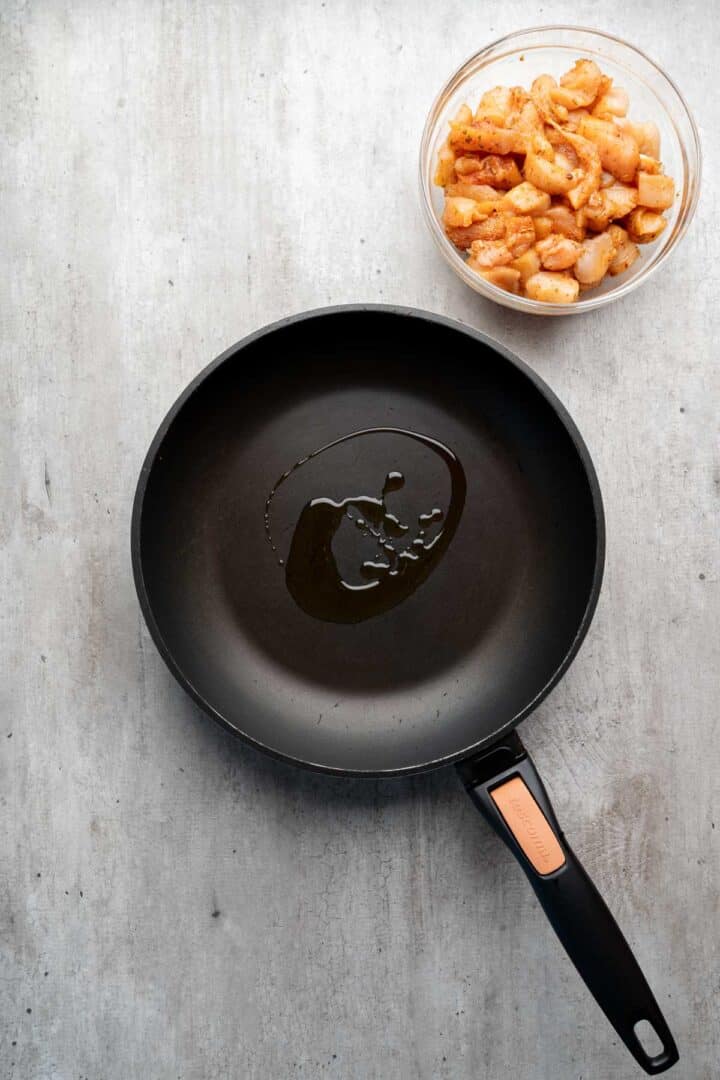
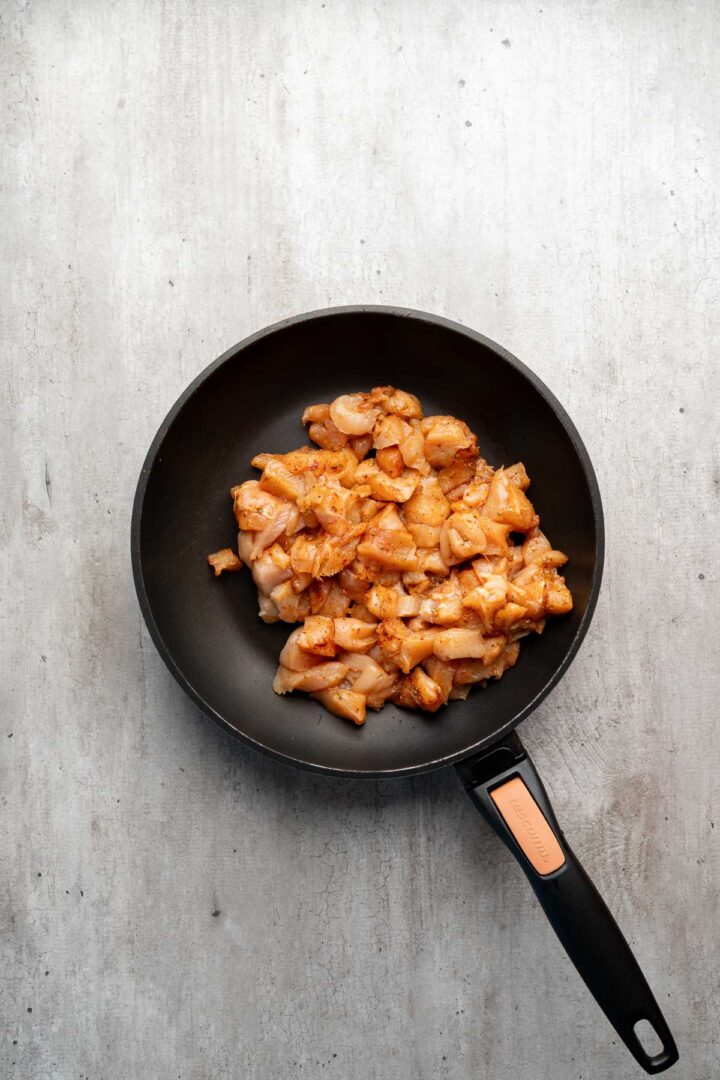
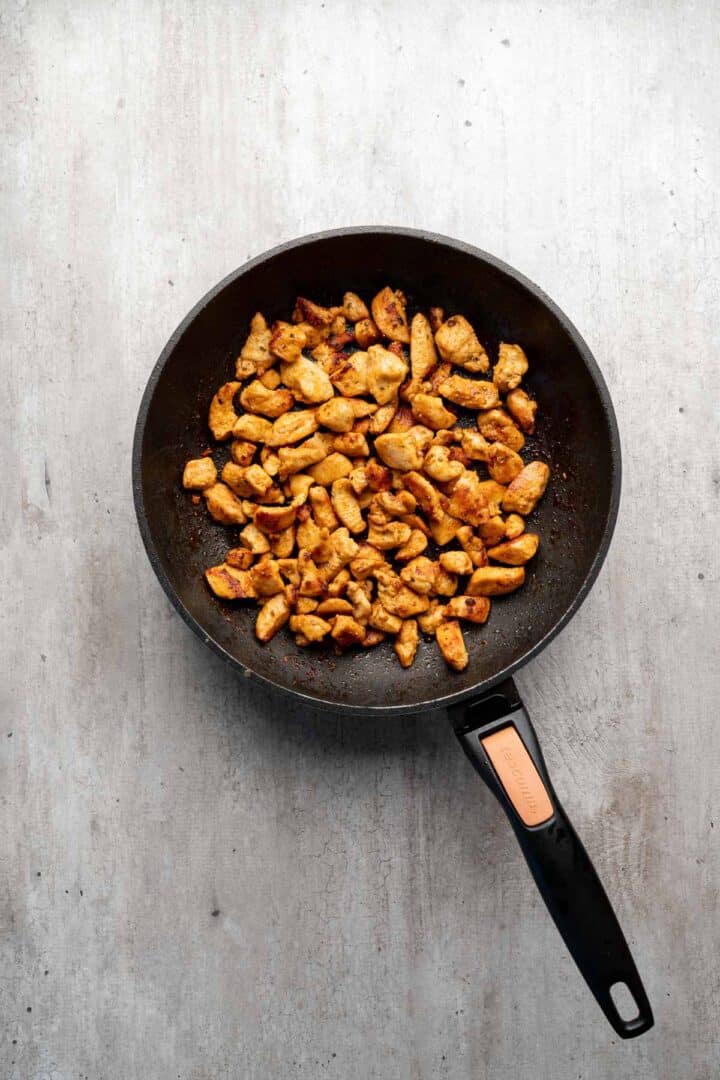
- The surface touching the pan slowly develops a golden color. When the chicken releases easily from the pan and shows lightly browned edges, it is ready to move.
- Crowding the pan can cause the chicken to steam instead of brown. If the skillet looks crowded or liquid begins pooling around the chicken, cook the pieces in two batches.
- The goal here is color rather than full cooking. The chicken finishes later in the sauce.
Build the Aromatic Base
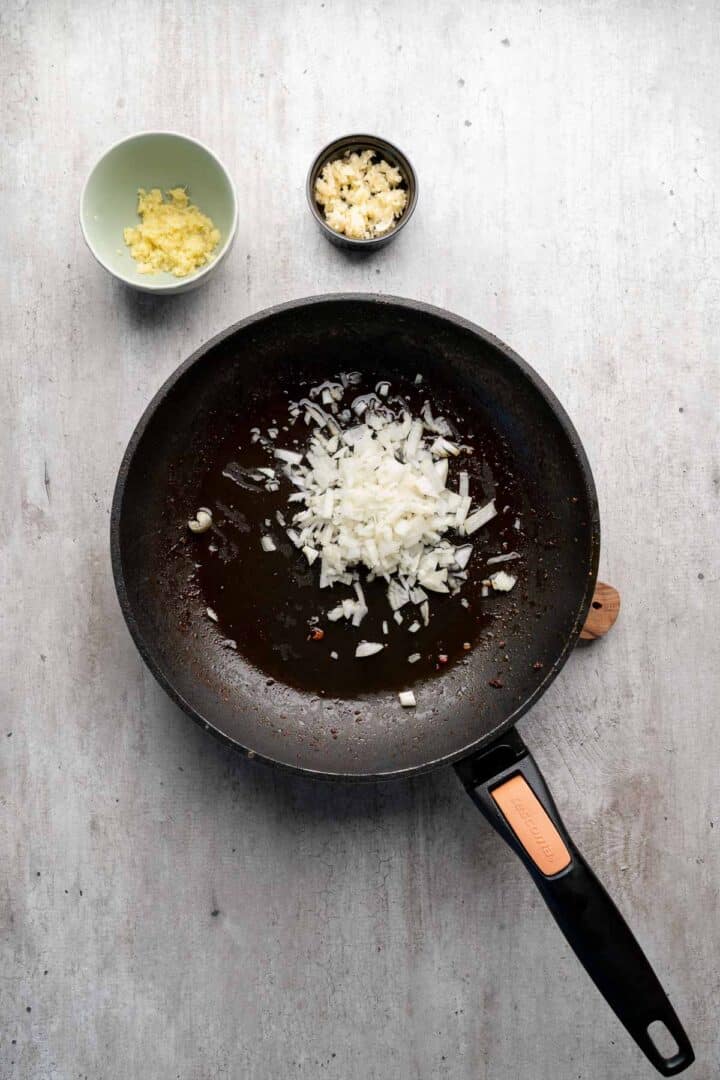
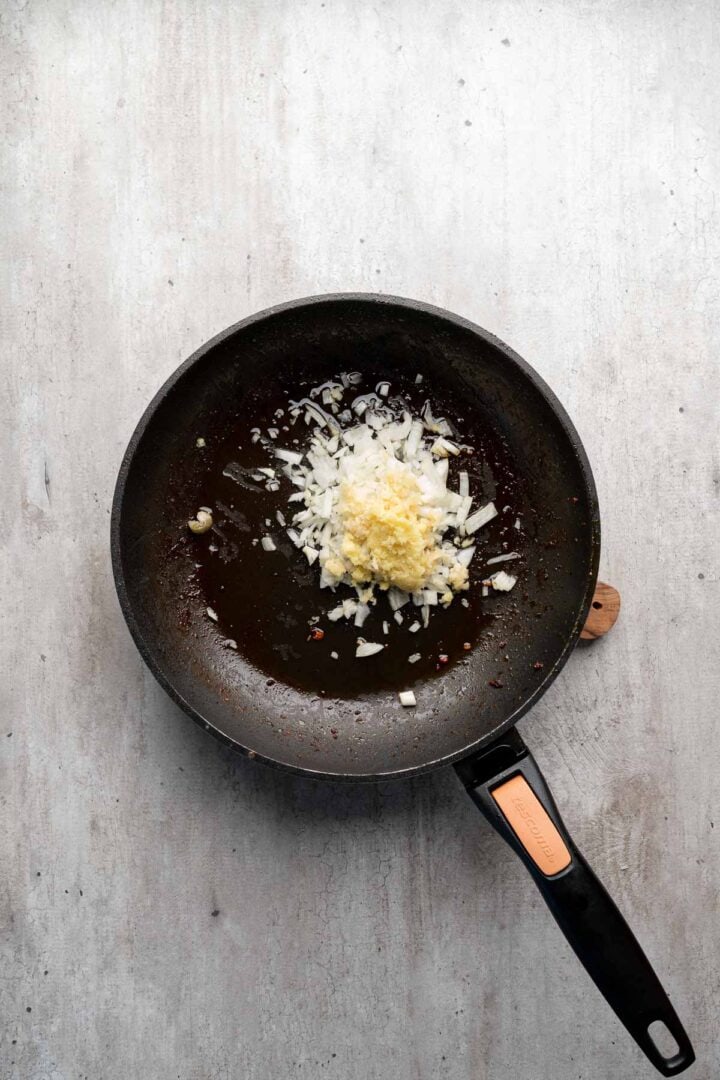
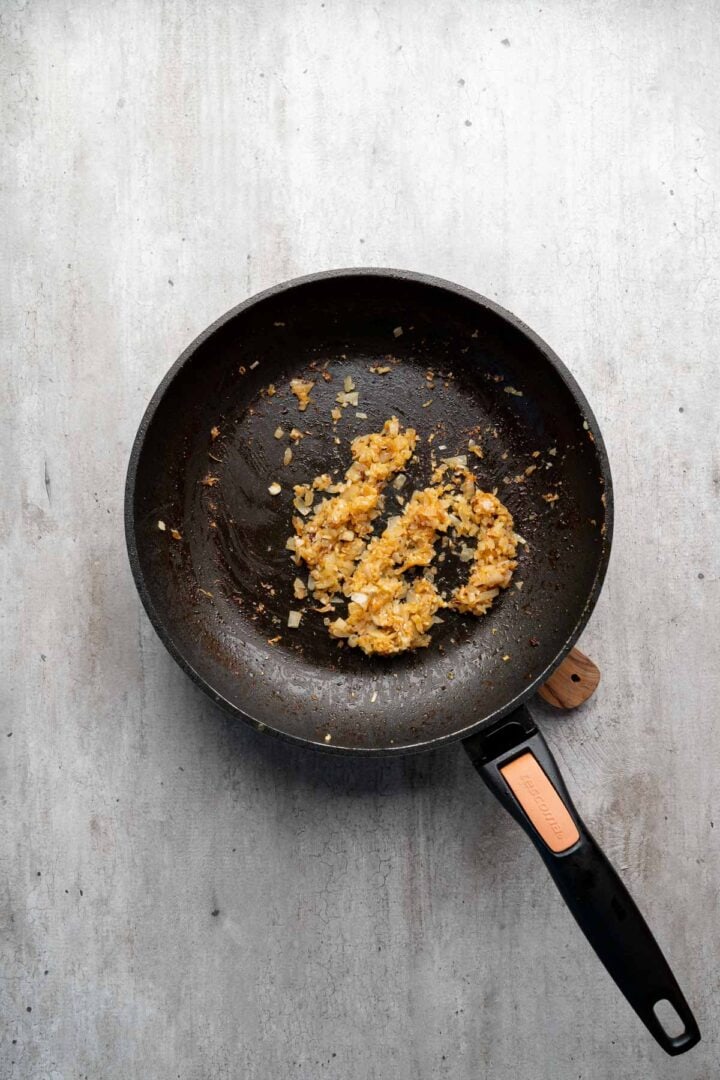
- The onion should soften and become slightly translucent within a few minutes. Stir occasionally so it cooks evenly without browning too quickly.
- This stage moves quickly. Garlic can burn if the heat stays too high, which creates bitterness in the sauce. The aroma should smell fresh and slightly sharp from the ginger rather than dark or toasted.
Deglaze and Build the Sauce
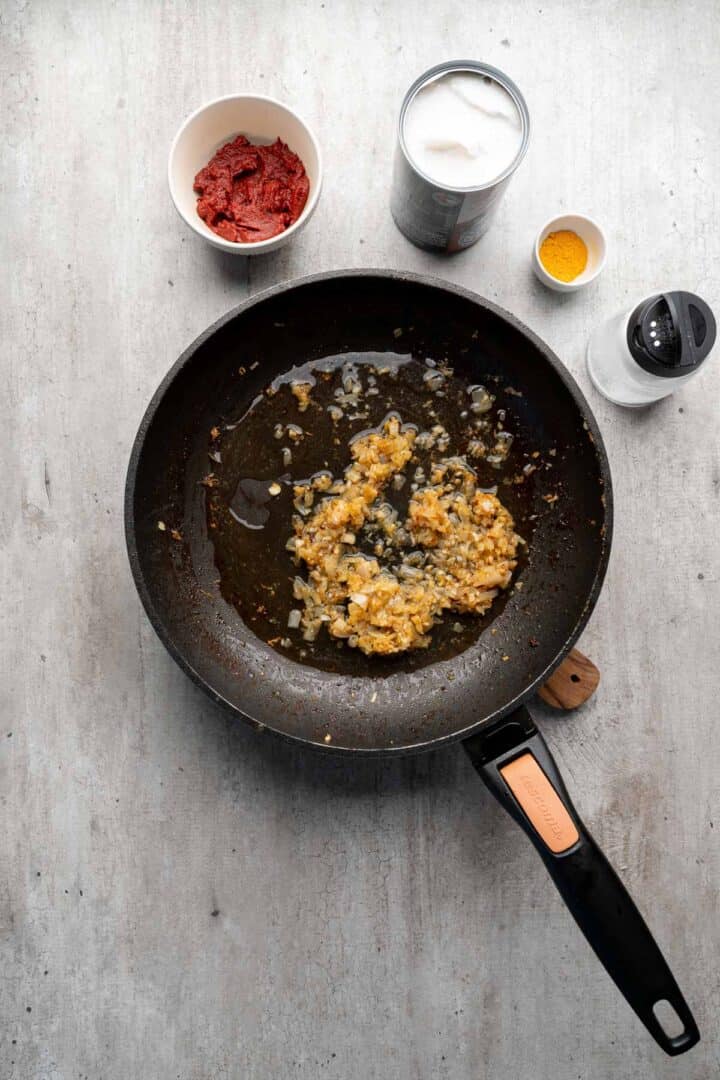
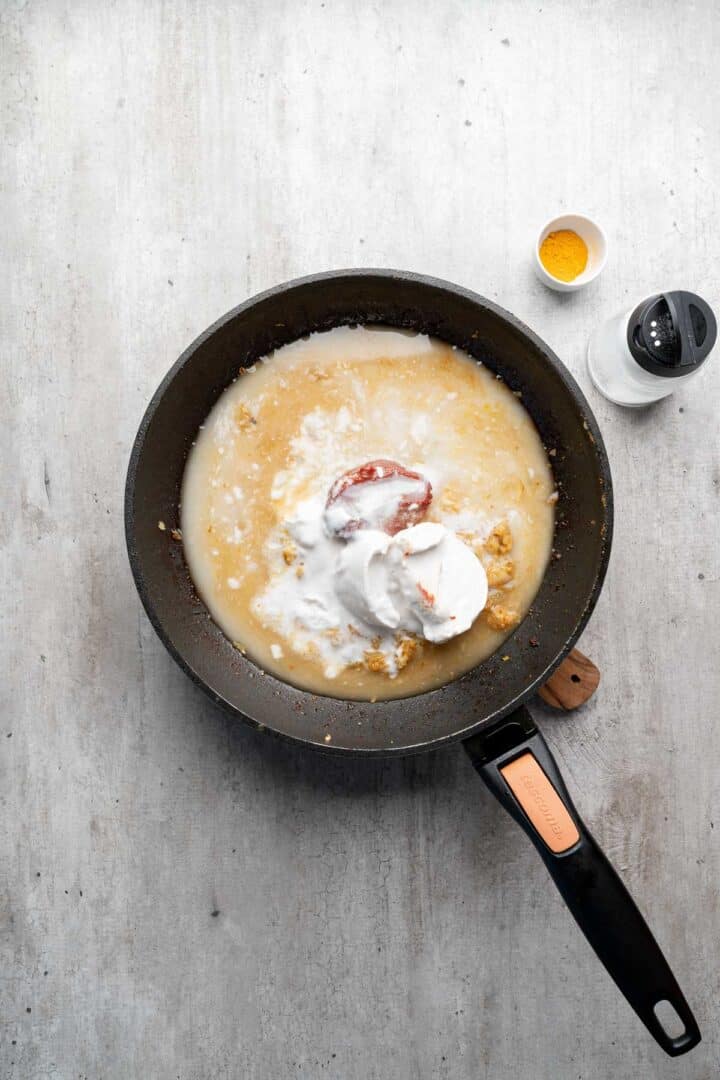
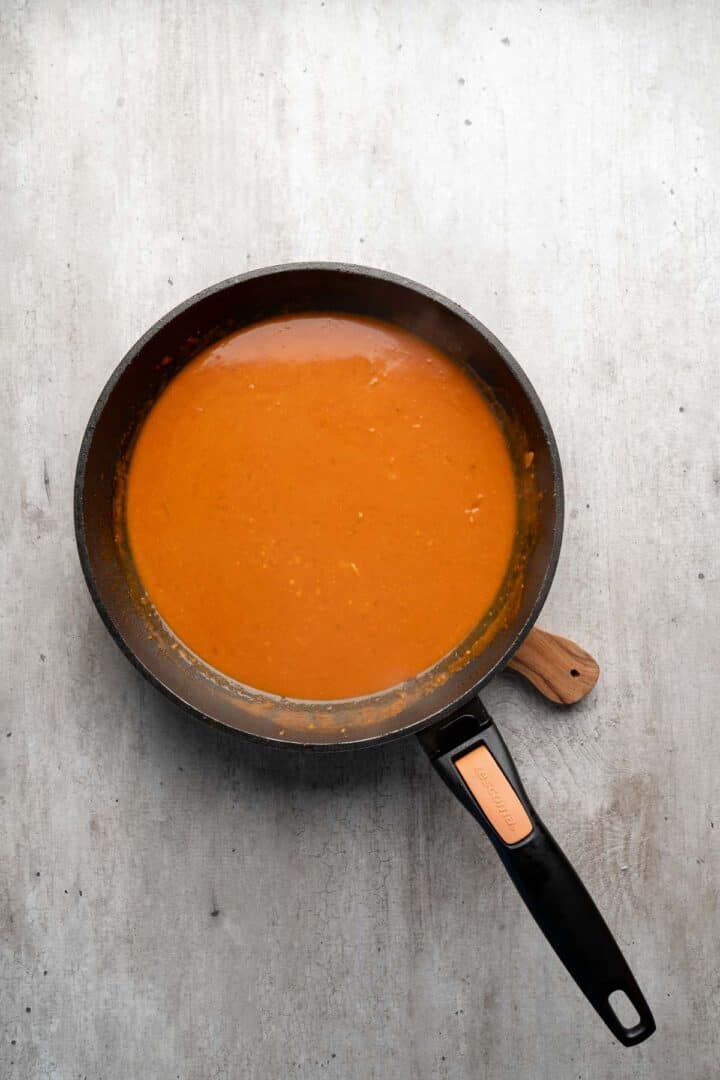
- Small bubbles should appear slowly across the surface rather than a rapid boil. A strong boil can separate the coconut milk and thin the sauce.
- At this point the sauce should look creamy and lightly thickened, coating the spoon in a thin layer.
Finish Cooking the Chicken
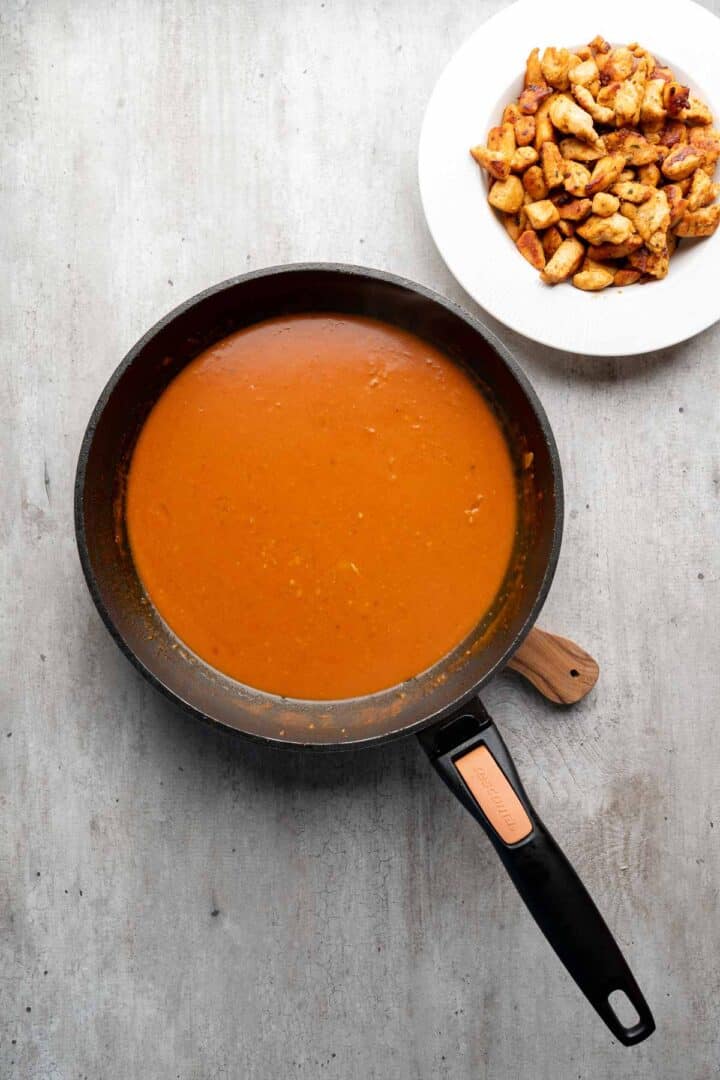
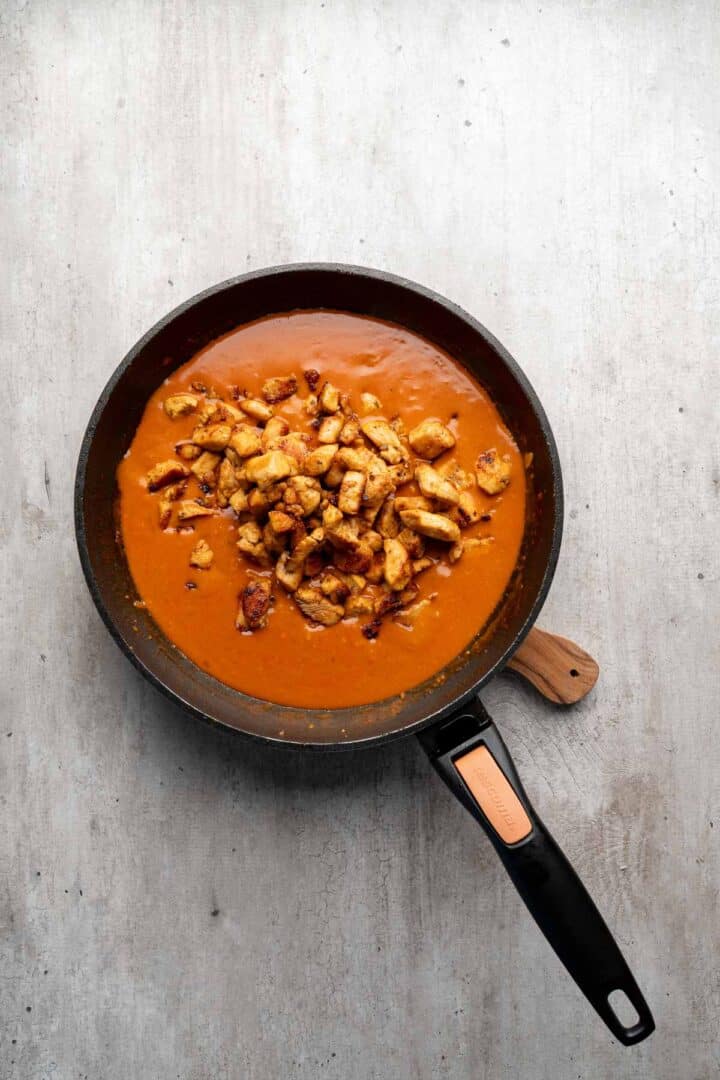
- During these few minutes the chicken finishes cooking while the sauce thickens slightly.
- You will notice the sauce becoming silkier and clinging more to the chicken pieces. If the sauce reduces too quickly and becomes thick before the chicken finishes cooking, add a small splash of broth to loosen it.
- The chicken should feel tender when cut and no longer appear pink in the center.
Assemble the Rice Bowls
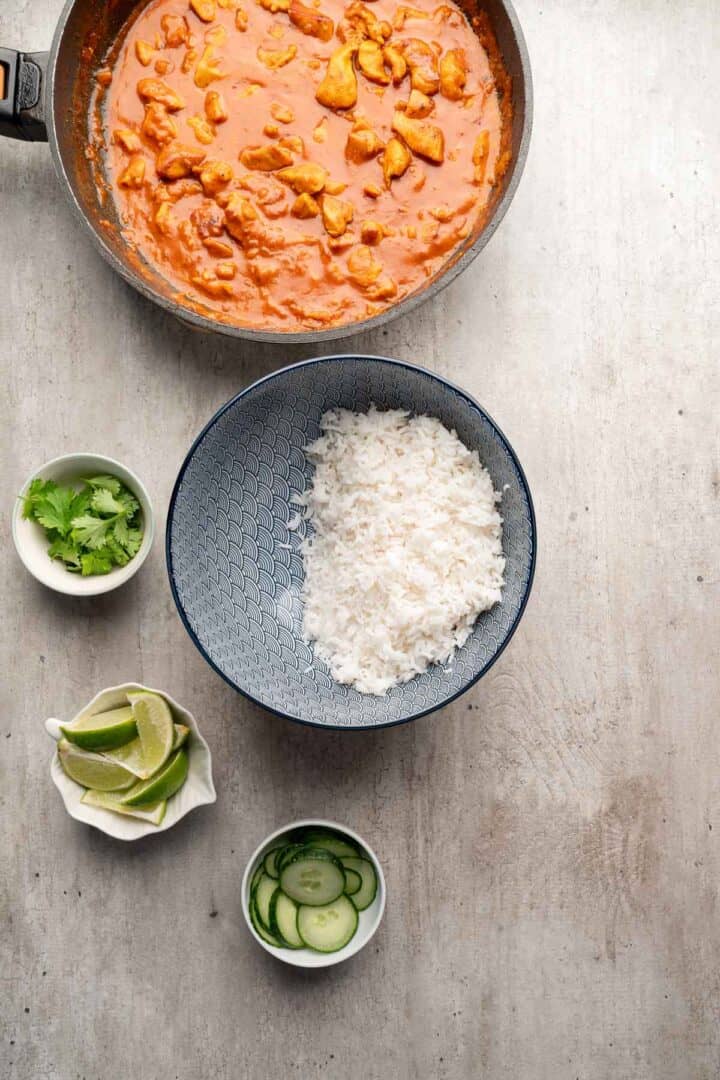
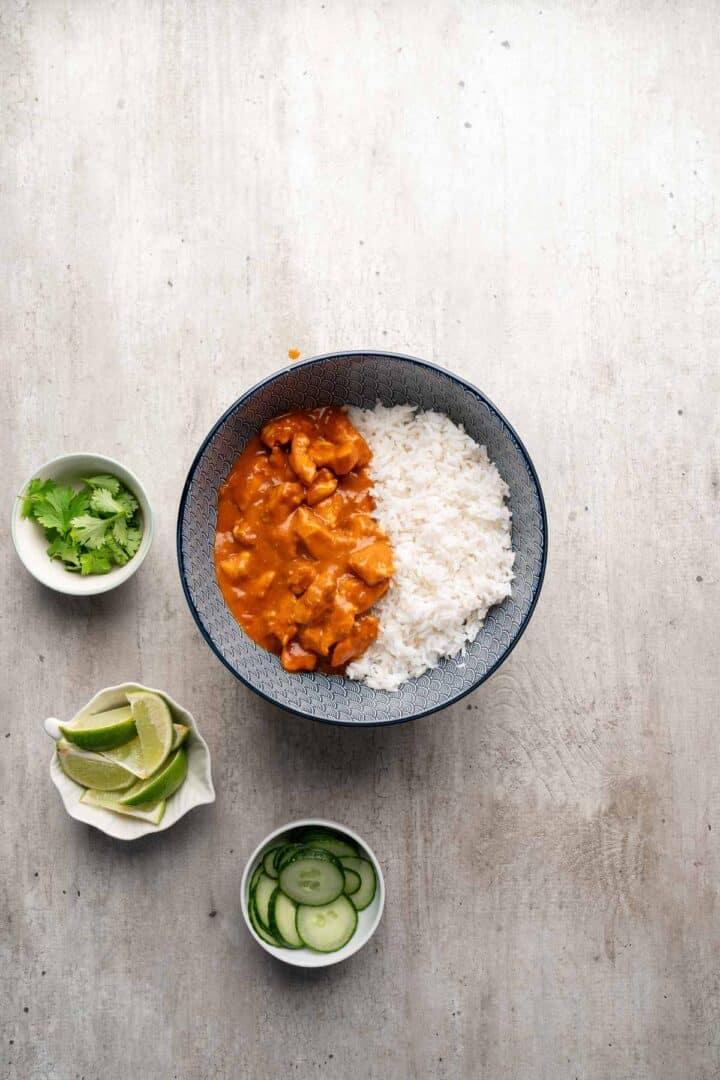
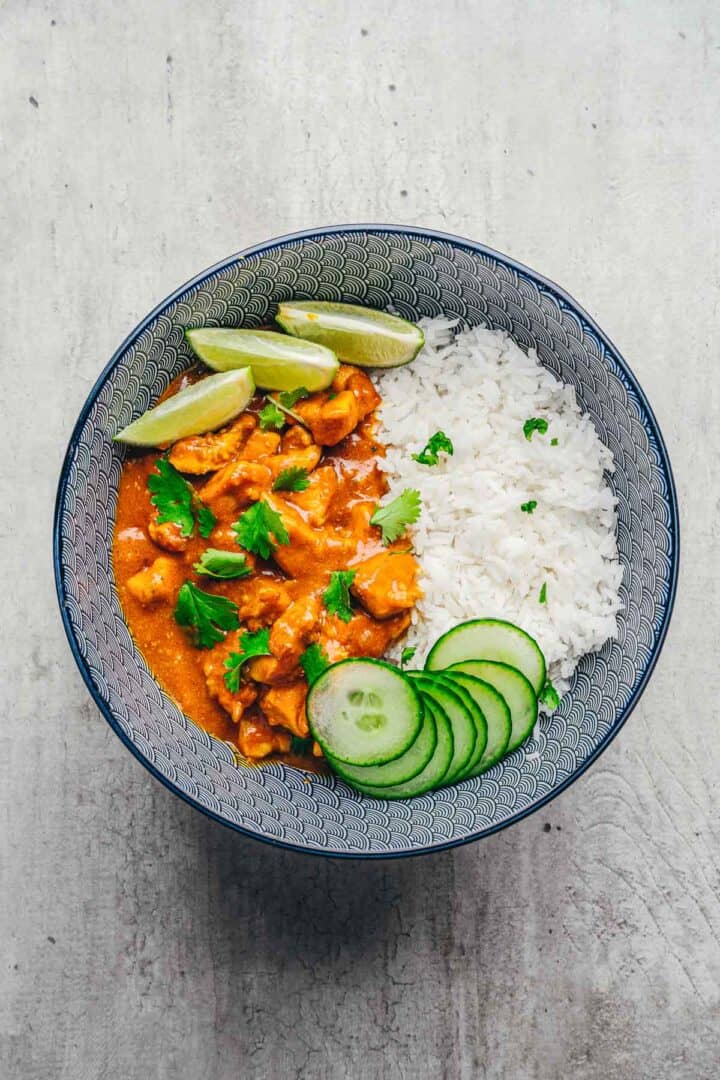
- A squeeze of lime brightens the coconut sauce and sharpens the ginger flavor.
- Optional cucumber slices or steamed broccoli add freshness and a bit of contrast beside the creamy chicken and rice.
- The finished bowl should feel balanced in texture. Soft rice underneath, tender chicken coated in coconut sauce, and fresh herbs lifting the entire dish.
Storage
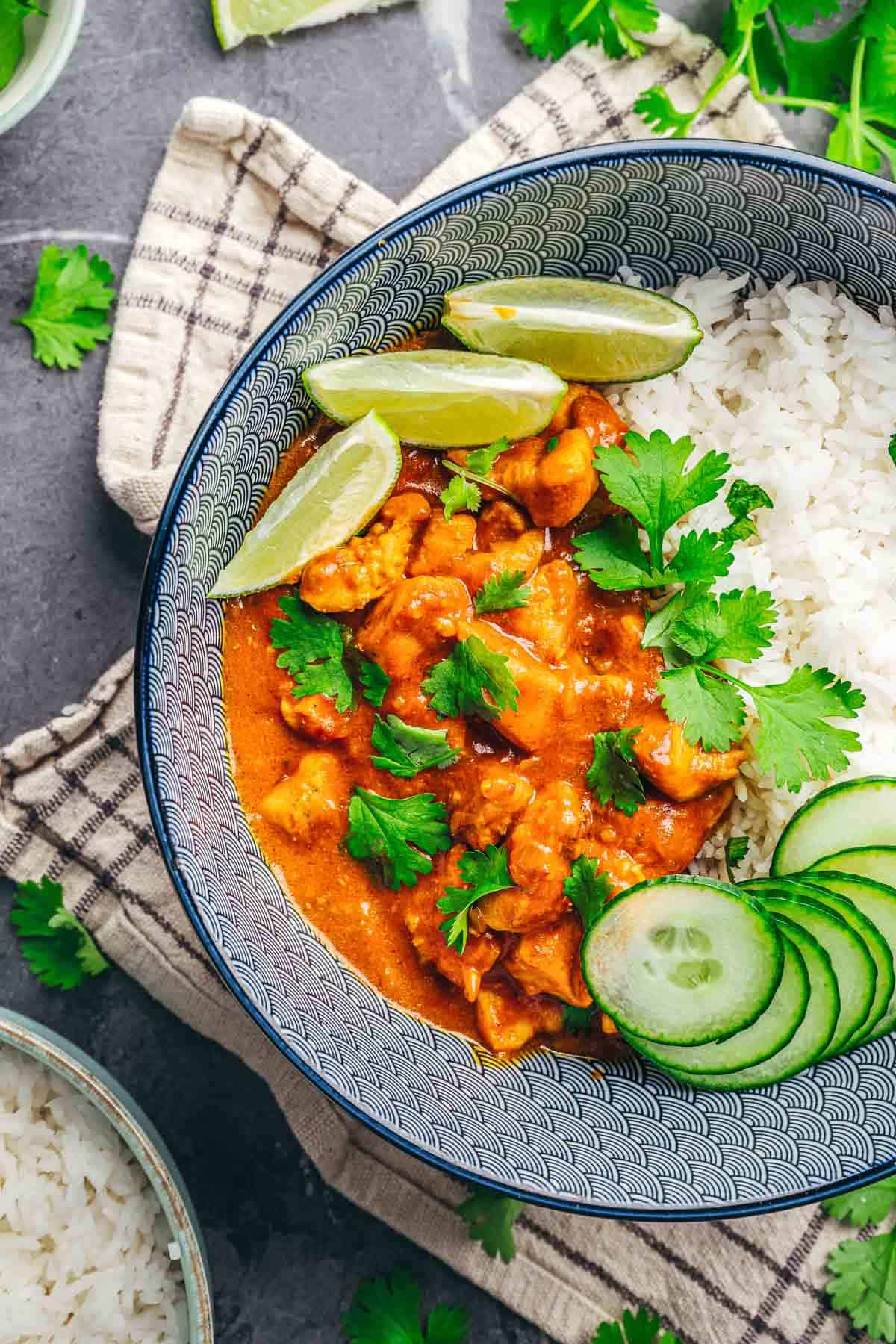
Store leftover coconut chicken in an airtight container in the refrigerator for up to 4 days. Keep the chicken and rice separate when possible so the rice does not absorb too much sauce. Reheat the chicken gently on the stovetop or in the microwave with a small splash of broth or coconut milk to loosen the sauce.
Cooked rice keeps in the refrigerator for about 3 days in a sealed container. Reheat with a spoonful of water to restore its texture. The coconut chicken freezes well for up to 1 month. Cool completely, then store in a freezer-safe container. Thaw overnight in the refrigerator and reheat slowly, stirring so the coconut sauce becomes smooth again.
Top Tips
Use chicken thighs for the most forgiving texture - Chicken breast works, though it cooks faster and can turn firm if left in the sauce too long. Thighs stay tender during simmering and absorb the coconut sauce better. When cooking for my family, thighs give me a little breathing room if Leo or Lin pull me away from the stove.
Grate the ginger very finely - Large pieces of ginger stay fibrous and show up as sharp bites in the sauce. A fine grate melts into the coconut milk and spreads the flavor evenly through the pan. I use a microplane so the ginger almost dissolves once it hits the heat.
Recipe
Tried and loved this recipe? Please leave a 5-star review below! Your reviews mean a lot to me, so if you've got any questions, please let me know in a comment.
Coconut Chicken Rice Bowl
Equipment
- Large skillet or sauté pan with lid
- Cutting board and knife
- Measuring Cups and Spoons
- Spoon or spatula for stirring
Ingredients
For the Chicken
- 1 ½ lb 680 g boneless, skinless chicken thighs or breasts, cut into bite-sized pieces
- 1 teaspoon kosher salt 5 g
- 1 teaspoon smoked paprika 2 g
- 1 teaspoon dried thyme or oregano (1 g)
For the Sauce
- 1 tablespoon olive oil 15 ml
- ½ medium onion about ½ cup / 75 g, finely diced
- 4 garlic cloves minced
- 1 tablespoon freshly grated ginger 15 g
- ¼ cup low-sodium chicken broth 60 ml
- 1 can 13 ½ oz / 400 ml light coconut milk
- 1 ½ tablespoons tomato paste 25 g
- ½ teaspoon turmeric optional (1 g)
- ¾ teaspoon kosher salt 4 g, or to taste
To Assemble
- 3 cups cooked jasmine or basmati rice 600 g
- Fresh cilantro or chopped scallions for garnish
- Lime wedges for serving
- Optional: thin cucumber slices or steamed broccoli for freshness
Instructions
Prep the Chicken
- Season bite-sized chicken pieces with smoked paprika, thyme, and salt. Ensure each piece is coated evenly.
Brown the Chicken
- Heat a skillet over medium-high heat, add olive oil, and sear chicken in a single layer. Cook until the edges turn golden brown, about 4 minutes. Remove from pan to prevent overcooking.
Build the Sauce Base
- Reduce heat to medium. Sauté onion, garlic, and grated ginger in the same skillet until fragrant and softened, about 1-2 minutes. Watch for burning garlic, which can turn bitter.
Deglaze & Simmer
- Pour in chicken broth, scraping up browned bits. Stir in tomato paste, coconut milk, turmeric (if using), and salt. Bring to a gentle simmer, letting flavors meld. Sauce should appear slightly thickened but still pourable.
Finish Cooking Chicken
- Return chicken and any juices to the skillet. Cover and simmer on medium-low for 5 minutes until chicken is cooked through and sauce thickens slightly. Sauce should coat the back of a spoon without being too watery.
Assemble the Bowls
- Divide cooked rice into bowls. Spoon chicken and coconut-ginger sauce over the top. Garnish with fresh cilantro or scallions and serve with lime wedges. Add optional cucumber or broccoli for texture contrast.

Lori Hageman says
Easy and delicious, I will make this again and again. I fed it to a crowd of 11 and everyone loved it!