The Great Depression was a tough time, but it brought out some incredible resourcefulness when it came to food. People had to get creative with what they had, stretching every dollar and making every bite count. In fact, there are 11 common foods during the Great Depression that became staples. These foods were the backbone of many meals and have left a lasting impression on how we think about food today.
Families during the Great Depression had to rely on simple, versatile ingredients that could be used in a variety of ways. These foods were often cheap and easy to store, making them perfect for stretching budgets and feeding large families. Many of these foods are still popular today, not just for their history but for their great taste and nutritional value. Let's take a look at how these humble ingredients helped families navigate one of the most challenging periods in history.

Cabbage
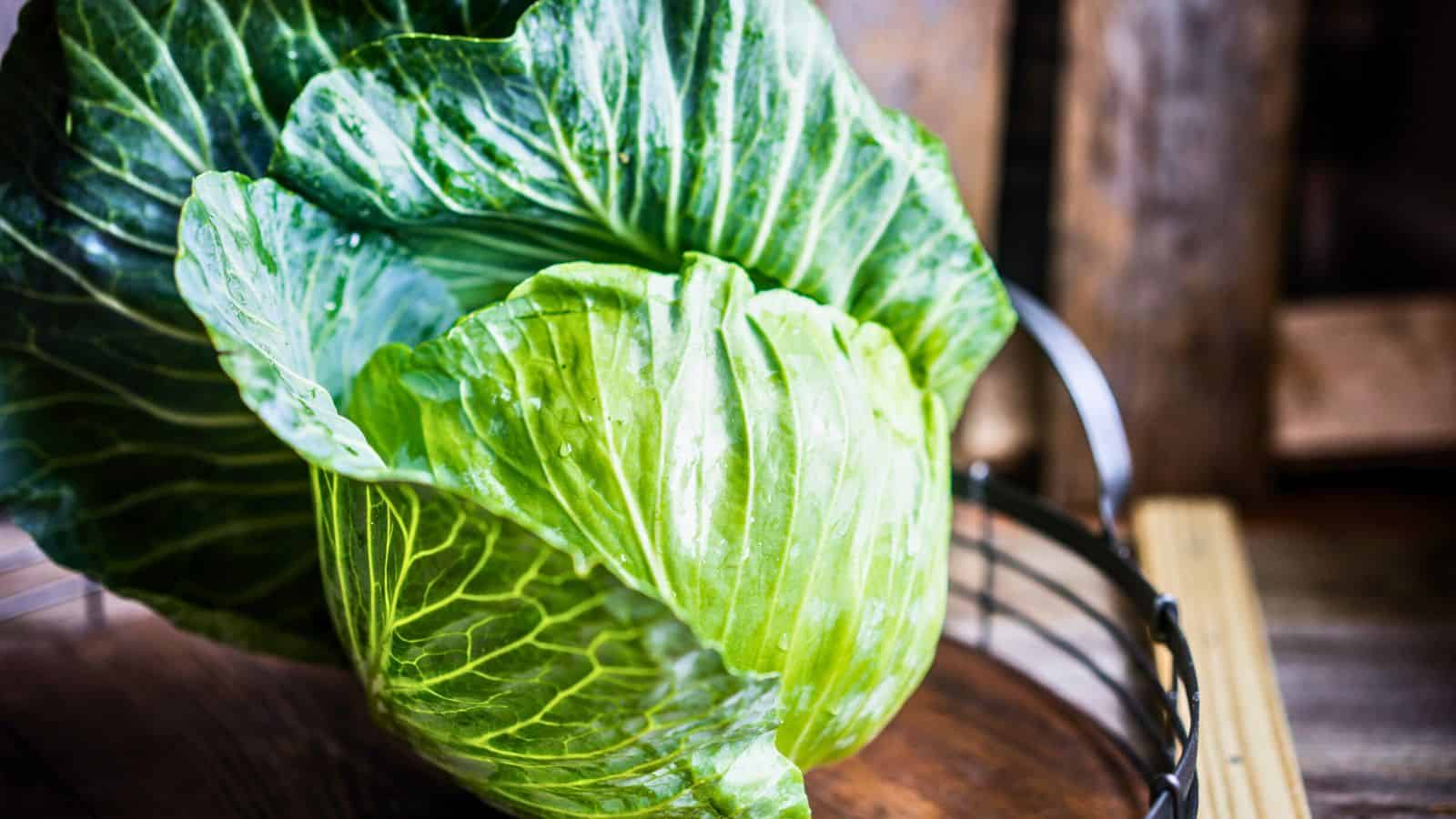
During the Great Depression, cabbage became a go-to vegetable due to its low cost and high nutritional value. Its versatility allowed it to be used in salads, soups, and stews, making it a key ingredient in many meals. Cabbage is rich in vitamins C and K, as well as fiber, which contributed to its popularity among families striving to maintain a balanced diet on a tight budget. The long shelf life of cabbage meant it could be stored for extended periods without spoiling, making it a practical choice during times of economic uncertainty.
Oatmeal
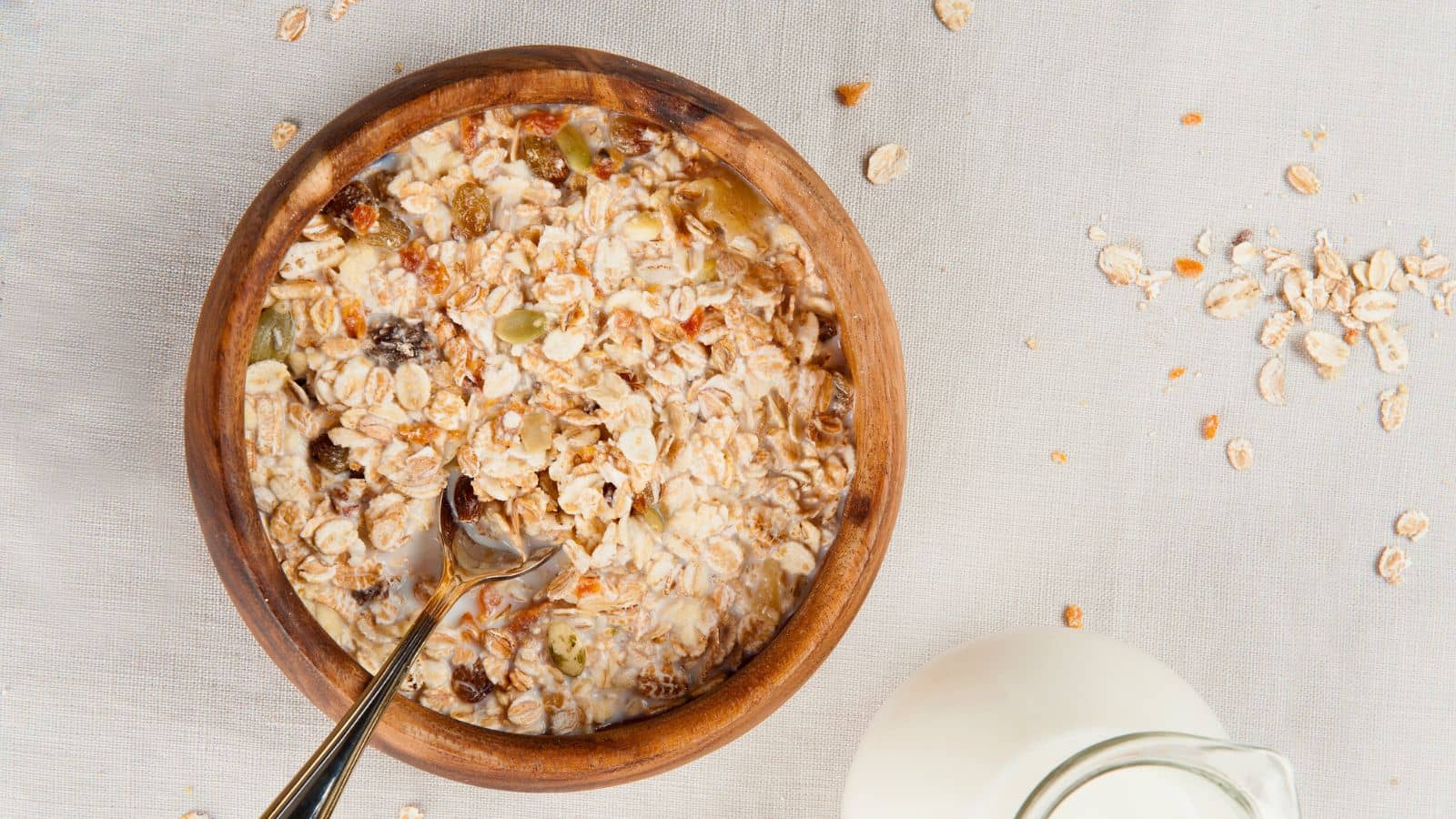
As an affordable and nutritious breakfast option, oatmeal gained prominence during the Great Depression. Made from rolled or ground oats, it could be prepared quickly. Oatmeal is high in fiber and essential nutrients, which help sustain energy levels throughout the morning. It could be flavored with whatever ingredients were available, such as fruit, sugar, or milk, making it adaptable to various tastes. The simplicity and cost-effectiveness of oatmeal made it a staple in many households during these challenging times.
Canned Goods
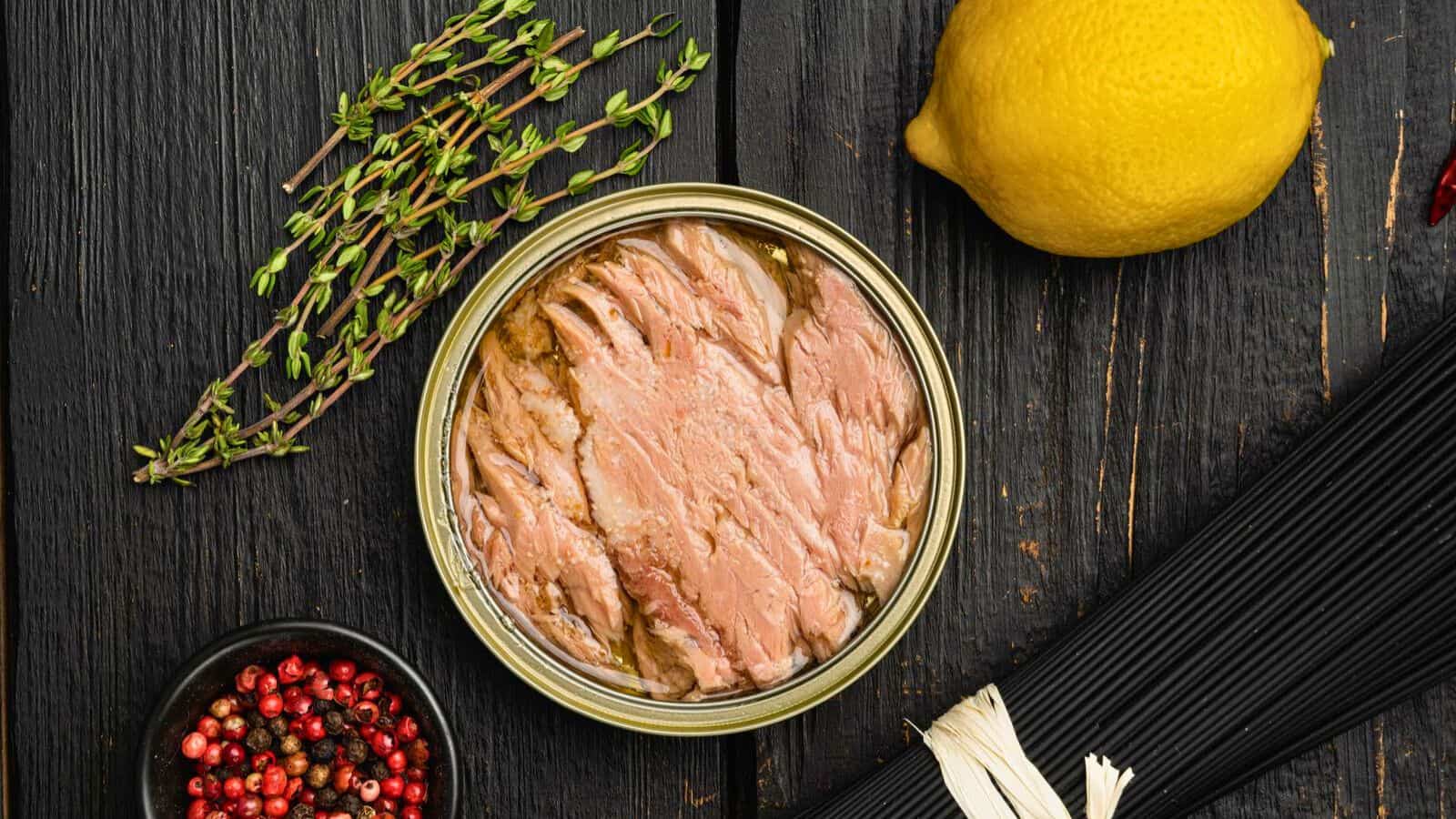
Canned vegetables and meats were invaluable during the Great Depression since it was a way to preserve food for long periods. These items were often more affordable than fresh produce and could be stored without refrigeration. Canned goods allowed families to maintain a varied diet, even when fresh ingredients were scarce. They were used in soups, stews, and casseroles, adding flavor and nutrition to meals. The convenience and longevity of canned foods made them a practical solution for those looking to stretch their food budgets and make sure they had enough to eat.
Eggs
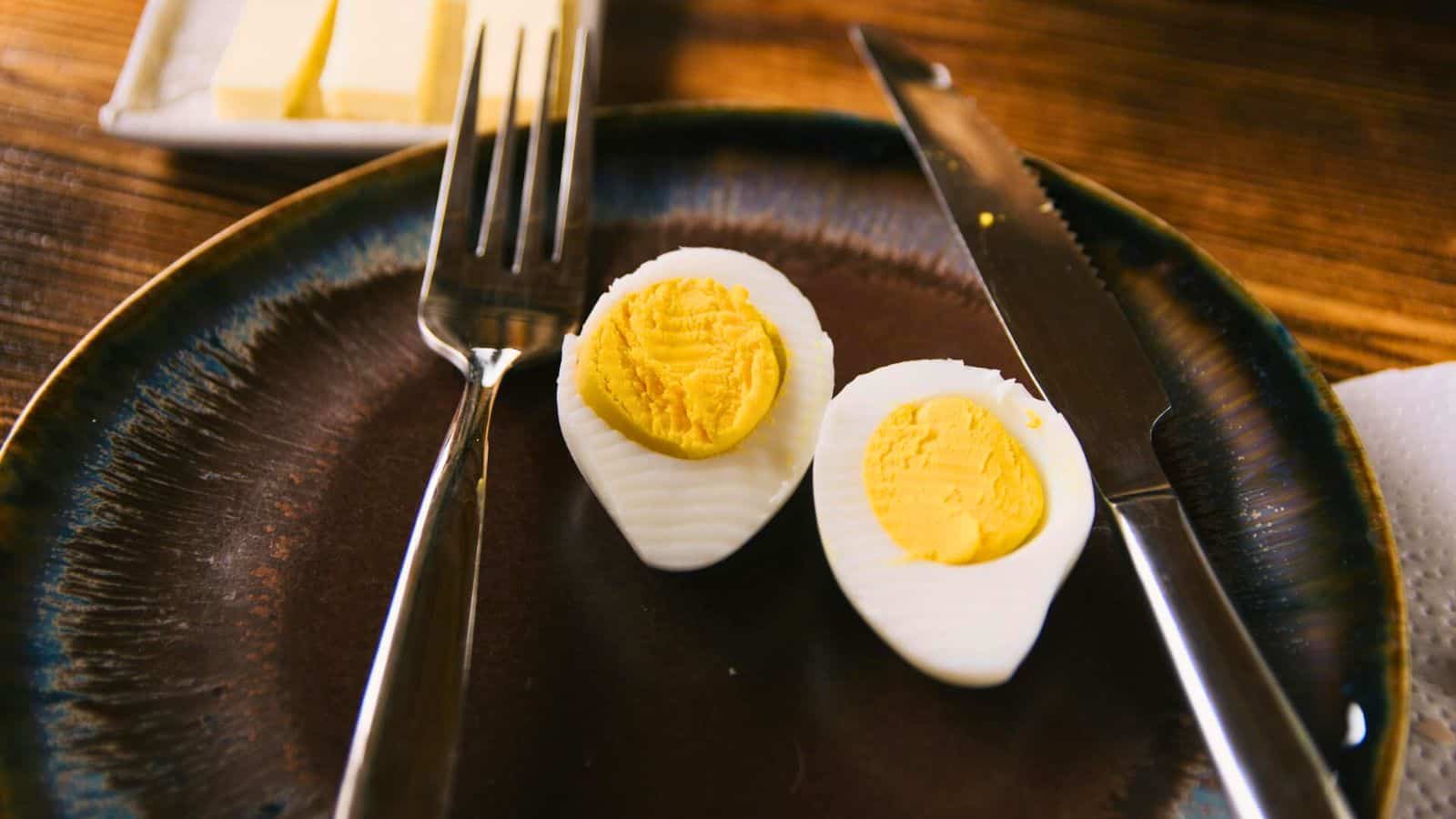
Eggs were a crucial protein source during the Great Depression, often available at a lower cost compared to meat. They could be used in a variety of dishes, from simple scrambled eggs to more complex recipes like quiches and custards. Eggs are rich in essential nutrients such as protein, vitamins, and minerals, making them a valuable addition to the diet. They could be boiled, fried, or baked, providing versatility in meal preparation. The ability to keep chickens at home also allowed families to have a steady supply of fresh eggs, contributing to their food security.
Bread
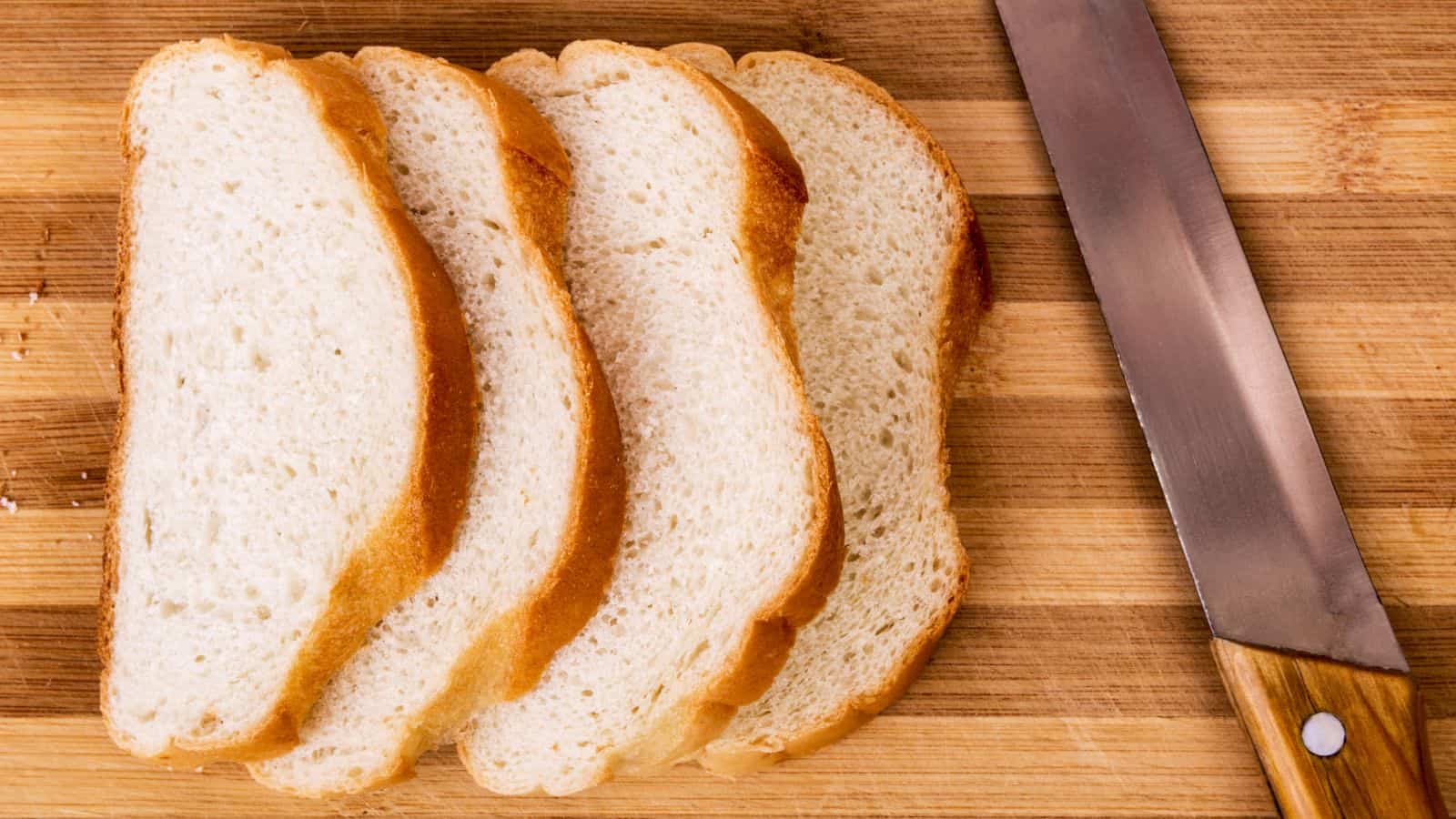
Homemade bread became a cornerstone of daily meals during the Great Depression. With basic ingredients like flour, water, yeast, and salt, families could bake their own bread, saving money and guaranteeing a steady supply. Bread was used in a variety of ways, from sandwiches to toast, and could accompany almost any meal. It has essential carbohydrates and can be made in large batches to last several days. The process of baking bread at home also became a communal activity, bringing families together in the kitchen during difficult times.
Potatoes
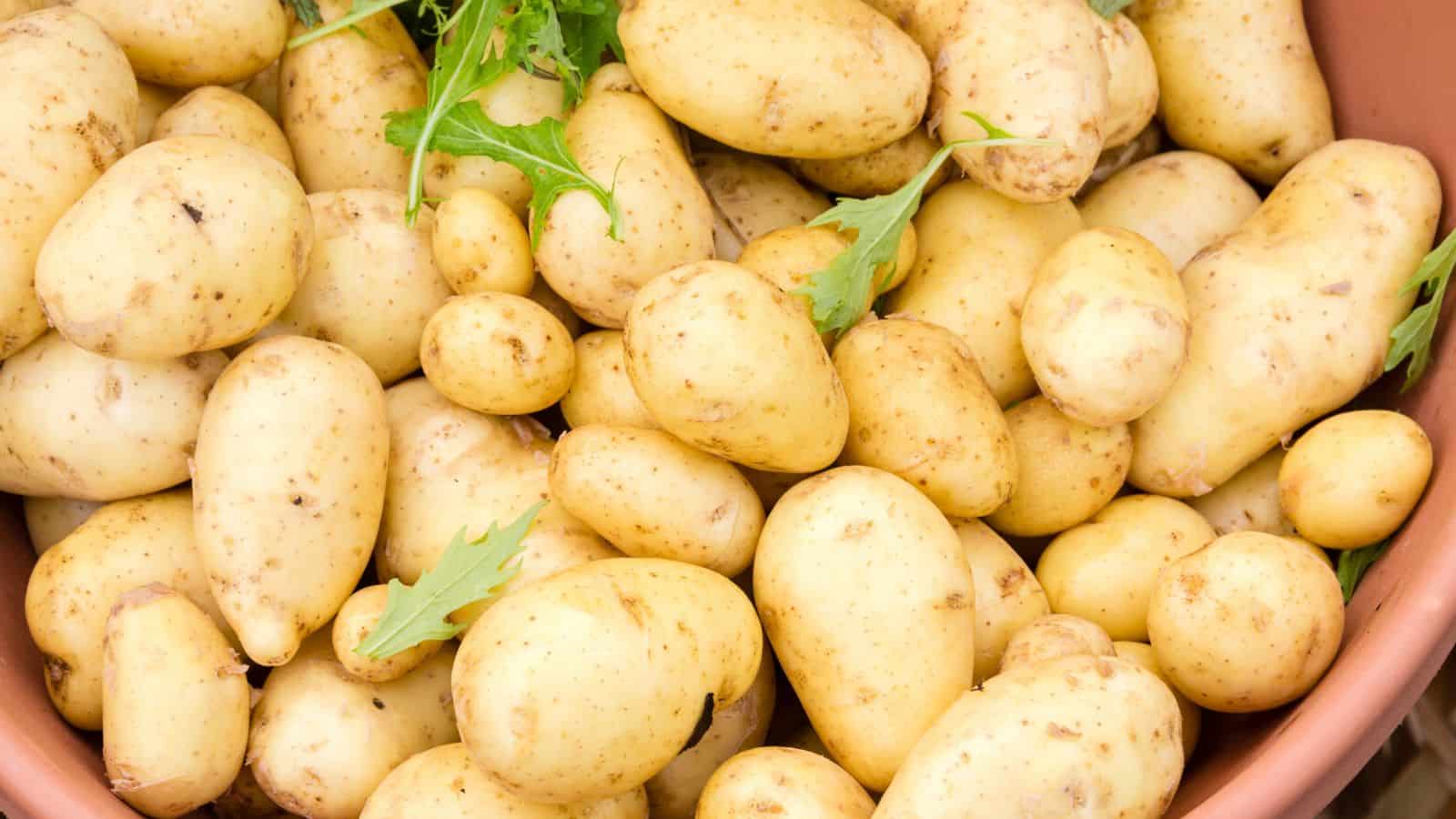
Potatoes were an essential food during the Great Depression because they were cheap, filling, and could be stored for long periods. They were used in a variety of dishes, from simple boiled potatoes to more elaborate recipes like potato soup or mashed potatoes. Potatoes are rich in carbohydrates, which deliver much-needed energy. They could be grown in home gardens, making them accessible to many families. The versatility of potatoes allowed them to be a cornerstone of meals, whether roasted, fried, or baked, helping to stretch limited food budgets.
Leftovers
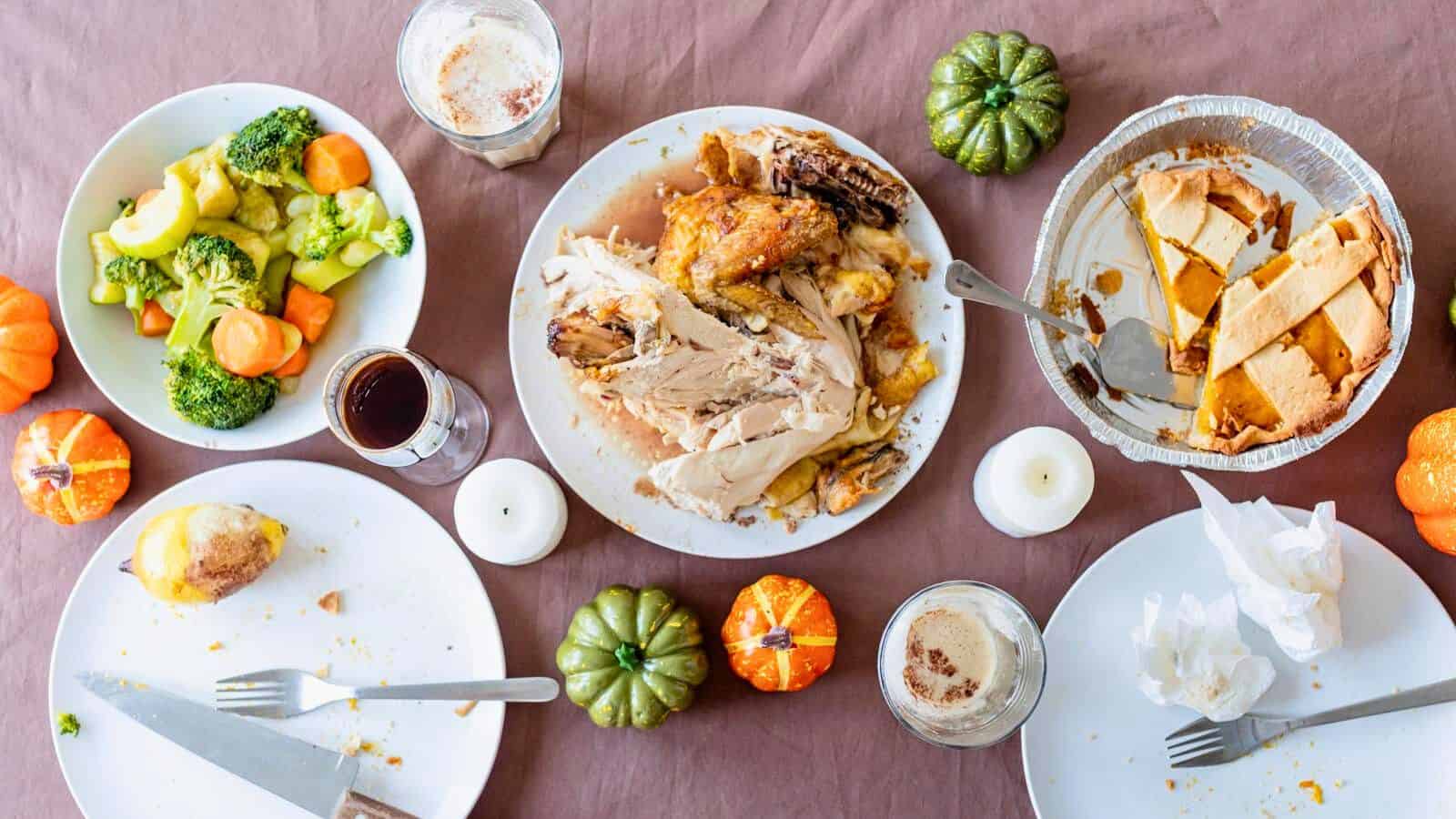
Creative use of leftovers became essential during the Great Depression, as families sought to make the most of every ingredient. Leftovers were often repurposed into new dishes, such as casseroles, soups, or hash. This practice minimized waste and stretched food supplies further, allowing families to feed more people with limited resources. Using leftovers required ingenuity and resourcefulness, as cooks had to combine whatever ingredients were on hand. This practice not only helped save money but also encouraged a culture of frugality and conservation that was crucial during economically challenging times.
Rice
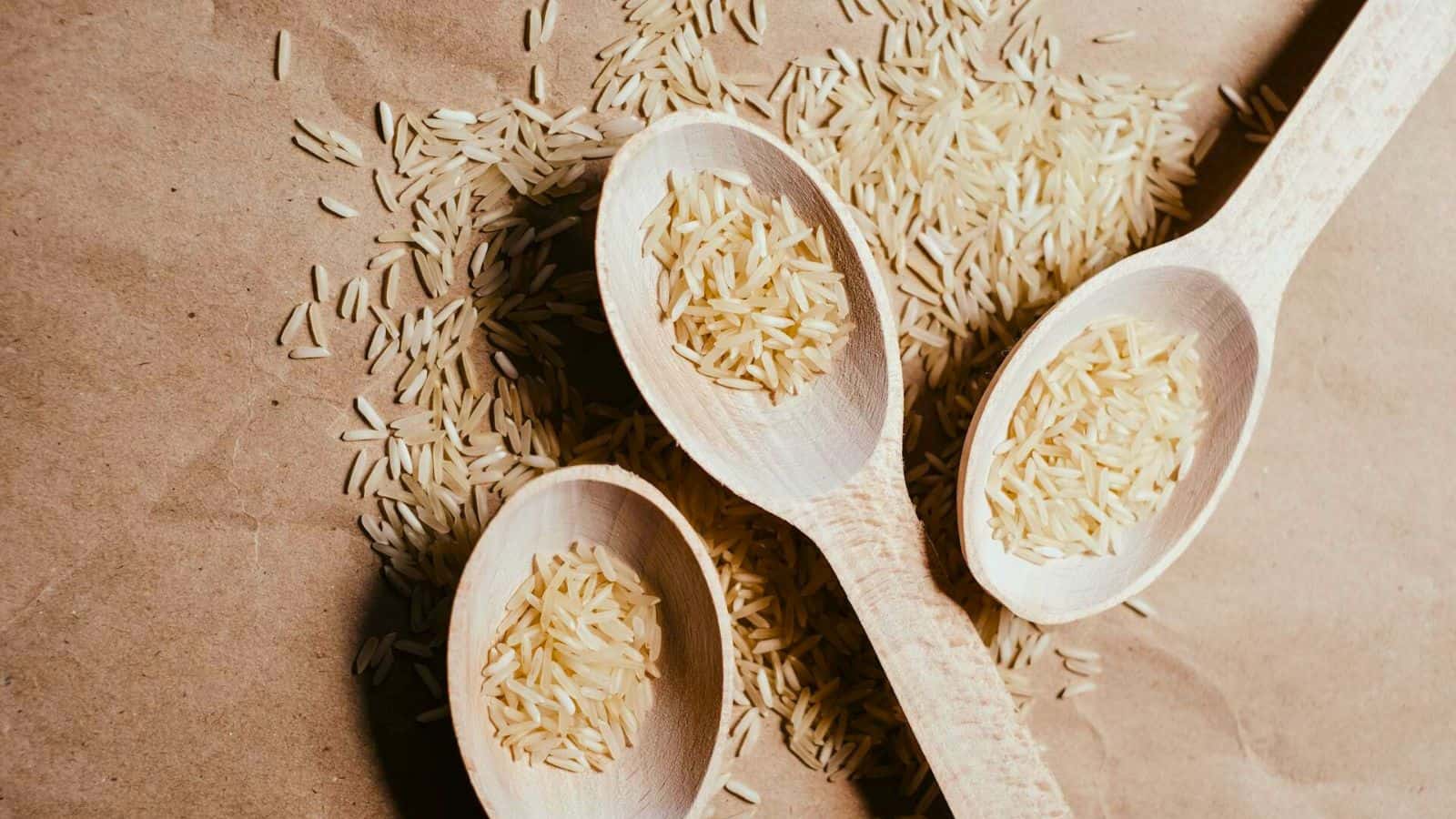
Rice was a staple grain that played a significant role in the diet of many families during the Great Depression. It was inexpensive, easy to store, and could be used in numerous dishes. Rice could be served as a side dish, made into rice pudding, or included in soups and casseroles. Its ability to absorb flavors made it adaptable to whatever ingredients were available. Rice is also a good source of carbohydrates, which are essential for energy. The simplicity and versatility of rice made it a reliable food choice during economically challenging times.
Beans
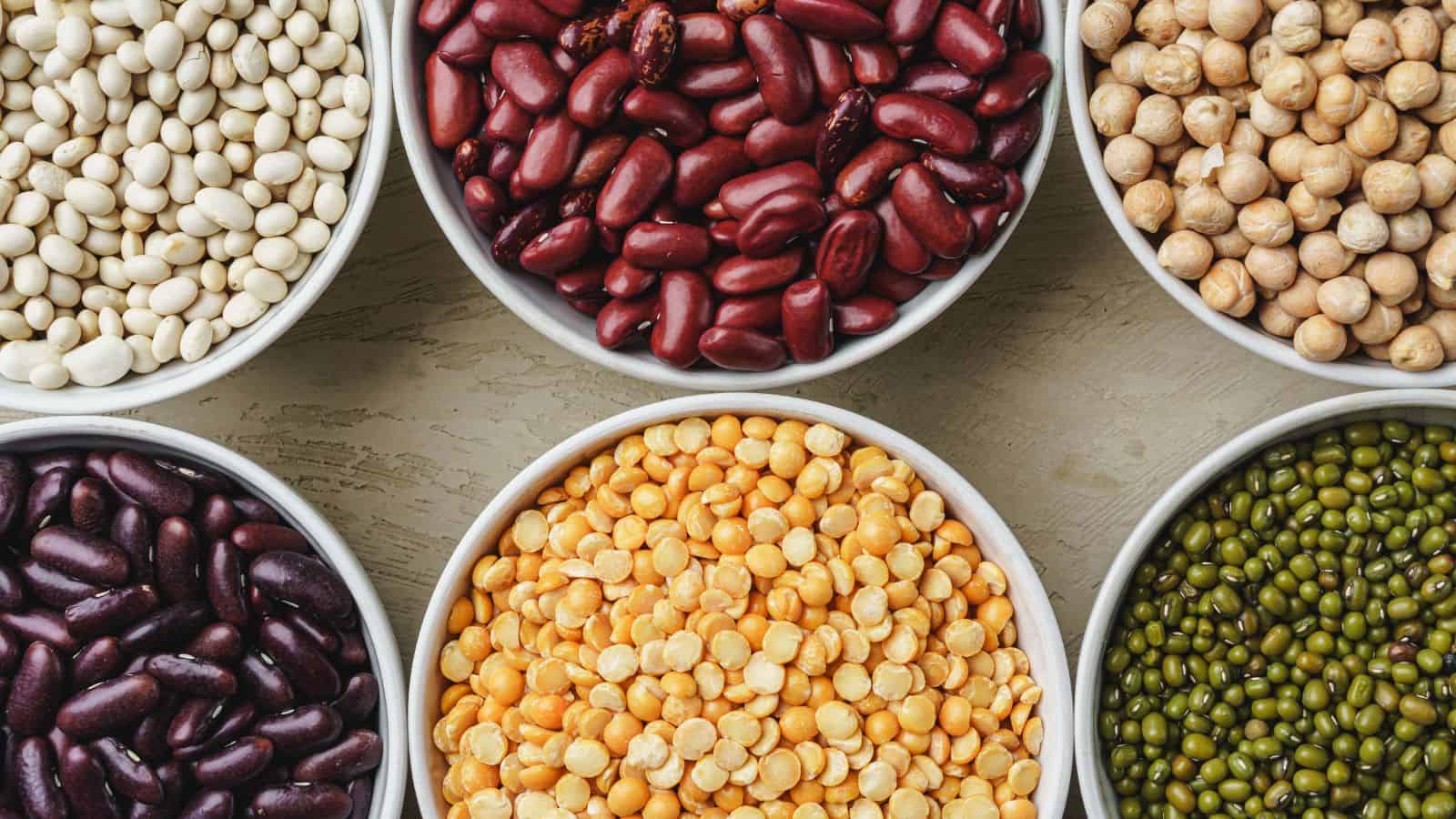
Beans were a crucial part of the diet during the Great Depression due to their affordability and high nutritional value. They are rich in protein, fiber, and essential vitamins, making them a key source of sustenance. Beans could be prepared in various ways, such as soups, stews, or simply boiled with minimal seasoning. Their long shelf life also made them a practical choice for families looking to stretch their food supplies. The versatility of beans allowed people to create hearty meals that could feed many mouths with limited resources.
Peanut Butter
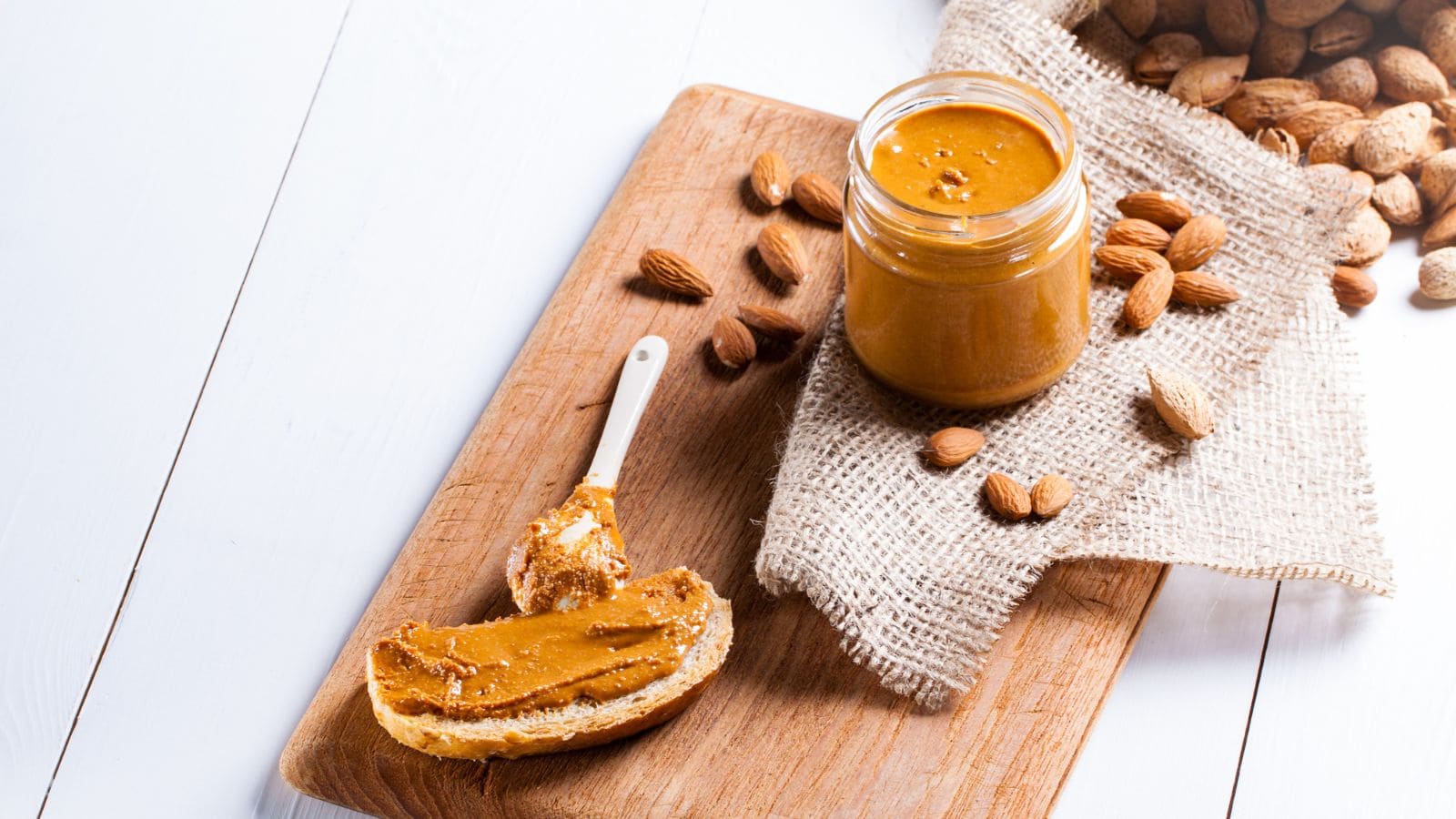
Peanut butter emerged as a popular food during the Great Depression because of its affordability and nutritional value. Rich in protein, healthy fats, and essential vitamins, it became a staple in many households. Peanut butter could be spread on bread, mixed into oatmeal, or used in baking, making it a versatile ingredient. Its long shelf life and ease of storage added to its practicality. For many families, peanut butter sandwiches became a go-to meal because it was a quick and nourishing option that required minimal preparation. Its role in supplying essential nutrients made it a key food during tough economic times.
Cornmeal
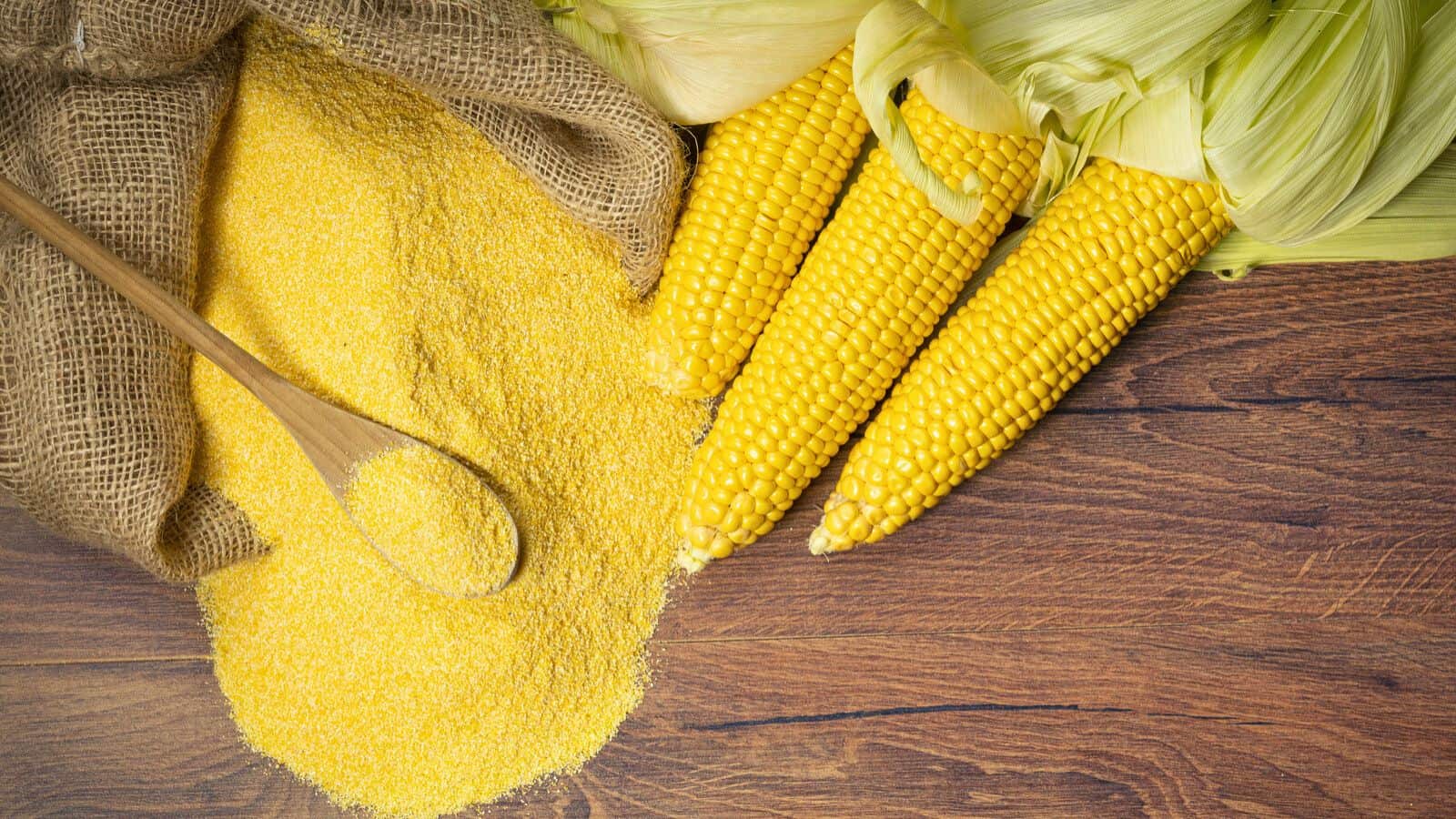
Cornmeal was a versatile ingredient that became a staple in many households during the Great Depression. It was used to make cornbread, a common and inexpensive dish that could accompany many meals. Cornmeal could also be used to make porridge and grits and even as a coating for frying foods. Its affordability and ease of storage made it an essential item in kitchens. People relied on cornmeal to create filling and nutritious meals that could be prepared quickly and with minimal ingredients. Cornmeal-based dishes were a way to keep hunger at bay during tough times.
Vintage Eats, Still Delish!

Reflecting on the foods that defined the Great Depression, we see a testament to human resilience and ingenuity. These simple, affordable ingredients were more than just sustenance; they were symbols of survival and creativity in the face of adversity. Families found ways to transform basic staples into nourishing meals, proving that even in the toughest times, resourcefulness can lead to great outcomes.
Today, these foods remind us of the strength and determination of those who lived through the Great Depression. They serve as a great lesson in making the most of what we have and appreciating the basics. As we enjoy these timeless ingredients, we honor the legacy of those who turned hardship into a story of endurance and innovation. It's a reminder that sometimes, the simplest foods can have the greatest impact.
Classic Cheap Foods for Every Meal You'll Always Come Back To

When times are tough, everyone looks for ways to stretch their dollar without sacrificing nutrition or flavor. That's where these 15 budget-friendly foods come into play. These staples are not just affordable; they're versatile, nutritious, and have stood the test of time. Whether you're a student, a family on a budget, or just someone who loves a good deal, these foods are great for making meals that are both hearty and healthy.
Read it Here: 15 Classic Cheap Foods for Every Meal You'll Always Come Back To
"Poor Man's Meals" Too Good to Be This Cheap
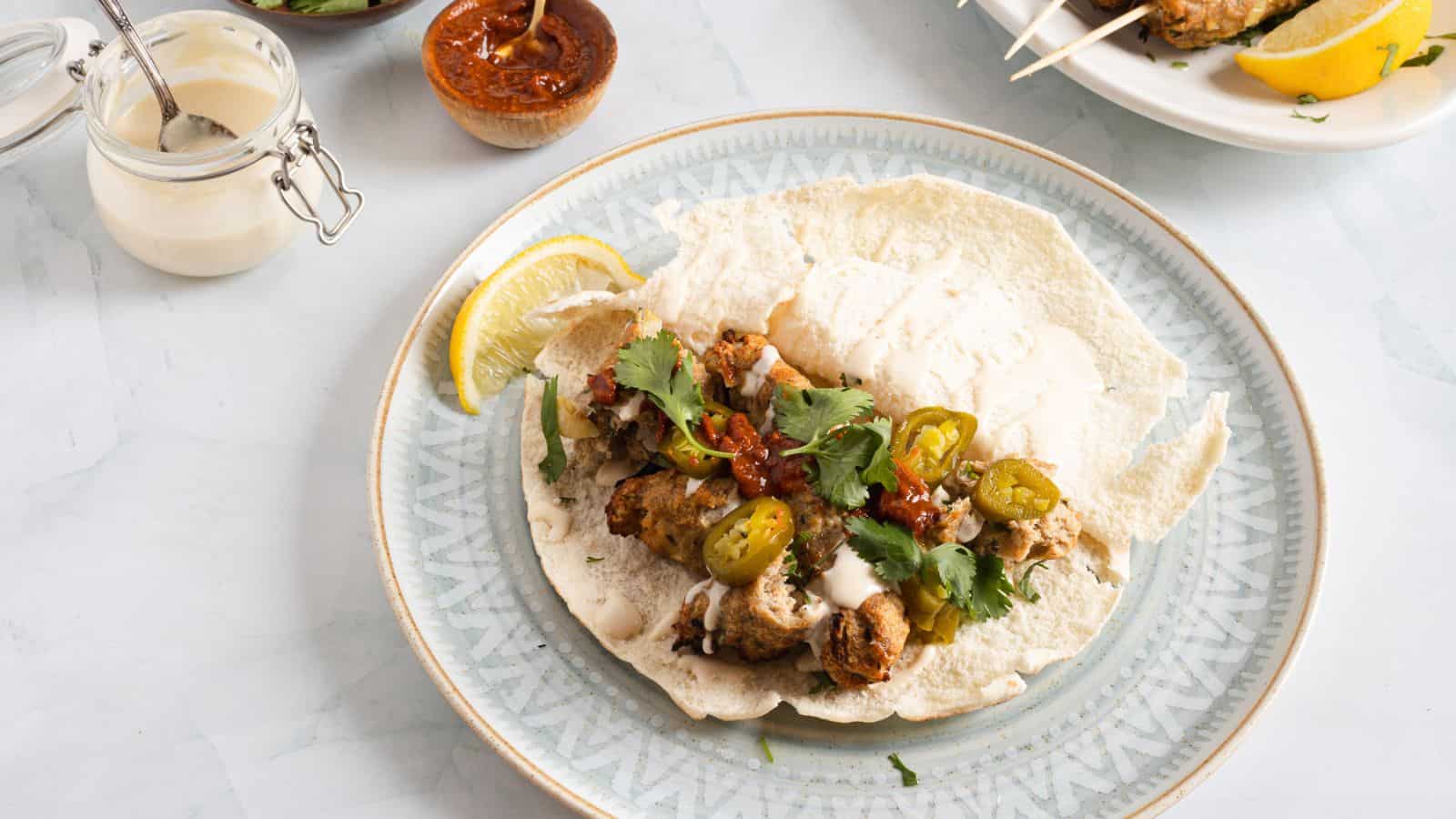
Poor man's meals show us that great food doesn't have to come with a high price. These 17 recipes transform simple, budget-friendly ingredients into dishes that feel anything but cheap. Packed with flavor and heart, they're proof that creativity in the kitchen can stretch every dollar. From hearty dinners to comforting classics, these meals bring a big taste without breaking the bank.
Read it Here: 17 "Poor Man's Meals" Too Good to Be This Cheap