Cholesterol can be a tricky thing to manage, but the good news is that what you eat can make a huge difference. Forget complicated diets or extreme measures; sometimes, the simplest changes can have the biggest impact. We're talking about 11 foods that can help lower cholesterol levels naturally. Think of it as a great way to take control of your health without a lot of hassle.
You don't need to be a health guru to make smart choices that benefit your heart. Whether you're whipping up breakfast, lunch, or dinner, plenty of options can help you keep your cholesterol in check. Plus, these foods are good for your heart and packed with nutrients that support your overall well-being. So, let's discuss some practical, easy-to-find foods that can make a real difference!
Oats
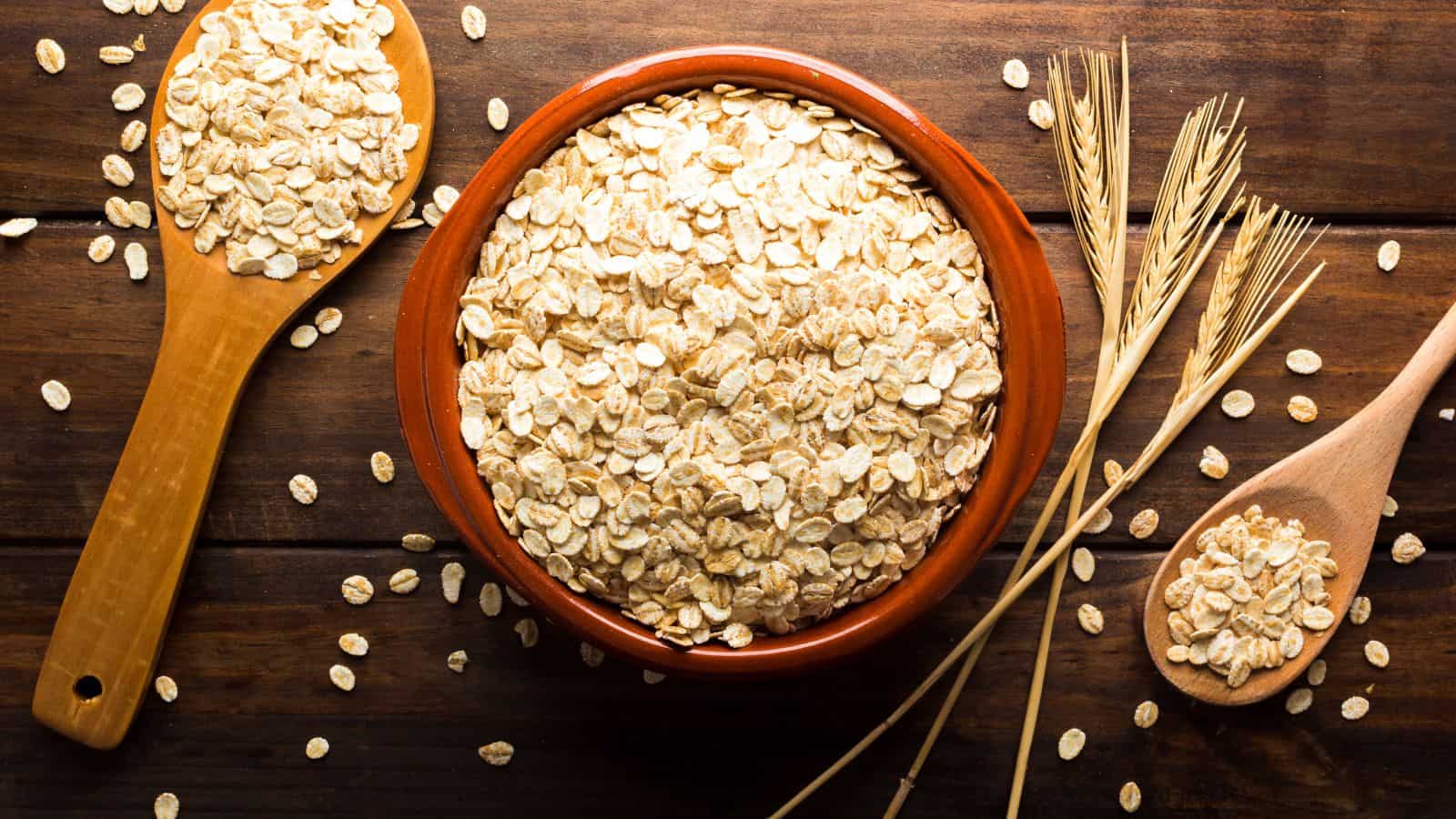
Oats are a powerhouse of nutrition, particularly known for their high content of soluble fiber called beta-glucan. This fiber helps reduce cholesterol levels by forming a gel-like substance in the gut, which binds to cholesterol-rich bile acids. Consuming about 3 grams of beta-glucan daily, found in a bowl of oatmeal, can reduce LDL cholesterol by 5-10%. Oats are also rich in antioxidants, vitamins, and minerals such as manganese, phosphorus, and magnesium. Starting your day with a bowl of oatmeal can contribute to heart health and supply sustained energy throughout the morning.
Barley
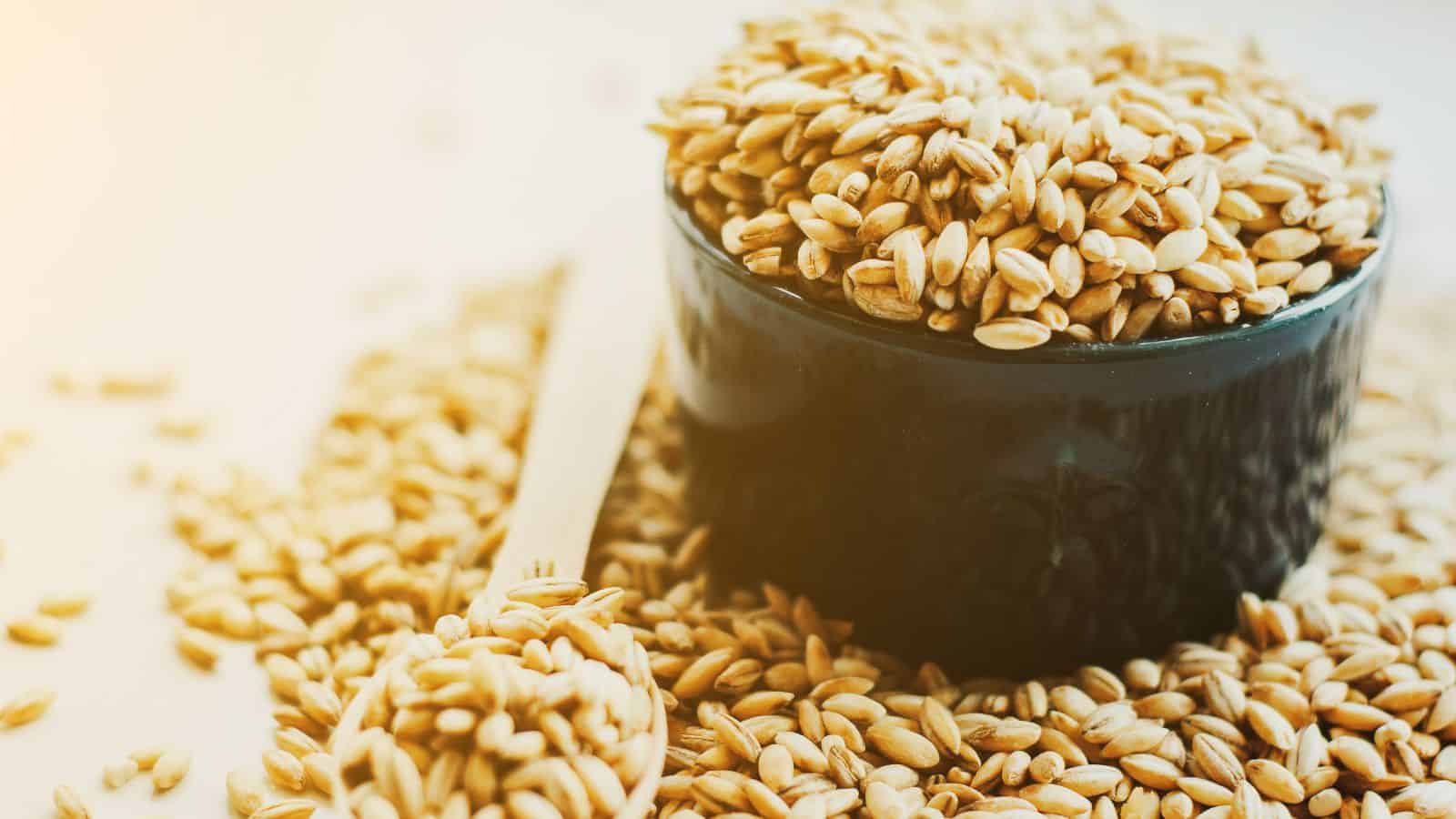
Barley is a whole grain that is exceptionally high in soluble fiber, particularly beta-glucan, which effectively lowers cholesterol. A serving of barley has up to 6 grams of fiber, which helps reduce cholesterol absorption in the digestive tract. This grain also contains essential nutrients such as selenium, manganese, and B vitamins. Barley can be added to soups, stews, and salads, making it a versatile ingredient for enhancing heart health. Additionally, its fiber content supports digestive health and helps maintain stable blood sugar levels, making it beneficial for overall wellness.
Beans
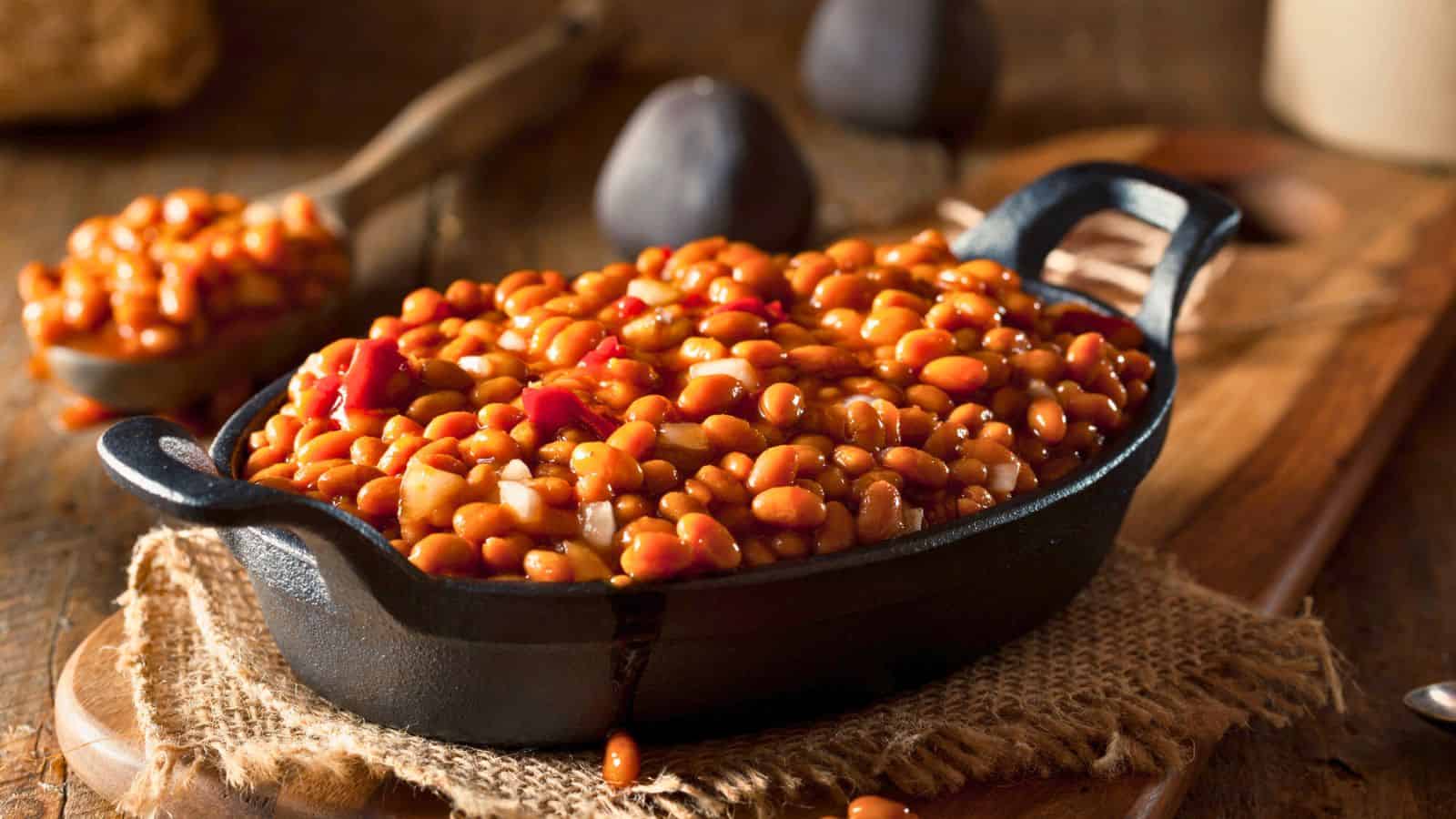
Beans are an excellent source of soluble fiber, which can help lower cholesterol by reducing its absorption in the intestines. A cup of beans has up to 15 grams of fiber, nearly half of the daily recommended intake. Beans also contain plant-based protein, iron, and folate, making them a nutritious addition to any diet. They have a low glycemic index, which helps in managing blood sugar levels. Including beans in meals, such as in soups, salads, or as a side dish, can promote heart health and helpy you achieve long-lasting satiety, aiding in weight management.
Eggplant & Okra
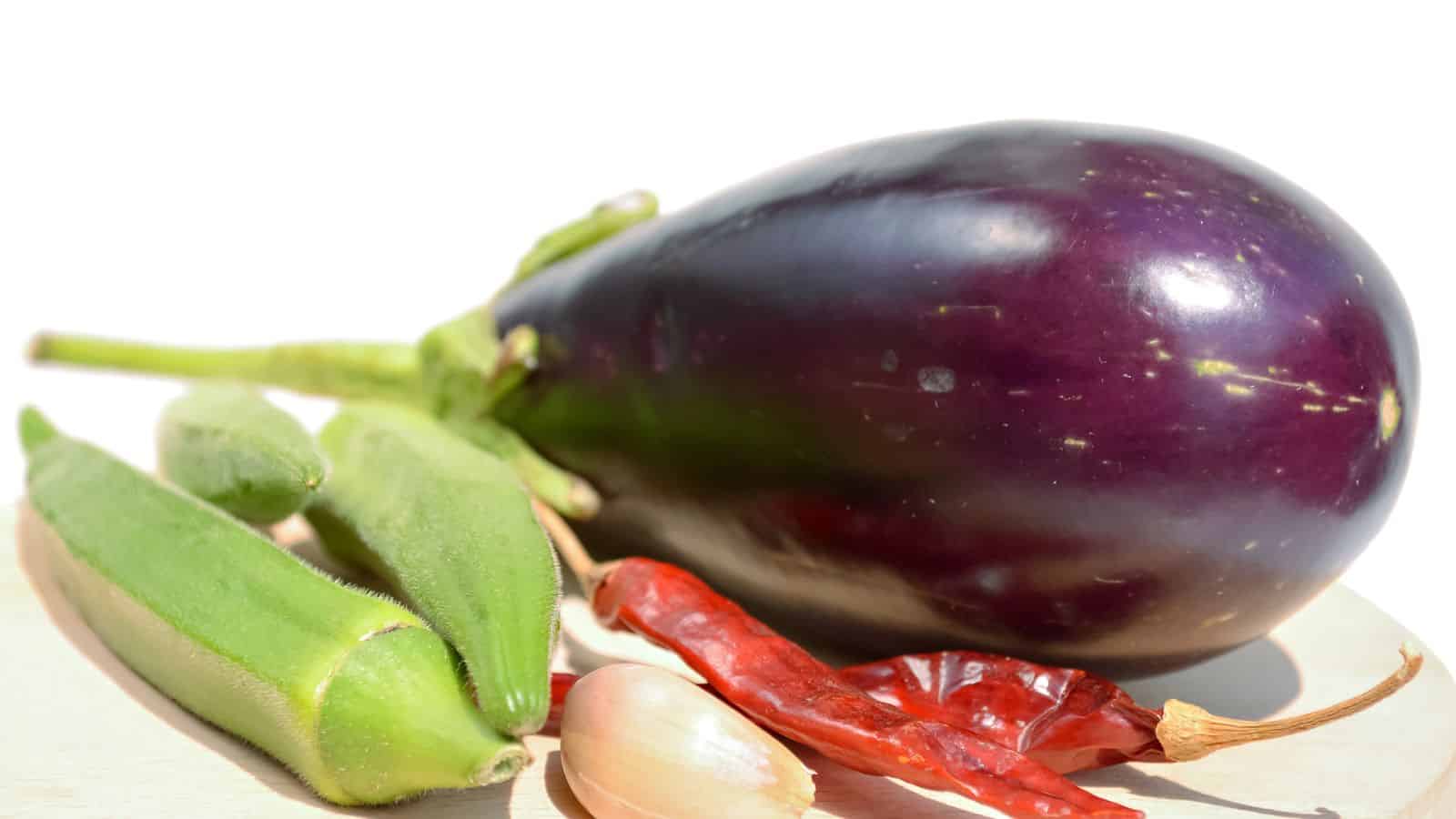
Eggplant and okra are low-calorie vegetables rich in soluble fiber, which can help lower cholesterol levels. Eggplant contains nasunin, an antioxidant that protects cells from damage. Both vegetables are high in mucilage, a type of soluble fiber that binds to cholesterol and aids in its excretion from the body. A cup of cooked eggplant has about 2.5 grams of fiber, while a cup of okra offers around 3 grams. These vegetables are also good sources of vitamins and minerals, such as vitamin C, vitamin K, and magnesium. They can be roasted, grilled, or added to various dishes for a nutritious boost.
Nuts

Nuts, including almonds, walnuts, and pistachios, are rich in monounsaturated fats that help lower LDL cholesterol while maintaining HDL cholesterol levels. A handful of nuts daily can reduce the risk of heart disease. They are also packed with protein, fiber, and various vitamins and minerals such as vitamin E, magnesium, and selenium. Walnuts are particularly high in omega-3 fatty acids, which have additional heart-protective benefits. Including nuts in your diet can also supply you with antioxidants that combat oxidative stress. They can be eaten as snacks, added to salads, or incorporated into various dishes.
Vegetable Oils

Using liquid vegetable oils like canola, sunflower, and safflower instead of solid fats like butter or lard can significantly help lower LDL cholesterol. These oils are high in unsaturated fats, which improve cholesterol levels and support heart health. Canola oil, for instance, is low in saturated fat and contains omega-3 fatty acids. Sunflower oil is rich in vitamin E, an antioxidant that protects cells from damage. These oils can be used in cooking, baking, or as salad dressings, making them a versatile and heart-healthy choice for everyday meals.
Apples, Grapes, Strawberries, and Citrus Fruits
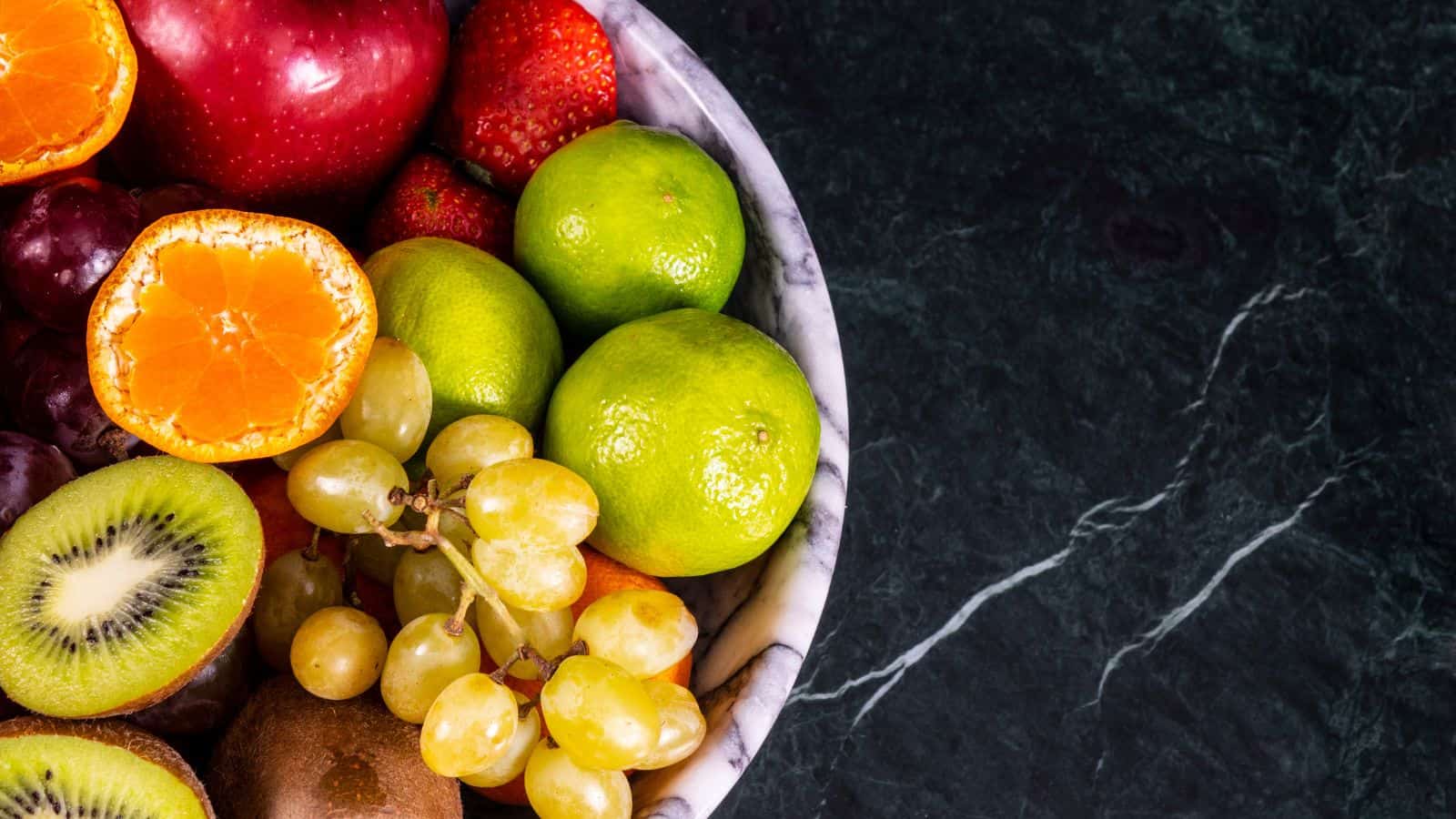
These fruits are rich in pectin, a type of soluble fiber that effectively lowers LDL cholesterol. Pectin works by binding to cholesterol in the digestive tract and removing it from the body. Apples, grapes, strawberries, and citrus fruits also have a wealth of antioxidants, vitamins, and minerals. For instance, citrus fruits are high in vitamin C, which supports immune function and skin health. Regularly consuming these fruits can contribute to better heart health and overall well-being. They can be enjoyed fresh, in smoothies, or as part of various recipes.
Soy
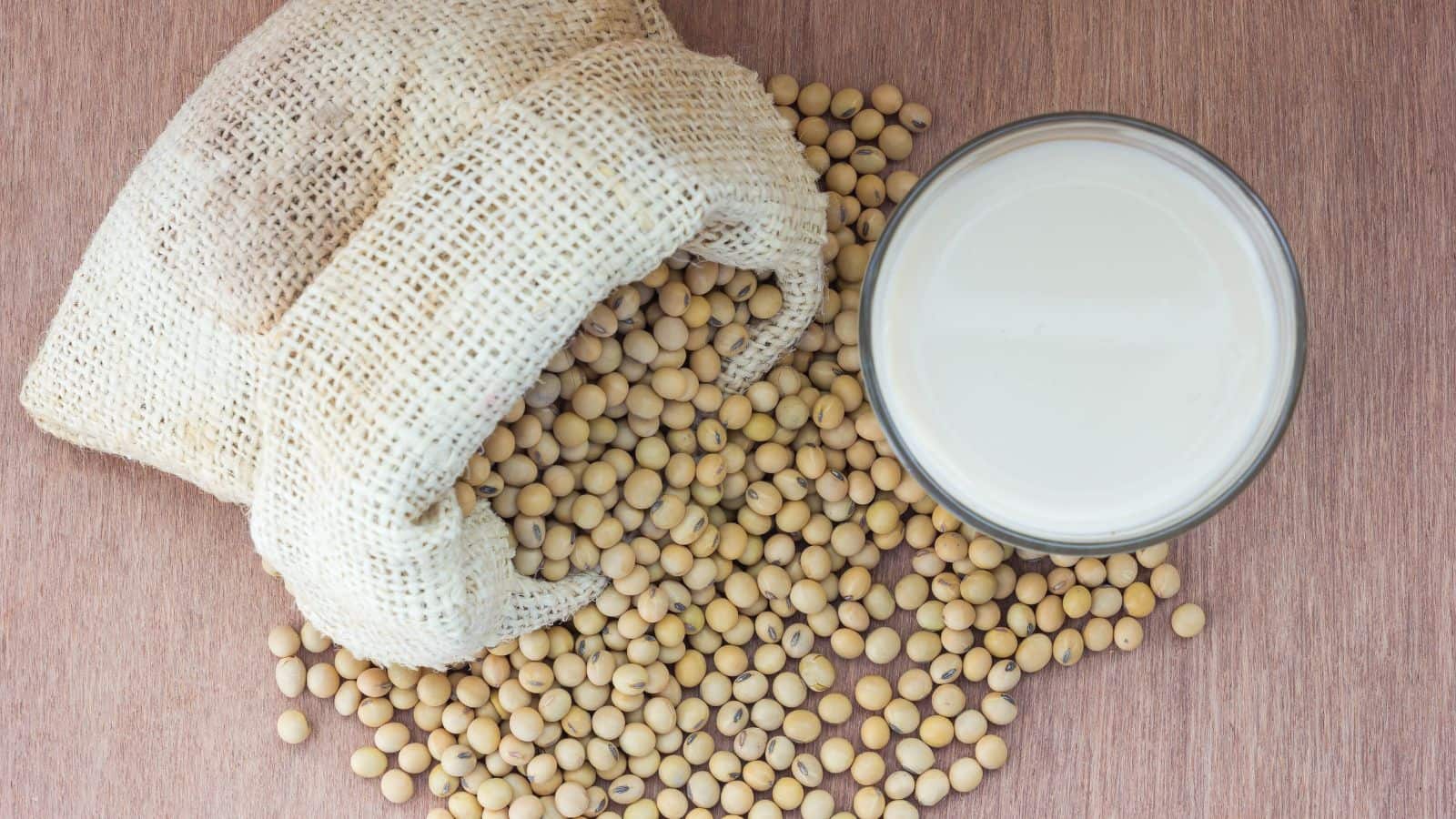
Soy products like tofu, soy milk, and edamame are excellent sources of plant-based protein and contain compounds known as isoflavones, which are believed to have cholesterol-lowering effects. Consuming about 25 grams of soy protein daily, equivalent to a cup of soy milk or a half-cup of tofu, can reduce LDL cholesterol by 5-6%. Soy is also low in saturated fat and provides essential nutrients such as calcium, iron, and omega-3 fatty acids. Incorporating soy into meals can be a heart-healthy alternative to animal-based proteins, contributing to improved cardiovascular health.
Fatty Fish
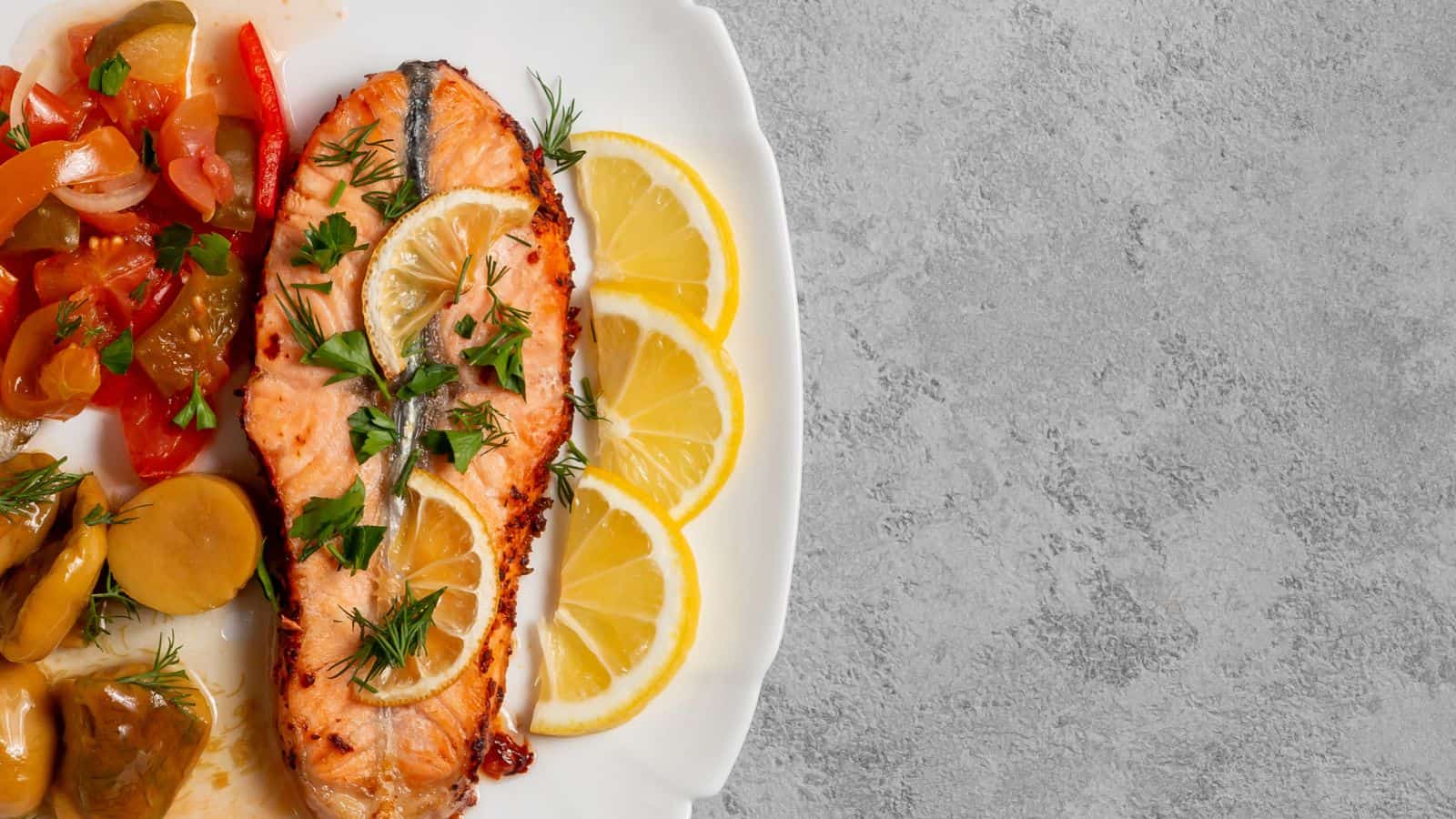
Fatty fish, including salmon, mackerel, sardines, and trout, are rich in omega-3 fatty acids, which have been shown to lower LDL cholesterol and triglycerides while raising HDL cholesterol. Consuming two servings of fatty fish per week can significantly improve heart health. Omega-3s also reduce inflammation and lower the risk of heart disease. These fish are also excellent sources of high-quality protein, vitamins D and B2 (riboflavin), and essential minerals like calcium and phosphorus. Grilling, baking, or steaming fish are healthy cooking methods that preserve their nutritional benefits.
Fiber Supplements
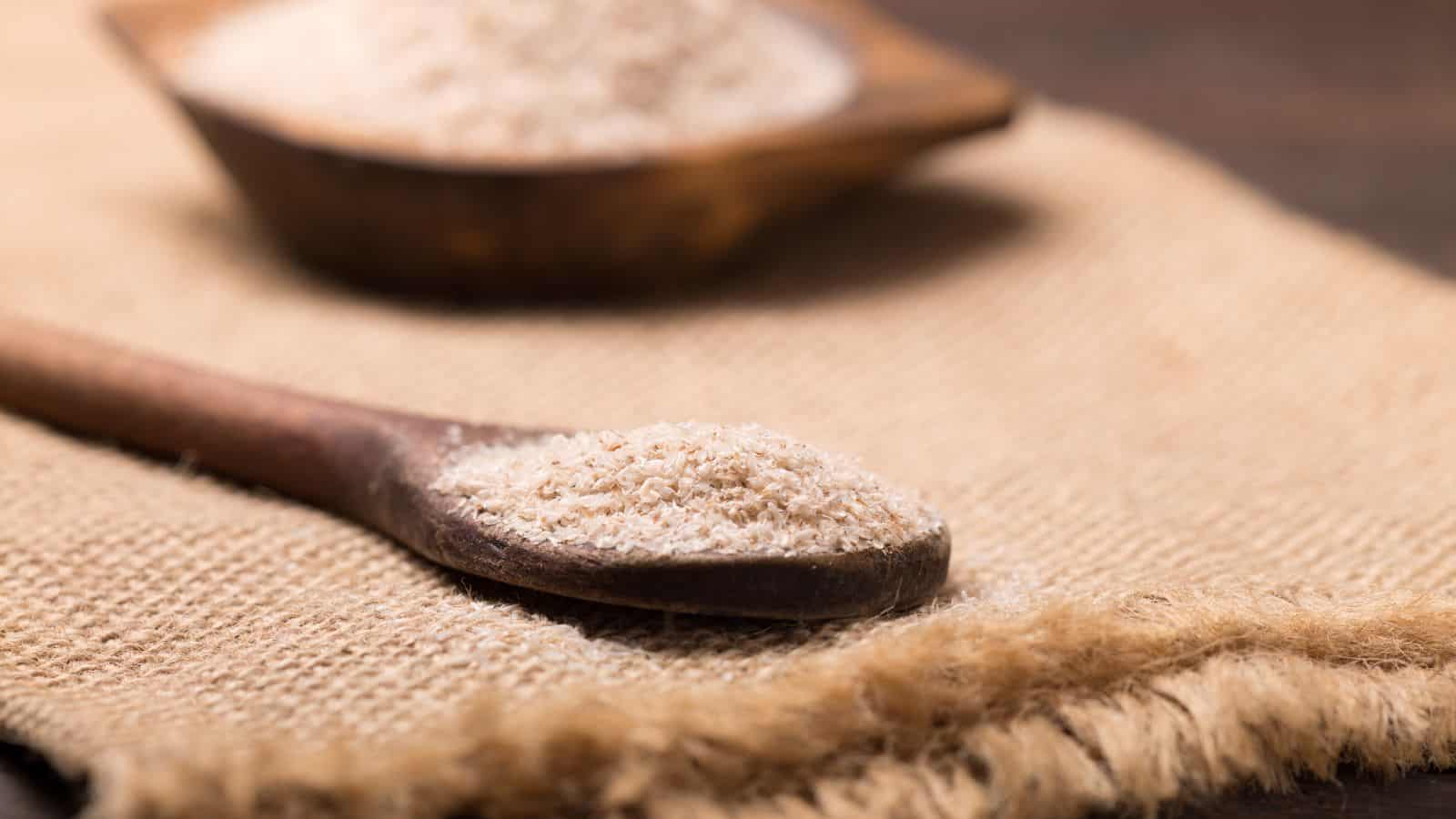
Fiber supplements like psyllium are an effective way to increase your intake of soluble fiber, which can help lower cholesterol levels. Psyllium husk, in particular, forms a gel-like substance in the digestive tract that binds to cholesterol and aids in its excretion. Taking a daily dose of psyllium, typically around 10-12 grams, can reduce LDL cholesterol by 5-10%. These supplements are also beneficial for digestive health, helping to regulate bowel movements and maintain a healthy gut. They can be easily mixed into water, smoothies, or other beverages for convenient consumption.
Avocados
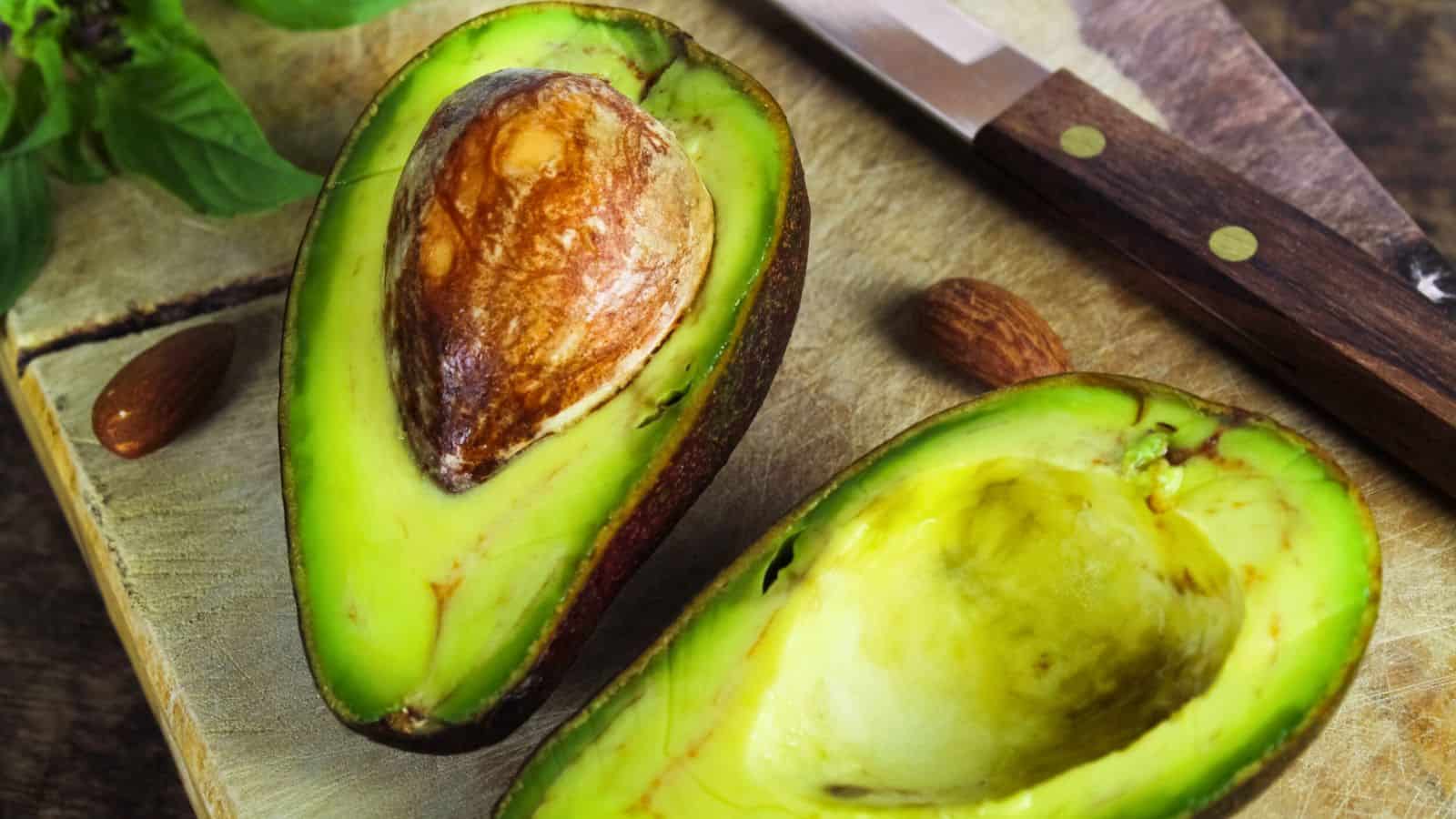
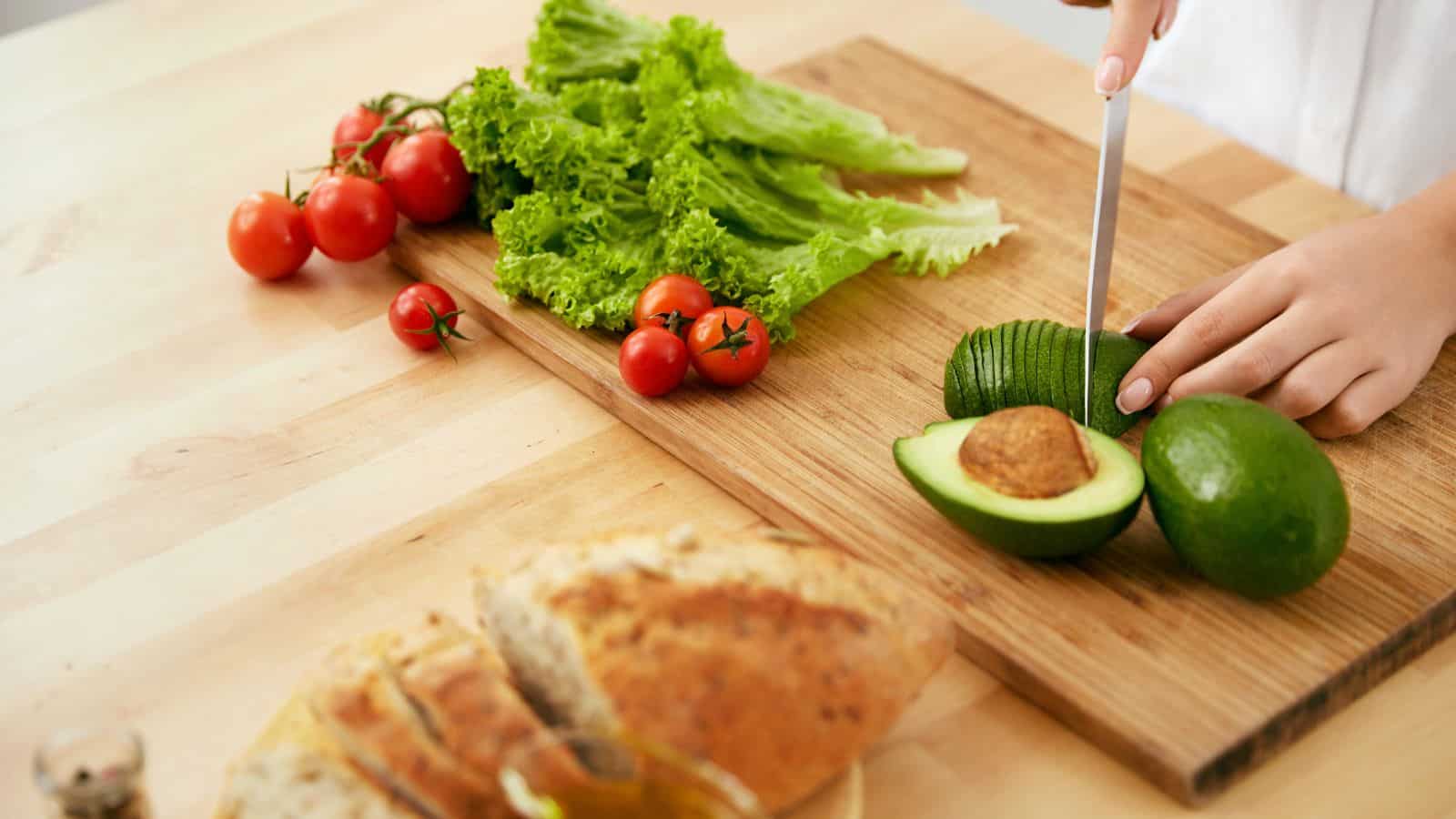
Avocados are rich in monounsaturated fats, which help lower LDL cholesterol and increase HDL cholesterol. A single avocado has about 10 grams of fiber, contributing to better heart health and digestive function. They are also packed with essential nutrients, including potassium, which helps regulate blood pressure, and folate, which supports overall cellular function. Additionally, avocados contain antioxidants like lutein, which promote eye health. Incorporating avocados into your diet can be as simple as adding them to salads, sandwiches, or making guacamole, making it a nutritious and heart-healthy option.
Cholesterol Down, Spirits Up!
Managing cholesterol doesn't have to be a daunting task. By incorporating these simple, everyday foods into your diet, you can significantly impact your heart health. It's all about making small, consistent changes that add up over time. You don't need to overhaul your entire lifestyle to see benefits; just start with these easy adjustments and watch your cholesterol levels improve. Remember, taking care of your heart is one of the best things you can do for yourself.
These foods are great for managing cholesterol and packed with other nutrients that support your overall health. So, think about adding these items to your cart next time you're at the grocery store. Your heart will thank you, and you'll feel better knowing you're making choices that contribute to a healthier life. Here's to a heart-healthy future!
Bad Food Habits That Could Affect Your Health Big Time

We all have our little habits when it comes to eating, but some of them might be doing us more harm than good. There are 10 bad food habits, in particular, that can sneak up on us and become part of our daily routine without us even realizing it. The thing is, these small choices can add up over time and affect our health in ways we might not expect.
Read it Here: 13 Bad Food Habits That Could Affect Your Health Big Time
Bored With Healthy Food? Here Are Ways You Can Enjoy Them
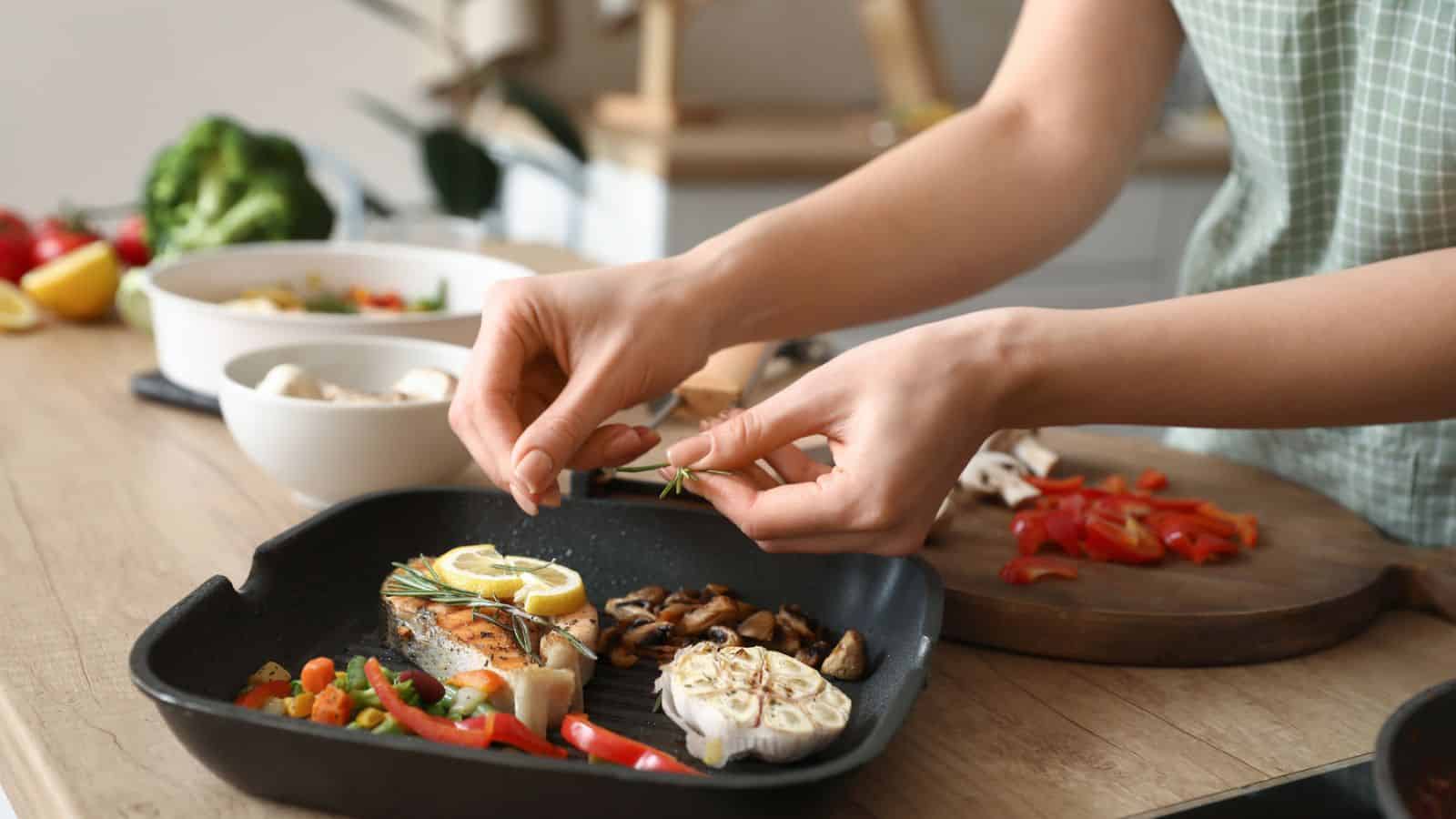
If you're tired of the same old salads and plain grilled chicken, you're in the right place. We all want to eat better, but let's be honest-sometimes healthy meals can feel like a chore. The good news? It doesn't have to be that way. There are 15 ways you can make boring healthy food exciting. You'd be surprised at how a few simple tweaks can make a world of difference!
Read it Here: Bored With Healthy Food? Here Are 15 Ways You Can Enjoy Them