Microwaves are great for quick meals, but they aren't always the best choice for everything. These 13 foods you shouldn't reheat in particular can end up losing their texture, flavor, or even becoming unsafe to eat. It's super frustrating to look forward to leftovers only to find them ruined by a quick zap. Whether it's soggy fried foods or rubbery chicken, some things are better left to other methods of reheating.
Think twice before you hit that start button next time. The microwave's convenience is hard to beat, but it can sometimes do more harm than good. By taking a little extra time to reheat your food properly, you can avoid the disappointment of ruined leftovers and enjoy your meals the way they were meant to be. So, let's get into why some foods just don't cut it in the microwave and explore better ways to reheat them.
Chicken
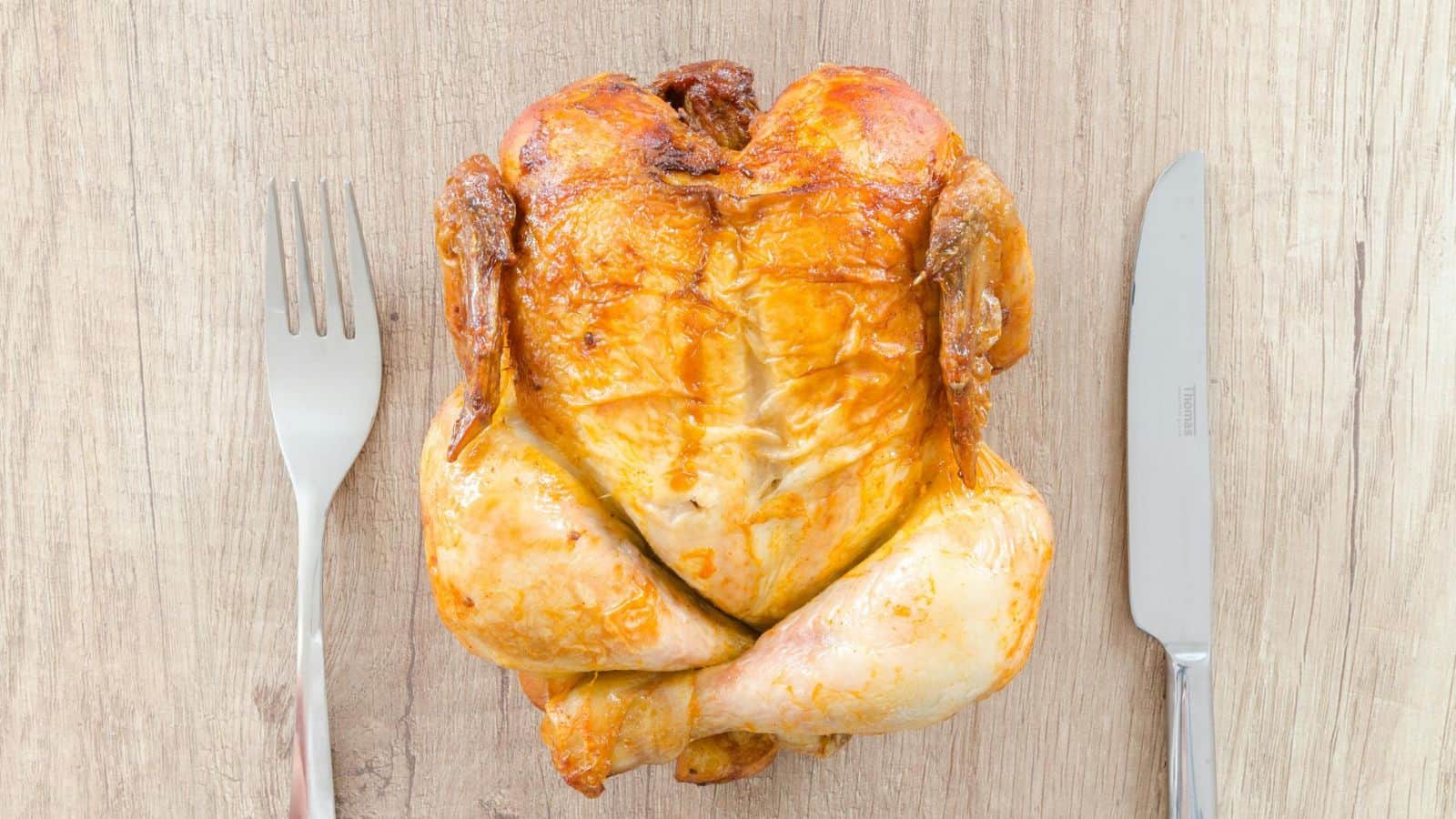
Reheating chicken can alter its protein structure, making it difficult to digest. This change can lead to gastrointestinal discomfort. Additionally, uneven heating can leave cold spots where bacteria can thrive, increasing the risk of foodborne illness. To maintain the texture and safety of chicken, it's better to reheat it using methods that deliver uniform heat, such as an oven or stovetop. Proper storage and thorough reheating are crucial to prevent any potential health risks associated with reheated chicken.
Mushrooms

Digestive issues can arise from reheating mushrooms due to their protein content and potential for bacterial growth. Mushrooms contain proteins that can degrade quickly, and improper storage can lead to the growth of harmful bacteria. When reheated, these proteins can break down further, causing stomach upset. It's crucial to store mushrooms in the refrigerator and consume them within a short period after cooking. If reheating is necessary, it's better to use methods that guarantee even heating, like a stovetop, to maintain their safety and texture.
Beets
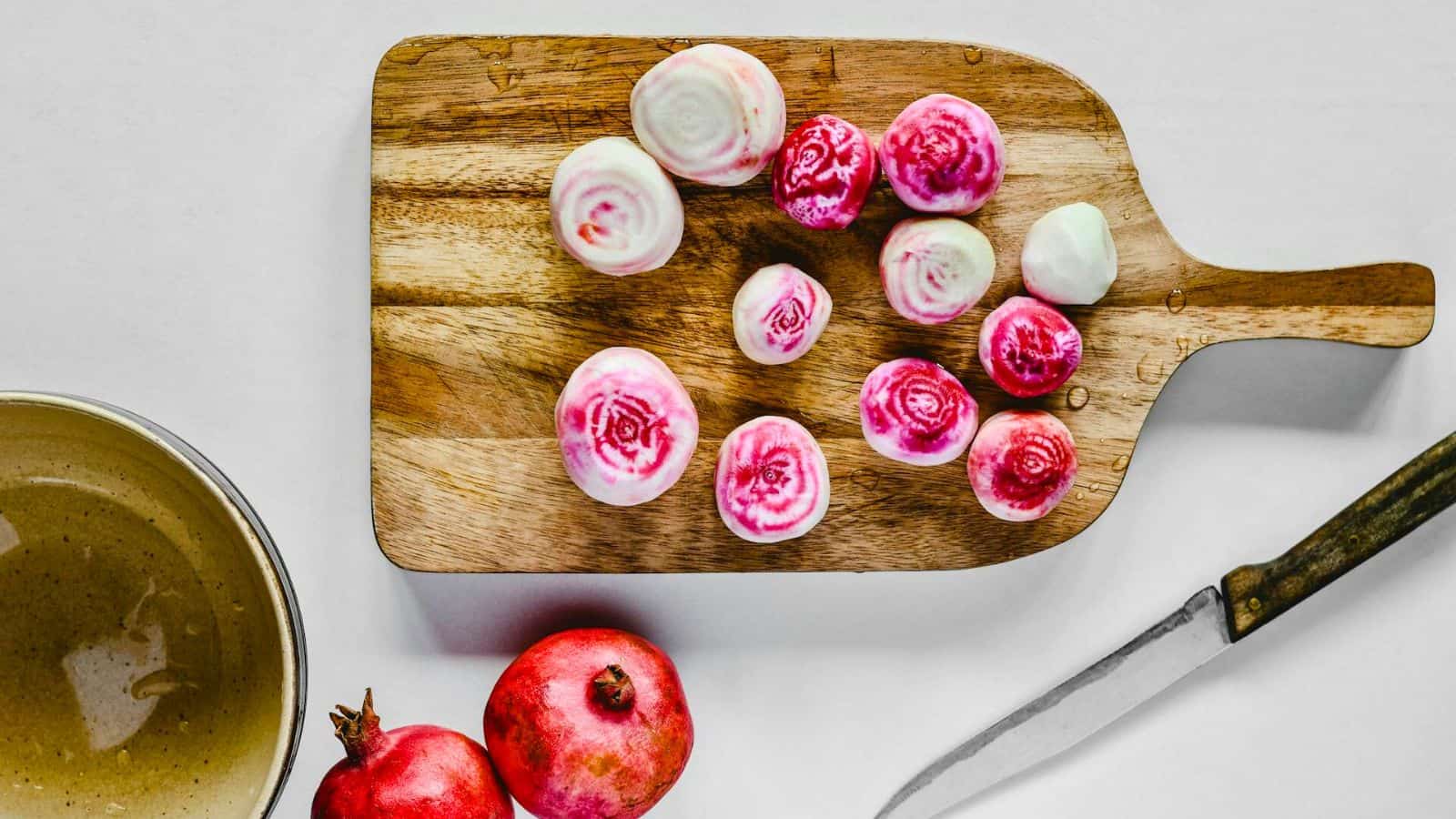
Warming up beets can cause the release of nitrates, which can be harmful in large quantities. These nitrates can convert to nitrites and then to nitrosamines, which are potentially harmful compounds. The process of heating beets unevenly can result in parts of the beet being overcooked while others remain undercooked, affecting both texture and taste. Overcooked sections can become mushy and lose their vibrant color, while undercooked parts may remain too firm and unappetizing. For better results, consider using the oven or stovetop.
Pizza
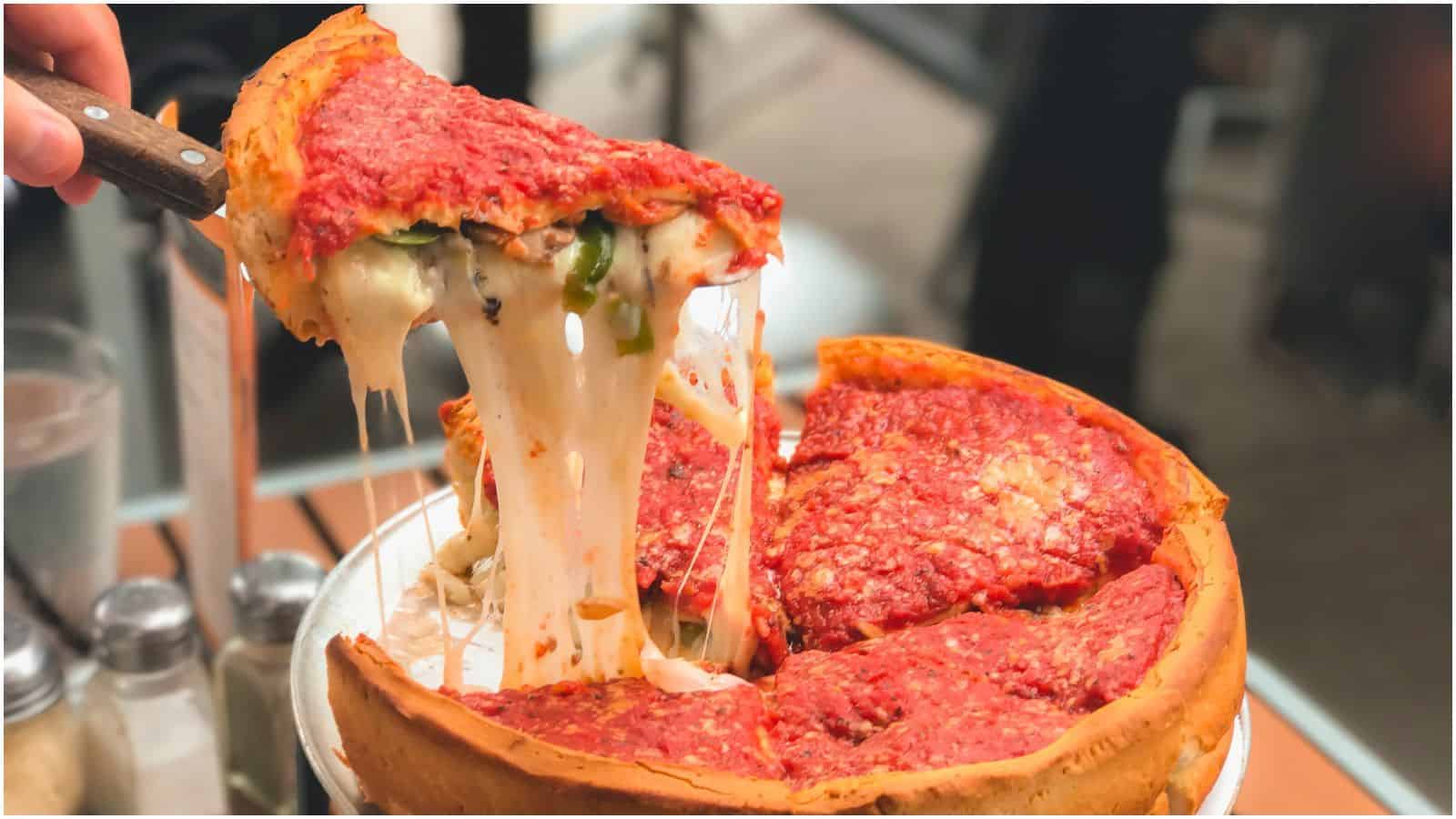
Heating pizza can make the crust chewy and the toppings unevenly heated. The rapid heating process can cause the moisture in the crust to evaporate unevenly, resulting in a rubbery texture. Additionally, the cheese and toppings may not heat uniformly, leading to cold spots and an unsatisfactory eating experience. To reheat pizza effectively, use an oven or toaster oven, which gives dry, even heat. This helps restore the crust's crispiness and guarantees the toppings are heated evenly, making it more fun to eat.
Eggs

Microwaving eggs, whether boiled or scrambled, can result in a rubbery texture and an altered taste. The rapid heating process can cause the proteins in eggs to coagulate too quickly, leading to an unpleasant consistency. Additionally, there is a risk of uneven heating, which may leave parts of the egg undercooked. This can be particularly problematic with boiled eggs, as the yolk can explode due to steam buildup. For better results, consider reheating eggs on the stovetop or in the oven, which allows for more controlled and even heating.
Potatoes
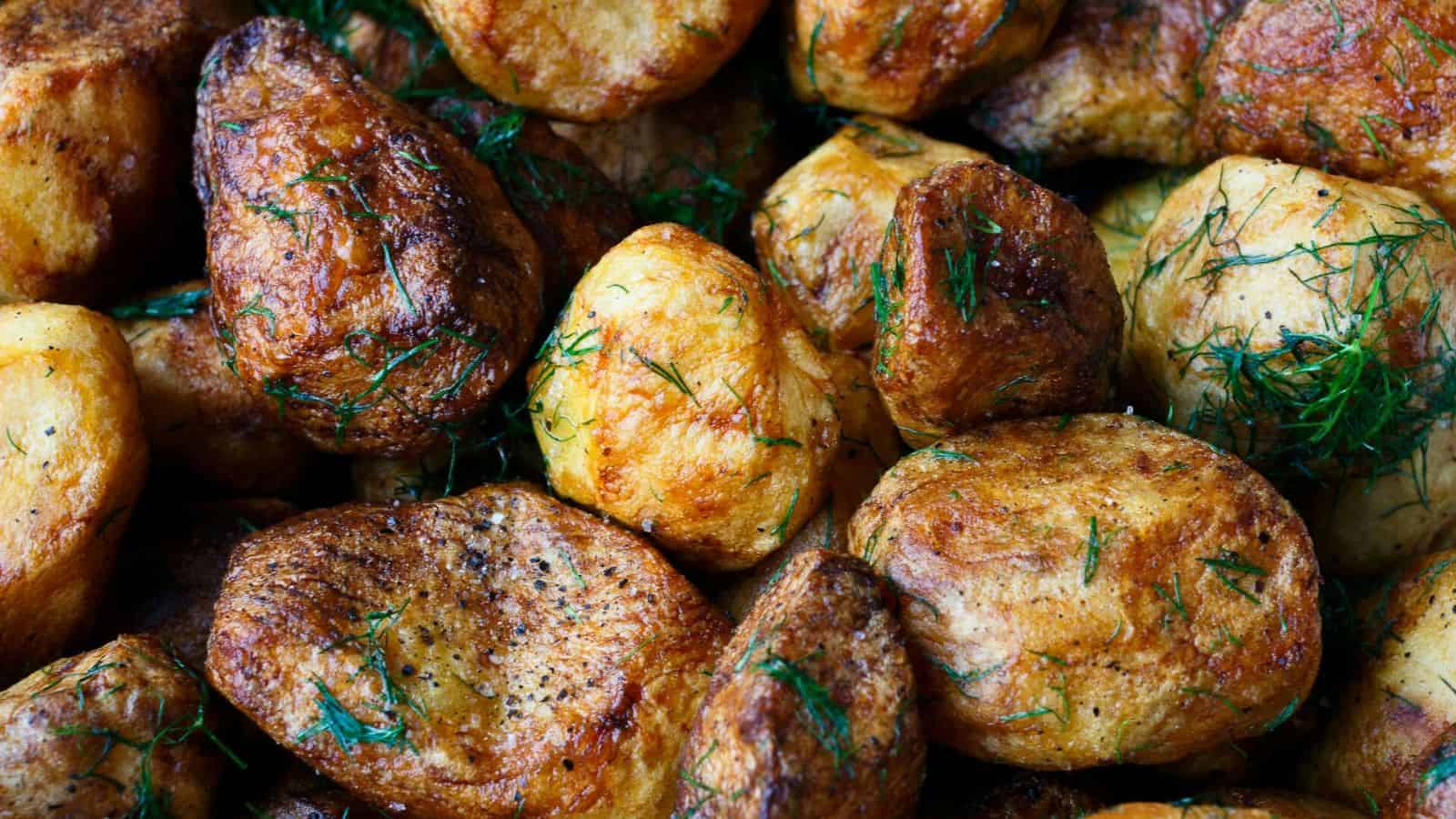
Using a microwave to reheat potatoes can be problematic due to the risk of Clostridium botulinum bacteria growth if they've been stored improperly. This bacteria can produce toxins that are harmful if ingested. Potatoes should be cooled and stored in the refrigerator promptly after cooking. When reheating, they should be heated thoroughly to a high temperature to kill any bacteria. The microwave may not heat potatoes evenly, which can leave some parts at a lower temperature, allowing bacteria to survive and potentially cause illness.
Breast Milk
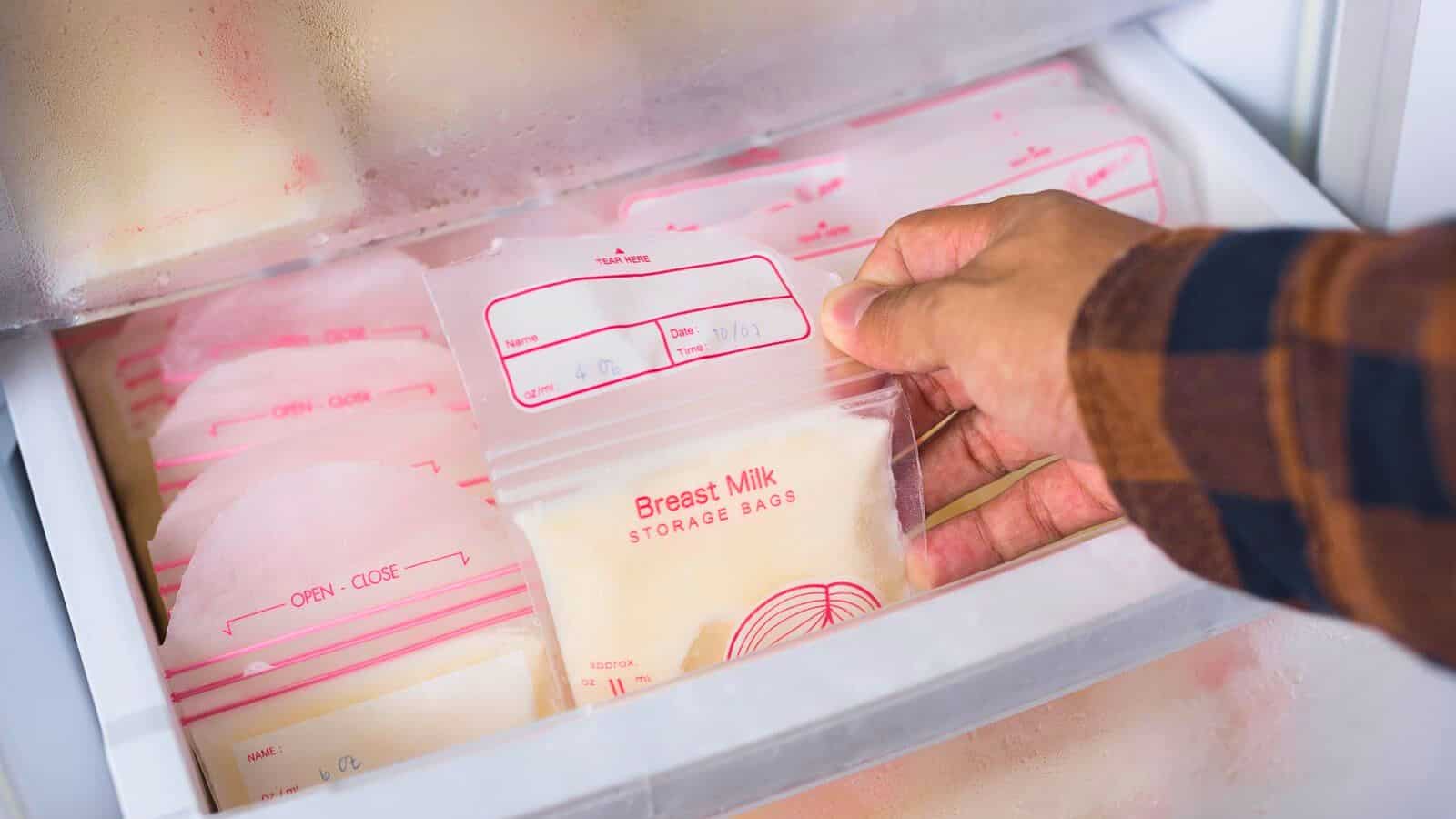
Using a microwave to reheat breast milk can create hot spots that may burn a baby's mouth. Microwaves heat unevenly, and even if the bottle feels cool to the touch, pockets of high temperature can exist in the milk. This uneven heating can destroy some of the beneficial nutrients and antibodies present in breast milk. To safely warm breast milk, it's recommended to use a bottle warmer or place the bottle in a bowl of warm water, which allows for more consistent and gentle heating, preserving the milk's nutritional quality.
Leafy Greens
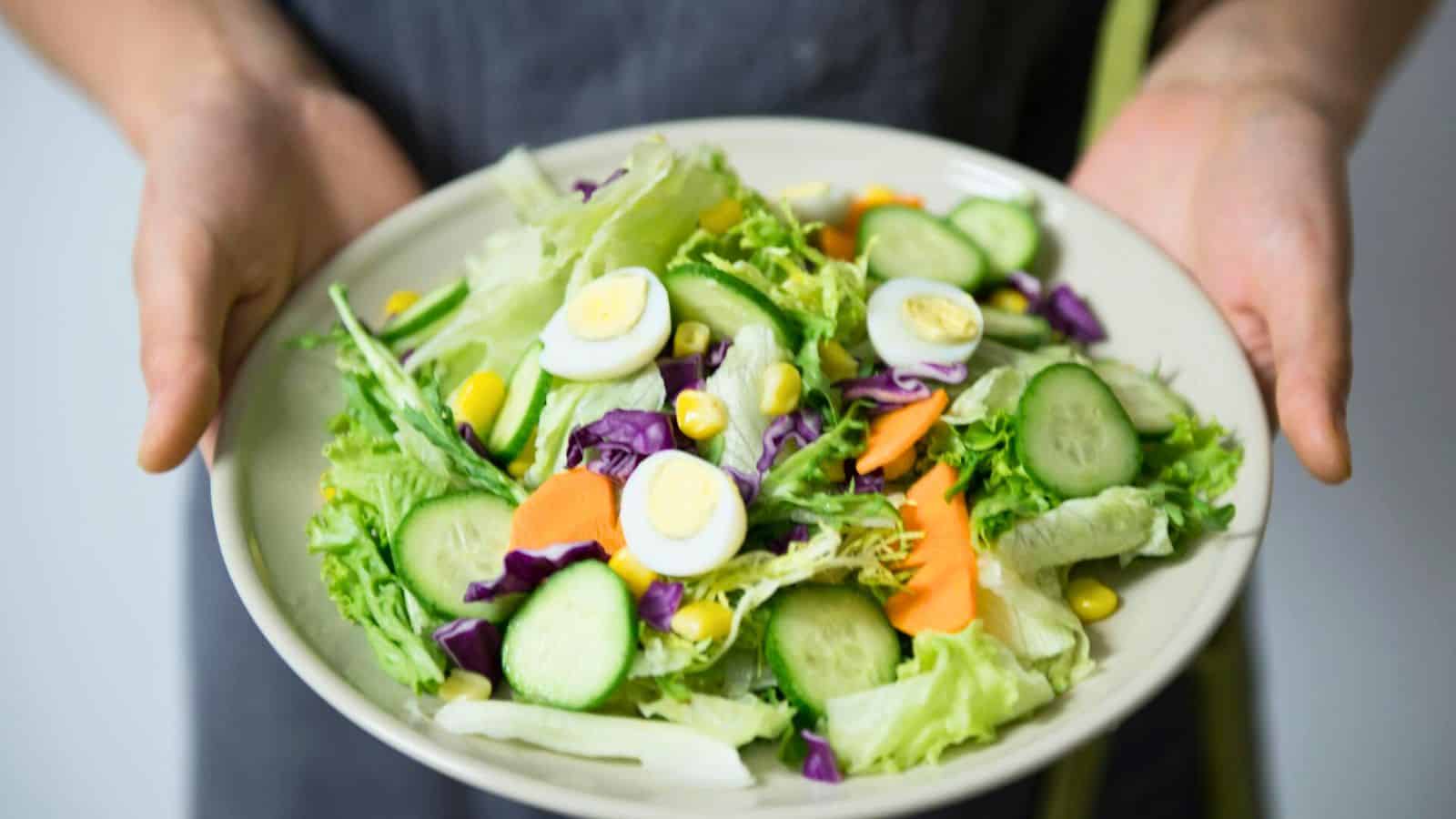
Microwaving leafy greens like spinach can cause the release of nitrates, which can be harmful in large quantities. These vegetables are rich in nitrates, which can convert to nitrites and then to nitrosamines, compounds that are potentially carcinogenic. Additionally, the microwave can cause greens to become soggy and lose their vibrant texture. To retain the nutritional benefits and texture of leafy greens, consider reheating them using methods like steaming or sautéing, which apply gentle and even heat, minimizing nutrient loss and maintaining their appealing qualities.
Fried Foods
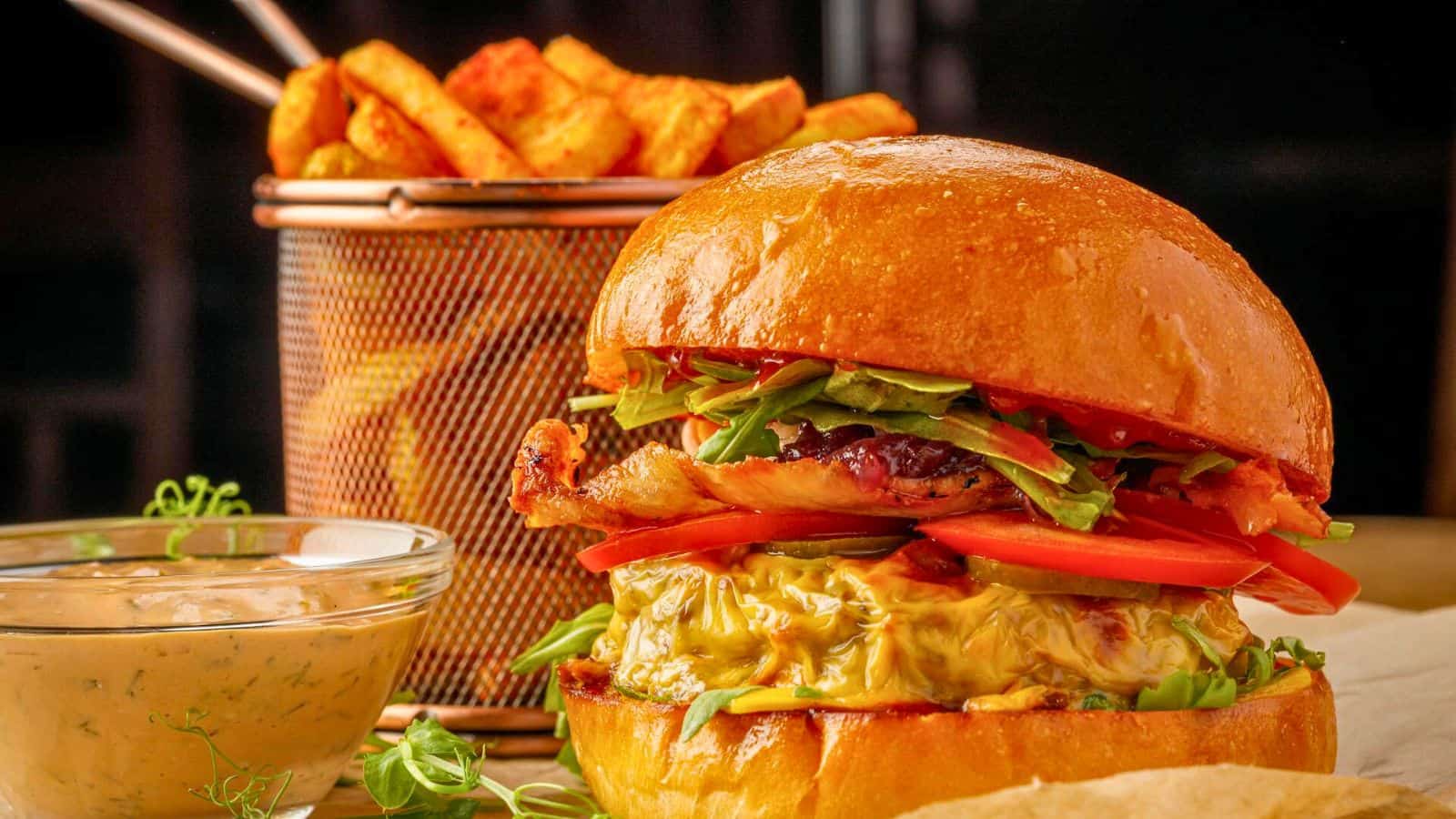
Reheating fried foods can make them soggy and unappetizing. When fried foods are warmed quickly, the steam generated can get trapped in the crispy coating, causing it to become soft and lose its crunch. This significantly affects the overall enjoyment of the dish, as the texture is a key component of what makes fried foods appealing. To maintain the crispy texture, it's better to use an oven or toaster oven. These methods supply dry heat, which helps evaporate any excess moisture and restore the original crispiness.
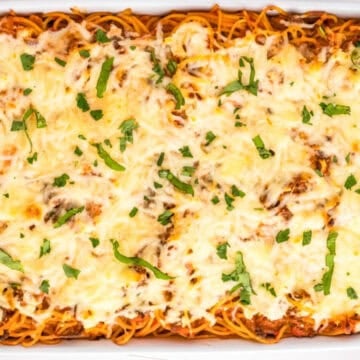
Pasta
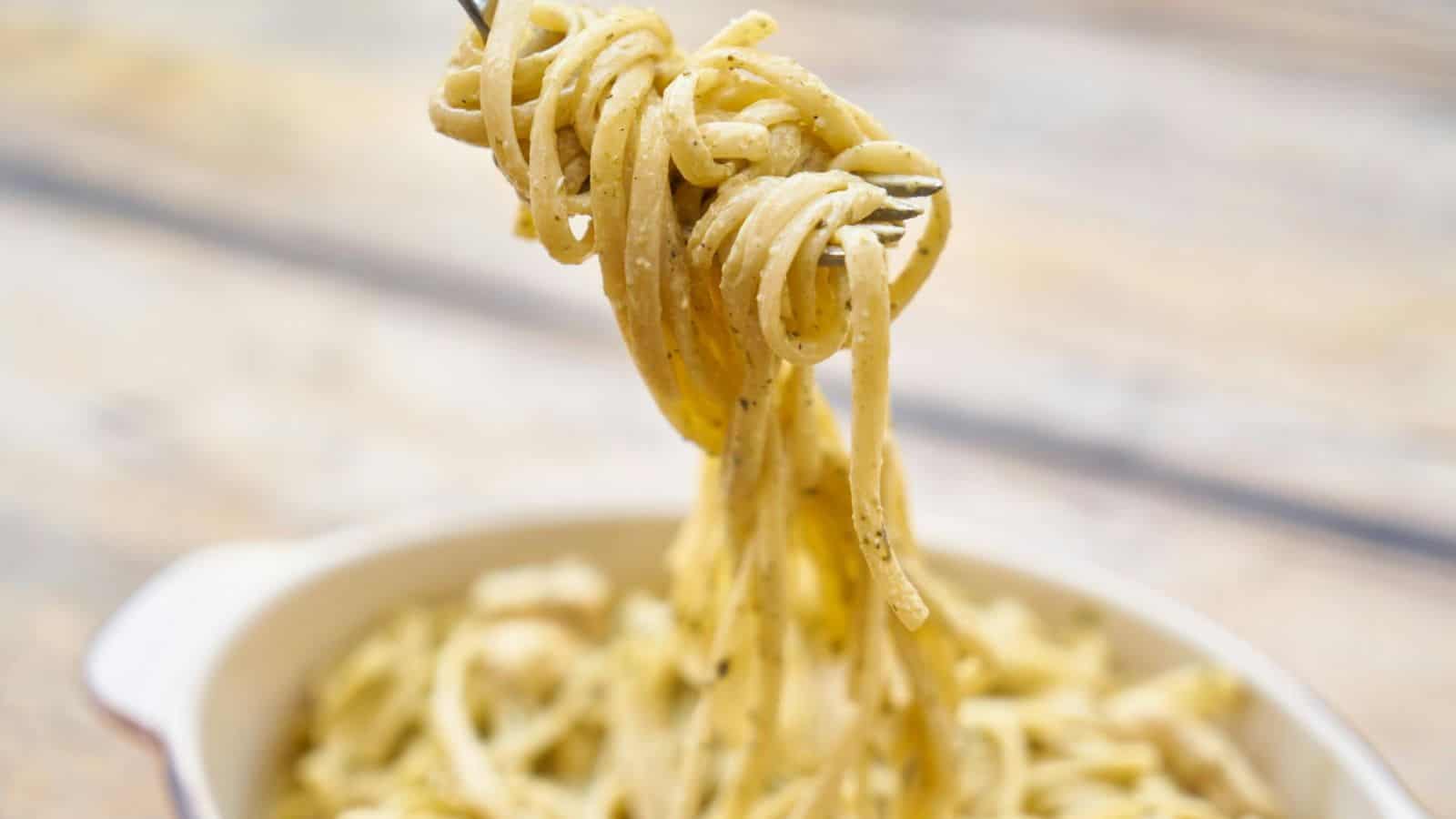
Warming up pasta can make it mushy and alter its texture. The quick heating process can cause the pasta to absorb more moisture, leading to a soft and unappetizing consistency. Additionally, sauces can separate or become overly thick, further affecting the dish's quality. To preserve the texture and flavor, consider reheating on the stovetop, adding a bit of water or sauce to maintain moisture, allowing for more even heating and keeping the pasta's original texture intact.
Processed Meats
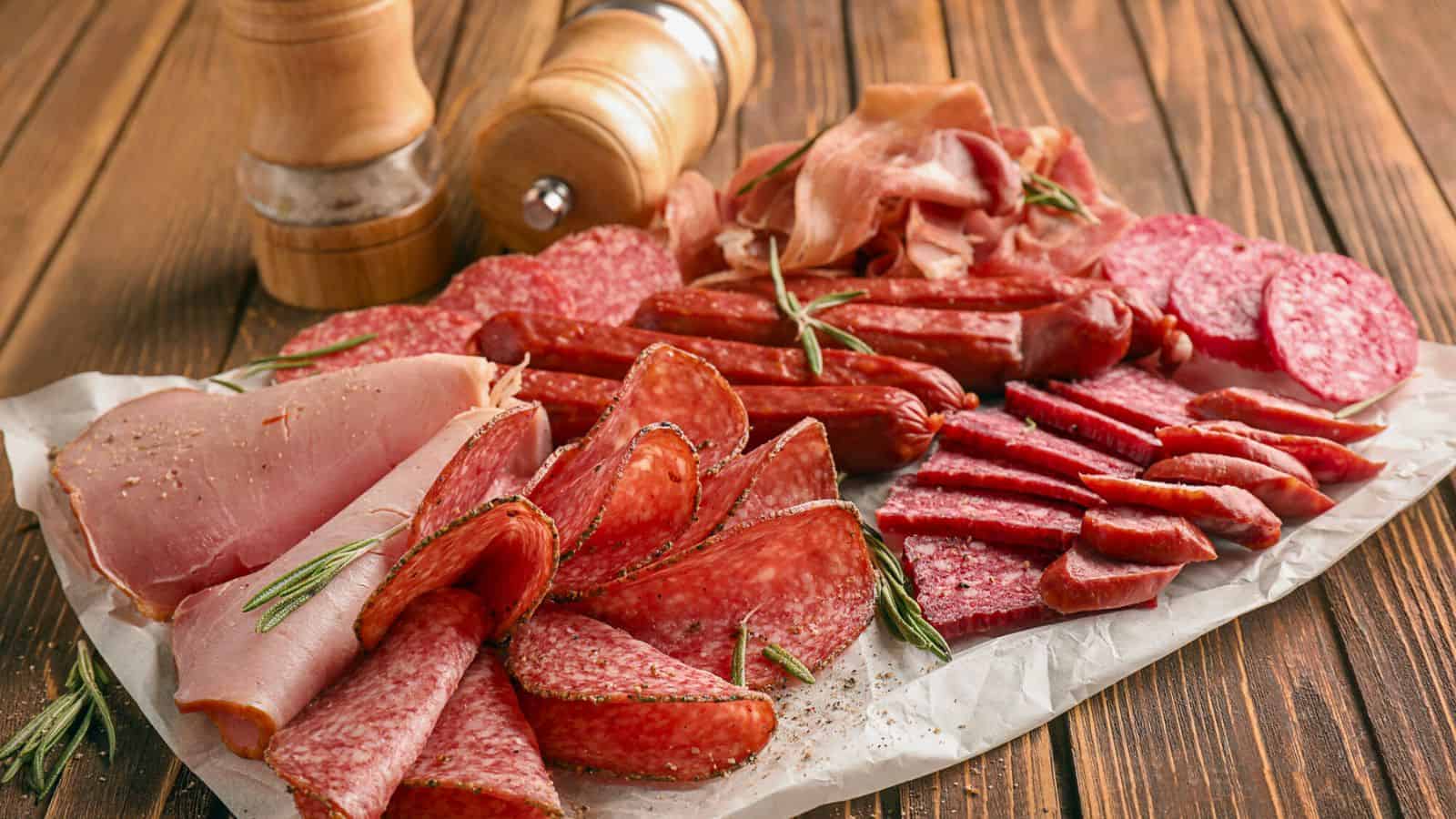
Heating processed meats can lead to the formation of harmful chemical compounds, such as nitrosamines, which are linked to an increased risk of cancer. These meats often contain preservatives and additives that can react negatively when exposed to high temperatures. Additionally, they can become tough and lose their original texture. To avoid these issues, try grilling or baking, which gives more controlled heat and reduces the risk of harmful chemical formation.
Seafood

Reheating seafood in the microwave can lead to a strong, fishy odor and a rubbery texture. The microwave's quick heating process can cause the delicate proteins in seafood to overcook, resulting in an unpleasant mouthfeel. Furthermore, uneven heating can leave some parts cold while others are overdone, compromising both the flavor and safety of the dish. To preserve the quality of seafood, it's better to reheat it gently using methods like steaming, baking, or sautéing, which help maintain its original texture and taste.
Rice
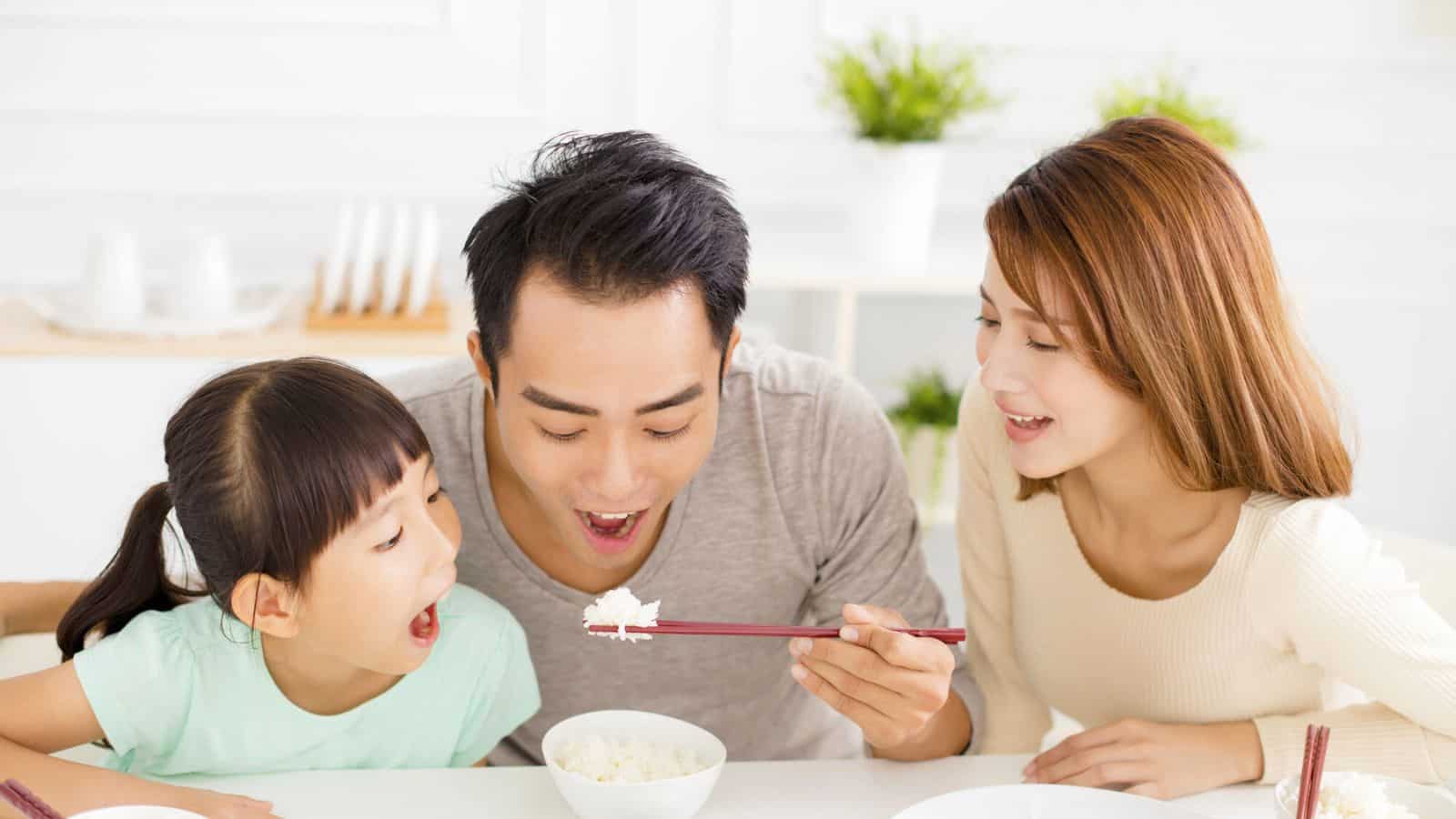
Microwaving rice can sometimes lead to food poisoning due to the growth of Bacillus cereus bacteria. When rice is cooked and then left at room temperature, spores of this bacteria can survive and multiply. If the rice is not stored properly or reheated thoroughly, these bacteria can cause illness. It's important to refrigerate rice promptly after cooking and reheat it to a high temperature to minimize the risk. Using a microwave can result in uneven heating, which may not kill all the bacteria, making it a less than ideal method for reheating.
Keep It Crunchy, Not Cringey

So, there you have it. While microwaves are super convenient, they're not always the best option for reheating certain foods. Taking a bit more time to use the oven or stovetop can make a big difference in taste and texture, and it can even keep you safer. No one wants to bite into a soggy fry or risk food poisoning from poorly reheated rice.
Next time you're faced with leftovers, remember these tips to keep your meals tasting great. A little extra effort can go a long way in preserving the quality of your food. Whether it's crispy fried foods or tender chicken, using the right reheating method can make all the difference. Your palate will thank you, and you'll avoid any mealtime disappointments.
Secrets For Reheating Chinese Food Without Losing Any Flavor
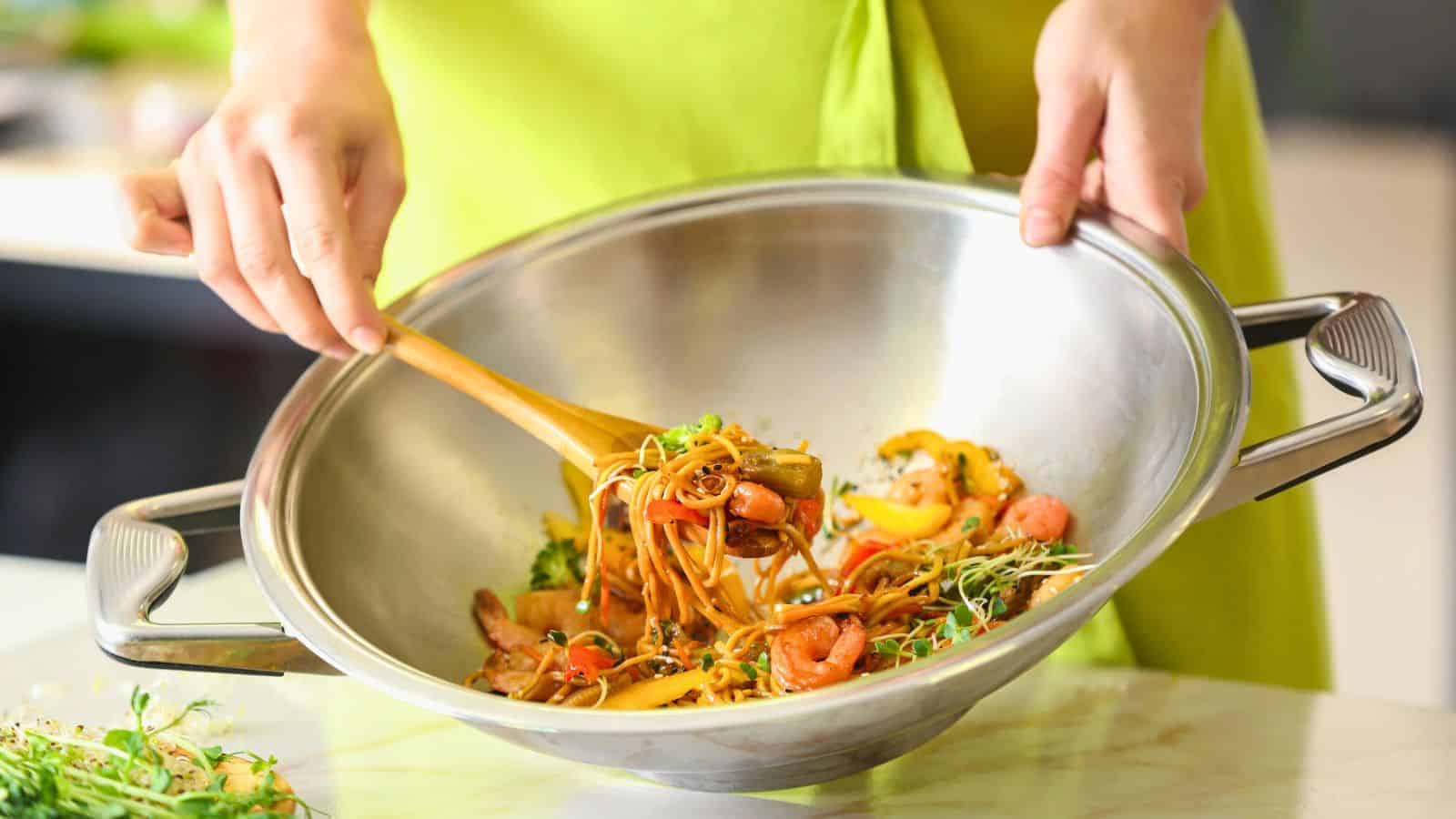
Reheating leftovers can be tricky, especially with Chinese food. You know how it is: you're excited to dive back into last night's meal, but then you end up with soggy spring rolls or dried-out fried rice. But don't worry, with these 9 secrets for reheating Chinese food at home, you can enjoy those flavors and textures just like when they first hit your plate.
Whether you're dealing with saucy dishes, fried favorites, or delicate dim sum, the right reheating techniques will save the day. So, if you're tired of letting your leftovers go to waste or settling for less-than-great results, stick around. These secrets will keep your Chinese food tasting great, even on day two (or three).
Read it Here: 9 Secrets For Reheating Chinese Food Without Losing Any Flavor
Experts Warn Which Foods You Should NEVER Refrigerate
Ever wonder why some foods taste off or spoil quickly when stored in the fridge? It's because not everything belongs in there. You might think the refrigerator is the perfect spot for keeping all your groceries fresh, but that's not always true. In particular, these 15 foods can lose their flavor, texture, or even nutritional value when chilled.
So, let's break the habit of over-refrigerating. It's all about understanding that not every food item benefits from the cold. This mindset not only helps in preserving your foods' intended flavors and textures but also cuts down on food waste. Embracing these small changes can lead to a better, more fun cooking and eating experience. Let's start!
Read it Here: Experts Warn Which 15 Foods You Should NEVER Refrigerate