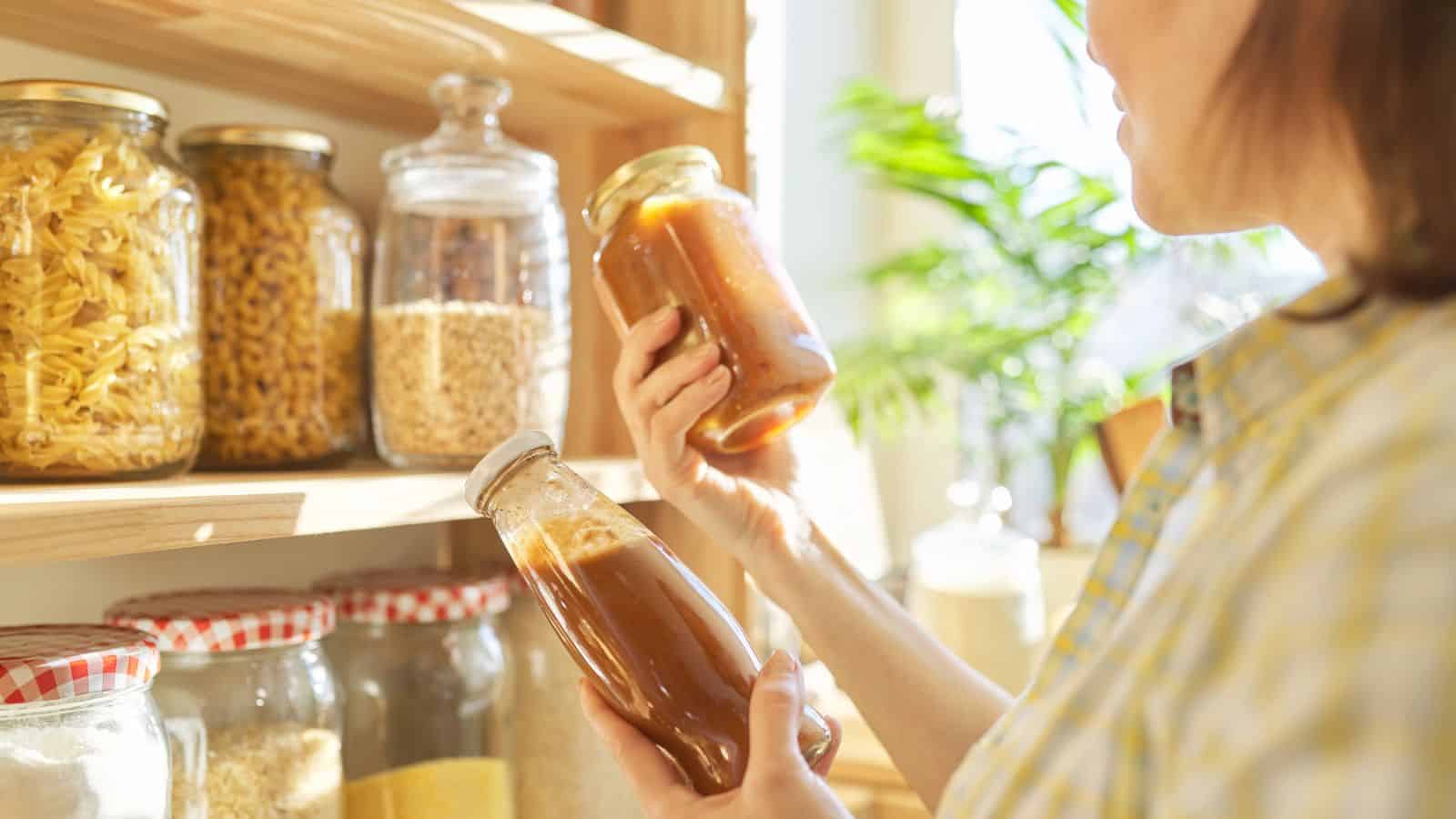
With all the uncertainty in the world today, being prepared for potential food shortages is more important than ever. Stocking up on essential items can give you peace of mind and keep your pantry ready for anything. Think of it as a smart move to safeguard your family's well-being. You don't need to go overboard or panic-buy; just focus on getting the basics that will last and keep you covered.
These 15 essentials are great for long-term storage and can be used in a variety of meals. Having a well-stocked pantry means you can whip up something nourishing even when fresh supplies run low. So, let's dive in and get your pantry prepped and ready for whatever comes your way. You'll feel more in control and confident knowing you've got the right items on hand to handle any situation.
Salt and Spices
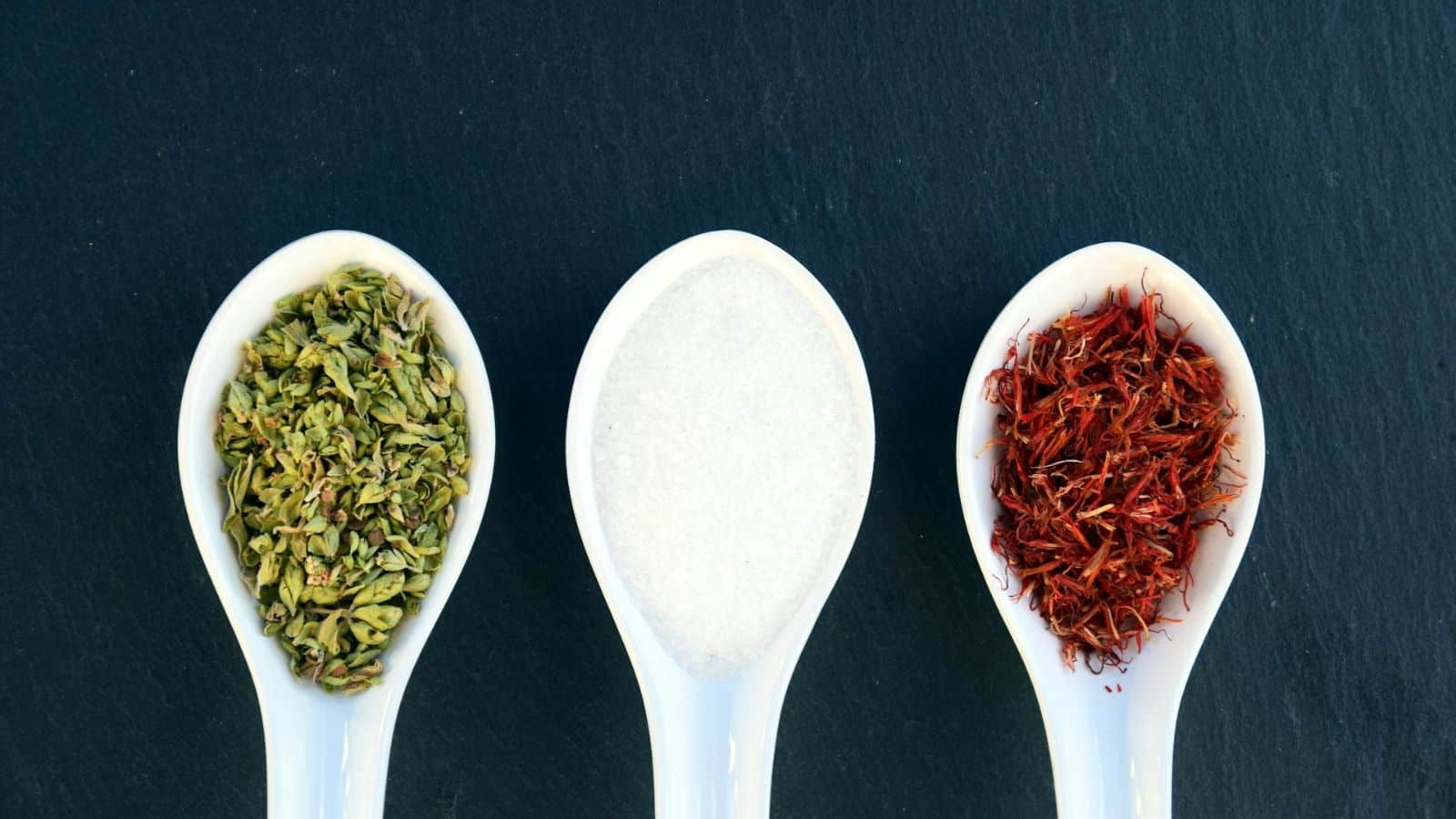
Important for flavoring food and preserving it, salt and spices are crucial for any well-stocked pantry. Salt can be used to enhance the taste of dishes and is also essential for preserving meats and vegetables. Spices like pepper, cumin, and oregano add depth and complexity to meals. They can transform simple ingredients into flavorful dishes. Both salt and spices have a long shelf life when stored in a cool, dry place. They are also essential for maintaining a balanced diet, as they can make healthy foods more palatable. A variety of spices allows for diverse and interesting meals, even with limited ingredients.
Shelf-Stable Milk or Milk Alternatives
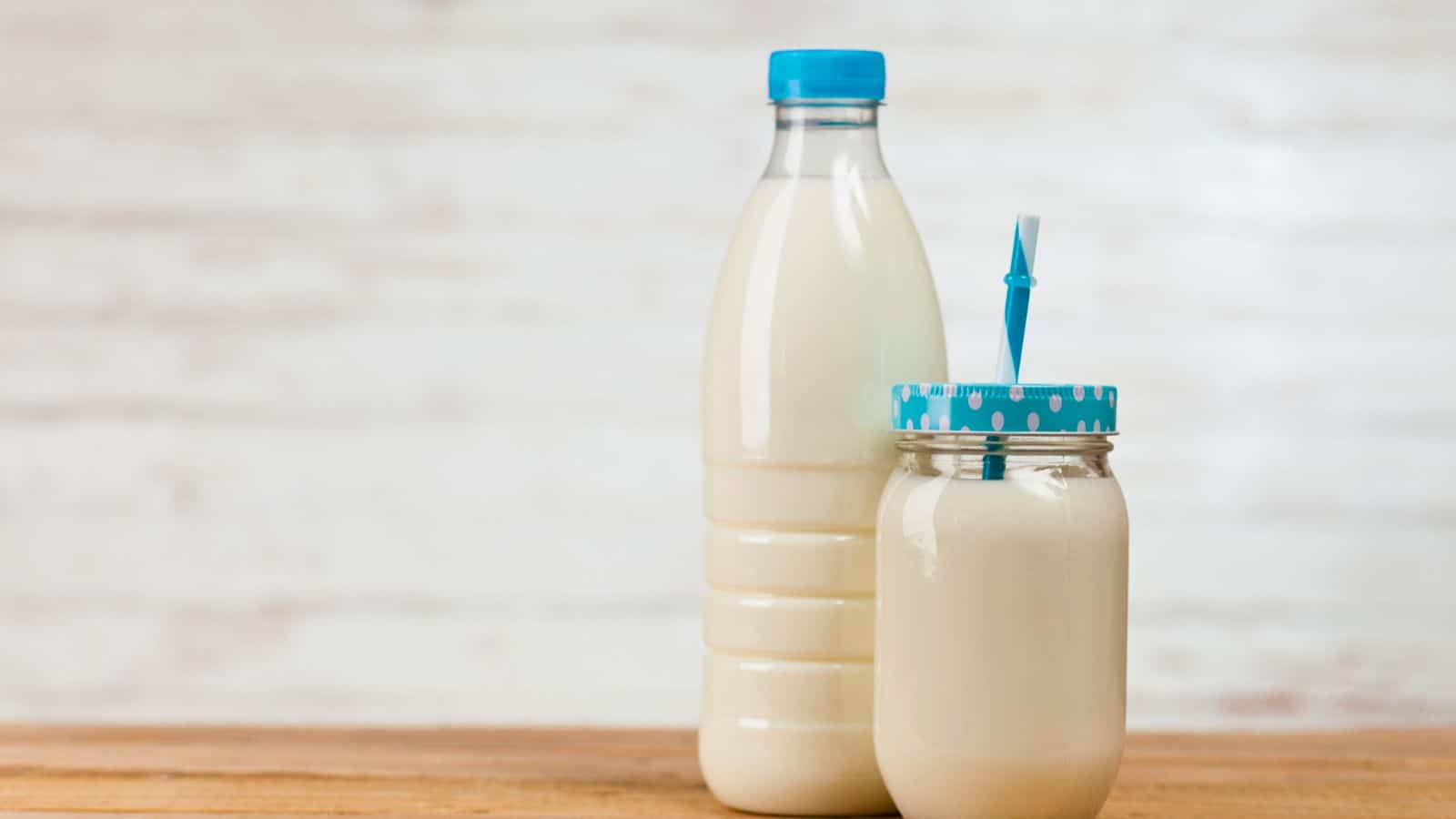
Useful for cooking and baking, shelf-stable milk or milk alternatives like almond or soy milk have a longer shelf life than fresh milk. They can be stored without refrigeration until opened, making them ideal for emergency supplies. These products are versatile and can be used in cereals, coffee, and various recipes. Shelf-stable milk and alternatives are also fortified with essential nutrients like calcium and vitamin D. They are a convenient and reliable source of nutrition when fresh milk is unavailable. Having these on hand guarantees you can continue to enjoy dairy-like products and maintain a balanced diet during food shortages.
Pasta
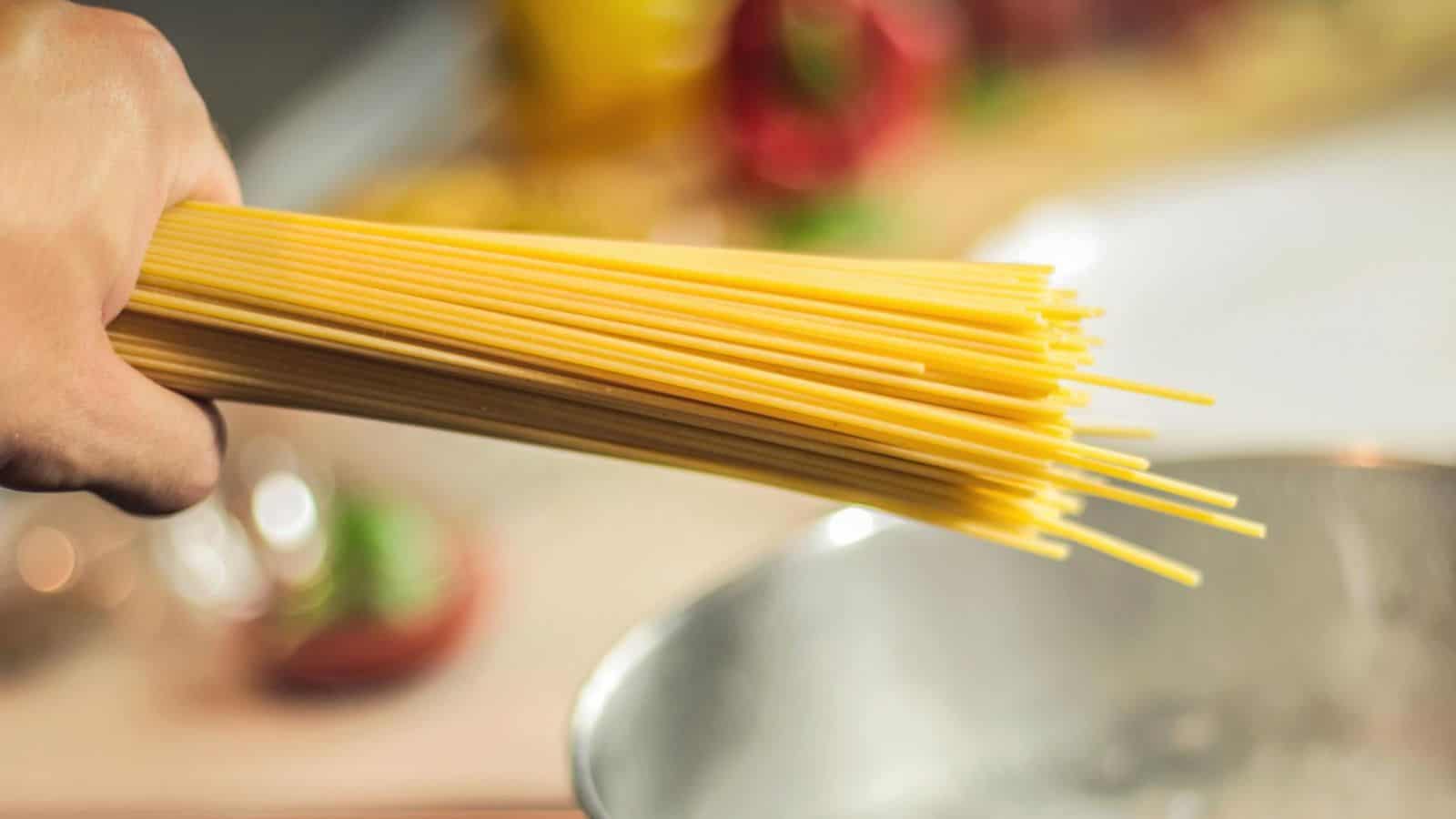
Pasta is another essential pantry item that is easy to cook and lasts a long time. It can be paired with a variety of sauces, vegetables, and proteins to create numerous dishes. Whether you prefer spaghetti, penne, or macaroni, pasta is a reliable option for quick meals. It is also a good source of energy and can be stored in a cool, dry place for months without losing its quality. Pasta is incredibly versatile and can be used in both hot and cold dishes, making it suitable for different seasons and occasions. Its long shelf life and ease of preparation make it a must-have for any emergency food stash.
Canned Goods
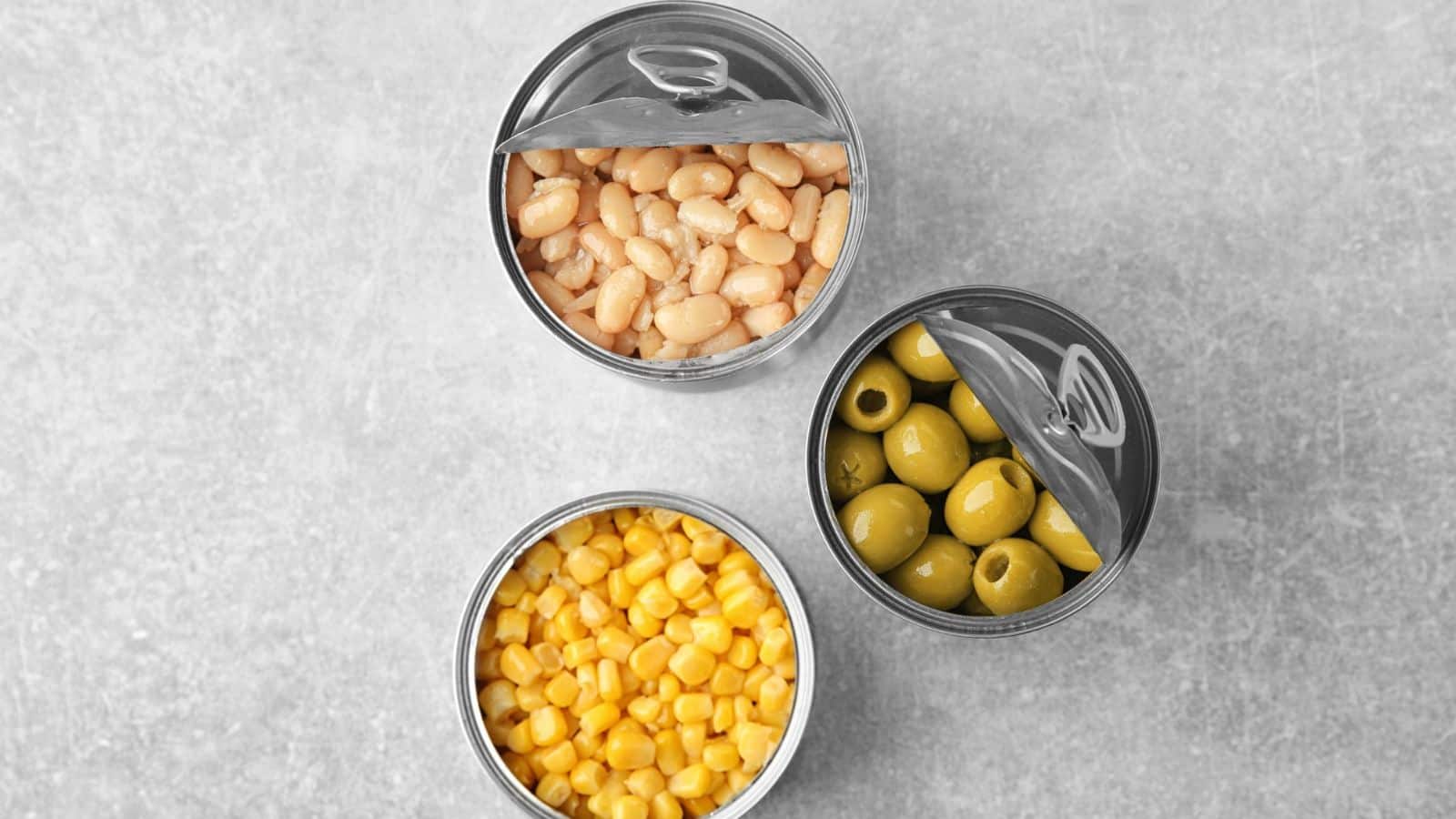
Canned vegetables, fruits, beans, and meats are essential items to stock up on due to their long shelf life and ease of storage. They come pre-cooked and ready to eat, making them convenient during emergencies. These items can be used in a variety of dishes, from soups and stews to salads and side dishes. They retain most of their nutritional value and are an excellent source of vitamins and minerals. Canned goods are also portable and require no refrigeration, making them ideal for emergency situations.
Flour and Sugar

Essential for baking and cooking, flour and sugar are pantry staples with a long shelf life when stored properly. Flour can be used to make bread, pasta, and various baked goods, while sugar is necessary for sweetening and preserving foods. Both items are versatile and can be used in countless recipes, from savory dishes to desserts. Keeping them in airtight containers helps maintain their quality. Flour and sugar are also fundamental ingredients for making sauces, gravies, and coatings. Having these basics on hand guarantees you can continue to bake and cook a wide range of dishes, even during food shortages.
Dried Fruits

A healthy snack that can be stored for a long time, dried fruits supply energy and essential nutrients. They are lightweight, making them easy to store and carry. Dried fruits can be eaten on their own or added to cereals, salads, and baked goods. They are rich in vitamins, minerals, and fiber, contributing to a balanced diet. Options like raisins, apricots, and cranberries give a variety of flavors and textures. Their long shelf life makes them ideal for emergency food supplies. Additionally, dried fruits can be rehydrated and used in cooking, adding versatility to your pantry staples.
Rice

Rice is a versatile staple that can be stored for extended periods without spoiling. It can be used as a base for many dishes, from stir-fries to casseroles, or simply served on its own. It is a good source of carbohydrates, delivering energy and sustenance. White rice has a longer shelf life compared to brown rice, but both are valuable additions to a well-stocked pantry. Rice is also easy to prepare, requiring just water and heat, and can be flavored in numerous ways to complement a variety of meals. Its affordability and ease of storage make it a practical choice for long-term food supplies.
Frozen Vegetables

A good way to have nutritious options available that can be stored for months, frozen vegetables retain most of their vitamins and minerals. They are convenient and can be quickly added to soups, stews, and stir-fries. Unlike fresh vegetables, they do not spoil quickly and can be a reliable source of nutrition in times of shortage. They also reduce the need for frequent grocery trips. From peas and corn to spinach and broccoli, frozen vegetables are a variety of choices to keep your meals balanced and nutritious. They can be steamed, microwaved, or incorporated directly into dishes, making meal preparation easier and faster.
Canned Soups and Broths
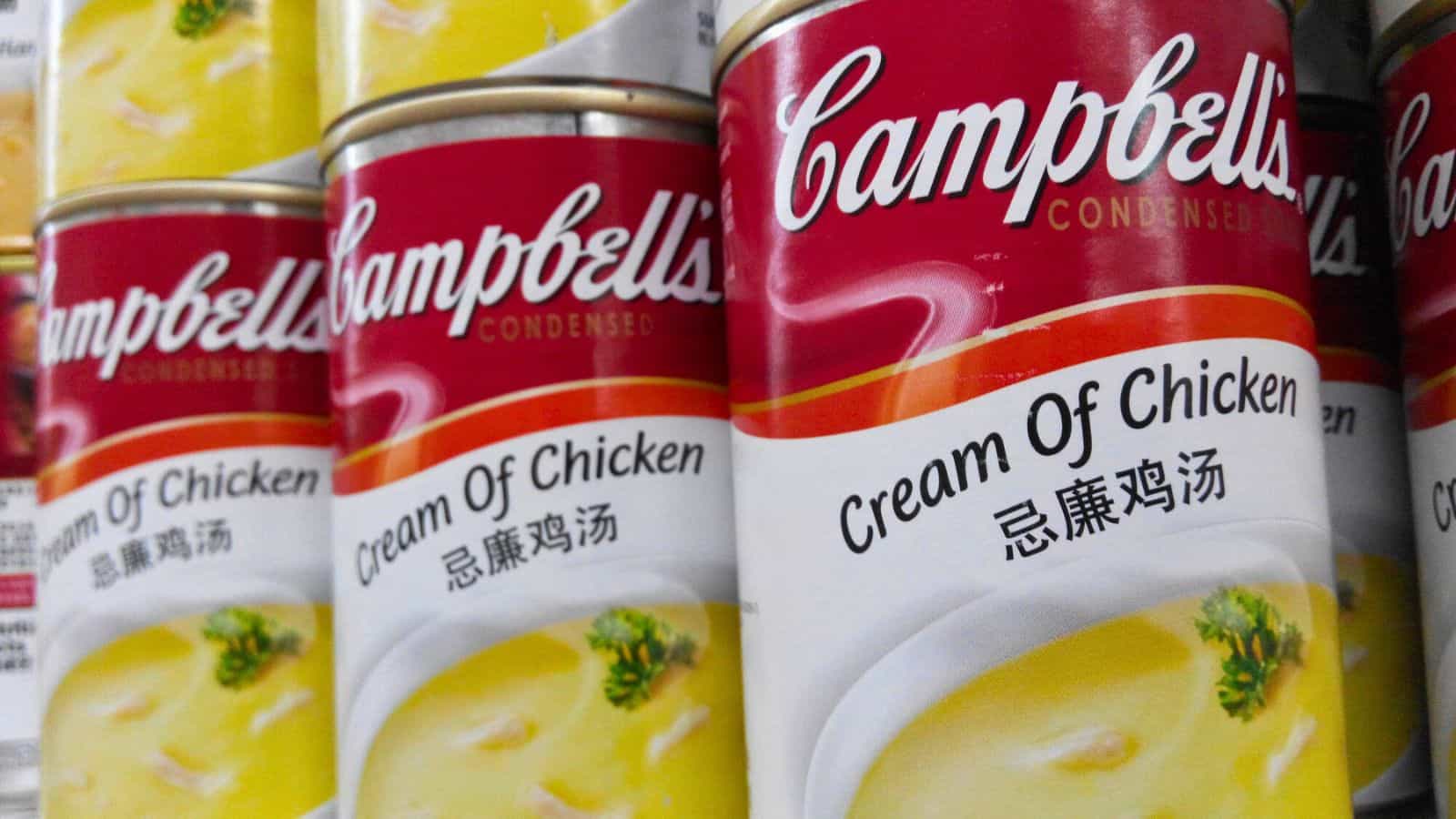
Quick meal options that are easy to prepare, canned soups and broths are essential for any emergency food supply. They can be eaten on their own or used as a base for other dishes, such as casseroles and stews. These items are shelf-stable and have a long shelf life, making them convenient for long-term storage. Canned soups and broths are also rich in flavor and can bring comfort during stressful times. They come in a variety of options, from chicken noodle soup to vegetable broth, catering to different dietary preferences. Easy to heat and serve, they are perfect for quick, nutritious meals when fresh ingredients are not available.
Cooking Oils

Essential for cooking and baking, cooking oils like olive oil, vegetable oil, or coconut oil have a long shelf life when stored properly. They are indispensable for frying, sautéing, and dressing salads. Rich in healthy fats, these oils also contribute to a balanced diet. Storing them in a cool, dark place helps maintain their quality over time. Oils can also be used in various recipes to enhance flavor and texture. Whether you're preparing a simple stir-fry or baking bread, having a variety of cooking oils on hand makes sure you can create a wide range of dishes.
Protein Sources
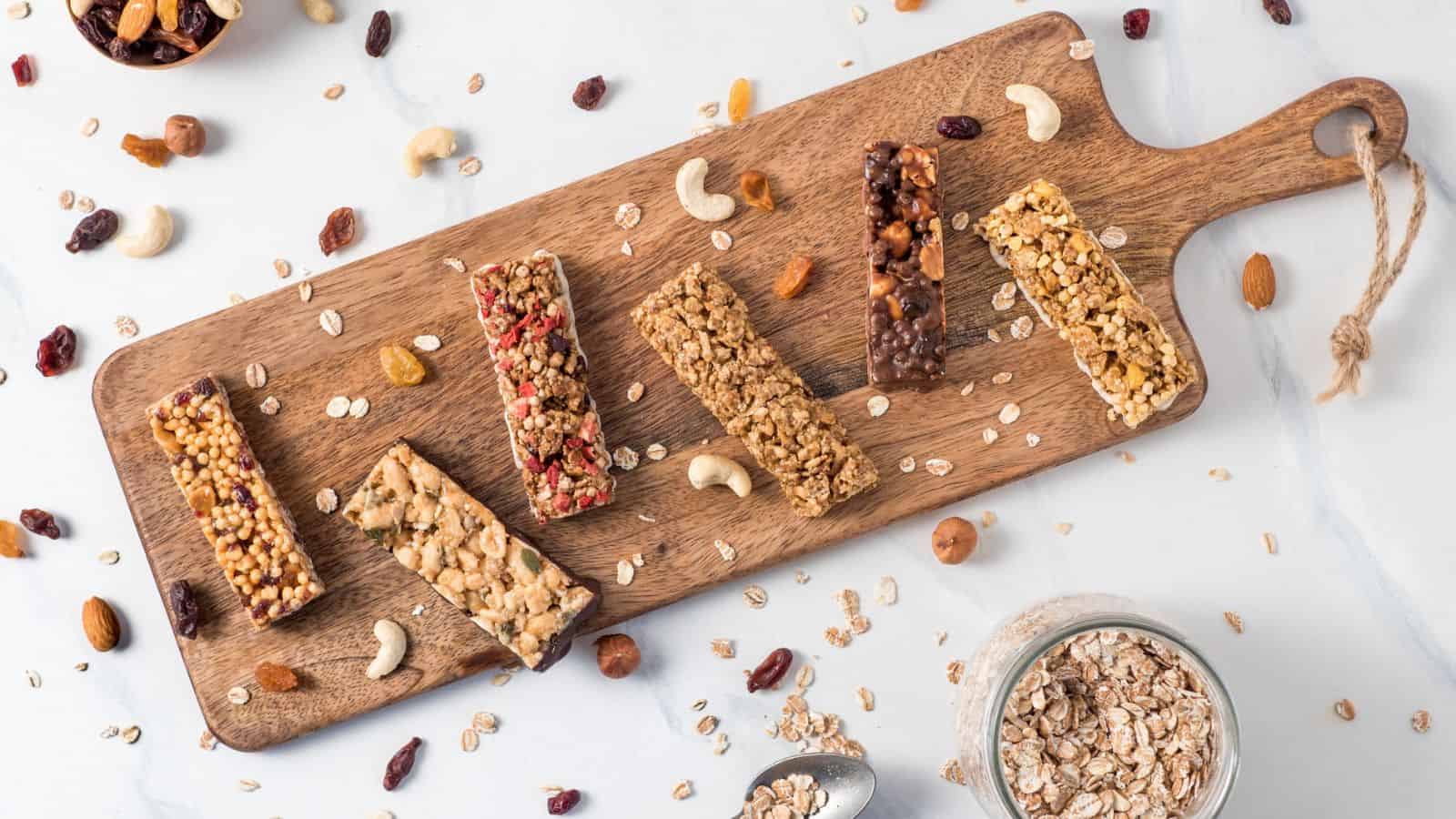
Canned fish, jerky, or shelf-stable protein bars are essential for quick and reliable nutrition. These items are rich in protein, which is vital for maintaining muscle mass and overall health. Canned fish like tuna or salmon can be used in salads, sandwiches, and casseroles. Jerky is a convenient snack that requires no preparation. Protein bars are perfect for on-the-go meals and snacks. These sources of protein have a long shelf life and are easy to store. They are also lightweight and portable, making them ideal for emergency situations. Including a variety of protein sources makes sure you can meet your dietary needs even during shortages.
Nut Butters
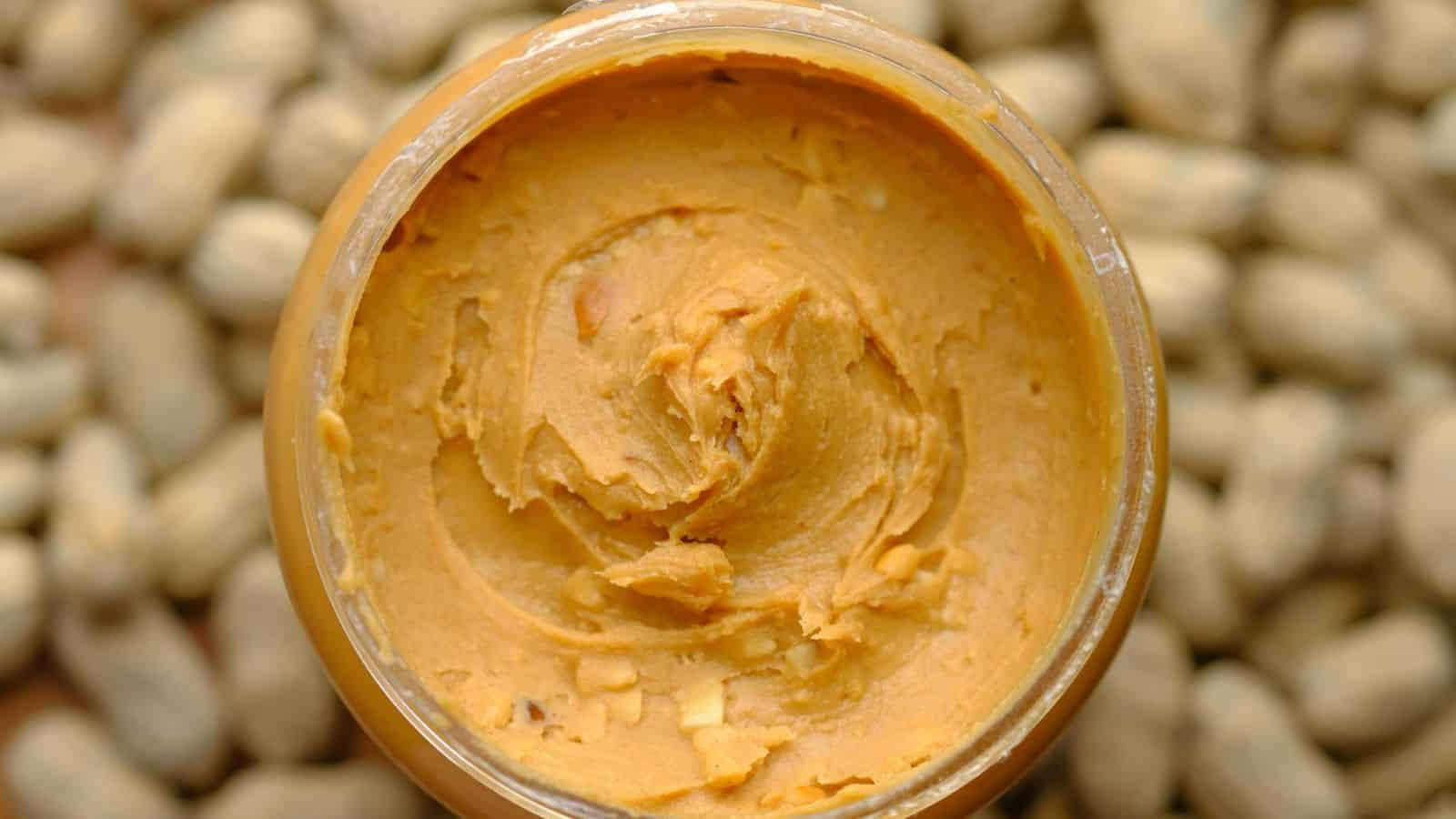
Peanut butter or almond butter are good sources of protein and healthy fats, making them essential items for long-term food storage. They can be spread on bread, mixed into smoothies, or used in baking. Nut butters are also shelf-stable and do not require refrigeration until opened. They are a quick and easy way to add nutrition to meals and snacks. The rich, creamy texture and flavor of nut butters make them a favorite for both kids and adults. They are also versatile enough to be used in savory dishes, such as sauces and dressings, adding depth and richness to a variety of recipes.
Emergency Food Kits
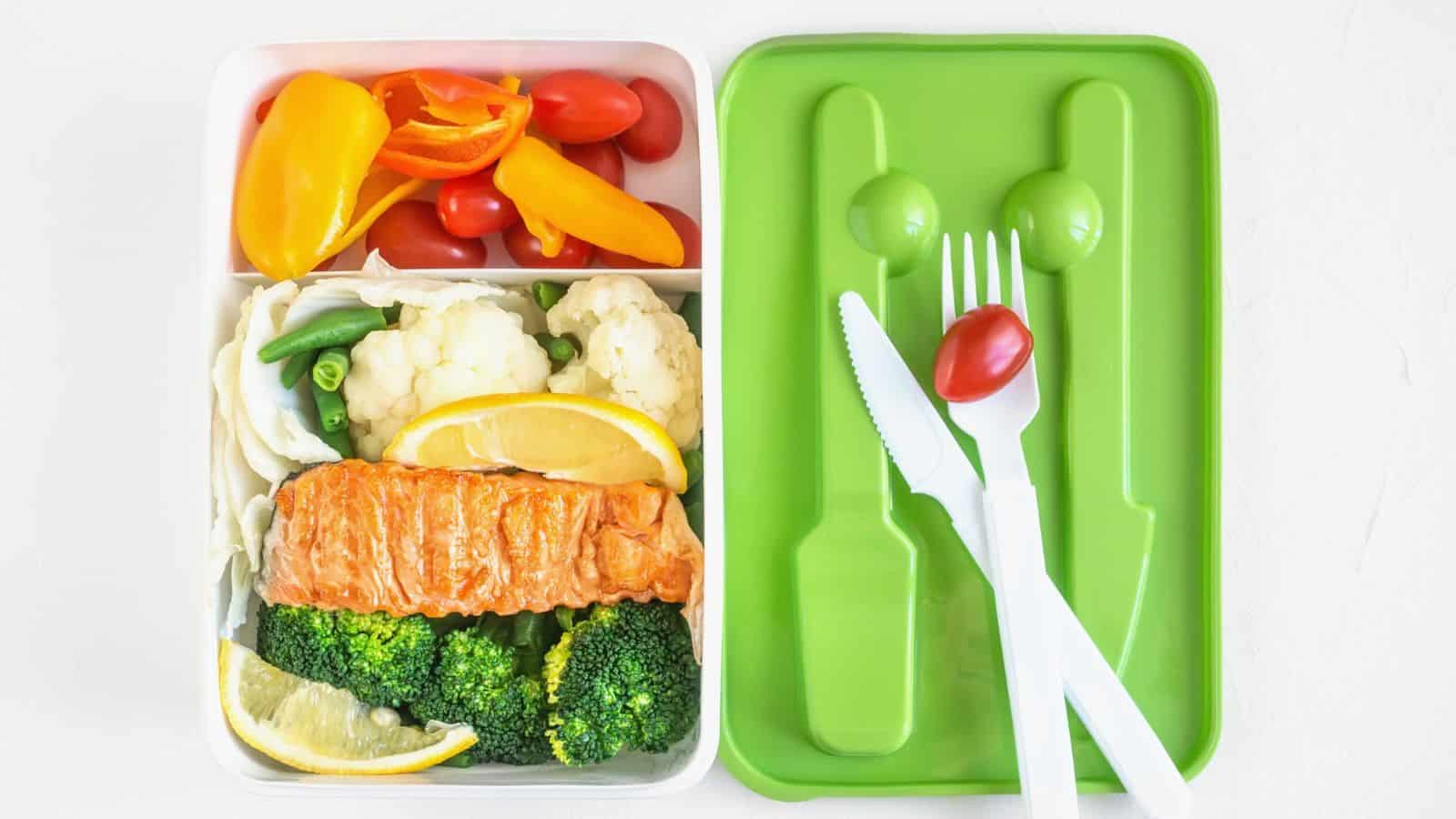
Pre-packaged meals designed for long-term storage, emergency food kits are a practical addition to any emergency preparedness plan. These kits often include a variety of meals that are easy to prepare, requiring only water and minimal cooking. They are formulated to deliver balanced nutrition and have a shelf life of several years. Emergency food kits are compact and can be stored in small spaces. They are ideal for situations where access to fresh food is limited. These kits give you peace of mind, knowing you have a reliable source of nutrition in case of emergencies. They are a convenient and efficient way to make sure you and your family are prepared for food shortages.
Lentils and Beans
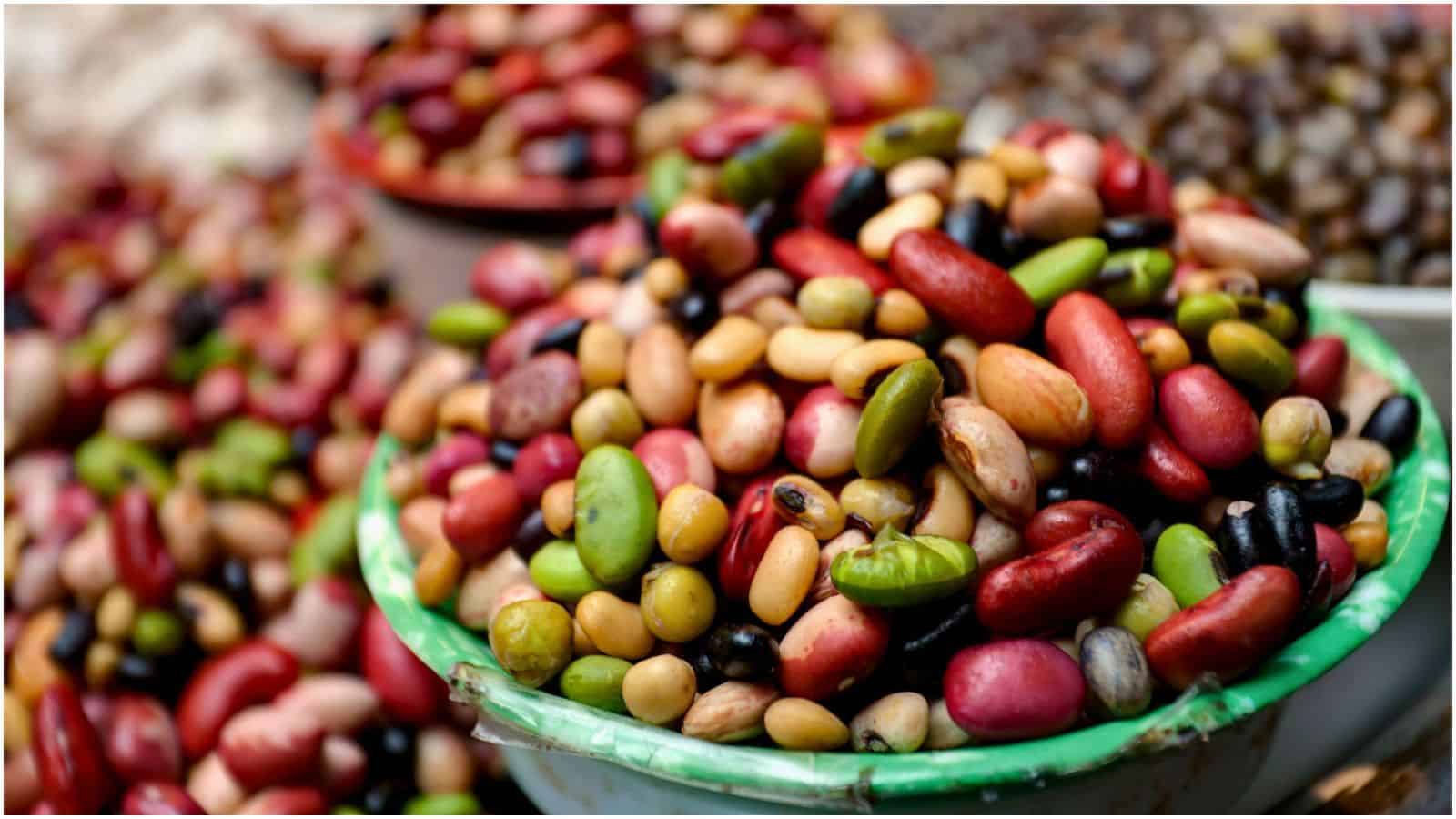
High in protein and fiber, lentils and beans are great for creating hearty meals. They can be used in soups, stews, salads, and even as a meat substitute in various recipes. Dried lentils and beans have a long shelf life and can be stored in airtight containers. They are also rich in essential nutrients such as iron, folate, and magnesium, making them a nutritious addition to your emergency food supply. Lentils and beans are cost-effective and can be bought in bulk, making them a practical choice for long-term storage. They also cook relatively quickly compared to other dried legumes, adding convenience to their list of benefits.
Oats
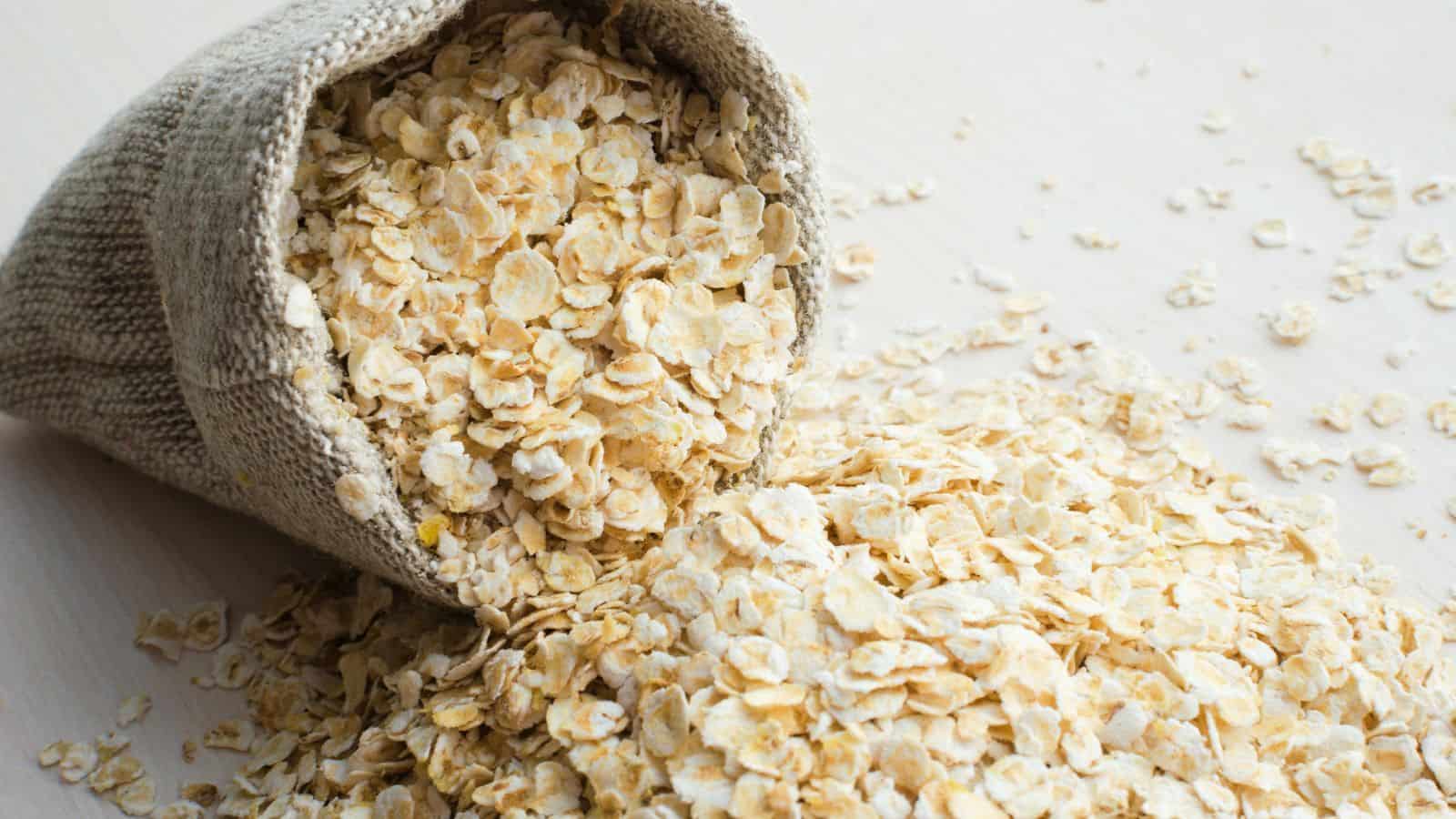
Oats are a nutritious breakfast option that can also be used in baking. They are rich in fiber and can help keep you full for longer periods. Oats can be made into oatmeal, added to smoothies, or used in recipes for cookies, muffins, and granola bars. They are easy to store and have a long shelf life, making them a practical choice for stocking up in case of food shortages. Oats are also versatile and can be flavored with a variety of ingredients such as fruits, nuts, and spices to keep meals interesting. Their affordability and nutritional benefits make them a valuable addition to any emergency food supply.
Pantry Peace of Mind

Preparing for potential food shortages doesn't have to be overwhelming. By focusing on these essential items, you can create a pantry that's ready for anything. It's all about being proactive and guaranteeing you have the basics to keep your family fed and comfortable. You'll find that with a little planning, you can face any uncertainty with confidence. Having a well-stocked pantry means you can whip up something nourishing even when fresh supplies run low.
Remember, it's not about hoarding or panic-buying; it's about smart preparation. With these essentials, you'll be equipped to handle whatever comes your way. So take a deep breath, make your list, and start stocking up. You'll feel great knowing you're ready for anything life throws at you. Taking these steps now will give you peace of mind and a sense of control, no matter what the future holds. Stay prepared and stay confident.
Common Grocery Items That Contain More Chemicals Than Nutrients
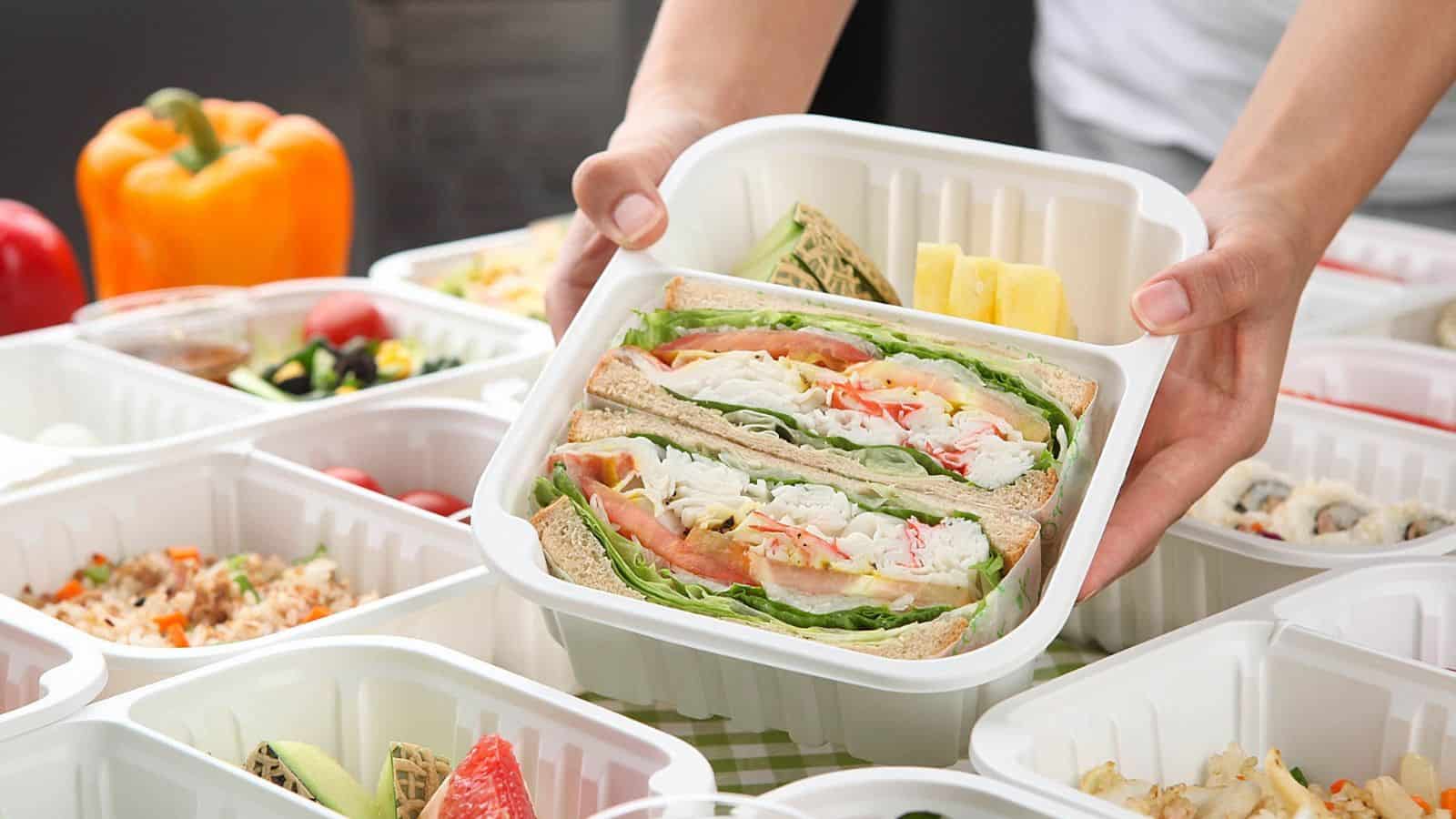
Walking through the grocery store, it's tempting to fill your cart with convenient, flavorful items. However, many of these everyday products are packed with more chemicals than actual nutrients. These 15 grocery items with a lot of chemicals often contain preservatives, artificial flavors, and other additives that are difficult to pronounce, let alone understand. While they might taste great, they often lack the essential nutrients your body needs.
It's worth taking a closer look at the labels and being more mindful of what you're putting into your cart. Many of these products are designed to have a long shelf life, which means they're loaded with ingredients that aren't doing your body any favors. Instead of reaching for a quick fix, consider opting for whole foods that are rich in vitamins and minerals. Let's get into why it's crucial to be aware of what's really in your food and how you can make healthier choices.
Read it Here: 15 Common Grocery Items That Contain More Chemicals Than Nutrients
Why Your Favorite Grocery Items are Getting Pricier By the Minute

Ever feel like your grocery bill is creeping up every time you shop? You're not alone. Prices are climbing, and it's starting to hit where it hurts: our wallets. We all have those go-to items we grab without thinking, but these 15 common grocery foods are getting too expensive. Frustrating, we know!
So, what can you do about it? Being aware of these changes is the first step. By understanding why prices are rising, you can make smarter choices and maybe even find some budget-friendly alternatives. Let's get into why some everyday items are becoming too expensive to buy.
Read it Here: Why Your 15 Favorite Grocery Items are Getting Pricier By the Minute