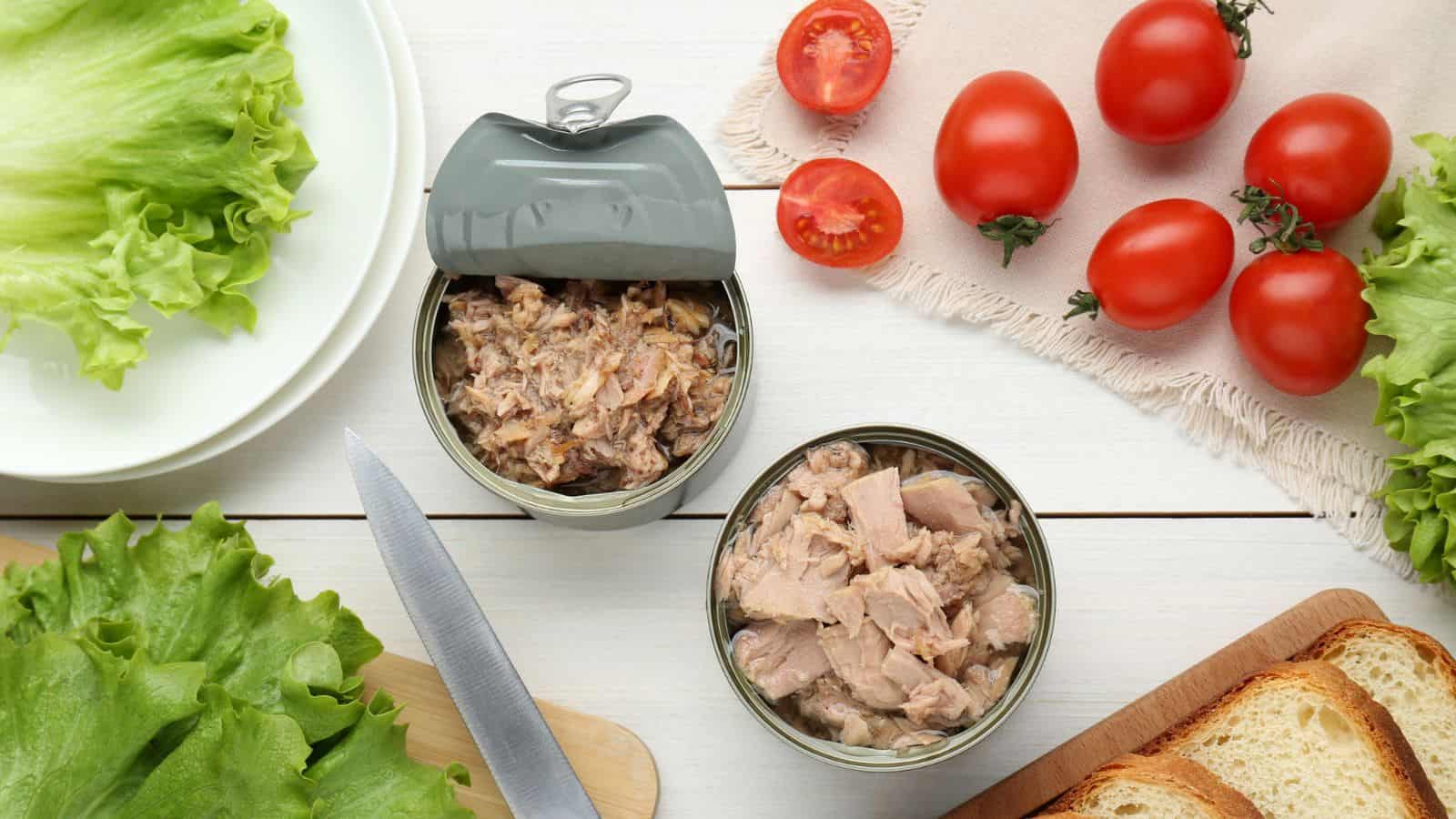
Canned tuna is a kitchen classic that many people keep stocked for quick meals. It's easy to toss into salads, sandwiches, or pasta, making it a great go-to when time is tight. But there's more to canned tuna than meets the eye. These ten facts about canned tuna can change the way you eat it forever.
Understanding a few key details can help you make smarter choices when buying canned tuna. From mercury levels to how the fish is cooked before it's canned, these facts can change the way you see this simple ingredient. Whether you're cooking for yourself or feeding a family, knowing what's behind the can can make a difference in your meals and your peace of mind.
Different Species Used
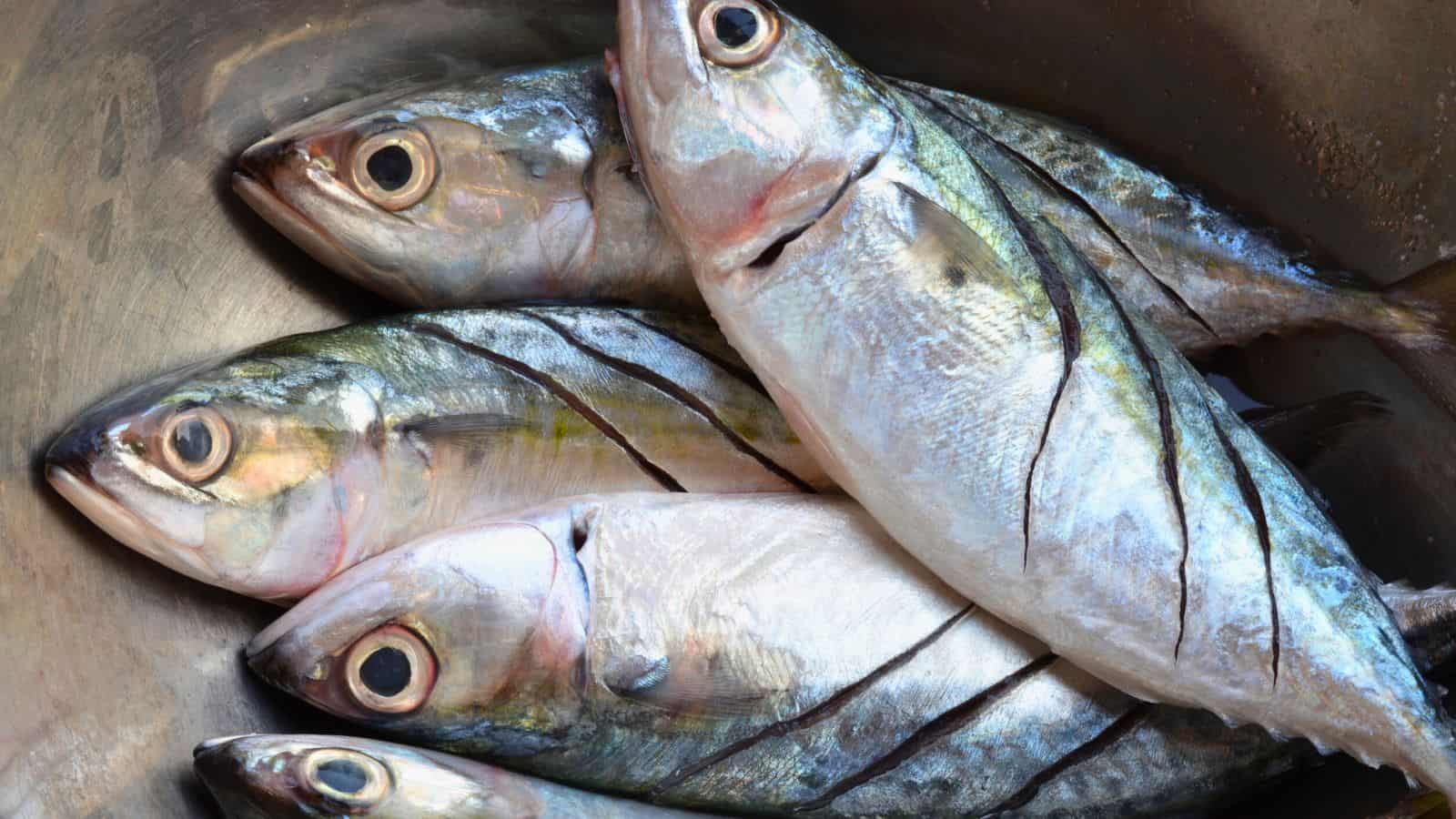
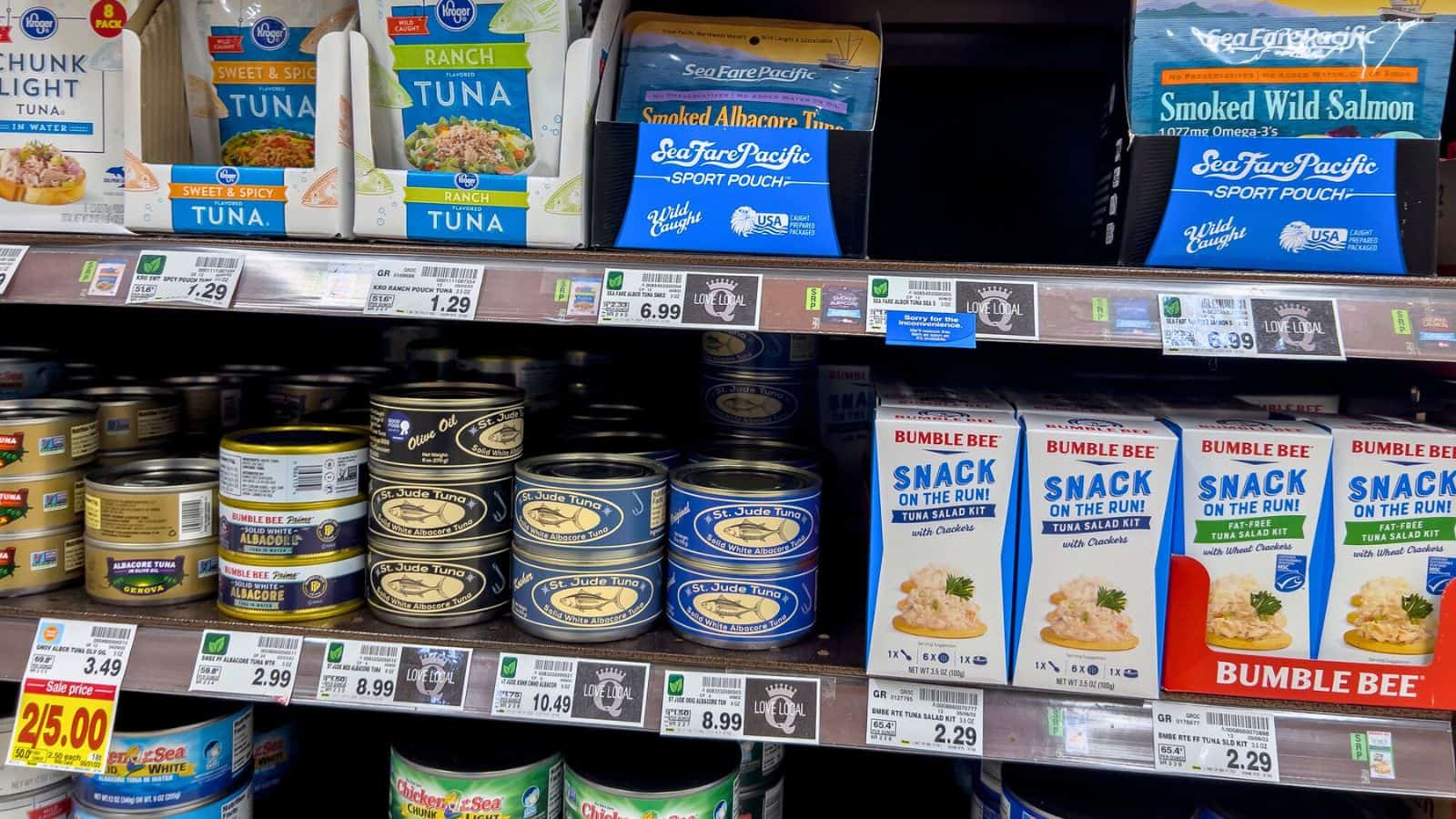
Canned tuna is sourced from multiple species of tuna fish, each with distinct characteristics. Skipjack tuna is the most commonly canned type and has a strong flavor with darker meat. Albacore tuna, sometimes called white tuna, has lighter-colored flesh and a milder taste. Yellowfin tuna is another species often used and is known for its firm texture and moderate flavor. Bigeye tuna is less common but can also be found in canned varieties. The species chosen impacts the texture, flavor intensity, and price point of the final product, making it important for consumers to know what type they are buying.
Light vs. White Tuna
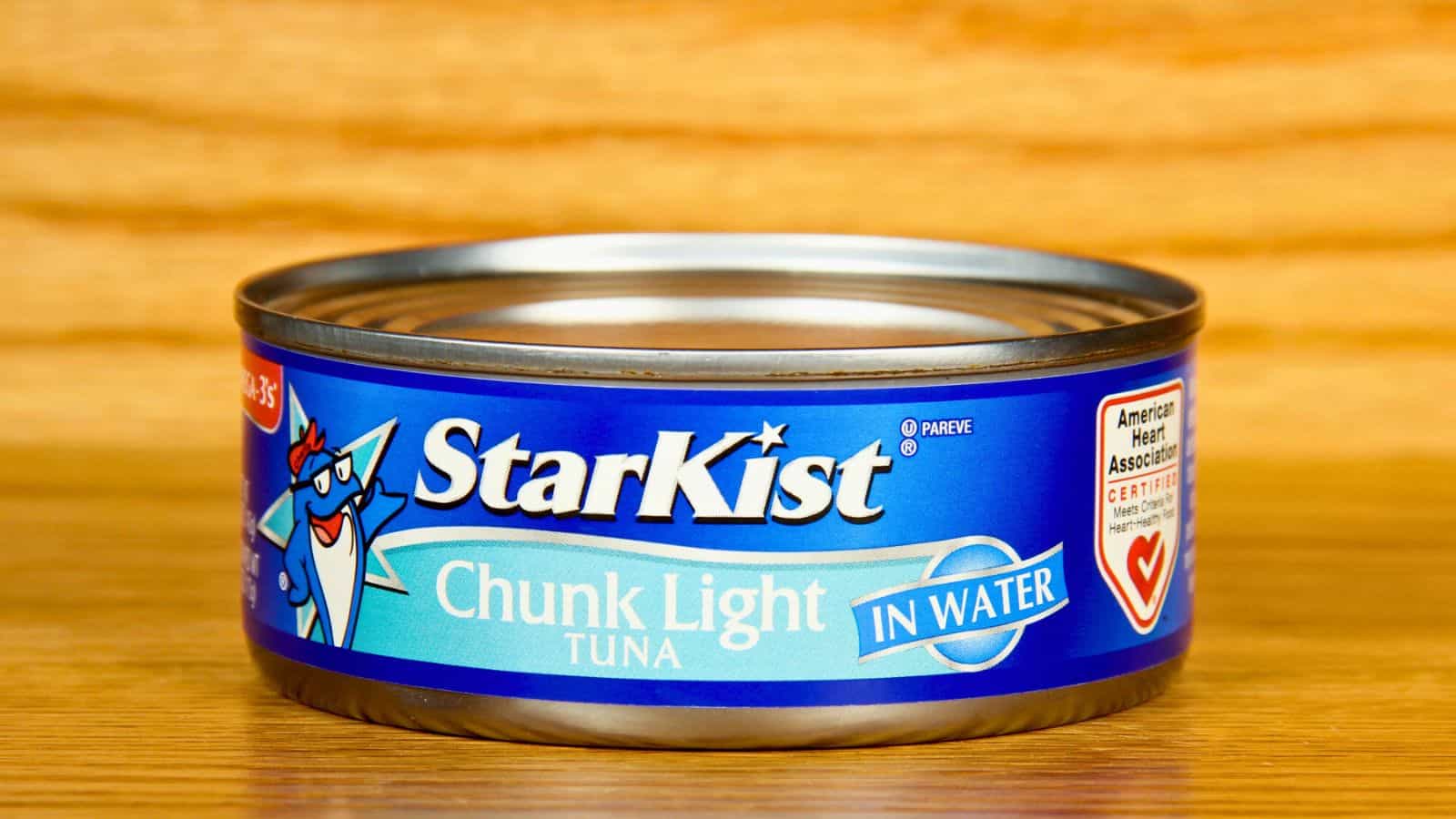
The terms "light" and "white" tuna refer to different canned tuna species and characteristics. Light tuna typically comes from skipjack or yellowfin species with darker meat and a more pronounced flavor. White tuna, on the other hand, is usually albacore, recognized by its lighter-colored flesh and a milder, less intense flavor. Because of these differences, white tuna tends to be firmer and flakes less easily than light tuna. Nutritional content can also vary slightly between the two types, with albacore generally containing more fat and omega-3 fatty acids than skipjack.
Packed in Water or Oil
When purchasing canned tuna, one can find it packed in either water or oil, which affects both texture and nutritional content. Tuna packed in water is lighter and has fewer calories, making it a popular choice for those watching their fat intake. Oil-packed tuna, often preserved in vegetable oils like soybean or olive oil, has a richer mouthfeel and can be more flavorful due to the added fats. However, the oil increases the calorie count. Some consumers prefer oil-packed tuna for recipes where extra moisture and richness are desired, while others select water-packed for a cleaner, less oily taste.
Mercury Levels Vary
Tuna species differ in their mercury content, which is an important consideration for frequent consumers. Larger and longer-living species like albacore tend to accumulate higher levels of mercury in their bodies compared to smaller species such as skipjack. Because of this, health authorities often recommend limiting white (albacore) tuna consumption, especially for pregnant women and young children. Light tuna varieties generally contain lower mercury levels, making them safer for more regular consumption. Being aware of these differences helps consumers make informed choices based on their dietary needs and health concerns.
Canning Preserves Nutrients
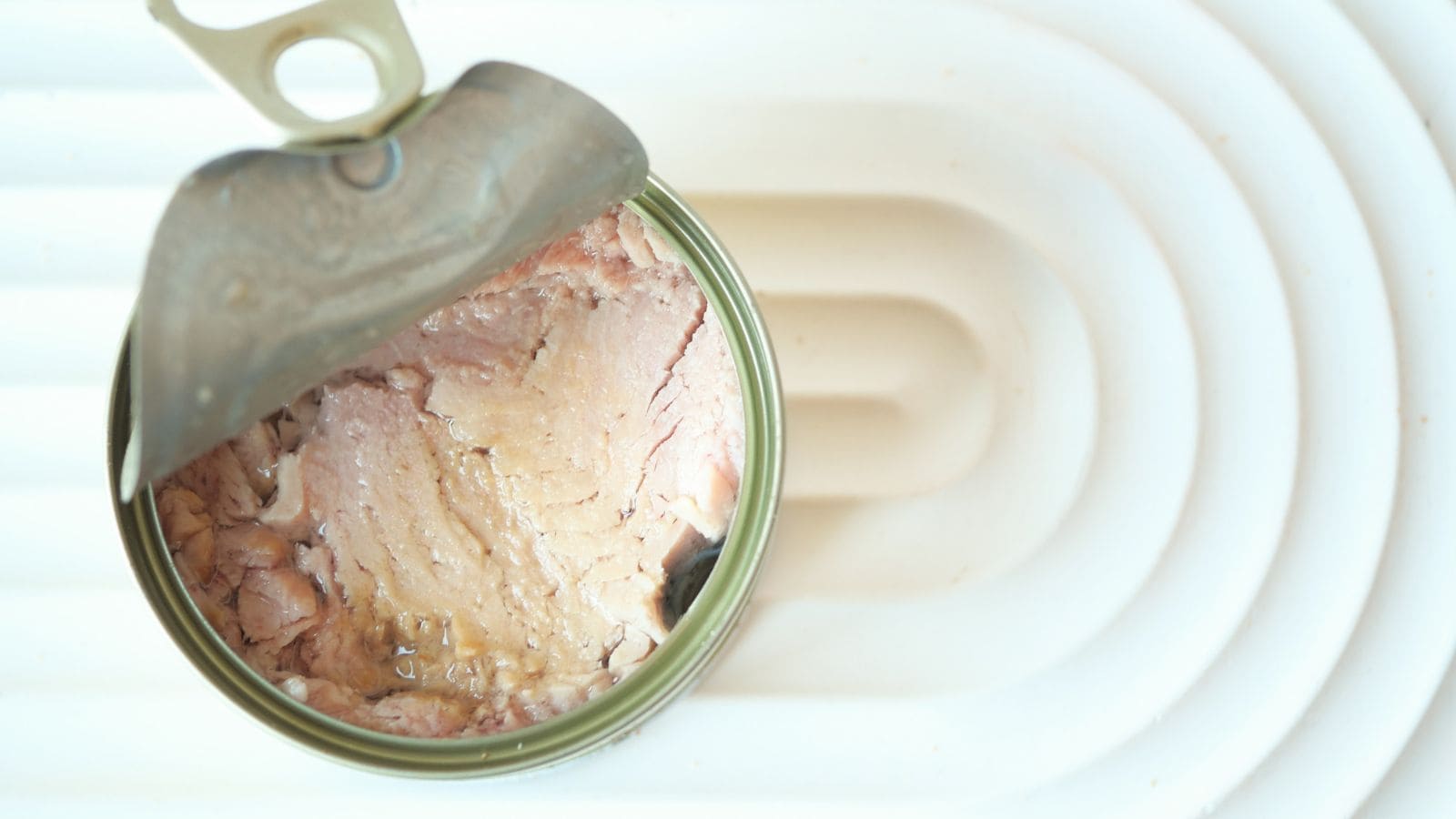
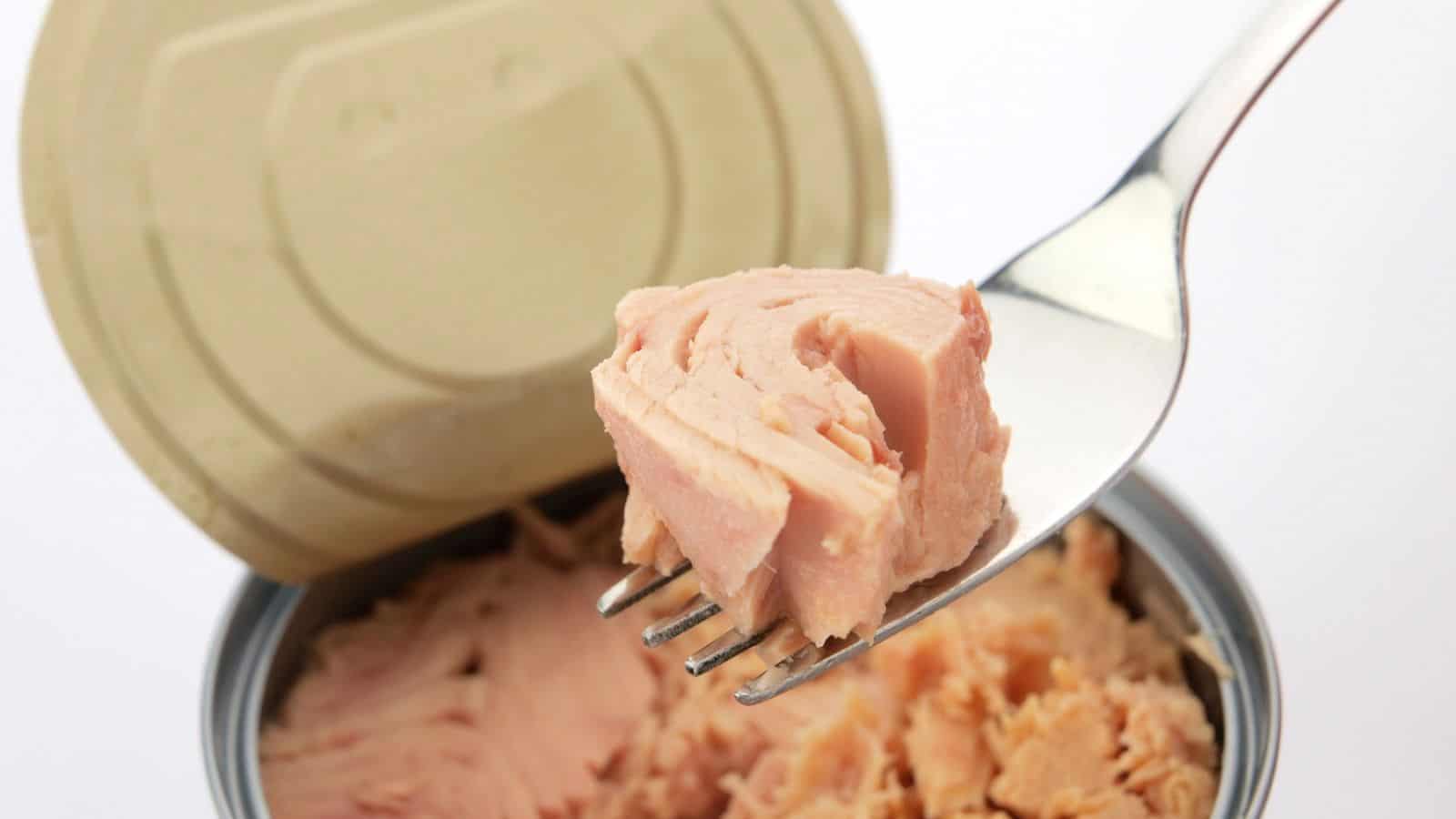
Despite the processing involved, canned tuna retains a significant amount of its nutritional value. The canning process involves cooking and sealing the fish in airtight containers, which helps preserve essential proteins, omega-3 fatty acids, and important vitamins like B12 and D. While some heat-sensitive nutrients may be reduced during processing, the overall nutrient profile remains intact, making canned tuna a convenient source of lean protein. Additionally, because it is shelf-stable, canned tuna is a practical option for maintaining a nutrient-rich diet without the need for refrigeration or quick consumption.
Shelf Life Is Long
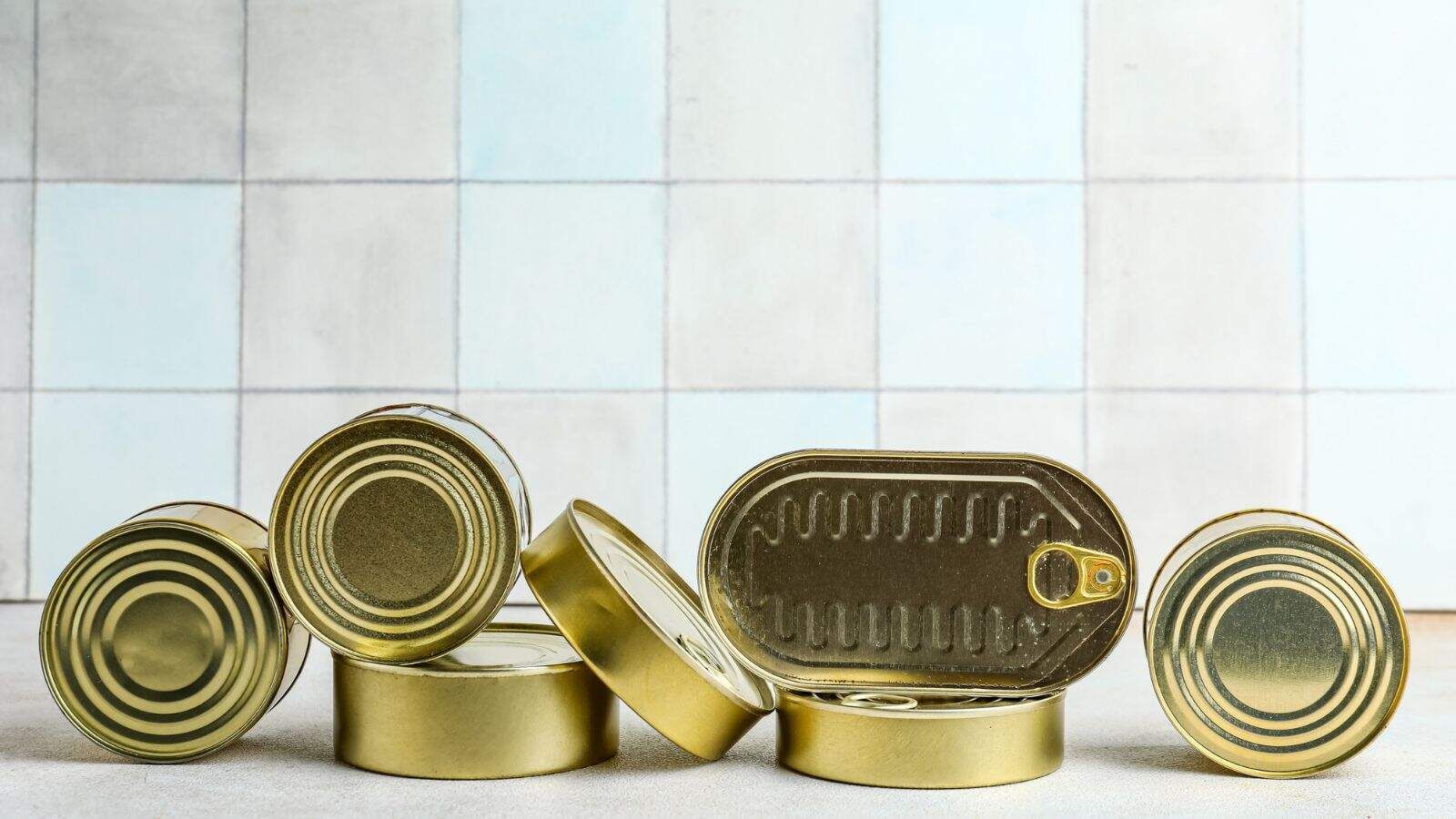
Canned tuna is known for its impressive shelf life, often remaining safe to eat for several years when stored properly. The canning process involves sealing the tuna in airtight containers and subjecting it to high heat, which kills bacteria and prevents spoilage. This method creates a vacuum seal that protects the fish from exposure to air and contaminants. As a result, unopened cans can be stored in a pantry or cupboard without refrigeration. However, it's important to inspect cans for any signs of damage, such as dents, rust, or swelling, as these can indicate compromised safety despite the long shelf life.
Sustainability Concerns
The fishing methods used to catch tuna can have significant environmental impacts. Some traditional techniques, like purse seining, have been criticized for accidentally capturing dolphins and other non-target species. This has led to the development of "Dolphin Safe" labels, which certify that the tuna was caught without harming dolphins. Additionally, overfishing is a concern for several tuna populations, prompting organizations to promote sustainable fishing practices. Consumers prioritizing environmental responsibility often seek certifications from groups like the Marine Stewardship Council or other sustainable seafood programs to guide their choices.
Tuna is Usually Cooked Before Canning
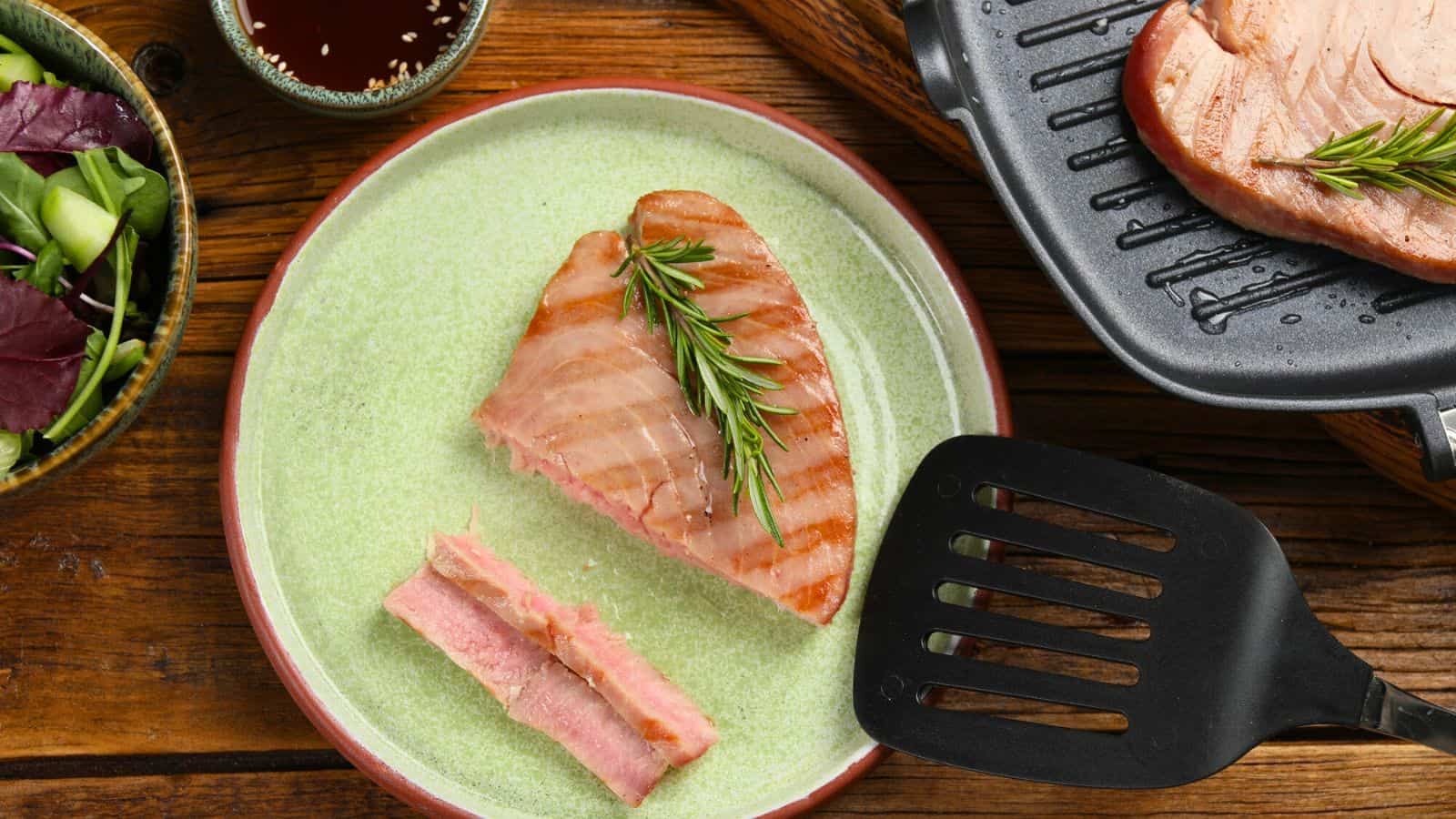
Before tuna is canned, it undergoes a cooking process that typically involves steaming or boiling. This step is crucial because it eliminates harmful bacteria and pathogens, making the product safe for long-term storage. Cooking also firms up the flesh, which helps it hold together better during the canning process. After cooking, the fish is packed into cans along with water, oil, or brine, then sealed and sterilized. This preparation ensures that the tuna remains edible and maintains its nutritional value over time, while contributing to the texture and flavor consumers expect from canned tuna.
Canned Tuna Can Be Used Beyond Sandwiches
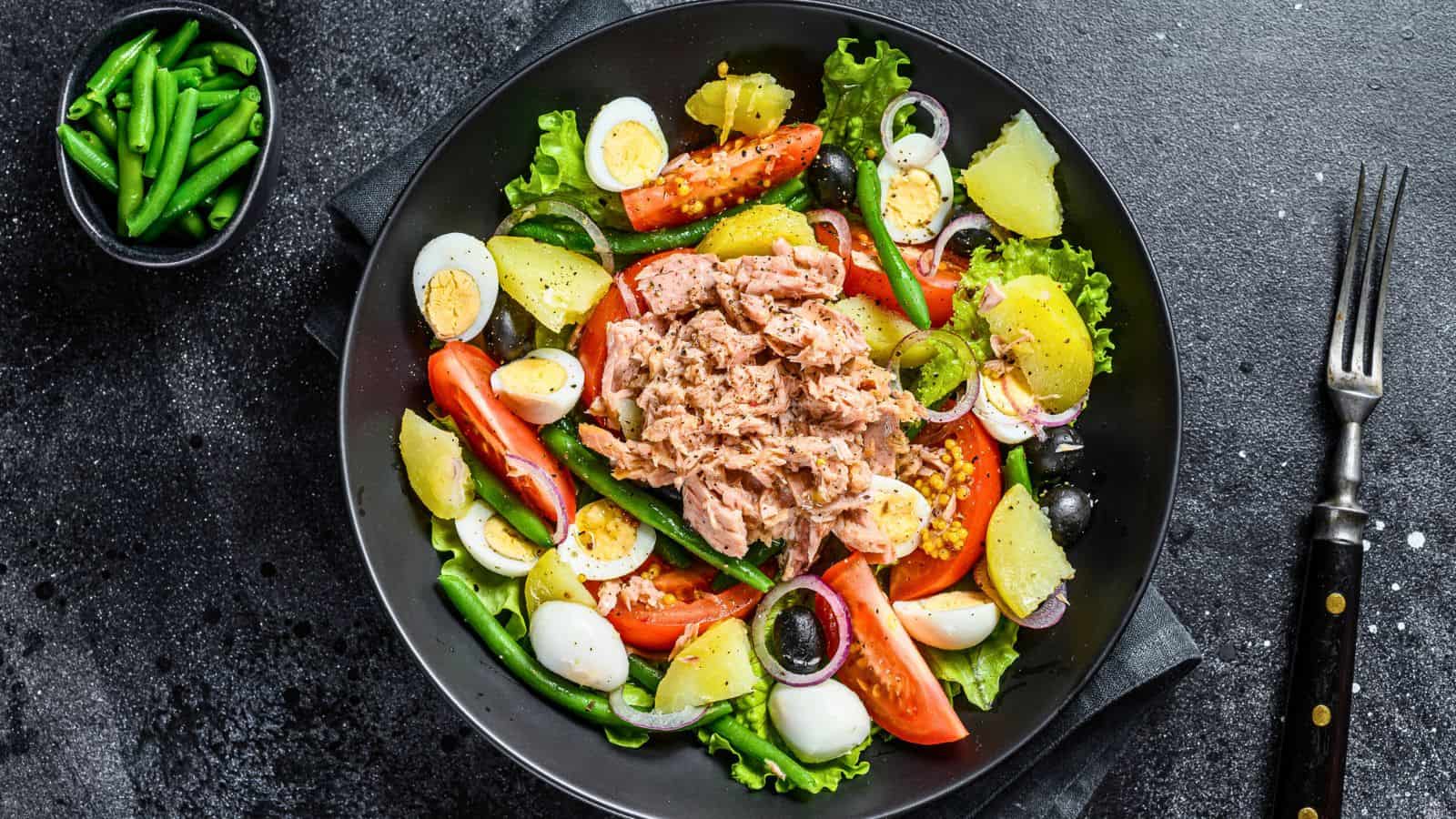
While many think of canned tuna primarily as a sandwich filling, it is a versatile ingredient that can be incorporated into a wide range of dishes. It works well in salads, where it adds protein and texture, and can be mixed into pasta or rice dishes for added flavor and nutrition. Canned tuna is also used in casseroles, tuna melts, and even sushi rolls. Its convenience and shelf stability make it a handy pantry staple for quick meals or snacks. Exploring different recipes can help diversify meals and make the most out of this readily available fish product.
Canning Dates Are Not Always Clear
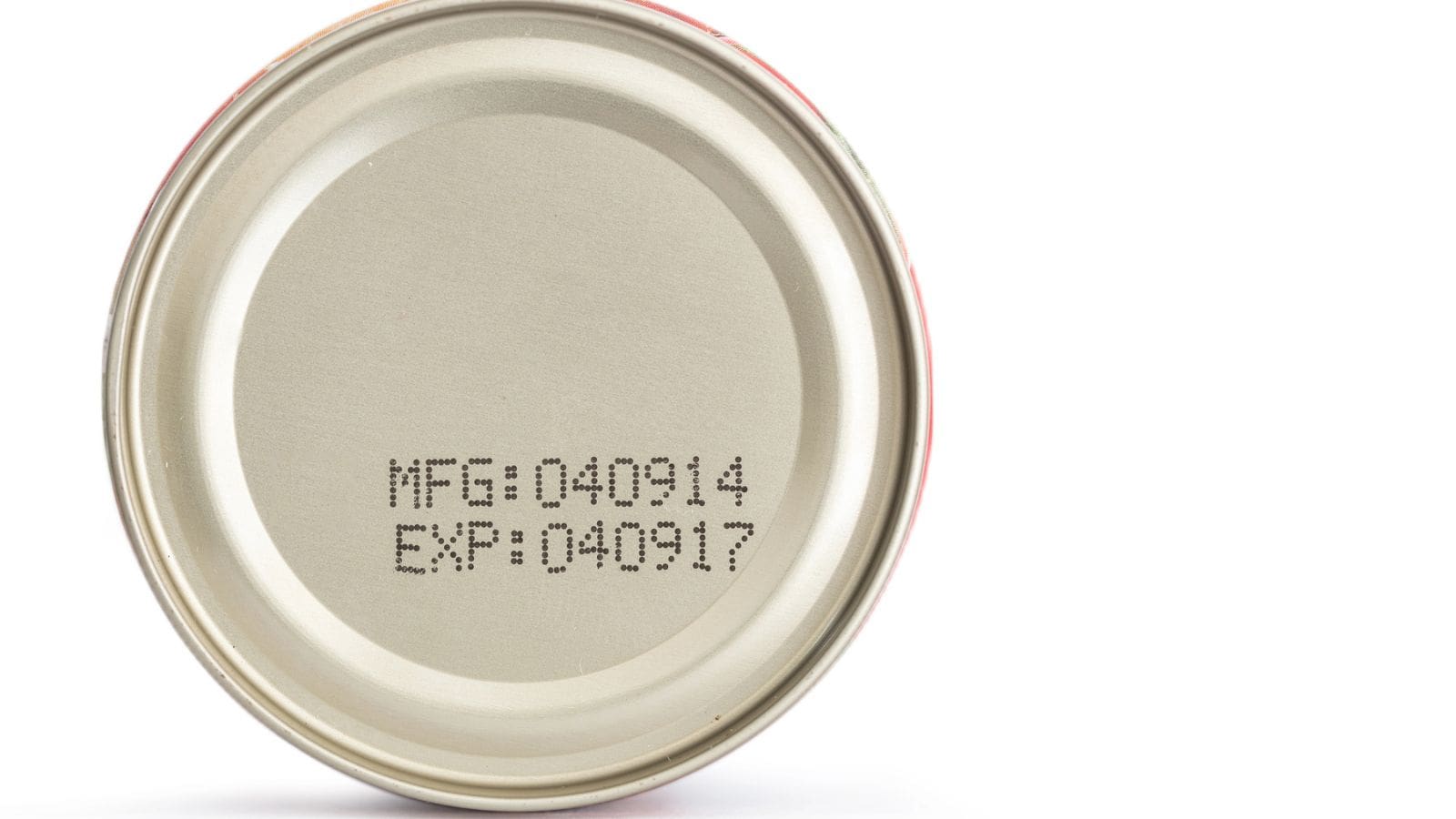
Unlike many fresh food products, canned tuna often does not display a prominent expiration or packing date on the front label. Some cans may have codes stamped on the bottom or side that indicate production or best-by dates, but these can be difficult to interpret. Because of this, consumers should check the physical condition of the can before use. Signs such as dents, rust, or bulging can indicate that the product may no longer be safe to eat. When stored in a cool, dry place, canned tuna can last well beyond the printed dates, but it's important to rely on visual and sensory checks to avoid consuming spoiled food.
Get Hooked on Tuna Facts
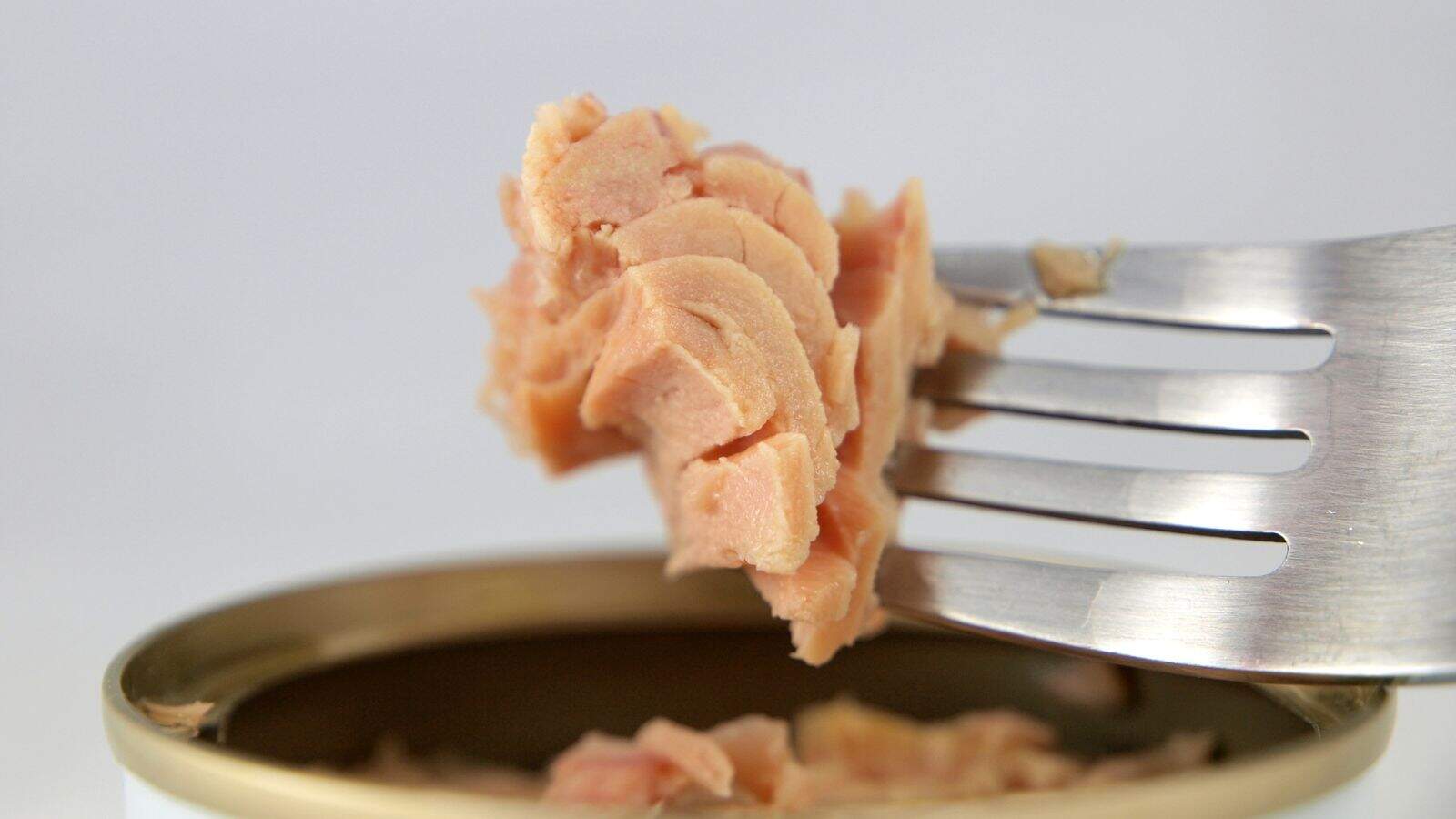
Canned tuna is more than just a quick fix for meals-it's a versatile ingredient with a lot going on behind the scenes. Knowing the differences in types, packing methods, and what to watch out for can help you pick the best option for your needs. It's also good to keep an eye on things like mercury levels and sustainability to make choices that feel right for you.
Next time you reach for a can, you'll have a better idea of what's inside and how it got there. A little extra knowledge can go a long way, whether you're using it for a simple snack or a full meal. Canned tuna can be a great, reliable part of your kitchen, and understanding it better only makes it easier to enjoy.
Homemade Soups That'll Ruin Canned Soup for You
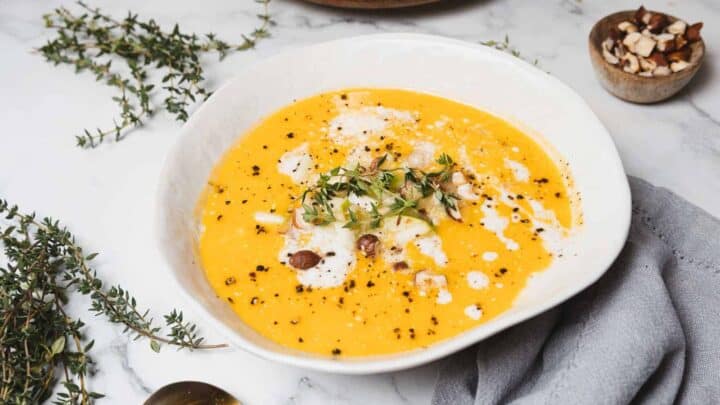
Homemade soup has a depth of flavor that canned versions just can't match. These 15 recipes are made with fresh ingredients and simple techniques that bring out the best in every bowl. Whether you want something rich and hearty or light and fresh, there's a soup for every craving. Once you make your own, canned soup won't be the same again.
Read it Here: 15 Homemade Soups That'll Ruin Canned Soup for You
Surprising Canned Foods That Can Be Meal Starters
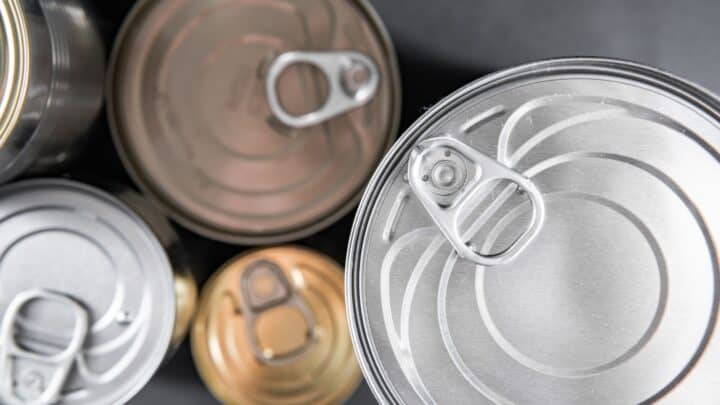
Having a stash of canned foods on hand can be a game-changer when life gets busy. These pantry heroes offer the ultimate combination of convenience and flavor, making it easy to whip up meals without a fuss. From canned beans to canned salmon, these staples are long-lasting and incredibly versatile, perfect for everything from soups and salads to casseroles and more.
Read it Here: 13 Surprising Canned Foods That Can Be Meal Starters