There is a shelf in my Montreal kitchen that is almost never empty of canned tomatoes. Some weeks, it is three or four cans deep; other weeks, it threatens to topple. I'm a big believer in picking the BEST canned tomatoes, and these are the rules I live by.

In my household, where one night dinner is a pot of borscht, and the next it is shakshuka bubbling away for a slow weekend brunch, tomatoes are the thread that ties a dozen cuisines together. And for most of the year, especially through a cold North American winter when a fresh tomato tastes like wet cardboard, those tomatoes come from a can.
For a long time, I treated every one of those cans as the same thing. A tomato is a tomato, I figured, so I reached for whatever was cheapest or closest to my hand. Then I started noticing something strange. Some weeks, my sauce came out deep and glossy, and other weeks, the very same recipe turned thin and a little sad. The recipe had not changed. The canned tomatoes I buy changed.
Here is what I have learned since I started paying attention, so your tomatoes can work with you instead of against you.
Start with the tomato itself
Almost every canned tomato you can buy is one of two kinds of tomato, and they behave like completely different ingredients.
Roma tomatoes, sometimes labeled plum, are the meaty ones: fewer seeds, less water, more flesh. They cook down into something thick and concentrated, which is exactly what you want when you are building a sauce. San Marzano, the variety Italians are so proud of, is a particular type of Roma grown in volcanic soil near Naples. People reach for it because it is sweet without being sugary, gentle on the acid, and dense enough to melt into a sauce with almost no coaxing. A good part of that gentleness comes down to sugar: the more natural sweetness a tomato carries, the less sharp and sour it reads on the tongue, even before you have seasoned a thing.
The round, juicier tomatoes are the other camp, the kind that look like what you would slice for a salad. They hold more water, so they make a looser, less predictable sauce and ask for a longer simmer to thicken up. That does not make them bad. It just makes them suited to different work.
There is one more thing that has nothing to do with variety, and that is how ripe the tomatoes were on the day they went into the can. Fruit picked and packed at its peak comes through sweeter and rounder, while tomatoes canned a little underripe can taste flatter or sharper, no matter how long you cook them. You cannot always read this off the label, but it is part of why two cans of the very same kind of tomato are never quite identical.
When I am cooking a sauce I actually care about, I splurge on a can of whole San Marzanos.
Why two cans of "tomatoes" are never really the same
Two cans of the same tomato variety can behave completely differently in your pan, and the packing liquid is a big reason why.
Tomatoes in puree start thick. The sauce comes together faster, cooks more evenly, and tastes done sooner. Tomatoes in juice are looser and release more liquid as they cook, which is exactly what you want in a soup or a brothy stew, and slightly less exciting when you're trying to build a thick sauce and now you're waiting for liquid to evaporate.
How the tomatoes are chopped inside can change how they behave in your pan:
- Whole tomatoes give you the most control. Crush them by hand for a rustic sauce, leave them in rough chunks for a stew, or let them simmer until they fall apart completely. I stock more of these than anything else for exactly that reason.
- Crushed tomatoes are already broken down in puree, so they start thick and stay that way. A solid shortcut on a weeknight when you're out of patience.
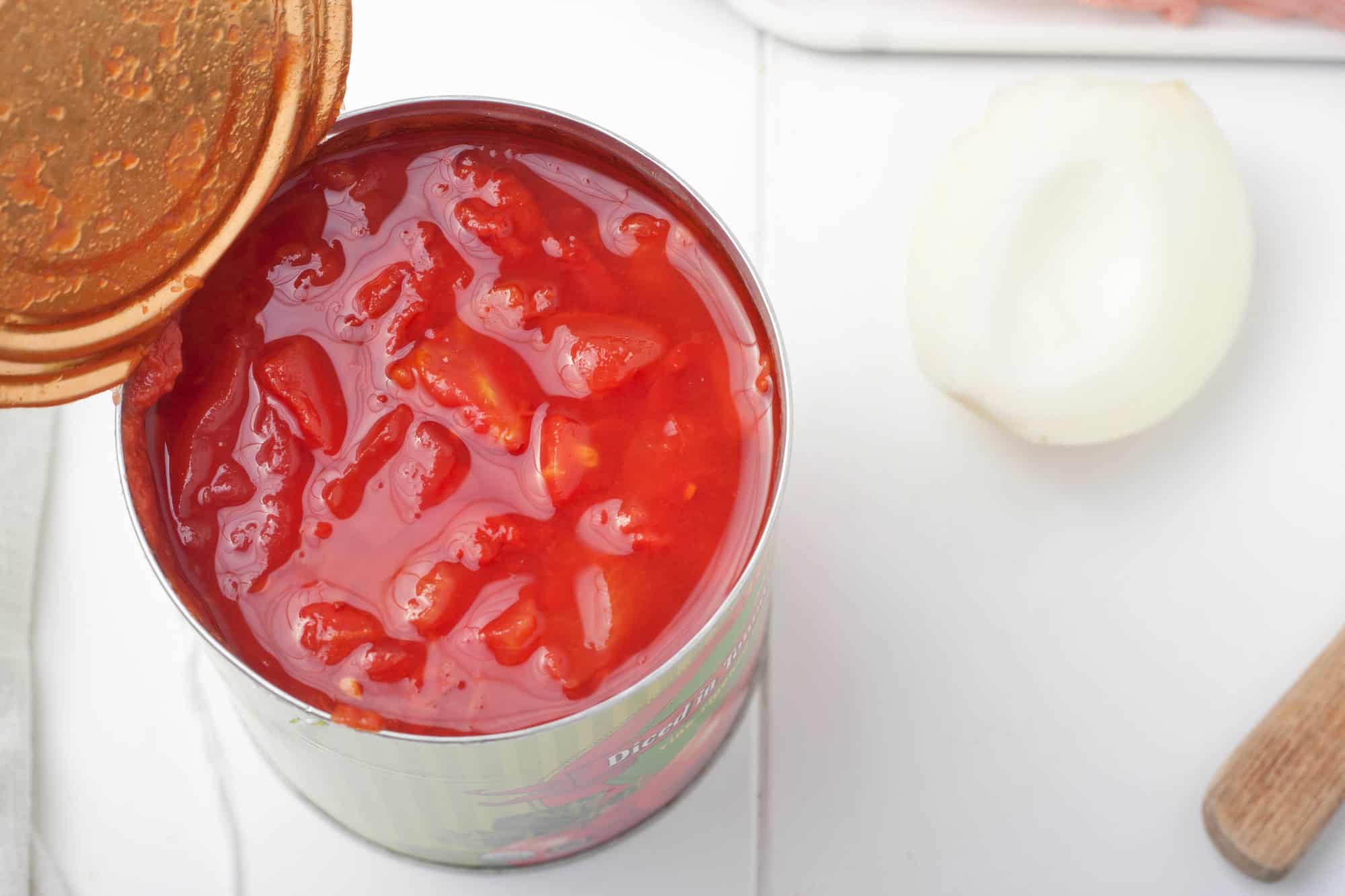
- Diced tomatoes are the tricky ones. They're treated with calcium chloride to hold their shape, which means they stay firm no matter how long they cook. Great when you want intact pieces. Genuinely frustrating when you were expecting them to melt into the sauce, because they won't.
Check the ingredient list before you buy. If you see calcium chloride, those tomatoes are staying firm no matter what you do to them.
That sour, tinny taste is not your imagination
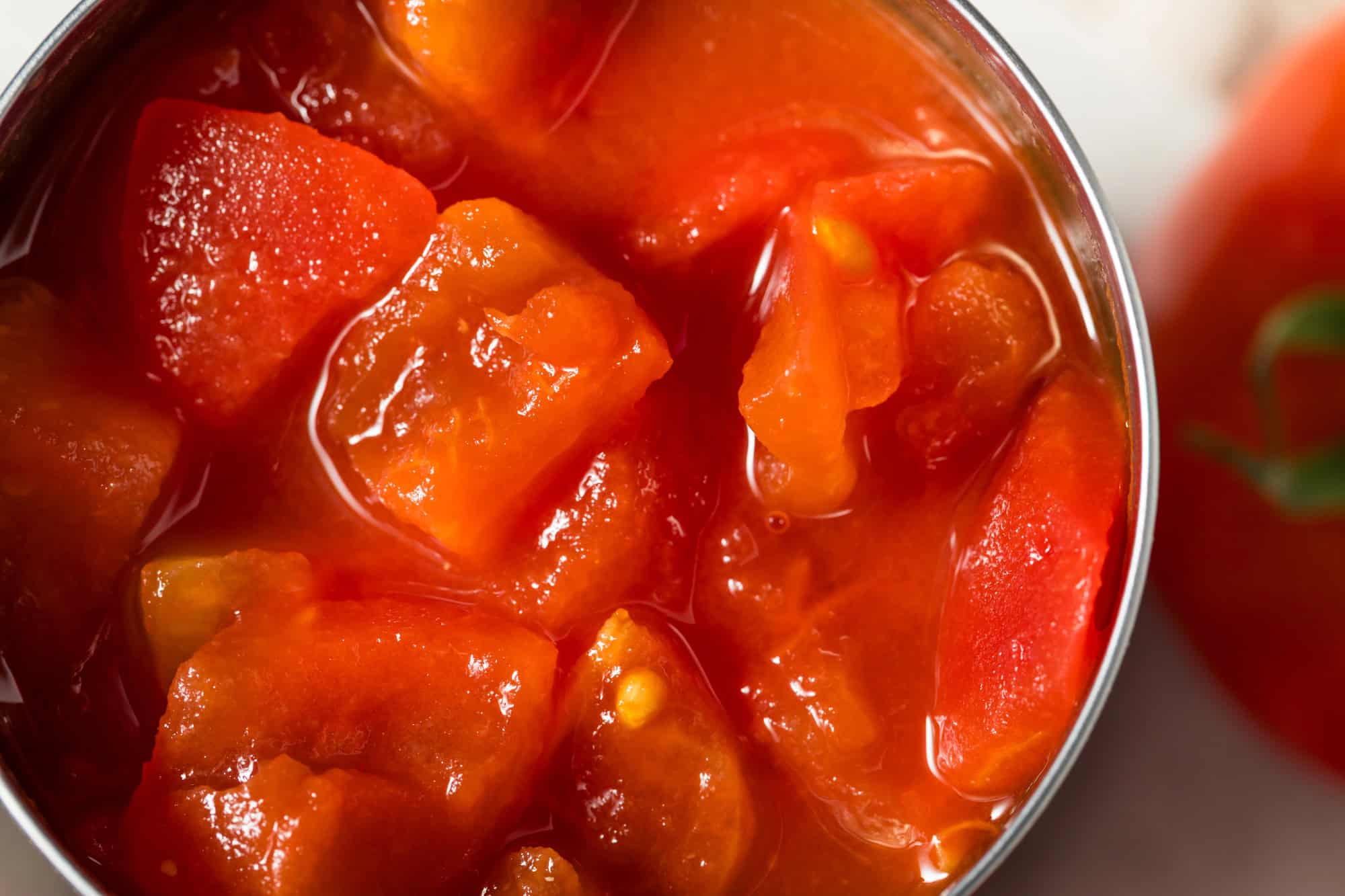
If you have ever opened a can and caught a sharp, almost metallic edge, you are not imagining it, and it is not the can rusting into your dinner.
Most canned tomatoes get a small amount of citric acid added, not for flavor but for safety, to keep them shelf-stable. It does its job, but it also nudges the tomatoes toward bright, and occasionally a step past bright into sour. The tinny note people blame on the metal is really that acidity reacting with the tomato's own compounds.
It tends to show up more in no-salt-added cans, which I love for the control they give me over seasoning, but which can taste a little harsh straight from the tin. A pinch of salt, now and then, the smallest pinch of sugar, and a patient simmer usually settle the whole thing down.
So which canned tomatoes should you use for which dish?
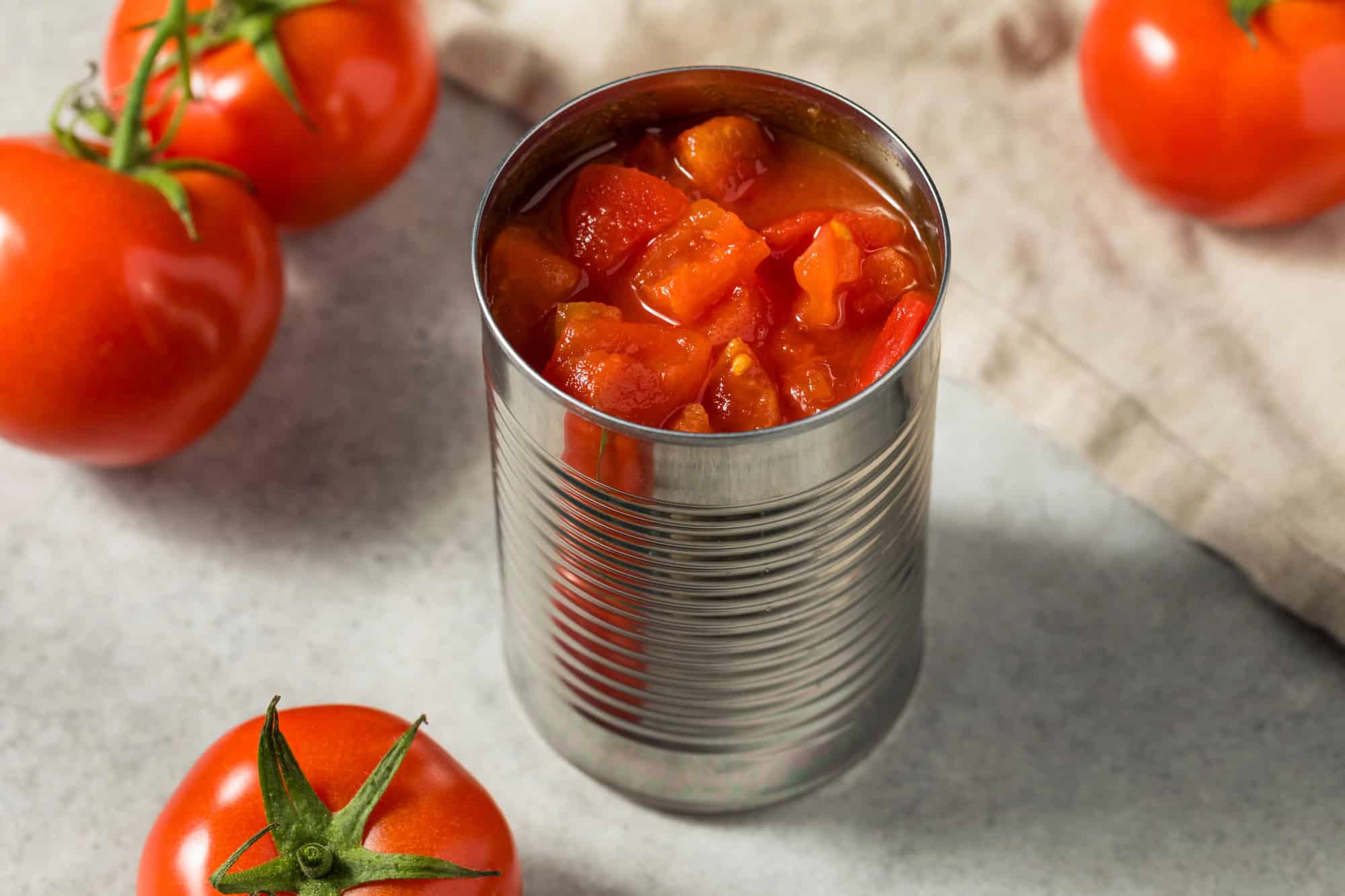
This is the part I wish I had known sooner. Match the canned tomato to the job, and you're guaranteed to have an excellent dish.
For a long, slow sauce, a Sunday marinara or a ragù that sits on the stove for hours, reach for whole or crushed tomatoes in puree, ideally Roma or San Marzano. Their dense flesh breaks down beautifully over time. Skip the diced here, or you will be staring at firm little cubes long after your patience has run out.
For a fast weeknight pasta, which in our house means a gluten-free one for me and a regular one for Leo and Lin before anyone melts down, crushed or whole tomatoes are your friends. Crushed are already soft, and whole you can break apart in seconds with the back of a spoon. Anything in puree hands you a sauce with body without making you stand over the pot, reducing it.
For soups, stews, and a big pot of chili, diced is the best choice. You want pieces that hold their shape, which diced tomatoes usually do. Tomatoes packed in juice belong here too, loosening a borscht or a chili without watering down the flavor.
For casseroles and baked dishes, steer clear of the watery cans. Whole or crushed in puree hold their liquid better, so you are left with a concentrated, savory bake instead of a puddle at the bottom of the dish.
The only rule worth remembering
If you only remember one thing: not all canned tomatoes are interchangeable. The variety, the liquid, the cut, all of it affects what ends up in your bowl.
And please do not believe you need the expensive imported tin for every pot. I save my beloved San Marzanos for the dishes that should feel a bit special. For an ordinary Tuesday, a humble store-brand can of whole tomatoes is often exactly right, and no one at my table has ever once complained.
The point was never to spend more. It was to choose the can that works with your recipe rather than against it, which, when I think about it, is its own small act of cooking with intention.
This article is adapted from one that originally appeared on Food Drink Life.