
Picking apples is something many people enjoy, whether it's a family outing or a quick trip to the orchard. But even with something that seems simple, a few things can easily go wrong. These ten mistakes people make when picking apples might affect how good the apples turn out or how long they last. Knowing a little bit about what to watch for can make the whole experience smoother and more successful.
Taking some care while picking can save you time and frustration later. It's not about being perfect, just about making smarter choices that help you get the most out of your effort. Whether you're new to apple picking or have done it before, a few helpful tips can make the day better for you and the trees.
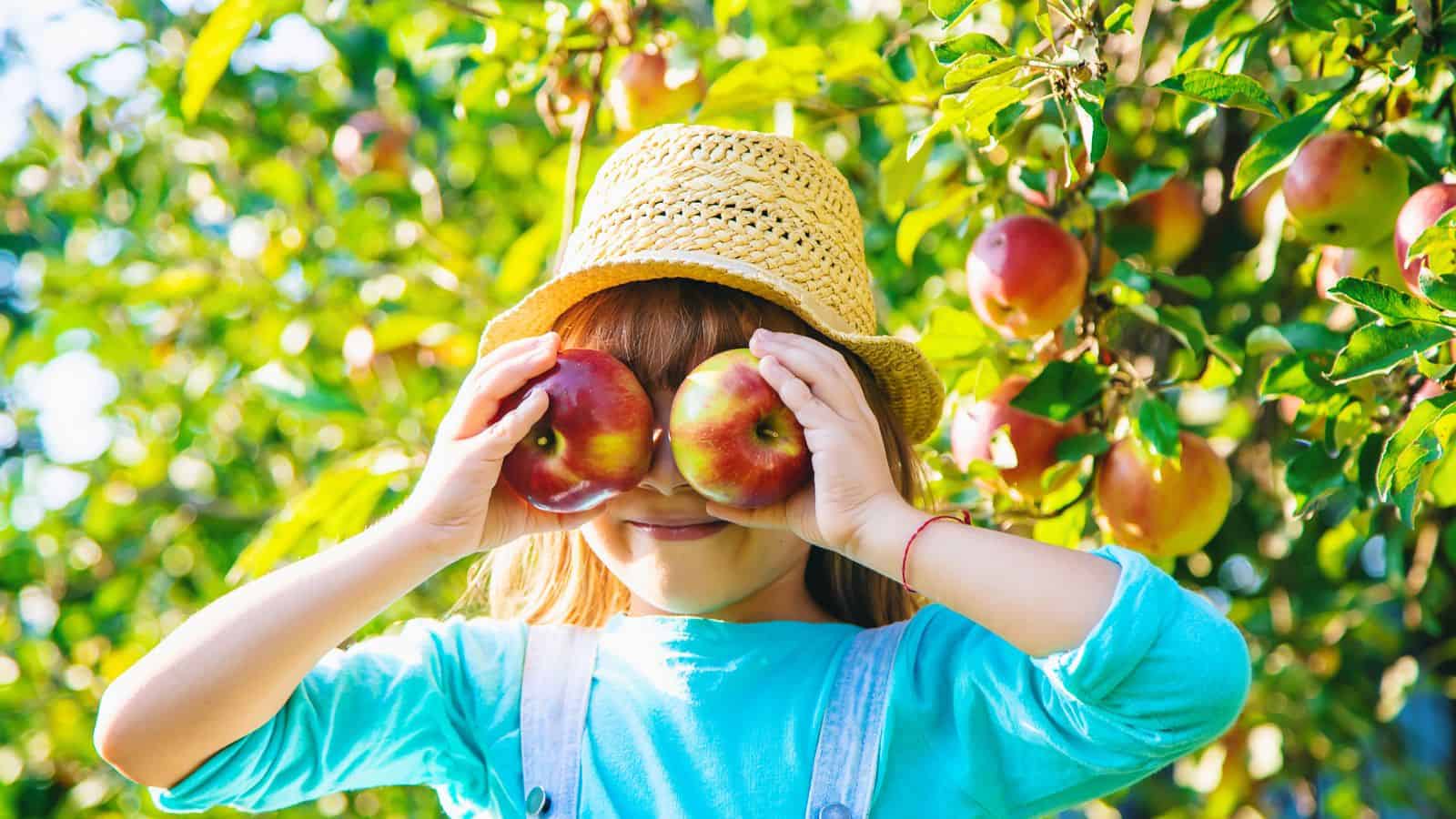
Picking Apples Too Early
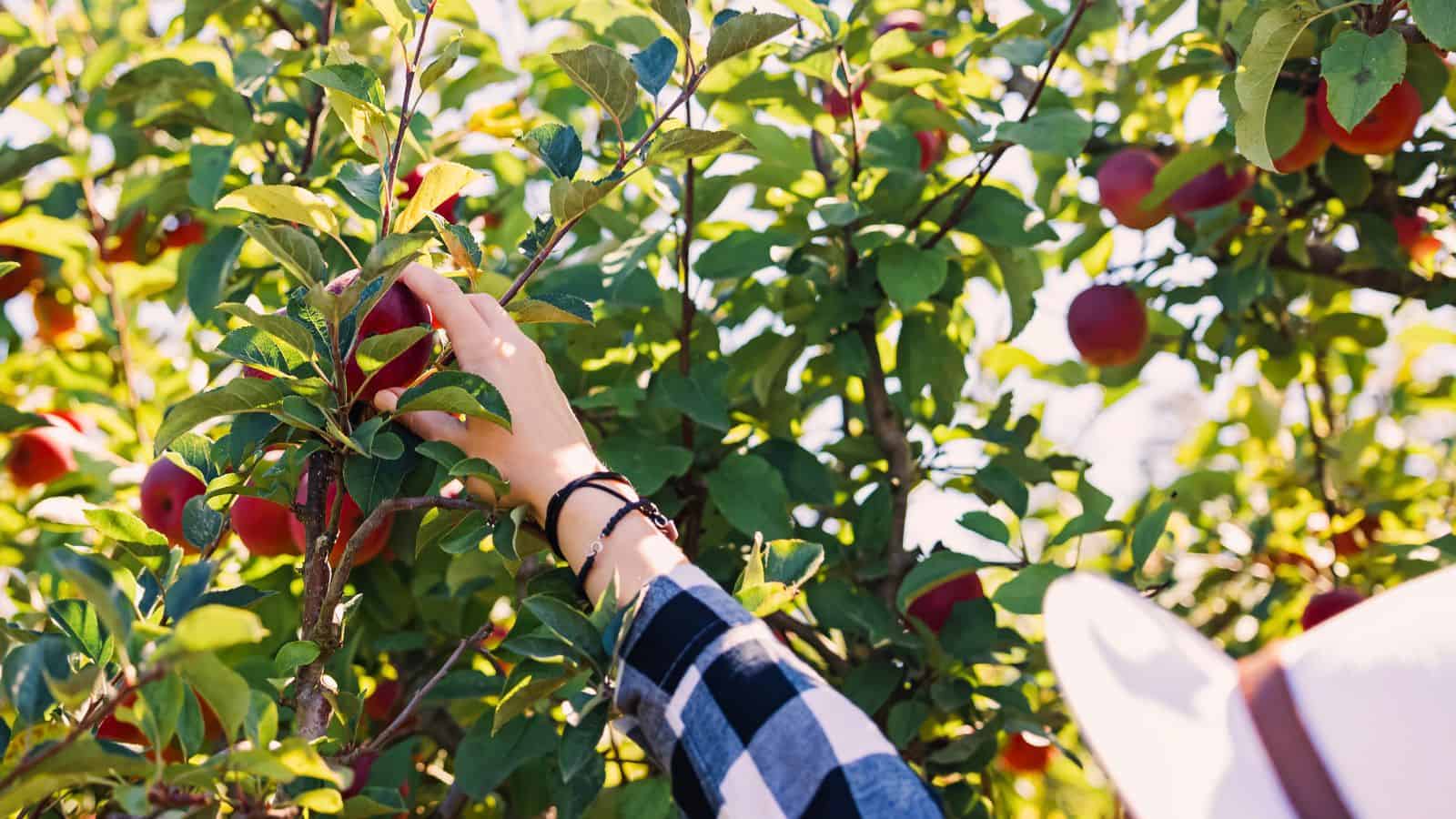
Harvesting apples before they reach their full maturity can result in fruit that lacks the intended sweetness and texture. Early-picked apples may be hard, sour, and less flavorful, which can affect how enjoyable they are to eat or use. To determine if an apple is ready, look for changes in skin color that correspond with the variety, and test how easily the fruit comes off the branch. Apples that detach without much force are generally ripe. Taste testing a few samples from different parts of the tree can also help confirm readiness.
Ignoring Apple Variety Differences
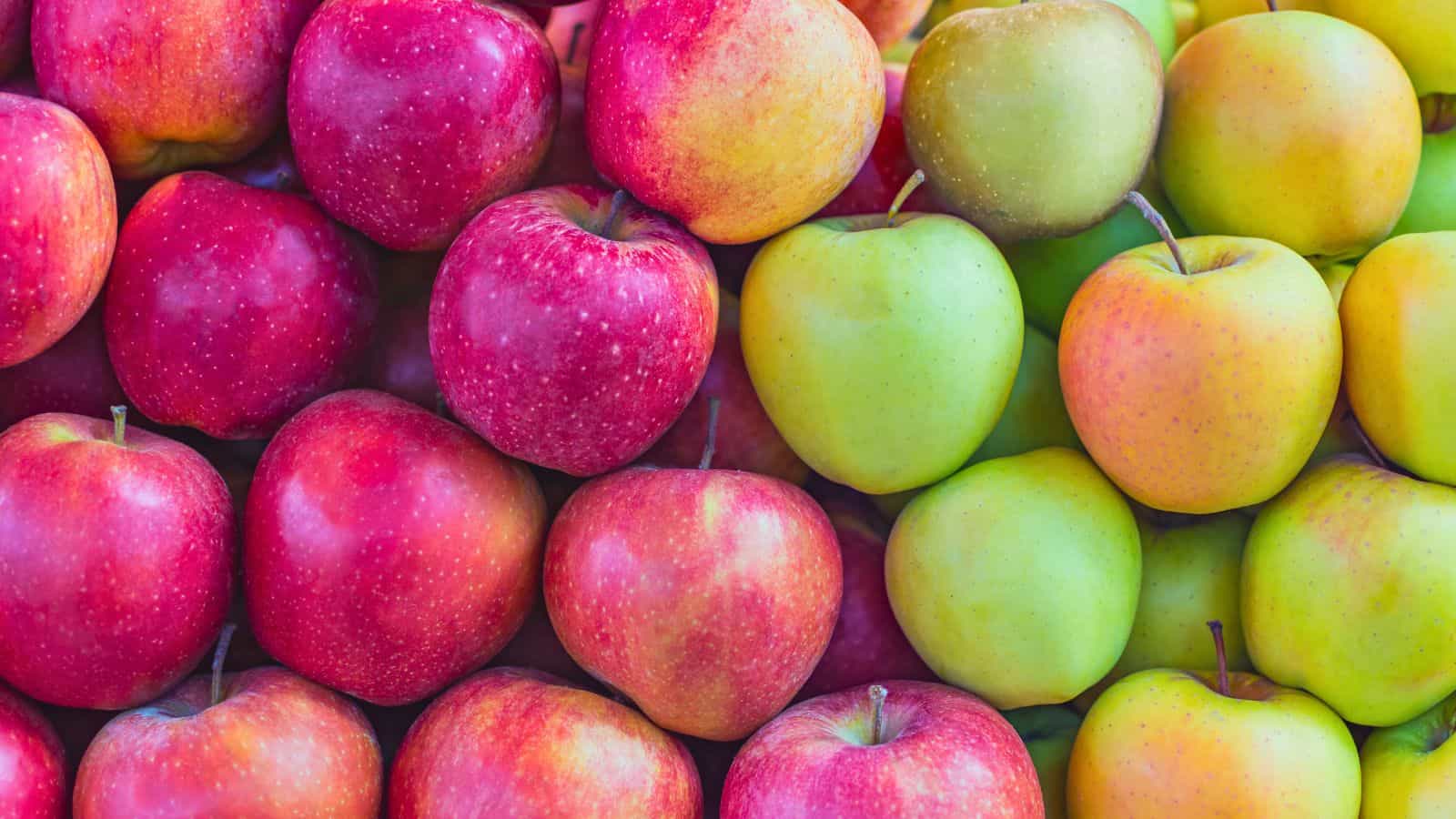
Different apple types ripen at various times throughout the season, ranging from early summer to late fall. Treating all apples as if they mature simultaneously can lead to picking some fruits too soon or leaving others on the tree too long. Each variety has its own timeline for optimal harvesting, which affects flavor and texture. Researching or consulting local guides about when specific apples in your orchard or during an orchard visit are expected to ripen can make a significant difference in the quality of the fruit collected.
Pulling Instead of Twisting

When picking apples, yanking them straight down can cause harm to both the fruit and the tree. This method may strip off leaves or small branches, which can affect future growth and yield. The proper way involves gently lifting the apple upward while carefully rotating it to release it from the stem without damage. This technique helps maintain the apple's skin integrity and prevents bruising. Handling the fruit delicately during picking supports the health of the tree and preserves the quality of the apples for storage or use.
Picking Apples with Bruises or Damage
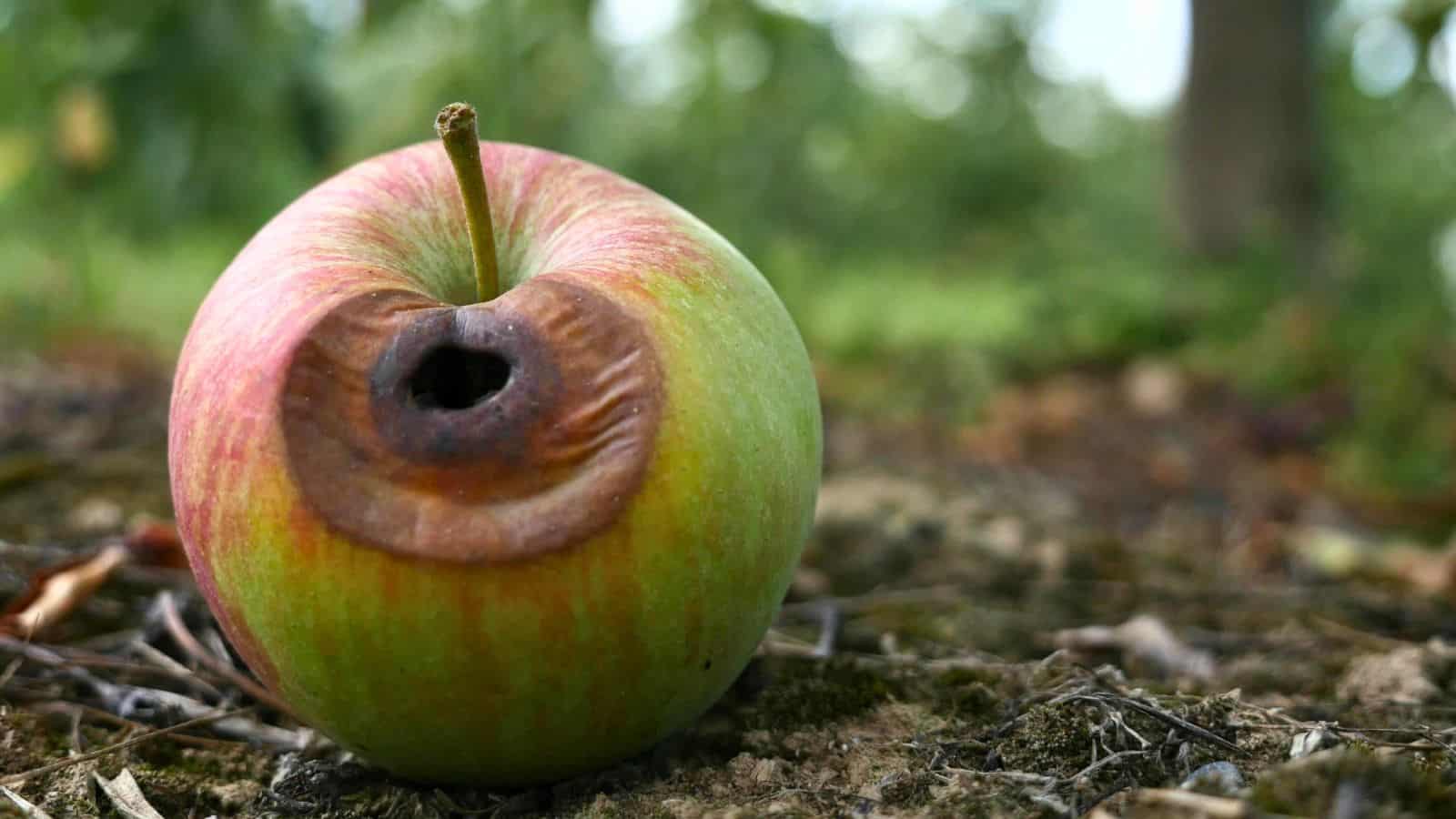
Selecting apples that show signs of bruising, insect bites, or other damage can lead to faster spoilage and a less pleasant eating experience. Damaged fruit is more vulnerable to rot and may affect nearby apples if stored together. When picking, examining each apple closely for firmness and smooth skin is important. Avoid fruit with soft spots, holes, or discolorations. Choosing only healthy-looking apples helps maintain freshness longer and reduces waste, especially if the fruit is intended for storage or longer-term use.
Not Using Clean Containers
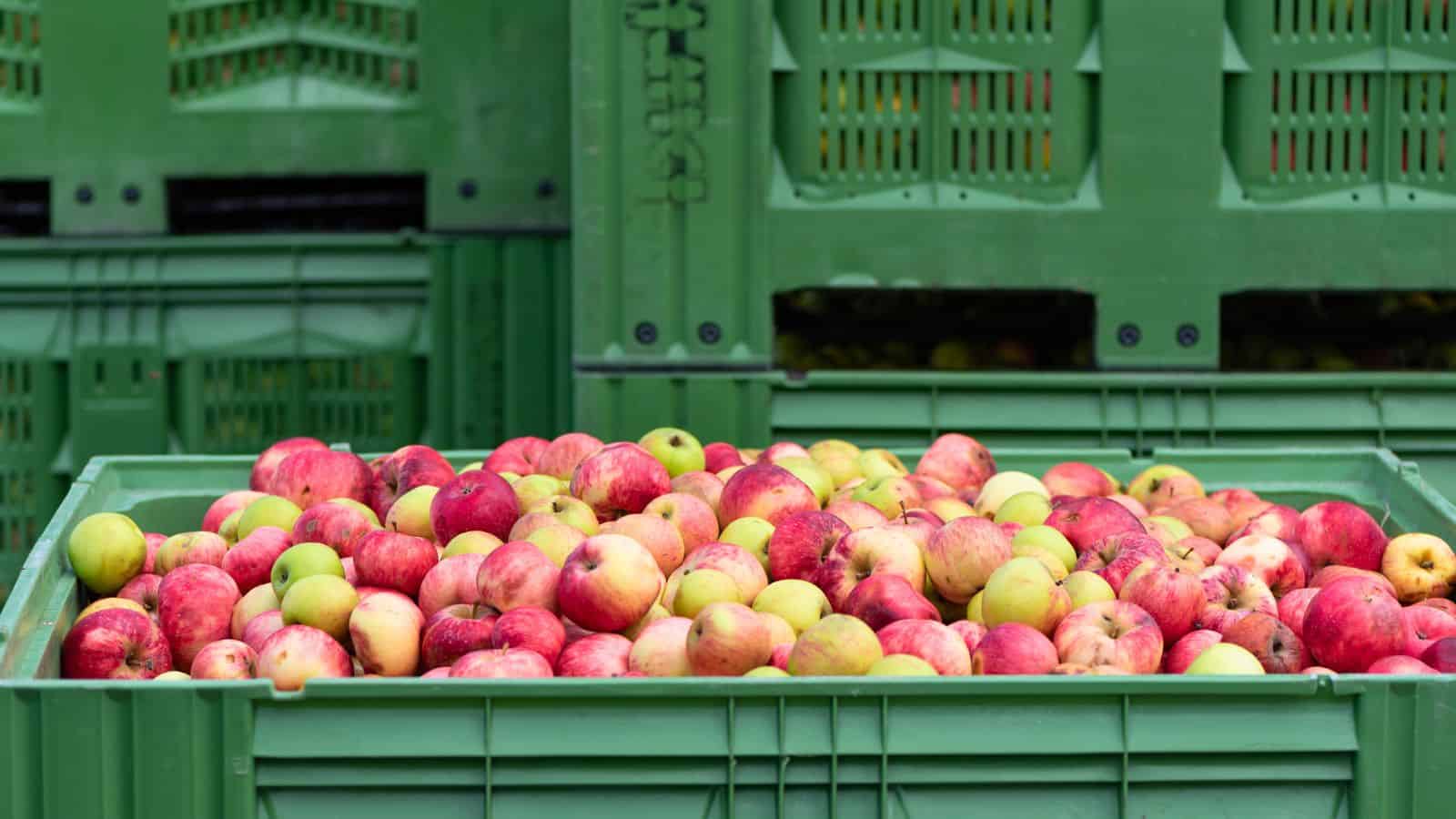
Using containers that are dirty or rough can cause apples to bruise or become contaminated with dirt and bacteria. This can lead to quicker spoilage and reduce the time the apples remain fresh after picking. It's best to select clean baskets, boxes, or bags with smooth surfaces to gently hold the fruit. Padding the bottom of containers with soft material can also protect apples from damage during transport. Keeping the containers clean and dry contributes to preserving the quality and appearance of the apples after harvest.
Ignoring Weather Conditions

Picking apples when the weather is wet or immediately after rain can cause problems with fruit quality. Moisture on the apples' surface can encourage mold growth and make the skin more prone to damage during handling. Wet conditions also increase the risk of slipping and accidents while climbing or moving around trees. Choosing a dry day for harvesting helps keep the fruit clean, firm, and less susceptible to rot. After picking, it is best to let apples dry completely before storing them to maintain freshness longer.
Overfilling Picking Bags or Baskets
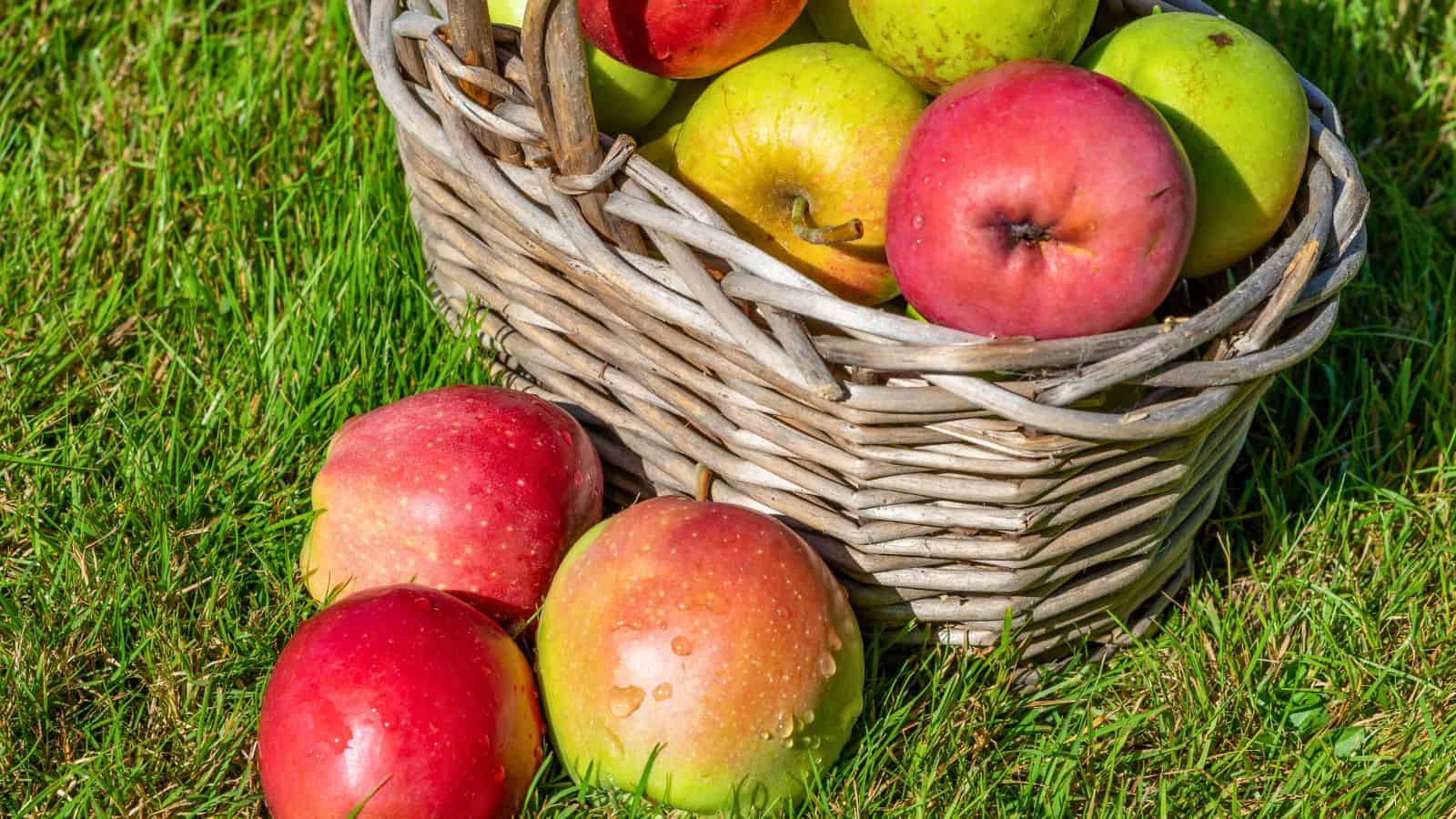
When containers are packed too full, the weight of the apples at the bottom can crush those underneath, leading to bruising and premature spoilage. Overfilled bags or baskets also make it harder to handle the fruit carefully, increasing the chances of dropping or damaging apples. It's better to pick smaller amounts and transfer them gently into storage containers. This approach reduces pressure on the fruit and helps keep each apple intact, preserving its quality during transport and storage.
Neglecting to Wear Protective Clothing
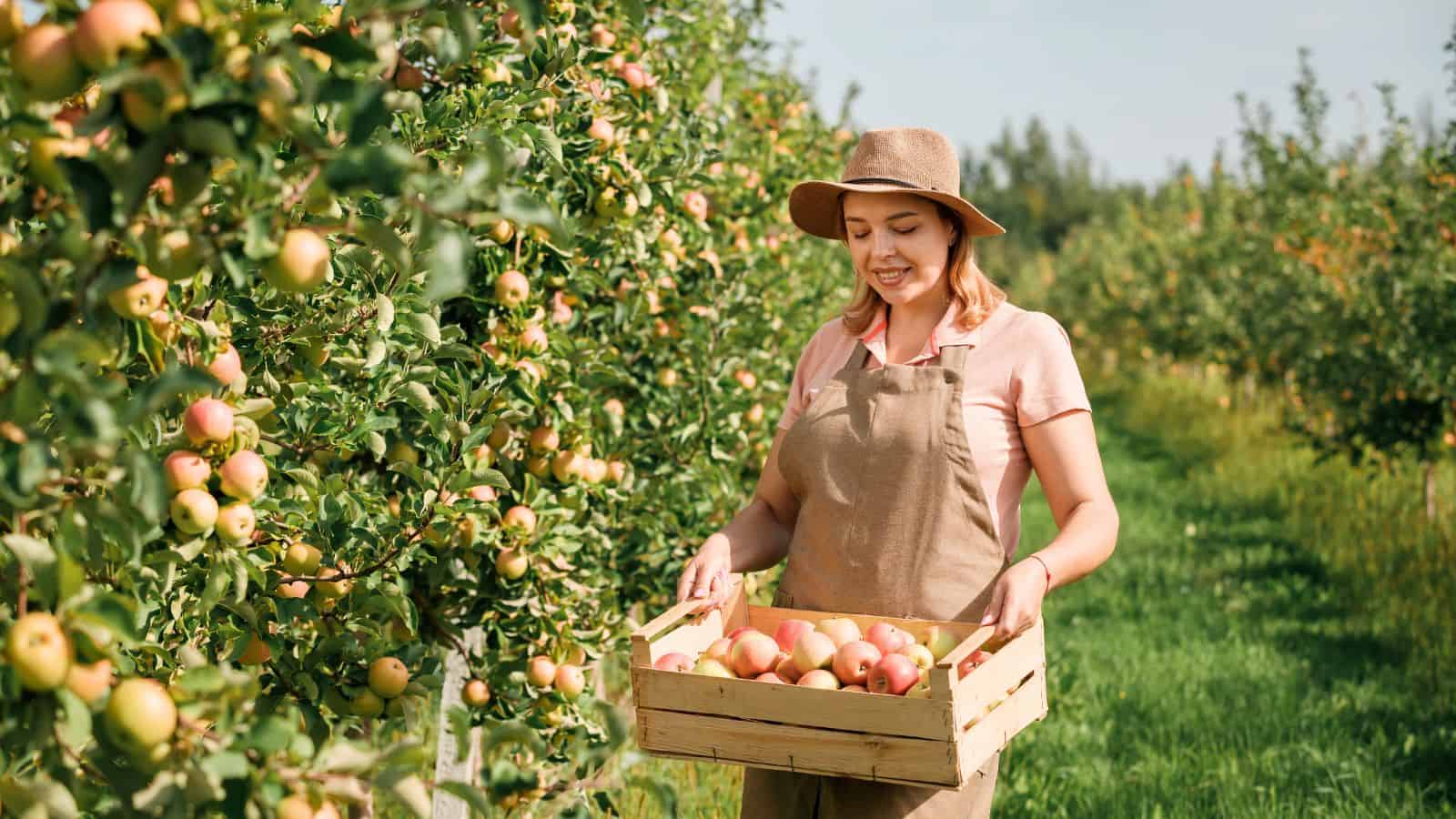
Apple picking often involves reaching into branches and moving through uneven terrain, which can expose the picker to scratches, insect bites, or irritation from plants. Not wearing long sleeves, gloves, and sturdy shoes can result in discomfort or minor injuries that could have been avoided. Protective clothing acts as a barrier, allowing for safer and more comfortable harvesting. It also helps prevent dirt and sap from contacting the skin, making the experience cleaner and less bothersome.
Not Checking for Tree Health
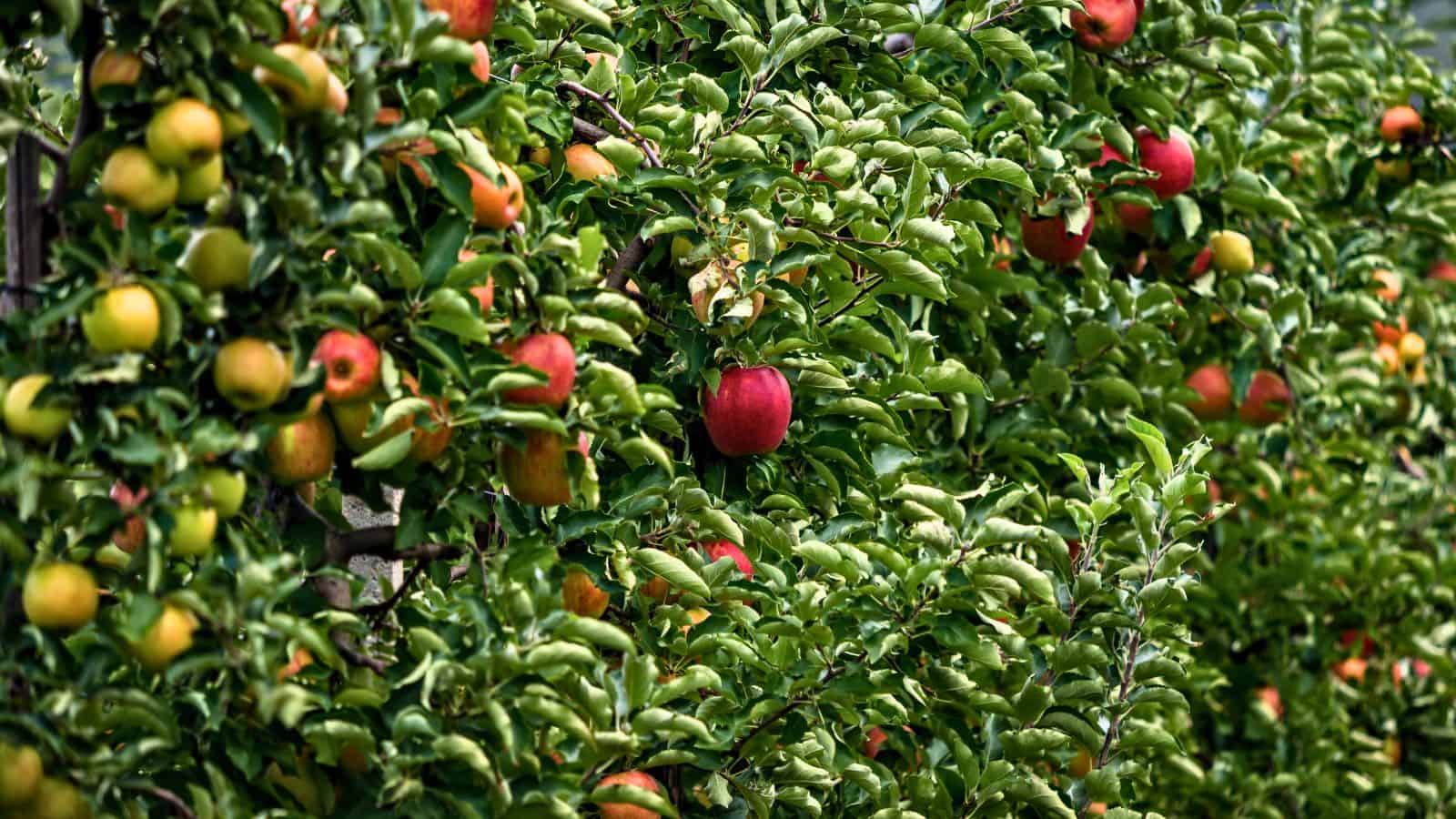
Picking apples from trees that are unhealthy or suffering from disease can result in poor-quality fruit that may not store well or taste as expected. Signs of an unhealthy tree include discolored leaves, dead branches, or visible fungal growth. Fruit from such trees is more likely to be affected by pests or have defects. It's important to inspect the trees before harvesting and choose those that appear vigorous and well-maintained. This practice supports better fruit quality and contributes to the long-term health of the orchard.
Failing to Store Apples Properly After Picking
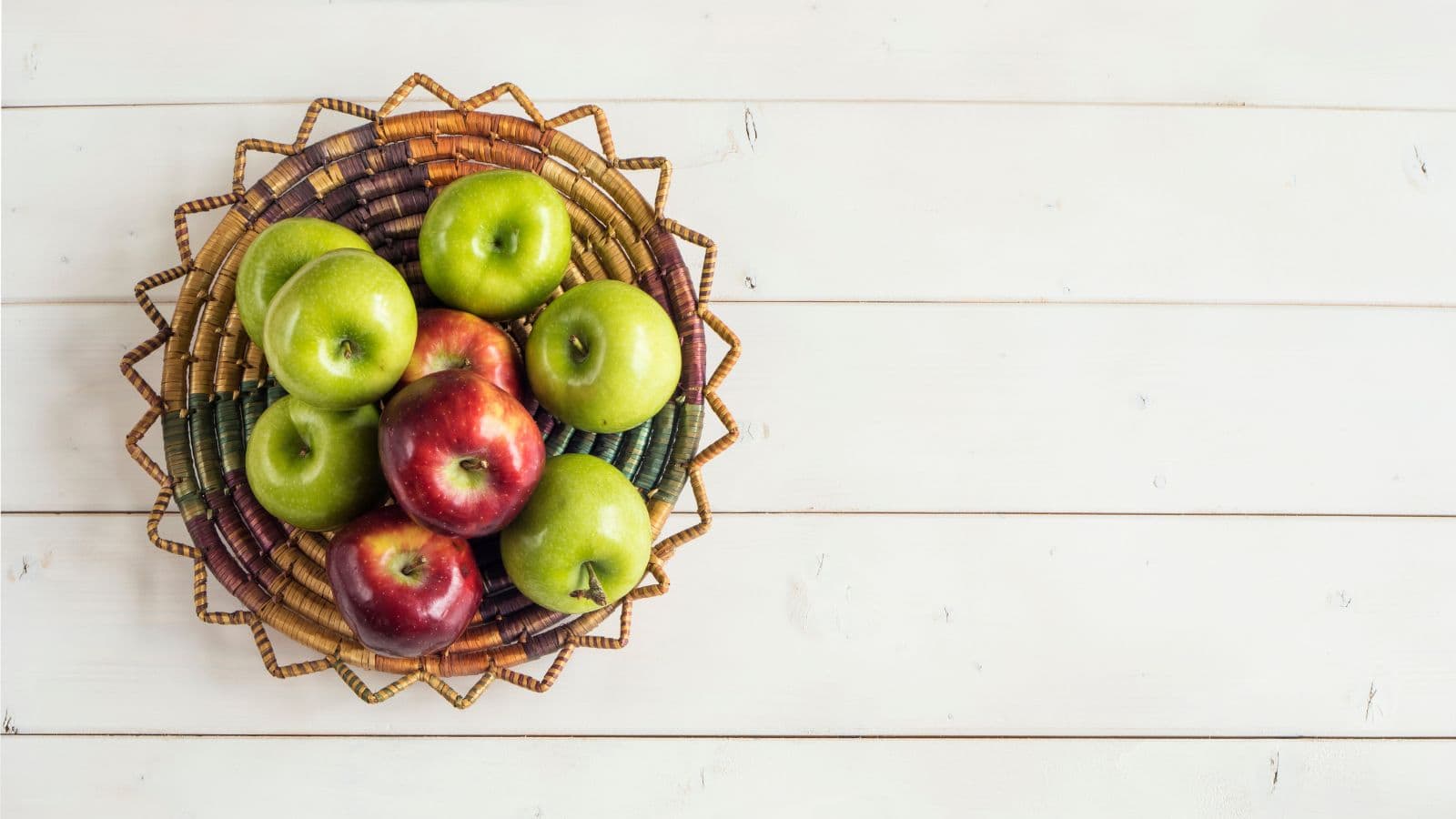
Once apples are harvested, leaving them exposed to heat, sunlight, or fluctuating temperatures can cause them to deteriorate quickly. Apples kept in warm or dry places tend to lose moisture, become soft, and spoil sooner. To maintain firmness and extend shelf life, apples should be stored in a cool, shaded area with some humidity. Refrigeration or a root cellar environment is ideal for slowing down the natural ripening process. Proper storage after picking helps retain the fruit's texture and flavor for a longer period.
Pick Smart, Not Sorry
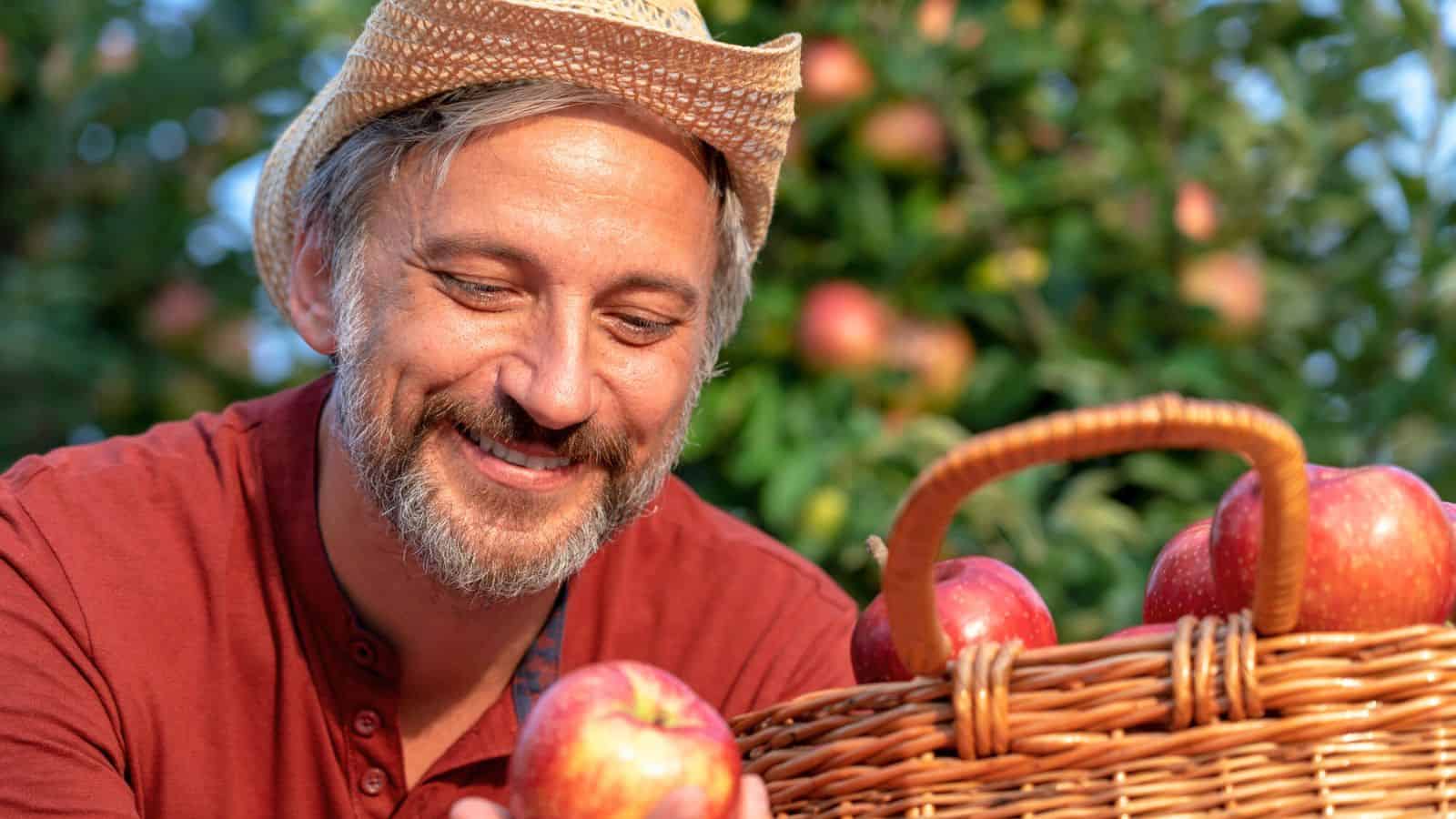
Picking apples doesn't have to be tricky, but avoiding common mistakes can really make a difference. Paying attention to how and when you pick helps you get fruit that tastes better and lasts longer. It also keeps the trees healthy, so you can enjoy fresh apples year after year. Taking a little extra care during the process means less waste and more fruit to enjoy in whatever way you like.
Remember, it's not about being perfect, just about being thoughtful. Simple changes in picking and handling apples can save you time and frustration. When you know what to look for and how to treat the fruit, apple picking becomes easier and more rewarding. With these tips in mind, your next apple-picking trip will be smooth and successful, leaving you with plenty of great apples to enjoy.
Top Fruits That Are the Easiest to Pick for Beginners
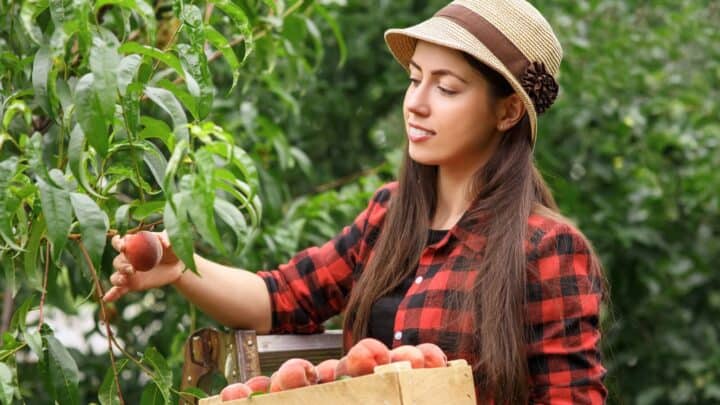
Picking fruit is a great way to spend time outdoors and connect with nature, especially if you're just starting out. Some fruits are much easier to pick than others, which makes the whole process less frustrating and more enjoyable. When you're new to fruit picking, it helps to choose these ten fruits that are the easiest to pick since they don't require special tools or climbing.
Read it Here: Top 10 Fruits That Are the Easiest to Pick for Beginners
Best Stone Fruits for a Healthier You According to Dietitians
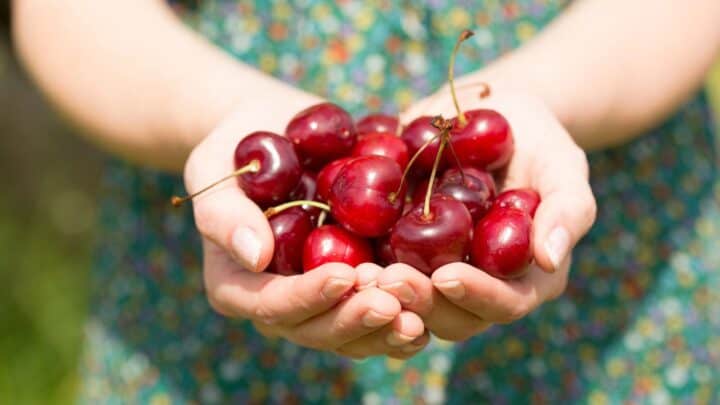
Stone fruits are some of the best treats nature has to offer. Think about those juicy peaches, sweet cherries, and plump plums. These fruits have a hard pit inside, but don't let that fool you. Beneath that tough exterior lies a lot of vitamins, minerals, and antioxidants. In particular, there are 13 stone fruits that are great for health according to dietitians.
Read it Here: 13 Best Stone Fruits for a Healthier You According to Dietitians