
Picking fruit might seem like a simple task, but doing it in a way that protects the environment takes a little extra care. How and when fruit is harvested can greatly impact the health of plants and the land around them. When picked thoughtfully, fruit helps keep plants strong and supports the animals and insects that rely on those plants. This is why we have ten sustainable fruit picking practices!
You don't need fancy tools or a lot of experience to make a difference. Just paying attention to how you pick and what you use can help the environment stay balanced and thriving. Whether you're gathering fruit from your garden or joining a local farm, these easy-to-follow practices are a great way to protect nature while enjoying fresh fruit. It's about making smart choices that feel natural and work well for the planet.
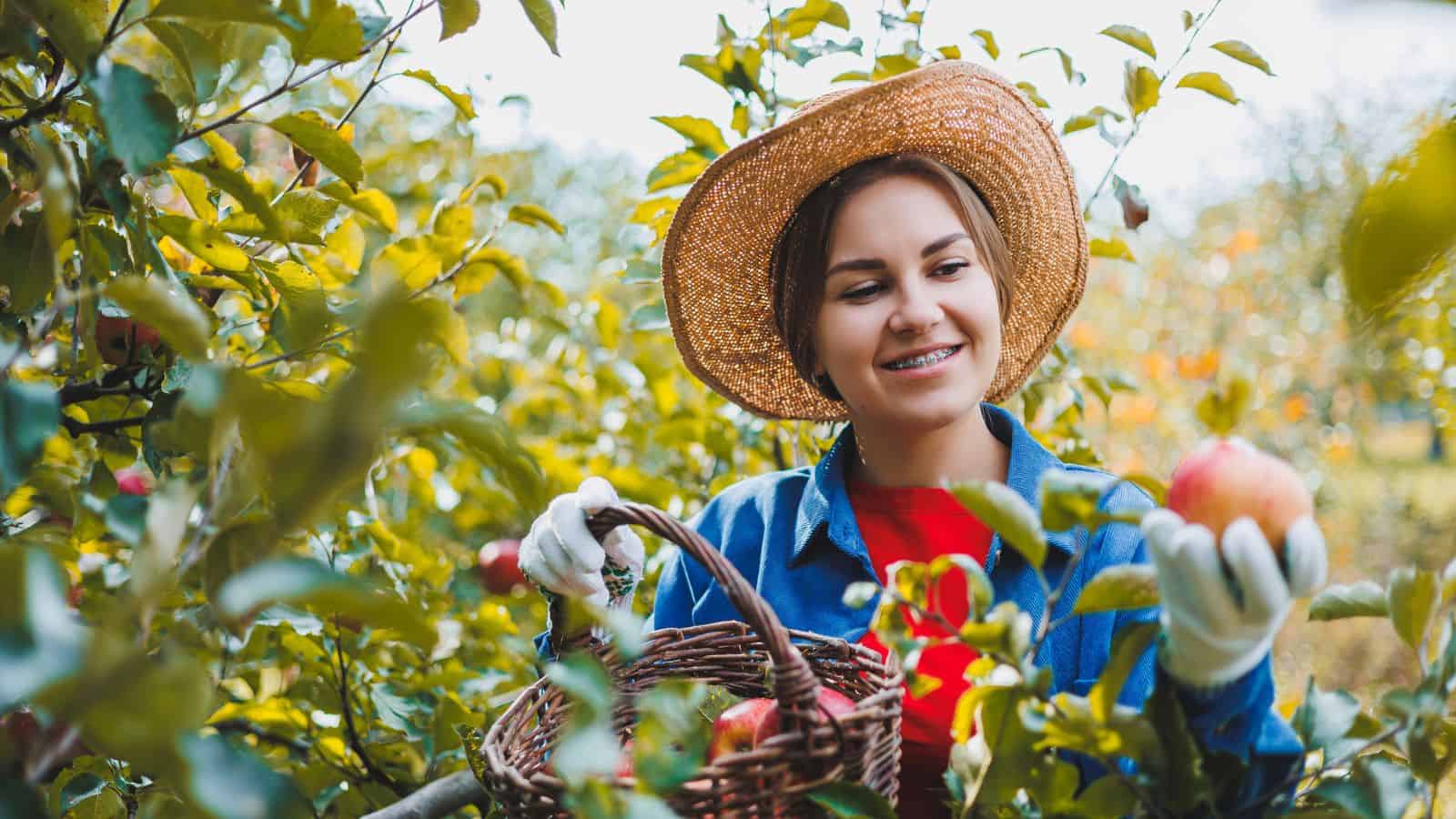
Selective Harvesting
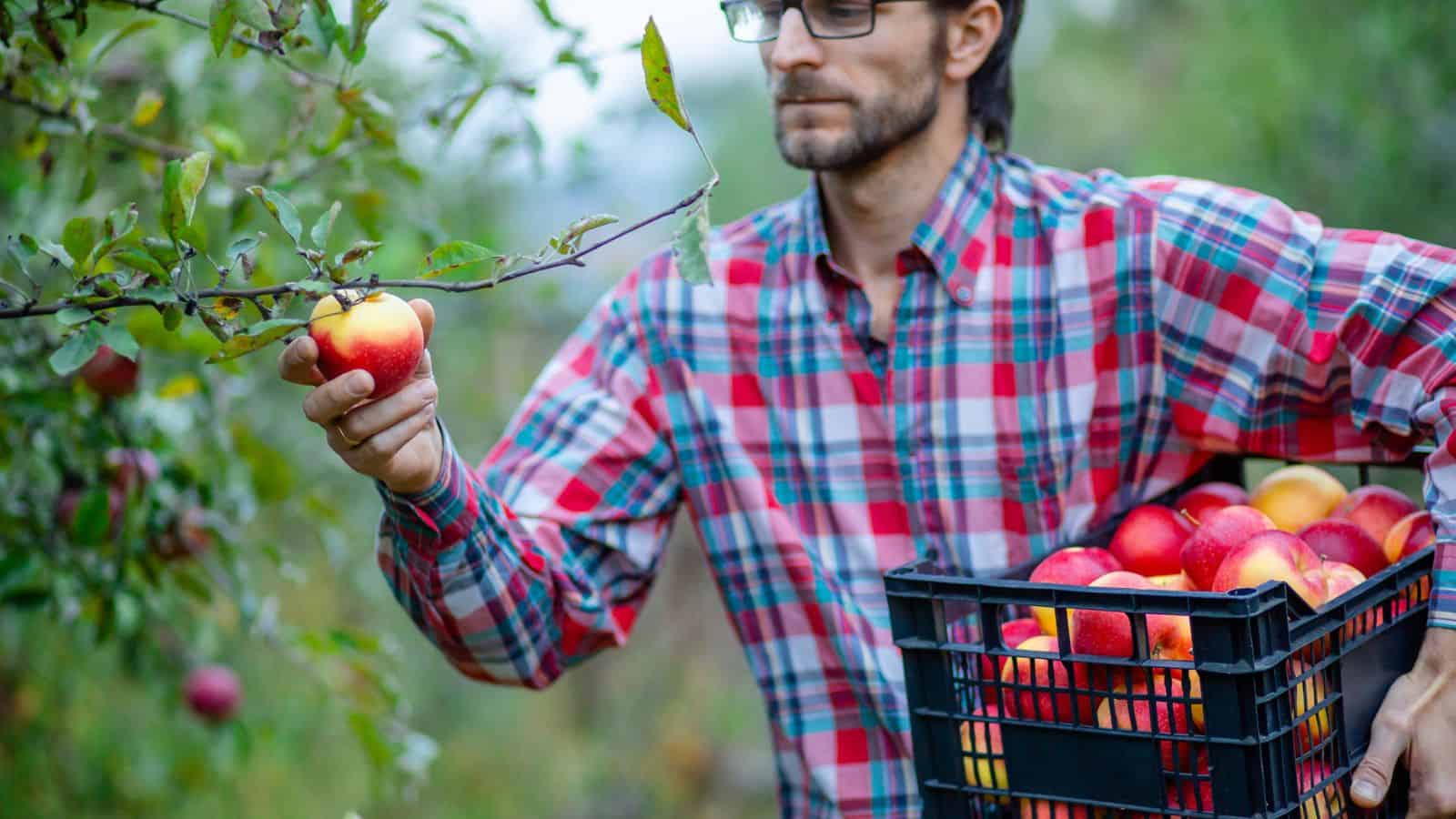
Selective harvesting involves carefully choosing only the fruits that have reached full maturity while leaving those that are still developing on the plant. This method supports the continuous growth cycle of the fruit-bearing plants by allowing unripe fruits to ripen naturally. It reduces waste by preventing premature picking, which can lead to spoilage or poor quality. Additionally, selective harvesting helps maintain the health of the plant, as it avoids unnecessary strain and damage caused by removing immature fruit. This practice contributes to sustained productivity and resource conservation in fruit cultivation.
Get the Recipe: Selective Harvesting
Use of Organic Methods
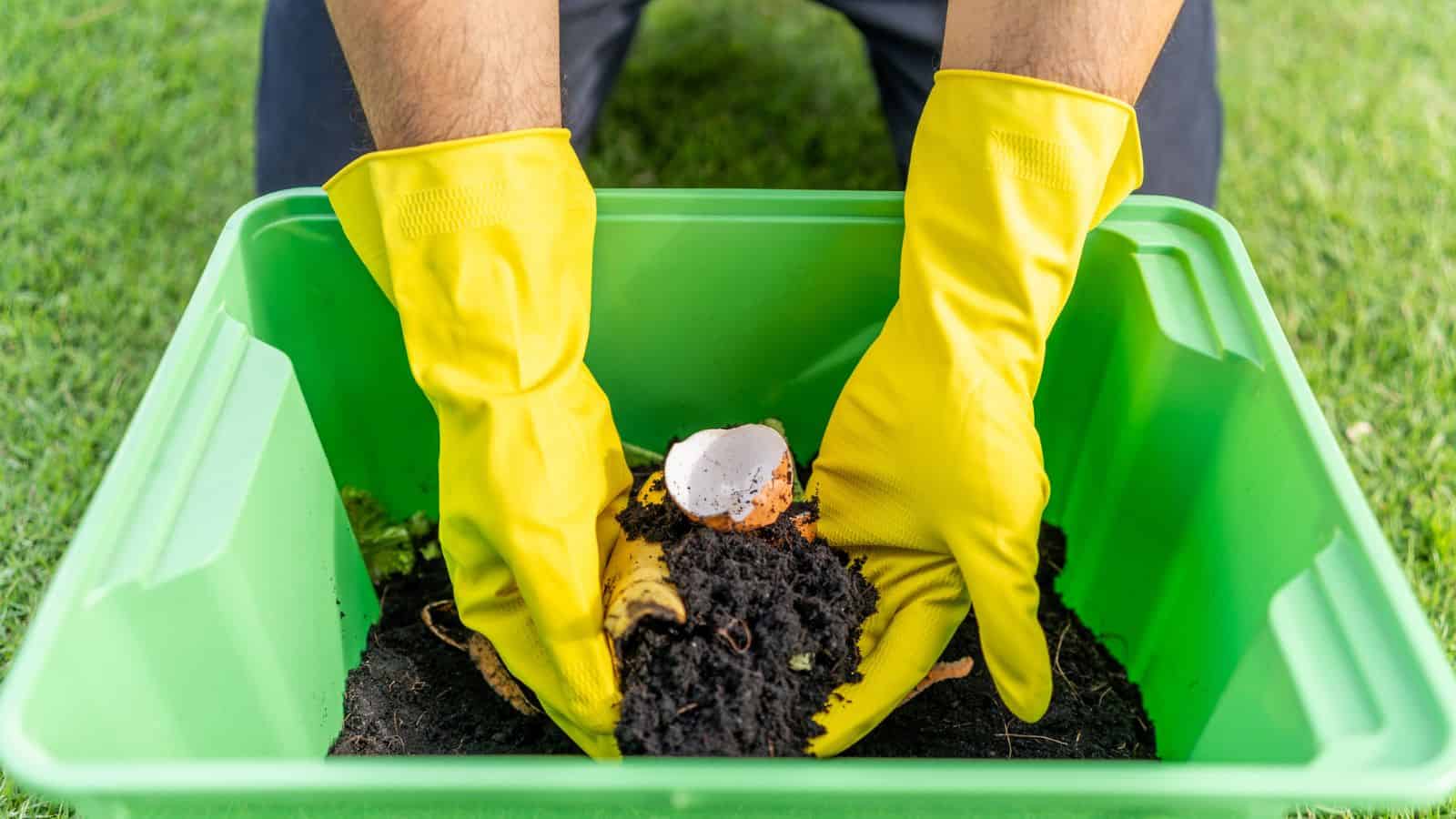
Employing organic techniques during fruit picking means steering clear of synthetic chemicals such as pesticides and fertilizers. These substances often seep into the soil and nearby water sources, harming ecosystems and non-target organisms. Organic methods rely on natural alternatives like compost, beneficial insects, and plant-based treatments that support soil vitality and biodiversity. This approach promotes a healthier environment by reducing pollution and fostering a balanced ecosystem. It also helps maintain the natural resilience of fruit plants, encouraging long-term sustainability in agricultural practices.
Minimize Damage to Plants
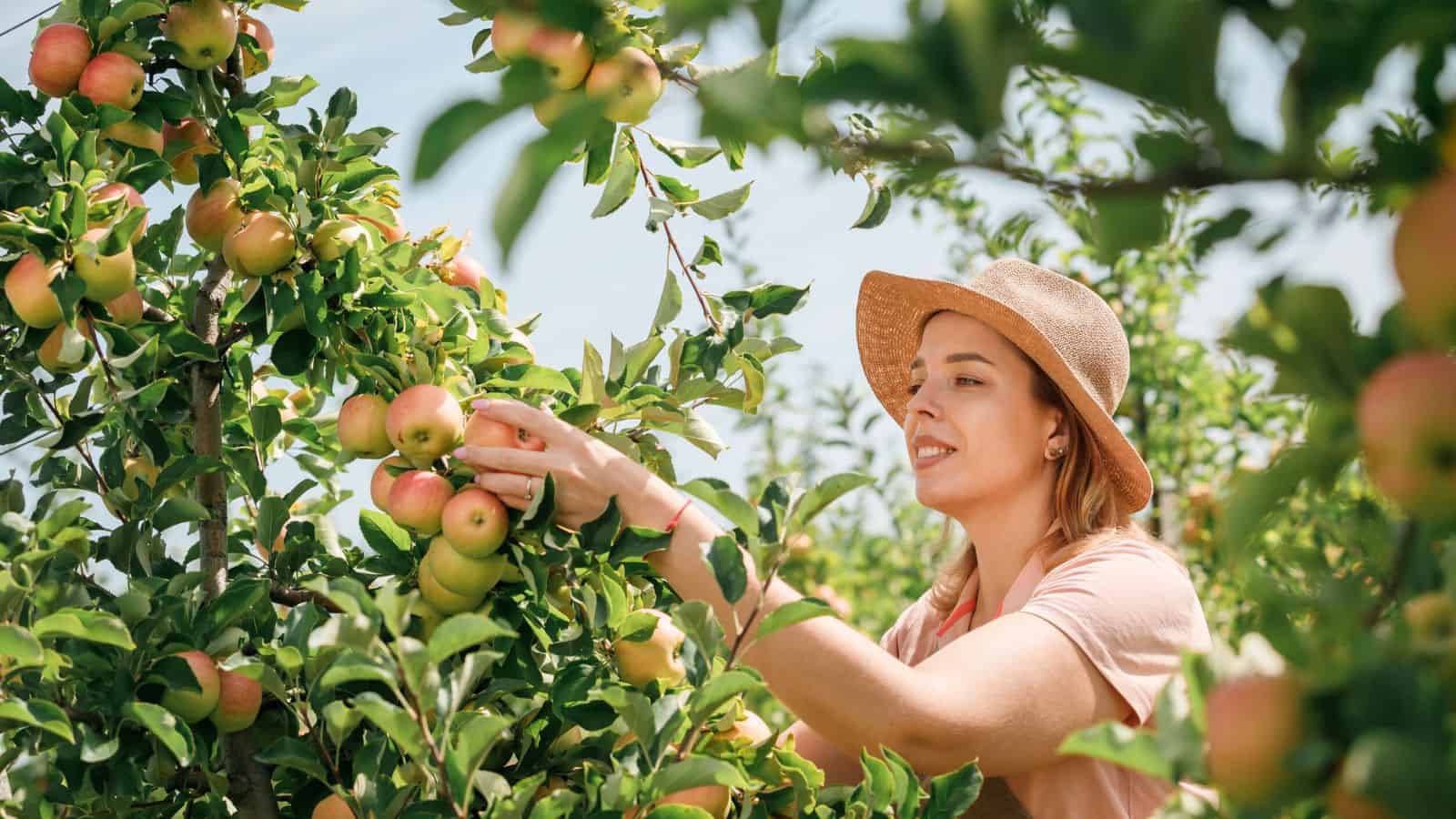
Handling fruits carefully during harvesting is crucial to preserving the fruit and the plant itself. Rough picking or careless handling can cause wounds to branches, stems, and leaves, which may invite pests and diseases. By using gentle techniques and appropriate tools, pickers can avoid unnecessary harm that might weaken the plant's ability to produce in future seasons. Protecting the structural integrity of the plant supports its growth and longevity. This careful approach also reduces the need for chemical interventions, contributing to a healthier growing environment.
Use Reusable or Biodegradable Containers
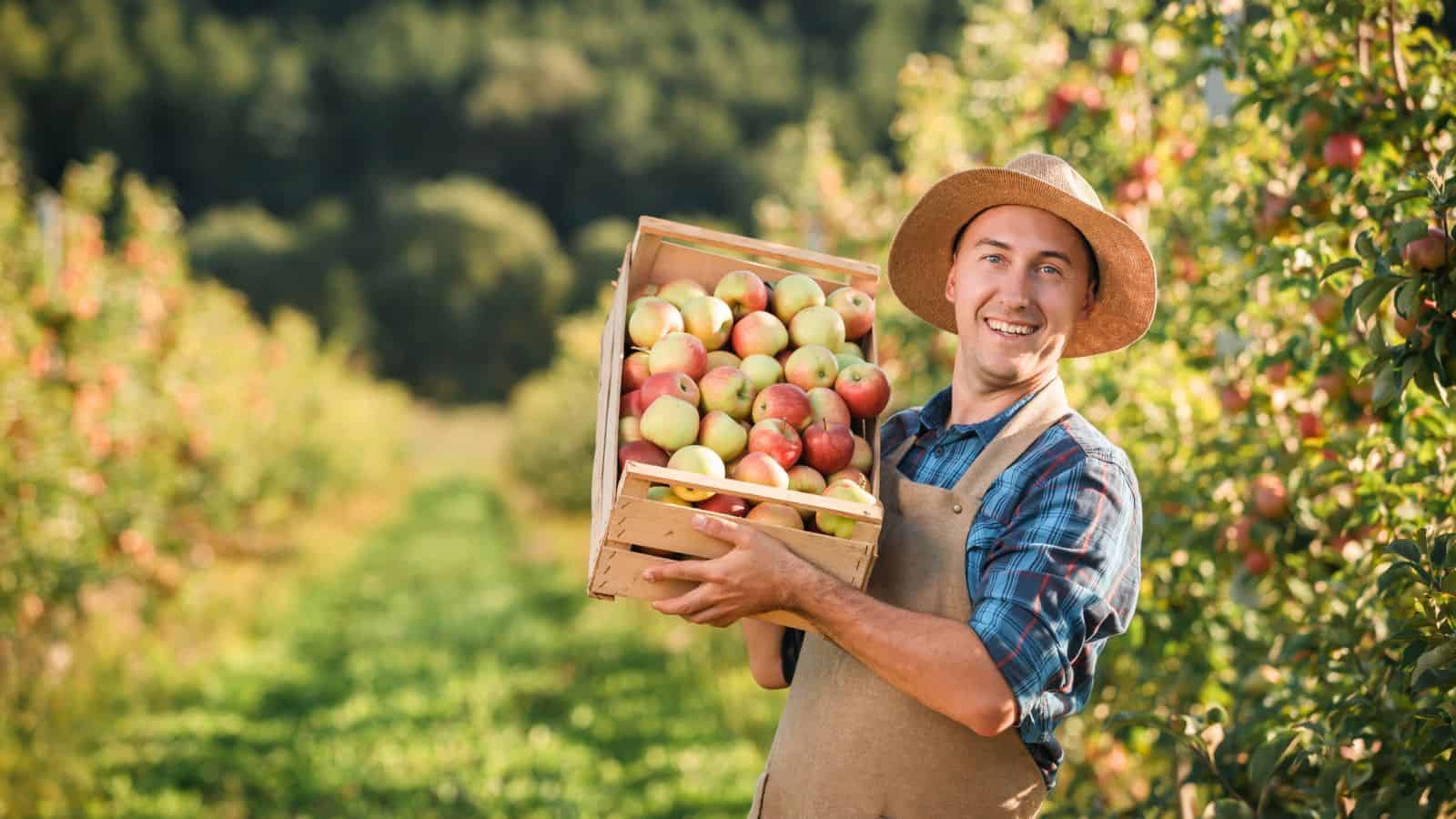
Collecting fruits in containers made from reusable materials like woven baskets or biodegradable substances helps significantly reduce environmental impact. Single-use plastics often end up as litter or in landfills, where they persist for decades and harm wildlife. By choosing alternatives that either break down naturally or can be used repeatedly, the waste generated during harvesting is minimized. This practice aligns with efforts to reduce pollution and conserve resources. Additionally, lightweight and durable containers facilitate easier transport and sorting of fruit, making the process more efficient without compromising sustainability.
Maintain Biodiversity
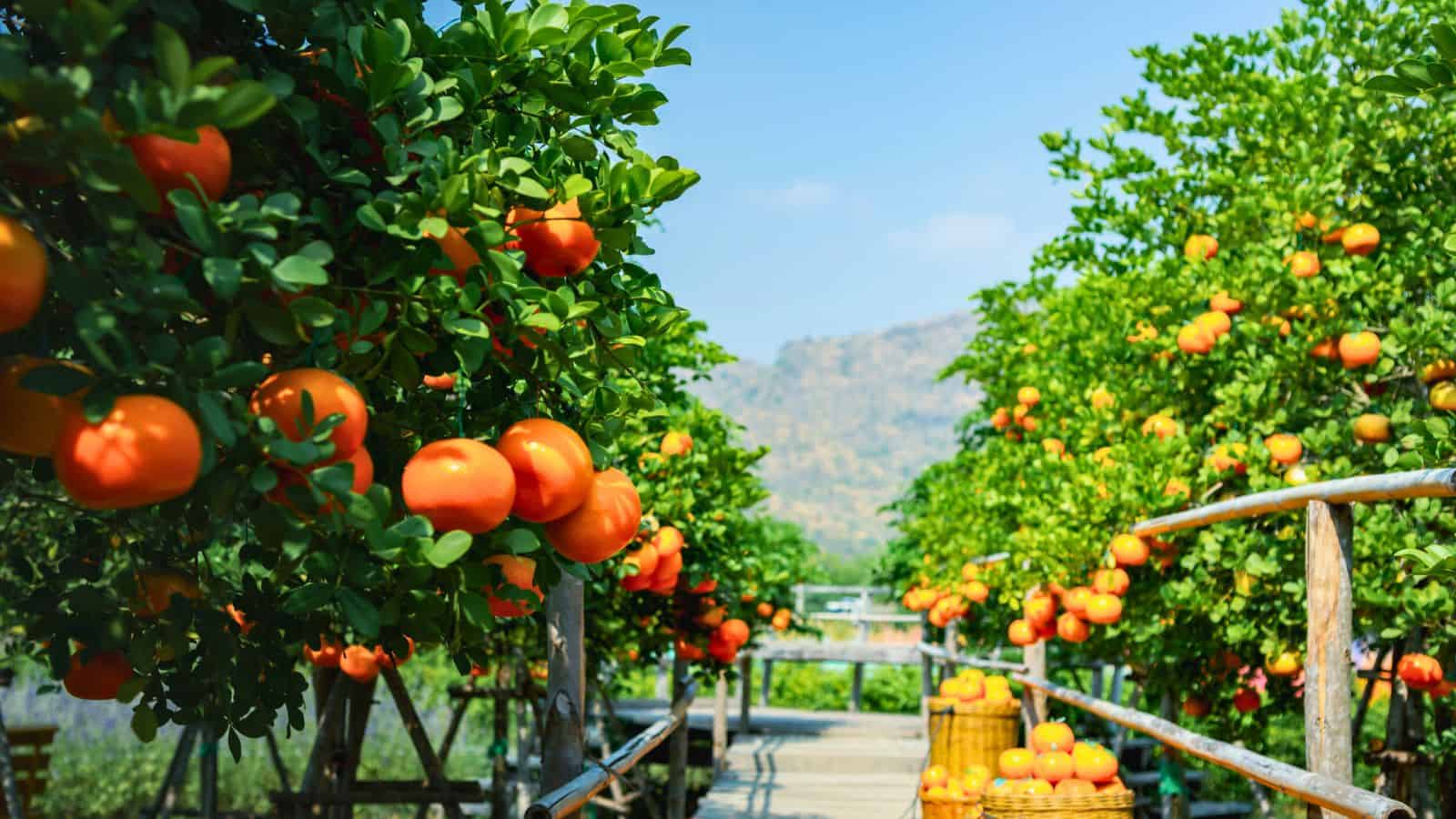
Avoiding overharvesting in specific locations is important to protect the surrounding flora and fauna. Excessive fruit removal can disrupt food sources for animals and insects that depend on them, leading to imbalances in the local ecosystem. Maintaining biodiversity involves leaving enough fruit and plant material intact to support wildlife and preserve natural habitats. This practice also helps prevent soil erosion and supports pollinator populations, which play a vital role in fruit production. By respecting the ecological connections within the environment, fruit picking can be conducted in a way that supports both agricultural needs and natural systems.
Practice Crop Rotation and Intercropping
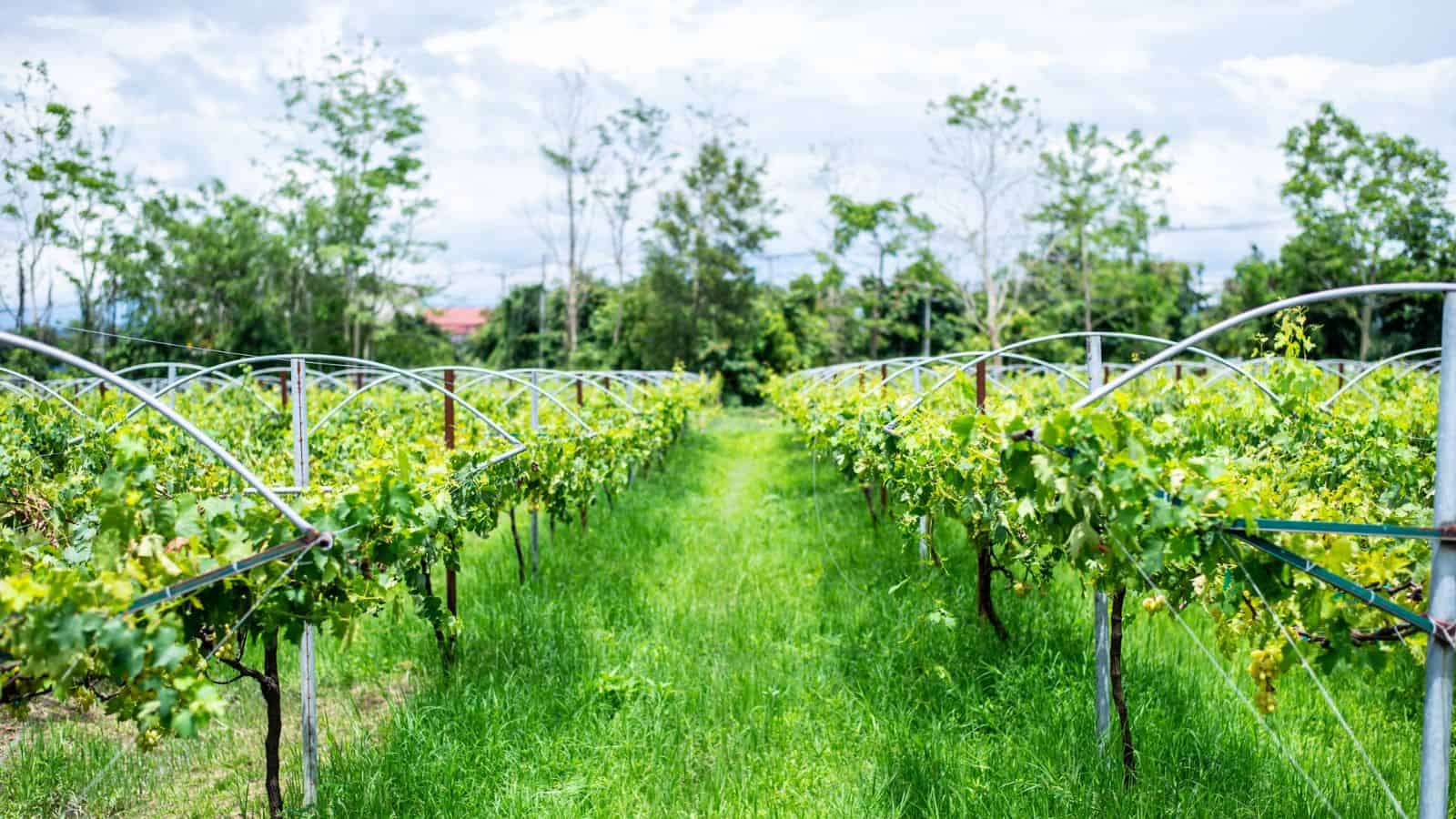
Incorporating crop rotation and intercropping techniques helps maintain soil health and reduces the buildup of pests and diseases that can affect fruit plants. Rotating crops prevents nutrient depletion by alternating plants with different nutrient requirements, allowing the soil to recover naturally. Intercropping, or growing different crops together, can confuse pests and attract beneficial insects, reducing the need for chemical treatments. These methods promote a more balanced ecosystem within the farm, supporting healthier plants and sustainable fruit production over time.
Harvest During Optimal Times
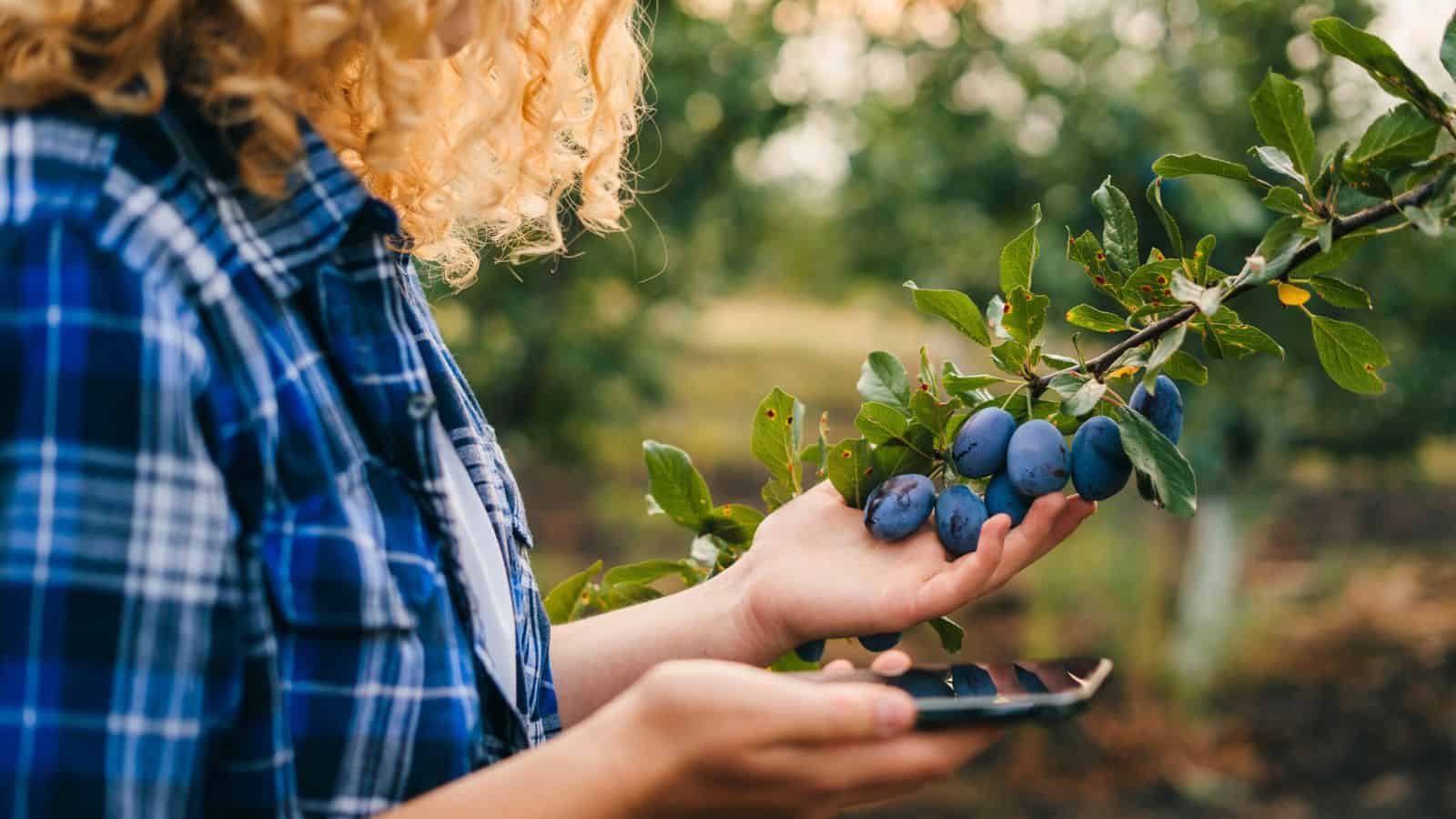
Picking fruits during the cooler parts of the day, such as early morning or late afternoon, helps maintain the quality of the harvest. Lower temperatures reduce the rate of fruit deterioration and moisture loss, which can occur rapidly under intense heat. This timing also lessens stress on both the fruit and the pickers, improving efficiency and reducing spoilage. By aligning harvesting activities with natural temperature cycles, the amount of waste generated during the process can be minimized, contributing to more sustainable resource management.
Educate Pickers
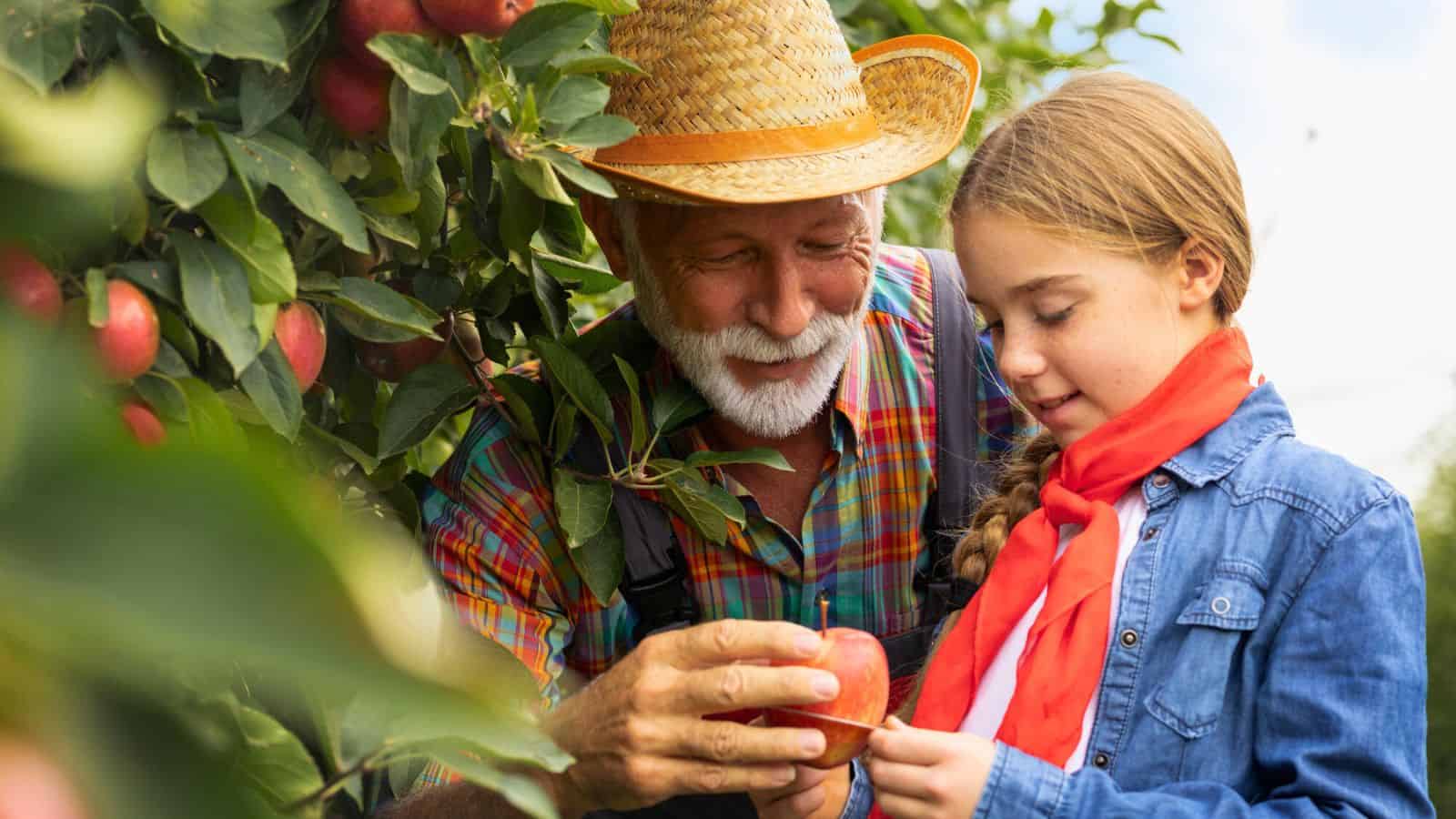
Providing thorough training to individuals involved in fruit harvesting encourages the adoption of sustainable techniques that protect both the environment and the plants. Education can cover topics such as proper handling methods, recognizing signs of ripeness, and understanding the importance of preserving surrounding habitats. Well-informed pickers are more likely to avoid damaging plants or overharvesting, reducing negative impacts on the ecosystem. This investment in knowledge helps create a workforce that supports long-term ecological balance and responsible agricultural practices.
Support Local and Seasonal Picking
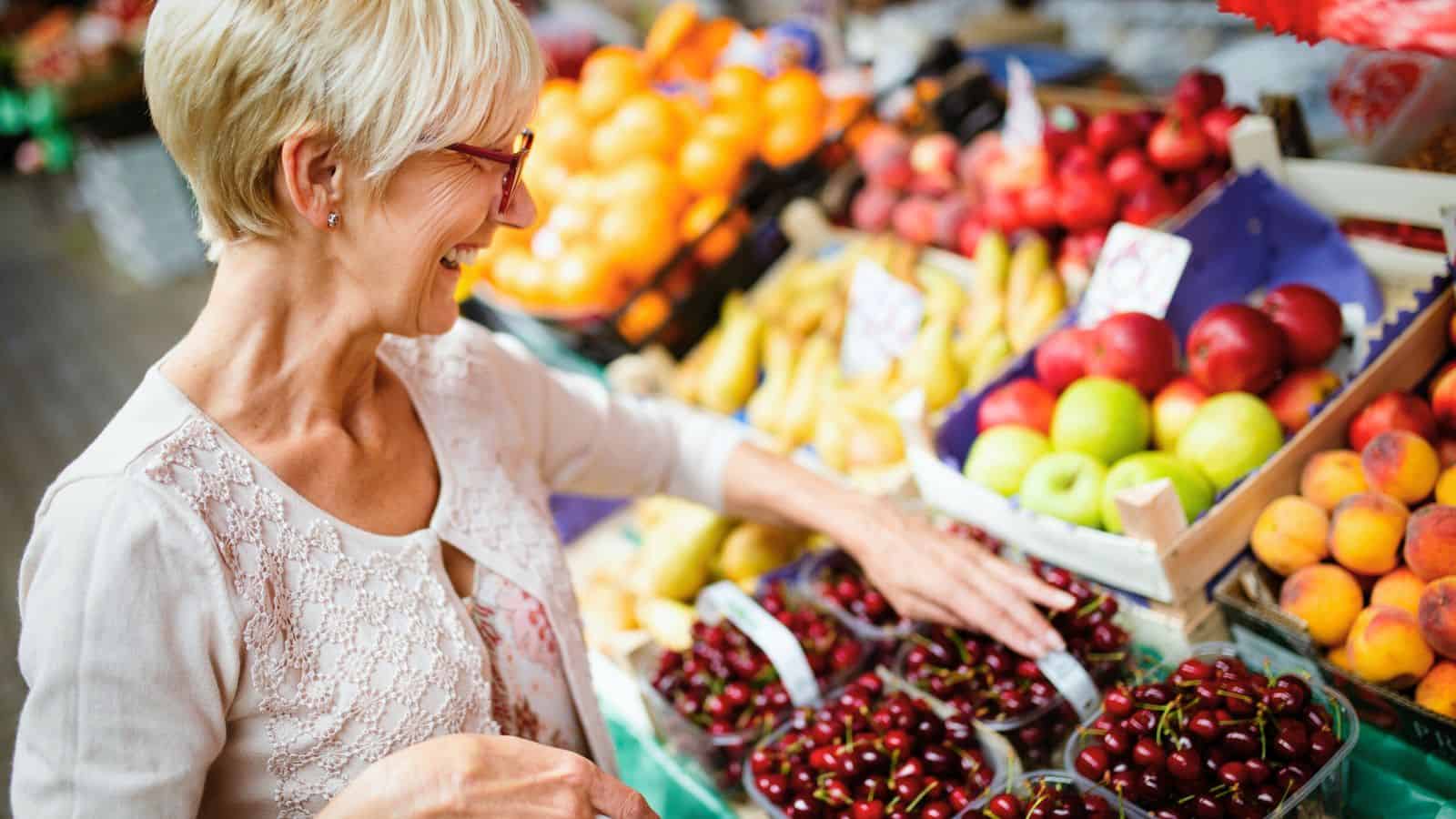
Focusing on fruits that are grown locally and harvested during their natural season reduces the environmental costs associated with transportation, refrigeration, and storage. Seasonal picking aligns with the plants' natural growth cycles, which often results in healthier fruit and less reliance on energy-intensive methods to extend shelf life. Supporting local growers also encourages community-based agriculture, which can foster more sustainable land use and reduce the carbon footprint linked to long-distance shipping. This approach strengthens the connection between consumers and their environment.
Implement Integrated Pest Management (IPM)
Integrated Pest Management combines various environmentally sensitive methods to control pests while minimizing chemical use. This strategy includes monitoring pest populations, using natural predators, deploying traps, and applying targeted treatments only when necessary. IPM helps maintain the balance of beneficial organisms and reduces the risk of resistance that can develop from overusing pesticides. By carefully managing pests in this way, fruit growers protect the health of their crops and the surrounding environment, promoting sustainability and reducing harmful impacts on soil, water, and non-target species.
Harvest with Heart, Not Harm
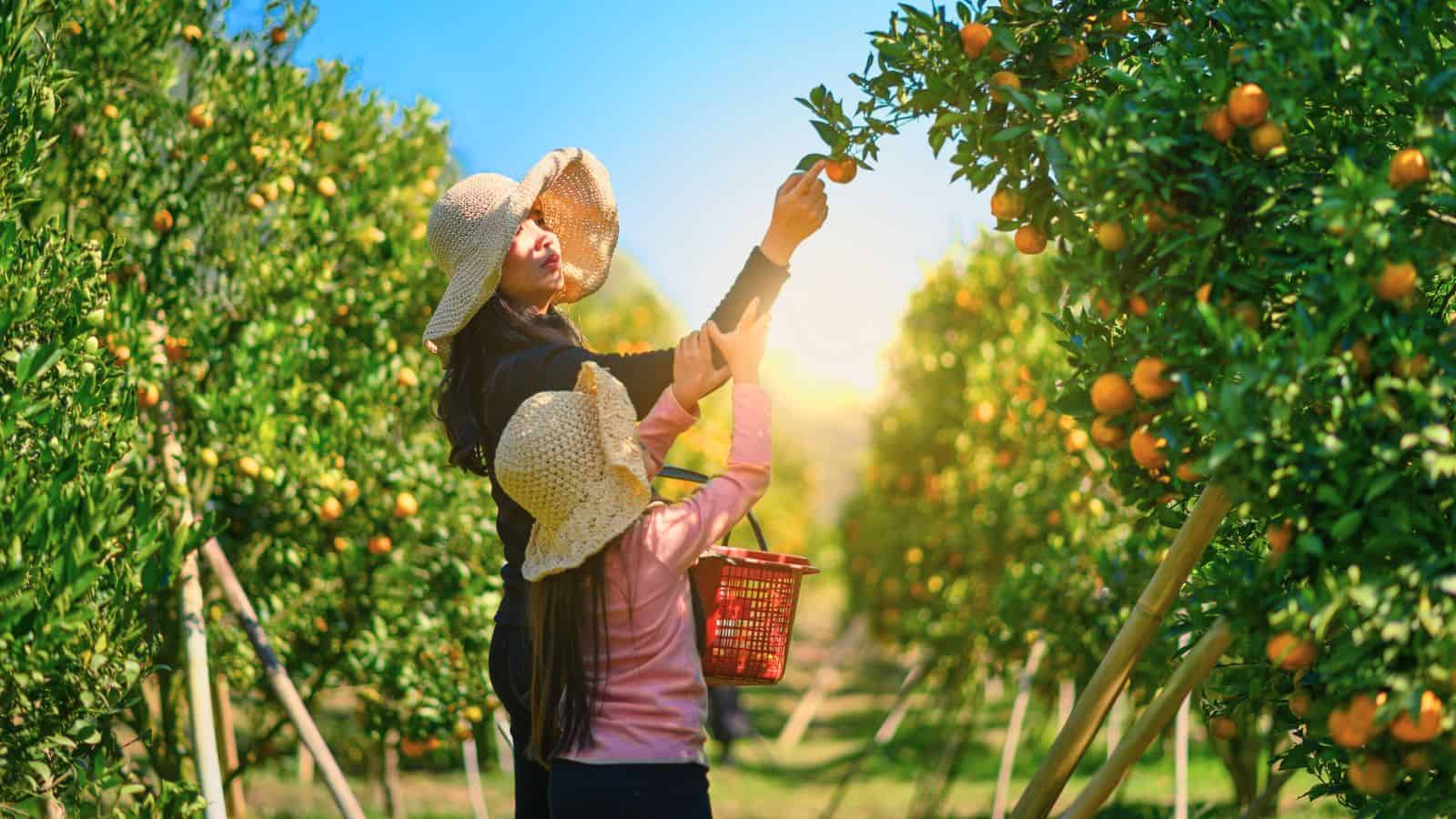
Taking care of the environment while picking fruit doesn't have to be complicated. Small changes in how you harvest can protect plants, support wildlife, and keep the soil healthy for seasons to come. It's about being thoughtful and respectful of nature, not about making things harder for yourself. When you pay attention to these simple practices, you help create a healthier space for fruit to grow year after year.
Whether you're picking fruit at home or helping out on a farm, these easy steps can make a real difference. It's a chance to enjoy fresh fruit while giving back to the environment in a meaningful way. Making smart choices during fruit picking is a great way to connect with nature and support the land that feeds us. In the end, protecting the environment starts with actions that anyone can take.
Tips on How to Get the Most Out of Fruit Picking Season
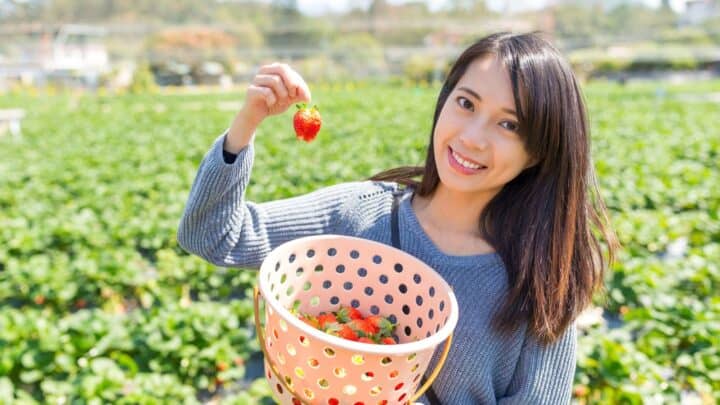
Picking fruit might seem as simple as grabbing what looks good and tossing it in a basket, but there's a bit more to it if you want the best results. Think of it like a handshake-too rough, and you leave a bad impression; too weak, and you miss the mark. Good thing we prepared 13 fruit-picking tips that can help make the whole process easier and more rewarding.
Read it Here: 13 Tips on How to Get the Most Out of Fruit Picking Season
Top Fruits That Are the Easiest to Pick for Beginners
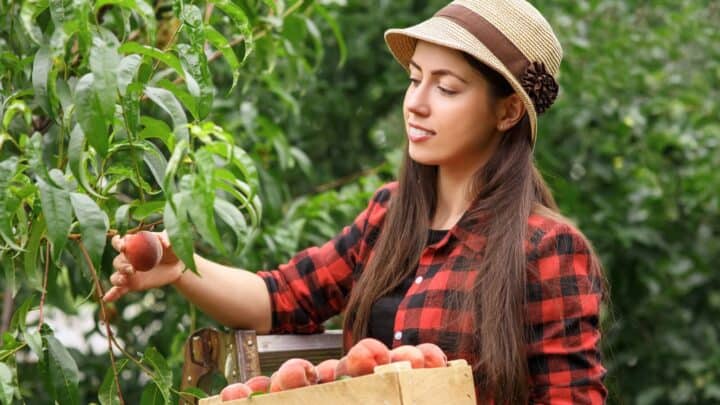
Picking fruit is a great way to spend time outdoors and connect with nature, especially if you're just starting out. Some fruits are much easier to pick than others, which makes the whole process less frustrating and more enjoyable. When you're new to fruit picking, it helps to choose these ten fruits that are the easiest to pick since they don't require special tools or climbing.
Read it Here: Top 10 Fruits That Are the Easiest to Pick for Beginners