Food names often have stories that go beyond just what's on your plate. Many dishes are named after real people who either created them, inspired them, or became linked to them in some way. These names stick around because they connect us to history and culture in a simple, everyday way. In fact, there are 11 foods named after real people!
Whether it's a famous chef, a local legend, or someone who just happened to order something different, these people left their mark on food history. Their names have traveled through time and across kitchens, becoming part of how we talk about and enjoy food today. Learning about these connections adds a fresh angle to familiar dishes and shows how food and people are often linked in unexpected ways.
Sandwich

The sandwich owes its name to John Montagu, the 4th Earl of Sandwich, an 18th-century English nobleman known for his love of gambling. According to popular accounts, he requested that his servant bring him meat tucked between two slices of bread so he could eat without interrupting his card games or getting his fingers greasy. This practical way of eating quickly gained popularity among his peers and spread throughout England and other countries. Interestingly, some historians debate the story's accuracy, but the name endured. Today, sandwiches come in countless varieties, from simple to elaborate, and remain a convenient meal across cultures.
Caesar Salad
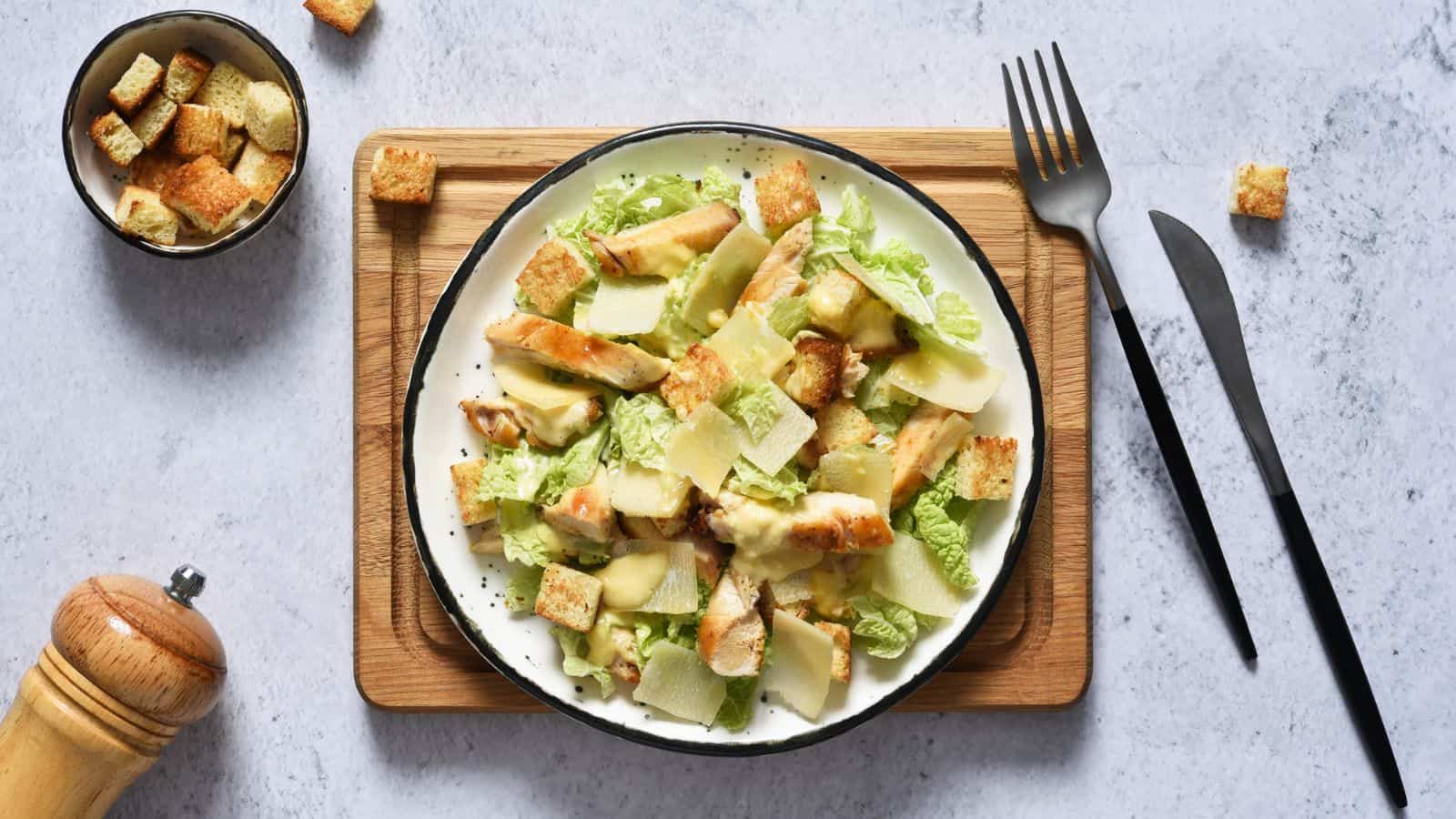
This salad was created by Caesar Cardini, an Italian immigrant who owned a restaurant in Tijuana, Mexico, during the 1920s. On a busy holiday weekend, when the kitchen was running low on ingredients, Cardini improvised by tossing together romaine lettuce, croutons, Parmesan cheese, and a dressing made from raw egg, lemon juice, olive oil, Worcestershire sauce, and garlic. The salad quickly became a hit with visitors and celebrities, helping to spread its fame beyond Mexico. A fun fact: there is still debate over whether Caesar Cardini or his brother Alex invented the dressing, but Caesar's name remains attached to the dish.
Beef Wellington
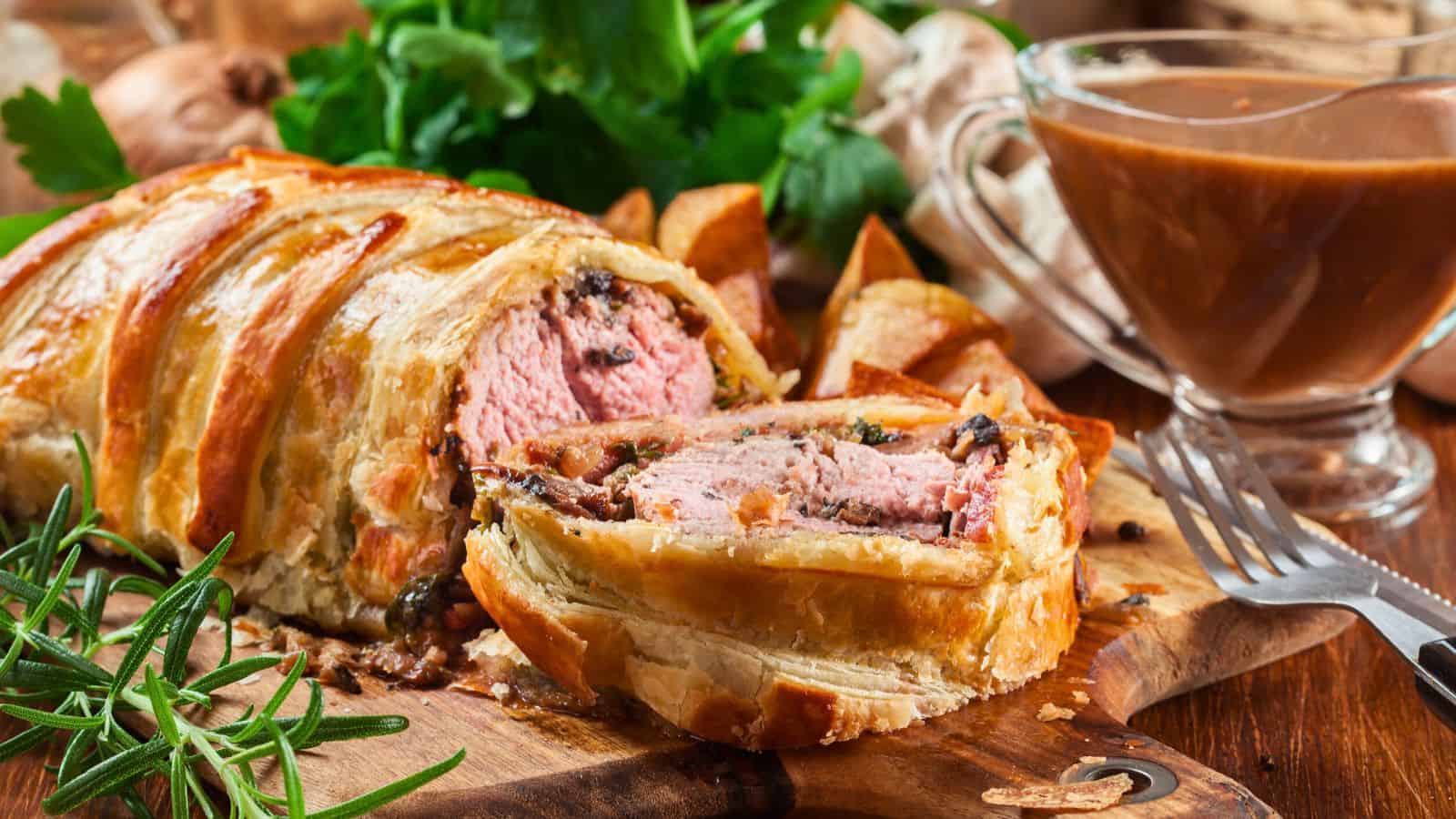
Named in honor of Arthur Wellesley, the 1st Duke of Wellington, this dish combines a tender beef fillet coated with a mixture of mushrooms (duxelles) and pâté, wrapped in puff pastry, and baked to a golden finish. The Duke was a celebrated British military hero best known for defeating Napoleon at Waterloo. Some food historians speculate the dish was created to celebrate one of his victories, though the exact origin is unclear. It became popular in the 19th and 20th centuries, often served at formal banquets. Preparing Beef Wellington requires skill to balance the textures and flavors, making it a classic choice for special occasions.
Bananas Foster
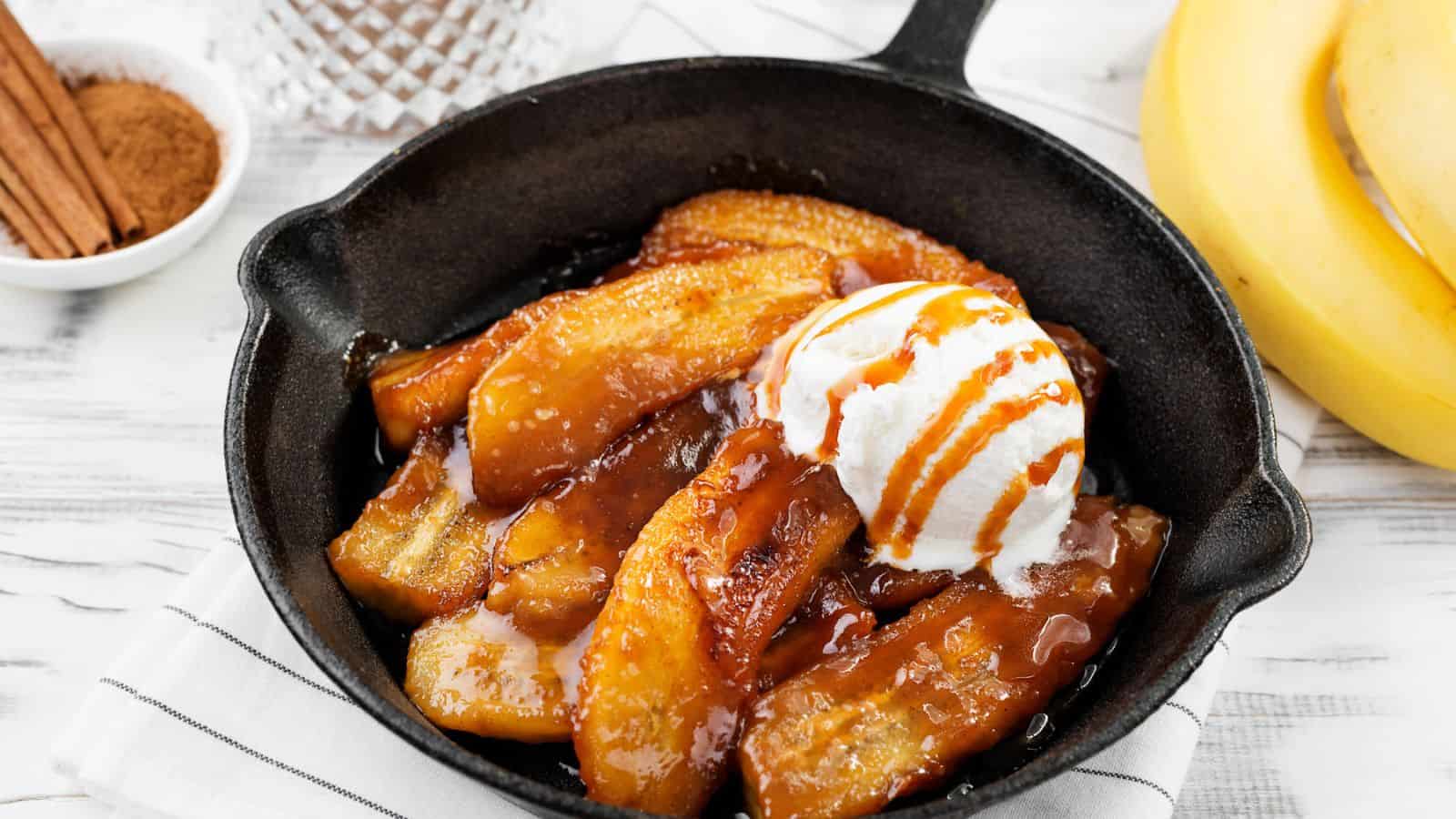
This dessert was invented in the 1950s by Richard Foster, a New Orleans restaurateur, at Brennan's Restaurant. It features bananas cooked in butter, brown sugar, cinnamon, and banana liqueur, then flambéed with rum before being served over vanilla ice cream. The flambé technique creates an impressive visual effect and caramelizes the sauce for a rich flavor. Bananas Foster was named to honor Foster himself, who was a close friend of the restaurant's owner. This dessert remains a signature item in New Orleans cuisine and is often associated with the city's vibrant dining scene and tradition of flambéed dishes.
Pavlova
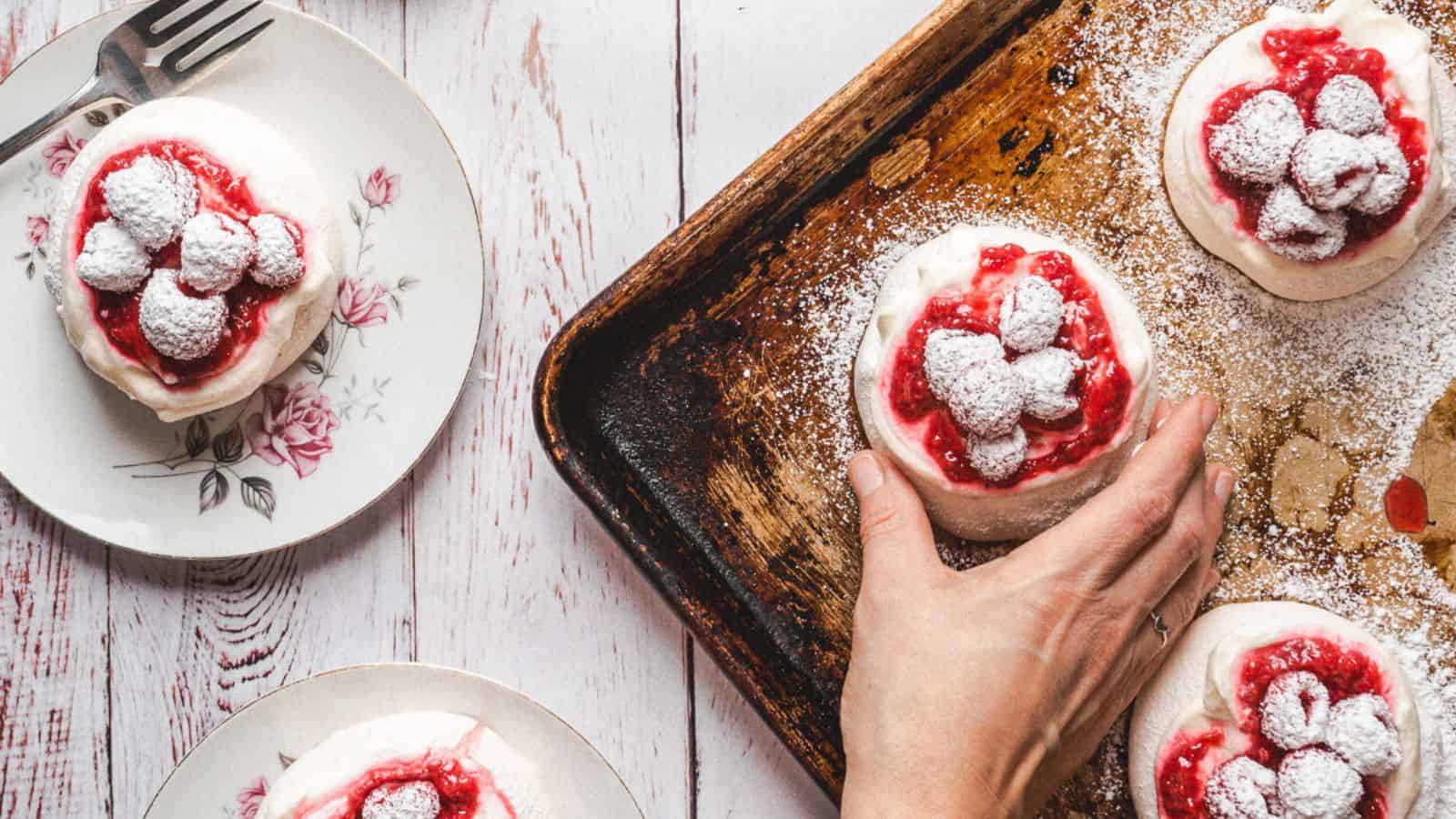
Created to honor the Russian ballerina Anna Pavlova during her tour of Australia and New Zealand in the 1920s, this dessert features a crisp meringue shell with a soft, marshmallow-like interior. It is typically topped with whipped cream and fresh fruit like kiwi, strawberries, or passionfruit. Both Australia and New Zealand claim to have invented the dish, leading to a friendly rivalry. Fun fact: the dessert's light texture is said to reflect the ballerina's graceful movements. Pavlova is often served at festive occasions and remains a beloved treat in both countries.
Cherries Jubilee
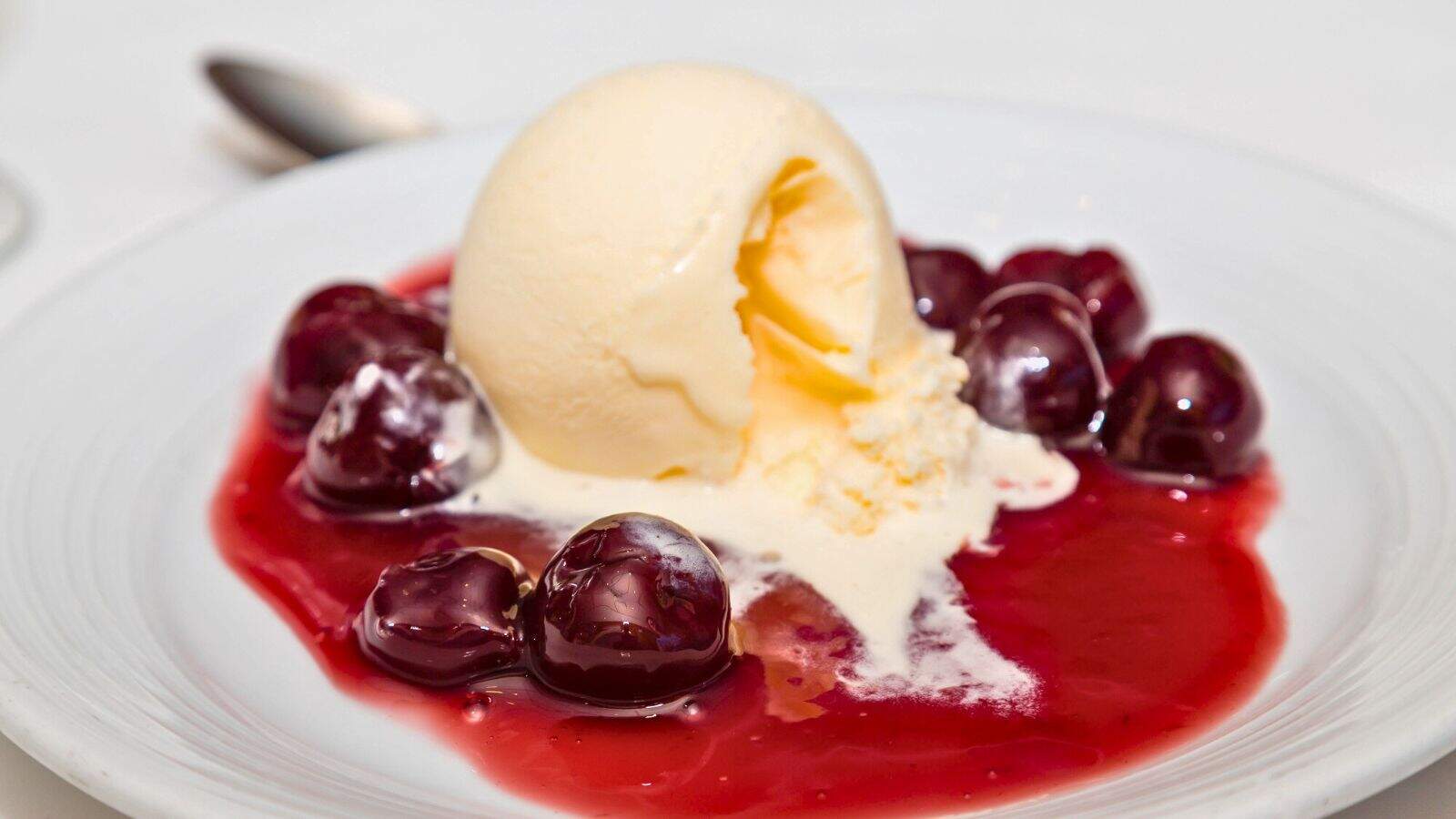
Developed by Auguste Escoffier at the Savoy Hotel in London, this dessert was created to celebrate Queen Victoria's Golden Jubilee in 1887. It combines cherries cooked in a sauce of sugar and liqueur, usually Kirsch or brandy, which is flambéed tableside for dramatic effect. The warm cherry sauce is traditionally poured over vanilla ice cream. This dessert gained popularity in fine dining and is still enjoyed at special events. The flambé technique adds both visual flair and depth of flavor, making it a memorable way to honor a royal occasion.
Fettuccine Alfredo
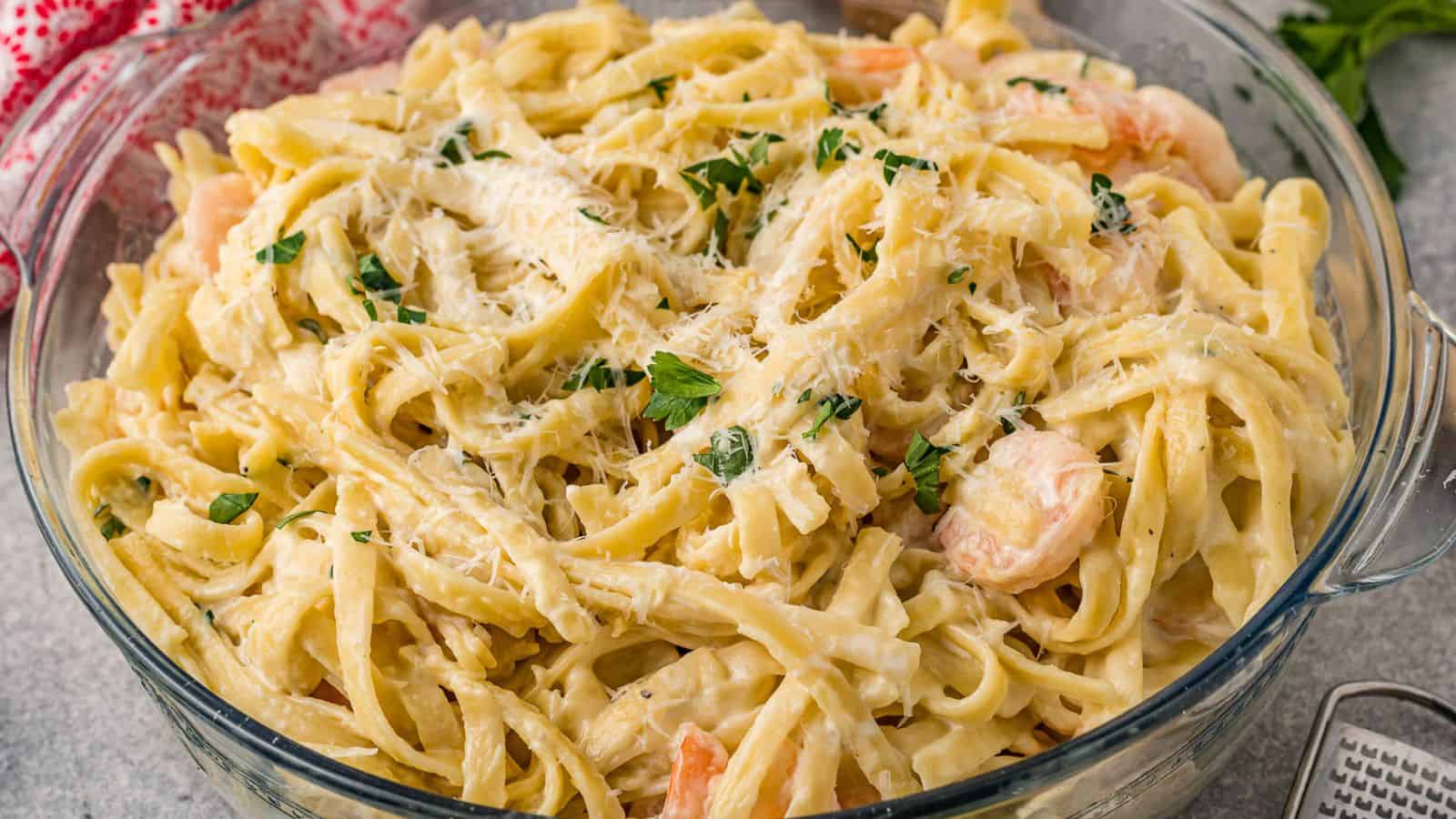
Originating in Rome, this pasta dish was created by Alfredo di Lelio in the early 20th century to help his wife regain her appetite after childbirth. The recipe includes freshly made fettuccine tossed with butter and Parmesan cheese, which melt together to coat the noodles in a creamy sauce without using cream. The dish became famous internationally after Hollywood stars Mary Pickford and Douglas Fairbanks dined at Alfredo's restaurant and praised it, spreading its popularity in the United States. Today, Fettuccine Alfredo is a common menu item in Italian restaurants worldwide.
Eggs Benedict

This breakfast classic is said to have been inspired by Lemuel Benedict, a Wall Street broker who, in 1894, ordered a unique combination of toasted English muffins, poached eggs, crisp bacon, and hollandaise sauce at the Waldorf Hotel in New York City to cure a hangover. The hotel's maître d'hôtel liked the dish so much that he added it to the menu, substituting Canadian bacon for the original bacon. Eggs Benedict quickly became a brunch favorite in America and is now served in many variations, including with smoked salmon or spinach.
Graham Crackers
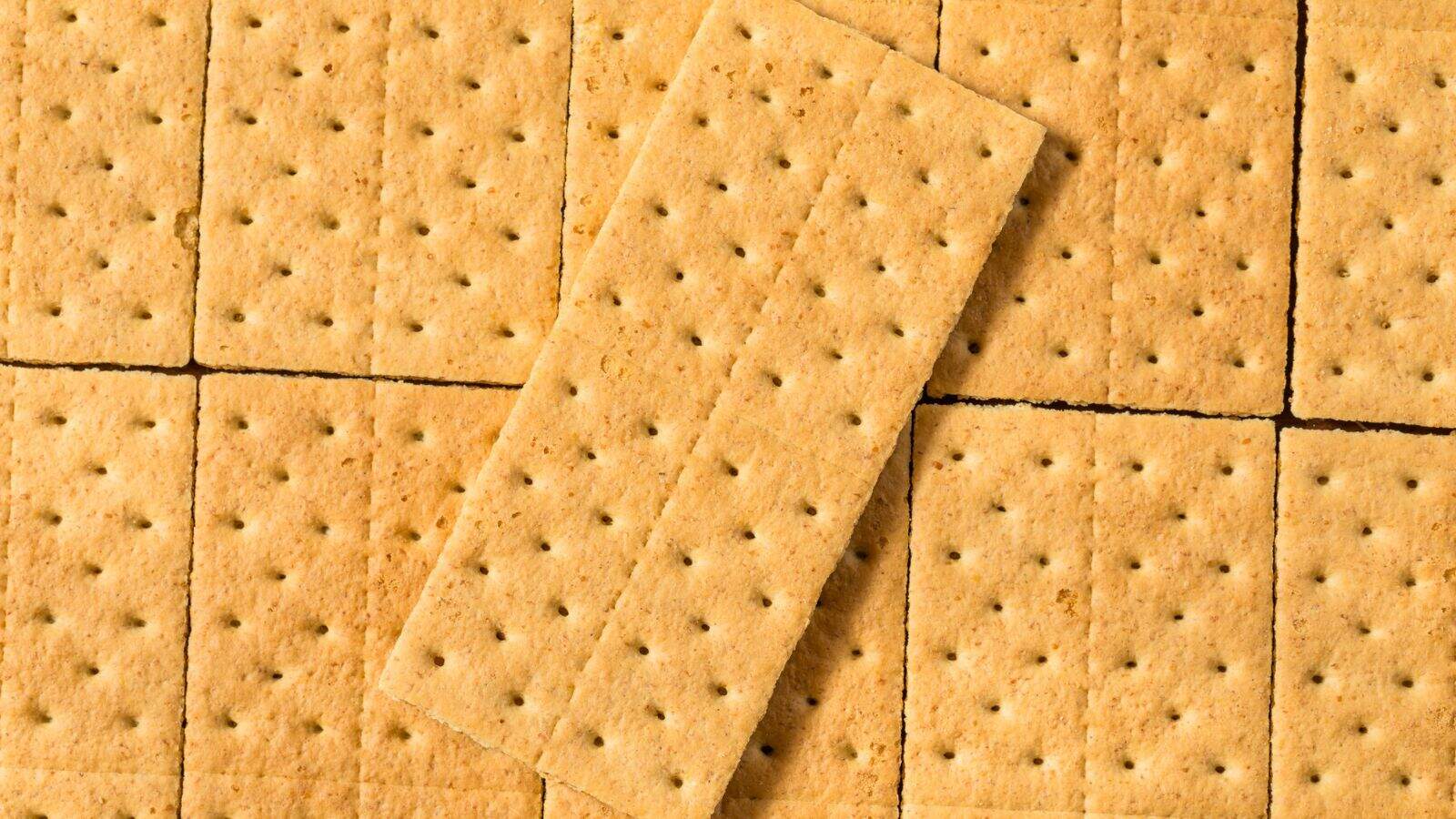
Developed in the early 19th century by Sylvester Graham, a Presbyterian minister who advocated for a vegetarian diet and abstinence from alcohol and spices, these crackers were intended as a health food to curb what he believed were unhealthy desires. Made from coarsely ground whole wheat flour, they were originally plain and unsweetened. Over time, Graham crackers evolved into a popular snack and key ingredient in desserts like s'mores and pie crusts. Sylvester Graham's influence also contributed to the early health food movement in America.
Oysters Rockefeller
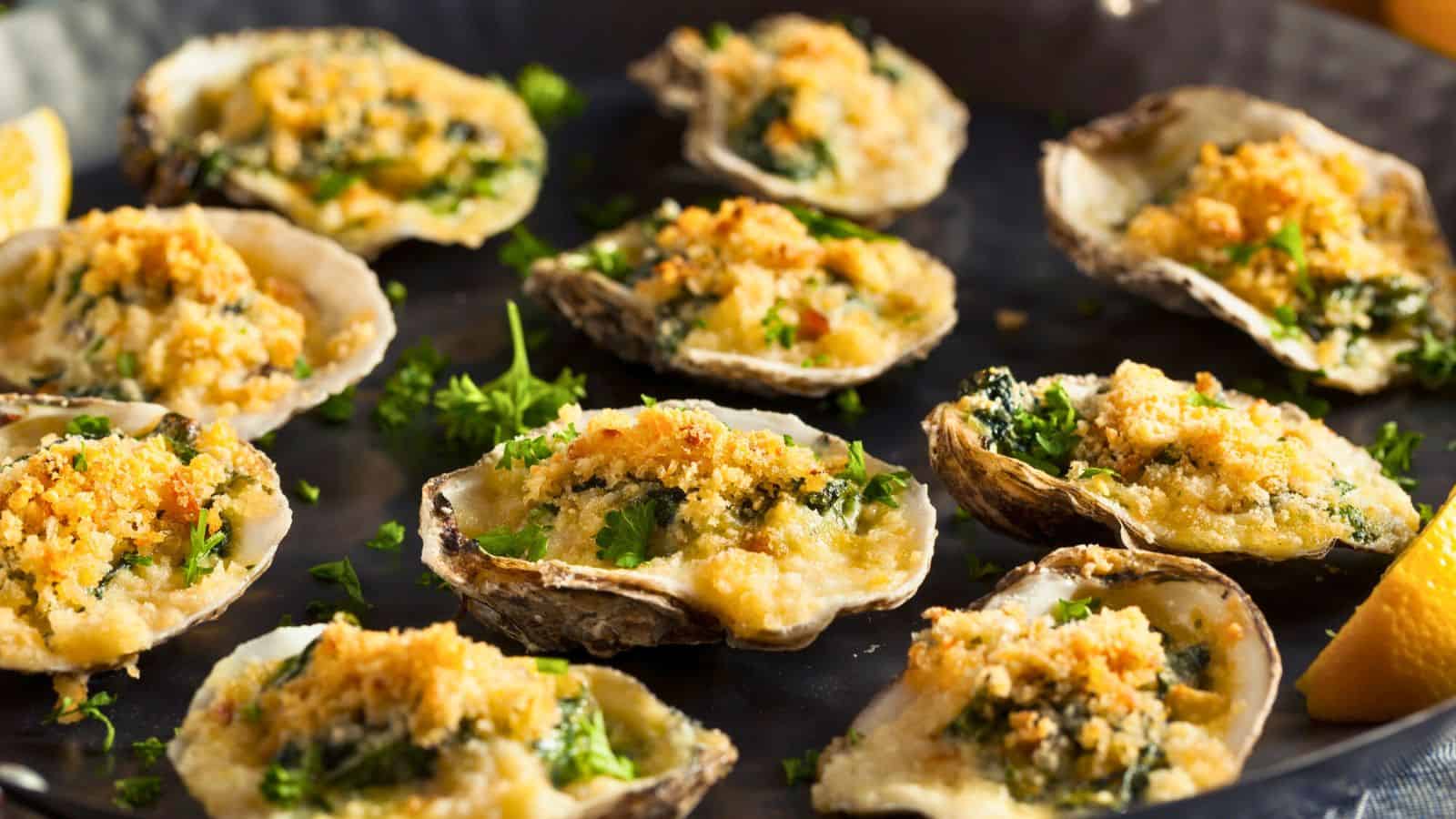
Created in 1899 by Jules Alciatore at Antoine's Restaurant in New Orleans, this dish was named to reflect the richness of its sauce, likening it to the immense wealth of John D. Rockefeller, the richest American at the time. The recipe features oysters topped with a green sauce made from herbs, butter, and breadcrumbs, then baked or broiled until golden. It became a signature dish of New Orleans and an iconic part of Southern cuisine. The exact ingredients of the original sauce remain a closely guarded secret, adding to its mystique.
Margherita Pizza
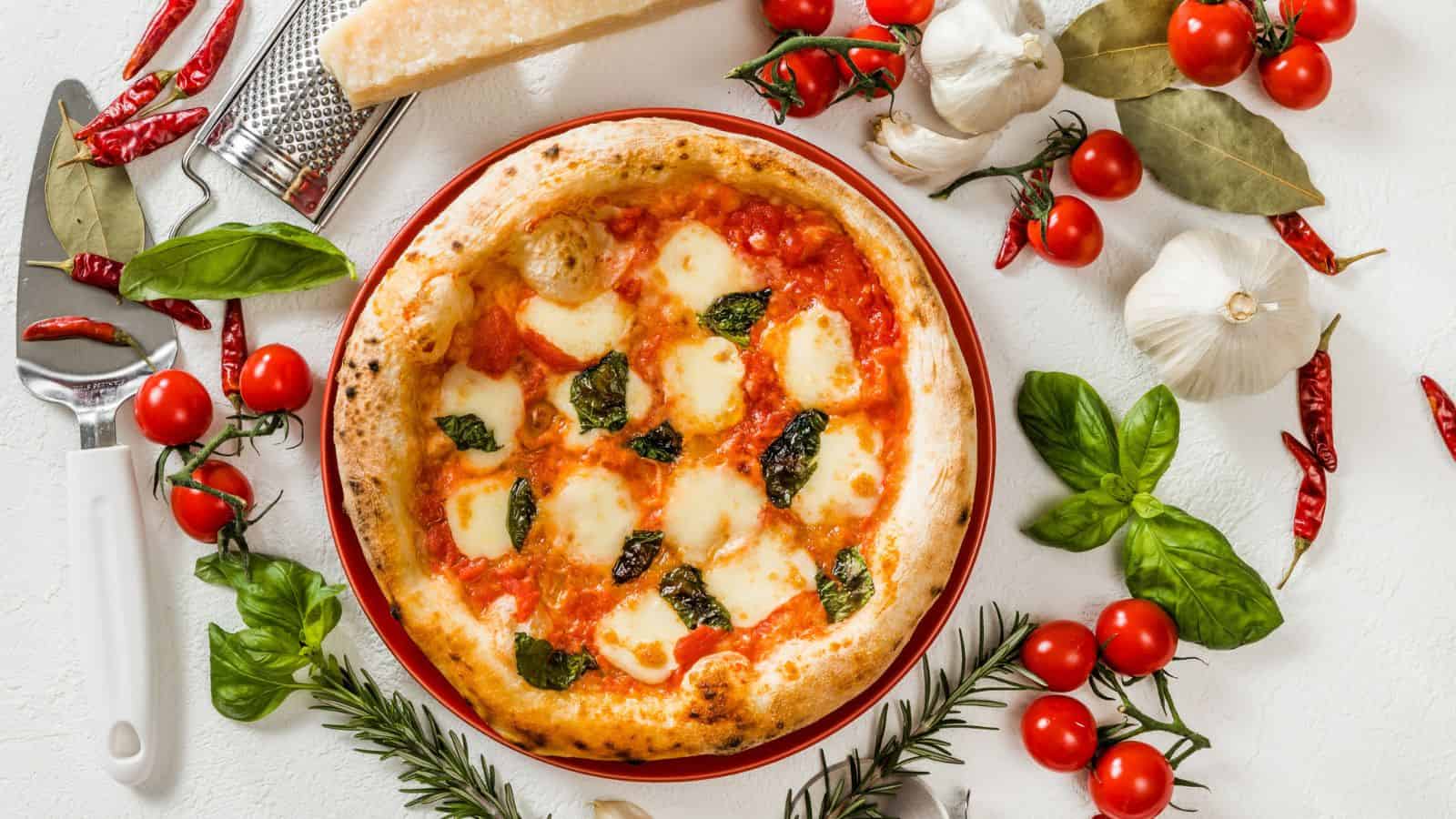
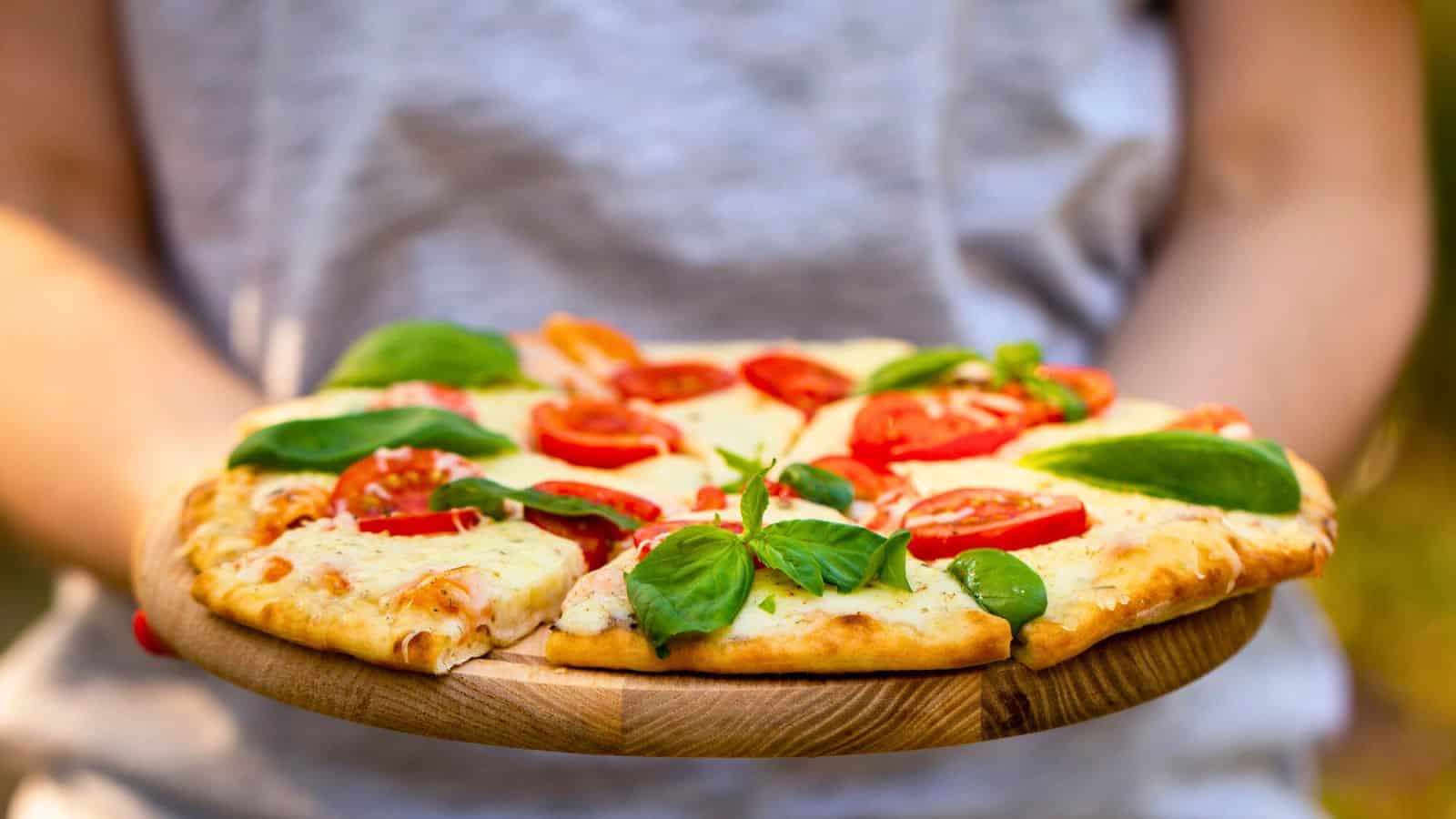
This pizza was prepared in Naples in 1889 to honor Queen Margherita of Savoy during her visit to the city. The toppings were chosen to represent the Italian flag: red tomatoes, white mozzarella cheese, and green basil leaves. The queen reportedly enjoyed the pizza so much that it was named after her. This simple combination helped popularize pizza beyond Naples and is now one of the most recognized and beloved pizza varieties worldwide. A fun fact is that the pizza's patriotic colors inspired many other Italian dishes and decorations.
Meet the Legends on Your Plate
Behind many well-known dishes are real people whose stories have traveled through time alongside their names. These connections remind us that food is more than just what we eat; it's also about the moments, ideas, and personalities that shape what ends up on our plates. Knowing the history behind these names can make meals feel a little more meaningful and fun to share with others.
Next time you enjoy a classic dish, take a moment to think about the person who inspired it. Their story adds a bit of character and history to something you might have thought was just food. It's a simple way to connect with the past and appreciate how everyday things can carry a little piece of someone's life with them. Food, after all, is full of stories waiting to be told.
Interesting Facts Behind the Famous Girl Scout Cookies

Girl Scout Cookies aren't just a tasty excuse to raid your neighbor's porch every spring. What started as a small bake sale over a hundred years ago has turned into a nationwide phenomenon where girls sharpen their skills in everything from sales to leadership. In fact, there are probably 10 fun facts about Girl Scout cookies you should know,
Read More Here: 10 Interesting Facts Behind the Famous Girl Scout Cookies
What Are The Most Famous Dishes from the 60s? Results are In, and Everyone Is Shocked!
Step back in time to the vibrant culinary world of the 1960s, a decade that brought a unique blend of innovation and tradition to American kitchens. From bold, experimental flavors to beloved family favorites, the 60s were when food became more than just sustenance-it was a way to entertain, impress, and indulge. You'll rediscover the classics that defined a generation and left a lasting impression on the culinary landscape, with some surprises along the way!
Read More Here: What Are The 27 Most Famous Dishes from the 60s? Results are In, and Everyone Is Shocked!