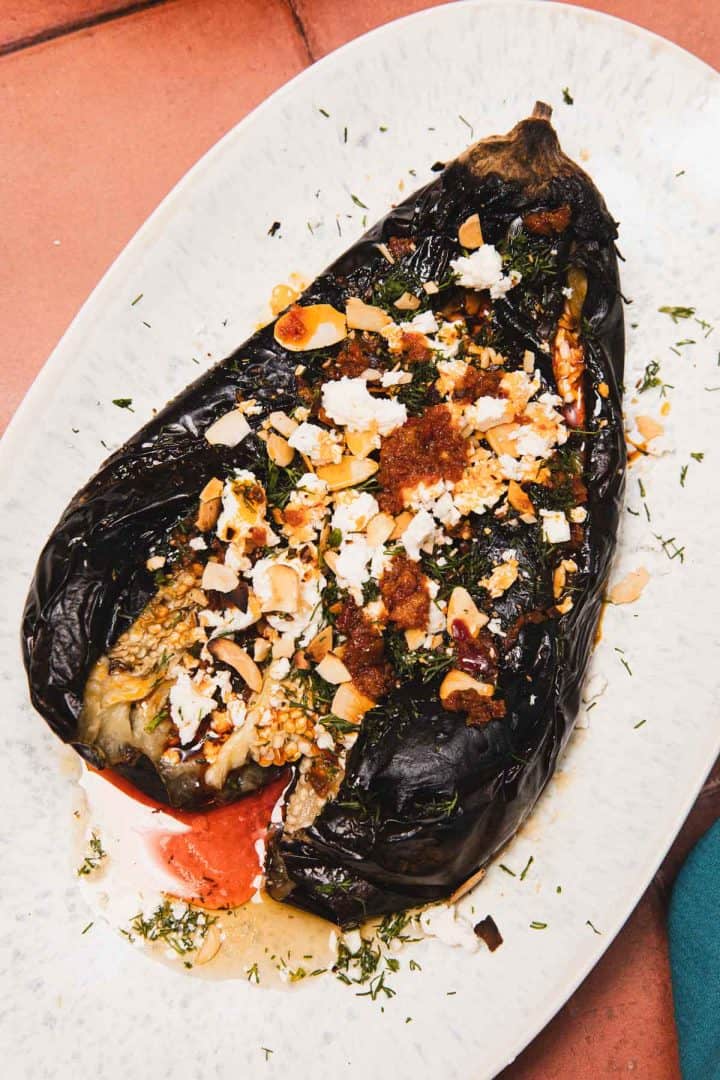
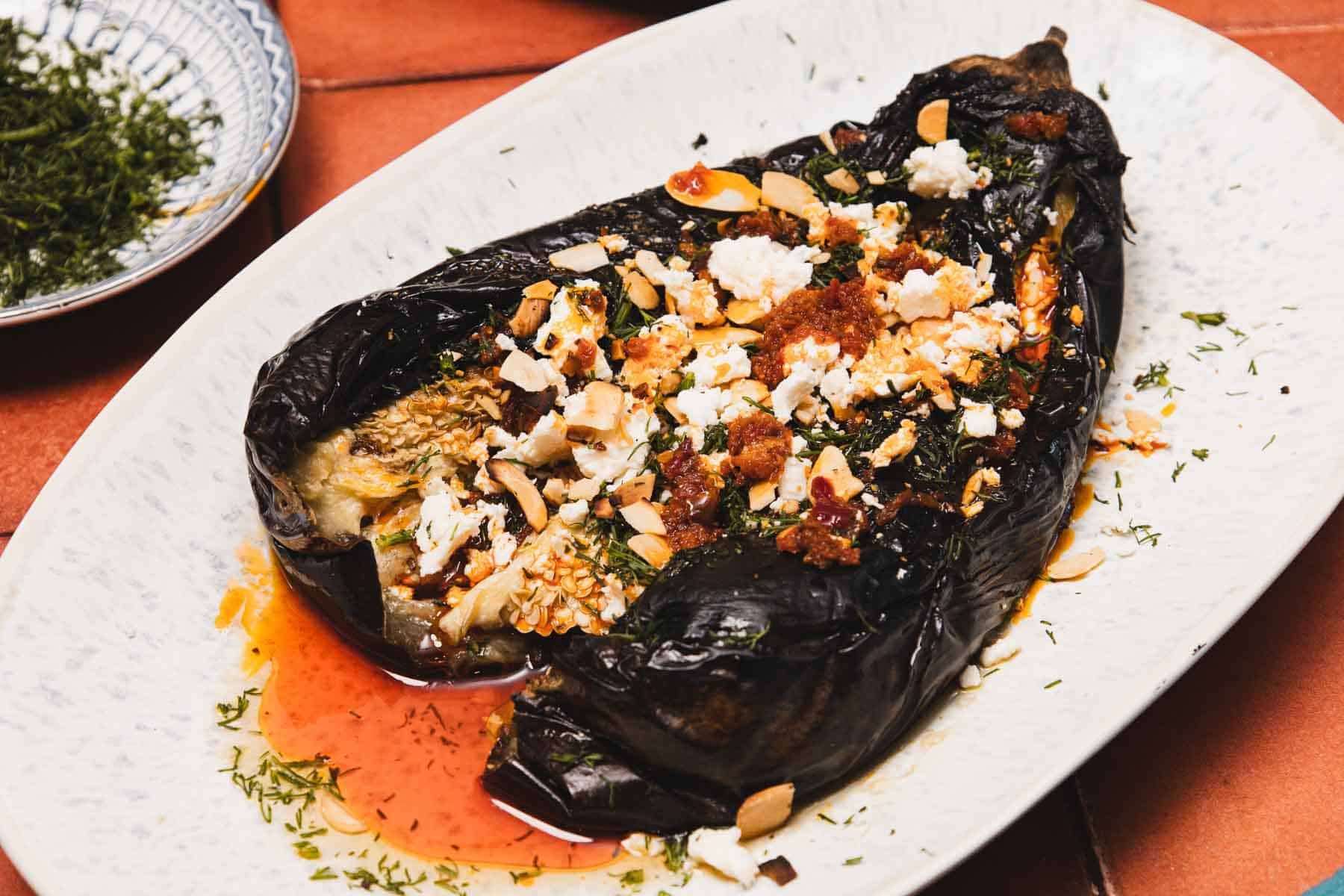
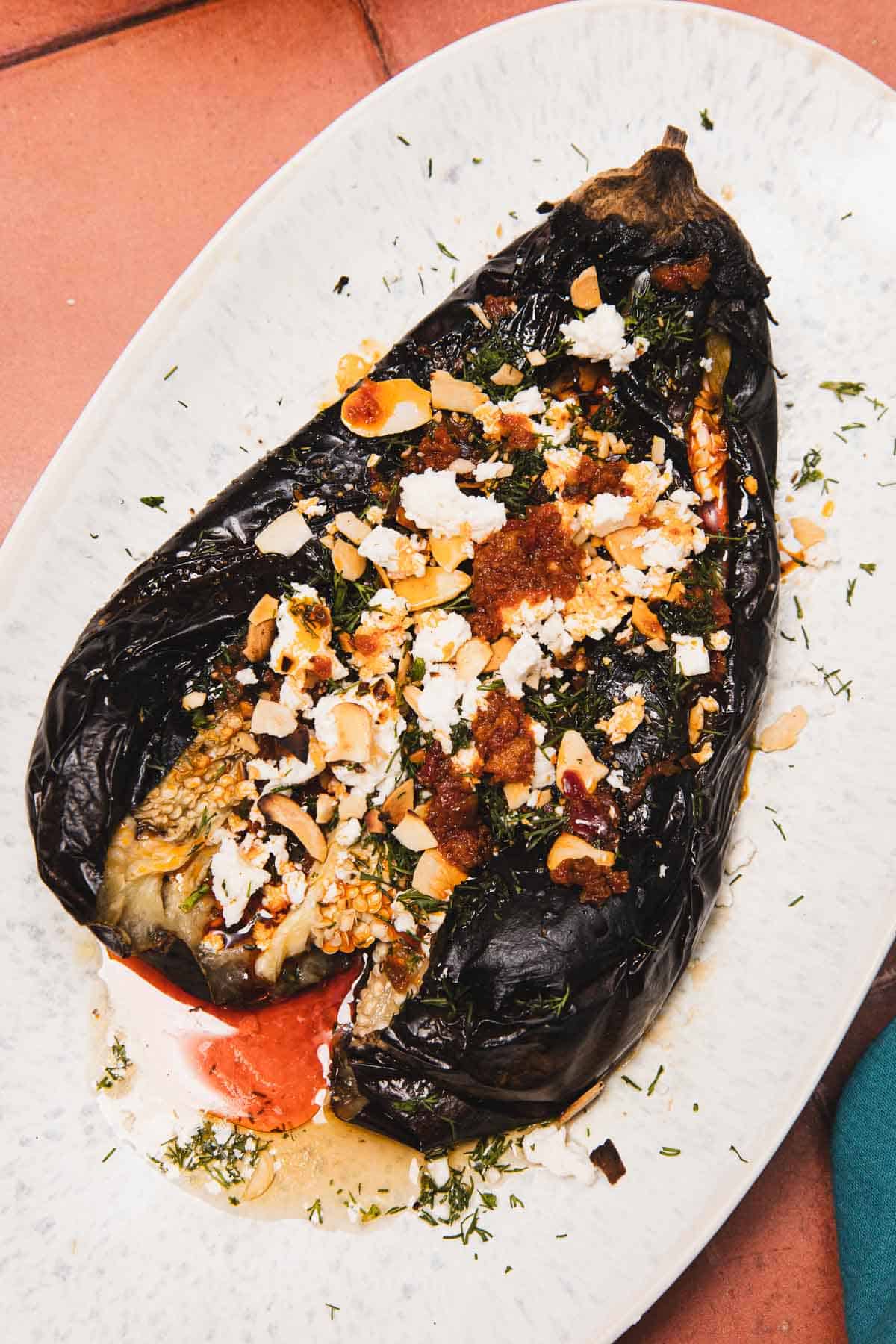
This grilled eggplant with feta and harissa oil is the recipe I return to whenever I want eggplant done properly. I've made it through smoky kitchens, open windows, and far too many near disasters over the burner. Once the eggplant turns completely soft and charred, the feta and harissa settle into every fold perfectly.
I have never met a Middle Eastern grandmother with neutral opinions about eggplant. It is either undercooked, under-salted, insufficiently charred, or somehow personally disappointing. Every truly good eggplant recipe comes with at least a small risk of setting off the smoke alarm.
There was always something slightly dangerous about cooking eggplant over an open flame. Someone hovered nearby. Another complained about the smoke alarm. Someone insisted this was the only proper way.
The apartment smelled like burnt skin for hours afterward. Not burnt in a bad way. Burnt in the way that clings to your sweater sleeves after standing too close to the stove, in the way your hair still carries the next morning. I used to think that smell meant company was coming. Eggplants blackening directly over the flame usually meant the kitchen table would stay crowded longer than expected.
The first time I made these grilled eggplants with feta and harissa oil this year, I left them over the burner too long while rinsing herbs at the sink. The skin split open completely and part of the flesh sagged straight into the flame. I nearly threw them out. Then I scraped one open with a spoon and realized the inside had turned soft enough to spread across bread like butter.
I then made it over an open charcoal grill, high flame, and it tasted just as good. Whether oven or grill, the eggplant loves high heat in every work. Don't be afraid to blacken and char it.
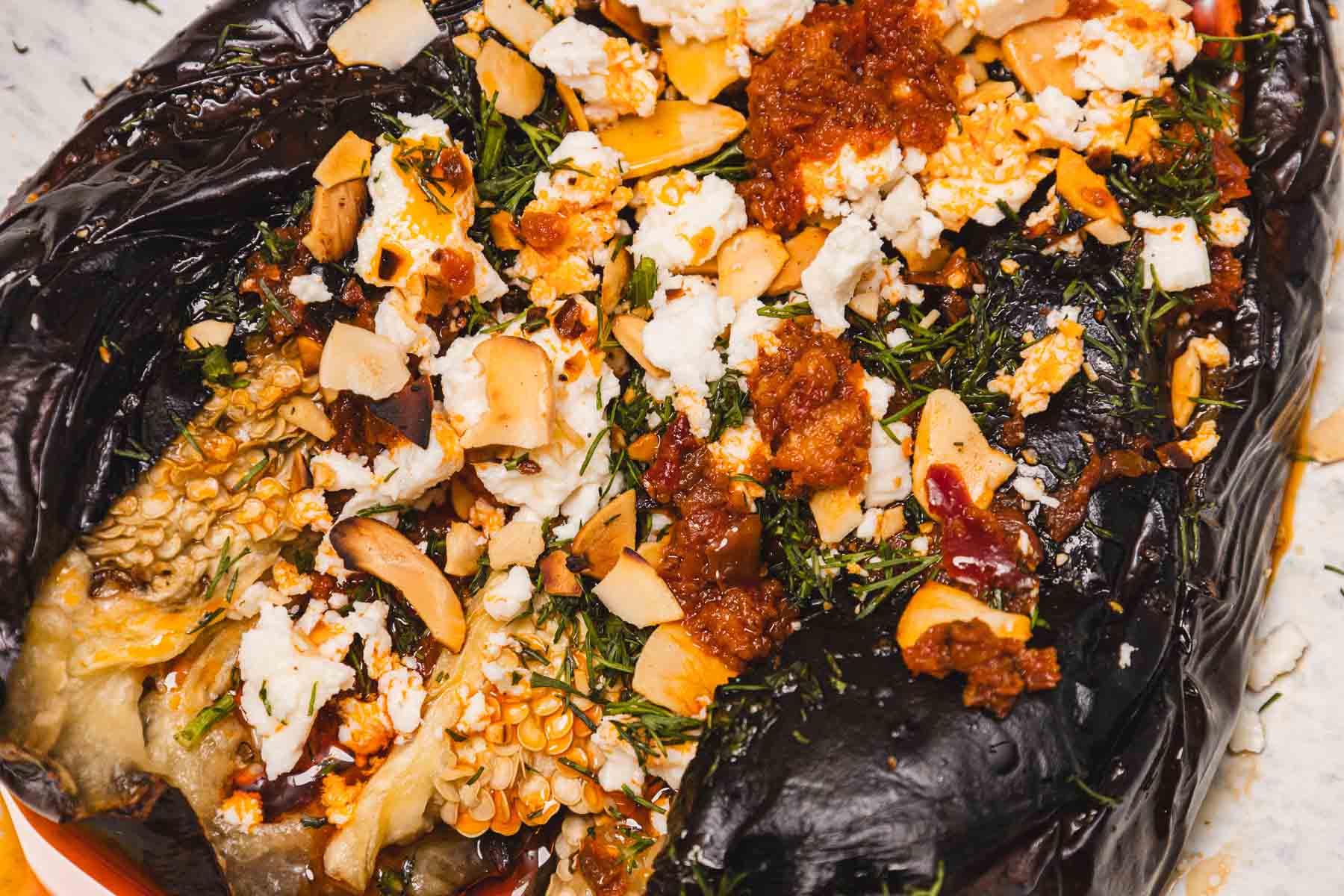
That is the point people miss with eggplant. You cannot be timid with it. The best versions always look slightly wrecked. Collapsed centers. Blackened skin peeling off in strips. Edges dark enough to make you question whether they crossed too far. Then the toppings go on. Sharp feta. Pine nuts still hot from the pan. Harissa oil slipping into every fold.
I served them beside spicy eggplant carpaccio one Friday evening after the windows fogged from the heat of the oven. The table ended up crowded with small plates, torn herbs, and bowls of things balanced dangerously close to the edge.
A few days later, I made air fryer eggplant because I wanted that same softness without turning on the oven again. Then came the eggplant grilled cheese, pressed hard enough in the skillet that the bread crackled when sliced.
Eggplant has a way of taking over the kitchen for a while. The smell settles into curtains and dish towels. Olive oil ends up smeared across the counter no matter how careful you are. Somebody always tears off a piece before dinner starts.
Those are usually the best bites anyway.
Ingredients
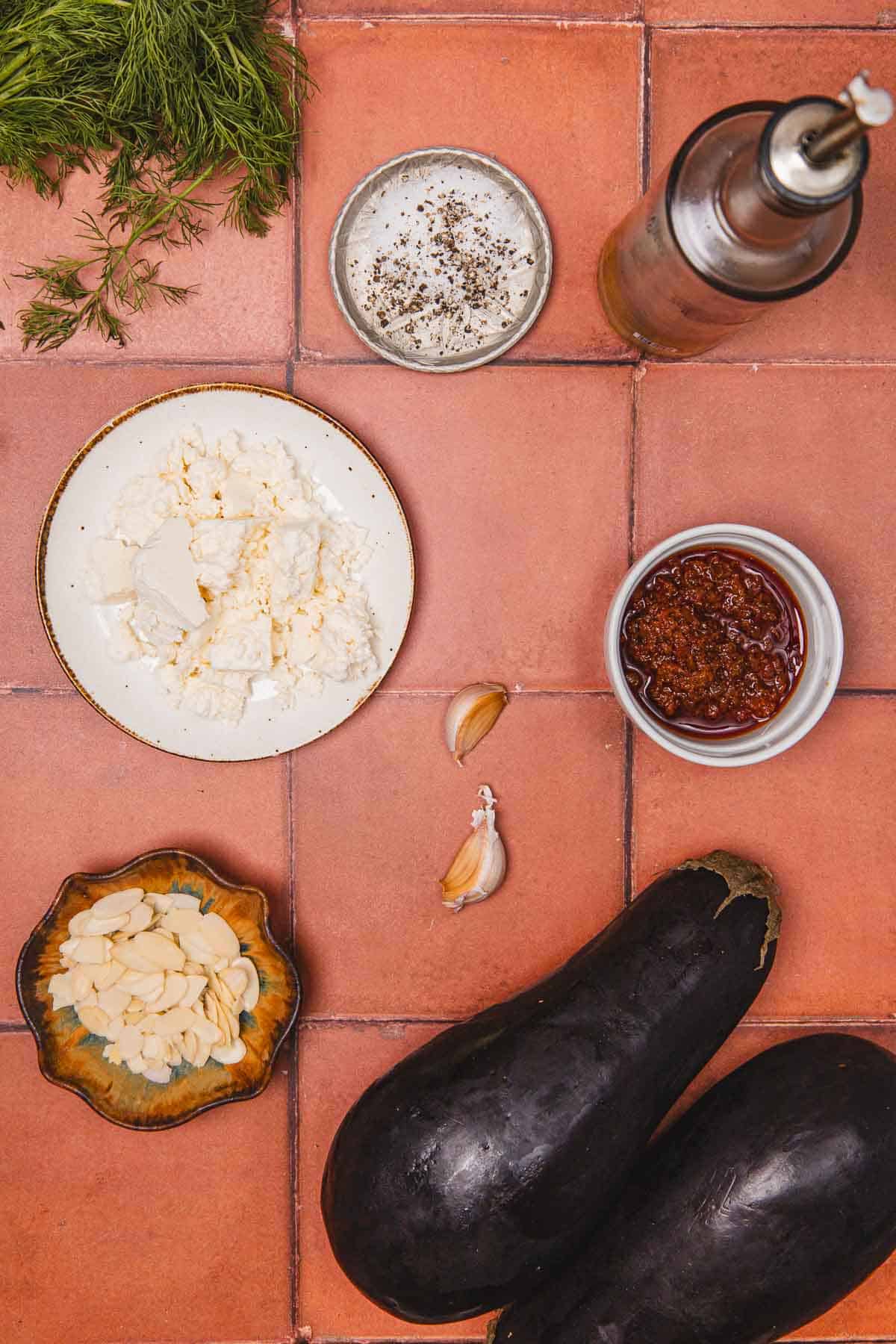
Eggplant is the entire foundation of this dish, so choosing the right ones matters. I look for large eggplants that feel heavy with glossy, tight skin and no soft spots. Heavier eggplants usually mean softer flesh inside once roasted. Smaller or older eggplants tend to carry more seeds, which can turn slightly bitter after cooking. Italian eggplants work best for me, though globe eggplants are also reliable.
The harissa paste gives this dish its heat and depth. I like using a thicker harissa with garlic and caraway already blended in because it settles naturally into the roasted eggplant. Some are very spicy while others lean earthier, so taste before adding too much. If needed, a mix of chili paste with smoked paprika can step in, though it loses some of that North African character.
Feta brings saltiness and a creamy texture against the soft eggplant. I always buy feta packed in brine because it stays softer and less chalky than pre-crumbled versions. Bulgarian feta works well too if you want something firmer and saltier. Goat cheese can replace it for a creamier finish, though the flavor shifts away from the sharper Middle Eastern style this dish usually carries.
See the recipe card for full list and exact quantities.
Top Tips
Let the Eggplant Go Further Than Feels Comfortable - the biggest mistake I made early on was pulling the eggplant from the flame too soon because it already looked dark enough. The skin should look fully blackened and almost collapsed before moving it to the oven. If the eggplant still feels firm underneath, the inside will stay spongy instead of turning soft and silky.
Use Feta Packed in Brine - pre-crumbled feta tends to stay dry and grainy once it hits the hot eggplant. A block packed in brine softens better and melts slightly into the surface without disappearing completely. I started switching years ago after noticing how much creamier restaurant versions tasted compared to mine.
Toast the Pine Nuts Separately From Everything Else - pine nuts burn faster than people expect. I never walk away from the stove while toasting them anymore after ruining enough batches during busy dinners. Pull them from the pan as soon as they turn golden because the residual heat keeps cooking them even after the burner is off.
How to Make Grilled Eggplant with Feta and Harissa Oil
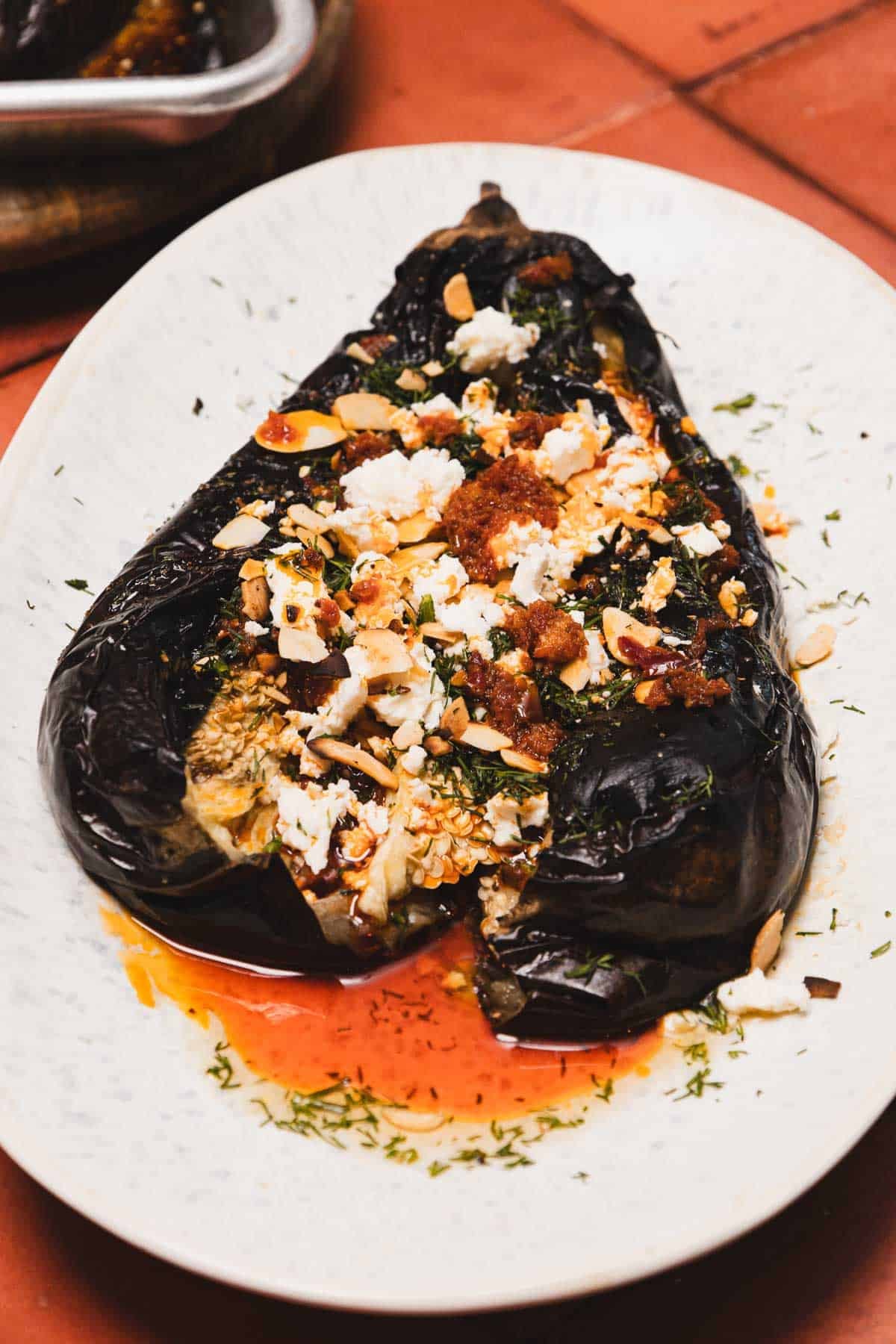
This grilled eggplant with feta and harissa oil comes together in layers of texture. The goal is eggplant that turns completely soft inside while the edges darken deeply in the oven. Pay attention to how the eggplant looks and feels during each stage rather than relying only on timing. Here's how to make this recipe:
Preheat the Oven Fully
- Start by heating the oven to 450°F.
- A properly heated oven matters here because the eggplant needs strong heat to caramelize rather than slowly steam. If the oven is not hot enough, the flesh can turn watery instead of collapsing into that silky texture you want.
- While the oven heats, line a baking sheet if you prefer easier cleanup. Some of the eggplant juices and oil may darken against the pan during roasting.
Char the Eggplants Until Fully Blackened
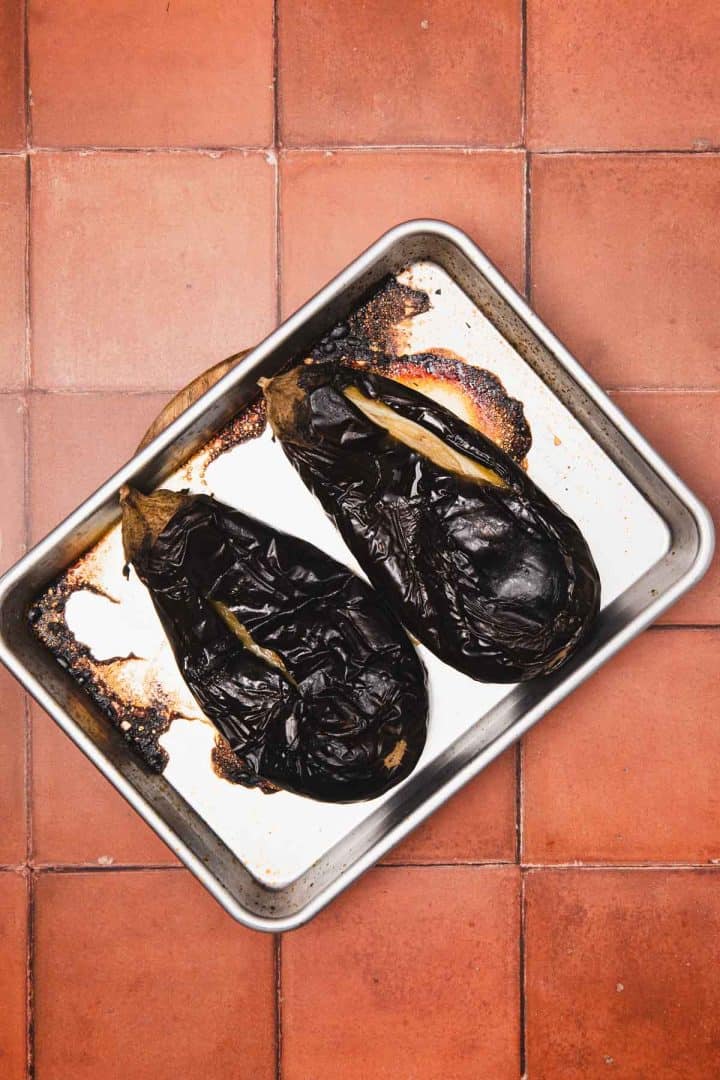
- At first, the eggplants stay firm, but after several minutes they begin softening underneath the skin. You may hear crackling or small popping sounds as steam builds inside. The skin should become completely blackened and wrinkled across nearly the entire surface.
- Do not pull them too early. This is the step that creates the deep roasted flavor throughout the eggplant. If parts of the skin still look smooth and purple, the inside usually remains too firm.
- If using a broiler, rotate the pan often because some areas brown faster than others.
Split and Season the Eggplants
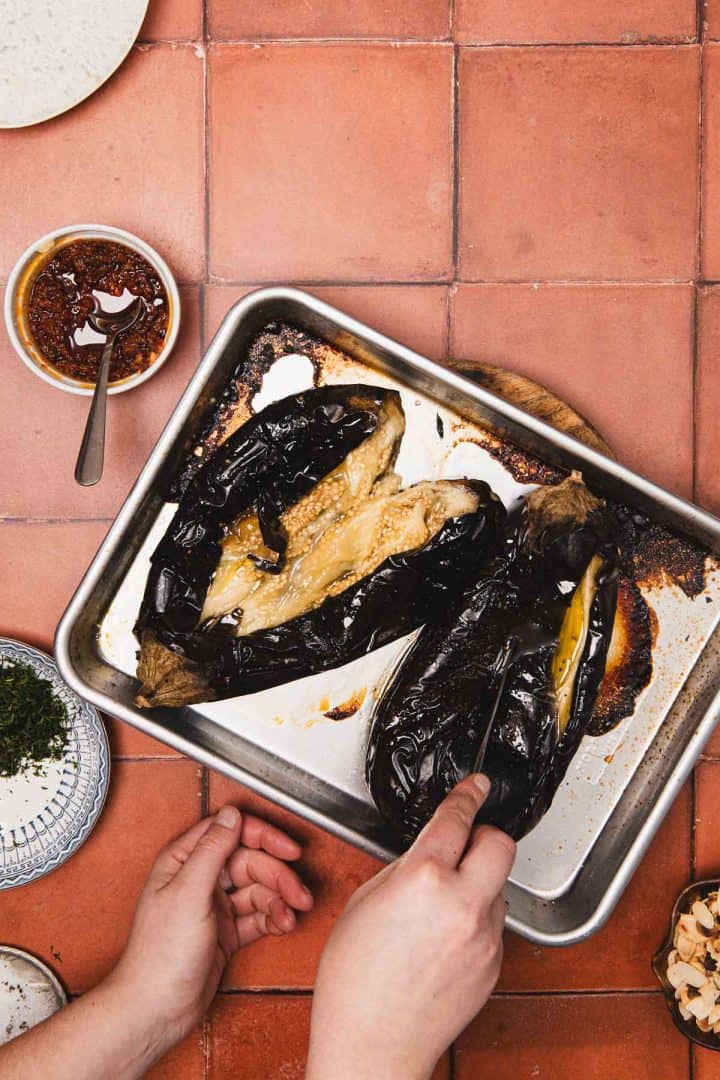
- The inside should already look soft and glossy near the middle. Drizzle with olive oil and season generously.
- Eggplant absorbs seasoning heavily while roasting, so if it looks lightly seasoned now, it may taste flat later.
Roast Until the Flesh Collapses
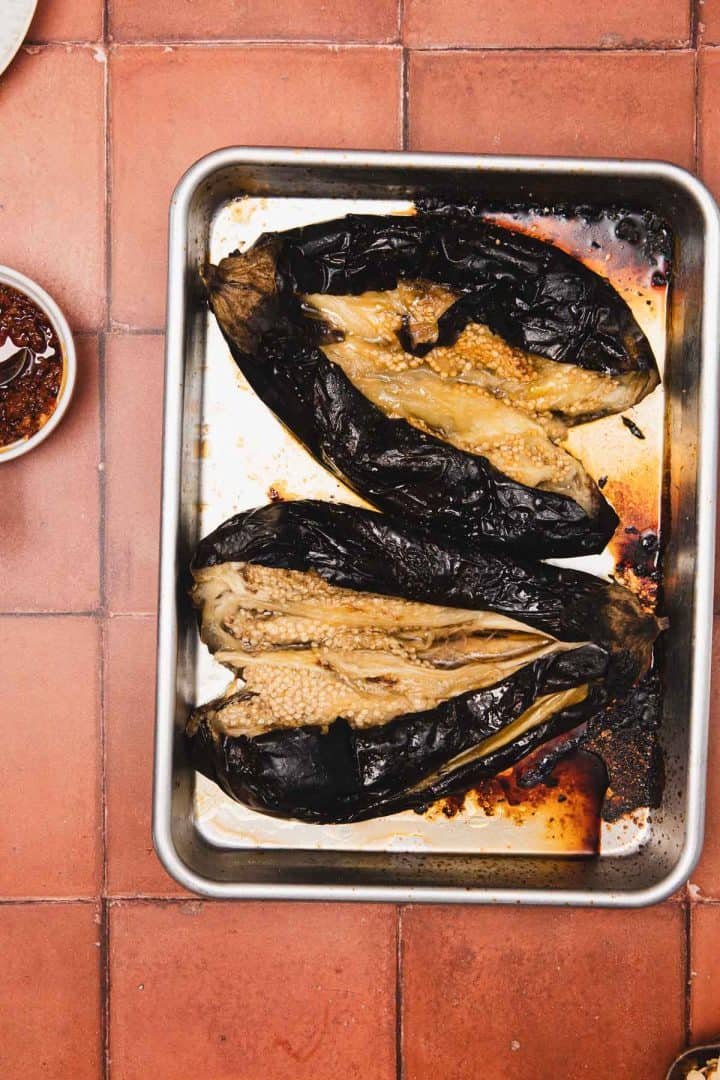
- As they roast, the flesh shrinks inward and turns almost creamy in texture. Some sections near the edges may look overly dark or even burnt. Leave them. Those darker spots carry much of the flavor in dishes like this.
- If the eggplant still looks pale or sponge-like in the center, it needs more time. Properly roasted eggplant should collapse easily under a spoon with almost no resistance.
Toast the Pine Nuts Carefully
- While the eggplants roast, place the pine nuts in a dry skillet over medium-low heat.
- Keep them moving frequently because pine nuts darken quickly. At first they remain pale, then suddenly turn golden within seconds. Once they smell nutty and deepen slightly in color, remove them immediately from the pan so they do not continue cooking from residual heat.
- Burnt pine nuts become bitter very quickly, so this is one step worth watching closely.
Make the Harissa Oil
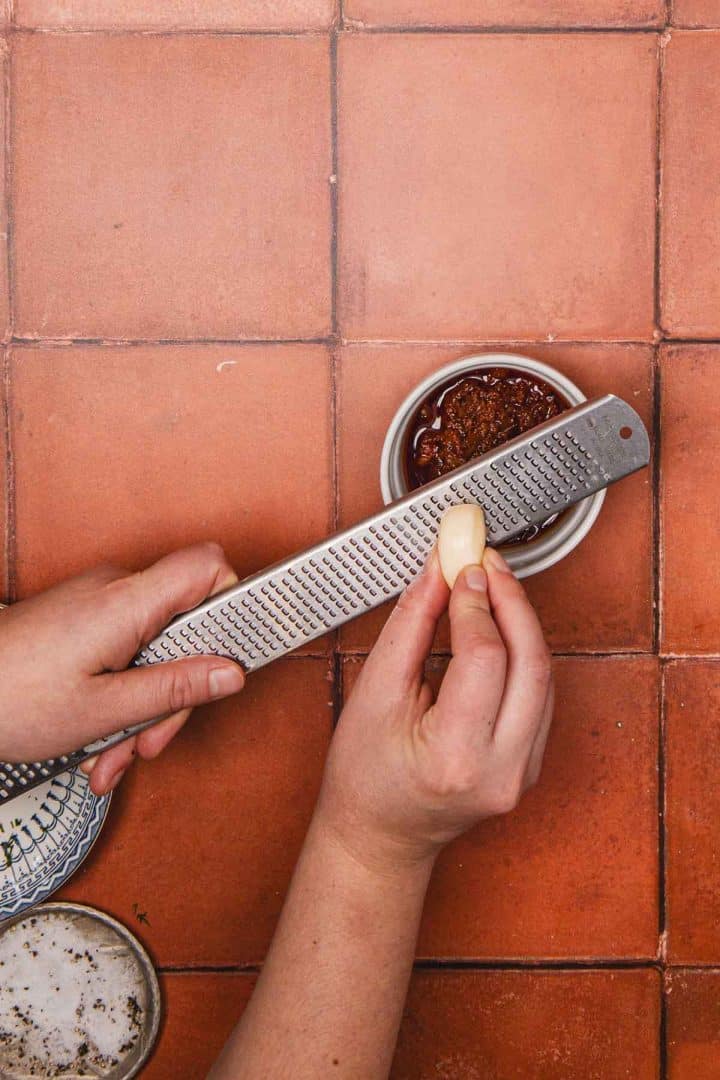
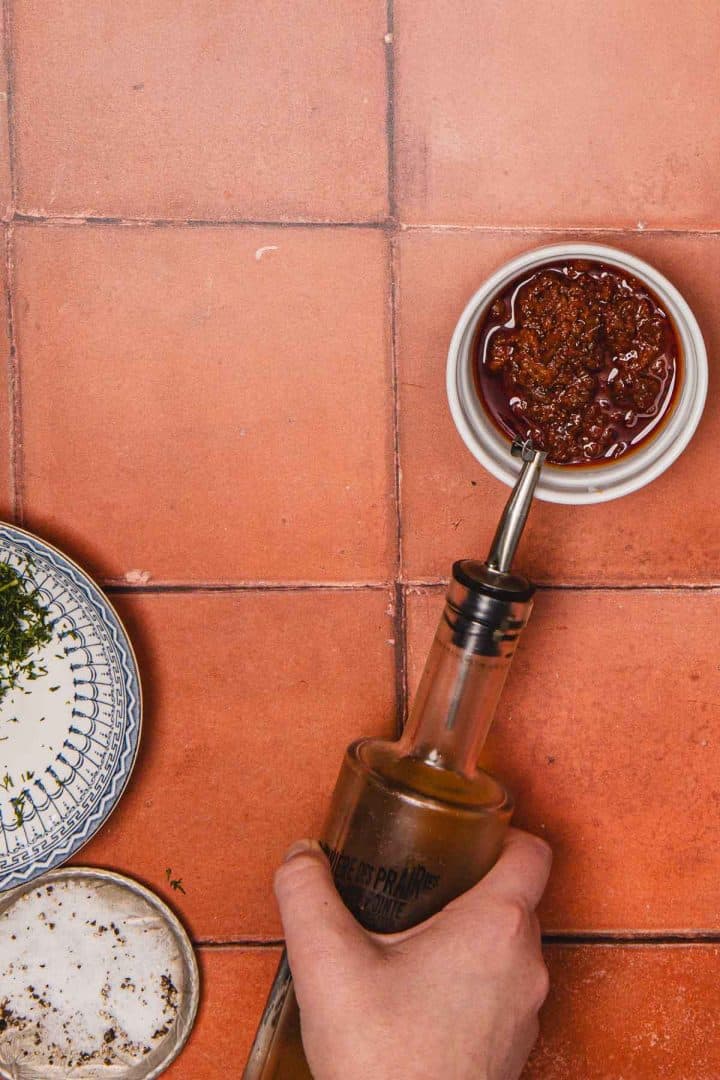
- The mixture should loosen enough to drizzle easily across the eggplant.
- Taste before using. Some harissa pastes carry much more heat than others, especially imported varieties.
Open the Eggplants and Add the Toppings
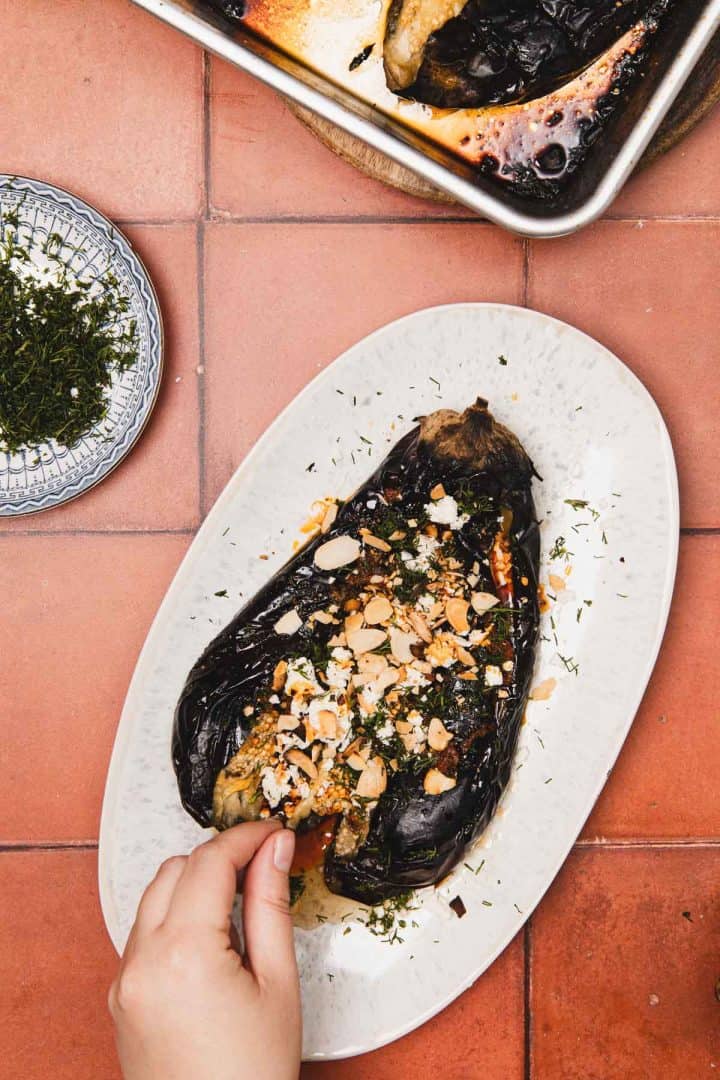
Spoon the harissa oil directly over the flesh while the eggplants are still hot.
- The oil should settle into the folds and soak slightly into the surface instead of sitting heavily on top.
- Scatter the feta over immediately so the edges soften slightly from the heat without fully melting. Finish with toasted pine nuts and fresh dill.
Serve Immediately
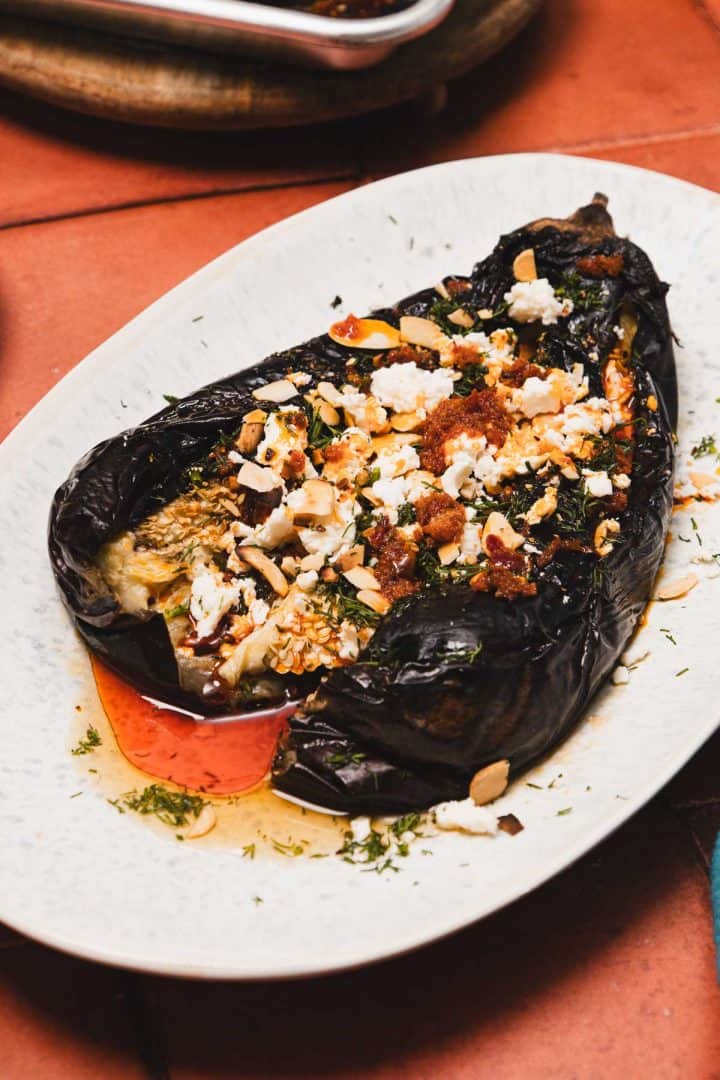
- As it sits, the eggplant continues softening and releases more moisture onto the plate. Keep bread nearby because the harissa oil and softened eggplant naturally spread across the serving dish.
Storage
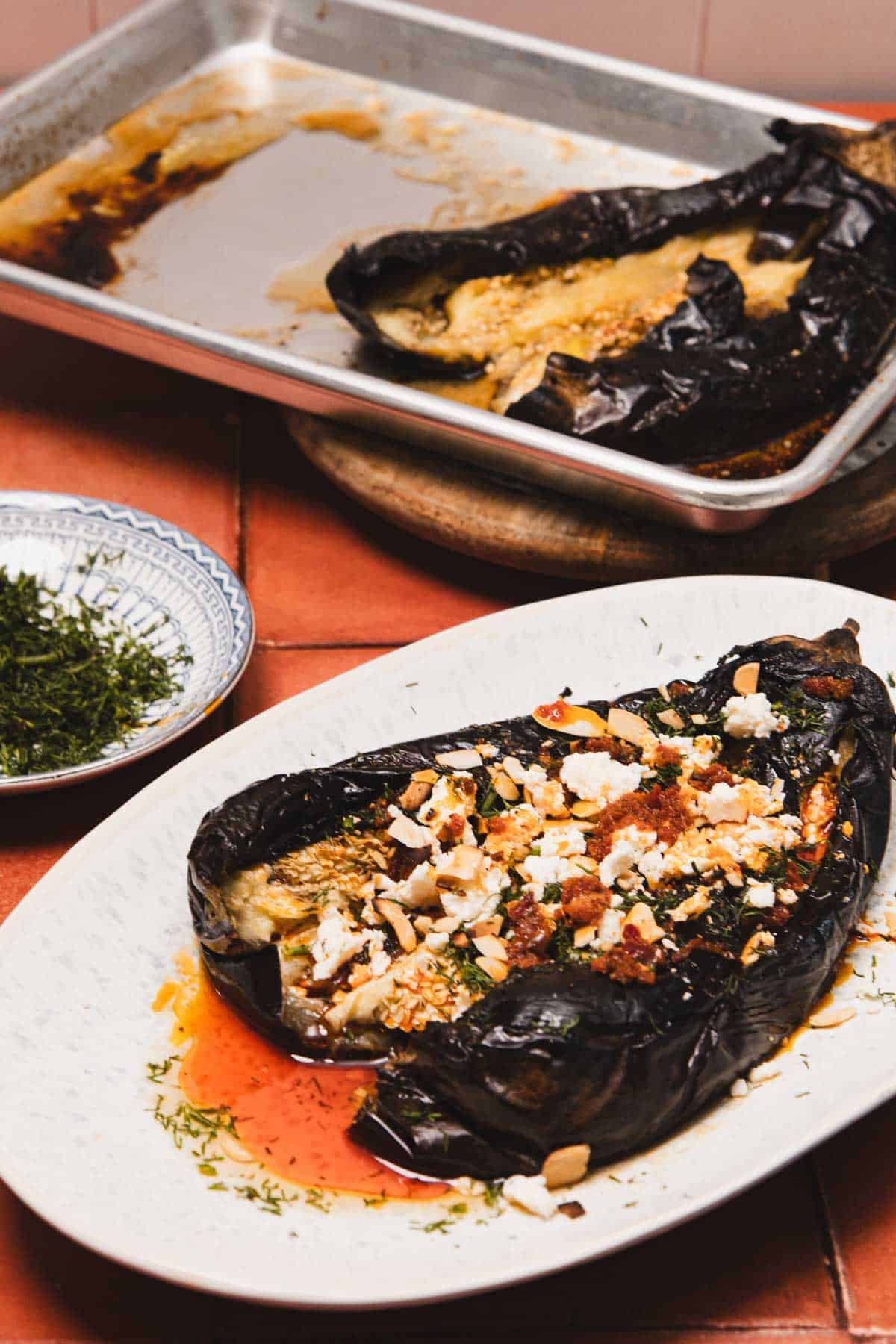
Store leftover grilled eggplant with feta and harissa oil in an airtight container in the refrigerator for up to 3 days. The eggplant softens as it sits, while the harissa oil sinks deeper into the flesh overnight. Keep the dill and pine nuts separate if making ahead so they stay crisp.
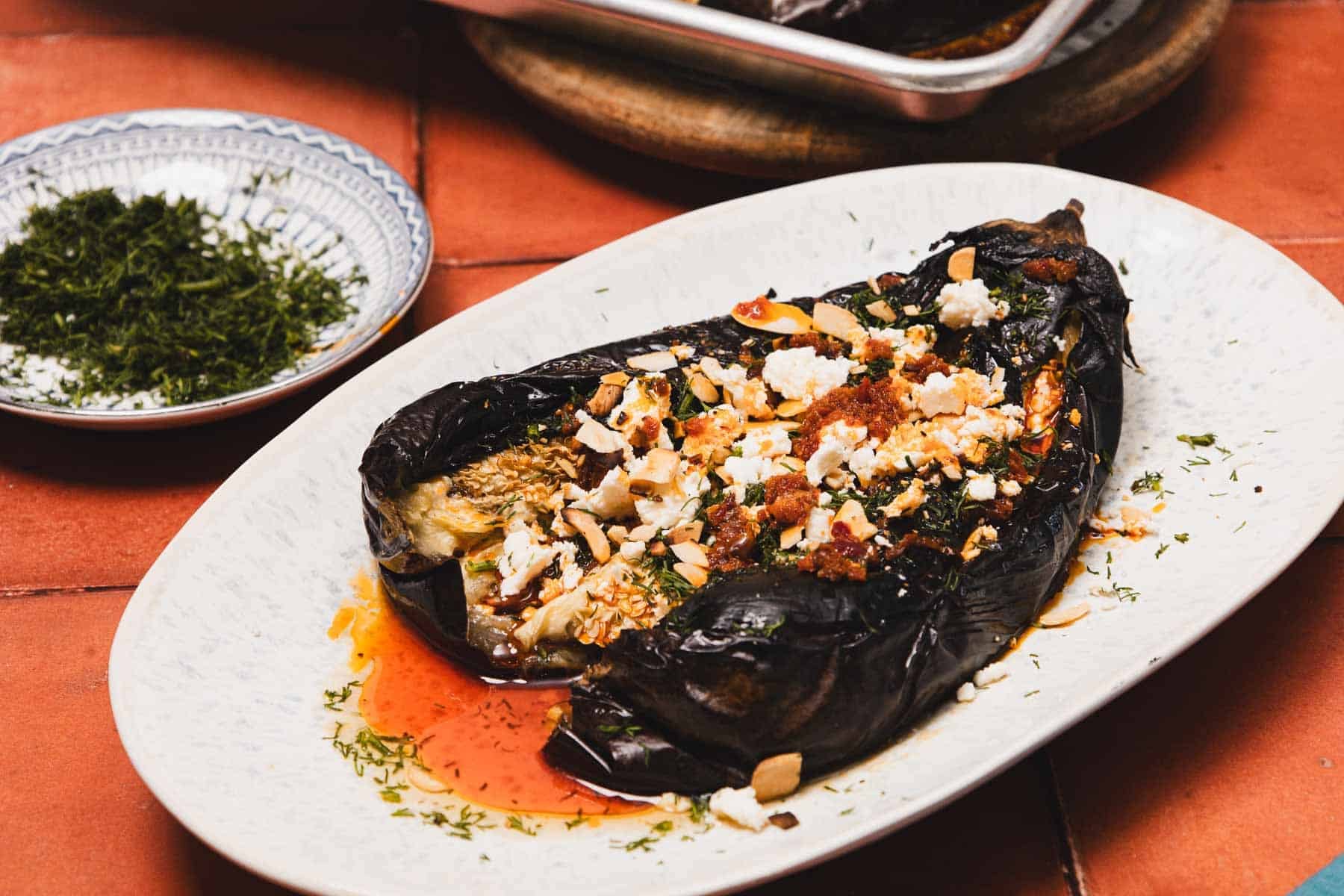
Reheat in a hot oven until warmed through. The microwave can make the texture watery and soften the roasted edges too much. Add fresh herbs and pine nuts after reheating. You can also freeze the roasted eggplant before adding toppings for up to 1 month. Thaw overnight before reheating.
FAQs
You can, but after heavily charring the eggplant, most of the skin becomes very dark and slightly bitter. I usually scoop the soft flesh directly from the skin while eating. Some thinner pieces of charred skin are completely fine to eat and add extra depth.
Very well. The heat and spice from harissa balance the salty, creamy texture of feta naturally. It is a combination that appears often across Middle Eastern and North African cooking, especially with roasted vegetables and bread.
Eggplant naturally releases moisture as it rests. If a lot of liquid gathers underneath, transfer the eggplant briefly back into the oven uncovered before serving so some of the excess moisture cooks off again.
Yes. A broiler works well if you do not have a gas flame. Place the eggplants close to the heating element and rotate them often so the skin blackens evenly. You may not get exactly the same depth as direct flame charring, but the texture still turns out very soft and rich.
Recipe
Tried and loved this recipe? Please leave a 5-star review below! Your reviews mean a lot to me, so if you've got any questions, please let me know in a comment.
Grilled Eggplant with Feta and Harissa Oil
Equipment
- Gas stove or oven broiler
- Sharp Knife
- Whisk or spoon
Ingredients
Instructions
Preheat the oven
- Preheat the oven to 450°F. Line a baking sheet with parchment paper if desired for easier cleanup.
Char the eggplants
- Place the eggplants directly over a gas flame or under a broiler set to high heat. Turn frequently with tongs until the skin is deeply charred and blistered on all sides, about 20 minutes. The eggplants should feel very tender underneath the skin.
Roast the eggplants
- Transfer the eggplants to the baking sheet. Slice each one open lengthwise and gently press open like a fan. Drizzle with 3 tablespoons olive oil and season generously with salt and black pepper.
- Roast for 25-30 minutes until the centers become creamy and the edges darken deeply.
Toast the pine nuts
- While the eggplants roast, place the pine nuts in a dry skillet over medium-low heat. Stir frequently until lightly golden and fragrant, about 3 minutes. Remove immediately from the pan.
Make the harissa oil
- In a small bowl, whisk together ¼ cup olive oil, harissa paste, and minced garlic until smooth and pourable.
Assemble the dish
- Remove the eggplants from the oven and gently open them further to expose the soft center. Spoon the harissa oil over the hot eggplant.
- Top with crumbled feta, toasted pine nuts, and fresh dill.
Serve
- Serve warm with bread, pita, or alongside other mezze dishes.