
Seafood is a favorite for many, but not all products labeled as such are exactly what they claim to be. Sometimes, cheaper fish or shellfish get swapped in for more expensive varieties. This practice can affect the quality and texture of what you eat, and in some cases, it might even raise concerns about safety. In fact, there are 11 most counterfeited fish in the market today.
Being aware of common seafood fraud helps you avoid paying for something that isn't what you expect. It also supports honest sellers and helps protect wild fish populations. With a little knowledge, you can spot red flags and ask the right questions. This guide will highlight some of the seafood products most likely to be counterfeited so you can feel confident about what's on your plate.
Scallops
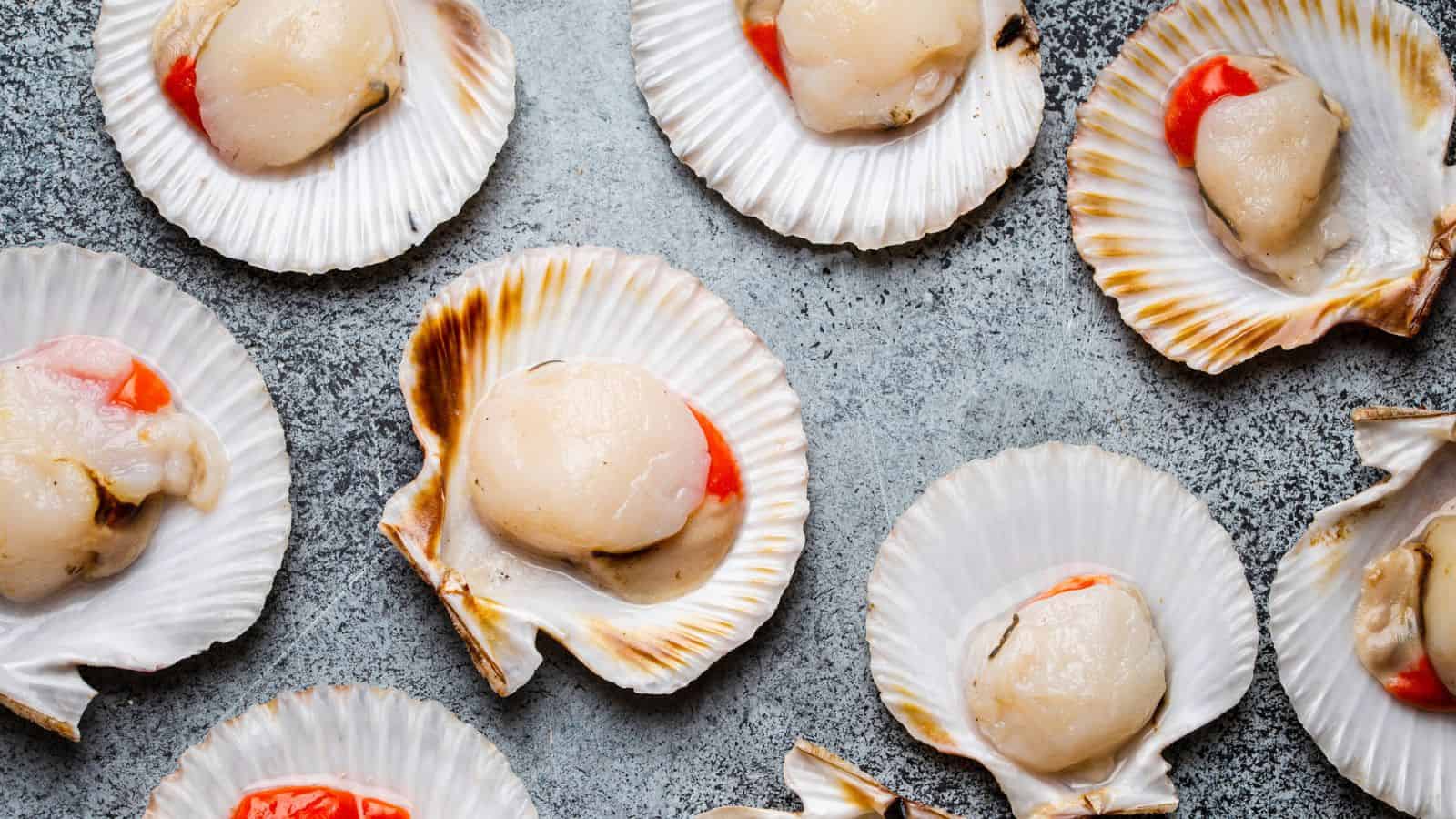
Smaller or lower-quality shellfish are sometimes passed off as premium scallops. Authentic scallops are plump, round, and firm with a creamy white or slightly pink hue. Fake or inferior scallops may be smaller, irregularly shaped, or have a rubbery texture. Some suppliers inject water or additives to increase weight, which can affect texture and cooking performance. Checking for a sweet, mild aroma and avoiding scallops with a strong fishy odor is important. When buying, look for clear labeling of species and origin, and prefer whole scallops over processed or pre-packaged ones to reduce the risk of fraud.
Clams and Mussels
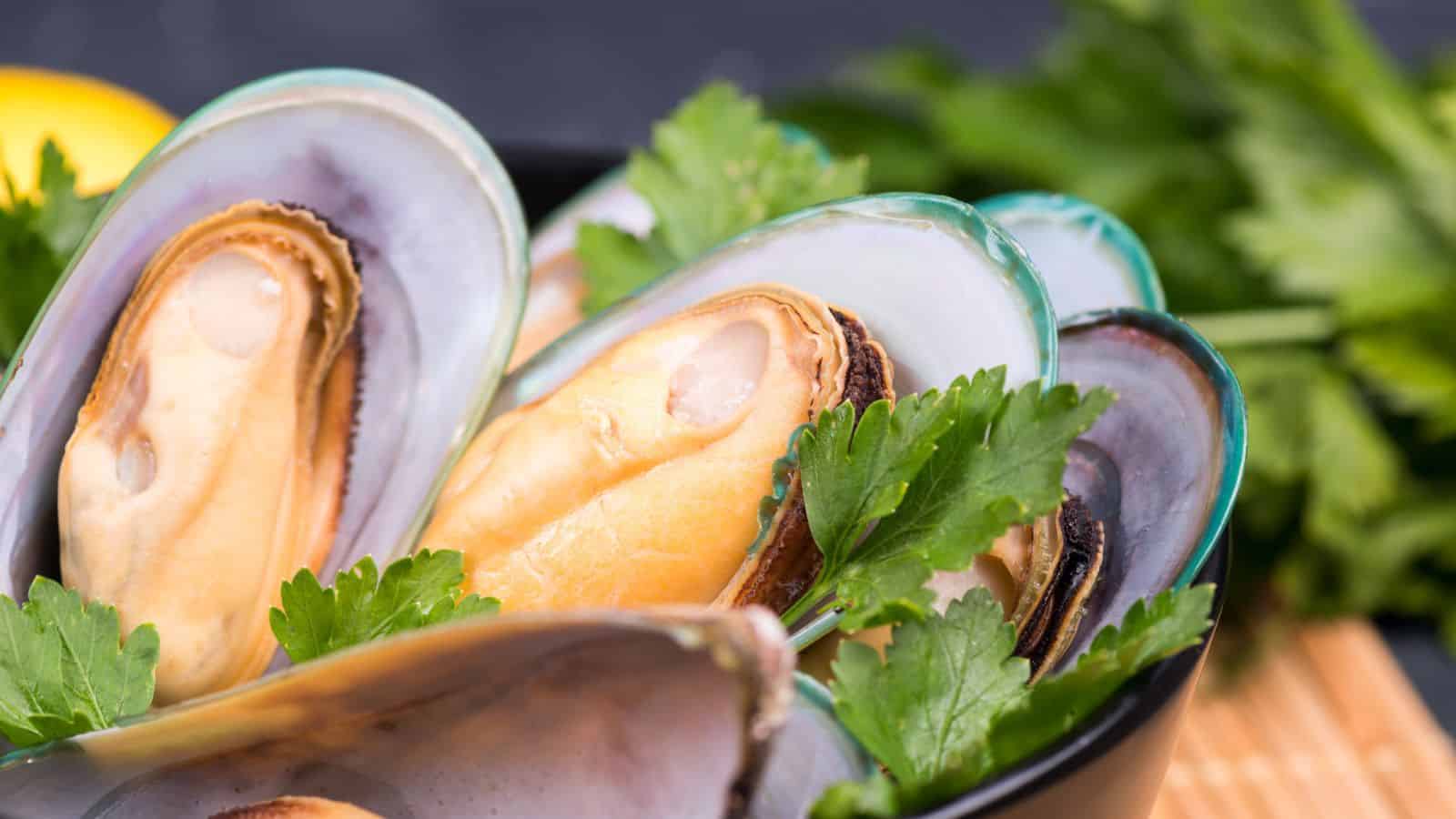
These shellfish can be mislabeled by species or origin, with cheaper varieties sold as more expensive ones. Real clams and mussels have tightly closed shells or close when tapped, indicating freshness. Shells should be clean and free from cracks. Fake or old shellfish may have open shells that do not close, a sign of death or spoilage. The meat inside is plump and moist, with a mild briny aroma. Checking the harvest location and certification labels is helpful to avoid fraud. Avoid shellfish with a strong ammonia smell or slimy texture, as these suggest poor quality or counterfeit products.
Salmon
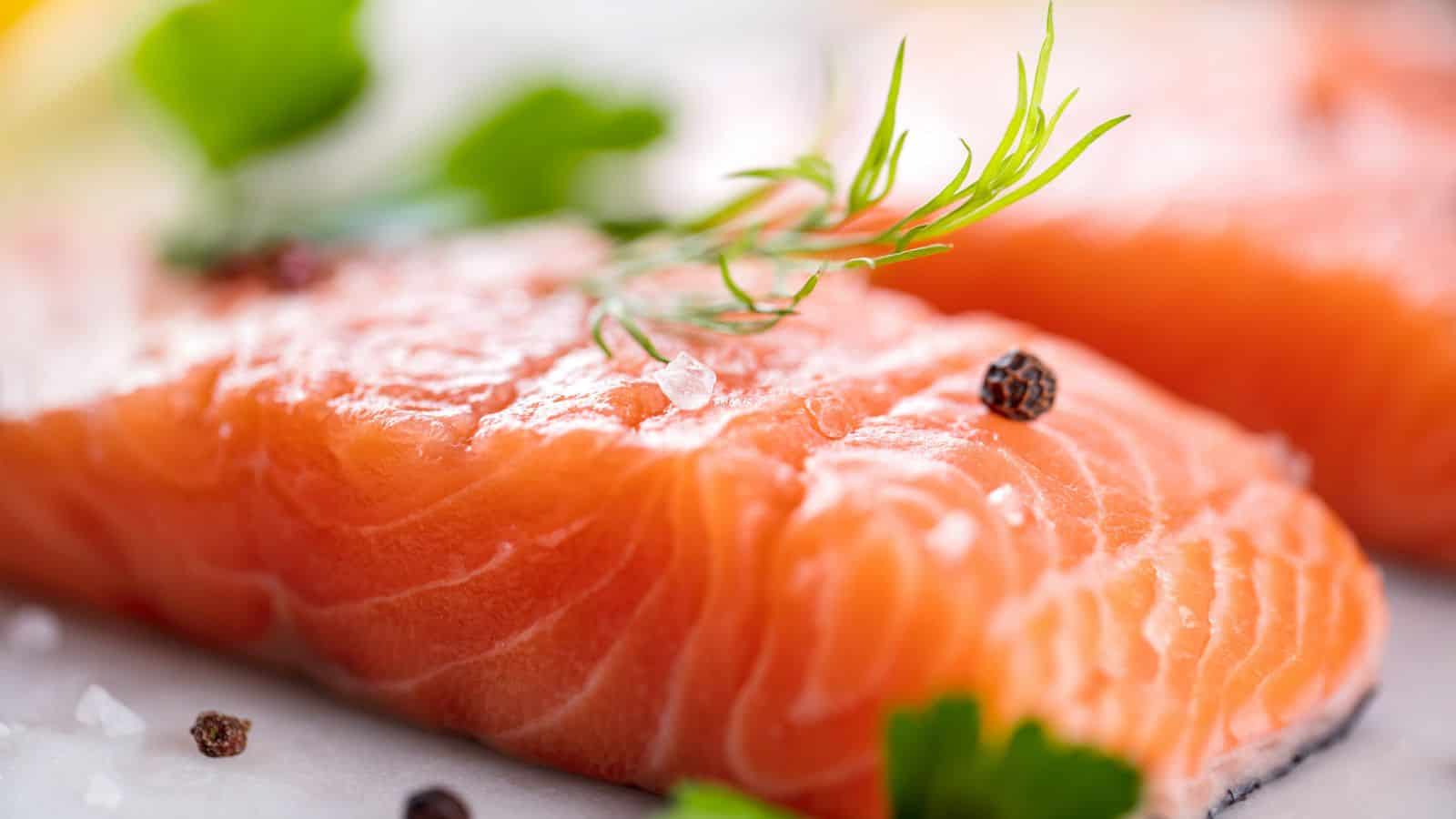
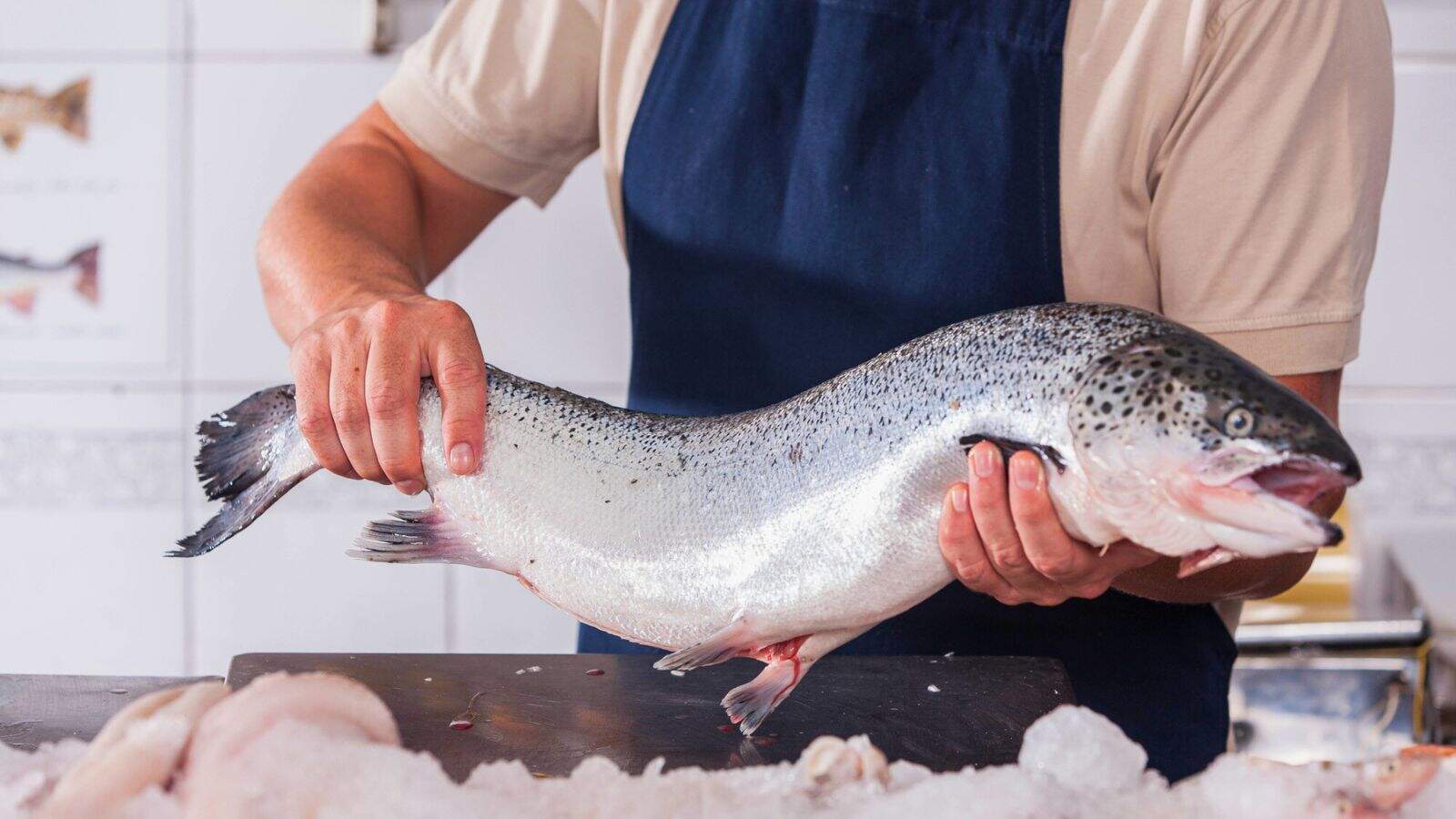
Salmon is often counterfeited by substituting wild-caught with farmed varieties or cheaper species like trout. Farmed salmon may have a duller color and a different texture compared to wild salmon, which tends to have firmer flesh and a brighter, more vibrant orange-red hue. To identify genuine salmon, look for consistent color and fat distribution, and check the source labeling carefully. Wild salmon is usually more expensive and sold with certifications. Be cautious of fillets that appear overly uniform or pale, as these might be farmed or mislabeled fish. Freshness can also be checked by smell; real salmon should not have a strong fishy odor.
Crab
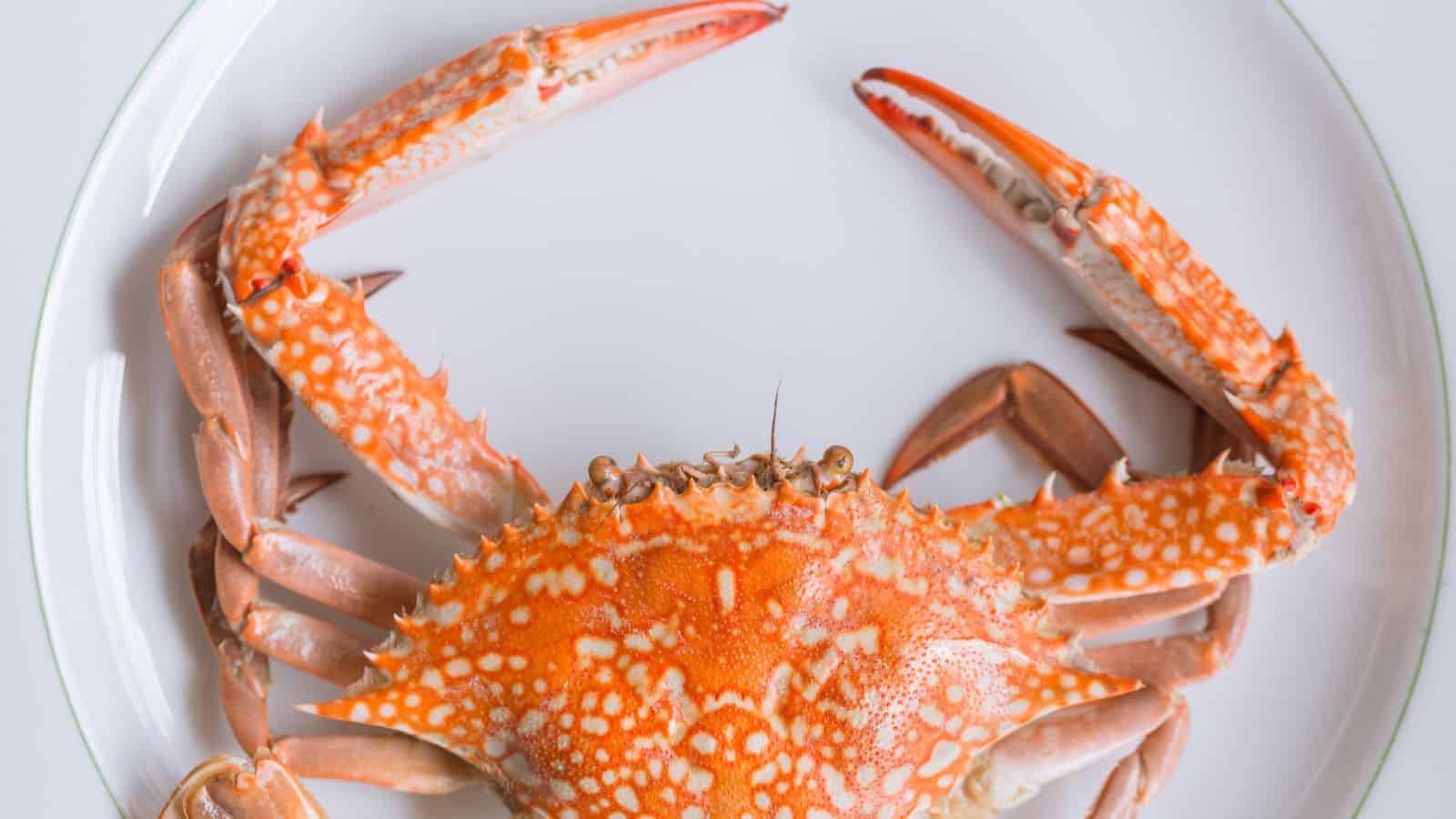
Fake crab meat, commonly known as surimi, is made from processed fish paste and shaped to resemble real crab. Authentic crab meat flakes easily and has a delicate, slightly sweet taste with a firm texture. Surimi tends to be rubbery, uniformly colored, and often has added flavorings and coloring agents. When purchasing, examine the texture and color closely. Real crab meat is usually sold fresh or frozen in lumps or clusters, whereas fake crab is found in sticks or shredded forms. Verifying the product's origin and checking for certifications can help distinguish real crab from imitations.
Halibut

Substitution with other flatfish species is common in halibut fraud. Real halibut has dense, firm white flesh with a mild flavor and large flakes when cooked. Counterfeit fish may be softer, with smaller flakes and a different texture. The skin of halibut is thick and rough, often with a distinct pattern, which can help in identification when purchasing whole fish. Fillets should be thick and moist without excessive wateriness. Confirming the catch location and species through reliable labeling is crucial, as some fish sold as halibut may come from different, less expensive species with a similar appearance.
Snapper

Mislabeling frequently occurs with snapper, where other red or white fish species are passed off as snapper. Genuine snapper fillets are firm, moist, and have a mild, slightly sweet flavor. Fake snapper may be softer or have a different texture and color, sometimes paler or with uneven pigmentation. Checking the fish's skin pattern or scales can help when buying whole fish, as snapper has distinctive markings. Proper labeling and traceability are important, since some substitutes come from different regions or less sustainable stocks. Fresh snapper should not have a strong fishy smell or slimy surface.
Shrimp
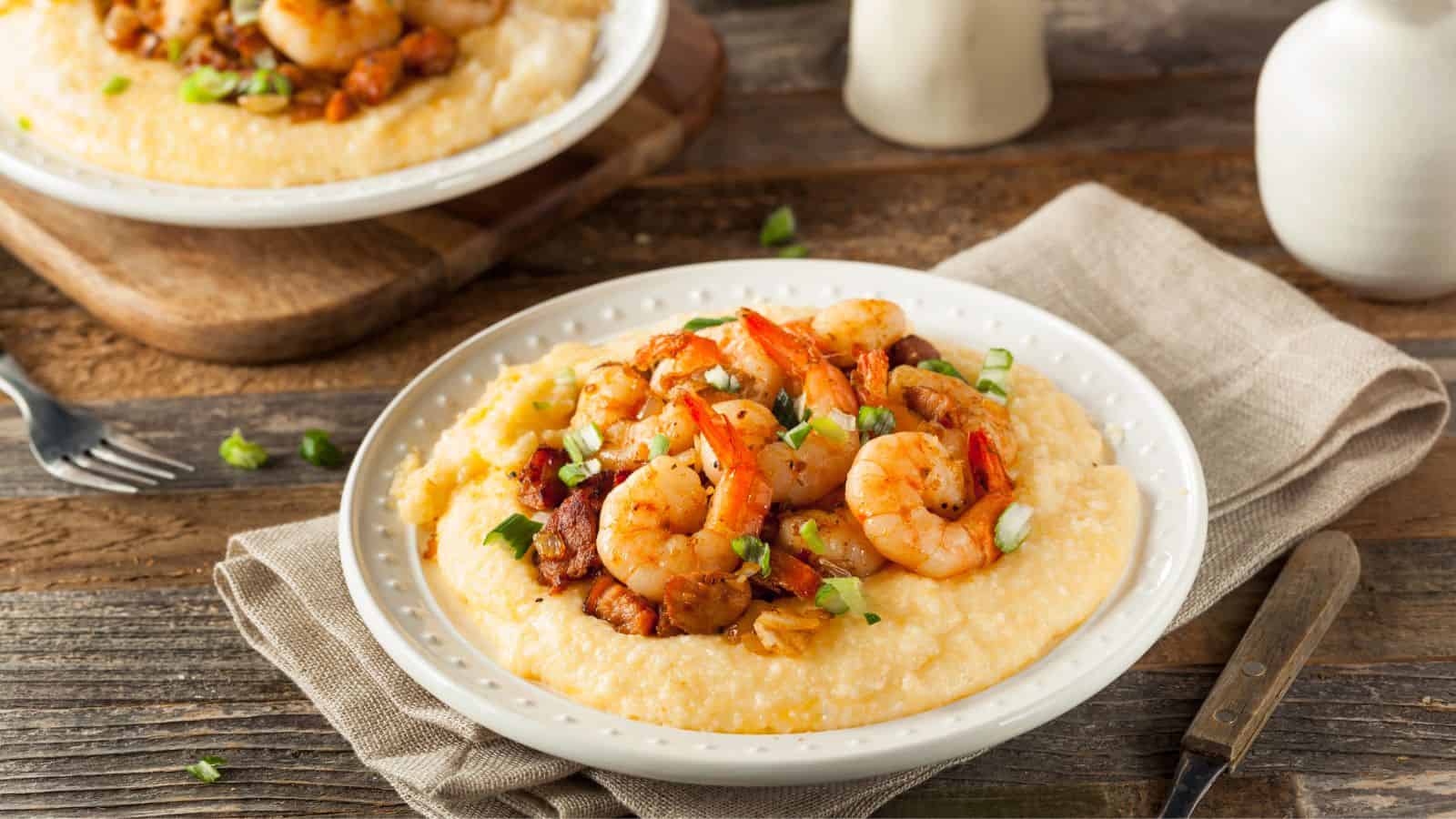
Shrimp fraud typically involves passing off farmed shrimp as wild-caught or substituting expensive species with cheaper ones. Wild shrimp usually have a firmer texture and more pronounced flavor, while farmed shrimp can be softer with a more uniform appearance. Look for inconsistencies in size and shell color, as farmed shrimp tend to be more uniform. Labels claiming wild-caught should be verified through trusted sources. Some counterfeit shrimp are treated with chemicals to improve appearance, so avoid shrimp that seem unnaturally bright or have an ammonia-like smell. Checking the country of origin can also help, as some regions have stricter regulations.
Swordfish

Cheaper fish species with similar texture or appearance are often sold as swordfish. Authentic swordfish has dense, meaty flesh that is firm and slightly coarse, with a pale pink to white color. Imitations may be softer or have an inconsistent texture. When buying, examine the fillet thickness and firmness-real swordfish holds its shape well and flakes minimally when cooked. Verify labeling for species and origin, as these are frequently falsified. Fresh swordfish should have a clean, ocean-like scent without any strong fishy or ammonia odors. Purchasing from reputable sources reduces the chance of fraud.
Lobster
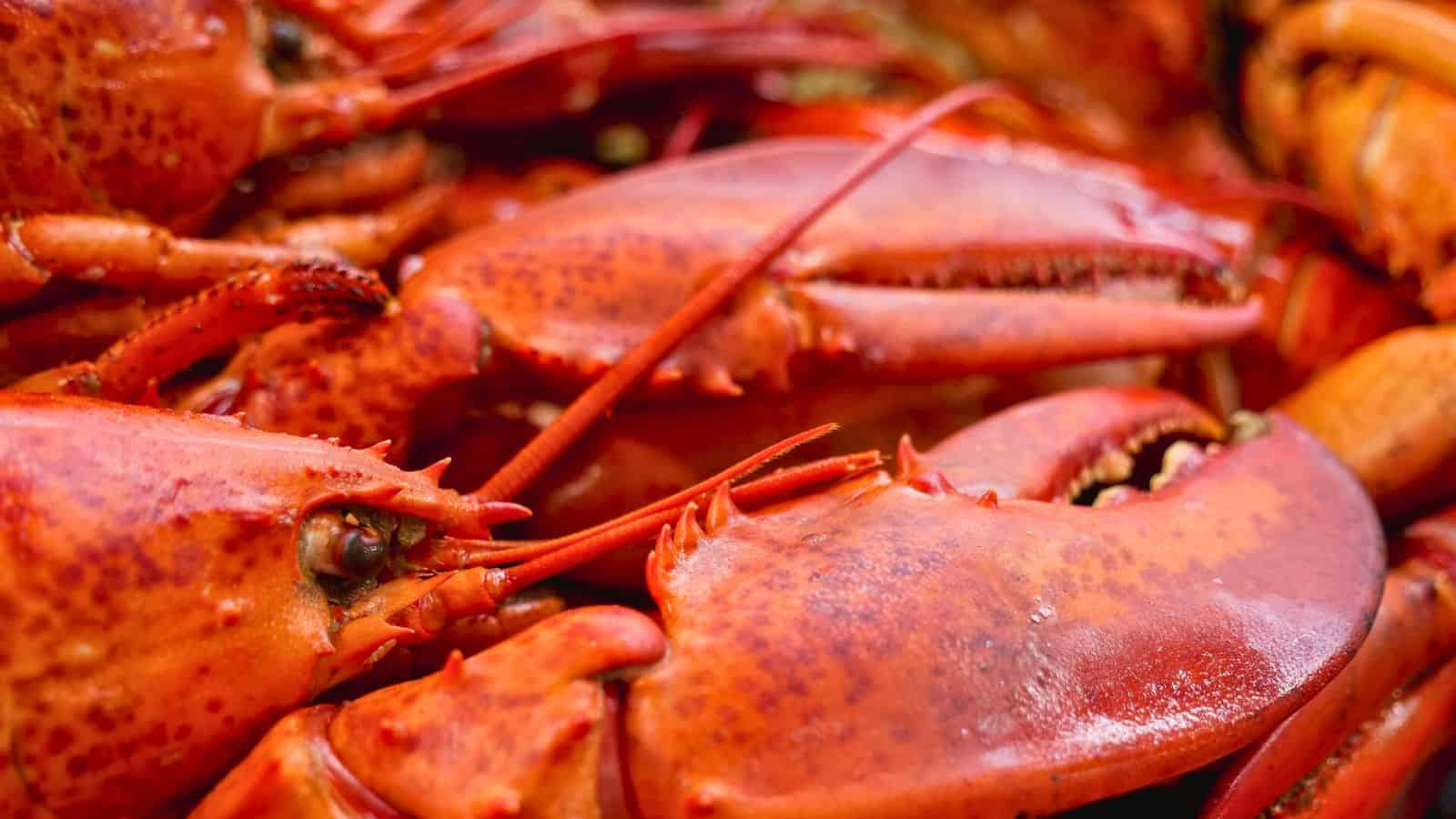
Imitation lobster meat or cheaper shellfish are often sold as real lobster, especially in processed forms like lobster tails or meat chunks. Genuine lobster has firm, slightly fibrous meat with a natural sweetness and a distinct texture. Fake products may feel mushy or overly soft and lack the characteristic flavor. The shell of a real lobster is hard and heavy, while imitation products often come in pre-packaged forms without shells or with plastic shells. Checking for proper labeling and sourcing from trusted suppliers can help avoid counterfeit lobster. Fresh lobster should not emit a strong ammonia smell, which indicates spoilage or fake products.
Cod

Cod is often substituted with less expensive white fish like haddock, pollock, or whiting. Real cod has a mild flavor, flaky texture, and thick, white fillets. Fake cod might have thinner fillets and a different texture, often softer or mushier. To distinguish, examine the flesh for firmness and the size of flakes when cooked. Cod should not have a strong fishy odor. Also, check for proper labeling and catch area, as mislabeling is common. Buying from reputable suppliers who provide traceability can reduce risk. Some counterfeit cod is farmed fish passed off as wild, so verifying source information is important.
Tuna
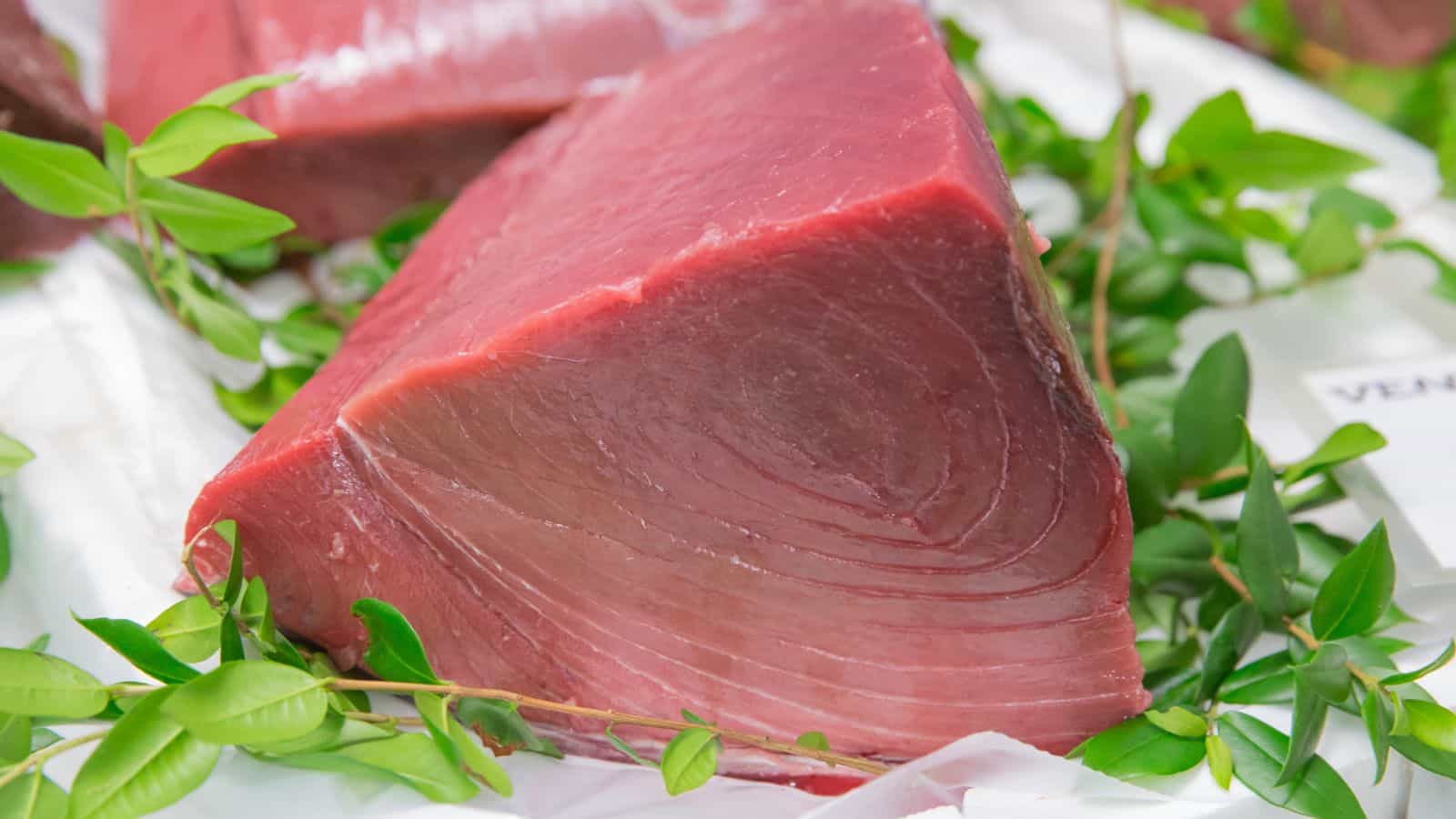
Tuna fraud commonly involves selling lower-value species as premium types like Bluefin or Bigeye. Fake tuna often has a lighter color and softer texture, while authentic Bluefin tuna is deep red and firm. One way to differentiate is by checking the cut: premium tuna cuts have a dense, meaty feel. Also, verify the labeling for species and catch location, as these are often falsified. Some sellers may use food dyes to enhance the color of cheaper tuna. When buying, ask for traceability documents or certifications. Fresh tuna should have a clean ocean scent without a strong fishy smell.
Don't Get Hooked By Fakes!
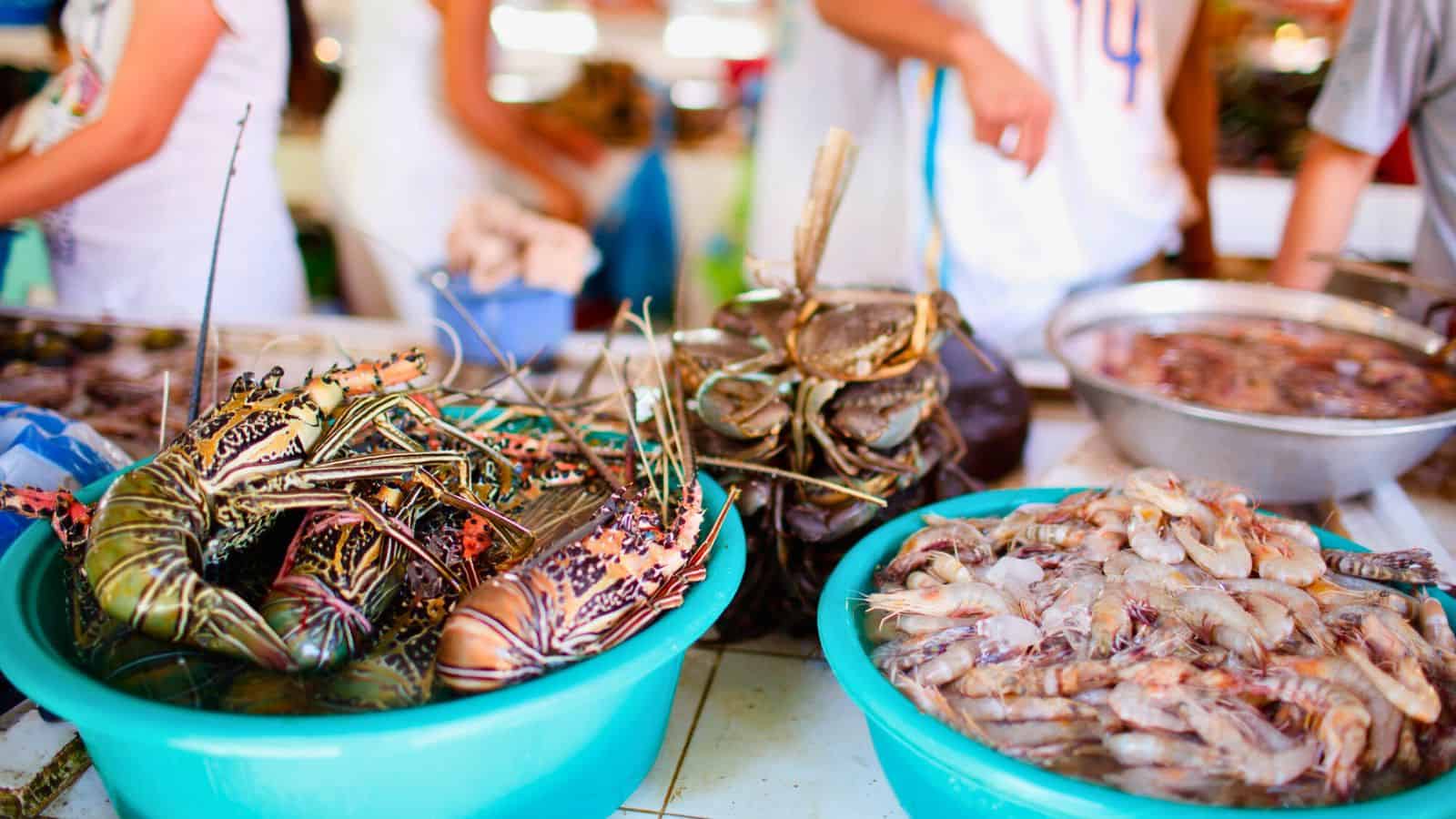
Knowing about seafood fraud isn't just for experts-it's useful for anyone who enjoys fish and shellfish. Being able to spot when something might not be genuine helps you make better decisions and avoid getting less than what you paid for. It also encourages honesty in the market and supports efforts to protect marine life.
Next time you're buying or ordering seafood, remember what you've learned about common fakes and look out for signs that something might be off. Asking questions and choosing trusted sources will help you get the real deal. Staying informed means you can enjoy seafood with more confidence, knowing you're getting quality and authenticity every time.
Seafood Recipes That Beat the Beach Shack's
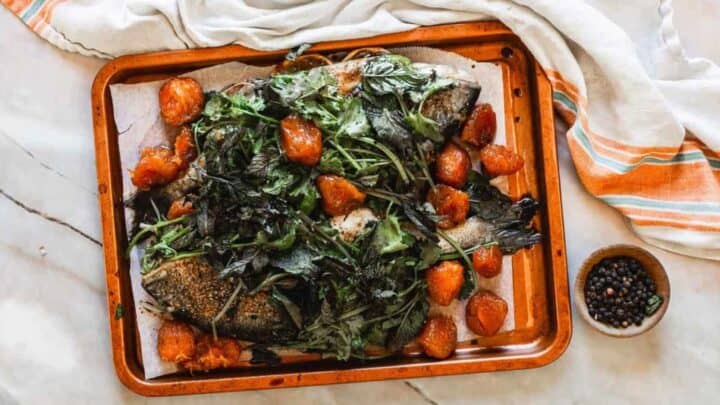
Beach shacks serve it quick, but these 15 seafood recipes serve it better. Whether air fried, pan-seared, or oven-roasted, they deliver bold flavor without the sand. Each dish brings something fresh to the table and doesn't need a boardwalk view to shine. You'll want seconds before you even finish the first bite.
Read it Here: 15 Seafood Recipes That Beat the Beach Shack's
Seafood Recipes That Bring Back That Beach Trip Feeling
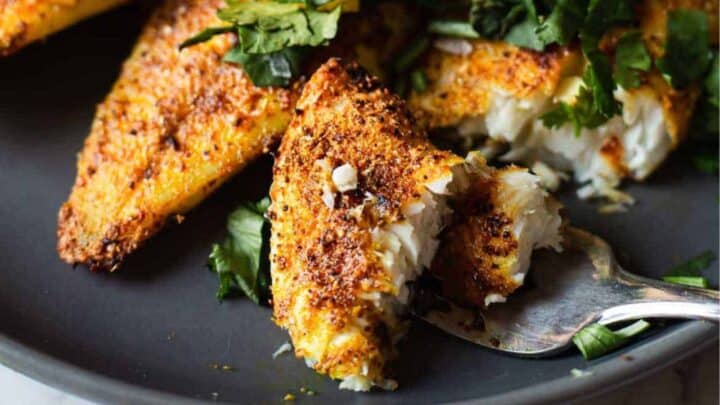
Seafood always seems to bring that beach feeling back, no matter where you are. These 17 recipes capture the same kind of freshness, warmth, and ease that made those coastal meals unforgettable. From grilled to chilled, every bite takes you somewhere breezy. You'll taste the sand, salt, and sun without leaving the table.
Read it Here: 17 Seafood Recipes That Bring Back That Beach Trip Feeling