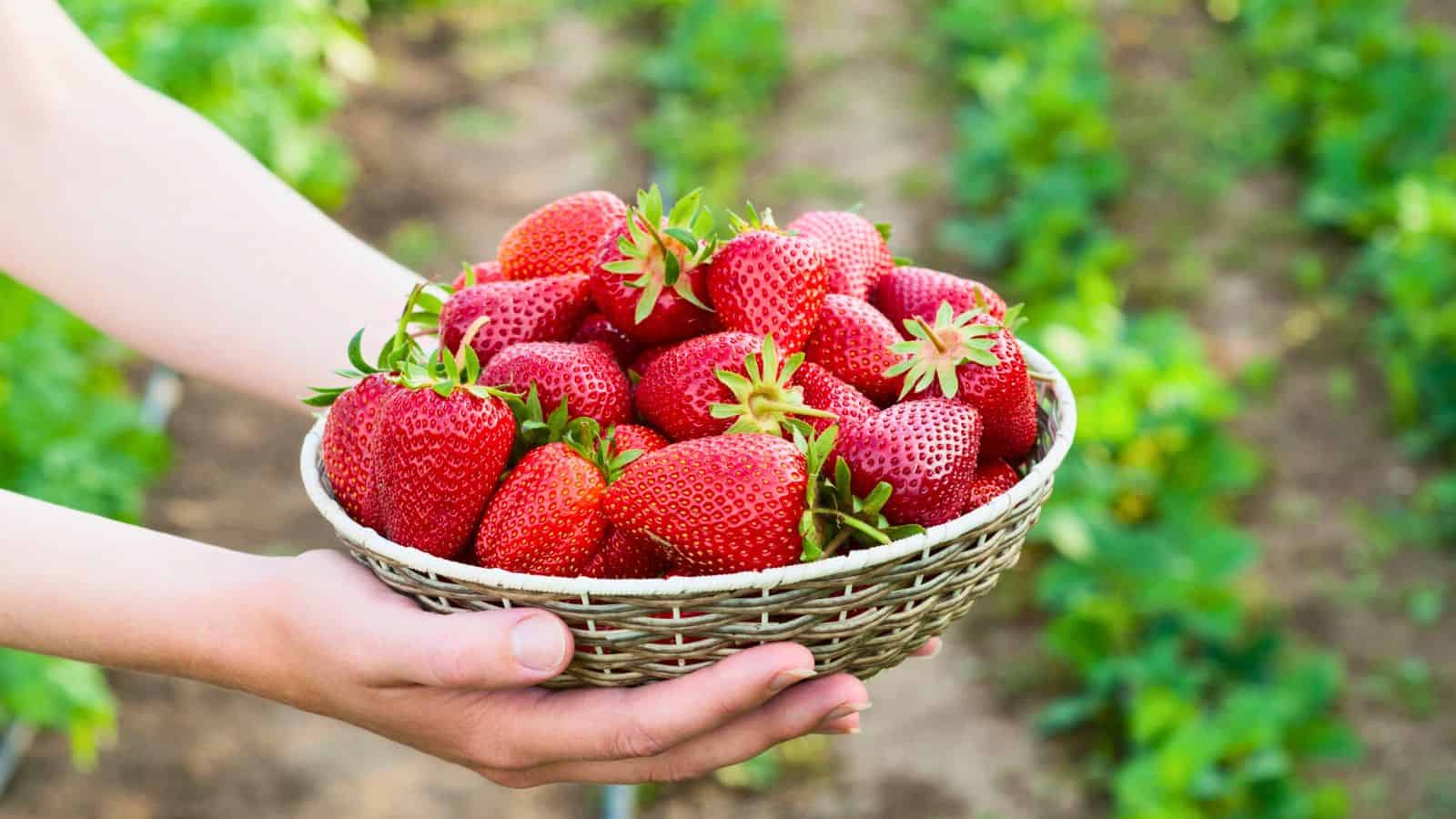
Picking strawberries that are sweet and flavorful doesn't have to be complicated. You don't need special skills or a lot of time to find great berries. Paying attention to simple things like color, freshness, and texture can help you spot the best ones. More specifically, you need to remember these 11 tips for picking strawberries if you plan on doing so this summer.
Knowing what to look for doesn't have to be complicated or time-consuming. With a few simple pointers, you can feel confident about your choice and avoid disappointment. This guide will help you feel more comfortable picking fresh and flavorful strawberries, so you get the most out of every bite. It's all about making smart decisions, leading to better fruit and moments.
Choose Fully Red Berries
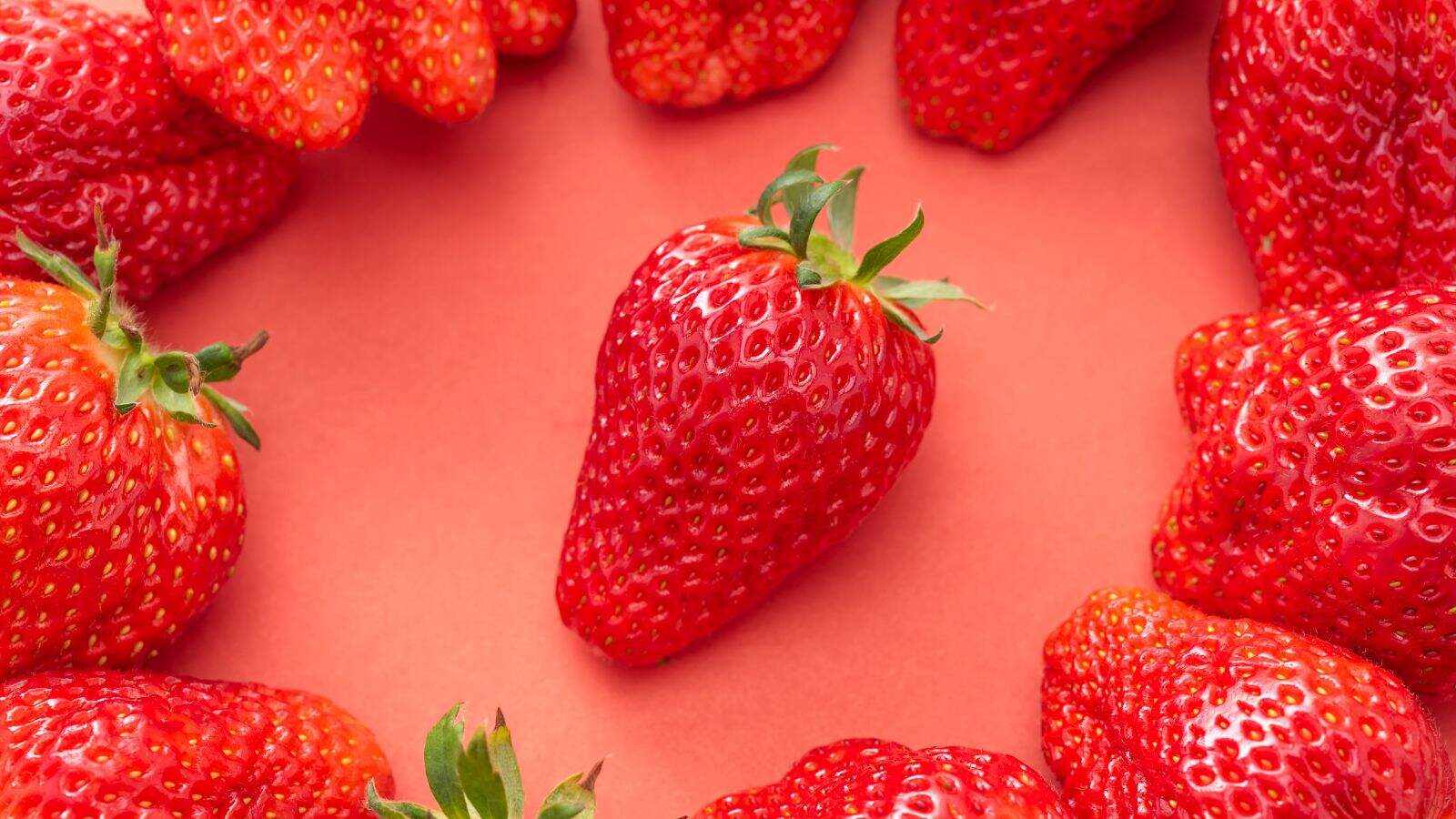
When selecting strawberries, focus on those that exhibit a deep, consistent red color throughout. Berries with patches of white or green indicate they have not fully ripened, which generally means they will lack the natural sweetness that develops as the fruit matures. The red pigment signals the presence of natural sugars and flavor compounds. Picking strawberries that are fully red will increase the chance of experiencing the fruit at its peak flavor. Avoid berries that have uneven coloring or pale spots, as these are signs that the fruit is still developing and may taste sour or bland.
Check for Shine
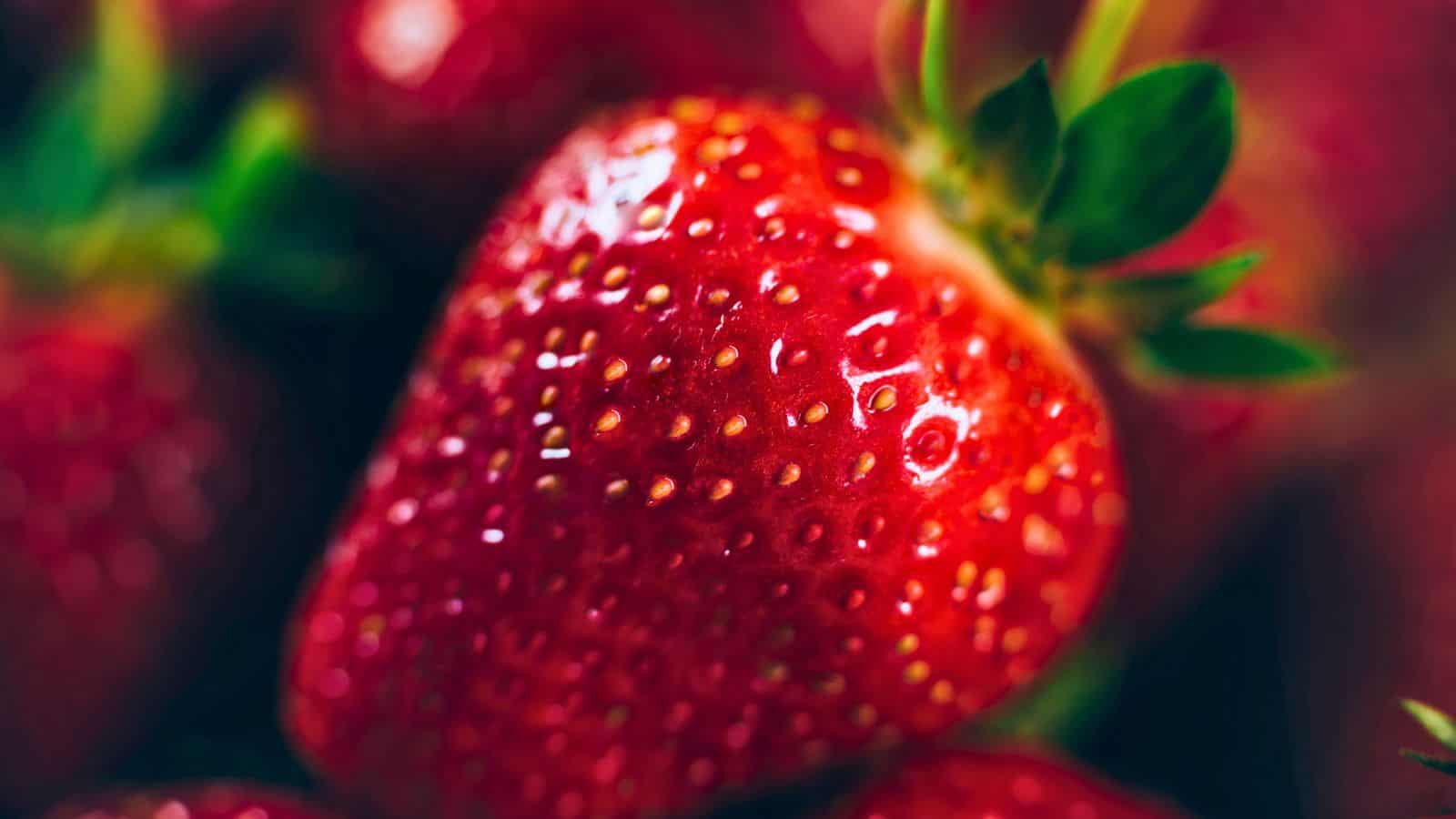
A shiny surface on strawberries is a good indicator that the fruit is fresh and ripe. The glossy appearance results from the natural waxy coating on the berry's skin, which helps protect the fruit and retain moisture. Strawberries that look dull or matte may have lost some moisture and freshness, affecting their sweetness and texture. When you see berries with a bright, reflective surface, it often means they have been recently harvested and have not begun to dry out or deteriorate, making them a better choice for sweetness and juiciness.
Smell the Berries
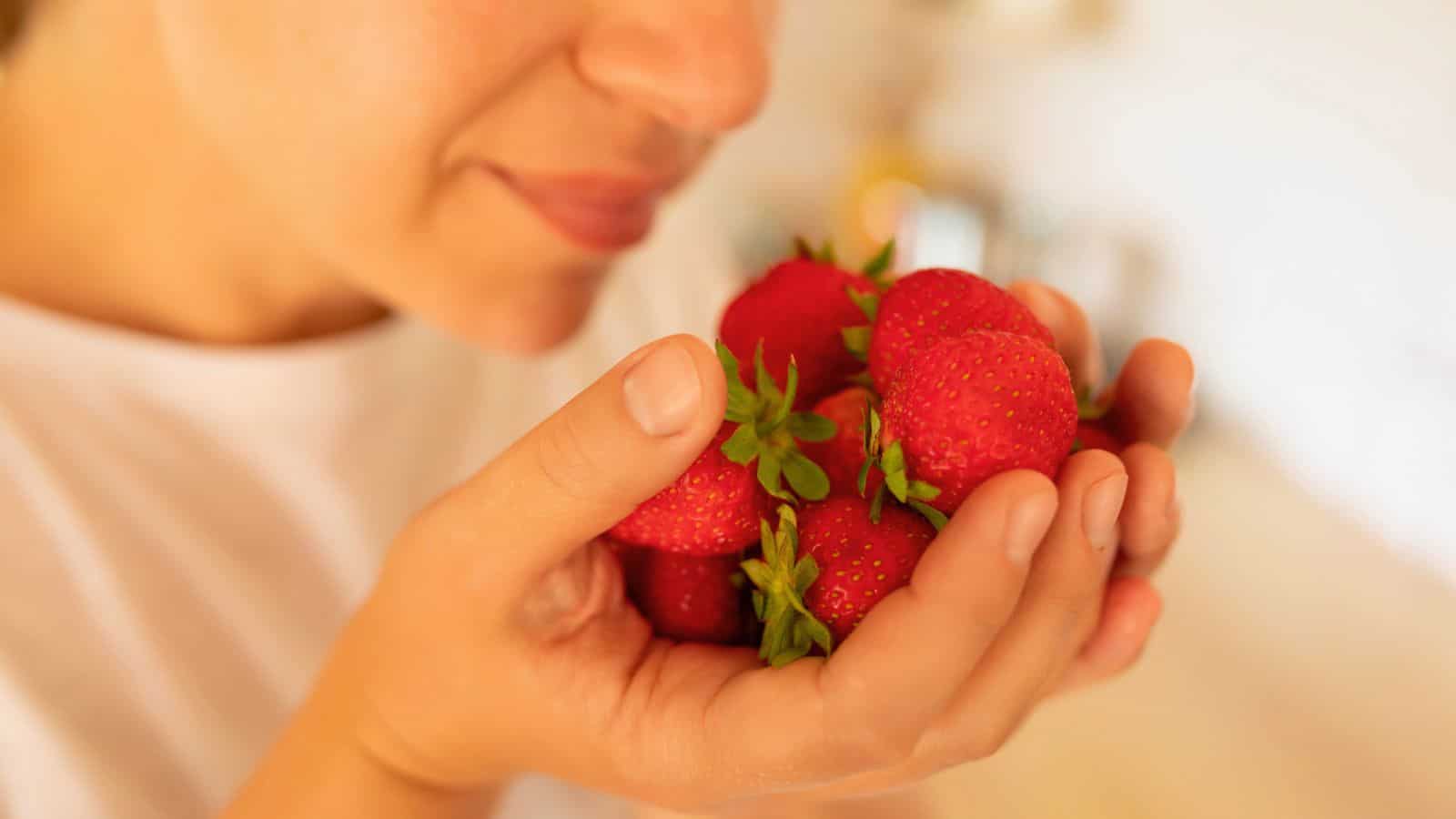
The aroma of strawberries can tell you a lot about their ripeness and flavor. Sweet strawberries emit a strong, fruity fragrance that is easily noticeable when you bring the berry close to your nose. This scent develops as the fruit ripens and the sugars increase. If the berries have little to no smell, it often means they were picked too early or have lost freshness during storage. Trust your sense of smell to help you select berries that will have a richer taste experience, as the scent is closely linked to the natural sugars and flavor compounds present in the fruit.
Pick Smaller or Medium-Sized Berries
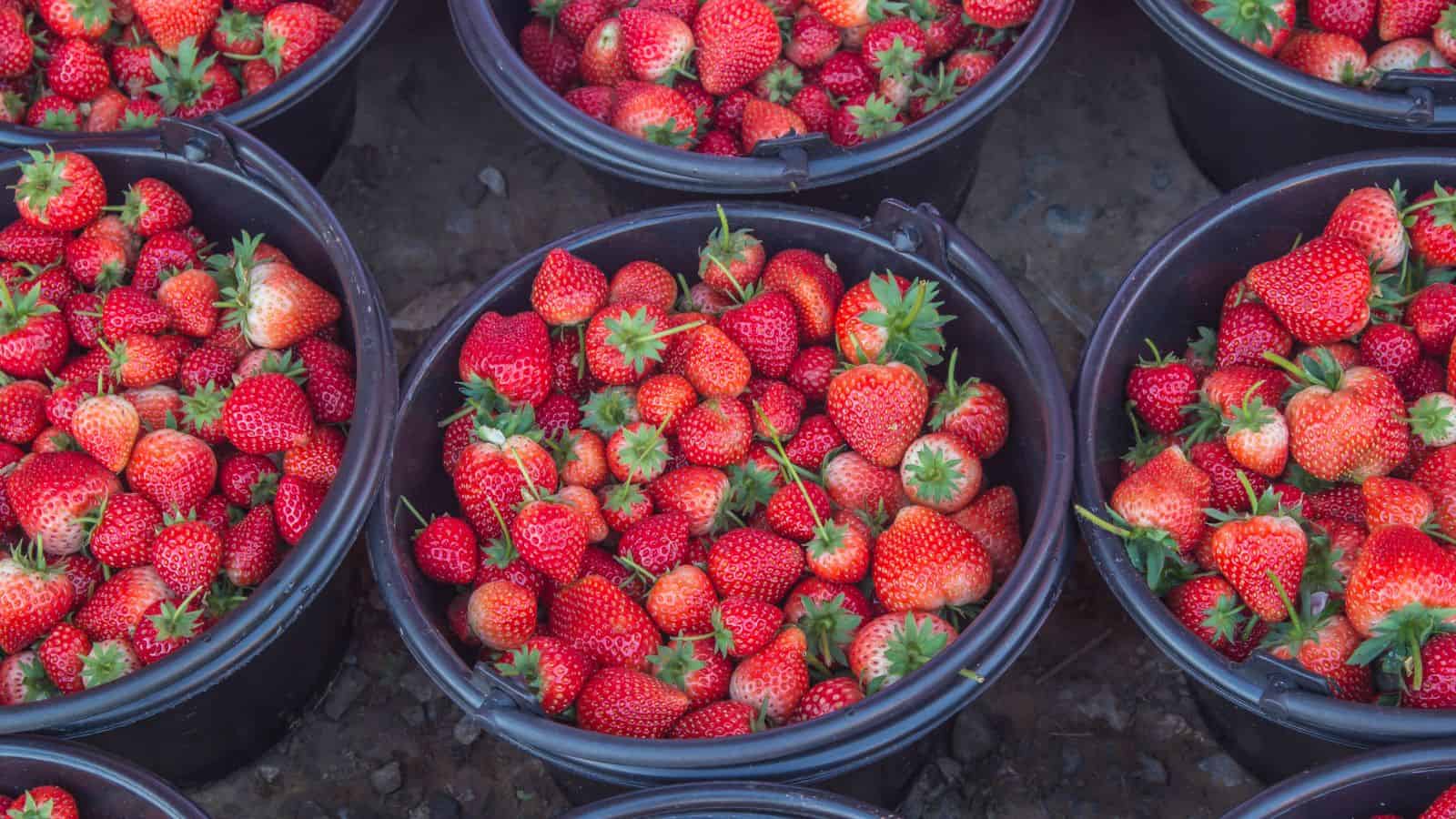
Size can be a helpful clue to sweetness. Smaller and medium-sized berries often concentrate their sugars more than larger ones, which can sometimes be watery or less flavorful. Large strawberries may have been bred for size and appearance rather than taste, leading to a less intense flavor profile. By selecting modestly sized berries, you are more likely to find fruit that has developed a good balance of sweetness and texture. These berries usually have a firmer flesh and a more concentrated flavor, making them a better choice for enjoying natural sweetness.
Inspect the Leaves and Caps
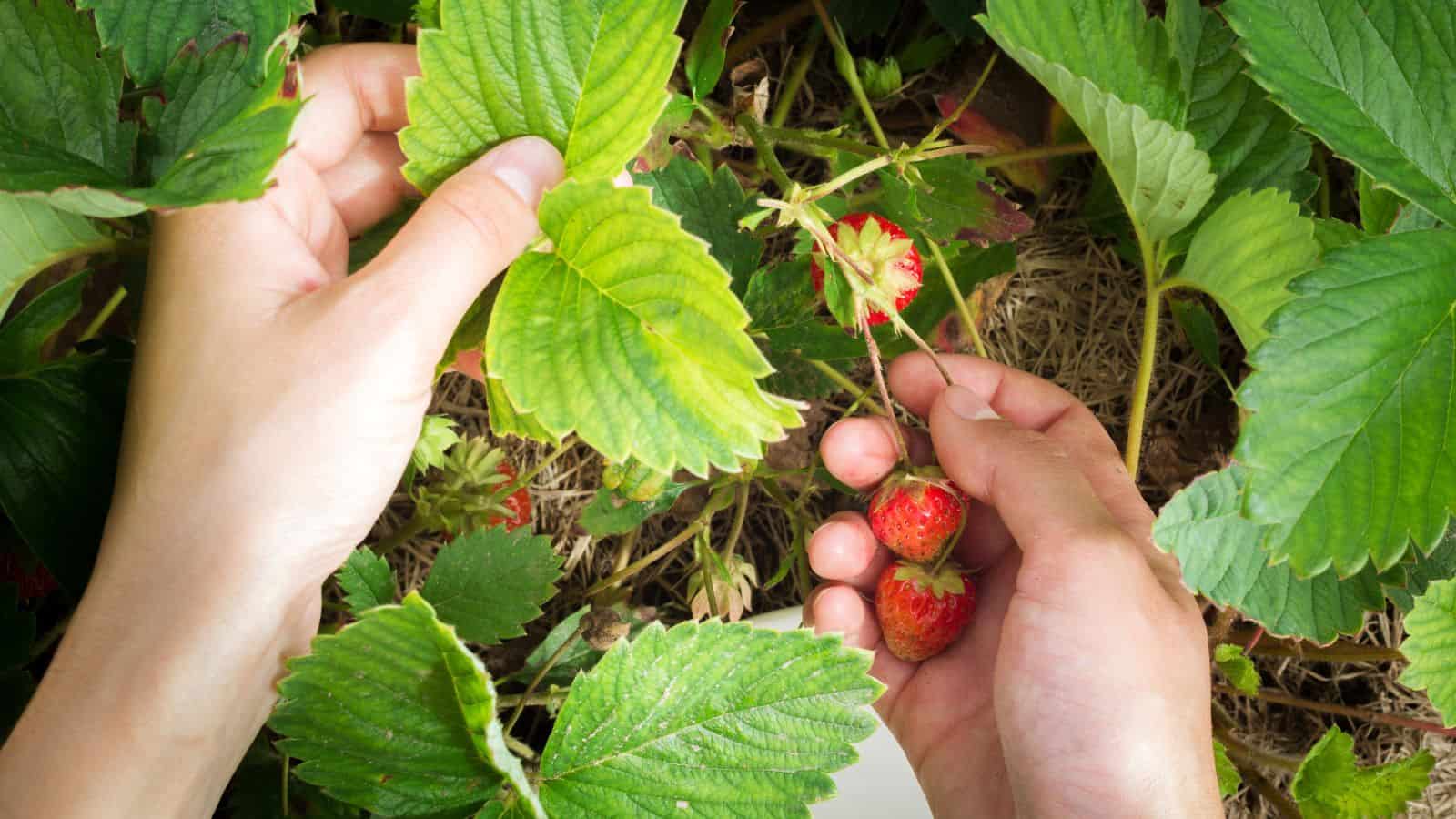
Freshness can often be gauged by examining the leaves and caps attached to the strawberry. Bright green, firm leaves indicate that the fruit was picked recently and has not been sitting around for long periods. Wilted, brown, or dry leaves suggest the berry may be older and less fresh, which can affect its flavor and texture. The cap also protects the berry and helps retain moisture, so a healthy-looking cap is a good sign of quality. Paying attention to these small details helps in finding berries that are likely to have a sweeter and more enjoyable taste.
Avoid Soft or Mushy Berries
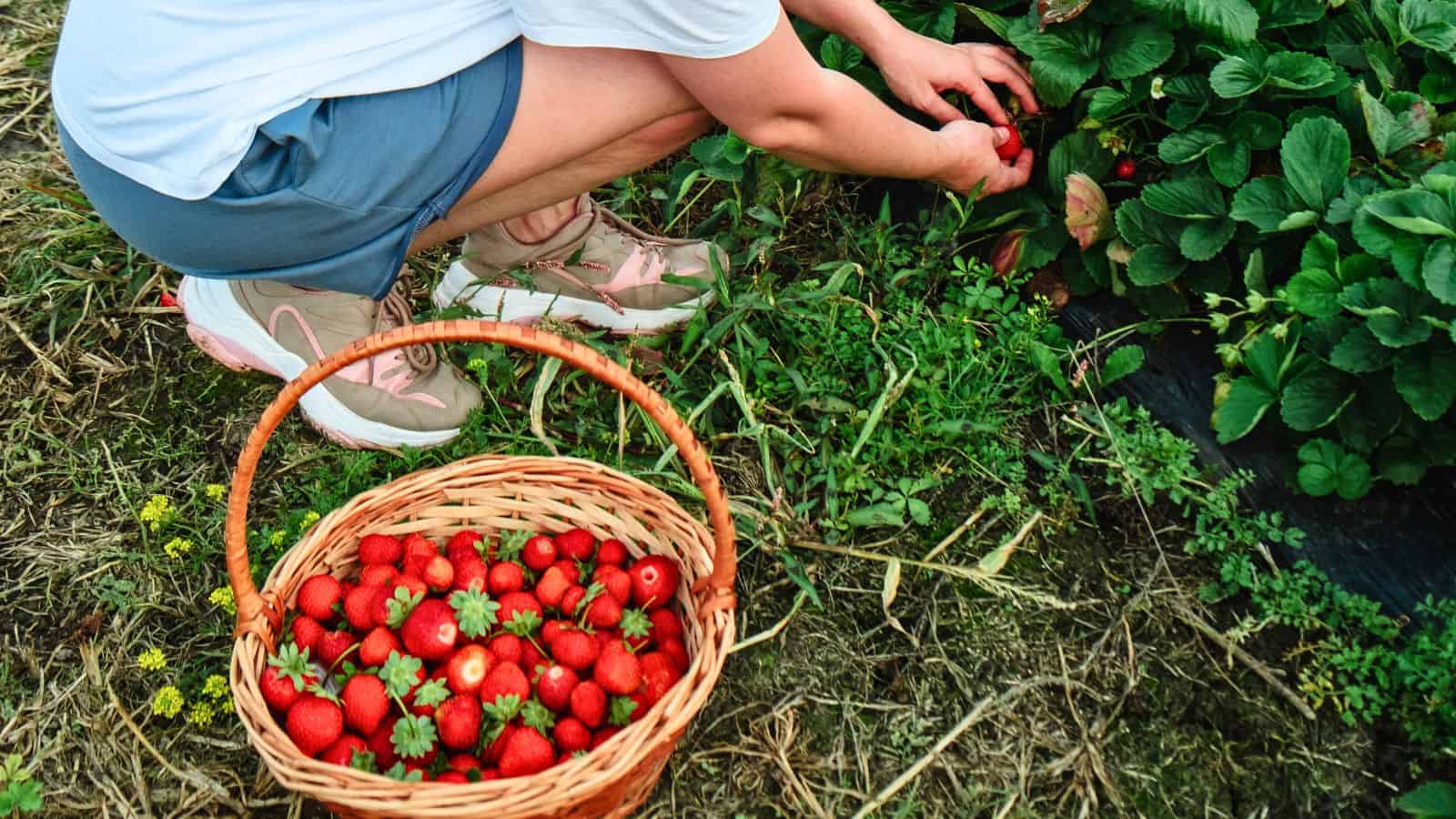
Strawberries that feel overly soft or mushy to the touch are often past their prime. This texture usually means the fruit is overripe or beginning to spoil, which can lead to fermentation or sourness instead of sweetness. Firmer berries tend to have better structure and maintain their natural sugars longer. Gently squeezing the berry can help determine its firmness without damaging it. Selecting strawberries that hold their shape well will result in a fresher, more pleasant eating experience with a balanced sweetness and texture.
Taste Test When Possible
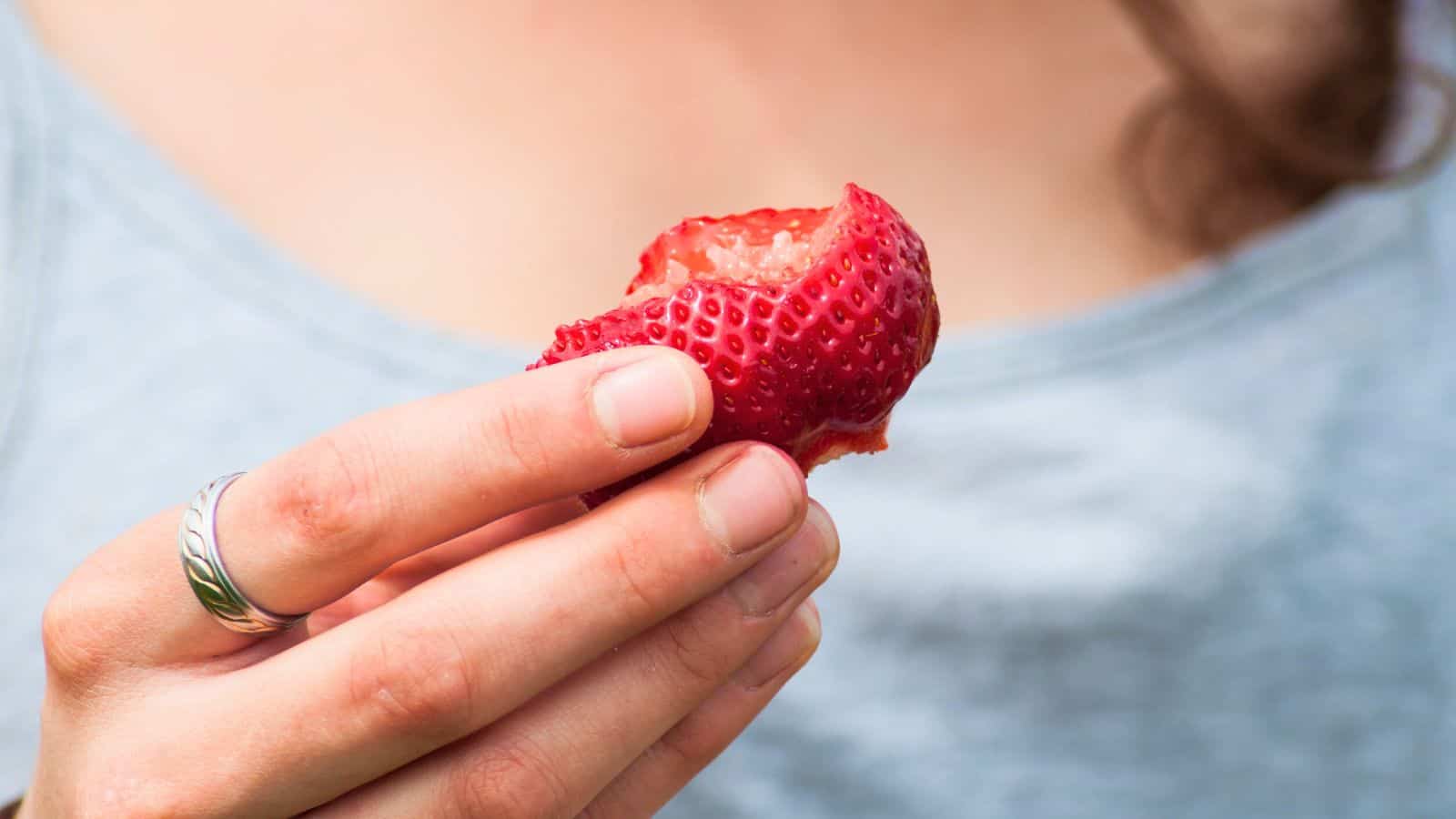
Sampling strawberries before purchasing can be one of the most reliable ways to find the sweetest ones. Farms or markets that allow tasting give an opportunity to identify berries with the best flavor profile. The taste can reveal nuances in sweetness and acidity that are not always visible from appearance alone. Trying different berries helps in recognizing characteristics such as juiciness and natural sugar levels. This direct approach can save time and reduce the chance of buying berries that do not meet expectations for flavor and quality.
Pick Berries in Season
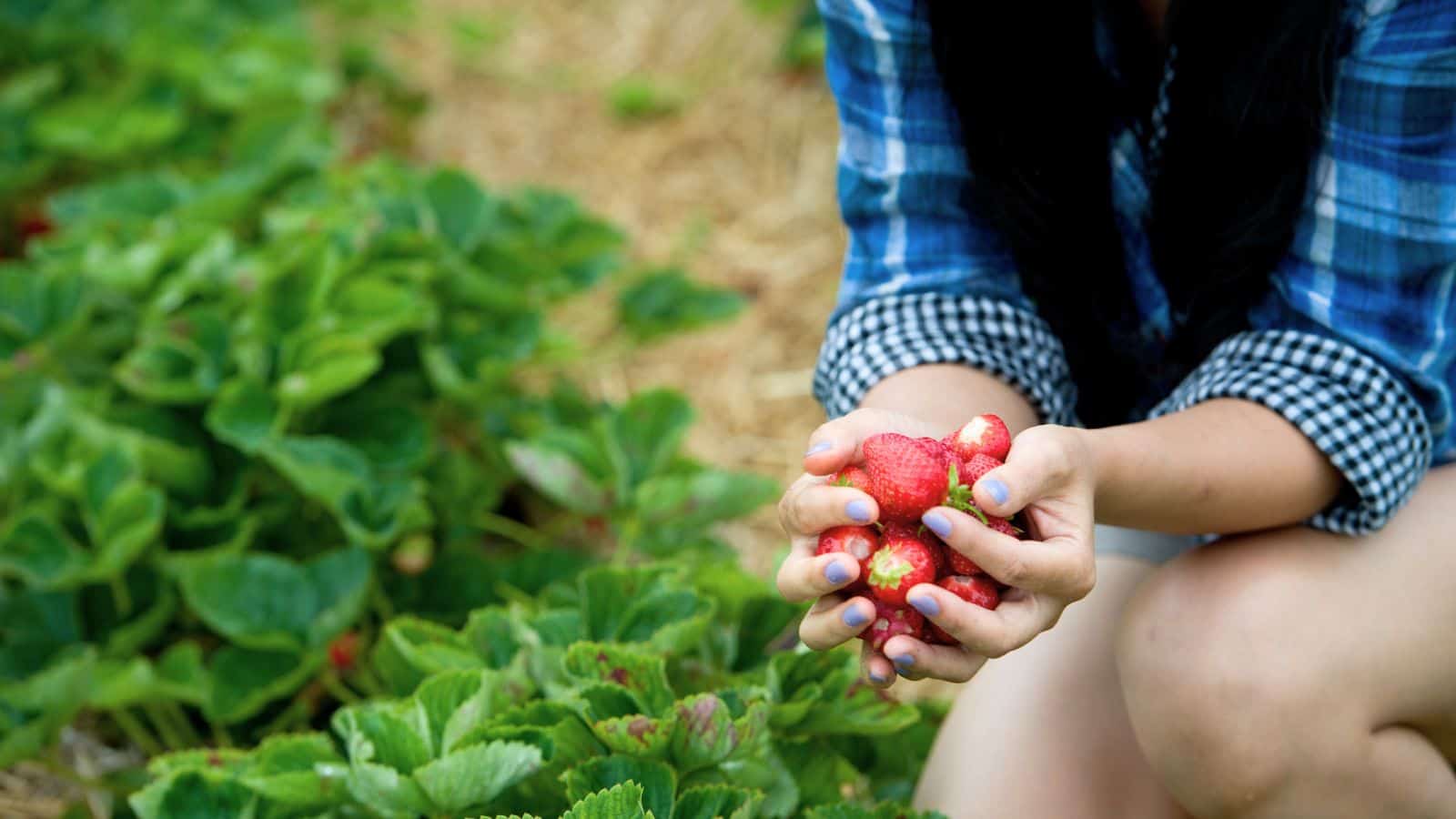
Strawberries harvested during their natural growing season tend to have the highest sugar content and best flavor. Outside of this period, berries may be grown in greenhouses or imported from distant locations, which can affect their ripeness and sweetness. Seasonal berries benefit from optimal weather conditions that encourage the development of sugars and aromatic compounds. Choosing strawberries at the right time of year increases the likelihood of enjoying fresh, flavorful fruit, and rich in natural sweetness, reflecting the peak of their growth cycle.
Look for Local or Freshly Picked Berries
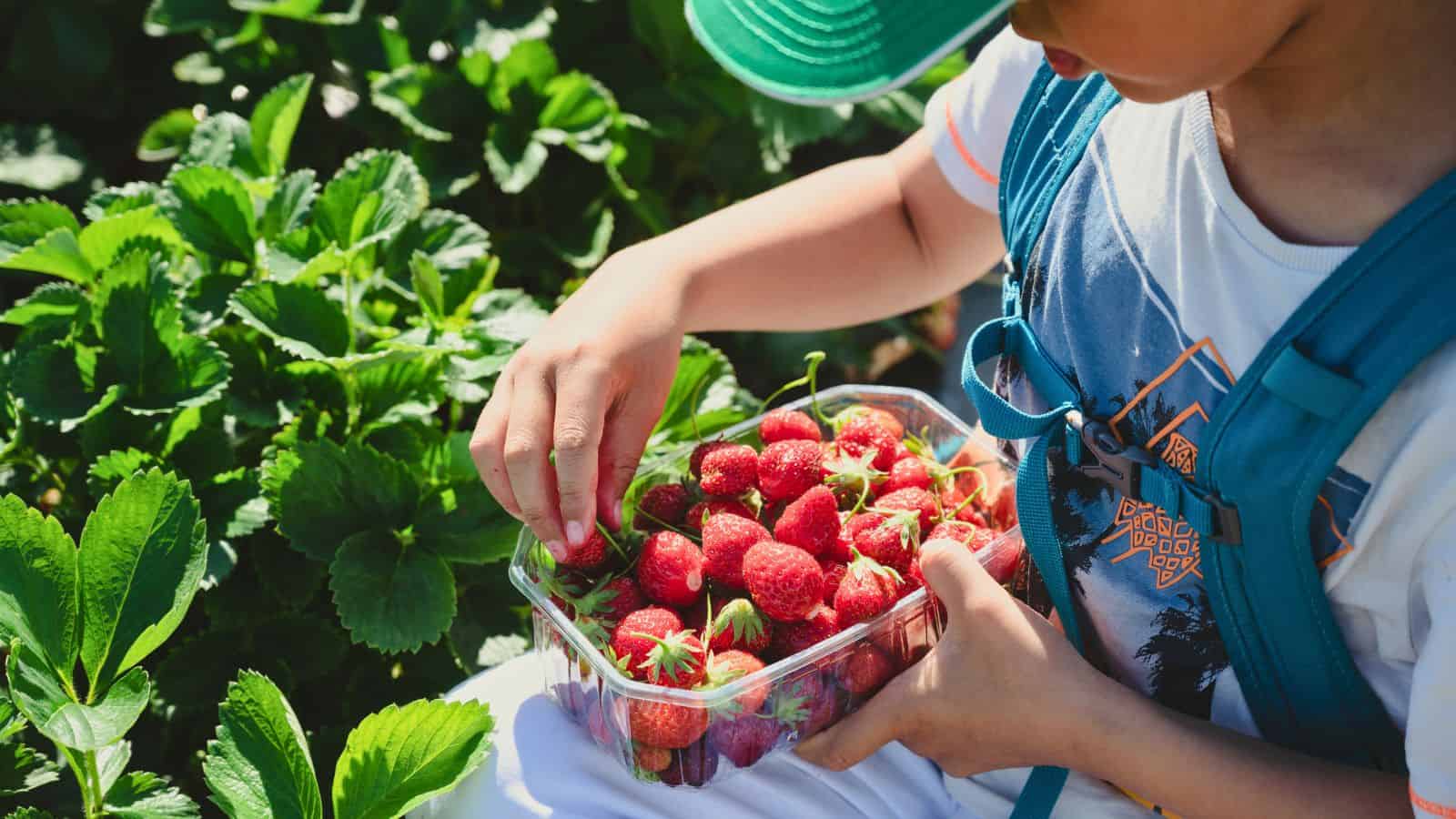
Strawberries from nearby farms or recently harvested tend to retain more of their natural sugars and flavor. The shorter the time between picking and purchase, the less chance the fruit will lose moisture or begin to deteriorate. Local berries often avoid long transportation and extended storage, which can diminish sweetness and freshness. Choosing fruit from local sources increases the likelihood of enjoying berries that have been handled carefully and picked at an optimal stage of ripeness, resulting in a richer, more satisfying taste.
Avoid Berries with White Flesh Near the Stem
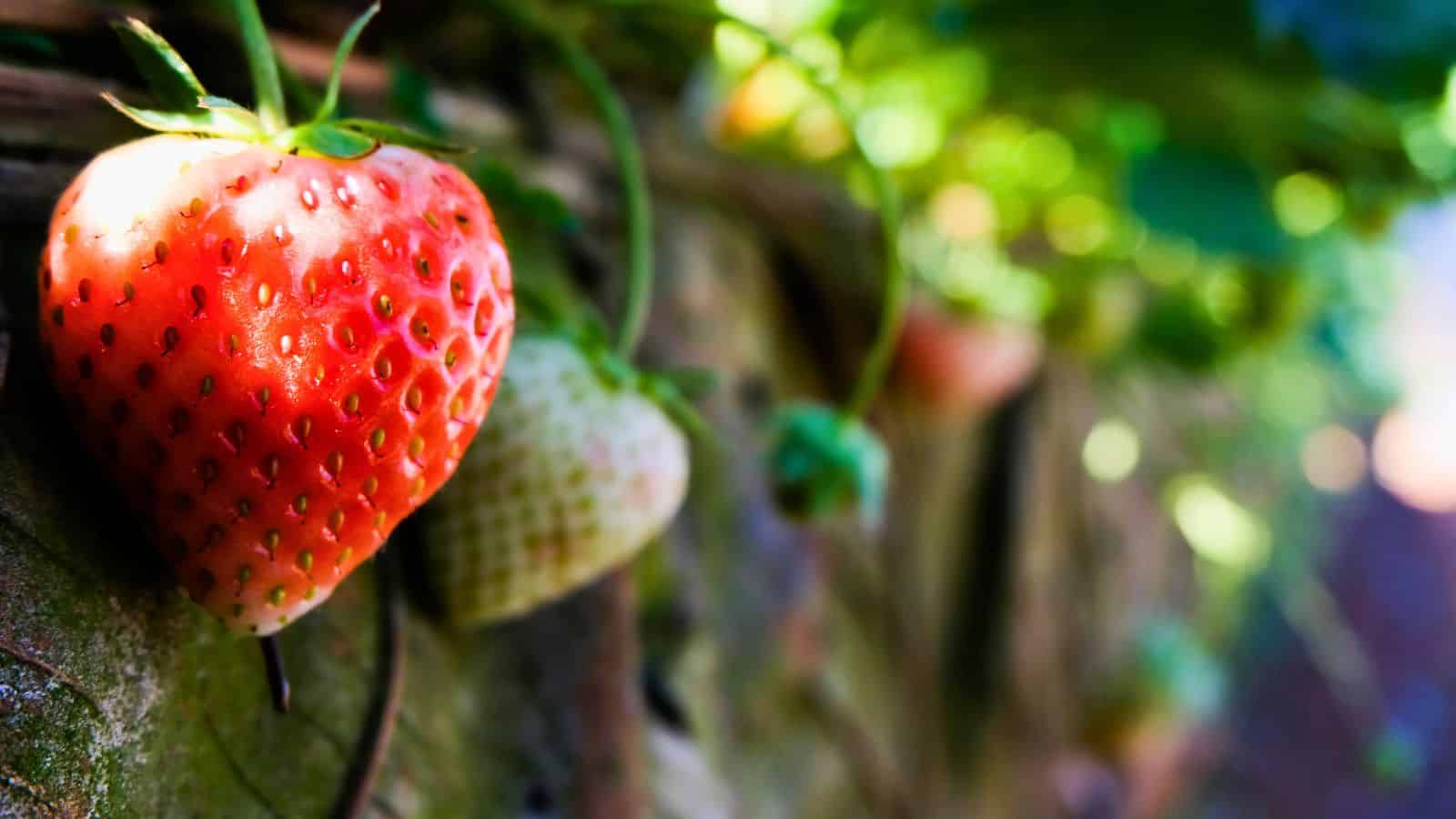
The area near the stem should be fully colored and consistent with the rest of the berry. White or pale flesh close to the stem indicates that the fruit did not fully ripen before being picked. This part of the berry tends to be less sweet and can have a slightly bitter or bland flavor. Selecting berries with uniform color that extends all the way to the stem helps find fruit that has developed maximum sweetness and flavor. This attention to detail can make a significant difference in the eating experience.
Check for Uniform Size and Shape
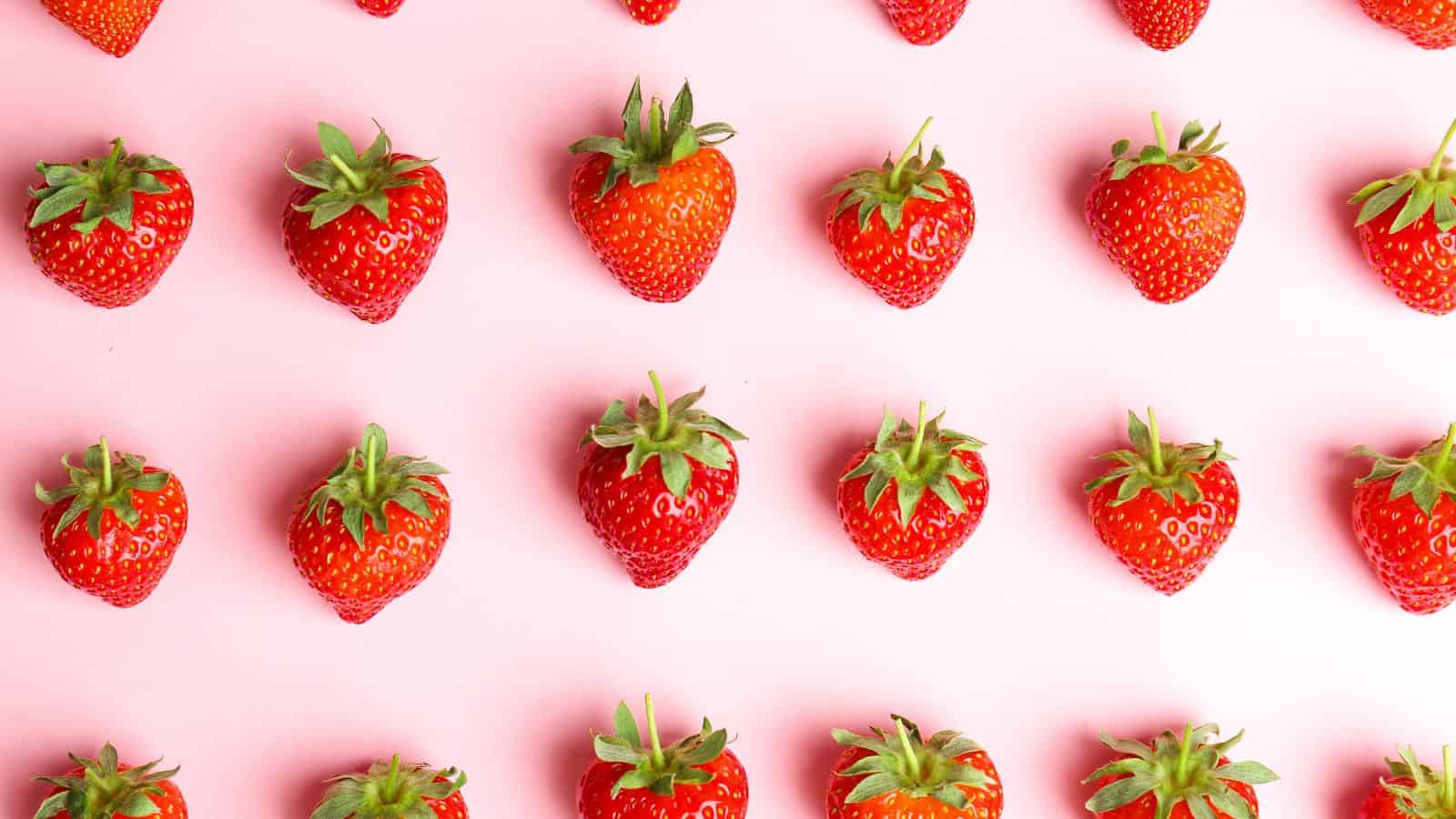
Strawberries that are consistent in size and shape often reflect even ripening and good growing conditions. While not a foolproof method, uniformity can suggest that the fruit matured properly, allowing sugars to develop evenly. Irregularly shaped or misshapen berries might have experienced uneven growth or stress, which can affect texture and flavor. Choosing balanced and symmetrical berries increases the chances of picking fruit that is flavorful and sweet, with a pleasant texture that holds up well during handling and eating.
Berry Picking Just Got Sweeter
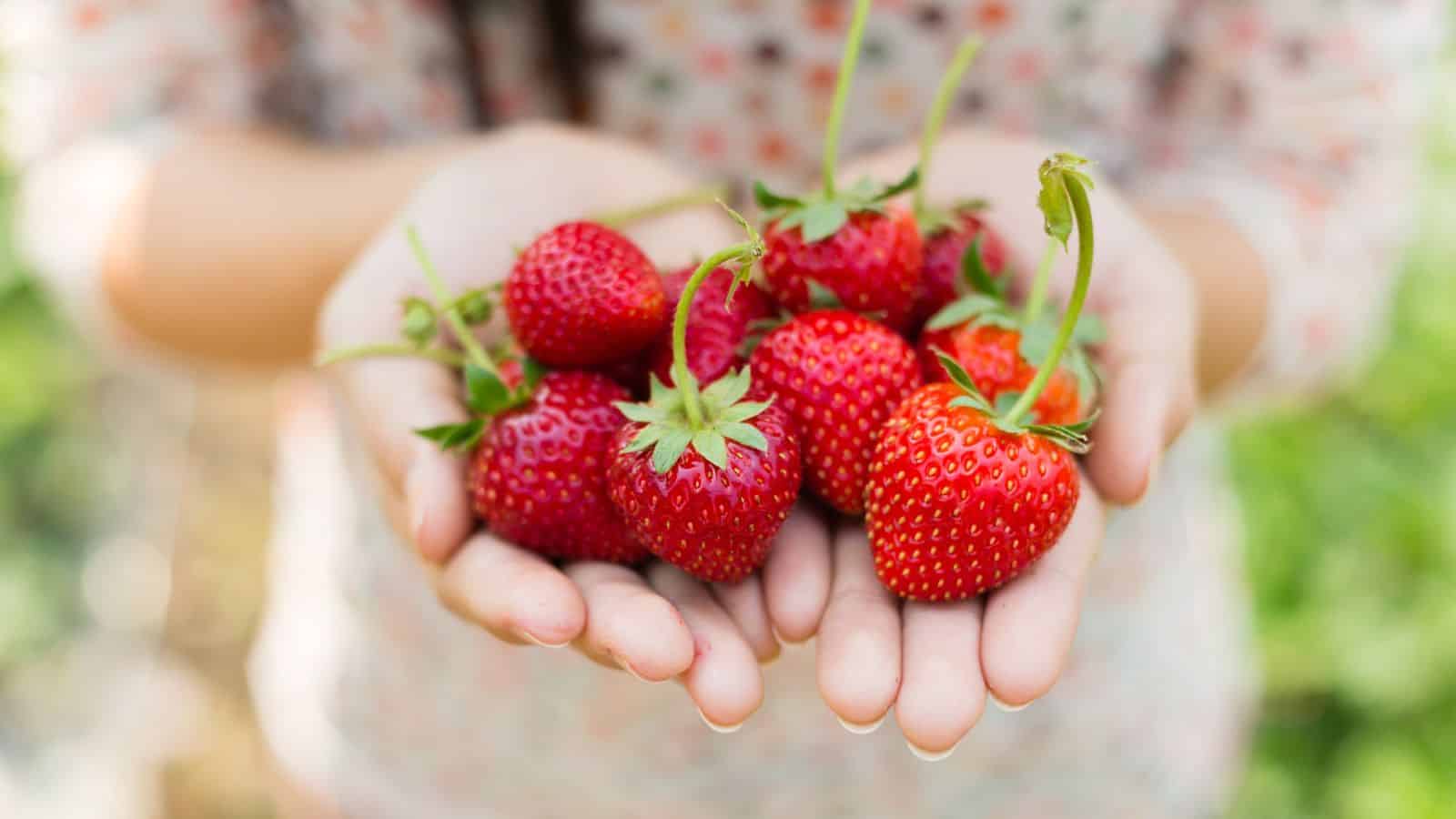
Finding the sweetest strawberries doesn't have to feel like a guessing game. By paying attention to a few simple details, you can pick berries that are fresh and full of natural sweetness. It's all about knowing what signs to look for-from color and shine to smell and size. These small steps make a big difference when it comes to enjoying strawberries that really stand out.
Next time you're picking your own, keep these tips in mind. They'll help you skip the less flavorful berries and go straight for the great ones. With a bit of care, you'll bring home strawberries that taste just right and make any snack or recipe better. Picking the perfect strawberry is easier than you think, and a bit of practice will have you spotting them like a pro.
Top Fruits That Are the Easiest to Pick for Beginners
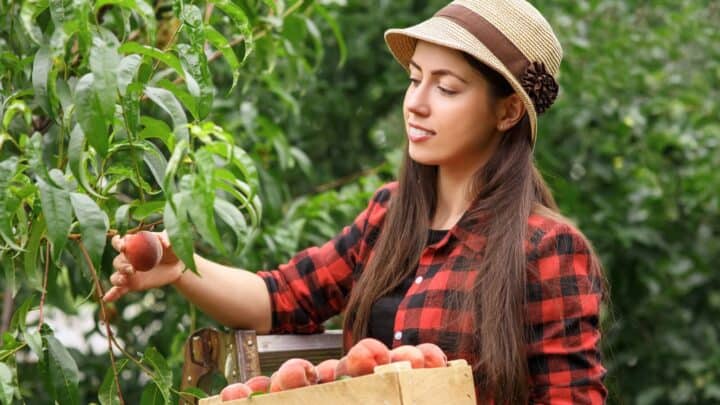
Picking fruit is a great way to spend time outdoors and connect with nature, especially if you're starting out. Some fruits are much easier to pick than others, which makes the whole process less frustrating and more enjoyable. When you're new to fruit picking, it helps to choose these ten easiest fruits since they don't require special tools or climbing.
Read it Here: Top 10 Fruits That Are the Easiest to Pick for Beginners
Best Stone Fruits for a Healthier You According to Dietitians
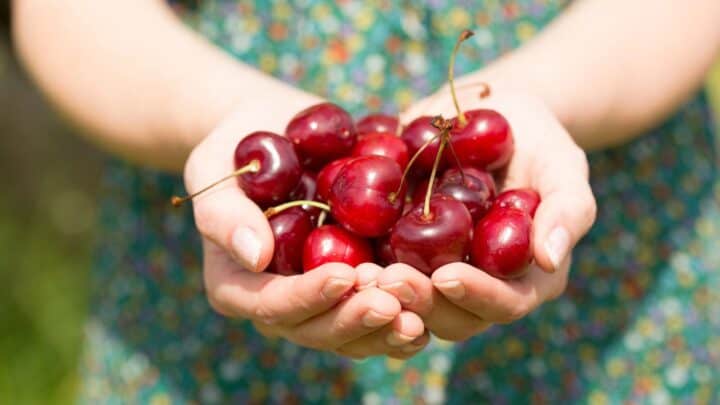
Stone fruits are some of the best treats nature has to offer. Think about those juicy peaches, sweet cherries, and plump plums. These fruits have a hard pit inside, but don't let that fool you. Beneath that tough exterior lies a lot of vitamins, minerals, and antioxidants. In particular, there are 13 stone fruits that are great for health according to dietitians.
Read it Here: 13 Best Stone Fruits for a Healthier You According to Dietitians