
Condiments can really change the way your meals taste, but not all of them are good for your health. Some add flavor without packing in extra sugar, salt, or calories, while others can quickly turn a simple dish into a less healthy choice. This is why knowing the top 13 condiments ranked from worst to healthiest is important, since it can help you make smarter decisions without losing the flavors you enjoy.
Whether you're spreading something on a sandwich, dipping your snacks, or mixing dressings into salads, the right condiment can make a big difference. Some are full of nutrients and healthy fats, while others are loaded with sugar or preservatives. Understanding these differences makes it easier to pick condiments that work well with your goals. This guide will help you spot the great choices and show which ones you might want to keep to a minimum.

13. Mustard
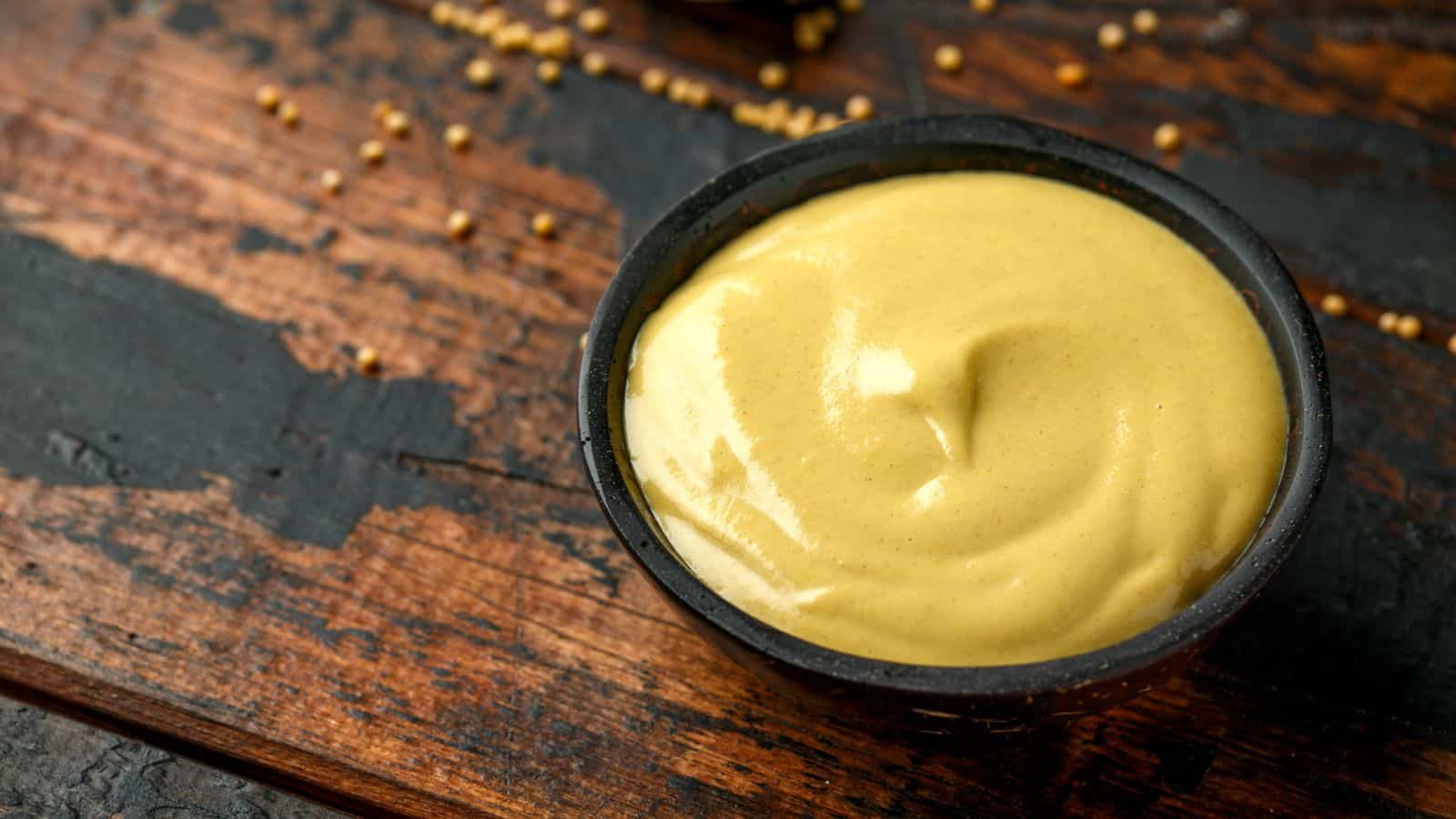
Very low in calories and nearly free of sugar, this condiment is a smart choice for those watching their diet. It contains antioxidants and trace minerals like selenium that help protect cells. Most varieties are made from simple ingredients such as mustard seeds, vinegar, and spices, resulting in minimal processing. Typically low in fat and sodium, especially when choosing options without added sugars. It adds a sharp, tangy flavor without many calories or blood sugar impact and pairs well with many dishes without overpowering them.
12. Salsa
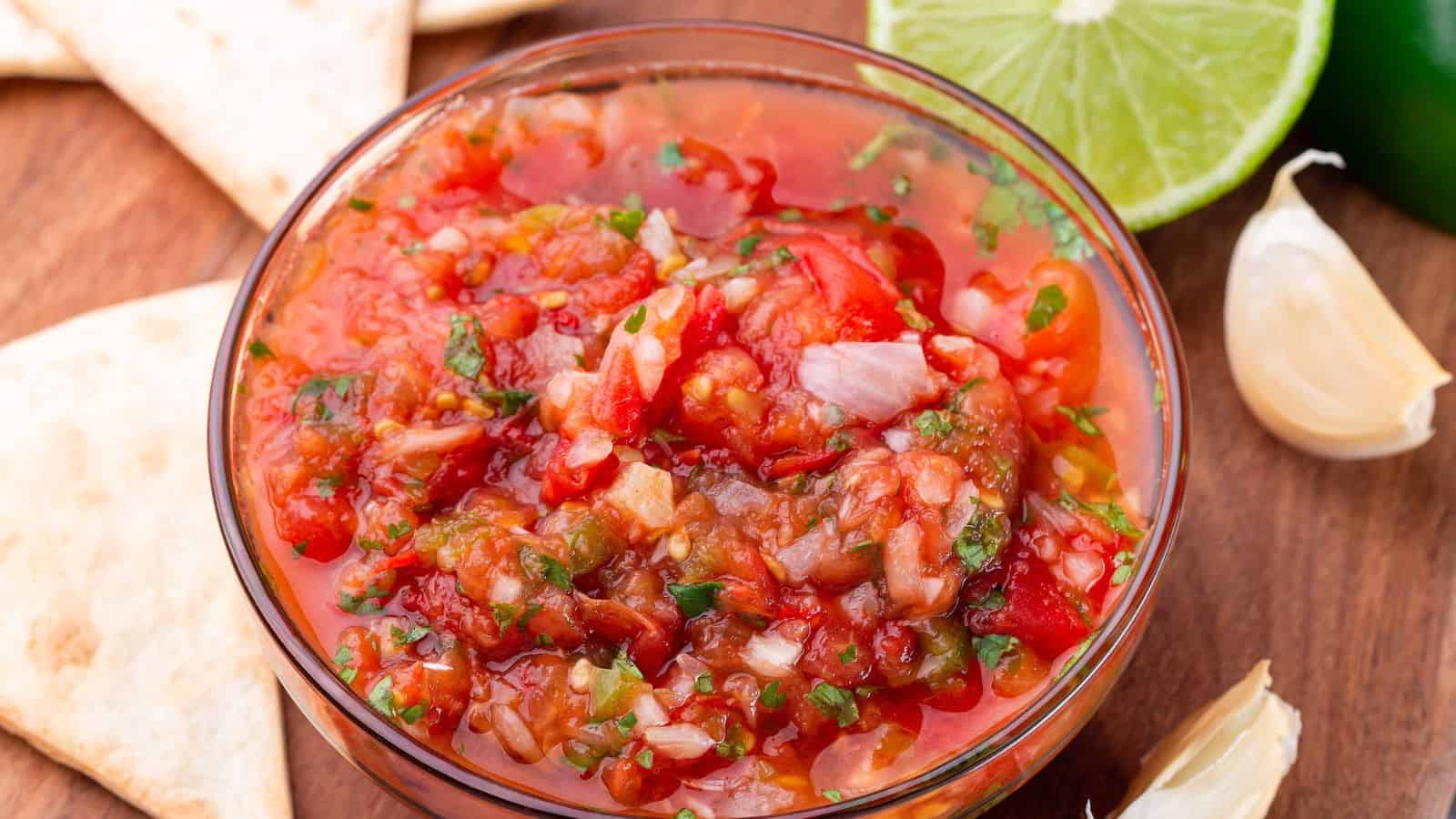
Made mostly from fresh vegetables like tomatoes, onions, and peppers, salsa brings vitamins like vitamin C and antioxidants such as lycopene. Naturally low in calories and fat, it adds a light, fresh component to meals. Herbs and spices contribute flavor without increasing sugar or fat. Some store-bought versions may contain added salt or sugars, so checking labels is helpful. Freshly prepared salsa retains nutrients best and avoids unnecessary additives, brightening many dishes with a fresh taste.
11. Guacamole

Rich in monounsaturated fats that support heart health, guacamole contains fiber, potassium, and vitamins E, C, and K. Although higher in calories than many condiments, these come from healthy fats that can help with fullness. Flavor additions like lime juice, cilantro, and onions add taste without significantly increasing calories or sugar. Nutrient-dense and creamy, this choice adds richness when used in moderation, making it a good option for including healthy fats in your diet.
10. Hummus

Chickpeas, tahini, olive oil, lemon juice, and garlic combine to create this spread, which supplies plant-based protein and dietary fiber to aid digestion and promote fullness. The healthy fats in olive oil and tahini contribute to heart health. Though higher in calories than lighter condiments, its nutrient content makes it a balanced choice. Its creamy texture adds moisture and flavor to dishes without relying on processed ingredients or added sugars.
9. Greek Yogurt-based Tzatziki

Strained Greek yogurt mixed with cucumbers, garlic, lemon juice, and herbs forms this light and refreshing condiment. High in protein and containing probiotics, it supports digestive health. Lower in fat than many creamy dressings, it also benefits from the hydration and fiber provided by cucumbers. When made at home, it usually contains very little added sugar or salt, making it a healthier alternative to heavier sauces or dressings.
8. Pesto
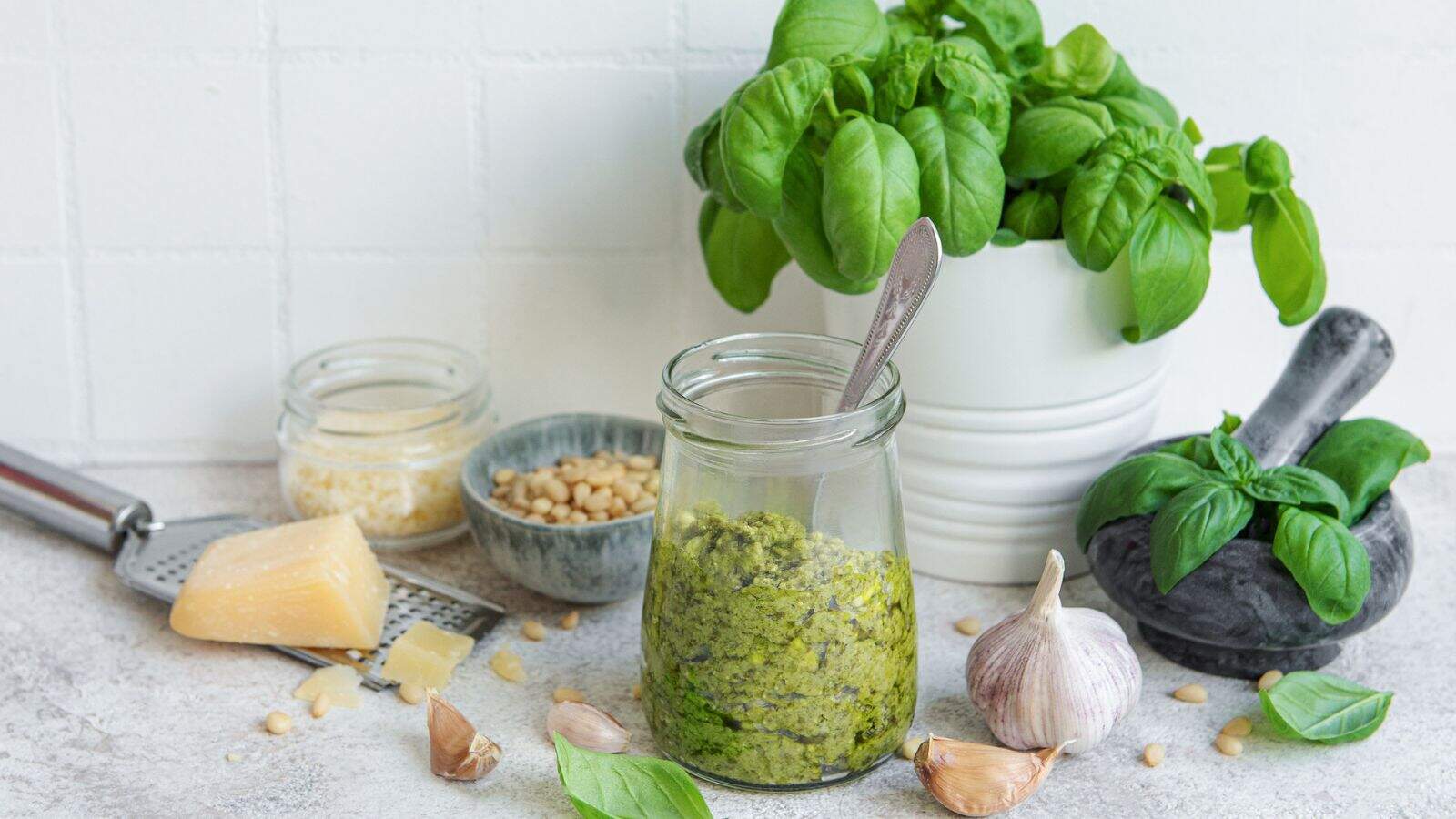
Basil, pine nuts, olive oil, garlic, and cheese combine to create pesto, which is rich in healthy fats and antioxidants. Though calorie and fat content can be moderate to high, the nutrients contribute positively to health. Rich in flavor, it enhances meals when used in reasonable amounts. Portion control is important due to its energy density. Homemade versions allow better control over salt and oil levels, which can improve healthfulness.
7. Hot Sauce (e.g., Tabasco)

Very low in calories and sugar, hot sauce contains capsaicin from chili peppers, which may support metabolism. Many hot sauces are high in sodium, so moderation is key. Heat and sharpness are added to dishes without fat. Minimal ingredients usually mean fewer additives, though some brands include preservatives. Small amounts can boost flavor without adding many calories or unwanted nutrients.
6. Soy Sauce (Low Sodium)

Soy sauce delivers a strong umami flavor with very few calories. Even low-sodium versions can still be high in salt, so it's wise to use them sparingly if monitoring sodium intake. Fermented soy products may include beneficial compounds, but many commercial types contain additives. It adds depth to dishes, especially those inspired by Asian cuisine, without adding fat or sugar. Careful use allows enjoyment of rich flavor without overdoing the salt.
5. Barbecue Sauce

Often containing added sugars and calories, barbecue sauce can add up quickly when used generously. It also tends to be high in sodium and may include preservatives and artificial flavorings. Ingredients like molasses, tomato paste, and vinegar give sweetness and tang. While it can enhance grilled foods, the sugar and salt content make it less ideal for frequent use in a health-focused diet. Choosing versions with less sugar and salt or making your own can improve its nutritional profile.
4. Ketchup

Many commercial brands include added sugars such as high fructose corn syrup, contributing extra calories. Sodium content is moderate, and tomatoes supply small amounts of vitamins and antioxidants. Commonly paired with fast food, its sweet and tangy flavor can lead to overuse, increasing sugar and salt intake. Preparing ketchup at home with less sugar and salt can make it a healthier choice. Being mindful of portion size helps keep it from adding too many calories or sodium.
3. Mayonnaise
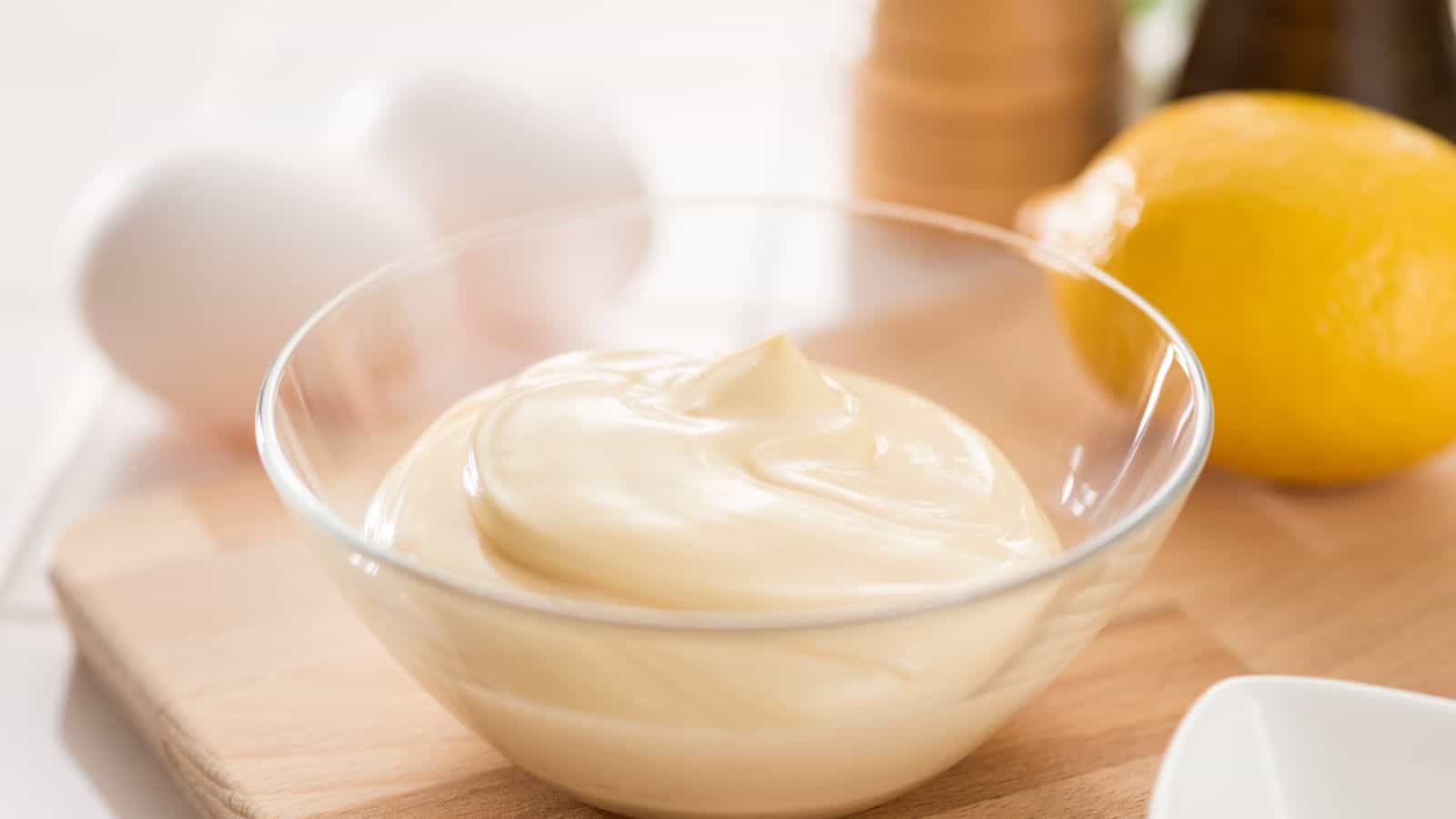
High in calories and fat, mainly from oils, mayonnaise contains little to no sugar. Some varieties have mostly unsaturated fats, while others may include less healthy fats. Typically low in carbohydrates and protein, many commercial brands contain preservatives and emulsifiers. It adds creaminess and moisture to dishes, but should be consumed in moderation due to calorie density. Healthier versions made with avocado oil or yogurt bases can be better options for those watching fat intake.
2. Ranch Dressing
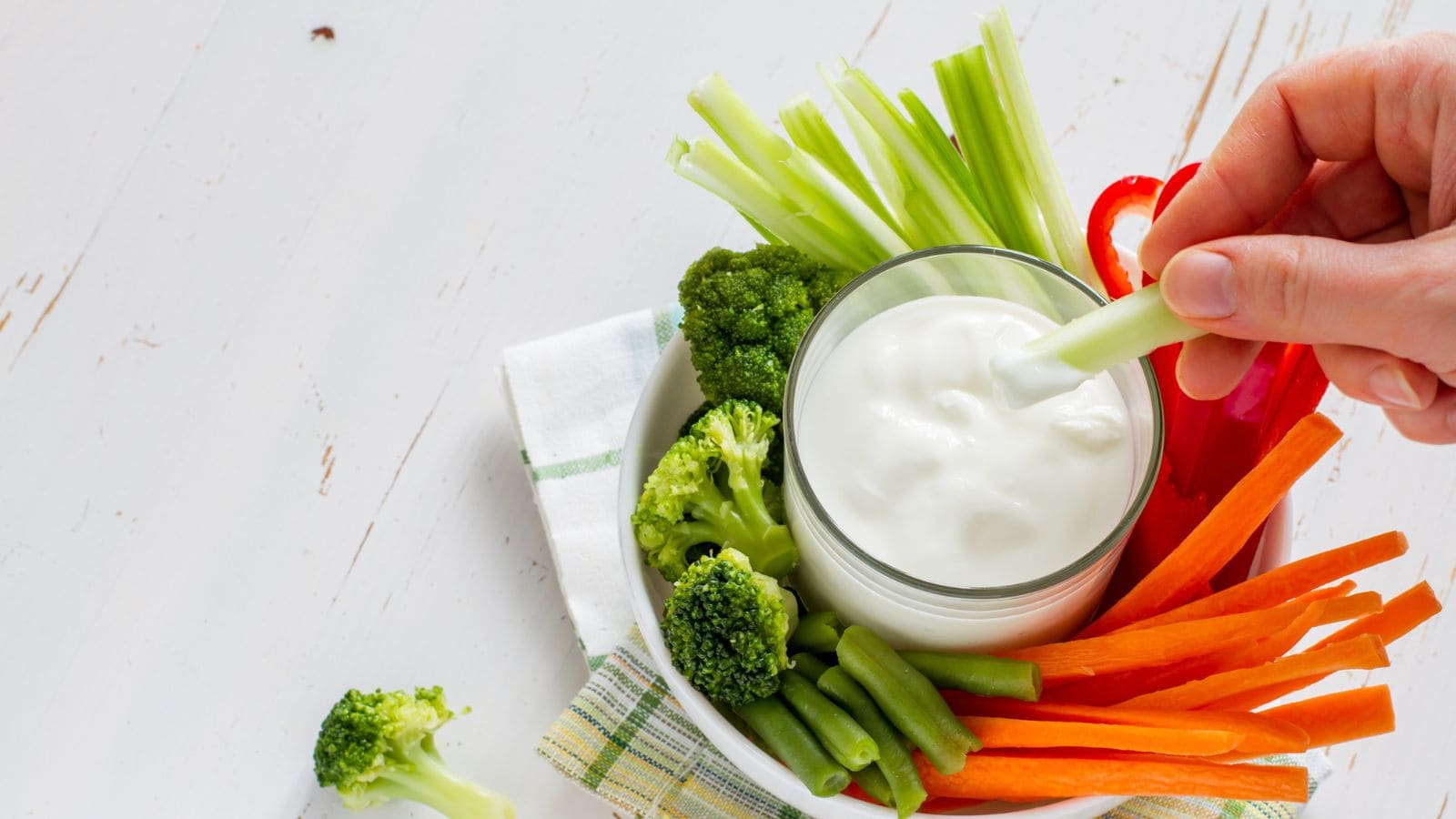
Often high in calories, fat, and sodium, many store-bought options contain additives and preservatives. Made with dairy, herbs, and spices, it has a creamy and rich texture. Fat content tends to be significant, and some recipes add sugar. While flavorful, frequent use can increase intake of saturated fat and salt beyond recommended limits. Making ranch dressing at home can reduce unhealthy components and control added ingredients. Using it sparingly helps keep meals balanced.
1. Creamy Cheese Sauces (e.g., Cheese Dip, Blue Cheese Dressing)

Usually very high in saturated fat, calories, and sodium, these sauces are made from cheese, cream, and sometimes mayonnaise or sour cream bases. Their richness means a high energy density, which can contribute to weight gain if eaten often or in large amounts. Many commercial versions also contain preservatives and artificial flavor enhancers. These sauces add thick texture and strong flavor but come with nutritional drawbacks that make them the least healthy choice among common condiments. Using them occasionally is best.
Dip Smart, Live Long

Picking the right condiments can be a simple way to boost your meals without adding unwanted extras like too much sugar or salt. Some choices bring good nutrients and healthy fats that can fit well into your daily eating habits. Others might taste good but are best saved for occasional use. Knowing the difference helps you stay on track without feeling like you have to give up flavor.
At the end of the day, it's about balance and making small changes that add up. Using condiments thoughtfully can make your meals more enjoyable and better for you. Keep this list in mind next time you reach for a sauce or spread, and you'll be able to make choices that support your health without missing out on what you like.
Common Cooking Oils, Ranked from Worst to Best for Your Health

Choosing the right cooking oil can feel tricky with so many options on the shelf. Some oils handle heat well, while others are better for dressings or low-heat cooking. What really matters is how these oils affect your health. This is why we ranked 15 common cooking oils. Knowing the difference helps you pick oils that fit your lifestyle and cooking habits without overcomplicating things.
Read it Here: 15 Common Cooking Oils, Ranked from Worst to Best for Your Health
Running Out of Goat Cheese? Here Are Great Substitutes to Use Instead

If you're out of goat cheese or just not into its tangy flavor, don't worry. There are plenty of great options that can step in and do the job just as well. Whether you're making a salad, a sandwich, or a baked dish, these goat cheese substitutes bring their own unique qualities to the table. So, if goat cheese isn't your thing or you simply want to try something new, these substitutes are perfect. There are a variety of flavors and textures that can give your meals that extra pizzazz they need.
Read it Here: Running Out of Goat Cheese? Here Are 11 Great Substitutes to Use Instead