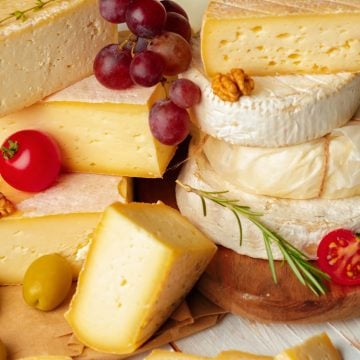
Certain foods have long been symbols of status and privilege. In the past, some ingredients and dishes were reserved exclusively for royalty or the elite. These 13 foods for royalty weren't just about taste; they represented wealth, power, and access to rare resources. Many required special care to grow, harvest, or prepare, making them out of reach for most people.
Looking back at these royal favorites helps us understand how food has played a role beyond simple nutrition. It shows how what we eat can reflect culture, history, and social rank. These dishes and ingredients tell stories about the past and remind us that food has always been tied to identity and tradition. Exploring them gives a fresh perspective on how tastes and values have changed over time.
Saffron
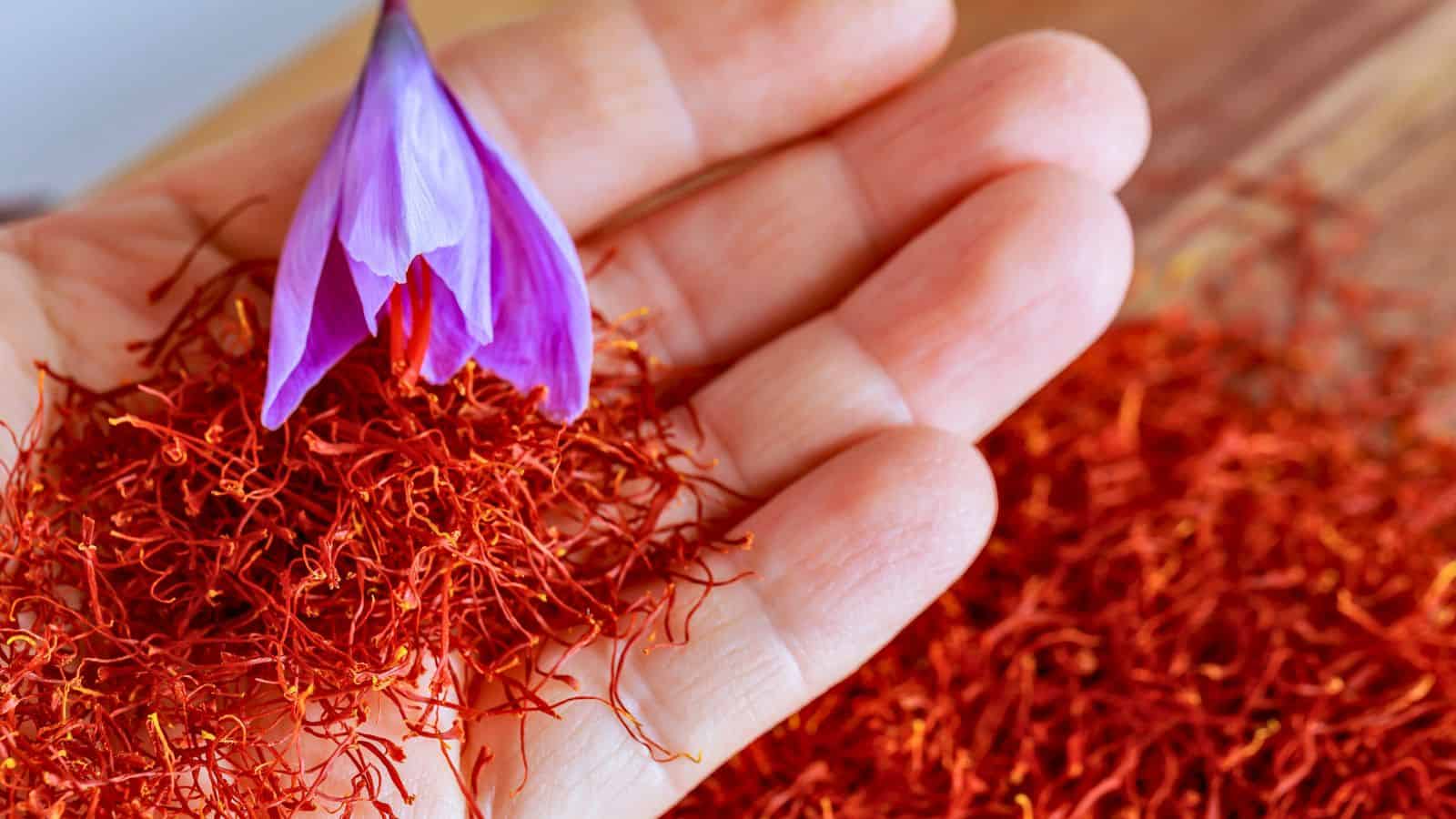
Saffron is a highly prized spice derived from the stigma of the Crocus sativus flower. Harvesting saffron requires delicate handpicking, as each flower produces only three stigmas, making the process labor-intensive and time-consuming. Historically, its rarity and vibrant golden color made it a symbol of wealth and prestige in many cultures. It was often used in royal banquets and ceremonies, signifying status and power. Beyond its color, saffron imparts a subtle aroma and flavor that has been treasured by noble households across continents for centuries.
Caviar
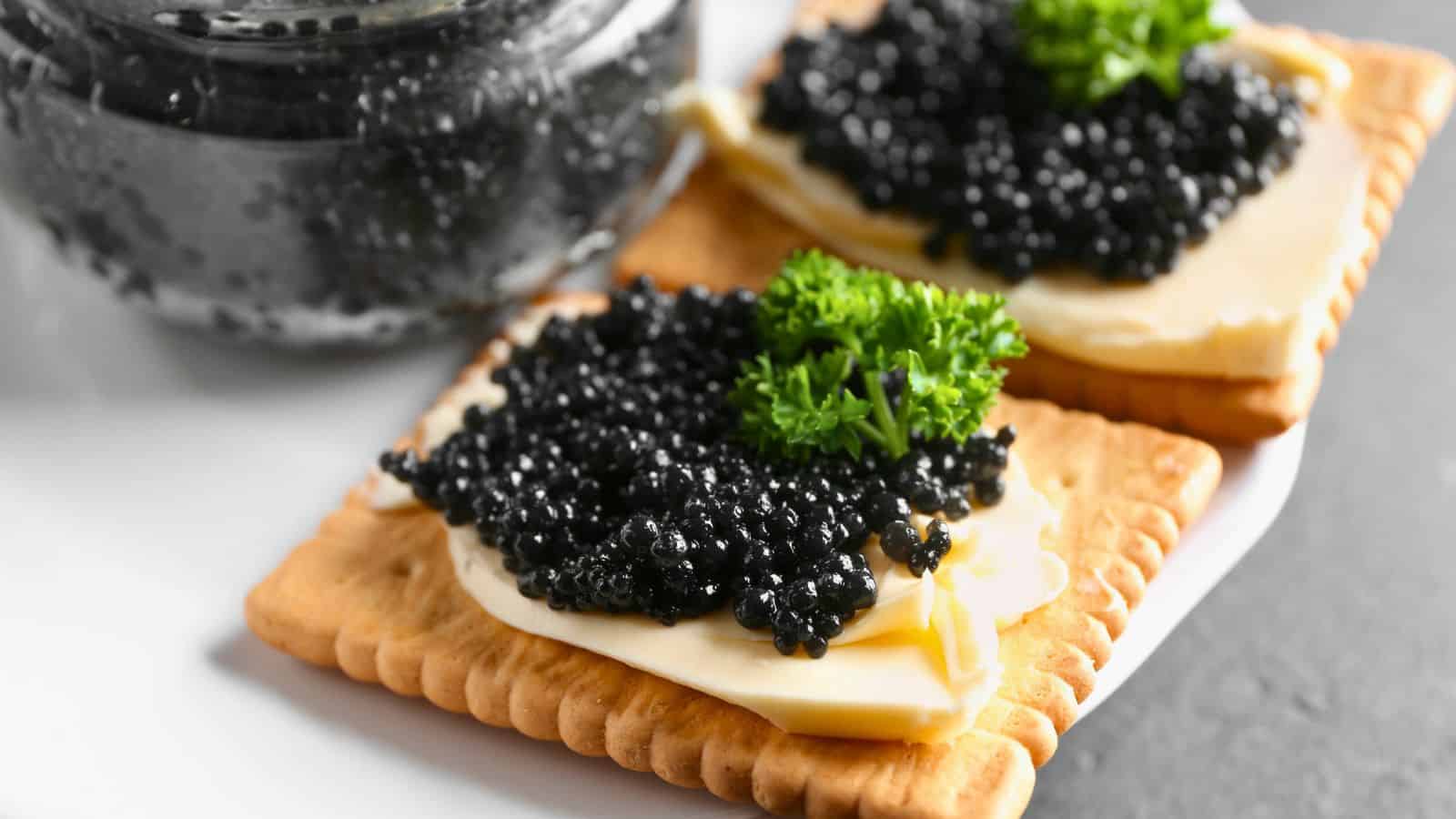
Caviar consists of salt-cured fish eggs, traditionally from sturgeon found in the Caspian and Black Seas. Its rarity and the difficulty in harvesting sturgeon roe contributed to its association with aristocracy, particularly in Russia and Persia. This delicacy was reserved for the tables of rulers, who valued its smooth texture and briny richness. The process of obtaining and preserving caviar was carefully guarded, making it a symbol of exclusivity. Throughout history, caviar has represented luxury and refinement among the upper classes.
Foie Gras
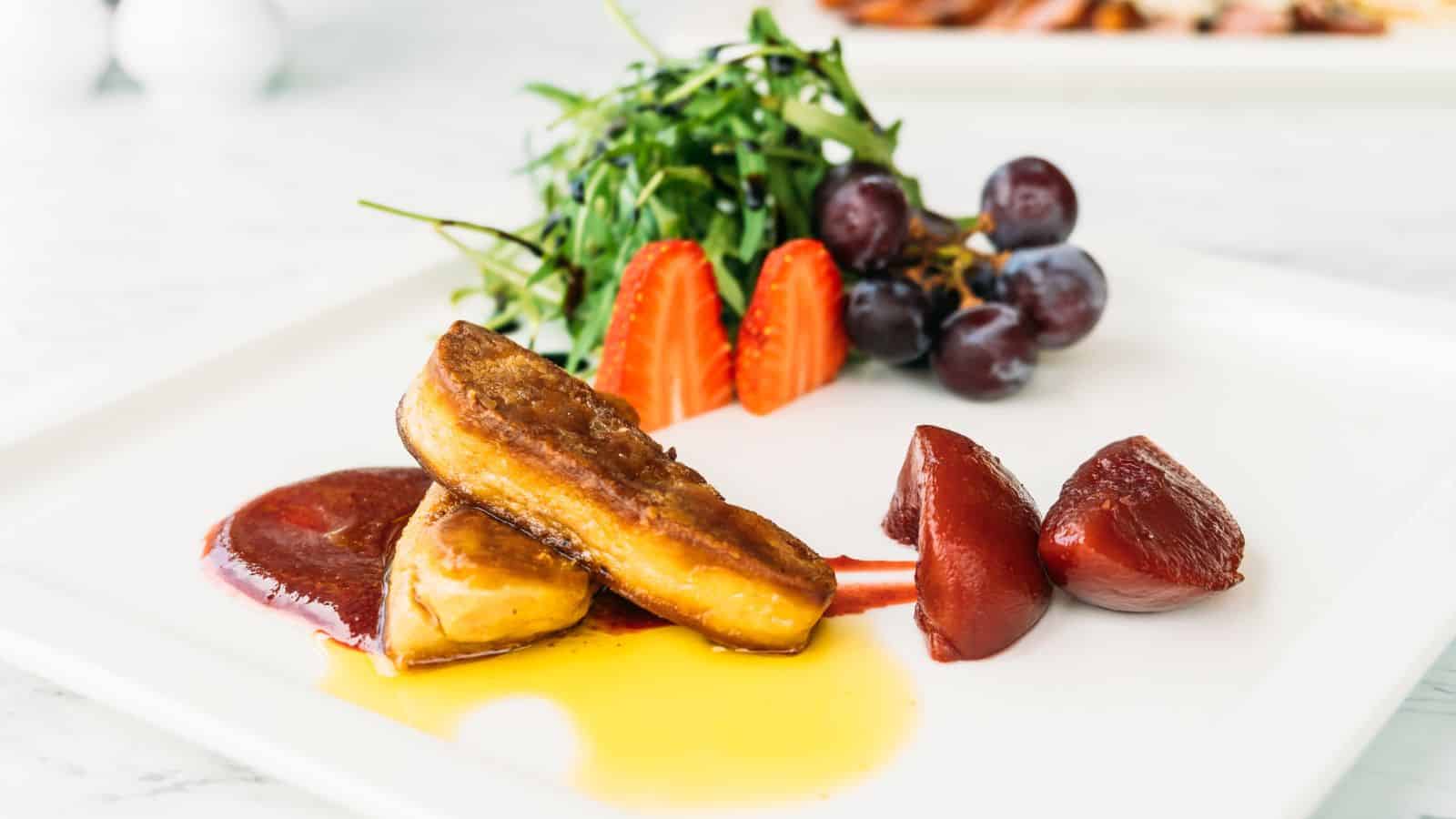
Foie gras is made from the liver of ducks or geese that have been specially fattened through a controlled feeding process. This delicacy has roots in ancient Egypt and was later embraced by the French nobility. The rich, buttery texture and complex flavor made it a prized dish at royal banquets. Its production was closely linked to tradition and craftsmanship, often involving specific techniques passed down through generations. Foie gras became synonymous with opulence and was served during important celebrations and feasts among the elite.
Truffles
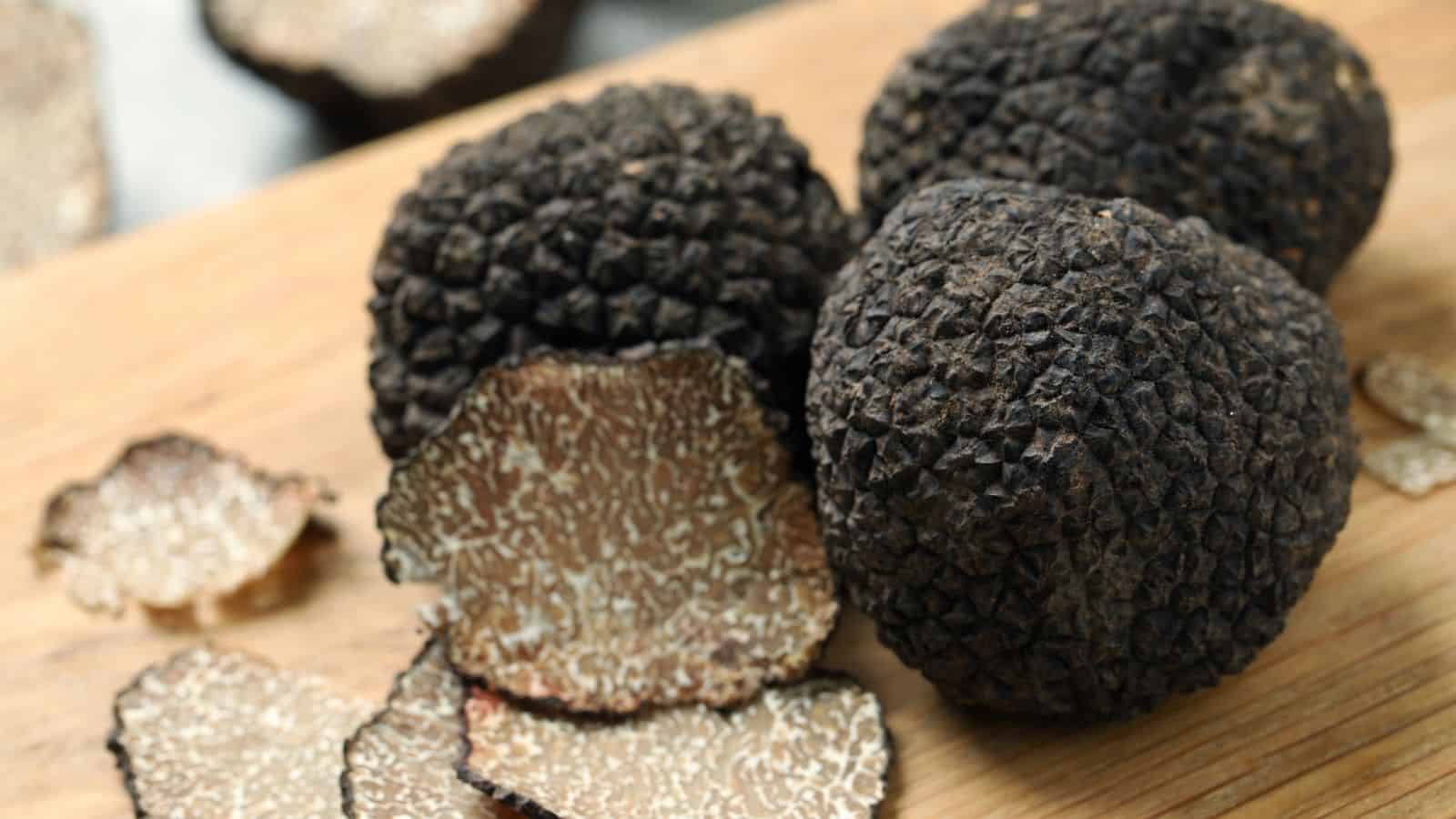
Truffles are rare underground fungi that grow near the roots of certain trees, such as oaks and hazelnuts. Their scarcity and the challenge of locating them, often with trained dogs or pigs, contributed to their high value. In European history, truffles were regarded as a treasure reserved for aristocrats and royalty. They have a distinctive earthy aroma and flavor that can transform dishes into something extraordinary. The difficulty in harvesting and their limited growing regions have maintained their status as a symbol of affluence and exclusivity.
Bird's Nest Soup
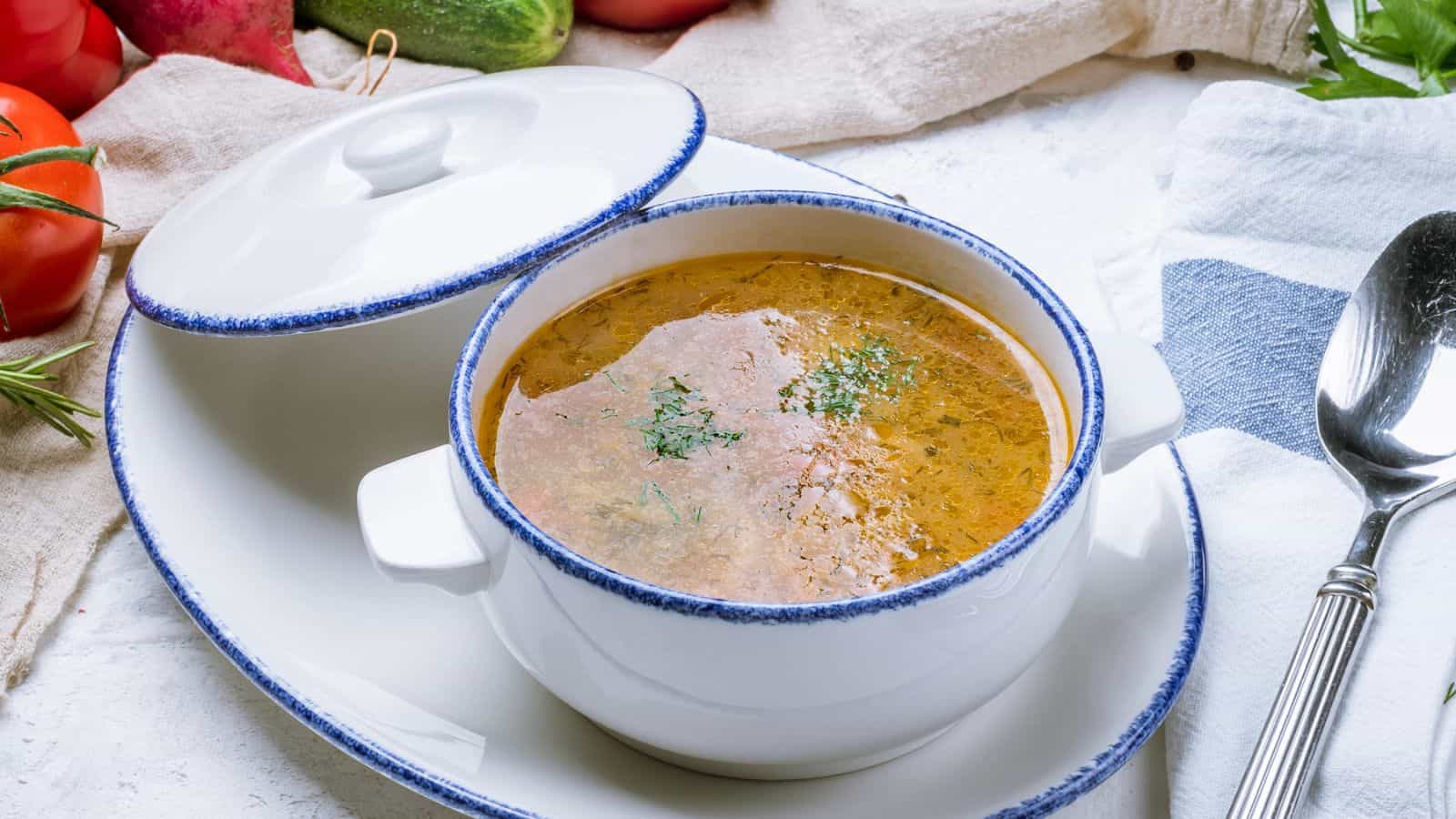
Bird's nest soup is made from the nests of swiftlets, which are constructed primarily from the birds' saliva. These nests are harvested in Southeast Asia and have been prized in Chinese culture for centuries. Traditionally, this soup was reserved for emperors and members of the imperial family due to its rarity and the labor involved in collecting the nests. It was believed to have health benefits and was often served during important occasions. The delicate texture and subtle flavor of the soup made it a distinguished dish among the highest social ranks.
Sugar
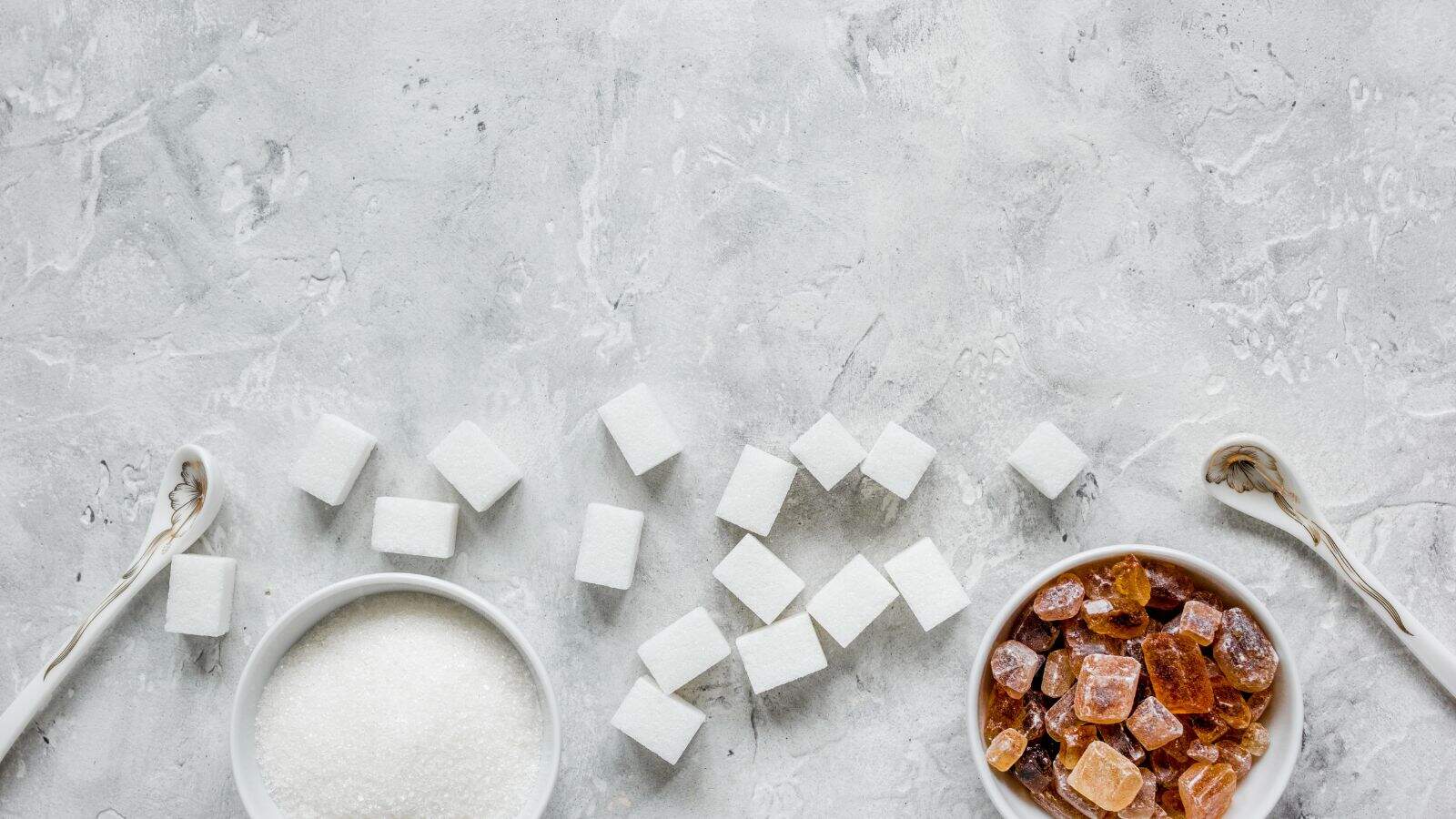
Once considered a rare and precious commodity, sugar was initially a luxury reserved for the wealthy elite. Its cultivation and refinement required significant labor and resources, making it costly and difficult to obtain. In medieval Europe, only royalty and the upper class could afford to sweeten their food and drinks with this crystalline substance. Over time, sugar became a symbol of status and power, often featured in elaborate desserts and banquets designed to showcase wealth and influence. Its value was comparable to precious metals.
Chocolate
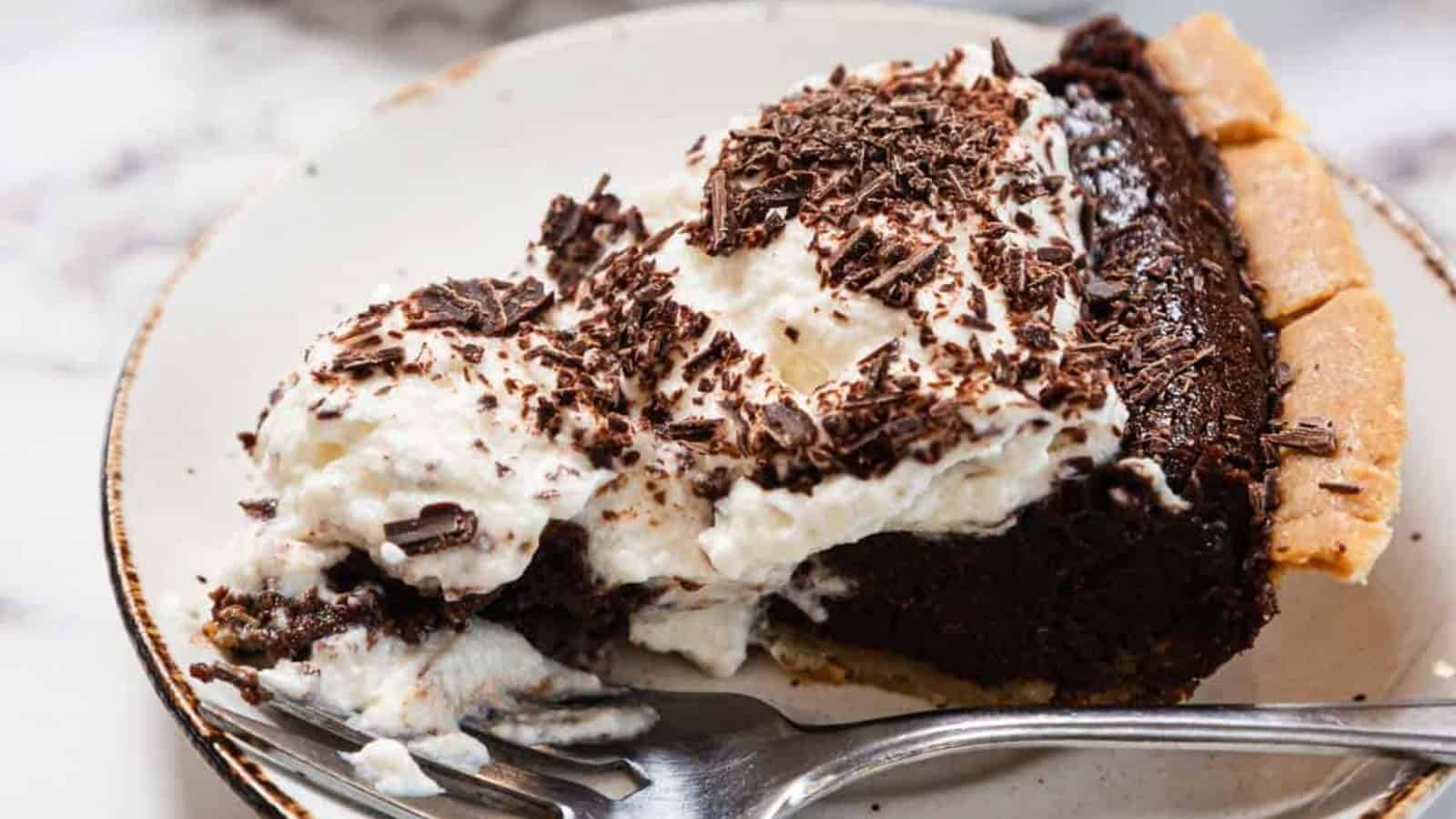
Originating in Mesoamerica, this bitter beverage was consumed by Mayan and Aztec rulers during sacred ceremonies and royal feasts. Its preparation involved grinding cacao beans into a thick, frothy drink often flavored with spices. European nobility later adopted chocolate after its introduction in the 16th century, where it was prized for its flavor and perceived medicinal properties. Due to the expense of cacao and preparation methods, chocolate remained a luxury item enjoyed primarily by monarchs and aristocrats for centuries.
Peacock
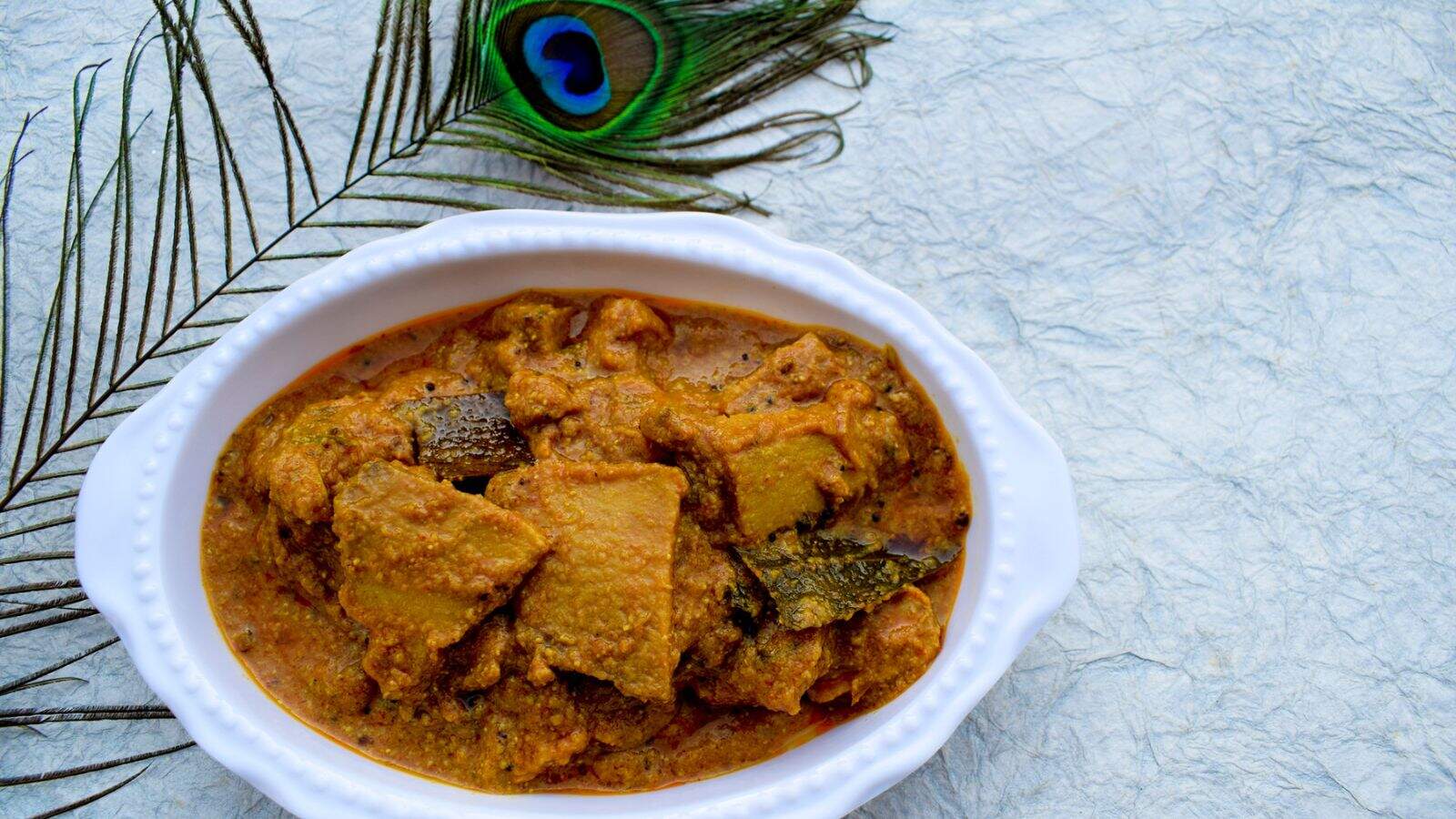
Historically, this bird was more than just food; it was a symbol of grandeur and spectacle at royal banquets. Its vibrant plumage was often used as a decorative centerpiece after cooking, highlighting the host's wealth and status. Serving peacock was common in medieval Europe, where lavish feasts were designed to impress guests with exotic and extravagant dishes. The rarity of the bird and the elaborate presentation made it a dish reserved for kings and nobility, reflecting the opulence of the era's elite gatherings.
Crown Roast of Lamb
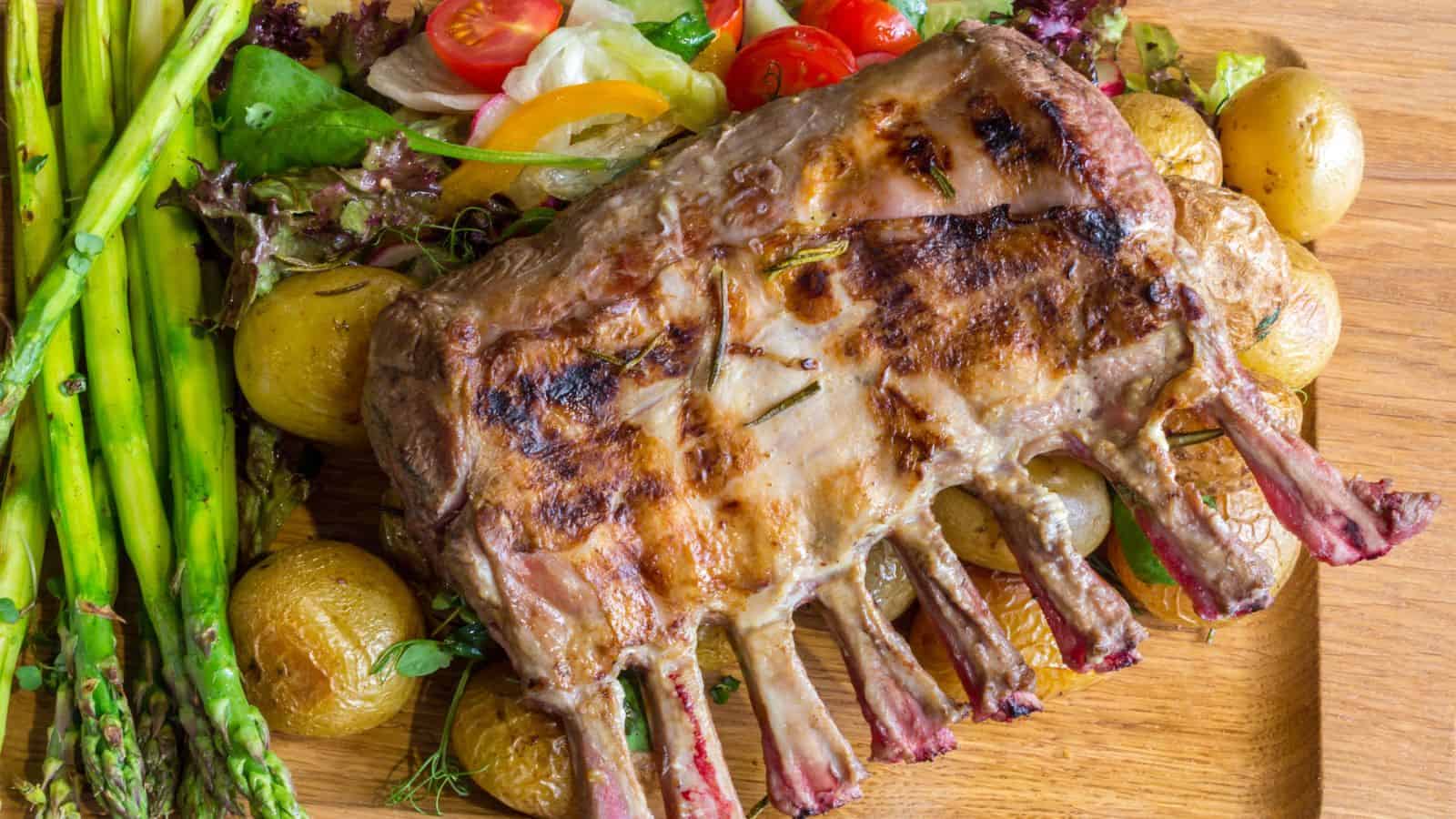
This impressive dish features lamb ribs arranged in a circular shape resembling a crown, often served during formal feasts and celebrations. Its preparation requires skill and attention to detail, making it a centerpiece fit for royal tables. The presentation of the roast was intended to symbolize power and majesty, reinforcing the importance of the occasion. Historically, such elaborate dishes were reserved for monarchs and aristocrats, showcasing not only the quality of the meat but also the culinary artistry associated with noble dining traditions.
Pineapples
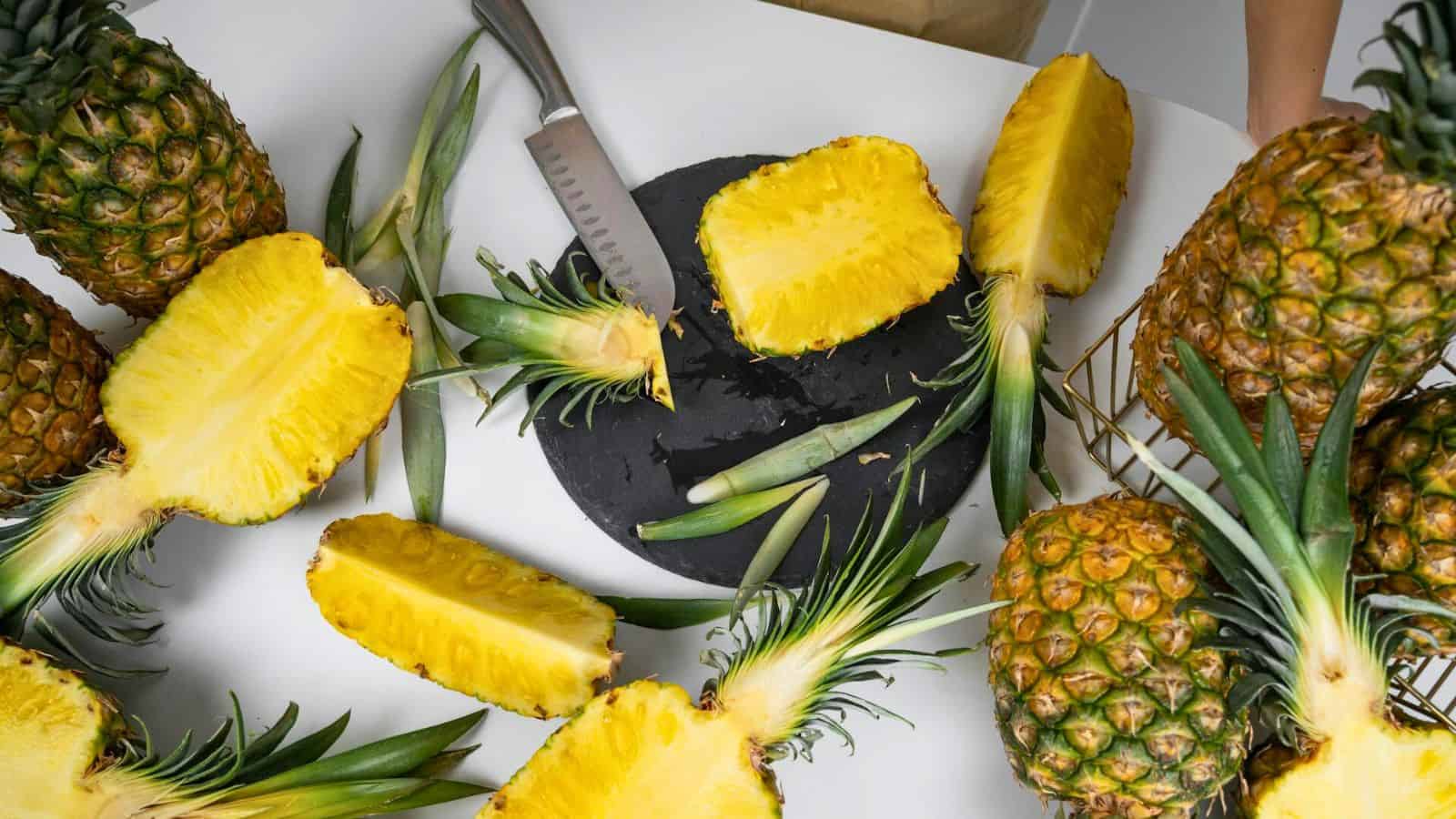
During the 17th century in Europe, pineapples were extremely rare and costly due to their difficulty growing in colder climates. Their exotic appearance and sweet flavor quickly made them a symbol of wealth and hospitality among the aristocracy. Displaying a pineapple at a banquet was a way to demonstrate access to far-flung trade routes and luxury goods. Because of their scarcity, they were often rented or used as centerpieces rather than consumed, emphasizing status rather than practicality. Their presence signified privilege and grandeur.
Wasabi
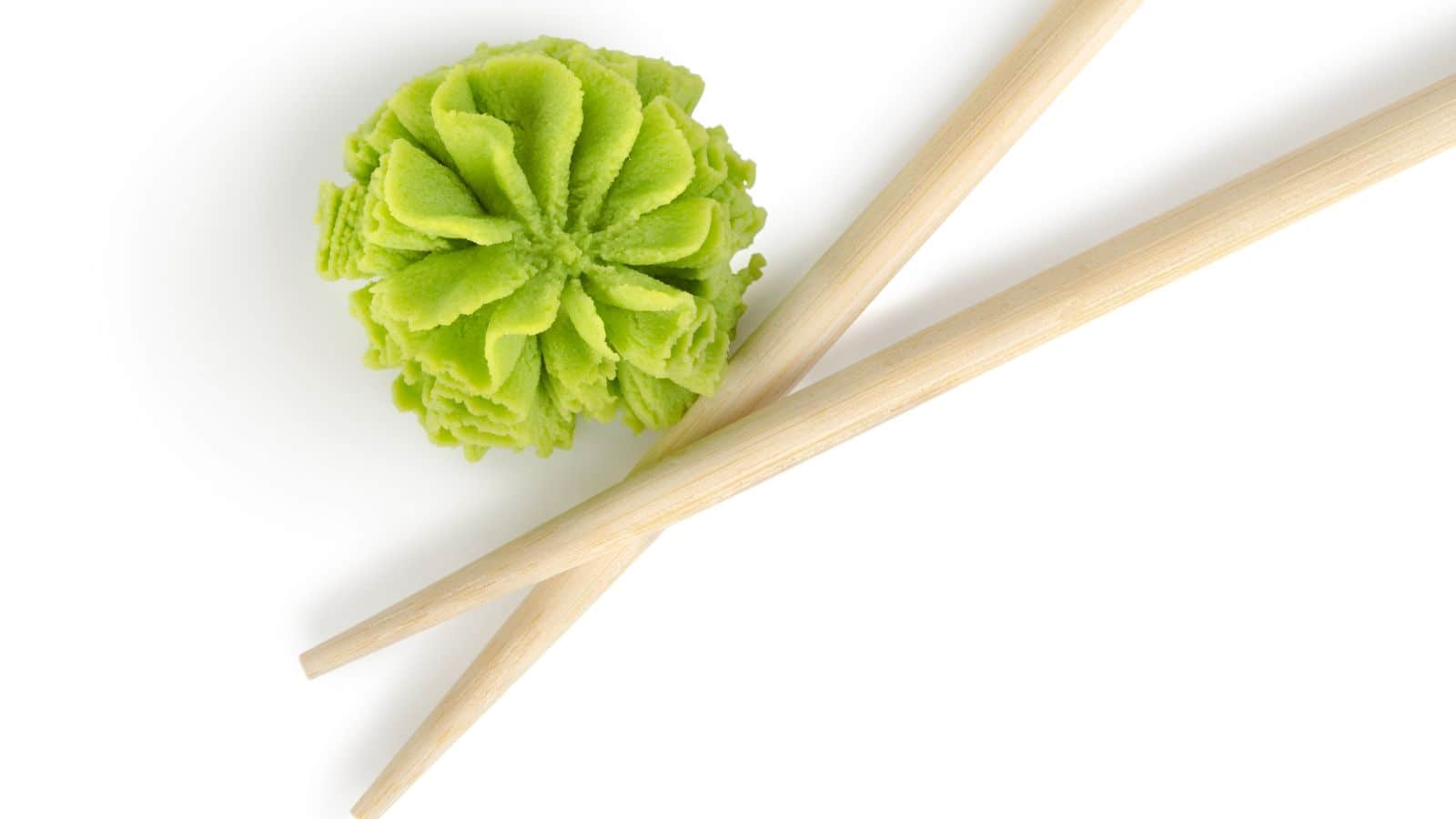
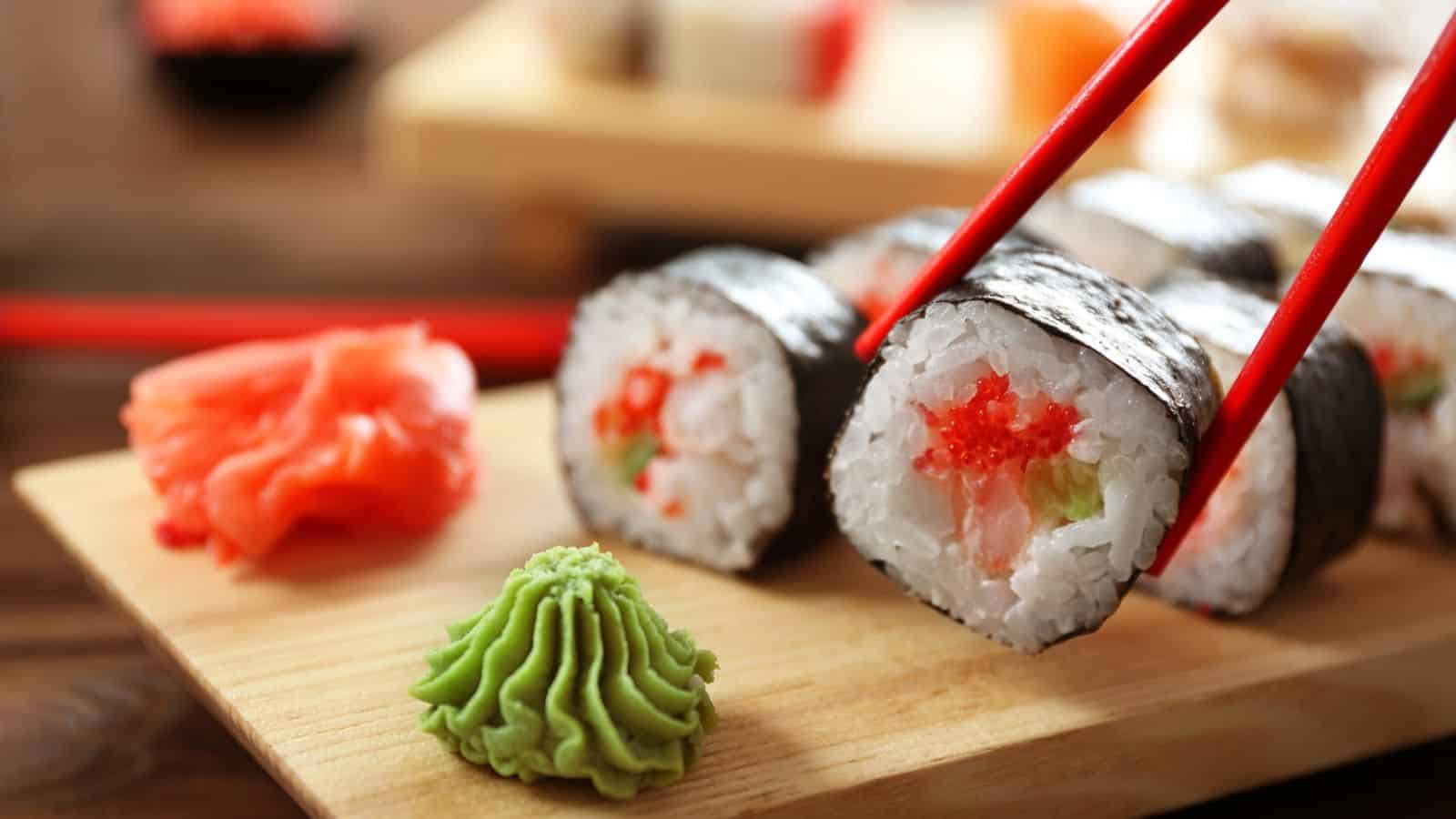
Genuine wasabi, derived from the Wasabia japonica plant, was historically difficult to cultivate, limiting its availability to Japan's upper classes, including samurai and nobility. The fresh root imparts a sharp, pungent heat that complements delicate flavors. Its rarity and labor-intensive harvesting process made it a prized accompaniment reserved for elite dining experiences. Because of the challenges in growing authentic wasabi, it remained a luxury item for centuries, symbolizing refinement and exclusivity within traditional Japanese cuisine.
Kobe Beef
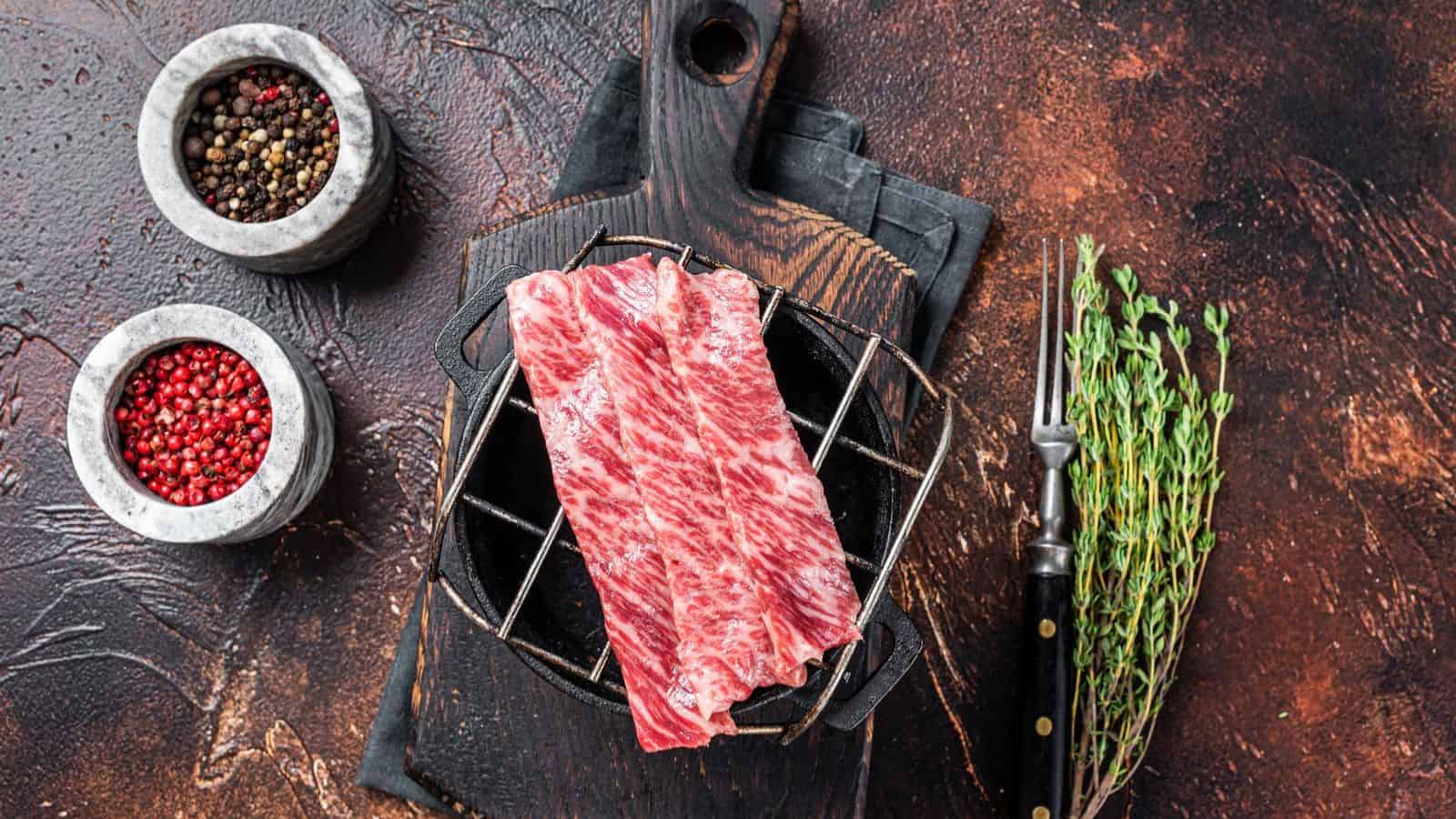
Raised in the Hyogo Prefecture of Japan, this beef is known for its exceptional marbling and tenderness, qualities achieved through meticulous breeding and feeding practices. Historically, this meat was reserved for Japanese aristocrats due to its high cost and limited availability. The care taken in raising these cattle reflected a dedication to quality and tradition, making the beef a prestigious item at banquets and special occasions. Its status as a luxury food continues today, but its origins lie in a time when only the highest social ranks could access such a prized product.
Gold Leaf

Edible gold leaf has been used to decorate food and drink in royal courts for centuries, symbolizing opulence and grandeur. This precious metal, beaten into delicate sheets, was applied to desserts, confections, and beverages to convey wealth and exclusivity. Because of its rarity and expense, gold leaf was reserved for the most important celebrations and the tables of monarchs and nobility. Its shimmering appearance added a striking visual element, reinforcing the idea of luxury and status associated with the most prestigious gatherings and feasts.
Feast Like Royalty
Food has always been more than just something to eat. The dishes and ingredients once reserved for royalty remind us of how history and culture shape what we value on our plates. While these foods were once symbols of power and privilege, many have become more accessible today, letting everyone enjoy a little taste of the past.
Understanding the stories behind these foods helps us appreciate their place in history and how they influenced society. It's a reminder that food connects us to traditions and people from long ago. So next time you come across one of these once-exclusive ingredients, you'll know its great history and why it was once saved for the highest tables.
Poor People Meals We'll Keep Making No Matter How Rich We Get

Some meals stick around long after you've upgraded your pantry. These 17 poor people's meals aren't just about saving money-they're about making something great out of whatever you've got. They're simple, familiar, and built from the ingredients most of us already have. No matter how much money comes in, we'll keep making these because they never stopped working.
Read it Here: 17 Poor People Meals We'll Keep Making No Matter How Rich We Get
Dinners That Look Rich but Cost Pocket Change
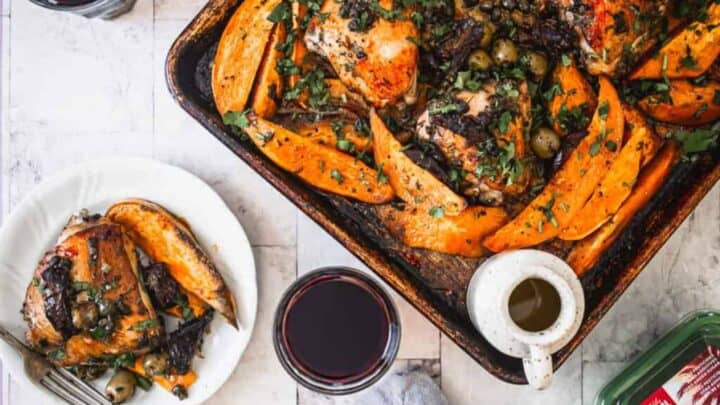
No one said dinner had to be expensive to feel like a win. These meals bring the bold flavors and impressive presentation without draining your wallet. You'll get meals that look like they belong on a white tablecloth but were made with supermarket staples. All 21 recipes prove that you can cook like you're loaded-even when your budget isn't.
Read it Here: 21 Dinners That Look Rich but Cost Pocket Change