
Building lean muscle isn't just about lifting weights or spending hours at the gym. What you eat plays a big part in how your muscles recover and grow stronger. These 13 foods that help build lean muscle supply the nutrients your body needs to repair muscle fibers after workouts and help you get the most out of your training sessions.
Choosing great muscle-friendly foods can also keep your energy levels steady throughout the day. This helps you stay consistent with workouts and avoid feeling drained. Whether you're new to building muscle or have been at it for a while, paying attention to what you eat makes a real difference. Simple swaps and additions to your diet can boost your progress and help you feel stronger every day.

Spinach
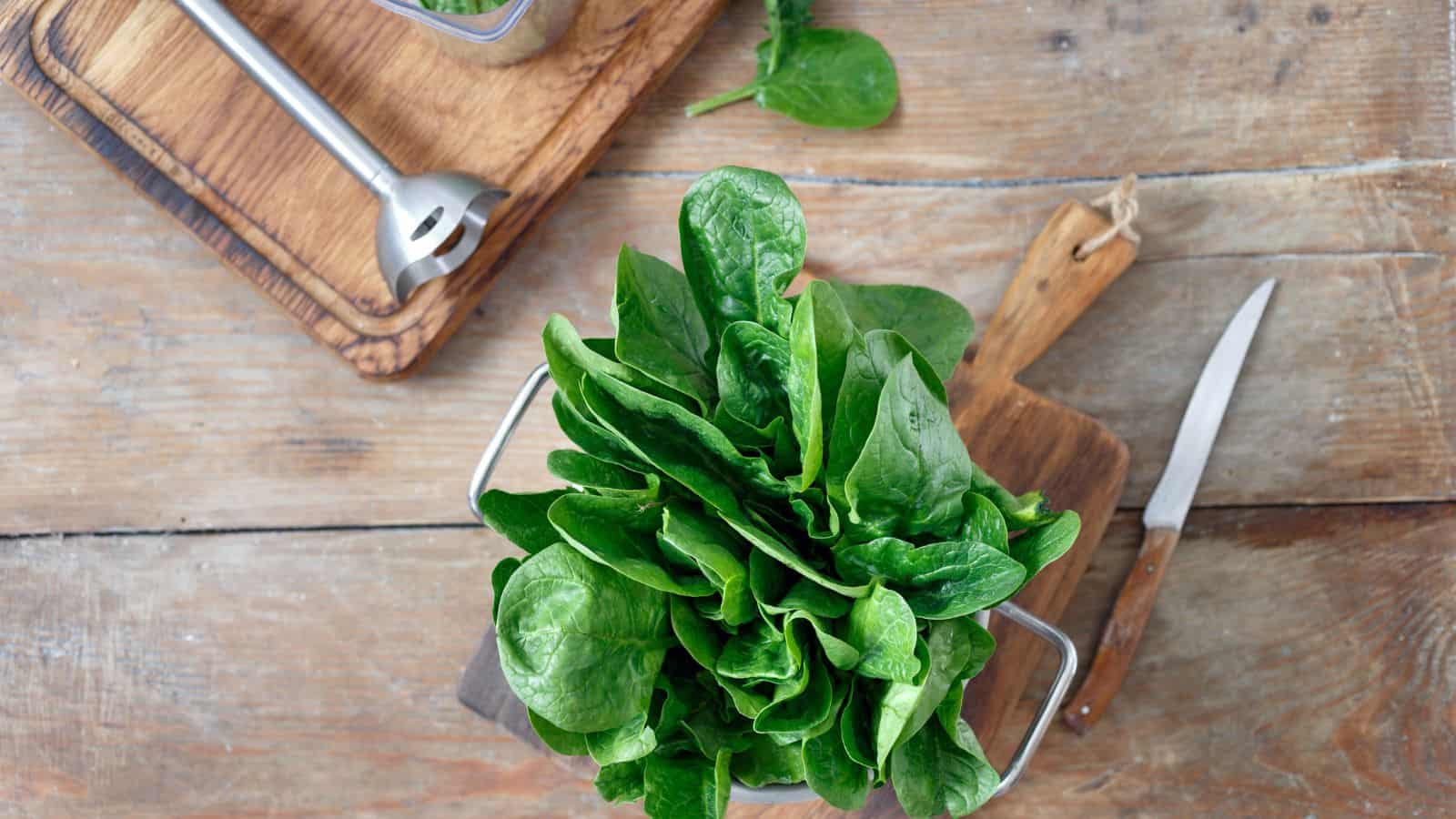
Rich in iron, which is essential for transporting oxygen to muscle tissues, helping to improve stamina and performance during physical activity. The nitrates found in spinach have been shown to enhance muscle efficiency and endurance by improving blood flow and reducing oxygen cost during exercise. Additionally, spinach contains antioxidants and vitamins such as vitamin K and magnesium, which support muscle function and recovery. Incorporating spinach into meals can contribute to better muscle performance and assist in maintaining lean muscle mass through improved nutrient delivery and reduced inflammation after workouts.
Tofu

Serves as a complete plant-based protein source, containing all essential amino acids needed for muscle repair and growth. Its low fat content makes it an excellent choice for those aiming to increase muscle mass without excess calorie intake from saturated fats. Isoflavones present in tofu have antioxidant properties, which can reduce exercise-induced inflammation and promote recovery. Additionally, tofu contains calcium and iron, minerals that support muscle function and oxygen transport. Versatile in preparation, tofu fits well into various meal plans focused on building lean muscle, especially for vegetarians and vegans.
Lean Beef
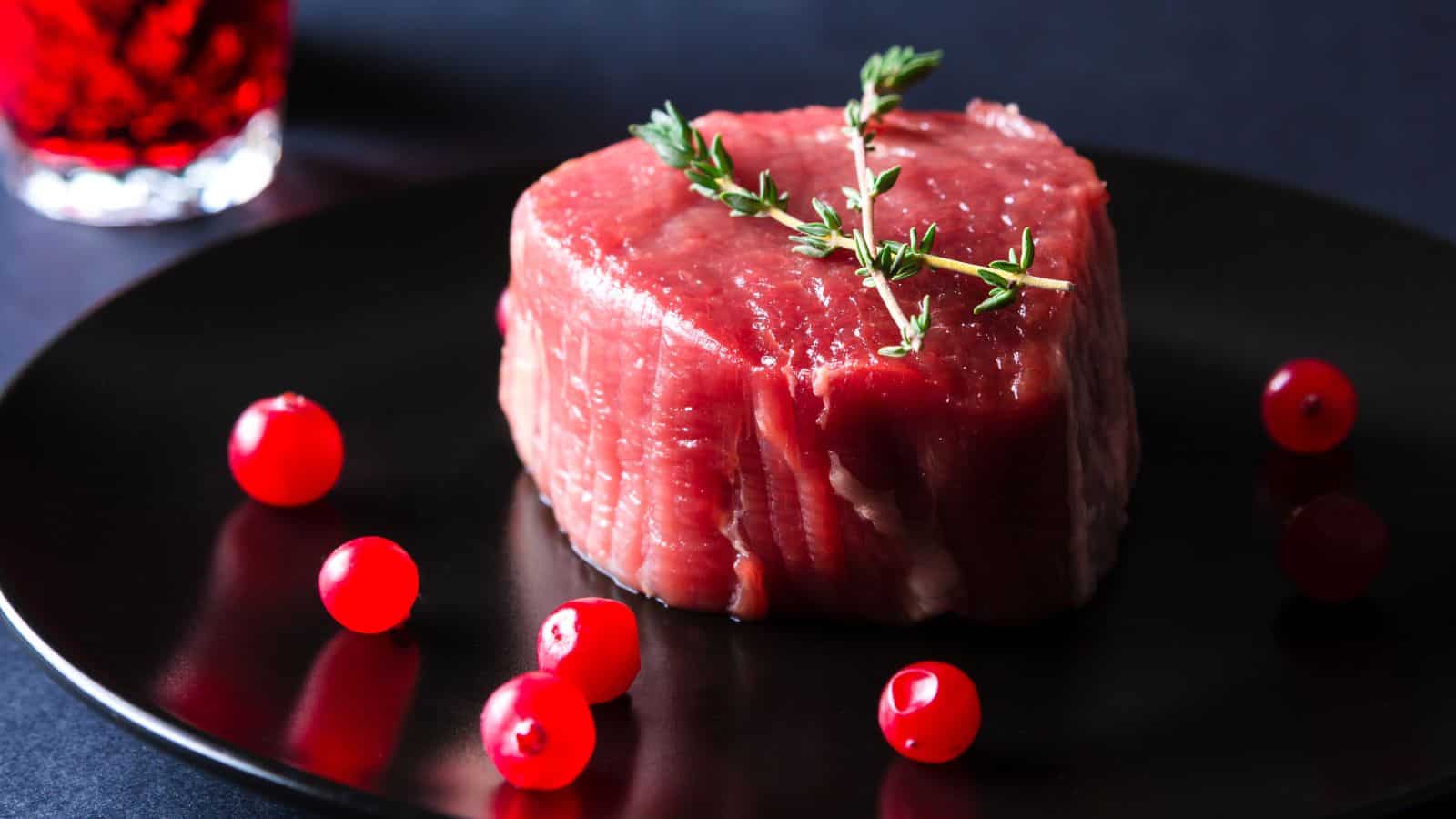
Lean beef is a powerful source of protein and contains high levels of bioavailable iron, which supports oxygen transport to muscles, enhancing endurance and strength. It also contains creatine, a compound that helps improve muscle energy production during high-intensity activities. Beef supplies essential amino acids necessary for muscle repair and growth, along with zinc and B vitamins that aid in recovery and energy metabolism. Choosing lean cuts limits saturated fat intake, aligning with goals to build muscle without excessive fat gain. This makes lean beef a nutrient-dense option.
Almonds
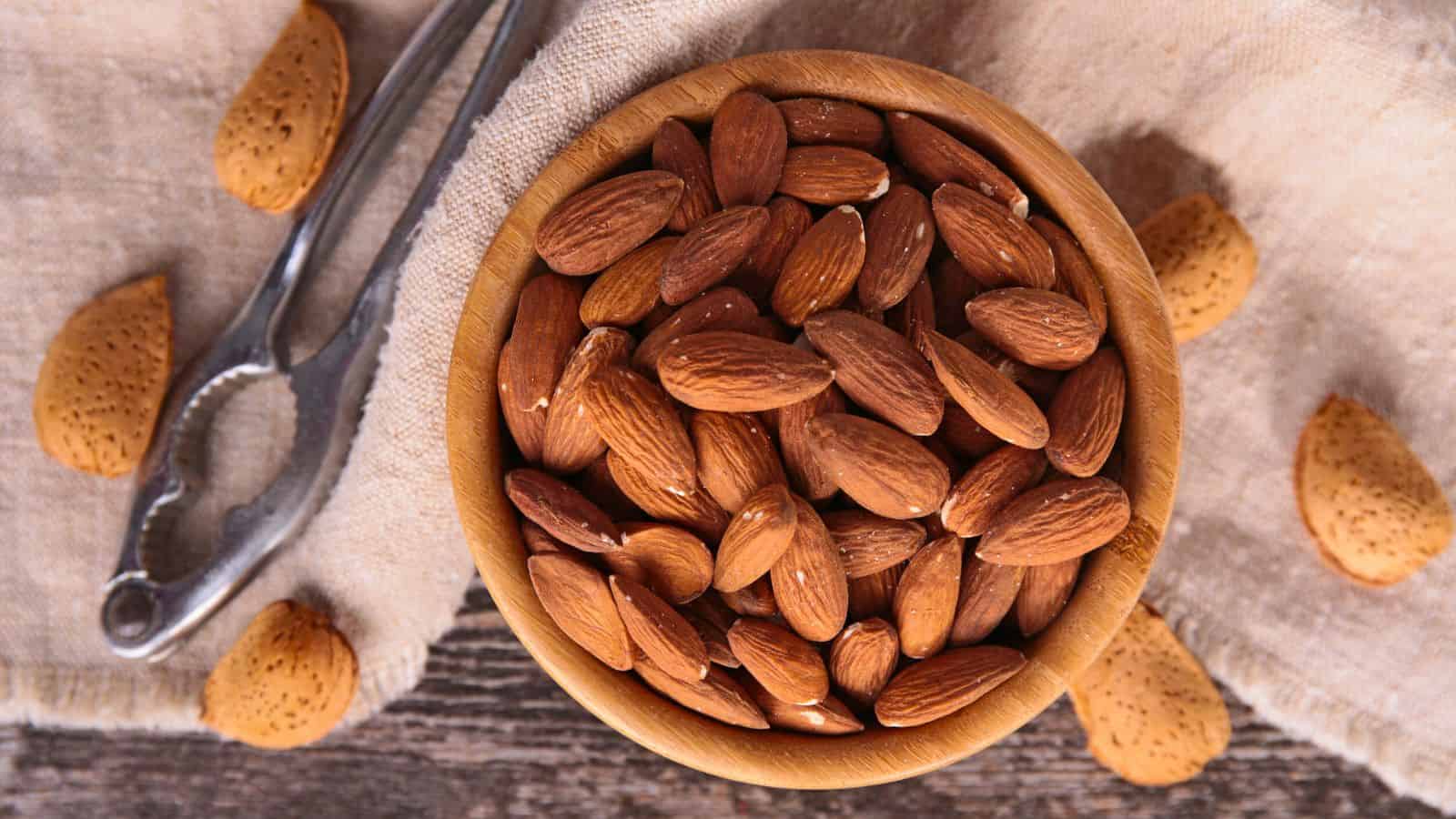
Contain a combination of protein, healthy monounsaturated fats, and vitamin E, which supports muscle recovery and reduces oxidative stress caused by intense physical activity. The fats assist in hormone production, including testosterone, which plays a role in muscle growth. Almonds also have magnesium, a mineral involved in muscle contraction and relaxation. Their fiber content aids digestion, helping the body absorb nutrients more efficiently. Including almonds as a snack or part of meals can contribute to maintaining energy levels and supporting the repair processes necessary for lean muscle development.
Cottage Cheese
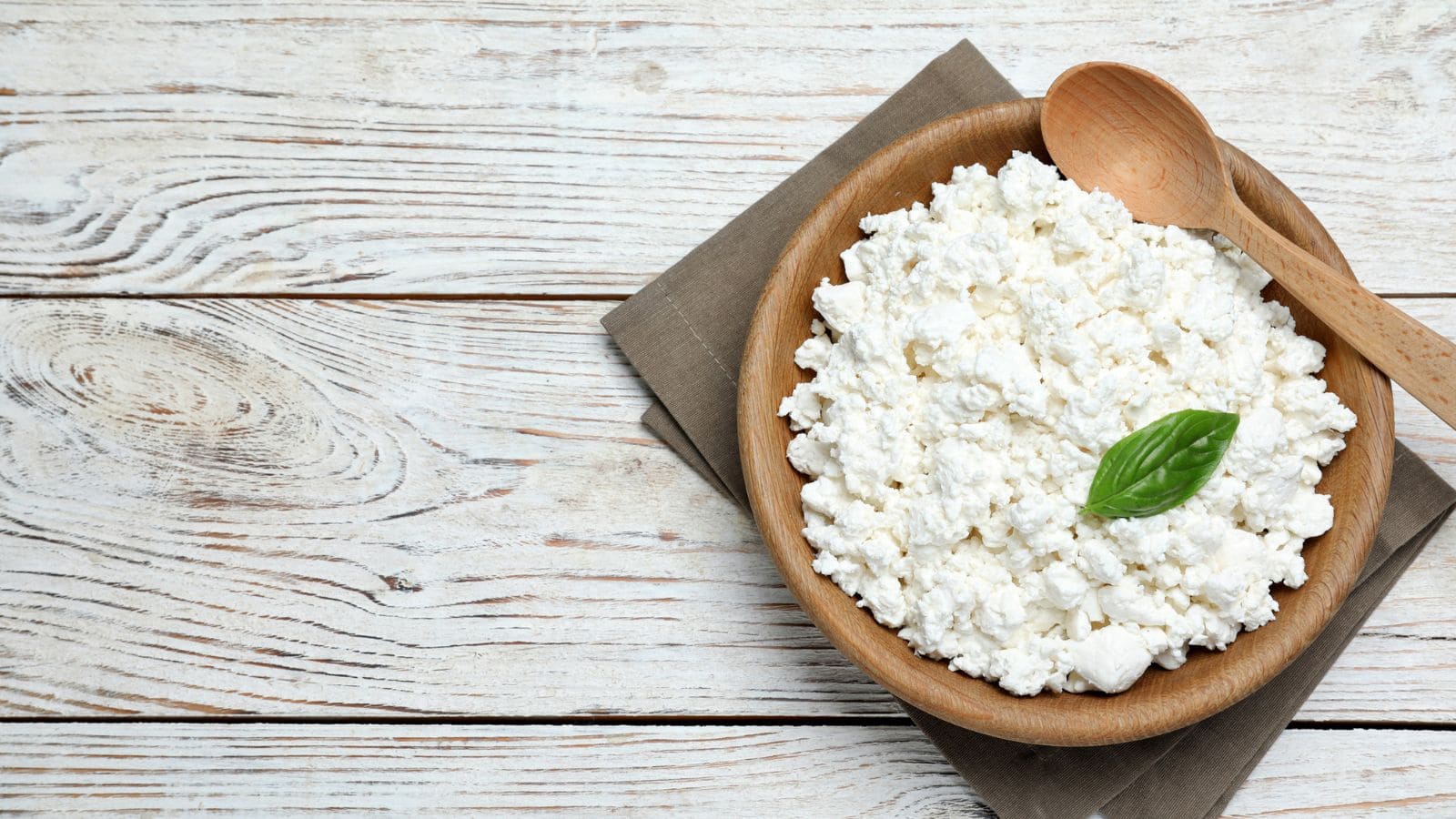
High in casein protein, which digests slowly and delivers a steady stream of amino acids to muscles over several hours. This slow release is particularly beneficial during periods of fasting, such as overnight, helping to minimize muscle breakdown. The low-fat versions are especially popular among those aiming to build lean muscle while managing calorie intake. Calcium content supports bone strength, an important factor for resistance training. Its mild flavor and creamy texture make it easy to incorporate into various meals and snacks designed to support muscle growth.
Chicken Breast

Chicken breast is a rich source of high-quality protein, essential for muscle repair and growth. It contains all the essential amino acids required by the body to support muscle synthesis. Being low in fat, it allows for muscle development without excess calorie intake from unhealthy fats. Its protein content helps maintain muscle mass during weight loss or intense training periods. Additionally, chicken breast contains B vitamins that assist in energy metabolism, which is crucial for sustaining prolonged physical activity and recovery. This makes it a favorite among athletes and fitness enthusiasts.
Lentils
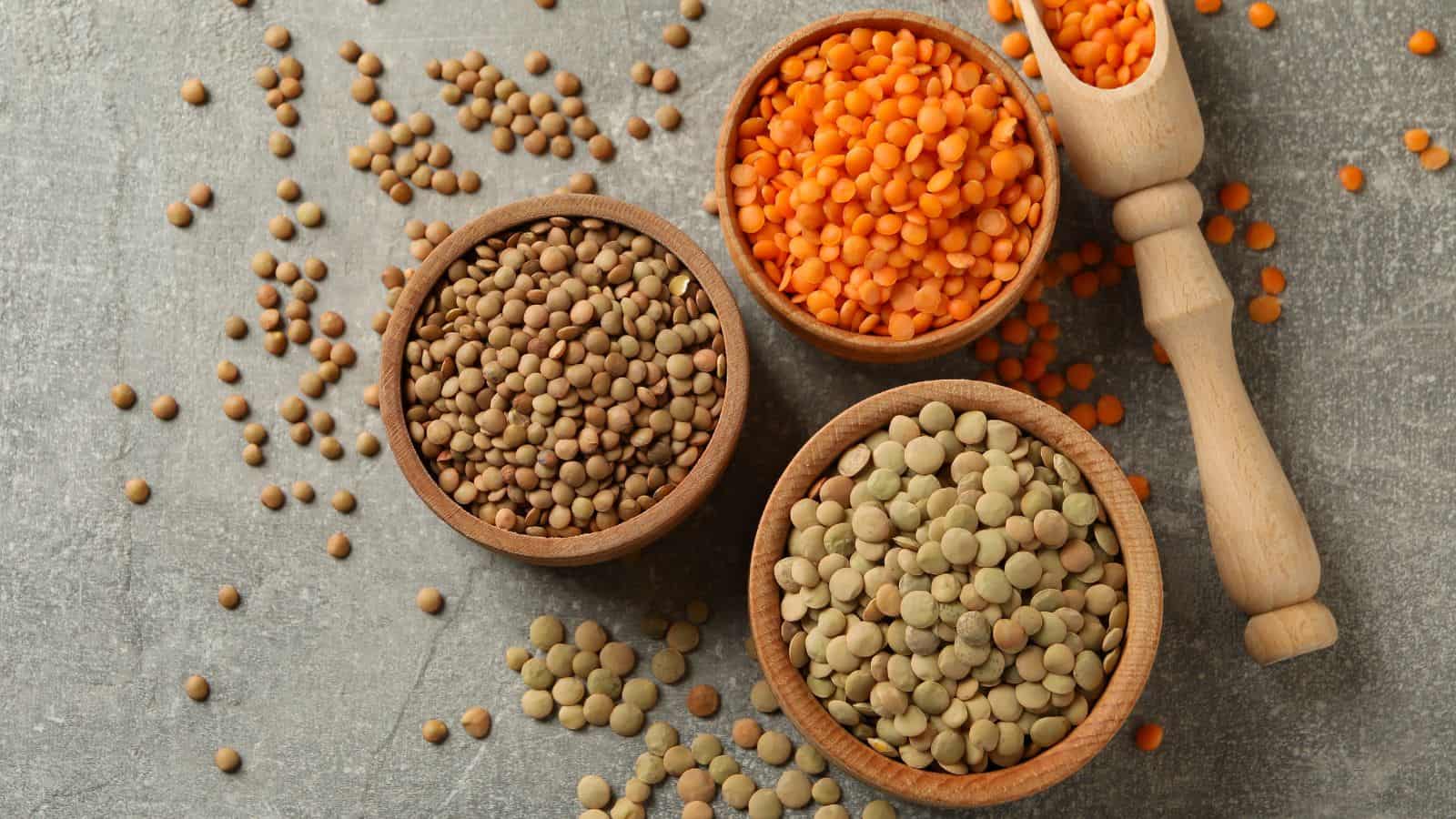
A plant-based protein source that also has a significant amount of dietary fiber, which supports digestive health and helps maintain steady energy levels. Lentils contain essential amino acids needed for muscle repair, though pairing with other plant proteins can create a complete amino acid profile. Rich in iron and folate, they aid in oxygen transport and red blood cell production, which are critical for sustaining physical activity. Their complex carbohydrates contribute to prolonged energy release, making lentils a beneficial food for those engaged in muscle-building exercise routines.
Salmon
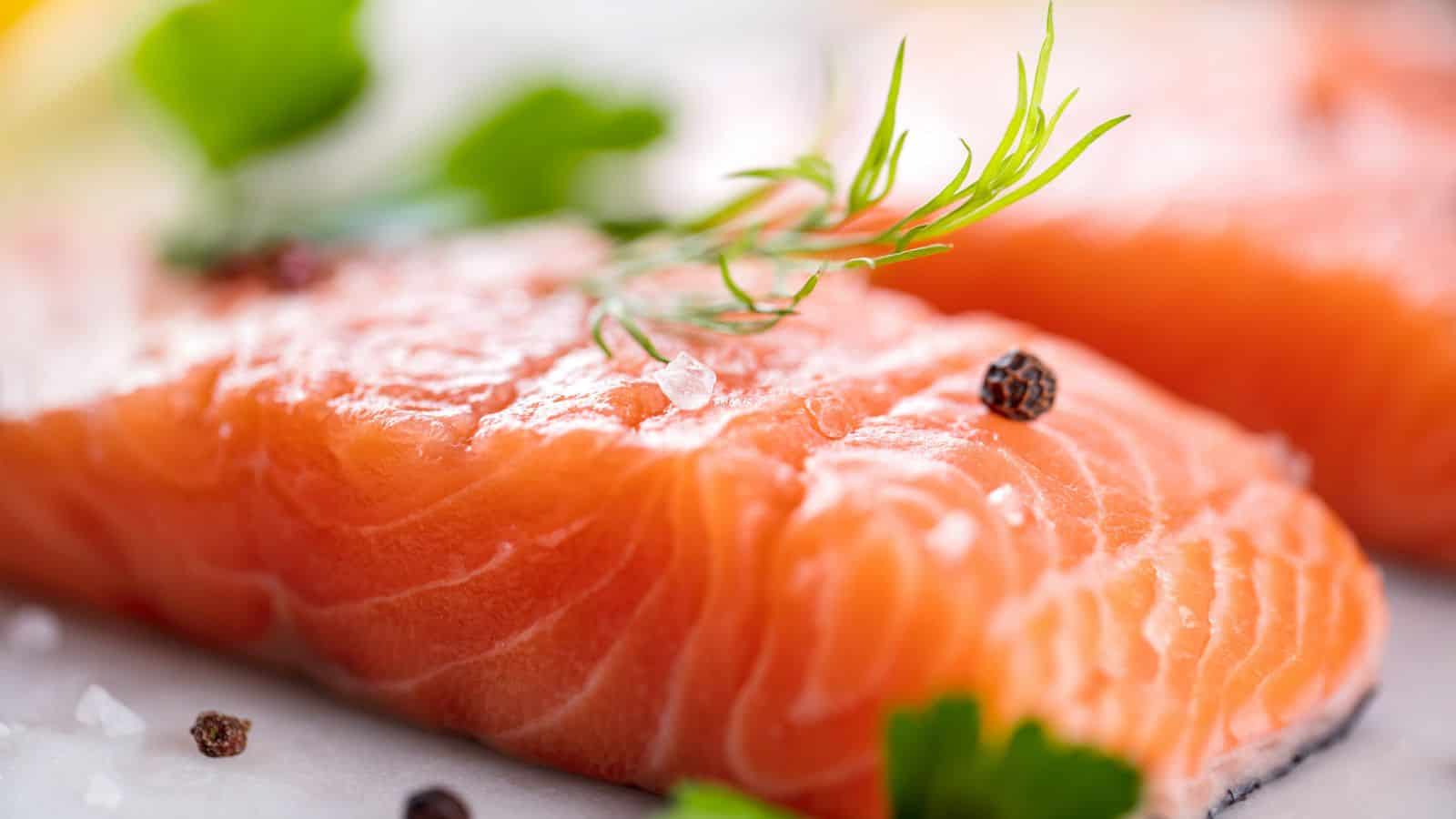
Salmon is rich in complete protein and essential omega-3 fatty acids, which play a key role in reducing muscle inflammation and promoting recovery after intense exercise. The fatty acids also support cardiovascular health, aiding in efficient blood flow to muscles during workouts. Salmon contains important nutrients such as vitamin D and B vitamins, which contribute to energy production and muscle function. Its nutrient profile helps maintain lean muscle mass and supports metabolic health, making it a beneficial choice for those focused on muscle development and endurance.
Brown Rice

A complex carbohydrate that supplies steady energy to fuel workouts and support muscle recovery. Its fiber content helps regulate blood sugar levels and promotes digestive health, which is important for nutrient absorption. Brown rice contains small amounts of protein and essential minerals such as magnesium and manganese, which play roles in muscle contraction and energy metabolism. Including brown rice as a carbohydrate source can help maintain glycogen stores in muscles, delaying fatigue during exercise and enhancing endurance, making it a beneficial component of a muscle-building diet.
Eggs
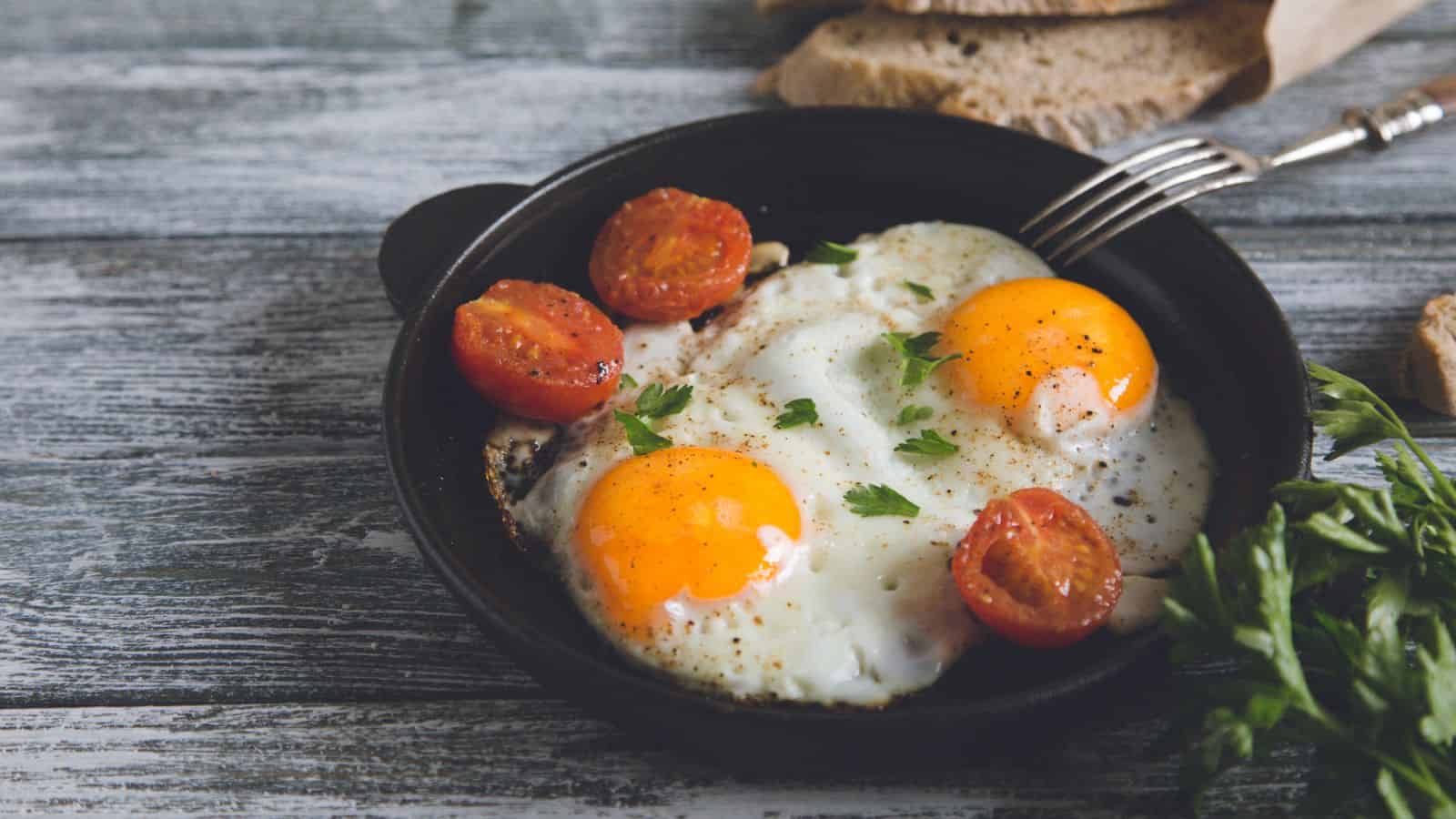
Eggs are an excellent source of complete protein, containing all nine essential amino acids necessary for muscle growth and repair. The protein in eggs is highly bioavailable, meaning the body can absorb and use it efficiently. Beyond protein, eggs contain important nutrients like choline, which supports muscle function and brain health. The yolk contains healthy fats and vitamins such as vitamin D, which play a role in muscle strength. Their versatility and nutrient density make eggs a valuable addition to a muscle-building nutrition plan.
Quinoa

A plant-based source that contains all nine essential amino acids, making it a rare complete protein among grains. This characteristic supports muscle repair and growth, especially for those following vegetarian or vegan diets. Rich in complex carbohydrates, quinoa supplies sustained energy necessary for workouts and recovery. It also contains fiber, which aids digestion and helps regulate blood sugar levels. Additionally, quinoa is a good source of magnesium and iron, minerals that contribute to muscle function and oxygen transport within the body, enhancing athletic performance.
Greek Yogurt
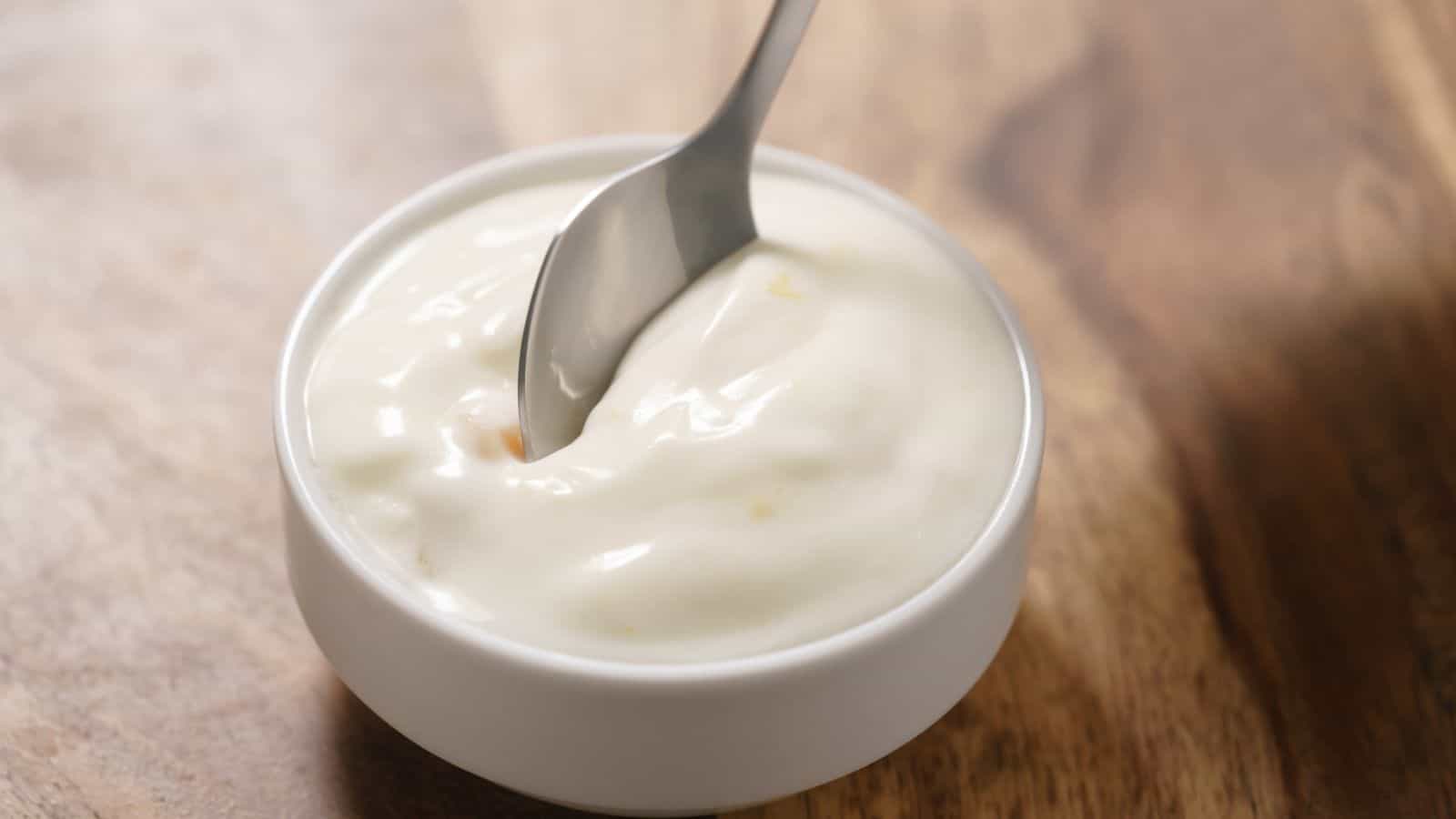
Greek yogurt contains a high concentration of protein, particularly casein and whey, both of which contribute to muscle repair and growth. Casein digests slowly, providing a steady release of amino acids that can help reduce muscle breakdown over several hours, especially during sleep. This dairy product also contains probiotics that promote gut health, which is important for nutrient absorption and immune function. The calcium content supports bone health, which is vital for overall strength and performance during resistance training. Greek yogurt is often included in post-workout meals.
Tuna

Contains lean protein essential for muscle repair and development, along with omega-3 fatty acids that help reduce inflammation caused by intense exercise. These healthy fats also contribute to cardiovascular health, promoting better blood flow to muscles. Tuna is rich in vitamin D, which plays a role in muscle function and strength. Additionally, B vitamins found in tuna assist with energy metabolism, supporting endurance during workouts. Its nutrient profile makes it a valuable addition to diets focused on enhancing muscle mass and recovery after training sessions.
Feed Muscles, Not Excuses

Getting lean muscle takes time and effort, but the foods you choose can make the process smoother and more effective. Eating the right kinds of protein, fats, and carbs helps your body recover faster and build stronger muscles. It's not about eating perfectly all the time, but making smart choices that support your hard work in the gym.
Sticking to a plan that includes great muscle-friendly foods can keep your energy up and help you stay consistent with your workouts. When your body gets what it needs, progress happens more naturally and you'll feel better along the way. Focus on simple, balanced eating habits that fit your lifestyle, and watch how your strength and muscle tone improve over time.
Prevent Muscle Cramps Naturally with These Top Nutrient-Rich Foods

Muscle cramps can be a real pain, literally. Whether you're in the middle of a workout, a long run, or just lounging around, they can strike at any time. The good news is that what you eat can make a big difference. By focusing on these 9 foods for muscle cramps, you can help your muscles function better and reduce the likelihood of those painful cramps.
Read it Here: Prevent Muscle Cramps Naturally with These Top 13 Nutrient-Rich Foods
Crucial Signs You're Not Getting Enough Protein in Your Body

Protein is a big deal when it comes to keeping your body in good shape. But many people don't get enough without realizing it. When your protein intake is low, your body starts to show signs that something's missing. These 13 signs you lack protein might seem small or easy to ignore, but they can add up and affect how you feel and perform every day.
Read it Here: 13 Crucial Signs You're Not Getting Enough Protein in Your Body