
Fueling your body the right way can make a big difference when it comes to endurance and stamina. Instead of relying on quick bursts of energy that fade fast, choosing foods that release energy steadily helps you keep going longer. These 13 foods that improve endurance and stamina support your muscles and help prevent fatigue, so you don't feel wiped out halfway through your workout or busy day.
Finding the perfect balance of nutrients can help you push through challenges and recover faster afterward. Whether you're running, cycling, or just trying to stay active without feeling drained, the right foods can boost how you feel and how long you last. Making smart food choices can be simple and effective, helping you stay energized naturally. Let's talk about some great foods that can help you keep your stamina strong and your endurance high.

Bananas
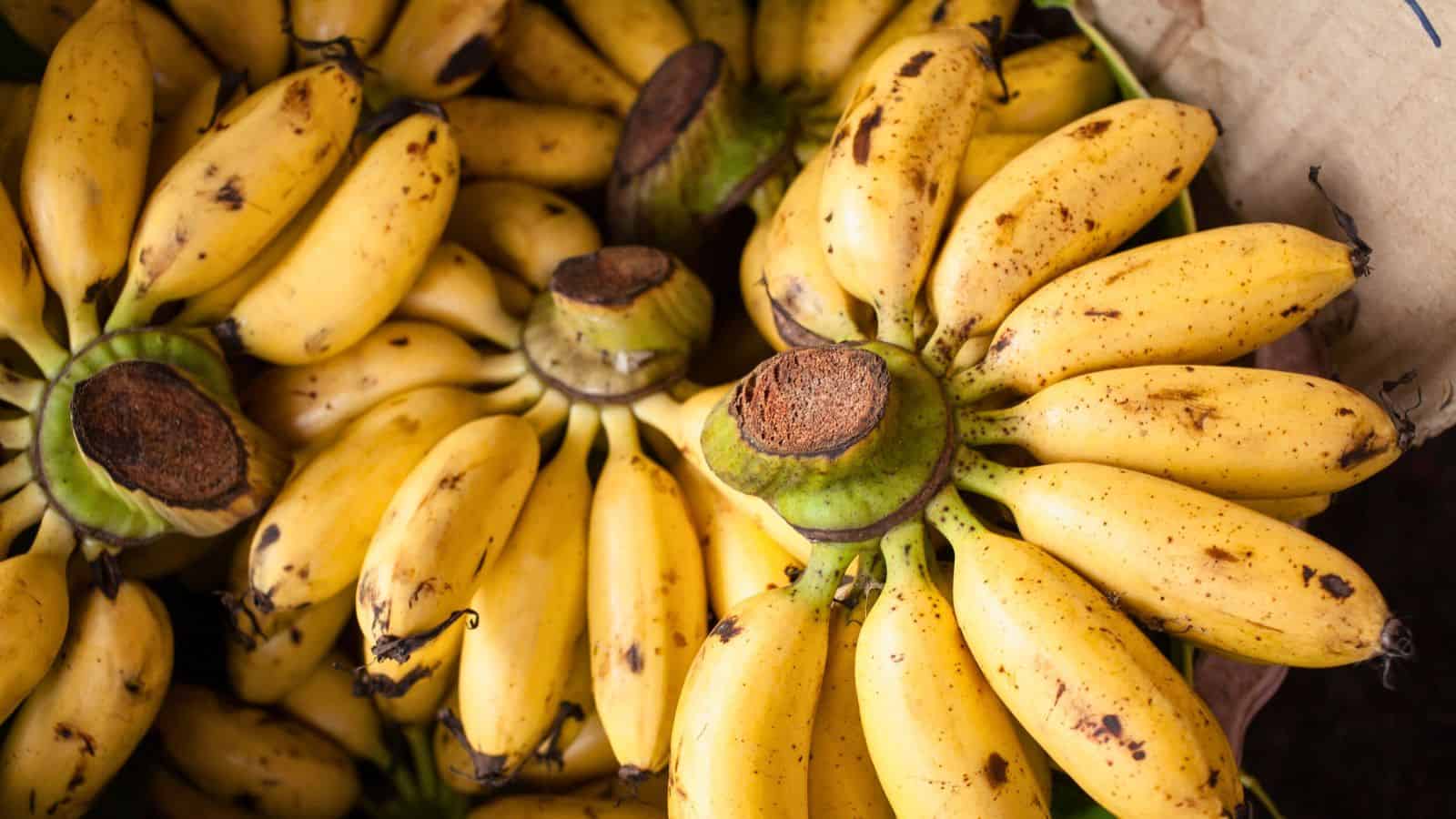
Bananas are a rich source of potassium, an essential mineral that helps regulate muscle contractions and prevent cramps during prolonged physical activity. Their carbohydrate content is primarily in the form of natural sugars and starches, which the body can quickly convert into energy. This makes bananas an excellent choice for athletes looking to maintain energy levels during endurance events. Additionally, bananas contain vitamins such as vitamin B6, which supports energy metabolism, and antioxidants that help reduce exercise-induced oxidative stress. Their natural composition supports hydration by replenishing electrolytes lost through sweat.
Oats
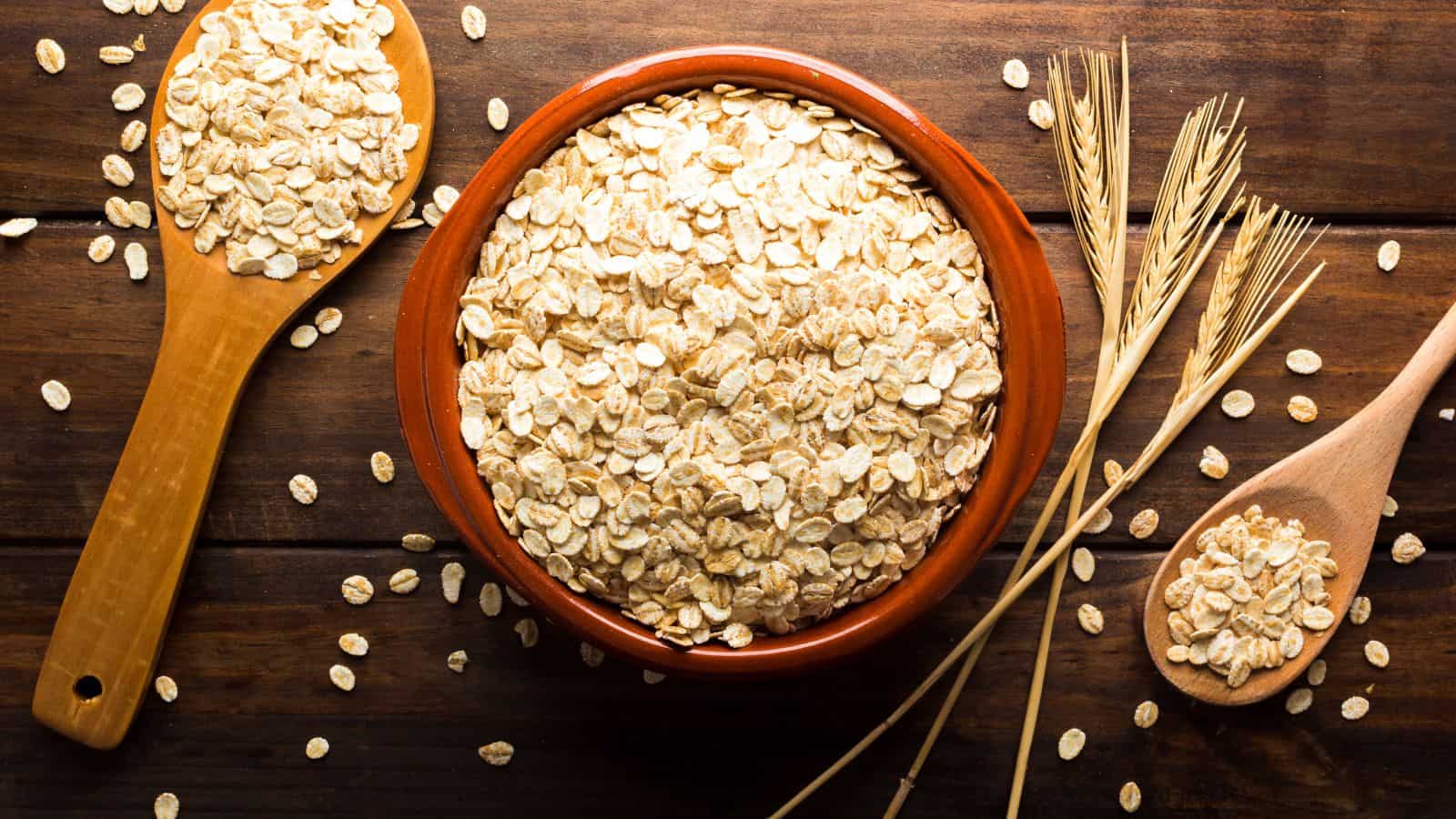
Oats are composed mainly of complex carbohydrates that break down slowly in the digestive system, leading to a gradual release of glucose into the bloodstream. This slow digestion process helps maintain steady energy levels during extended periods of physical exertion. The high fiber content in oats also promotes digestive health and keeps blood sugar levels stable. In addition to carbohydrates, oats contain protein and important micronutrients like magnesium, which plays a role in muscle function and energy production. Consuming oats before exercise can help delay fatigue and support endurance.
Sweet Potatoes
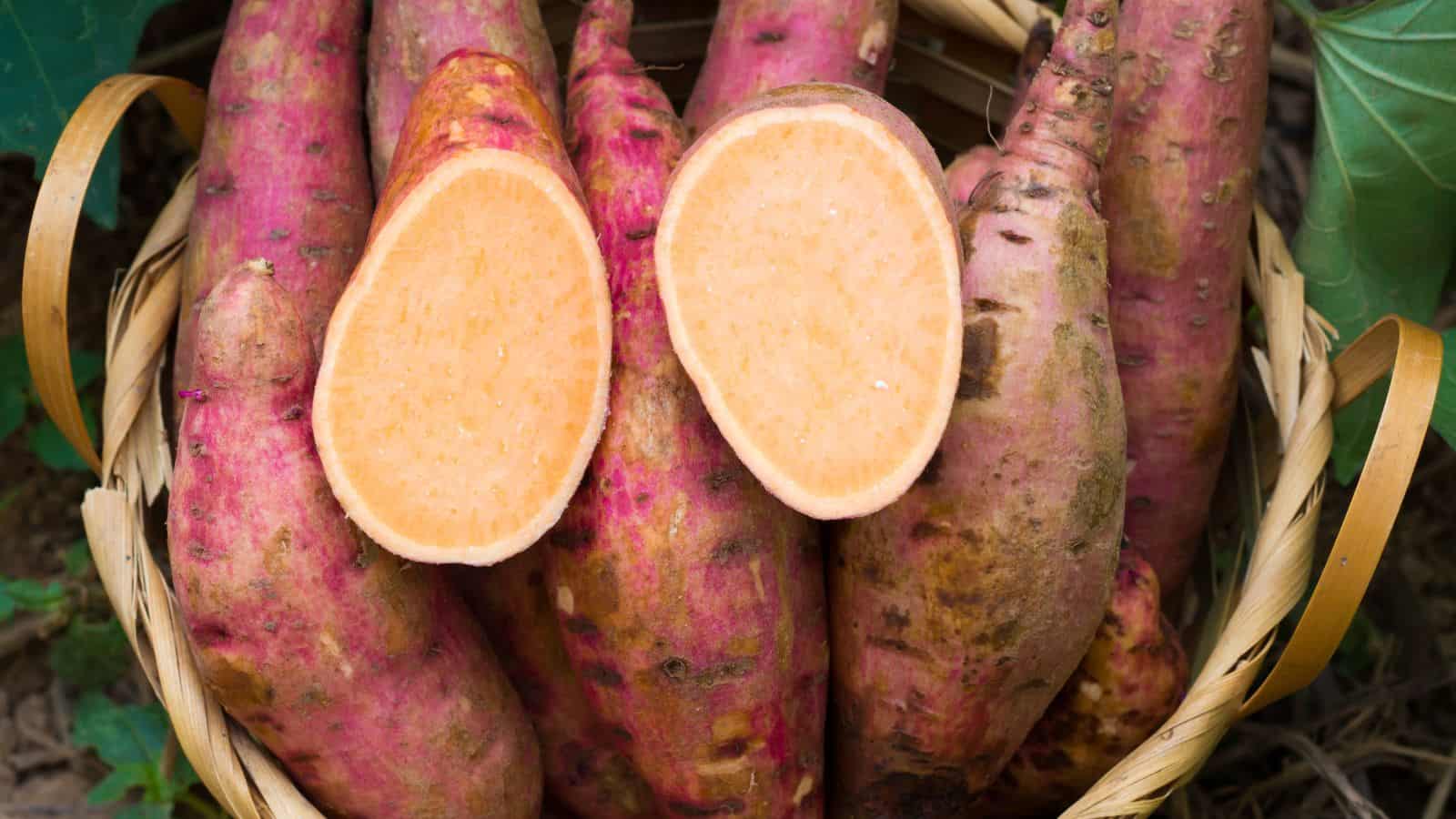
Sweet potatoes are dense in complex carbohydrates, which serve as a sustained source of energy for muscles during prolonged exercise. They are rich in beta-carotene, a precursor to vitamin A, which supports immune function and reduces inflammation. Their high fiber content aids in maintaining stable blood sugar levels, preventing energy crashes. Sweet potatoes also contain potassium, which assists in muscle contraction and fluid balance. The natural sugars within sweet potatoes are slowly released, helping to fuel long-lasting physical activity without sudden spikes or drops in energy.
Beets

Beets contain naturally occurring nitrates, which the body converts into nitric oxide. Nitric oxide helps widen blood vessels, improving blood flow and oxygen delivery to muscles during exercise. This enhanced circulation can delay the onset of fatigue and improve endurance capacity. Beets also contain antioxidants that combat oxidative stress caused by intense physical activity. Additionally, they supply carbohydrates that serve as fuel for working muscles. Consuming beets or beet juice before workouts has been linked to improved stamina and exercise efficiency in several studies.
Spinach
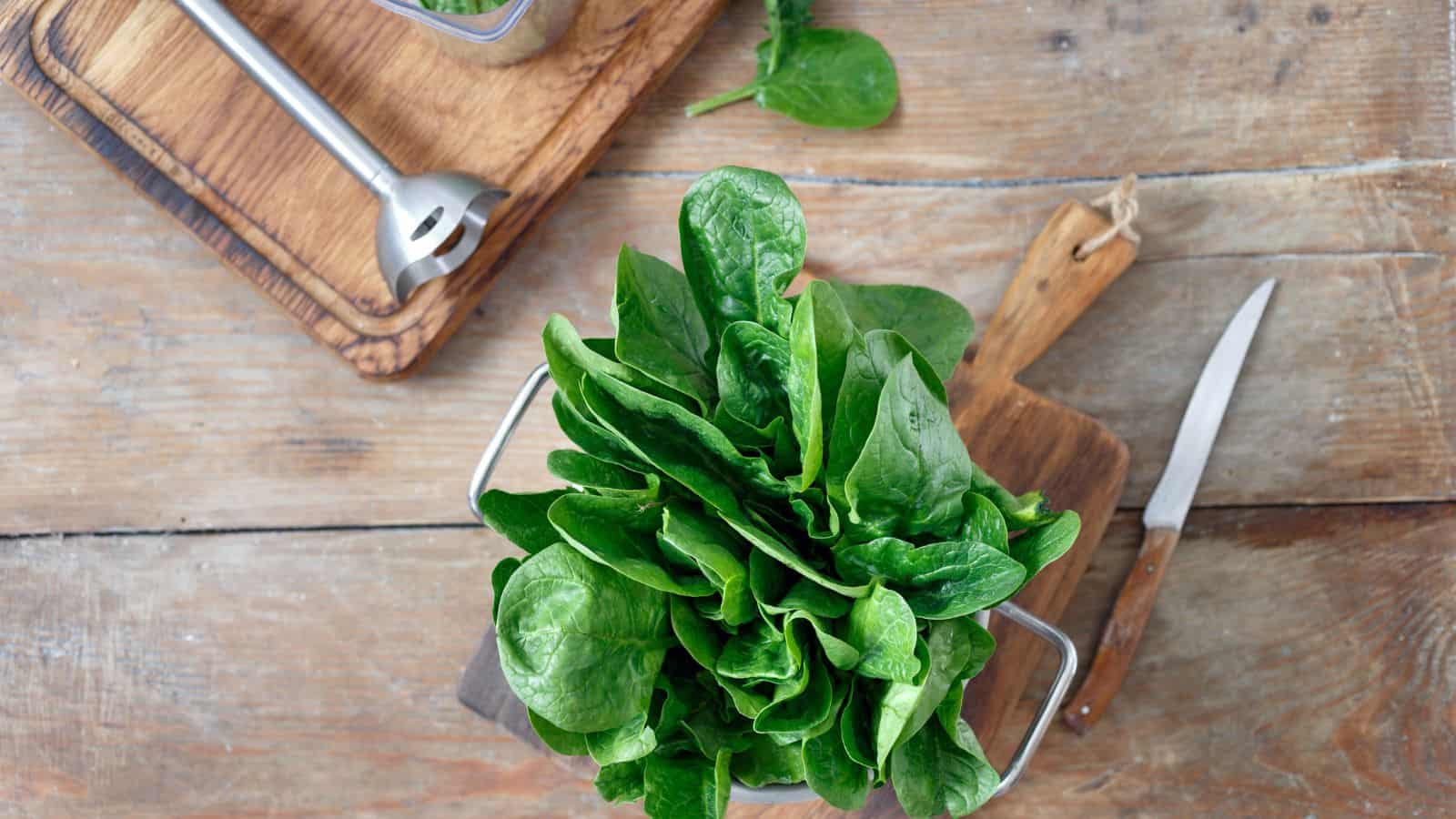
Spinach is rich in iron, a mineral essential for the formation of hemoglobin, which transports oxygen in the blood to working muscles. Adequate iron levels help prevent fatigue and improve endurance performance. Spinach also contains nitrates, which support improved blood flow and oxygen utilization during exercise. Besides these benefits, spinach is a good source of magnesium, which plays a critical role in muscle contraction and relaxation. The antioxidants in spinach help protect muscle cells from damage caused by intense physical exertion, aiding in recovery and sustained stamina.
Quinoa

Known as a complete protein, quinoa contains all nine essential amino acids necessary for muscle repair and recovery after exercise. Its carbohydrate content consists mostly of complex carbs, which release energy slowly, helping maintain stamina during extended physical activity. Rich in fiber, quinoa supports digestive health and helps stabilize blood sugar levels, preventing energy dips. Additionally, it contains important minerals such as magnesium and iron, both of which play vital roles in muscle function and oxygen transport. This combination makes quinoa a valuable food for endurance athletes.
Almonds

Packed with healthy fats, almonds supply a concentrated source of energy that can sustain physical activity over time. The protein content supports muscle repair and growth, while magnesium contributes to muscle relaxation and energy metabolism. These nuts also contain vitamin E, an antioxidant that helps protect cells from oxidative damage caused by intense exercise. Their fiber content aids in maintaining steady blood sugar levels. Including almonds in the diet can help maintain energy reserves and support prolonged periods of exertion without premature fatigue.
Chia Seeds

Containing a rich mix of omega-3 fatty acids, protein, and fiber, chia seeds help reduce inflammation and support muscle recovery. The soluble fiber absorbs water, forming a gel-like substance that slows digestion and prolongs energy release, which is beneficial during endurance activities. Additionally, chia seeds contain essential minerals like calcium, magnesium, and phosphorus, which contribute to muscle function and bone strength. Their nutrient density supports sustained stamina and helps maintain hydration by retaining fluids in the digestive tract during exercise.
Salmon

Rich in omega-3 fatty acids, salmon helps reduce inflammation and muscle soreness following intense physical activity, promoting quicker recovery. The high-quality protein content aids in repairing muscle tissue and maintaining muscle mass. Additionally, salmon contains B vitamins that play a crucial role in converting food into usable energy. The presence of antioxidants such as astaxanthin further protects muscle cells from oxidative stress. Regular consumption supports endurance by enhancing muscle function and reducing fatigue associated with prolonged exertion.
Eggs

Containing high-quality protein and all essential amino acids, eggs support muscle repair and growth after exercise. The presence of vitamins such as B12 and riboflavin contributes to energy production by aiding metabolic processes. Additionally, eggs provide choline, which plays a role in muscle function and brain health. Their nutrient density helps sustain stamina during prolonged physical activity. The balance of fats and proteins in eggs can also help maintain steady energy levels, making them a beneficial food for those engaging in endurance training or demanding workouts.
Greek Yogurt

Packed with protein, Greek yogurt supports muscle recovery and growth following physical exertion. Its probiotic content helps maintain gut health, which can influence nutrient absorption and overall energy levels. The natural carbohydrates found in yogurt contribute to replenishing glycogen stores in muscles after endurance activities. Additionally, calcium and potassium found in Greek yogurt assist in muscle contraction and nerve function. Consuming this dairy product can help maintain strength and stamina during extended periods of exercise or training.
Berries
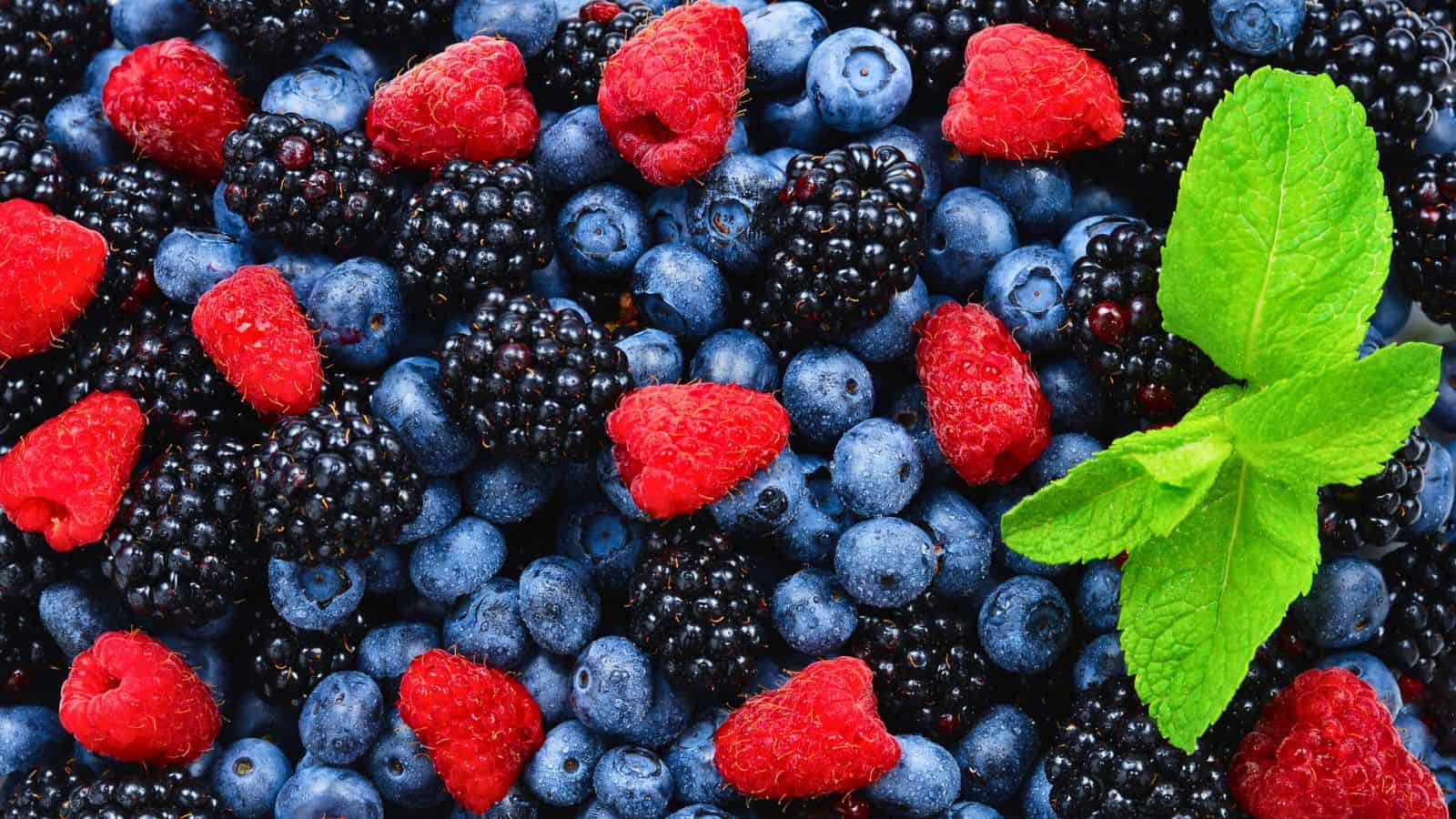
Containing a high concentration of antioxidants, berries help combat oxidative stress and inflammation caused by intense physical activity. Their natural sugars supply quick energy, while fiber slows digestion to maintain steady blood glucose levels. Vitamins such as vitamin C support immune function and tissue repair. The combination of these nutrients helps reduce muscle soreness and fatigue, enhancing recovery and endurance capacity. Including berries in the diet can contribute to sustaining performance and protecting muscles during prolonged exertion.
Dark Chocolate

Rich in flavonoids, dark chocolate supports improved blood flow by promoting vasodilation, which enhances oxygen delivery to muscles during exercise. The small amounts of caffeine and theobromine present can increase alertness and reduce perceived effort, potentially improving stamina. Additionally, antioxidants in dark chocolate help reduce inflammation and oxidative damage caused by strenuous physical activity. Consuming moderate quantities may aid recovery and delay fatigue, making it a useful component in a diet aimed at boosting endurance and physical performance.
Fuel Up, Don't Slow Down

Choosing the right foods can really change how you feel during any activity that requires endurance. It's not about eating more or less, but about picking options that help your body keep going without burning out. When you focus on steady energy and muscle support, you'll notice you can push a little harder and recover a bit faster. Simple changes in what you eat can have a big impact on your stamina.
Staying energized and strong doesn't have to be complicated. By adding some of these great foods into your routine, you'll give yourself a natural boost that lasts. Whether you're training for something or just want more energy throughout the day, these choices can help you reach your goals. Keep it consistent, and you'll feel the difference in how long you can keep moving and how good you feel afterward.
Powerful Foods That Help You Build Lean Muscle Quickly

Building lean muscle isn't just about lifting weights or spending hours at the gym. What you eat plays a big part in how your muscles recover and grow stronger. These 13 foods that help build lean muscle supply the nutrients your body needs to repair muscle fibers after workouts and help you get the most out of your training sessions.
Read it Here: 13 Powerful Foods That Help You Build Lean Muscle Quickly
Healthy Foods That Help Strengthen Immune Response in Kids

Keeping kids healthy can feel like a full-time job, especially when they're exposed to all kinds of germs at school or on the playground. One of the smartest ways to support their body's defenses is through the foods they eat. Fortunately, these 11 foods that help strengthen the immune system response in kids can help their bodies respond better when they face viruses or infections.
Read it Here: 11 Healthy Foods That Help Strengthen Immune Response in Kids