
Keeping your kidneys healthy is easier than you might think, and it starts with what you put on your plate. These organs work hard every day to filter waste and balance fluids, so giving them a break with these 13 foods that support healthy kidneys, which are low in certain minerals and rich in vitamins, can make a big difference.
You don't have to sacrifice variety or flavor to support your kidneys. Many common foods can play a role in maintaining kidney health while keeping meals interesting and satisfying. Small changes in your diet can add up over time, helping your body work better and feel better. Knowing which foods help can give you a simple, practical way to take care of your kidneys every day without overthinking it.

Red Bell Peppers
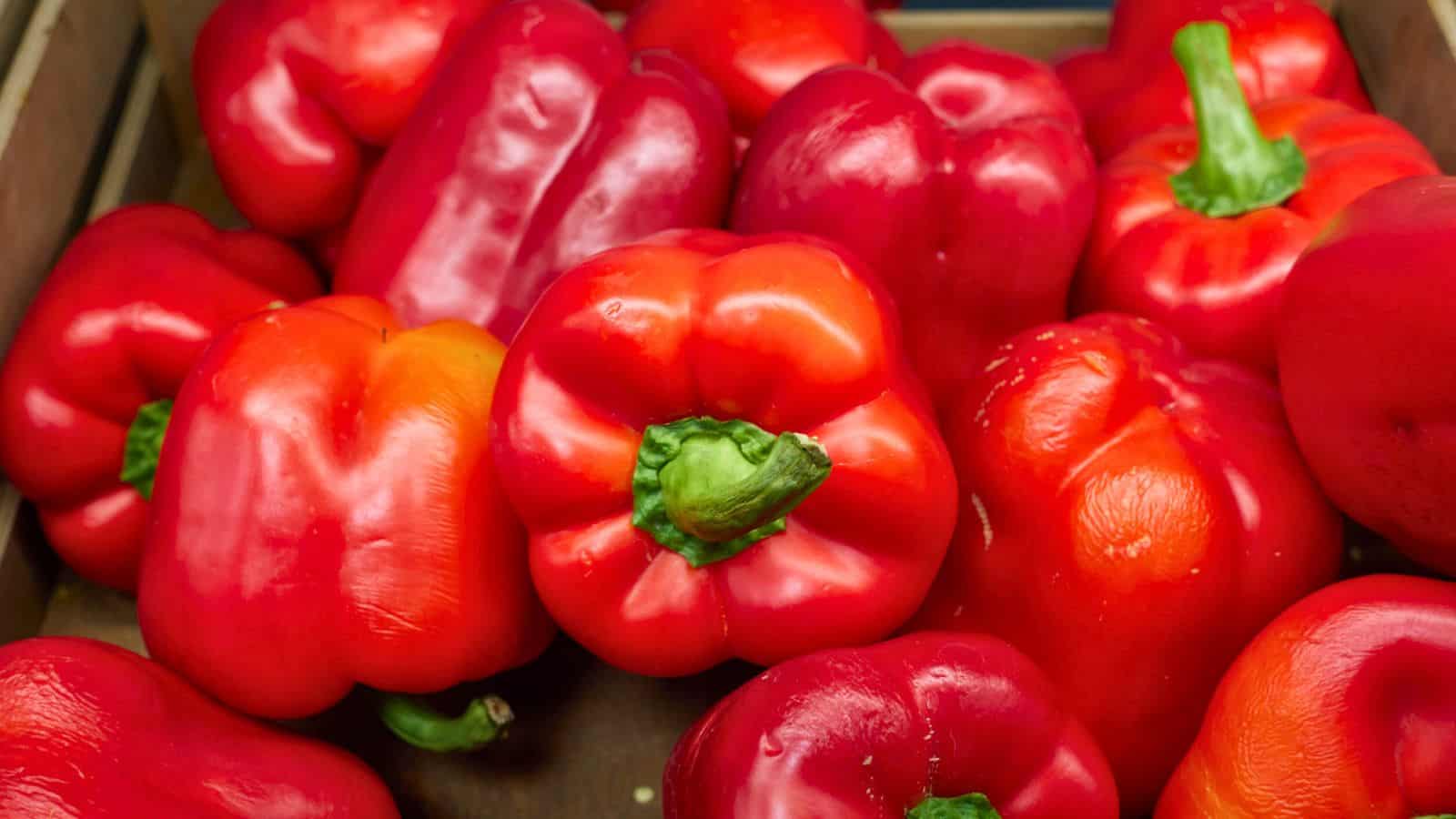
Red bell peppers contain low amounts of potassium, making them a good choice for kidney health. They are rich in vitamins A and C, which help protect cells from damage caused by free radicals. Vitamin B6 found in these peppers supports proper nerve function and red blood cell production. Additionally, red bell peppers have antioxidants that may reduce inflammation and support immune function. Their high water content can aid in hydration, which is important for kidney function. Including red bell peppers in meals contributes to nutrient intake without overloading the kidneys with minerals that require extra filtration.
Cabbage
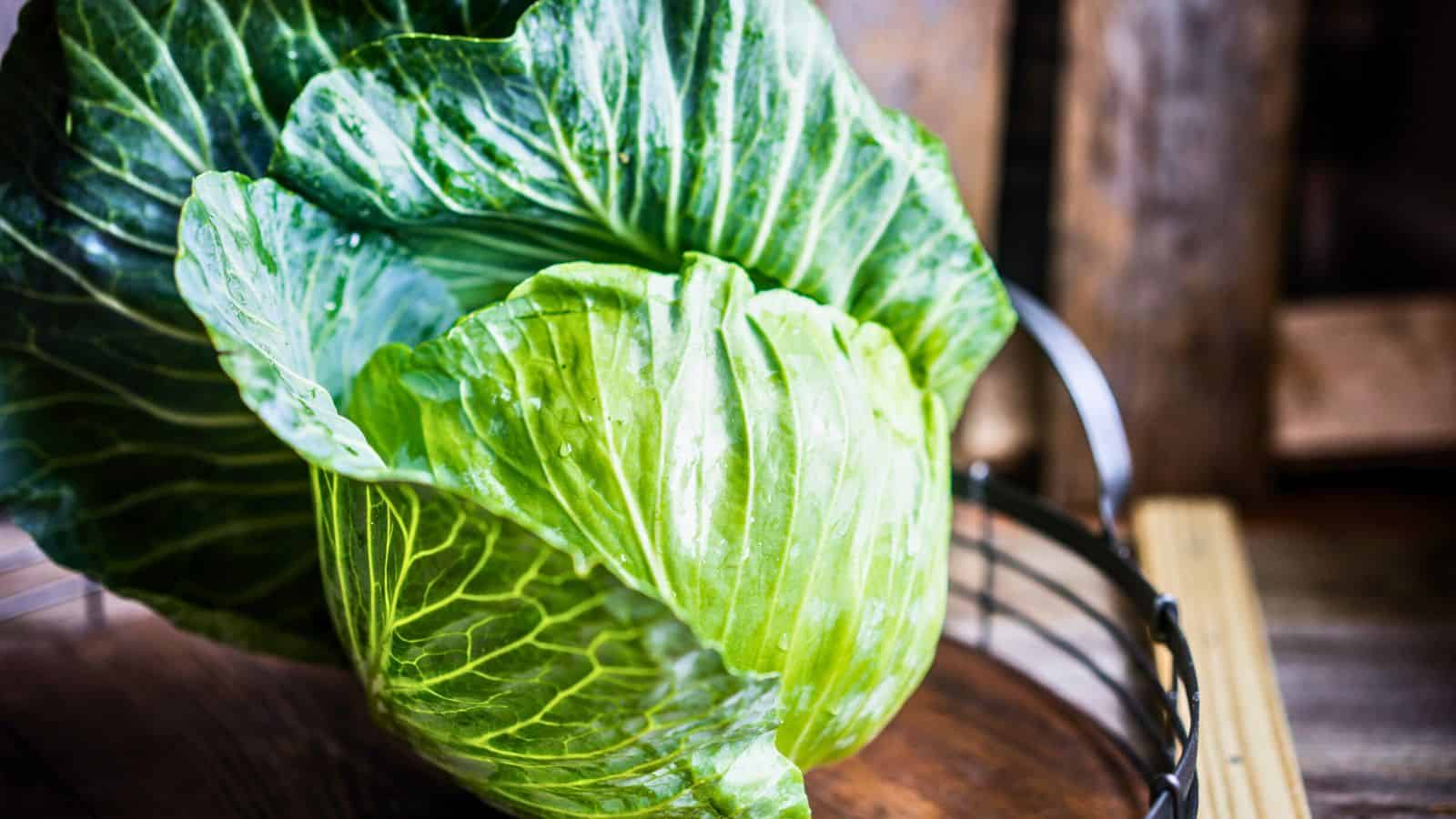
Cabbage is abundant in phytochemicals, which are plant compounds that may help slow the progression of kidney disease by reducing inflammation. It is also rich in fiber, which supports digestive health and helps control blood sugar levels, both important for kidney wellbeing. Cabbage contains vitamins C and K, contributing to immune defense and blood clotting regulation. Its low potassium content makes it a favorable vegetable for those managing kidney health. This leafy green is versatile and can be consumed raw or cooked, allowing for flexibility in meal preparation while supporting the body's detoxification processes.
Cauliflower

Cauliflower contains significant amounts of vitamin C, which acts as an antioxidant to protect cells from oxidative stress. It is also a good source of fiber, aiding digestion and promoting a healthy gut microbiome. This vegetable supports detoxification by supplying compounds that assist liver function, indirectly benefiting the kidneys. Cauliflower is naturally low in potassium and phosphorus, minerals that can be challenging for impaired kidneys to process. Including cauliflower in the diet can help maintain nutrient levels without placing excessive strain on kidney filtration. It can be prepared in various ways, such as steamed, roasted, or mashed, to suit different preferences.
Garlic
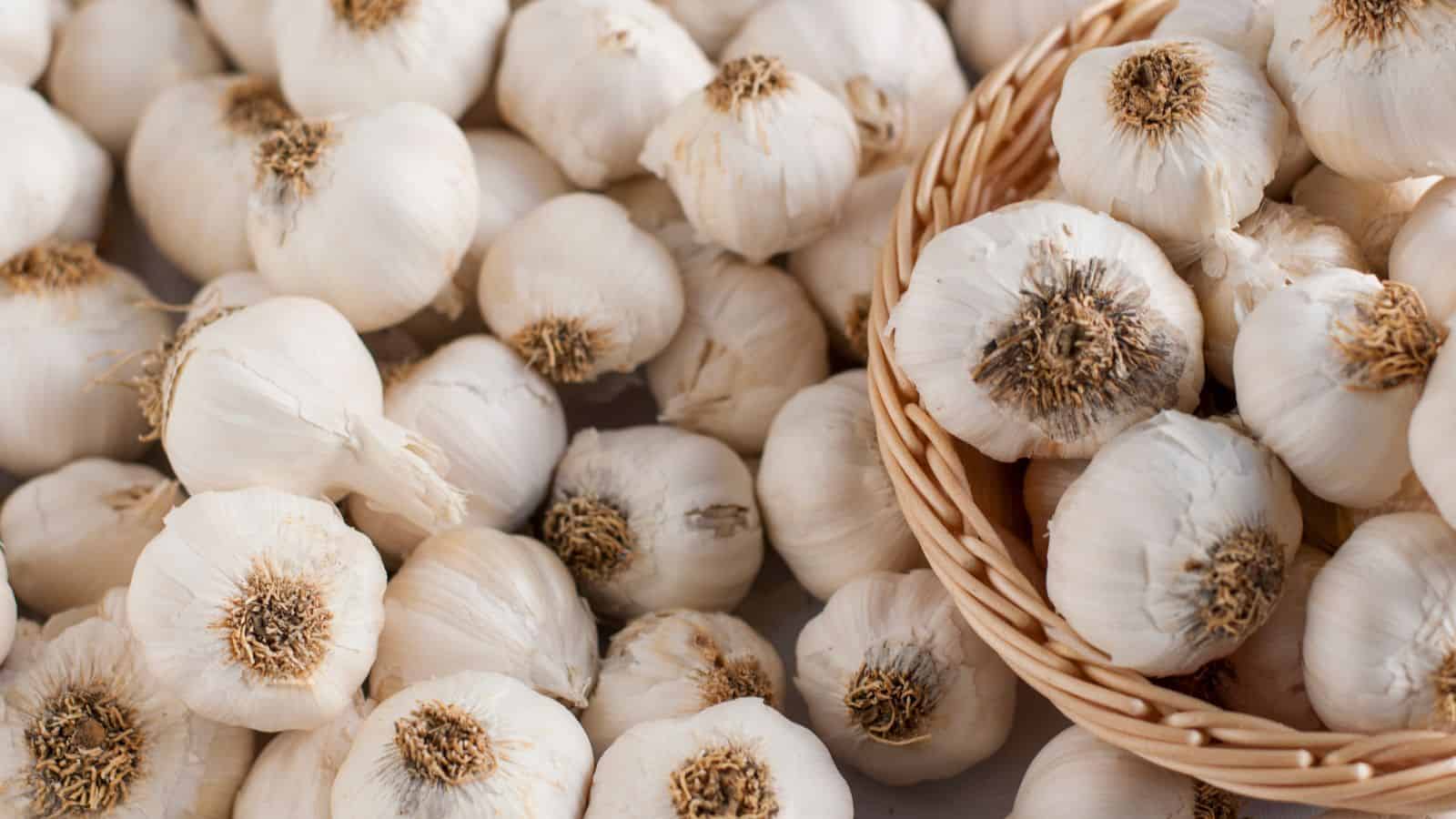
Garlic has long been recognized for its anti-inflammatory and antioxidant properties. It contains sulfur compounds that may help reduce inflammation in the kidneys and improve blood flow. Garlic also helps lower cholesterol levels, which can reduce the risk of cardiovascular issues often associated with kidney disease. Its natural compounds support immune function and may help protect the kidneys from oxidative damage. Additionally, garlic can add flavor to dishes without the need for excessive salt, which is beneficial since high sodium intake can negatively impact kidney health. Incorporating garlic into meals can contribute to maintaining healthy kidney function.
Onions
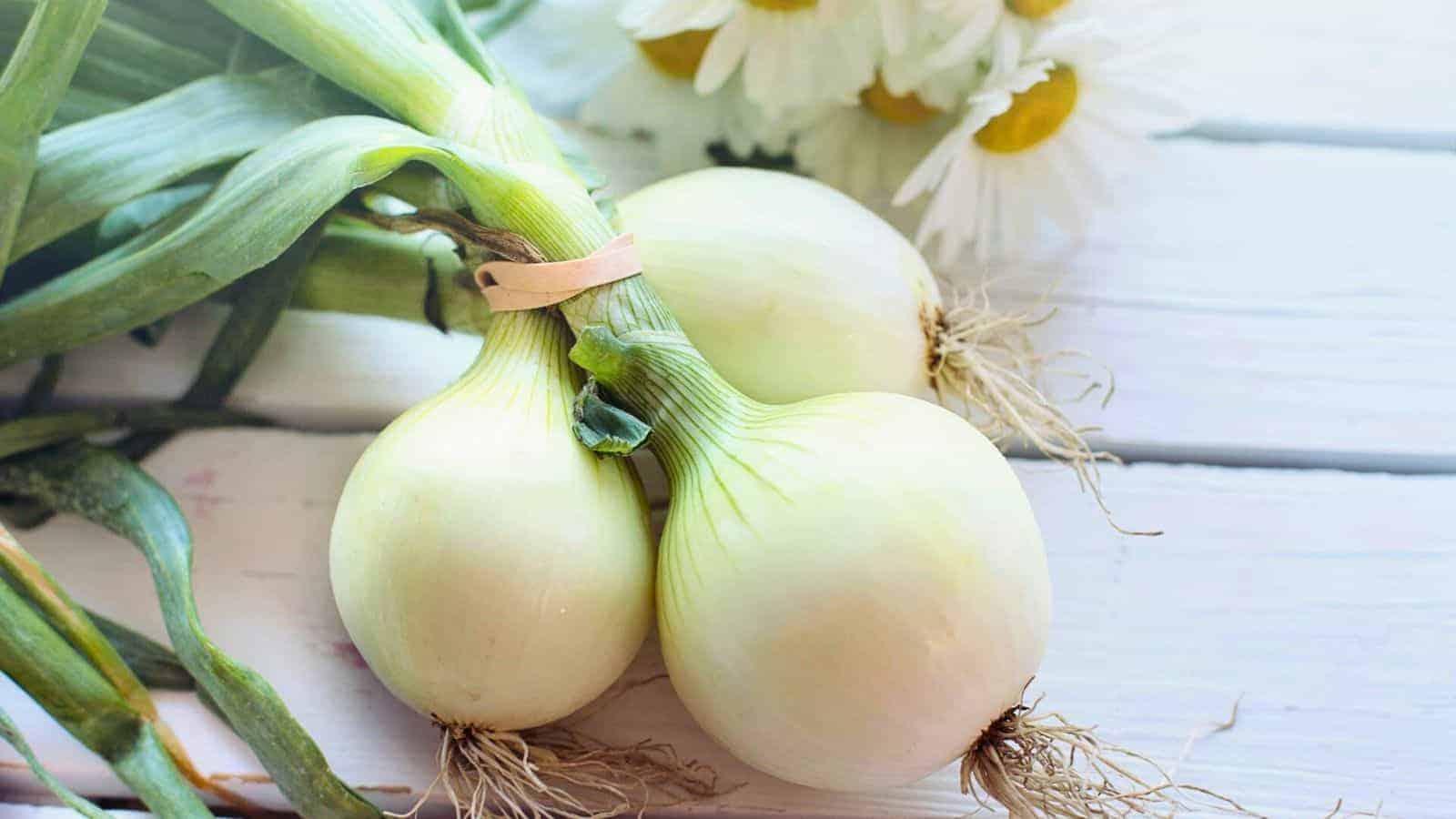
Onions are rich in antioxidants such as quercetin, which can help reduce inflammation and protect kidney cells from oxidative damage. They contain compounds that may support heart health by helping to lower blood pressure and cholesterol levels, both important for kidney health. Onions are low in potassium, making them a good choice for those needing to manage mineral intake. They are also a source of chromium, a trace mineral that helps regulate blood sugar. Including onions in the diet can contribute to better kidney function by supporting cardiovascular health and reducing oxidative stress without burdening the kidneys with excess minerals. They can be eaten raw, cooked, or added to a variety of dishes.
Apples

Known for their high fiber content, apples help regulate blood sugar levels and support digestive health, which is important for kidney function. They contain antioxidants and anti-inflammatory compounds that may protect kidney cells from damage caused by oxidative stress. The natural pectin found in apples can aid in reducing cholesterol levels, contributing to cardiovascular health, a key factor in maintaining kidney wellness. Apples also have a low potassium content, making them a safe fruit choice for those monitoring their mineral intake. Regular consumption can assist in managing factors that influence kidney health without placing additional strain on the organs.
Berries (blueberries, strawberries, raspberries)

Packed with antioxidants, berries help combat oxidative stress and inflammation that can harm kidney tissue. Their rich vitamin content supports immune defenses and cell repair processes. These fruits are low in potassium, which is beneficial for individuals needing to control mineral consumption. Flavonoids present in berries may improve blood vessel function and reduce the risk of chronic diseases linked to kidney damage. Including a variety of berries in the diet can contribute to protective effects against kidney deterioration while complementing nutritional needs. They can be consumed fresh, frozen, or added to meals and snacks to enhance nutrient intake.
Egg Whites

A high-quality source of protein with minimal phosphorus, egg whites are an excellent option for supporting kidney health. Excess phosphorus can be harmful to kidneys, so consuming protein sources low in this mineral helps reduce strain on these organs. Egg whites also contain essential amino acids necessary for tissue repair and maintenance. Their low potassium content further supports dietary restrictions often recommended for kidney care. Incorporating egg whites into meals can help meet protein requirements without overwhelming the kidneys, which is especially important for individuals with compromised kidney function or those aiming to preserve renal health.
Fish (such as salmon and mackerel)

Rich in omega-3 fatty acids, fatty fish help reduce inflammation throughout the body, including in the kidneys. These healthy fats may improve blood flow and lower blood pressure, both critical factors in kidney function. Consuming fish can support cardiovascular health, reducing risks that contribute to kidney disease progression. Additionally, fish provides high-quality protein with moderate phosphorus levels, making it a balanced choice for kidney-friendly diets. Including fish regularly can aid in managing inflammation and supporting the body's nutrient needs without placing excessive burden on kidney filtration processes. Preparation methods that limit added salt are recommended to maximize benefits.
Sweet Potatoes
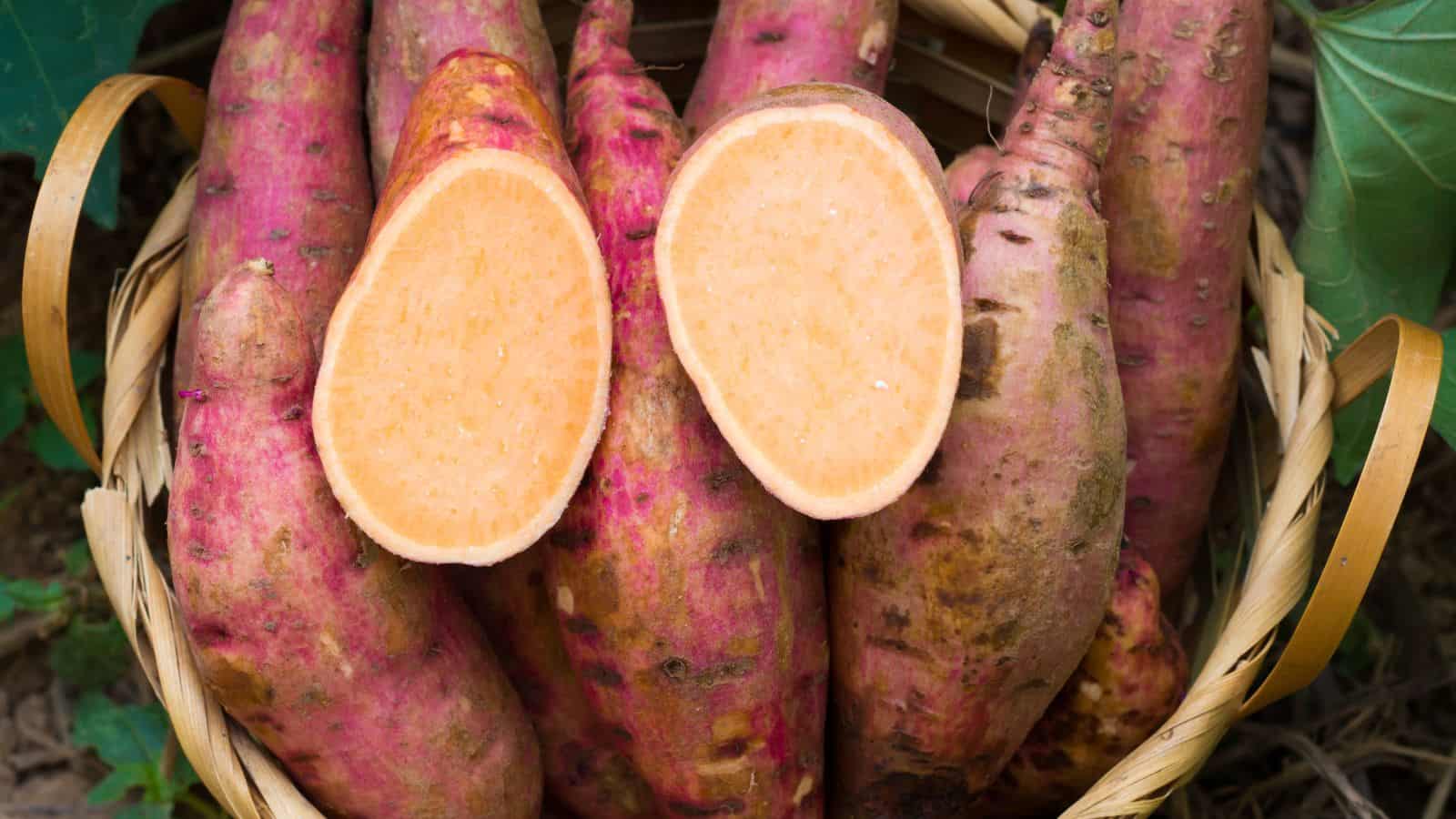
Containing a moderate amount of potassium compared to regular potatoes, sweet potatoes can be a better choice for kidney health when consumed in controlled portions. They are rich in beta-carotene, which the body converts into vitamin A, supporting immune function and skin health. The fiber content helps regulate blood sugar levels and supports digestion, both of which are important for maintaining kidney function. Sweet potatoes also contain antioxidants that may help reduce inflammation and oxidative stress. Preparing them without added salt or high-phosphorus toppings helps maintain their kidney-friendly qualities, making them a nutritious addition to meals for those monitoring mineral intake.
Spinach (in moderation)

When consumed in limited amounts, spinach supplies antioxidants like vitamins A and C, which help protect cells from damage. It also contains iron and other essential nutrients important for blood health. Due to its higher potassium content, portion control is necessary for those with kidney concerns. Spinach's compounds support detoxification and may contribute to reducing inflammation in the body. Including small servings of spinach can add nutritional value without overwhelming the kidneys, especially when balanced with other low-potassium foods. It can be eaten raw in salads or lightly cooked to retain nutrients while fitting into a kidney-conscious diet.
Cherries

Containing antioxidants and anti-inflammatory compounds, cherries may help protect kidney tissue by reducing oxidative stress. Their natural compounds can support cardiovascular health by assisting in blood pressure regulation, which is closely linked to kidney wellbeing. Cherries have a relatively low potassium content, making them suitable for kidney-conscious diets. Consuming cherries may aid in managing inflammation and promoting cell repair. They can be eaten fresh, dried, or as juice, but it is important to avoid added sugars or preservatives to keep them beneficial for kidney health. Including cherries adds variety and nutrients that support renal function.
Watermelon
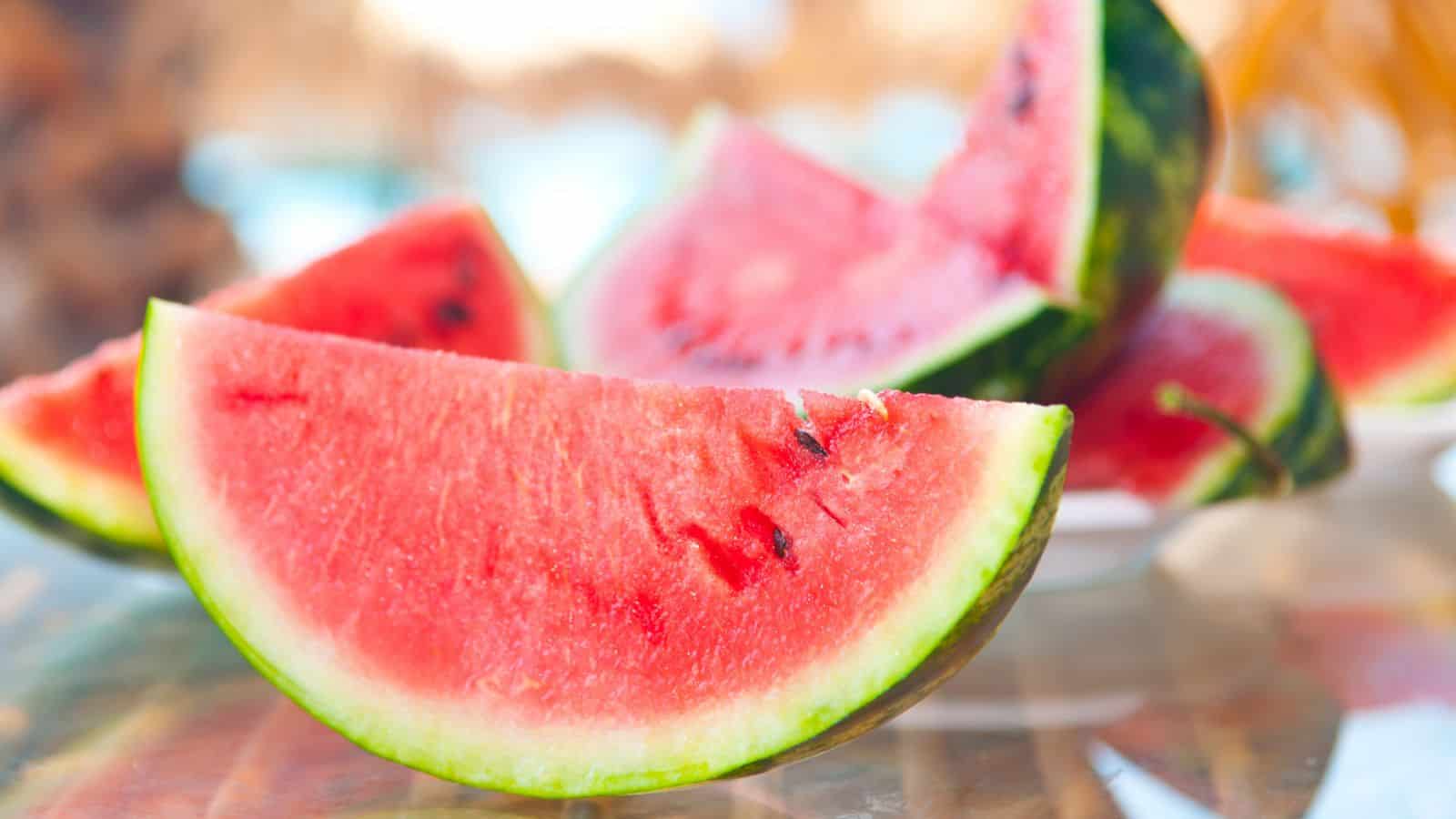
Known for its high water content, watermelon helps promote hydration, which is essential for kidney function and waste elimination. It contains antioxidants such as lycopene, which may reduce inflammation and protect cells from oxidative damage. Watermelon is low in potassium compared to many other fruits, making it a favorable choice for those monitoring mineral intake. Its natural sugars are balanced with fiber, which supports digestion. Consuming watermelon can help maintain fluid balance and support kidney health, especially during warmer months when hydration needs increase. Fresh watermelon is best to avoid added sugars and preservatives that could negatively affect kidney function.
Treat Your Kidneys Like Royalty

Taking care of your kidneys doesn't have to be overwhelming or confusing. By choosing foods that support their function, you're giving your body a better chance to stay healthy and balanced. Small, consistent changes can make a real difference without turning your diet upside down. It's about making easy swaps and adding options that work well for you.
Remember, keeping your kidneys in good shape is part of taking care of yourself. When you focus on foods that support kidney health, you're helping your body handle daily challenges more smoothly. Making these choices can fit naturally into your routine and help you feel confident about what you're eating. It's a simple way to support your health without stress or extra effort.
Foods to Eat to Keep Your Hair and Nails Strong and Healthy

If you want stronger hair and nails, paying attention to what you eat is a smart move. Healthy hair and nails rely on nutrients like protein, vitamins, and minerals to grow and stay strong. When your body gets what it needs, hair is less likely to break and nails are less prone to splitting or becoming brittle. This is why we listed 11 foods that can strengthen your hair and nails.
Read More Here: 11 Foods to Eat to Keep Your Hair and Nails Strong and Healthy
Foods That Help Promote Healthy and Regular Bowel Movements

Keeping your digestion running smoothly doesn't have to be complicated. When your bowel movements are regular and comfortable, life just feels better. These 13 foods that promote healthy bowel movements soften stool and add the right amount of bulk, making it easier for things to move along naturally. They also work with your body to support healthy digestion and reduce discomfort.
Read More Here: 13 Foods That Help Promote Healthy and Regular Bowel Movements