Eating well during pregnancy doesn't have to be confusing or stressful. Choosing foods that are packed with the right nutrients can help support both your health and your baby's development. In particular, these 13 foods that support healthy pregnancy are great at delivering important vitamins, minerals, and healthy fats that your body needs more of during this time.
It's not about following strict rules or cutting out everything you enjoy. Instead, it's about including foods that work with your body and help meet the extra demands pregnancy brings. When you focus on natural, nutrient-rich options, you're setting yourself up for a smoother, healthier experience. Paying attention to what you eat now can have a positive impact on both you and your baby, making this a great time to think about what's on your plate.

Berries
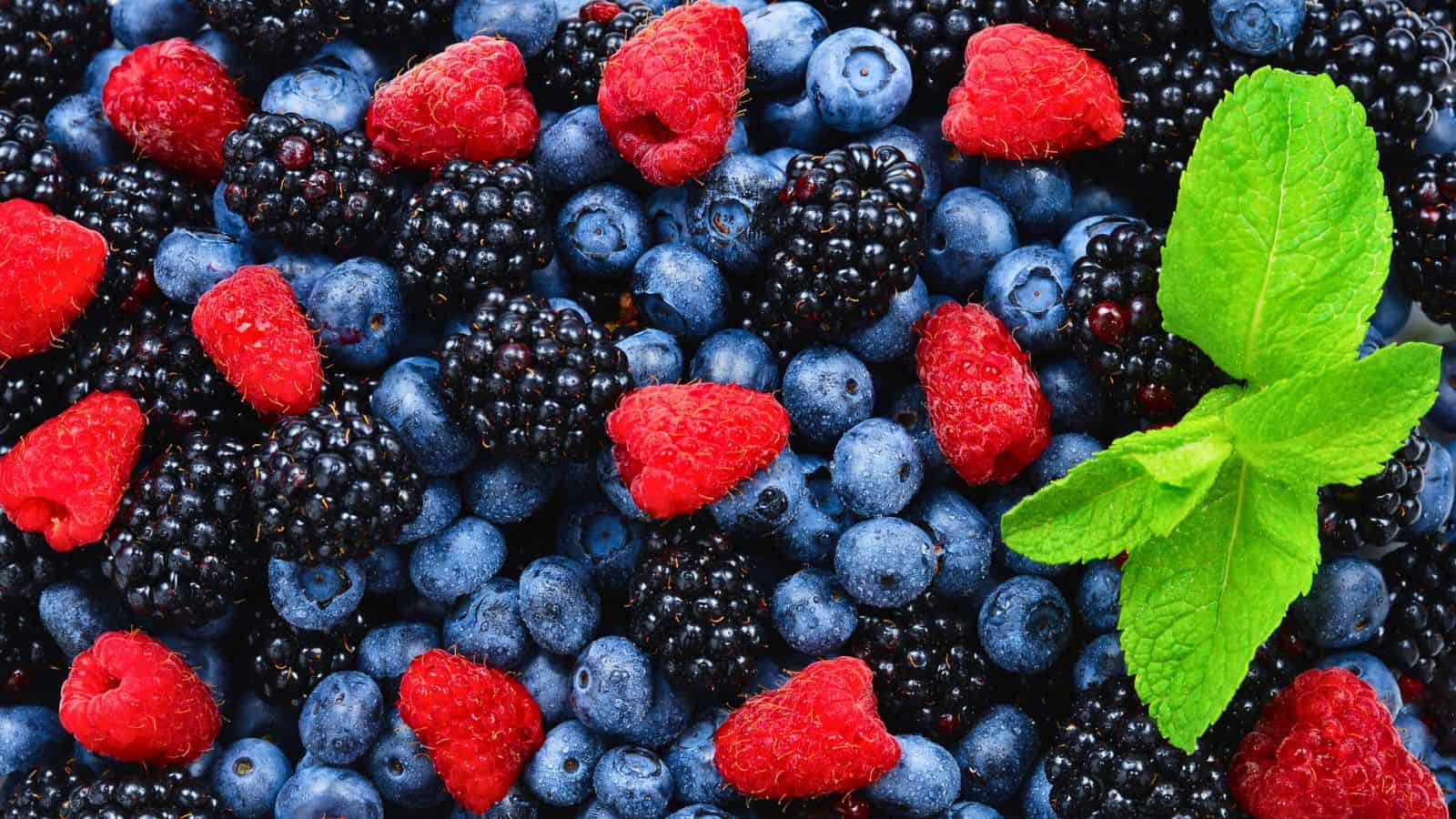
Packed with antioxidants, berries help protect cells from oxidative stress, which can be heightened during pregnancy. These fruits contain vitamin C, a nutrient that supports the immune system and enhances iron absorption from plant-based foods. Their natural fiber content assists in maintaining healthy digestion and preventing constipation, a common concern for expectant mothers. Berries also supply essential vitamins and minerals such as folate, which plays a key role in fetal neural development. Including them in the diet can contribute to meeting the increased nutritional needs during pregnancy.
Avocados
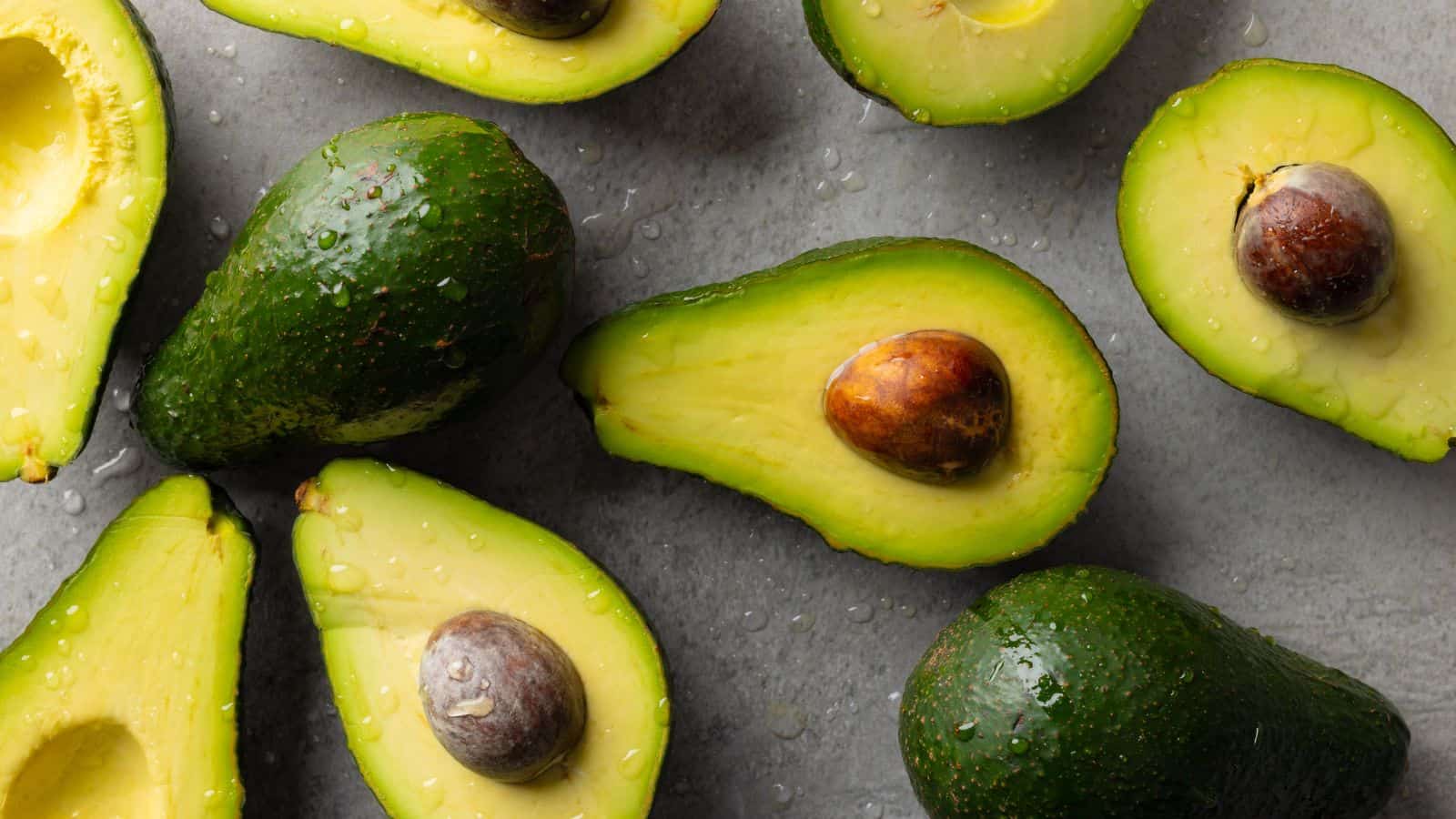
Containing healthy monounsaturated fats, avocados support brain development and help maintain healthy skin in both mother and baby. Folate levels in this fruit help reduce the risk of neural tube defects, while potassium assists in regulating blood pressure. The fiber content promotes digestive health and can help alleviate constipation. Additionally, avocados supply vitamin E, which acts as an antioxidant, and other important nutrients that support cellular function. Including avocados in the diet can contribute to the nutritional demands of pregnancy and fetal growth.
Nuts and Seeds
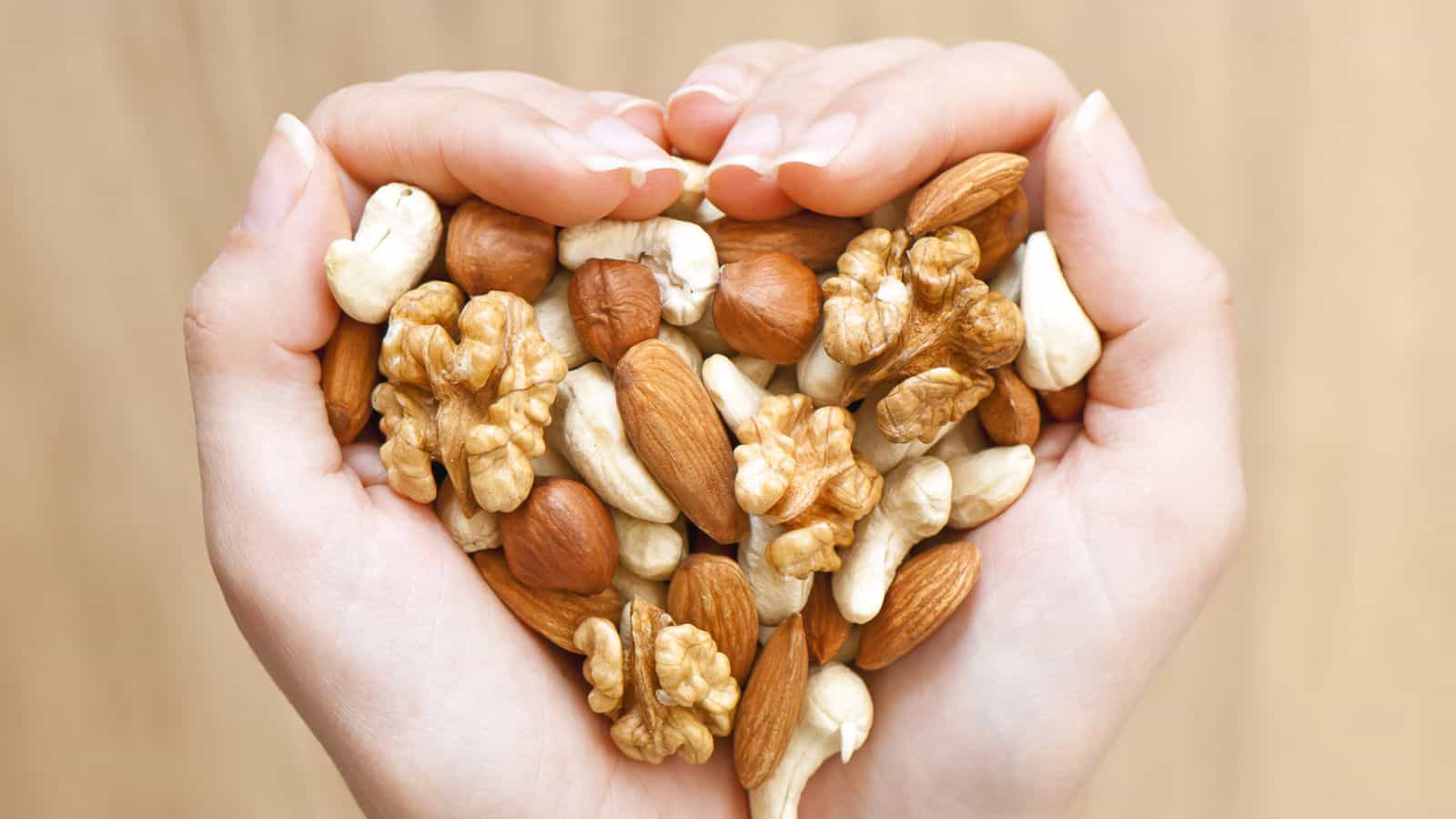
Nuts and seeds such as almonds and chia seeds are concentrated sources of healthy fats, including omega-3 and omega-6 fatty acids, which are important for fetal brain and eye development. They also contain protein, which supports tissue growth and repair. These foods are rich in fiber, helping to maintain digestive health during pregnancy. Additionally, nuts and seeds include important minerals such as magnesium, zinc, and iron, which play roles in muscle function, immune support, and oxygen transport. Including a variety of nuts and seeds can contribute to meeting increased nutritional demands during pregnancy.
Lentils
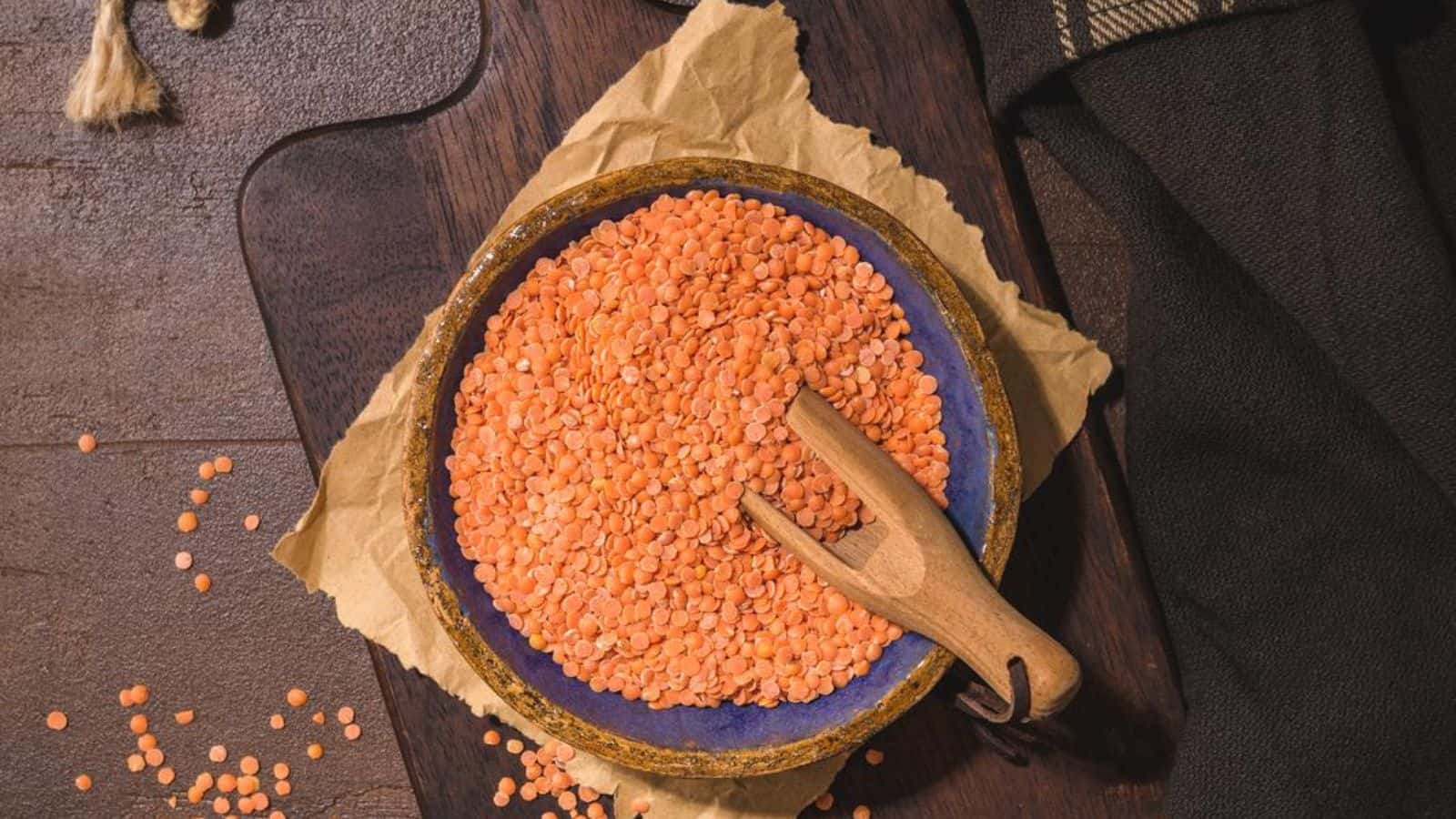
An excellent source of plant-based protein and fiber, lentils contribute to muscle growth and digestive health during pregnancy. Folate concentration in lentils plays a crucial role in preventing neural tube defects and supporting cell growth. Iron content aids in combating pregnancy-related anemia by supporting the increased blood volume. Lentils also contain other important minerals such as magnesium and zinc, which assist in metabolic processes and immune function. Their versatility in meals can help meet the heightened nutrient requirements faced during pregnancy.
Whole Grains
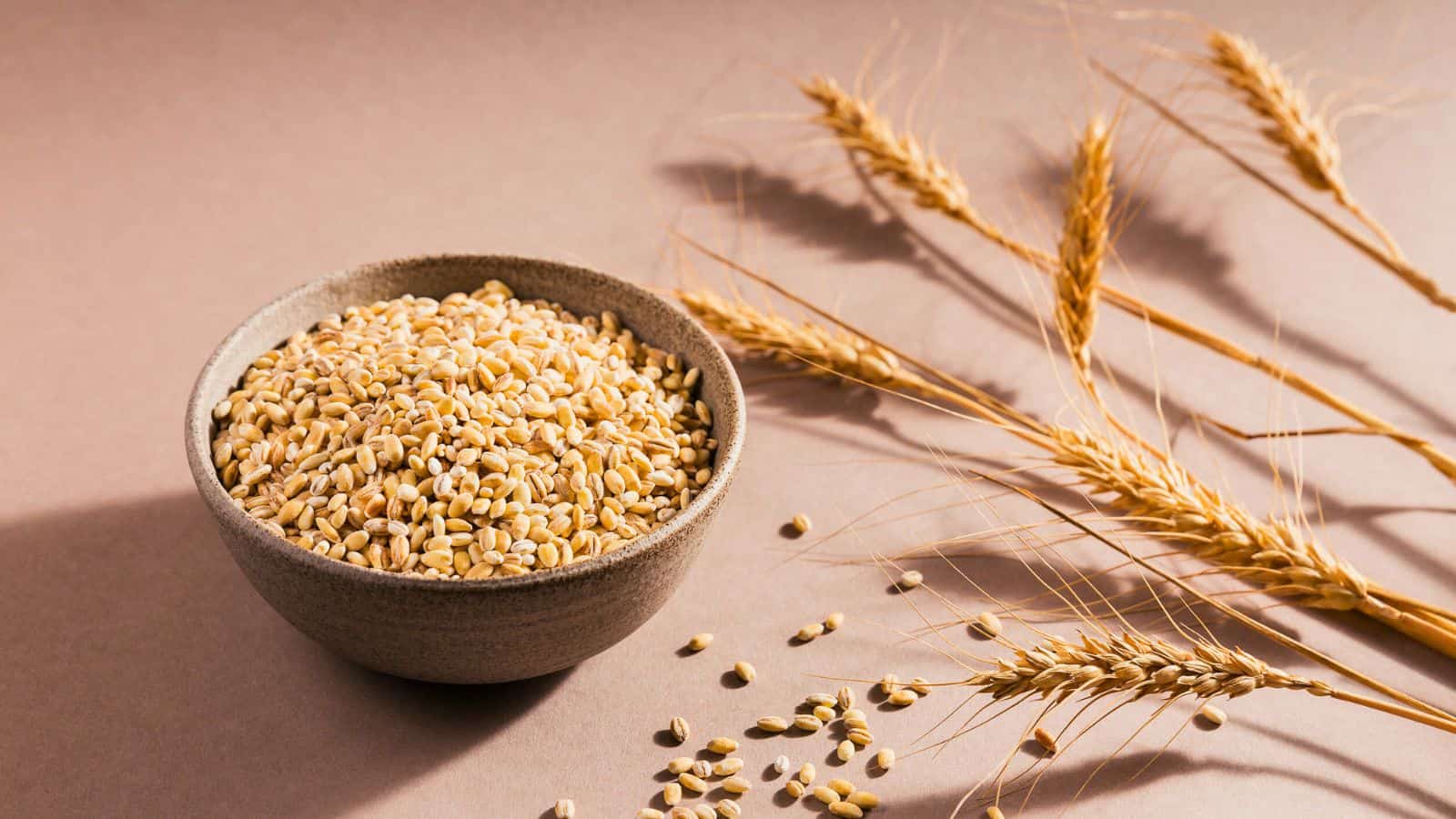
Complex carbohydrates found in whole grains such as quinoa and brown rice supply the sustained energy necessary during pregnancy. These grains contain important nutrients, including fiber, which supports digestive health and helps prevent constipation. B vitamins present in whole grains play a role in energy metabolism and the development of the nervous system. Minerals like magnesium and iron contribute to muscle function and oxygen transport in the blood. Incorporating whole grains into meals can help meet the increased nutritional needs and support the growth and development of the baby.
Sweet Potatoes

Rich in beta-carotene, sweet potatoes serve as an important source of vitamin A, which supports the development of the baby's eyes, skin, and immune system. The complex carbohydrates found in this root vegetable provide steady energy and help regulate blood sugar levels. High fiber content aids in digestive health and helps reduce the likelihood of constipation. Additionally, sweet potatoes contain potassium and vitamin C, which contribute to maintaining healthy blood pressure and supporting immune function. This nutrient-dense food can be a valuable component of a balanced pregnancy diet.
Eggs
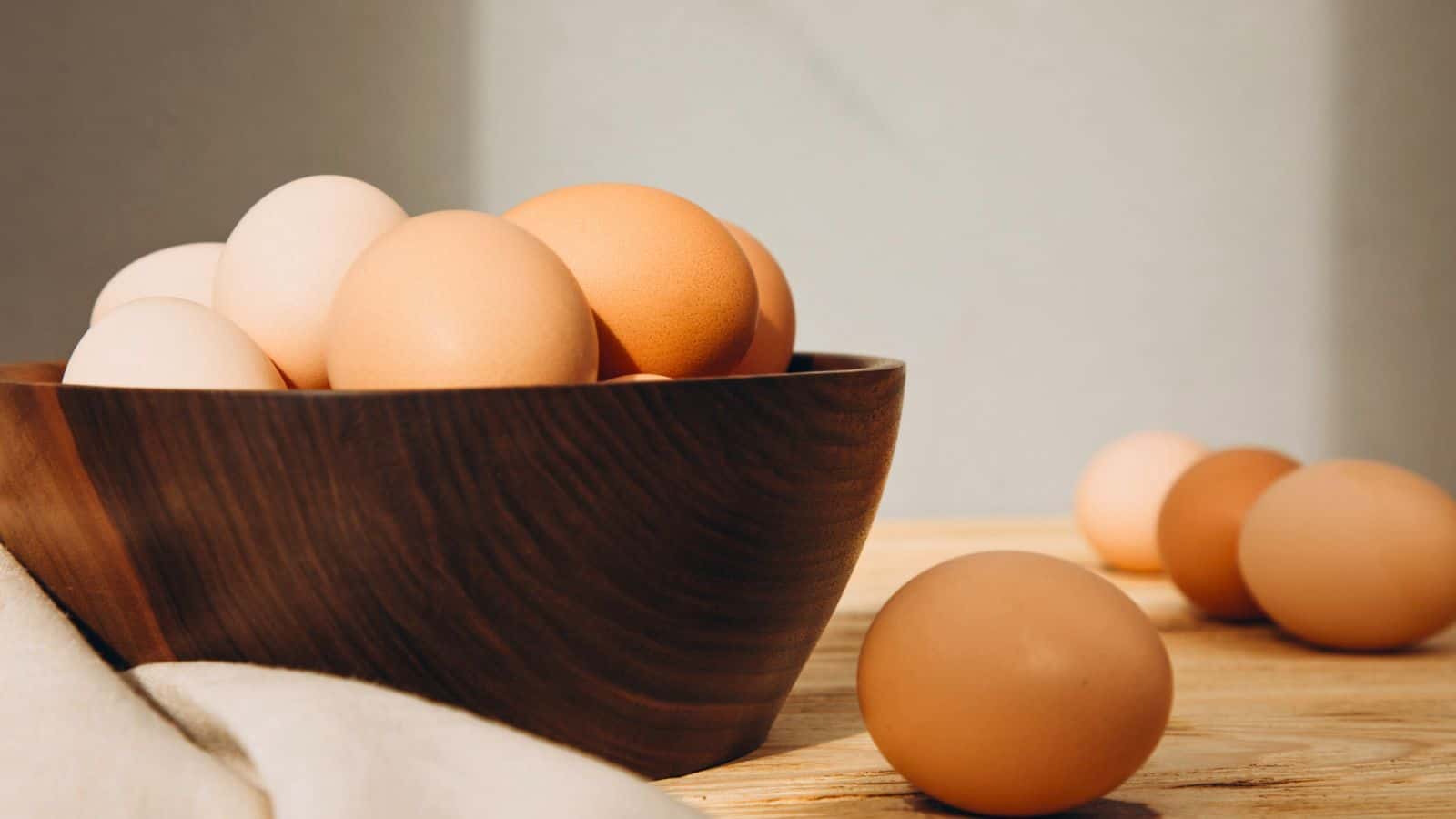
Eggs are a rich source of high-quality protein, essential for the growth and repair of tissues in both the mother and the developing fetus. They contain choline, a nutrient crucial for brain development and the formation of the neural tube. Eggs also have important vitamins such as B12 and D, which support energy metabolism and bone health. The combination of nutrients in eggs helps support healthy fetal development and maternal well-being throughout pregnancy. Including eggs regularly can help meet the increased nutrient demands during this time.
Lean Meats
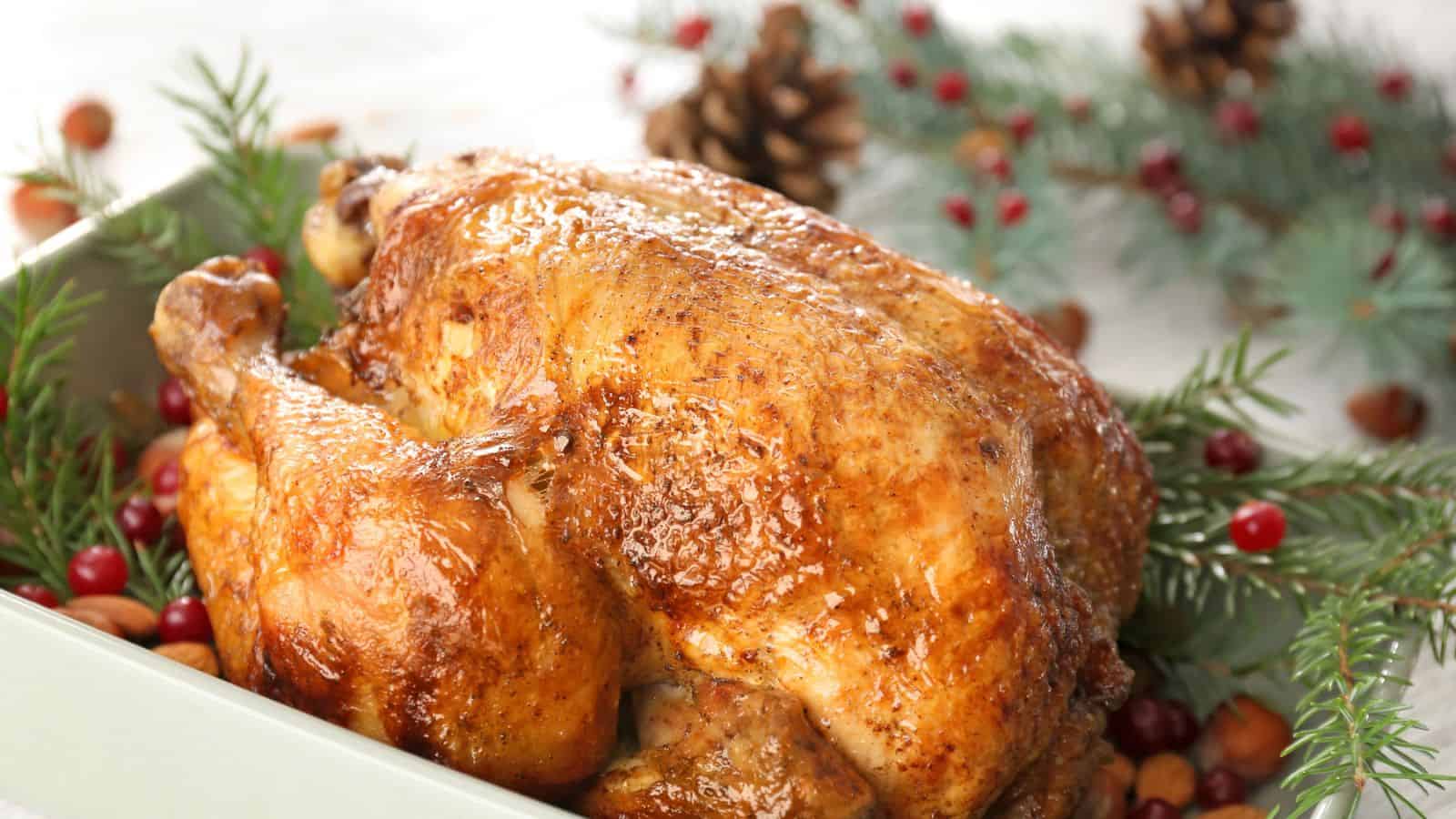
Containing high-quality protein, lean meats such as chicken and turkey play a key role in supporting tissue growth and repair for both mother and baby. Rich in heme iron, which is more easily absorbed by the body compared to plant-based sources, these meats help prevent anemia during pregnancy. B vitamins, including B12, found in lean meats, contribute to energy production and neurological development. The presence of zinc supports immune function and wound healing. Choosing lean cuts helps limit excessive fat intake while still meeting increased nutrient demands during pregnancy.
Salmon
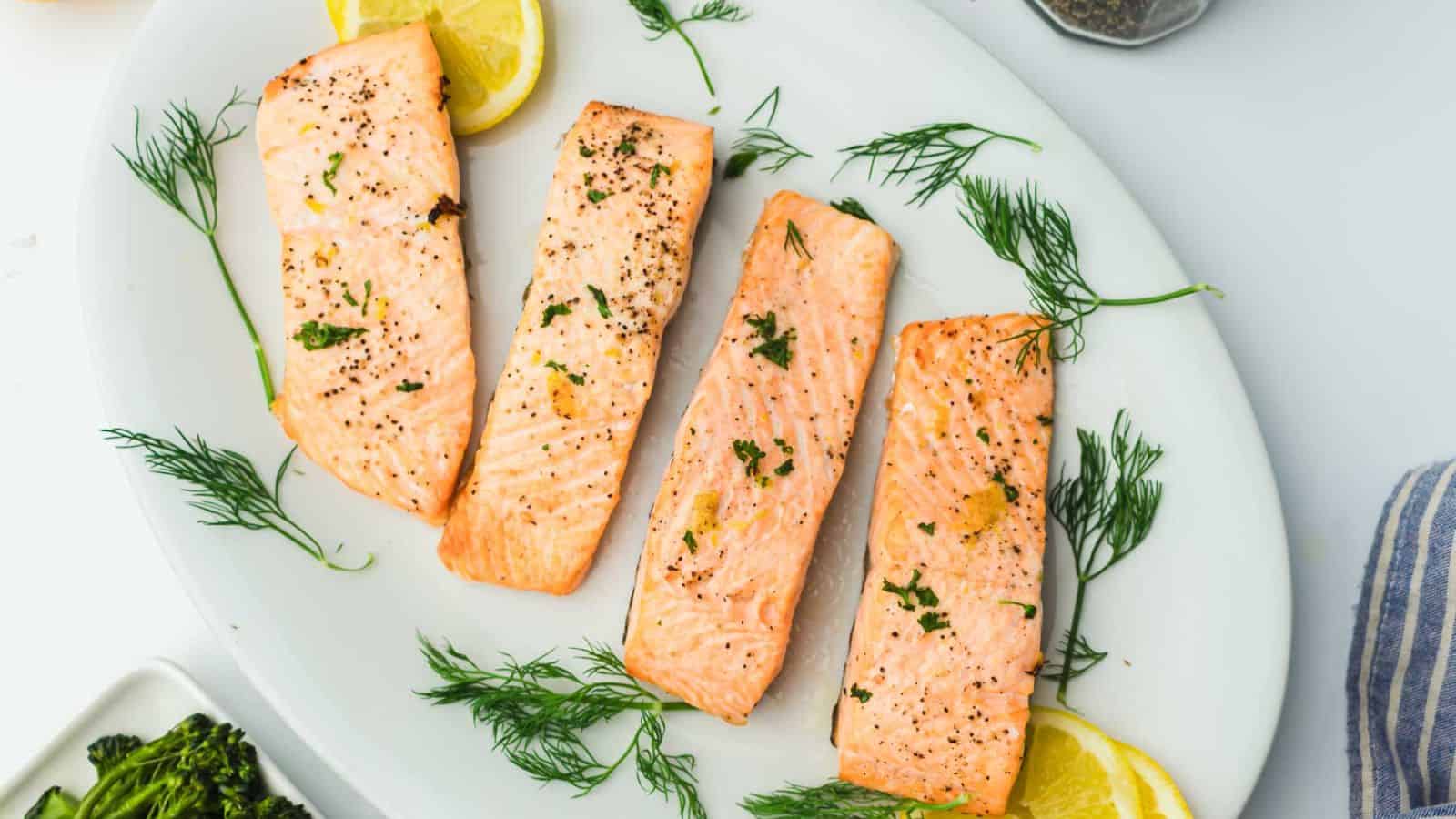
Salmon is rich in omega-3 fatty acids, particularly DHA, which is important for the development of the baby's brain and eyes. It also contains high-quality protein and several vitamins, including vitamin D, which supports calcium absorption and bone health. The presence of selenium and other minerals in salmon helps protect cells from damage. Eating salmon during pregnancy can contribute to the neurological development of the fetus and support the mother's nutritional needs. Choosing low-mercury fish like salmon is recommended to minimize exposure to environmental toxins.
Leafy Green Vegetables
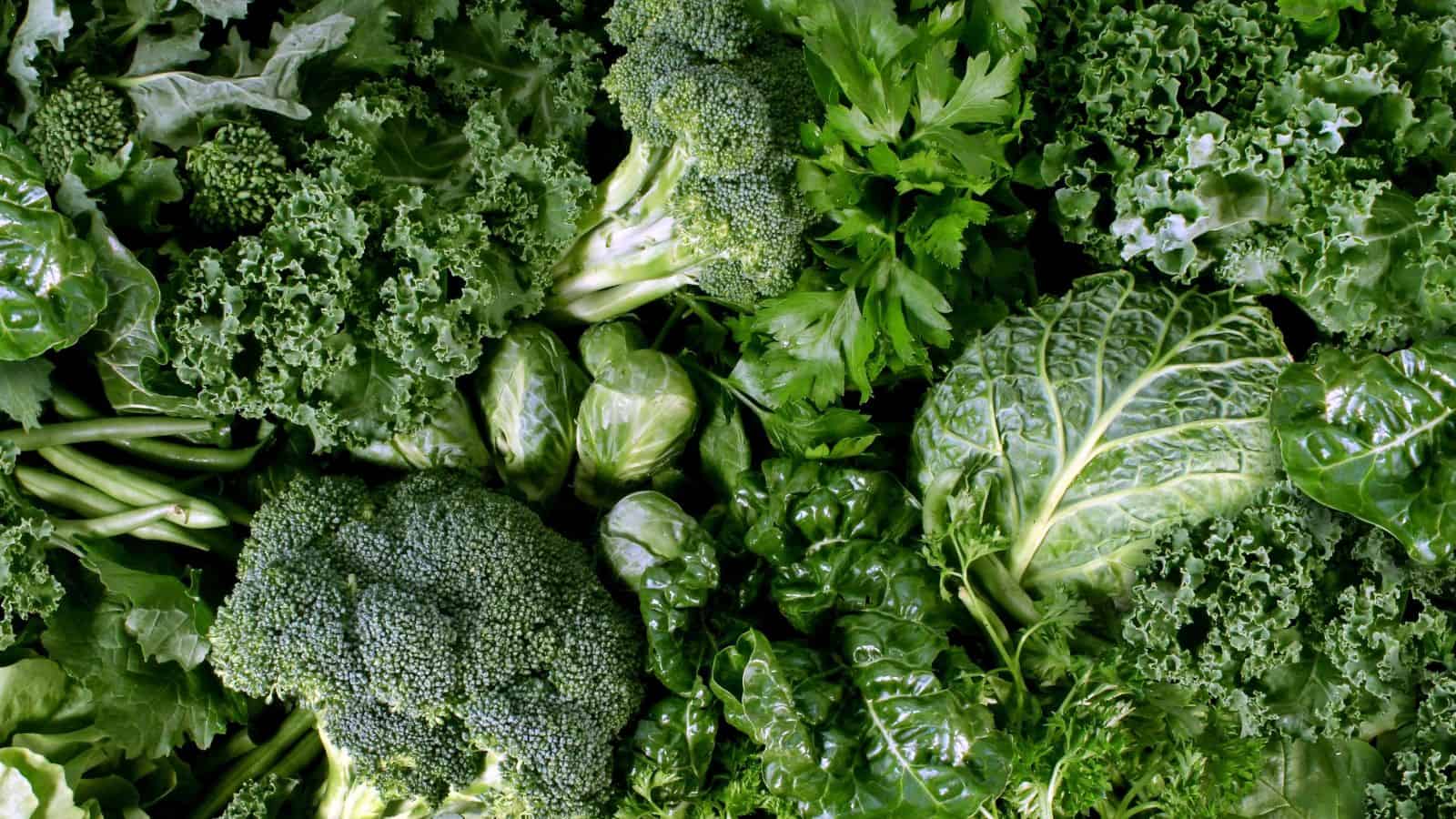
Leafy greens such as spinach and kale contain high levels of folate, a vital nutrient that helps reduce the risk of neural tube defects in developing babies. These vegetables are also rich in iron, which supports the increased blood volume during pregnancy and helps prevent anemia. In addition, they contain fiber, which aids digestion and helps alleviate common pregnancy-related constipation. Vitamins A, C, and K present in leafy greens contribute to immune function and bone health, making these vegetables an important part of a pregnancy diet.
Tofu
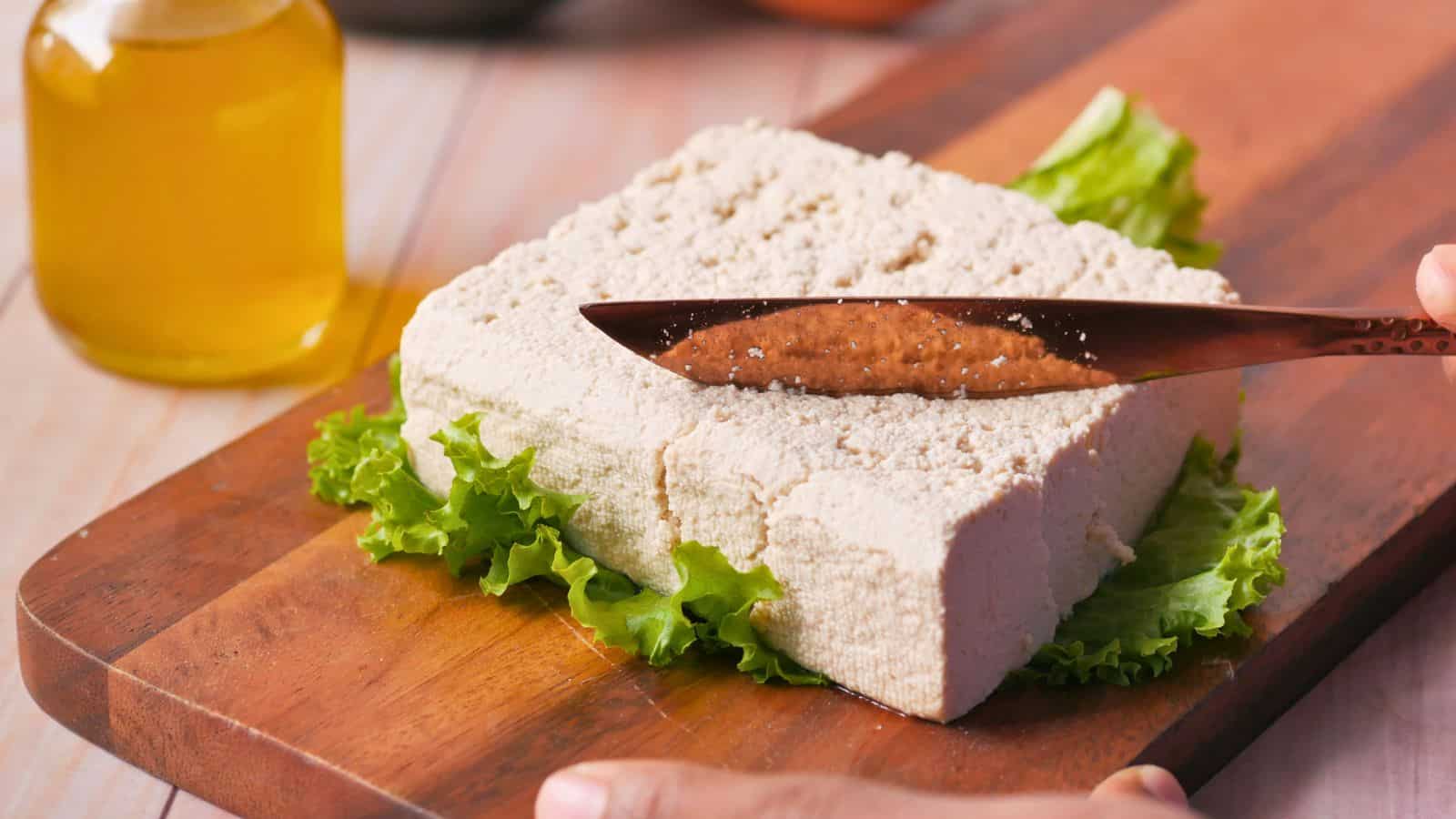
A plant-based source of protein and calcium, tofu supports bone development and muscle growth during pregnancy. Iron content in tofu helps combat anemia, which is common among expectant mothers. It also contains magnesium and other minerals that aid in maintaining healthy blood pressure and metabolic processes. The versatility of tofu allows it to be incorporated into a variety of dishes, making it a valuable alternative to animal-based proteins. Regular consumption can assist in meeting the nutritional requirements necessary for fetal growth and maternal health throughout pregnancy.
Oranges

High in vitamin C, oranges assist in strengthening the immune system and improving the absorption of iron from other foods, which is particularly important during pregnancy. Folate content in oranges supports the formation of the neural tube and reduces the risk of birth defects. The natural sugars and water in oranges help maintain hydration and are a quick source of energy. Additionally, the fiber present promotes digestive health and helps prevent common pregnancy-related constipation. Including oranges in the diet can contribute to maintaining both maternal health and fetal development.
Greek Yogurt

Greek yogurt contains a concentrated amount of protein, which is necessary for the growth and development of fetal tissues. It is also a good source of calcium, a mineral essential for building strong bones and teeth in the baby. The live cultures found in Greek yogurt contribute to maintaining a healthy balance of gut bacteria, which may help with digestion and immune system support. Additionally, it contains vitamin B12, which plays a role in red blood cell formation and neurological function. Greek yogurt is a nutrient-dense food that supports various aspects of pregnancy health.
Grow That Tiny Human Right

Taking care of your body during pregnancy starts with the choices you make every day, especially when it comes to food. Including nutrient-rich options can support your baby's growth and help you feel your best along the way. It's about building habits that help keep things balanced and steady, not about being perfect or following complicated plans.
Remember, small changes can add up to big benefits. Focusing on foods that bring important nutrients to the table helps create a strong foundation for both you and your baby. Staying flexible and open to what feels right will keep things manageable. Pregnancy is a journey, and the foods you choose can be a great part of that experience, helping you move forward with confidence and care.
Foods to Eat to Keep Your Hair and Nails Strong and Healthy

If you want stronger hair and nails, paying attention to what you eat is a smart move. Healthy hair and nails rely on nutrients like protein, vitamins, and minerals to grow and stay strong. When your body gets what it needs, hair is less likely to break, and nails are less prone to splitting or becoming brittle. This is why we listed 11 foods that can strengthen your hair and nails.
Read More Here: 11 Foods to Eat to Keep Your Hair and Nails Strong and Healthy
Foods That Help Promote Healthy and Regular Bowel Movements

Keeping your digestion running smoothly doesn't have to be complicated. When your bowel movements are regular and comfortable, life just feels better. These 13 foods that promote healthy bowel movements soften stool and add the right amount of bulk, making it easier for things to move along naturally. They also work with your body to support healthy digestion and reduce discomfort.
Read More Here: 13 Foods That Help Promote Healthy and Regular Bowel Movements