When you're sharing a meal in a different country, simple things like how you eat or what you do with your utensils can mean a lot more than you think. What feels natural to you might be seen as rude or strange somewhere else. This is why you need to know these 13 global food etiquette rules. Knowing these little details can help you avoid awkward moments and make your dining experience smoother.
You don't have to be perfect, but being aware of these customs shows you care and want to fit in. It's a great way to connect with others and enjoy meals without worry. Before your next meal abroad, take a moment to think about how your actions might be seen. It could make all the difference.
Using the Left Hand in India and the Middle East
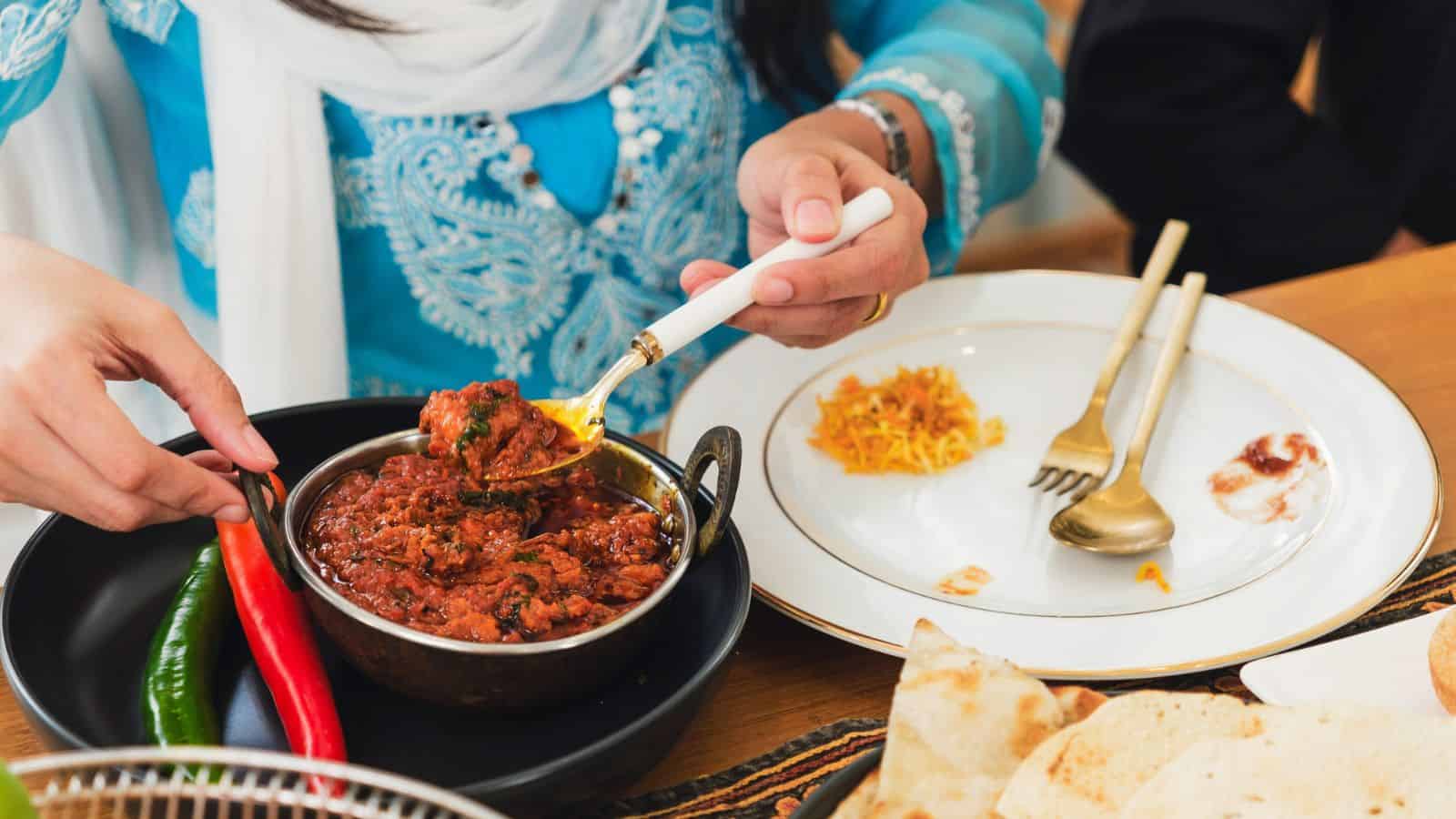
In many South Asian and Middle Eastern cultures, the left hand is traditionally considered unclean because it is associated with personal hygiene practices. People are expected to use their right hand when eating, passing food, or handling utensils. Using the left hand during meals can be viewed as disrespectful or offensive, especially in formal or communal settings. This custom is deeply rooted in cultural and religious beliefs, and following it shows respect for local traditions and the people you are dining with. Visitors should be mindful to use only their right hand to avoid causing discomfort or misunderstanding.
Using Bread to Scoop Food in the Middle East and the Mediterranean
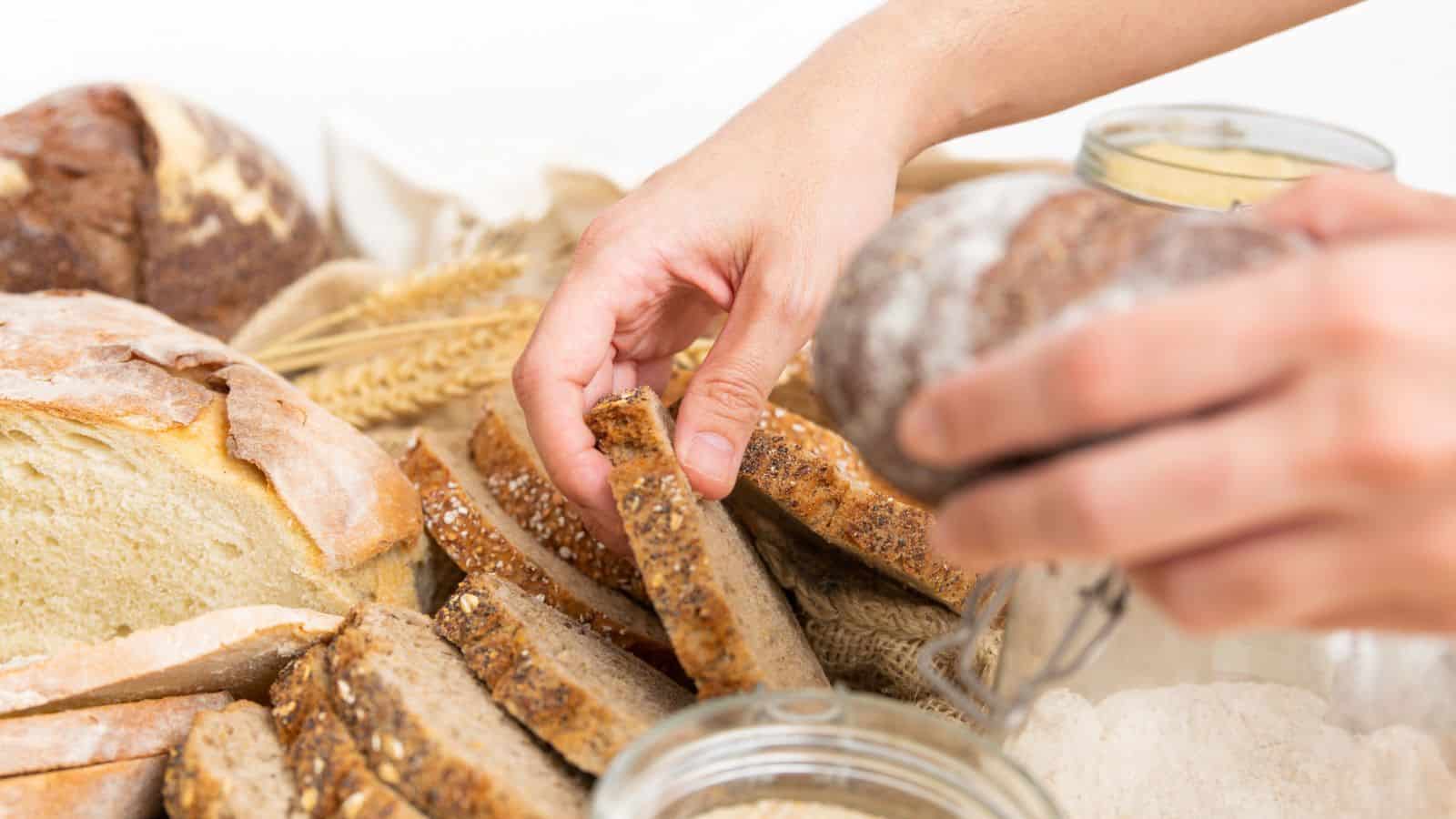
Bread is frequently used as a utensil to pick up food, replacing forks or spoons in many traditional meals. Tearing off a piece of bread and using it to gather dips, stews, or other dishes is an accepted and encouraged practice. This method allows diners to connect with the food and the communal nature of the meal. Attempting to use cutlery exclusively might seem unusual or overly formal. Embracing this custom demonstrates respect for local dining habits and enhances the shared experience, encouraging interaction and a sense of togetherness at the table.
Chopstick Etiquette in Japan and China
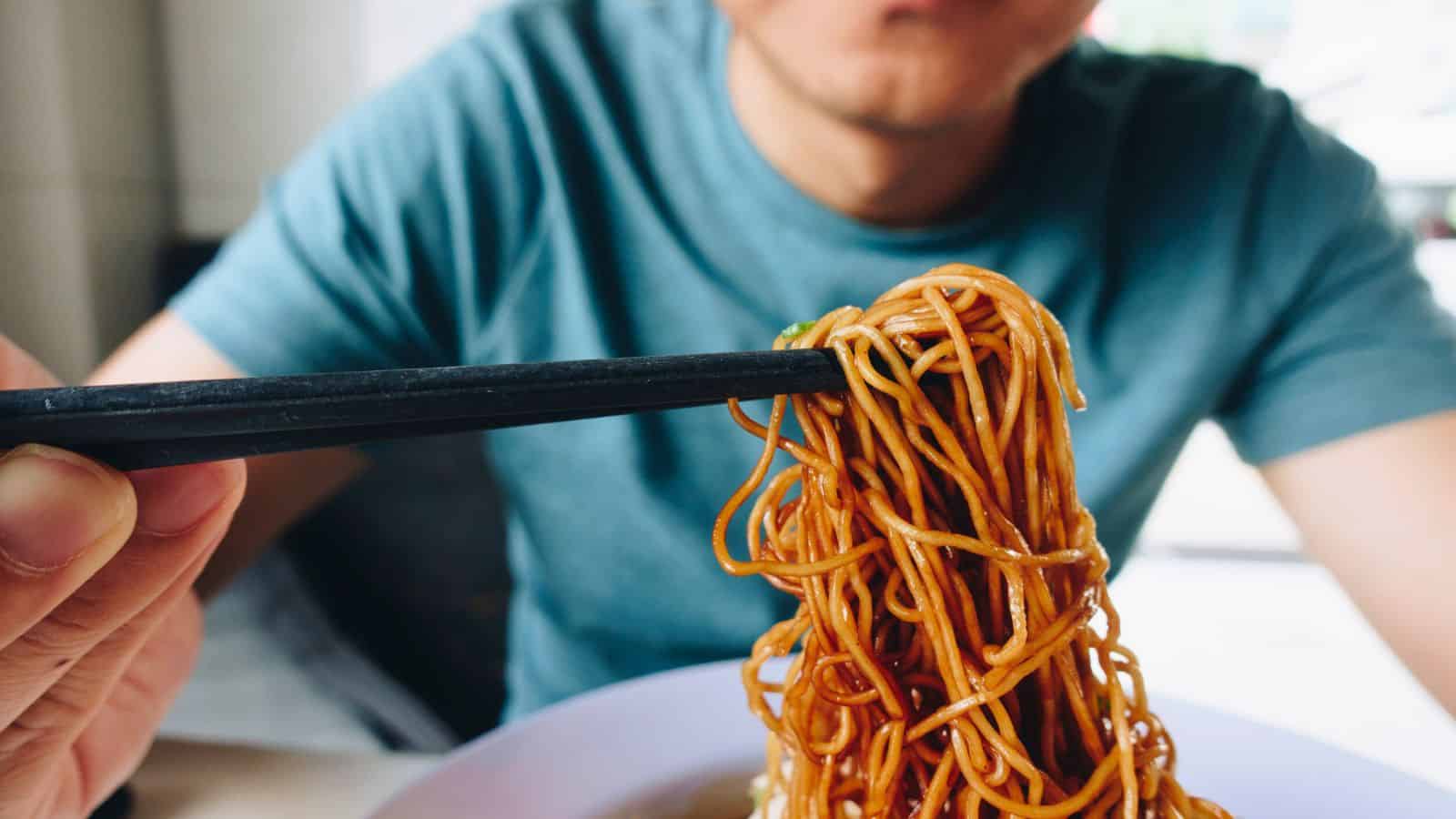
Chopsticks play an important role in East Asian dining etiquette, and there are several rules to respect. One major taboo is sticking chopsticks vertically into a bowl of rice, as this resembles a ritual performed at funerals and is considered extremely disrespectful. Additionally, passing food from chopstick to chopstick is avoided because it recalls a funeral custom involving bones. Proper use of chopsticks demonstrates good manners and respect for tradition. Learning these customs can help visitors avoid awkward moments and show cultural sensitivity when eating in Japan, China, or other countries where chopsticks are used.
Eating with Hands in Ethiopia
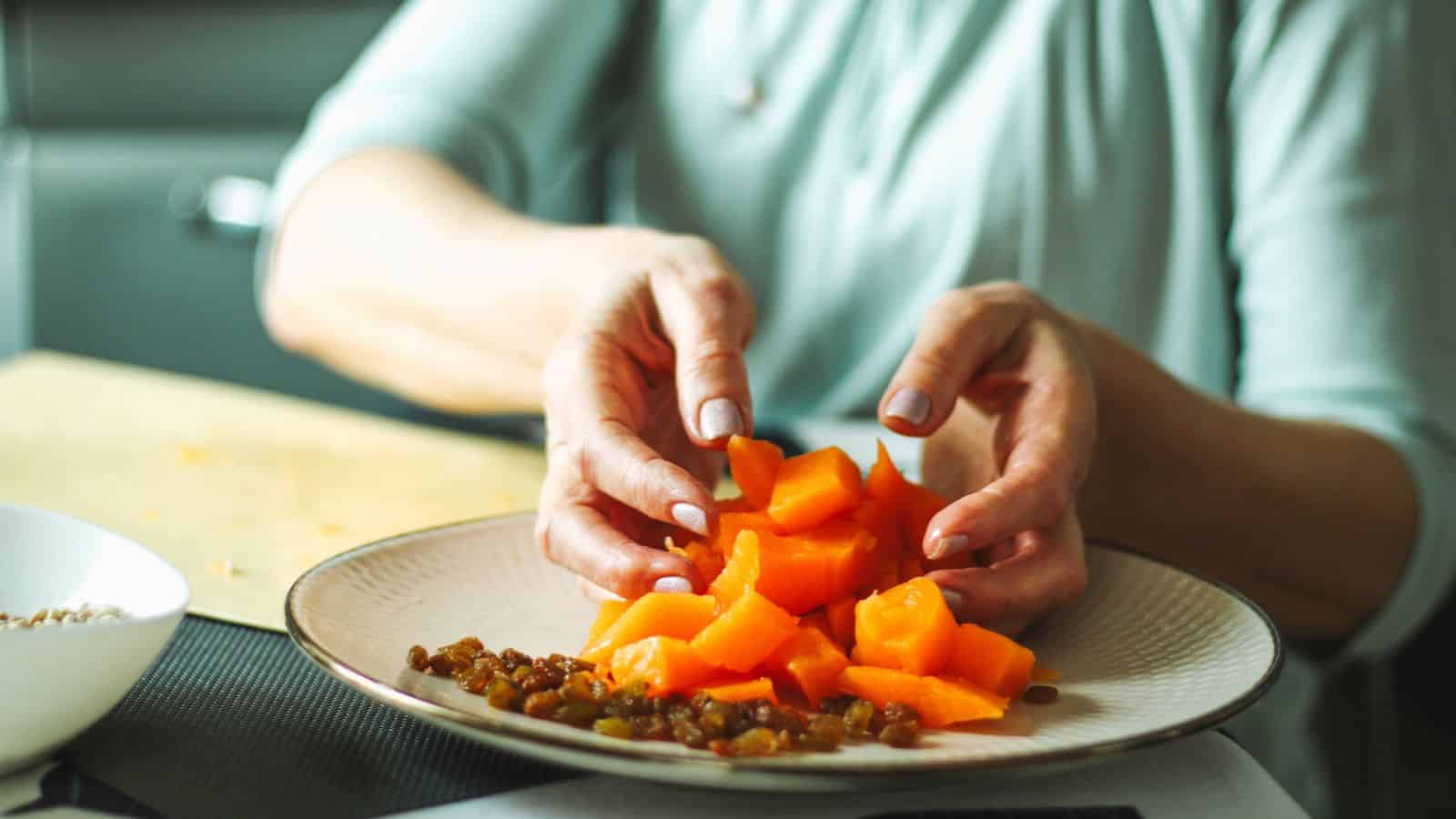
In Ethiopia, it is traditional to eat with the right hand, using injera, a spongy flatbread, to scoop up various stews and dishes. Using utensils is less common and may be seen as unusual or less connected to the cultural experience. The left hand is generally avoided during meals due to cultural norms about cleanliness. Sharing food from a common plate is typical, fostering a sense of community and togetherness. Guests should try to follow these customs to show respect and participate fully in the local dining experience, which emphasizes connection and hospitality.
Not Sharing Food in African Cultures

Food sharing is an important expression of community, trust, and respect in many African societies. Refusing to share your food or eat from a communal dish can be perceived as selfish or disrespectful. Meals often serve as social occasions where bonding and generosity are highlighted through the act of sharing. Visitors who do not participate in this practice might unintentionally offend their hosts or other diners. Understanding the significance of sharing food helps foster positive relationships and demonstrates an appreciation for cultural values centered around unity and mutual care.
Burping at the Table in Middle Eastern Countries

In some Middle Eastern cultures, burping after a meal can be seen as a sign that you enjoyed the food and that you are full. It may be considered a compliment to the host, showing appreciation for the meal. However, this is not universal, and in many other cultures, burping loudly at the table is seen as rude. Visitors should be aware of the local customs before assuming this behavior is acceptable. When in doubt, it's safer to avoid burping openly, but understanding that in some places it's a positive gesture helps avoid misunderstandings.
Talking with Mouth Full in Western Cultures

Speaking while chewing is generally viewed as impolite and can be off-putting in many Western dining environments. This behavior is often associated with poor manners because it can make conversations difficult to follow and may be unpleasant for others to witness. Silence or waiting until swallowing is considered respectful and shows attentiveness to those around the table. Maintaining this practice reflects an awareness of social norms and consideration for fellow diners, making the meal experience more pleasant for everyone involved. Practicing this habit helps avoid awkward or uncomfortable situations during shared meals.
Tipping Practices Vary Globally

Expectations around tipping differ widely across the world, and misunderstanding these norms can lead to awkwardness or offense. Some places view tipping as unnecessary or even insulting, with service charges included in the bill or excellent service considered part of the job. Other regions rely heavily on tips as a key part of workers' income, making it customary to leave a percentage of the bill. Being informed about local customs regarding tipping helps visitors navigate social interactions smoothly and shows respect for service staff without causing confusion or discomfort.
Pointing with a Fork or a Knife in Europe

Gesturing with utensils, especially pointing them at others, is often seen as rude or aggressive in many European cultures. Utensils are intended for eating, not for indicating or emphasizing points during conversation. Holding a fork or knife in a threatening or directive manner can be misinterpreted as hostile or disrespectful. Proper table manners include placing cutlery down when not in use and avoiding using them as pointers. Observing these subtle but important customs demonstrates politeness and an understanding of local dining etiquette, contributing to a more harmonious and respectful mealtime atmosphere.
Slurping Noodles in Japan
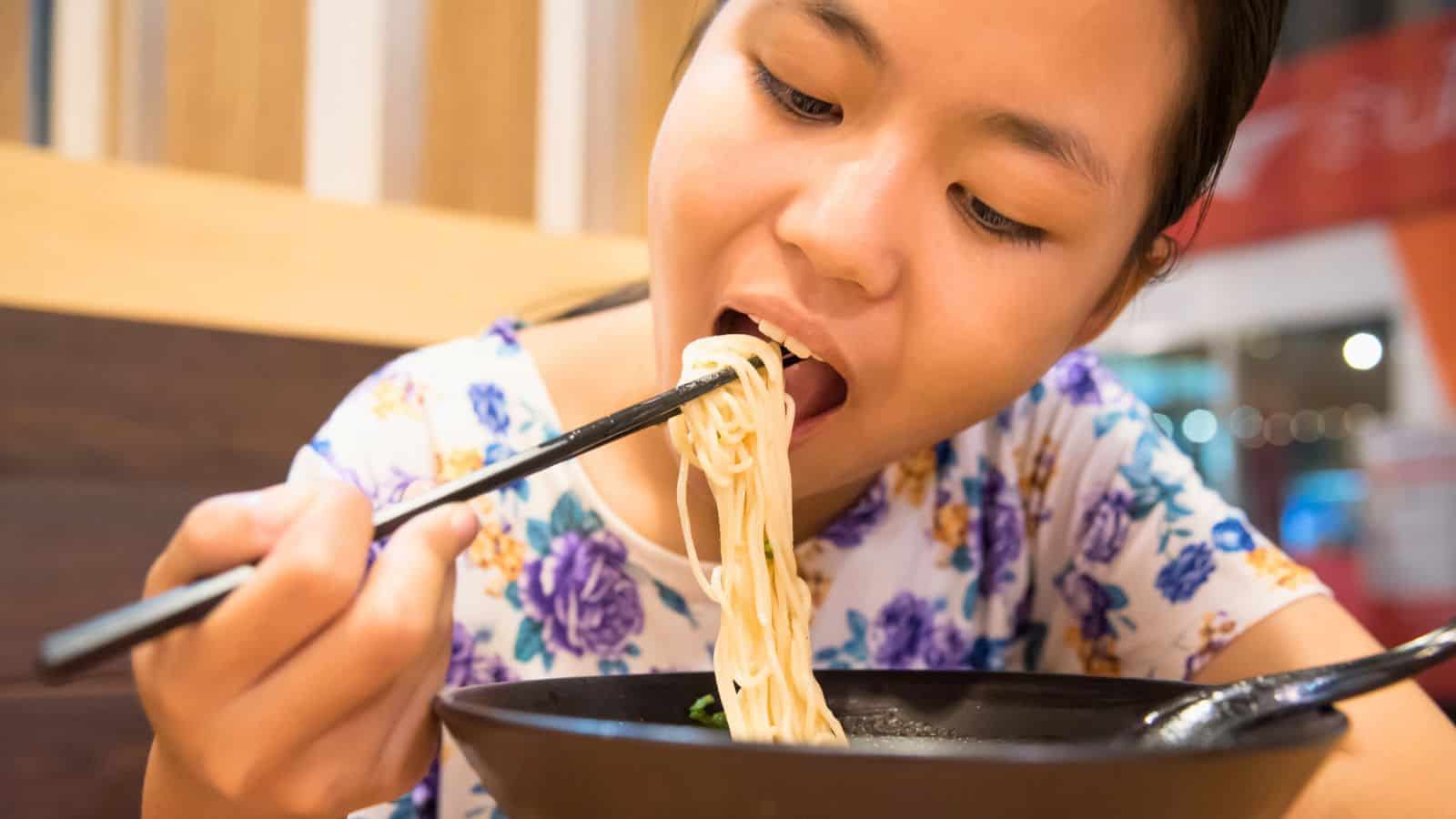
Making audible slurping sounds while eating noodles is considered a sign of appreciation and enjoyment. This practice is believed to enhance the flavor and help cool down hot noodles as they are eaten. Rather than being rude, slurping expresses enthusiasm for the meal and respect for the person who prepared it. Visitors unfamiliar with this custom might feel self-conscious, but embracing it can show cultural awareness and acceptance. Understanding that slurping is welcomed in this context helps avoid misunderstandings and allows diners to fully participate in local dining traditions without hesitation.
Not Waiting for Elders to Start Eating in Korea
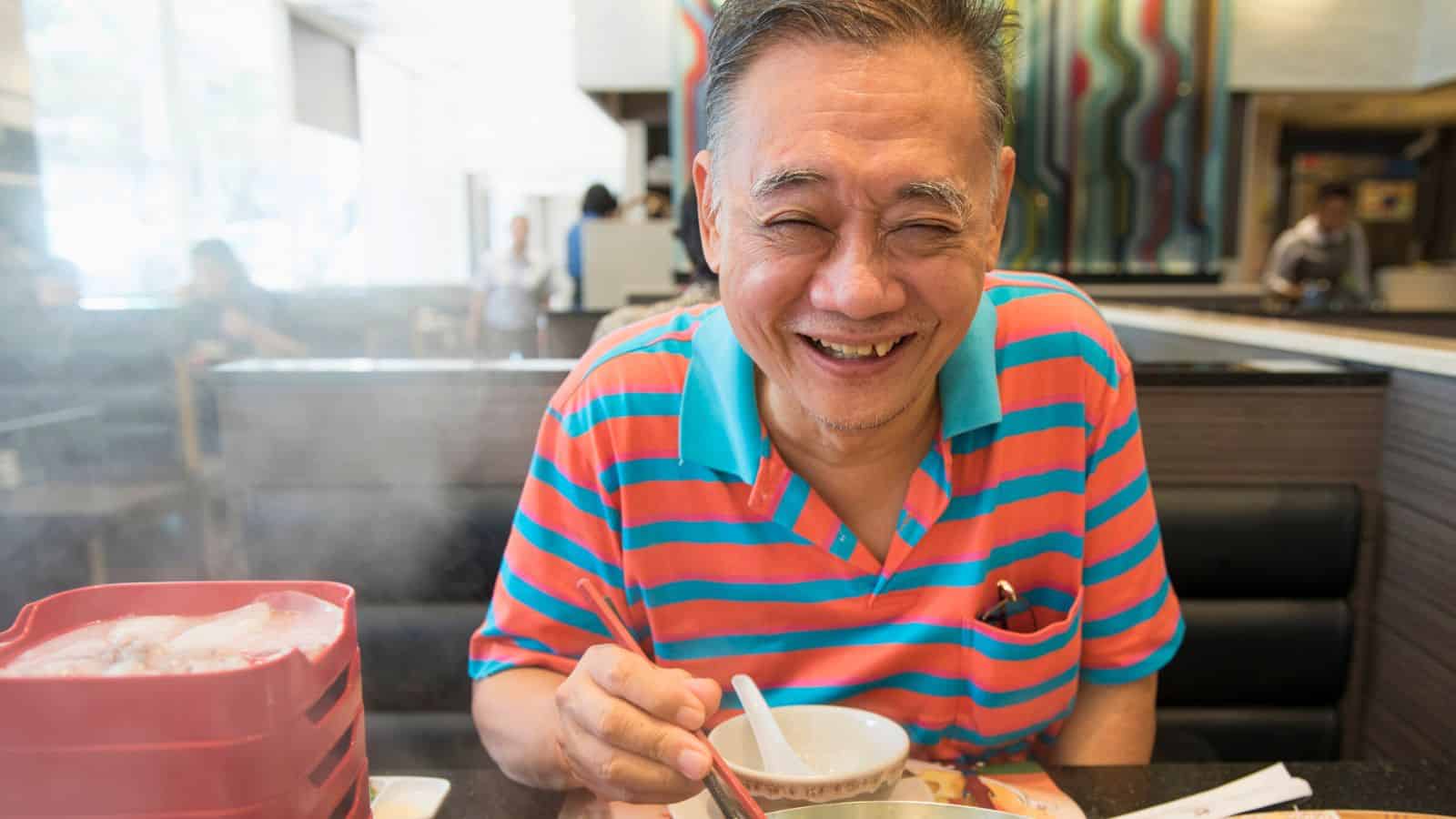
Respect for elders is deeply ingrained in many social customs, including mealtime behavior. Beginning to eat before the eldest person has started can be seen as disrespectful or impatient. This practice reflects the value placed on hierarchy and consideration within the group. Waiting for the eldest to begin signals deference and unity, reinforcing social harmony. Observing this custom shows awareness of cultural norms and respect for those senior in age or status. It also helps create a comfortable environment where everyone feels honored and included during shared meals.
Refusing Tea or Coffee in Middle Eastern and Turkish Cultures

Hospitality is a central part of social interactions, and offering tea or coffee is a common gesture of welcome and friendship. Declining these beverages may unintentionally signal rejection or lack of appreciation for the host's kindness. Accepting the drink, even if only a small amount, is often viewed as a polite acknowledgment of goodwill. This custom strengthens bonds and shows respect for the host's efforts. Being aware of this practice helps visitors navigate social situations smoothly and fosters positive relationships through simple acts of acceptance and gratitude.
Not Finishing Your Plate in China
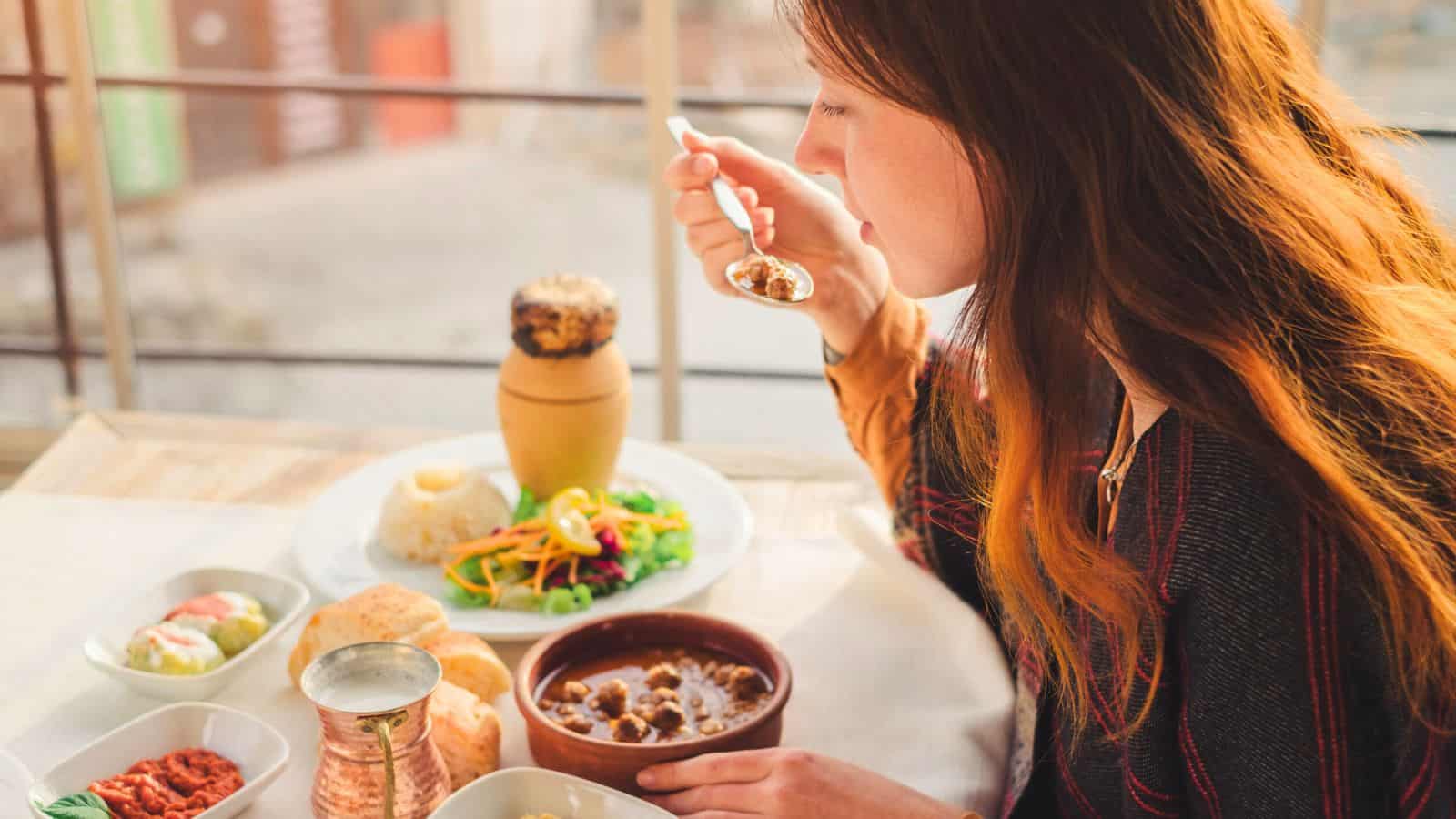
In Chinese culture, leaving a small amount of food on your plate can signal that the host has generously provided enough to eat, showing appreciation for their hospitality. However, completely finishing every bite may suggest that you were not given enough food or that you are still hungry, which could unintentionally embarrass the host. It is common to leave a little food uneaten as a polite gesture. Guests should observe the behavior of others at the table and follow local customs to avoid miscommunication or causing offense during shared meals.
Don't Be "That" Dinner Guest

Getting food etiquette right isn't about following strict rules-it's about showing respect and being aware of the culture you're in. Small changes in how you eat or behave at the table can go a long way in making a good impression. When you pay attention to these details, you're not just avoiding mistakes; you're also opening the door to better connections and more enjoyable experiences.
Next time you find yourself at a meal in a new place, keep an open mind and try to follow the local way. It's a simple way to show you care and to make everyone feel comfortable. Being thoughtful about food etiquette makes dining more than just eating: it turns it into a chance to learn and connect. That's a perfect way to enjoy any meal, anywhere.
Common Steakhouse Etiquette Mistakes You Need to Stop Making Now

Walking into a steakhouse is an experience. The rich aroma of perfectly cooked steaks, the clink of glasses, and the hum of conversation set the scene for a great meal. However, steakhouses come with their own set of unwritten rules. Whether it's your first time or you're a regular, everyone makes these 15 common etiquette mistakes.
Read More Here: 15 Common Steakhouse Etiquette Mistakes You Need to Stop Making Now
Intriguing Food Customs from Different Countries Across the Globe
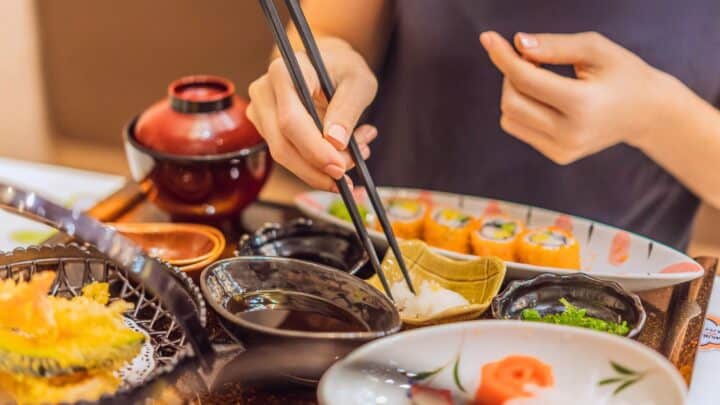
Across the globe, people have developed these 11 food customs that are truly fascinating. These practices are steeped in history and meaning, reflecting the values and lifestyles of the communities that follow them. Whether it's a shared meal that brings everyone together or a unique way of showing respect, these customs add a rich layer of experience to the act of dining.
Read More Here: 11 Intriguing Food Customs from Different Countries Across the Globe