
Choosing the right cooking oil can feel tricky with so many options on the shelf. Some oils handle heat well, while others are better for dressings or low-heat cooking. What really matters is how these oils affect your health. This is why we ranked 15 common cooking oils. Knowing the difference helps you pick oils that fit your lifestyle and cooking habits without overcomplicating things.
You don't need to be a nutrition expert to make better choices in the kitchen. A few simple facts about common oils can go a long way toward healthier meals. Whether you're frying, baking, or just drizzling oil on your food, the type you choose can impact your well-being. This guide breaks down popular oils from the least healthy to the best, so you can cook with confidence and keep your health in check.

15. Vegetable Oil (Generic blend)
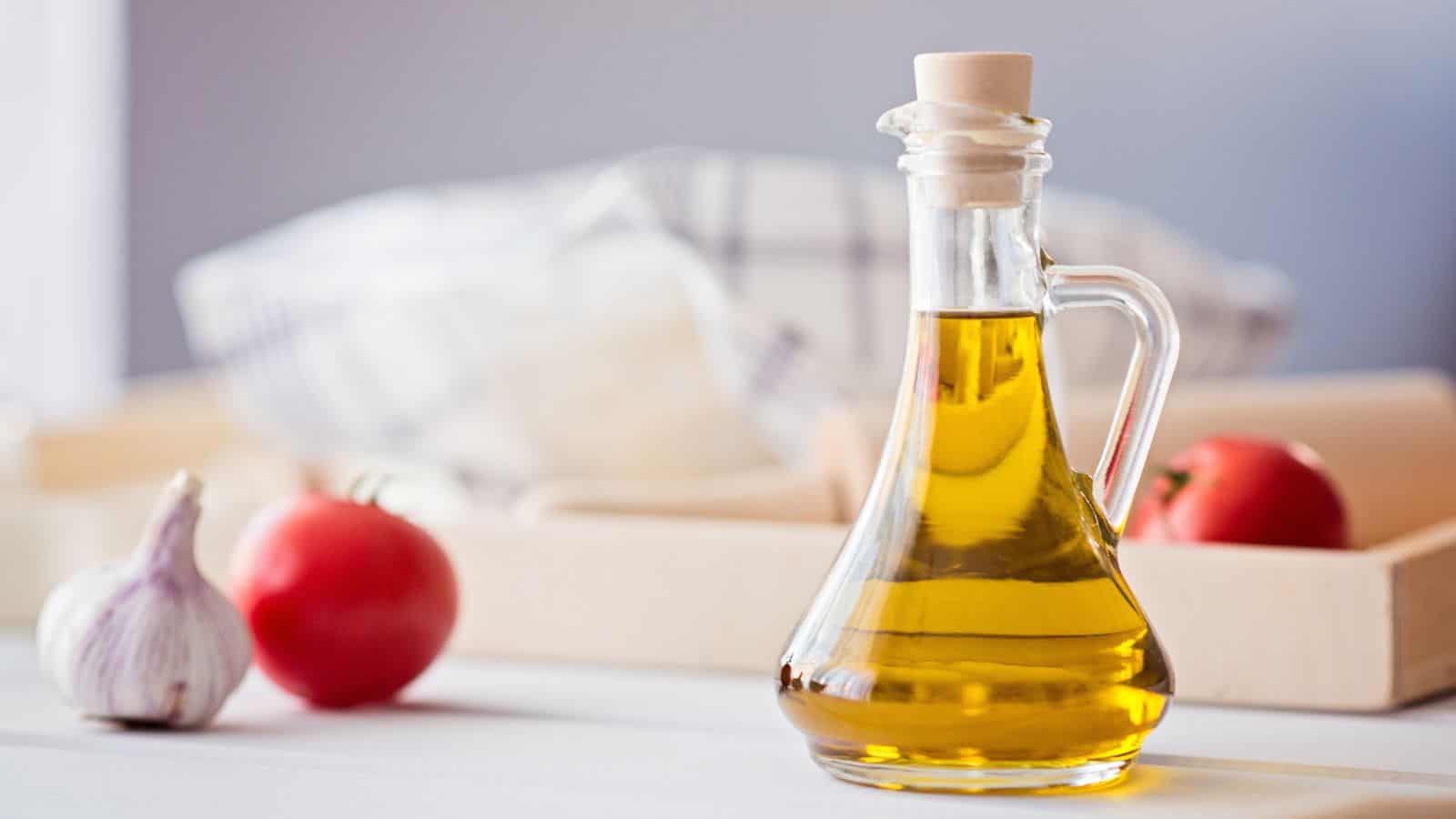
Vegetable oil is often a mix of several oils, such as soybean, corn, or canola. It undergoes extensive refining, bleaching, and deodorizing processes, which strip away most natural nutrients and antioxidants. This oil tends to be high in omega-6 fatty acids, which, when consumed in large amounts without balance from omega-3s, may contribute to inflammation in the body. Because of its processing, it can contain trace amounts of trans fats. Frequent use may have negative effects on heart health and inflammation markers. It is commonly found in many processed foods.
14. Corn Oil
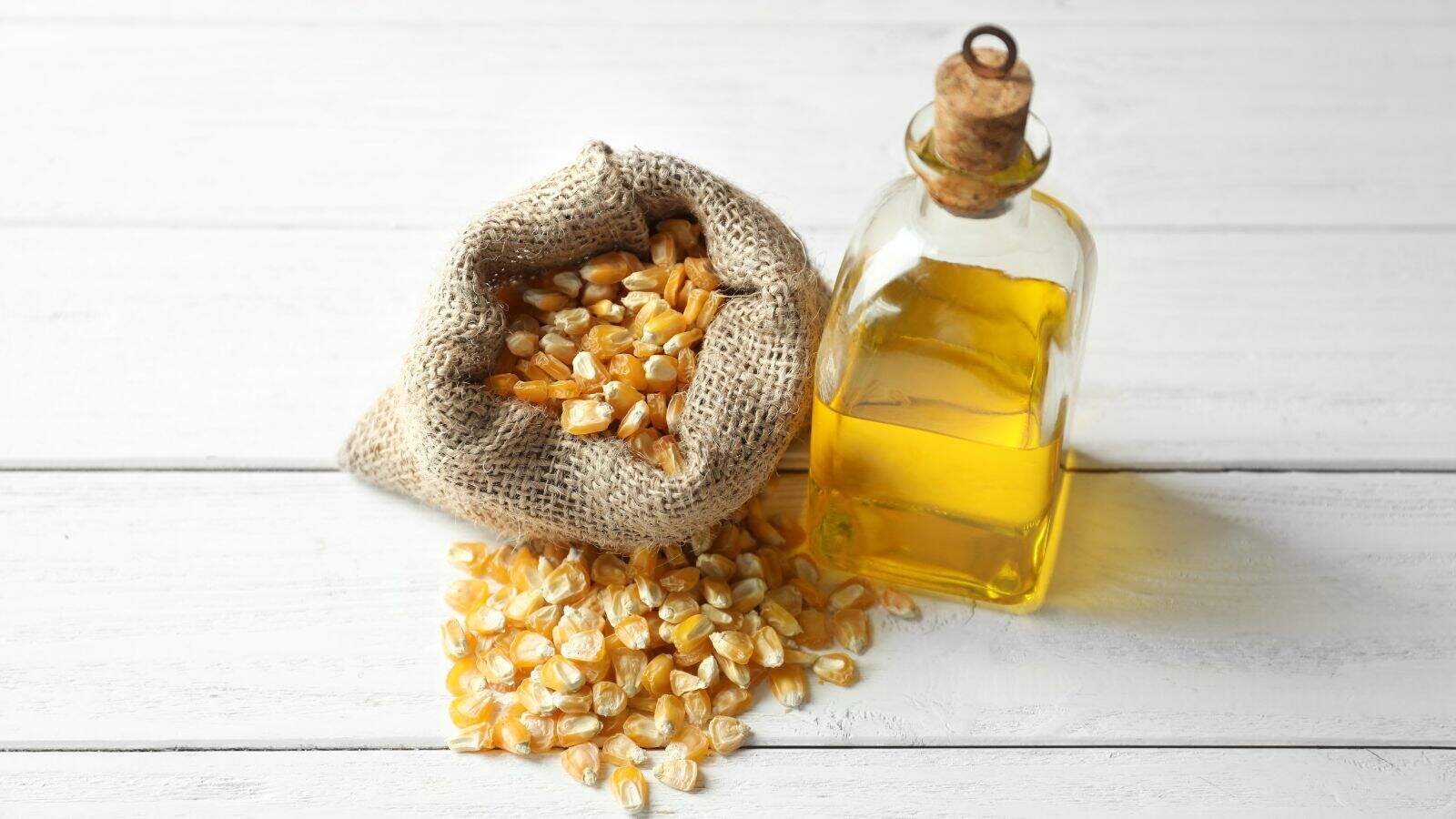
Corn oil is extracted from the germ of corn kernels and is widely used due to its affordability. It contains a high level of omega-6 polyunsaturated fats, which can disrupt the balance of fatty acids in the diet if consumed excessively. The refining process removes most nutrients and antioxidants, including vitamin E. Additionally, corn oil may contain residues of pesticides used during corn cultivation. Its high omega-6 content can promote oxidative stress, making it less favorable for frequent consumption, especially in diets low in omega-3 fatty acids.
13. Cottonseed Oil
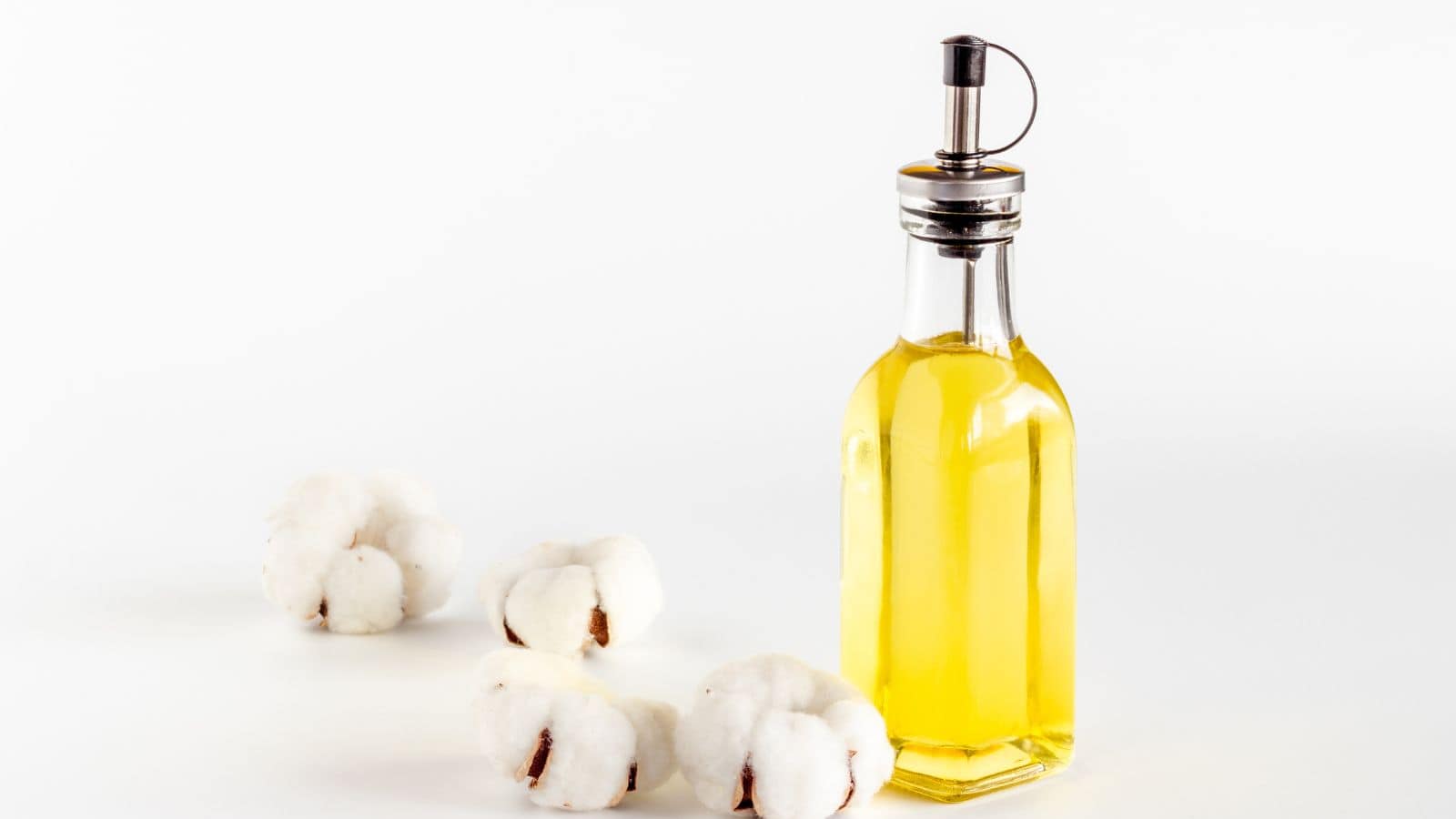
Derived from the seeds of cotton plants, cottonseed oil is commonly used in processed foods and frying. It contains a large proportion of omega-6 fatty acids, which can contribute to inflammation when not balanced by omega-3 intake. Cotton plants are often heavily treated with pesticides, and residues can remain in the oil even after refining. The refining process also removes many natural antioxidants. Due to its fatty acid profile and potential contaminants, this oil is generally considered less beneficial for health, particularly with regular, high consumption.
12. Palm Oil (Refined)

Palm oil is extracted from the fruit of oil palm trees and is widely used in food production. The refined version undergoes processing that reduces its nutrient content, including antioxidants like vitamin E and carotenoids. It contains a relatively high amount of saturated fats, which can raise LDL cholesterol levels if consumed in excess. Environmental concerns about palm oil production have also been raised due to deforestation and habitat loss. While unrefined palm oil retains more nutrients, the refined form is less favorable for health when consumed frequently.
11. Canola Oil (Refined)

Canola oil is extracted from the rapeseed plant and is popular for its neutral flavor and high smoke point. The refining process strips away many of its natural antioxidants and beneficial compounds. Though low in saturated fat and containing some omega-3 fatty acids, refined canola oil may undergo chemical treatments that affect its quality. Its omega-6 to omega-3 ratio is better than many other vegetable oils, but frequent use of refined canola oil still raises concerns related to processing and potential oxidation, especially when heated repeatedly at high temperatures.
10. Peanut Oil (Refined)
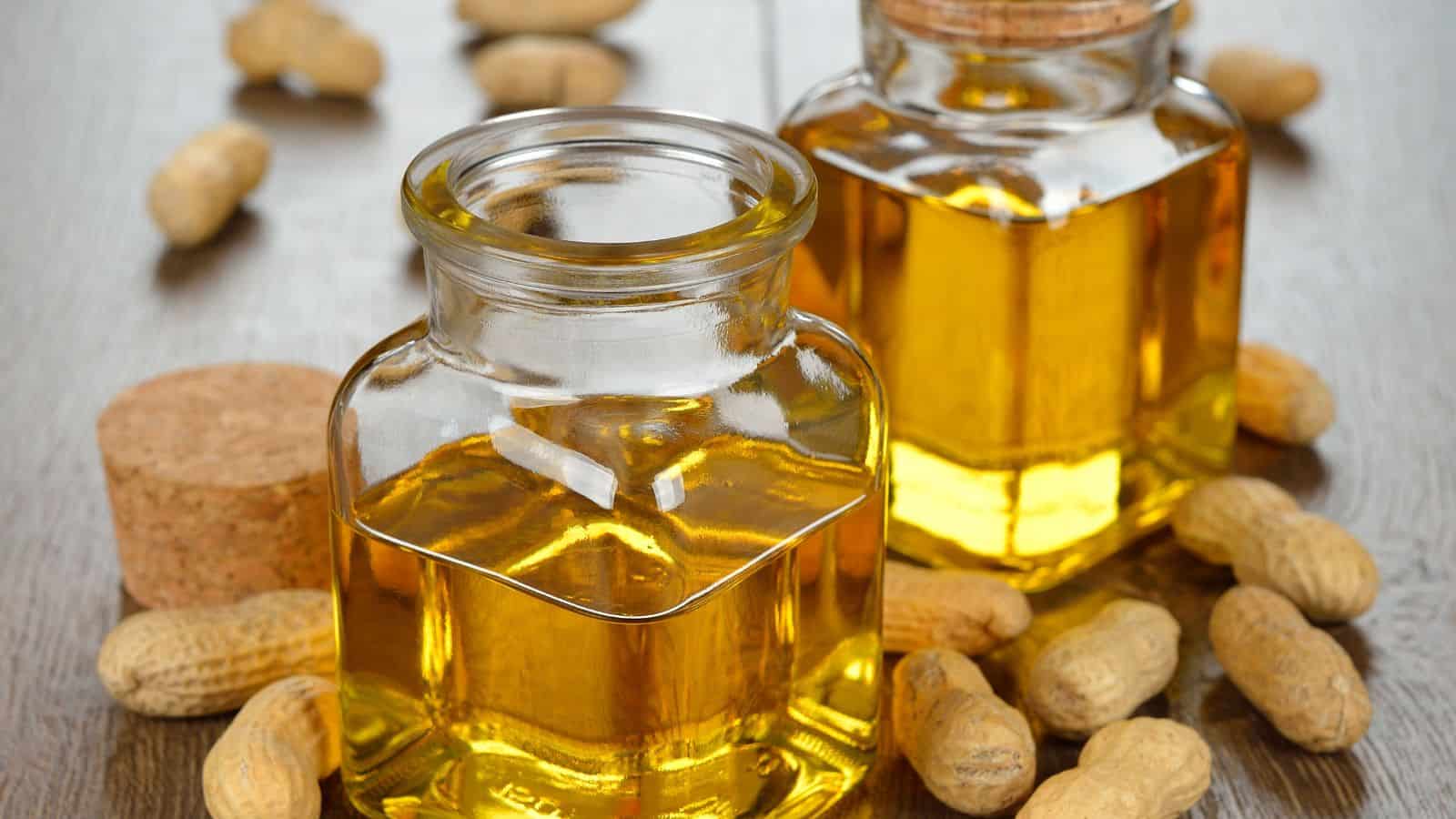
Often chosen for frying due to its high smoke point, this oil is extracted from peanuts and then refined to remove impurities and flavor. The refining process reduces the amount of naturally occurring antioxidants and nutrients. It contains a significant amount of omega-6 fatty acids, which, when consumed disproportionately to omega-3s, may contribute to inflammation. Allergies to peanuts require caution. While it remains stable at high temperatures, frequent use of refined peanut oil may not support optimal health due to its fatty acid profile.
9. Sunflower Oil (Refined)

Extracted from sunflower seeds, this oil typically undergoes refining, which removes much of its vitamin E and other antioxidants. High in omega-6 polyunsaturated fats, excessive consumption can disrupt fatty acid balance and promote inflammatory processes in the body. Its light flavor and high smoke point make it popular for frying and baking, but the refining process also increases susceptibility to oxidation when exposed to heat and light. Using it sparingly and balancing intake with omega-3 sources is recommended for better health outcomes.
8. Safflower Oil

Produced from the seeds of the safflower plant, this oil is rich in omega-6 fatty acids, particularly linoleic acid. Often refined, it loses many beneficial antioxidants during processing. The high omega-6 content means it can encourage inflammatory pathways if not balanced with omega-3 fats. It has a relatively high smoke point, making it common for cooking at moderate to high temperatures. However, frequent consumption without attention to fatty acid balance may negatively affect cardiovascular and inflammatory health markers.
7. Soybean Oil
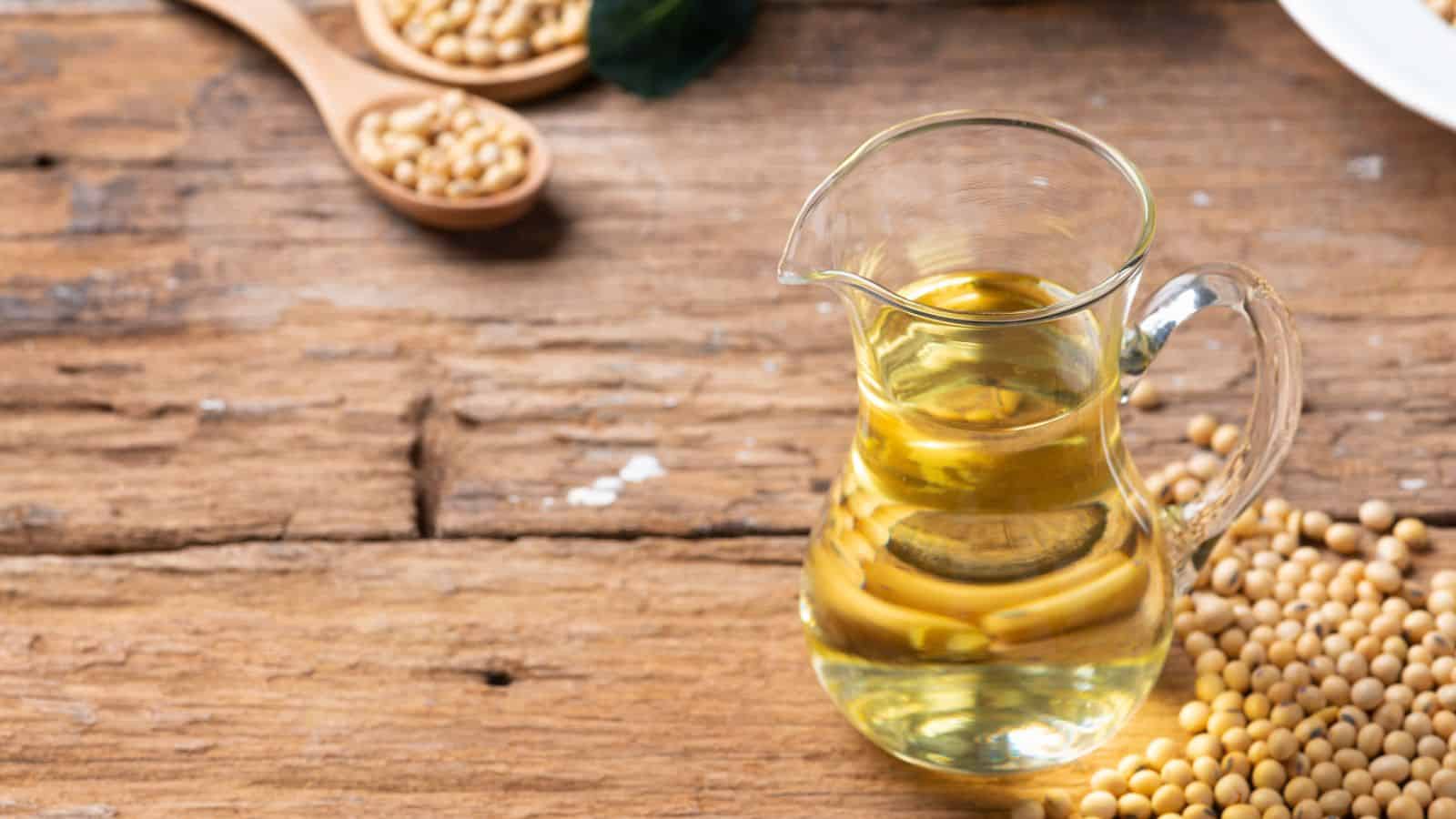
Extracted from soybean seeds, this oil is widely used in processed foods and restaurant cooking. It tends to be highly refined, which removes most natural antioxidants and nutrients. Containing a large amount of omega-6 fatty acids, excessive intake can shift the body's balance toward inflammation, especially when omega-3 intake is low. Genetically modified variants are common, which raises concerns for some consumers. The oil's susceptibility to oxidation during cooking may also reduce its nutritional value and produce harmful compounds.
6. Sesame Oil
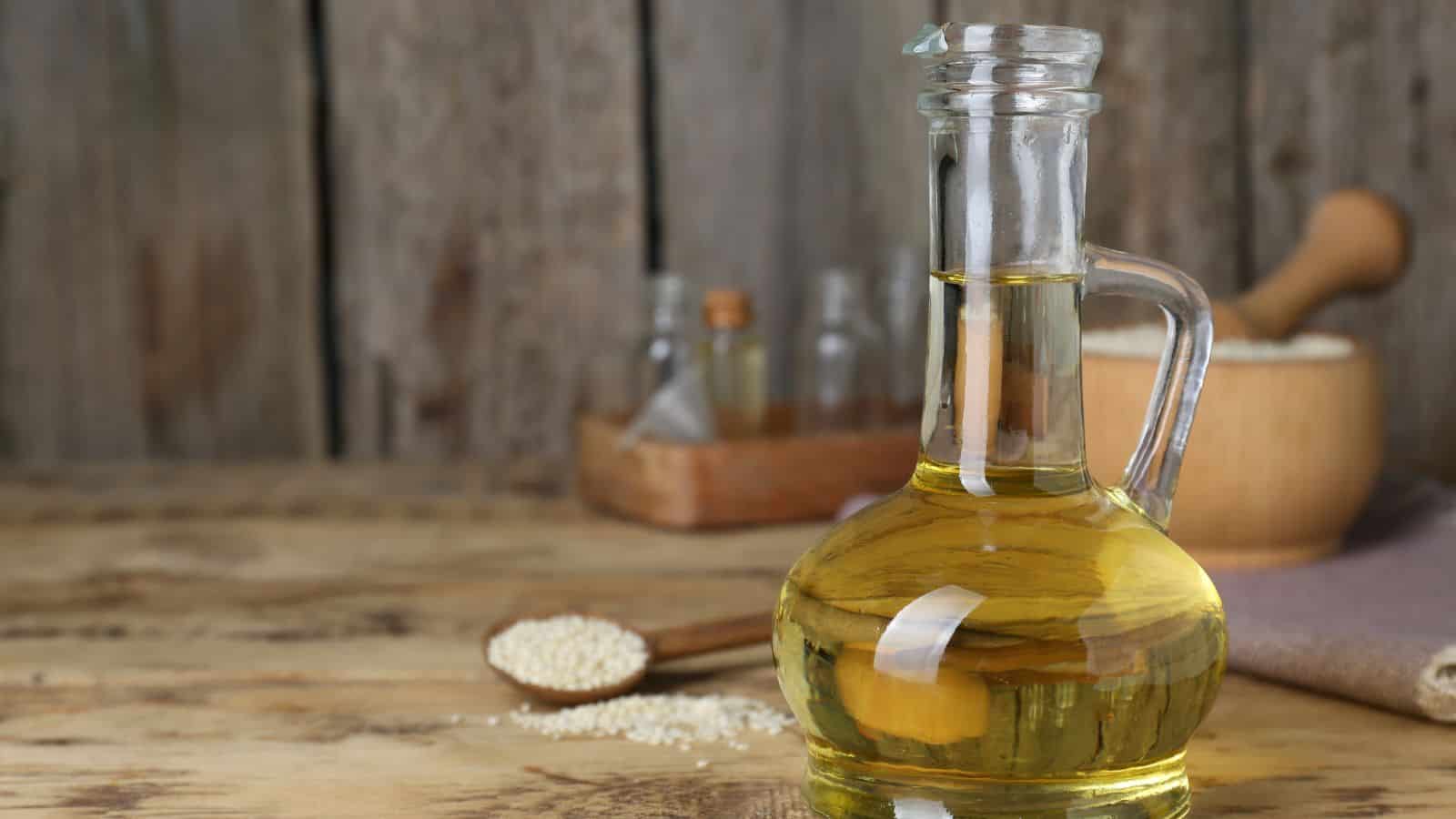
Known for its distinctive aroma, this oil contains both monounsaturated and polyunsaturated fats, along with antioxidants such as sesamol and sesamin. These compounds may help protect cells from oxidative damage. Often used in small amounts for flavoring rather than large-scale cooking, it has a moderate smoke point. Its fatty acid composition is more balanced compared to many other vegetable oils, which may contribute to anti-inflammatory effects. Cold-pressed versions retain more nutrients and are preferable for health-conscious use.
5. Olive Oil (Light/Refined)
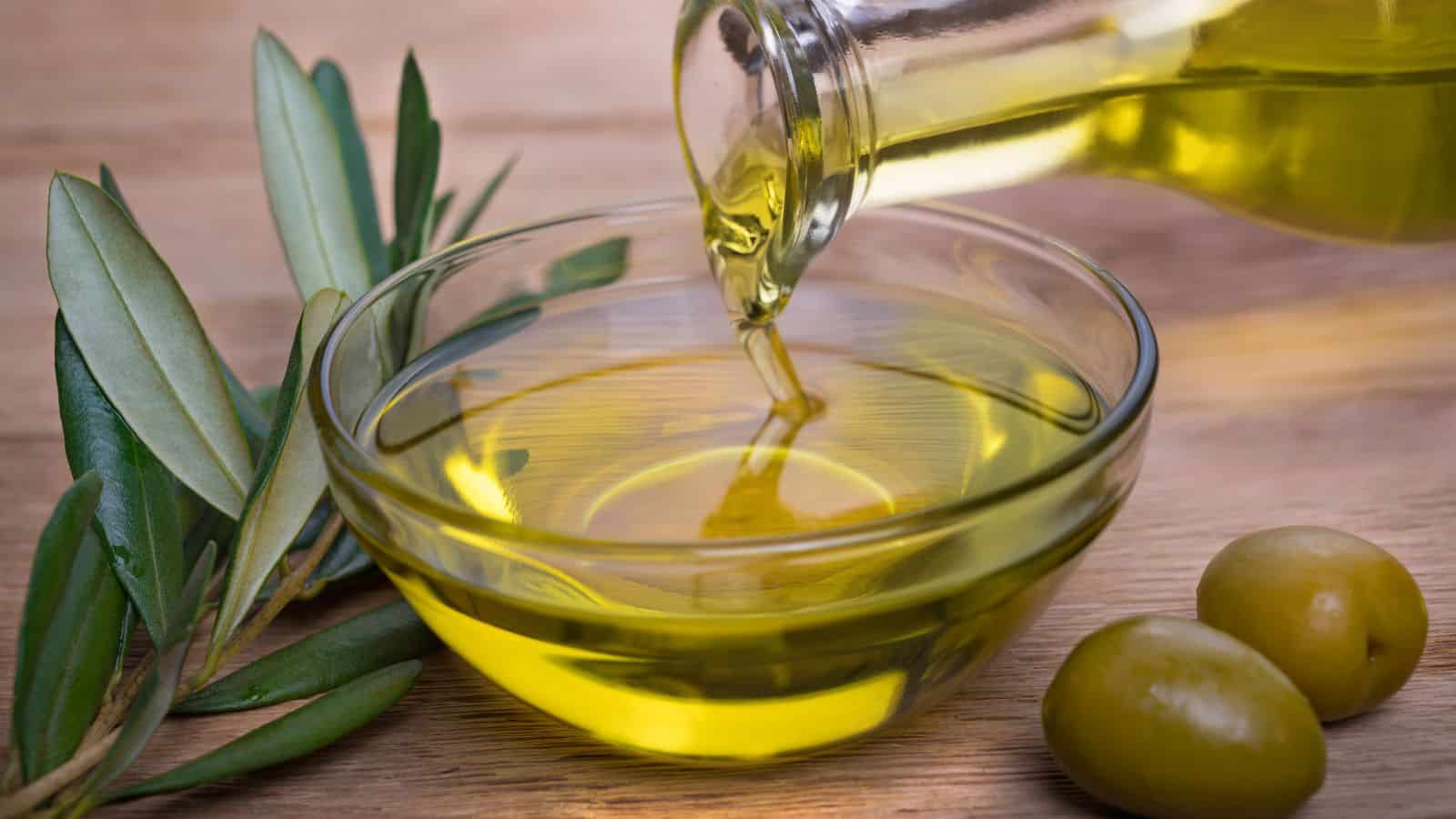
This oil is produced by refining virgin olive oil, which removes much of the flavor, color, and antioxidants found in extra virgin varieties. The refining process also reduces beneficial compounds such as polyphenols. While it retains a high level of monounsaturated fats, which support heart health, the absence of antioxidants lowers its protective properties. It has a higher smoke point than extra virgin olive oil, making it more suitable for higher-heat cooking, but it lacks the nutrient density of less processed forms.
4. Avocado Oil
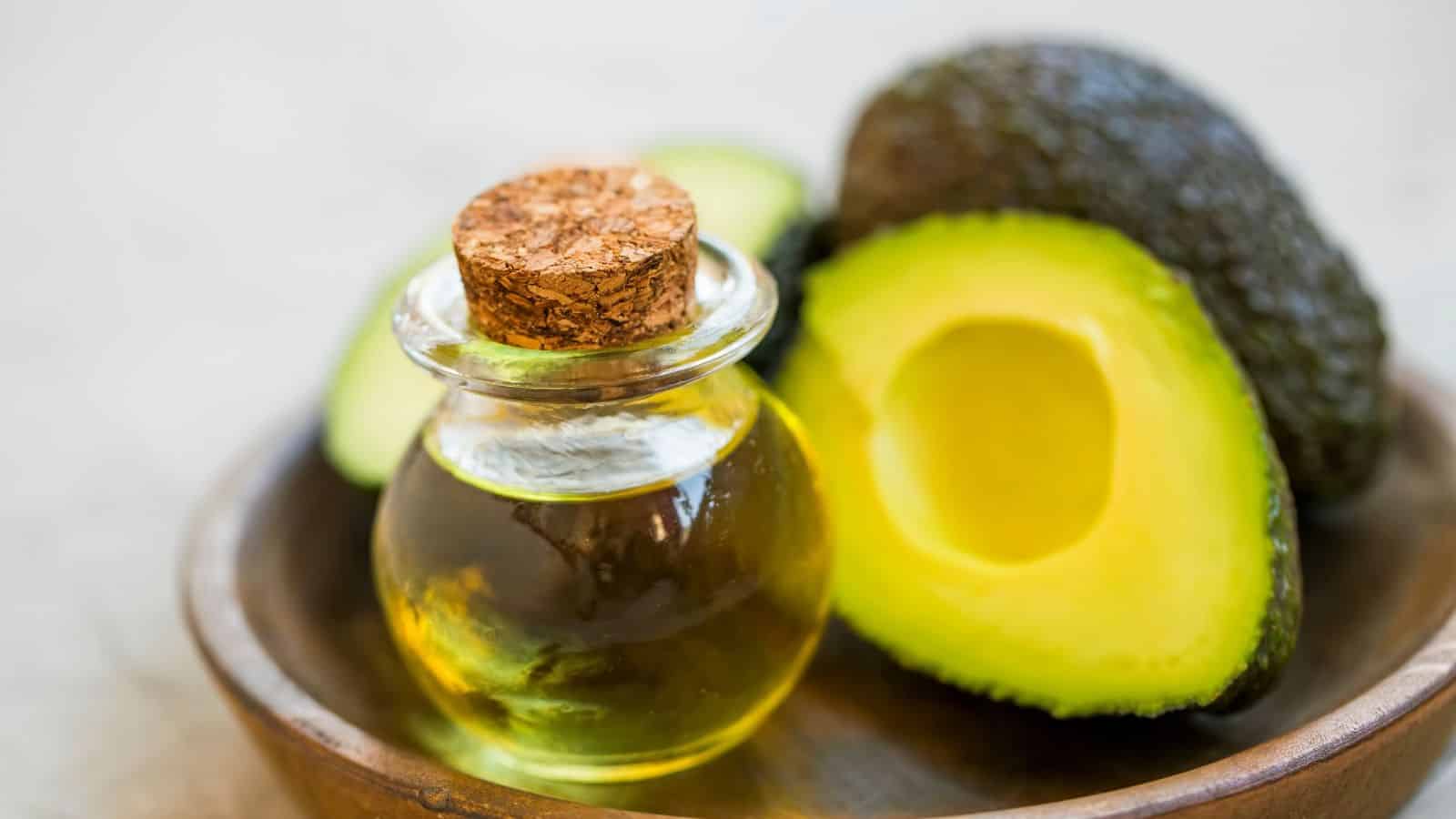
Extracted from the pulp of avocados, this oil is rich in monounsaturated fats, particularly oleic acid, which supports cardiovascular health. It also contains vitamin E and other antioxidants that help protect cells from damage. With a high smoke point, it remains stable when heated, making it a good choice for frying and roasting. Cold-pressed versions retain the most nutrients, while refined forms may lose some beneficial compounds. Its fatty acid profile is well balanced, contributing to anti-inflammatory effects when included in the diet.
3. Coconut Oil

Derived from the meat of mature coconuts, this oil contains a high proportion of saturated fats, primarily medium-chain triglycerides (MCTs). These fats are metabolized differently compared to long-chain saturated fats, potentially offering quick energy. However, its saturated fat content may raise LDL cholesterol levels if consumed in excess. Virgin coconut oil retains antioxidants and has a distinct aroma, while refined coconut oil is more neutral but less nutrient-dense. The health impact of this oil remains debated among nutrition experts.
2. Extra Virgin Olive Oil
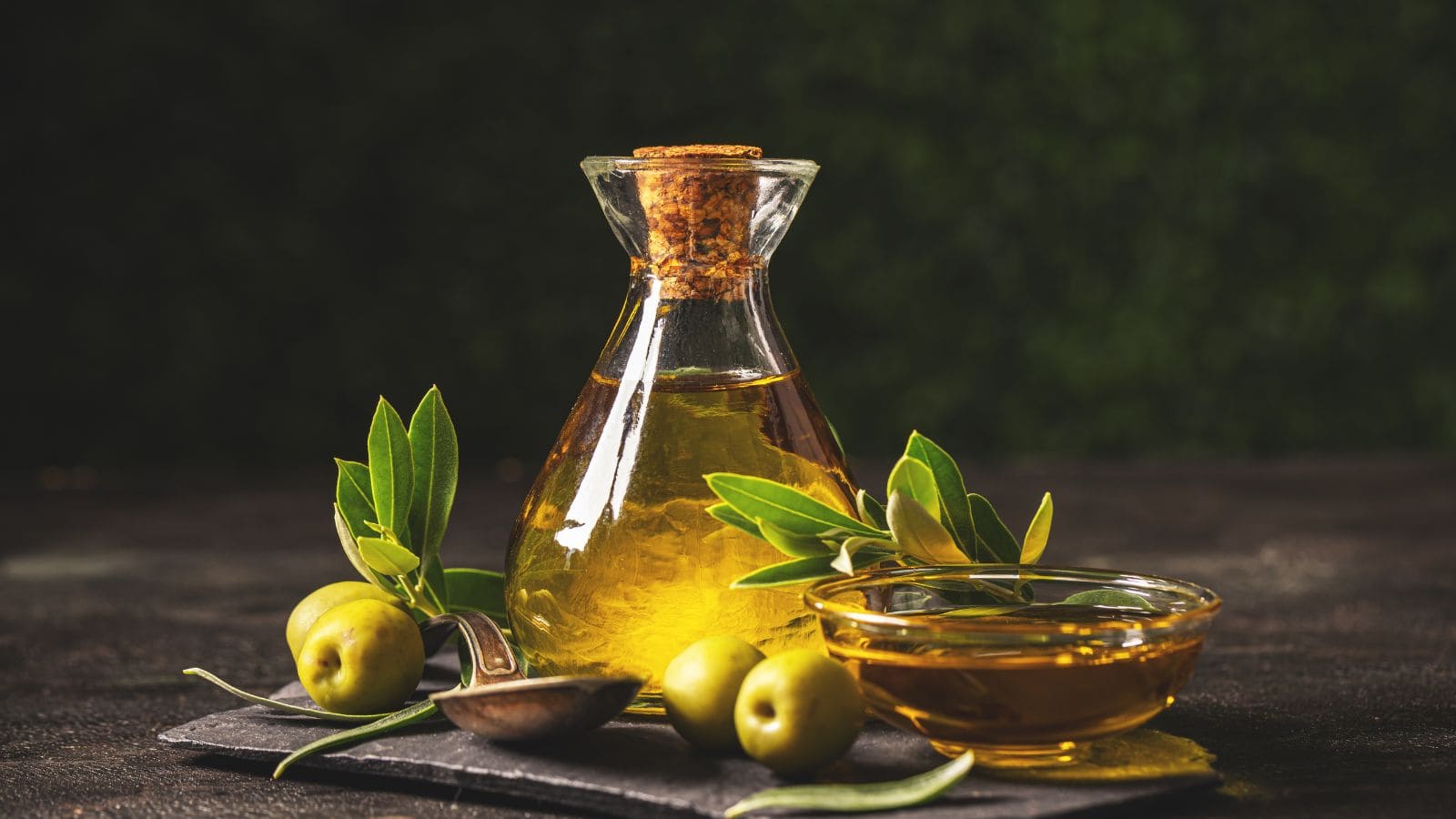
Cold-pressed from olives without chemical treatment, this oil is rich in monounsaturated fats and contains a variety of antioxidants, including polyphenols and vitamin E. These compounds exhibit anti-inflammatory and heart-protective effects. Its moderate smoke point makes it ideal for low to medium heat cooking and dressings. Regular consumption is associated with reduced risk of cardiovascular disease and improved metabolic health markers. The unrefined nature preserves flavor and nutrients, making it a preferred choice for health-focused diets.
1. Flaxseed Oil (Cold-pressed)
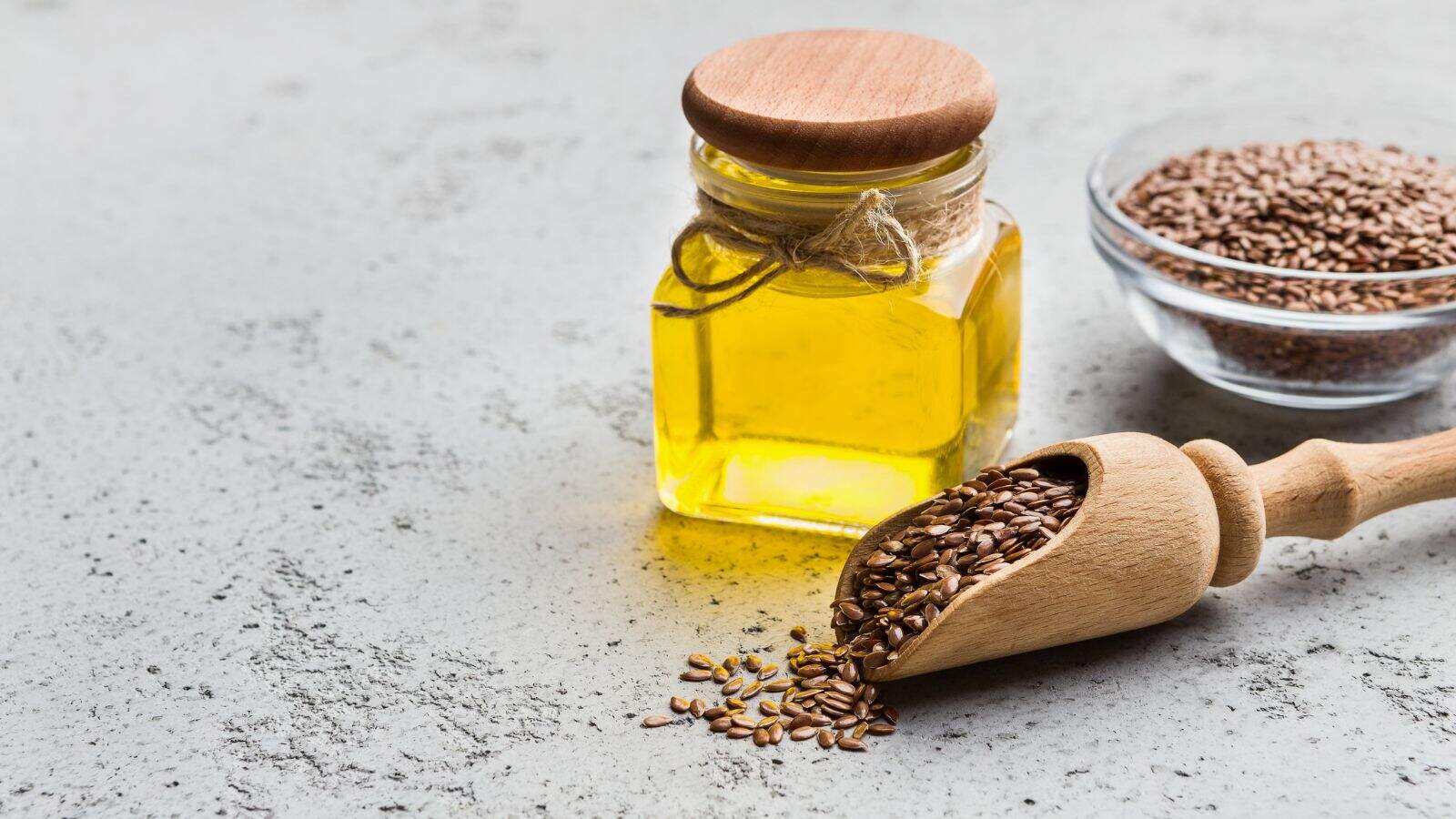
Extracted from flax seeds using cold-pressing methods, this oil is exceptionally high in alpha-linolenic acid, a plant-based omega-3 fatty acid essential for reducing inflammation and supporting brain health. It is sensitive to heat and light, which can degrade its quality, so it is best used raw or added to foods after cooking. The oil lacks a high smoke point, making it unsuitable for frying or high-temperature cooking. Regular intake can help balance fatty acid ratios, especially in diets low in marine omega-3 sources.
This is Oil You Need to Know!

Not all cooking oils are created equal, and knowing which ones are better for your health can make a real difference. Some oils can support your heart and reduce inflammation, while others might work against you if used too much. Making small changes, like choosing oils with healthier fats, can add up over time and help you feel better without a lot of extra effort.
At the end of the day, cooking with oils that suit your needs and habits is what counts. Whether you're frying, roasting, or adding a finishing touch, picking the right oil can help keep your meals simple and healthy. Keep this guide in mind next time you shop, and you'll be making smarter choices without overthinking it. Your body will thank you for it.
Cooking Oils That Are Secretly Toxic and Alternatives Your Body Actually Needs

In this guide, you'll discover the disturbing reality about five common cooking oils that could be undermining your health right now. You'll also learn about five powerful alternatives that can help detoxify your body and support optimal wellness. What you're about to learn about your everyday cooking oils might change the way you look at your kitchen forever.
Read it Here: 5 Cooking Oils That Are Secretly Toxic and 5 Alternatives Your Body Actually Needs
Hot Peppers That Are Hotter Than Your Ex, Ranked from Mild to Extreme Heat Levels

Spice lovers, get ready! We're here to talk about 13 hot peppers ranked by their heat level based on the Scoville Heat Unit (SHU), from the mild kick of the jalapeño to the extreme fire of dragon's breath. You'll see just how hot each one can get and what makes them stand out.