Feeding a busy family can quickly become overwhelming when time is tight and schedules are packed. Many parents are looking for ways to make meal prep faster and less stressful. The key is to keep things simple and practical. With these 15 food tips for busy parents, you can cut down on cooking time and avoid last-minute scrambling in no time!
You don't need fancy ingredients or complicated recipes to keep meals running smoothly. Small changes like planning ahead, using quick-cooking ingredients, and using leftovers can save you a lot of headaches. These tips fit right into your busy life and help you stay on track with healthy, balanced meals. When mealtime feels manageable, keeping everyone happy and fueled throughout the day is easier.

Plan Ahead

Taking time to organize meals for the week can save a lot of stress during busy days. Parents can shop more efficiently and avoid last-minute trips to the store by deciding what to cook in advance. This approach helps prevent unhealthy choices when hunger strikes unexpectedly. Planning also allows for a balanced variety of foods throughout the week, including fruits, vegetables, proteins, and grains. It reduces the risk of food waste by using ingredients thoughtfully. Setting aside a specific time each week to plan meals can create a smoother routine and help keep mealtime manageable.
Batch Cook and Freeze
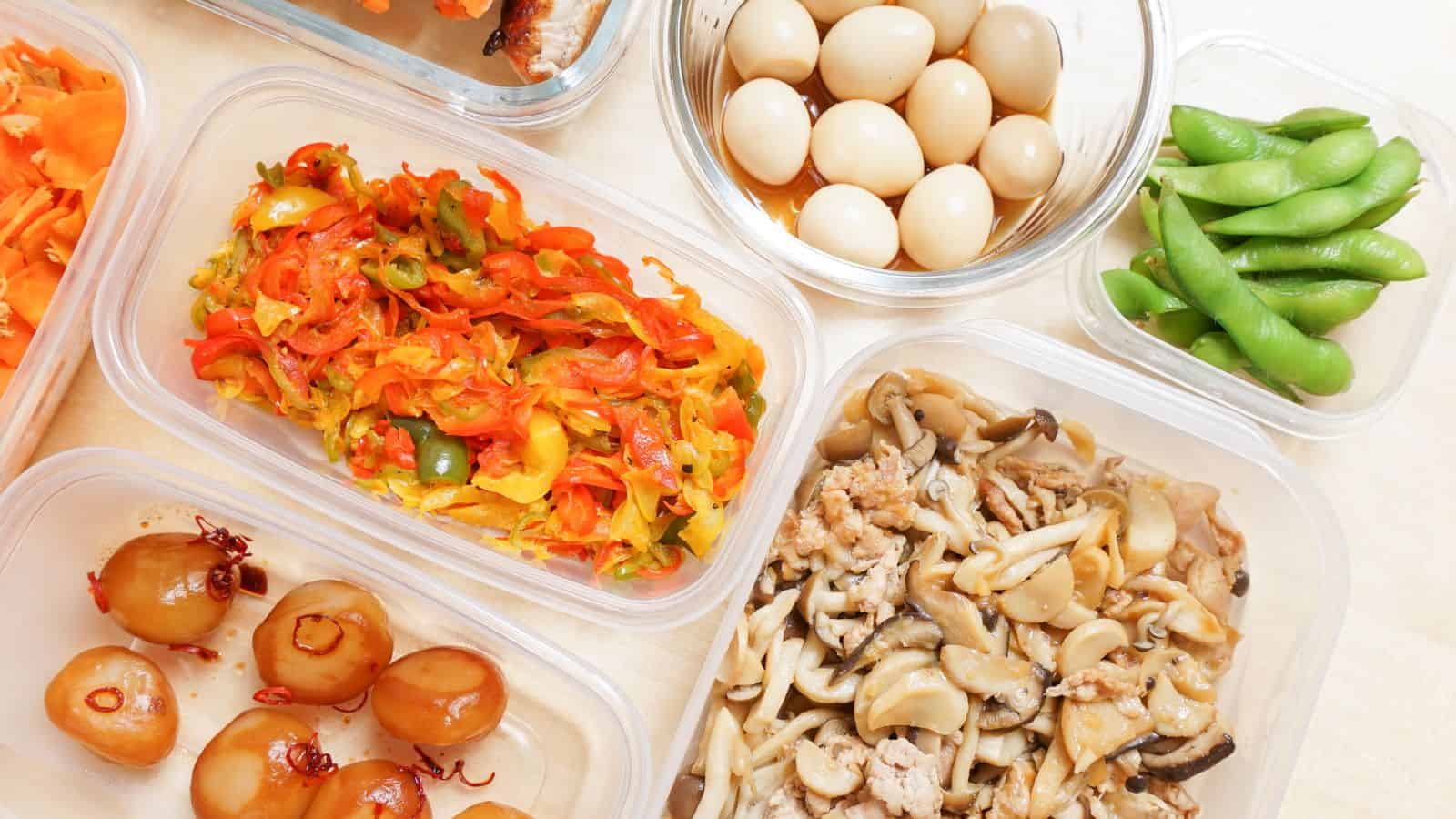
Preparing large quantities of meals at once can be a real-time-saver. Cooking in bulk means fewer weekly cooking sessions, freeing up time for other activities. Once meals are cooked, dividing them into portions and freezing helps keep food fresh and ready for quick reheating. This method works well for soups, stews, casseroles, and pasta dishes. It also allows flexibility, as parents can pull out meals on busy evenings or when unexpected plans arise. Batch cooking reduces the need to order takeout, which can be less healthy and more expensive.
Keep Healthy Snacks Handy
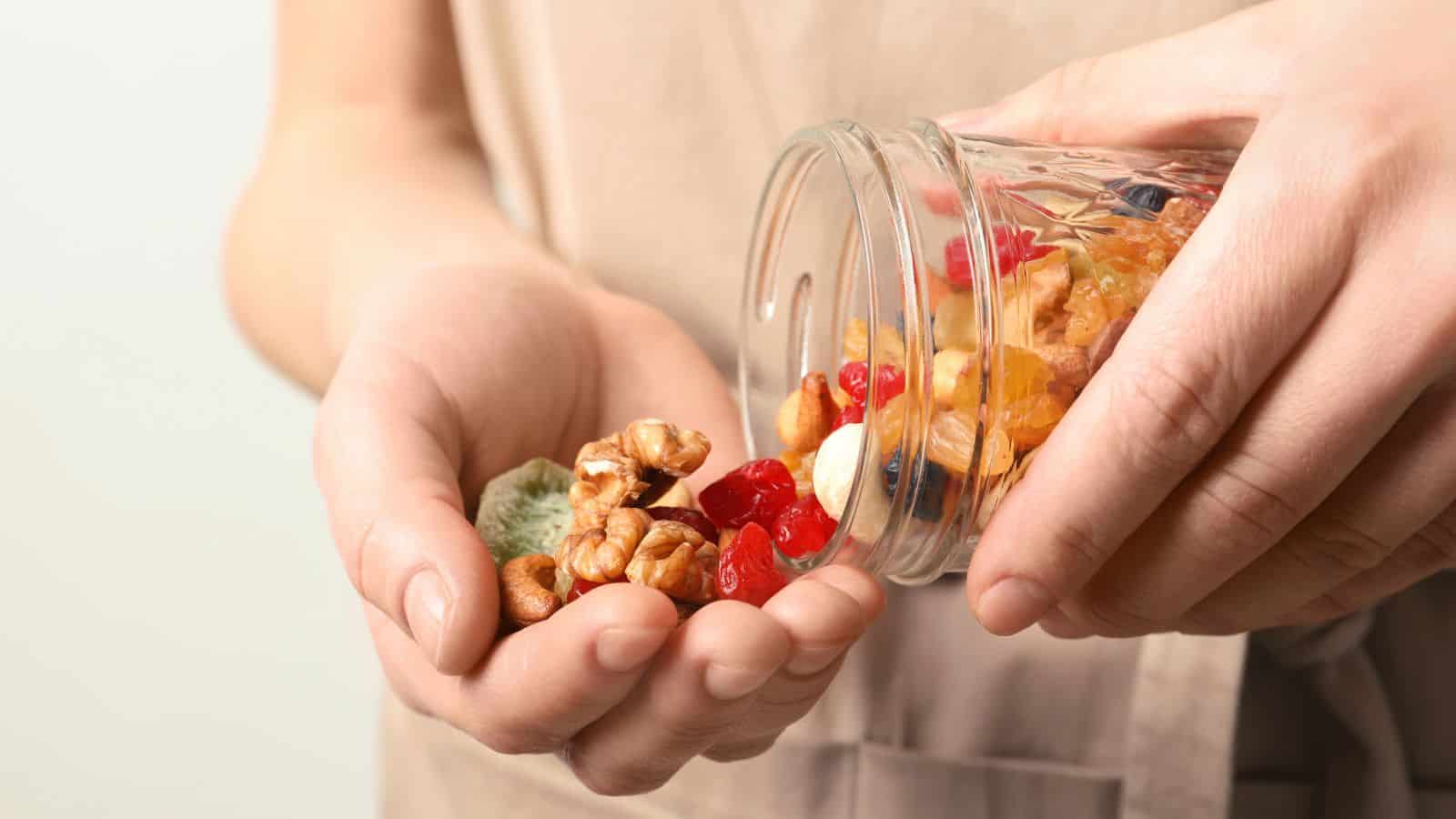
Having nutritious snacks within easy reach can prevent children and adults from reaching for less healthy options. Stocking the fridge and pantry with items like fresh fruit, nuts, yogurt, cheese sticks, or cut vegetables makes it simple to grab a quick bite between meals. Preparing snack packs in advance can save time during hectic moments. Healthy snacks help maintain energy levels throughout the day and can keep hunger at bay until the next meal. This approach supports better eating habits and reduces reliance on sugary or processed treats.
Use a Slow Cooker or Instant Pot
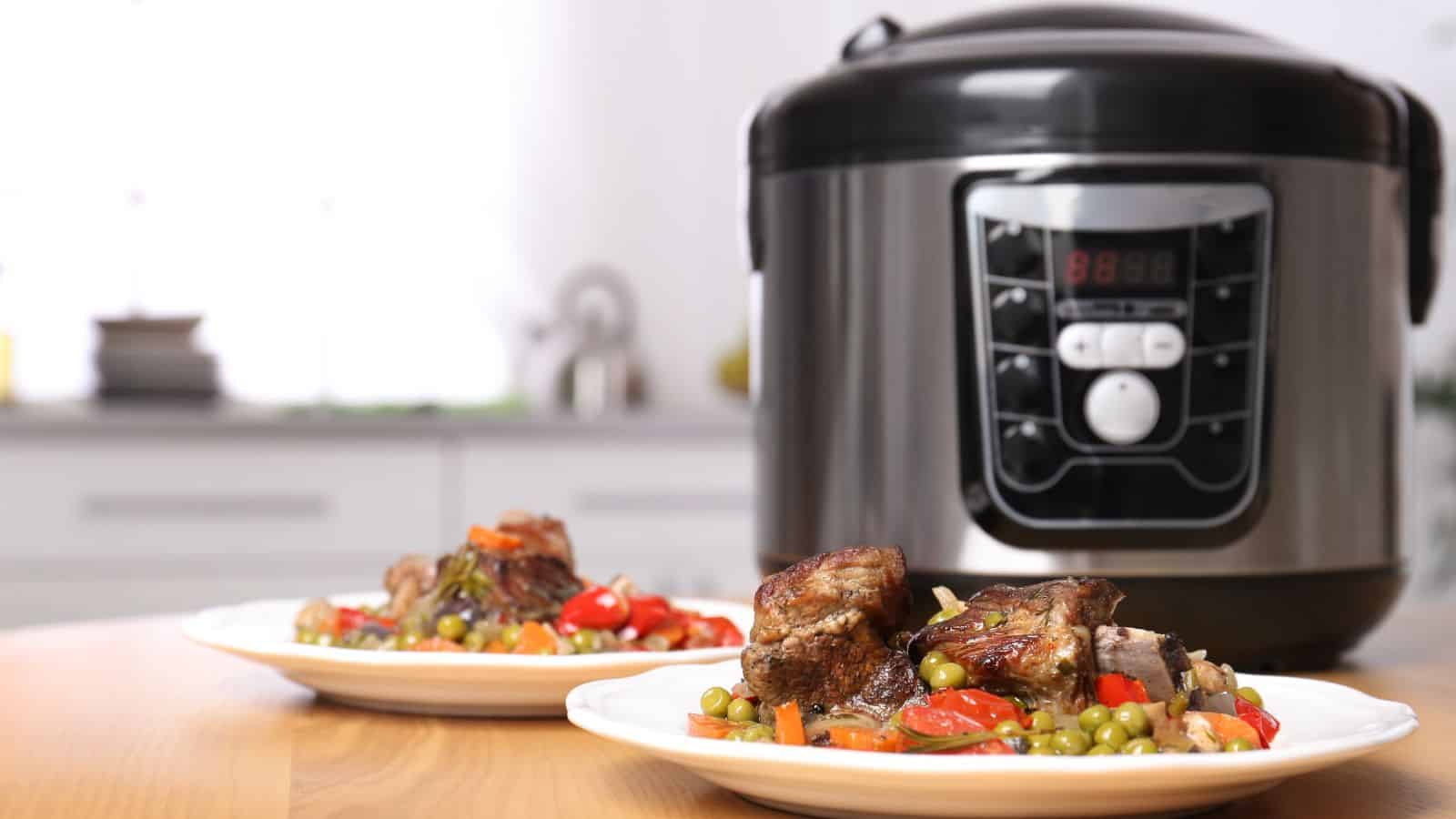
Appliances like slow cookers and Instant Pots are valuable tools for busy families. They allow meals to be cooked with minimal supervision, freeing parents to focus on other tasks. Slow cookers are great for recipes that benefit from low and slow heat, such as stews, chili, and braised dishes. Instant Pots speed up cooking time while still producing tender and flavorful results. Both devices can simplify meal preparation by combining ingredients in one pot, reducing cleanup. Using these tools can make it easier to have a warm meal ready when the family sits down at the table.
Involve Kids in Cooking

Including children in meal preparation can turn cooking into a shared activity rather than a chore. Assigning age-appropriate tasks, like washing vegetables, stirring ingredients, or setting the table, helps kids feel involved and teaches valuable skills. This participation can increase their interest in trying new foods and encourage healthier eating habits. Cooking together also creates opportunities for family bonding and conversation. Moreover, it can build confidence and independence in children, making future mealtimes smoother as they become more familiar with food preparation.
Opt for One-Pot Meals
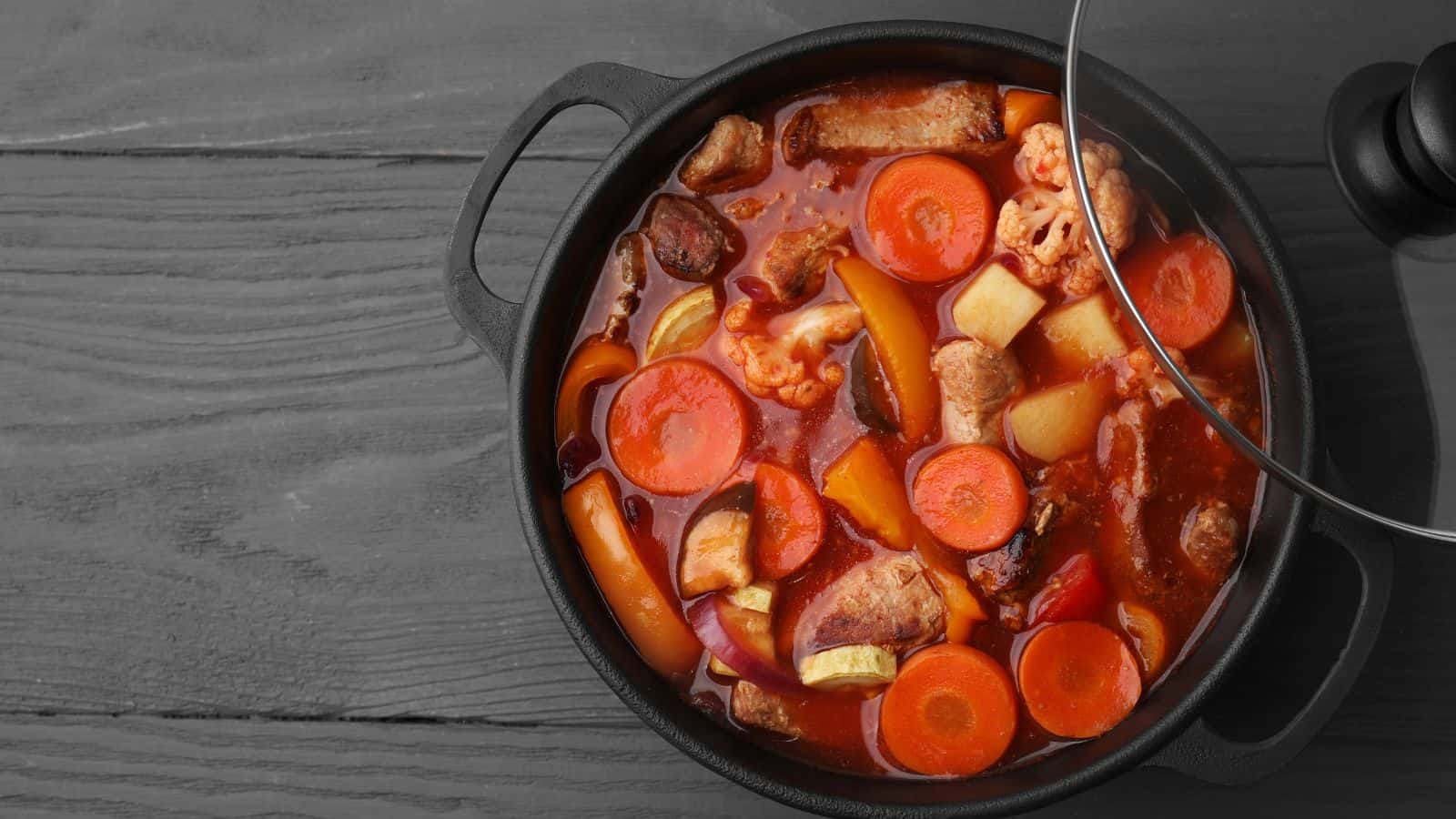
Preparing meals that are cooked entirely in one pot can save a significant amount of time and effort. These dishes combine multiple ingredients-such as proteins, vegetables, and grains-into a single cooking vessel, which reduces the number of dishes to wash afterward. One-pot meals like soups, stews, and stir-fries can be prepared quickly and often require less attention while cooking. This approach simplifies the cooking process and makes getting a complete meal on the table easier without juggling several pots and pans. It's a practical way to streamline mealtime during busy days.
Prep Ingredients in Advance
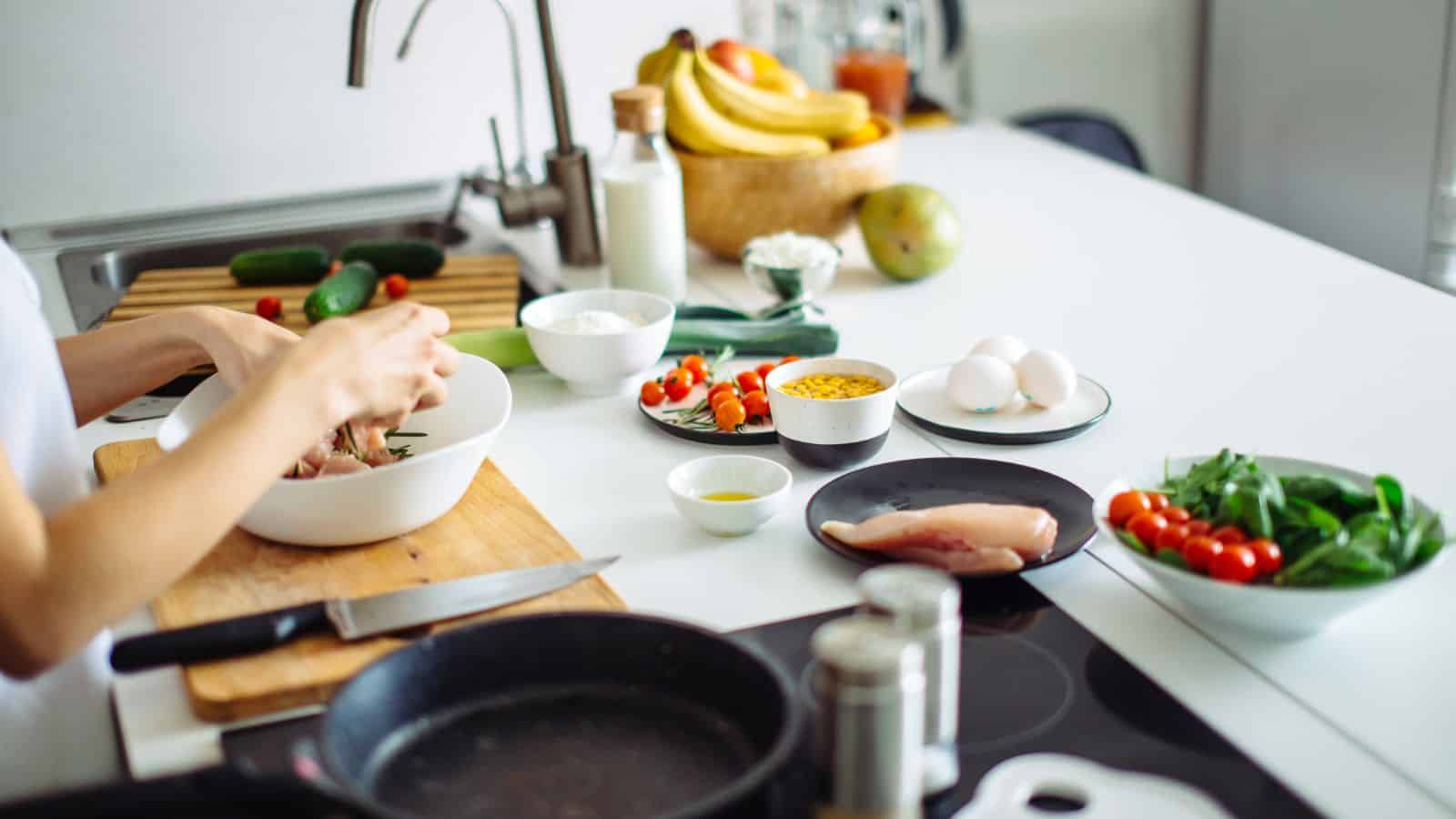
Spending time ahead of busy days to wash, chop, and portion ingredients can make cooking much faster and less stressful. Having vegetables cleaned and cut proteins portioned, or sauces mixed before mealtime, shortens the steps needed to put a meal together. This preparation also reduces the chance of skipping meals or choosing less nutritious options when time is limited. Organizing ingredients in containers or bags allows parents to quickly assemble meals or snacks, making it easier to maintain a healthy eating routine even during hectic schedules.
Choose Quick-Cooking Proteins

Selecting proteins that cook quickly can speed up meal preparation and reduce time spent in the kitchen. Options like eggs, canned beans, tofu, or pre-cooked chicken require minimal cooking or can be used straight from the package. Fish fillets and ground meats also tend to cook faster than larger cuts. Using these ingredients helps parents put together balanced meals without long wait times. Quick-cooking proteins are especially useful when time is tight, but there's still a desire to include nutritious components in the meal.
Incorporate Frozen Vegetables
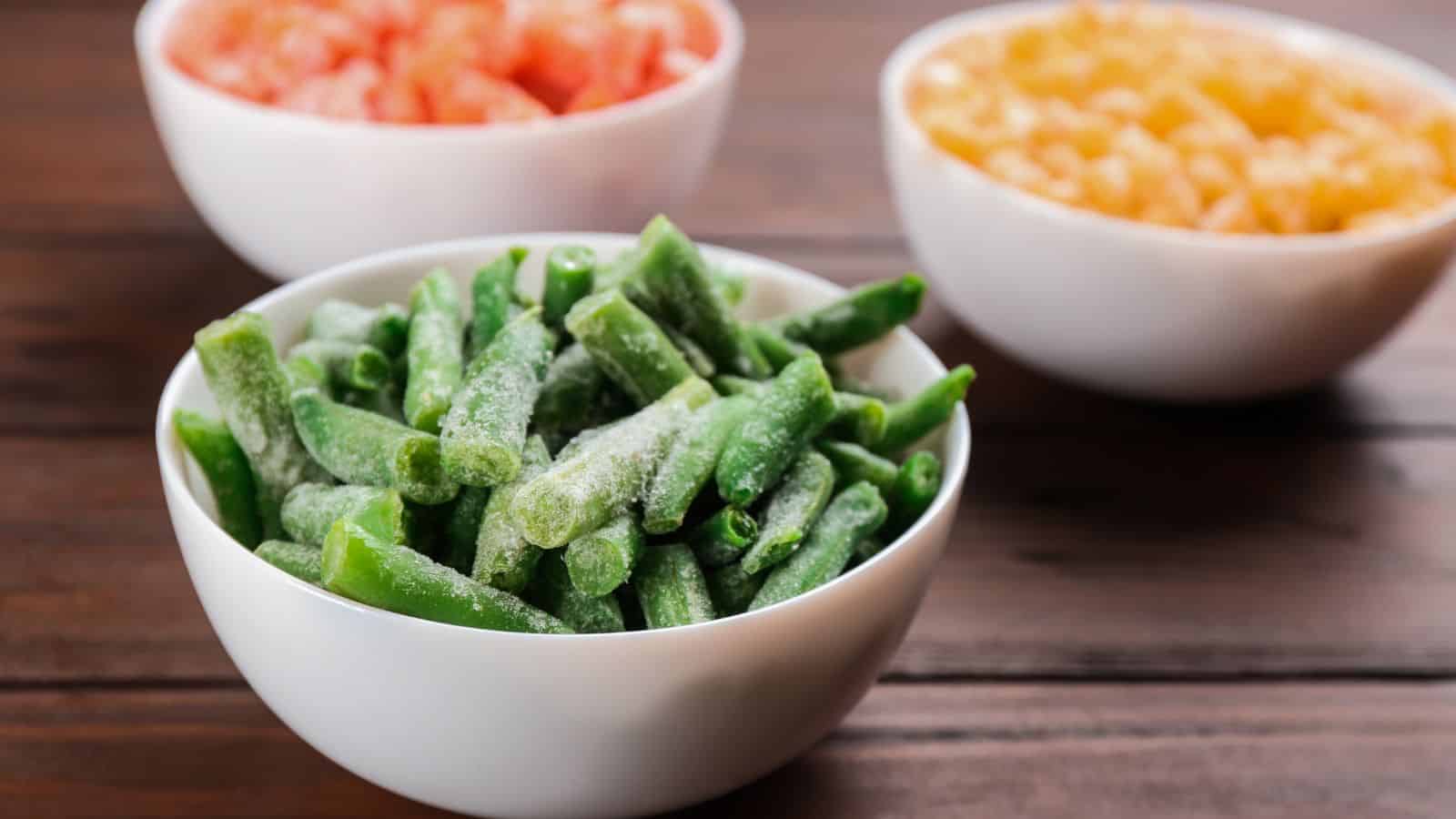
Frozen vegetables are a convenient and nutritious option that can be stored for long periods without spoiling. They are typically picked and frozen at peak freshness, retaining much of their nutrient content. Using frozen veggies eliminates the need for washing and chopping, which saves time during meal preparation. They can be added directly to dishes such as stir-fries, soups, or casseroles. This approach helps keep meals colorful and nutrient-rich without requiring extra effort, making it easier to include vegetables regularly in family meals.
Make Use of Leftovers
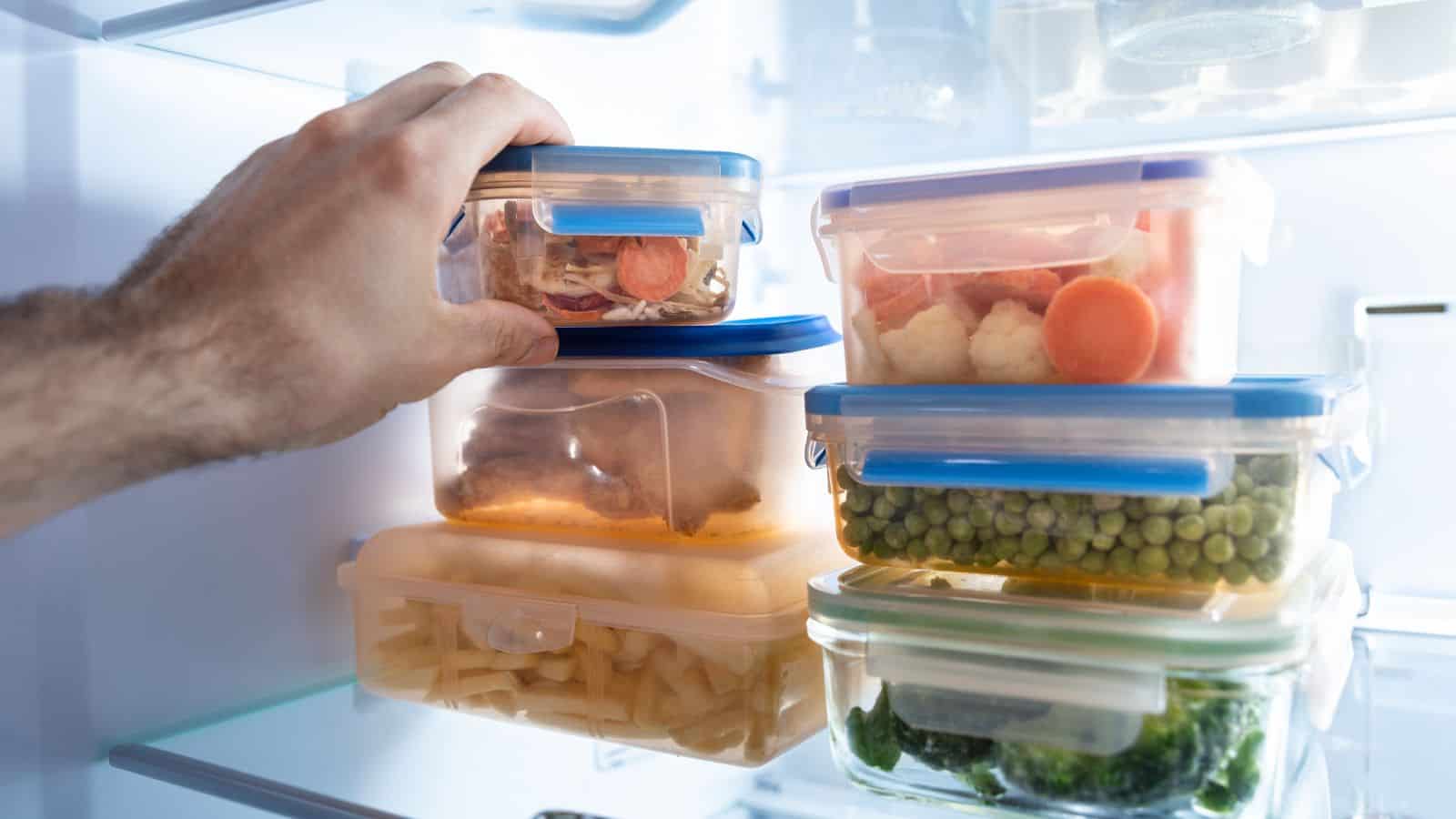
Repurposing leftovers can reduce food waste and save time when preparing meals. Instead of starting from scratch every day, parents can transform previous dinners into new dishes, such as turning roasted vegetables into a frittata or using cooked chicken in sandwiches or salads. This practice stretches ingredients further and lessens the need for additional cooking on busy days. Keeping leftovers organized and labeled in the fridge or freezer helps keep track of what's available and encourages creative use, making mealtime more efficient and less stressful.
Limit Processed Foods

Reducing the amount of processed foods in the diet can help maintain better nutrition without adding complexity to meal preparation. Processed items often contain added sugars, unhealthy fats, and excess salt, which may affect energy and health. Focusing on whole foods like fresh fruits, vegetables, grains, and lean proteins supports balanced eating habits. Preparing meals with simple, natural ingredients can be quicker than expected and helps avoid reliance on packaged convenience foods. Making small changes over time can lead to healthier choices that fit into a busy family lifestyle.
Stay Hydrated

Drinking enough fluids throughout the day is important for maintaining energy and concentration, especially for busy parents and children. Water is the best choice, as it does not contain added sugars or calories. Encouraging regular water intake can help prevent dehydration, which sometimes causes tiredness or irritability. Keeping a refillable water bottle handy and offering water with meals and snacks helps build this habit. Limiting sugary drinks like soda and juice supports better health and can reduce unnecessary calorie intake. Hydration plays a key role in feeling alert and ready to tackle daily tasks.
Pack Lunches the Night Before
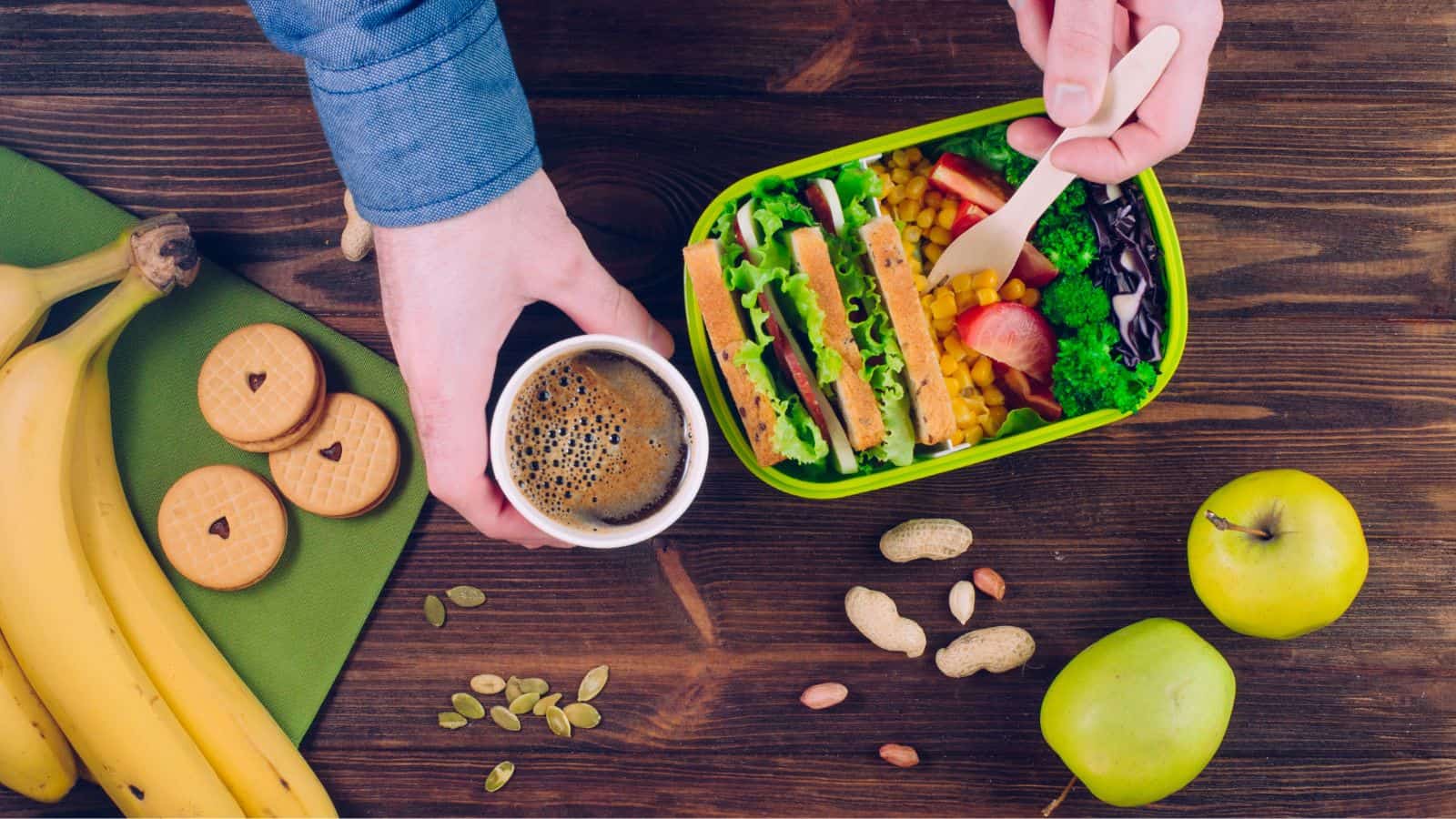
Preparing lunches the evening before can reduce morning stress and save precious time. Having meals ready to go allows for a more relaxed start to the day and helps avoid rushed or skipped breakfasts. Packing balanced lunches with a mix of proteins, vegetables, and whole grains supports sustained energy during school or work. This practice also allows parents to control meal quality and portion sizes, avoiding last-minute unhealthy choices. Organizing lunchboxes the night before creates a smoother routine and helps keep the family on track during busy mornings.
Keep a Well-Stocked Pantry
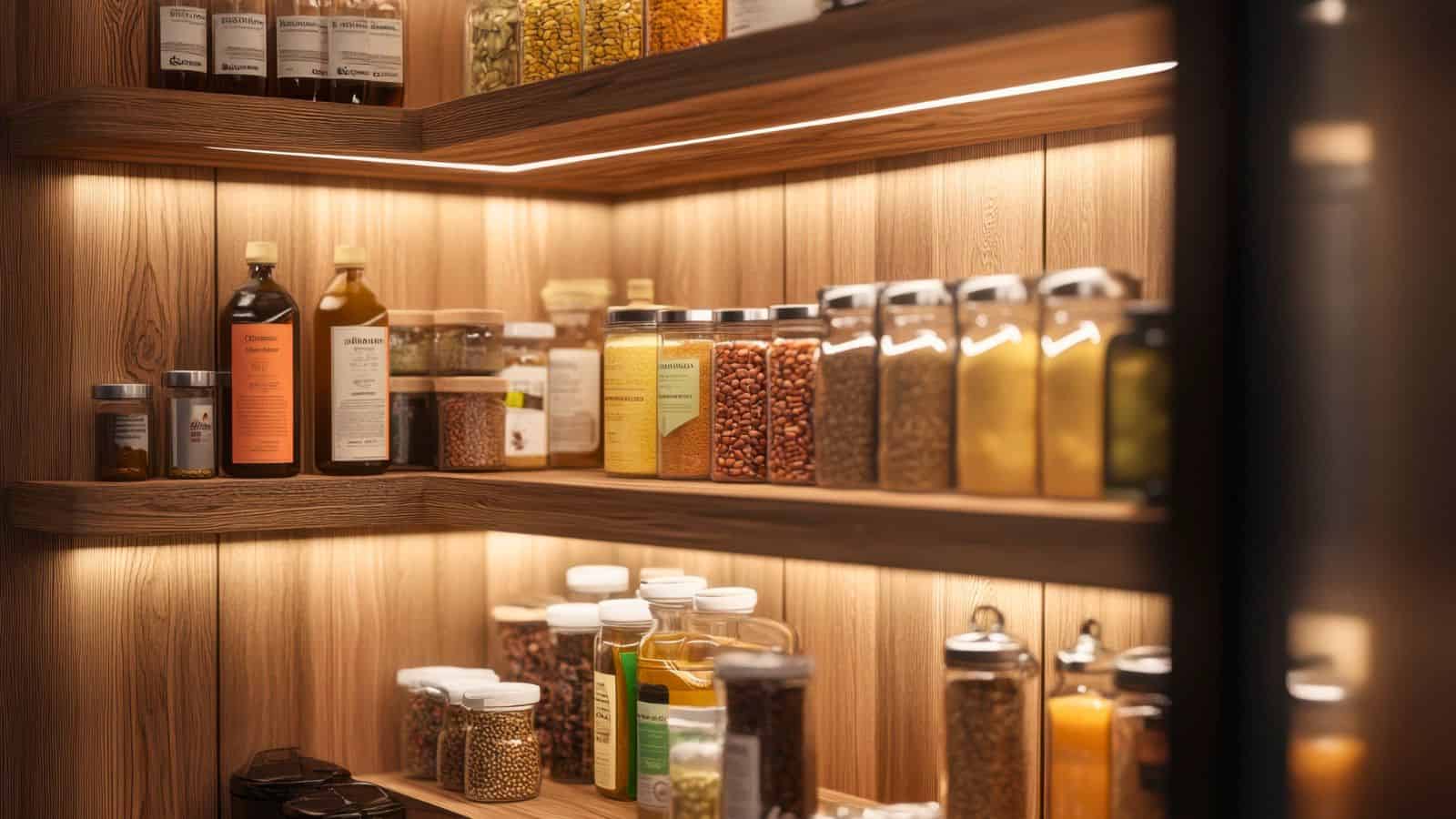
Maintaining a selection of staple ingredients in the pantry makes it easier to assemble meals quickly when time is limited. Items like rice, pasta, canned beans, tomatoes, and spices can form the base of many dishes without needing a trip to the store. Having these essentials available allows parents to throw together meals with whatever fresh or frozen ingredients are on hand. A stocked pantry supports flexibility and reduces the likelihood of relying on takeout or fast food. Regularly checking and replenishing supplies helps keep meal preparation efficient and stress-free.
Practice Mindful Eating

Taking a few moments to focus on the act of eating can improve digestion and encourage healthier food choices. When possible, sitting down together as a family without distractions like screens promotes connection and conversation. This time allows everyone to pay attention to hunger and fullness cues, which can prevent overeating. Creating a calm environment during meals helps reduce stress and makes eating a more pleasant experience. Even on busy days, prioritizing mindful eating can support better habits and strengthen family bonds around shared meals.
Making Dinner, Not Disasters.

Finding ways to make mealtime easier doesn't have to be complicated. By using simple tips and minor adjustments, busy parents can take a lot of pressure off their daily routine. It's all about making smart choices that save time and keep meals balanced without adding extra stress.
Remember, keeping things straightforward and focusing on what works for you and your family is okay. There's no need to aim for perfection-just finding a good rhythm can make a big difference. With a little effort and some helpful habits, mealtime can become a more relaxed and manageable part of your busy life. You've got this.
Dinners That Had Boomer Parents Asking for Leftovers

Some meals just hit in a way that makes people ask for seconds before they're even done with the first round. These dinners didn't just fill plates-they had Boomer parents asking what was left and if they could take some home. They're simple, satisfying, and built with the kind of flavor that holds up the next day. Whether reheated or eaten cold, these 27 recipes made leftovers feel like a win.
Read it Here: 27 Dinners That Had Boomer Parents Asking for Leftovers
Kid-Friendly Recipes You Wish Your Parents Made

Kids deserve meals that are fun, easy to eat, and packed with familiar flavors. These 15 kid-friendly recipes take classic favorites and make them even better with simple ingredients and quick prep times. Whether it's a snack, breakfast, or dinner, each dish is designed to be something you wish your parents had made when you were a kid. They're tasty, easy to make, and guaranteed to be a hit at the table.
Read it Here: 15 Kid-Friendly Recipes You Wish Your Parents Made