
We all know that a nightcap can feel like the perfect way to unwind after a long day. A glass of wine or a cocktail might help you relax and drift off to sleep. But hold on - there's a catch. Drinking alcohol before sleep might actually be ruining your sleep more than you realize.
If you've ever woken up in the middle of the night after a few drinks, you're not alone. The truth is, that alcohol messes with your sleep cycle in ways that can leave you feeling exhausted and cranky the next day. It's not just about waking up groggy; it's also about how your body processes that drink while you're trying to get some shut-eye.
Let's talk about why drinking booze before bed isn't doing you any favors. From disrupting your sleep patterns to causing dehydration, there are several reasons why alcohol before bed is a bad idea. So, before you pour that next drink, consider how it might be impacting your sleep and, ultimately, your health.

Disrupts REM Sleep
Alcohol interferes with the Rapid Eye Movement (REM) phase of your sleep cycle. REM sleep is crucial for cognitive functions like memory consolidation and mood regulation. When you drink alcohol before bed, it suppresses REM sleep, causing an imbalance in your sleep architecture. This disruption can result in shorter REM periods and more fragmented sleep, leading to a feeling of not being well-rested upon waking. Over time, chronic disruption of REM sleep can contribute to various mental health issues, including anxiety and depression, as well as decreased cognitive performance.
Increases Nighttime Wakefulness

Although alcohol might initially help you fall asleep faster due to its sedative properties, it actually contributes to increased wakefulness during the night. As the body metabolizes alcohol, it causes a rebound effect, leading to lighter and more disturbed sleep. This means that after the initial sedative effects wear off, you're more likely to wake up frequently throughout the night. These interruptions can prevent you from reaching the deeper stages of sleep that are essential for physical and mental restoration. Consequently, you might wake up multiple times, leading to a restless night and reduced sleep efficiency.
Causes Dehydration
Alcohol acts as a diuretic, increasing the production of urine and leading to dehydration. This dehydration can cause discomfort, prompting multiple trips to the bathroom during the night, which disrupts your sleep. Dehydration also leads to dry mouth and nasal passages, making it harder to breathe comfortably while sleeping. This discomfort can prevent you from falling into a deep sleep or cause you to wake up more often. Additionally, dehydration affects the balance of electrolytes in your body, which can cause muscle cramps and headaches, further disrupting your ability to get a good night's rest.
Worsens Snoring and Sleep Apnea
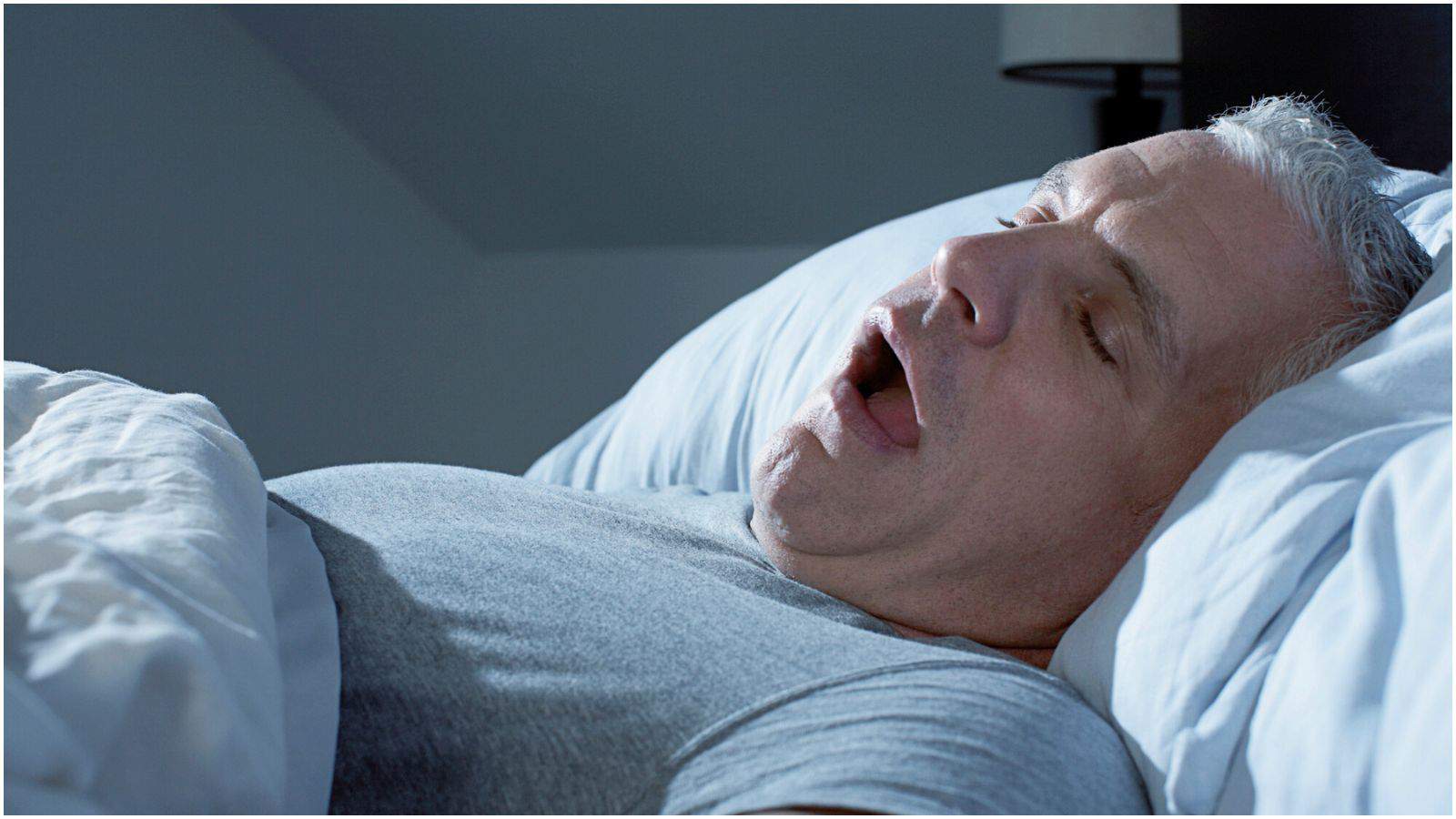
Alcohol relaxes the muscles in your body, including those in your throat. This relaxation can cause the tissues to collapse more easily, leading to snoring and, in some cases, worsening sleep apnea. Sleep apnea is a serious condition where breathing repeatedly stops and starts during sleep. The exacerbation of these conditions not only affects your sleep quality but can also disturb your partner's sleep. Snoring and sleep apnea can lead to decreased oxygen levels in the blood, resulting in more fragmented sleep and increased daytime sleepiness.
Leads to Insomnia

Regular consumption of alcohol before bed can lead to insomnia, a condition characterized by difficulty falling and staying asleep. As your body builds a tolerance to the sedative effects of alcohol, you may find it harder to fall asleep without it, creating a dependency. This can lead to a vicious cycle where you need to consume more alcohol to achieve the same sedative effect, further disrupting your sleep patterns. Insomnia can have numerous negative effects on your health, including increased stress levels, impaired cognitive function, and a weakened immune system.
Affects Sleep Patterns
Alcohol alters normal sleep patterns by affecting the balance between different stages of sleep. It tends to increase the duration of lighter sleep stages while reducing the time spent in deep, restorative sleep. This imbalance can lead to a less refreshing sleep experience, as the deeper stages of sleep are crucial for physical recovery and memory consolidation. Over time, this disruption in sleep patterns can lead to chronic sleep deprivation, affecting your health and well-being. You may experience increased fatigue, mood swings, and difficulty concentrating during the day.
Intensifies Night Sweats

Alcohol can cause vasodilation, which is the widening of blood vessels, leading to increased blood flow and sweating. This effect can intensify night sweats, making you feel uncomfortable and leading to frequent awakenings. Night sweats can disrupt your sleep environment, causing you to wake up feeling hot and sticky, and necessitating changes of clothing or bedding. This constant disturbance can prevent you from reaching the deeper stages of sleep necessary for body and brain recovery. Managing body temperature is crucial for uninterrupted sleep.
Induces Acid Reflux
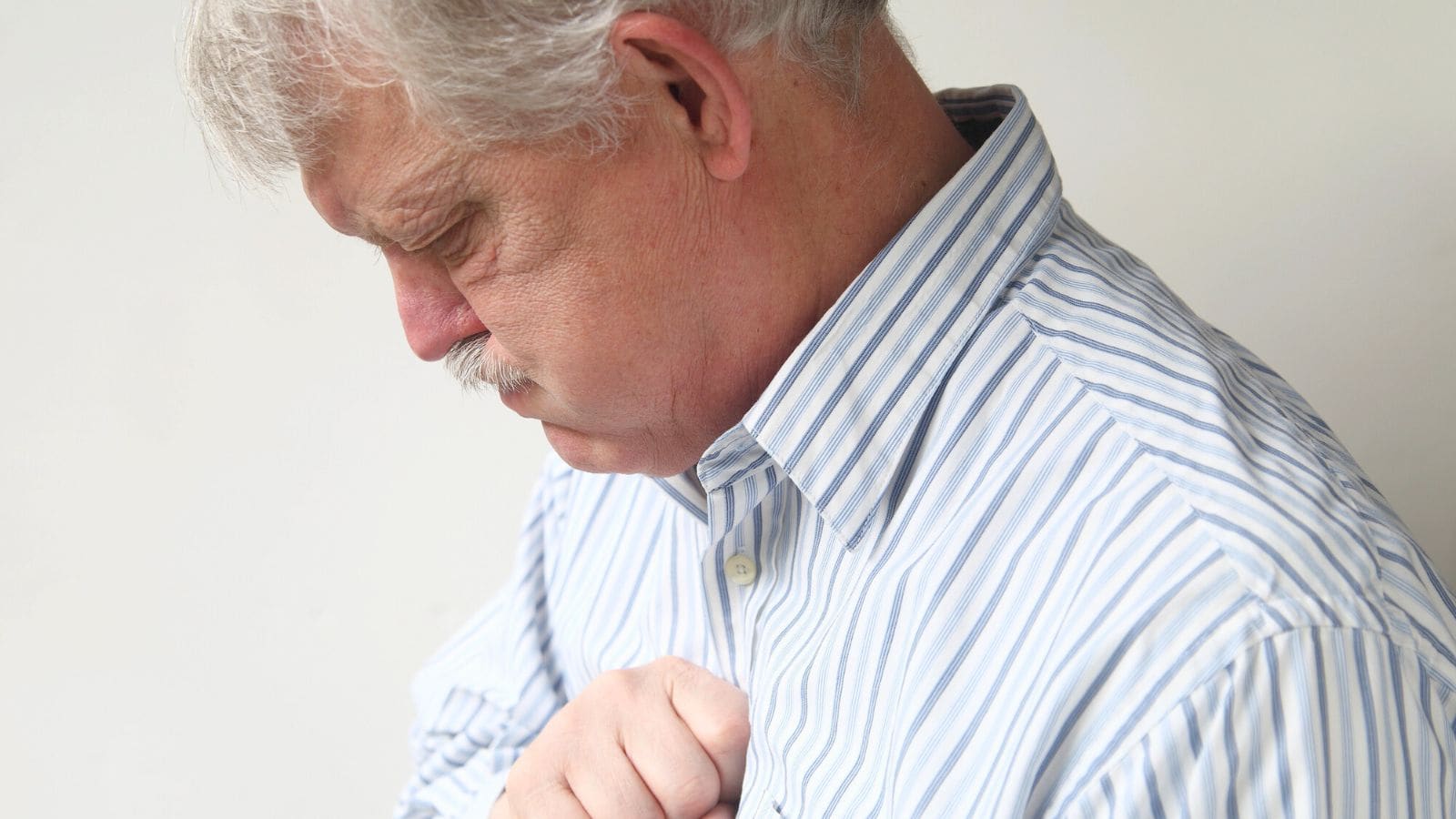
Alcohol can relax the lower esophageal sphincter, the muscle that prevents stomach acid from flowing back into the esophagus. This relaxation can lead to acid reflux or heartburn, especially when you lie down to sleep. Acid reflux can cause discomfort, a burning sensation in the chest, and even coughing or choking, all of which can wake you up and make it difficult to fall back asleep. Chronic acid reflux can also lead to more serious conditions like gastroesophageal reflux disease (GERD).
Impairs Sleep Recovery

The presence of alcohol in your system hampers your body's natural recovery processes during sleep. Sleep is the time when the body repairs tissues, builds muscle, and strengthens the immune system. Alcohol interferes with these processes by reducing the amount of deep sleep you get, which is crucial for physical recovery. Additionally, alcohol's dehydrating effects can strain the body's resources, making it harder to repair and rejuvenate tissues effectively. Over time, this impaired recovery can lead to a weakened immune system, increased susceptibility to illness, and slower healing from injuries.
No Booze, Happy Snooze
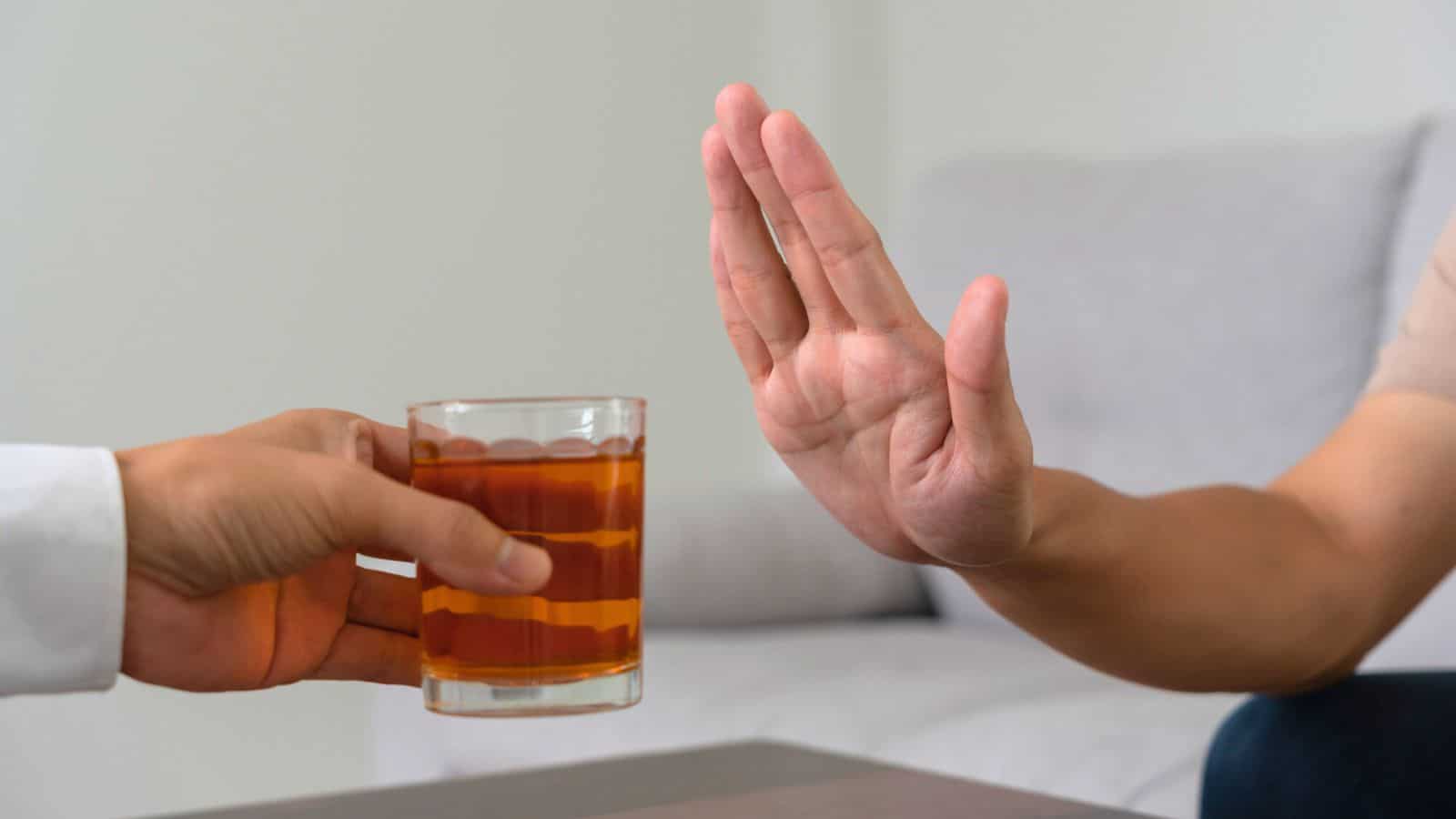
It's clear that that nightcap isn't the great bedtime companion we might have thought. While it might seem to help you relax and fall asleep faster, the impact on your sleep quality is far from perfect. Alcohol disrupts your sleep cycle, causes dehydration, and leads to more frequent wake-ups during the night.
There are plenty of other relaxing bedtime routines that don't involve alcohol and can help you achieve better, more restful sleep. Think about calming activities like reading, gentle stretches, or even a warm bath. These habits can promote a more natural and restful sleep cycle, helping you wake up feeling refreshed and energized.
By making a few changes to your nighttime routine, you can significantly improve the quality of your sleep. Say goodbye to the disruptions caused by alcohol and hello to a great night's sleep. Your body and mind will thank you for it. So next time you're winding down for the night, skip the booze and opt for a more sleep-friendly routine.