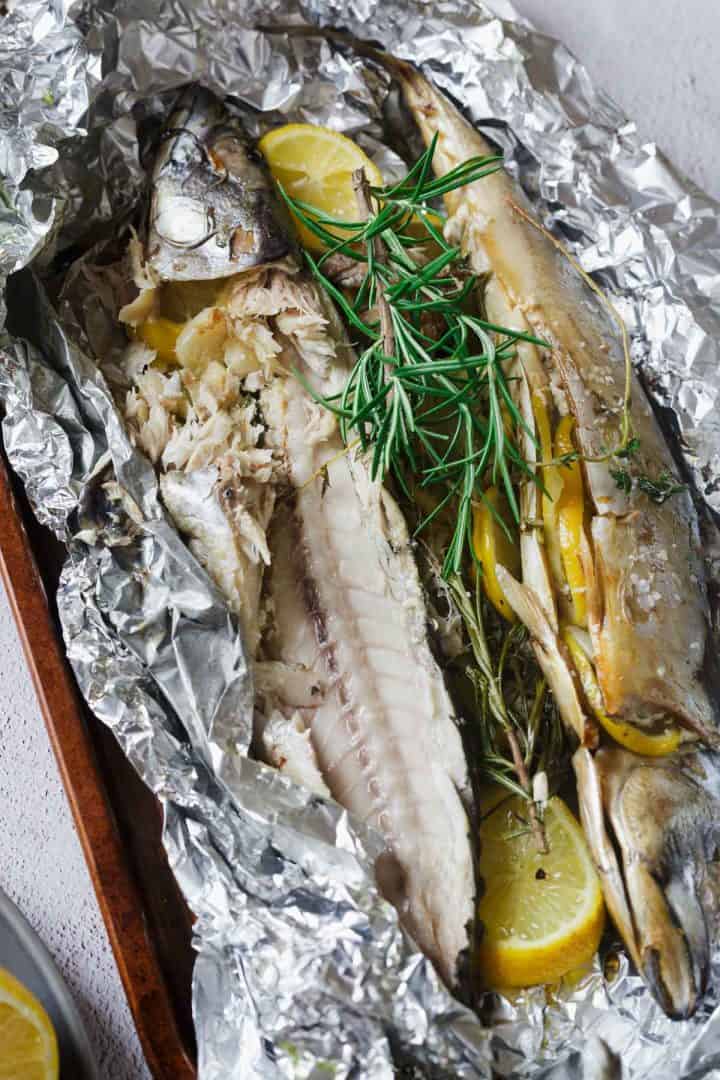
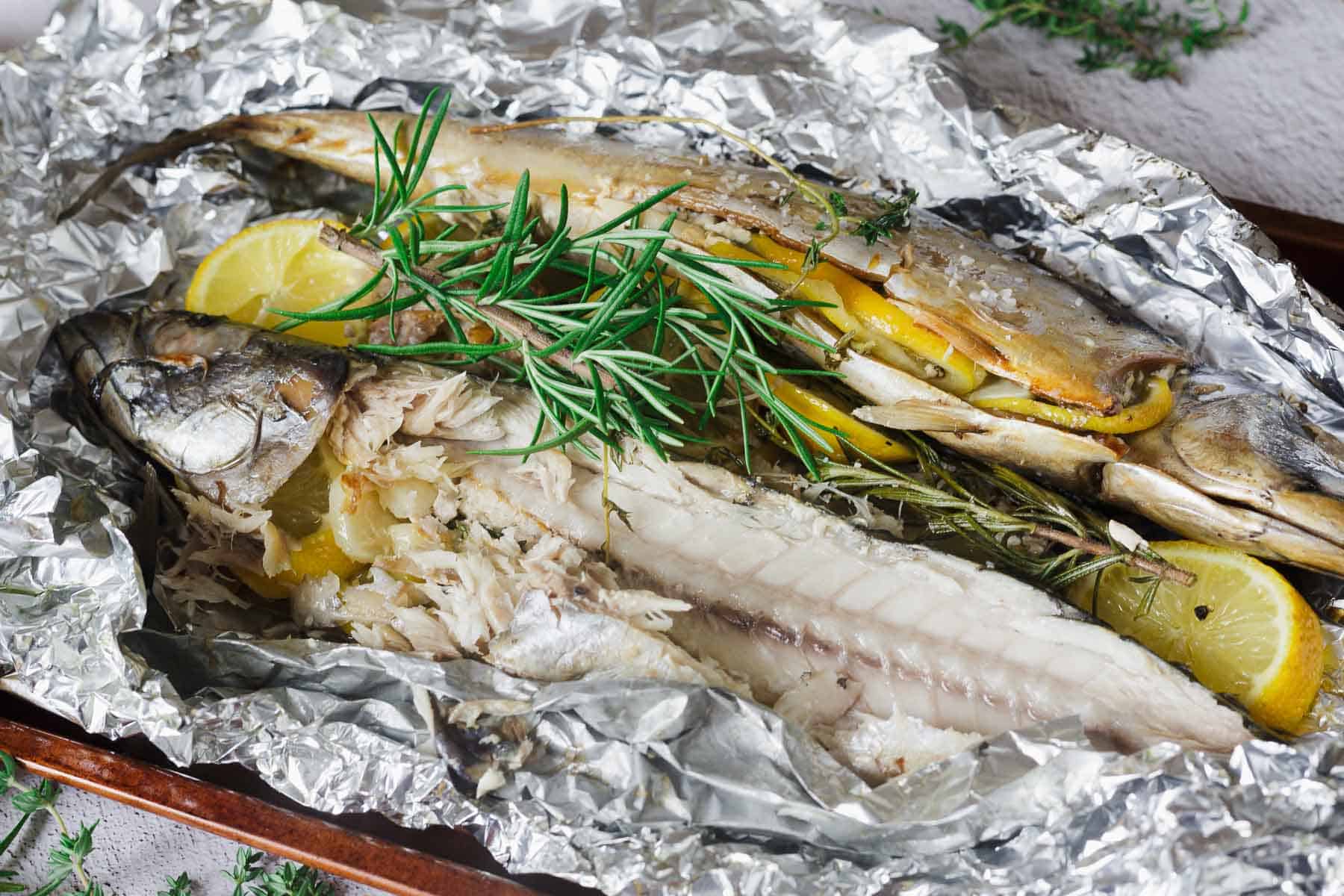
Nothing draws people toward the grill faster than the smell of this whole grilled mackerel with garlic, rosemary, and thyme. I've cooked enough whole fish through in summer to know that a simple herb marinade and a foil packet are all mackerel needs to stay tender. It's the dinner I turn to while the kids are still outside chasing one last game.
Jump to:
Every summer, there was a family on our street that ran their sprinkler for hours. Not for the grass. The lawn had usually given up by July anyway. The sprinkler became the neighborhood clock.
The moment the water started spraying, children appeared from nowhere. Bicycles clattered onto driveways. Flip-flops slapped against the pavement. Popsicles dripped down wrists faster than anyone could eat them. Leo and Lin would run outside before I even had time to finish tying Lin's hair, already asking if their friends were coming.
F stayed near the grill, the same way he always does, checking the propane and moving chairs into the shade. I would stay in the kitchen with the windows open, preparing whatever would greet everyone after hours of running through the water.
Summer felt generous like that.
One neighbor often came back from the park carrying sliced watermelon. Another family would send over grilled corn wrapped in napkins. Nobody kept score. Plates moved back and forth across fences without much thought. Somewhere along the way, I started sending over these whole grilled mackerel packets. People loved them.
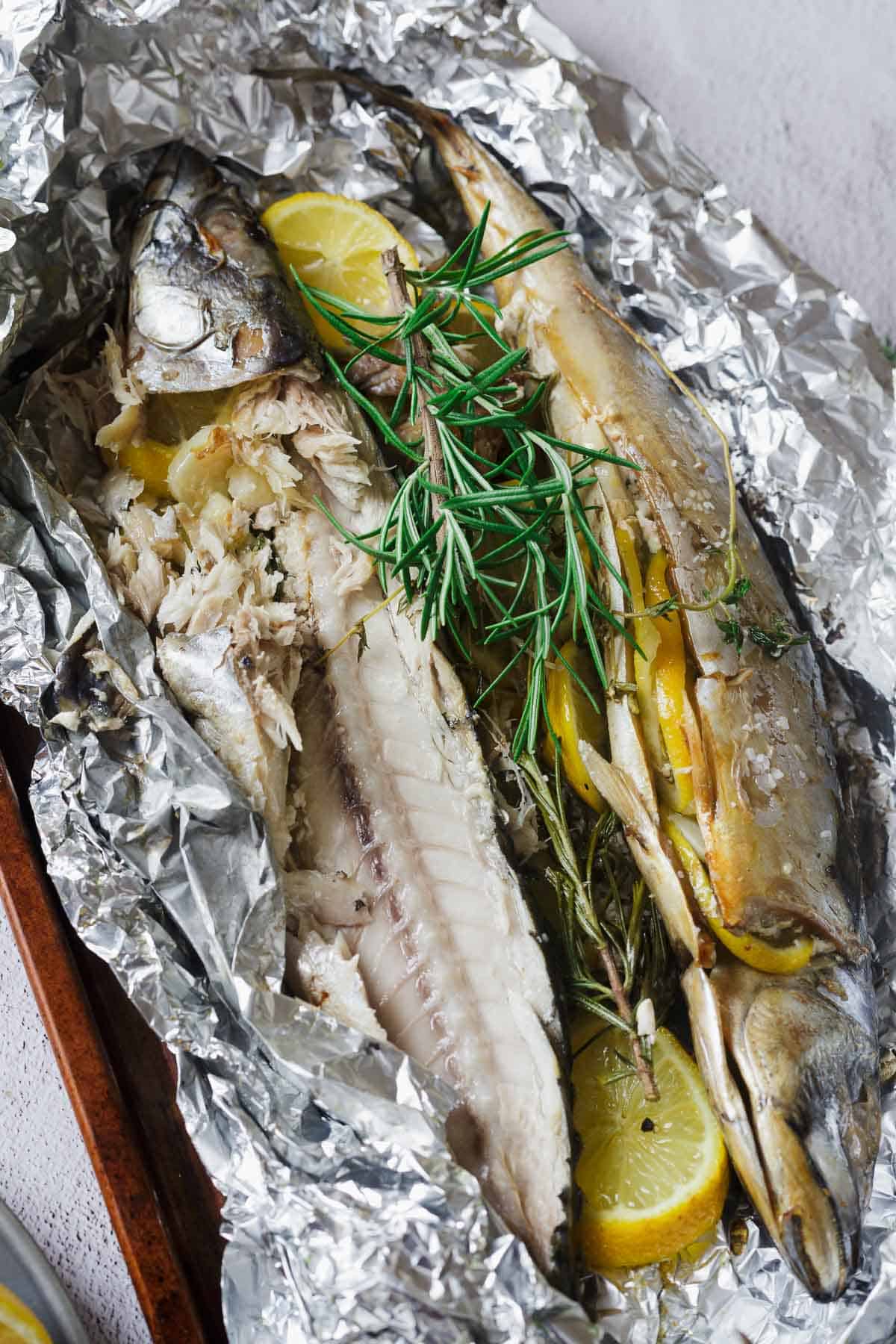
Maybe it was because mackerel belongs outdoors. Maybe because opening the foil releases that first rush of steam scented with rosemary and lemon. Or maybe because meals eaten after hours of sunshine always seem to disappear faster.
This foil-grilled mackerel with garlic, rosemary, and thyme reminds me of those afternoons. You marinate the fish, seal everything inside, and let the grill do its work while everyone else is busy chasing water, shade, or one last game before dinner.
Growing up around Russian and Ukrainian cooking, whole fish never felt unusual. Fish appeared on holiday tables and Friday evenings, sometimes baked, sometimes pickled, sometimes served cold with potatoes and herbs. Later, I noticed how whole fish carried a similar sense of gathering around the table. Fresh herbs, citrus, and simple preparations allowed the fish itself to remain the center of attention.
It shaped recipes like my Nordic fire-grilled salmon, which we often make when friends come over during long summer evenings. It led to the whole fish with pomegranate molasses that brings Middle Eastern flavors to the table with sweet and tangy notes. On quieter nights, I return to classic white fish in white wine sauce, the kind of dinner that feels gentle after a busy day.
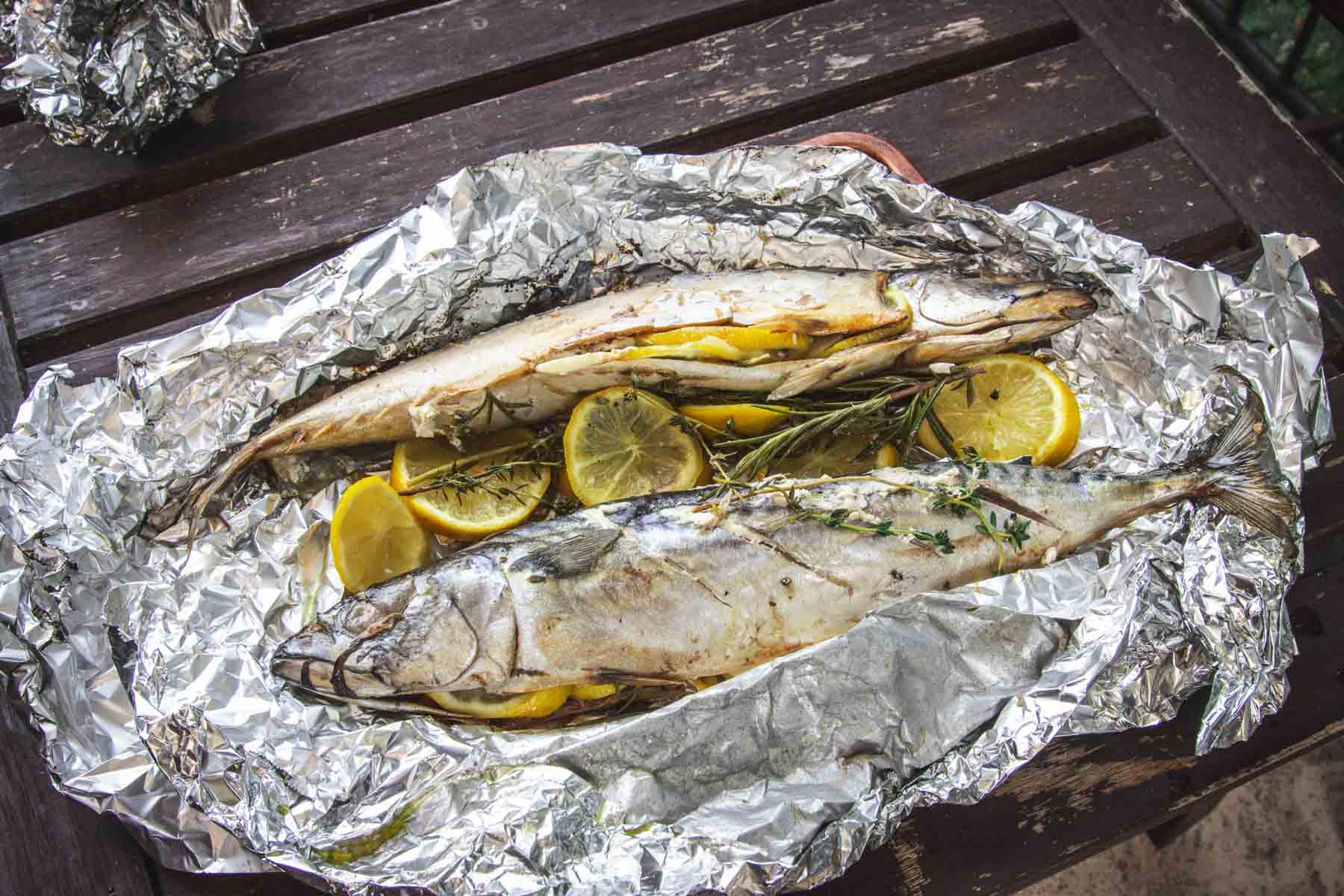
This foil-grilled mackerel belongs to the hottest part of summer. The fish marinates while children play. It cooks gently inside its foil packet while conversations drift across fences. By the time everyone settles around the table, the flesh has become tender and fragrant with garlic, rosemary, thyme, and lemon.
For me, that is what summer food should do. It should allow you to spend more time with people and less time managing dinner.
Ingredients
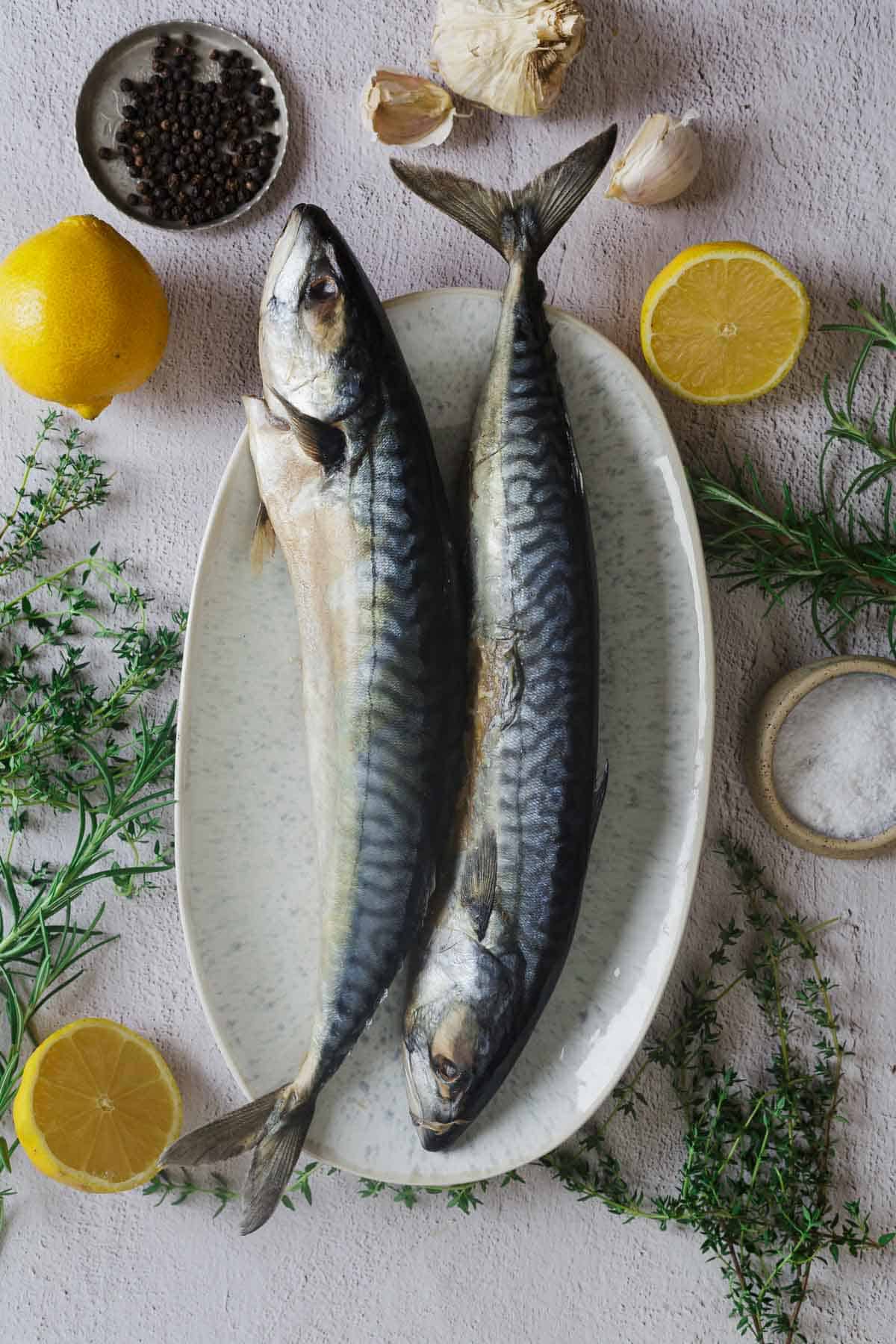
Whole mackerel is what makes this recipe work. I always look for fish with clear eyes and firm flesh because the natural oils in mackerel keep it moist over the grill. Growing up around Mediterranean and Israeli cooking taught me that oily fish are among the easiest whole fish to cook outdoors because they stay tender even over strong heat. Sardines or whole trout can step in if mackerel isn't available, though they have a lighter flavor and cook a bit faster.
Garlic gives the fish its direction. As it cooks inside the foil packet, it softens and mingles with the juices from the fish and lemon. I learned early on that minced garlic works better here than large slices because it slips into the cuts made along the sides and seasons the flesh more evenly. Shallots can work in its place, though the flavor will be softer.
Fresh rosemary and thyme are the herbs I come back to every summer. Their fragrance reminds me of grilled fish served along the Mediterranean coast, where simple herbs often do most of the work. I tuck extra sprigs inside the cavity because they perfume the fish as it cooks. Oregano or parsley can replace them, though rosemary brings a deeper aroma that pairs especially well with mackerel.
See the recipe card for the full list and exact quantities.
Top Tips
Give the fish ten minutes out of the refrigerator before grilling - I used to transfer whole mackerel straight from the fridge to the grill, and the center always lagged behind the outside. Letting it sit while the grill finishes heating helps the fish cook more evenly and keeps the flesh tender.
Fennel and capers make great additions - after making this recipe many summers in a row, I started slipping a few thin fennel slices or several capers into the packet. Both pair beautifully with the richness of mackerel and remind me of Mediterranean fish dishes served with simple ingredients and plenty of lemon.
Keep a spoon nearby when opening the packets - many people focus on the fish itself and forget about the juices collected in the bottom of the foil. That liquid, scented with rosemary, thyme, garlic, and lemon, is one of my favorite parts of the meal. I spoon it over the fish before serving, and neighbors who have shared this dinner with us over the years always do the same.
How to Make Whole Grilled Mackerel with Garlic, Rosemary, and Thyme
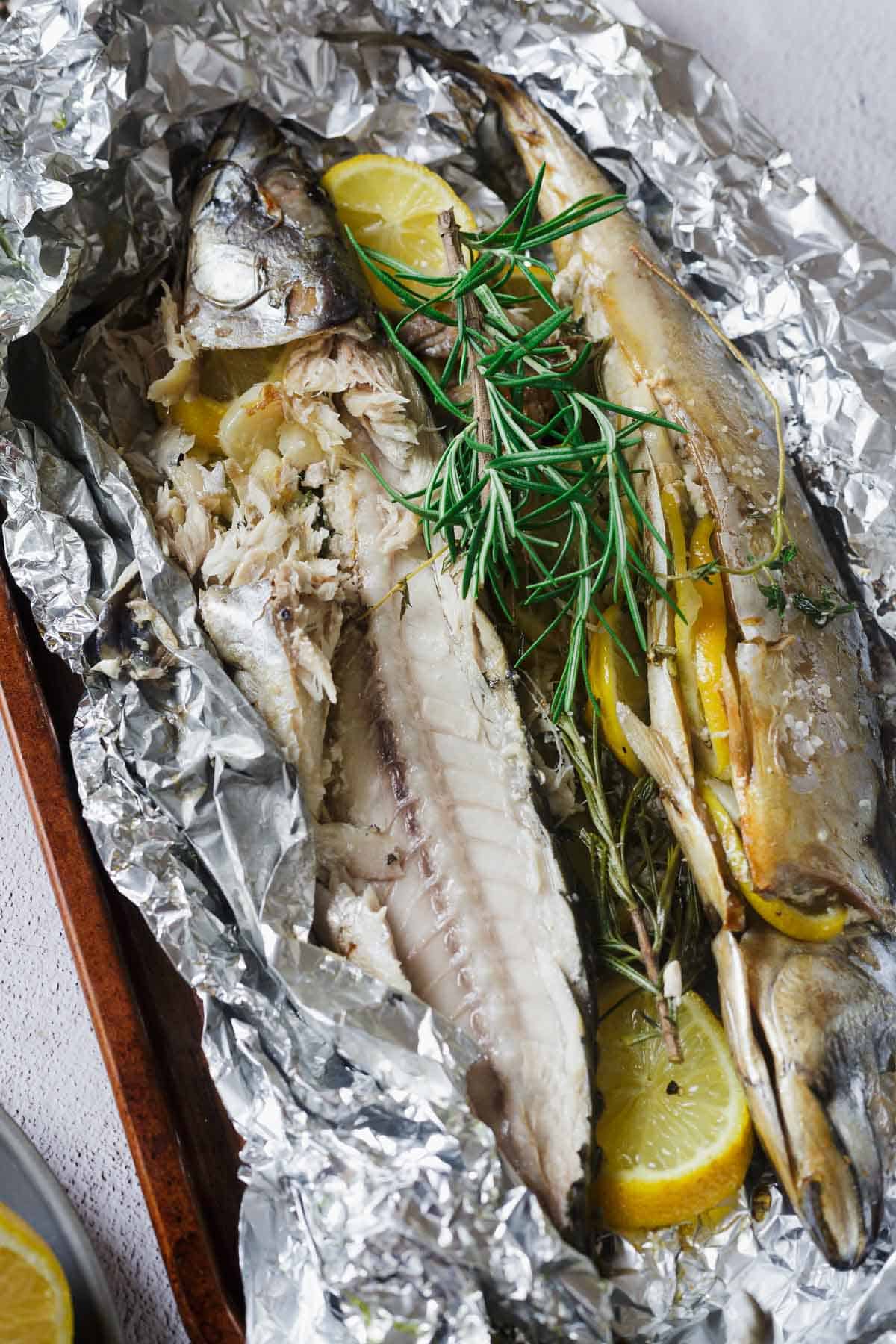
Whole grilled mackerel is one of those recipes that rewards paying attention to small details. The foil packet does much of the work, though there are a few visual cues that make the difference between fish that stays succulent and fish that cooks too far. Here's what to look for along the way:
Mix the Herb Marinade
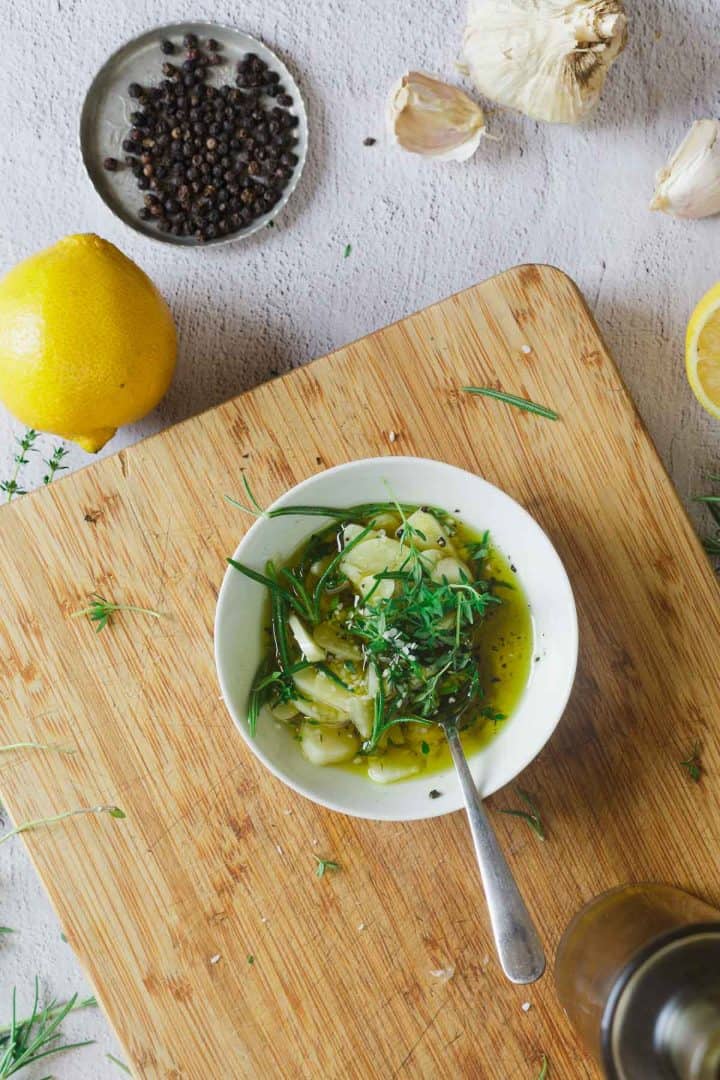
- The marinade should smell bright and fragrant, with the rosemary standing out first.
- Because mackerel has rich flesh, it can handle plenty of herbs without becoming overwhelmed. Don't worry if bits of garlic and herbs float rather than fully combining. The oil will carry them where they need to go.
Prepare and Score the Fish
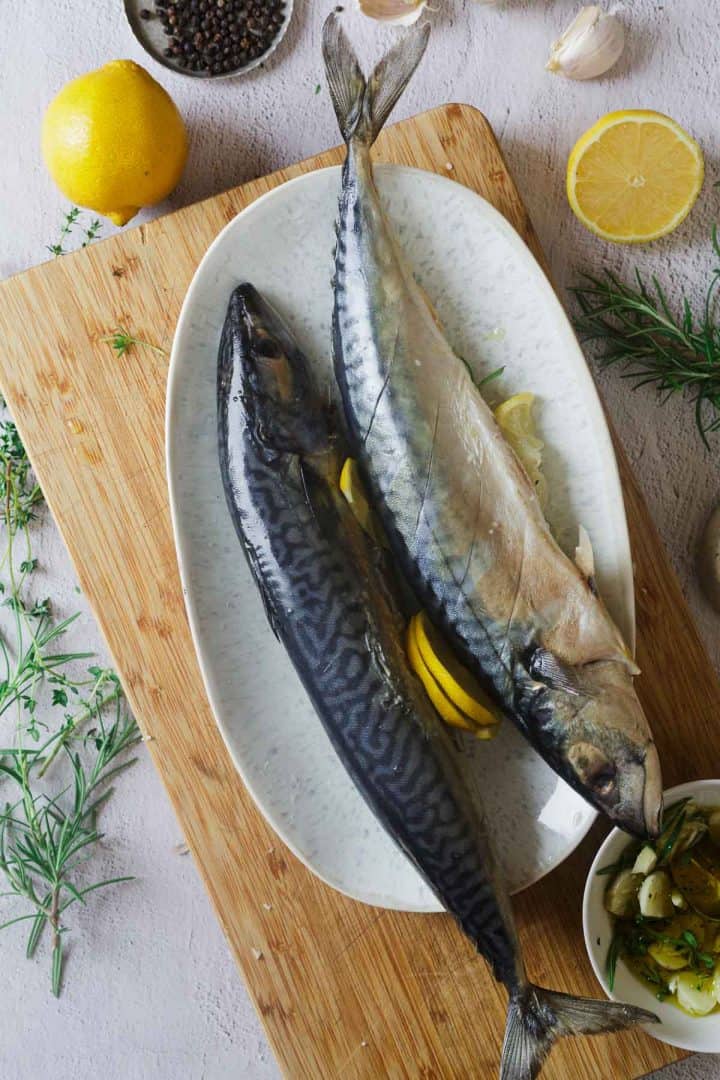
- Drying matters more than many people think. Excess moisture prevents the marinade from clinging to the fish.
- The cuts should be shallow, enough to expose the flesh without cutting all the way through. I learned after several summers of grilling whole fish that deeper cuts can cause the fish to break apart when serving.
- The skin should still feel firm and intact.
Season Inside and Out
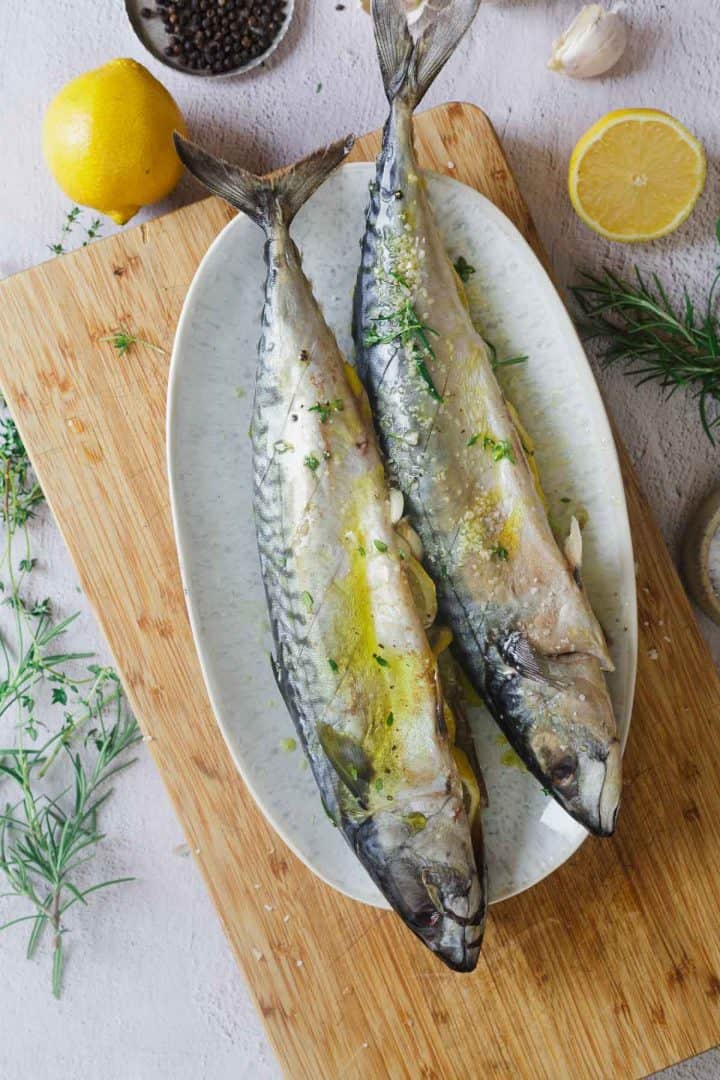
- As the fish rests, the herbs begin scenting the flesh from the inside. You want everything lightly coated rather than swimming in marinade. Too much liquid can dilute the natural flavor of the fish.
- During the marinating time, the skin will take on a glossy appearance and the garlic aroma will become more pronounced.
Bring the Fish Closer to Room Temperature
- Heat the grill to medium-high heat and remove the fish from the refrigerator shortly before cooking.
- Cold fish placed directly on a hot grill often cooks unevenly. Allowing it to lose some of its chill helps the flesh cook more consistently from edge to center.
- Meanwhile, the grill should feel properly heated. A grill that is too cool creates excess steam and prevents the fish from developing its full flavor.
Build the Foil Packets
- Place each fish on a sheet of heavy-duty foil and drizzle any remaining marinade over the top. Fold and seal the foil securely, leaving a little room around the fish.
- That empty space inside the packet is important. The fish needs room for steam to circulate. The packet should resemble a loose envelope rather than something tightly wrapped.
- If the foil presses directly against the fish everywhere, the flesh may cook unevenly.
Grill Until the Packets Puff Slightly
- Place the packets on the grill and close the lid.
- After some time, you may notice the packets puffing slightly. That is a good sign. Inside, the lemon releases moisture, the herbs perfume the fish, and the natural oils from the mackerel mingle with the marinade.
- Turn the packets carefully halfway through cooking. Heavy-duty foil helps prevent tearing, though I still use tongs and support the bottom with a spatula when flipping.
- Because mackerel is naturally rich, it cooks quickly. I usually begin checking a little early during the second side rather than waiting until the last minute.
Check for Doneness Carefully
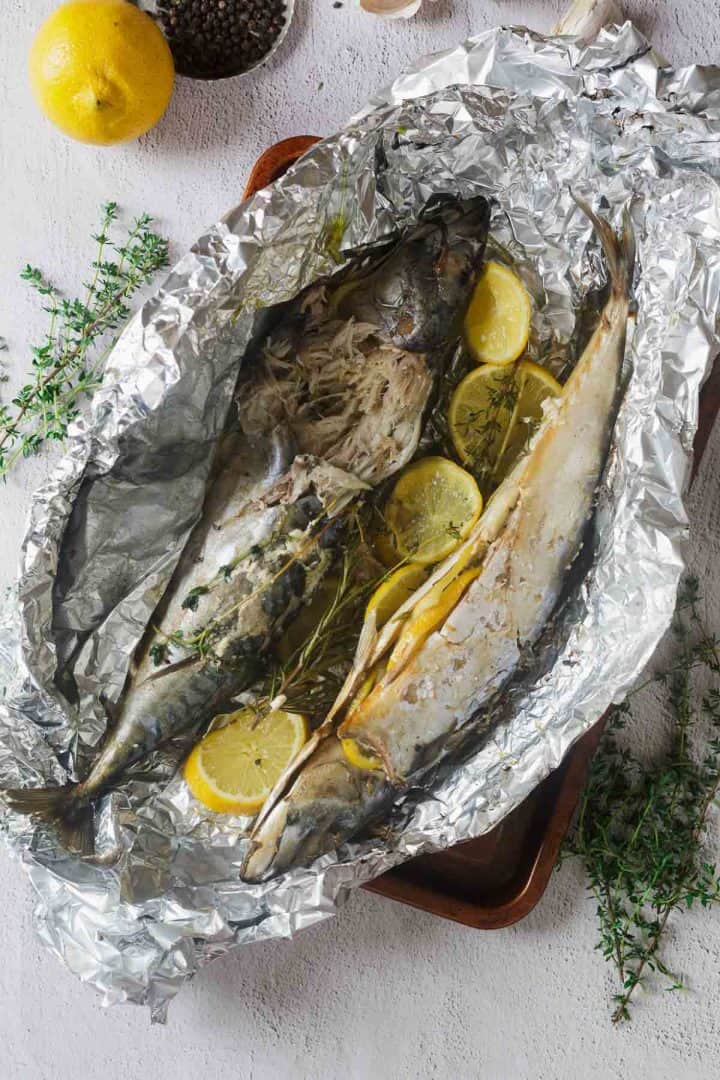
- The flesh should look opaque instead of translucent and should separate easily when nudged with a fork. If it still appears glossy and slightly raw near the backbone, close the packet again and continue cooking for several more minutes.
- Try not to rely only on time. Size varies from fish to fish, and mackerel can go from perfectly cooked to dry faster than many white fish.
Crisp the Skin, if Desired
- If you enjoy crisp skin, carefully open the packets near the end of cooking and transfer the fish directly onto the grill grates.
- Two or three minutes are usually enough. Watch closely during this step because the skin darkens quickly thanks to the natural oils in the fish.
- You are looking for lightly blistered skin rather than heavily charred patches.
Let the Fish Rest Before Serving
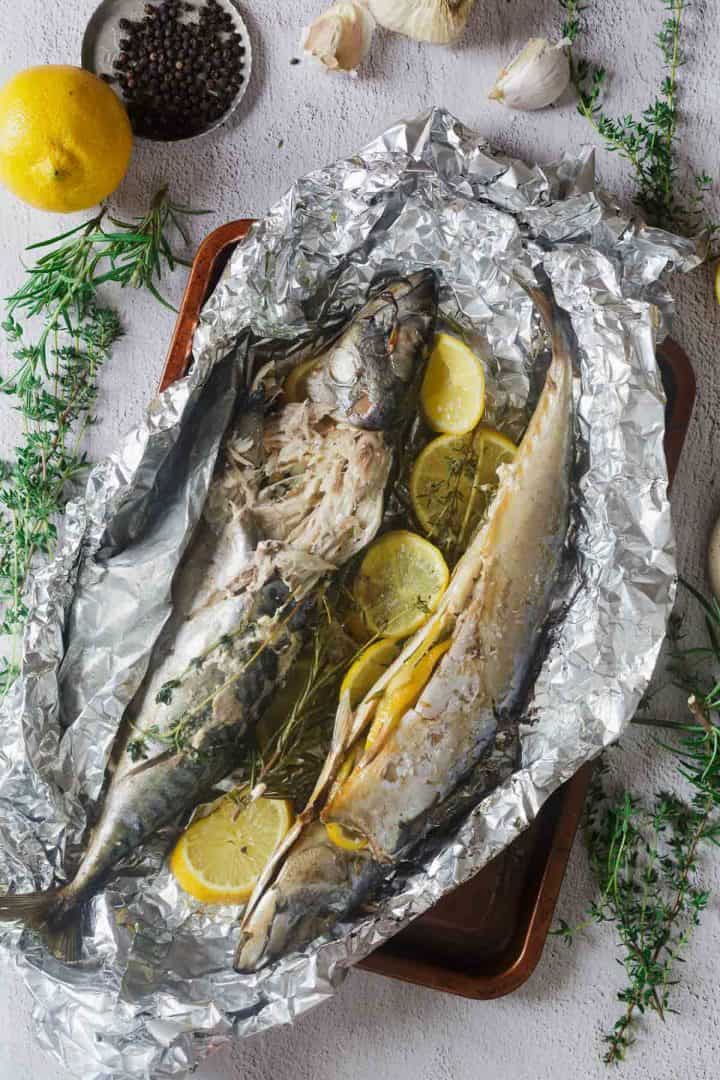
- As the fish sits, the juices settle back into the flesh. Rushing this stage can cause those juices to run onto the plate instead of staying inside the fish.
- When you finally open the packets, you'll find a fragrant mixture of lemon, herbs, and fish juices pooled at the bottom. I always spoon that liquid over the top before serving. It carries some of my favorite flavors in the entire dish and reminds me why foil-grilled fish has become one of our summer traditions.
Storage
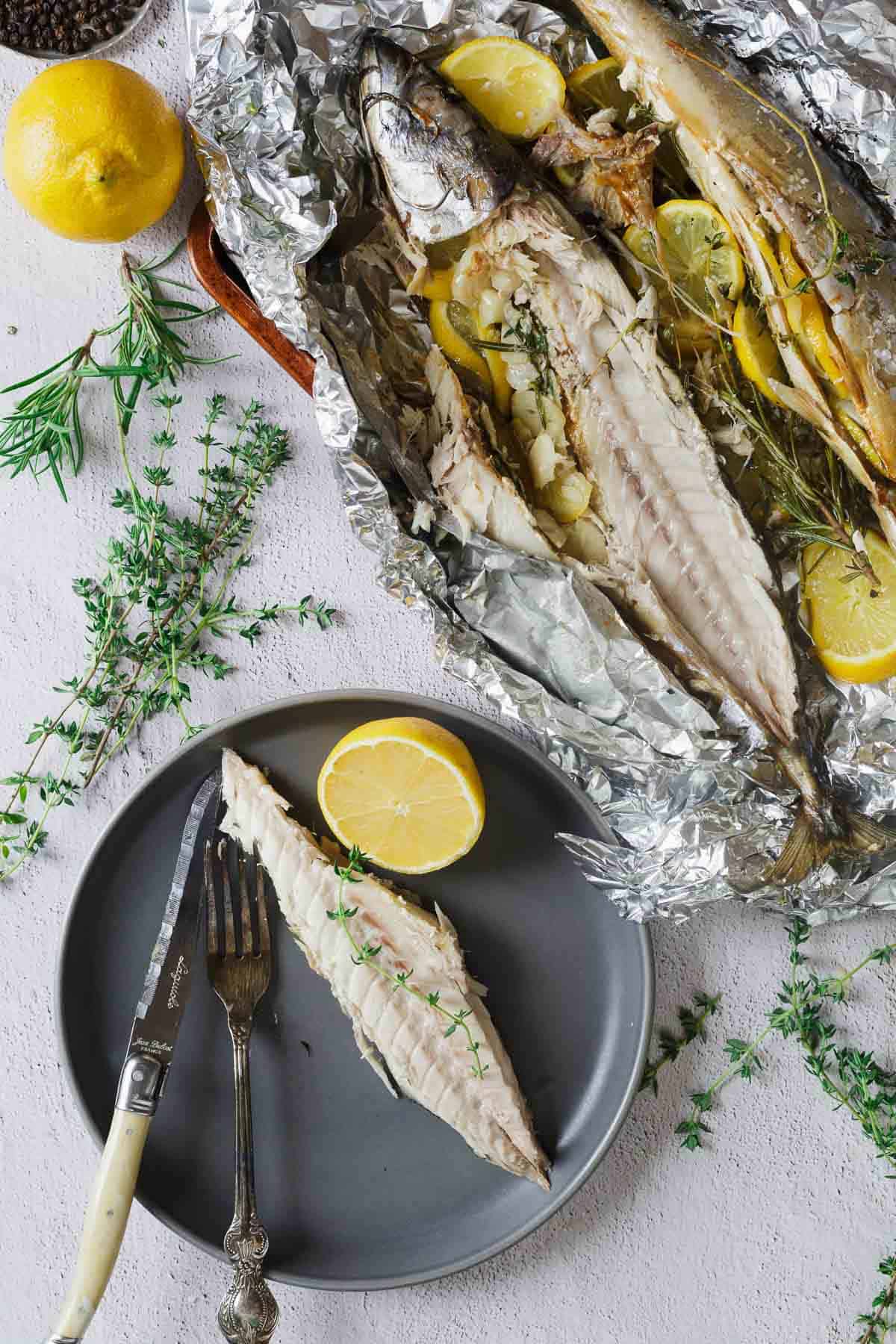
Store leftover whole grilled mackerel in an airtight container in the refrigerator for up to 2 days. I like to keep some of the cooking juices with the fish, as they help prevent it from drying out. When ready to eat, reheat gently in a low oven or enjoy it cold, flaked into salads or grain bowls. High heat tends to dry the flesh, so avoid prolonged microwaving.
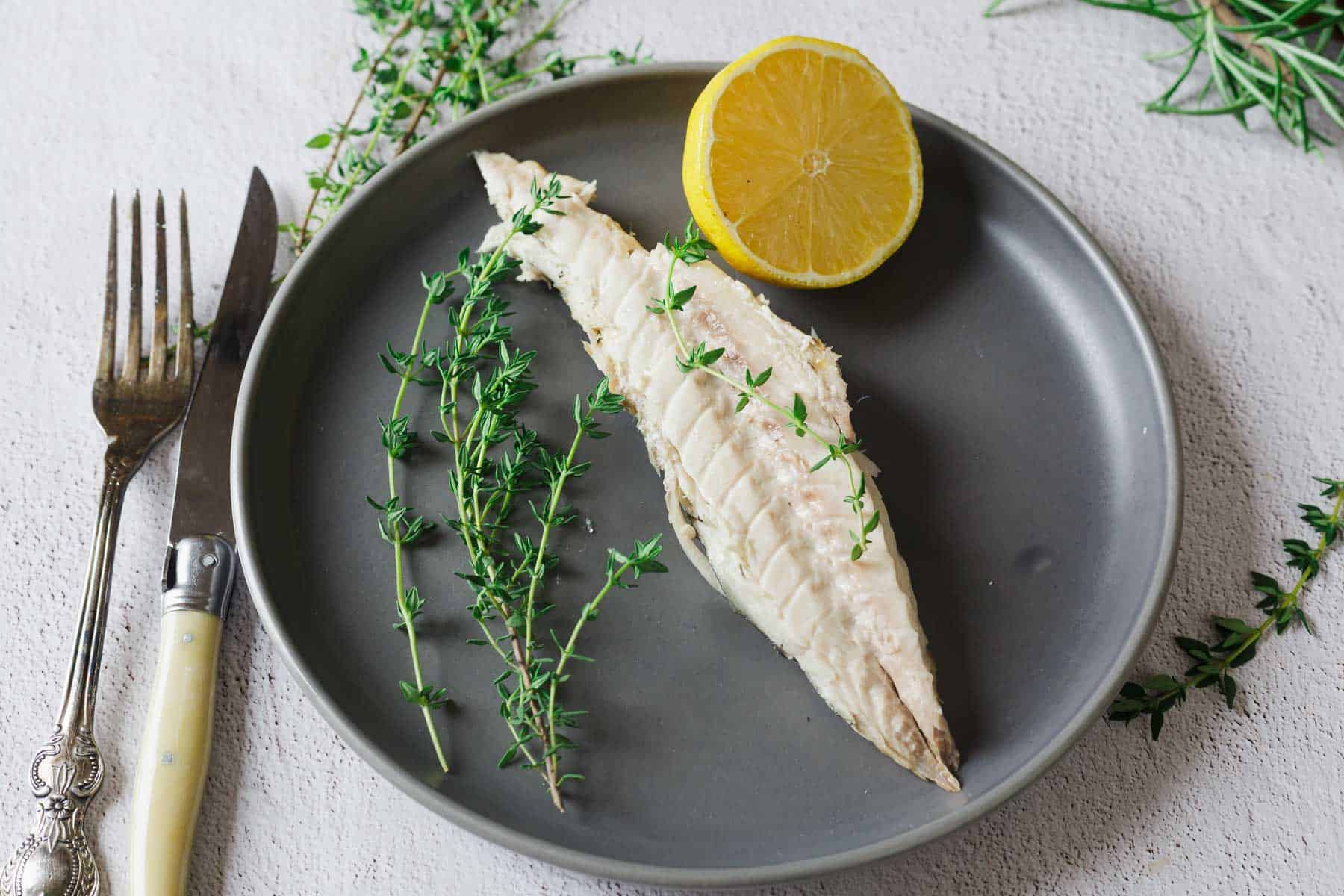
For longer storage, remove the meat from the bones and freeze it in a freezer-safe container for up to 2 months. Keeping the fish boneless before freezing makes it much easier to use later. Thaw overnight in the refrigerator before reheating gently. The texture will be a bit softer after freezing, though the garlic, herbs, and lemon still come through nicely.
FAQs
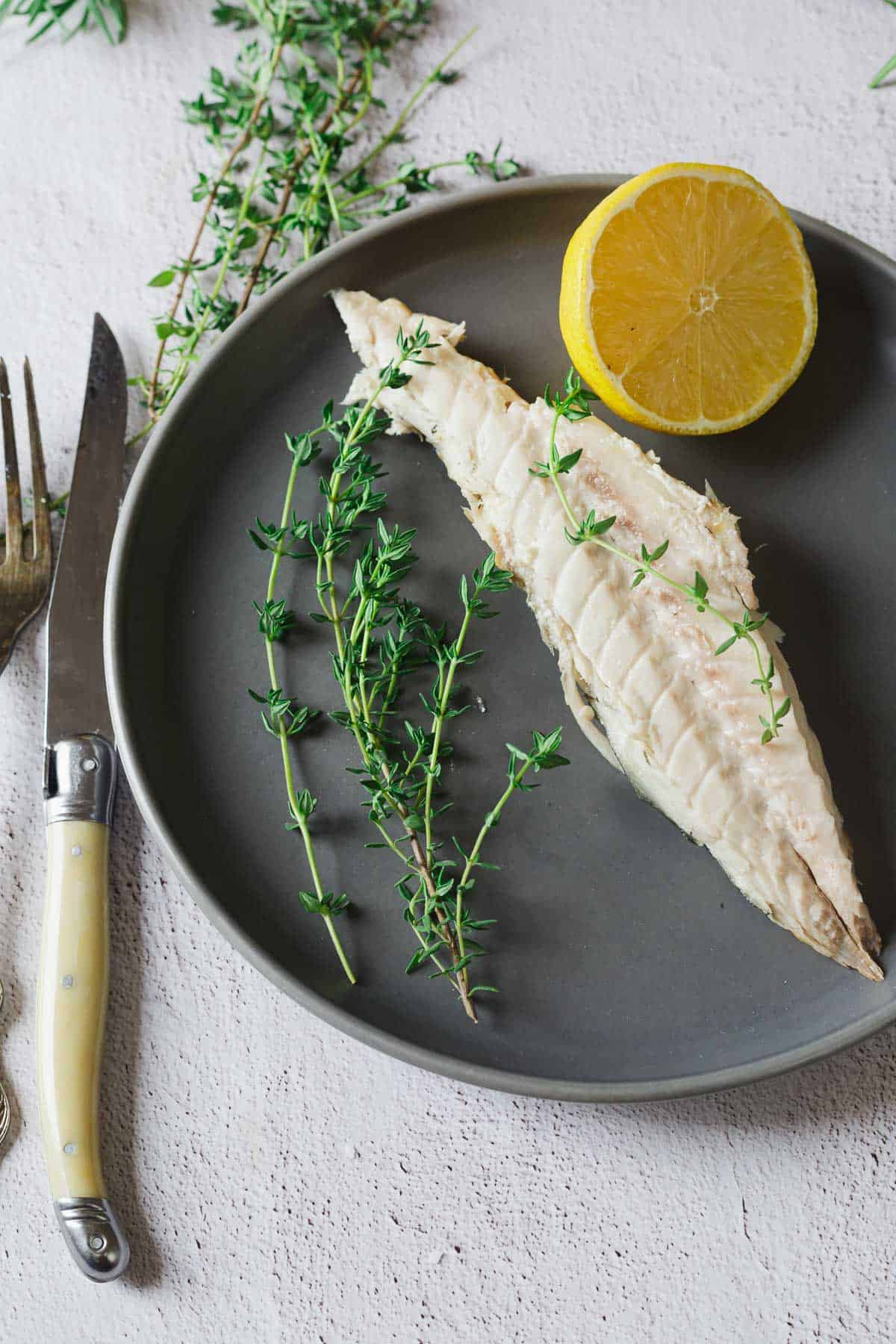
Fish usually sticks when the foil packet is opened too soon or the fish is very lean. Mackerel naturally contains plenty of oil, so it releases easily once fully cooked. Let the packets rest for a few minutes before opening, and use heavy-duty foil to prevent tearing.
Yes. Whole mackerel can be cooked directly on the grates or in a fish basket. Foil creates a gentler cooking environment and helps keep the flesh moist, which is why I often use it for summer dinners. If grilling directly, oil the grates well and turn the fish carefully to avoid tearing the skin.
Yes. Frozen whole mackerel works very well, provided it is thawed completely in the refrigerator before cooking. Pat dry thoroughly before marinating, since excess moisture can dilute the herb mixture and affect the final texture.
Recipe
Tried and loved this recipe? Please leave a 5-star review below! Your reviews mean a lot to me, so if you've got any questions, please let me know in a comment.
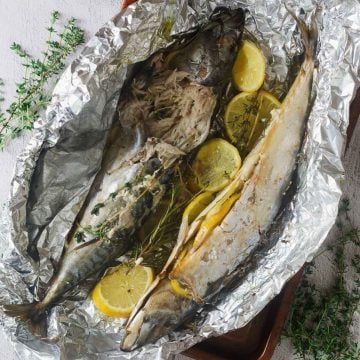
Whole Grilled Mackerel
Equipment
- Medium bowl
- Sharp Knife
- paper towels
- Heavy-duty aluminum foil
- Fork
Ingredients
For the Herb Marinade
- 3 tablespoons extra virgin olive oil
- 4 garlic cloves minced
- 1 tablespoon fresh rosemary finely chopped
- 1 tablespoon fresh thyme leaves
- Juice of 1 lemon
- 1 teaspoon kosher salt
- ½ teaspoon black pepper
For the Fish
- 2 whole mackerel about 1 pound each, cleaned and gutted
- 1 lemon sliced into rounds
- 4 fresh rosemary sprigs
- 4 fresh thyme sprigs
Instructions
Prepare the Herb Marinade
- Whisk together the olive oil, garlic, rosemary, thyme, lemon juice, salt, and pepper. The mixture should smell bright and fragrant, with bits of herbs suspended throughout the oil.
Prepare the Fish
- Rinse the whole mackerel and pat them very dry with paper towels. Using a sharp knife, make three shallow diagonal cuts on each side of the fish. These slashes help the marinade season the flesh more evenly.
Season and Marinate
- Rub the herb mixture inside the cavities, into the cuts, and all over the skin. Tuck lemon slices along with rosemary and thyme sprigs inside each fish. Refrigerate for 30 minutes to allow the flavors to settle into the flesh.
Heat the Grill
- Preheat the grill to medium-high heat, around 400°F. Remove the fish from the refrigerator about 10 minutes before cooking so they lose some of their chill.
Build the Foil Packets
- Place each fish in the center of a sheet of heavy-duty foil. Spoon any remaining marinade over the top. Fold and seal the packets tightly around the edges, leaving some room inside so steam can circulate while cooking.
Grill the Fish
- Place the packets on the grill and close the lid. Cook for 15 minutes, then carefully turn the packets and continue cooking for another 12 to 15 minutes. The packets may puff slightly as steam builds inside.
Check for Doneness
- Open one packet carefully, directing the steam away from yourself. The flesh should appear opaque and separate easily with a fork. If it still looks shiny near the backbone, reseal the packet and cook a few minutes longer.
Rest and Serve
- Allow the packets to rest for 3 to 5 minutes before opening completely. Transfer the fish to plates and spoon the fragrant juices from the bottom of the foil over the top before serving.