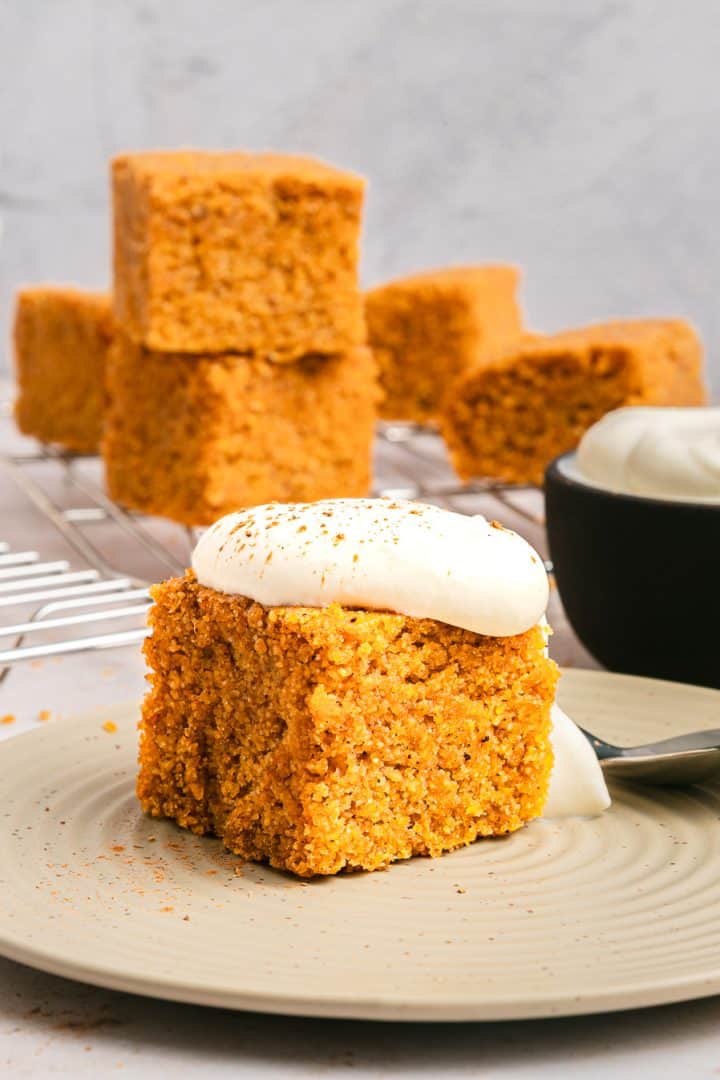
When I have an extra sweet potato and a house full of people asking what's there to eat, this sweet potato cornbread is usually my answer. If you have one sweet potato and a bag of cornmeal, you're already halfway there. Cinnamon-scented, softly sweet, and impossible to leave alone.
I had one lonely sweet potato sitting on the counter giving me accusing looks. Rainy Saturdays have their own personality. Nobody gets dressed properly. Lin spends half the day in pajamas that no longer match. Leo somehow loses one sock and considers this perfectly acceptable. My husband starts three different projects and finishes none of them. Somewhere around noon, everyone begins wandering into the kitchen every fifteen minutes asking the same question.
What's there to eat?
I had cooked an extra sweet potato earlier in the week, which happens often around here. Sweet potatoes have quietly taken over our lives. I buy them with good intentions, forget how many I already have, and suddenly there's enough to feed a small village.
Some end up as Middle Eastern caramelized sweet potato slices with date syrup, other times, especially around Shabbat, I make maple tahini sweet potatoes. That combination of nutty tahini and maple feels familiar now. And whenever I have leftover mashed sweet potato hiding in the refrigerator, I know exactly where it's headed. Sweet potato crème brûlée has rescued many forgotten containers and transformed them into dessert.
Apparently, I have become one of those people who always has sweet potatoes. Life is funny that way. Cornbread itself feels far removed from my Russian and Ukrainian family roots, yet somehow the habit behind it feels familiar. Nothing good was wasted growing up. Leftover vegetables became soups, fillings, or casseroles. In Colombian cooking too, root vegetables always had a place at the table. Years spent cooking Middle Eastern food added another layer, teaching me how naturally sweet vegetables work alongside spices and simple ingredients.
The first version of this gluten-free sweet potato cornbread was respectable enough, which is usually code for nobody complained. The second version came out too dense. Another batch leaned suspiciously close to cake territory. Leo still ate three pieces and declared himself a baking expert.
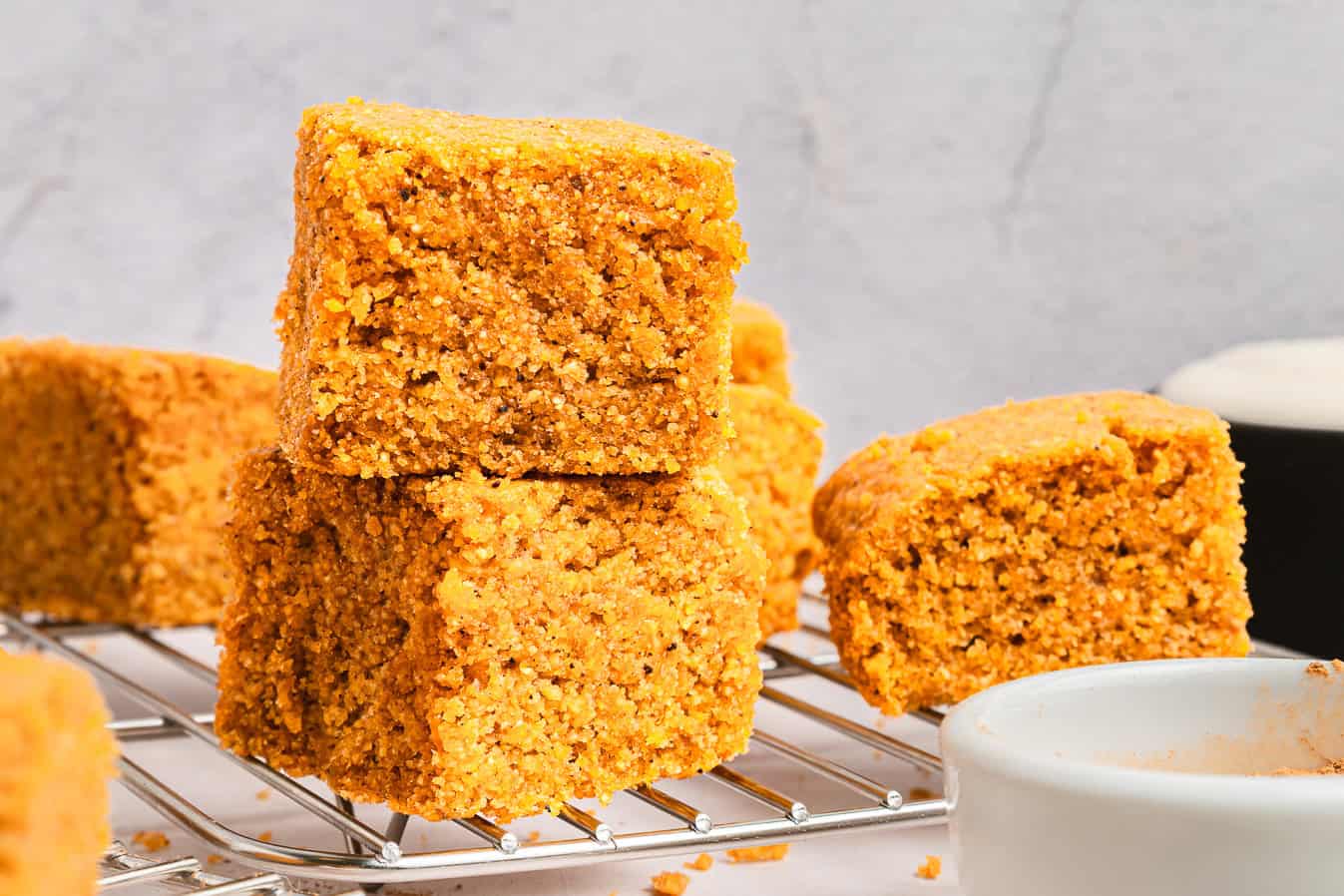
After several rounds, I found the balance I had been searching for. Enough sweet potato to keep the crumb soft. Enough cornmeal to remind you that this is indeed cornbread and not dessert pretending to wear a cornbread costume.
By then the rain had settled into a steady rhythm against the windows. Lin had migrated from building blanket forts to supervising the mixing process with great seriousness. My husband wandered in, sniffed the air, and casually asked when it would be ready, which in marriage language means he was already planning his second piece.
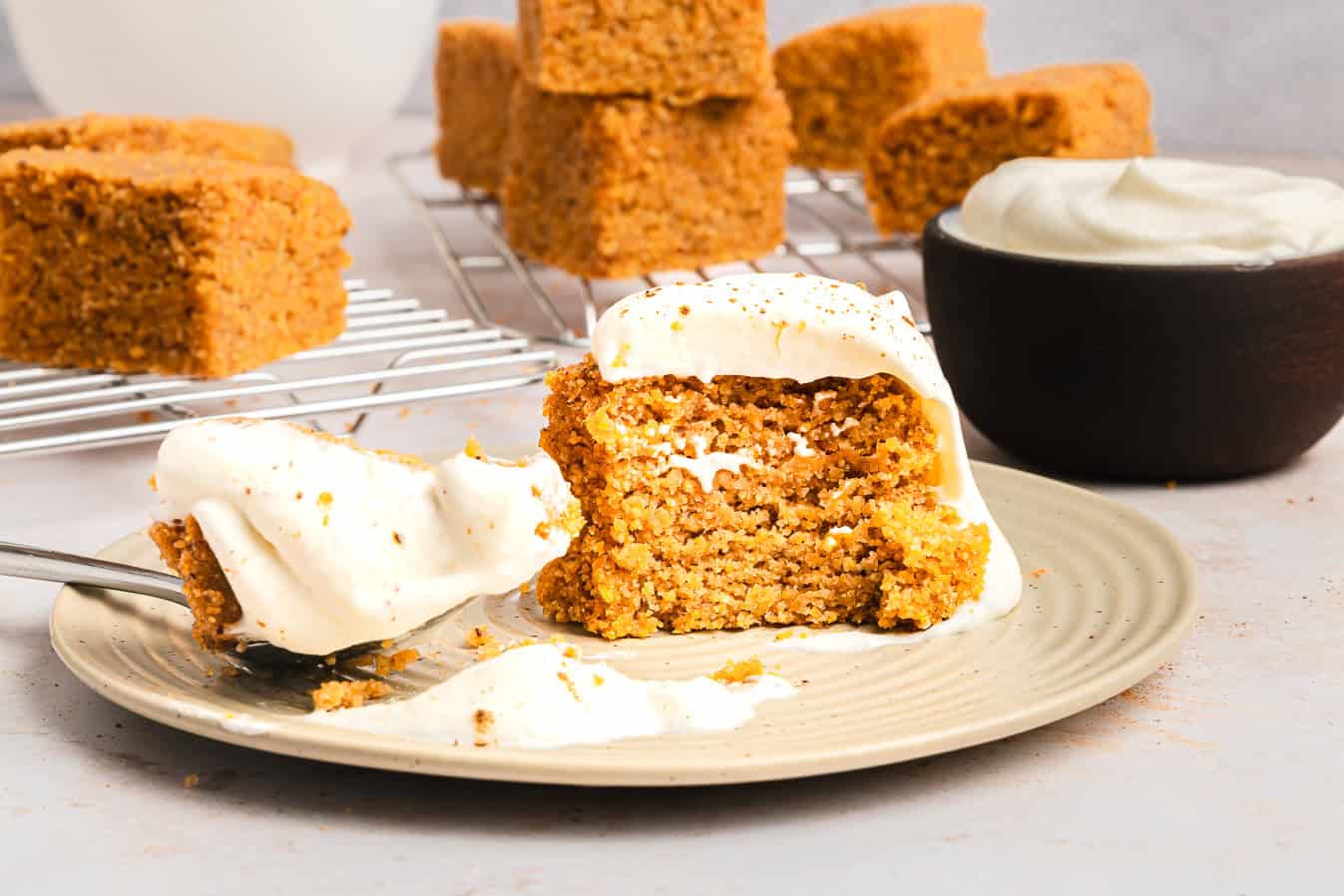
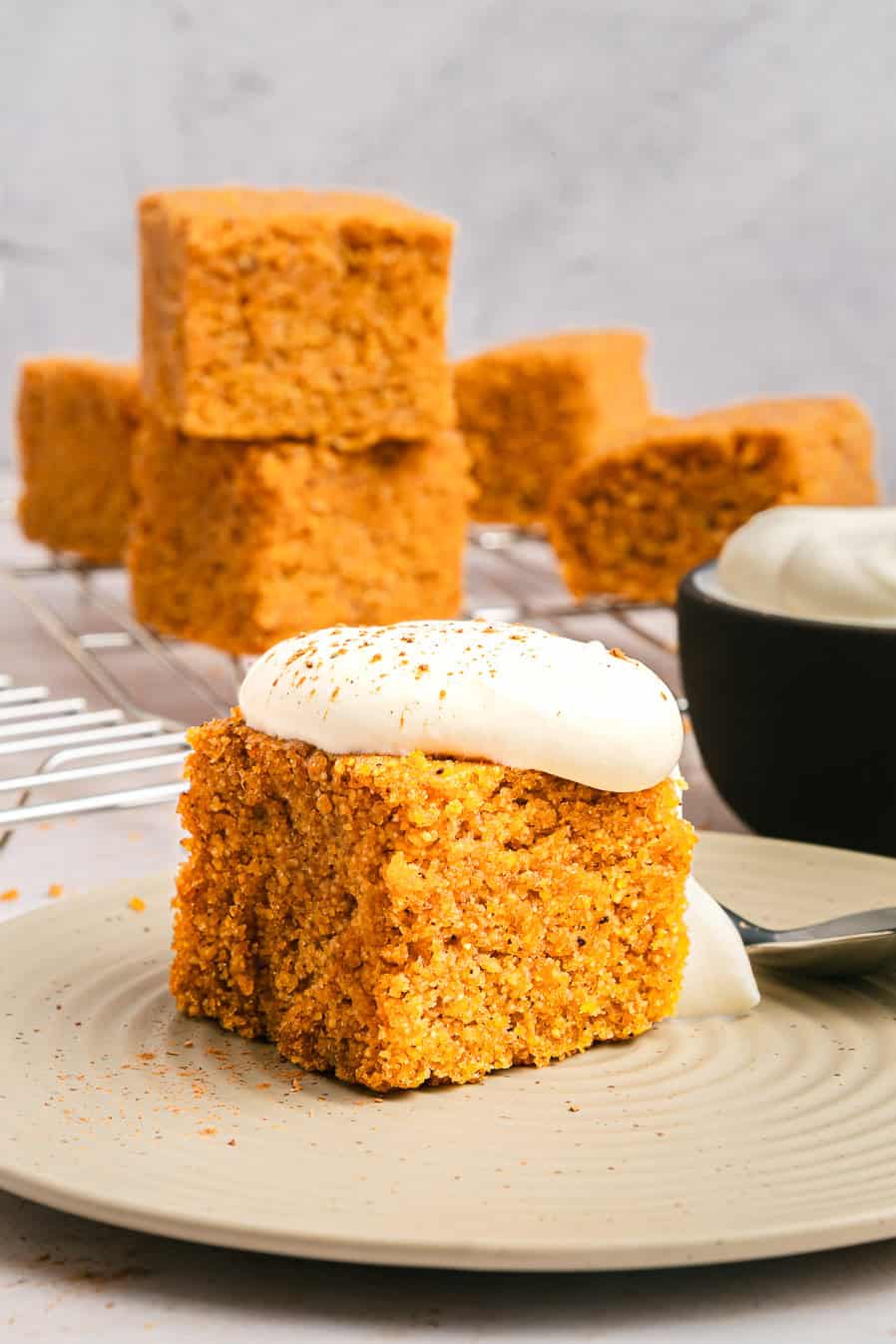
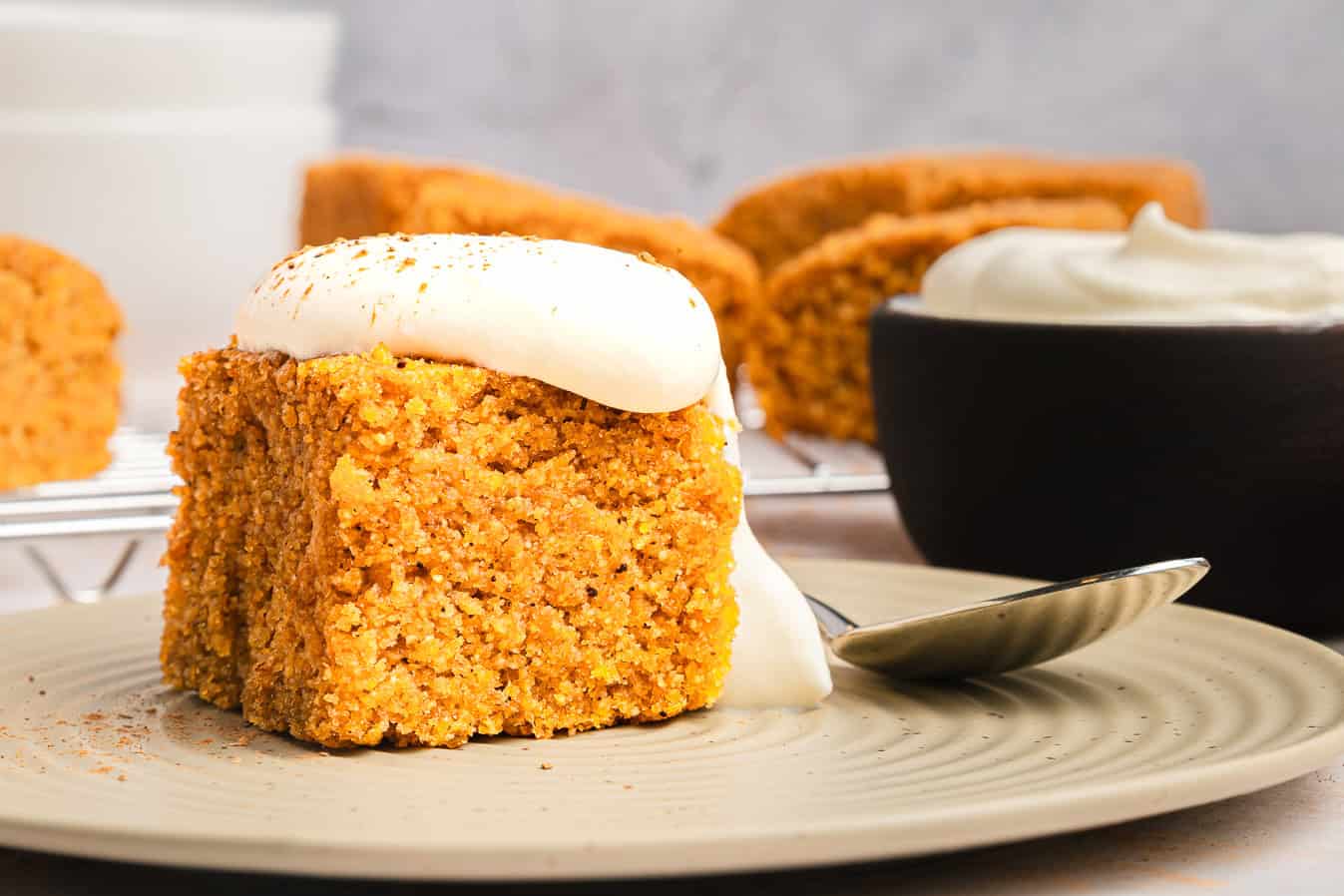
The top emerged golden with tiny cracks running across it. Cinnamon drifted through the kitchen. Steam escaped when I cut the first slice. And, as always seems to happen with fresh bread, everyone who had previously been busy appeared immediately.
Some things are stronger than a dinner bell, and fresh cornbread is one of them.
Ingredients
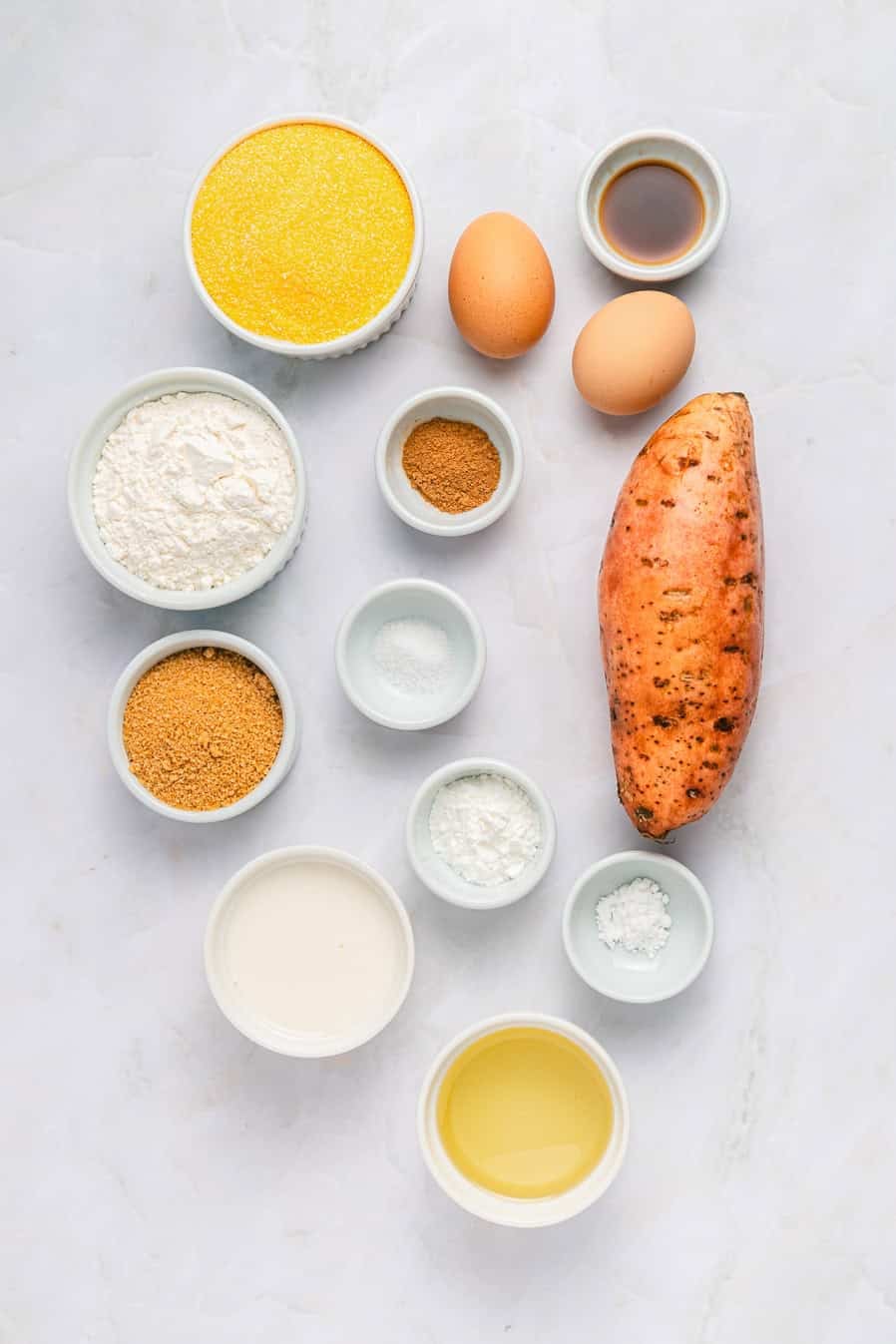
Sweet potato is what gives this gluten-free cornbread its soft texture and gentle sweetness. I usually roast an extra sweet potato during the week because I know some of it will eventually find its way into baking. Roasted sweet potato has a deeper flavor than boiled, though either works. Canned sweet potato puree can step in when you're short on time, though I prefer using freshly cooked sweet potatoes because the texture feels more natural.
A good gluten-free flour blend helps hold everything together. After several rounds of testing, I kept returning to Bob's Red Mill 1-to-1 blend because it produced the most consistent results and didn't leave a sandy texture behind. If gluten isn't a concern, all-purpose flour works too, though it absorbs moisture differently and needs slightly less buttermilk.
Yellow cornmeal gives the bread its character. I prefer regular yellow cornmeal because it creates a tender crumb without becoming gritty. Fine or medium-grind cornmeal both work well. I have tried coarse cornmeal before, and while it adds texture, my family prefers the softer bite of the finer varieties.
Buttermilk gives the cornbread a lighter crumb and balances the sweetness of the potatoes. I grew up around plenty of cakes and breads that relied on cultured dairy, so adding buttermilk felt natural here. When I need a dairy-free version, I mix oat milk with a little lemon juice and let it sit for a few minutes. It creates a similar tang and keeps the bread tender.
See the recipe card for the full list and exact quantities.
Top Tips
Roast the sweet potato when you can - I have made this with both boiled and roasted sweet potatoes, and roasting wins every time. The flesh becomes drier and slightly richer, which means the cornbread bakes up with a deeper flavor and a softer crumb. Whenever I roast sweet potatoes for dinner, I usually tuck away an extra one for baking later in the week.
Let the cornbread rest before deciding if it's done - the first few times I made this recipe, I worried the center was too soft and nearly put the pan back into the oven. After resting for about ten minutes, the crumb settled beautifully. Sweet potato keeps the inside moist, so it will always feel softer than traditional cornbread when it first comes out.
Use room-temperature ingredients - cold eggs and buttermilk don't blend as smoothly with the sweet potato. I learned this after one hurried batch baked up heavier than usual. Letting everything sit out for a bit creates a more even crumb.
How to Make Sweet Potato Cornbread Recipe
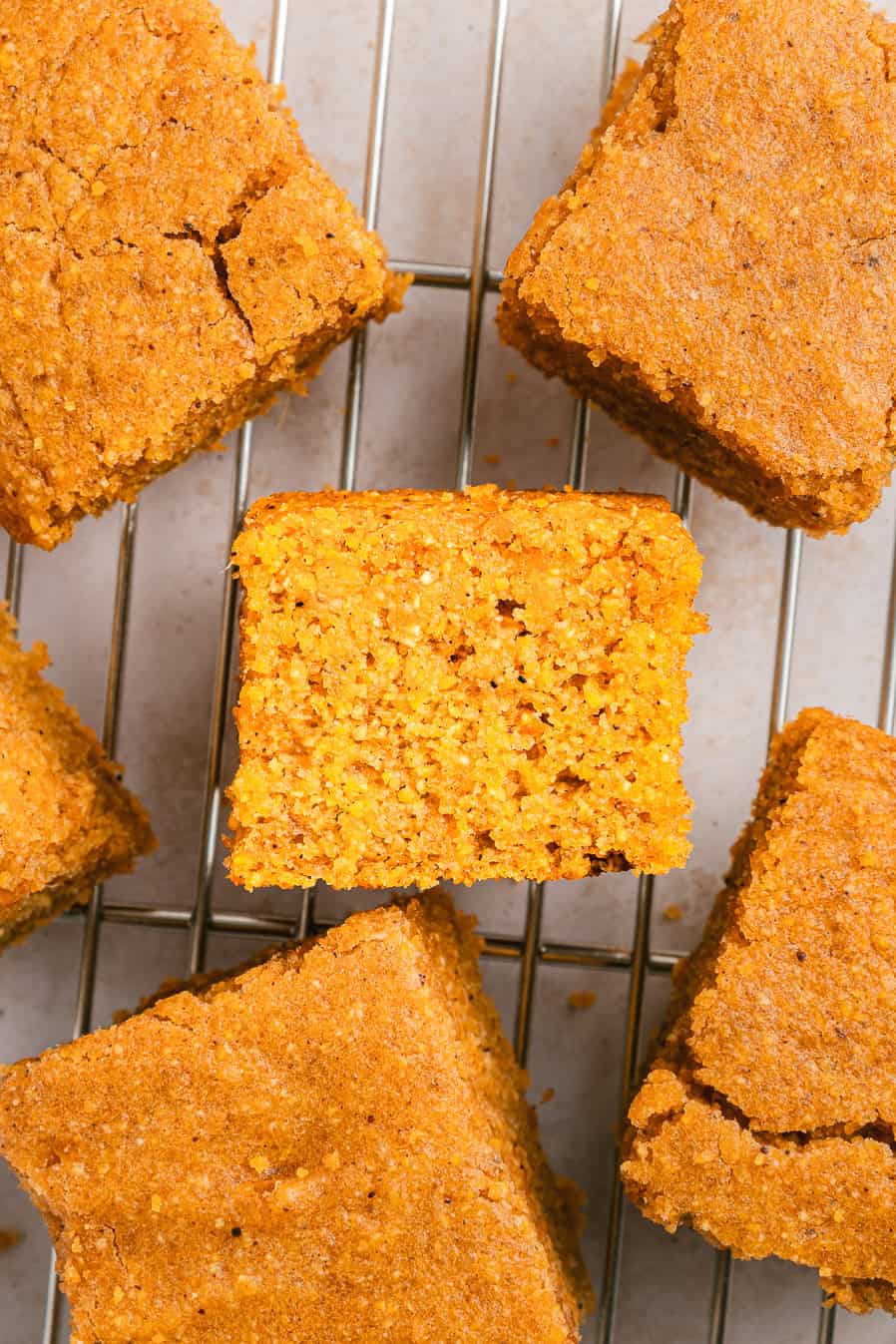
This gluten-free sweet potato cornbread comes together easily, but paying attention to texture makes all the difference. Sweet potato naturally adds moisture, so the signs of doneness are slightly different from traditional cornbread. Here's how to make this recipe:
Prepare the Pan and Oven
- Preheat the oven and either grease your baking pan or line it with parchment. If using parchment, leave a little overhang on the sides to make lifting the finished cornbread easier later.
- An 8x8-inch pan gives the bread enough depth to stay soft in the center while developing golden edges.
- Using a larger pan will create thinner slices that bake faster and may dry out.
Combine the Dry Ingredients
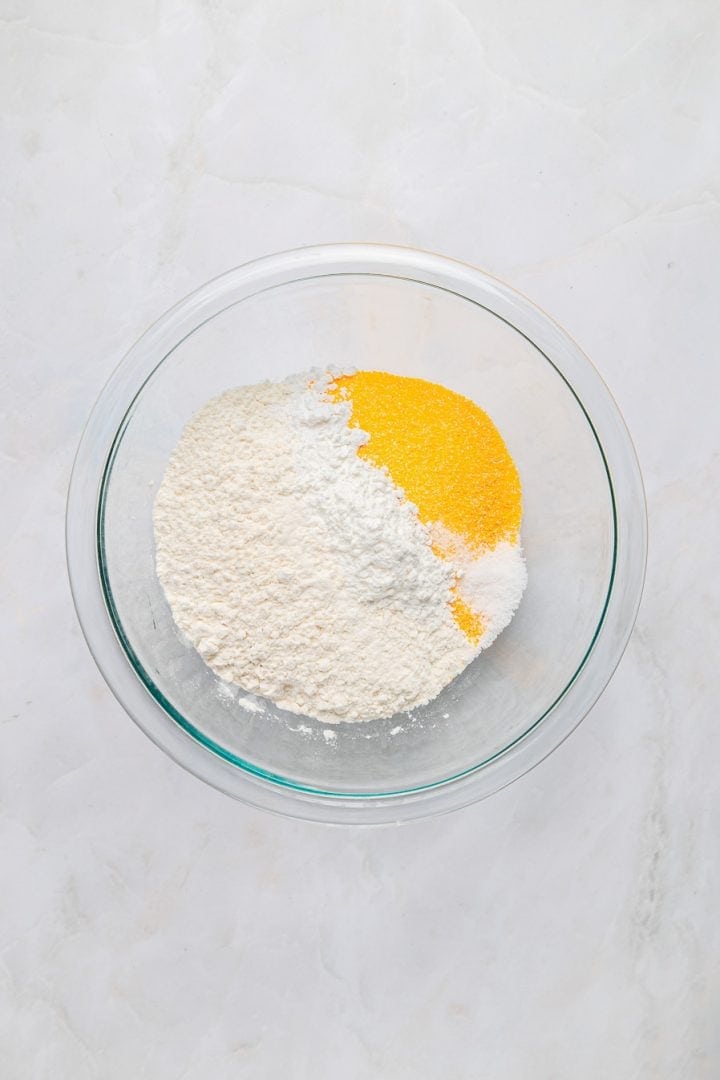
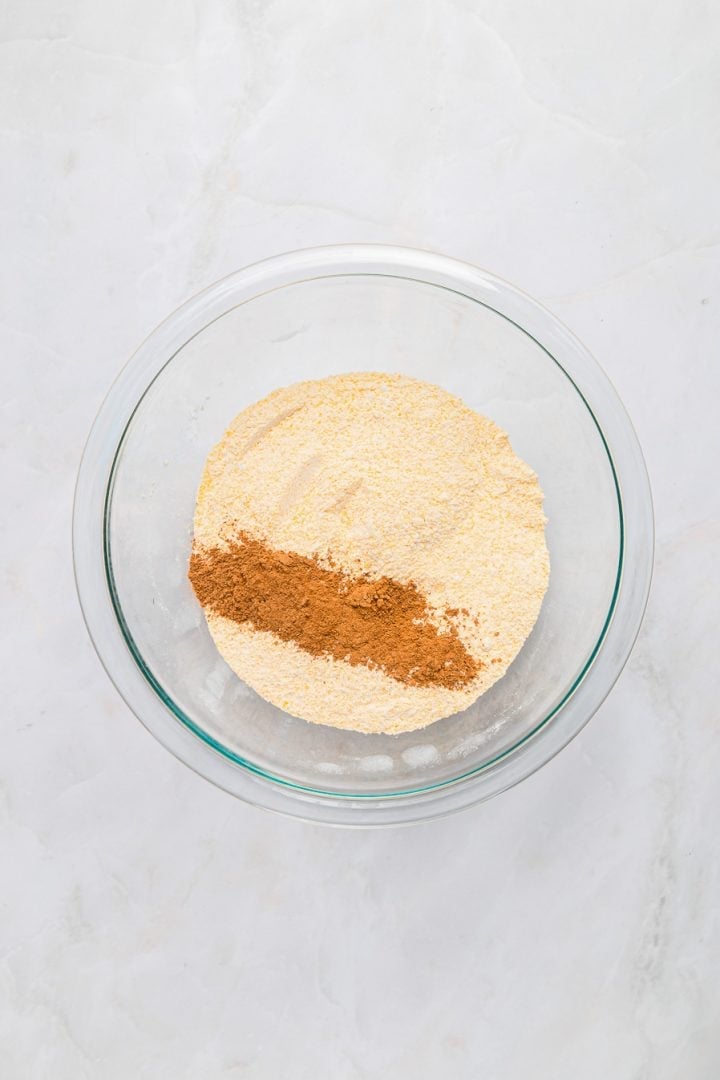
- Break apart any stubborn clumps of brown sugar with your fingers.
- The mixture should feel light and sandy. If pockets of baking powder or sugar remain, the finished cornbread may bake unevenly, with some areas rising higher than others.
Mix the Sweet Potato Base
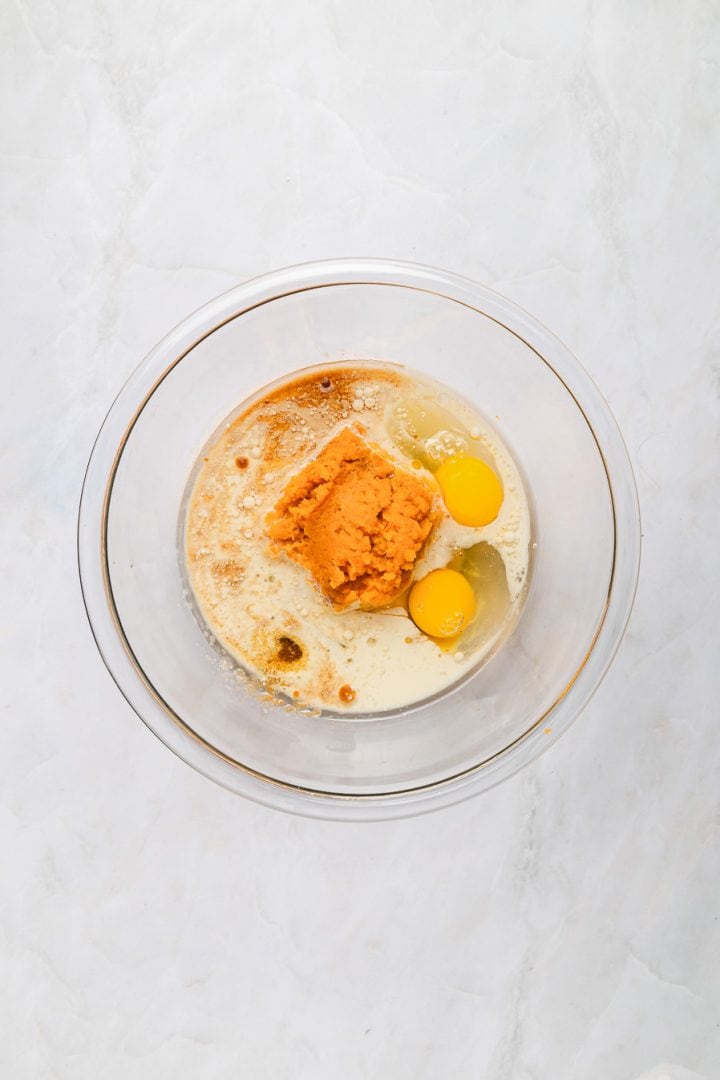
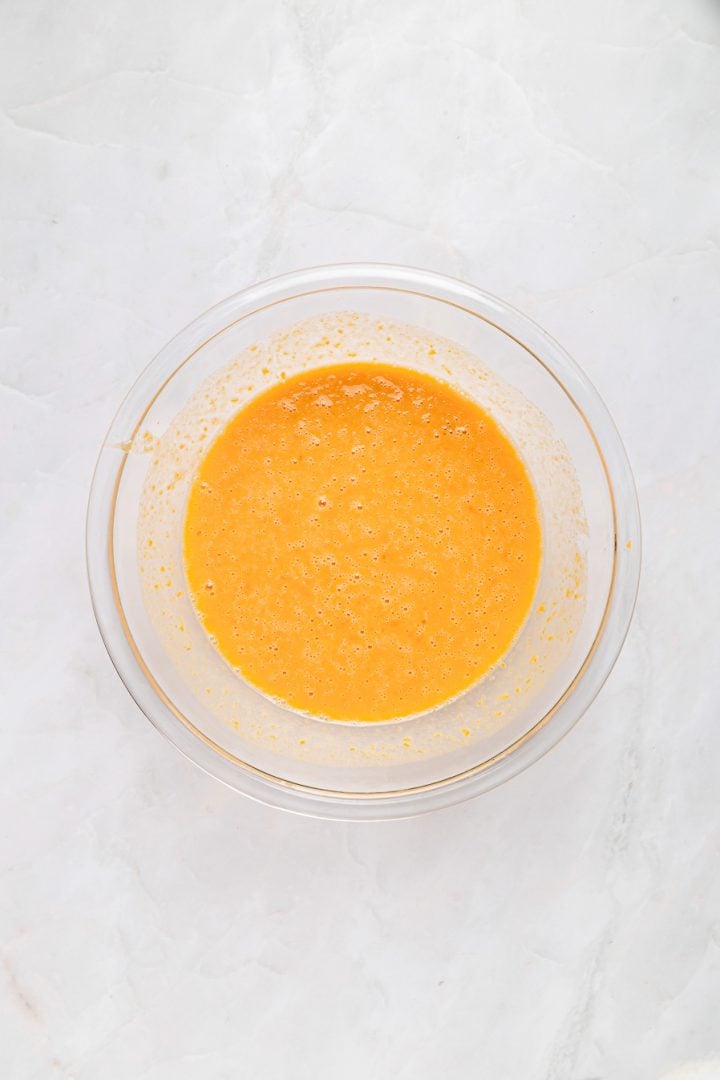
- Large chunks won't disappear during baking and can leave heavy spots in the crumb. I usually mash the sweet potato while it's still slightly warm because it blends much more easily.
- Once mixed, the batter should look creamy and have a soft orange color. If it appears thick and lumpy, keep whisking until everything becomes smooth.
Bring the Wet and Dry Ingredients Together
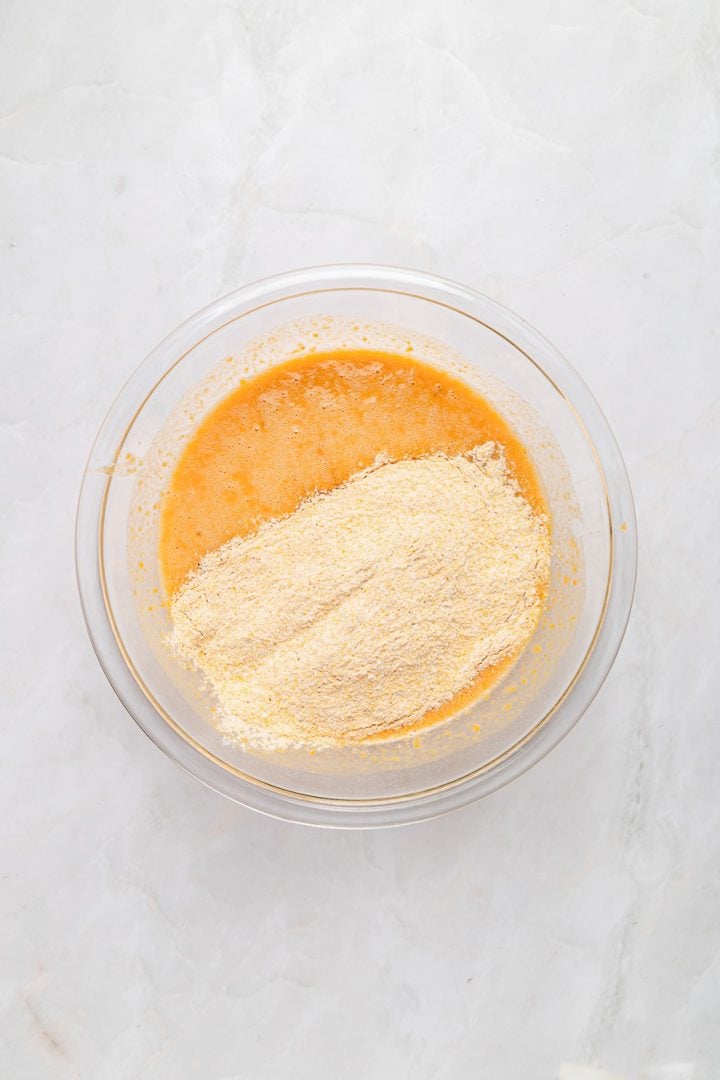
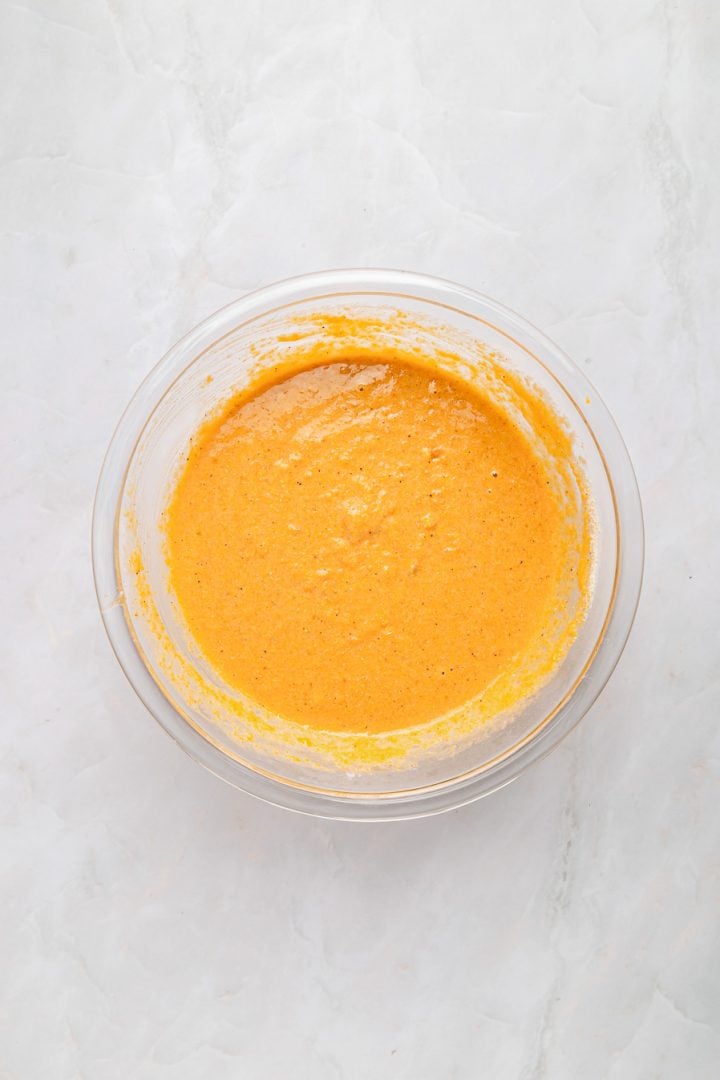
- The first time I made this recipe, I kept stirring because I thought the batter needed to be perfectly smooth. Instead, the cornbread came out heavier than I wanted.
- A few small lumps are perfectly fine. The batter should be thick but still spread easily with a spatula.
Spread the Batter Into the Pan
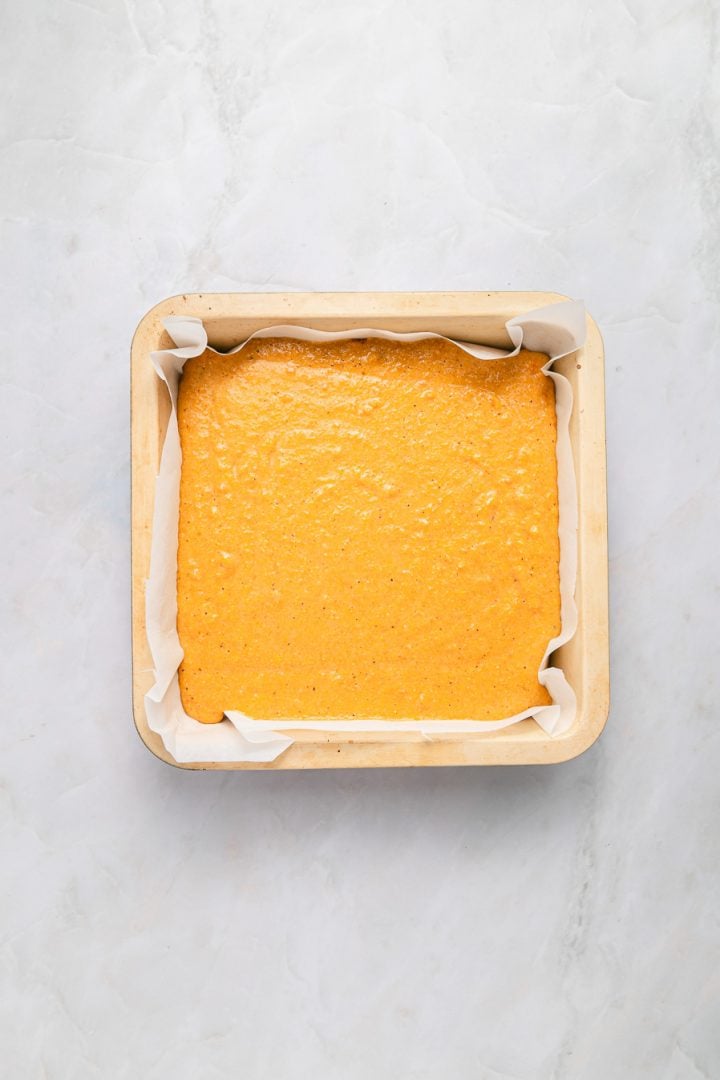
- The batter should settle into the corners without much effort. If it seems overly stiff or difficult to spread, your sweet potato may have been drier than average. A tablespoon or two of additional buttermilk can loosen it slightly.
- The top won't look perfectly smooth, and that's fine. Small ridges often turn into those beautiful cracks that appear during baking.
Bake Until Golden
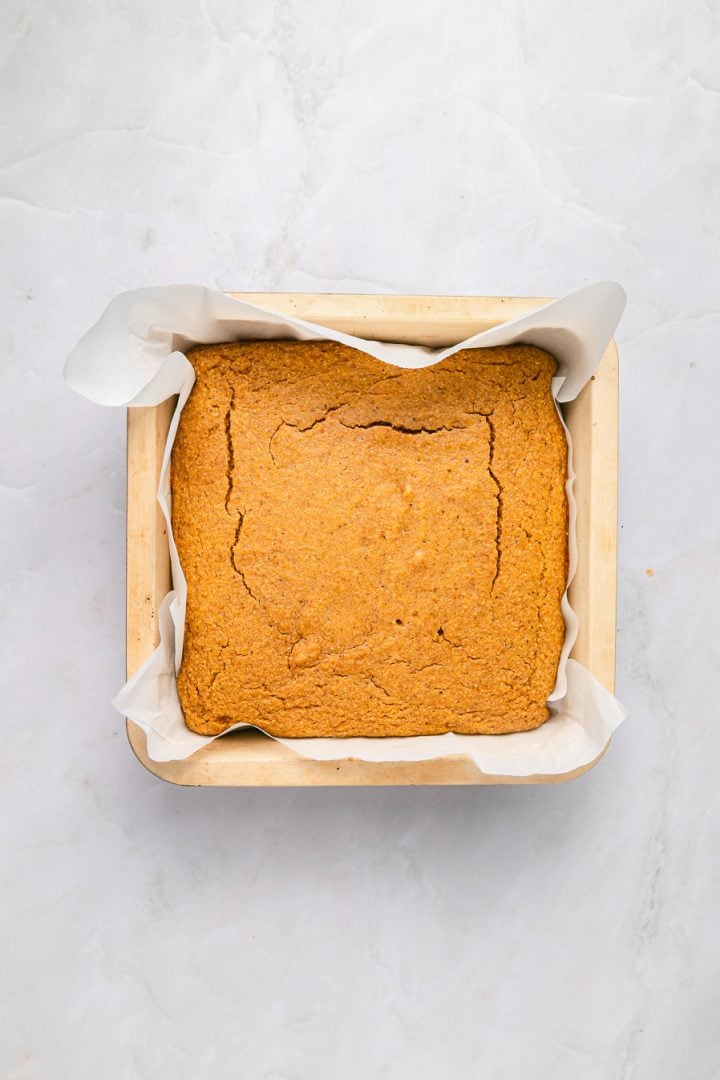
- Look for edges that have pulled away slightly from the sides of the pan. The center should feel set when lightly touched and no longer appear shiny.
- A toothpick inserted into the center should come out clean or with a few moist crumbs attached.
- Because sweet potato keeps the crumb soft, don't expect it to come out completely dry. Leaving the bread in the oven too long can turn a soft cornbread into a dry one.
Let the Cornbread Rest
- Once out of the oven, allow the cornbread to cool in the pan before slicing.
- This resting period matters more than it might seem. Fresh from the oven, the center is still settling and can crumble if cut too soon. The crumb becomes easier to slice after several minutes, while still staying soft and tender.
- If the center seems slightly softer than expected at first, don't panic. Sweet potato cornbread naturally has a moister texture than classic cornbread.
Slice and Serve While Slightly Warm
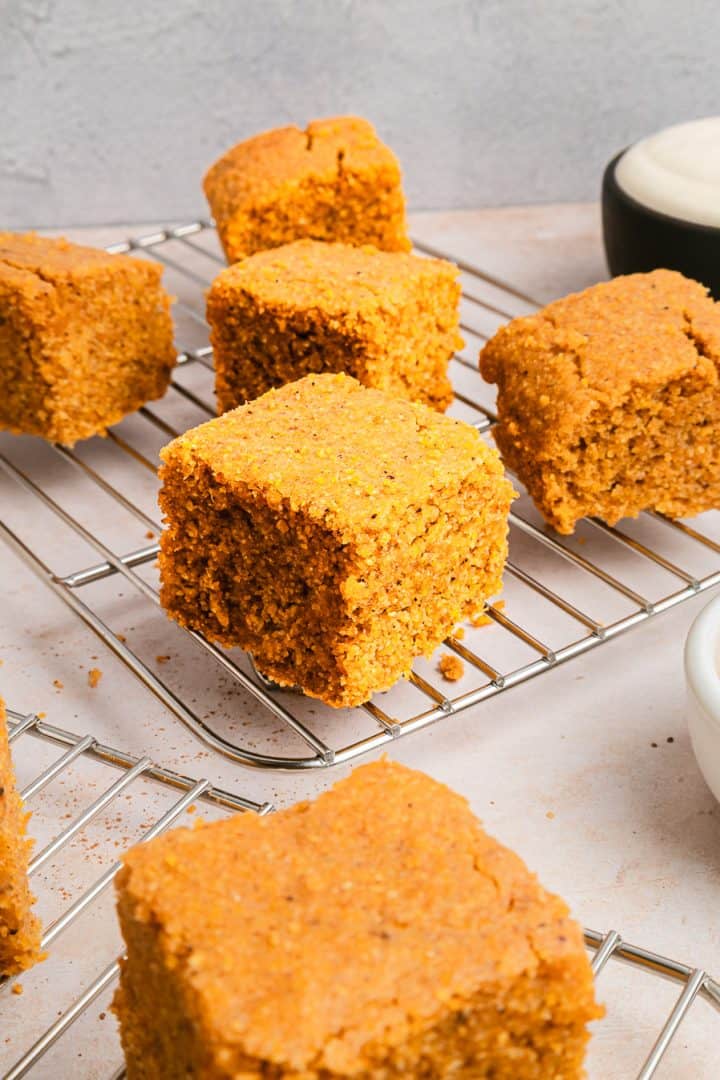
- I love it with butter melting into the surface, though maple syrup or honey are equally lovely. The crumb should feel soft and tender, with a lightly golden top and enough sweetness to pair with breakfast, soups, or an afternoon cup of coffee.
- If there are leftovers, which rarely happens in my house, the slices are even better the next morning.
Storage
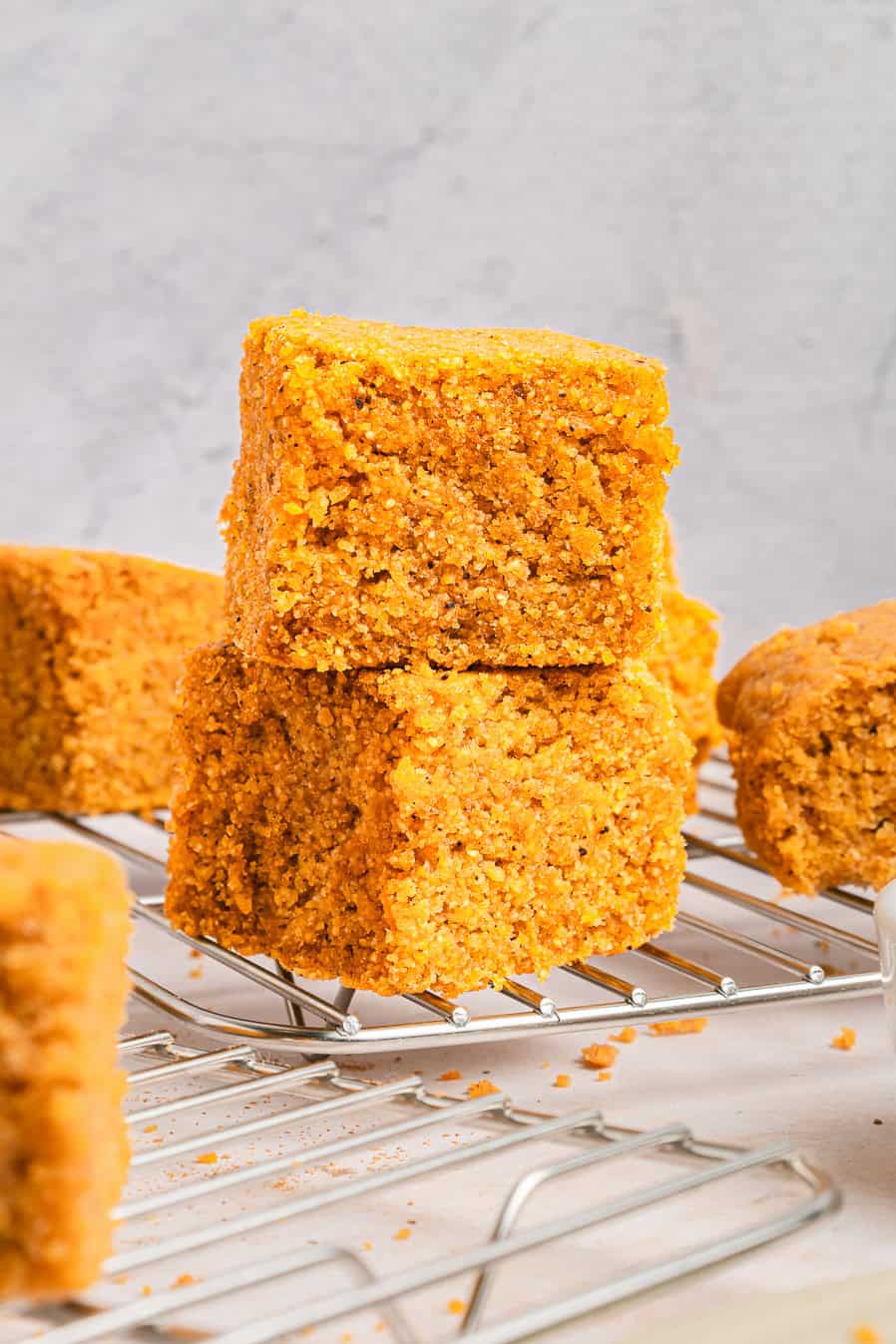
Sweet potato cornbread dries out quickly once sliced, so I wrap leftover pieces tightly or store them in an airtight container after they've cooled completely. They'll keep at room temperature for up to 2 days or in the refrigerator for about 5 days. A few seconds in the microwave or several minutes in a low oven brings back some of that fresh-baked softness.
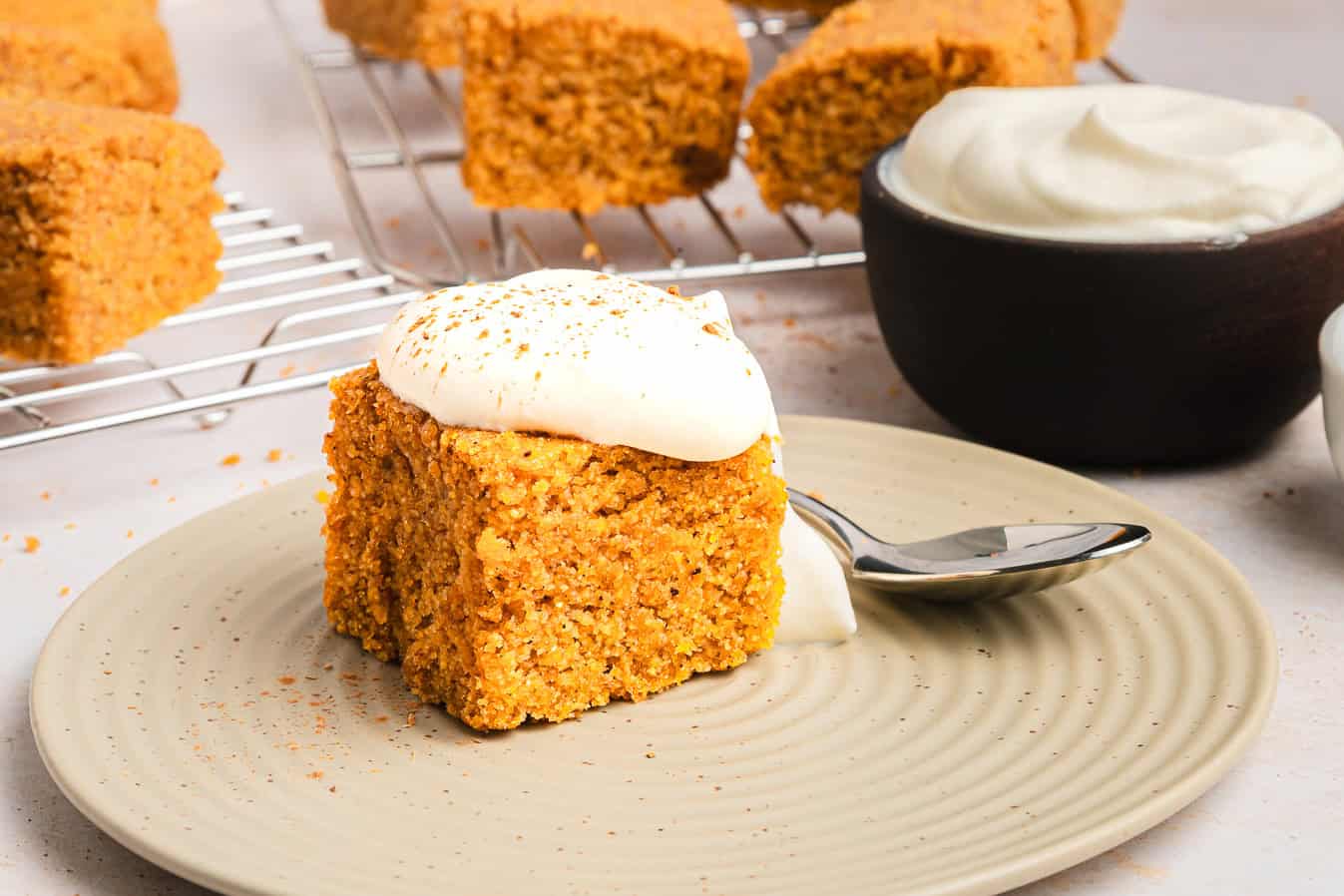
For longer storage, freeze individual slices in a freezer-safe container or bag for up to 2 months. Thaw at room temperature or overnight in the refrigerator, then reheat before serving. The cornbread freezes surprisingly well.
FAQs
Yes. Canned sweet potatoes or sweet potato puree work well in this recipe, especially when you're short on time. Drain them well and mash until smooth before using. Avoid canned sweet potatoes packed in heavy syrup, as they can make the batter overly sweet.
Yellow cornmeal with a fine or medium grind gives the softest texture. I usually reach for regular yellow cornmeal because it creates a tender crumb without becoming gritty. Stone-ground cornmeal works too, though the texture will be slightly heartier.
Dry cornbread usually comes from baking too long, while gummy cornbread often comes from too much moisture or underbaking. The batter should be thick but spreadable, and the center should be set with a few moist crumbs clinging to a toothpick. Remember that sweet potato cornbread stays softer than traditional cornbread, even after baking.
A sunken center is usually caused by underbaking or opening the oven door too early. Give the bread enough time for the center to set before checking it. If the top browns quickly while the center remains soft, loosely cover it with foil and continue baking.
Recipe
Tried and loved this recipe? Please leave a 5-star review below! Your reviews mean a lot to me, so if you've got any questions, please let me know in a comment.
Sweet Potato Cornbread
Equipment
- 8×8 inch baking pan
- Medium mixing bowl
- rubber spatula
- Measuring Cups and Spoons
- cooling rack
Ingredients
Dry Ingredients
- 1 cup yellow cornmeal
- ¾ cup gluten-free 1-to-1 flour blend
- 1 tablespoon baking powder
- ½ teaspoon baking soda
- ½ teaspoon kosher salt
- 1 teaspoon ground cinnamon
- ⅓ cup packed brown sugar
Wet Ingredients
- 1 cup mashed cooked sweet potato
- 2 large eggs room temperature
- ½ cup plus 2 tablespoons buttermilk room temperature
- ½ cup neutral oil
- 1 teaspoon vanilla extract
Instructions
Prepare the Pan and Oven
- Preheat the oven to 375°F. Grease an 8x8-inch baking pan or line it with parchment paper. Leaving some overhang on the parchment makes lifting the cornbread easier later.
Mix the Dry Ingredients
- In a large bowl, whisk together the cornmeal, gluten-free flour blend, baking powder, baking soda, salt, cinnamon, and brown sugar. Break up any brown sugar lumps so the mixture looks evenly combined.
Make the Sweet Potato Mixture
- In a separate bowl, whisk together the mashed sweet potato, eggs, buttermilk, oil, and vanilla. The mixture should look smooth and creamy, with no large pieces of sweet potato remaining.
Combine the Batter
- Pour the wet ingredients into the dry ingredients and stir gently. Stop mixing as soon as the flour disappears. A few small lumps are perfectly fine and help keep the crumb tender.
Transfer to the Pan
- Spread the batter evenly into the prepared baking dish. The top does not need to be perfectly smooth. Small ridges often turn into beautiful cracks during baking.
Bake Until Golden
- Bake for 30 to 35 minutes. The top should become golden with small cracks, and a toothpick inserted into the center should come out clean or with a few moist crumbs attached.
Cool Before Slicing
- Allow the cornbread to cool in the pan for about 10 minutes. This gives the crumb time to settle and makes slicing easier.
Serve
- Slice into squares and serve slightly warm with butter, maple syrup, or honey.
Nutrition