

If you like your bakes light and citrusy, this almond flour lemon bread is the one to keep on repeat this Easter!
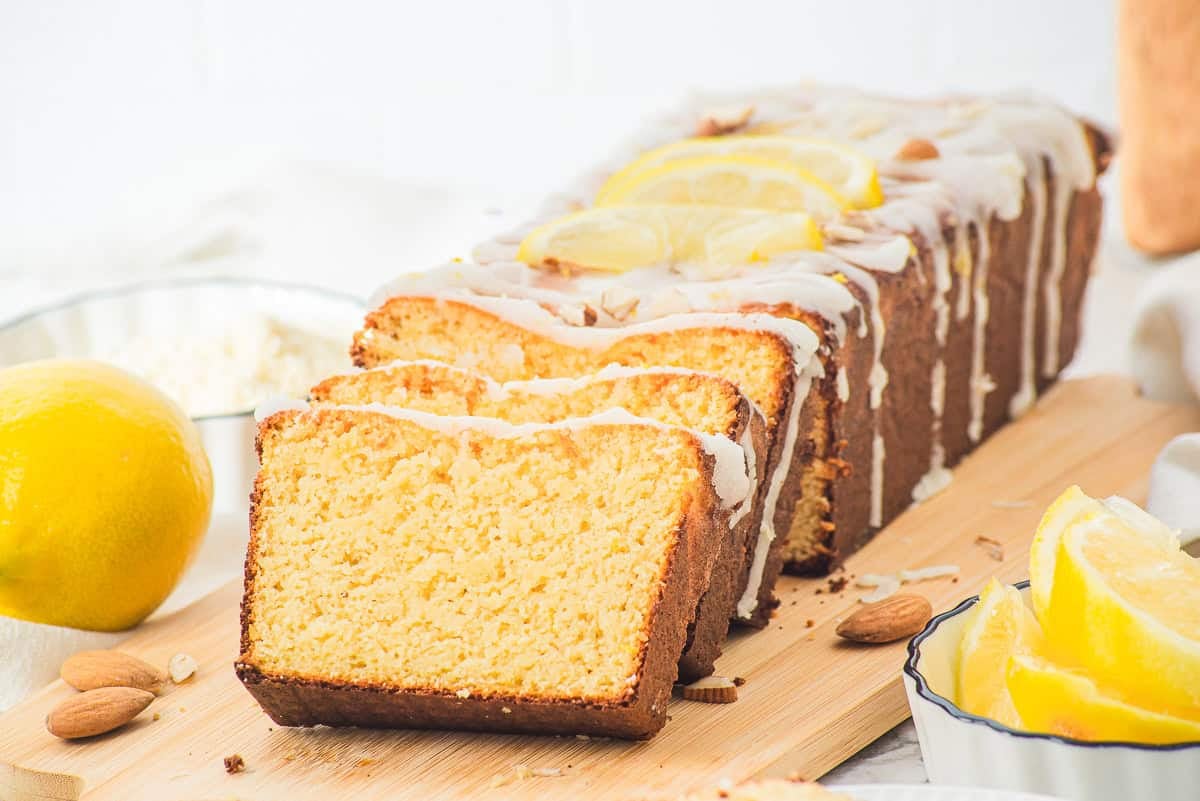
The windows stay open a little longer during spring, even when the air still holds a trace of cold. The kitchen fills slowly with light, the kind that lands softly on the counter and makes you want to move a little slower, speak a little softer.
This almond flour lemon bread began in one of those in-between mornings. Leo was asking for something sweet before breakfast had even begun, Lin was dragging a chair across the floor to reach the counter, and I stood there with a lemon in my hand, turning it over, thinking about how much sweetness a day like this really needed.

Desserts often leaned toward restraint in my family. My grandmother's table, somewhere between Russian and Ukrainian habits, rarely carried anything overly sugary. There was always something baked, something sliced and shared, though the sweetness stayed gentle, almost shy.
Citrus appeared often, especially when the seasons began to lean toward spring. Lemon zest in batter, orange peel tucked into dough, the scent drifting through the apartment before anyone even asked what was baking.
That morning, I thought about the kind of recipes that have quietly settled into our lives over time. A loaf like a paleo chocolate peanut banana bread that finds its way into busy afternoons. Or the brightness of a gluten-free lemon almond loaf that leans more into citrus when the craving calls for it. Even the soft, pillowy texture of gluten-free cottage cheese blueberry muffins disappears from the plate faster than I can keep track of.
It settled into our kitchen in a quieter way. The almond flour keeps the crumb soft, almost fragile when it's still slightly warm. Yogurt holds it together so each slice stays tender without leaning too rich. The lemon comes through first, clear and bright, lingering gently instead of taking over.
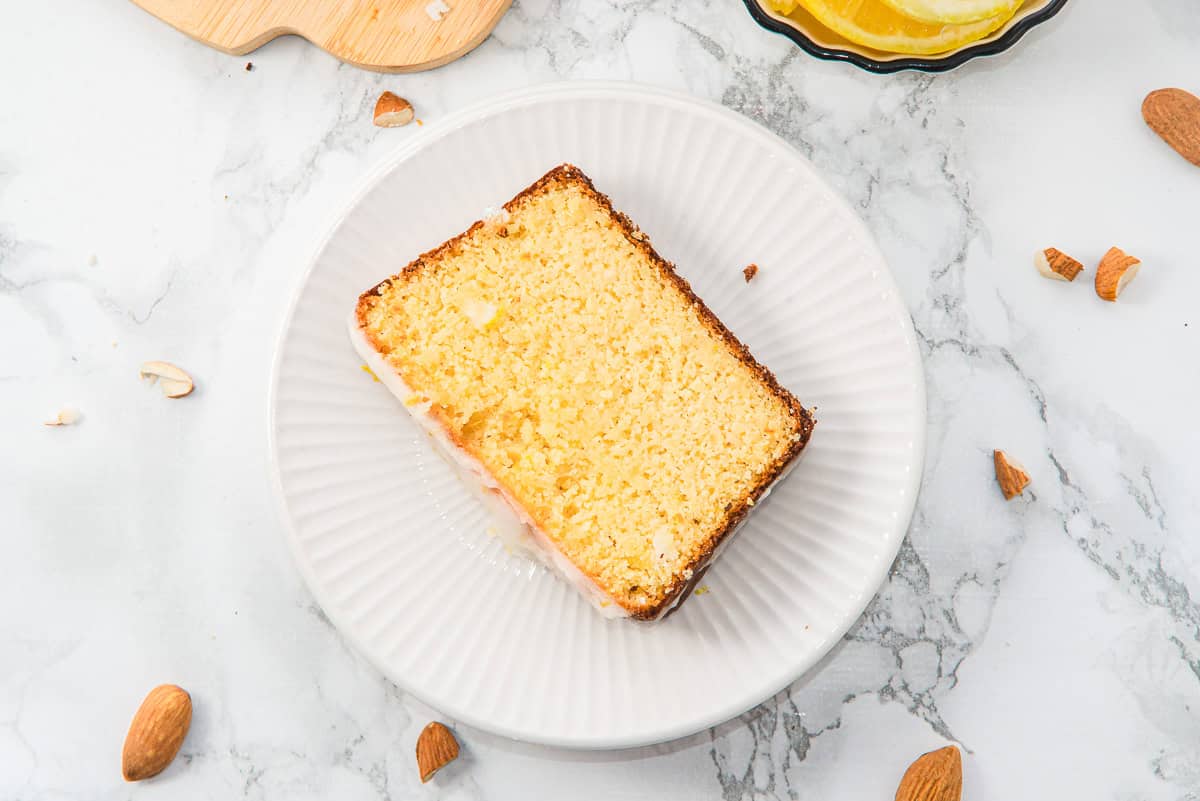
It works on mornings when coffee takes longer to drink and no one is in a hurry to leave. It fits beside an Easter table, a loaf that can be sliced and passed around, something steady among brighter, richer dishes.
There is a kind of comfort in baking something that does not try too hard. This bread became one of those recipes I return to when I want something simple, something that feels right for the season without needing to say much at all.
Ingredients
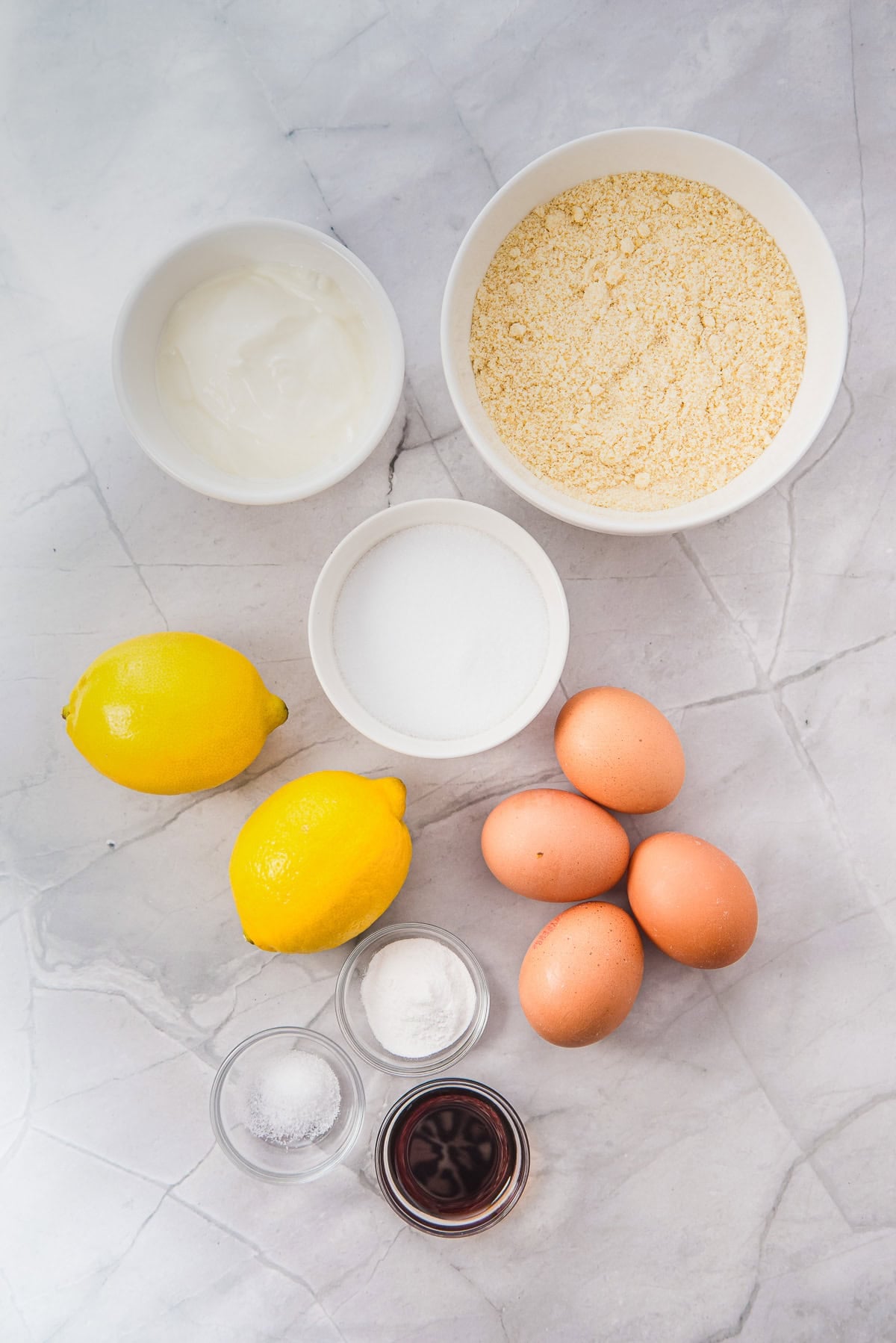
- Almond Flour - Almond flour shapes the texture of this bread. It creates a soft, tender crumb that stays moist even a day later. I reach for finely ground almond flour because coarser versions can feel grainy when sliced. There isn't a direct swap here if you want the same result. Regular flour changes the structure entirely. If needed, a mix of oat flour and a little coconut flour can work, though the crumb turns more cake-like and slightly drier.
- Greek Yogurt - Greek yogurt keeps the crumb soft and almost custard-like in the center. It also adds a slight tang that deepens the lemon flavor. I tend to use full-fat yogurt for a richer texture. Coconut yogurt works well for a dairy-free version, though it can bring a faint coconut note depending on the brand.
- Erythritol - This is where the lemon glaze stays sweetly gentle. Erythritol lets the lemon lead without turning the loaf into something overly sugary. I keep it here for that reason, especially for spring baking when I want something lighter on the palate. You can swap in monk fruit, coconut sugar, maple sugar, or regular sugar. Coconut sugar gives a deeper, slightly caramel tone, while regular sugar makes the loaf more traditionally sweet.
See the recipe card for full list and exact quantities.
How to Make Almond Flour Lemon Bread Recipe
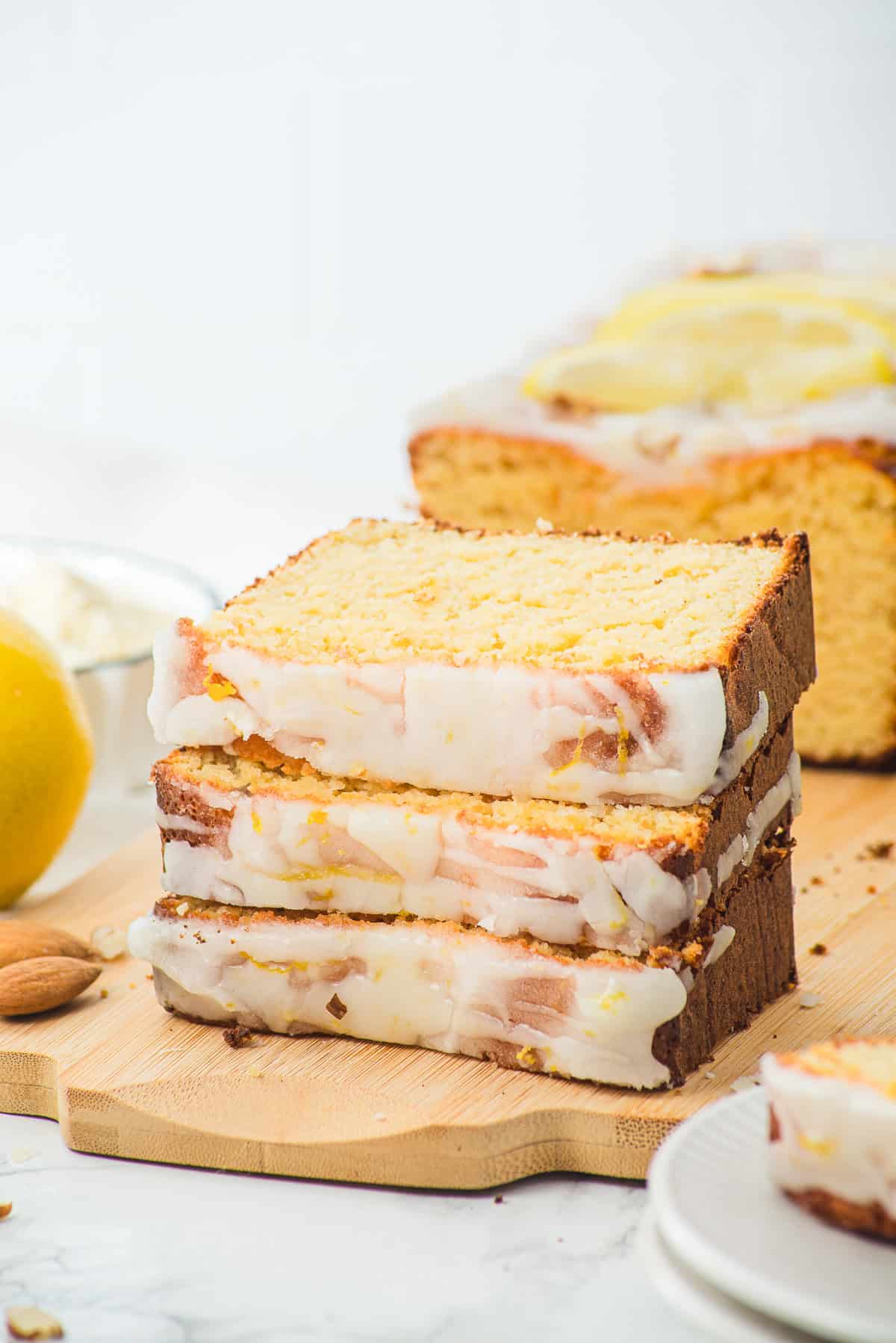
This golden brown almond flour lemon loaf comes together in one bowl, though each step carries its own cues. Paying attention to how the batter looks and feels will guide you far more than the clock. Here's how to make this quick bread recipe:
Prepare the Pan and Oven
- Start by preheating your oven to 350°F (175°C). Line your loaf pan with parchment paper, letting a bit hang over the sides so you can lift the bread out later without it sticking.
- The batter for this bread is softer than a traditional loaf, so the parchment makes a difference. Without it, the edges tend to cling and tear when unmolding.
Beat the Eggs Until Light and Airy


- At first, the mixture looks thin and slightly yellow. As you continue beating, it becomes lighter in color and thicker, almost creamy. When you lift the whisk, it should fall back in soft ribbons rather than dripping quickly.
- If this step is rushed, the loaf turns dense and slightly wet in the center, since almond flour relies on this trapped air for structure.
Add Yogurt, Lemon, and Vanilla


The batter will loosen and take on a glossy look.
- You'll smell the lemon more clearly at this stage. It should look smooth and slightly thick, without any streaks of yogurt.
- If the mixture appears curdled or uneven, it usually means the ingredients were too cold. Letting everything sit at room temperature for a few minutes before mixing helps keep it smooth.
Fold in the Dry Ingredients
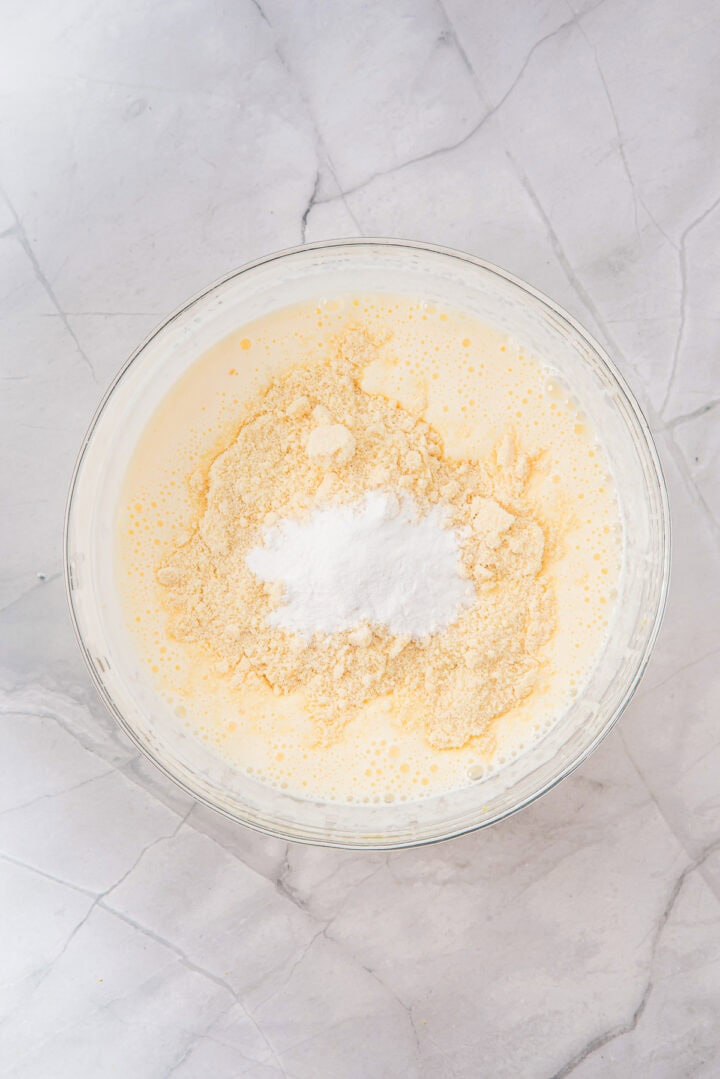

- It won't feel elastic like wheat-based batter. Instead, it spreads slowly when nudged with a spoon.
- Look for a smooth consistency without lumps of almond flour. Overmixing here isn't as risky as with regular flour, though stirring too aggressively can knock out some of the air you built earlier.
Transfer to the Pan
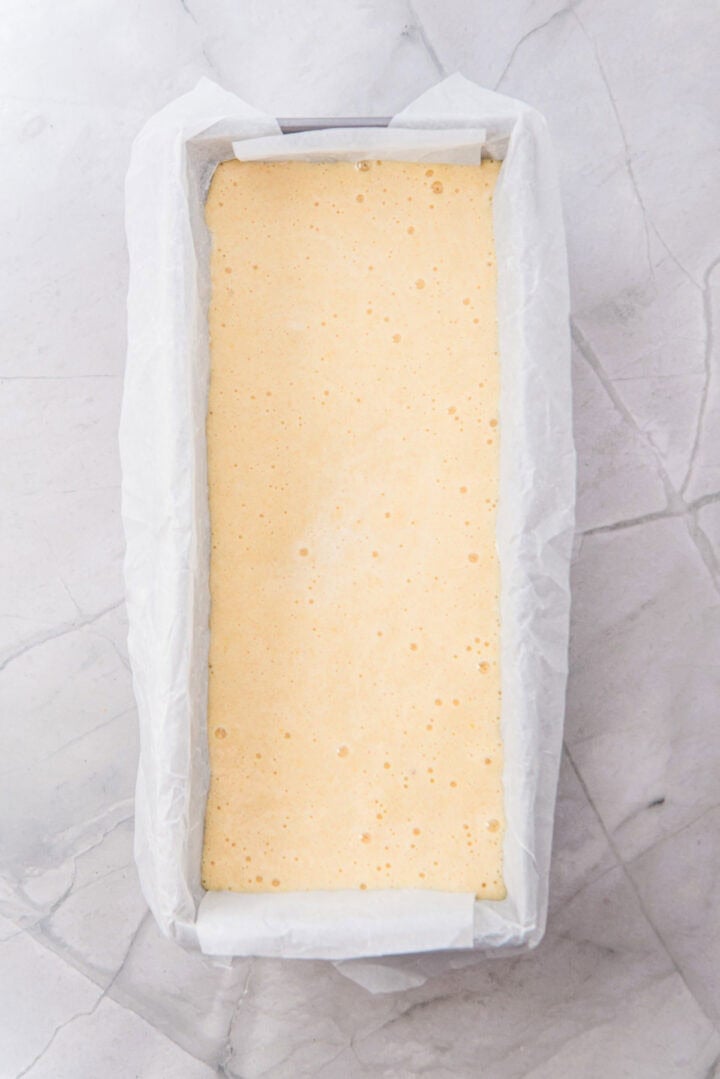
- It will settle slowly rather than flow freely. Use a spatula to guide it into the corners and smooth the top. The surface doesn't need to be perfectly even, though large dips can bake unevenly.
Bake with Controlled Heat
- Place the pan in the oven and bake for 40 to 45 minutes.
- If your oven allows it, start with bottom heat only for the first 30 minutes. This helps the loaf set from underneath before the top begins to brown.
- During baking, the loaf will rise gently, and the surface will begin to firm up. If the top starts browning too quickly, loosely cover it with foil.
- For the final 10 to 15 minutes, allow the top heat so the surface can turn lightly golden. The bread is ready when the top feels set, and a toothpick inserted into the center comes out clean or with a few soft crumbs.
- If the toothpick comes out wet, give it a few more minutes. If the edges pull away too much from the pan and the top feels overly firm, it may have baked a bit too long.
Cool Completely Before Glazing
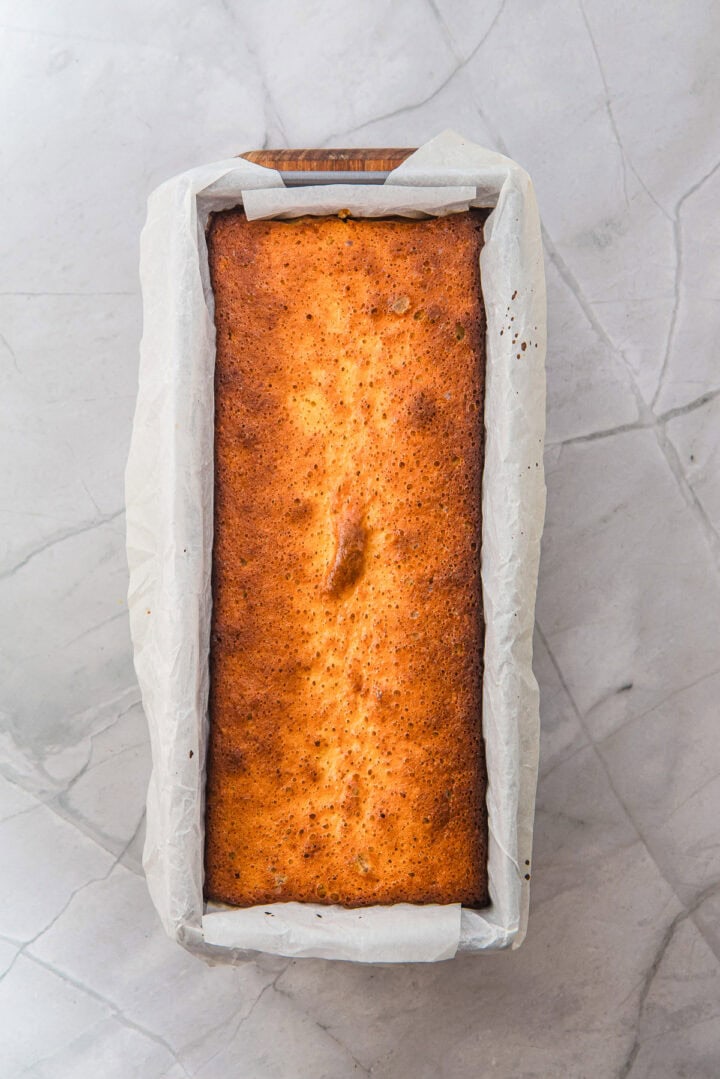
- The loaf will feel delicate while still warm. As it cools, it firms up and slices more cleanly. Cutting into it too early can cause it to break or collapse slightly in the center.
Make the Glaze
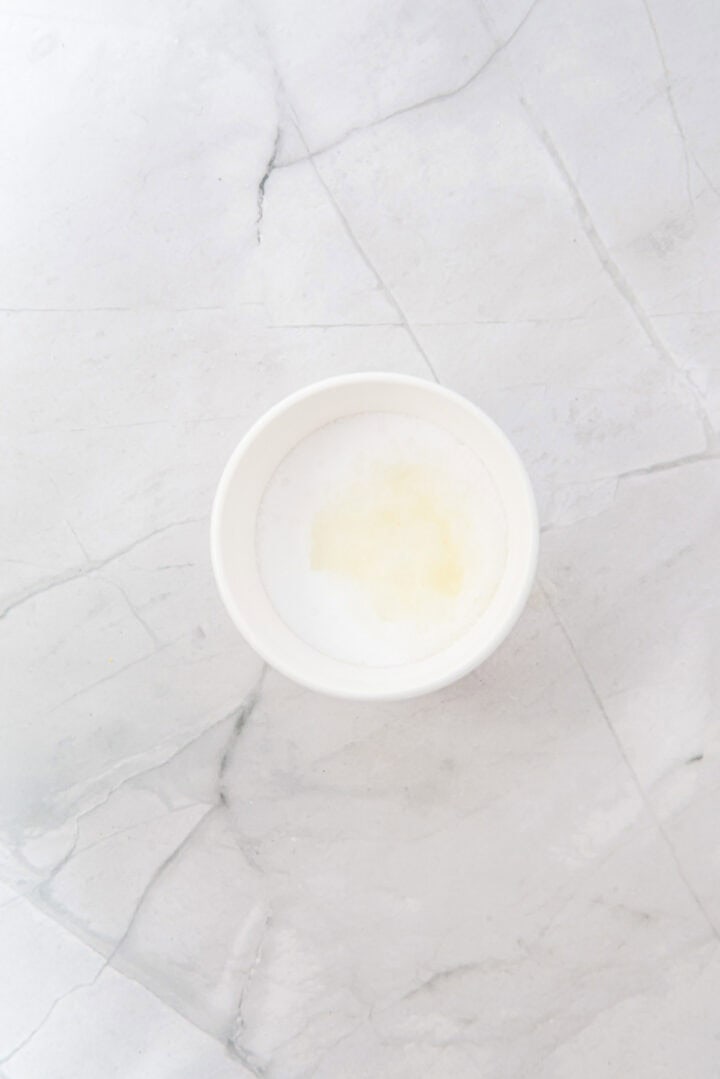
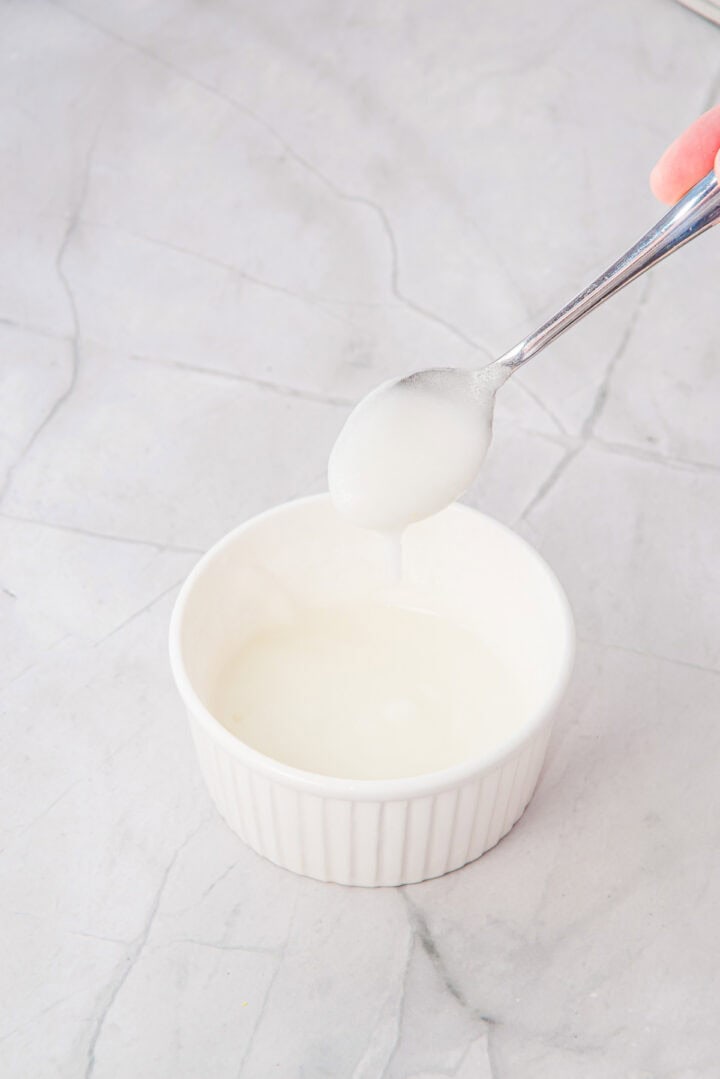
- If it runs too quickly, add a bit more powdered sweetener. If it feels too stiff, a few drops of lemon juice will loosen it.
Add the Glaze and Serve
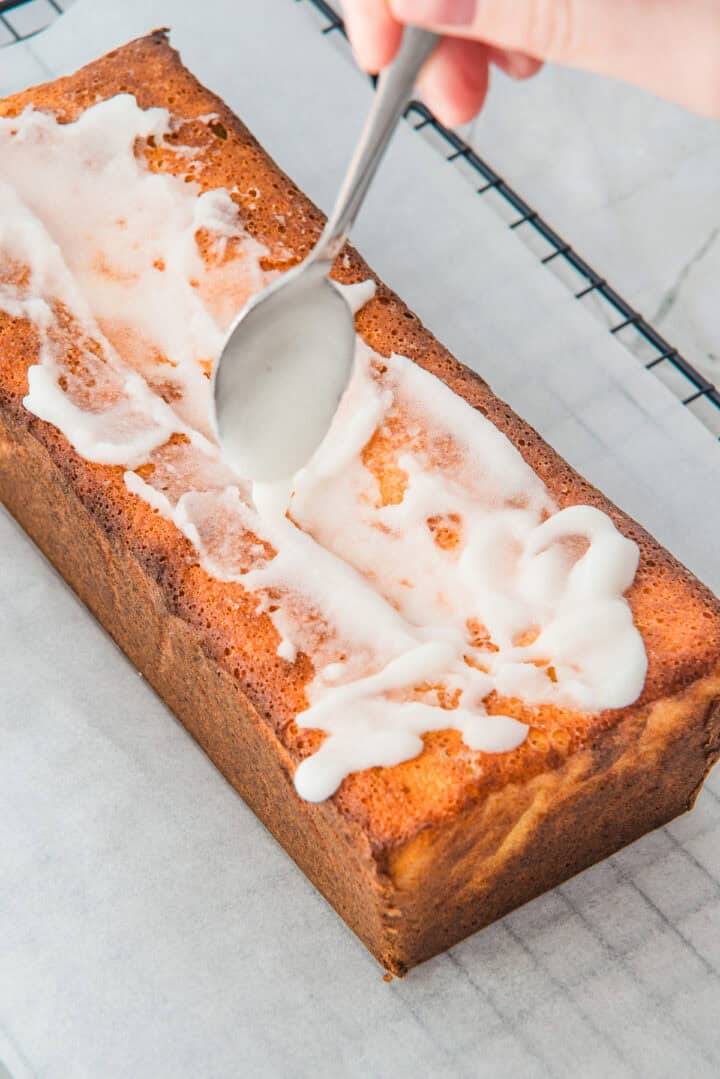
- It will sit lightly on the surface, adding a soft finish rather than a heavy coating.
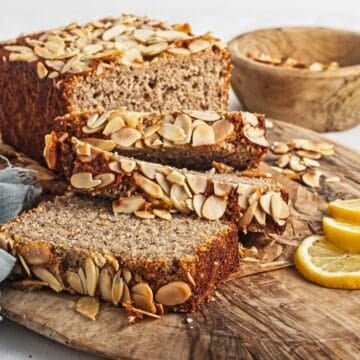
- Finish with lemon zest or sliced almonds for a bit of texture and contrast.
Storage
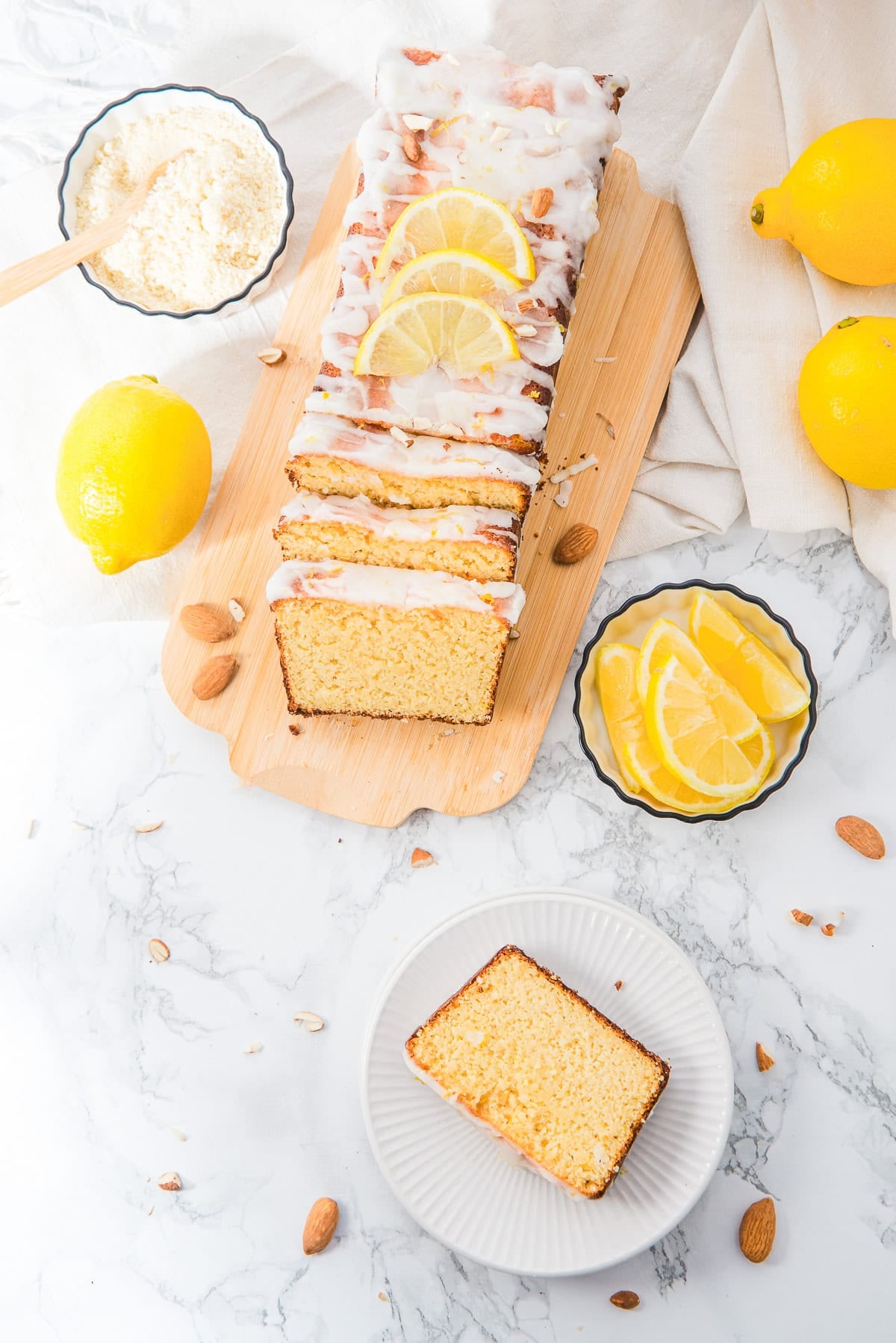
Store the almond flour lemon bread in an airtight container in the refrigerator for up to 5 days. Because of the yogurt, it stays moist longer when chilled rather than left on the counter. The texture will feel slightly firmer straight from the fridge, so let slices sit out for a few minutes before serving if you prefer a softer crumb.
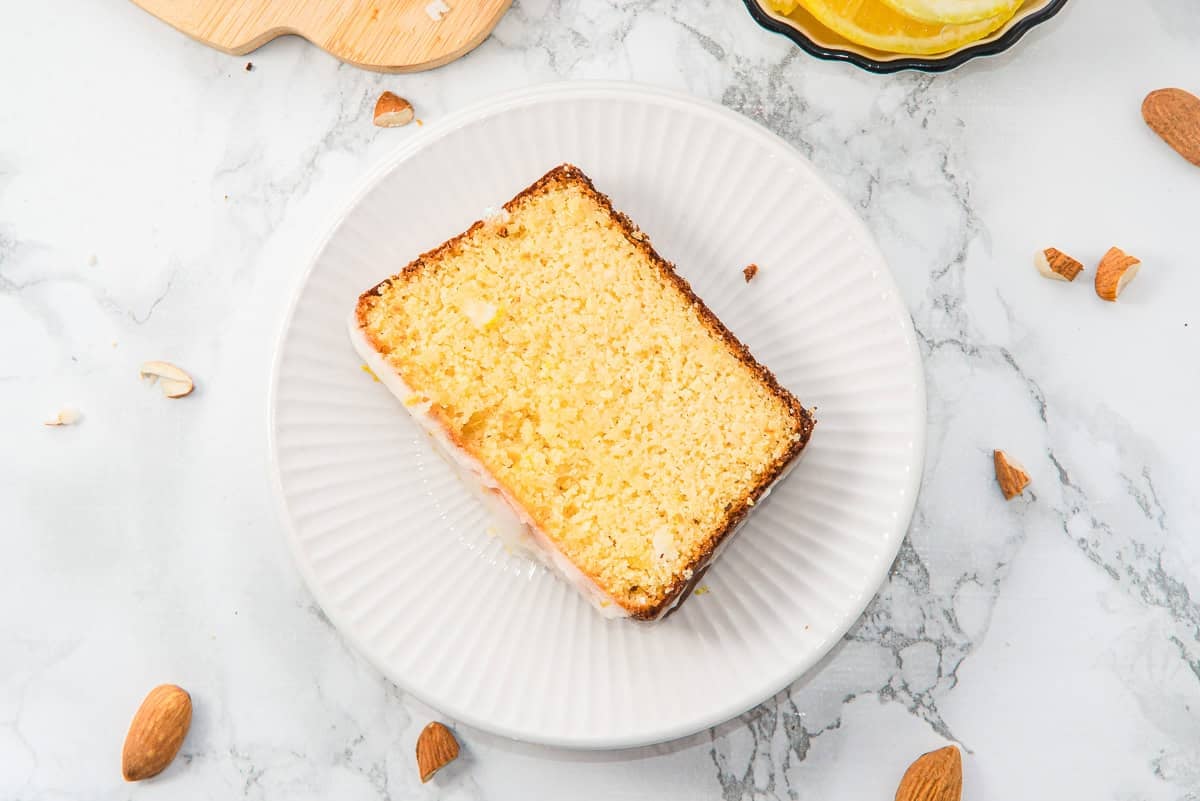
Freezing works well. Slice the loaf first, then wrap each piece individually or layer them with parchment in a sealed container. This way, you can take out one portion at a time without thawing the entire loaf. Store in the freezer for up to 2 months.
Top Tips
Beat the eggs longer than feels necessary - with almond flour, structure comes from air rather than gluten. I've rushed this step before and ended up with a loaf that looked set on the outside but stayed heavy in the center. The mixture should turn pale and thick enough to leave soft trails when lifted. That change in texture matters more than the exact mixing time
Use finely ground almond flour, not coarse meal - there's a noticeable difference in the final crumb. Coarser almond meal can make the loaf feel slightly gritty and uneven when sliced. Finely ground almond flour gives that soft, cohesive texture that holds together cleanly, especially once cooled.
Recipe
Tried and loved this recipe? Please leave a 5-star review below! Your reviews mean a lot to me, so if you've got any questions, please let me know in a comment.

Almond Flour Lemon Bread
Equipment
- 9 x 4 x 3 inch loaf pan
- Whisk or electric mixer
- Measuring Cups and Spoons
Ingredients
- 2 cups almond flour
- 4 Eggs
- ½ cup Greek yogurt
- ½ cup erythritol
- 2 teaspoon baking powder
- ½ tablespoon vanilla extract
- ½ teaspoon salt
- Juice of 1 lemon
- Zest of 1 lemon
Glaze:
- ⅓ cup powdered erythritol
- 2 tablespoons lemon juice
- Lemon zest or sliced almonds for decoration
Instructions
Preheat oven
- Preheat oven to 350°F (175°C). Line a 9 x 4 x 3 inch loaf pan with parchment paper.
Mix wet ingredients
- In a bowl, beat the eggs with sweetener for several minutes until pale, fluffy and airy.
- Add Greek yogurt, vanilla extract, lemon zest and lemon juice. Mix until fully combined.
Add dry ingredients
- Add the almond flour, baking powder and salt. Mix until smooth.
- Pour the batter into the loaf pan lined with parchment paper.
Baking
- Bake in the preheated oven for 40-45 minutes: For the first 30 minutes, use bottom heat only if your oven allows it.
- For the final 10-15 minutes, turn on top heat as well to help the surface finish baking and turn golden.
- Remove from oven and allow bread to cool completely before glazing.
Glaze
- Mix powdered erythritol with lemon juice until smooth. Drizzle glaze in thin lines over the bread.





Michelle says
I made this recipe yesterday. Pretty simple, and quite nice! The batter is quite runny, and not quite cooked after the stated time, so I turned the oven off and left it in there for an additional 15 minutes, and that did the trick. I didn't end up making the glaze, but it was still nice without.