
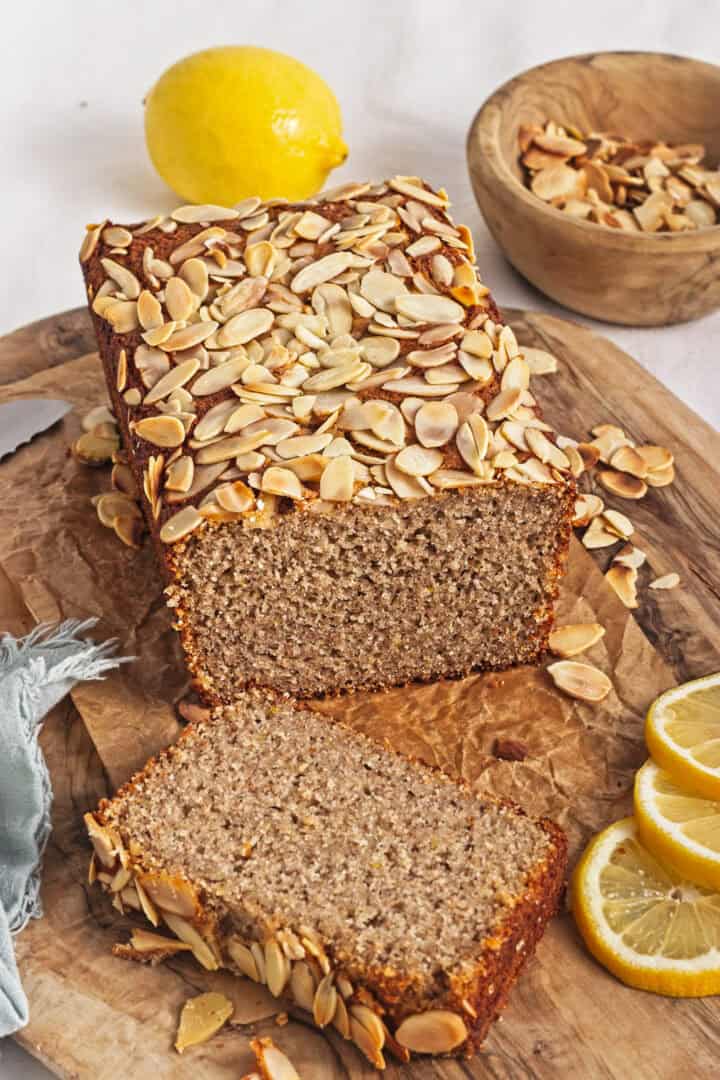
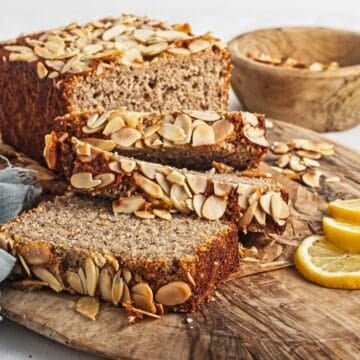
This gluten-free lemon almond loaf is bright, tender, and full of fresh lemon flavor. It's a simple loaf that feels like spring baking and afternoon tea in one slice!
The preschool snack list arrived on a Tuesday afternoon. And it's tucked into a folder that already smelled faintly of crayons and glue sticks. Every parent knows that list. No nuts for some classrooms. Gluten-free for at least one child. Lower sugar if possible. Something with protein if you can manage it. And the note that always makes me laugh a little: "not too messy."
Children and crumbs have a long relationship. A crumb finds its way into pockets, socks, hair, the bottom of lunchboxes and still, the request stayed with me while I stood in my kitchen that evening. The late light coming through the window and landing on a bowl of lemons that had been waiting for something bright to happen to them.
Lemon baking always carries a kind of quiet celebration. The scent brings up all sorts of kitchen moments. Early spring gatherings around the table, a tray of cake beside tea, and the tangy spoonfuls of lemon filling that used to appear whenever someone in the family made something like my favorite jar of vegan lemon curd (usually me). That curd has a way of sneaking onto everything, from pancakes to cake layers, and its brightness always reminds me how powerful lemon can be in baking.
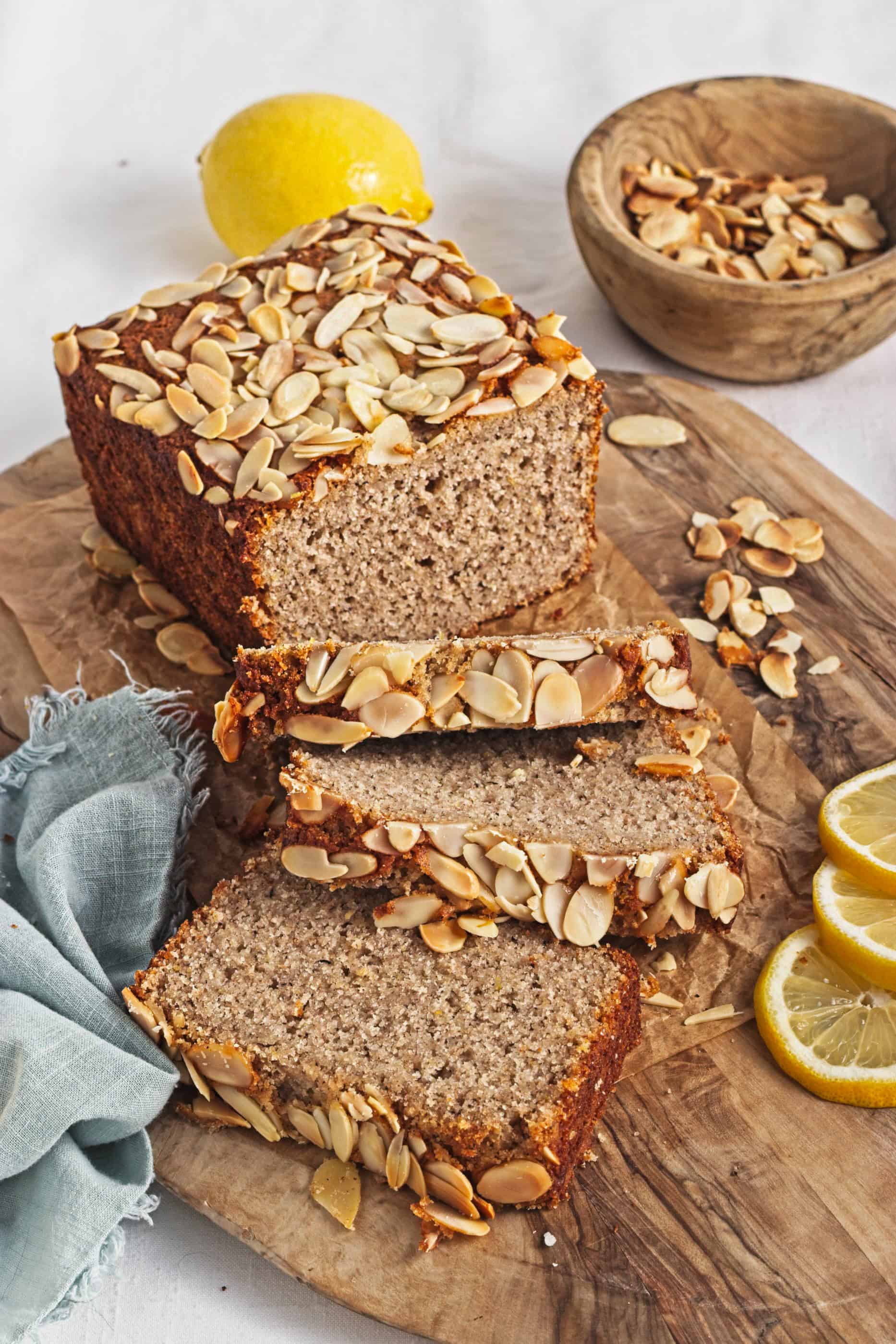
But I needed something new. Something sturdy enough for small hands and backpacks. Something gluten-free that would not crumble into dry sand the way so many gluten-free bakes do.
Buckwheat flour came first. It is one of those ingredients I learned to trust from Eastern European baking traditions. In many Russian and Ukrainian kitchens, buckwheat shows up in breads and pancakes, lending depth and softness that wheat flour sometimes cannot match. When I started baking for mixed-diet tables years ago, buckwheat became my quiet ally.
Almond flour followed. It softens buckwheat's heaviness and keeps the crumb tender. The combination reminded me of the dense comfort found in a slice of paleo chocolate peanut banana bread, another loaf from the blog that has survived many breakfast tables here.
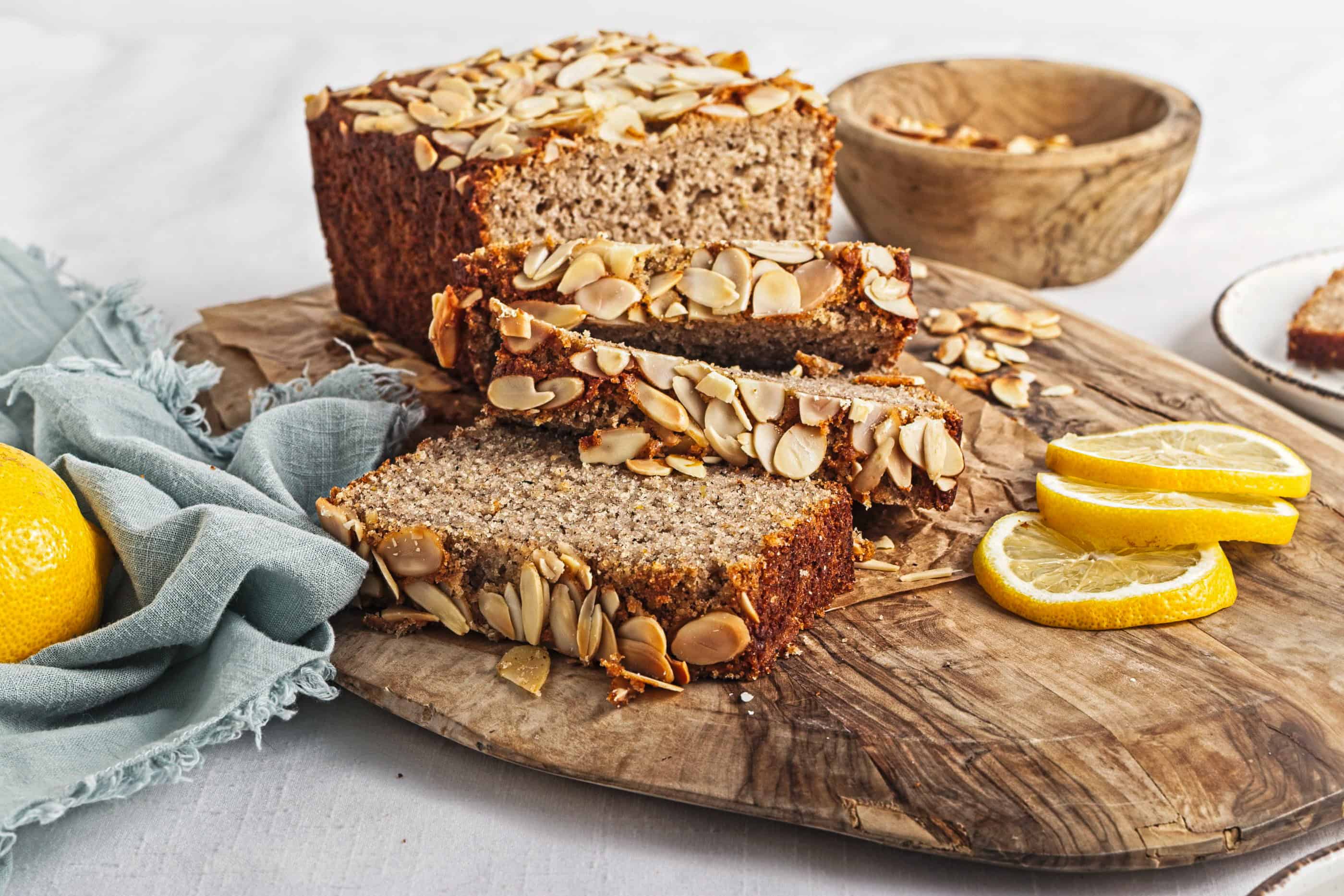
When I sliced it the next morning, the lemon scent drifted through the kitchen in the quiet way that good baking often does. The kind that reminds me of winter afternoons when a gingerbread loaf rests on the counter beside a pot of tea.
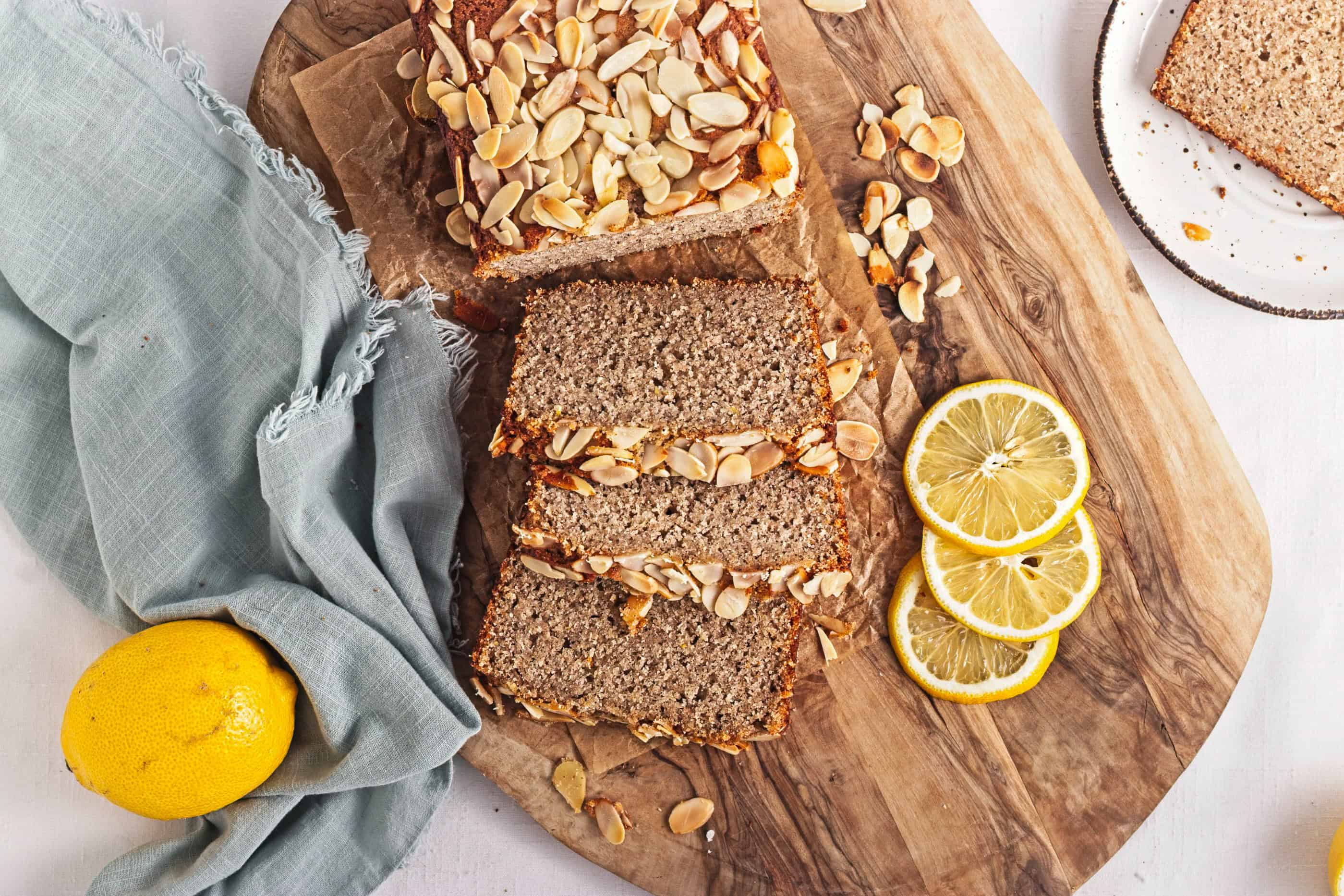
A few slices went into the preschool snack container that day. By afternoon, the teacher had written back. "Parents are asking for the recipe."
And the message felt like a small victory. A meeting point between nutrition rules, curious children, and the quiet science of baking.
Ingredients

- Lemon Juice and Lemon Zest - Lemon defines the character of this loaf. The juice brings brightness that cuts through the richness of almond flour. Bottled juice can work if needed, though fresh lemons create a far fuller citrus aroma. Meyer lemons bring a slightly softer citrus note if you happen to have them.
- Light Buckwheat Flour - Buckwheat flour is the structural backbone of this gluten-free loaf. It absorbs moisture well and gives the loaf a tender crumb that holds together when sliced. Light buckwheat flour works best because it keeps the crumb soft rather than dense. If you cannot find it, a good gluten-free all-purpose flour blend can replace it, though the loaf will lose some of the nutty depth.
- Applesauce - This acts as both a binder and moisture source in this vegan loaf. The natural pectin helps the crumb stay cohesive without eggs. Unsweetened applesauce works best, so the sweetness stays balanced. Mashed ripe banana can replace it if needed, though the loaf will take on a light banana note.
- Oat Milk or Almond Milk - Plant milk keeps the batter smooth and flexible while maintaining the vegan structure of the loaf. I lean toward oat milk because it adds a gentle softness that reminds me of old European tea cakes. Almond milk also works nicely and pairs well with the almond flour already in the batter. Any neutral plant milk can step in, including soy or cashew milk, as long as it does not contain strong added flavors.
See the recipe card for full list and exact quantities.
How to Make this Moist Gluten-Free Lemon Almond Loaf
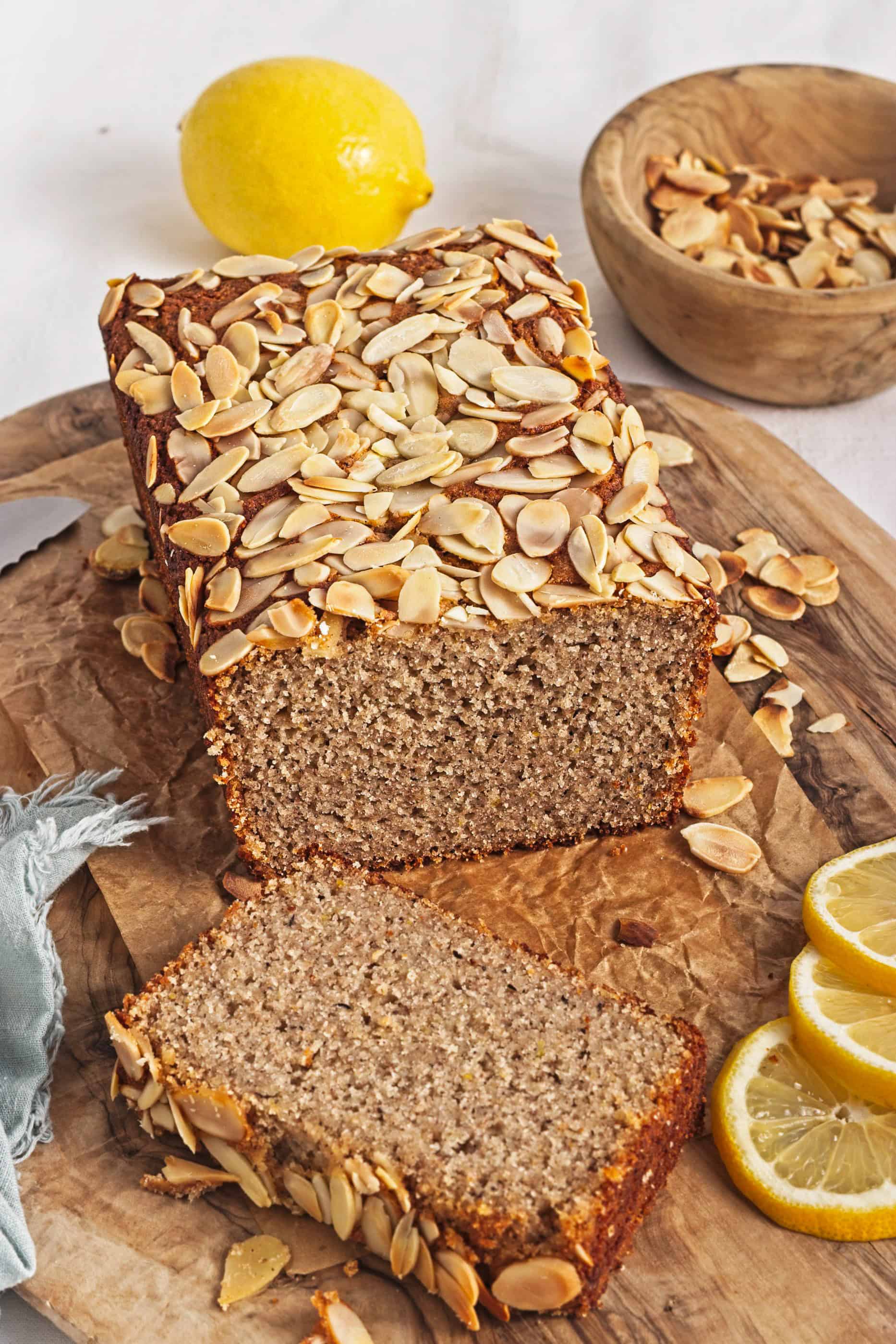
This gluten-free lemon almond loaf relies on a well-hydrated batter and careful baking time to develop a soft crumb that still slices cleanly. Buckwheat flour absorbs liquid slowly, so small details during mixing and resting matter. Here is what to look for during each step:
Prepare the Pan and Oven
- Start by preheating the oven to 350°F (175°C). Grease an 8 x 4 inch loaf pan and line it with parchment paper, leaving extra paper hanging over the sides. That overhang helps lift the loaf out later without breaking the edges.
- A loaf pan with parchment makes a difference for gluten-free baking. Buckwheat batter tends to cling to metal, and the parchment keeps the sides intact when you remove the loaf.
Whisk the Sugar, Oil, and Applesauce


- Take a moment with this step. Proper whisking helps the oil disperse evenly through the batter, which later gives the loaf a soft interior instead of oily pockets.
- If the mixture still looks separated after a few seconds, keep whisking until the surface becomes consistent and lightly thickened.
Add the Milk and Vanilla


- At this stage the mixture should look pale and fluid, similar to a thin cake batter. Scrape the sides of the bowl so everything blends evenly.
Stir in Lemon Juice and Zest


- Lemon juice reacts with the baking soda later during baking, which helps lift the loaf and lighten the crumb.
- The zest carries most of the lemon aroma, so distribute it well through the mixture.
Add the Dry Ingredients
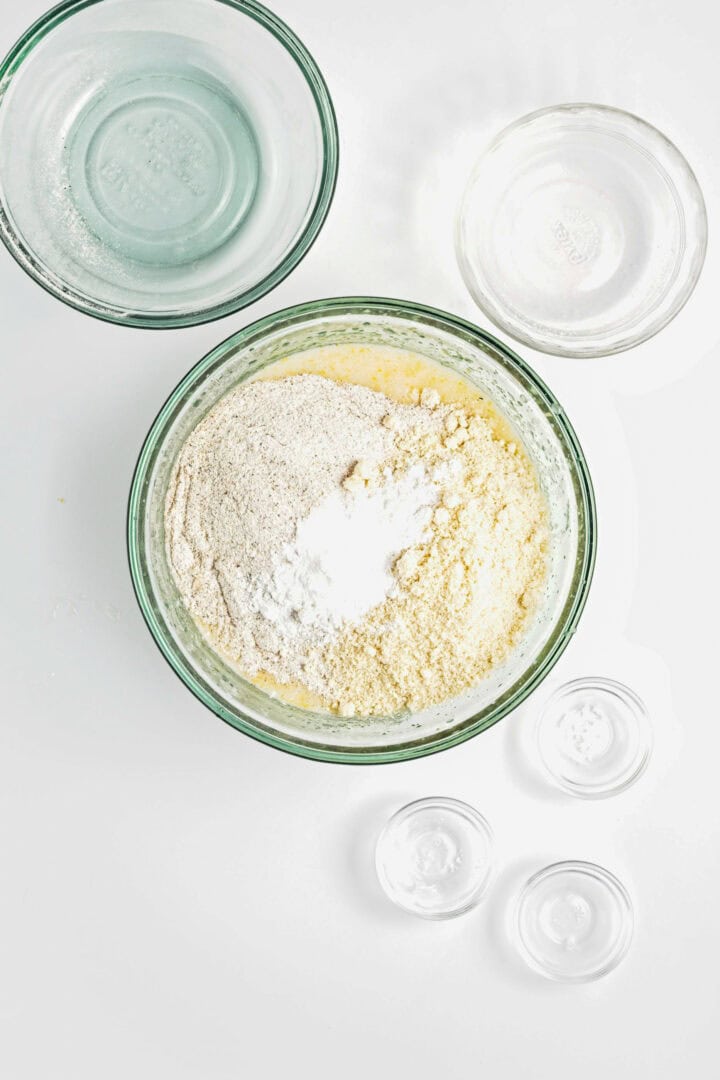
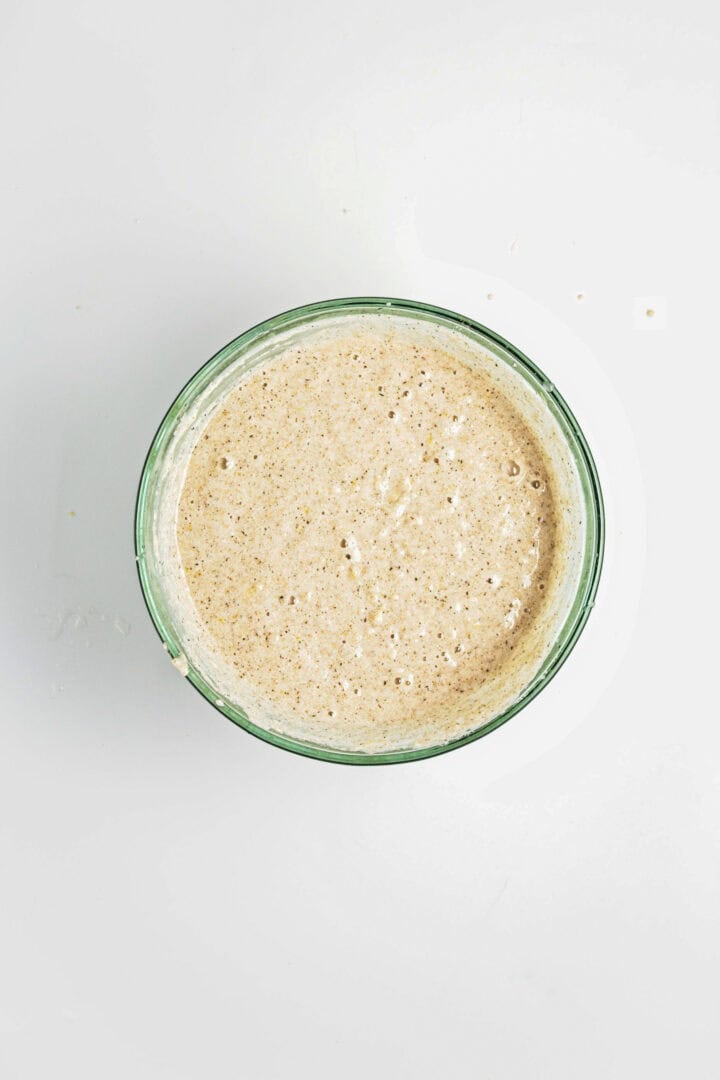
- The batter will thicken quickly once the buckwheat flour absorbs the liquid. It should look thicker than pancake batter yet still spread easily. Small specks from the buckwheat are normal.
- Avoid overmixing. Once the batter looks evenly combined and no dry pockets remain, stop stirring.
Let the Batter Rest
- Leave the batter to rest for 2 to 3 minutes.
- This step helps the buckwheat flour hydrate fully. Without this pause, the baked loaf can feel gritty. During the rest period, the batter will thicken slightly and become smoother.
- You may notice a few small bubbles forming on the surface. That signals the leavening ingredients starting to activate.
Fill the Pan
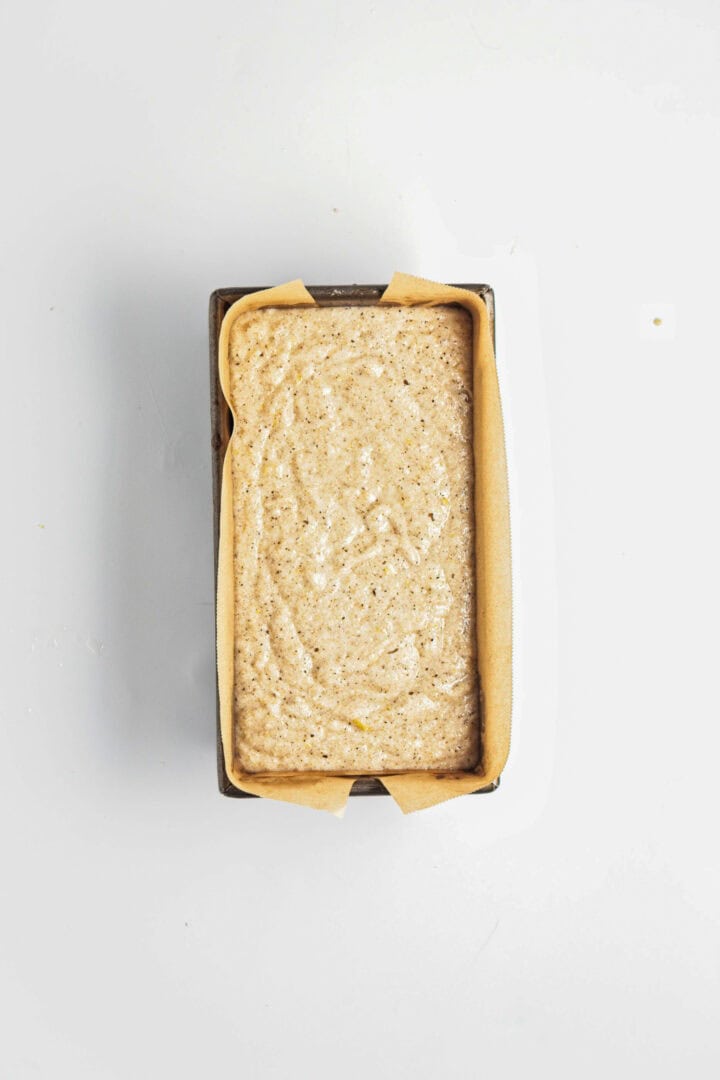
- The batter should spread slowly across the pan. If it looks very stiff, give it a quick stir before pouring so the texture remains even.
Add the Almond Topping
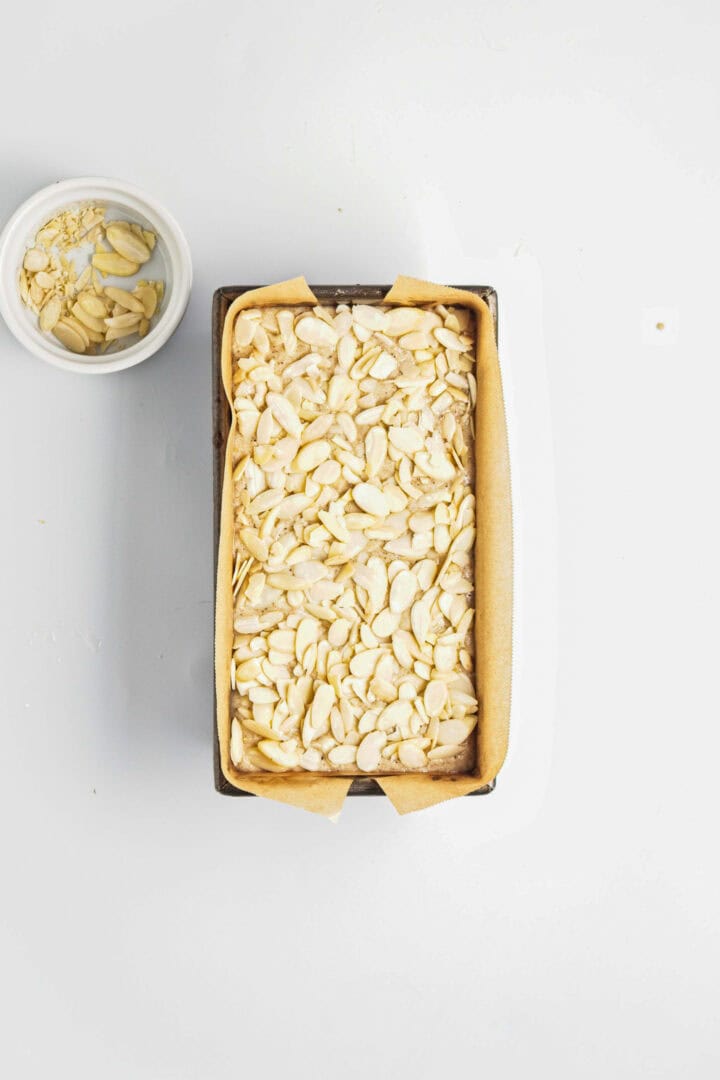
- Try to distribute them evenly rather than piling them in the center. During baking, the almonds toast lightly and create a thin crust that contrasts with the soft interior.
Bake the Loaf
- Place the loaf in the center of the oven and bake for 45 to 55 minutes.
- Around the 35-minute mark, the surface will start turning golden, and the edges may pull slightly away from the pan. The almond slices should look lightly toasted.
- Check the loaf with a skewer inserted in the center. A few moist crumbs on the skewer indicate the loaf finished baking. Wet batter means it needs more time.
- Buckwheat loaves sometimes darken quickly near the edges. If the top browns too fast while the center still needs time, loosely tent the pan with foil during the last part of baking.
Cool the Loaf
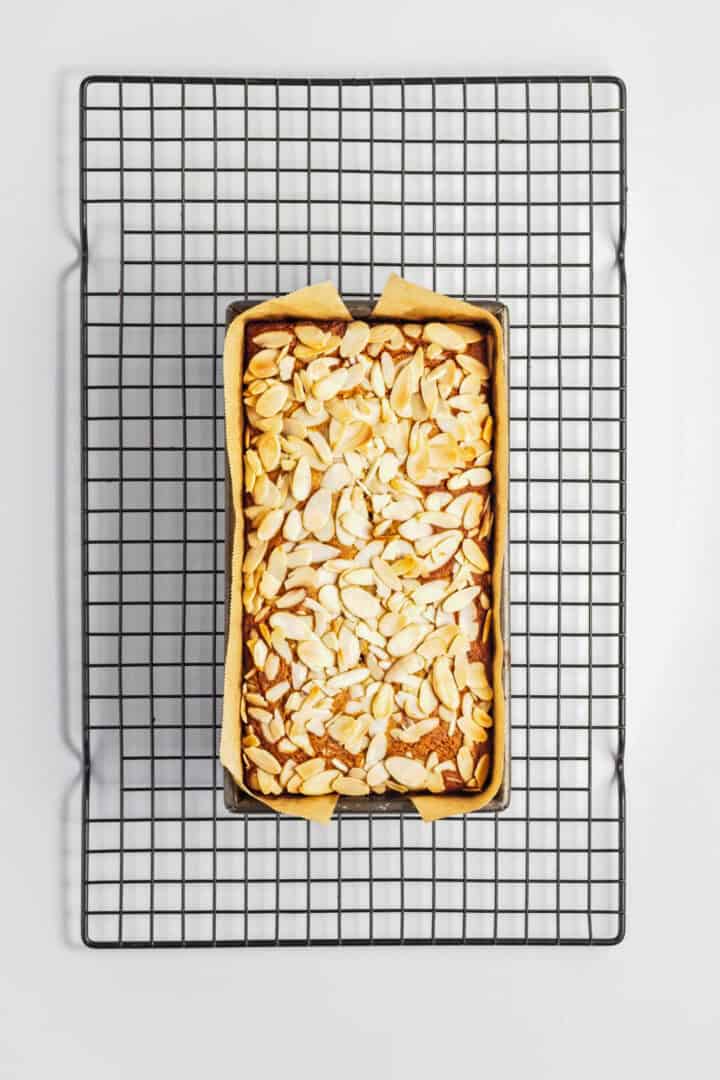
- During this time, the interior structure finishes setting. Moving it too early can cause the loaf to break along the bottom.
- After 15 minutes, lift the loaf out using the parchment paper and place it on a rack to cool completely.
Storage
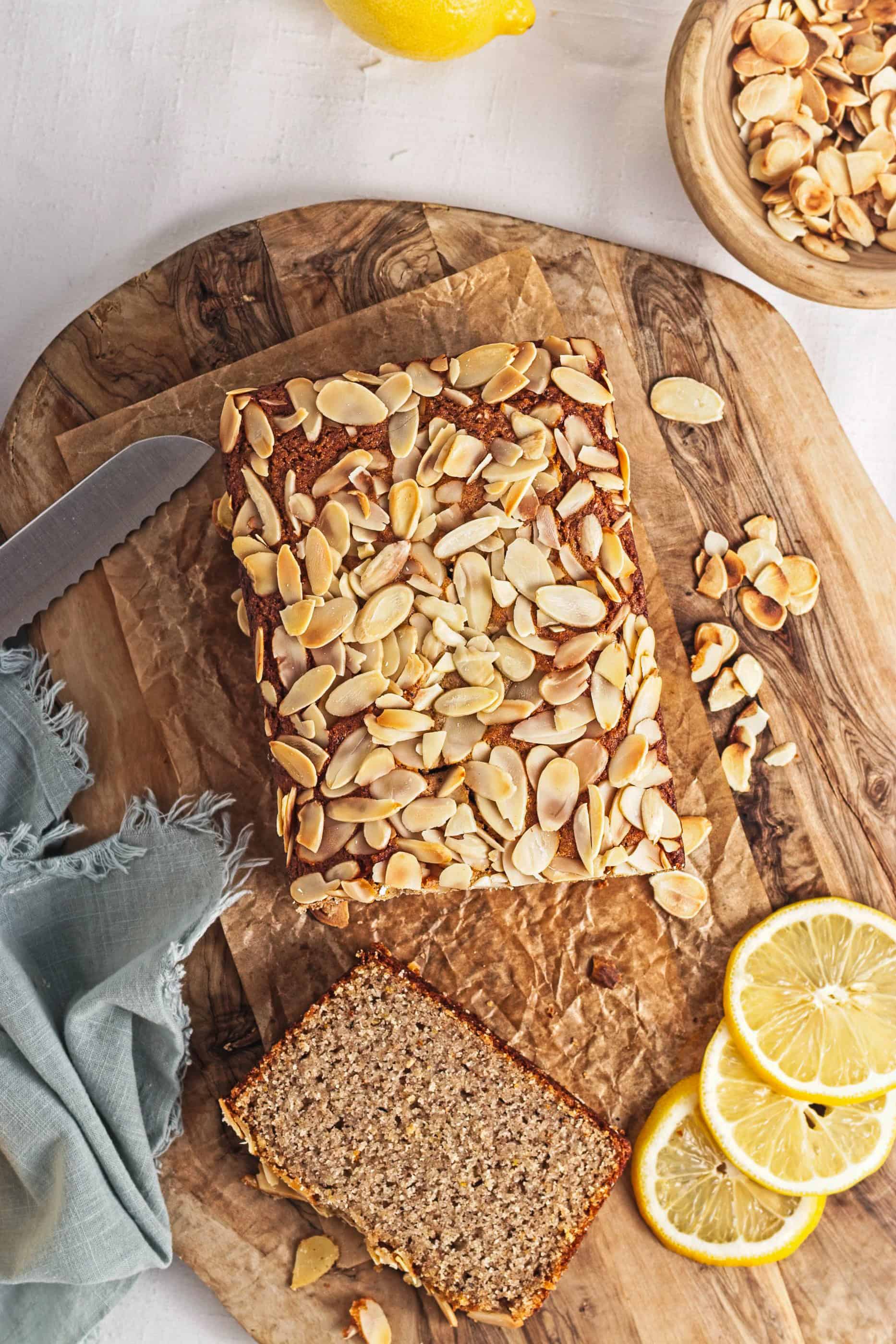
After the loaf cools completely, store it in an airtight container in the refrigerator for up to 3 days. The almond flour and applesauce help the crumb stay soft, though chilling keeps the loaf from becoming too moist. For the best texture, warm slices briefly in the oven or toaster oven before serving.
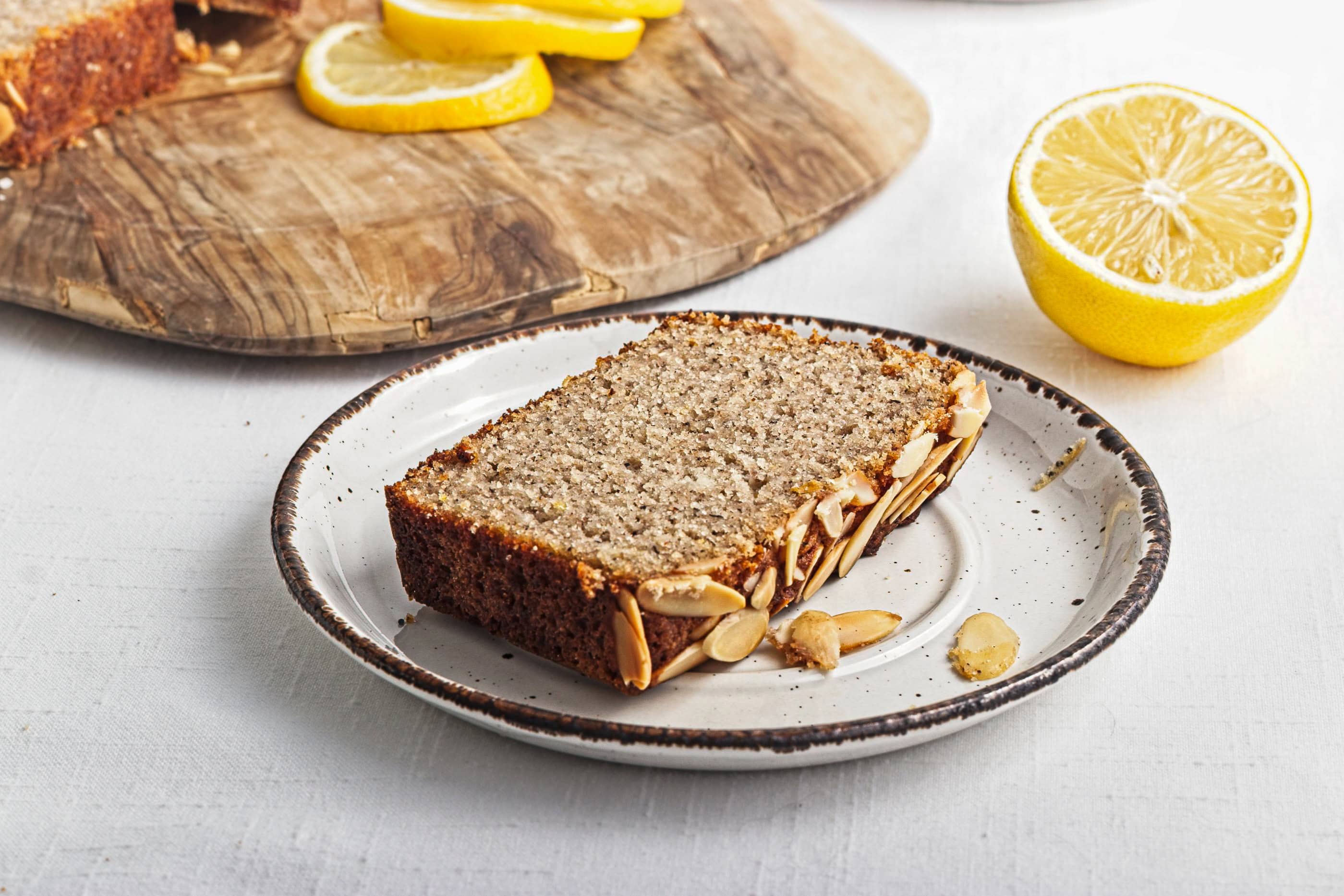
For longer storage, slice the loaf and wrap the pieces tightly in parchment or plastic wrap. Place them in a freezer-safe container and freeze for up to 1 month. Thaw at room temperature or reheat gently in the oven to bring back the soft crumb and lightly crisp almonds.
Top Tips
Use Fresh Lemons, Not Bottled Juice - I always say fresh lemon juice and zest make a big difference in this loaf. Bottled juice tends to taste flat and slightly bitter once baked. Zesting the lemon directly into the bowl releases fragrant oils that carry the citrus flavor through the whole loaf.
Choose Light Buckwheat Flour - light buckwheat flour gives a softer color and milder flavor. Dark buckwheat flour can turn the loaf gray and much heavier in taste. I learned this the hard way during early test batches that looked more like dense rye bread than a spring loaf.
Slice with a Serrated Knife - this loaf has a delicate crumb while still slightly cool. A serrated bread knife cuts through the almond topping without compressing the interior. A straight knife tends to press the loaf down and break the crust.
Recipe
Tried and loved this recipe? Please leave a 5-star review below! Your reviews mean a lot to me, so if you've got any questions, please let me know in a comment.
Gluten-Free Lemon Almond Loaf
Equipment
- 8 x 4 inch loaf pan
- Spatula or wooden spoon
- Measuring Cups and Spoons
- Microplane or zester
- cooling rack
Ingredients
- ⅔ cup granulated sugar
- ½ cup neutral oil sunflower, canola, or vegetable oil
- ½ cup applesauce
- ¾ cup oat milk or almond milk
- 1 teaspoon vanilla extract
- 6 tablespoons lemon juice
- 2 tablespoons lemon zest
- 2 cups light buckwheat flour
- 1 cup almond flour
- 2 teaspoons baking powder
- ½ teaspoon baking soda
- ½ teaspoon salt
- ⅓ cup sliced or slivered almonds
Instructions
Prepare the oven and pan
- Preheat the oven to 350°F (175°C). Grease an 8 x 4 inch loaf pan and line it with parchment paper, leaving a small overhang on the sides to help lift the loaf out after baking.
Mix the wet ingredients
- In a large bowl, whisk together the granulated sugar, neutral oil, and applesauce until the mixture looks smooth and well emulsified.
Add the liquids
- Pour in the oat milk and vanilla extract, whisking until the mixture becomes fully combined and smooth.
Add lemon flavor
- Stir in the lemon juice and lemon zest. The batter will smell bright and citrusy at this stage.
Combine the dry ingredients
- Add the buckwheat flour, almond flour, baking powder, baking soda, and salt directly into the bowl. Stir gently with a spatula until a thick but smooth batter forms.
Let the batter rest
- Allow the batter to rest for 2 to 3 minutes. This step helps the buckwheat flour absorb moisture and prevents a gritty texture.
Fill the pan
- Pour the batter into the prepared loaf pan and spread it evenly with a spatula.
Add the topping
- Sprinkle the sliced almonds across the top of the batter in a single layer for a lightly crunchy topping.
Bake the loaf
- Bake for 45 to 55 minutes, until the edges are golden and a toothpick inserted into the center comes out with only a few crumbs.
Cool before slicing
- Let the loaf cool in the pan for 15 minutes, then carefully lift it out using the parchment paper and transfer it to a cooling rack. Allow it to cool completely before slicing.
Nutrition