
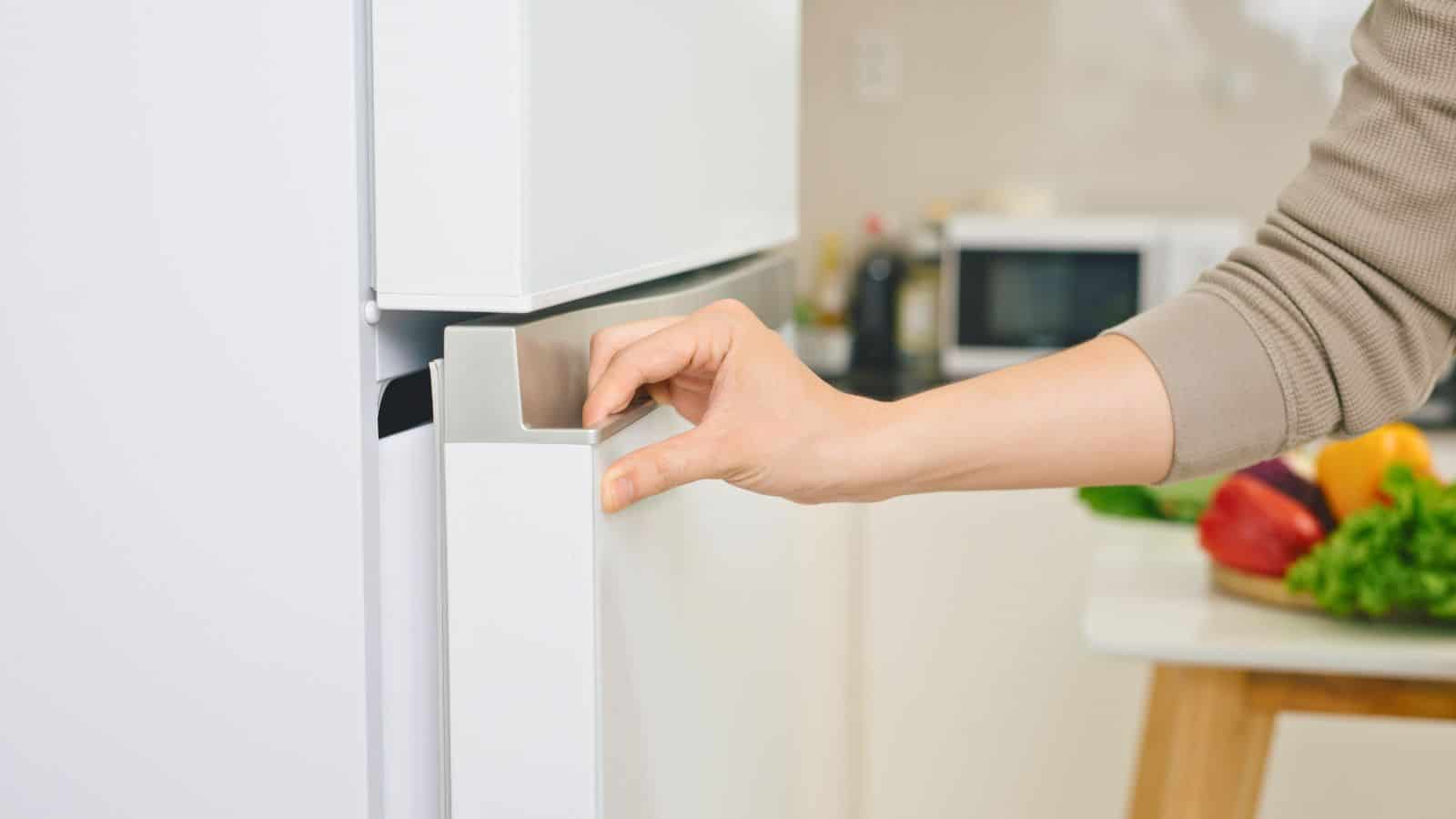
Ever wonder why some foods taste off or spoil quickly when stored in the fridge? It's because not everything belongs in there. You might think the refrigerator is the perfect spot for keeping all your groceries fresh, but that's not always true. In particular, these 15 foods can lose their flavor, texture, or even nutritional value when chilled.
Think about biting into a tomato that's mealy and flavorless because it's been chilled. Or finding your bread has gone stale much faster than expected. These little annoyances can add up and make cooking and eating less fun. By learning which foods thrive outside the fridge, you can keep your ingredients in better condition and enjoy them more.
So, let's break the habit of over-refrigerating. It's all about understanding that not every food item benefits from the cold. This mindset not only helps in preserving your foods' intended flavors and textures but also cuts down on food waste. Embracing these small changes can lead to a better, more fun cooking and eating experience. Let's start!
Tomatoes
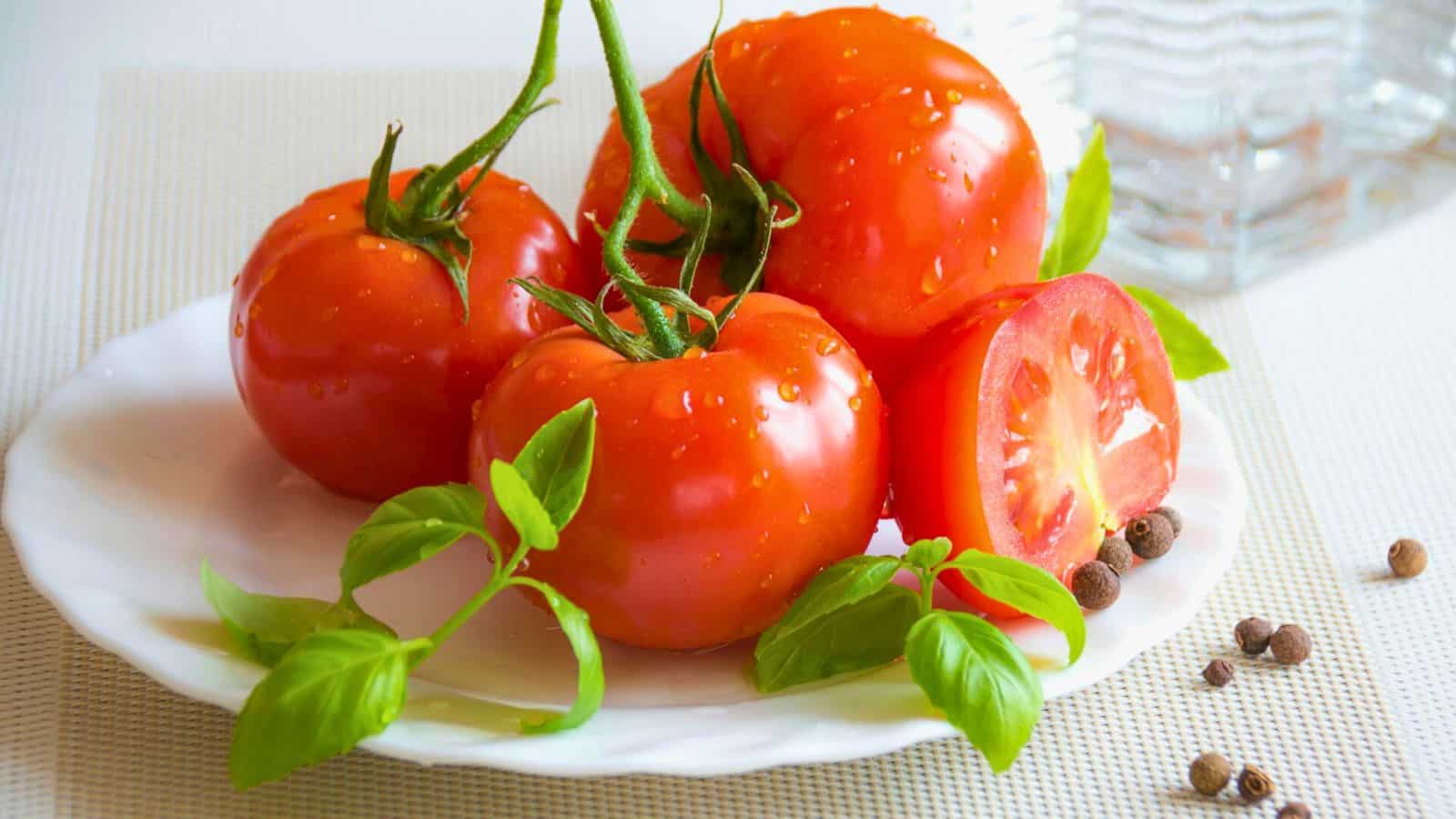
Refrigerating tomatoes can affect their texture and flavor. The cold air in the refrigerator stops the ripening process, leading to a less flavorful fruit. Tomatoes also develop a mealy texture when stored below 55 degrees Fahrenheit. To maintain their quality, keep tomatoes at room temperature. This allows them to continue ripening and keeps their natural flavors intact. If they begin to over-ripen, consider making sauces or salsas to use them before they spoil. Storing them stem side down can also help prolong their freshness.
Potatoes

Storing potatoes in the refrigerator can negatively impact their taste and texture. The cold temperature causes the starches in potatoes to convert into sugars more quickly, resulting in a sweet, gritty texture when cooked. It's best to store potatoes in a cool, dark place, such as a pantry or cellar, where the temperature remains steady. Avoid exposing them to sunlight, which can cause them to turn green and develop a bitter taste due to the formation of solanine, a potentially harmful chemical.
Onions

Refrigerating onions can lead to unwanted moisture and mold growth. Onions store best in a cool, dry, well-ventilated space, away from potatoes, which can release gases that speed up spoilage. Keep onions in a mesh bag or a basket that allows air circulation. This will help maintain their firmness and flavor. If you only use part of an onion, store the remaining piece in the refrigerator but use it within a few days to avoid a rubbery texture and loss of flavor.
Garlic
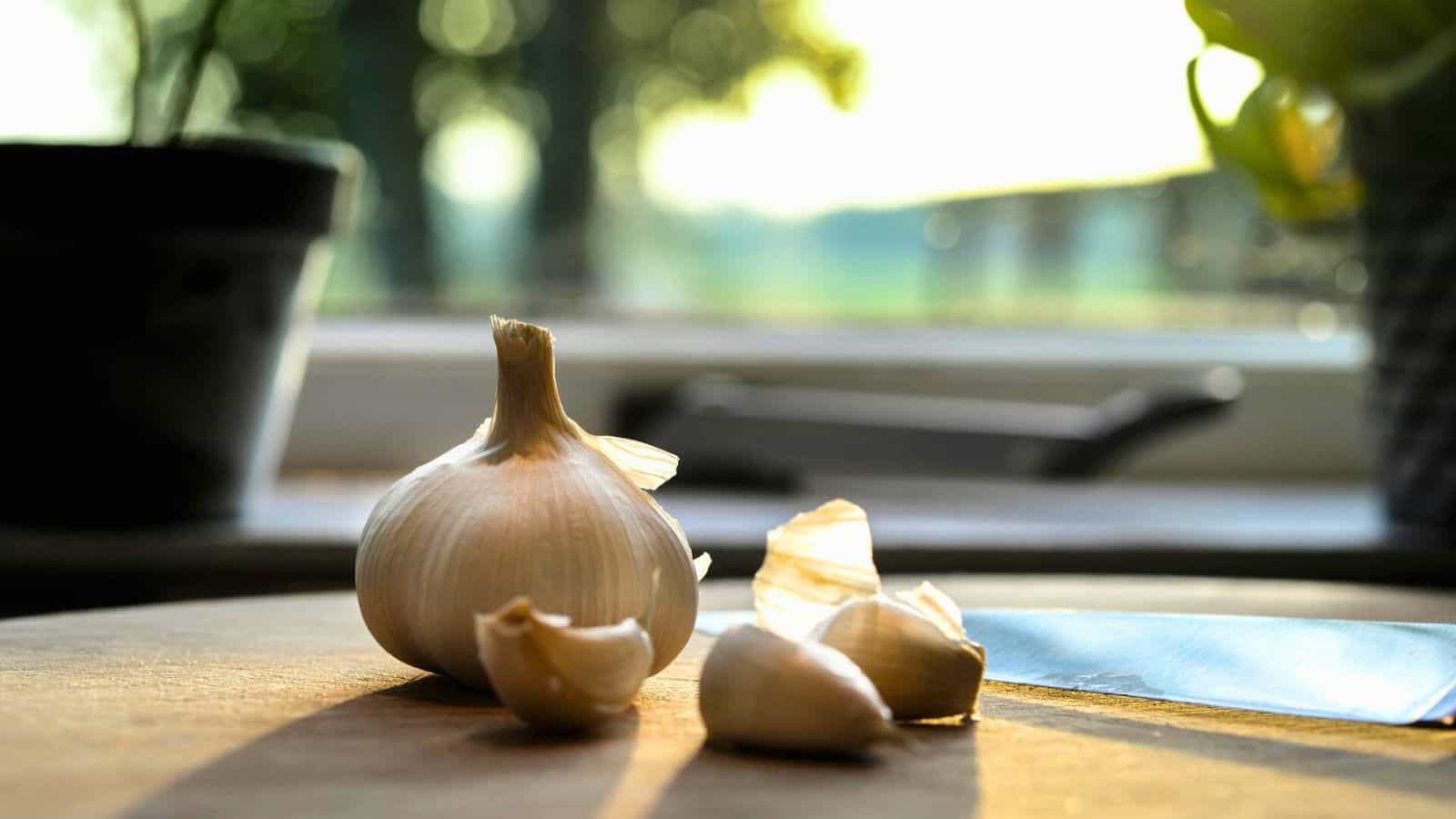
Garlic can become rubbery and start sprouting if stored in the refrigerator. The cold and humid environment is not ideal for garlic, which prefers a cool, dry, and dark place. A pantry or cupboard works well for whole bulbs. Once broken apart, the cloves should be used quickly to retain their potent flavor. If you notice your garlic sprouting, you can still use the cloves, though their flavor might be milder. For long-term storage, consider freezing peeled garlic.
Bread

Bread stored in the refrigerator can stale faster due to the retrogradation of starch molecules, which makes the bread hard and dry. It's best to keep bread at room temperature in a bread box or a paper bag to maintain its texture and freshness. If you need to store bread for an extended period, freezing is a better option. Slice the bread before freezing so you can easily take out just what you need without thawing the entire loaf. Defrost slices at room temperature or toast them directly.
Honey

Refrigerating honey can cause it to crystallize and become grainy. Honey is a natural preservative and doesn't require refrigeration. Store it in a tightly sealed container at room temperature to keep it smooth and easy to pour. If your honey does crystallize, you can return it to its liquid state by gently warming the container in a pot of hot water. Be careful not to overheat it, as this can destroy some of the beneficial enzymes and alter the flavor.
Coffee

Coffee beans or grounds can be affected by condensation in the refrigerator, which can degrade their quality. Coffee is best stored in an airtight container in a cool, dark place, away from light, heat, and moisture. This helps preserve the beans' natural oils and flavors. If you buy coffee in bulk, consider freezing a portion of it in an airtight container to extend its shelf life. Just make sure to thaw it completely at room temperature before grinding and brewing.
Basil

Basil leaves can wilt and turn black if stored in the refrigerator. Basil is sensitive to cold and does better at room temperature. To keep basil fresh, place the stems in a glass of water, much like you would with fresh flowers, and cover the leaves with a plastic bag. This method can keep basil vibrant and flavorful for a longer period. If you have an abundance of basil, consider making pesto or freezing the leaves in ice cube trays with a little water or oil.
Melons

Whole melons, such as watermelon, cantaloupe, and honeydew, are best stored at room temperature. Refrigeration can cause them to lose some of their flavor and juiciness. Once a melon is cut, it's important to refrigerate the pieces to prevent spoilage. Keeping whole melons at room temperature also allows them to ripen properly. If you need to chill a melon before serving, do so just a few hours before eating. This way, you can enjoy the melon at its peak flavor and sweetness.
Avocados
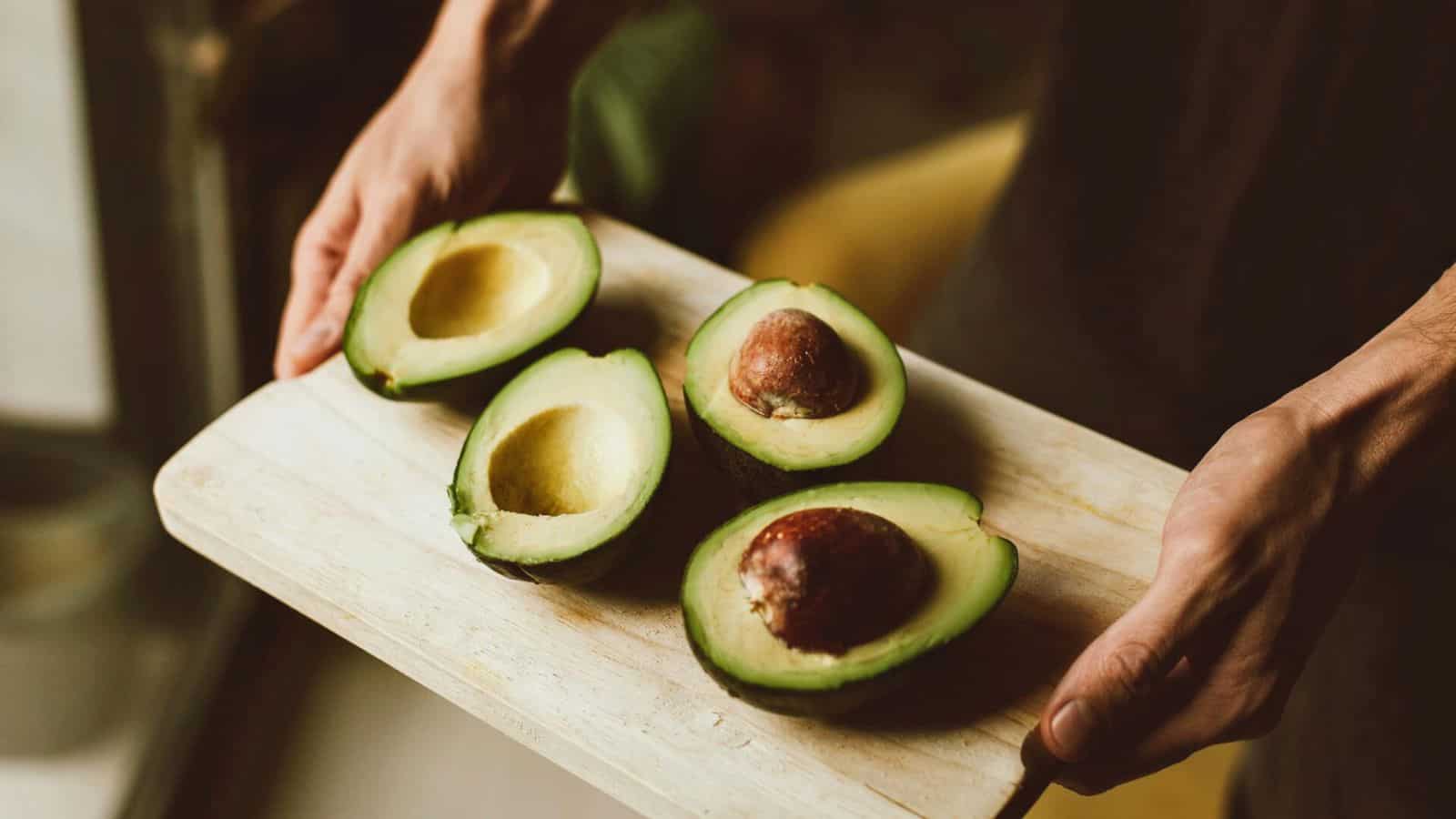
Unripe avocados should be stored at room temperature to ripen. Refrigerating them can halt the ripening process, leaving you with hard, flavorless fruit. Once avocados are ripe, they can be stored in the refrigerator to extend their shelf life for a few more days. To speed up ripening, place avocados in a brown paper bag with an apple or banana. The ethylene gas produced by these fruits helps avocados ripen faster. Use avocados promptly once they reach your desired ripeness.
Bananas

Refrigerating bananas can cause their skins to turn black and slow down the ripening process. Bananas should be kept at room temperature until they reach the desired ripeness. If you have ripe bananas that you can't eat right away, you can refrigerate them to extend their shelf life. The peel may darken, but the fruit inside will stay fresh for a few more days. Overripe bananas can be used in smoothies, baked goods, or frozen for later use in recipes.
Citrus Fruits

Citrus fruits, like oranges, lemons, limes, and grapefruits, can develop hard skins and lose their juiciness when refrigerated. These fruits are best stored at room temperature, where they can retain their moisture and flavor. If you have an abundance of citrus fruits, you can refrigerate them to prevent spoilage, but use them within a week for the best taste. Room temperature storage also makes it easier to juice citrus fruits, as they yield more liquid when not chilled.
Stone Fruits
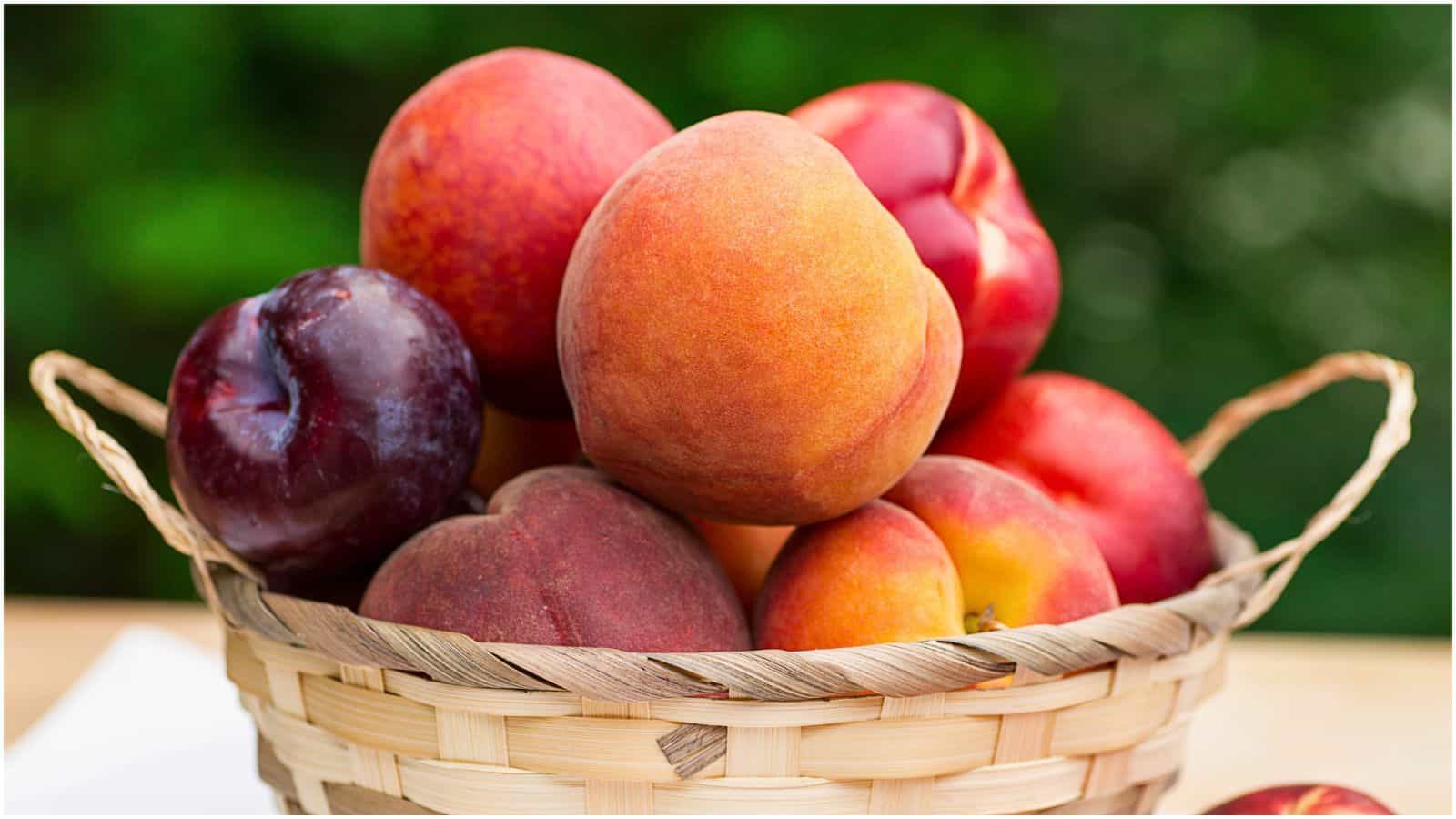
Stone fruits, such as peaches, plums, cherries, and apricots, should be ripened at room temperature. Refrigeration can halt the ripening process and result in less flavorful fruit. Once ripe, stone fruits can be refrigerated to extend their shelf life for a few days. For the best flavor, bring refrigerated stone fruits back to room temperature before eating. If you have an excess of ripe stone fruits, consider making jams, preserves, or desserts to use them up before they spoil.
Oils
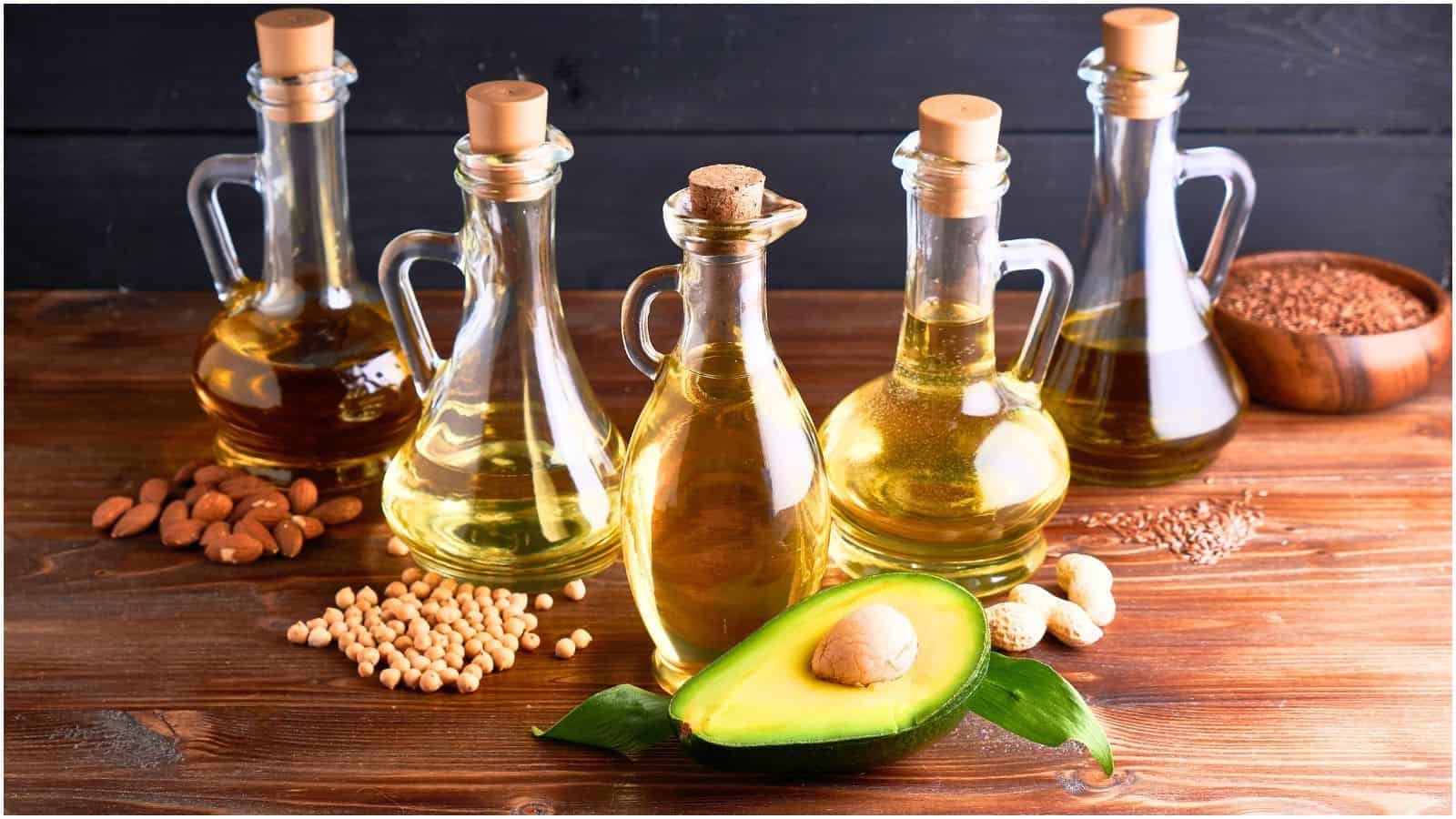
Certain oils, like olive oil, can become cloudy and solidify when stored in the refrigerator. This does not affect their quality, but it can make them difficult to use. Oils are best stored in a cool, dark place, such as a pantry, away from direct sunlight and heat sources. If your oil does solidify, you can restore it to its liquid state by leaving it at room temperature for a while. For long-term storage, consider buying smaller quantities of oil to make sure it stays fresh.
Hot Sauce

Most hot sauces contain vinegar and preservatives that allow them to be stored safely at room temperature. Refrigeration is unnecessary and can sometimes alter the sauce's flavor and consistency. Keep hot sauce in a cool, dark place, such as a pantry or cupboard. This helps maintain its original taste and prolong its shelf life. If you notice separation or changes in color, give the bottle a good shake before using it. For homemade hot sauces without preservatives, refrigeration is recommended.
Chill Out... But Not in the Fridge

By avoiding refrigeration for certain food items, you can maintain their flavor, texture, and nutritional value. This simple practice can transform your cooking and eating experience, making meals more fun and satiating. Plus, it helps reduce food waste, which is a win for your wallet and the environment.
So, next time you unload your groceries, take a moment to consider where each item truly belongs. Storing certain foods at room temperature not only preserves their quality but also saves you from the frustration of dealing with spoiled or tasteless ingredients. It's a small change that can lead to big improvements in your everyday meals.
Embrace this new approach to food storage and see the difference it makes. Your kitchen will be filled with fresher, more flavorful ingredients, and you'll even find cooking more fun!