
Curious about how to ferment foods? Chances are, you've been enjoying it for years without even realizing it. Think about the sauerkraut nestled next to your bratwurst, the tangy pickles adding a crunch to your burger, or the refreshing taste of a tall glass of kombucha. These are all products of fermentation, an age-old technique that not only preserves food but also enhances its flavor and nutritional value.
Fermentation is a fascinating process that transforms ordinary vegetables into probiotic-rich superfoods, contributing to gut health and general well-being. It's an ancient art practiced for centuries across different cultures. This method was initially used to preserve the harvest and extend the shelf life of produce long before the advent of refrigeration.
We'll discuss everything you need to know about fermentation, how it works, its benefits, and a step-by-step guide on how to get started with fermenting vegetables at home. Whether you're a seasoned chef or a curious beginner, you'll find that fermenting vegetables is a simple and rewarding process. Let's start!
Understanding the Fermentation Process

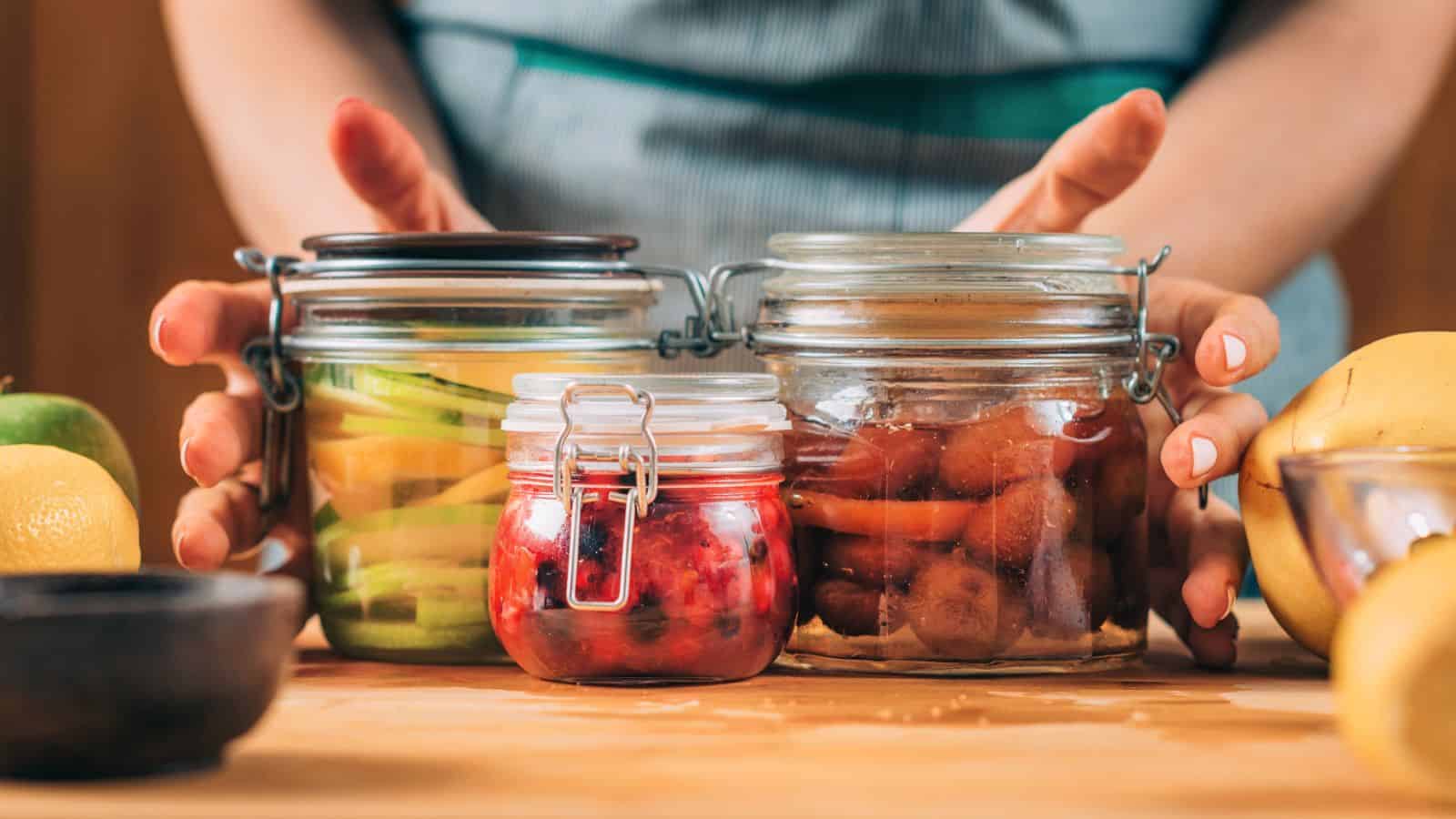
Fermentation is a process that converts complex sugars to simple acids, gases, or alcohol without the use of oxygen. It is carried out by microorganisms like yeast and bacteria. Fermentation begins when these microorganisms break down carbohydrates (such as glucose) in the environment.
This process is essential in food production, creating products like bread, yogurt, and beer, and also occurs in muscle cells during intense exercise when oxygen is scarce.
Additionally, fermentation enhances the nutritional value of the vegetables by increasing their vitamin content and adding probiotics. These probiotics are beneficial for gut health, making fermented foods a nutritious choice.
Different Types of Fermentation
Fermentation comes in various types, each characterized by the specific microorganisms involved and the end products they create.
The four main types of fermentation are Lactic Acid Fermentation, Alcohol Fermentation, Butyric Acid Fermentation, and Acetic Acid Fermentation.
Each type of fermentation plays a crucial role in creating unique flavors, preserving food, and enhancing nutritional value.
Lactic Acid Fermentation involves microorganisms like Lactobacillus and other lactic acid bacteria, producing lactic acid, which gives foods a tangy flavor. This type is used in making yogurt, sauerkraut, kimchi, and sourdough bread.
Alcohol Fermentation uses yeasts, particularly Saccharomyces cerevisiae, to produce ethanol (alcohol) and carbon dioxide, essential for producing beer, wine, spirits, and making bread rise.
Butyric Acid Fermentation, carried out by Clostridium species such as Clostridium butyricum, results in butyric acid, which has a distinctive smell and is used in certain dairy products and flavorings.
Acetic Acid Fermentation involves Acetobacter bacteria, which convert ethanol into acetic acid, the main component of vinegar, used in various culinary applications.
Benefits of Fermenting

The practice of fermenting comes with numerous benefits that make it an essential part of a healthy lifestyle. It extends the shelf life of produce without relying on refrigeration, reducing food waste and guaranteeing a steady supply of nutritious food throughout the year.
The fermentation process produces probiotics, which are beneficial bacteria that support a healthy digestive system, enhance nutrient absorption, and strengthen the immune system.
Additionally, fermentation enhances the nutritional profile of vegetables by increasing the availability of vitamins and minerals, making these nutrients more accessible and beneficial for the body.
Fermented foods also add a tangy flavor to meals, making them more fun and adding variety to your diet. Incorporating fermented vegetables into your diet can lead to better digestion, improved gut health, and an enriched dining experience, contributing to wellness and a more balanced diet.
Popular Fermented Foods

Fermented foods are popular across various cultures and guarantee a range of unique flavors and health benefits.
Yogurt is a well-loved fermented dairy product, rich in probiotics that promote gut health. Sauerkraut, made from fermented cabbage, has a tangy crunch and is packed with vitamins.
Kimchi, a staple in Korean cuisine, is another cabbage-based ferment that includes spices, garlic, and sometimes radishes, delivering a spicy, savory kick.
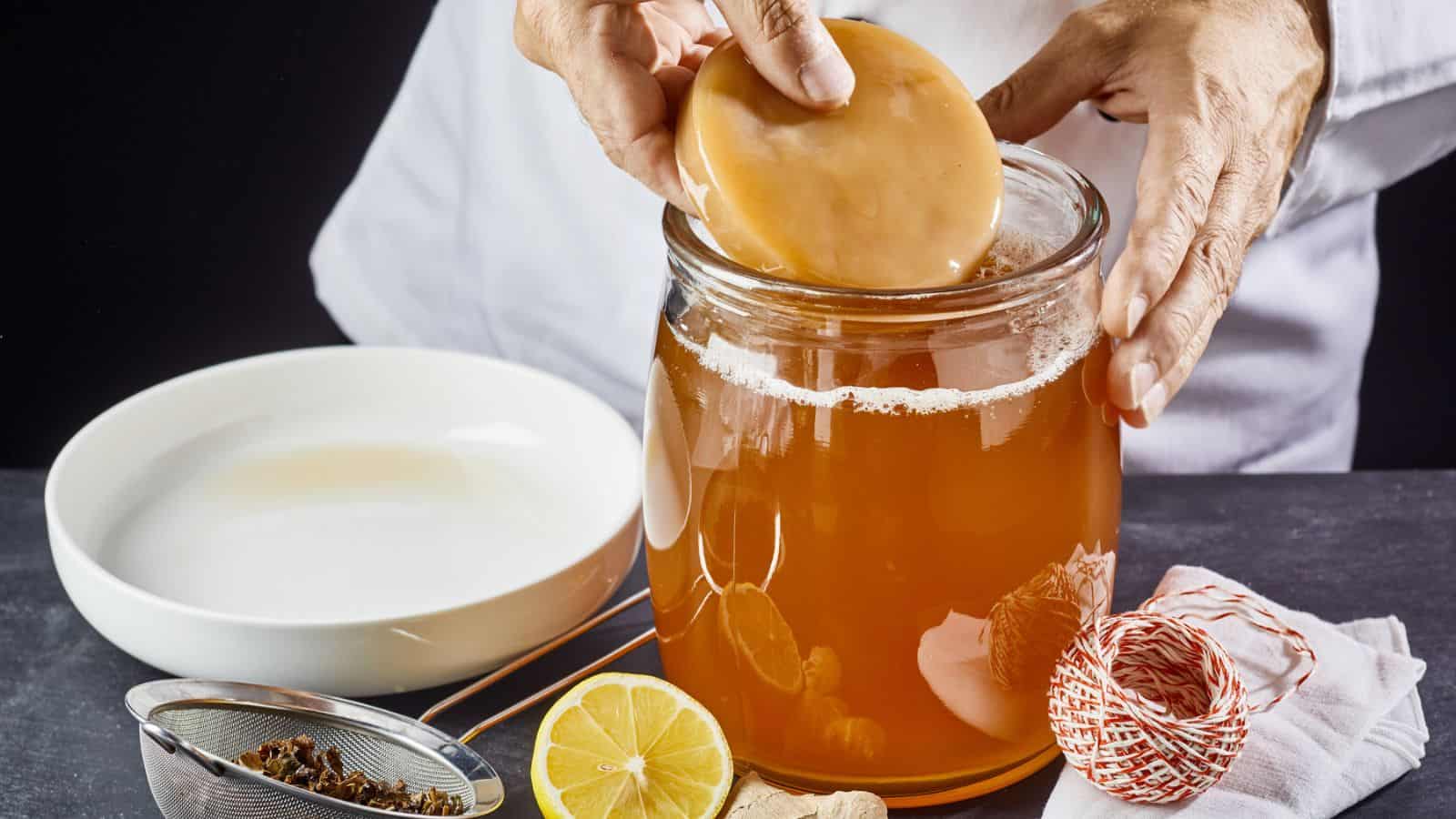
Kombucha, a fermented tea, is enjoyed for its effervescence and potential health benefits. Sourdough bread, with its distinct taste and texture, results from the natural fermentation of dough.
Other notable mentions include miso, tempeh, and natto.
Fermenting Vegetables
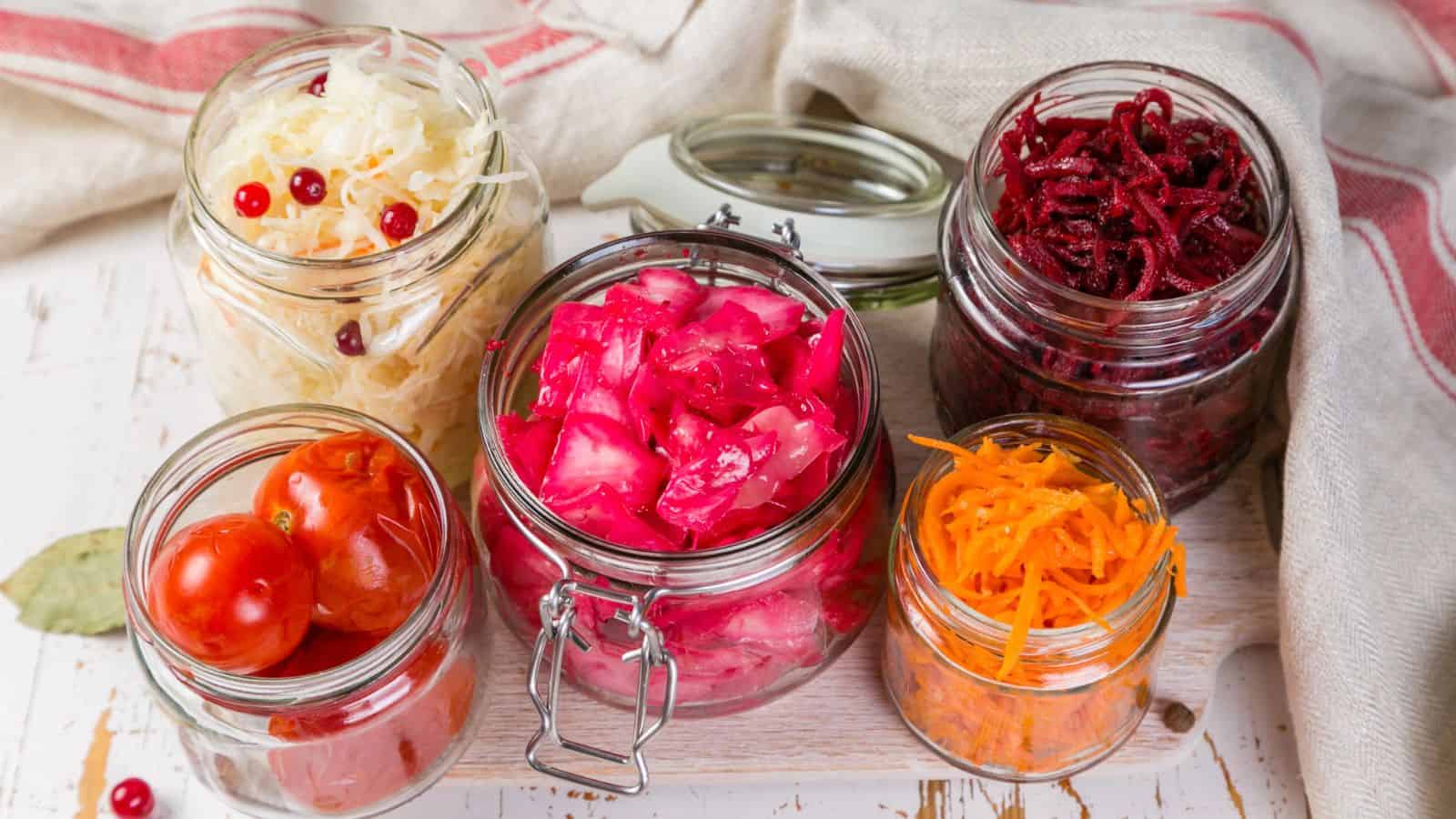
To ferment vegetables at home, begin by selecting fresh, high-quality produce. Wash and chop the vegetables into desired sizes. Prepare a brine by dissolving non-iodized salt in water; a common ratio is one to three tablespoons of salt per quart of water.
Pack the vegetables tightly into a clean glass jar, leaving some headspace at the top. Pour the brine over the vegetables and make sure they are fully submerged to prevent exposure to air, which can cause spoilage.
Use a fermenting tool called a weight, such as a small glass or a fermenting weight, to keep the vegetables below the brine. Cover the jar with a lid or a cloth secured with a rubber band to allow gases to escape. Store the jar at room temperature, away from direct sunlight, and check it daily. Bubbles and a tangy aroma indicate fermentation is occurring.
Taste the vegetables after a few days, and when they reach the desired flavor and texture, transfer the jar to the refrigerator to slow down the fermentation process. The vegetables are now ready to eat and can be stored in the fridge for several months.
Tips and Tricks for Successful Fermenting
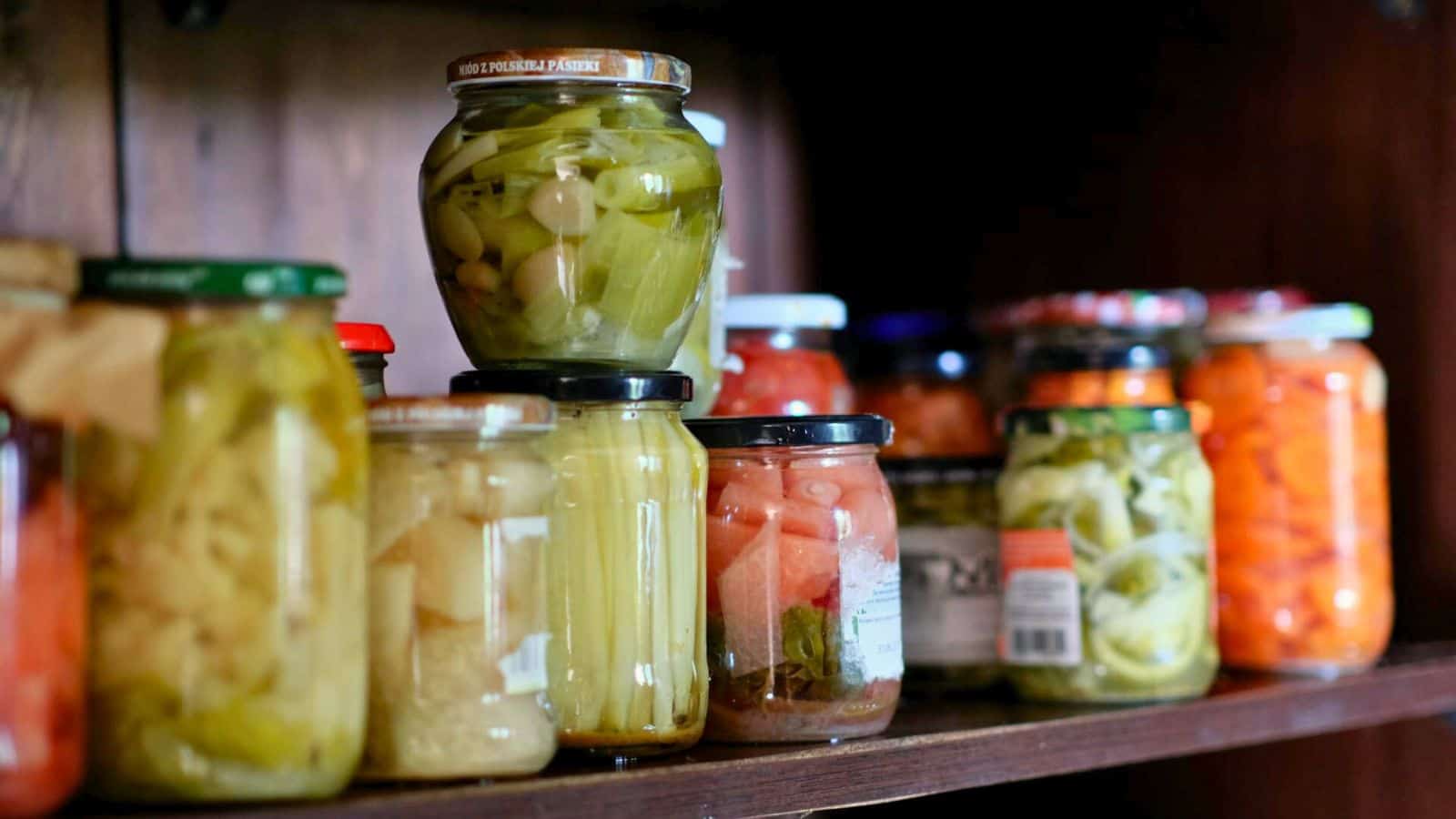
For successful fermenting, start with fresh, high-quality vegetables and clean equipment to avoid contamination. Use non-iodized salt for the brine, as iodine can inhibit the fermentation process. Maintain the right temperature, ideally between 65°F and 72°F, to promote healthy microbial activity.
Make sure the vegetables are fully submerged in the brine to prevent mold growth. Check the ferment daily for bubbles and a tangy smell, signs that fermentation is progressing well. If using a cloth cover, secure it tightly to keep out insects while allowing gases to escape.
Be patient, as fermentation times can vary. Taste the vegetables regularly to decide when they are ready. Once they reach the desired flavor and texture, move them to the refrigerator to slow fermentation and preserve their quality.
If mold forms on the surface, remove it promptly, but don't be alarmed-it doesn't necessarily mean the entire batch is spoiled. With these tips, you'll have a better chance of achieving successful fermentation and enjoying the benefits of homemade fermented vegetables.
Brine and Dine for Health!
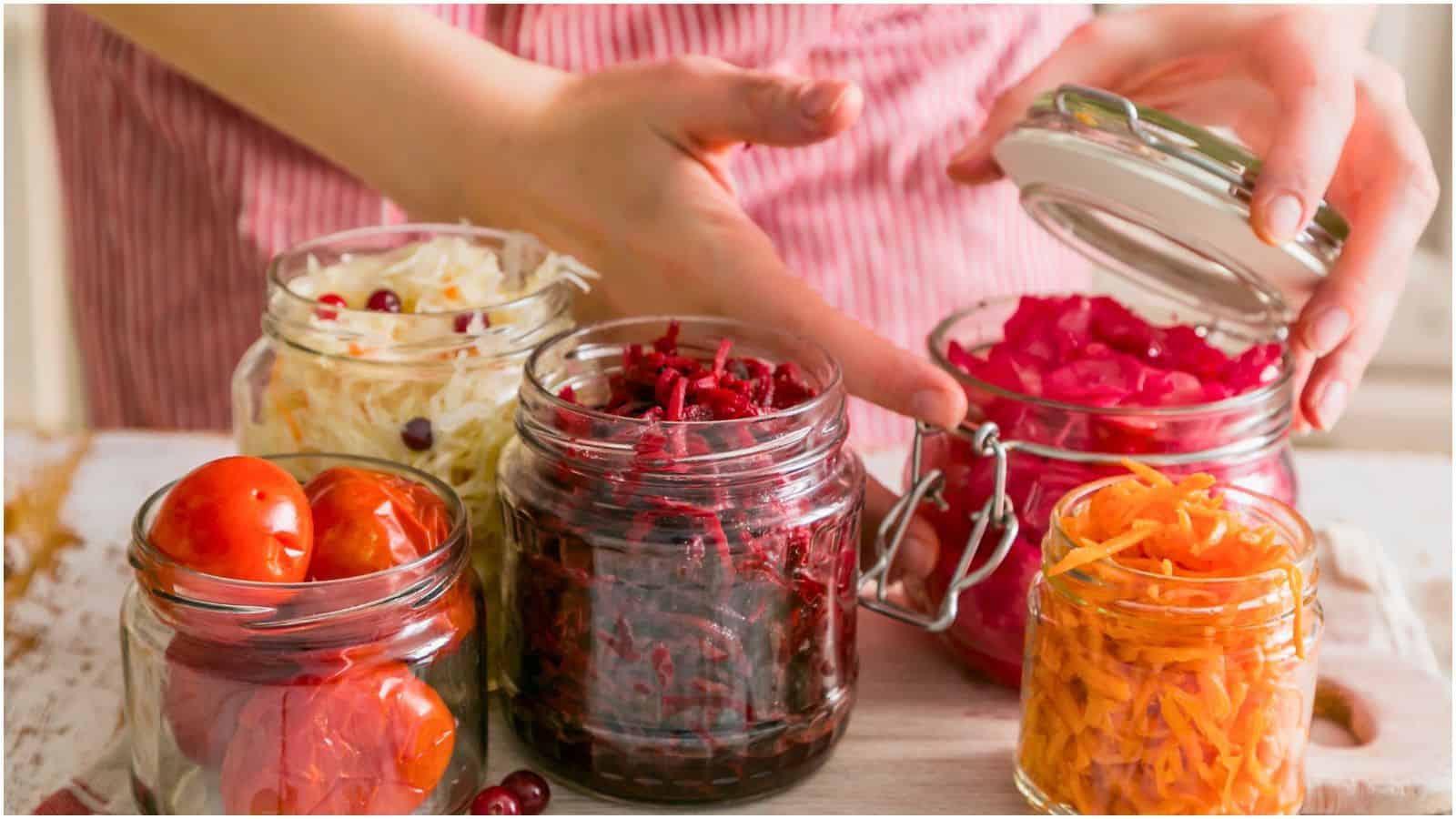
Learning to ferment vegetables at home connects you to ancient preservation techniques and promotes a healthier lifestyle. Fermented foods are rich in probiotics and enhanced nutrients, supporting digestion and boosting immunity, making them a valuable addition to your meals. As we've explored, fermenting vegetables is straightforward and highly rewarding.
With just a few simple ingredients and some patience, you can transform fresh produce into tangy, flavorful, and nutritious foods. Fermenting at home also lets you try different vegetables and flavor combinations, customizing each batch to suit your taste. Whether you're looking to enhance your gut health, reduce food waste, or simply enjoy the unique flavors of fermented foods, this practice has countless benefits!
By mastering the basics of fermentation, you can create a variety of delicious, probiotic-rich foods that will support your well-being and bring a touch of history to your table. So why not start your fermenting at home today and experience the ancient art of preservation for yourself?