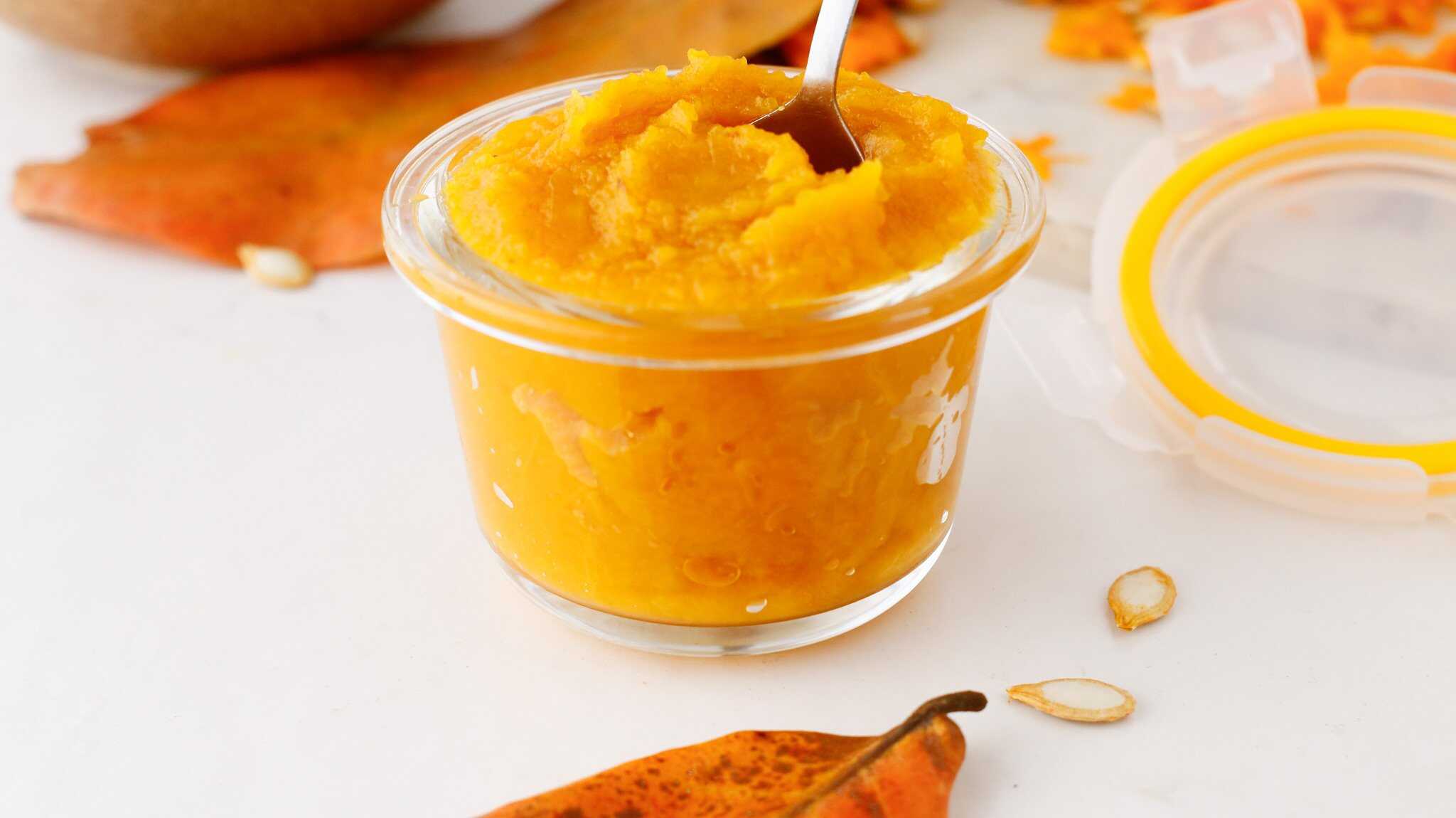
Capture autumn's warmth with homemade pumpkin puree, creamy and rich, perfect for baking or simple comfort dishes.
Jump to:
Ber month's wind comes in many forms. In September, supermarket radios play Earth, Wind & Fire. Outside the leaves begin their slow transformation into a soft color between green, gold, and orange.
There is something in the air that smells like both endings and beginnings, like sharpened pencils, cool mornings, and the faint sweetness of baked apples drifting from a neighbor's window.
I once found an old notebook from my college days, with a line I scribbled in messy handwriting: "Autumn feels like the world is softening and blending into one another." Reading it now brings to mind a pumpkin's journey into puree, how firm orange flesh becomes smooth and comforting.
That sentence captured how I felt in those early Septembers. Starting a new year, moving into a tiny apartment, feeling the air on my skin as if it were reminding me that change was always possible.
I still remember my very first September in that apartment. A plump pumpkin with skin like burnished copper was carried home from the market like a prize. I didn't have many kitchen tools then.
My food processor was a hand-me-down from a friend, and my knives were slightly dull, but I roasted that pumpkin anyway and turned it into puree. I spooned it into jars, not entirely sure what I'd do with it, but I wanted to mark that moment of my life with the taste of autumn.
Years later, the habit remained. Each September, pumpkins are gathered for roasting, filling the kitchen with the scent of autumn. Steam rises gently from the roasting pan, curling into the air, and there is a quiet sense of magic in the simple act of turning pumpkin into puree.
There is a tenderness in autumn that no other season quite carries. Perhaps that is why I find myself drawn to pumpkin puree. It's humble, but it holds multitudes. A spoonful carries the slow warmth of roasted flesh, the soft glow of changing leaves, and the quiet promise of cozy evenings.
Gourd Times Ahead With this Puree
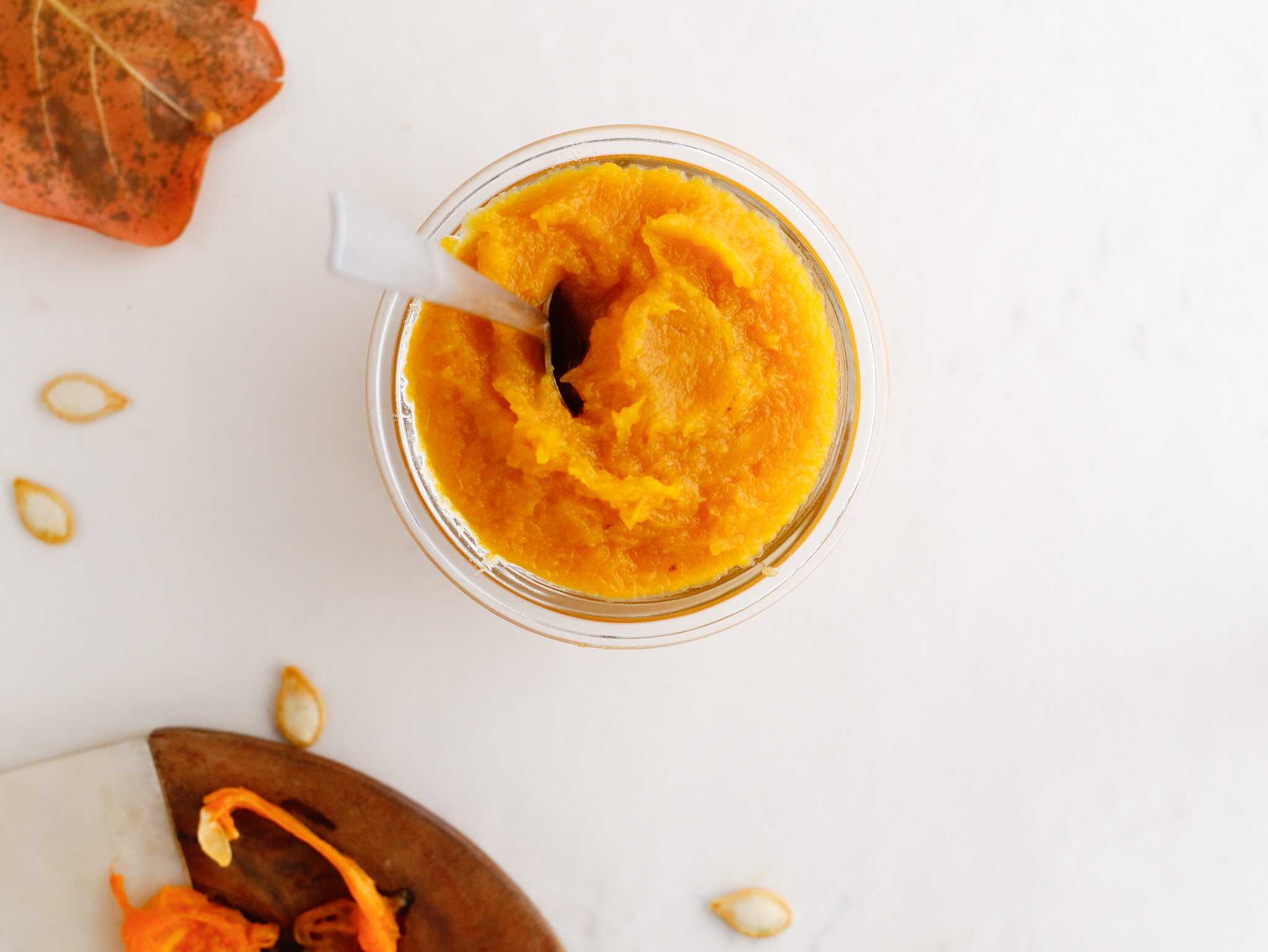
September is when routines start again. School bags packed with notebooks, quick dinners needed on weeknights, comfort food becoming the language of evenings at home. Pumpkin puree slips easily into this rhythm. It is the base ingredient that can stretch itself into so many meals: muffins tucked into lunchboxes, pies that make the weekend table feel festive, or even folded into a pasta sauce for the kind of cozy dinner that makes you want to linger at the table.
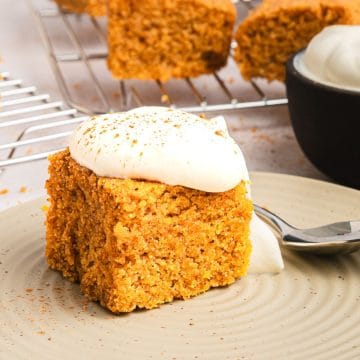
I've stirred it into the batter for a gluten-free pumpkin spice cake, its scent of cinnamon and nutmeg carrying through the kitchen, filling it with a sense of warmth. On Saturdays, I've folded it into dough for a savory galette with caramelized onions, cutting wedges for my husband while the kids pick out their favorite flaky edges.
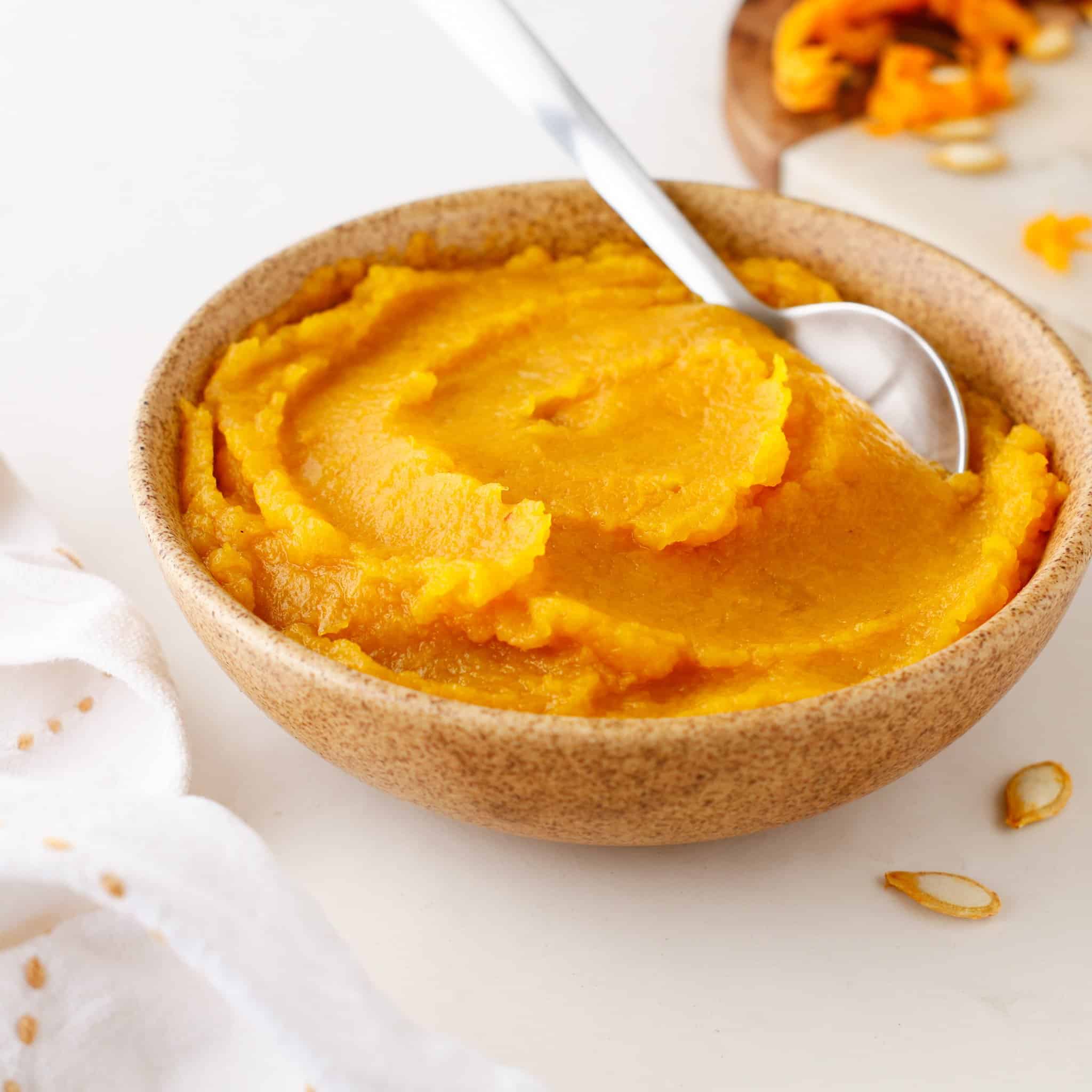
For breakfasts, when mornings are hurried, a spoonful of pumpkin puree goes into batter for protein waffles with chocolate sauce, giving me a little peace knowing the kids start their day with something nourishing. And, of course, every November, I return to the classic pumpkin pecan pie, the recipe written in fading pen on a card tucked into my mother's cookbook.
When I scoop a pumpkin in September, it's never just about making puree. The act slows life's pace, welcoming the softness of autumn into the kitchen. It lays the groundwork for pies, cakes, waffles, and other dishes that will find their way into our family's evenings.
The recipe itself is the simplest of all, yet within that simplicity lives the rhythm of autumn, carrying one season gracefully into the next.
Ingredients
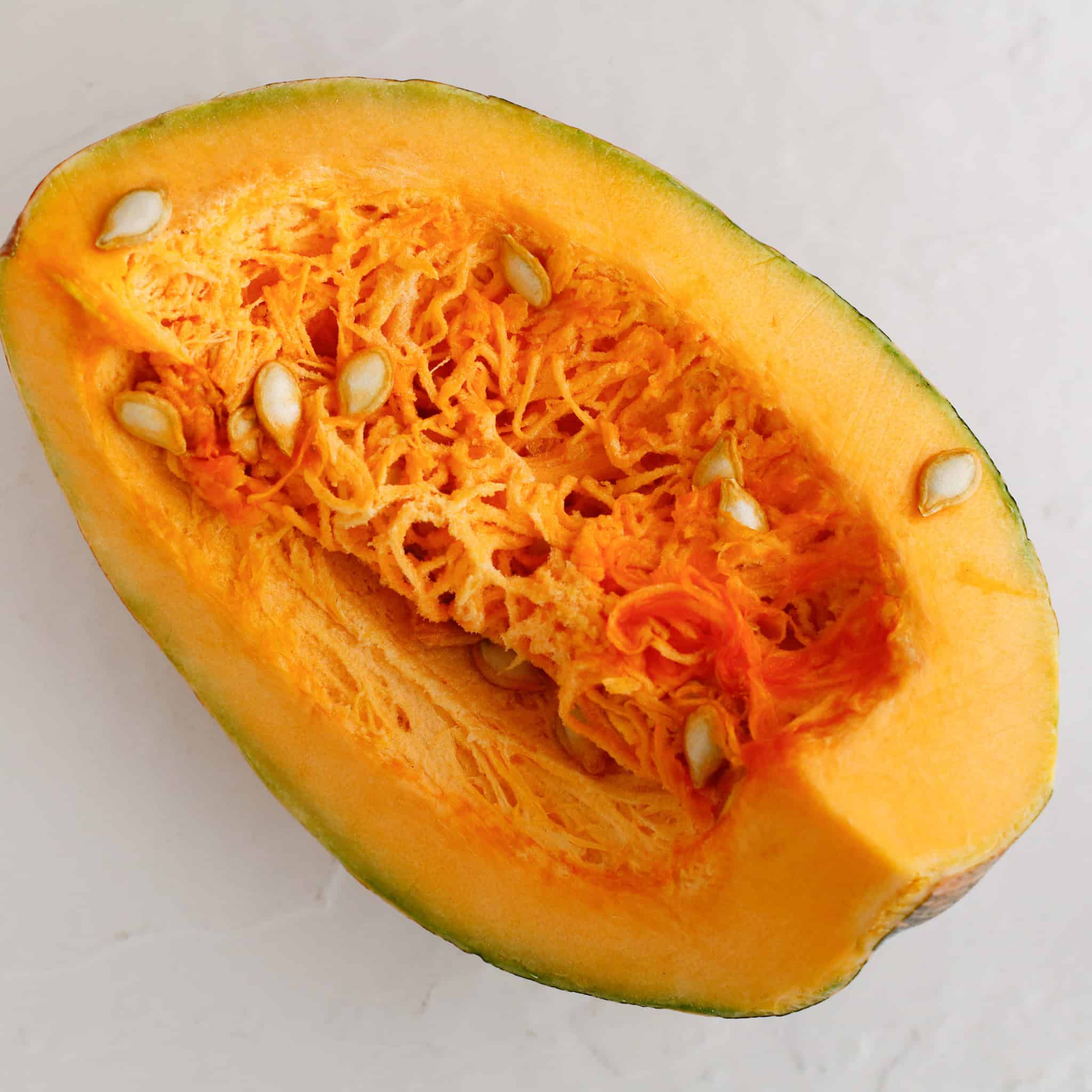
- Baking Pumpkin or Sugar Pumpkin - I always look for a sugar pumpkin at the market, its smaller size and naturally sweet flesh perfect for puree. Larger carving pumpkins tend to be watery and bland, better for jack-o'-lanterns than the kitchen. When sugar pumpkins aren't available, use kabocha squash, the flavor is richer and almost nutty, it makes an even denser puree.
See the recipe card for full list and exact quantities.
How to Make Pumpkin Puree Recipe
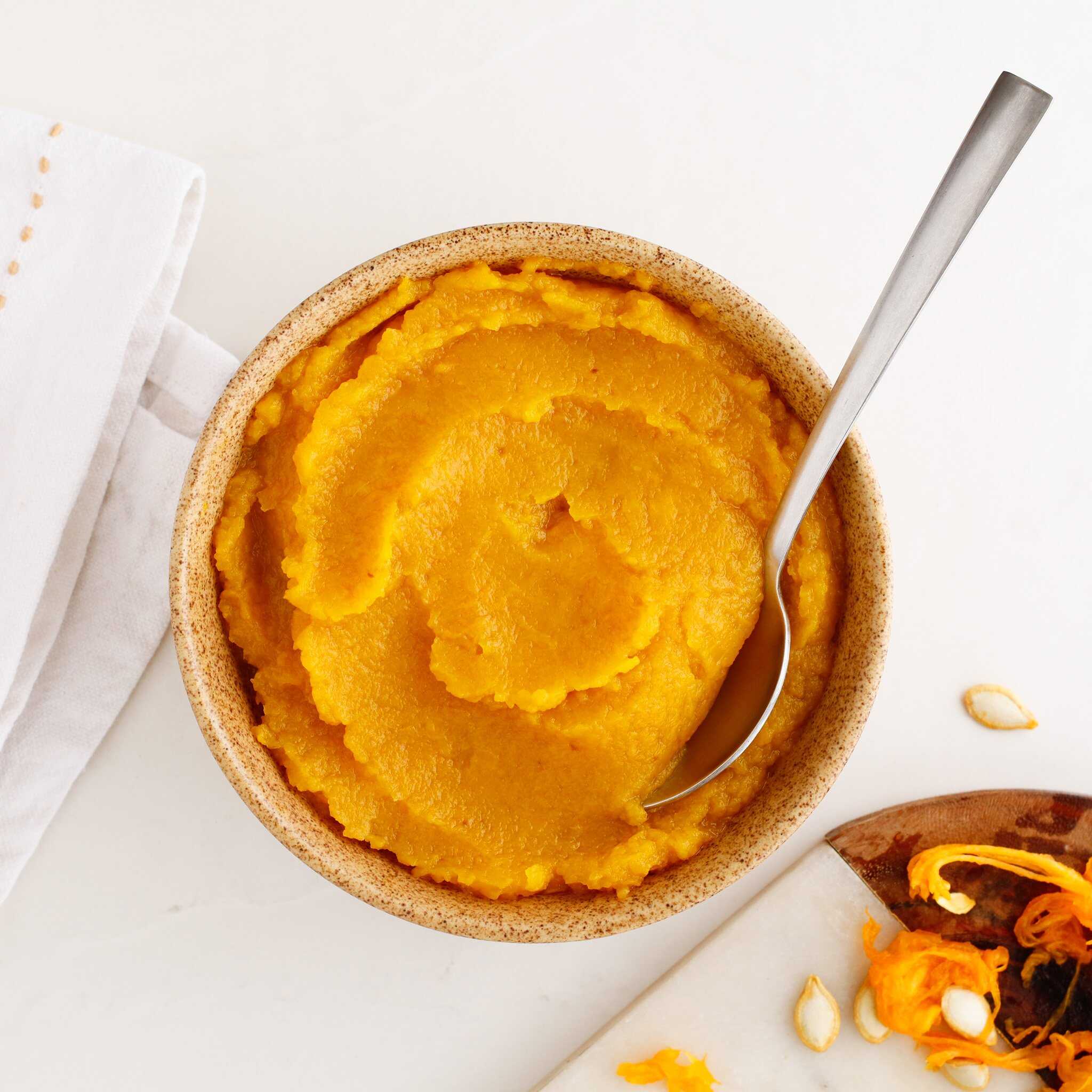
If you've ever opened a can of pumpkin purée and wondered how much better fresh could be, this recipe is your answer. The flavor is richer, the texture creamier, and there's something grounding about roasting your own pumpkin when the winds turn crisp. Here's how I make it:
Preheat the Oven
Set your oven to 395°F (200°C). Roasting at a high temperature helps caramelize the edges, deepening the pumpkin's natural sweetness.
Prepare the Pumpkin
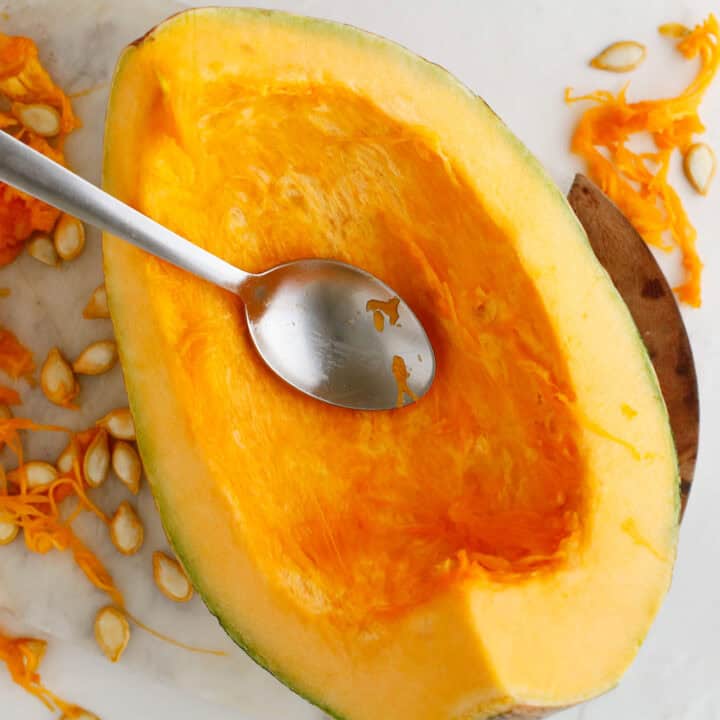
Slice the pumpkin in half and scoop out the seeds. I always set mine aside for roasting later and then I'll make them as mini snacks.
Roast Until Tender
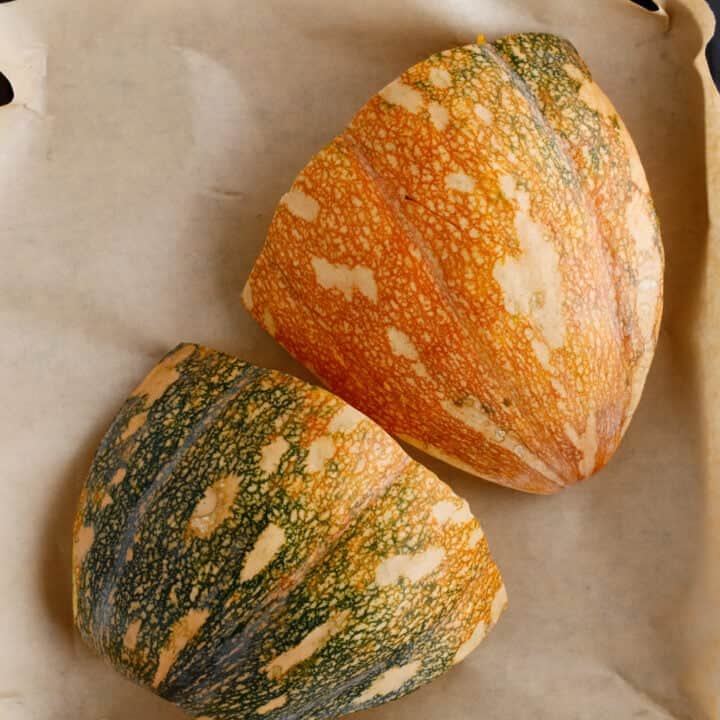
Place the halves flesh-side down on a parchment-lined baking sheet. Bake for about 40 minutes, or until the pumpkin is fork-tender and the kitchen smells faintly of toasted squash and earth.
Scoop and Blend
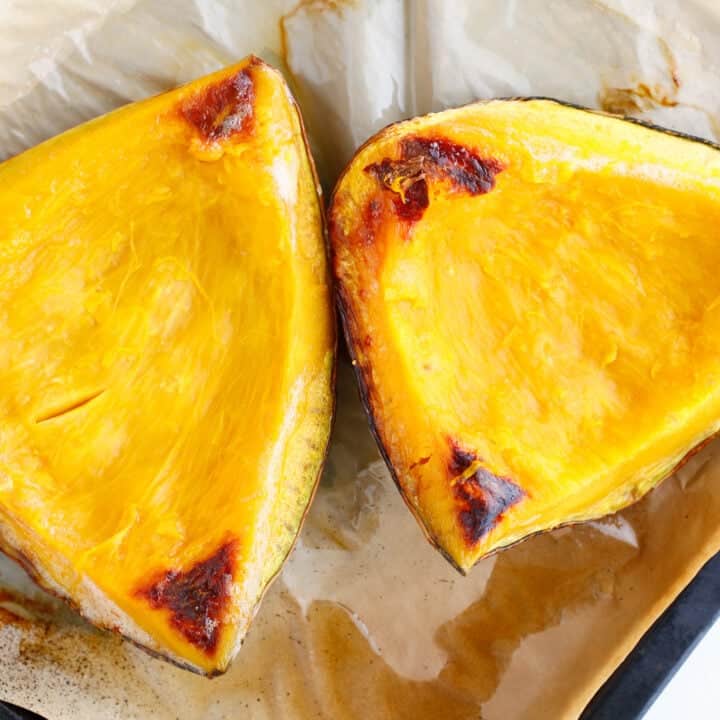
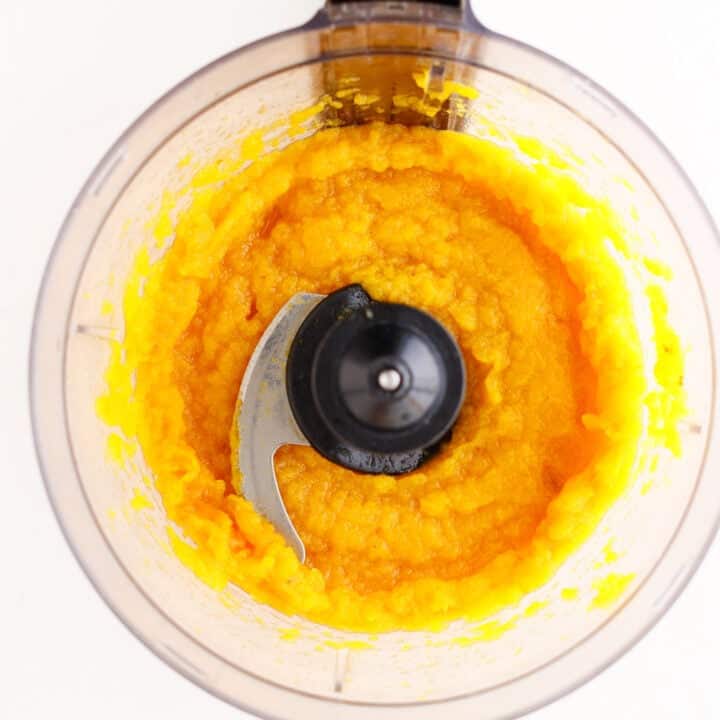
Let the pumpkin cool just enough to handle, then peel off the skin. Scoop the soft flesh into a food processor and blend until completely smooth.
Strain for Thickness
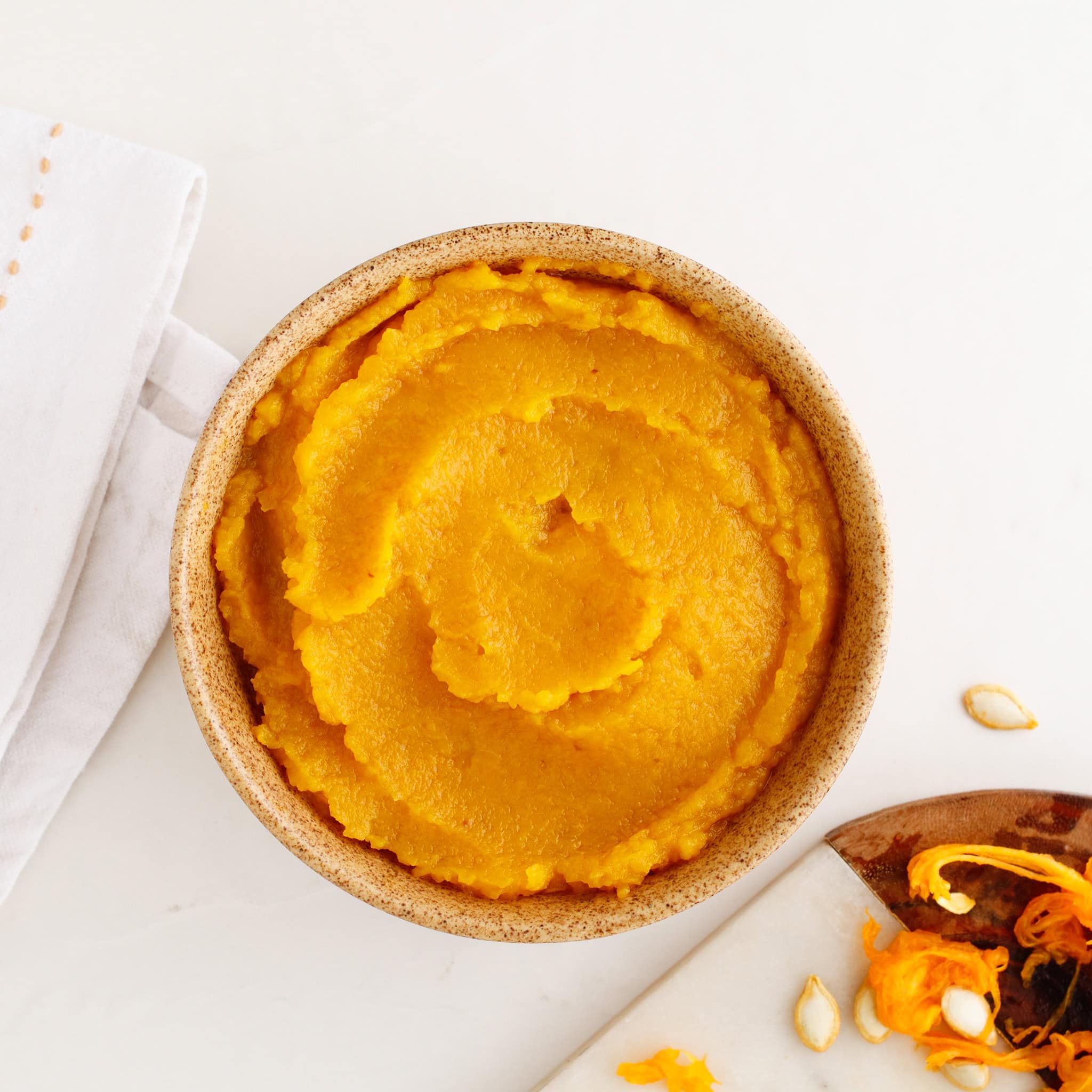
Line a bowl with a double layer of cheesecloth and pour the puree in. Let the extra liquid drain out, this step makes all the difference if you're planning to bake pies, muffins, or cakes that need structure instead of soggy bottoms.
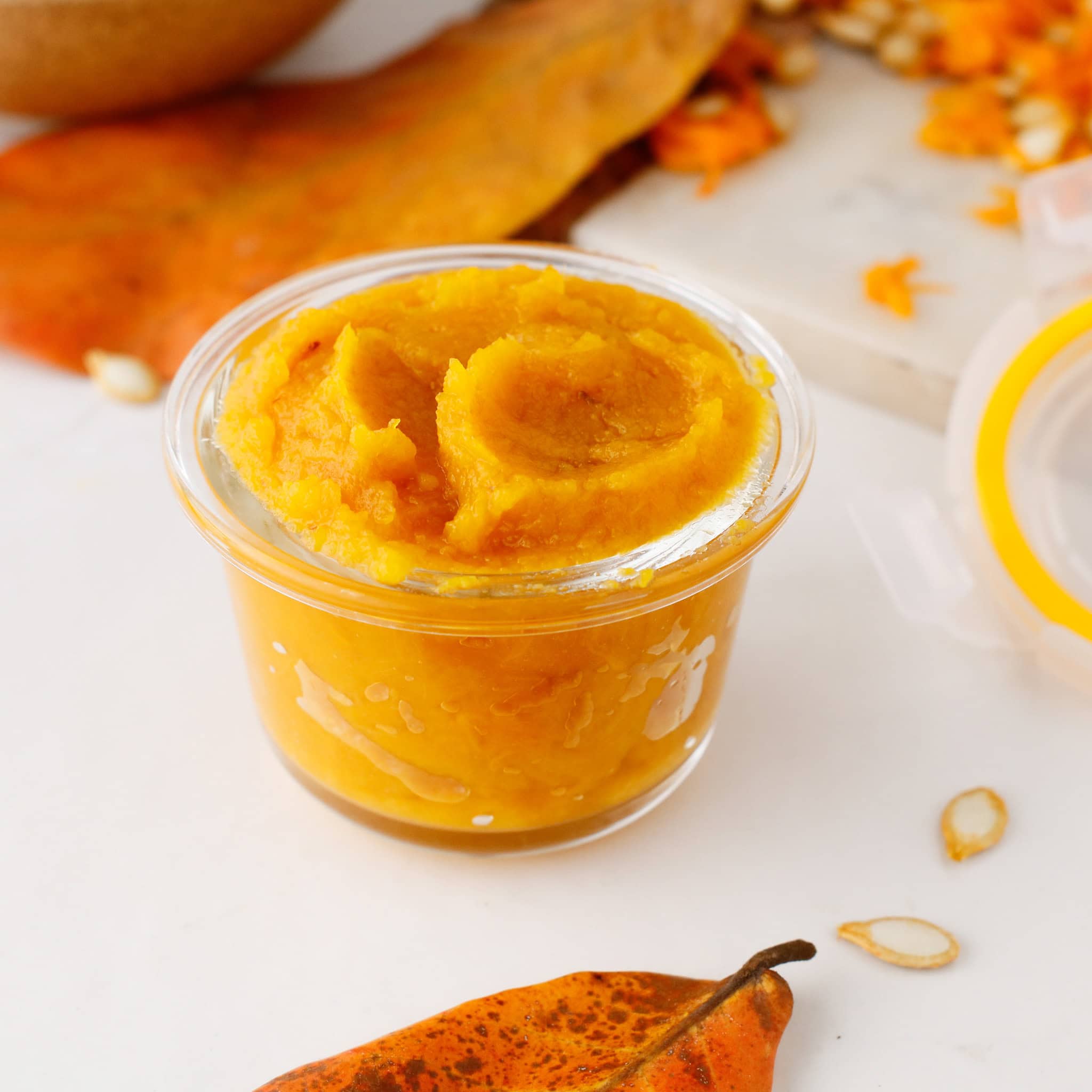
Enjoy your Homemade Pumpkin Puree
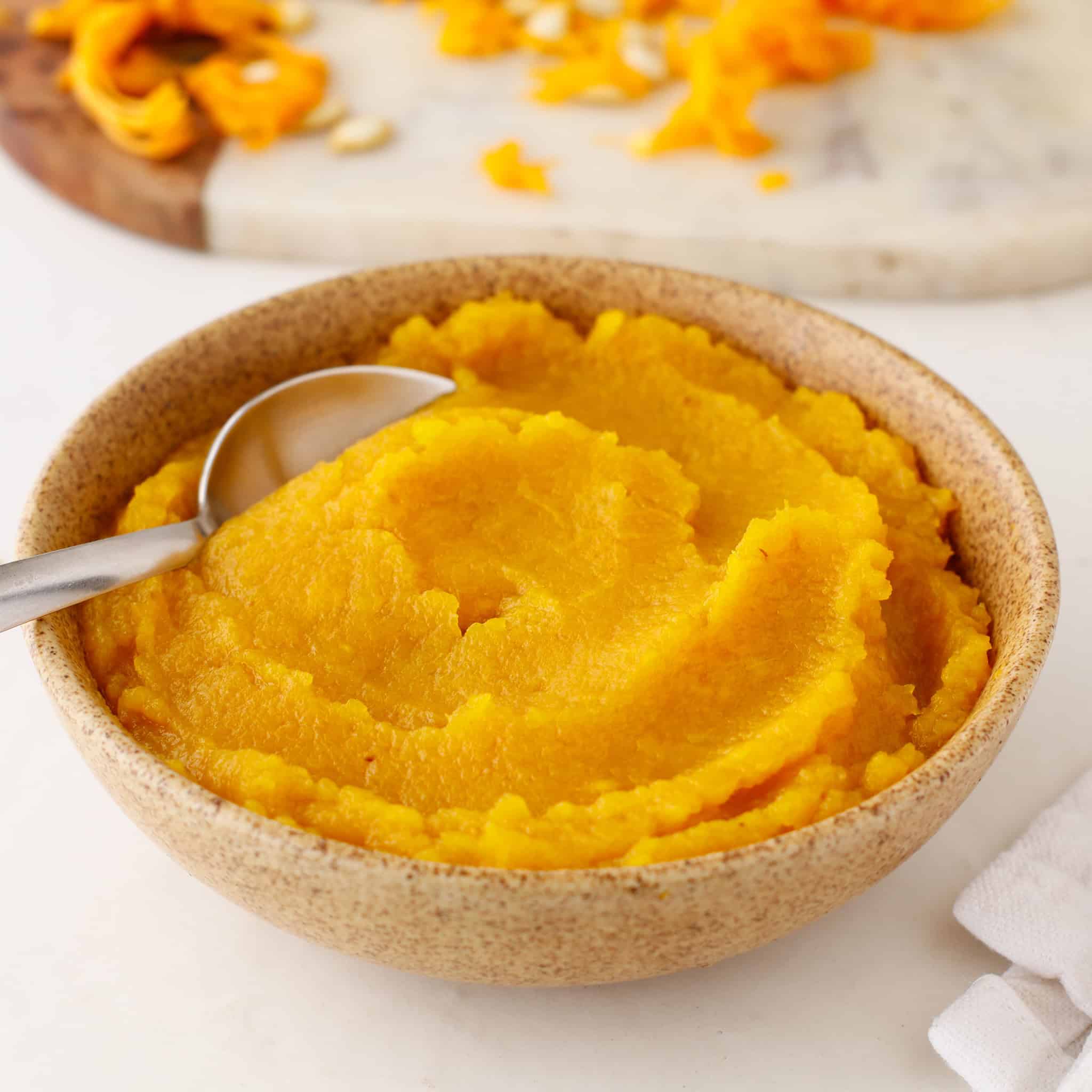
Transfer your thickened puree into jars or bowls. From here, the possibilities open wide: fold it into pie fillings, swirl into muffin batter, or even stir into oatmeal for a cozy breakfast.
Storage
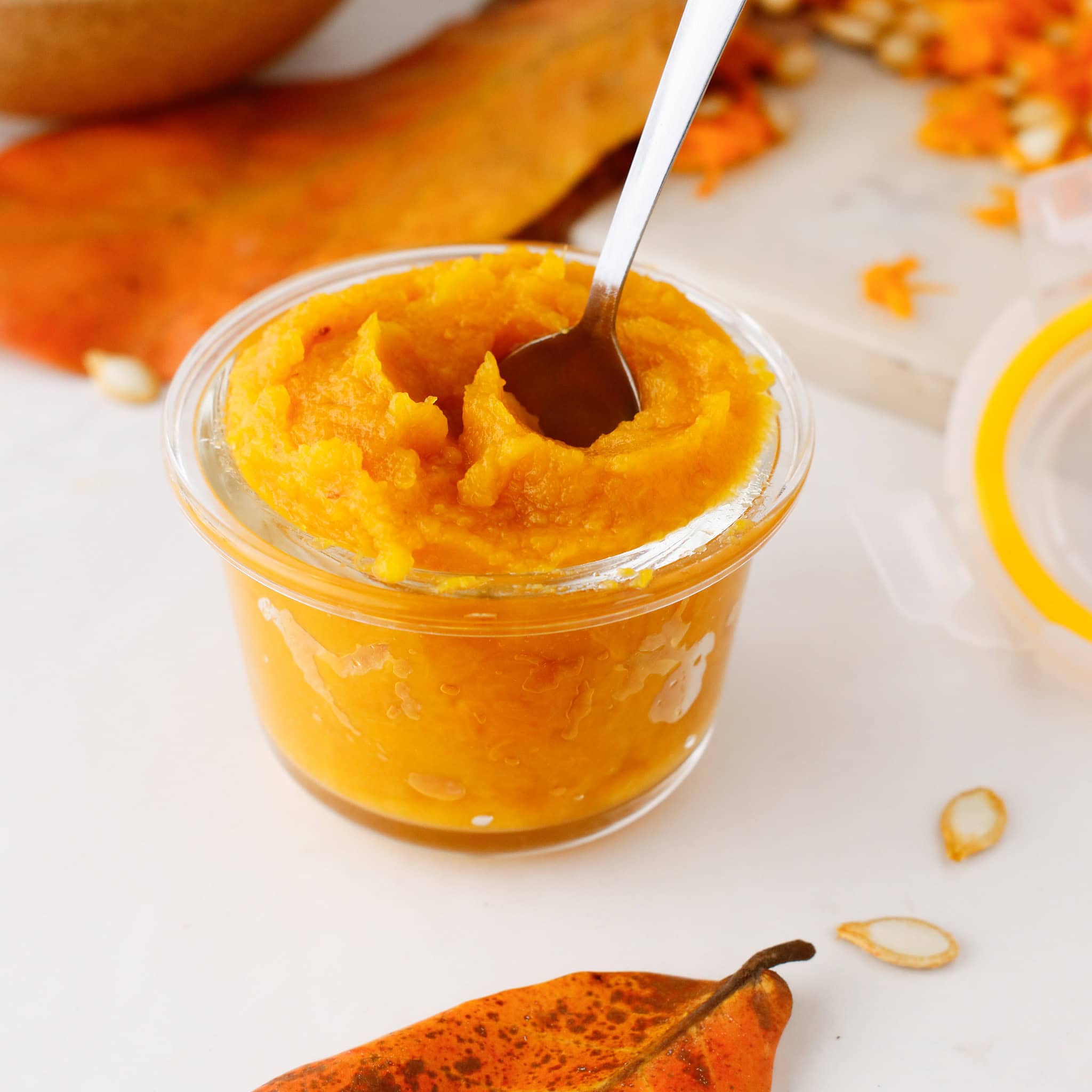
Homemade pumpkin puree doesn't have the shelf life of the canned version, but the flavor is worth the little extra care. Once cooled, transfer the puree to an airtight container and refrigerate, it will keep well for about 5 days. I usually portion mine into small jars so I can grab just what I need for a weeknight soup or quick batch of muffins.
For longer storage, freezing is your best friend. Spoon the puree into freezer-safe bags or containers, flattening them so they stack neatly. They'll keep for up to 3 months without losing flavor. I like to freeze in 1-cup portions; that way, I can thaw just enough for a pie filling or a weekend pancake experiment without defrosting the whole batch. When ready to use, thaw overnight in the fridge and give it a quick stir before adding to your recipe.
Top Tips
Choose the Right Pumpkin - stick with sugar pumpkins or kabocha squash for puree. Larger carving pumpkins may look festive, but I've found they turn watery and bland in baking. The smaller varieties always give me a richer, sweeter base.
Don't Skip the Strain - draining the puree through cheesecloth may feel like an extra step, but it makes a world of difference for pies and cakes. I learned this the hard way. My first pumpkin pie was delicious but so soggy it barely held together.
Freeze Smartly - portion puree into 1-cup bags or containers before freezing. This way, you can thaw exactly what you need without wasting the whole batch. I always flatten mine so they stack neatly in the freezer. It saves space and time.
Recipe
Tried and loved this recipe? Please leave a 5-star review below! Your reviews mean a lot to me, so if you've got any questions, please let me know in a comment.
Pumpkin Puree
Equipment
- Sharp Knife
- Bowl or jar
Ingredients
- 1 baking pumpkin or sugar pumpkin approximately 2-3 pounds
Instructions
- Set to 395°F (200°C). High heat will help caramelize the pumpkin edges and enhance natural sweetness.
- Slice the pumpkin in half and scoop out the seeds. Seeds can be rinsed and roasted separately for a crunchy snack.
- Place the halves flesh-side down on a parchment-lined baking sheet. Bake for about 40 minutes, or until a fork slides easily into the flesh. The kitchen will fill with the scent of autumn.
- Once slightly cooled, remove the skin and scoop the flesh into a food processor. Blend until completely smooth, silky, and vibrant orange.
- Pour the puree through a double layer of cheesecloth over a bowl to drain excess liquid. This ensures a thicker consistency, perfect for pies, muffins, or cakes.
- Transfer the thickened puree into jars or bowls. Fold into your favorite recipes such as pies, muffins, cakes, or savory dishes.