
This homemade Argentinian empanada dough is a tender, flaky crust that wraps history, tradition, and love into every bite.
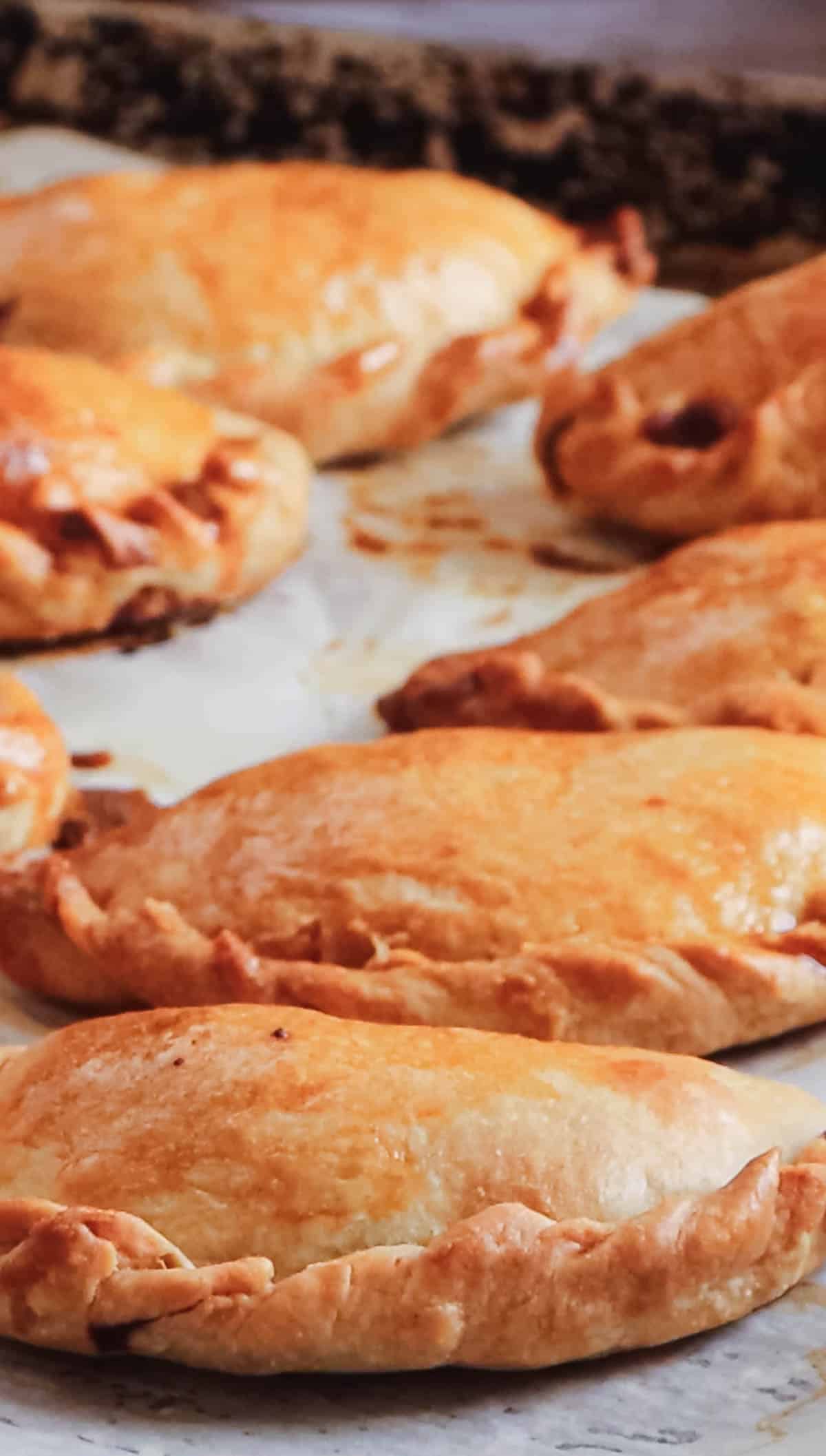
There's a special kind of magic that happens in the kitchen when you're making dough from scratch. And it's not just the physical act of mixing flour and water. It's the memories, the stories, and the traditions woven into each knead and fold. If you love empanadas as much as I do, learning how to make the dough from scratch will deepen your appreciation for every bite.
I remember the first time I made Argentinian empanadas with Mara, my dear friend and pastry chef from Argentina. The room was filled with laughter and the faint aroma of flour in the air as she told me vivid tales of growing up in Argentina.
Mara's hands moved with practiced ease, shaping the dough with a precision that reflected years spent watching and learning from her mother and grandmother in their family kitchen.
And of course, once she left I just had to learn how to replicate her empanada dough making skills.
Flavors of Tradition
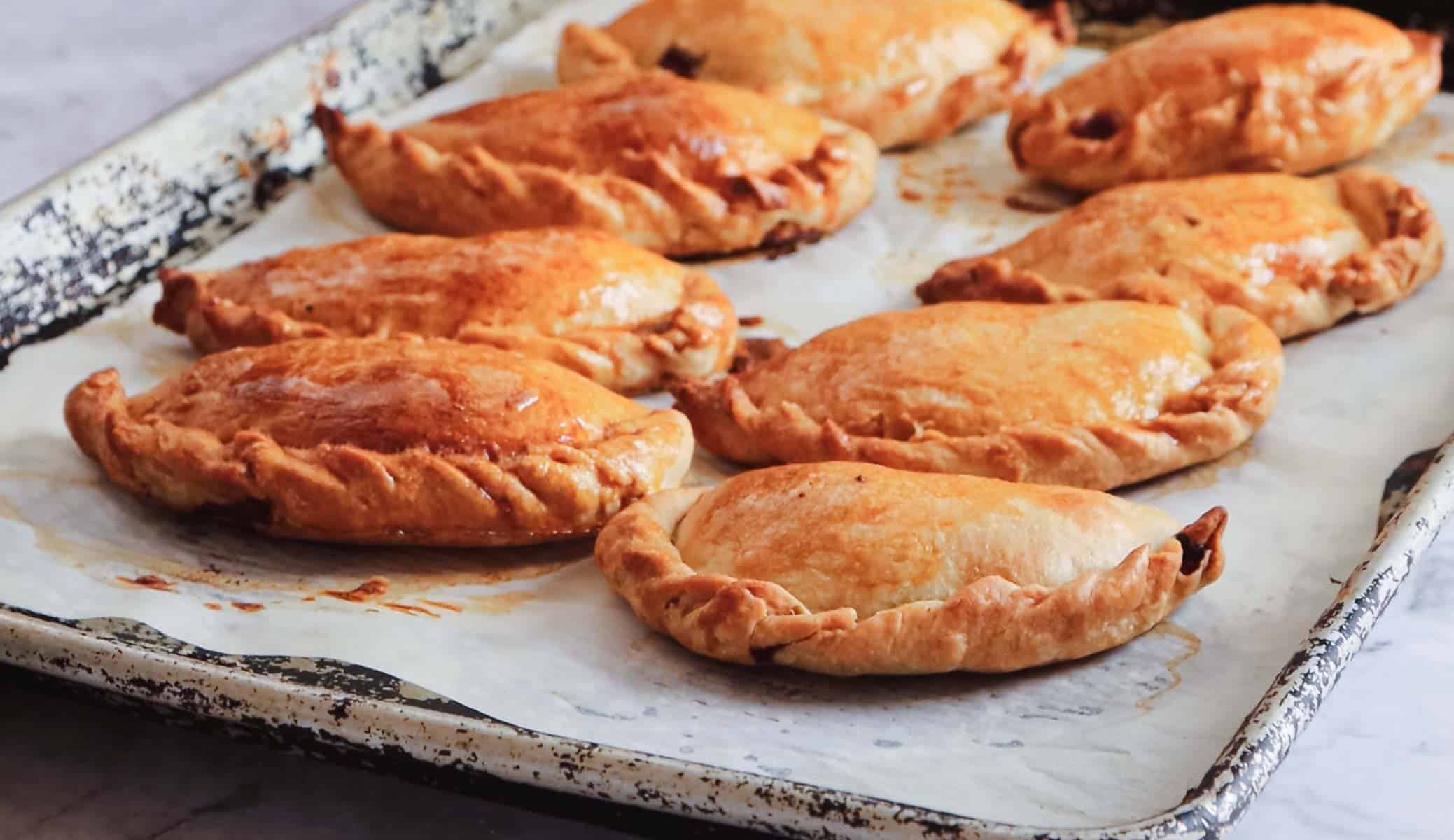
Her stories were steeped in family traditions, shaped by the legacy of Jewish immigrants who brought recipes like Russian pirozhki to Argentina in the late 1800s. Over time, these recipes evolved into Argentinian empanadas, a beautiful blend of cultures and flavors that became a staple of Argentine cuisine.
As Mara told me, the dough itself is the foundation of Argentinian empanadas. Unlike the rich, buttery pastries of other styles, a traditional Argentinian empanada dough is light, flaky, and vegan, made with just flour, salt, oil, and water. It's deliberately simple, designed to let the fillings speak for itself.
There was something grounding about that evening, the simple act of kneading and shaping dough while sharing stories. It reminded me that making empanadas isn't just about food, it's about connection. It's a bridge to the past, a gesture of love, and an opportunity to create something meaningful with your hands.
Today, as I share with you this Argentinian empanada dough recipe Mara taught me, I hope it carries with it a little of the warmth and nostalgia we shared that night. Empanada dough is more than a recipe, it's a way to bring a bit of history, culture, and love into your own kitchen.
Ingredients
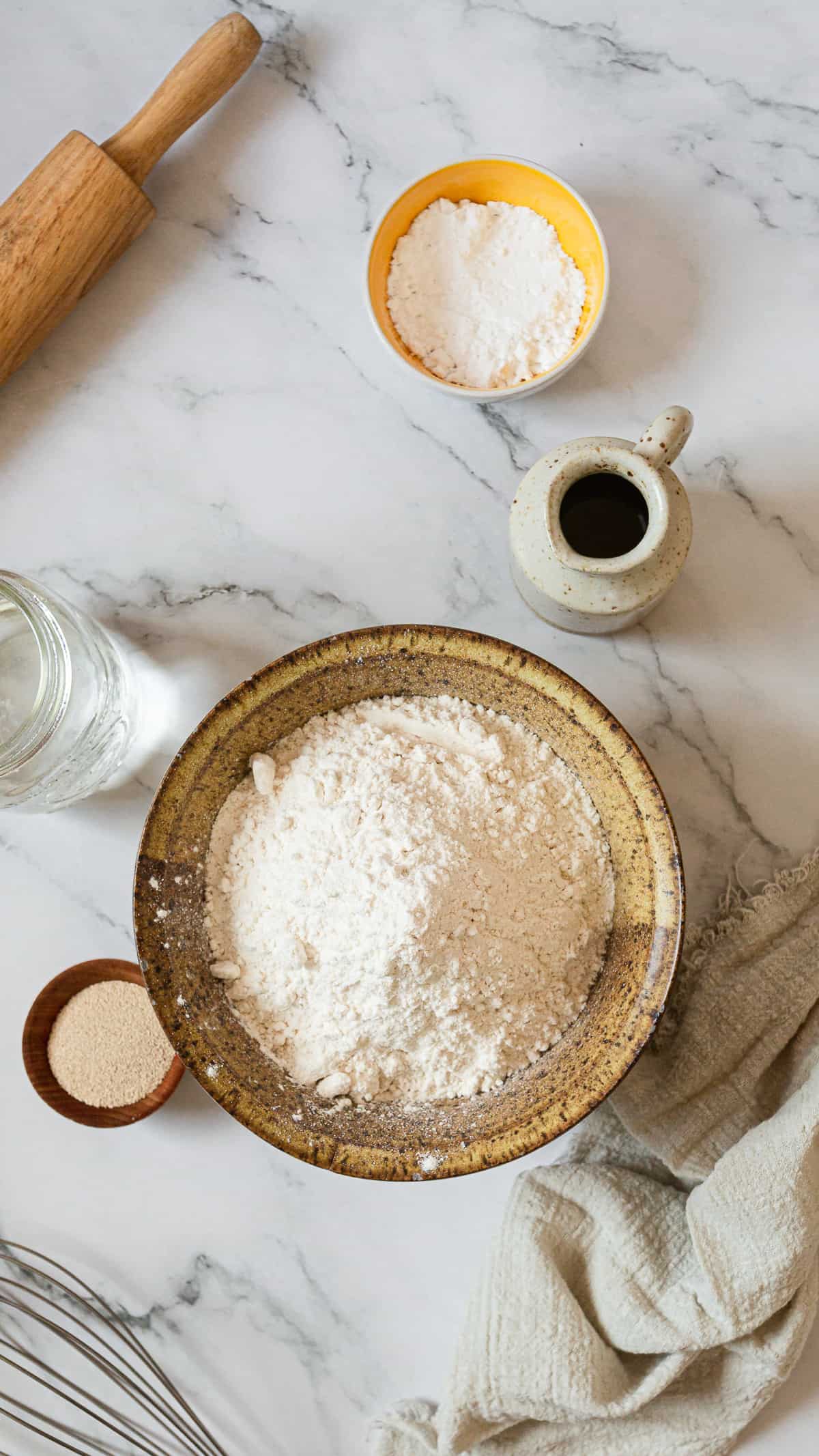
All-Purpose Flour - forms the base of the dough, providing structure and flexibility. Both bleached and unbleached flour work, though unbleached is preferred.
Salt - adds a subtle flavor to the dough.
Vegetable Oil - neutral oil like grapeseed or canola keeps the dough tender and light. Olive oil works if you prefer a stronger flavor.
Cold Water - binds the ingredients together and ensures a smooth, workable dough.
See the recipe card for exact quantities.
How to Make Argentine Empanada Dough
If you're looking to elevate your homemade empanadas, this dough recipe is a game-changer. Whether you're making baked empanadas for a family dinner or a party appetizer, this recipe is the perfect base to make your empanadas shine.
With its light, flaky texture and simple, wholesome ingredients, it's the perfect bread for any filling. Here's how to bring this Argentinian classic to life:
Prepare the Dough
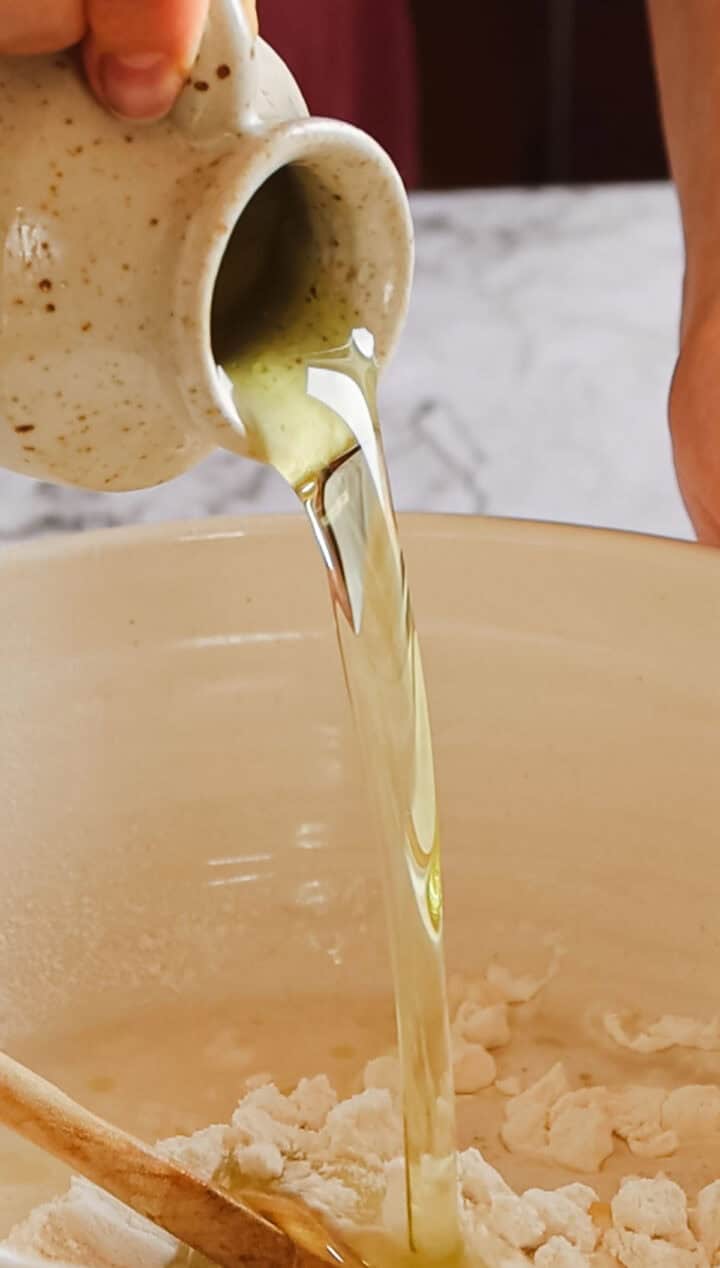
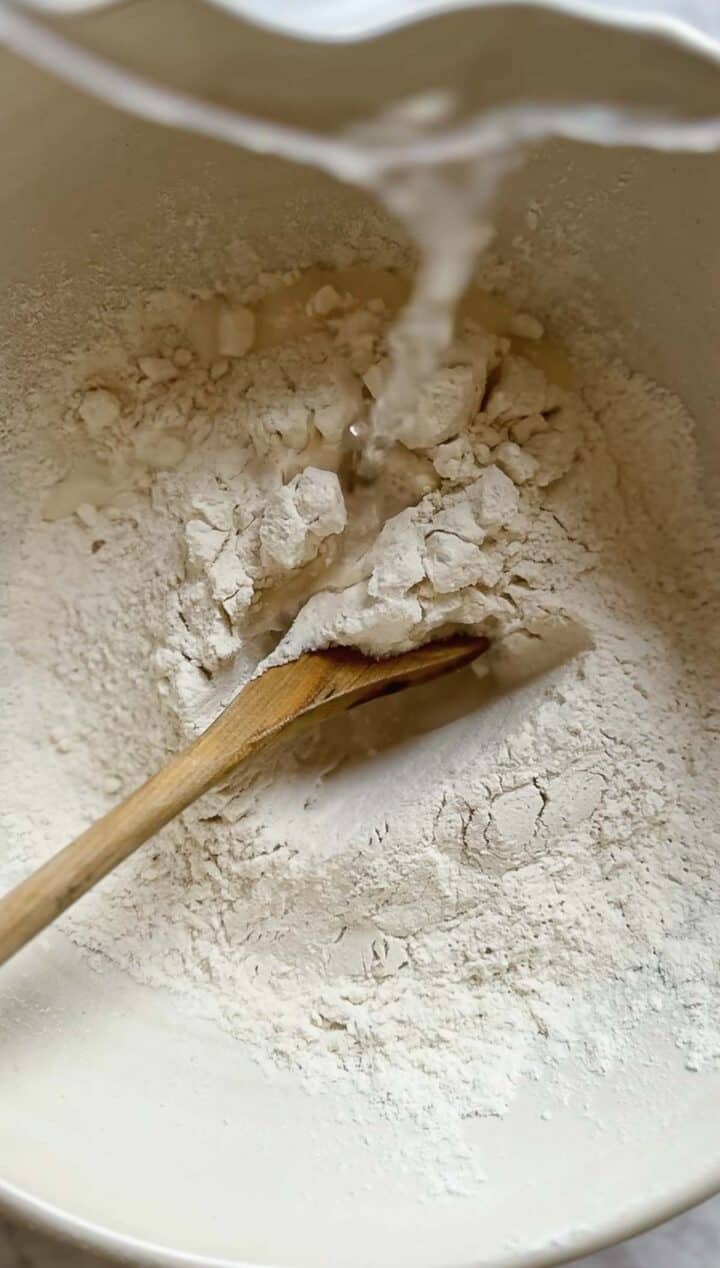
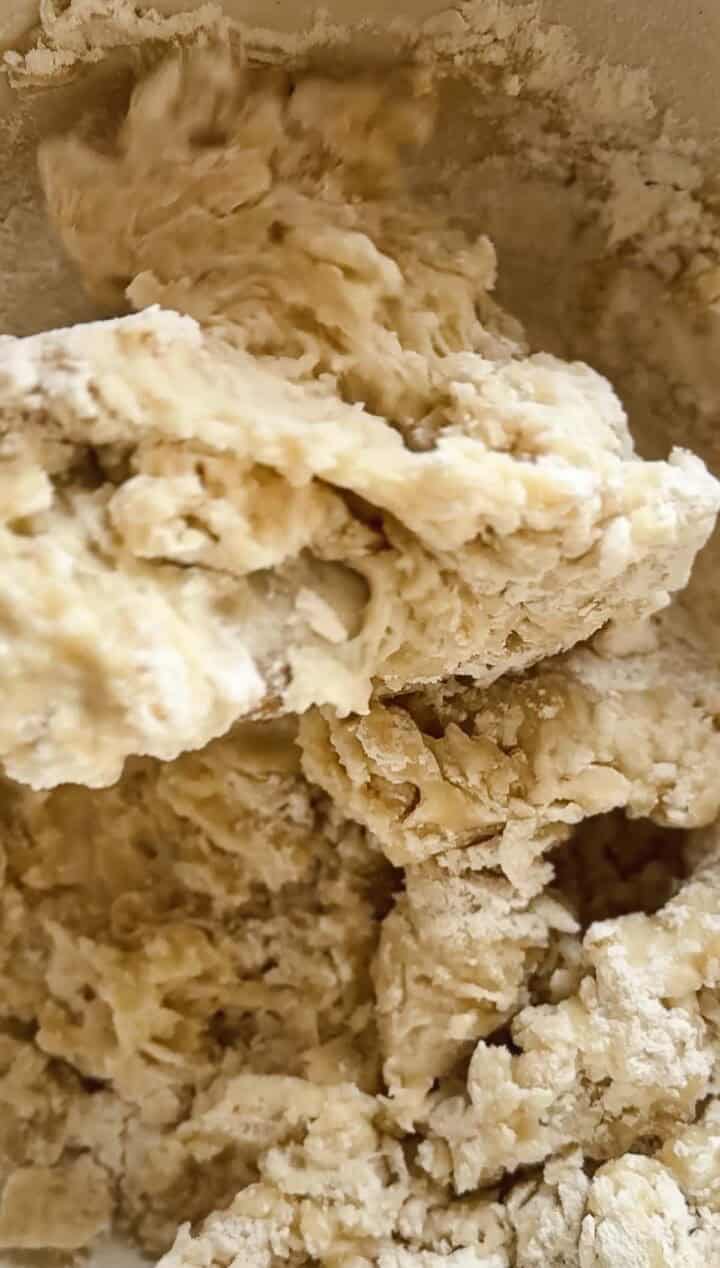
In a large bowl, combine the all-purpose flour and salt. Gradually add the vegetable oil and mix to coat the flour evenly. Slowly pour in the cold water while mixing until the dough comes together into a smooth, cohesive ball. Add small splashes of water if the dough feels too dry, ensuring you have the perfect texture to fold the dough later.
Rest the Dough
Cover the dough with plastic wrap or a clean kitchen towel and refrigerate it for 10 minutes. Resting allows the gluten to relax, making the dough easier to work with and ensuring a tender texture.
Divide into Portions
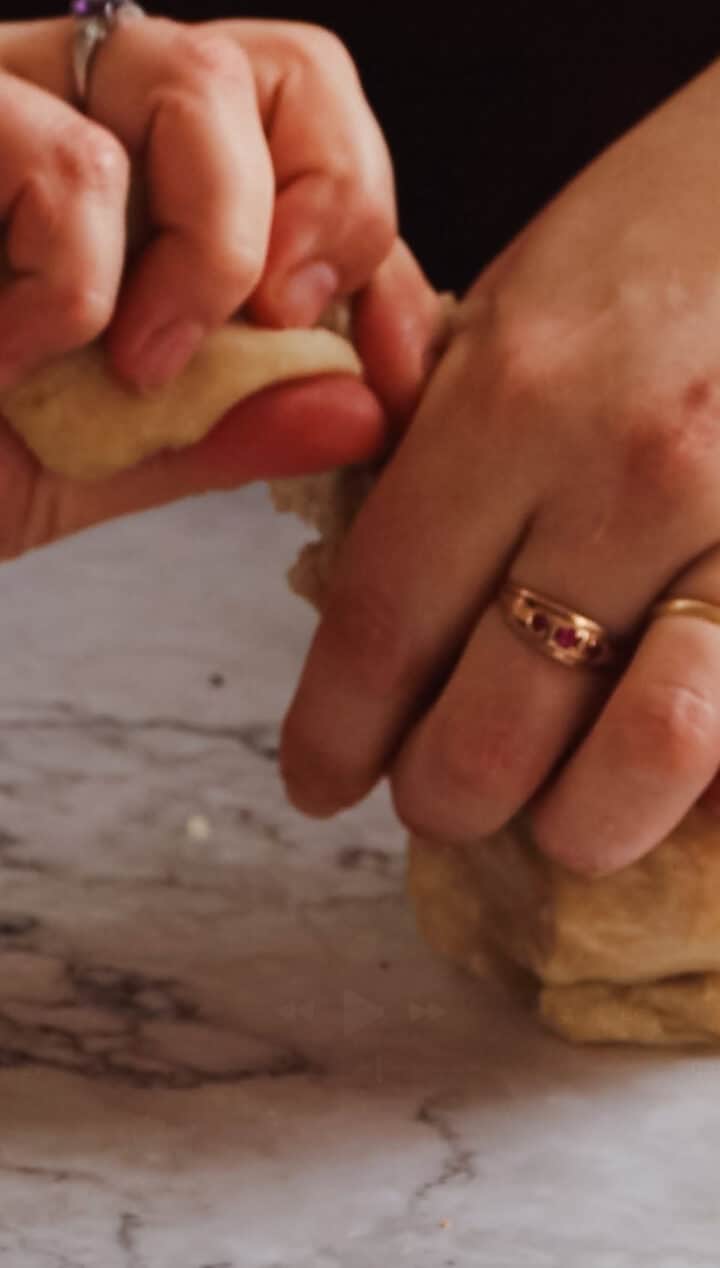
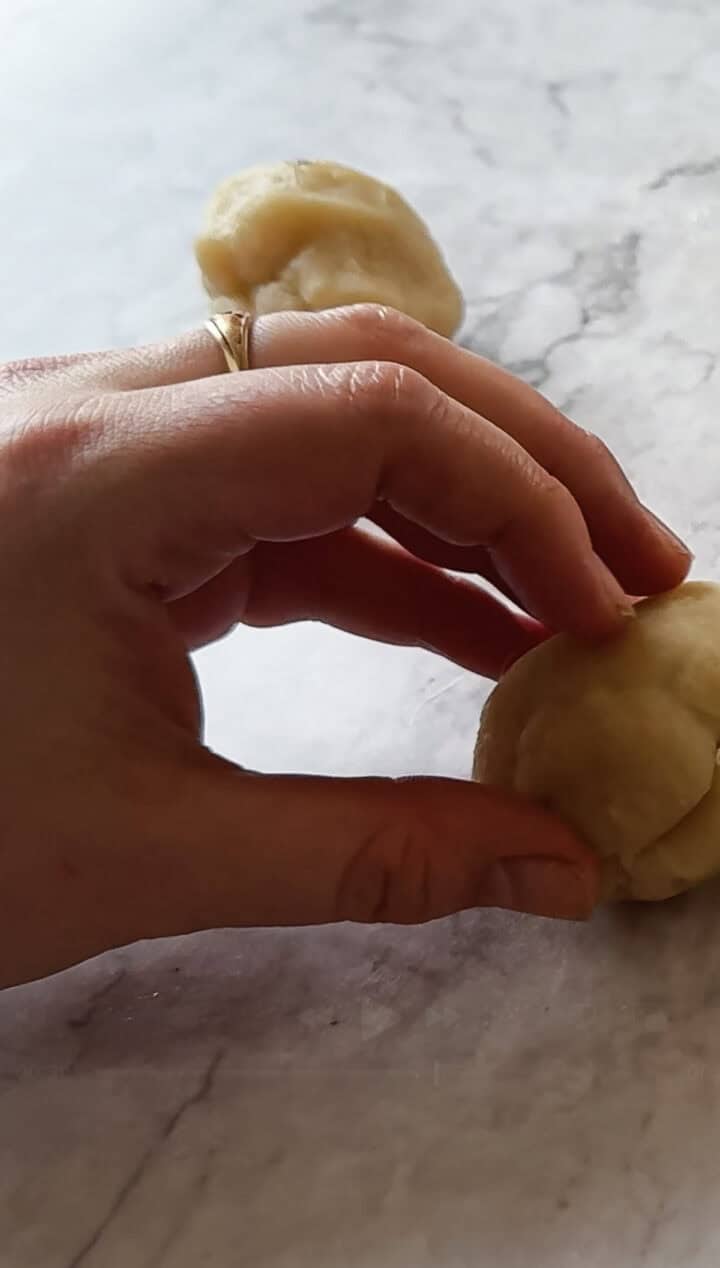
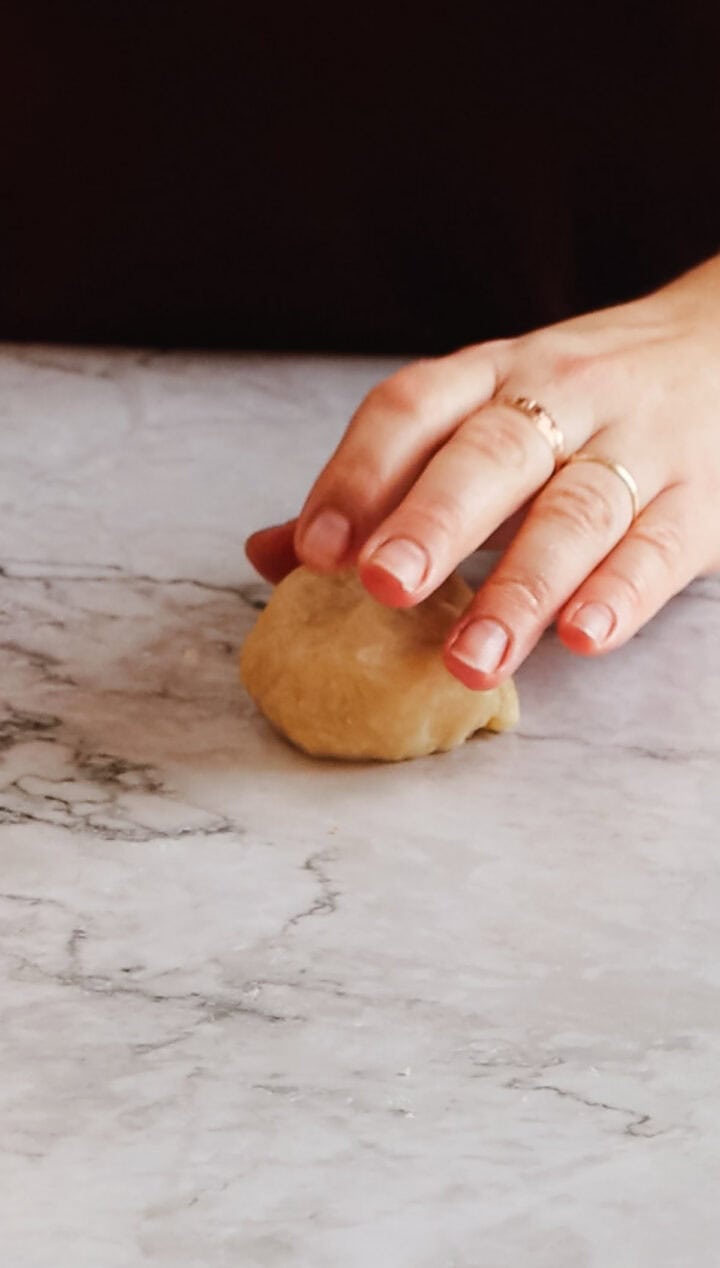
After resting, divide the dough into small portions, roughly the size of ping-pong balls.
Shape the Dough
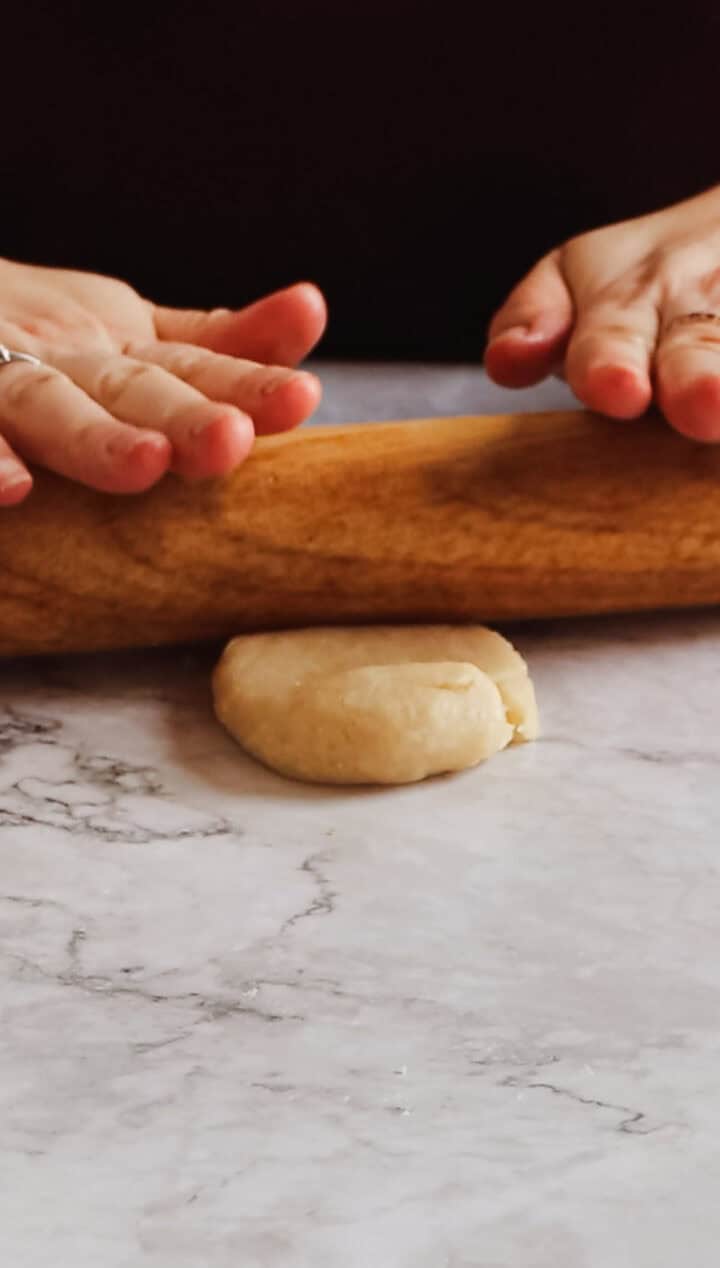
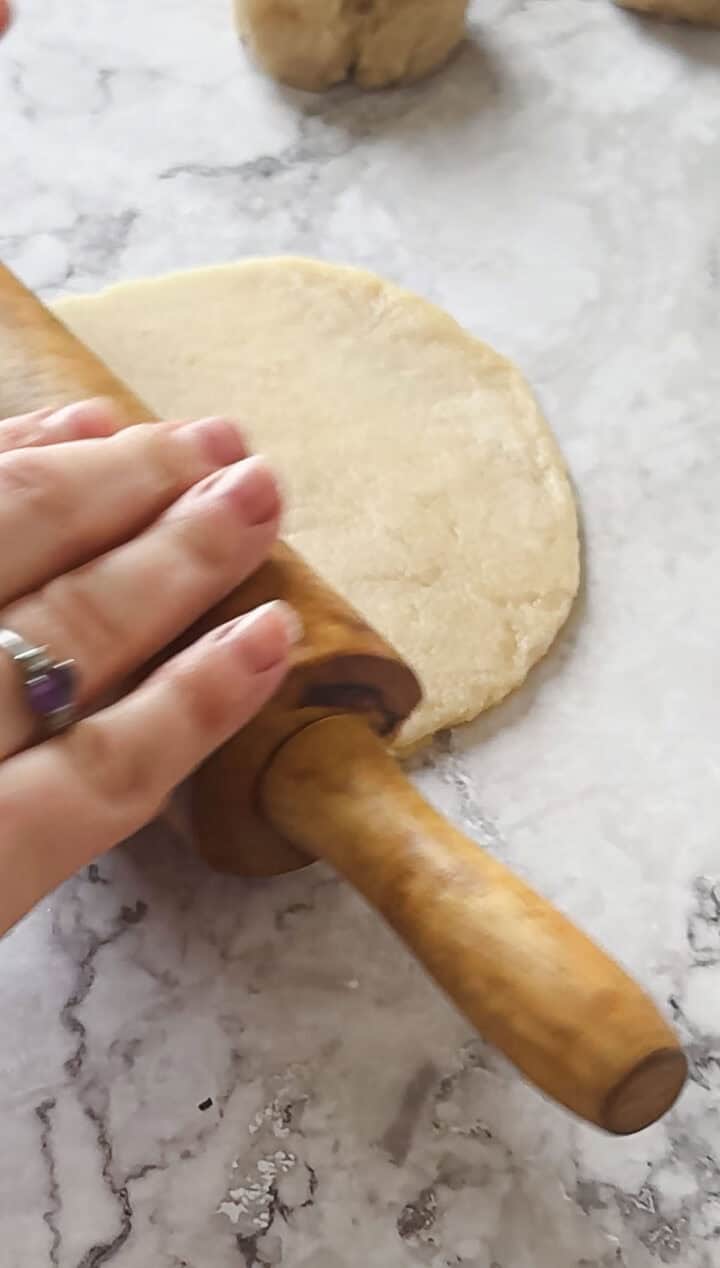
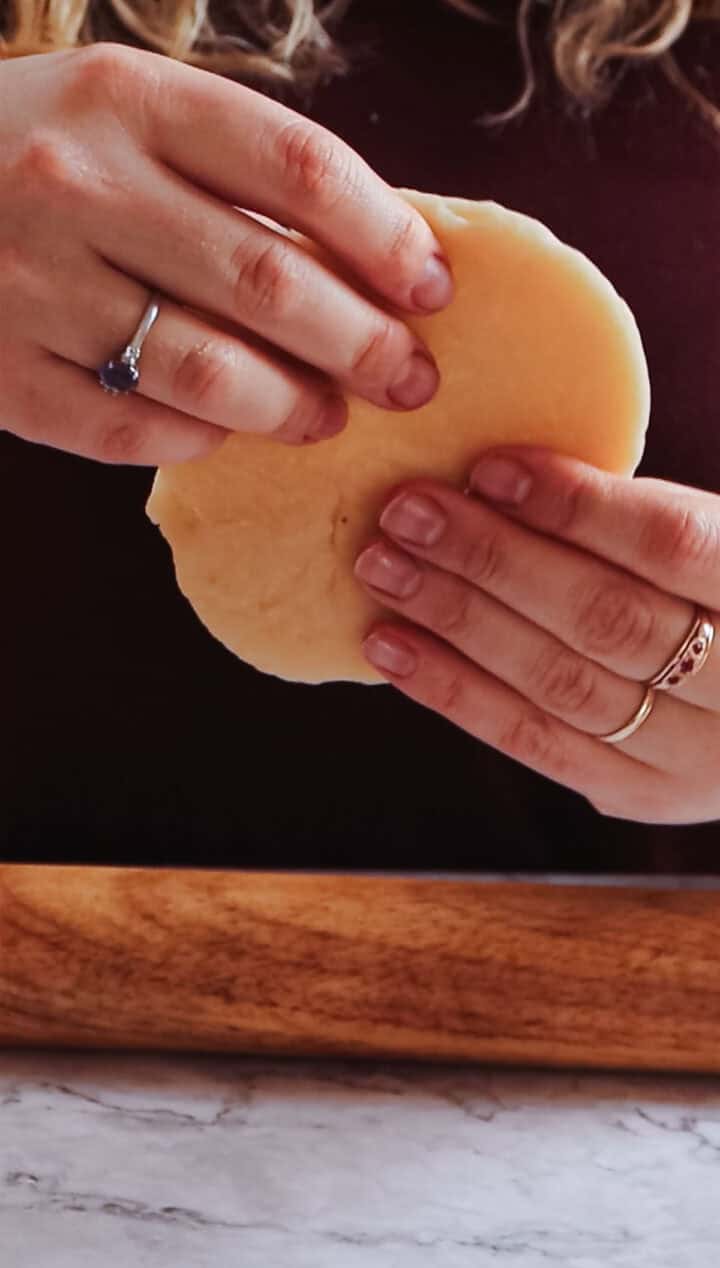
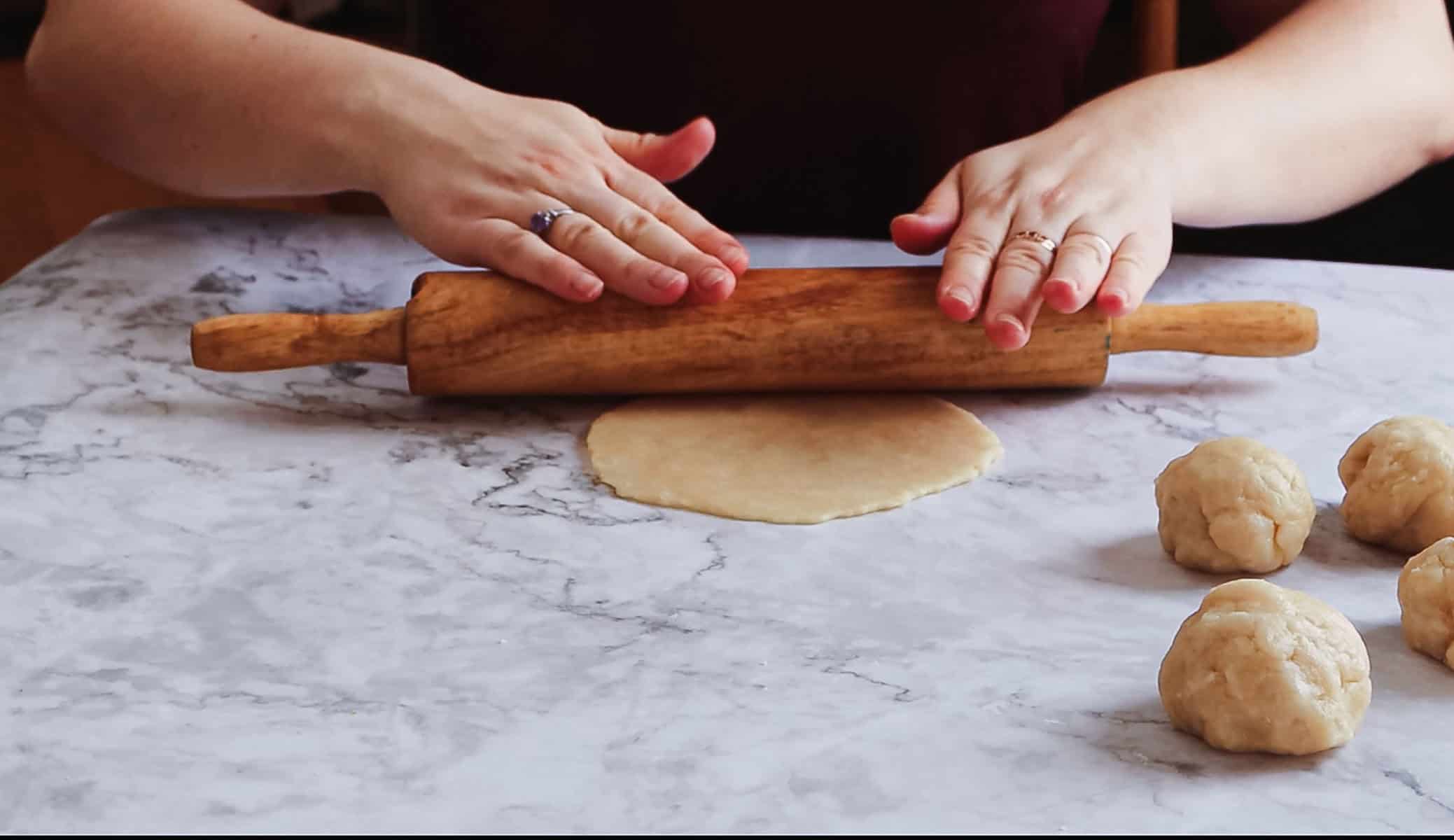
On a lightly floured surface, use a rolling pin to roll each portion into thin, even circles. Aim for a uniform thickness of about ⅛ inch to ensure consistent baking.
Store or Use the Dough
If not using immediately, stack the dough rounds with parchment paper between each to prevent sticking. Cover tightly with plastic wrap or store in an airtight container to keep the dough fresh.
Fill and Bake the Empanadas
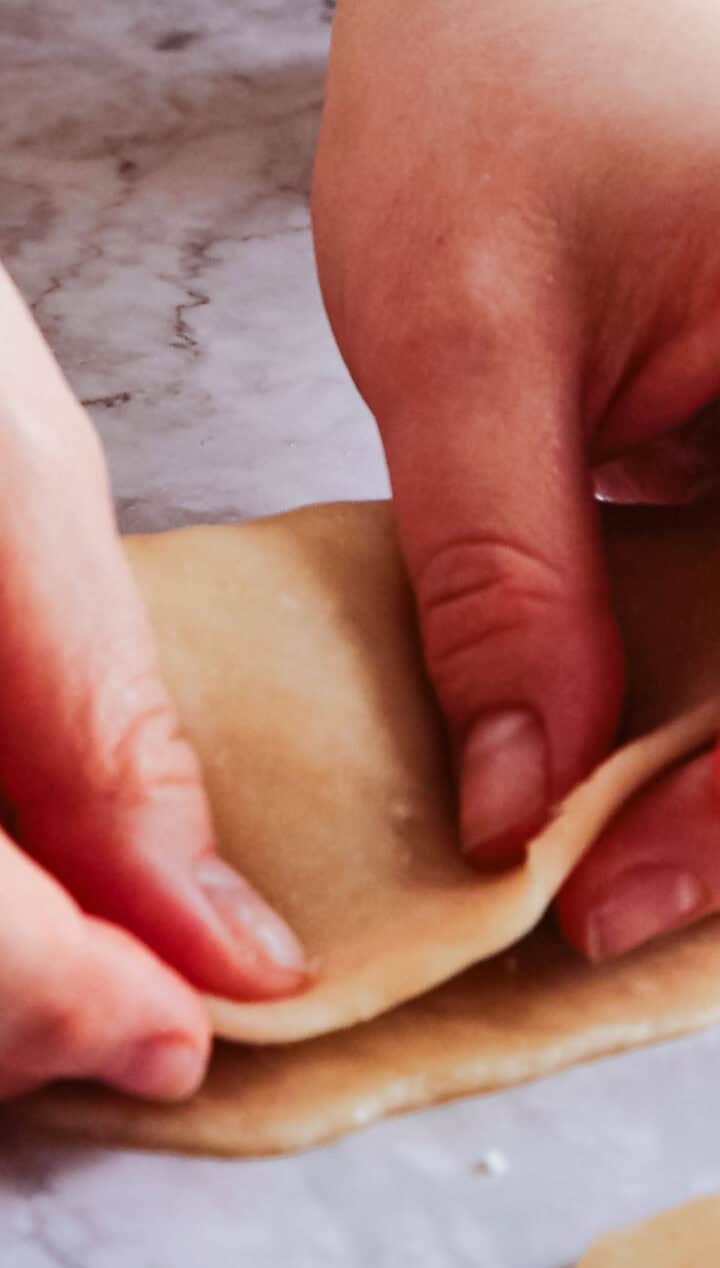
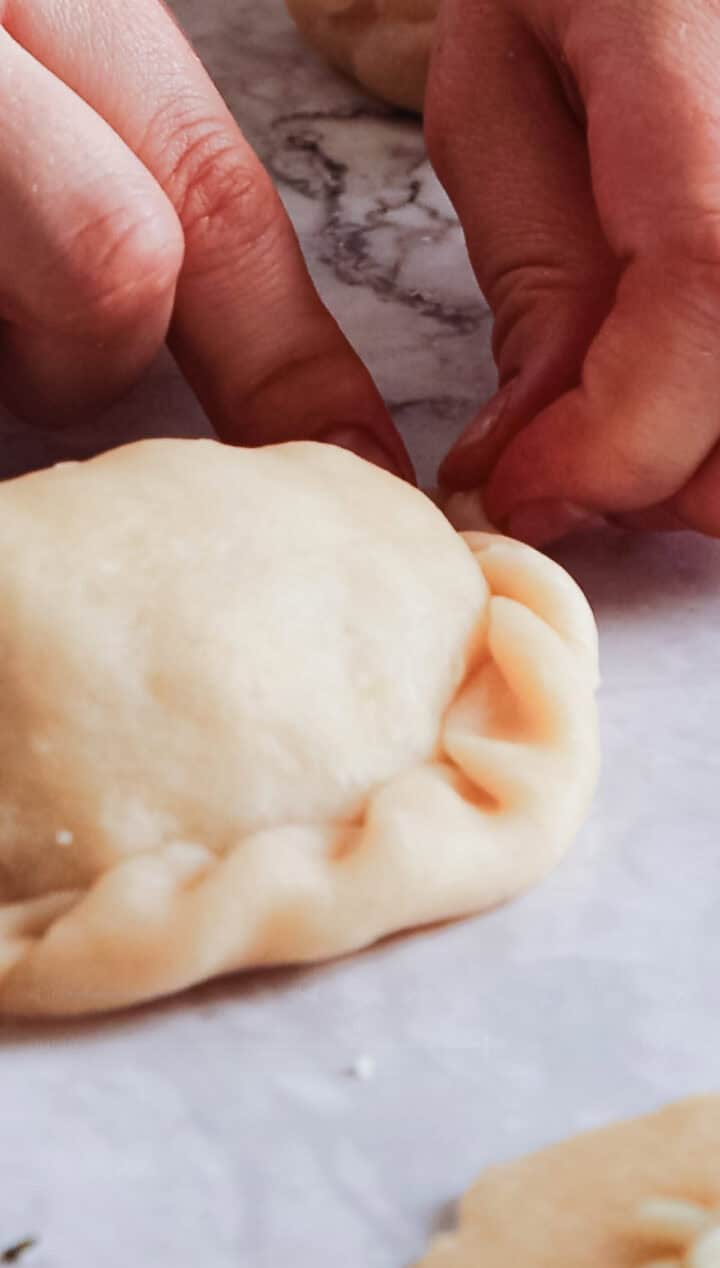
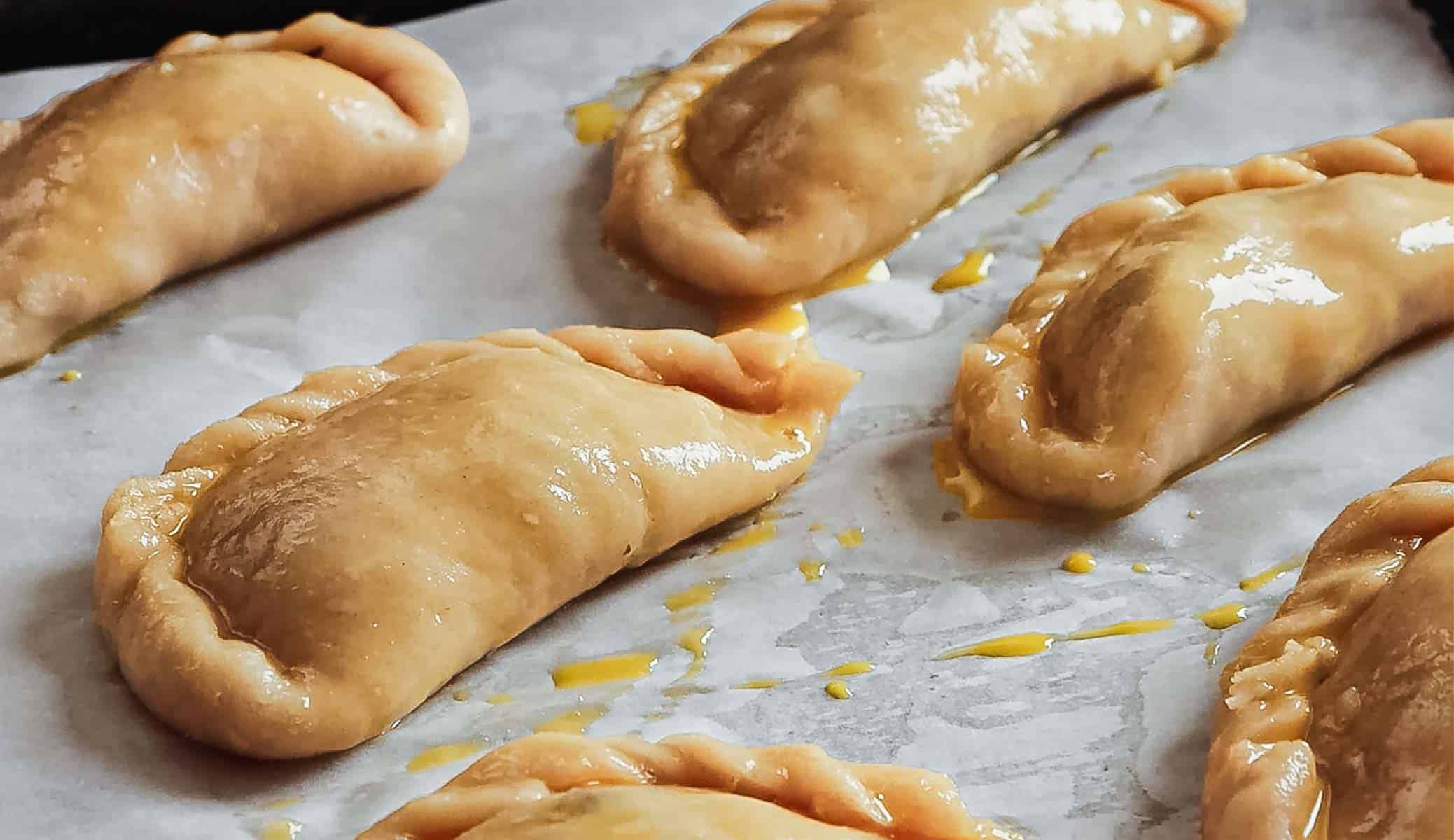
Once your dough circles are ready, add your chosen filling to the center of each round, fold the dough, and seal the edges. Bake the empanadas at 400°F for 30-40 minutes, rotating the tray halfway through for even browning. This baked empanadas method ensures a flaky, golden crust.
Storage
Homemade empanada dough is best when used fresh, but if you find yourself with extra dough, don't worry, storing it is easy and keeps your efforts from going to waste. I've often prepped dough ahead of time for busy weeks, and it's such a treat to have it ready to go when inspiration strikes!
Refrigerate: Wrap the dough tightly in plastic wrap or place it in an airtight container. It will keep in the fridge for up to 3 days. When you're ready to use it, let it come to room temperature for about 15 minutes before you roll the dough. This little step makes it much easier to work with.
Freeze: For longer storage, divide the dough into portions and freeze them in airtight bags. They'll stay fresh for up to 3 months. I like to label mine with the date so I don't forget what's tucked away. To thaw, transfer the dough to the fridge overnight and let it warm slightly before rolling.
If you've already rolled out the dough into circles, you can stack them with pieces of parchment paper in between to prevent sticking. This way, they're ready to go when you have a filling in mind, or when you have that late-night empanada craving.
Proper storage not only keeps the dough fresh but also saves you time down the road, so you can always have Argentine empanadas whenever the mood hits.
Top Tips
Use Cold Water for Best Results - cold water helps maintain the dough's texture by preventing the gluten from overdeveloping, which ensures a light and flaky finish.
Rest the Dough - don't skip the resting step! It relaxes the gluten, making the dough easier to roll out and creating a more tender bite.
Keep the Dough Covered - always cover the dough with plastic wrap or a towel while it rests or if you're working in batches. This prevents it from drying out.
What to Serve With Argentinian Empanada Dough
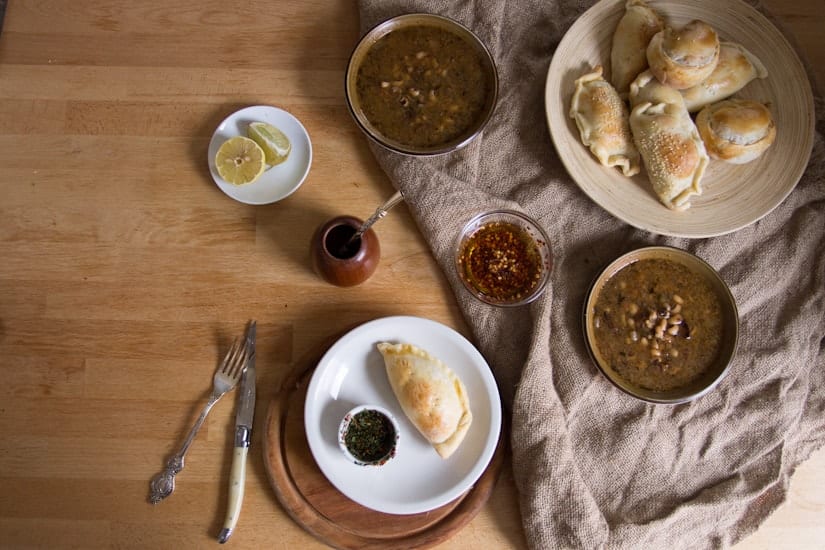
Whenever I make empanadas, I'm reminded of cozy evenings with Mara, sitting around the table with a spread of simple, comforting dishes.
This empanada recipe pairs beautifully with a Roasted Cauliflower in Green Herb Sauce. Inspired by Argentinian chimichurri, it's a perfect way to use up leftover greens while adding a fresh, zesty note to your meal. The bright, tangy flavors complement the golden brown crust of freshly baked empanadas perfectly.
If you want to round out the meal with a touch of sweetness, serve Argentinian Bread Pudding with Caramel Sauce. Made dairy-free and gluten-free, it's a nod to the comforting desserts Mara's grandmother used to bake. The caramel sauce feels like a little drizzle of indulgence, making every bite feel special.
For something hearty and warming, a Red Lentil Stew is the perfect accompaniment. Its velvety texture and bold, spiced flavors pair beautifully with the flaky empanada crust, creating a meal that feels both rustic and satisfying. I love how the stew fills the kitchen with an aroma that's as inviting as the empanadas themselves.
And for dessert, why not continue the Argentinian theme with Dairy-free and Gluten-free Alfajores? These delicate cookies, sandwiched with a sweet filling, are the perfect finish to an empanada feast.
Recipe
Tried and loved this recipe? Please leave a 5-star review below! Your reviews mean a lot to me, so if you've got any questions, please let me know in a comment.
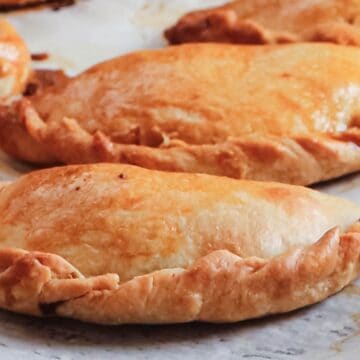
Argentinian Empanada Dough
Equipment
Ingredients
- 3 cups all-purpose flour
- ½ tspn salt
- ¾ cup vegetable oil
- ½ cup cold water
Instructions
- In a large mixing bowl, whisk together the flour and salt until evenly combined.
- Slowly pour in the vegetable oil and cold water, mixing as you go. Use your hands to bring the mixture together into a dough. If the dough feels too dry, add small splashes of water until it becomes smooth and cohesive.
- Knead the dough gently on a clean surface for about 3-5 minutes until it becomes soft and pliable.
- Cover the dough with plastic wrap or a clean kitchen towel and refrigerate for 10 minutes. This helps relax the gluten, making the dough easier to roll out.
- Divide the dough into 12 equal portions, rolling each into a ping-pong-sized ball.
- On a lightly floured surface, use a rolling pin to flatten each ball into a thin, even circle of about 3-mm thickness. These will be your empanada wrappers.
- Use immediately with your desired fillings, or stack the dough circles with parchment paper between each and store them in an airtight container.



Robert says
Dear Ksenia,
When I make empanadas I use
3 cups of AP flour
6 oz of butter (1 1/2 sticks)
1 egg
1/2 cup of milk
1/2 teaspoon of salt
They come out very good.
But I am curious about your recipe because it seems simpler
due to the oil instead of the butter.
What are your thoughts on this?
Do you think I will like it?
Bob
kseniaprints says
I love your recipe! Butter would make it richer for sure.
Cristina says
How long and at what temperature should I bake these? Thank you!
kseniaprints says
The full info on baking these is here: https://immigrantstable.com/authentic-argentinian-vegetarian-empanadas-three-ways-vvegan/
Alan says
You say to roll the dough till 1/2 inch (25mm) thick! 3-4mm woud seem more correct?
I would prefer to use butter instead of veg. oil
kseniaprints says
Good point, I accidentally hit the 2 instead of the 8, adjusting.