
When it comes to boosting your gut health, adding probiotic-rich fermented foods to your diet is one of the quickest and most effective ways to make a difference. These foods are packed with beneficial bacteria that help balance your gut and support digestion, making them perfect for anyone looking to feel better fast.
Whether you're already health-conscious or just starting to pay attention to your gut, these simple additions can make a noticeable difference. They come in a variety of flavors and textures, so there's something to suit every palate. You can consume them as part of a meal or snack, making it easy for you to get your gut health back on track.
If you're ready to feel great and improve your gut health, it's time to start incorporating these probiotic-packed choices into your diet. Just a few simple changes can lead to better digestion and overall wellness, helping you feel your best every day!

Miso
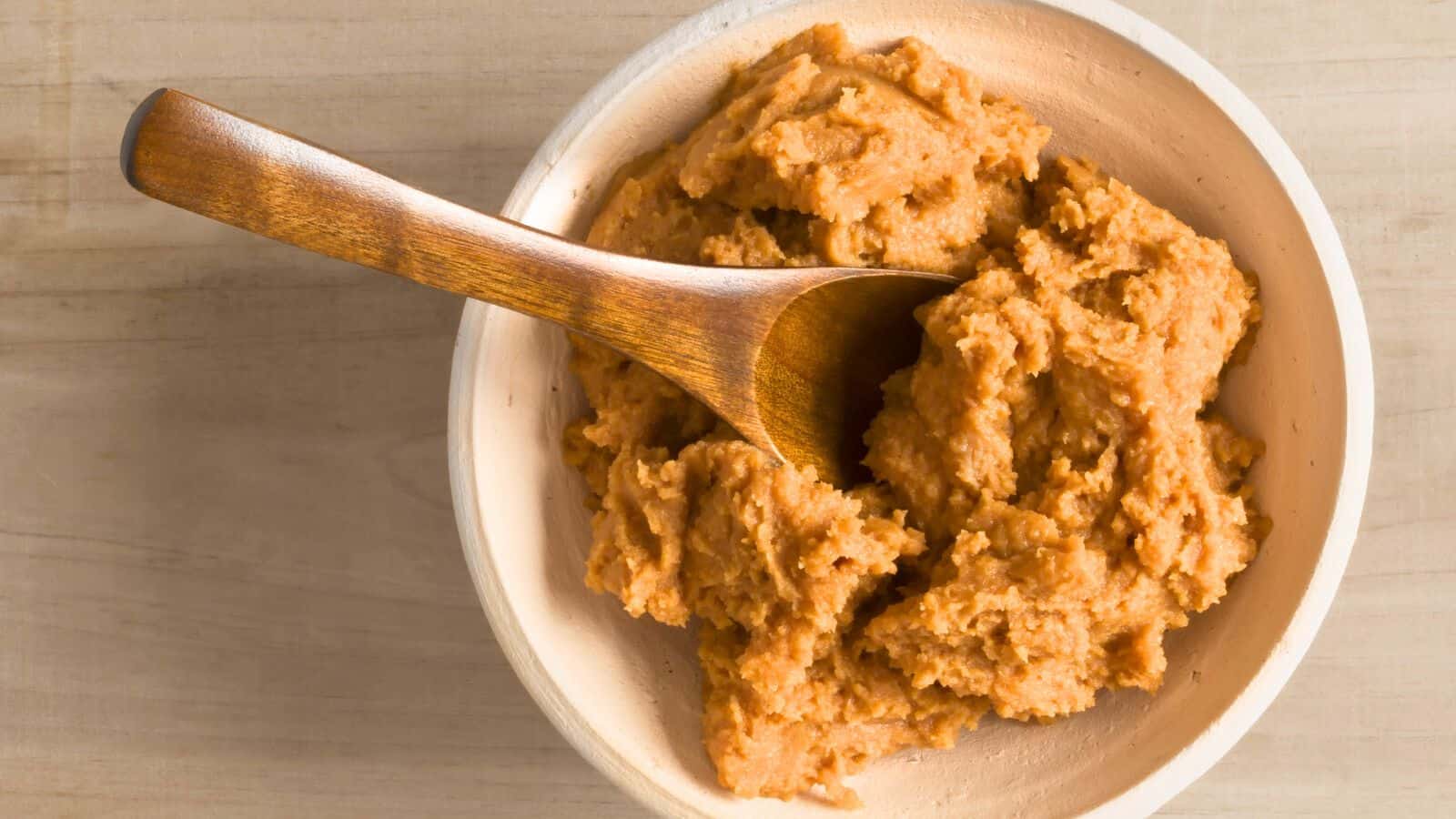
Miso is a traditional Japanese paste made from fermented soybeans, rice, or barley. It has a savory, umami-rich flavor that can range from mild and sweet to salty and pungent, depending on its fermentation time. The fermentation process used to produce miso introduces beneficial bacteria, particularly strains of Lactobacillus, which are excellent for gut health. These probiotics help balance the gut microbiome, improve digestion, and support digestive wellness. Miso is also a great source of essential nutrients like protein, manganese, and vitamin K. It's commonly used in soups, marinades, and sauces, adding depth of flavor and a nutritional boost to various dishes.
Natto
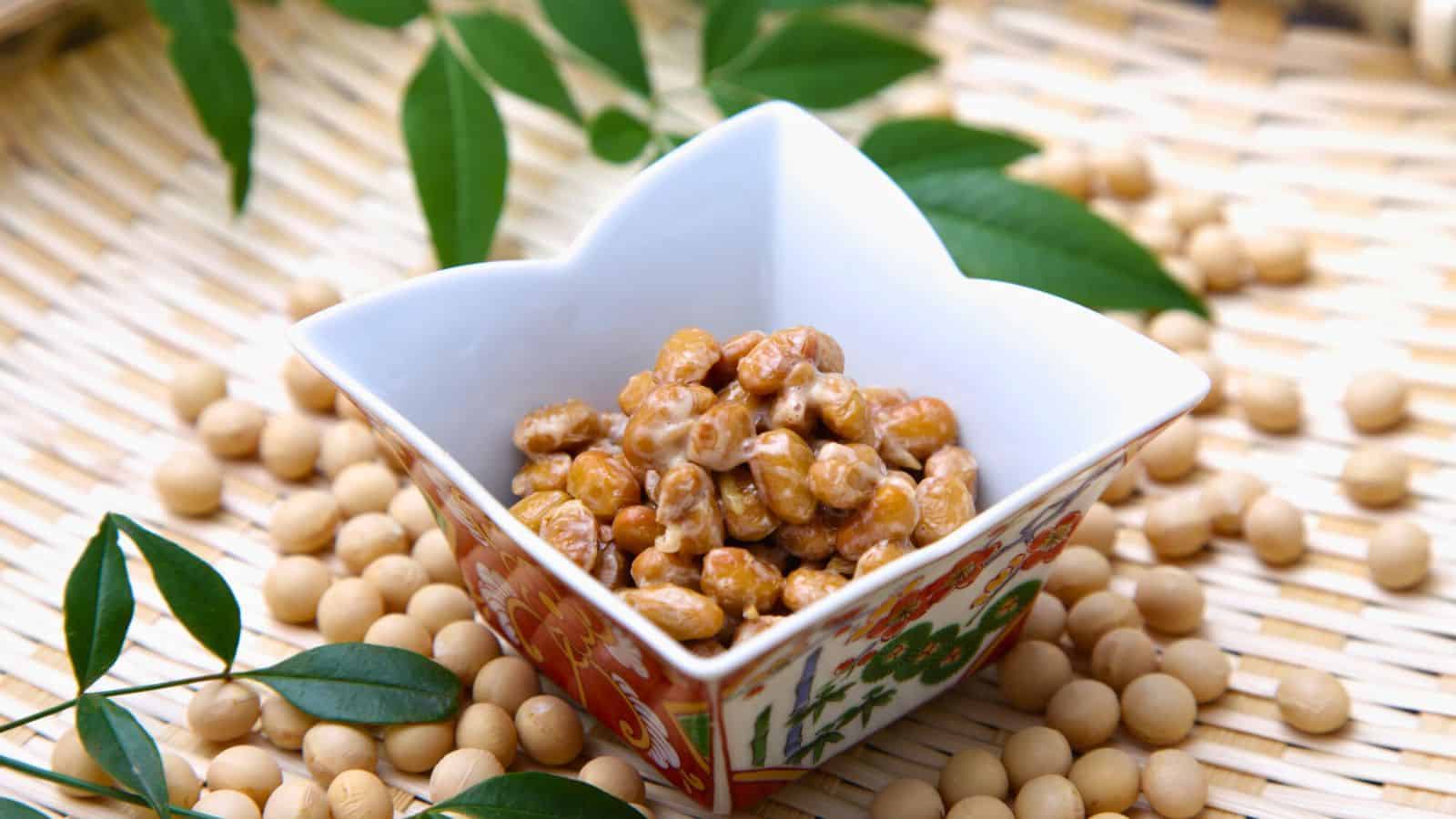
Natto is a traditional Japanese food made from fermented soybeans, known for its strong, pungent flavor and sticky, stringy texture. It's an acquired taste, but those who enjoy natto appreciate its distinct characteristics. The fermentation process used to produce natto is carried out by Bacillus subtilis, a beneficial bacterium that promotes gut health. Natto is particularly rich in the probiotic nattokinase, which not only aids in digestion but also has potential cardiovascular benefits by supporting healthy blood circulation. Natto is also high in protein, fiber, and vitamin K2, which plays a crucial role in bone and heart health. It's commonly eaten with rice and soy sauce in Japan, but can also be incorporated into various dishes.
Pickles (Fermented in Brine)
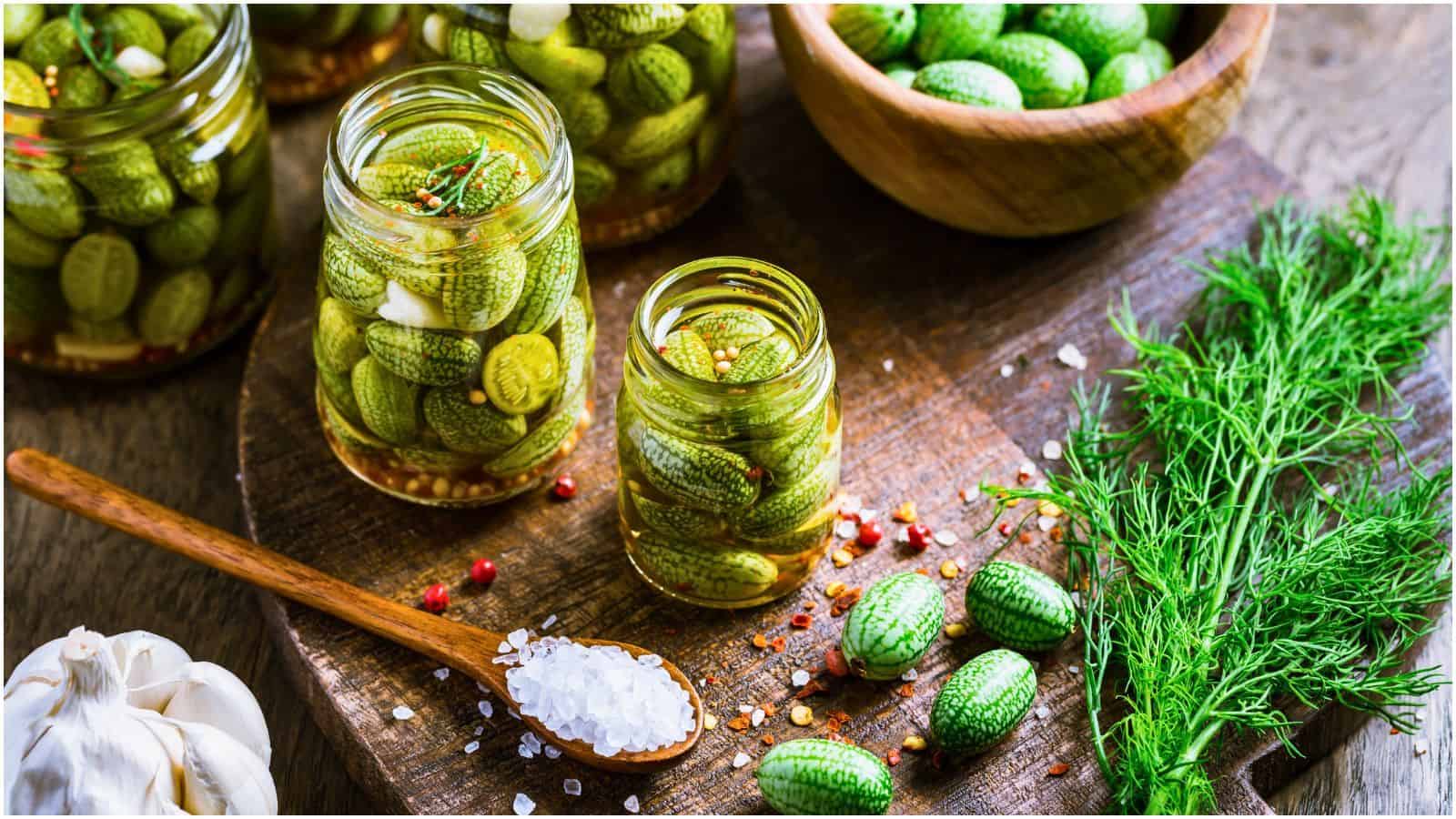
Traditional pickles, made by fermenting cucumbers in brine (saltwater) rather than vinegar, develop a tangy, sour flavor with a satisfying crunch. The natural fermentation process allows beneficial bacteria like Lactobacillus to thrive, making them a great source of probiotics for gut health. These probiotics help improve digestion, support a balanced gut microbiome, and can even boost immune function. In addition to their probiotic content, fermented pickles are low in calories and a good source of vitamin K, which is important for bone health. They make a flavorful addition to sandwiches and burgers, or can be enjoyed on their own as a healthy snack.
Tempeh
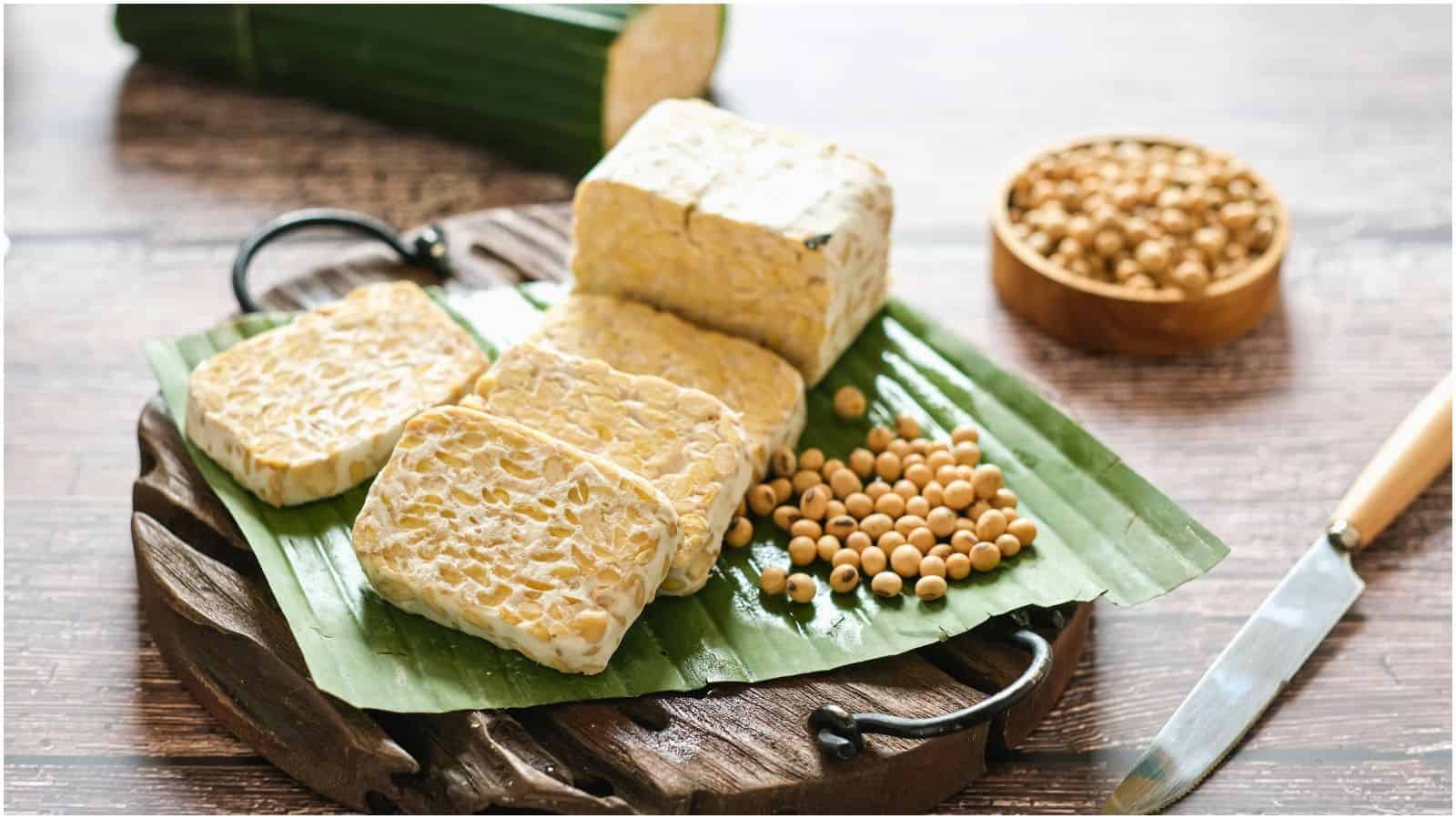
Originating from Indonesia, tempeh is made from fermented soybeans that are pressed into a firm, dense cake. It has a nutty, earthy flavor with a slightly chewy texture, making it a popular plant-based protein source. The fermentation process used in tempeh production encourages the growth of probiotics, which are beneficial for gut health. These probiotics help with digestion, improve nutrient absorption, and may even support a healthy immune system. Rich in protein, fiber, and vitamins B12 and B6, tempeh is a nutritious alternative to meat and can be used in a variety of dishes, including stir-fries, sandwiches, and salads.
Kefir

Often enjoyed as a drink, kefir is a fermented dairy product similar to yogurt but with a thinner consistency. It has a tangy, slightly sour taste and a hint of natural carbonation. What sets kefir apart is its potent probiotic content, boasting up to 30 different strains of beneficial bacteria and yeasts. These probiotics play a vital role in maintaining gut health, aiding digestion, and improving lactose tolerance. Along with its probiotic benefits, kefir is rich in protein, calcium, and B vitamins, contributing to a well-rounded nutritional profile. Its versatility allows it to be enjoyed on its own, added to smoothies, or used as a base for salad dressings.
Kimchi
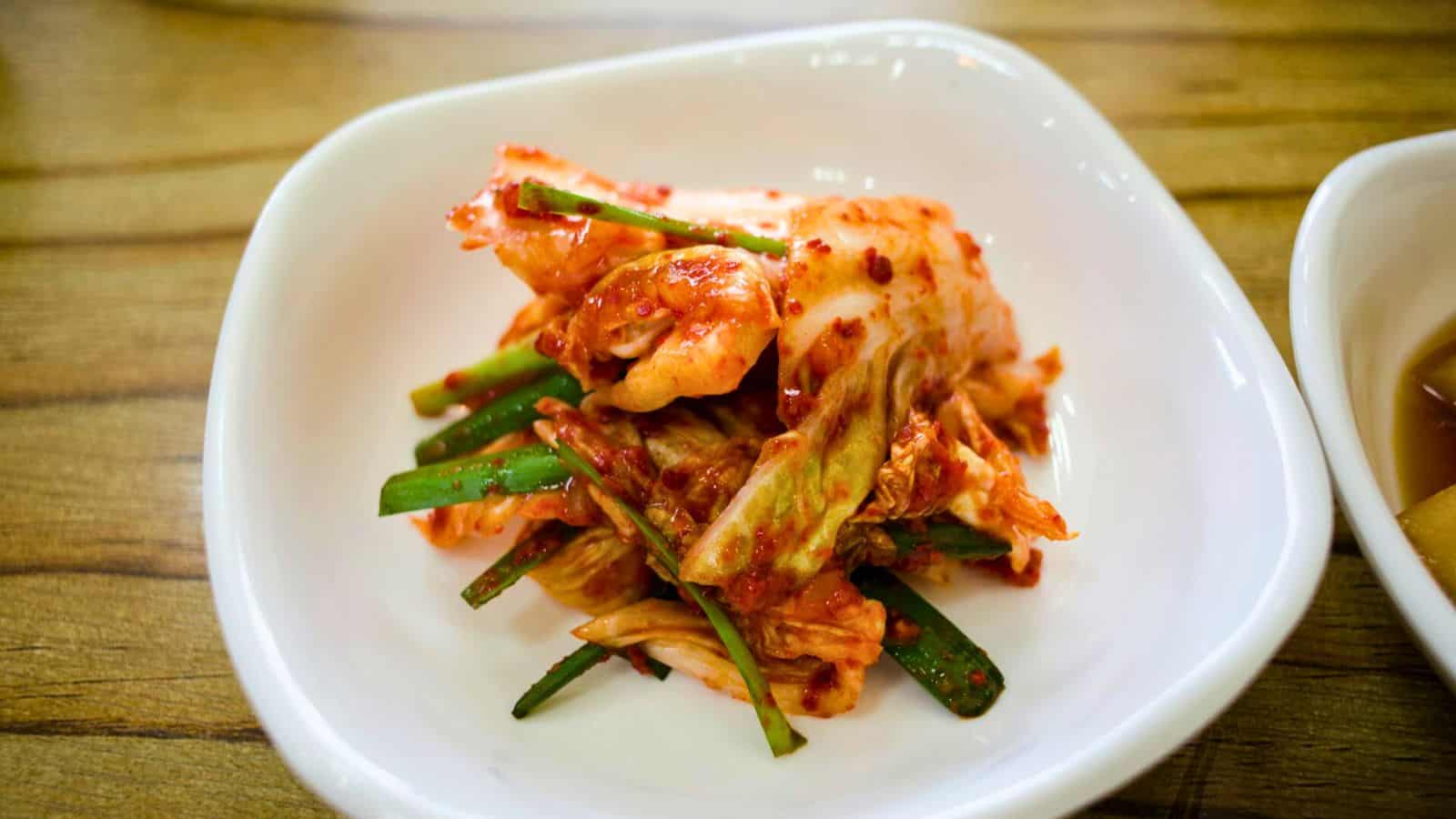
A traditional Korean dish, kimchi is made from fermented vegetables like napa cabbage and radishes, seasoned with garlic, ginger, and chili peppers. It boasts a complex flavor that combines spiciness, tanginess, and a slight sourness. The fermentation process introduces beneficial bacteria such as Lactobacillus, which are great for gut health. These probiotics help maintain a balanced gut microbiome, improve digestion, and strengthen the immune system. In addition to its probiotic content, kimchi is rich in vitamins A, B, and C, and serves as a good source of fiber, making it a nutrient-packed option.
Sauerkraut

Finely shredded cabbage is transformed into sauerkraut through natural fermentation with lactic acid bacteria. The result is a tangy and slightly salty fermented food with a satisfying crunch. This process introduces probiotics that are beneficial for gut health, aiding in digestion, enhancing nutrient absorption, and supporting a healthy immune system. Low in calories yet high in fiber, vitamins C and K, and antioxidants, sauerkraut adds a nutritional boost to meals while promoting well-being. It's a versatile addition to various dishes as it complements meats, sandwiches, and more.
Kombucha

Kombucha is a fermented tea beverage made by fermenting sweetened black or green tea with a symbiotic culture of bacteria and yeast (SCOBY). It has a tangy, slightly sweet flavor with a hint of fizziness, making it a refreshing drink. The fermentation process produces a variety of probiotics, including strains like Lactobacillus, which are beneficial for gut health. These probiotics support digestion, help maintain a balanced gut microbiome, and may contribute to immune health. Kombucha is also rich in antioxidants and organic acids, which can aid in detoxification. Available in various flavors, kombucha is a popular choice for those seeking a flavorful way to incorporate probiotics into their diet.
Yogurt
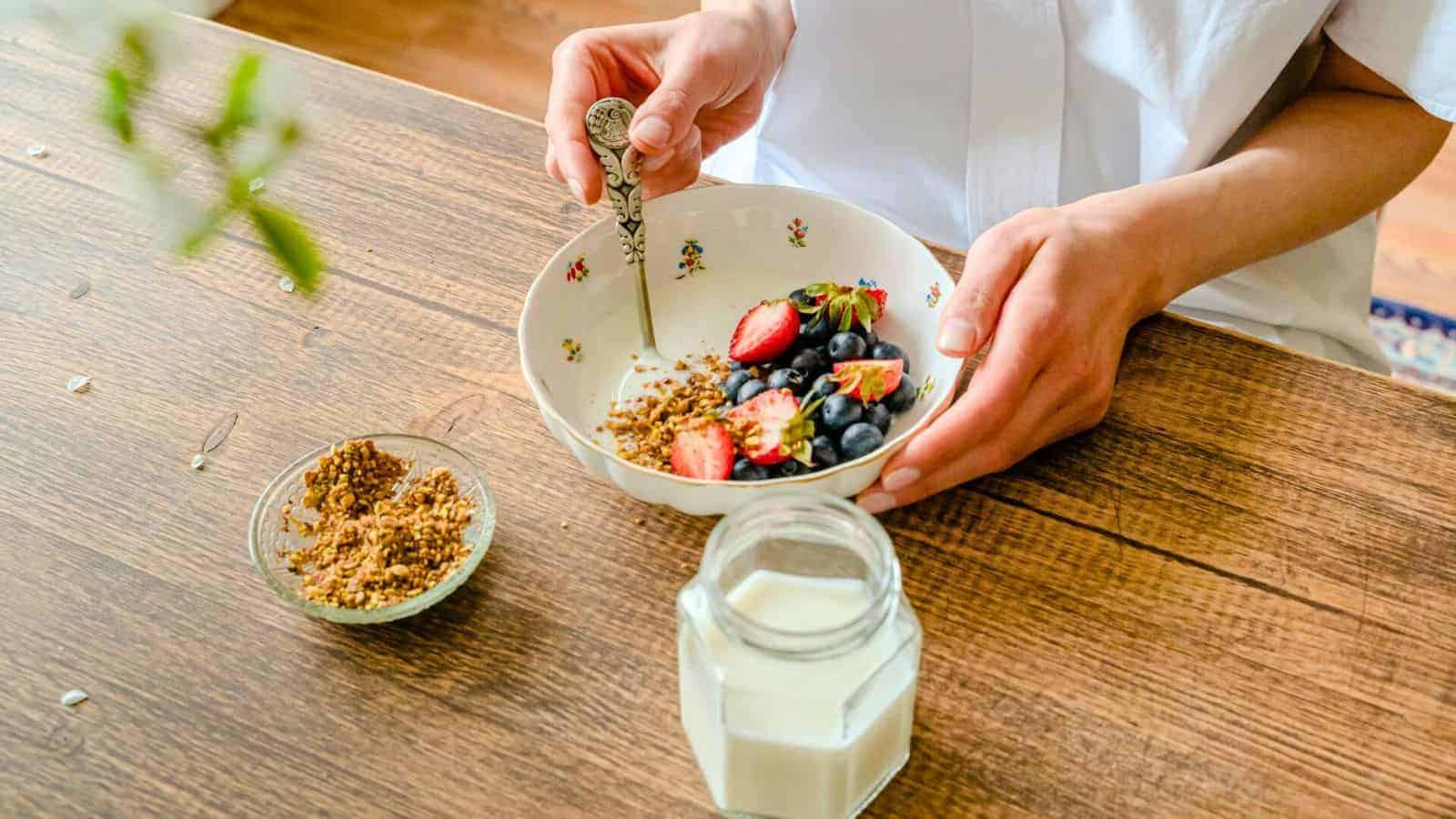
Yogurt is a creamy, fermented dairy product made by adding live bacterial cultures to milk. It has a tangy flavor that can vary in intensity depending on the type and fermentation process. The live cultures in yogurt, such as Lactobacillus and Bifidobacterium, are probiotics that are great for gut health. These beneficial bacteria help maintain a healthy balance in the gut microbiome, support digestion, and may enhance immune function. Yogurt is also a rich source of calcium, protein, and essential vitamins like B12 and riboflavin. Whether enjoyed on its own, as part of a smoothie, or as a base for dips and sauces, yogurt is a versatile and nutritious addition to any diet.
Your Belly's New Best Friends

Incorporating more probiotic-rich fermented foods into your diet is one of the quickest and easiest ways to support your gut health. These foods are not only packed with beneficial bacteria, but they also add a variety of flavors and textures to your meals. By making these simple additions to your daily routine, you can start feeling the benefits almost immediately.
Taking care of your gut doesn't have to be complicated. With just a few small changes, you can improve your digestion, boost your overall wellness, and feel great every day. Whether you're new to fermented foods or already enjoy them, there's always room to add more to your diet.
So, why wait? Start incorporating these probiotic-packed foods into your meals and snacks, and see how quickly your gut-and your general health-can improve. It's a simple, delicious way to take better care of yourself and feel your best!