Sheet pan koftas are my busy-night hero, from oven to pita with tahini and salad in under an hour! This recipe is my kids' favorite, and even though I don't eat beef, I still make it for them.
Earlier in my life when my idea of a perfect meal was always the same thing from the same corner place. Koftas pressed into flatbread, tahini soaking into the paper, tomato and cucumber salad that tasted like it had been chopped ten minutes earlier.
The problem was that my tiny apartment kitchen did not come with a charcoal grill, a vent, or the ability to smell like fire for three days.
So I started working backwards, the way I learned after years of cooking Israeli food in small spaces and watching my grandparents stretch what they had. Kofta itself is simple, but it can be fussy.
Herbs, onion, and garlic get finely processed so every bite feels even. Cumin, ground coriander, and smoked paprika go in measured, and the meat tastes fully seasoned before tahini or salad come near it. I fold everything into ground beef and press it into a sheet pan instead of shaping skewers.
That sheet pan turned into a quiet gift. An even one-inch layer bakes reliably, and scoring it into rectangles gives more browned edges and easier slices. While it cooks, I whisk tahini with lemon and hot water into a smooth sauce and toss a quick tomato and cucumber salad with sumac and olive oil.
This is the version I reach for on busy evenings, when Leo is asking for dinner before I have even put my bag down and Lin is arranging cucumber pieces into neat little lines on the cutting board.
Some weeks we veer toward vegetarian kofta kebabs when the fridge is full of herbs, grilled chicken kofta skewers on weekends, or a turkey kofta pita sandwich I can grab on the way out. This sheet pan kofta is how that corner-shop meal settled into our family routine, the same flavors now coming out of my own oven.
Ingredients
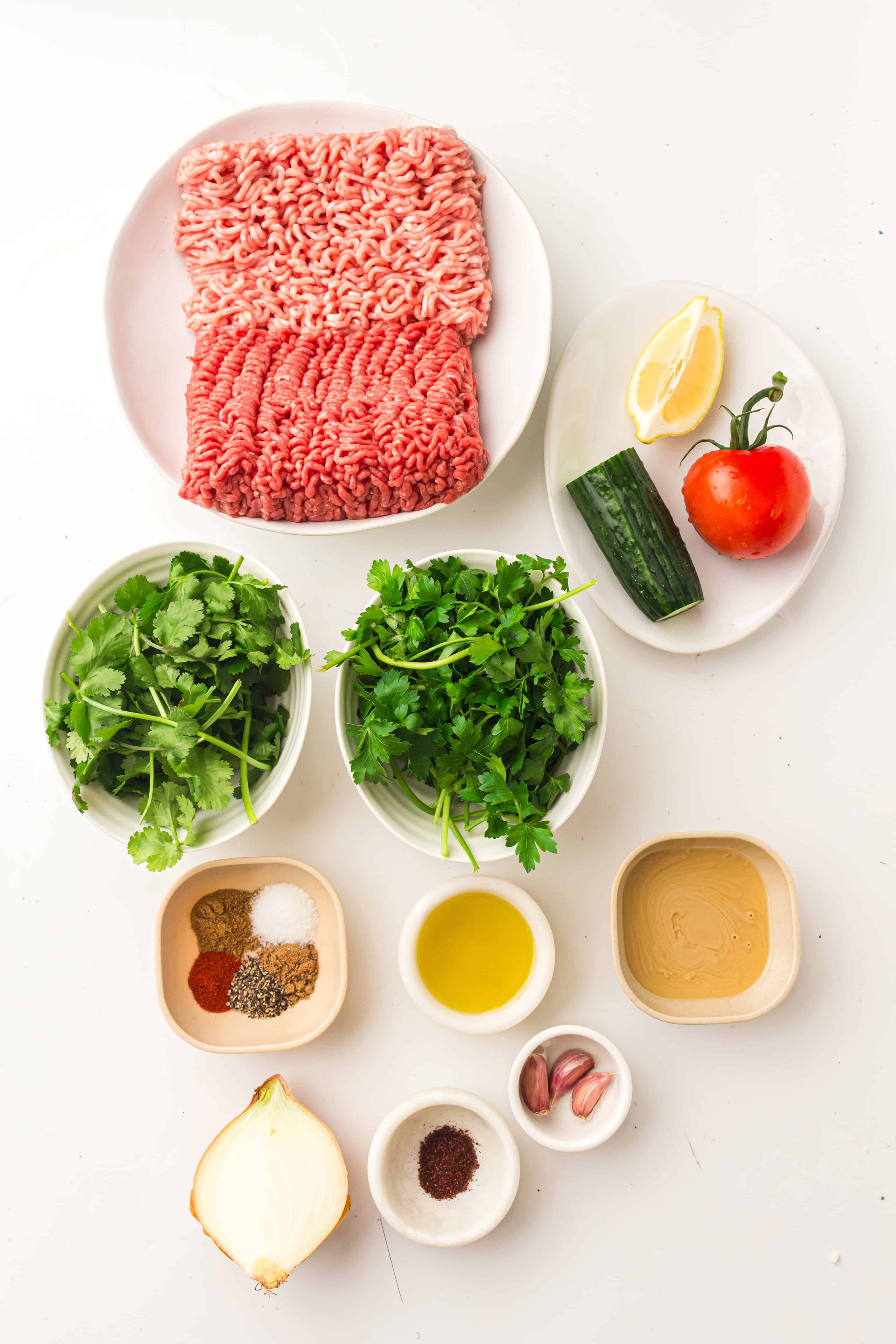
Beef mince - this is the heart of the sheet pan kofta, with enough fat to stay tender in the oven and still slice cleanly. I like using beef when I want that feeling of a busy shawarma stand without going outside, and it's my kids' favorite. Ground lamb works for a more traditional flavor, and a 50/50 mix of chicken and ground turkey works when you want something lighter for weeknights - it's also my favorite.
Tahini- Tahini turns this from meat and salad into a proper plate. When whisked with lemon and hot water, it becomes a creamy sauce that coats every bite of kofta. I grew up keeping a jar in the fridge for nights when there was not much else around. If sesame is an issue, a thick plain yogurt can stand in, thinned with lemon and a little water.
Sumac - This is the quiet secret of the salad. It adds brightness without more liquid. If you cannot find sumac, a tiny squeeze of extra lemon and a pinch of paprika help, though the flavor will be different.
See the recipe card for full list and exact quantities.
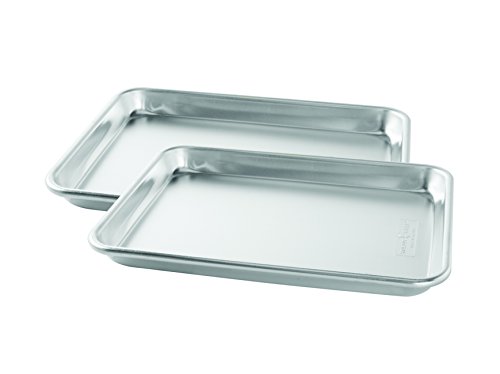
The real MVP of any sheet pan recipe is the pan you use, and these are my favorites. None of that nonstick teflon in my house! Nordic Ware is my brand of choice for most baking pans.
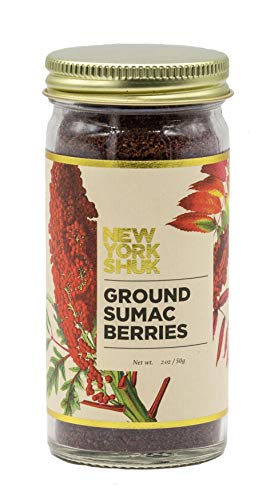
One of the best spices. Adds a citrusy, floral note to everything.
How to Make Sheet Pan Koftas Recipe
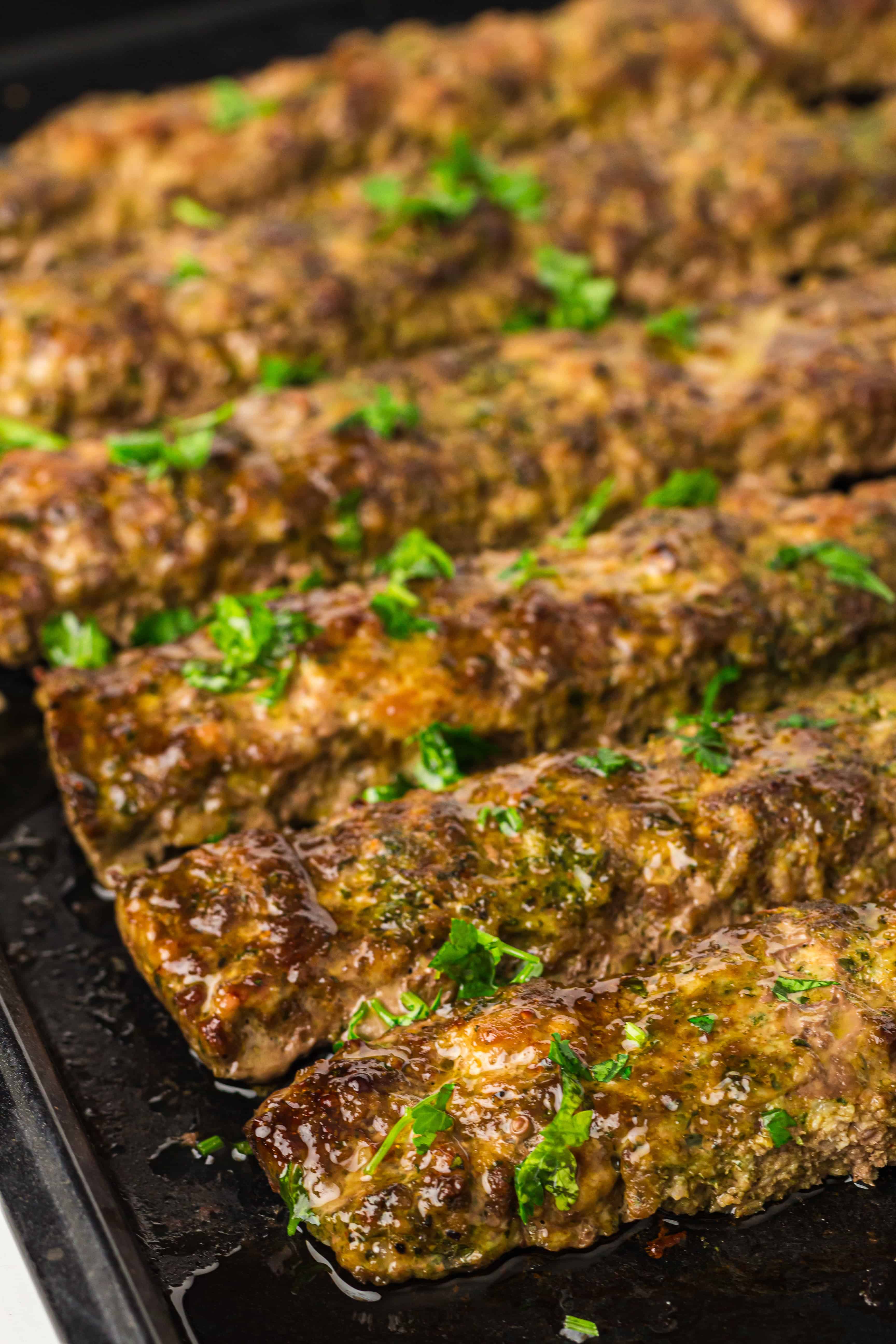
If you're tired of your usual weeknight chicken or pasta, this sheet pan recipe is packed with flavor and a gentle change of pace. With bright lemon, nutty tahini, and herb-filled beef, here is how to bring it to life step by step, and what to look for along the way.
Pulse the aromatics and herbs until very fine
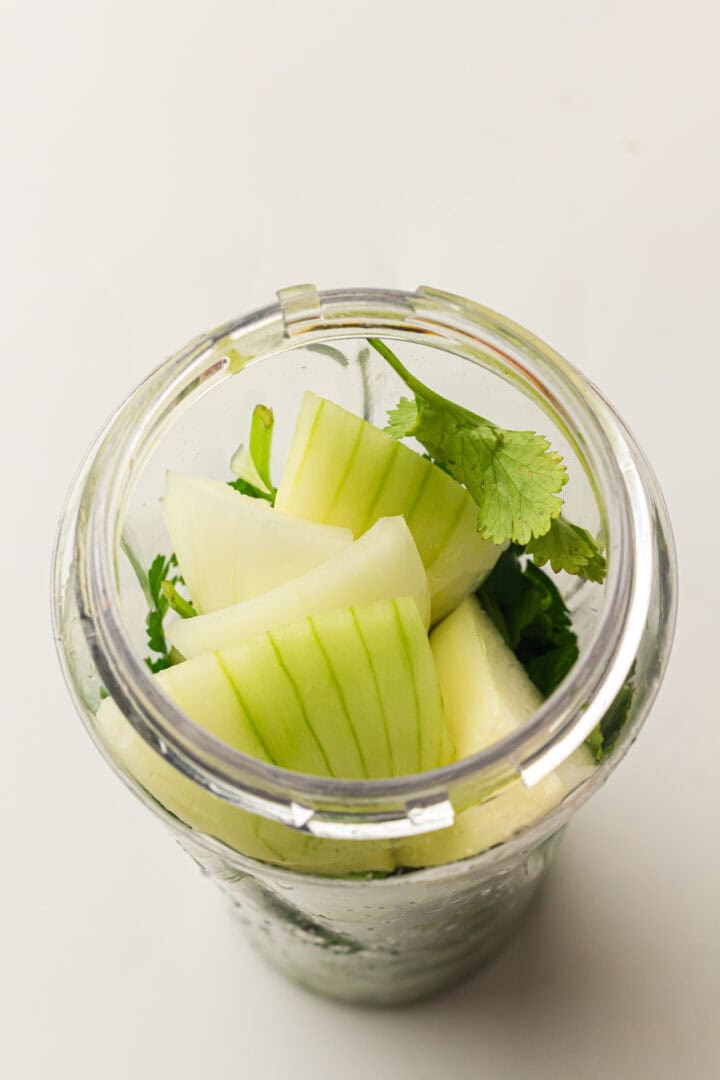
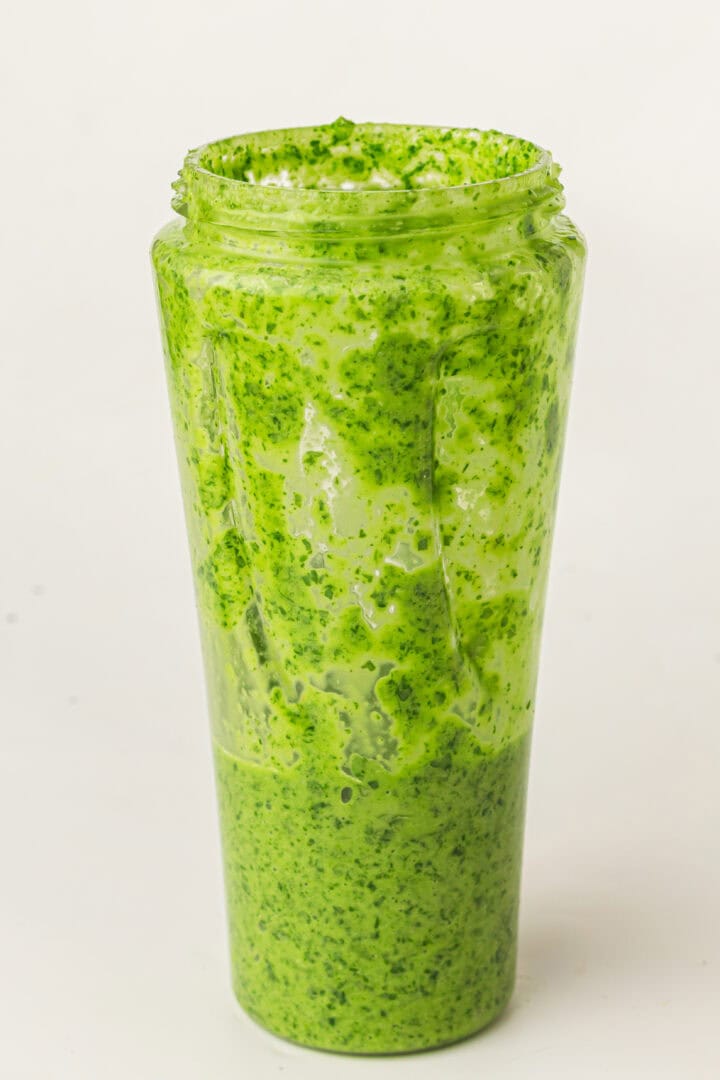
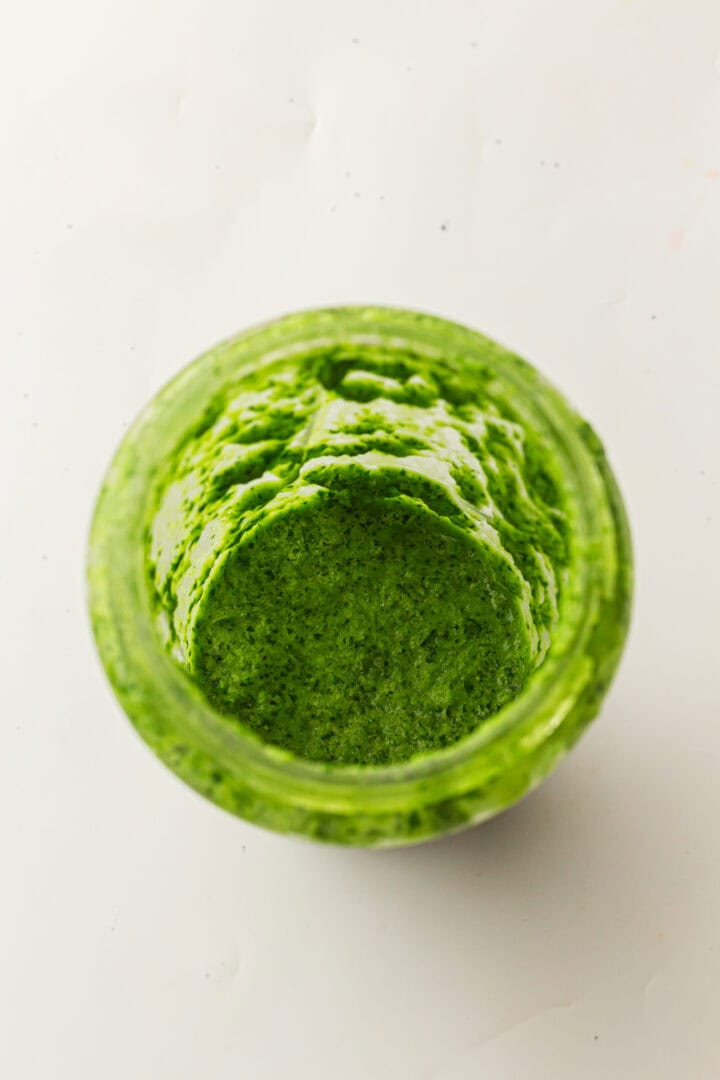
- If you still see visible bits of onion, keep pulsing, otherwise they will break the texture of the kofta later.
Drain out excess liquid
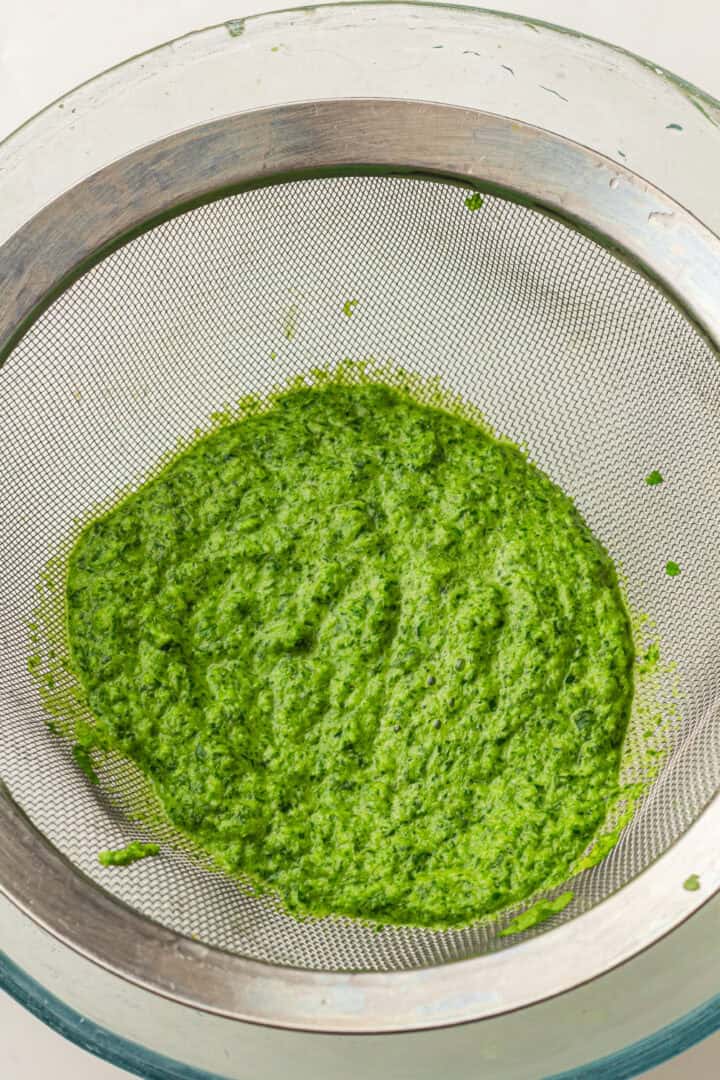
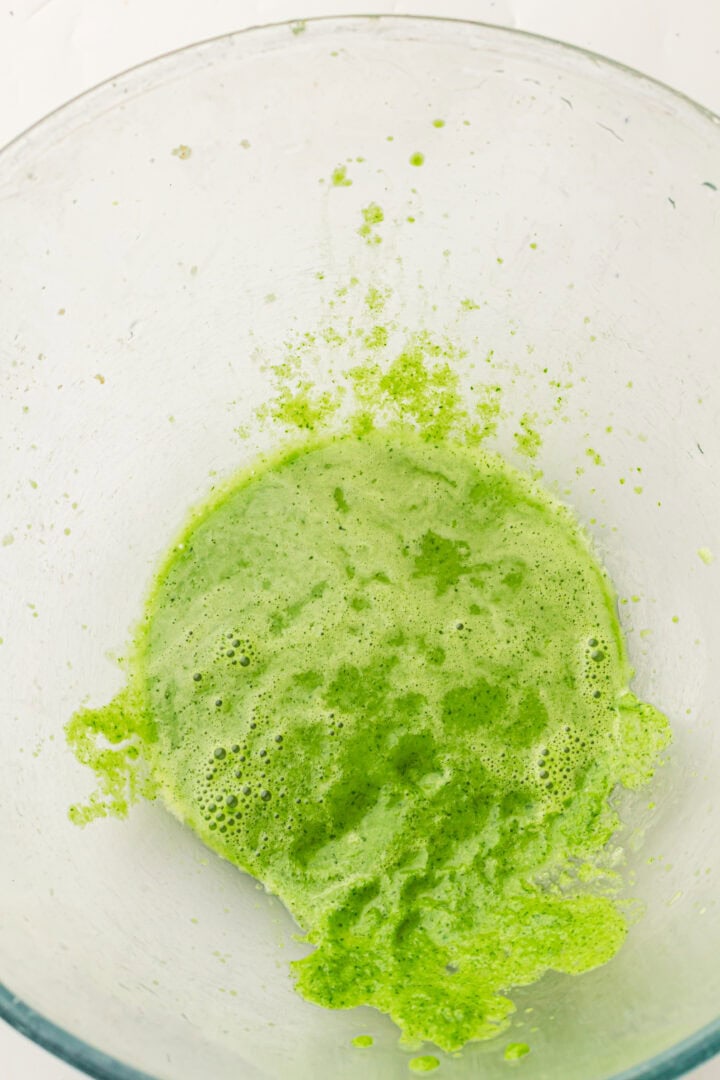
- The herbs should look damp, not dripping or soggy. If you skip this or stop early, the kofta mix will release water in the oven and turn pale and soft instead of browning at the edges.
Mix the kofta base gently
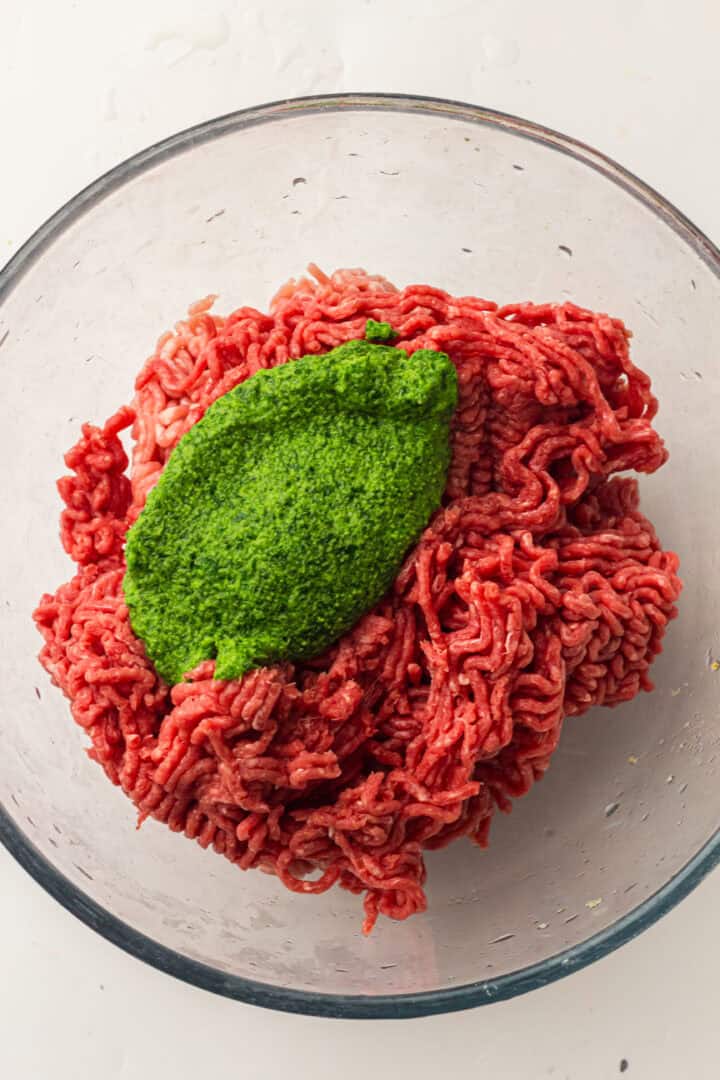
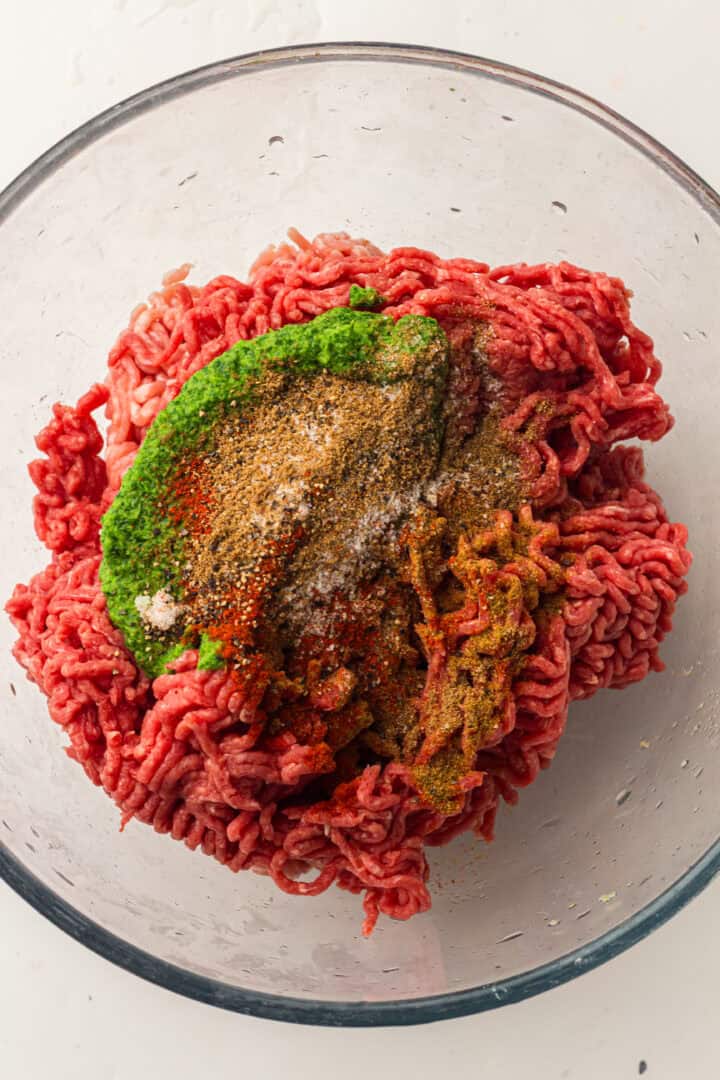
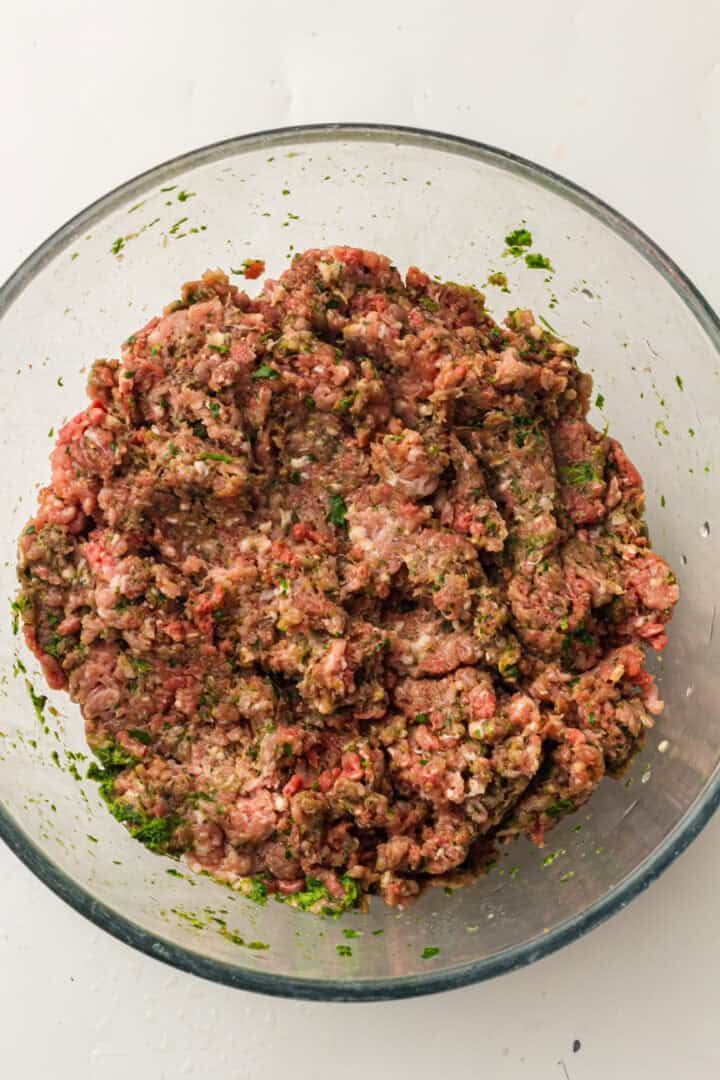
- Once it holds together when pressed in your palm, stop mixing so it stays tender when baked.
Grease the sheet pan lightly
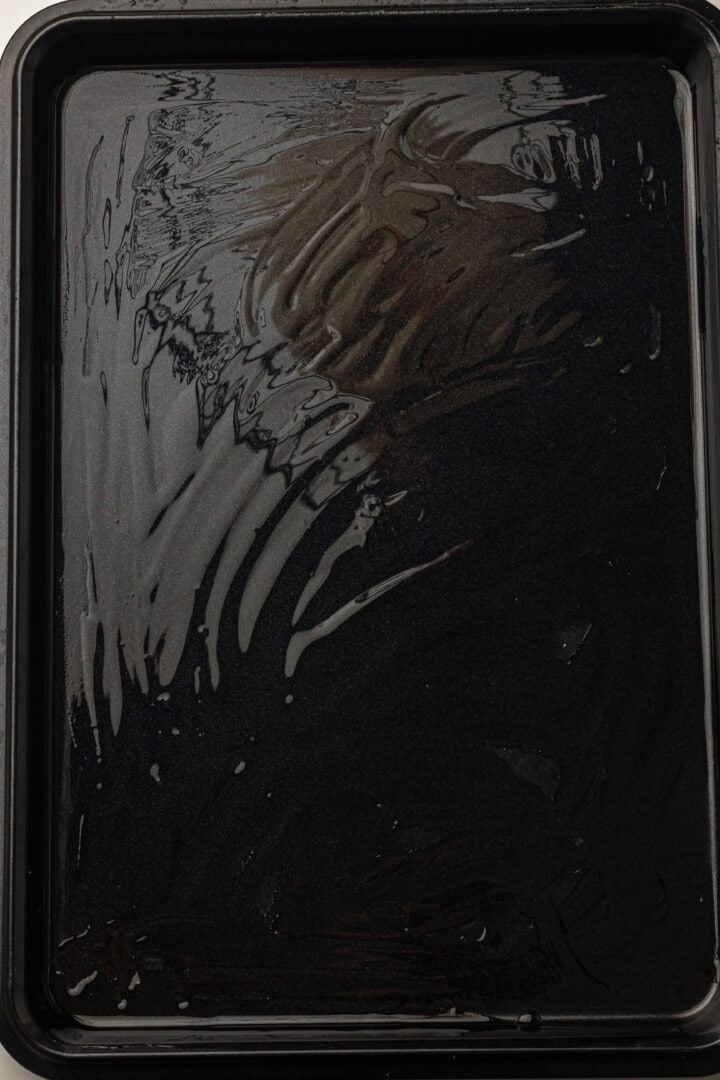
- You only need enough to give the meat contact with the pan and help the edges crisp. If you add too much oil, it can pool around the kofta and cause the bottom to fry unevenly. A light sheen across the surface is the goal.
Press the kofta mixture into an even layer
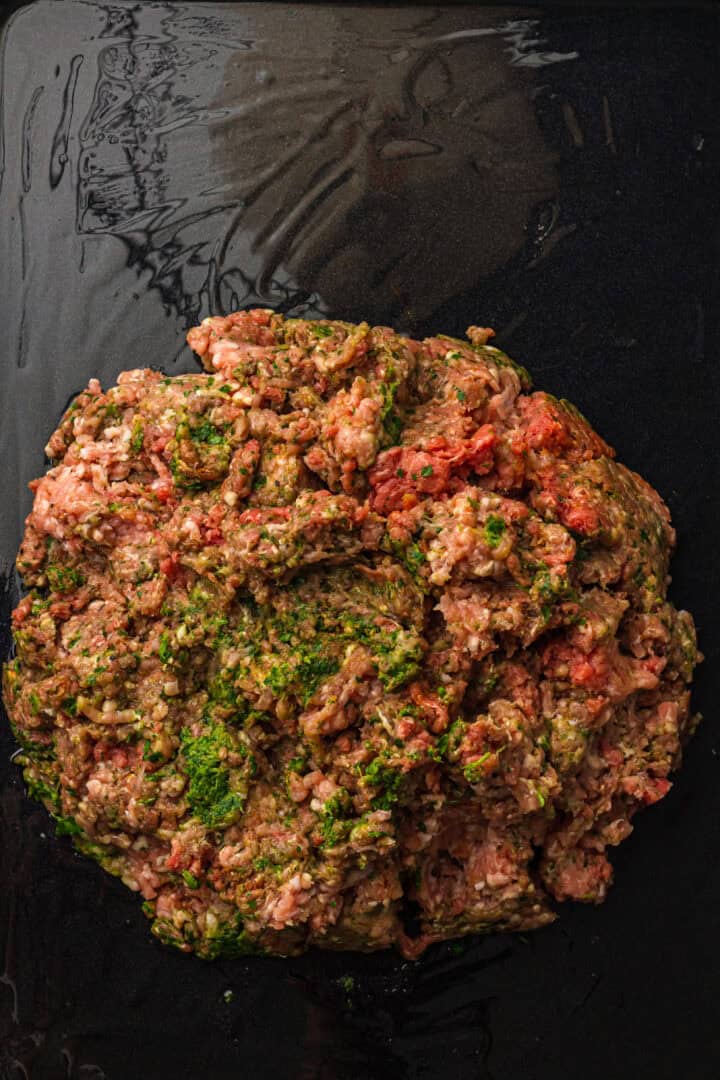
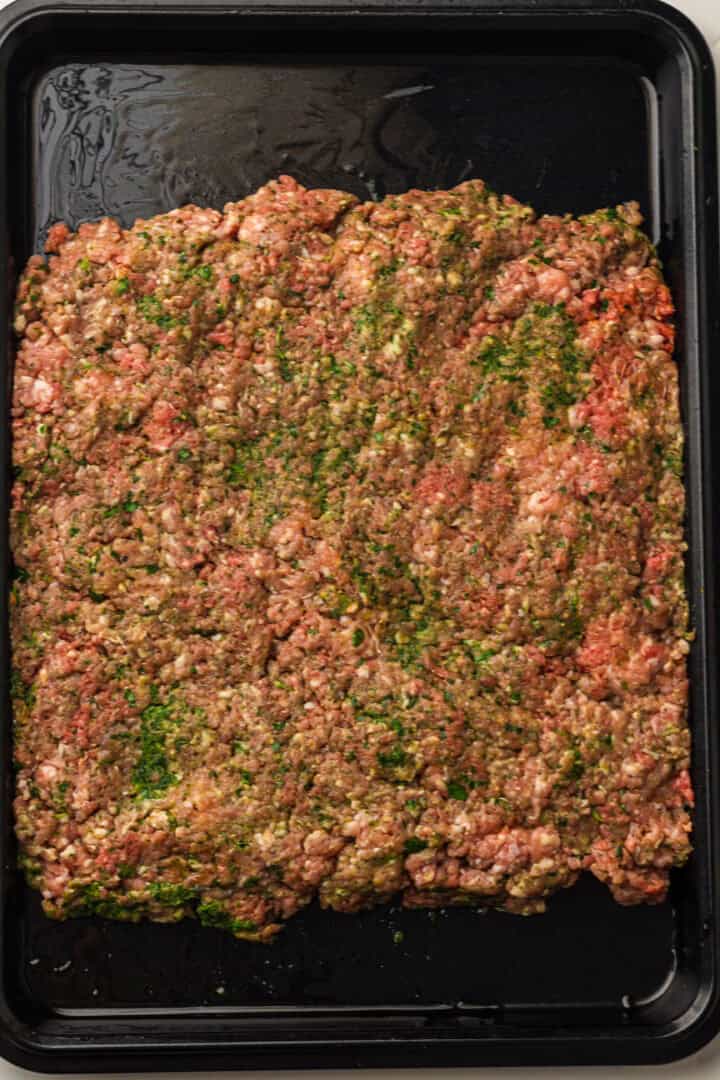
- When you run your hand across the top, it should feel level without dips or raised spots. Uneven thickness leads to dry edges and undercooked centers.
Score the surface into rectangles
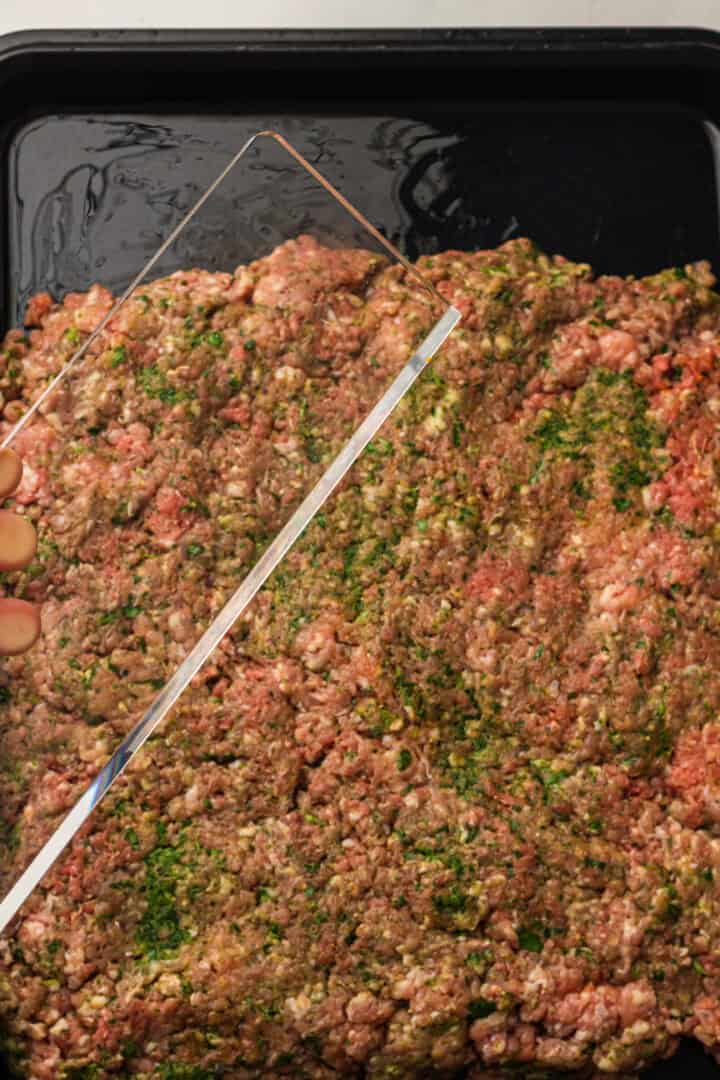
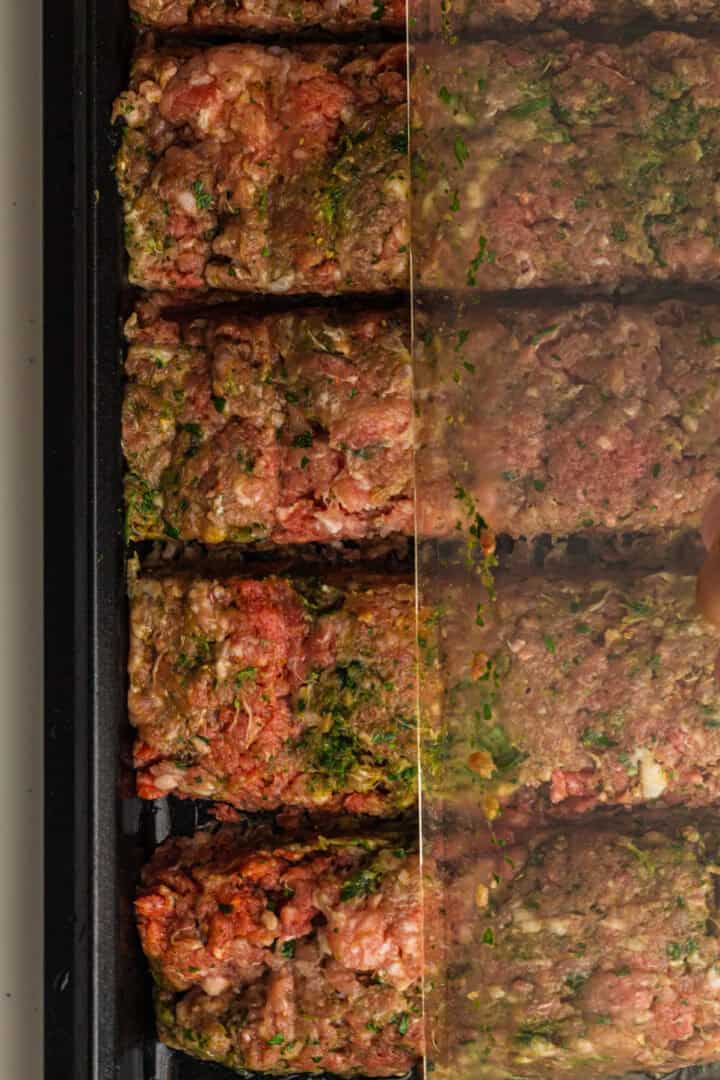
- These channels help heat reach more surface area, giving you more browned edges and clean servings later. If the scoring is too shallow, the kofta will bake as one solid slab and can tear when sliced.
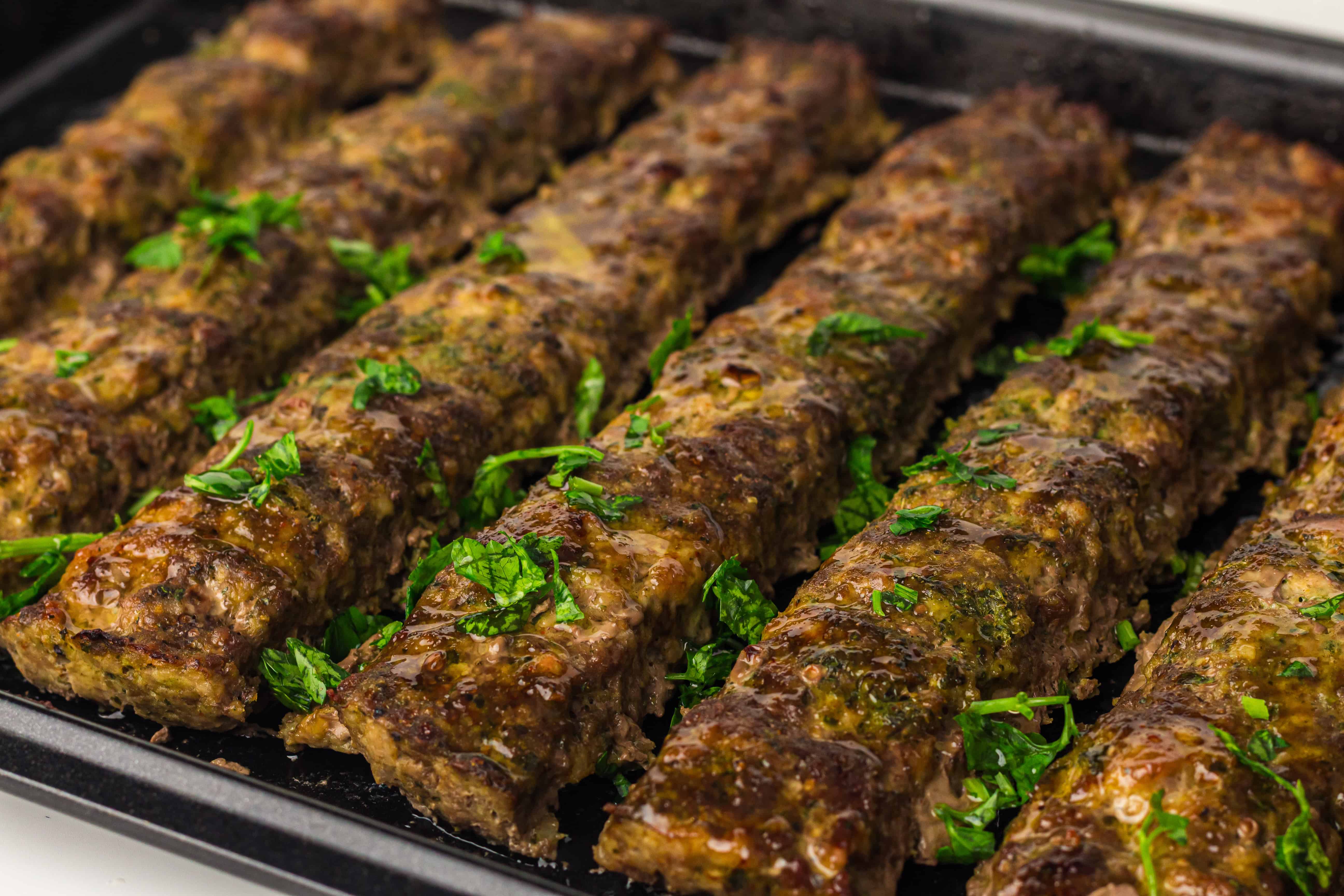
Bake until browned and cooked through
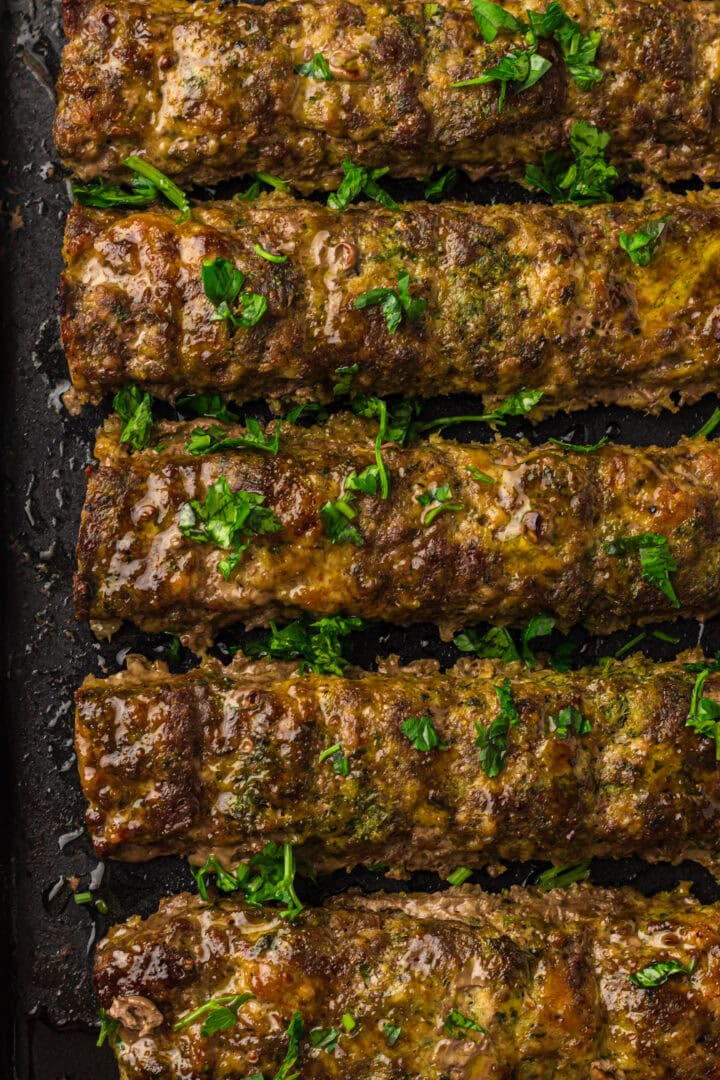
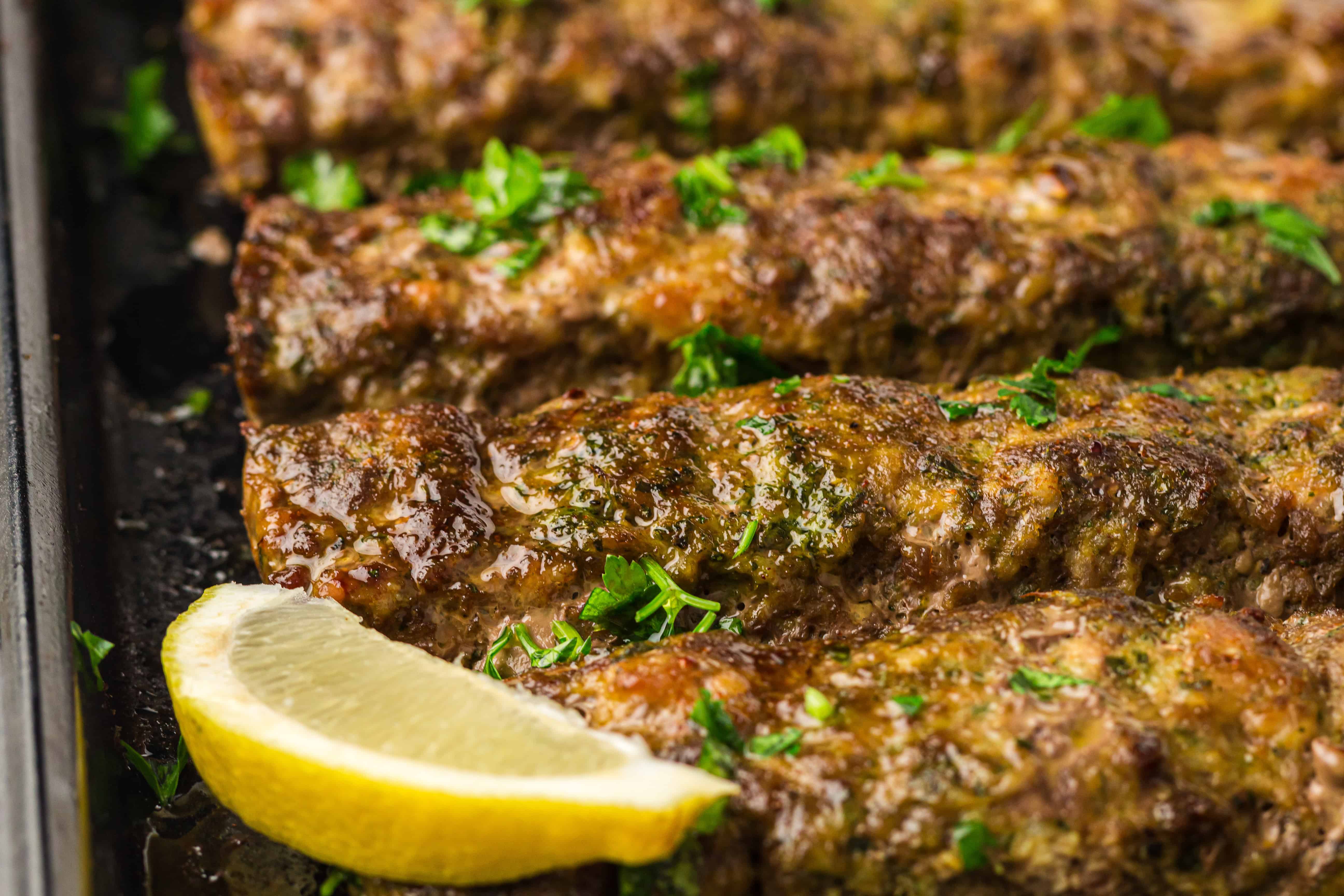
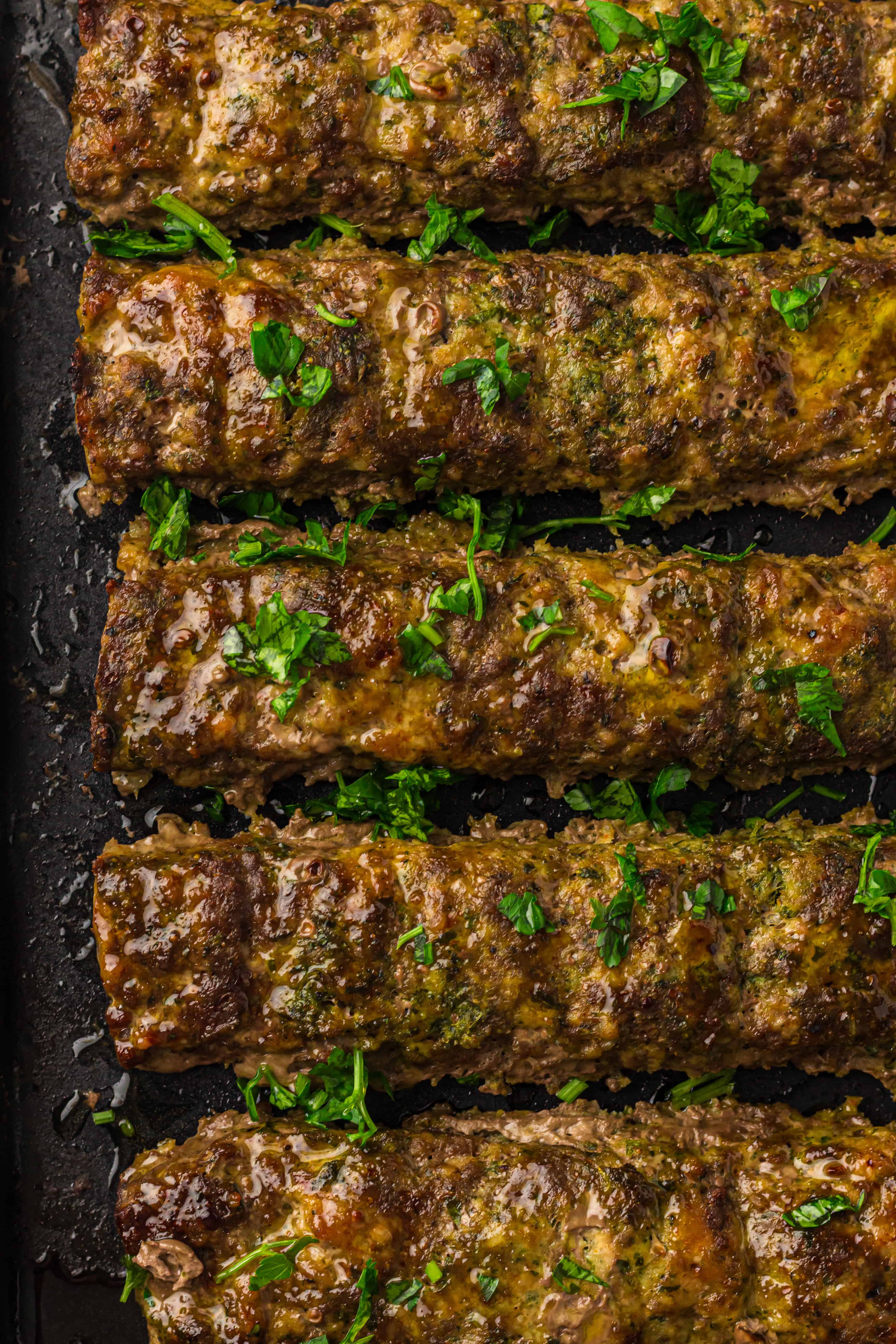
- Bake the tray at 400°F (200°C) for 20 to 25 minutes. You are looking for a surface that is browned in patches, with darker color around the grid lines and the edges of the pan.
- The meat should feel firm when pressed with a spatula, not soft or spongy. If you cut into one rectangle, the center should no longer be pink and the juices should run clear, not red.
Broil briefly for deeper color
- If you want more color, slide the pan under the broiler for 3 to 5 minutes. Watch closely during this step. The top should darken in spots and pick up crisp edges without turning black. If you see any area starting to char too quickly, turn the pan or pull it out sooner.
Whisk the tahini until smooth and pourable
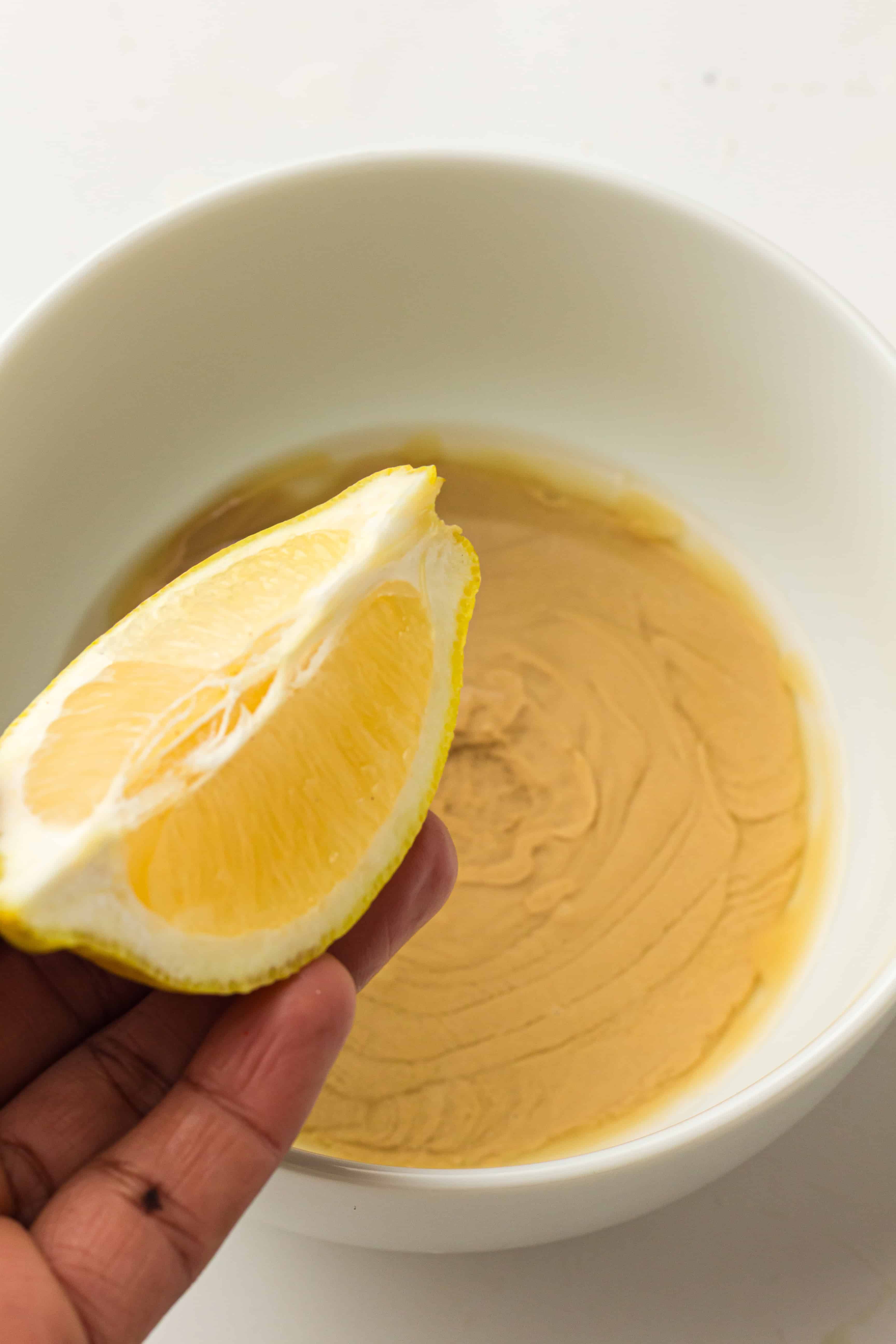
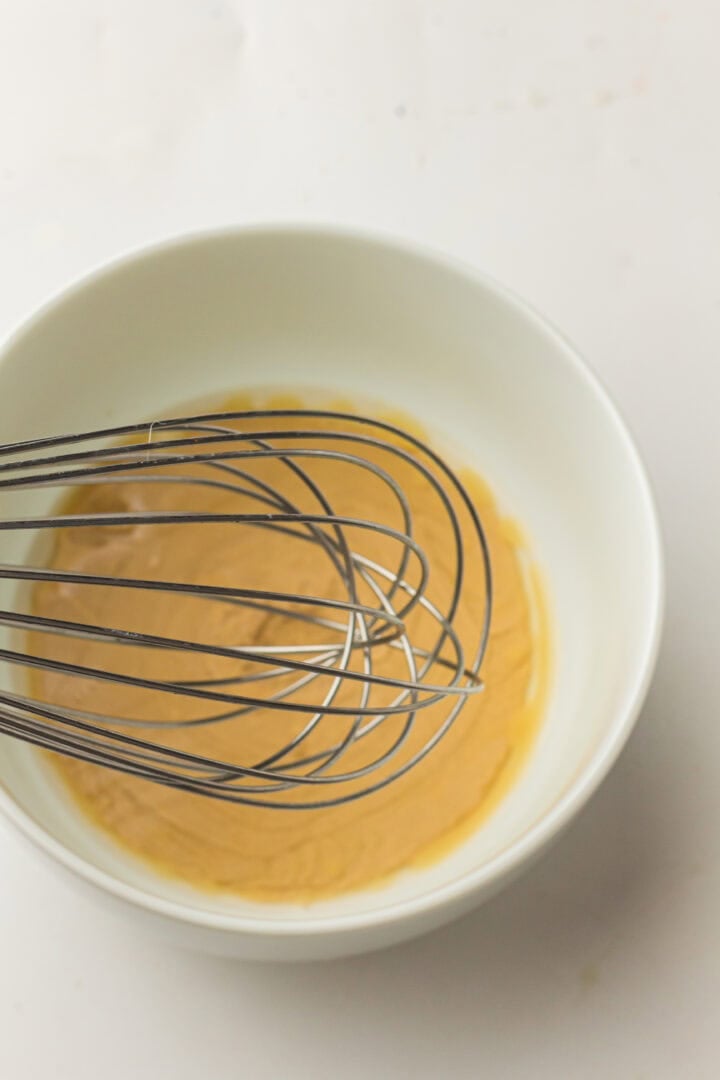
- You are aiming for a smooth, light-colored sauce that ribbons off the whisk and slowly sinks back into the bowl. If it looks gritty or separated, keep whisking. If it becomes too thin, you can add a bit more tahini to bring it back. Taste and add salt and pepper at the end.
Toss the tomato-cucumber salad with sumac
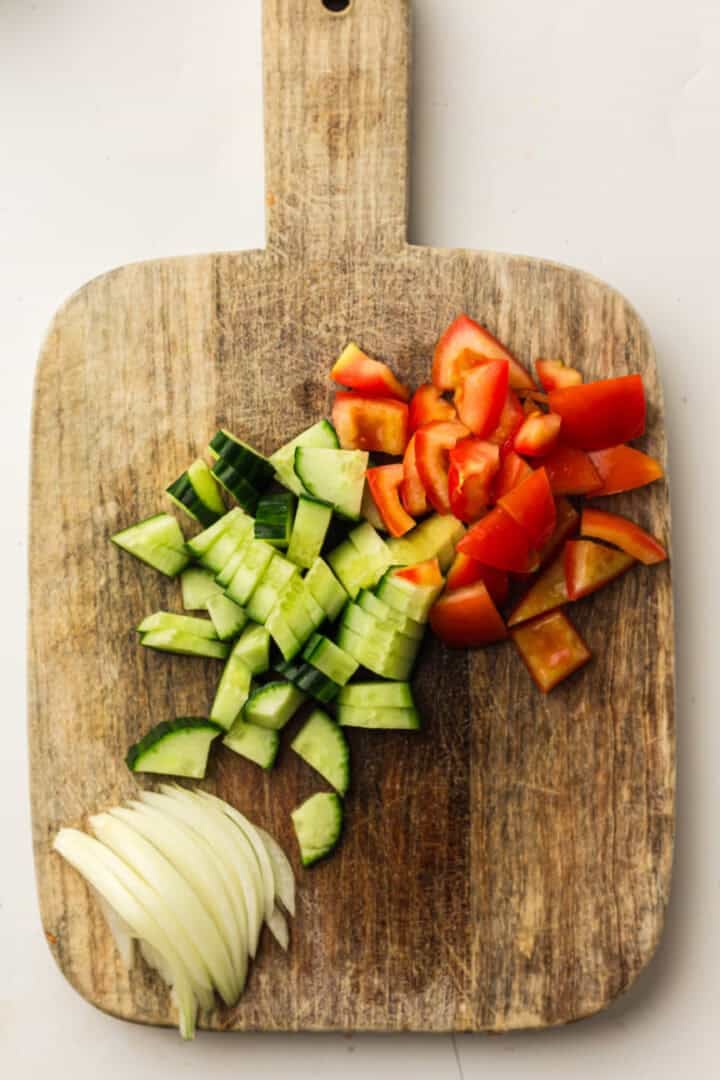
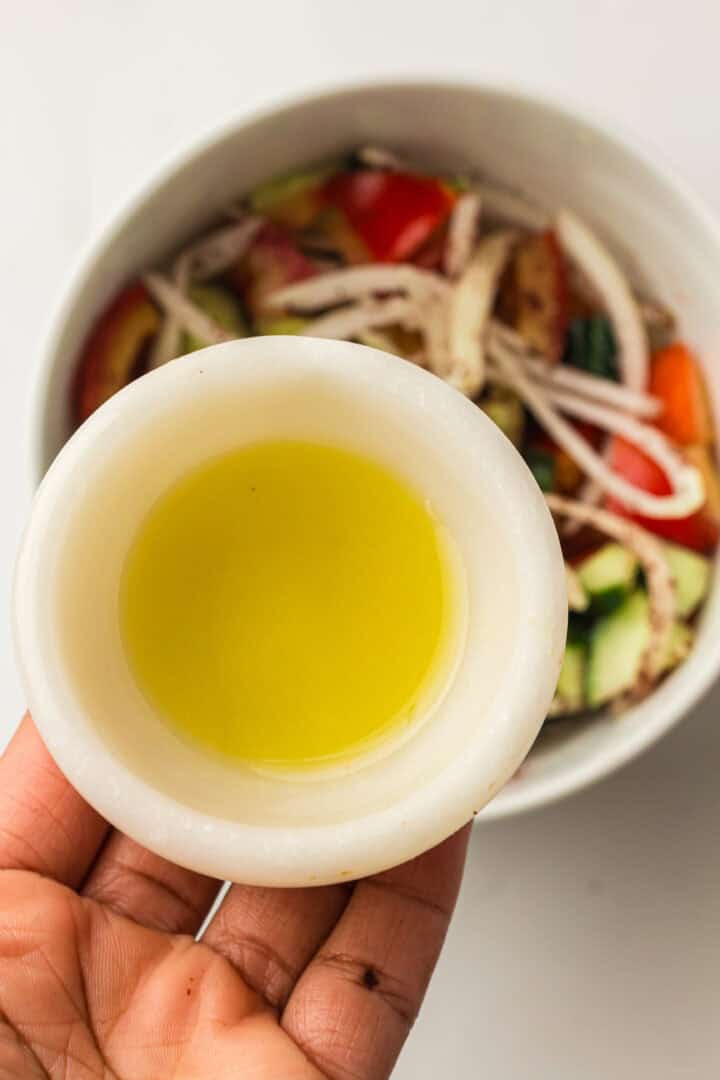
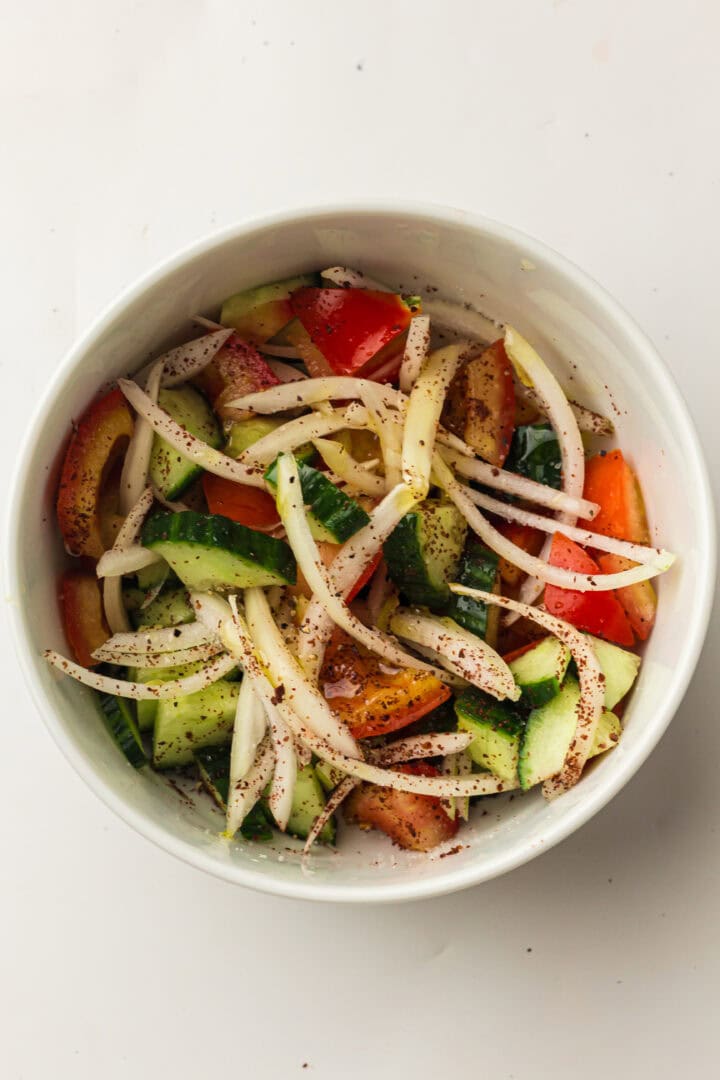
- The cucumber should stay crisp and the tomato should release a little liquid without turning mushy. Taste a piece and adjust with a little more sumac or salt if it tastes flat.
Serve the kofta with tahini and salad
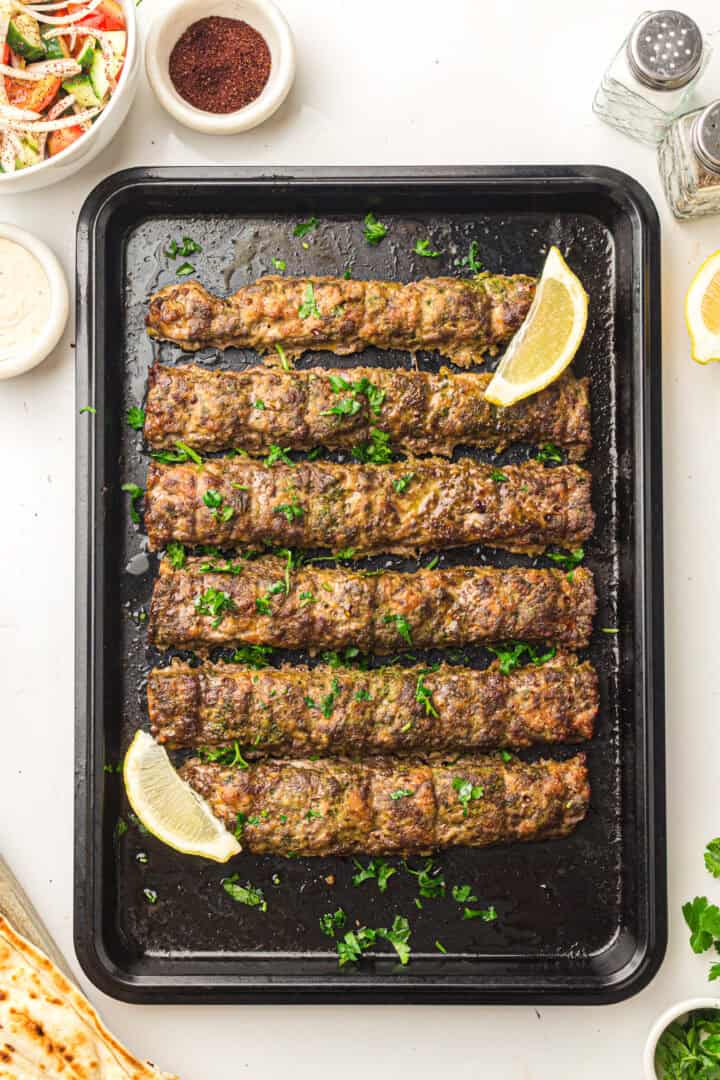
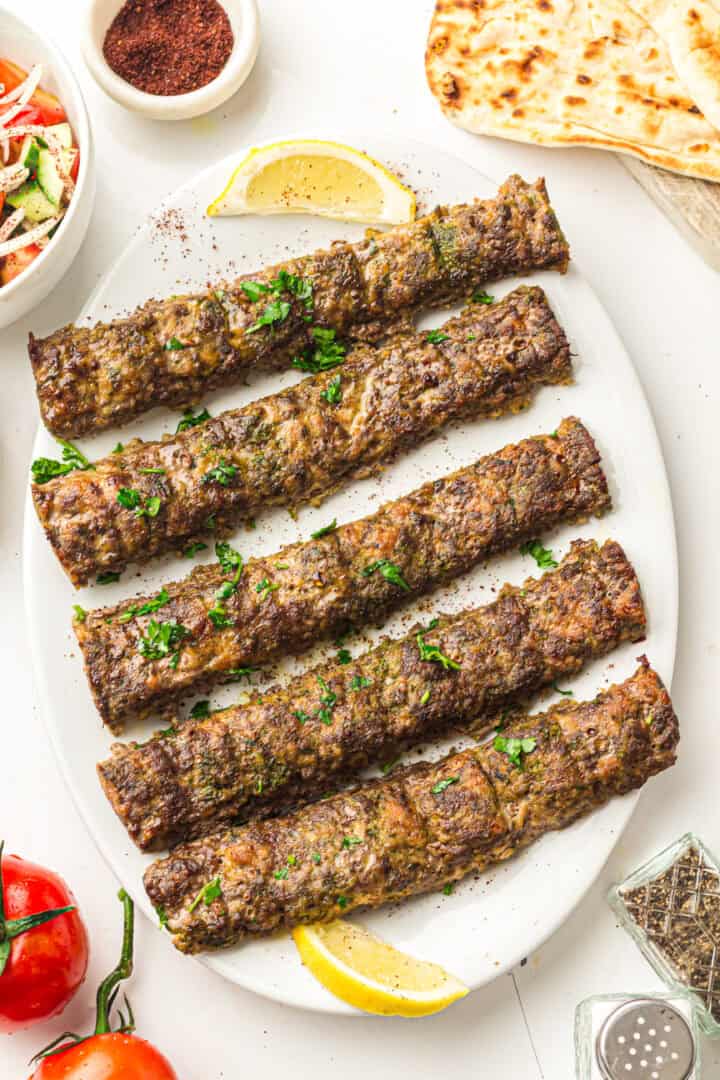
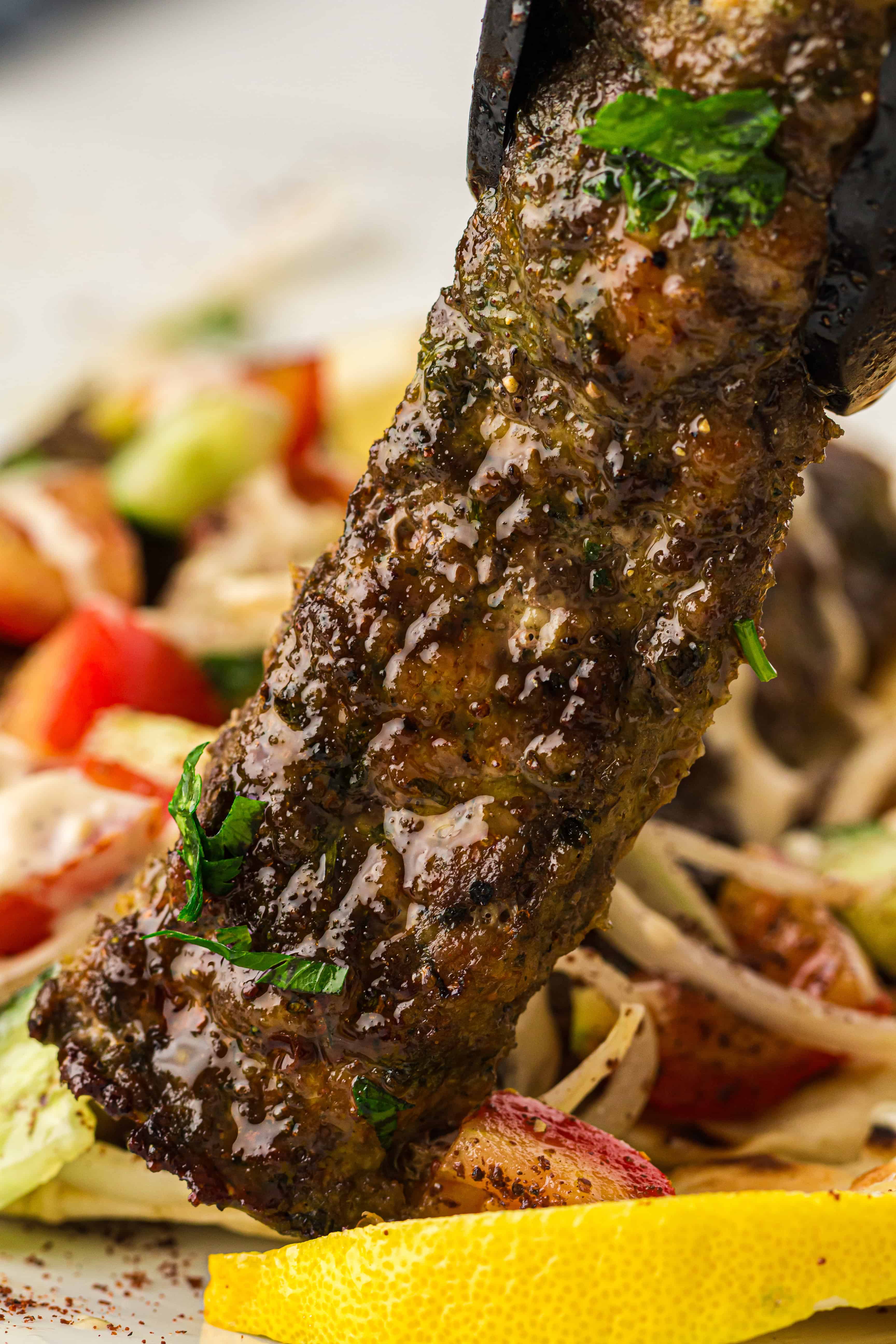
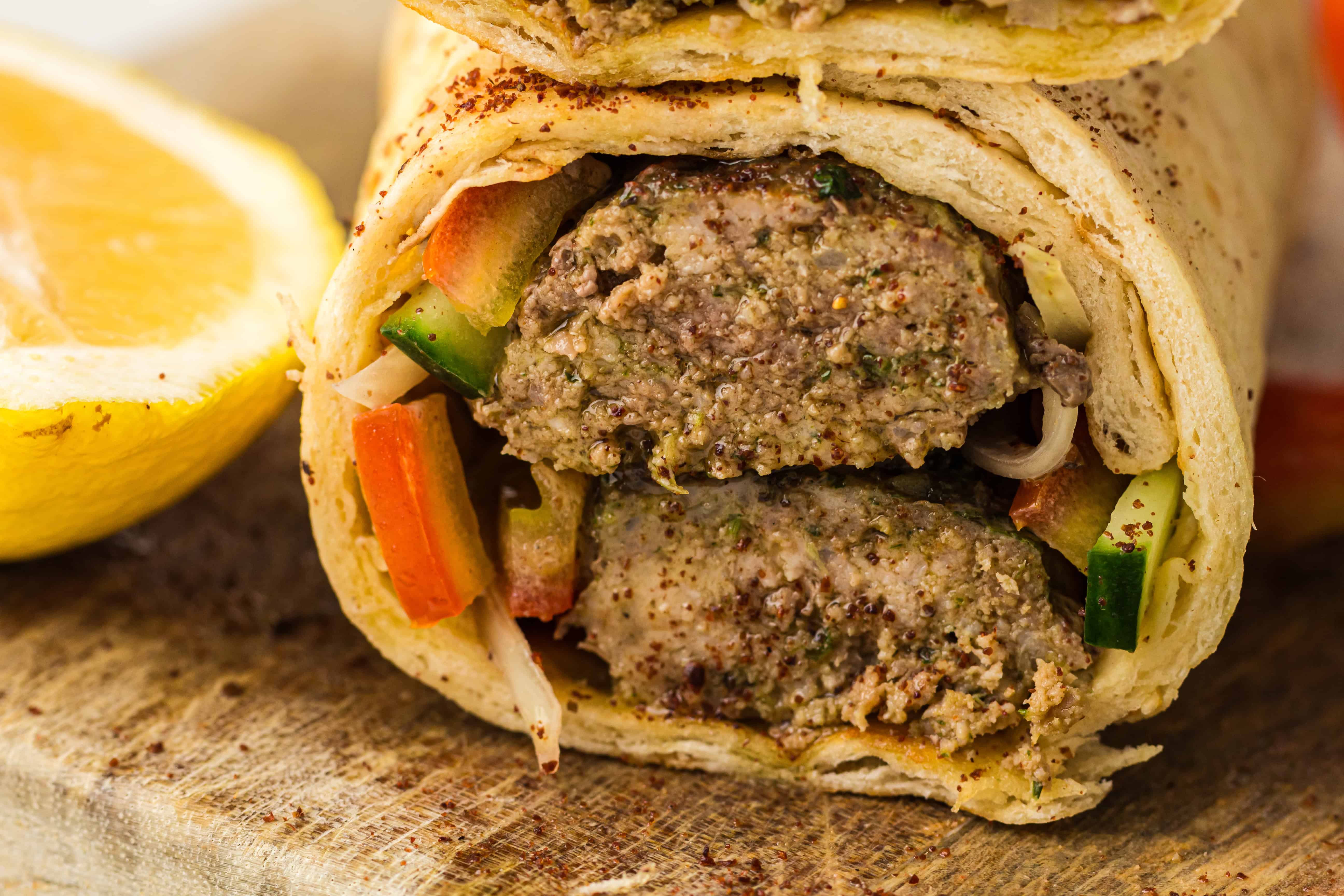
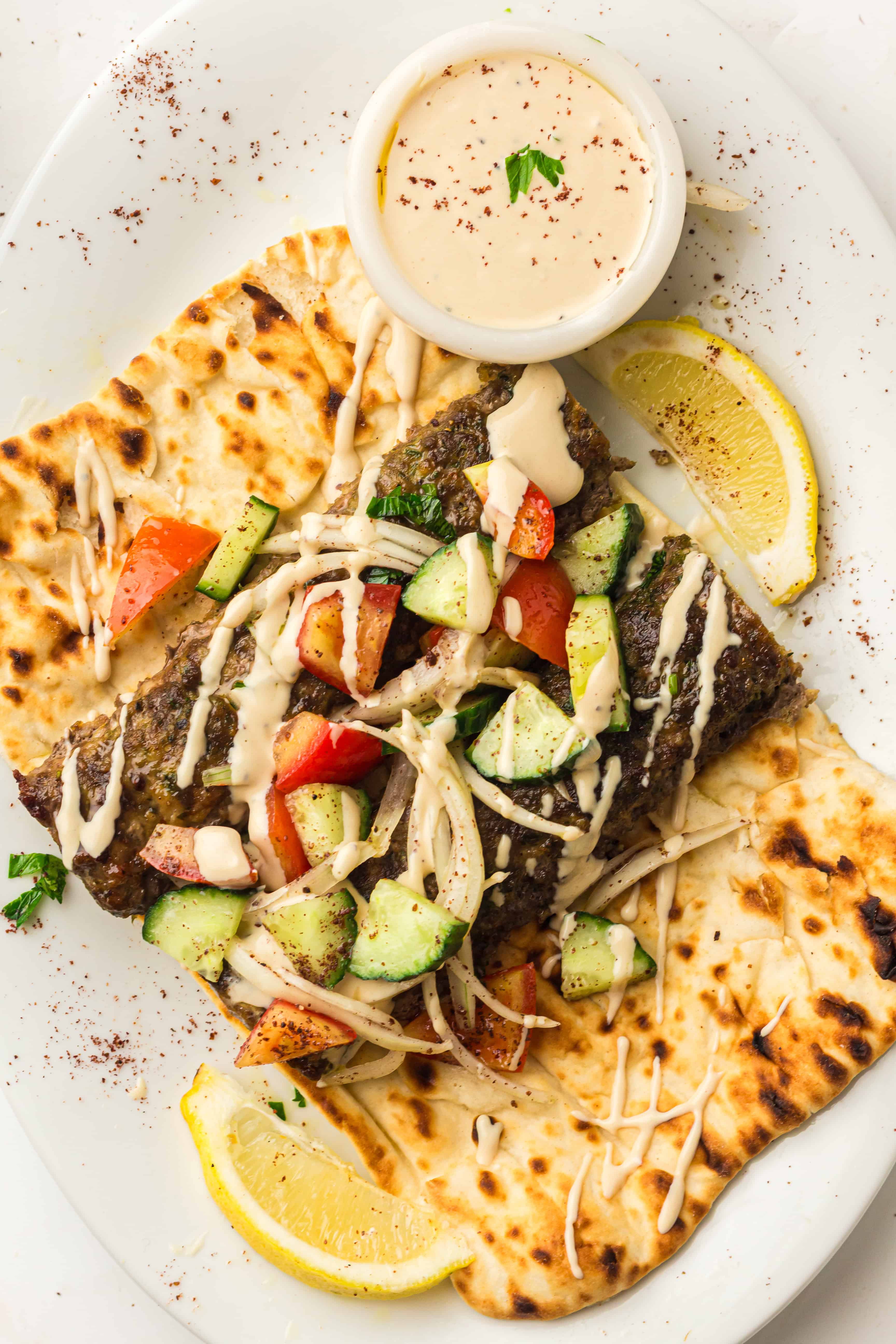
- Serve inside flatbreads or on plates, spoon the tahini sauce over the top. Pile the tomato-cucumber salad on the side or inside the wrap.
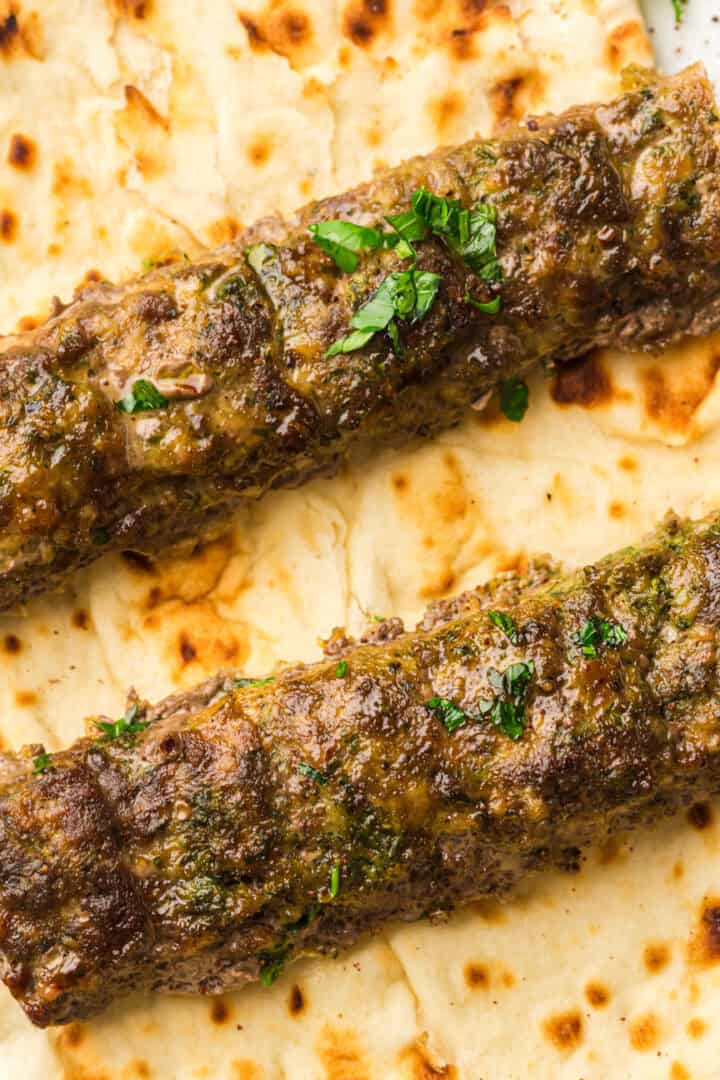
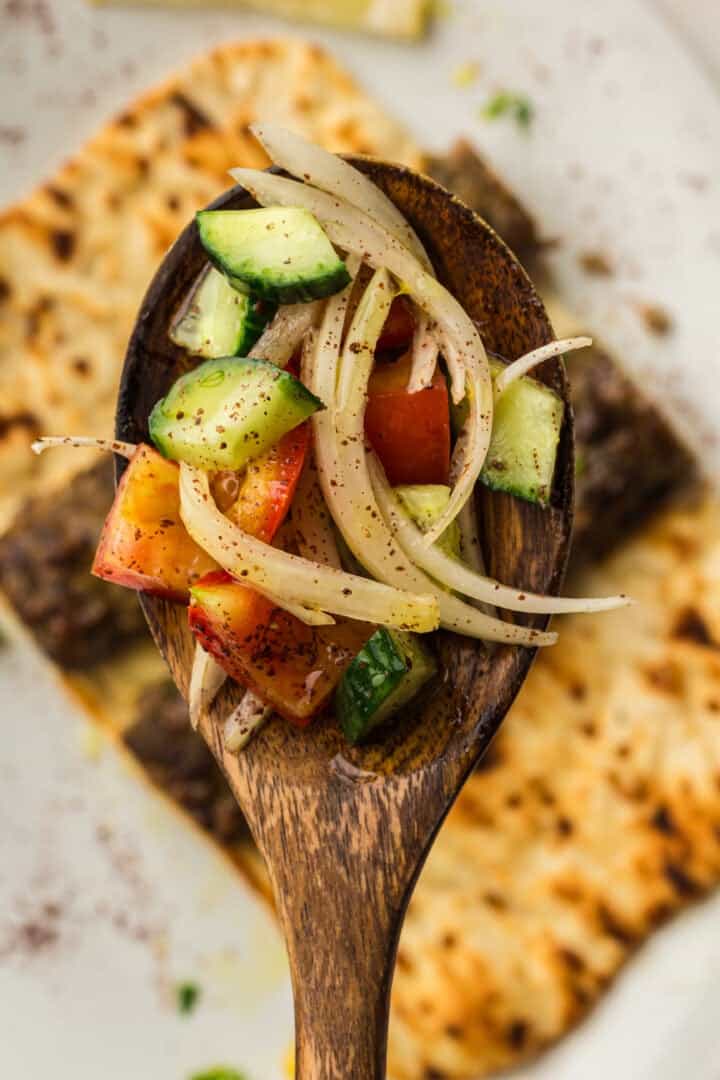
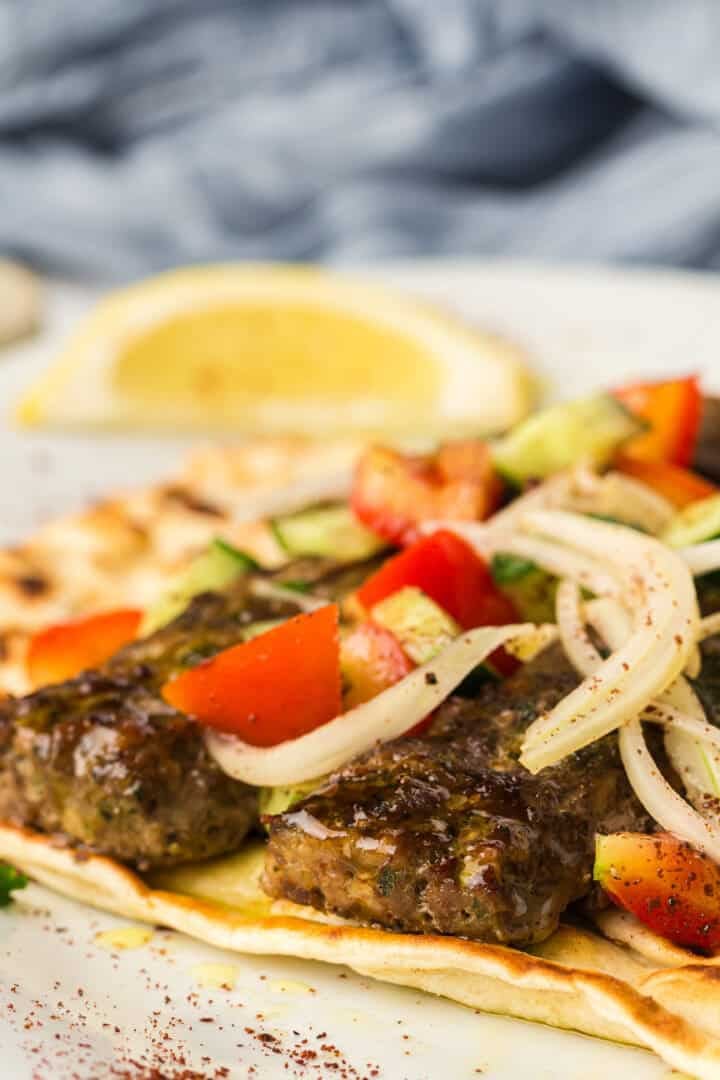
- The kofta should hold its shape when sliced, soak up some sauce, and still have enough bite that it does not crumble in your hands.
Storage
Once the sheet pan kofta has cooled, store the pieces in an airtight container in the fridge for up to 4 days. I like to store the tahini sauce and tomato-cucumber salad separately in small jars or containers so the meat stays firm and the vegetables don't soften too much. Reheat the kofta in a skillet or low oven until warmed through.
For longer storage, you can freeze the cooked kofta without the salad or sauce. Arrange the pieces in a single layer on a tray to freeze, then move them into a freezer-safe container or bag. They keep well for about 2 months. Thaw in the fridge overnight and reheat before serving, and mix a fresh batch of tahini and salad on the day you eat it.
Top Tips
Grind the aromatics smaller than you think - for the best texture, take the onion, garlic, and herbs almost to a paste in the food processor. I stop when the mix coats the sides of the bowl and no clear onion pieces remain. This helps the kofta slice cleanly and keeps kids from picking out "bits" in their portion.
Chill the meat mixture if it feels too soft - on very warm days, or if the beef feels loose and sticky, I slide the bowl into the fridge for 20-30 minutes before pressing it into the pan. A short chill helps the fat firm up, so the kofta holds its shape, browns better, and slices without crumbling.
Recipe
Tried and loved this recipe? Please leave a 5-star review below! Your reviews mean a lot to me, so if you've got any questions, please let me know in a comment.
Sheet Pan Koftas
Equipment
- Fine sieve
- Knife and cutting board
Ingredients
For the koftas
- 2 lb beef mince
- 1 small onion peeled
- 3 garlic cloves peeled
- ½ bunch parsley
- ½ bunch cilantro
- 1 teaspoon ground cumin
- 1 teaspoon ground coriander
- ½ teaspoon smoked paprika
- 1 teaspoon salt
- ½ teaspoon black pepper
- 2 tablespoon olive oil
For the tahini sauce
- ⅓ cup tahini
- 1 lemon Juice of
- 2-4 tablespoon hot water
For the sumac tomato-cucumber salad
- 1 medium tomato
- ¼ cucumber
- ½ teaspoon sumac
Instructions
Prep the aromatics and herbs
- Roughly chop the onion, garlic, parsley, and coriander. Add them to a blender or food processor and pulse until very finely chopped, almost like a paste, scraping down the sides as needed.
Drain the mixture
- Transfer the herb mixture to a fine sieve set over a bowl. Press firmly with the back of a spoon or your hand to squeeze out excess liquid, until it looks damp but not wet.
Mix the kofta base
- In a large mixing bowl, combine the drained herb mixture with the beef mince, cumin, ground coriander, smoked paprika, salt, and black pepper. Use your hands to mix until everything is evenly combined, then stop so the meat does not become dense.
Prepare the sheet pan
- Lightly grease a sheet pan with olive oil, making sure the base and corners are coated in a thin layer.
Press the kofta into the pan
- Spread the kofta mixture evenly across the pan in a layer about 1 inch thick. Smooth the top so it is level from edge to edge.
Score into rectangles
- Use a round cake cutter or a sharp knife to score vertical lines, then horizontal lines, creating small rectangles. Cut almost to the bottom without separating the pieces.
Bake the kofta
- Bake at 400°F (200°C) for 20-25 minutes, until the top is browned in spots and the meat is cooked through. For deeper color, place under the broiler for 3-5 minutes, watching closely.
Make the tahini sauce
- While the kofta bakes, add tahini and lemon juice to a small bowl. Whisk, then add hot water a spoonful at a time until the sauce is smooth and pourable. Season with salt and pepper to taste.
Make the tomato-cucumber salad
- Dice the tomato and cucumber into small pieces. Place in a bowl, sprinkle with sumac, drizzle with olive oil, and season lightly with salt and pepper. Toss gently to coat.
Serve
- Follow the score lines to cut the kofta into rectangles. Serve inside flatbreads or on plates, drizzle with tahini sauce, and add the sumac tomato-cucumber salad on the side or tucked into wraps.