Reheating leftovers can be tricky, especially with Chinese food. You know how it is: you're excited to dive back into last night's meal, but then you end up with soggy spring rolls or dried-out fried rice. But don't worry, with these 9 secrets for reheating Chinese food at home, you can enjoy those flavors and textures just like when they first hit your plate.
It's all about using the right method for each dish. Knowing when to use your oven, stovetop, or even a simple steamer can make a big difference. By taking a few extra steps, you'll be able to revive those noodles, rice, and crispy delights without sacrificing taste or texture. You don't need anything fancy, just a bit of know-how and some basic kitchen tools.
Whether you're dealing with saucy dishes, fried favorites, or delicate dim sum, the right reheating techniques will save the day. So, if you're tired of letting your leftovers go to waste or settling for less-than-great results, stick around. These secrets will keep your Chinese food tasting great, even on day two (or three).
Avoid Reheating Fried Foods in the Microwave
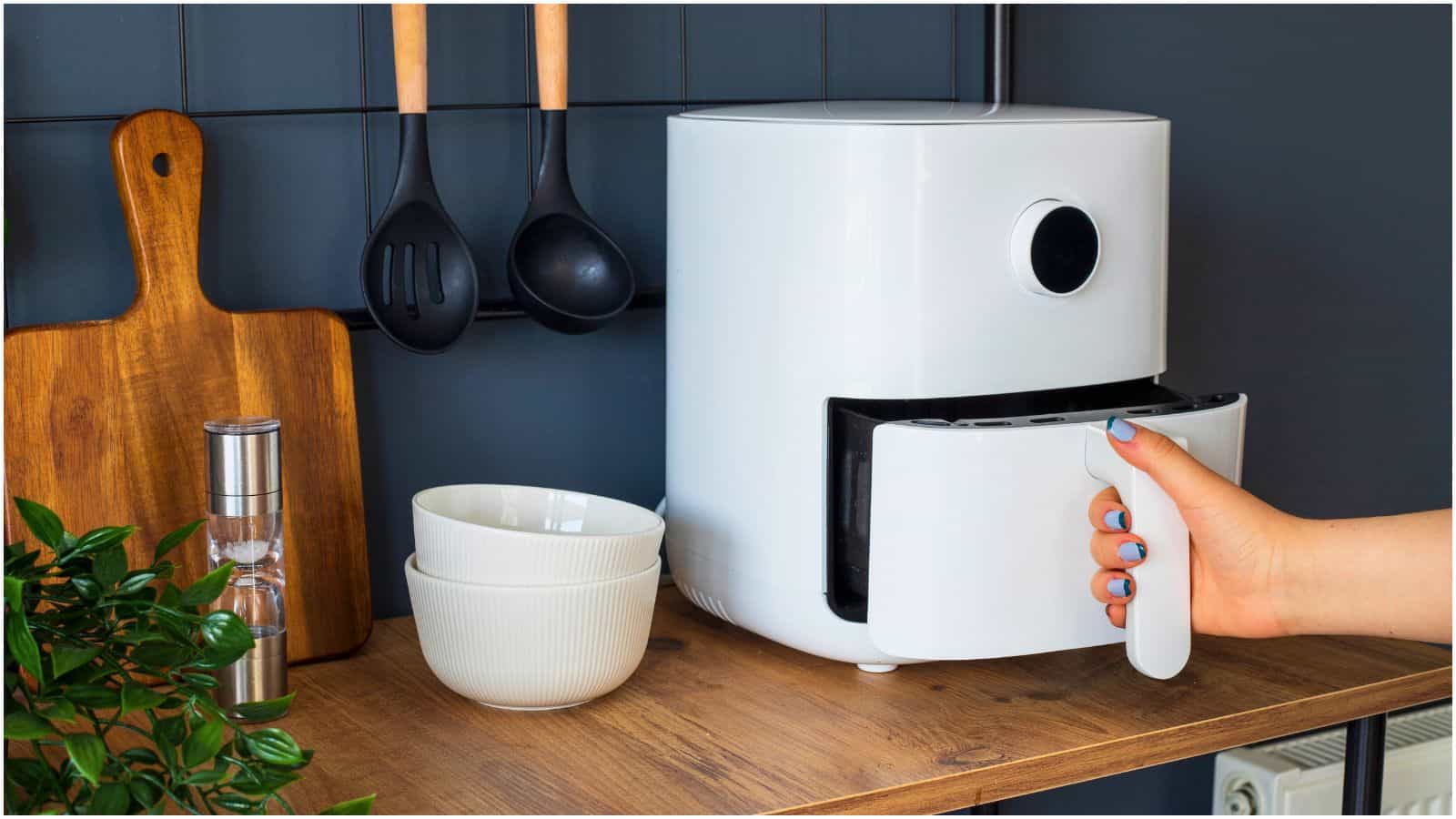
Reheating fried foods like egg rolls, fried rice, or crispy chicken in the microwave often makes them soggy. Instead, use an oven, skillet, or air fryer to bring back the desired crunch. The dry heat from these methods revitalizes the outer layer, restoring the texture without sacrificing the taste. Preheat the oven or air fryer, place the food on a wire rack or baking sheet, and heat for several minutes. This approach keeps the food crisp and avoids the limp, unappealing texture that microwaving can cause.
Oven for Crispy Dishes
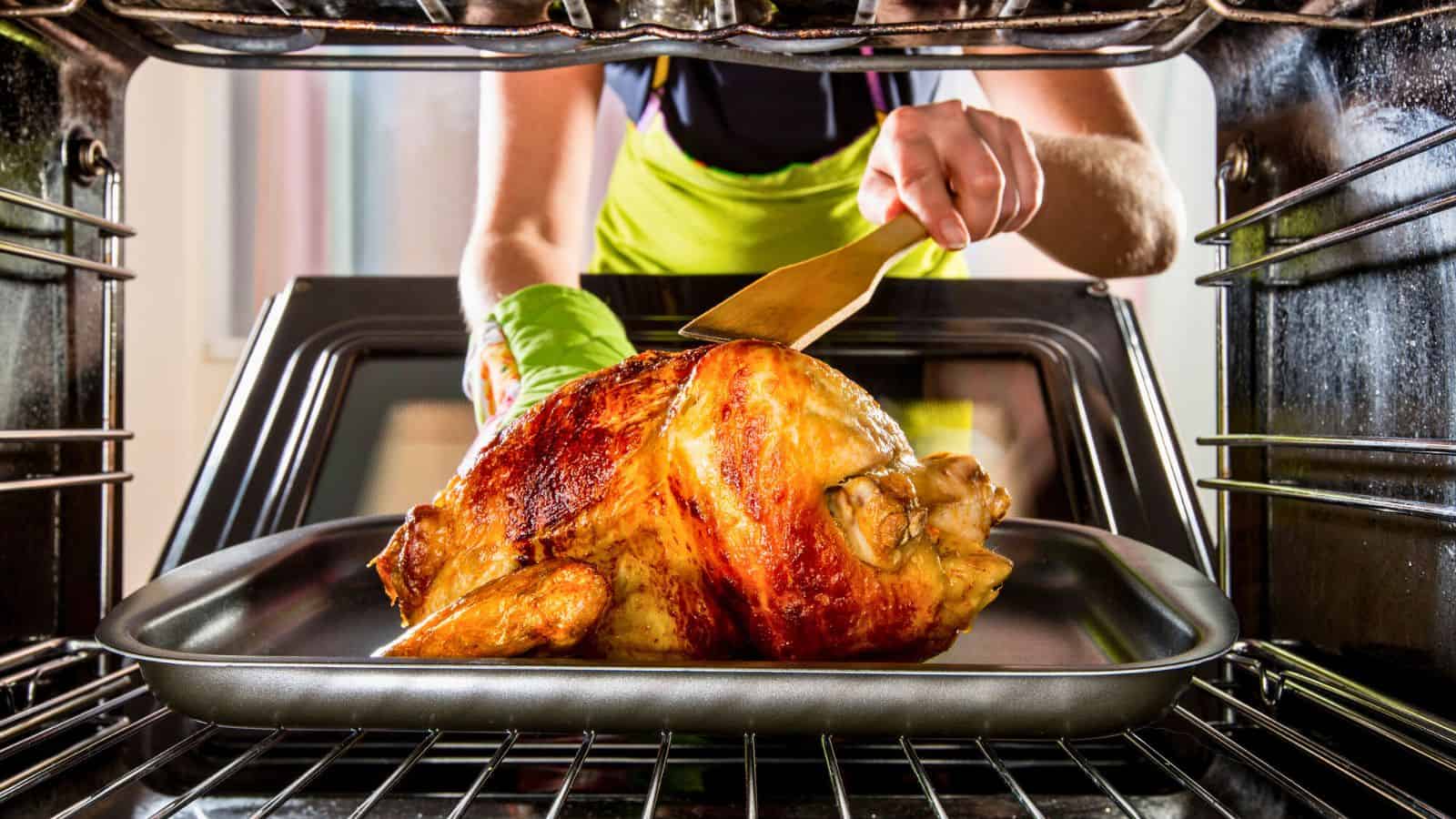
To reheat crispy items like spring rolls, egg rolls, or battered chicken dishes, use an oven or air fryer set to 375°F (190°C). Heat for about 10-15 minutes, turning halfway through for even reheating. This method prevents the food from becoming soggy, which often happens when using the microwave. It helps to re-crisp the outer layer while keeping the inside tender. For extra crispiness, place items on a wire rack inside a baking sheet. This allows heat to circulate around the food, reviving the original crunchy texture and making it enjoyable again.
Avoid High Heat in the Microwave
Reheating food in the microwave on medium heat instead of high helps warm it more evenly. High heat often causes uneven results, where some parts become overly hot while others remain cold. By using a lower setting and heating for a longer time, the food gets warmed consistently throughout. It's helpful to pause and stir the food occasionally to further distribute the heat evenly. This gentle reheating approach works well for most dishes, preserving the texture and preventing overcooking or drying out sensitive ingredients.
Cover with a Lid
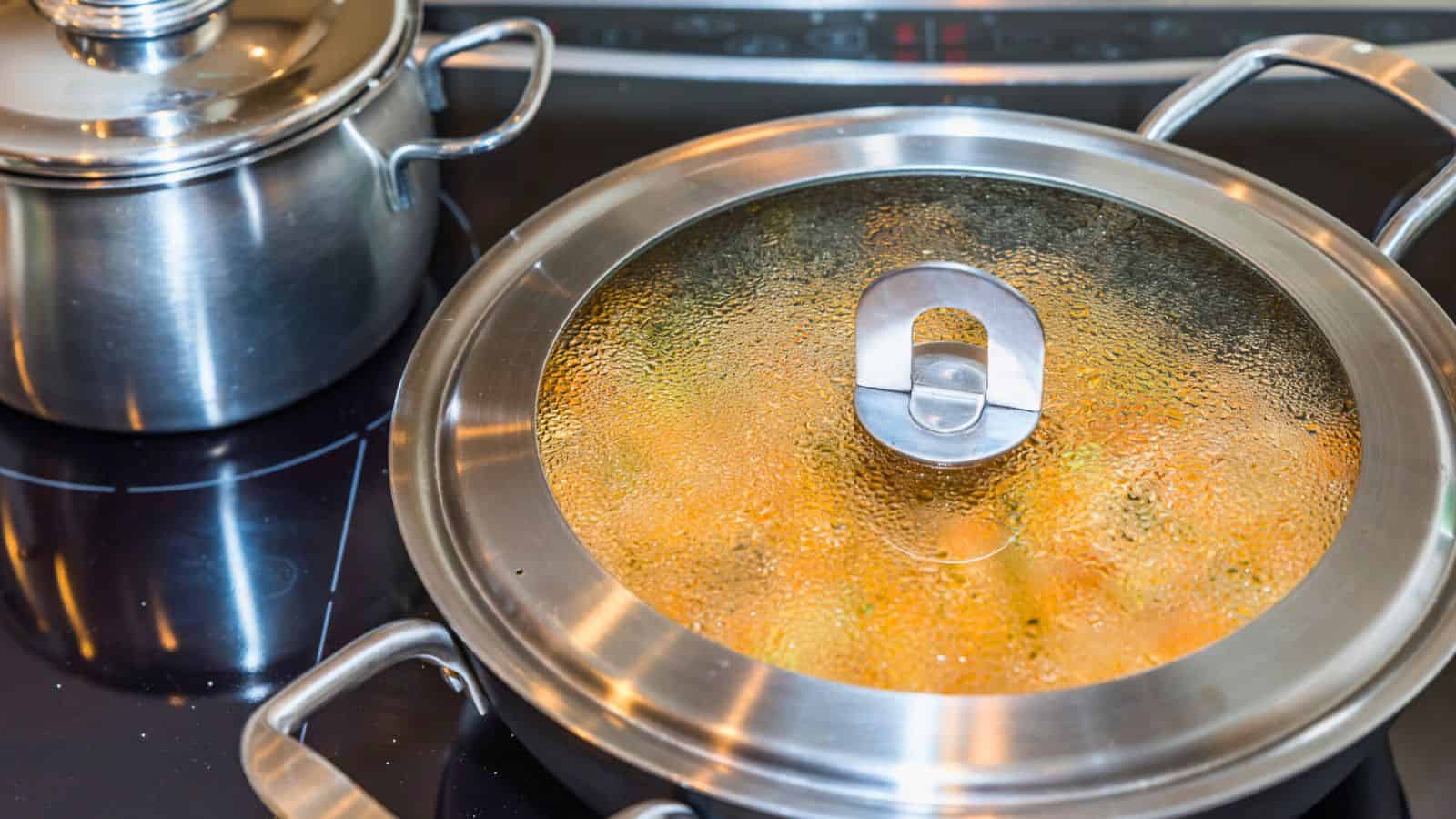
When reheating food in a pan, covering it with a lid helps trap steam inside, which gently warms the food. This method works well for dishes with sauces, rice, or noodles, as it keeps them from drying out. The trapped steam not only reheats evenly but also maintains the moisture, making the dish taste closer to how it was initially cooked. Stirring occasionally while reheating with the lid on helps distribute the heat throughout the dish, guaranteeing a balanced texture and preventing any sections from overcooking.
Reheat Soups and Sauces on the Stovetop
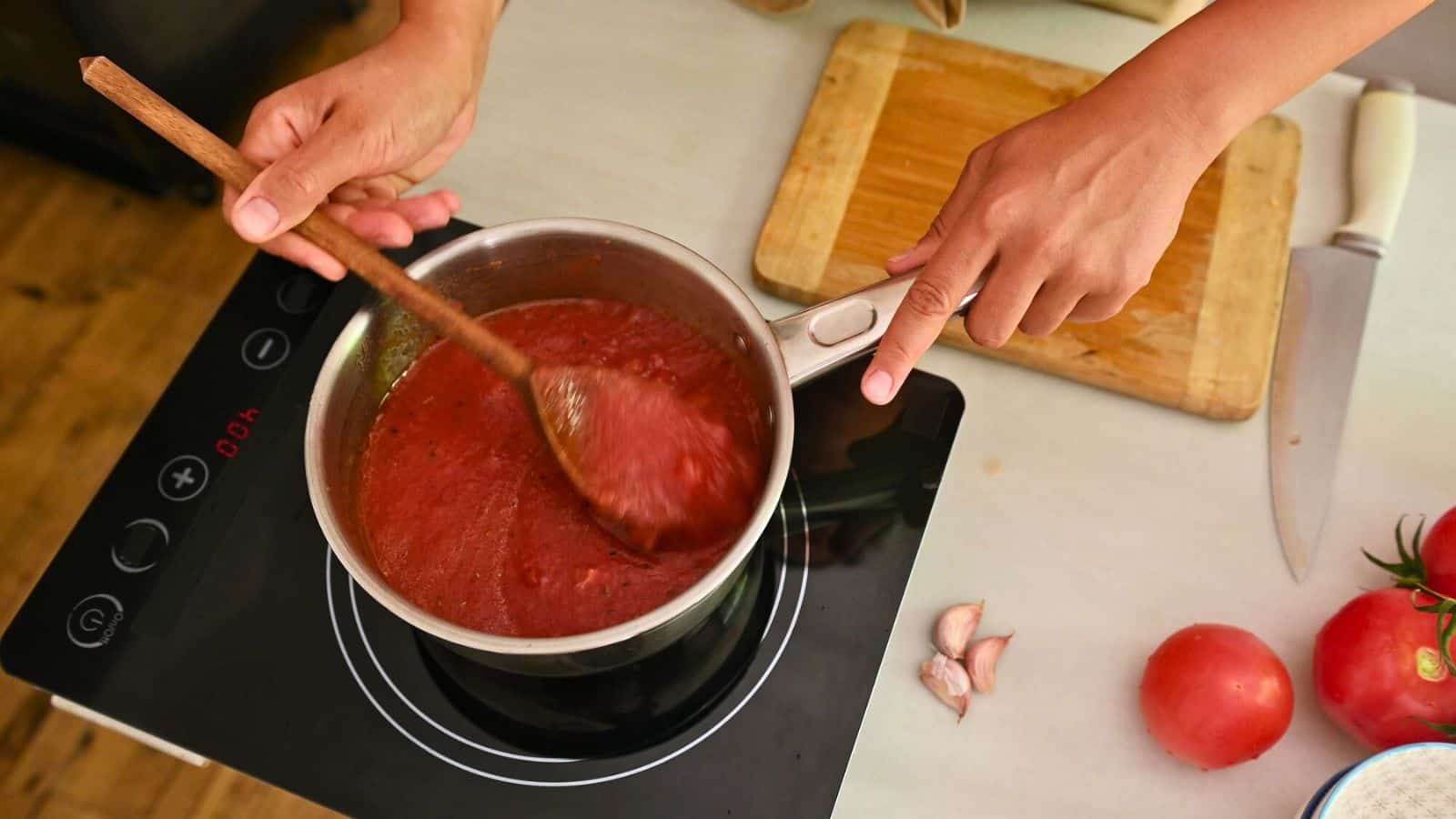
Reheating soups, sauces, or dishes with a lot of liquid is best done on the stovetop. This method gives better control over the temperature, preventing the food from breaking down or separating, which can often occur when microwaved. Heat slowly over medium heat, stirring regularly to keep the consistency smooth and even. This approach allows any ingredients like vegetables, meat, or noodles to heat without becoming mushy or overcooked. It also lets you add extra seasoning if needed, enhancing the overall reheating experience and keeping the dish flavorful.
Microwave with Water
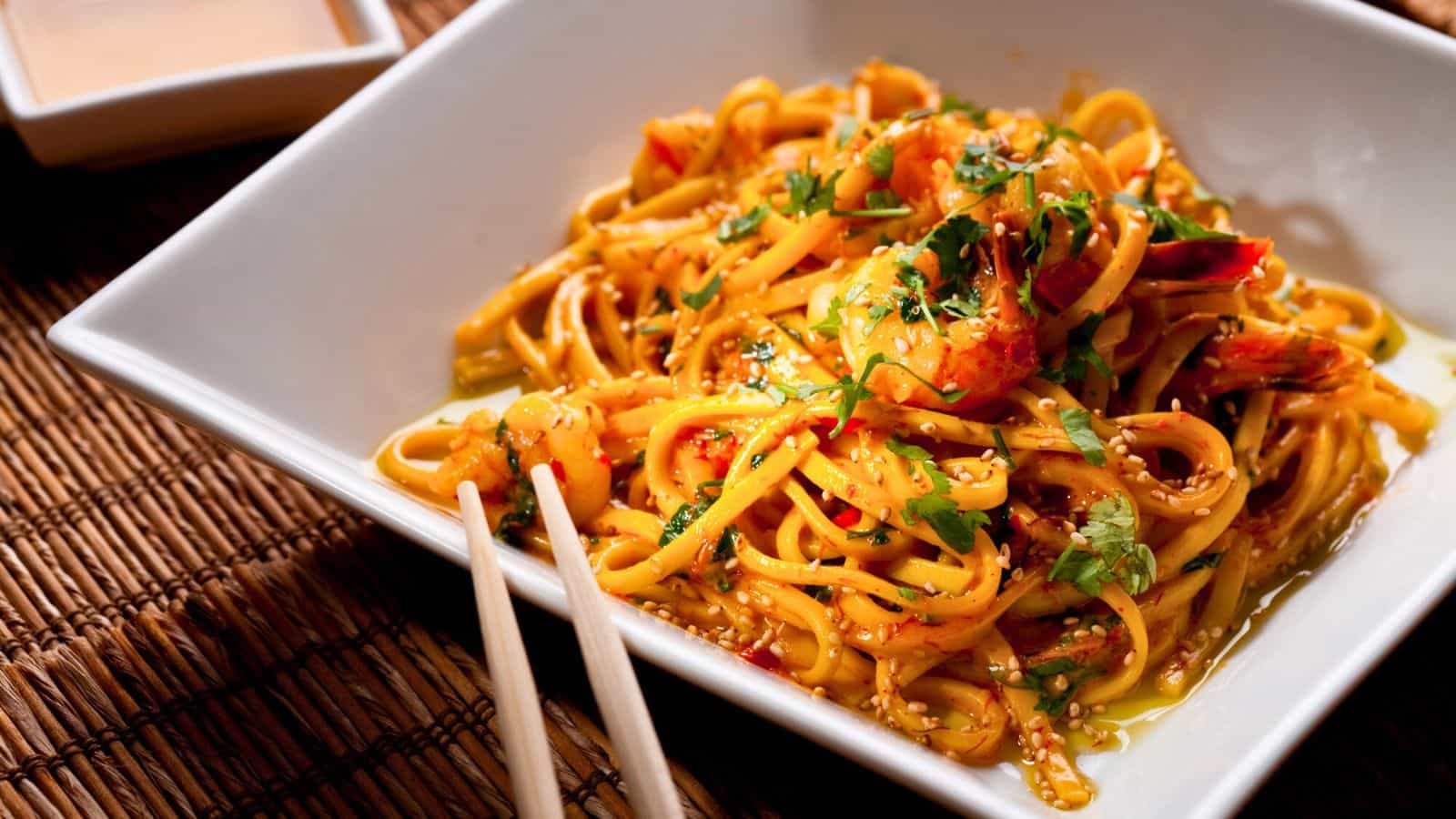
When reheating rice or noodles in the microwave, adding a small amount of water and covering it with a damp paper towel is essential. This approach helps to retain moisture, preventing the food from becoming dry or hard during reheating. The steam generated from the water and towel keeps each grain of rice or noodles soft and fluffy. Stirring halfway through helps distribute the heat evenly, making sure that the food is warmed without overcooking. This method is a quick and simple way to bring back the softness and prevent clumping.
Steam Dumplings and Buns
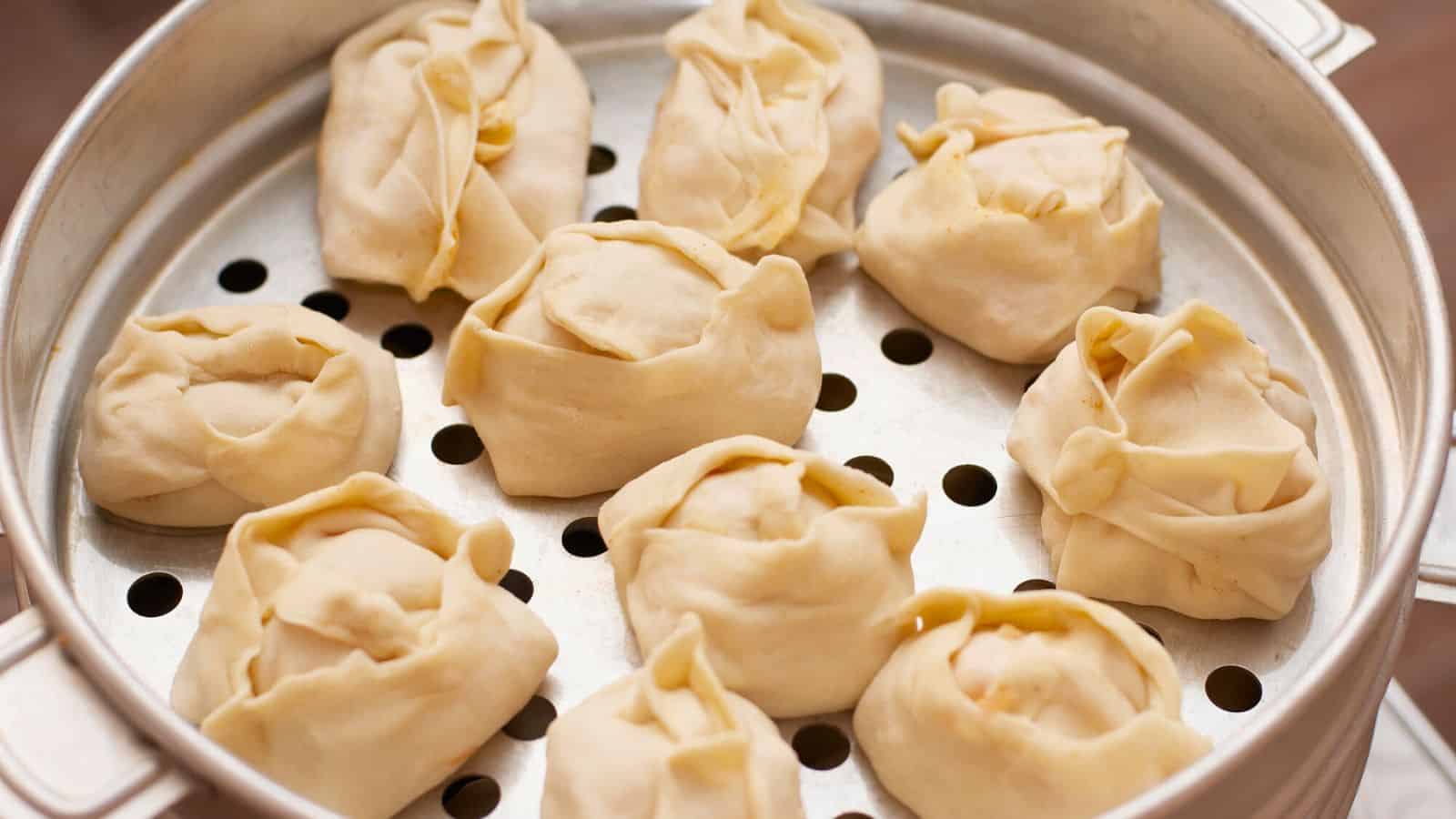
Using a steamer basket to reheat dumplings, buns, and dim sum items is effective in retaining moisture and softness. The steam gently warms the food without altering its texture, unlike microwaving, which often makes these items tough or rubbery. Place the dumplings or buns in a steamer lined with parchment paper or cabbage leaves to prevent sticking. Steam for several minutes until fully heated through. This method maintains the integrity of the dough and fillings, preserving the original mouthfeel and keeping the food palatable and soft.
Use a Wok or Skillet
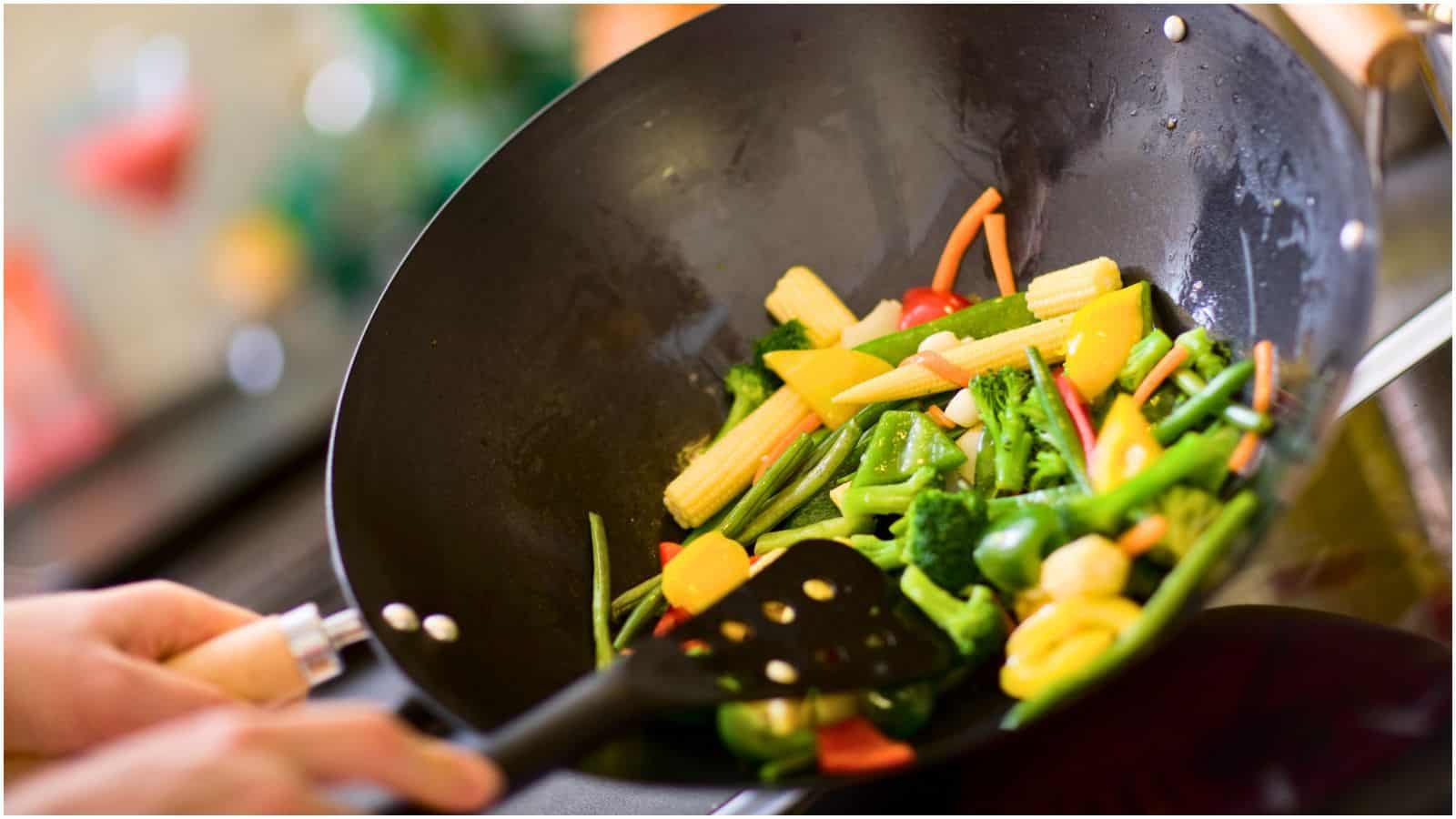
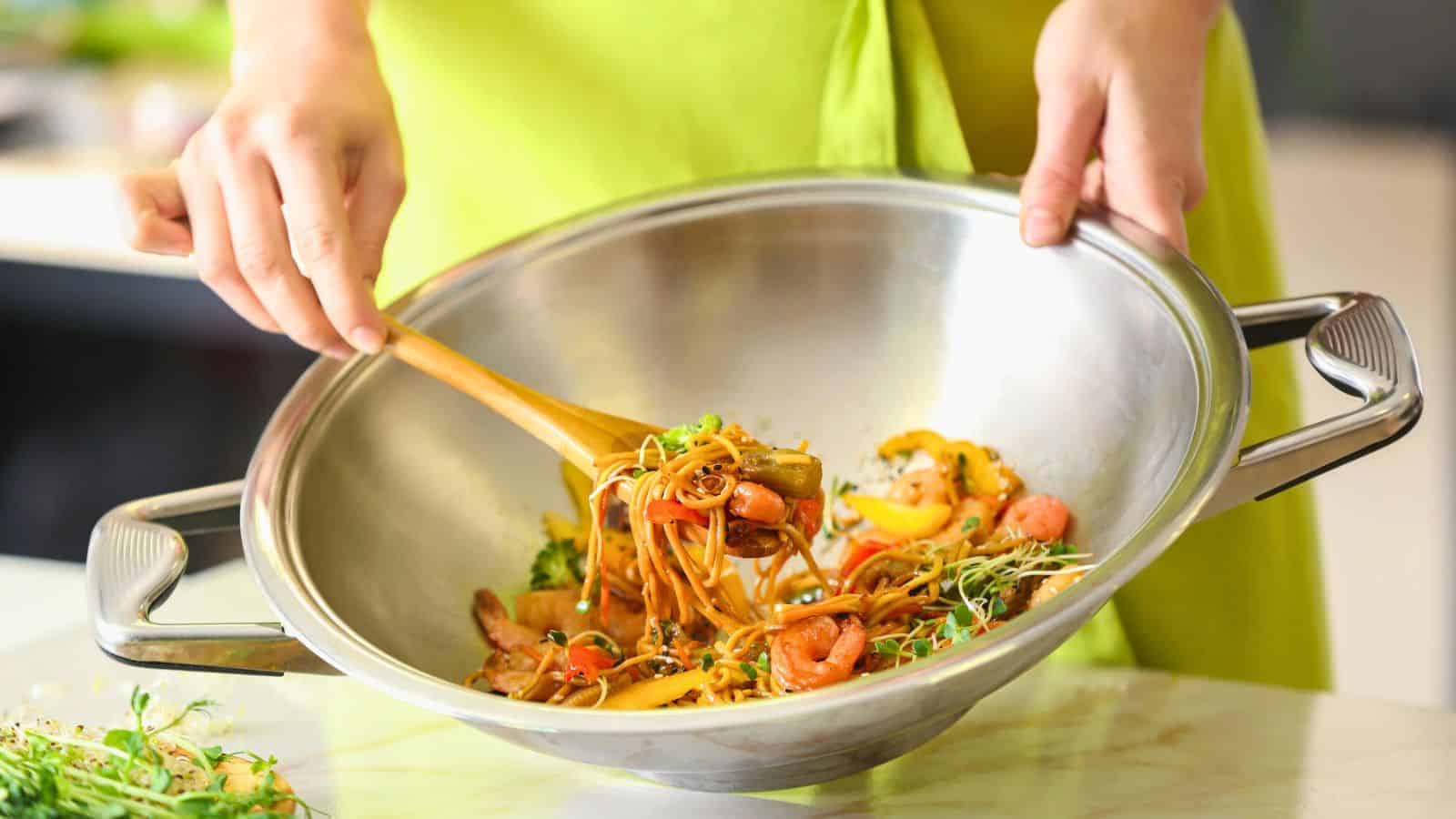
Reheating stir-fried dishes in a wok or skillet with a little oil brings back the texture and flavor that can be lost in the microwave. The high heat and direct contact with the pan help to revive the crispiness of vegetables and meat while keeping the sauce thick and flavorful. Adding a small amount of oil prevents sticking and enhances the overall taste. This method is ideal for keeping the food close to its original cooked state, making it as enjoyable as when first prepared.
Stir Frequently
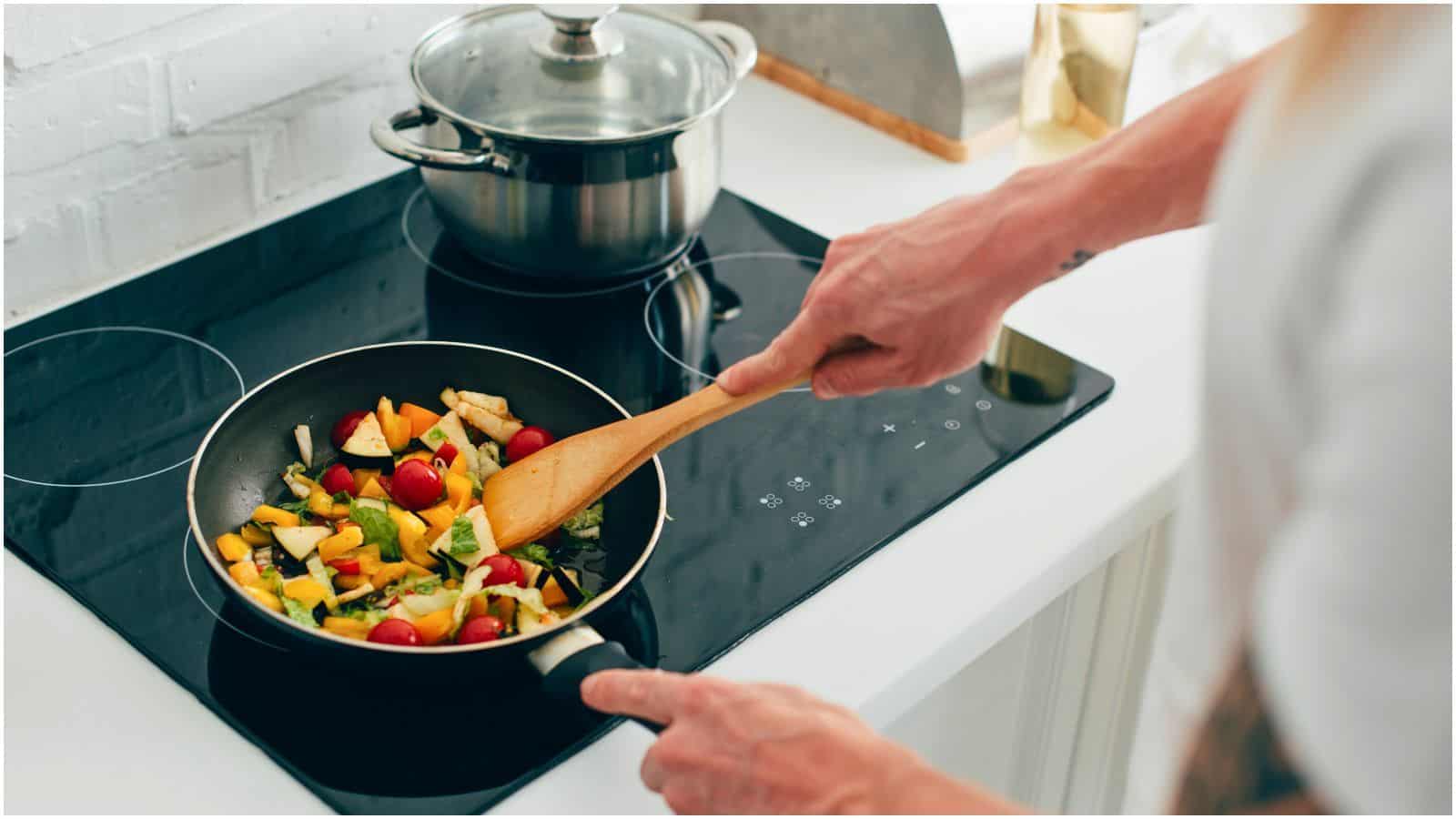
Stirring frequently when reheating food in a skillet or wok is crucial to prevent sticking and to make sure that the heat spreads evenly. This method works well for dishes with thick sauces, rice, or noodles, as it keeps all components from clumping together or burning on one side. Using medium heat and continuous stirring maintains the texture and prevents overcooking. For best results, reheat in small batches to avoid overcrowding the pan, which can lower the temperature and make the reheating process less effective, keeping everything fresh.
Reheat Right, Savor All Day and Night
Reheating Chinese food doesn't have to be a disappointment. By knowing the right methods, you can easily bring your favorite dishes back to their original taste and texture. It's all about choosing the right approach, whether that's using your stovetop, oven, or steamer instead of defaulting to the microwave every time.
A few small tweaks can make all the difference, keeping your food crispy, tender, and just as flavorful as when it was first cooked. Remember, different dishes need different techniques. Soups and sauces do best on the stovetop, fried items crisp up nicely in the oven, and dumplings stay soft and fresh when steamed. Don't be afraid to experiment with the right tool for each type of food.
So next time you're reaching for that takeout box in the fridge, you'll know exactly what to do. With these tips in your back pocket, you'll never have to settle for soggy, dried-out leftovers again. Instead, you can keep enjoying your favorite dishes just the way you like them.