
When I need something I can trust, this sweet, caramelized Middle Eastern roasted cauliflower is what I make. I've been roasting cauliflower like this for years, testing tray after tray until the edges came out right and the center stayed soft. My kids ask for it without prompting, and I've lost count of how many times Lin has eaten half a pan on her own.

There's a phase happening in my kitchen right now, and I'm holding onto it as long as I can. Lin has decided that cauliflower is the only thing she wants on her plate. Not pasta or rice, not even the soft breads she usually reaches for first.
A full tray of roasted cauliflower goes down in front of her, and she eats with both hands, reaching for the deepest golden pieces like she already knows where the best ones are.

I didn't arrive here easily. You know how it is. The small negotiations, the quiet standoffs, the way you start to question your own cooking when a child refuses something you thought would work. I tried everything. I needed something that felt honest, something that didn't hide the vegetable but let it become something else entirely.
This version came together on an evening when I stopped overthinking. It went through many rounds before it settled into this form, one my family now expects whenever cauliflower shows up at the market.
Cauliflower, olive oil, date syrup, garlic. Into the oven with no expectations. Halfway through, the kitchen turned. The sweetness deepened, the edges darkened, and there was that scent that reminds me of meals I've had across Middle Eastern tables, where vegetables sit at the center and no one rushes them.
When I pulled the tray out, it was sticky at the edges, soft in the middle, with those crisp bits that always disappear first. Lin didn't hesitate. Leo followed. Even my husband, who usually reaches for something heavier, kept going back for more.
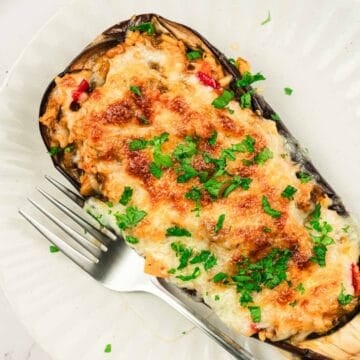
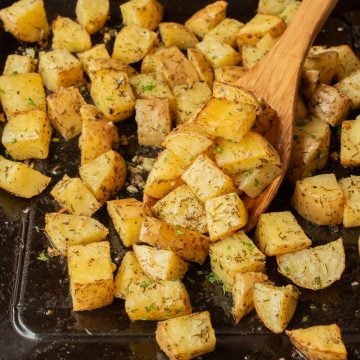
Since then, I've kept cauliflower close. Some nights it's the whole roasted version I've made before, placed at the center of the table and carved into like something special. Other times I scatter tomatoes and capers around it, letting everything roast together until the tray feels full and generous. And when I need something that waits in the fridge, I turn to pickled cauliflower, sharp and bright, tucked beside whatever else we're eating.

Imagine the sweet, sticky edges, the soft garlic pressed into each bite, the tahini running over the top. It's a small win I didn't expect, one that turned a long struggle into something my children now ask for before I even start cooking.
Ingredients

The center of this dish is cauliflower, and it matters more than it seems. I look for a tight, heavy head with compact florets since it roasts evenly and holds its shape while the edges turn deeply golden. If needed, broccoli can step in, though it cooks faster and carries a stronger flavor.
Organic date syrup, whether homemade date syrup or sotrebought, is what made this work in my kitchen. It melts into the cauliflower as it roasts, catching on the edges and creating that sticky finish my kids reach for first. It brings a deeper sweetness than honey, something closer to the flavors I remember from Middle Eastern dishes where fruit and vegetables often meet. Honey can replace it, though the result will be lighter and less complex.
The garlic goes in as a whole head, split open and roasted until soft. By the time the cauliflower is done, the cloves are mellow and almost creamy, ready to be pressed right into the tray. I keep the pieces large so they don't burn. If you only have loose cloves, add them whole or in thick slices, though you'll miss that soft, spreadable texture at the end.
Tahini ties everything together. It adds a creamy layer that settles into the roasted edges and brings the dish back to the flavors I keep close. I prefer raw tahini for its cleaner taste. If needed, a spoonful of plain yogurt can replace it, though it shifts the flavor slightly.
See the recipe card for full list and exact quantities.
Top Tips
Cut the florets uneven on purpose - I used to try to make every piece the same size, thinking it would cook more evenly. What actually works better is a mix of small and medium florets. The smaller ones turn deeply golden and crisp, while the larger ones stay softer inside. That contrast is what makes the tray disappear so quickly at the table.
Use a heavy baking tray if you have one - a thin tray heats too quickly and can burn the syrup before the cauliflower catches up. A heavier tray holds steady heat and gives you that slow caramelization on the edges. I noticed a big difference the first time I switched.
Add the tomato while everything is still hot, but not earlier - it's tempting to roast the tomato with the cauliflower, but it releases too much liquid and softens the edges. Squeezing it over right after roasting keeps the texture intact while adding that slight acidity that pulls everything together.

How to Make Middle Eastern Roasted Cauliflower Recipe

This is the kind of side dish where most of the work happens in the oven, but the small details along the way make all the difference. You're looking for contrast in every bite, crisp edges, soft centers, and that sticky spice coating that clings to the florets:
Prepare the Oven and Tray
- Start by heating your oven to 425°F and lining a baking sheet with parchment. The high heat is important here, it's what drives the caramelization.
- If the oven runs cool, the cauliflower will steam instead of roast, and you'll miss those golden edges.
Coat the Cauliflower Evenly

- As you toss everything together, pay attention to how it feels. The florets should be lightly coated, not dripping. The date syrup should cling in thin streaks, not pool at the bottom. If it gathers too much in one spot, those pieces can burn before the rest catches up.
- Spread everything out in a single layer. If the tray feels crowded, use a second one. Overcrowding traps moisture and softens the cauliflower instead of letting it crisp.
Roast Until Deeply Golden
- Slide the tray into the oven and let it roast undisturbed.
- Around the 20-minute mark, you'll start to see the edges turning golden. By 25 minutes, some tips should be darker, almost charred in places.
Press the Roasted Garlic

- Squeeze them out of their skins directly onto the cauliflower. They should spread easily, almost like a paste. If they resist, they needed more time in the oven.
Build the Final Layers


- You're looking for juice, not chunks. It should lightly coat the surface, adding a gentle acidity without soaking the florets.
Finish and Serve

- Serve right away while the edges are still firm and the contrast between textures is at its best.
- If left sitting too long, the steam softens the crisp edges, so this is one of those dishes that's best enjoyed straight from the tray to the table.
Storage

If you have leftovers, let the cauliflower cool completely before storing. Transfer it to an airtight container and keep it in the refrigerator for up to 3 days. The flavors settle further by the next day, though the crisp edges will soften.
To reheat, spread the cauliflower on a baking sheet and place it in a hot oven until heated through. This helps bring back some of the texture. A microwave works for convenience, though it will stay soft throughout.

For longer storage, you can freeze the roasted cauliflower, but the texture will change. The florets lose their crisp edges and become softer once thawed. If freezing, place in a sealed container or freezer-safe bag and store for up to 1 month. Thaw in the refrigerator, then reheat in the oven to warm through.
FAQ
This usually comes down to moisture or crowding. If the florets are too close together on the tray, they steam instead of roast. I always spread them in a single layer with space between pieces. Oven temperature also matters. A lower heat will soften the cauliflower without giving it those golden edges. High heat is what creates the contrast between crisp outside and tender inside.
Garlic turns bitter when it's exposed or sliced too small and left to roast too long. Keeping the head whole and halved protects it as it softens. If cloves are exposed too early or placed directly on hot edges of the tray, they can burn. Pressing the garlic out after roasting keeps it mellow and spreadable.
Date syrup is what helps the cauliflower caramelize and develop that sticky coating. Honey can be used instead, though it will be lighter and slightly less deep in flavor. Maple syrup also works, but it leans sweeter and less earthy.
Yes. The recipe is naturally plant-based. Just check that your tahini is pure sesame paste with no added dairy fillers or additives. Everything else is already plant-based.
Recipe
Tried and loved this recipe? Please leave a 5-star review below! Your reviews mean a lot to me, so if you've got any questions, please let me know in a comment.

Middle Eastern Roasted Cauliflower
Equipment
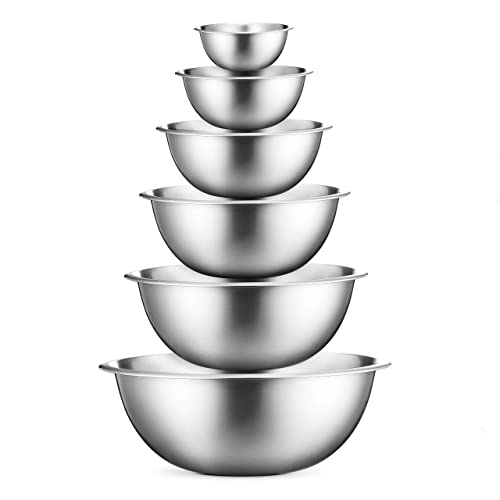
- Mixing Bowl optional
- Knife and cutting board
- Spoon or hands for tossing
Ingredients
- 1 head cauliflower cut into florets
- 3 tablespoon olive oil
- 2 tablespoon date syrup
- 1 head garlic halved
- 1 teaspoon salt
- ½ teaspoon black pepper
- 1 tablespoon fresh thyme
- Juice of ½ lemon
- ½ tomato for squeezing
- 2 tablespoon tahini
- 2 tablespoon almonds sliced
- 2 tablespoon parsley chopped
Instructions
Prepare the oven and tray
- Heat your oven to 425°F and line a baking sheet with parchment. This high heat helps the cauliflower develop deep color instead of softening too quickly.
Coat the cauliflower
- Place the florets on the tray. Add olive oil, date syrup, garlic, salt, pepper, and thyme. Toss until everything is evenly coated. The florets should look lightly glossy, not wet.
Spread and roast
- Spread the cauliflower in a single layer with space between pieces. Roast for about 25 minutes. The edges should turn golden with some darker spots, while the centers stay tender.
Press the garlic
- Remove from the oven and let it cool slightly. Squeeze the softened garlic cloves out of their skins directly onto the cauliflower. They should feel soft and spread easily.
Build the flavor
- Transfer to a serving plate. Squeeze fresh tomato juice over the top, followed by lemon juice. The heat helps everything absorb into the cauliflower.
Finish and serve
- Drizzle tahini over the top. Sprinkle with sliced almonds and parsley. Serve while still hot, when the edges are at their best.