
Back pain can be a serious hassle, creeping in when you least expect it and refusing to let go. While reaching for pain meds might feel like a quick fix, there's another way to tackle that discomfort-through nutrition. These 9 foods for back pain play a powerful role in managing pain, especially when it comes to inflammation and muscle health.
Think of it this way: some foods naturally help calm inflammation, support muscle repair, and keep your spine in great condition. You don't need fancy or hard-to-find ingredients to make this happen. Everyday foods you probably already enjoy can become your go-to allies in the fight against back pain.
We're going to talk about simple yet effective food options that can help you manage back pain and feel more comfortable in your day-to-day life. No complex diets or tough-to-follow plans-just straightforward advice on what to eat to support your back health. Let's explore how a few adjustments to your meals can make a noticeable impact on your pain levels and well-being.

Salmon
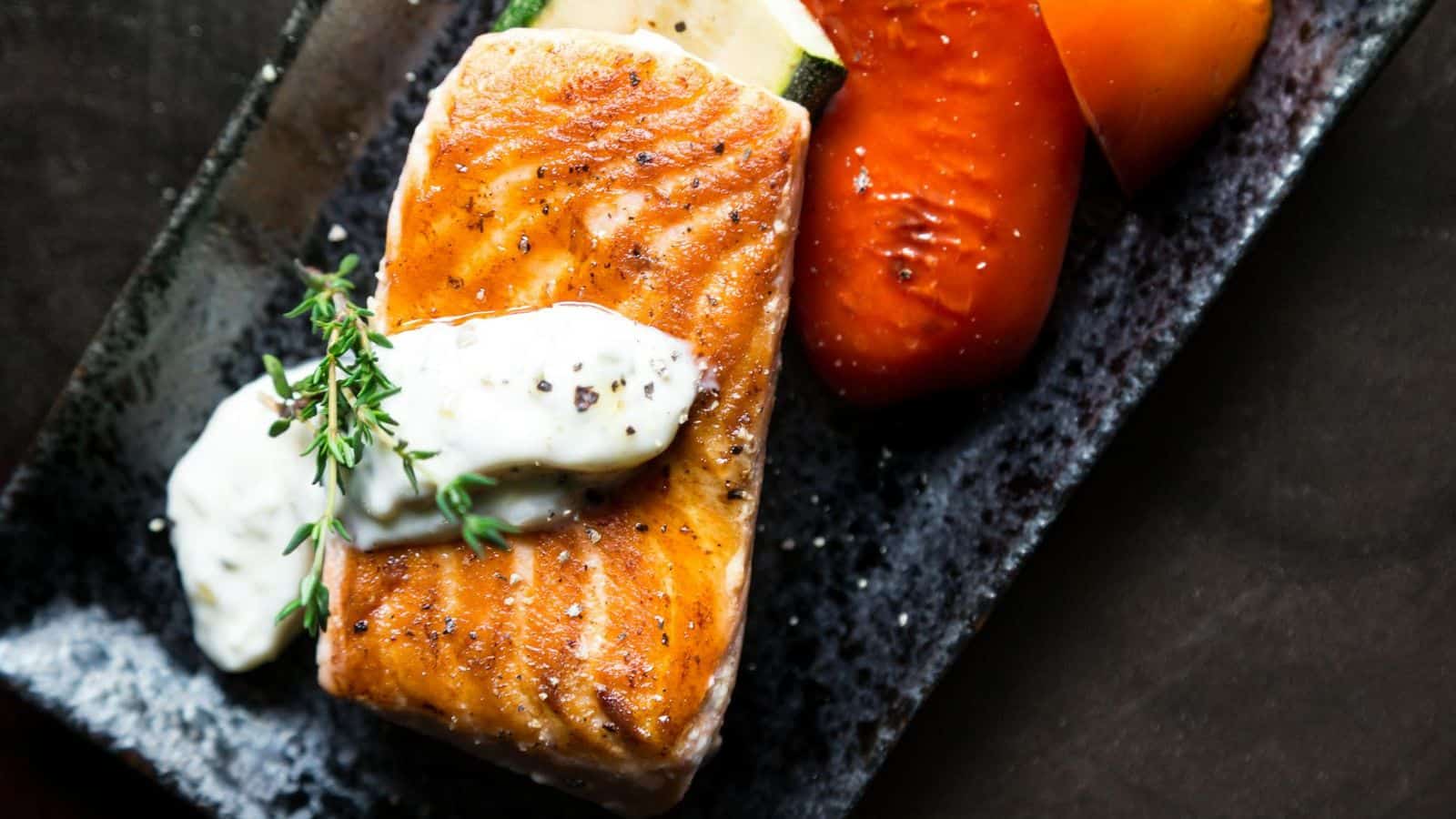
Salmon is packed with omega-3 fatty acids, which are known to reduce inflammation, a key factor in back pain. These healthy fats help decrease the production of inflammatory chemicals in the body, aiding in muscle recovery and joint health. Additionally, salmon is a great source of high-quality protein, which supports muscle repair and body function. Regularly consuming salmon can help maintain a healthy weight, reducing strain on the spine. Rich in vitamin D and B vitamins, salmon also supports bone health and energy metabolism, making it an excellent choice for pain management.
Turmeric
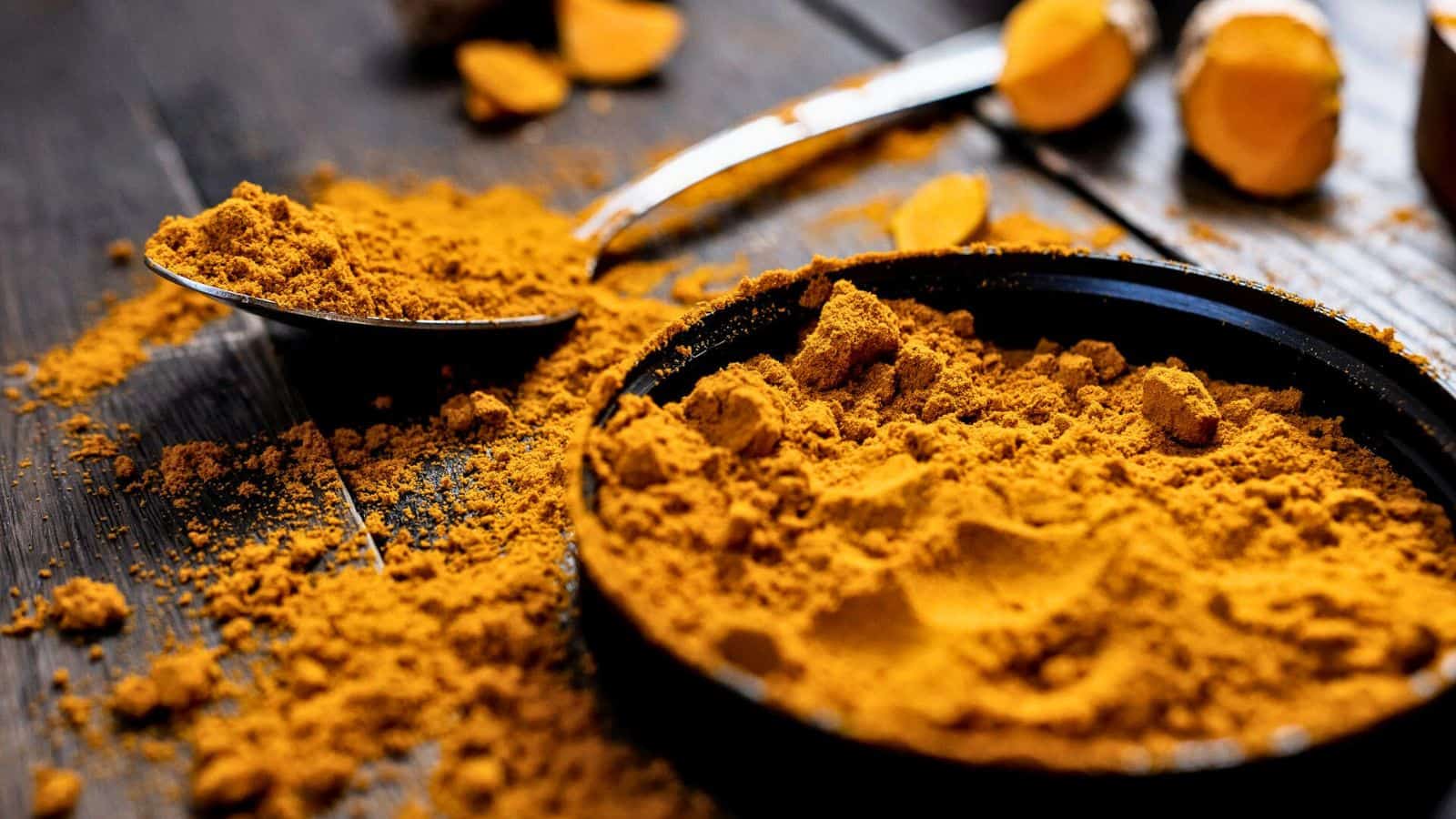
Turmeric contains curcumin, a powerful compound with anti-inflammatory and antioxidant properties that can help reduce back pain. Curcumin works by inhibiting inflammatory pathways in the body, which can help alleviate pain and swelling. Incorporating turmeric into your diet, whether in curries, soups, or smoothies, can supply ongoing relief from chronic pain conditions. Its anti-inflammatory effects are comparable to some over-the-counter medications but without the side effects. To enhance curcumin absorption, pair turmeric with black pepper, which contains piperine, a compound that significantly boosts curcumin's bioavailability, maximizing its benefits for pain relief.
Ginger
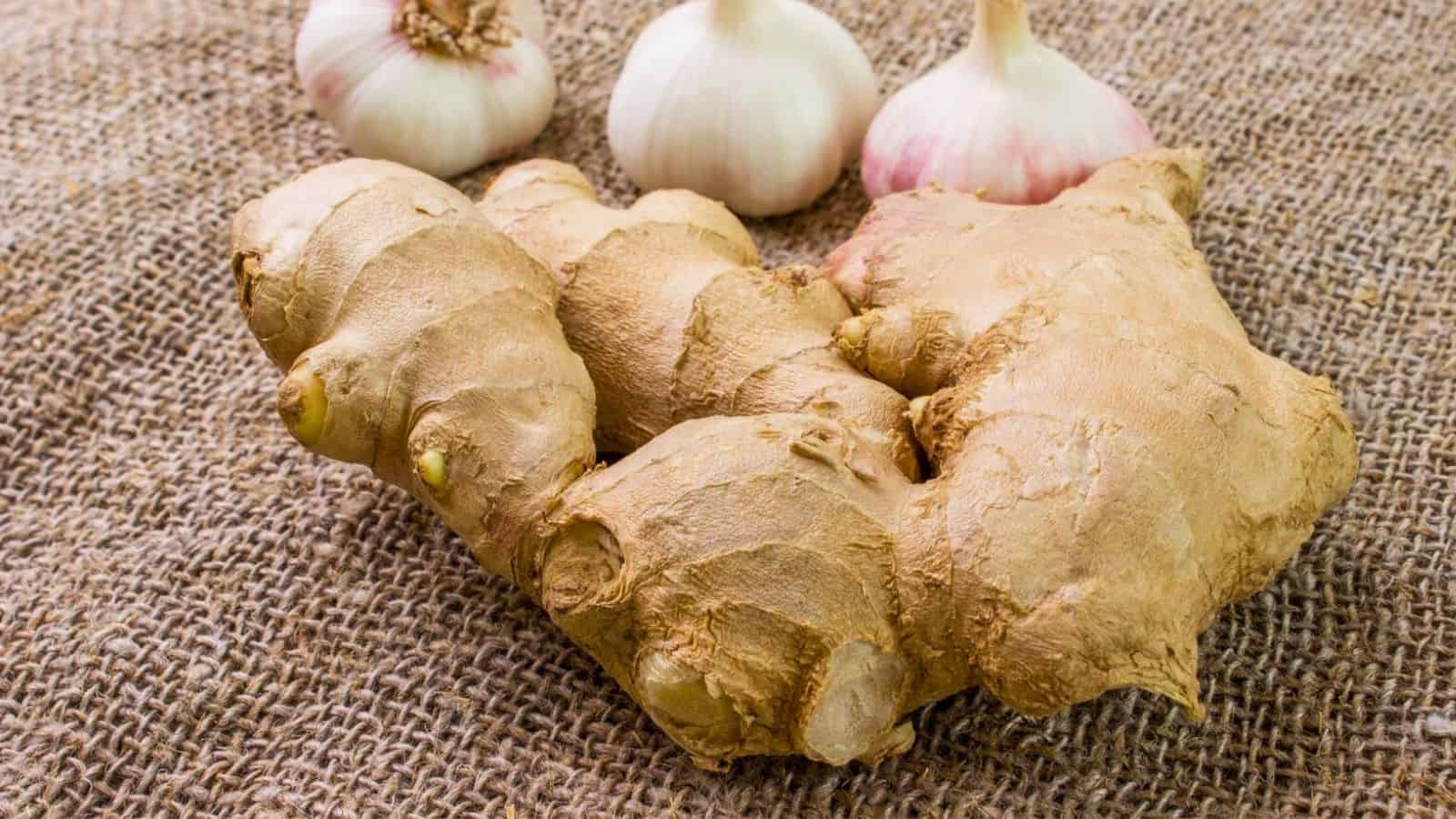
Ginger is known for its potent anti-inflammatory and analgesic effects, which make it beneficial for reducing back pain. The gingerol compounds found in ginger inhibit the production of chemicals that cause inflammation, delivering relief similar to pain medications but in a natural form. Adding ginger to your diet, whether fresh, dried, or in tea, can help soothe muscle soreness and joint pain. It also promotes better circulation, aiding in muscle recovery and overall pain reduction. Ginger's digestive benefits also help reduce bloating, which can indirectly ease pressure on the spine and improve comfort.
Cherries

Rich in antioxidants and anti-inflammatory compounds, cherries can help alleviate muscle soreness and back pain. Anthocyanins, the pigments that give cherries their vibrant color, have been shown to reduce inflammation in the body, similar to the effects of certain pain medications. Consuming cherries or cherry juice regularly may help manage pain levels, especially after physical activities that strain the back. The natural melatonin content in cherries also promotes better sleep, which is crucial for recovery and pain management. Including cherries in your diet can be an effective way to combat inflammation and support spinal health.
Leafy Greens

Loaded with nutrients like magnesium, leafy greens such as spinach and kale help relax muscles and support spinal health. Magnesium plays a crucial role in muscle function and helps reduce inflammation, making it beneficial for managing back pain. Additionally, leafy greens are rich in calcium, which strengthens bones and helps maintain proper posture. They also have antioxidants, which combat oxidative stress and further reduce inflammation in the body. Incorporating leafy greens into meals not only supports muscle relaxation but also contributes to better joint health and pain reduction, enhancing your body's resilience.
Nuts and Seeds
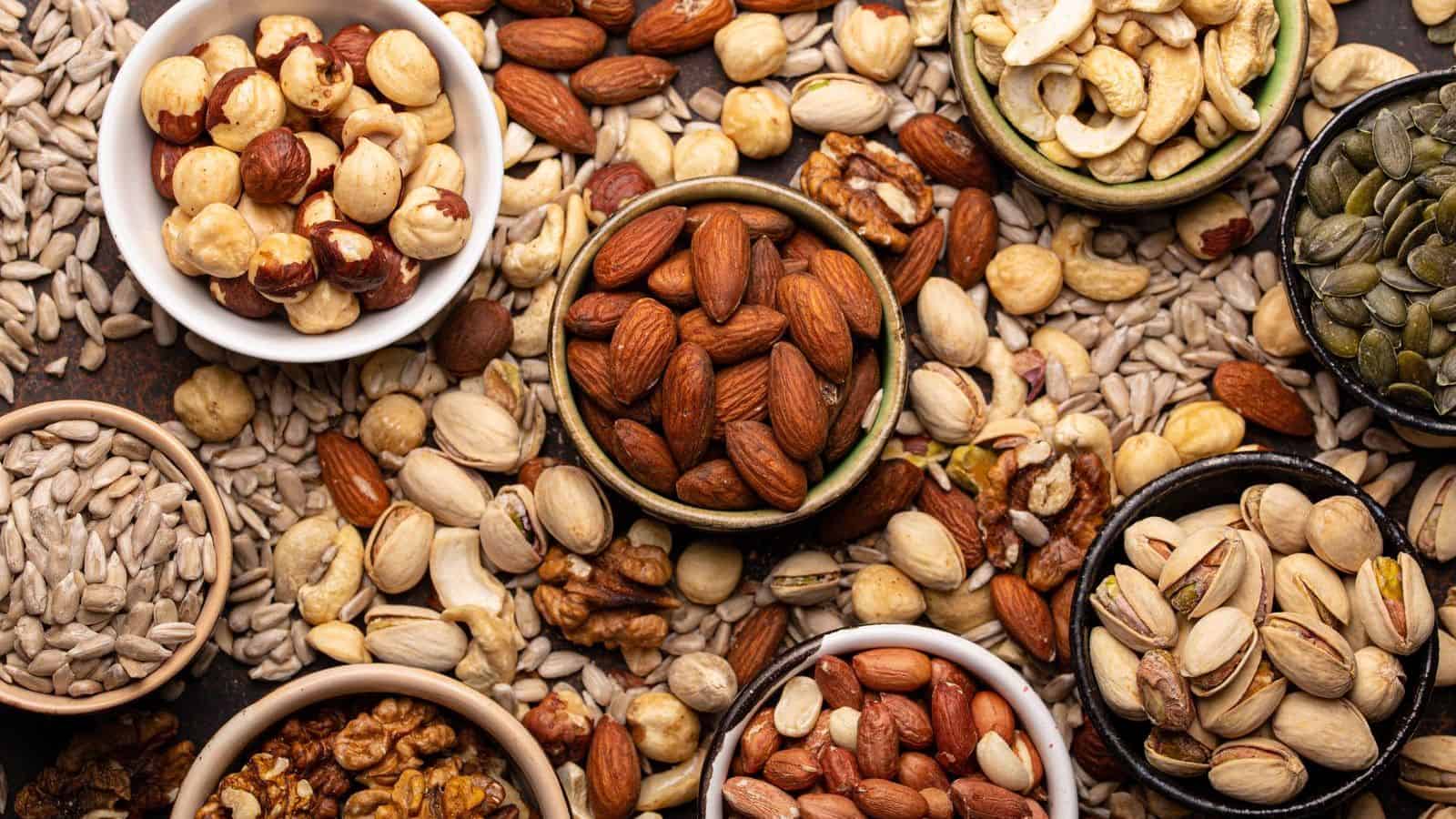
Almonds, walnuts, and flaxseeds are rich in omega-3 fatty acids and antioxidants, which work to reduce inflammation and improve muscle function. These healthy fats support joint health, reduce swelling, and may help alleviate chronic pain symptoms. Nuts and seeds are also packed with magnesium and vitamin E, both of which play roles in reducing muscle tension and protecting cells from oxidative damage. Including a variety of nuts and seeds in your diet supplies a nutrient-dense snack option that supports pain management, enhances recovery, and contributes to maintaining healthy muscle and nerve function.
Avocado
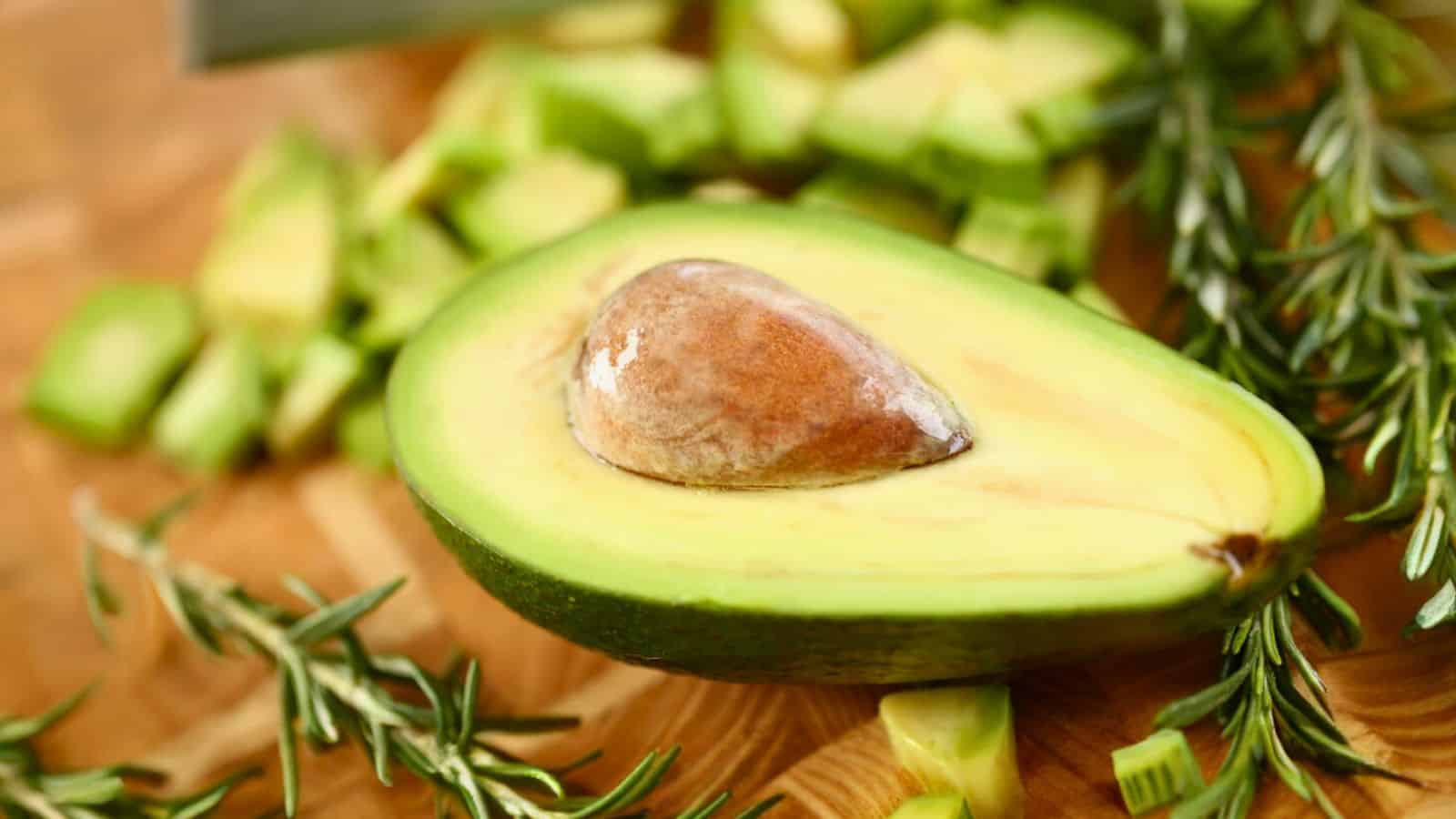
High in healthy fats and antioxidants, avocados can help reduce inflammation and support joint and muscle health. The monounsaturated fats found in avocados aid in decreasing inflammatory markers, which can contribute to back pain relief. Avocados are also rich in potassium, which helps prevent muscle cramps and supports proper muscle function. Additionally, they contain vitamins C and E, which protect cells from oxidative damage and help with tissue repair. Including avocado in your diet can enhance your body's ability to manage pain, improve mobility, and contribute to a balanced anti-inflammatory diet.
Berries
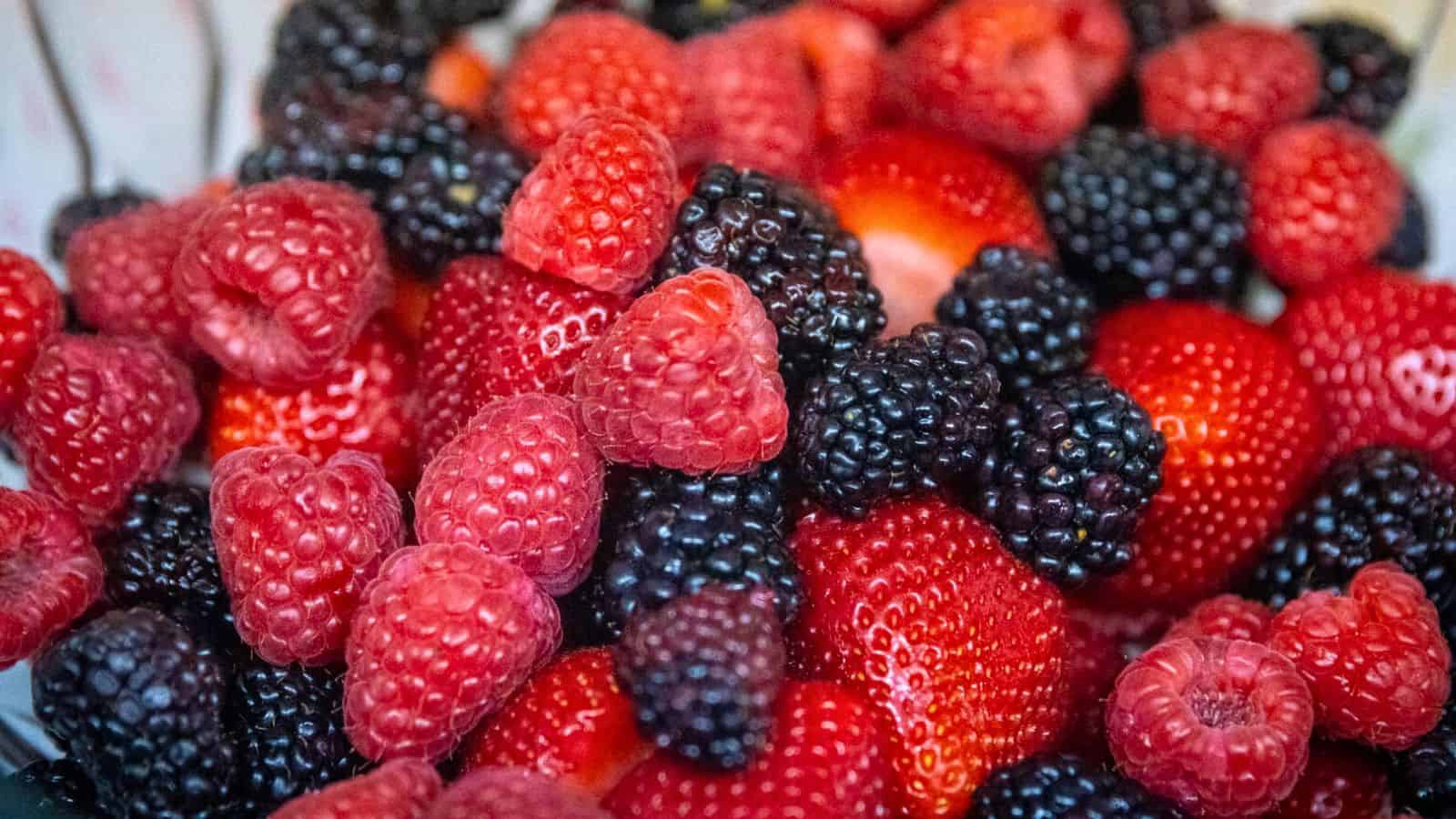
Blueberries, strawberries, and raspberries are packed with antioxidants, particularly flavonoids, that help reduce inflammation and protect against cellular damage. These compounds can help alleviate back pain by minimizing oxidative stress, which contributes to inflammation and discomfort in the muscles and joints. Berries also contain high levels of vitamin C, which is essential for collagen production, supporting healthy joints and connective tissues. Incorporating berries into your diet, whether fresh, frozen, or in smoothies, make them a tasty way to boost your antioxidant intake, reduce pain, and enhance your body's natural healing processes.
Whole Grains
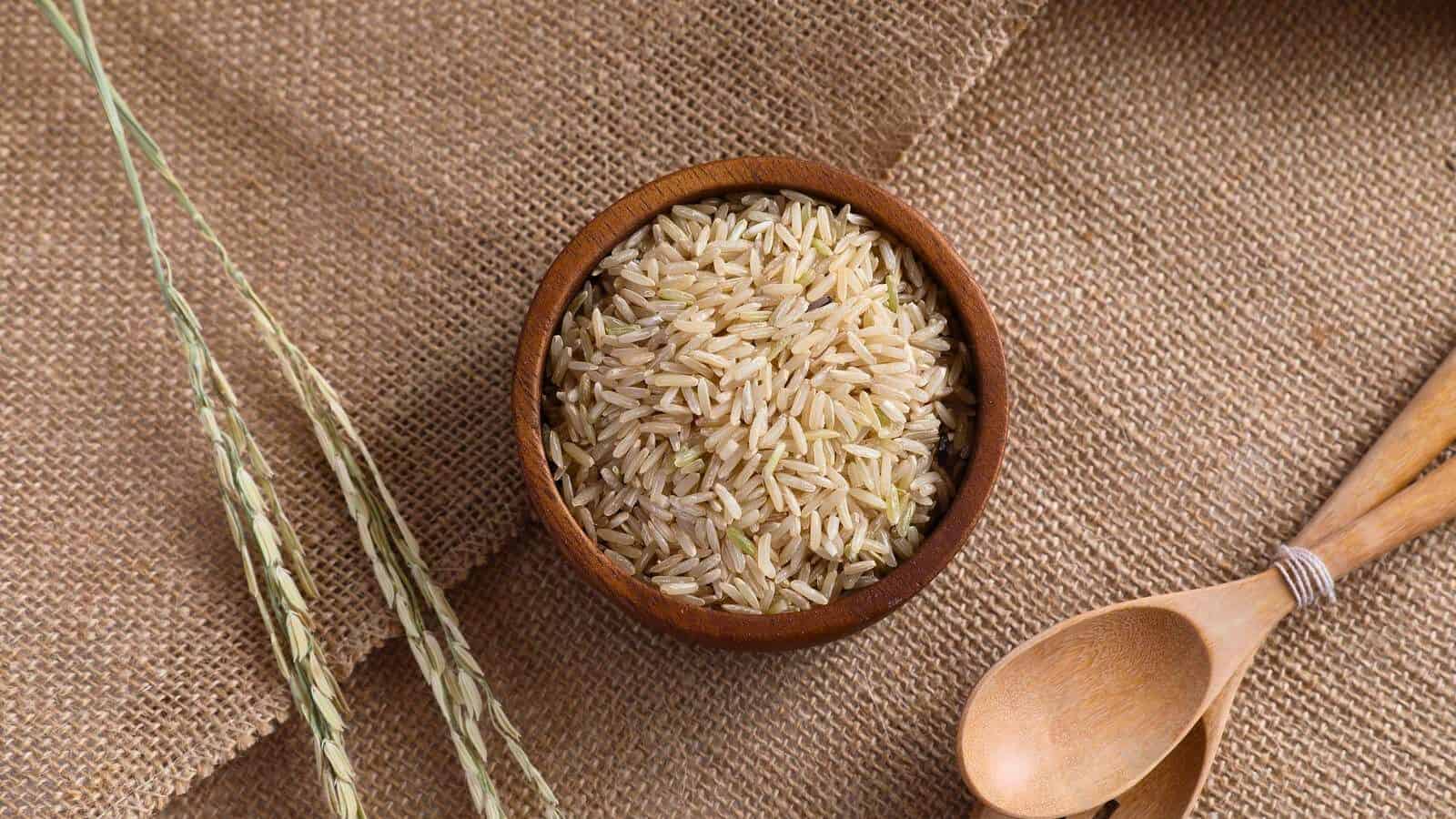
Foods like oatmeal, brown rice, and whole wheat are high in fiber, which can help reduce inflammation throughout the body. Whole grains help regulate blood sugar levels, which in turn reduces the risk of inflammation that can exacerbate pain conditions, including back pain. They also contain B vitamins, which play a key role in maintaining healthy nerve function, muscle repair, and reducing stress on the spinal column. Regular consumption of whole grains supports digestive health, reduces bloating, and minimizes pressure on the spine, contributing to a more comfortable and pain-free experience.
Feed Your Back Some Love

Taking control of back pain doesn't have to be complicated. By focusing on what you eat, you can help manage inflammation, support muscle health, and keep your spine feeling its best. Simply start by incorporating some smart choices into your meals, and you'll be setting yourself up for less pain and more movement.
Remember, the foods you choose can have a direct impact on how your body handles discomfort. By keeping your plate stocked with ingredients that promote recovery and reduce inflammation, you're giving your back the support it needs. These aren't miracle cures, but they're practical steps that can make a real difference in your daily life.
So, the next time you're thinking about how to tackle that nagging pain, look at what's on your plate. Simple dietary changes can be a great addition to your pain management toolkit, helping you feel better and stay active without always reaching for a quick fix.